Fallingwater
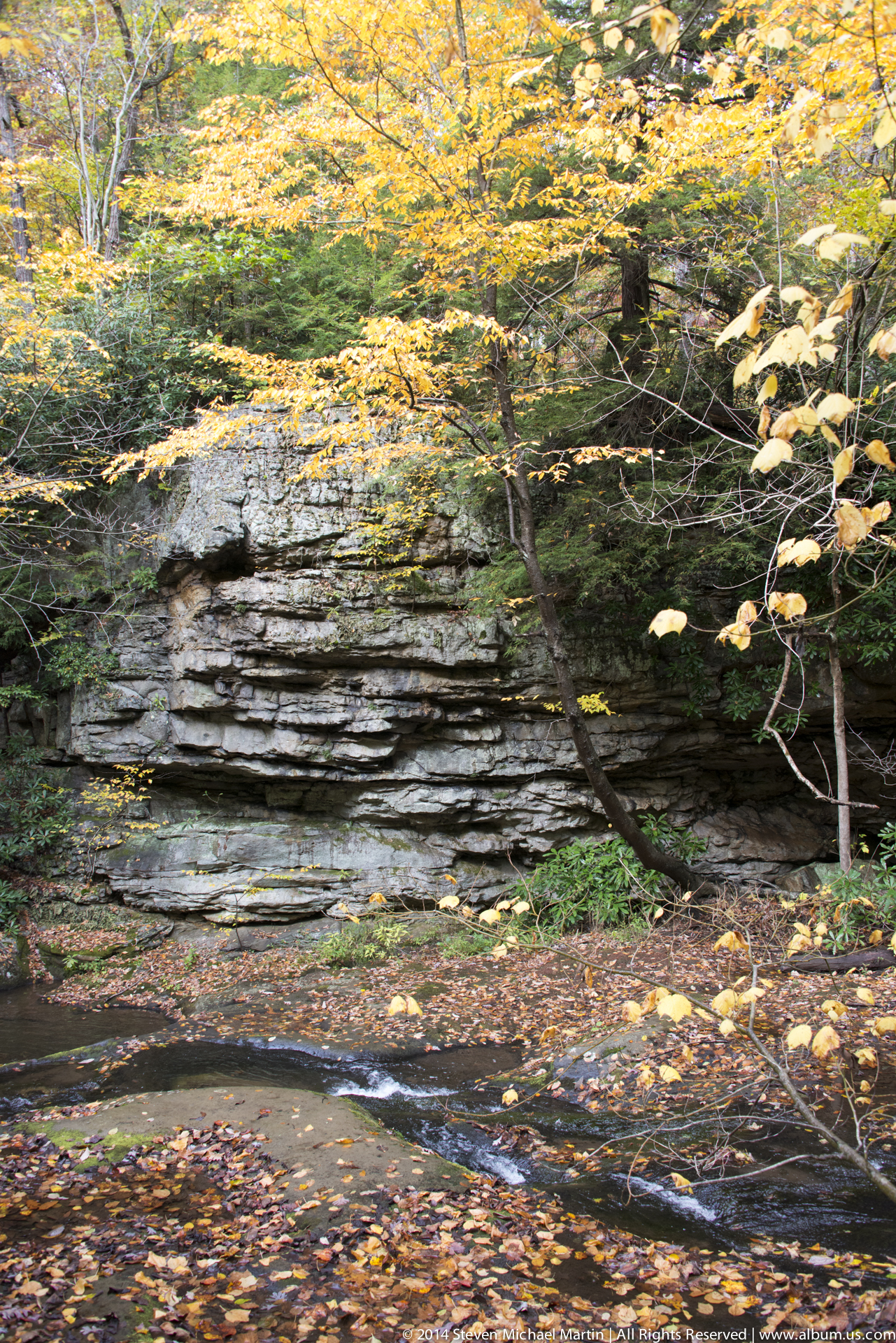
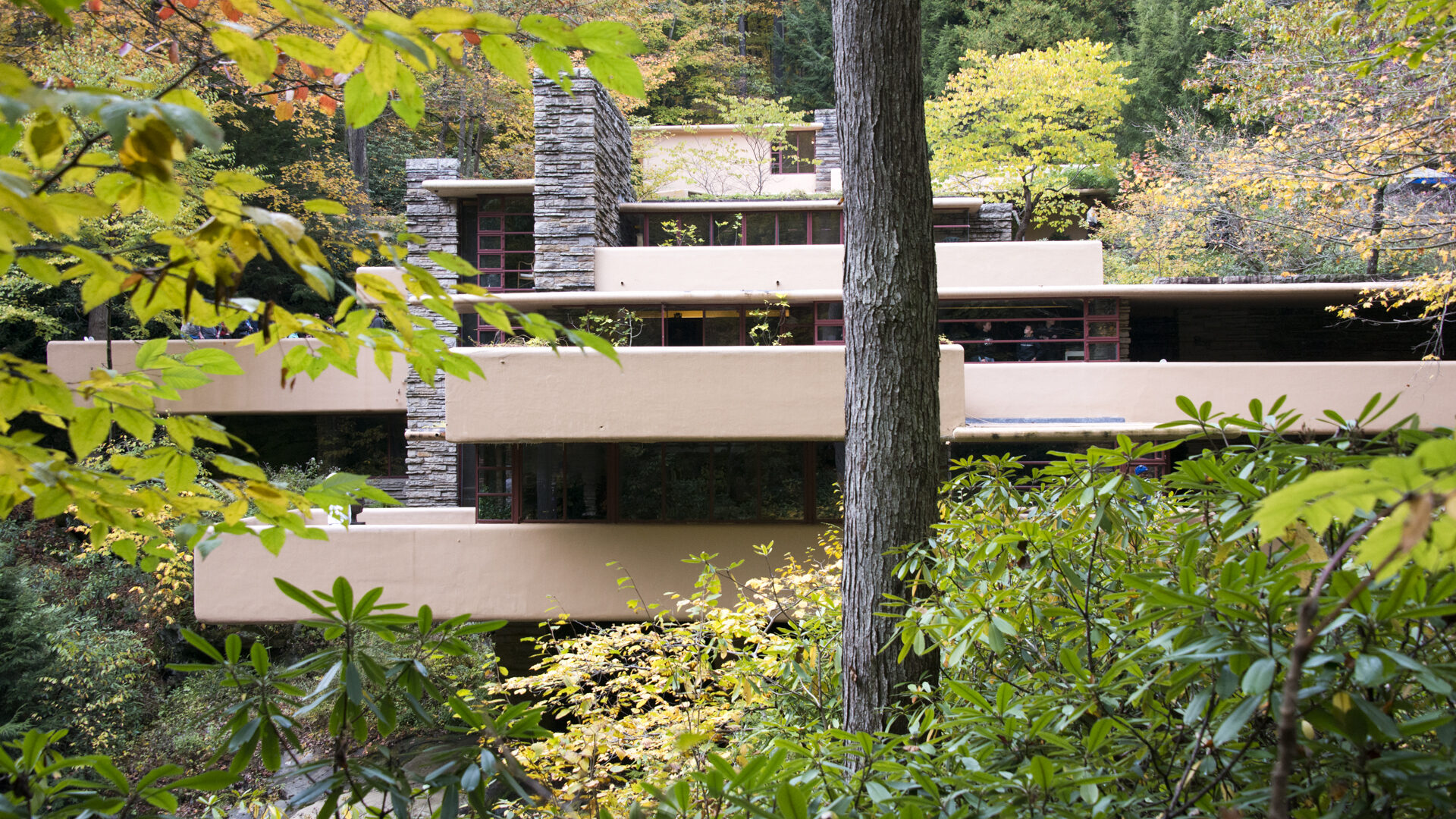
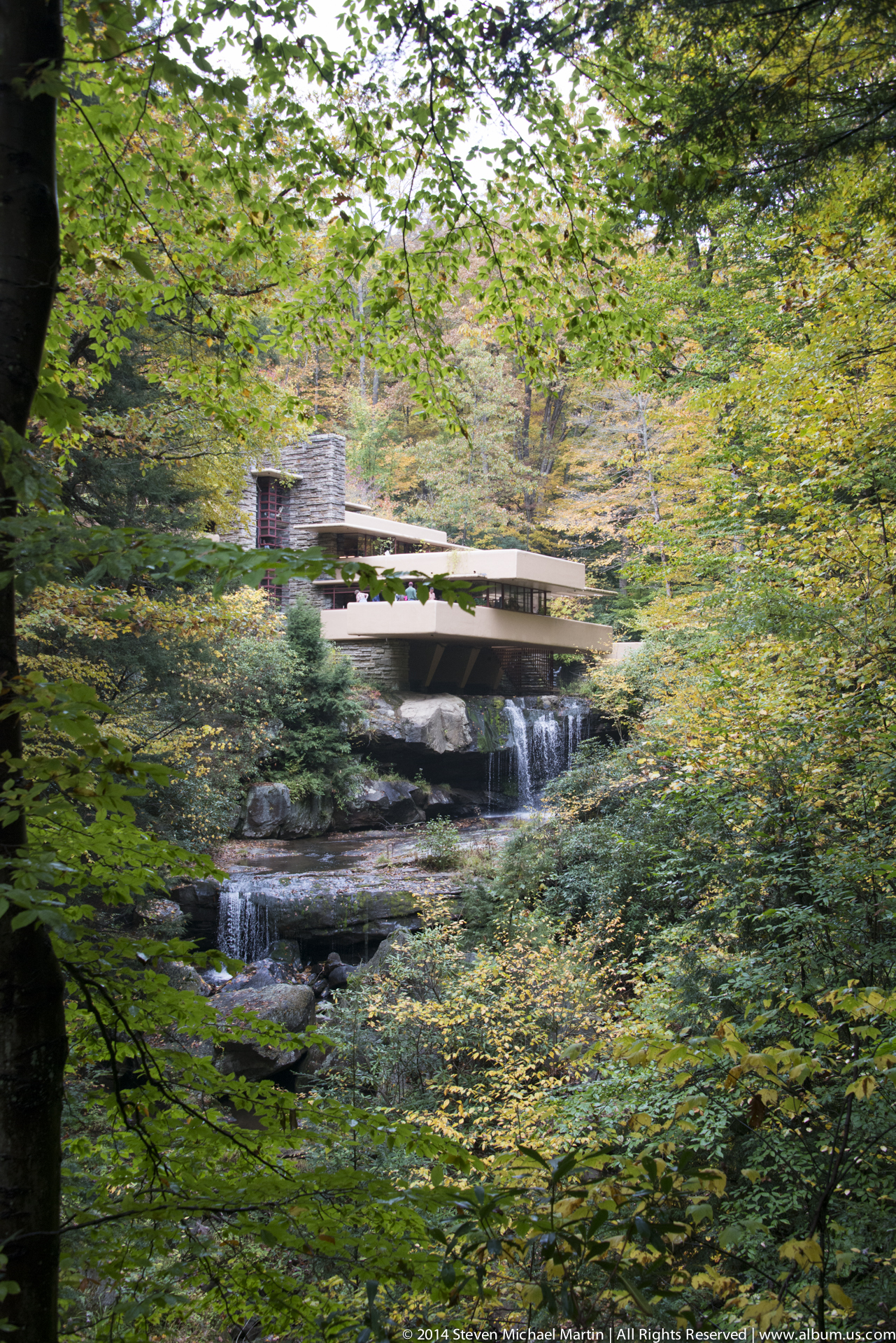
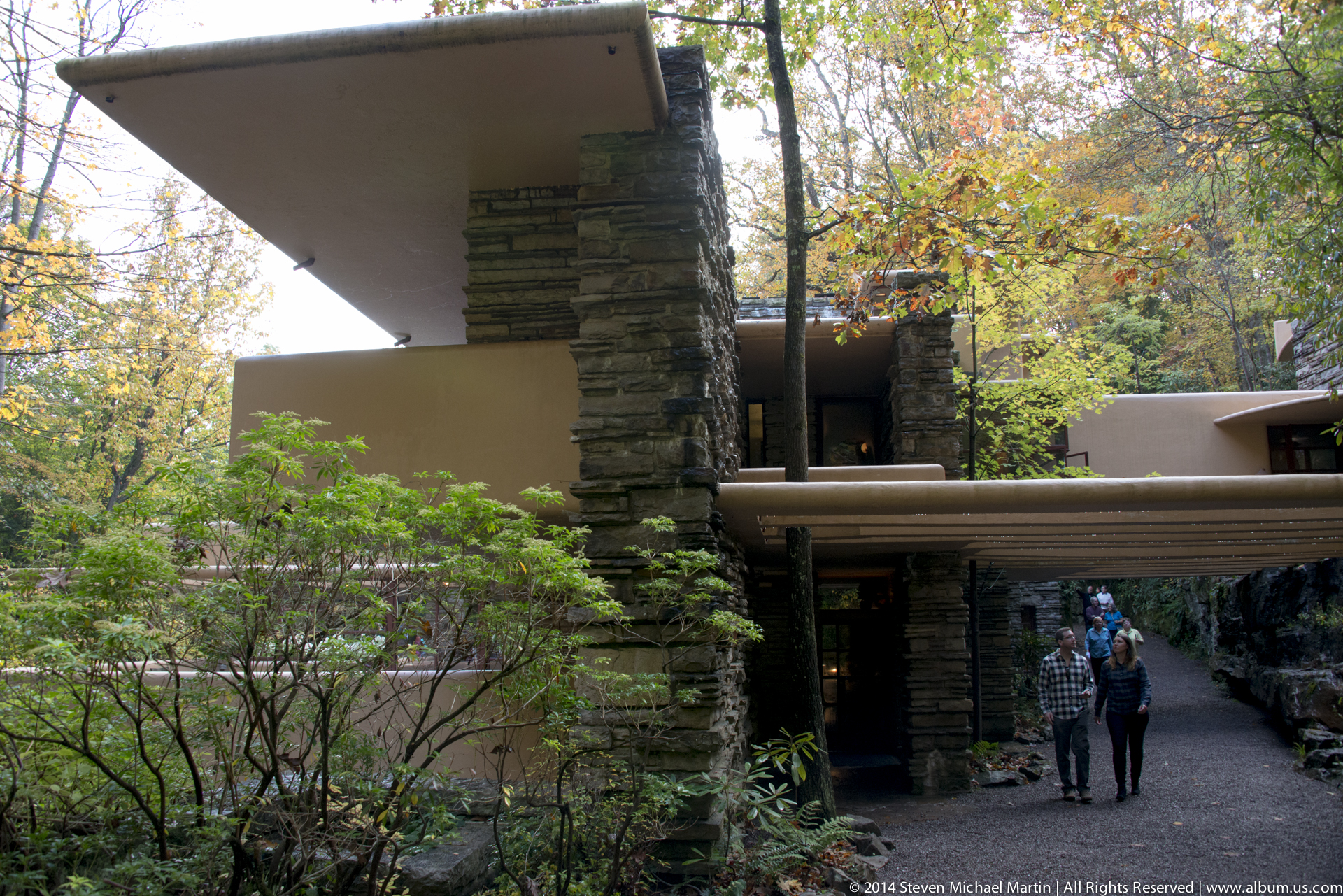
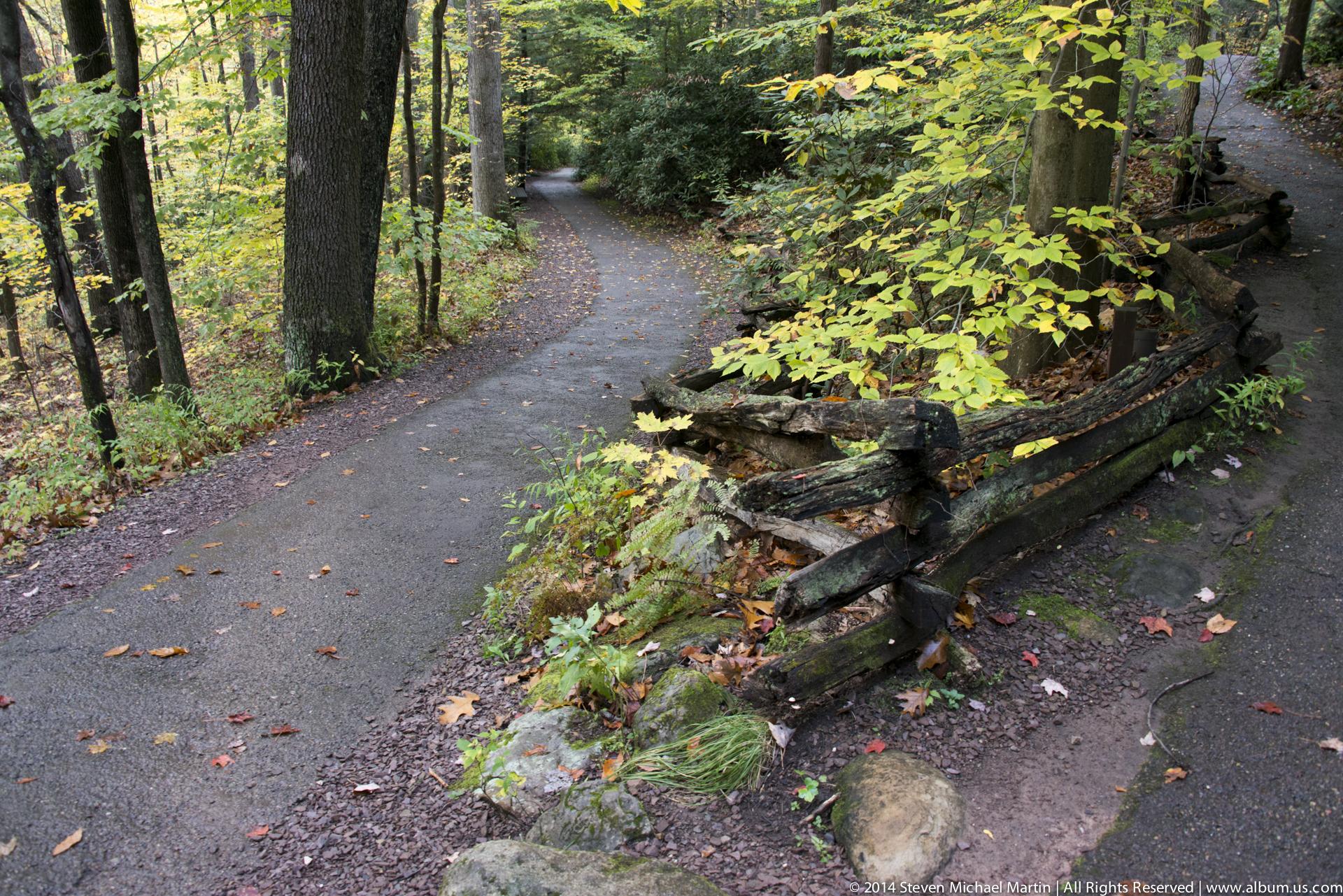
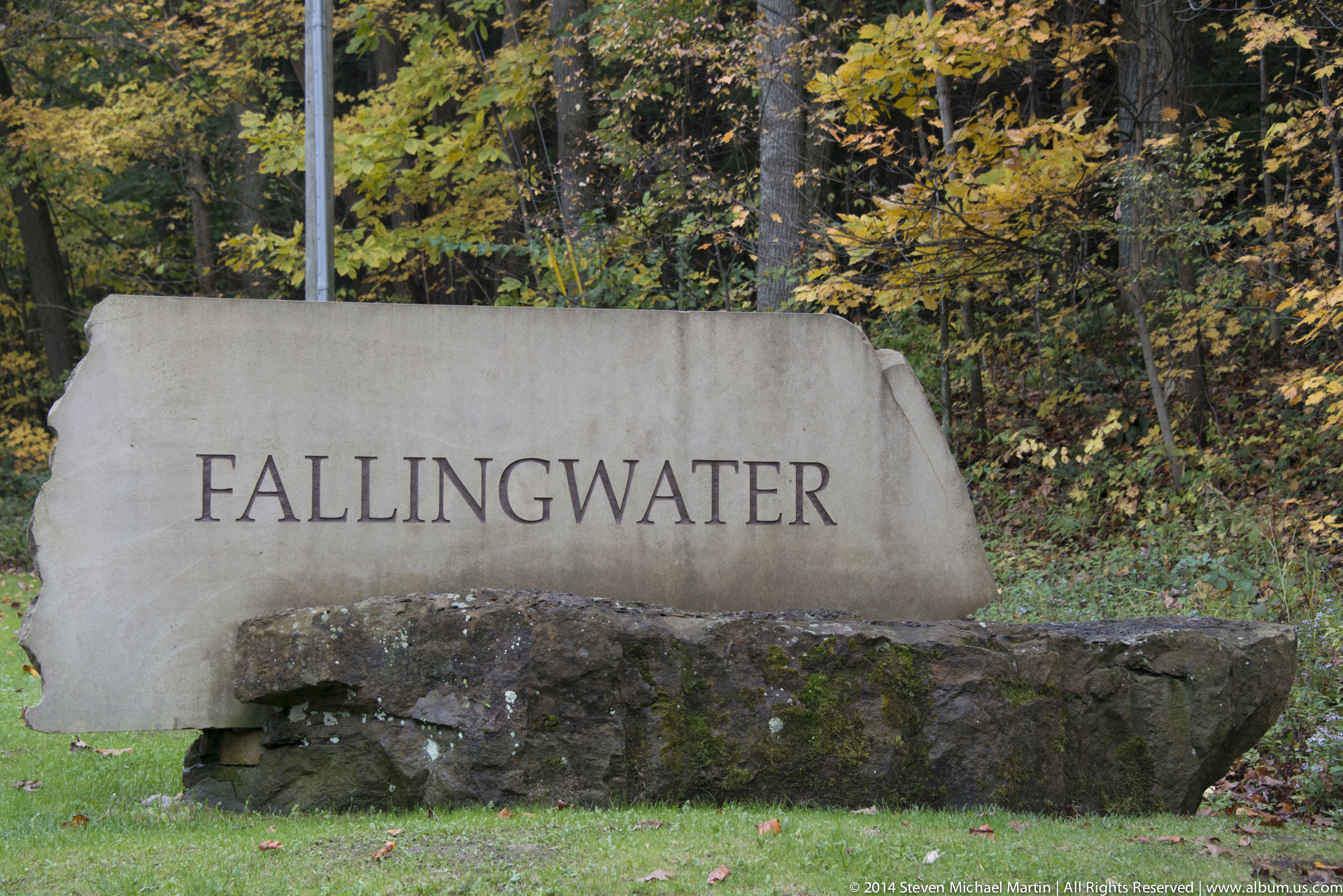
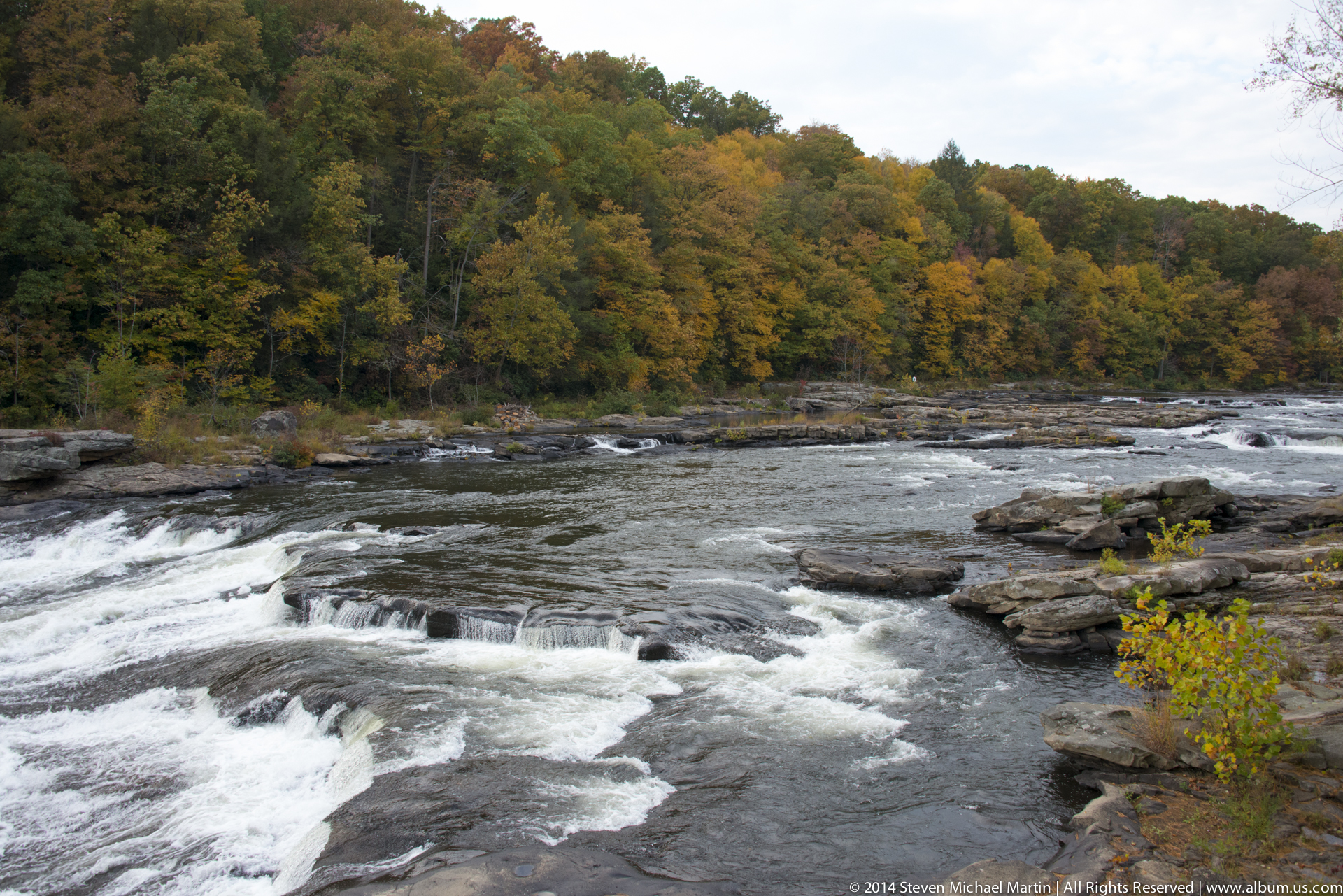
Fallingwater, designed in 1935 by architect Frank Lloyd Wright, represents one of the most influential works of modern architecture in the United States. Constructed as a weekend residence for the Kaufmann family in the forested landscape of southwestern Pennsylvania, the house was conceived according to Wright’s principle of “organic architecture,” in which structure and environment are integrated into a unified composition. The building is positioned directly above a waterfall along Bear Run, using cantilevered terraces and locally quarried stone to create a close visual relationship between architecture and the surrounding woodland setting.
The design reflects early twentieth-century experimentation with reinforced concrete and open spatial planning, allowing interior spaces to extend visually outward into the natural environment. Wright intended the structure not simply to overlook the waterfall but to incorporate the sound and motion of water into the daily experience of the house. Completed in 1939, the residence became widely recognized as a defining example of modernist architecture and was later designated a National Historic Landmark and UNESCO World Heritage Site as part of a group of significant Wright buildings.
Fallingwater contributes to understanding how architectural design can respond directly to landscape conditions while shaping broader artistic movements. The building demonstrates how twentieth-century architects explored relationships between modern materials and natural forms, influencing generations of designers interested in integrating built environments with ecological context. Its preservation illustrates the continuing importance of architectural innovation within the cultural landscape of the United States.