Full Moon
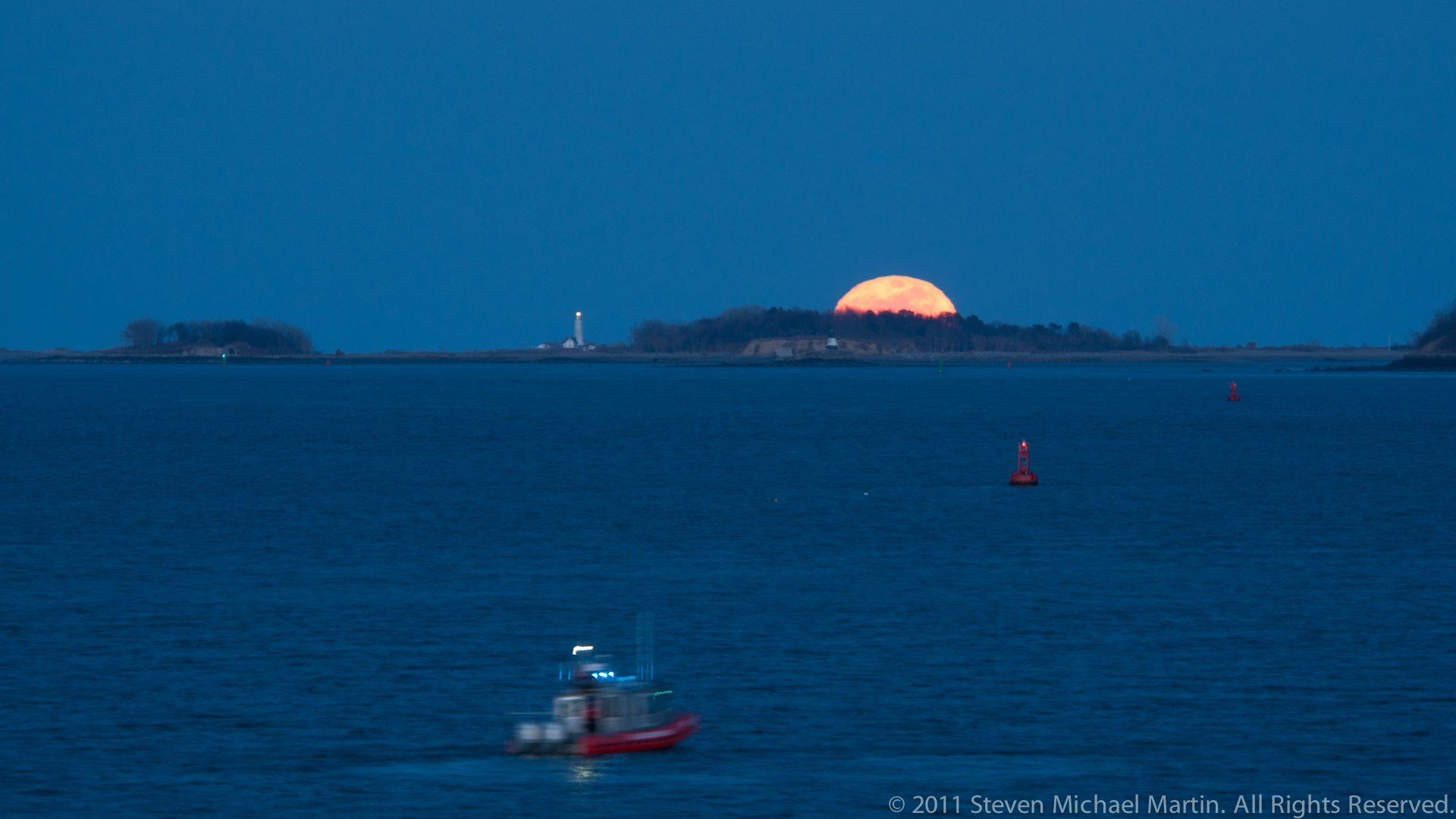
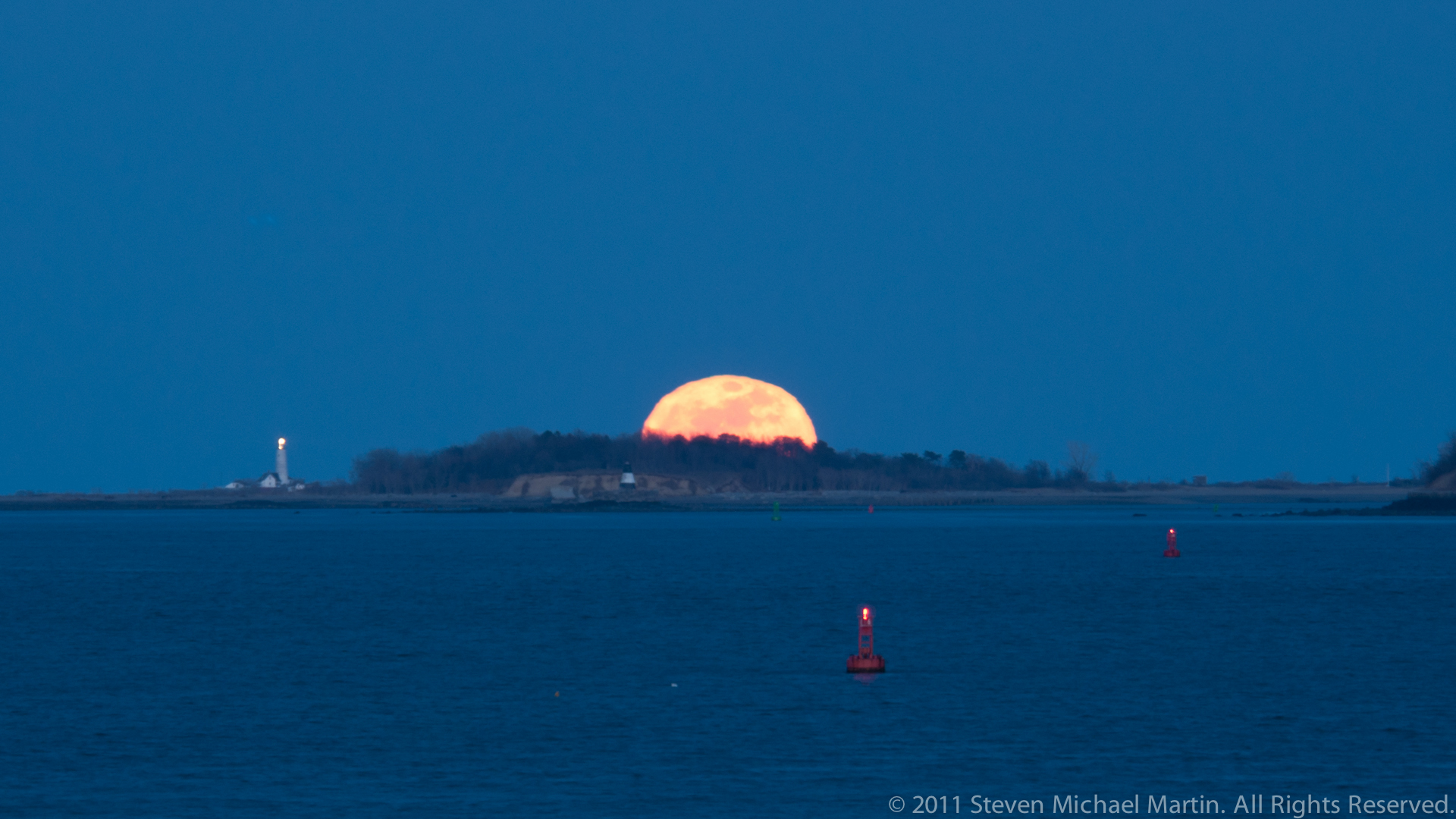
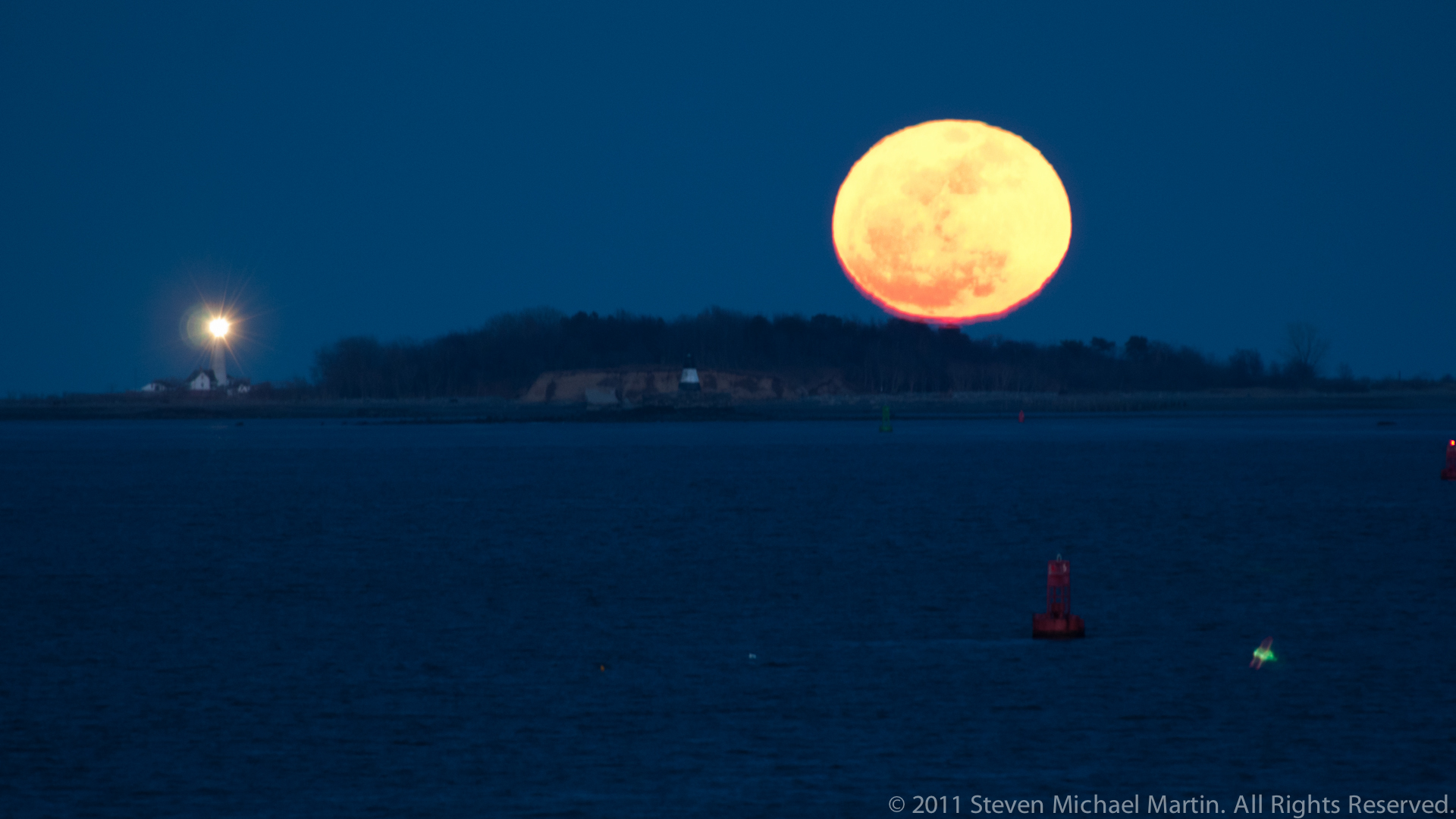
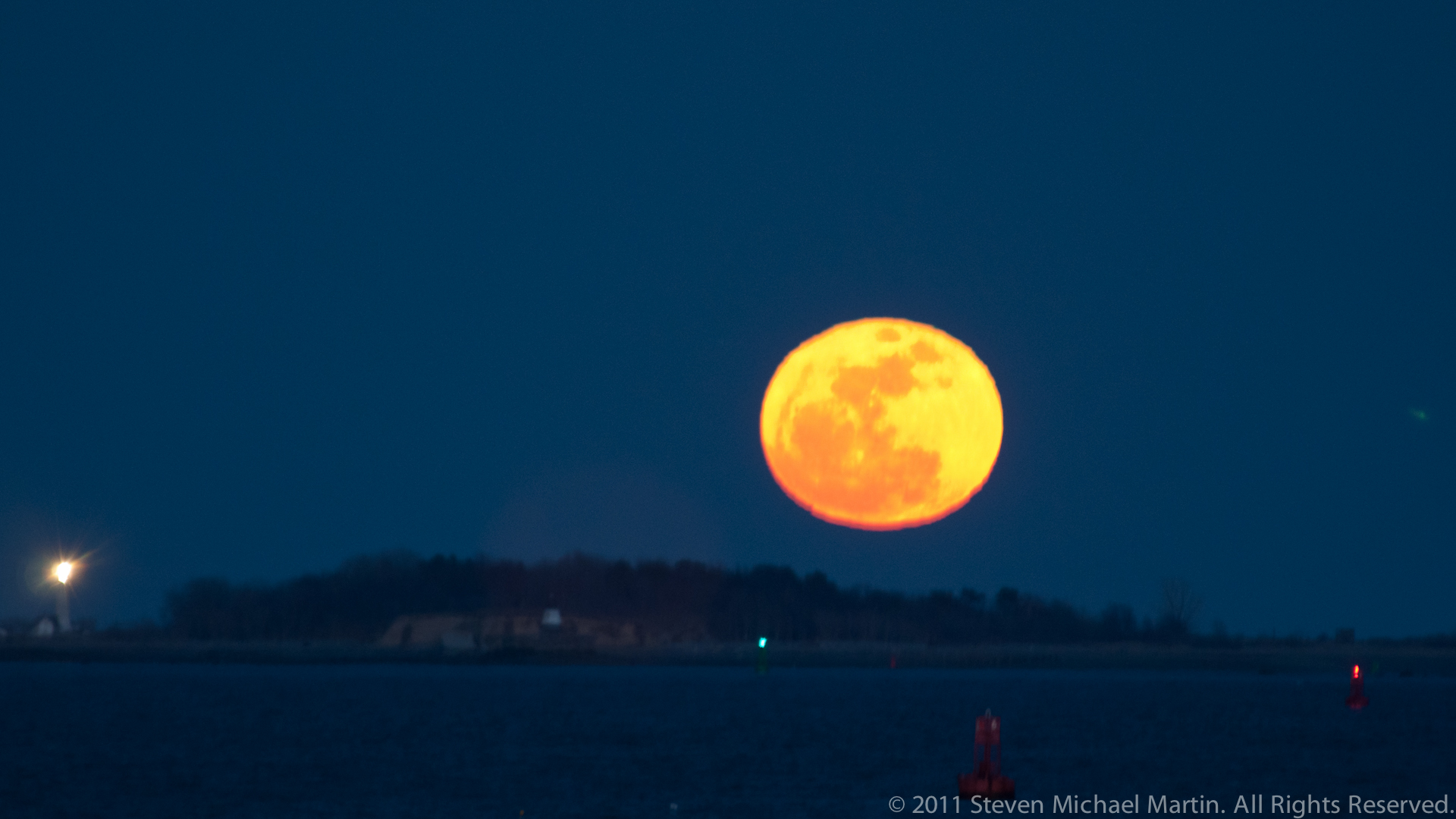
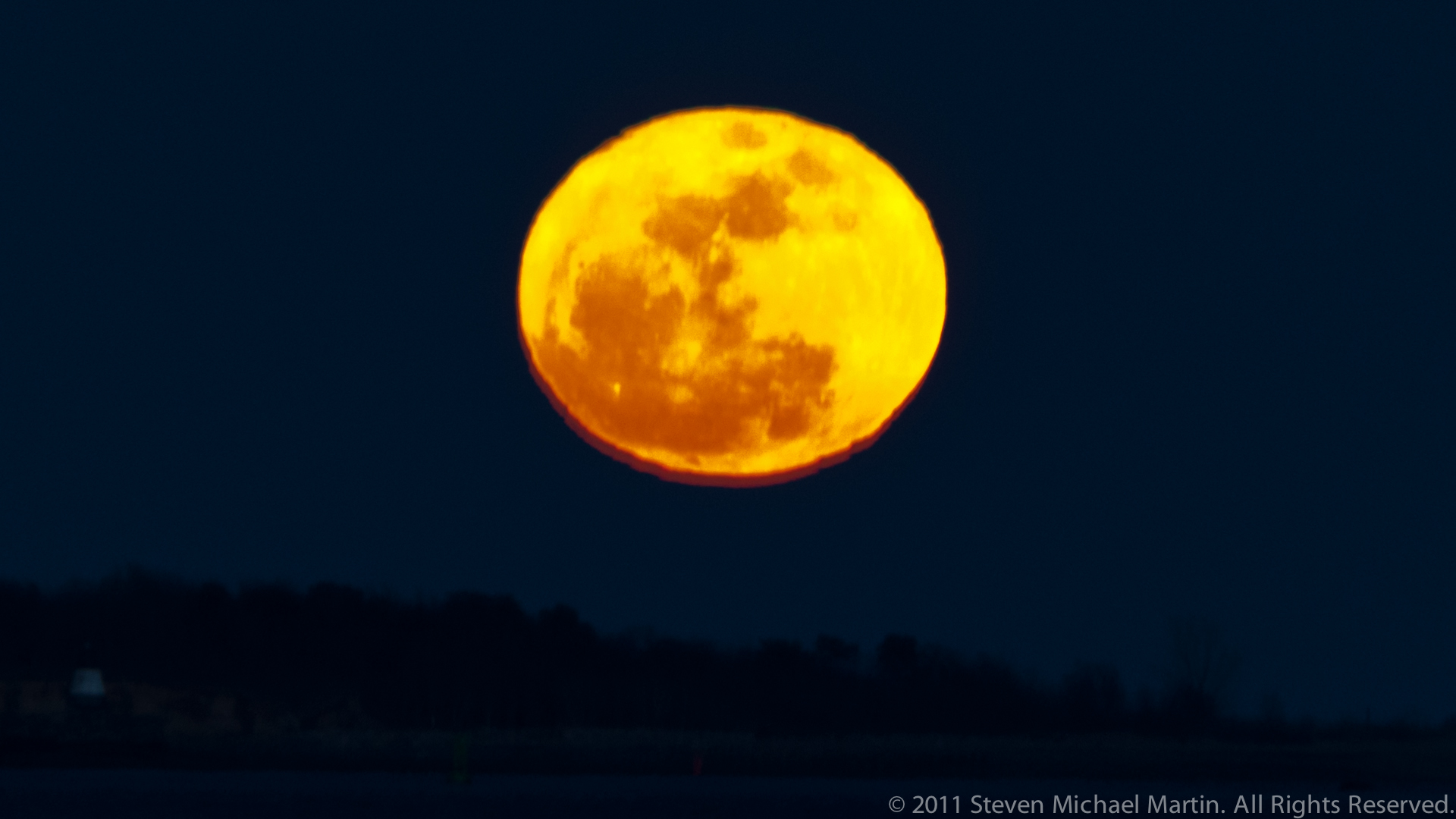
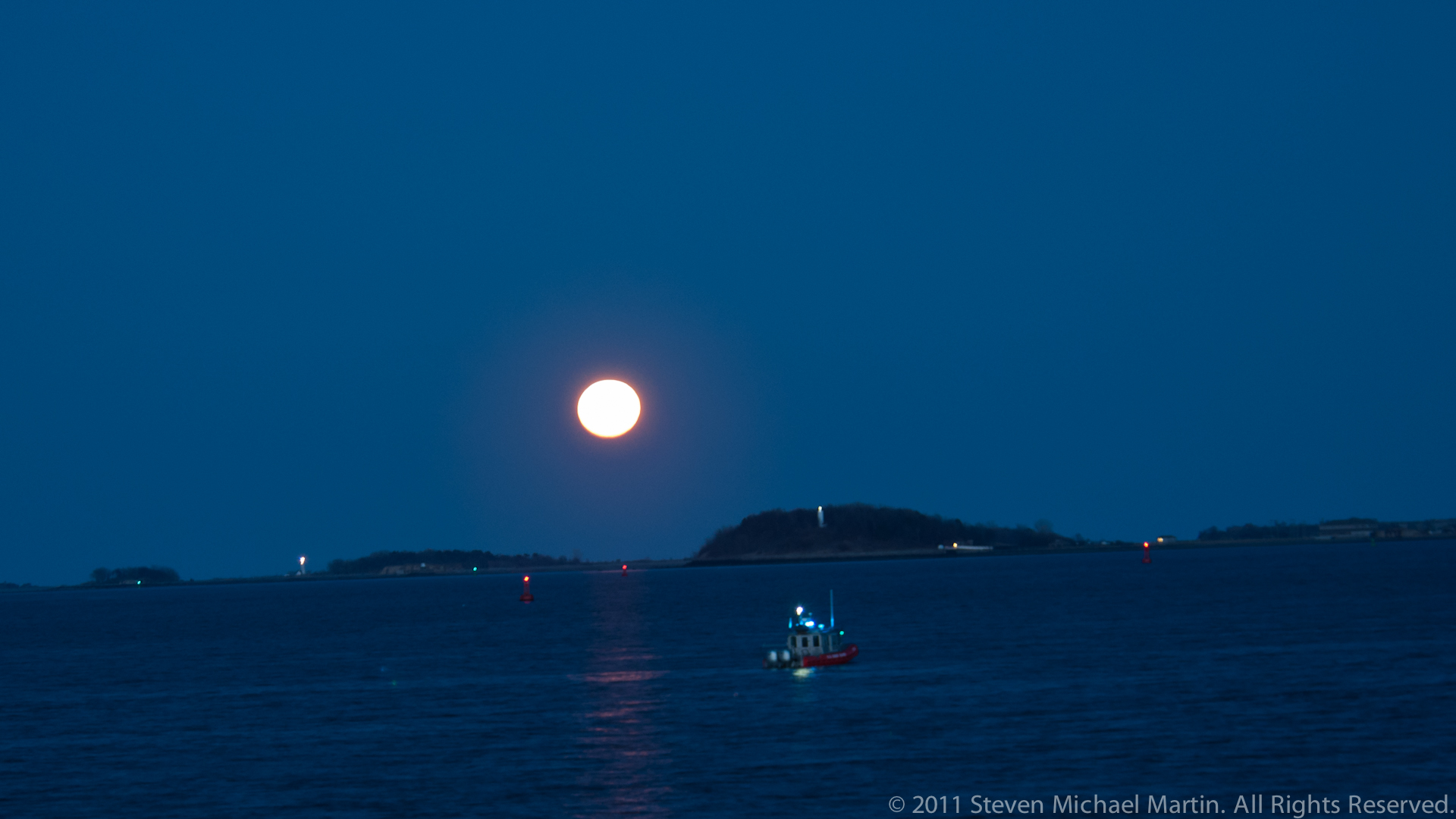
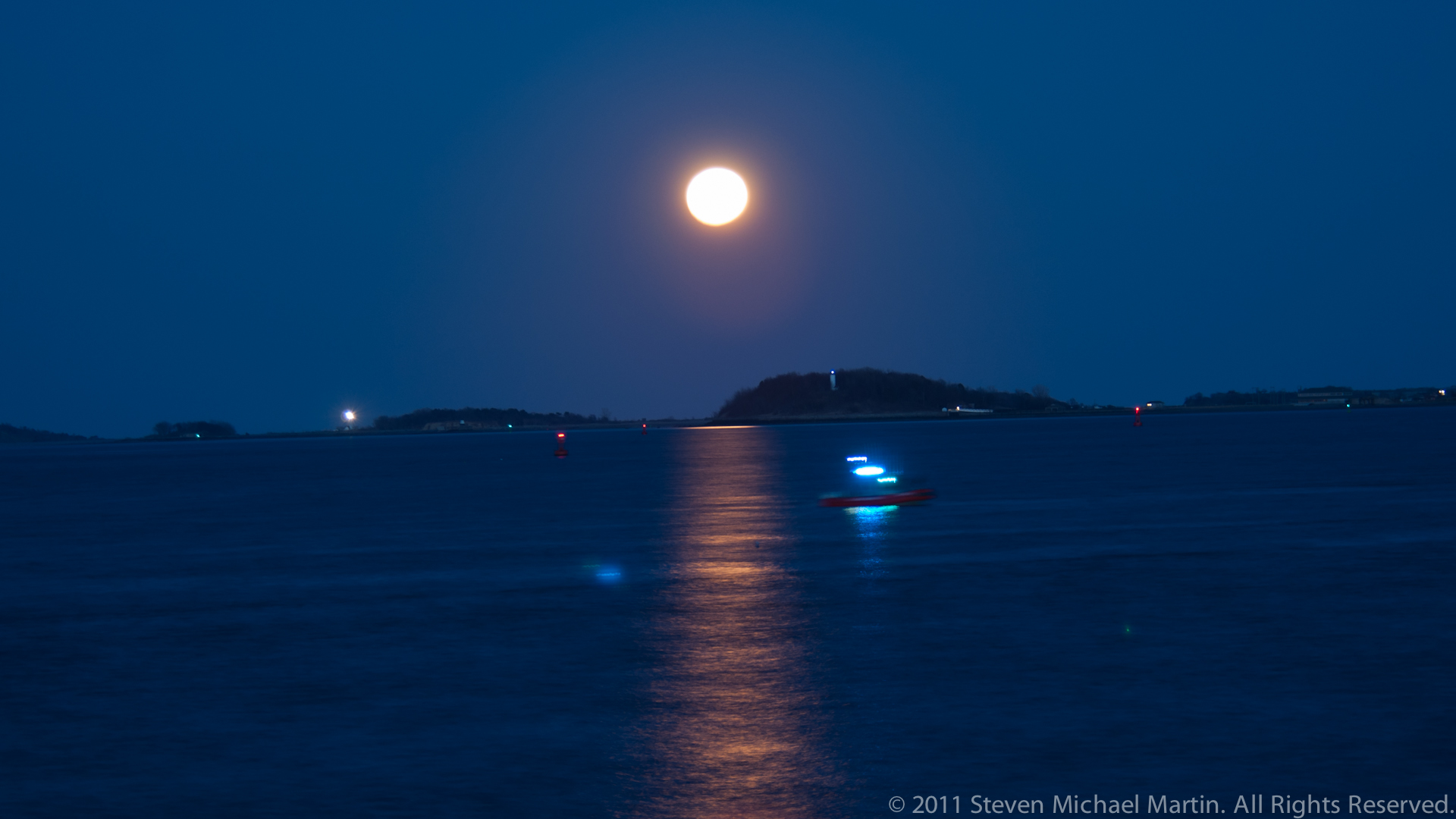
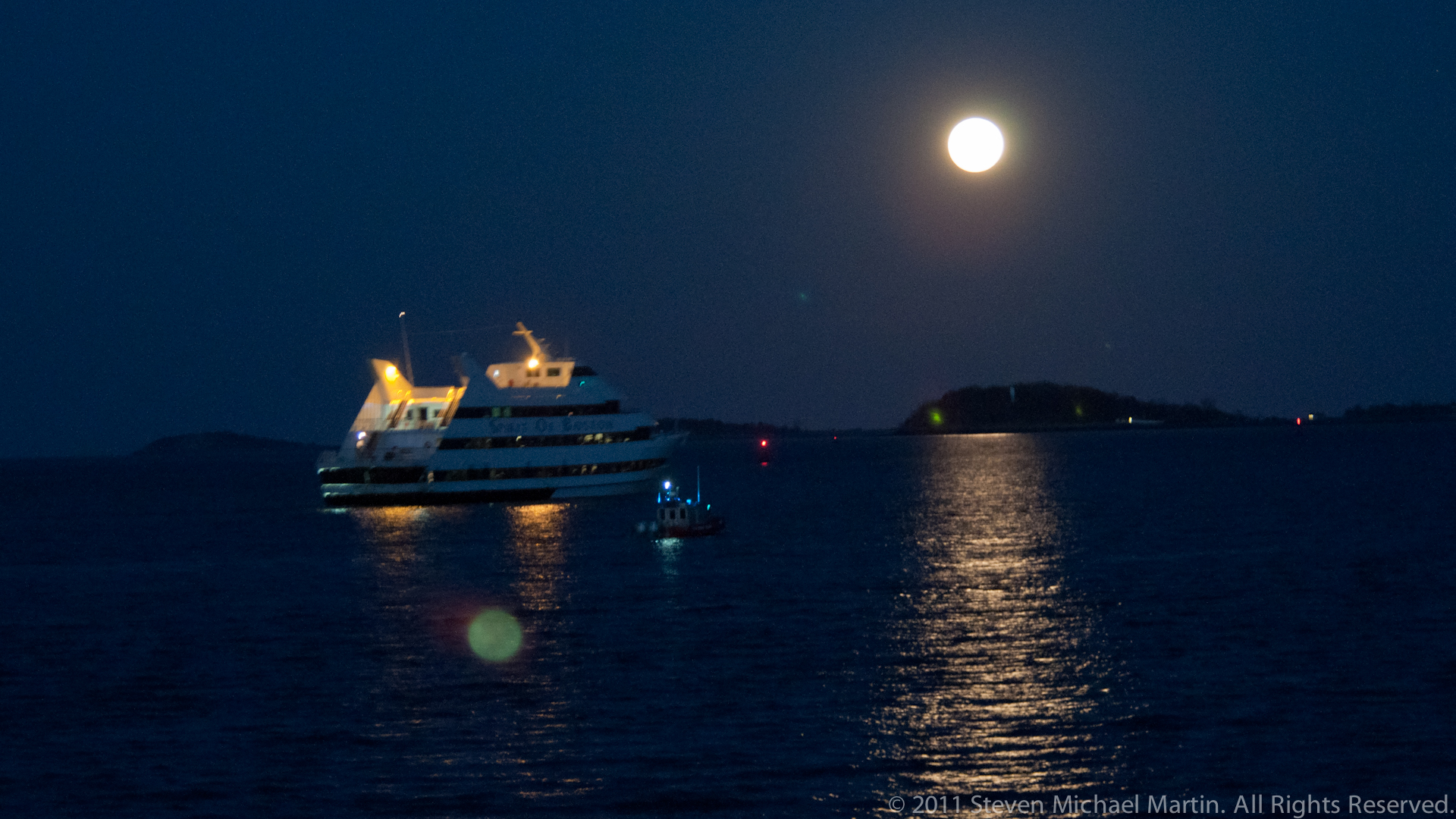
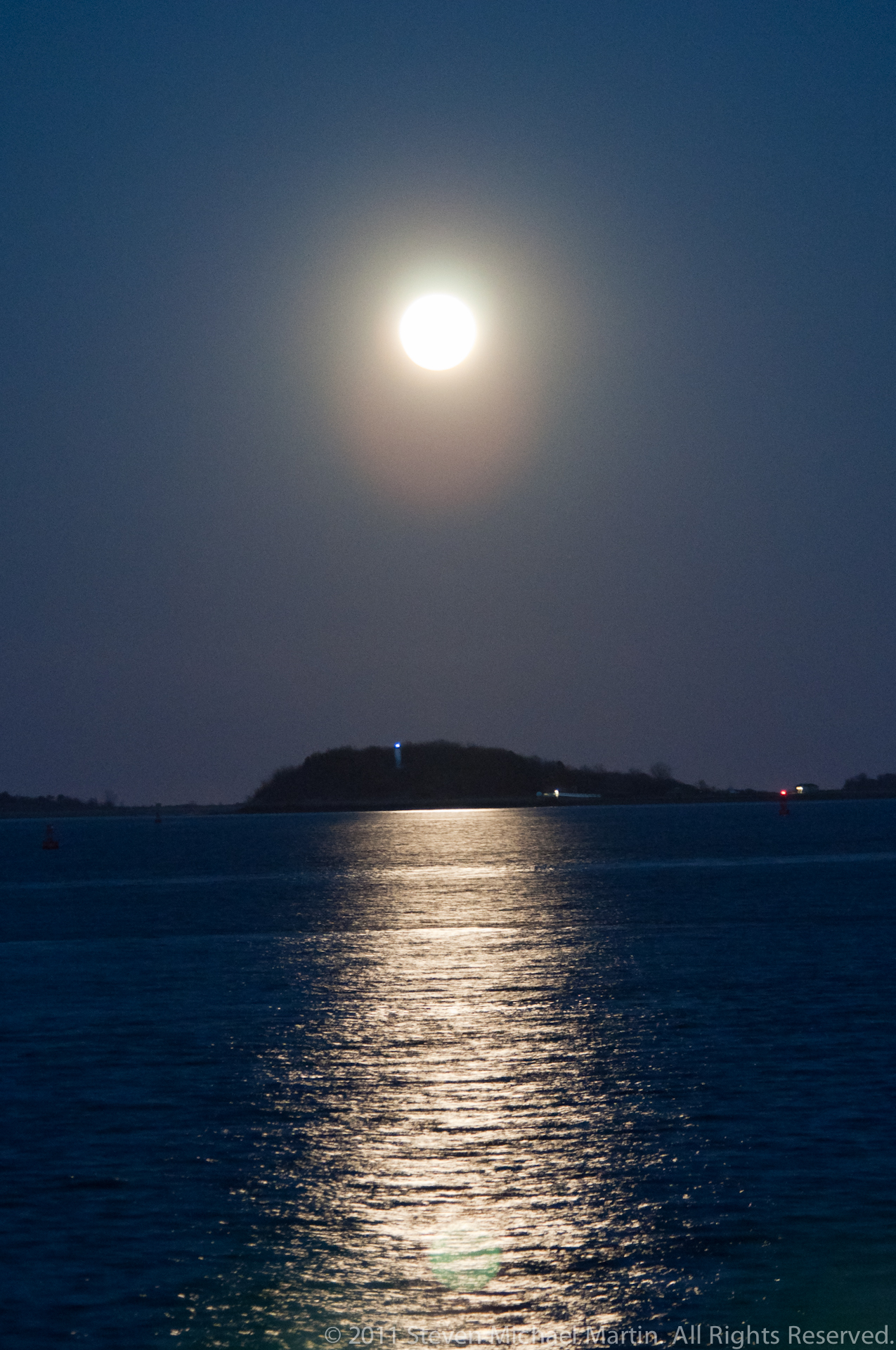
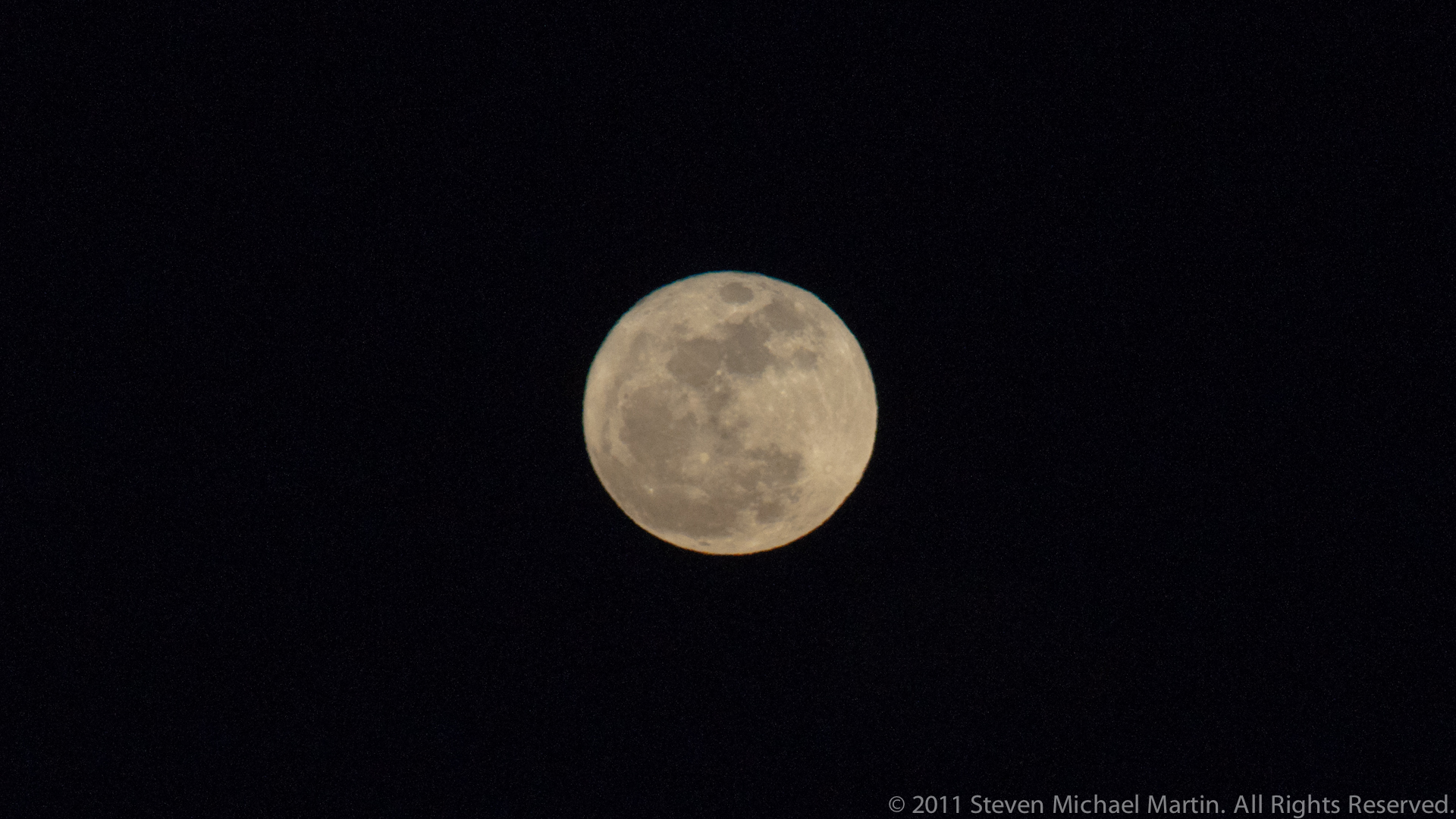
The full moon of March 19, 2011 was a rare perigee full moon, commonly known as a supermoon, when the moon reached full phase at nearly the same time it was closest to Earth in its elliptical orbit. On that date, the moon was about 221,565 miles from Earth, making it the closest full moon in nearly two decades and creating an especially dramatic moonrise for observers. Seen from Boston, where open sky over the harbor and river corridors can frame low horizon views, the event would have appeared particularly striking as the moon rose large and bright against the city landscape.
The impression of unusual size was strengthened by two factors working together. The moon was physically closer than an average full moon, which made it appear somewhat larger and brighter, and it was also observed near the horizon, where the familiar moon illusion can make the rising moon seem even more enormous when compared with buildings, trees, or distant skyline features. Atmospheric conditions near moonrise often add warm color and a sense of scale that make such events especially memorable in urban coastal settings.
This March 2011 supermoon contributes to understanding how astronomical cycles can intersect with local landscape and human perception to produce exceptional visual experiences. While the moon’s orbital mechanics determined the rarity of the event, the setting of a city like Boston helped transform it into a memorable public spectacle. The combination of seasonal atmosphere, horizon perspective, and an unusually close full moon illustrates the continuing relationship between celestial events and the built environment.