Guadalupe Mountains National Park
Guadalupe Mountains National Park preserves uplifted limestone formations that originated as part of an ancient marine reef system. Tectonic forces elevated the reef deposits, exposing fossil-bearing rock layers that provide evidence of marine environments existing millions of years ago.
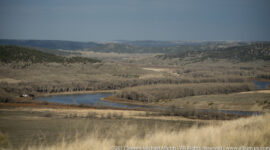
Erosion shaped the exposed rock into mountain landscapes that contrast with surrounding desert basins. The park illustrates how geological uplift influences terrain formation and elevation differences within the Basin and Range region.
Today, Guadalupe Mountains demonstrates how tectonic activity and erosion interact to shape mountain landscapes. Fossil evidence preserved within limestone illustrates the region’s marine geological history.


National Park Field Guide
Guadalupe Mountains National Park preserves uplifted limestone reef deposits formed in ancient marine environments. Tectonic forces raised the reef system, exposing fossil-bearing rock layers that illustrate geological change across long time periods.
⛰ Key Features
- Ancient marine reef preserved in limestone
- Tectonic uplift forming mountain landscapes
- Fossil evidence of marine environments
- Basin and Range geological structure
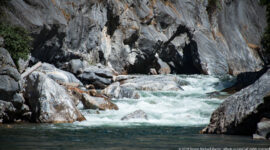
- Erosion shaping exposed reef formations
🌄 Geological Context
Marine organisms contributed to formation of reef limestone deposits. Uplift exposed rock layers that now form mountain terrain across the region.
📷 Photography Notes
- Wide views show elevation changes
- Side lighting enhances mountain texture
- Foreground desert vegetation adds scale
- Look for layered rock patterns in slopes