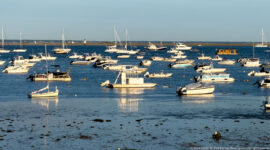
High Tide, Sunset, and Stars
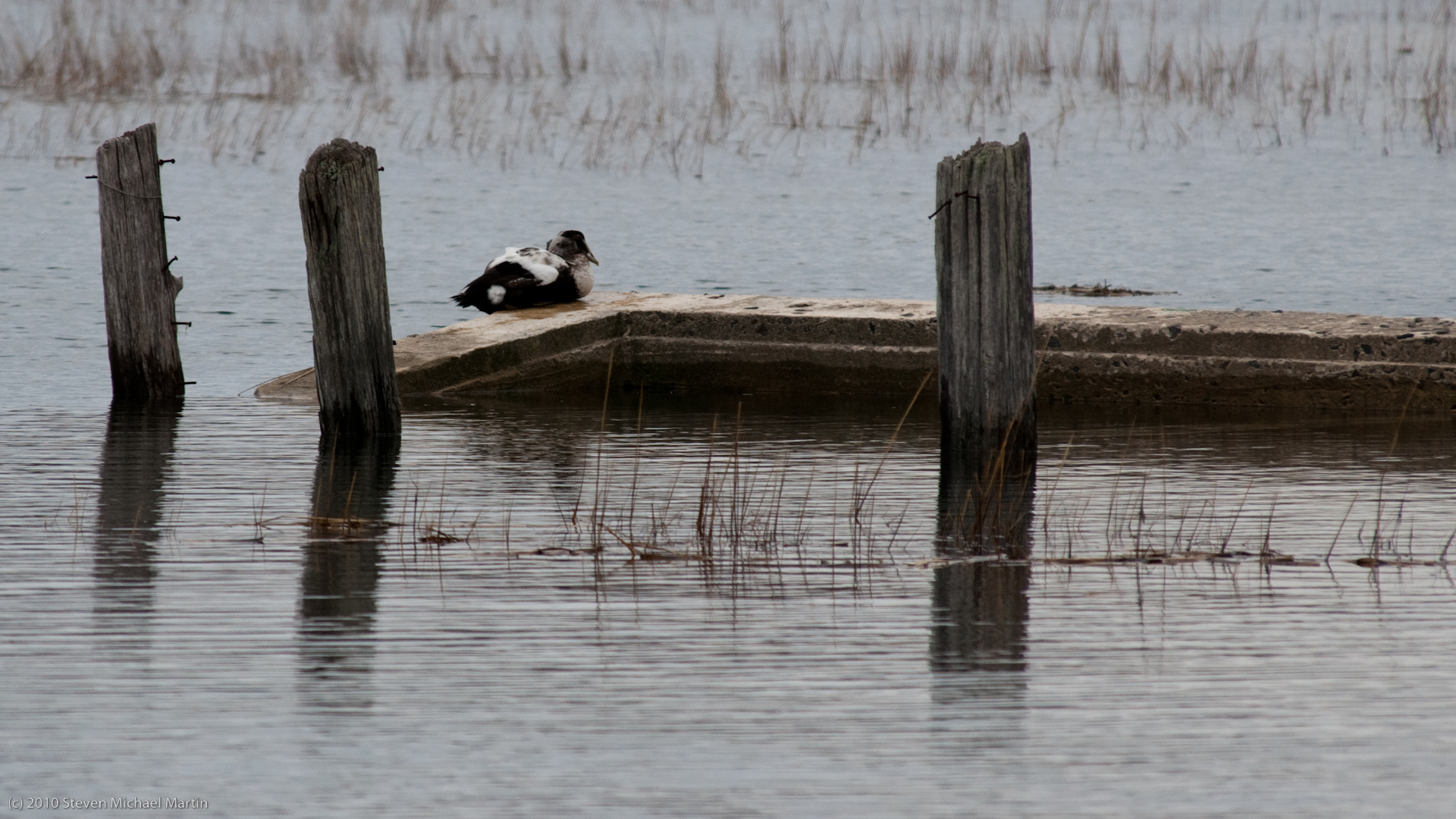
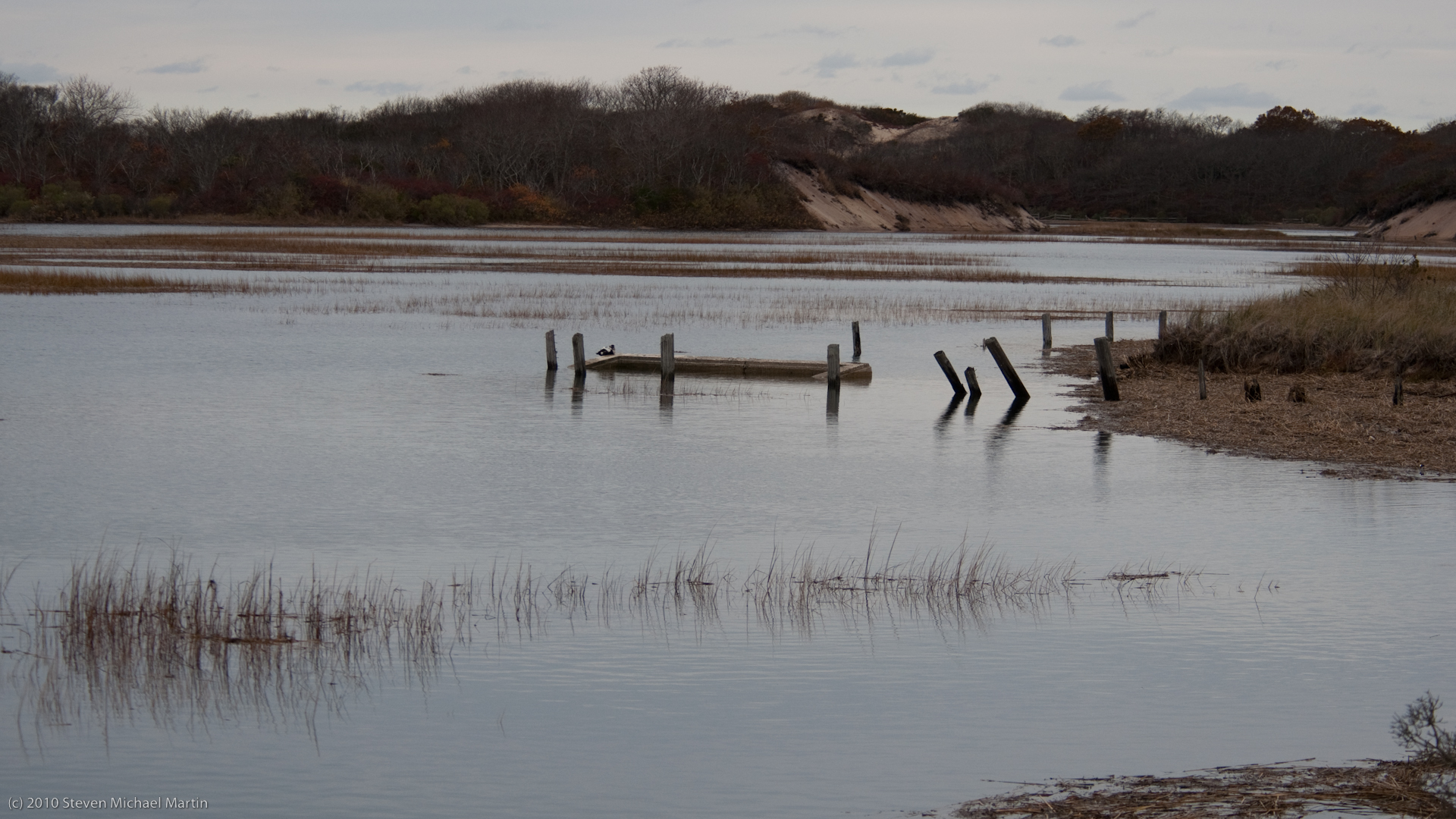
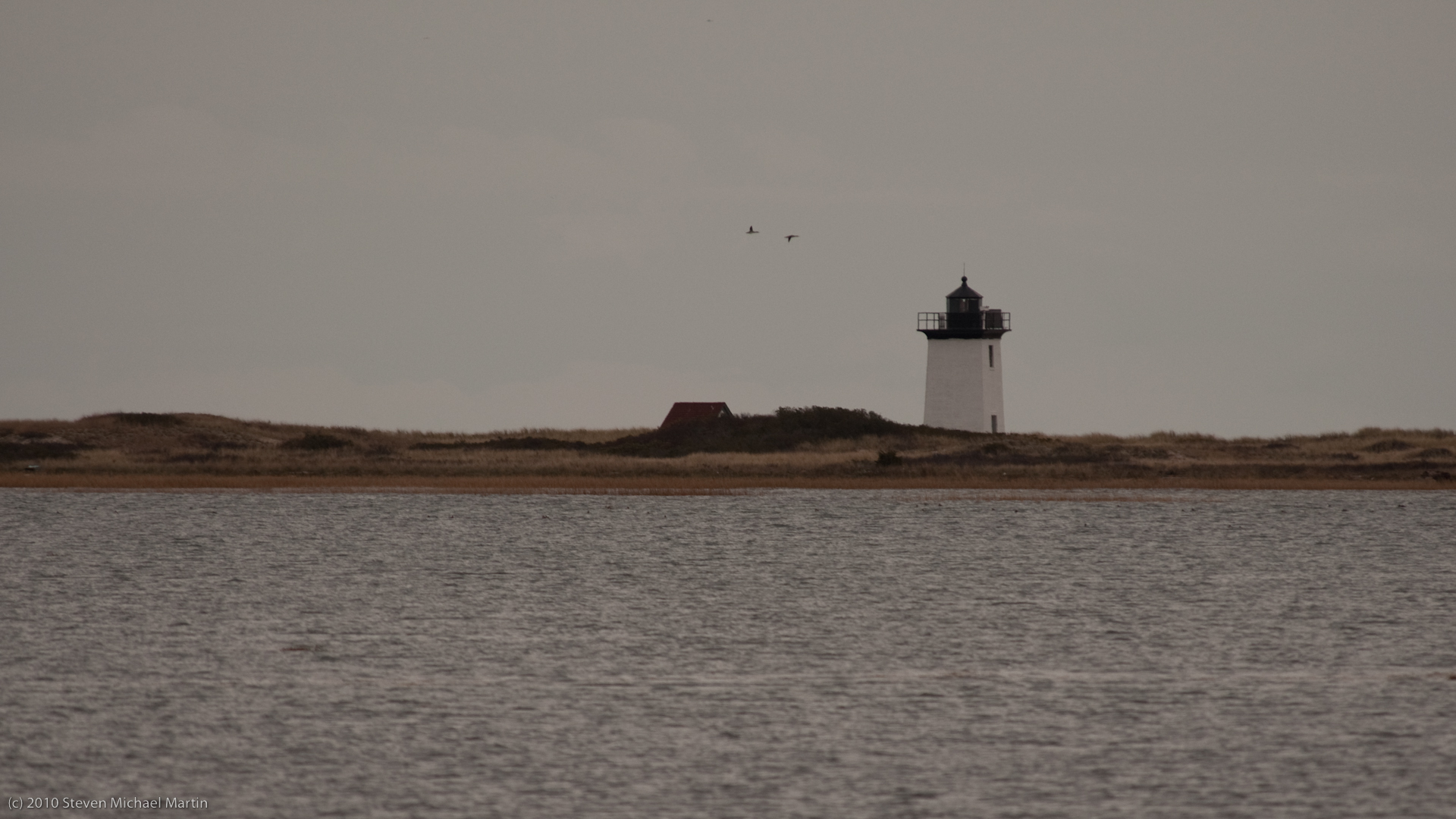
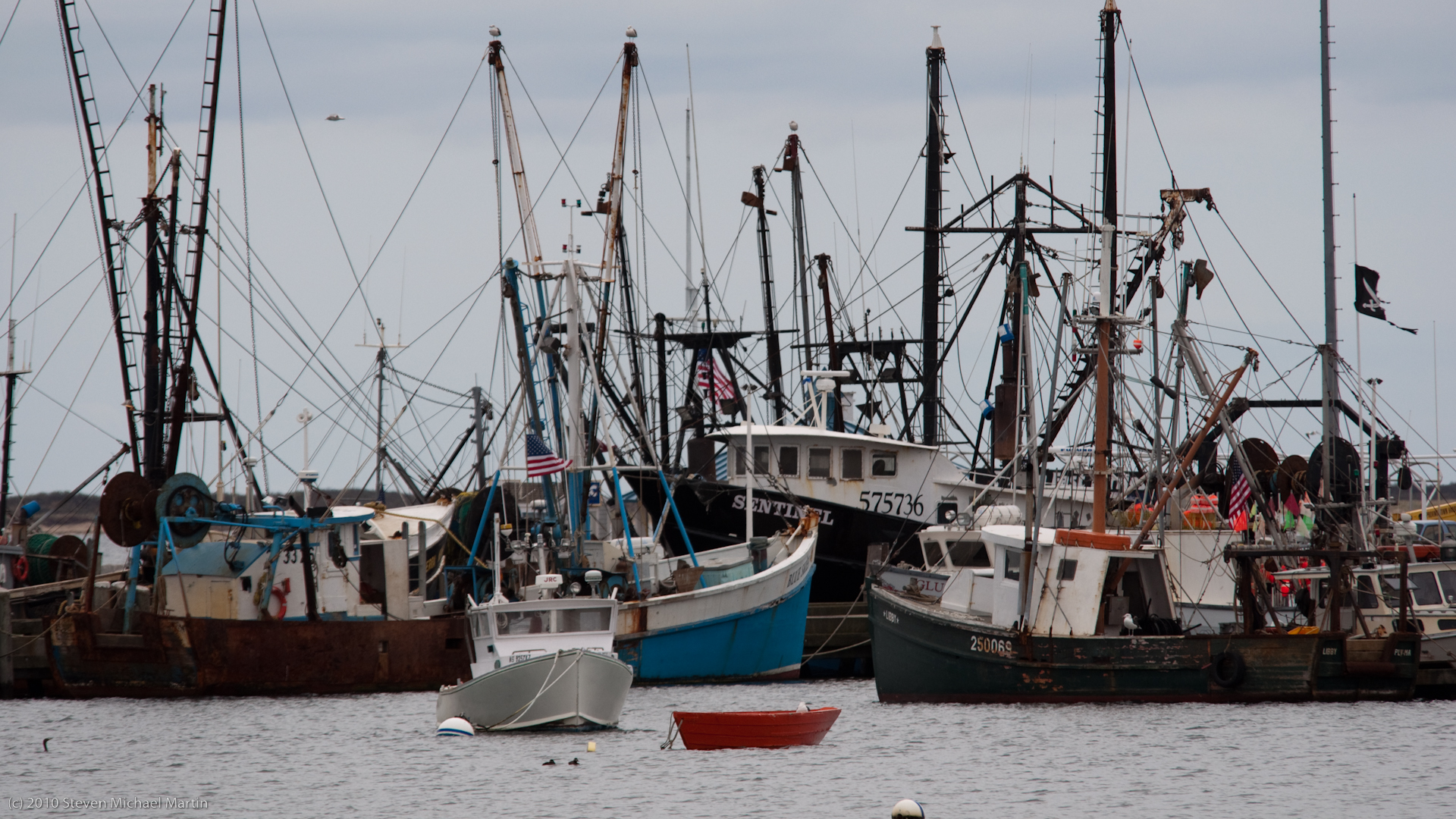
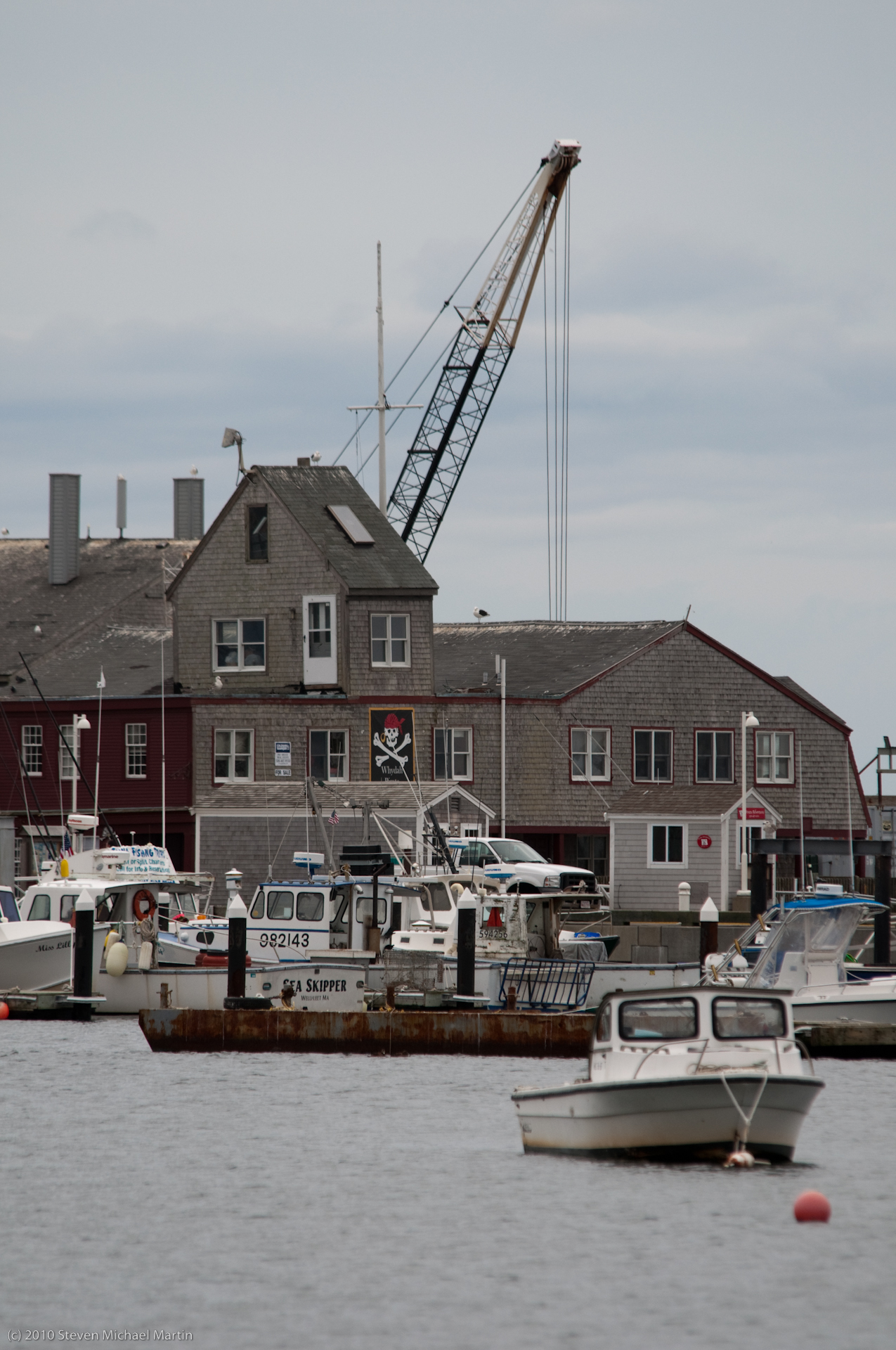
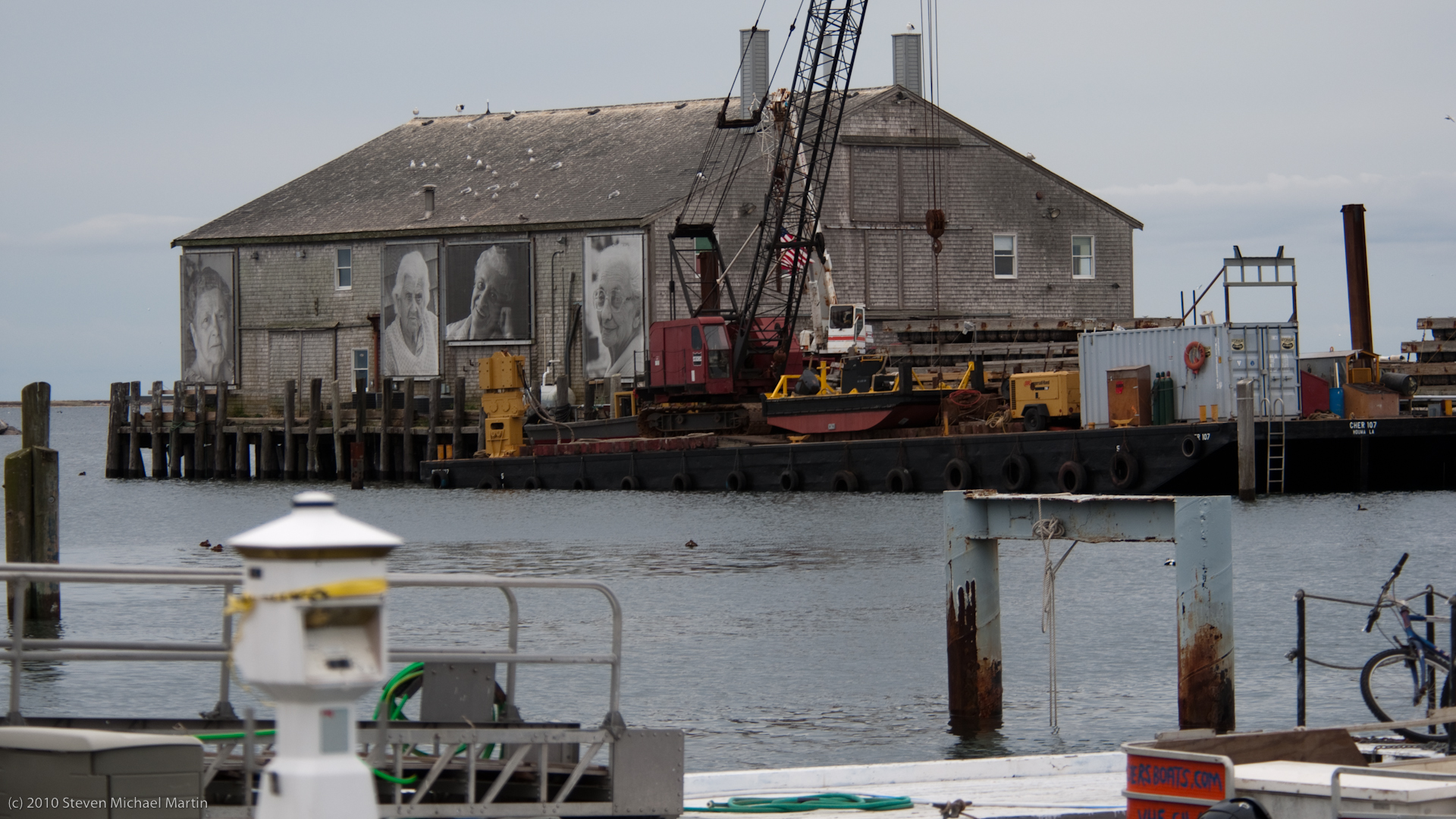
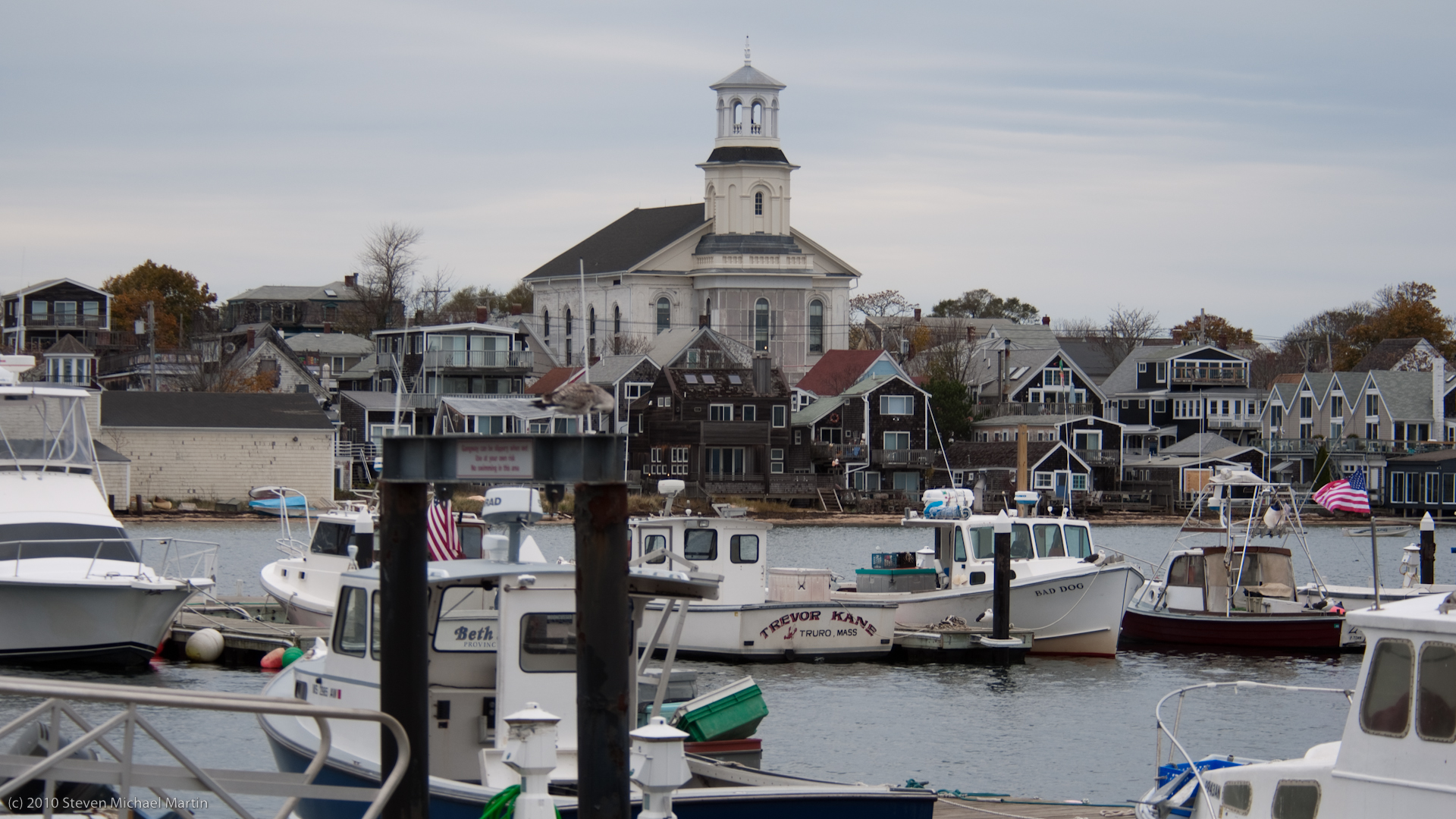
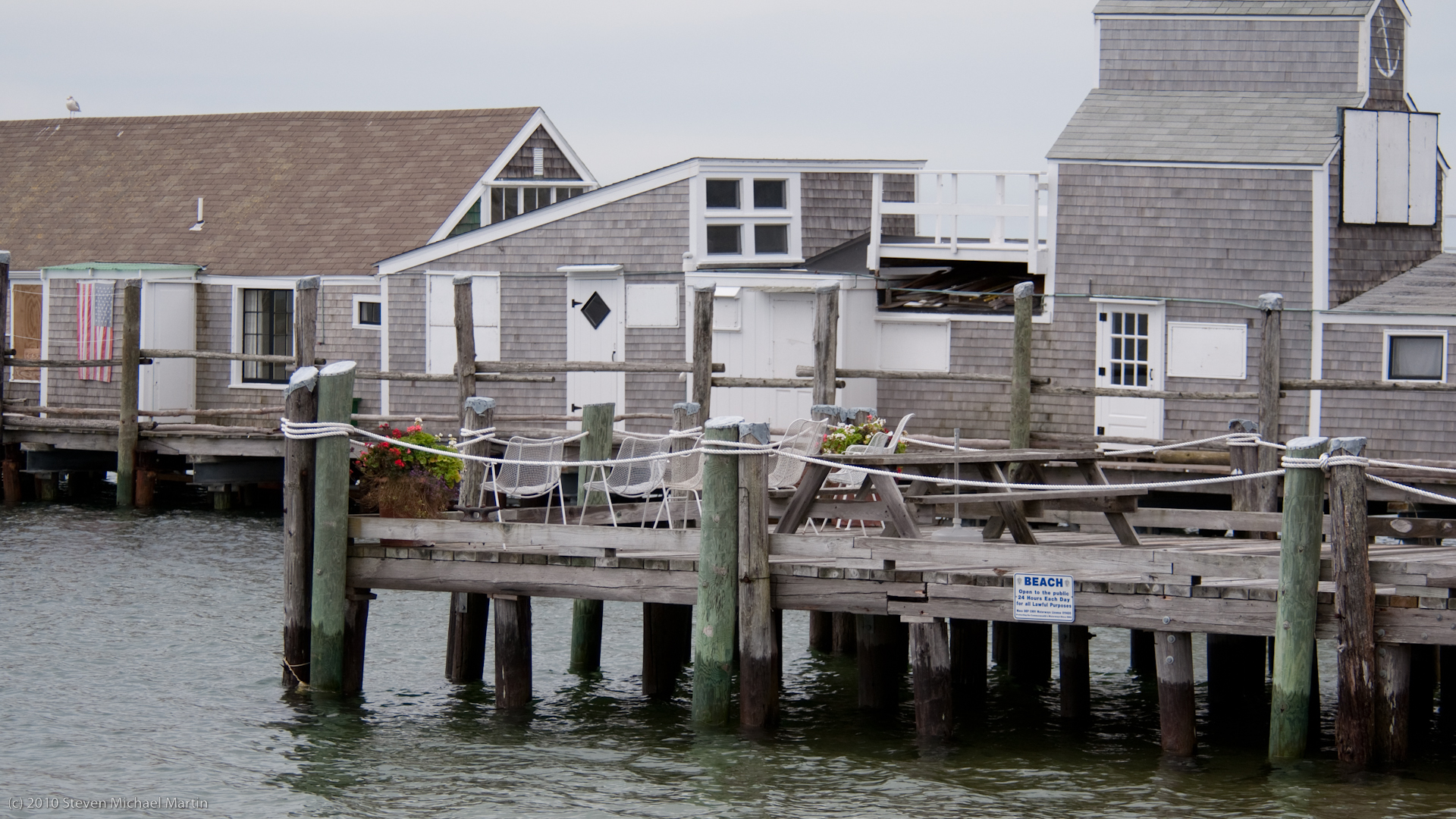
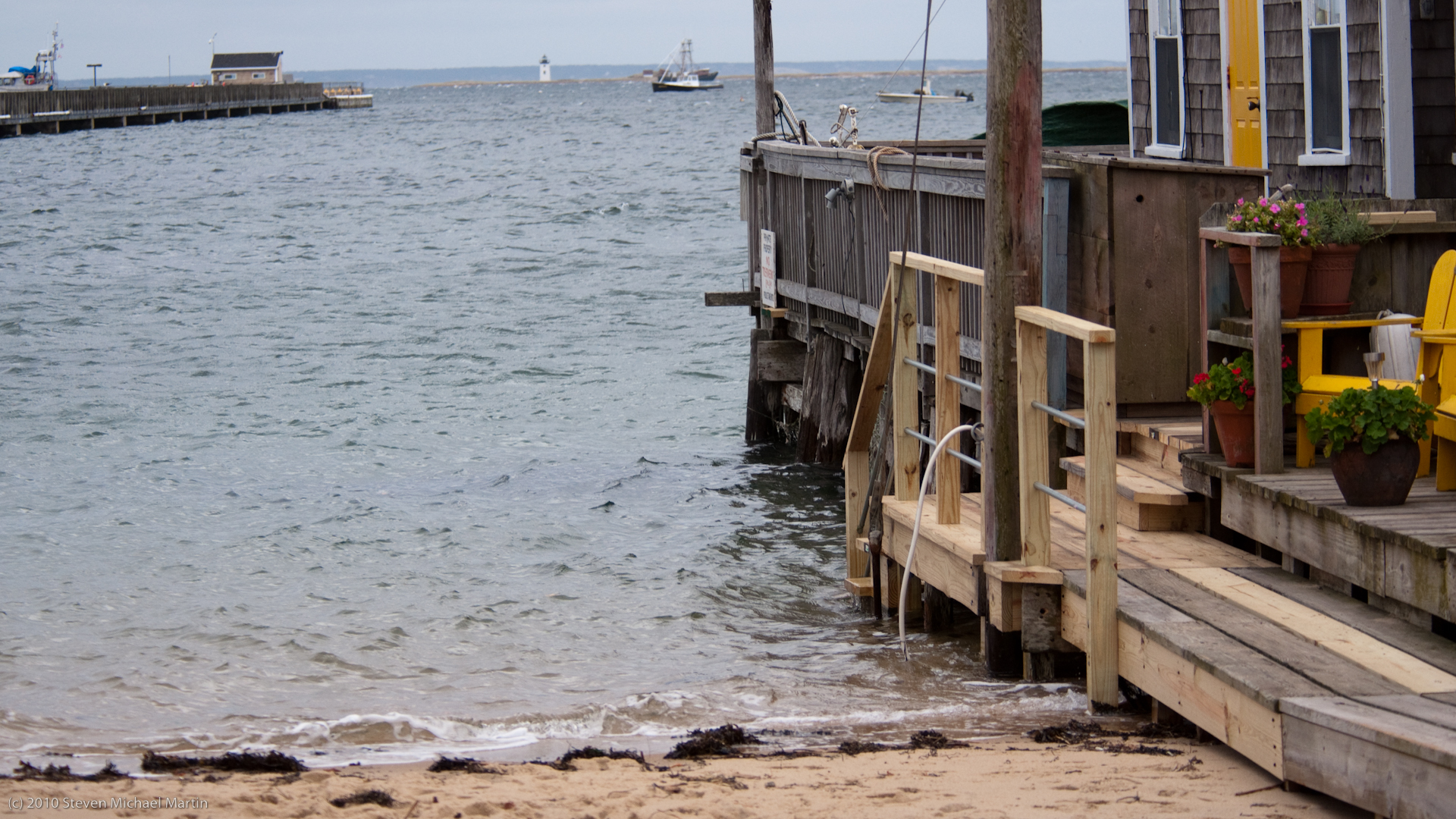
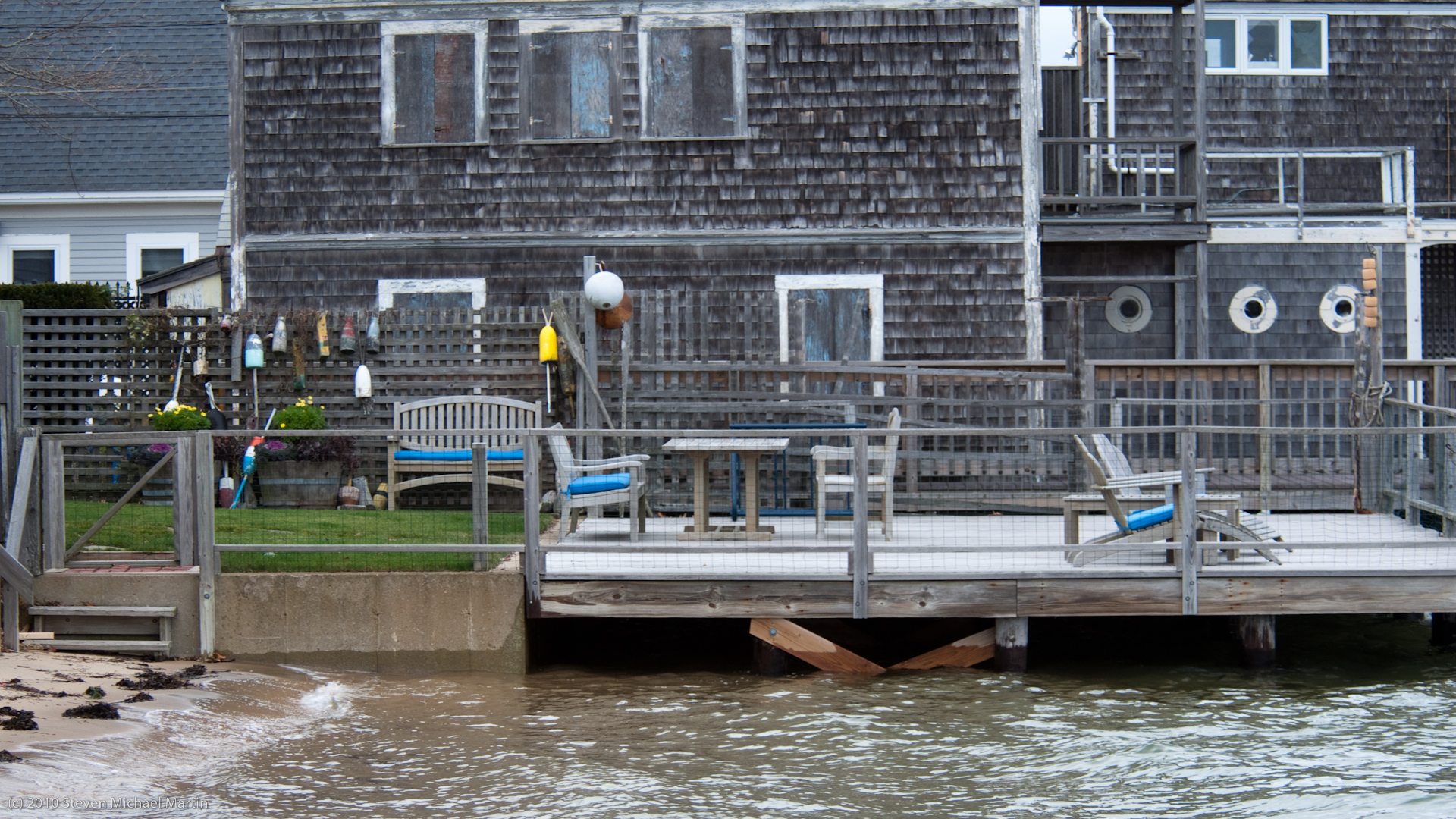
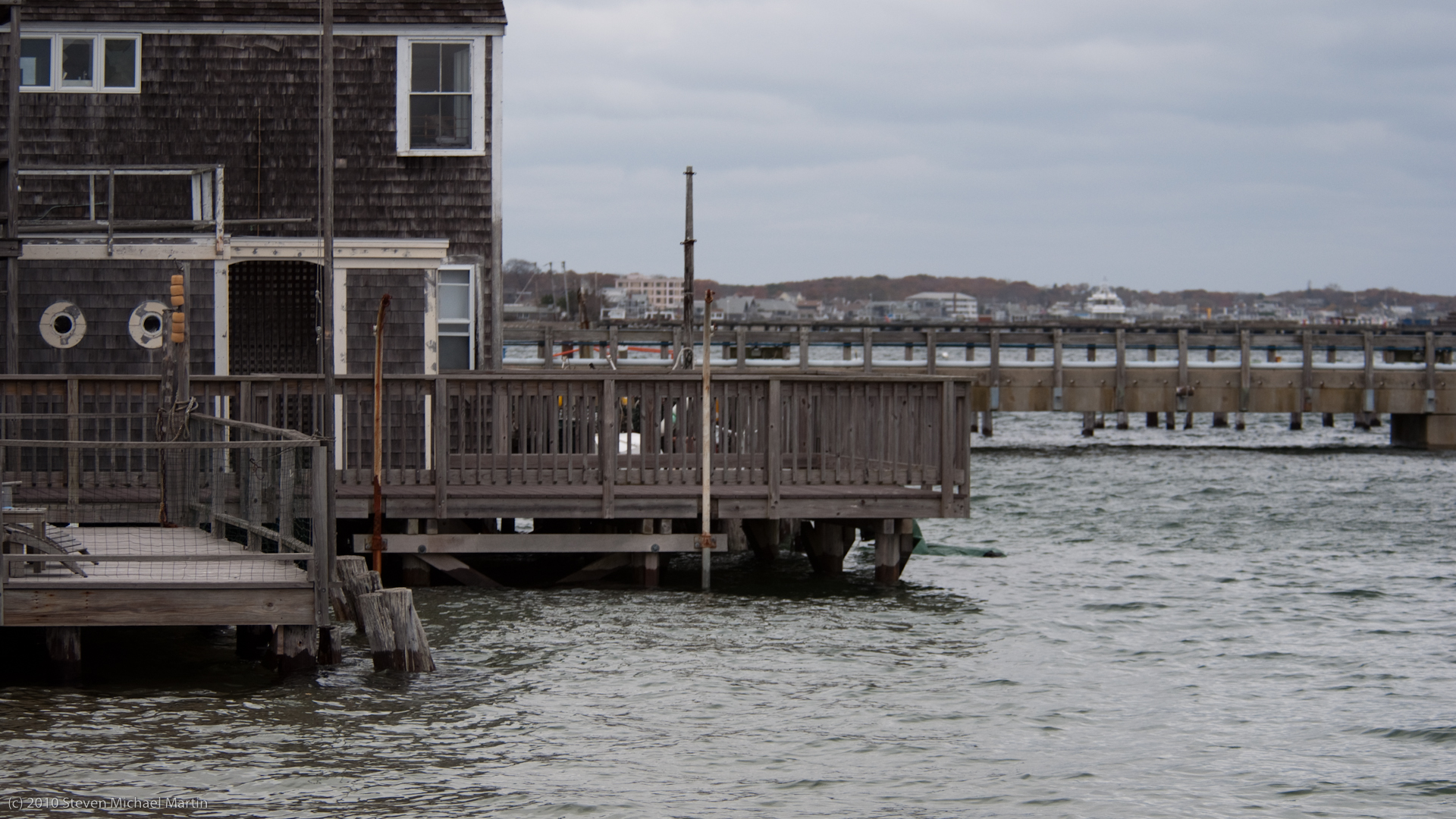
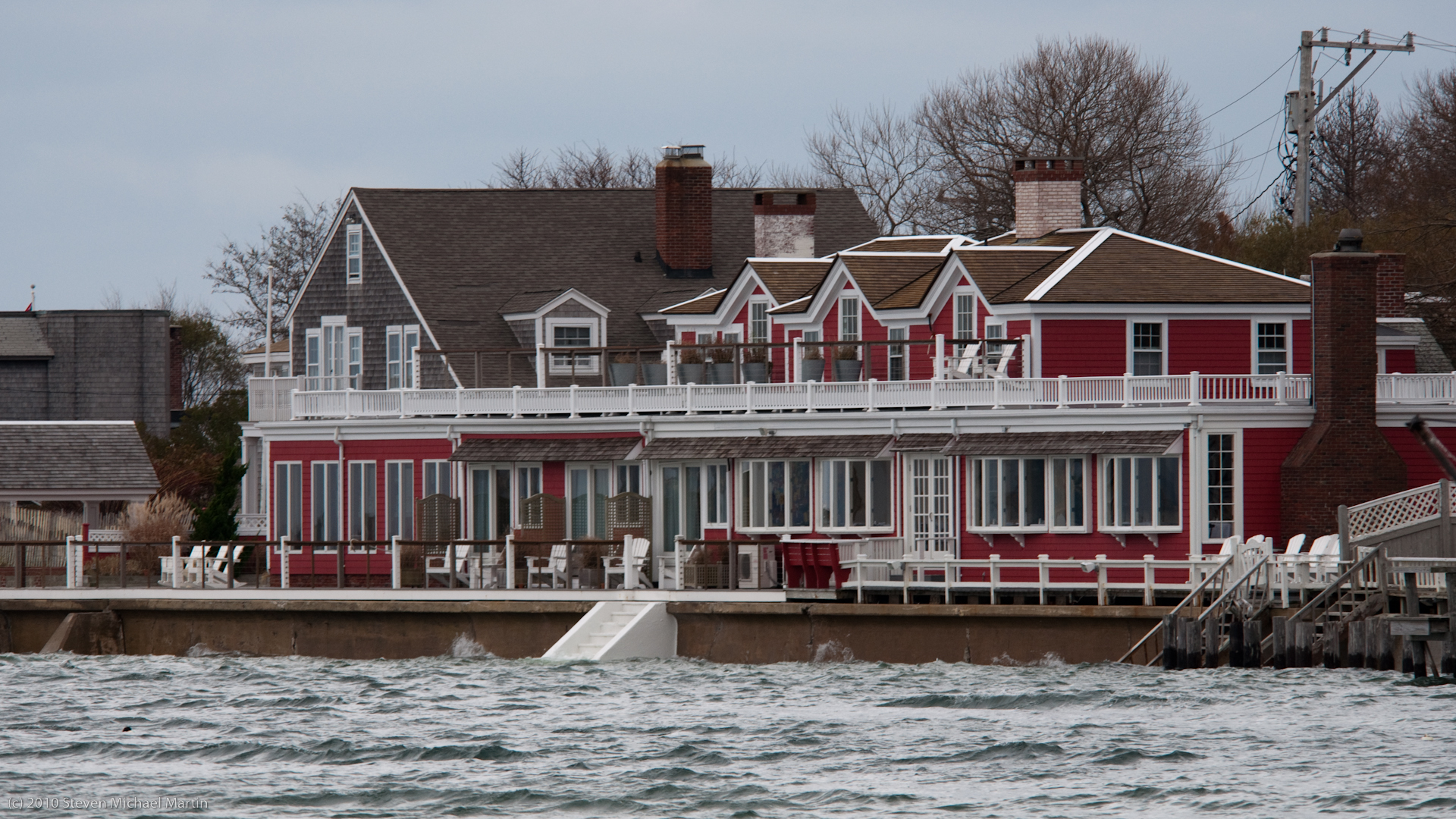
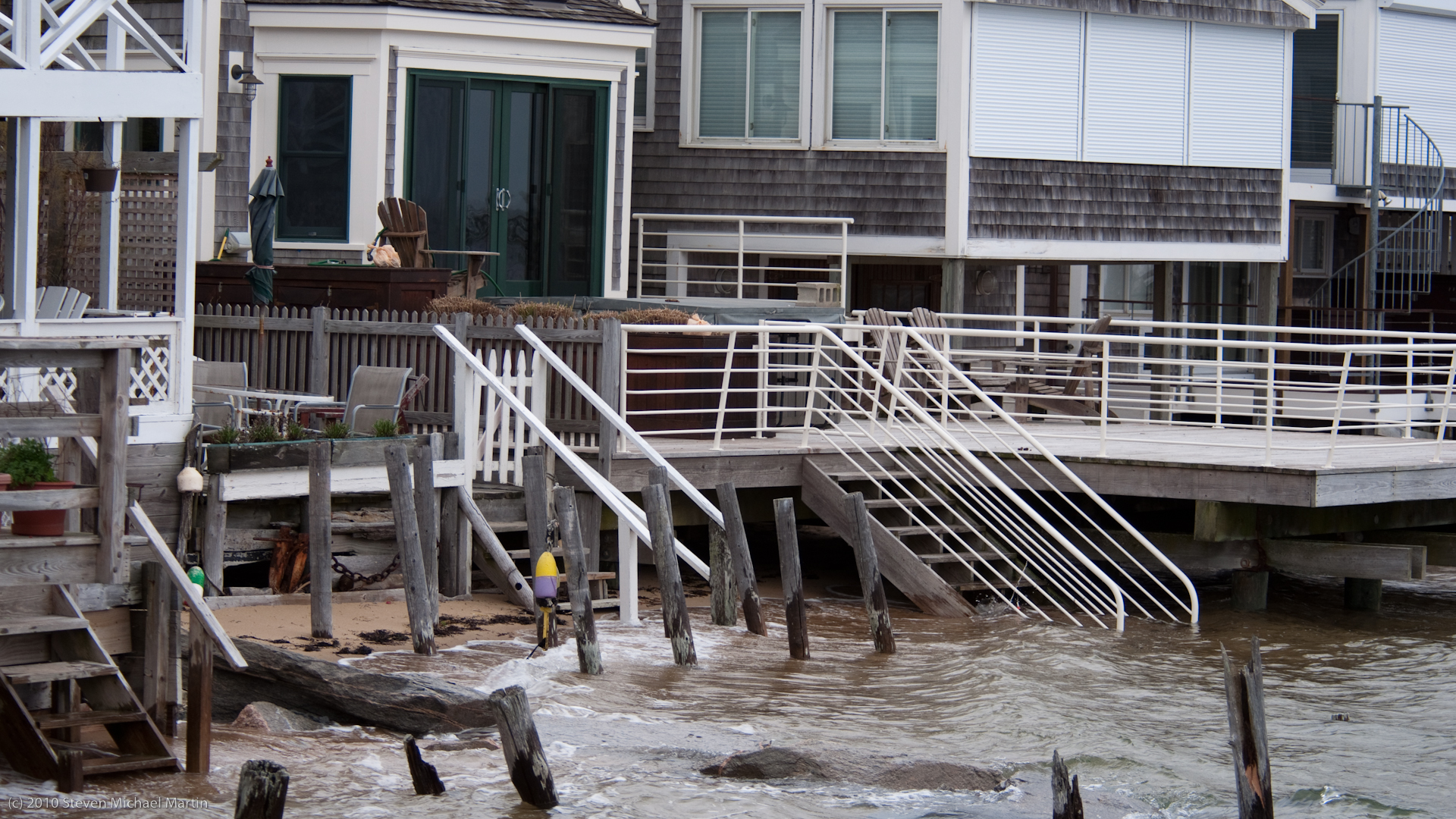
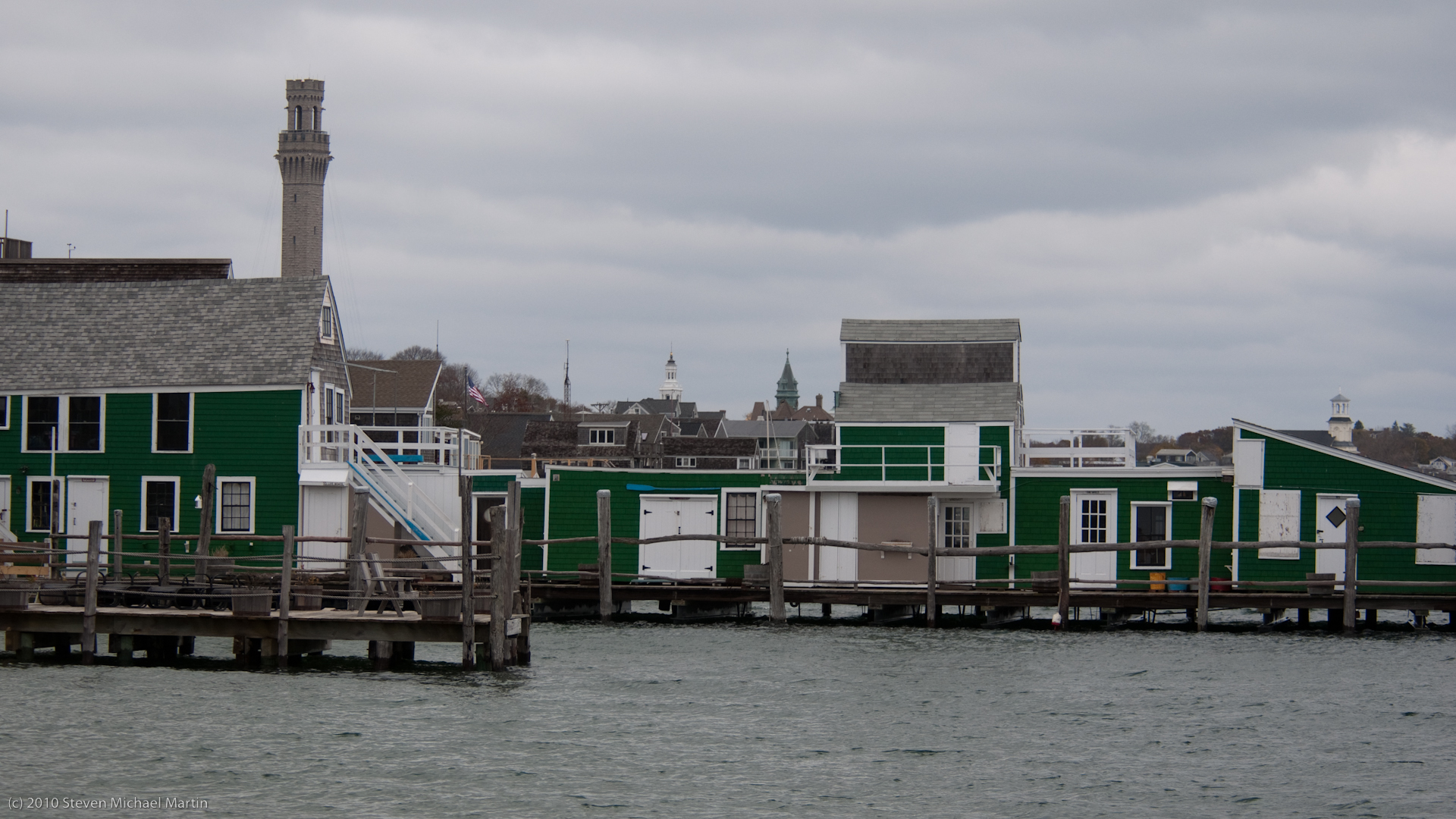
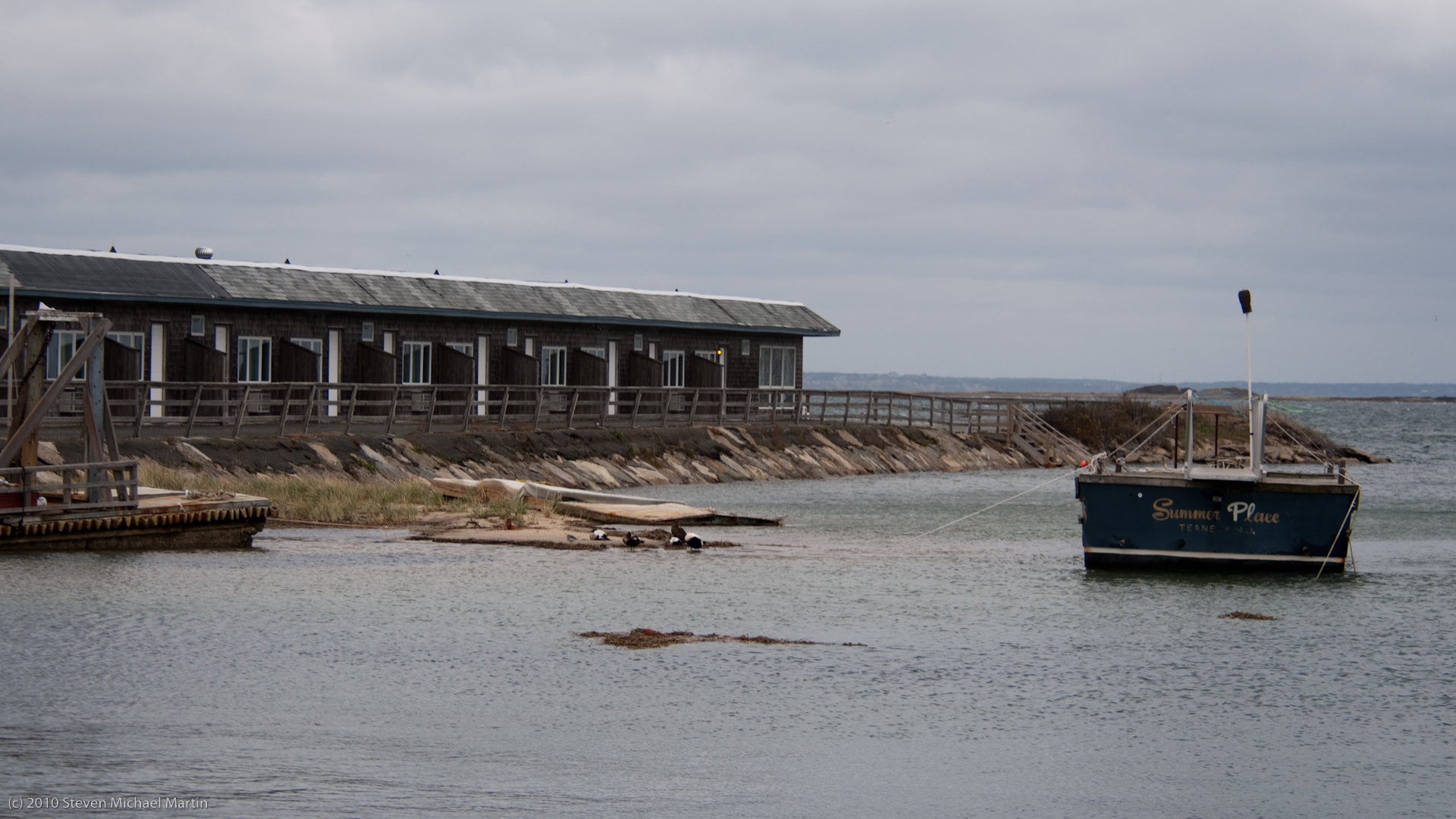
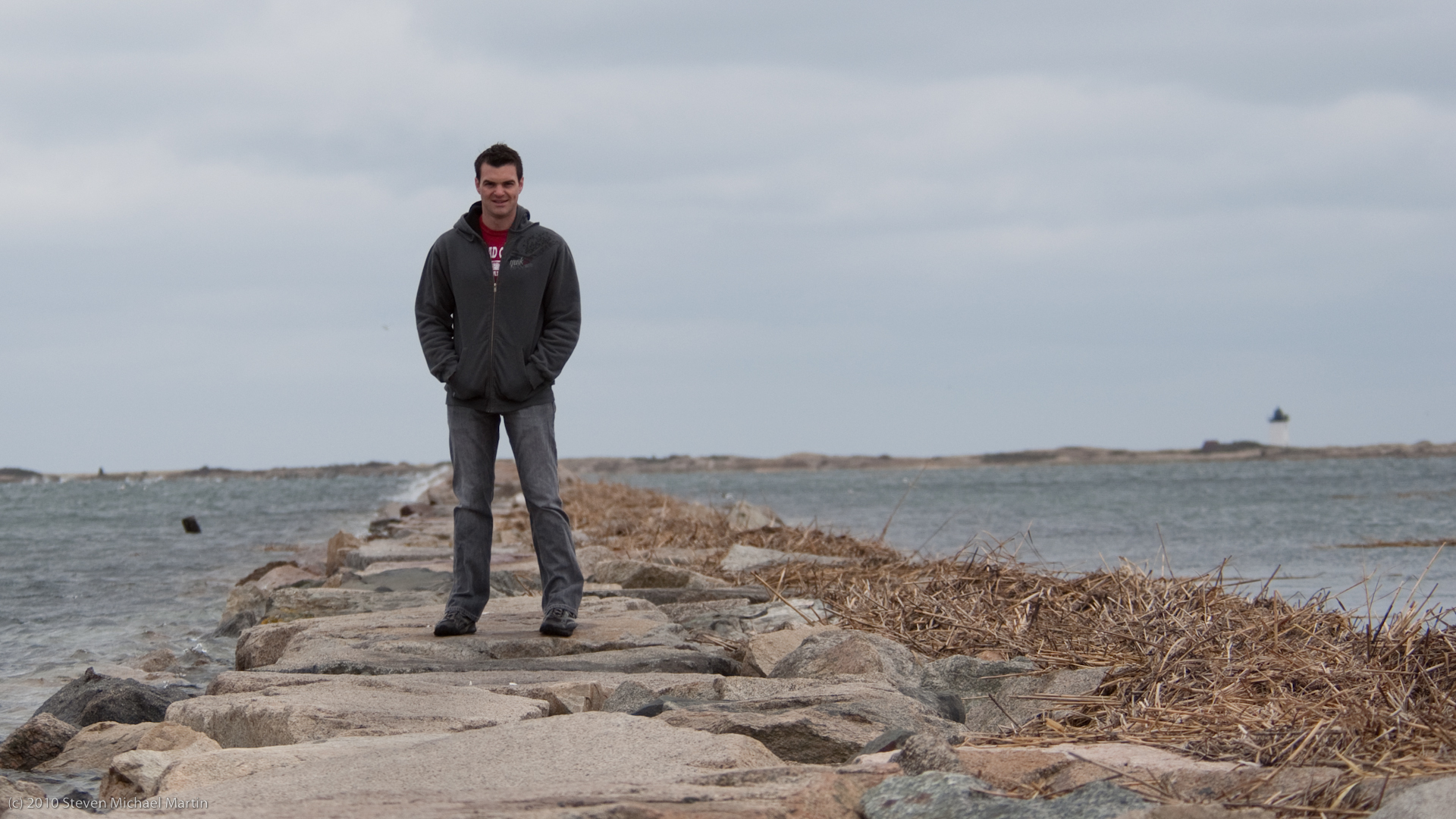
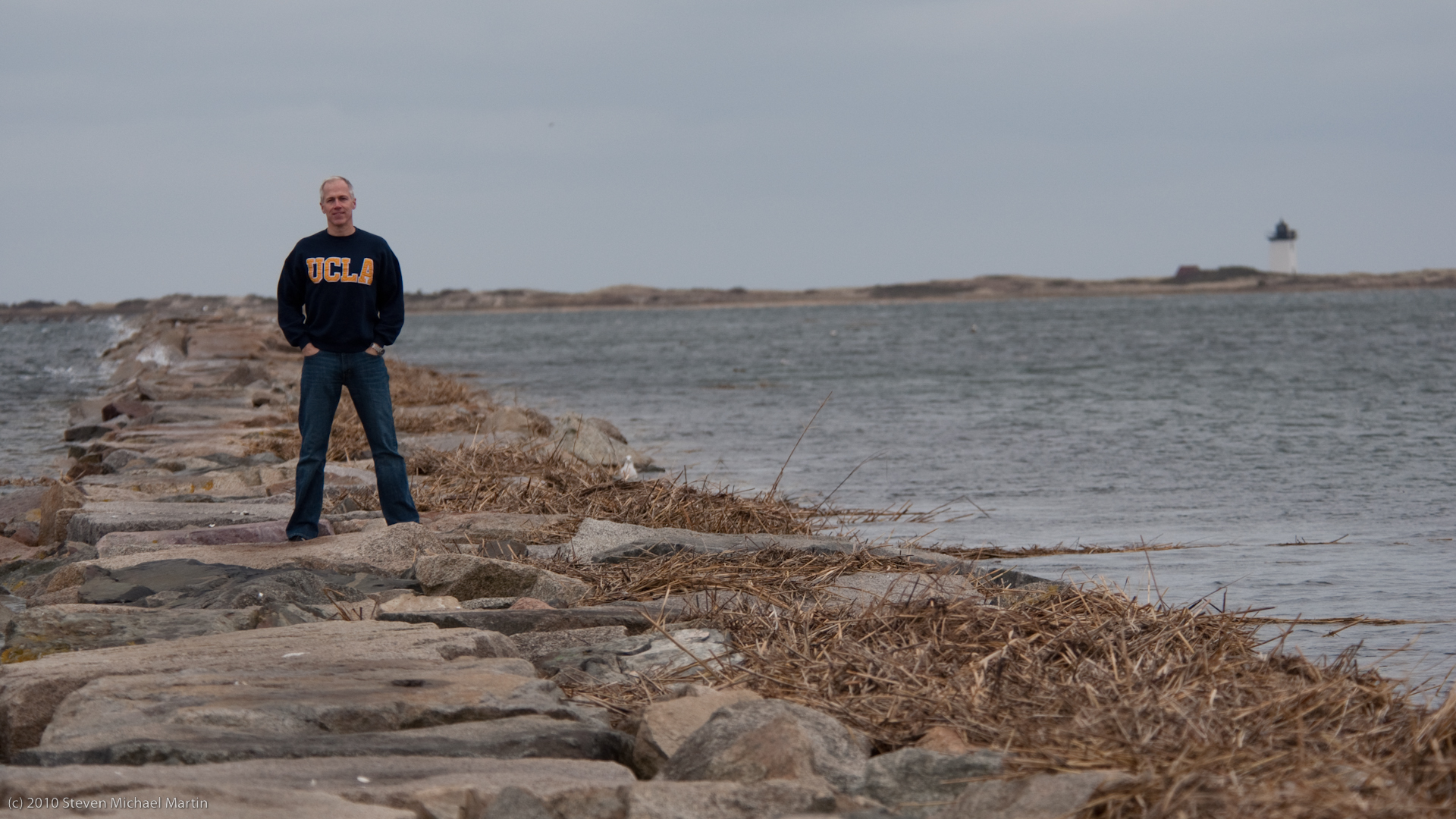
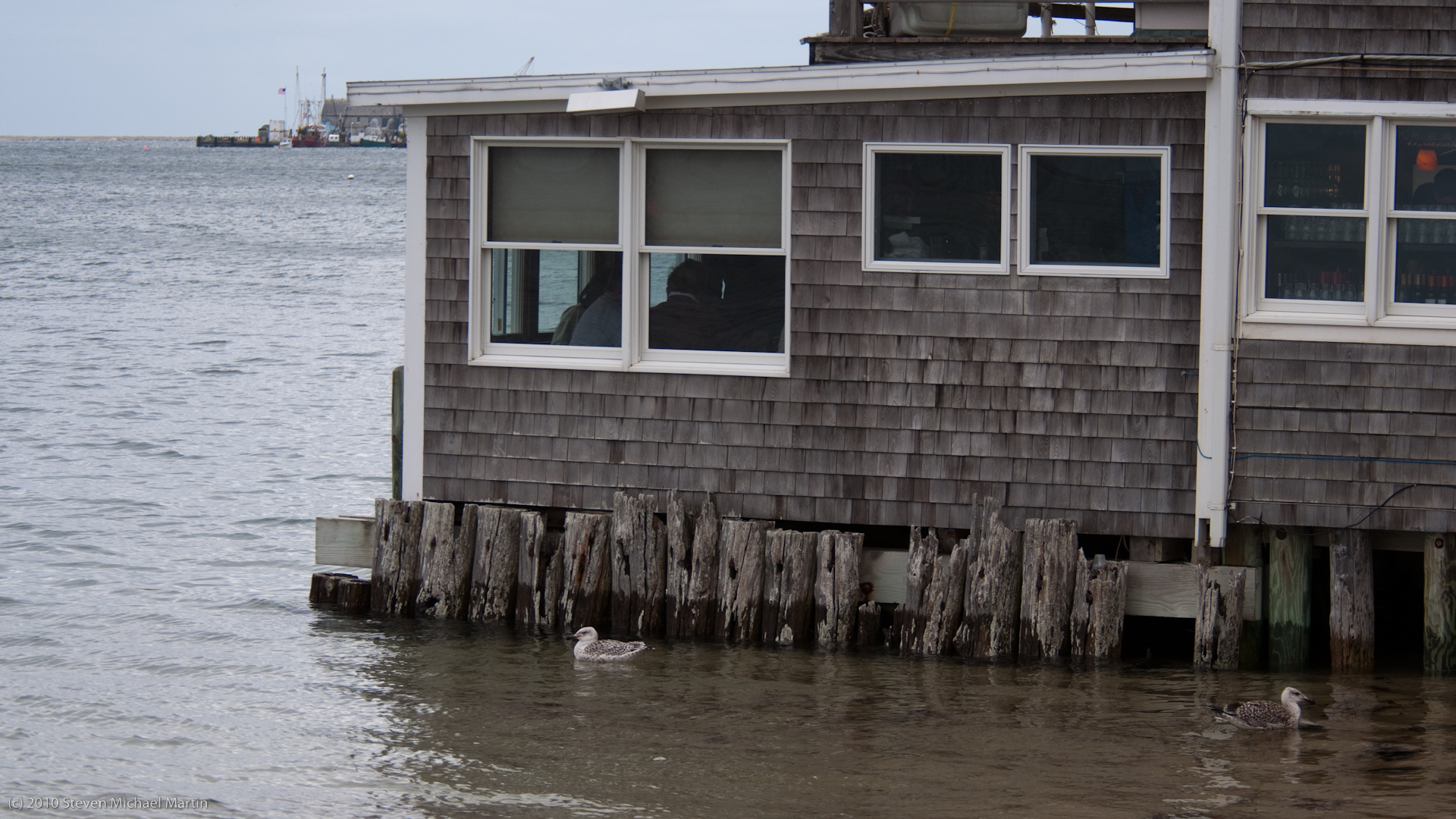
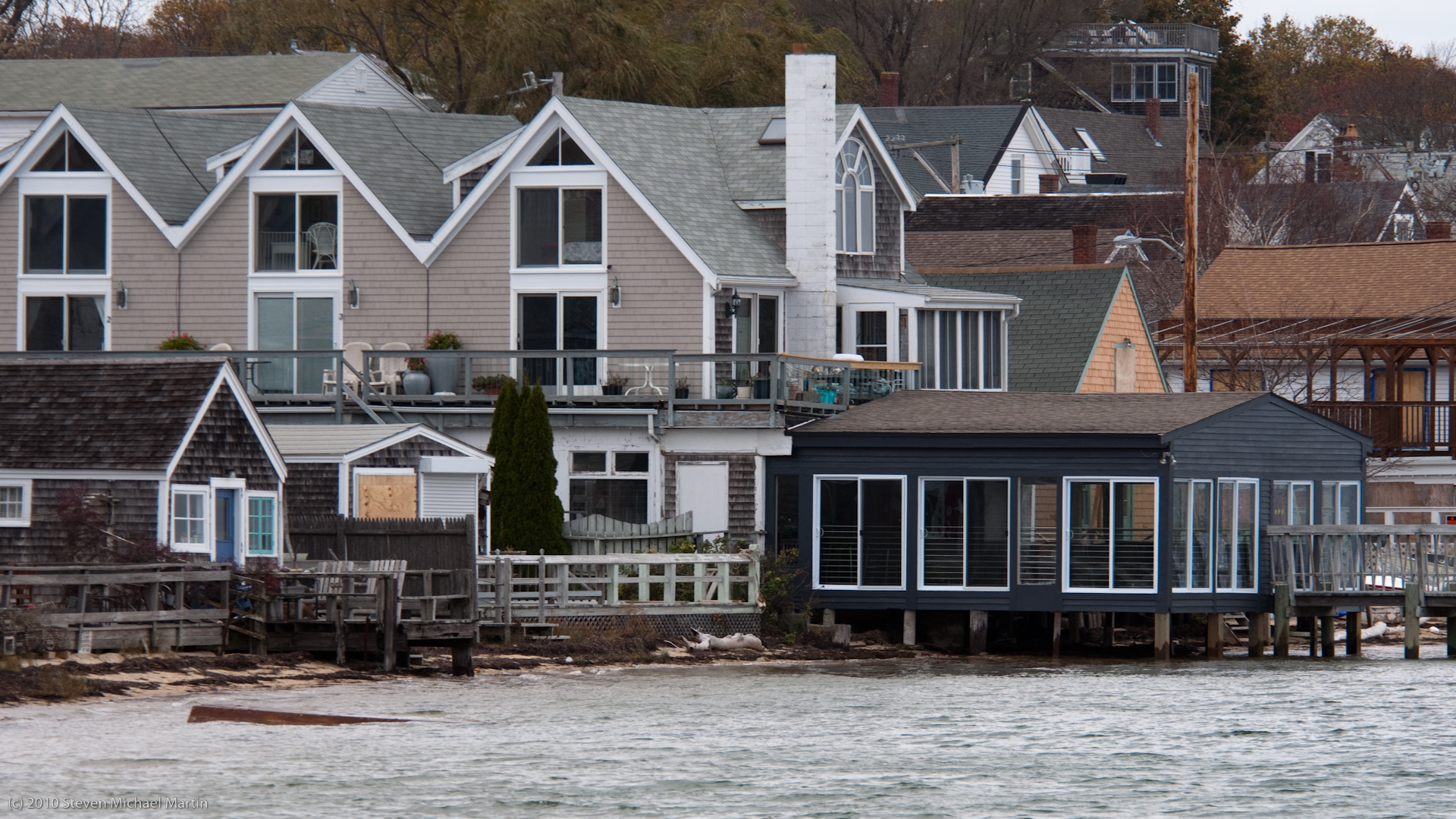
Provincetown’s position at the outermost tip of Cape Cod exposes the town to changing tidal conditions influenced by the broader circulation of the North Atlantic and the nearby Gulf of Maine. Coastal landscapes shaped by glacial deposition form low-lying shorelines, tidal flats, and barrier dunes that remain sensitive to storm surge and seasonal variation in sea level. During periods of unusually high tide, ocean waters approach buildings and roadways situated close to the harbor, illustrating the dynamic relationship between coastal settlement and maritime environment.
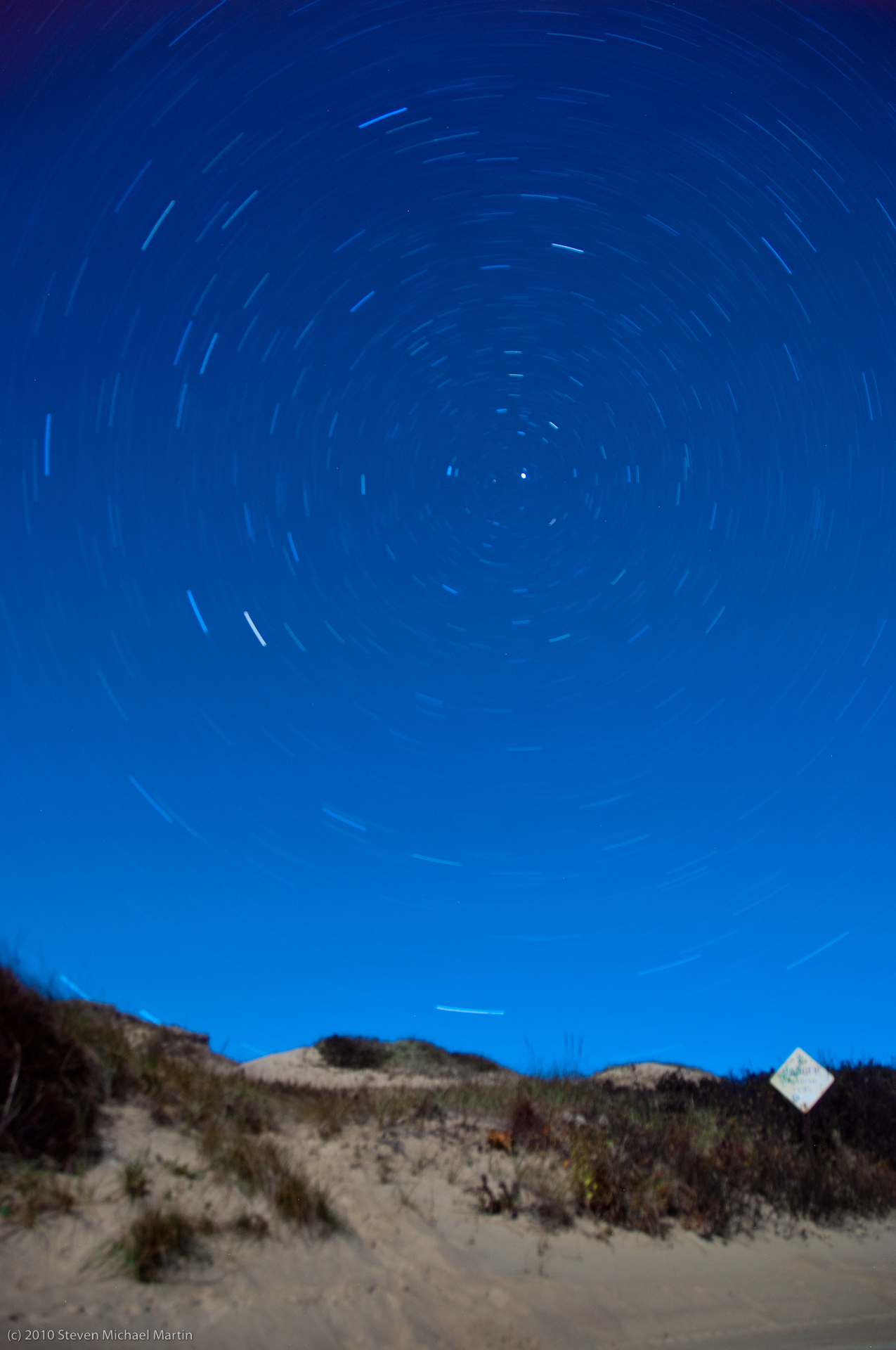
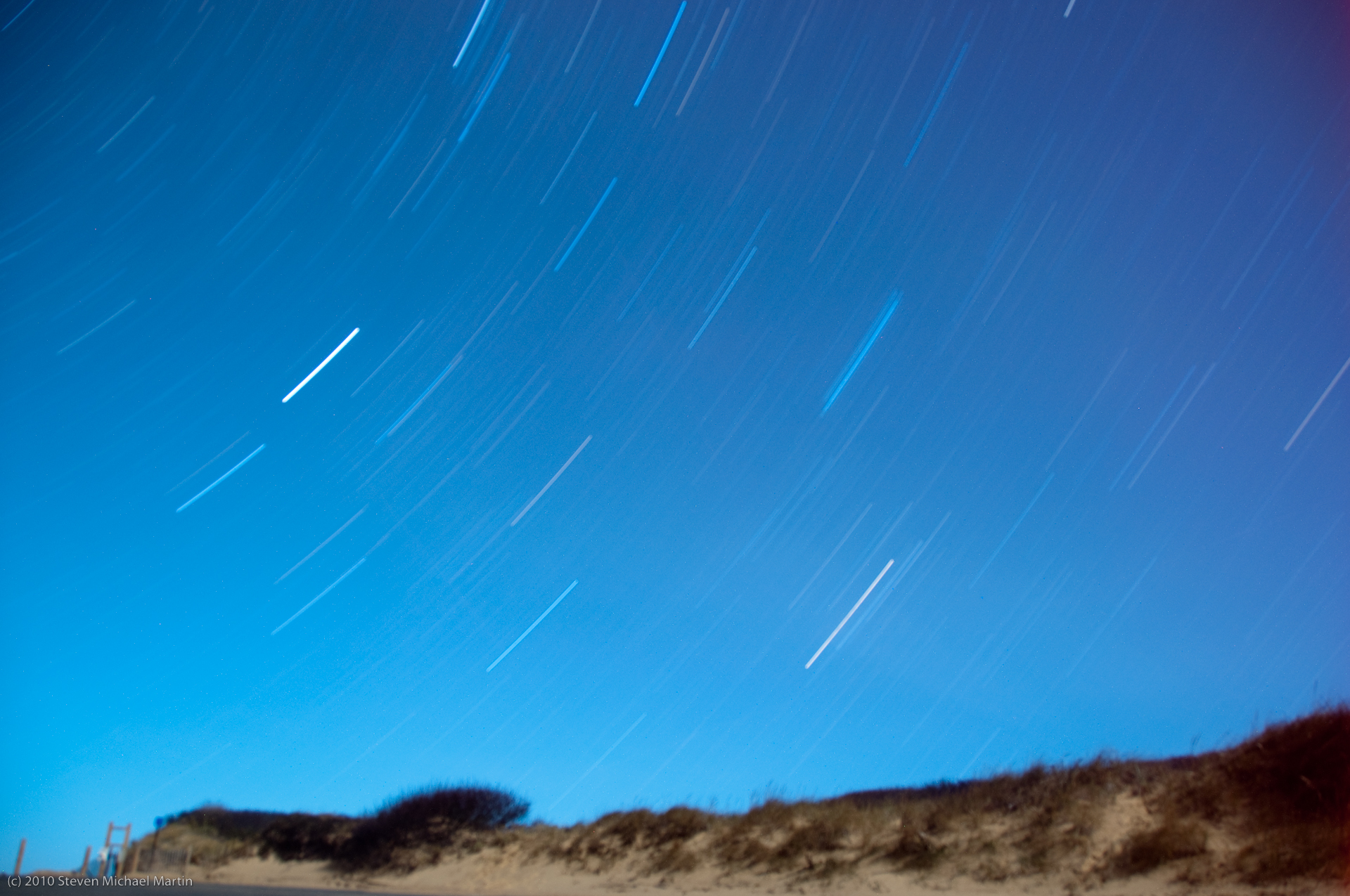
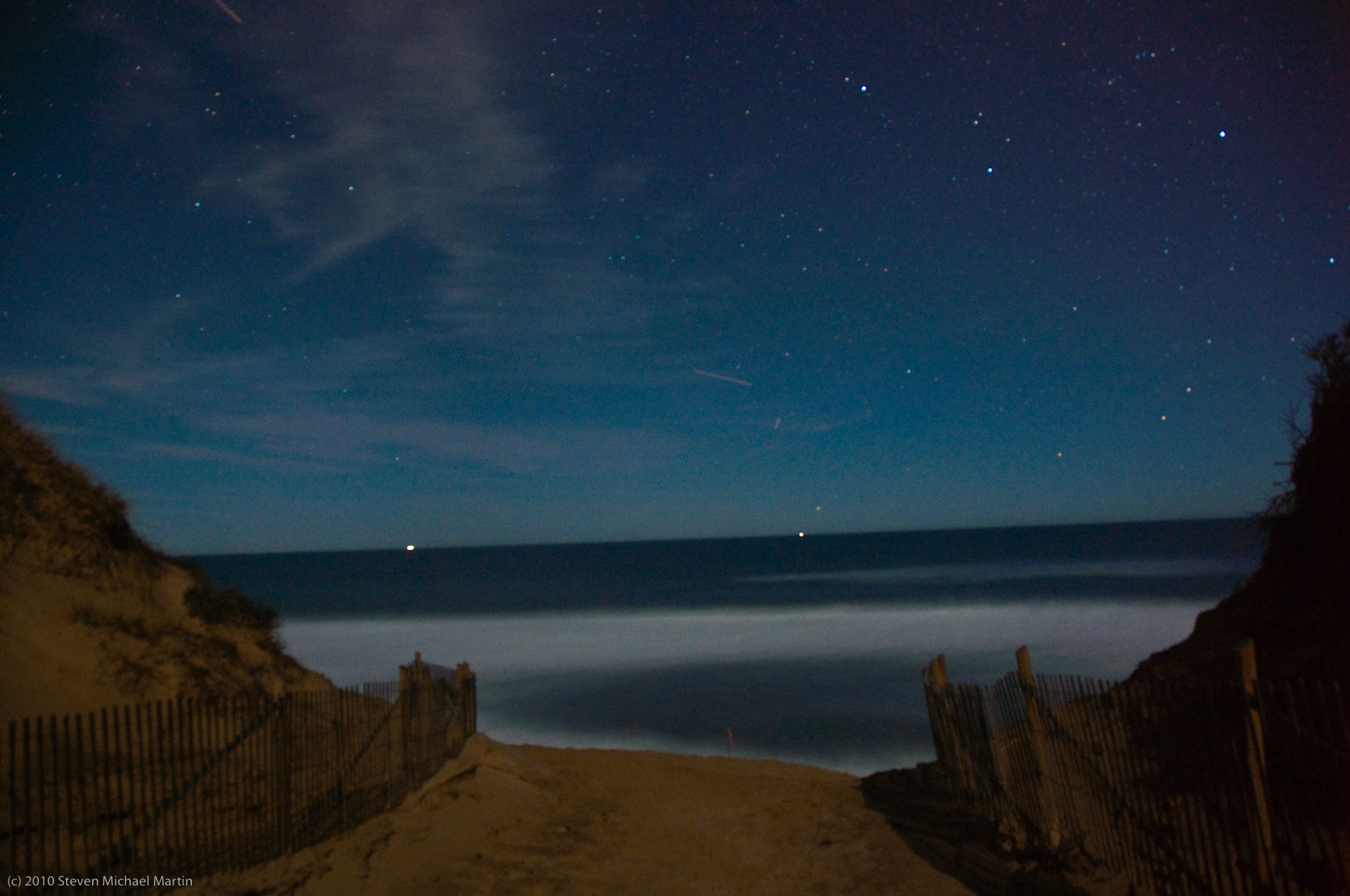
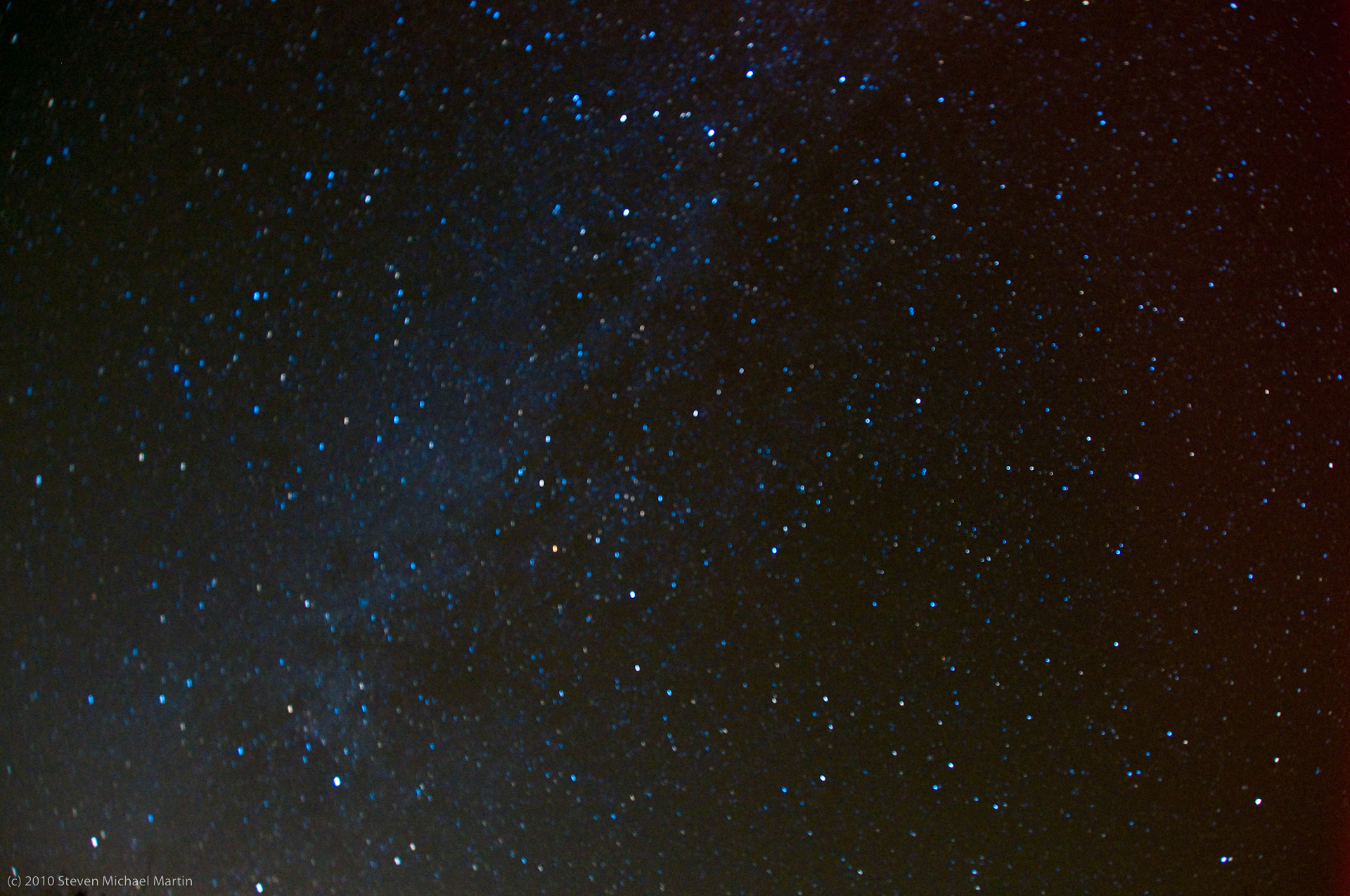
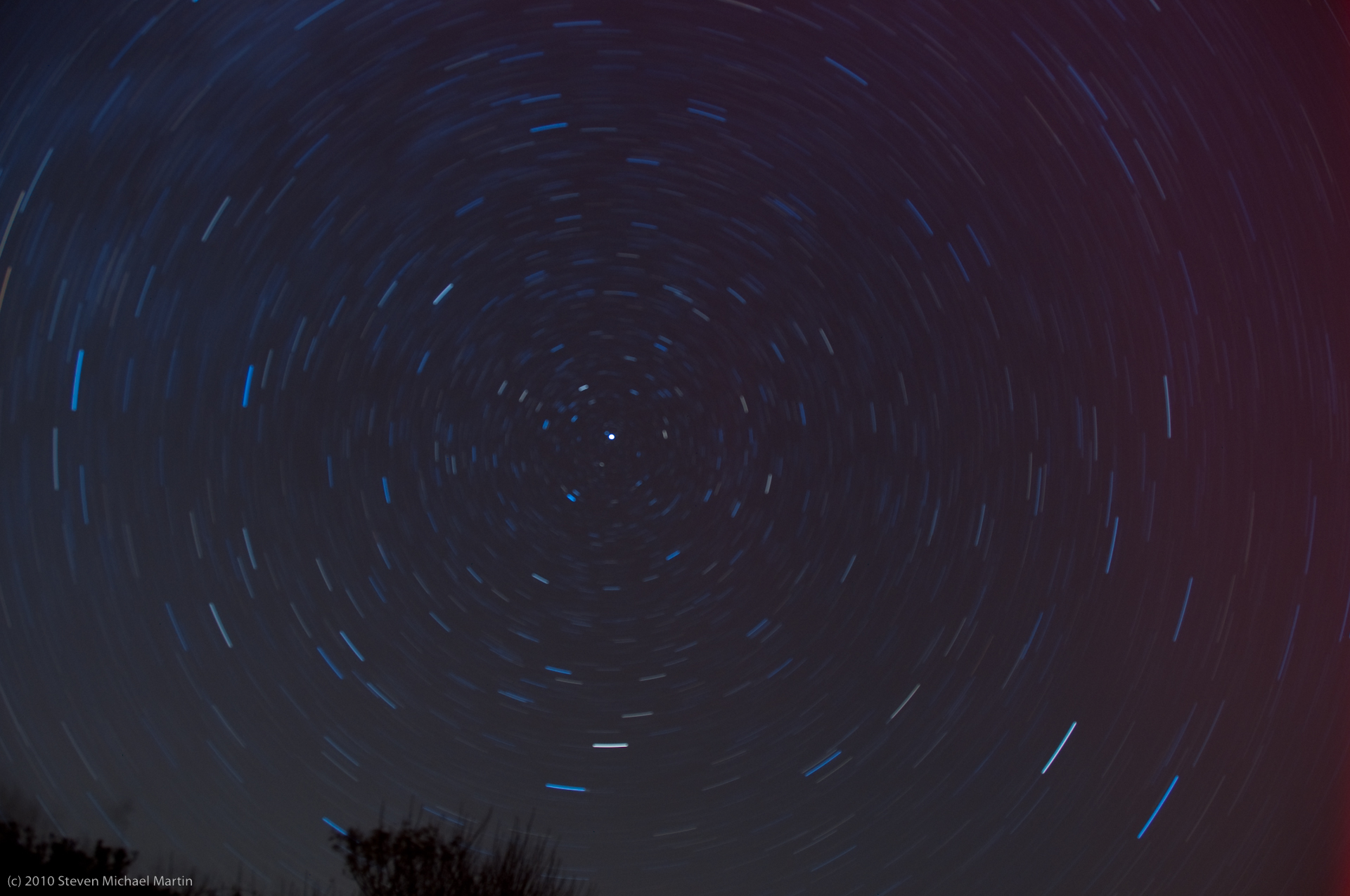
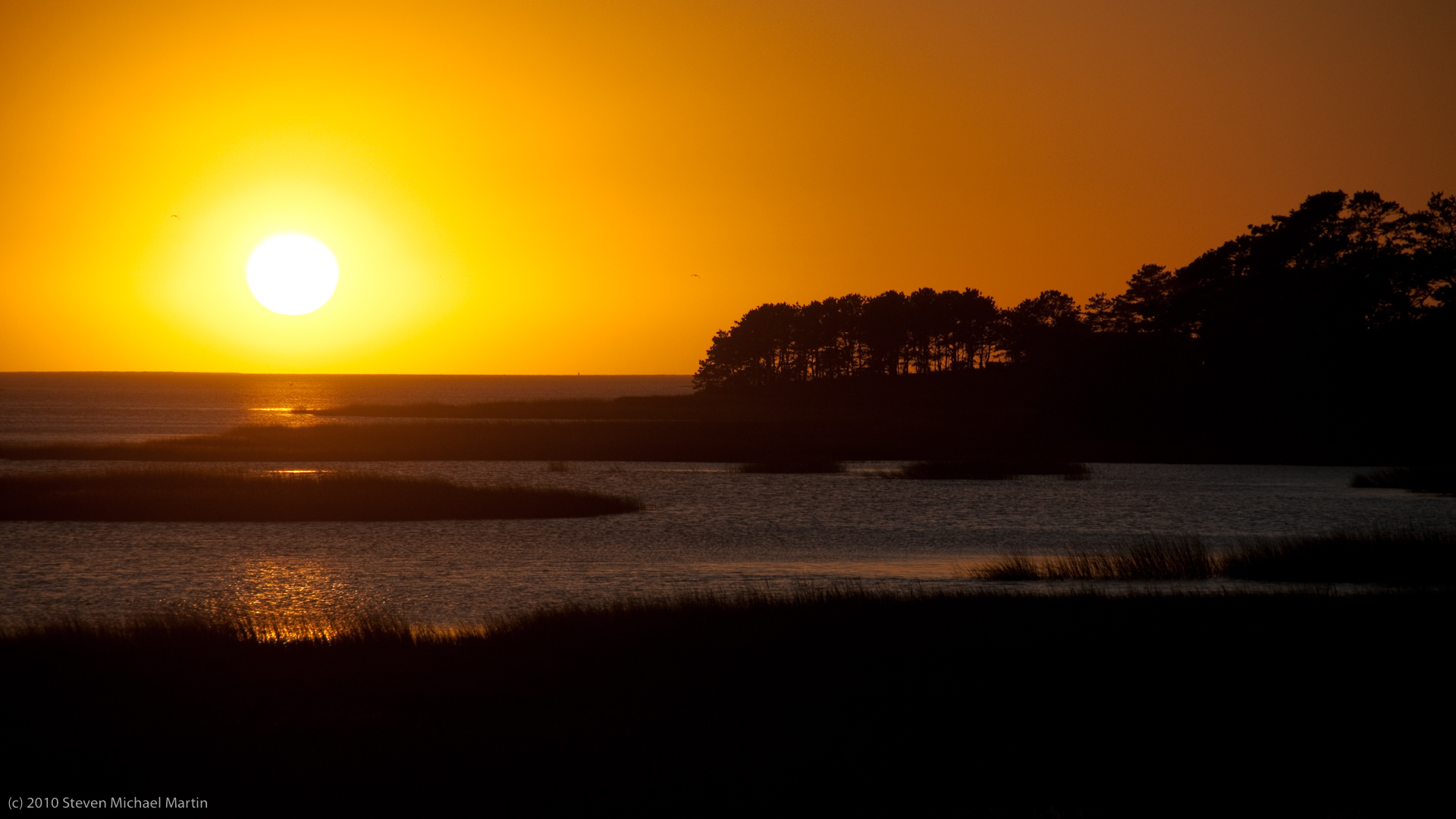
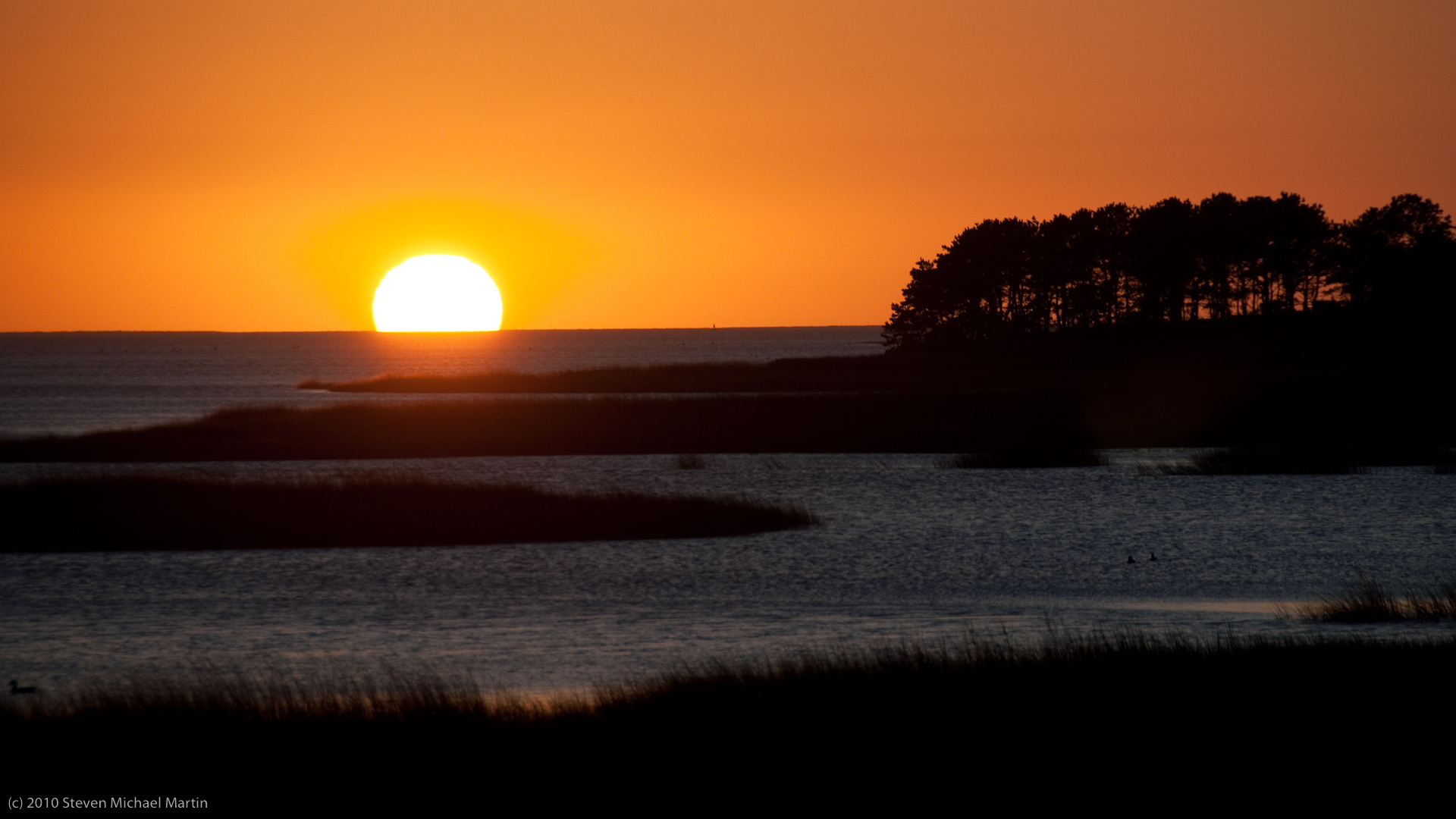
Evening light over Cape Cod Bay often produces dramatic color transitions as sunset reflects across open water and shallow tidal areas. The combination of calm sea surface and atmospheric clarity can create conditions favorable for observing both sunset color and early evening stars. These visual conditions demonstrate the influence of maritime climate, humidity, and cloud structure on coastal light patterns.
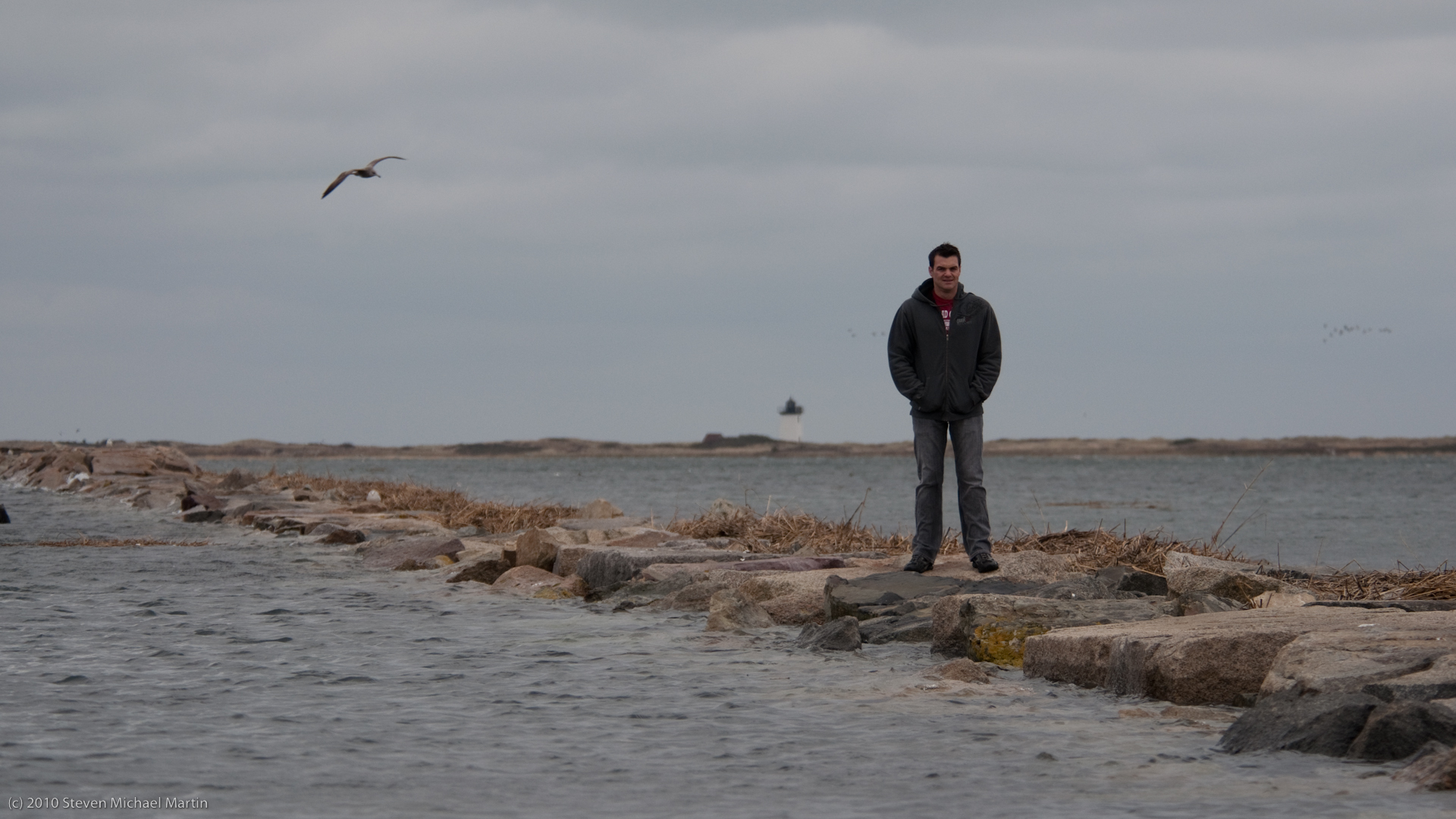
Provincetown’s shoreline contributes to understanding how barrier coast geomorphology influences patterns of settlement along the Atlantic seaboard. The interaction between tides, weather, and built environment illustrates the ongoing relationship between natural coastal processes and human adaptation. High tide conditions provide visible evidence of the environmental forces that continue to shape Cape Cod’s evolving shoreline.