American Museum of Natural History
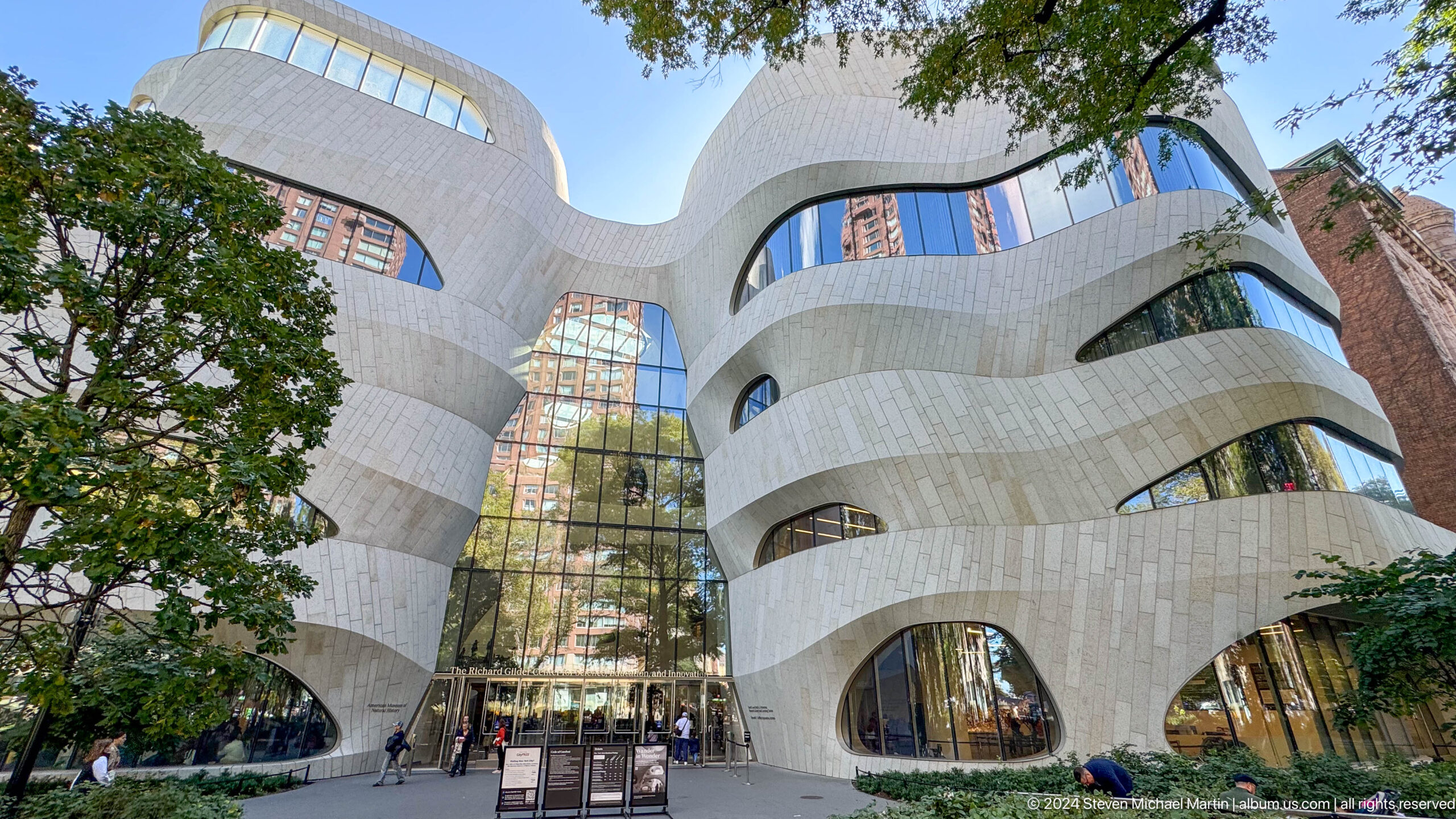
The American Museum of Natural History reflects the nineteenth-century expansion of scientific research institutions dedicated to understanding the natural world. Founded in 1869 and located on the Upper West Side of Manhattan near Central Park, the museum developed as a center for the study of biology, geology, anthropology, and astronomy. Its collections illustrate the emergence of natural science as a major intellectual pursuit during a period of rapid technological and scientific change.
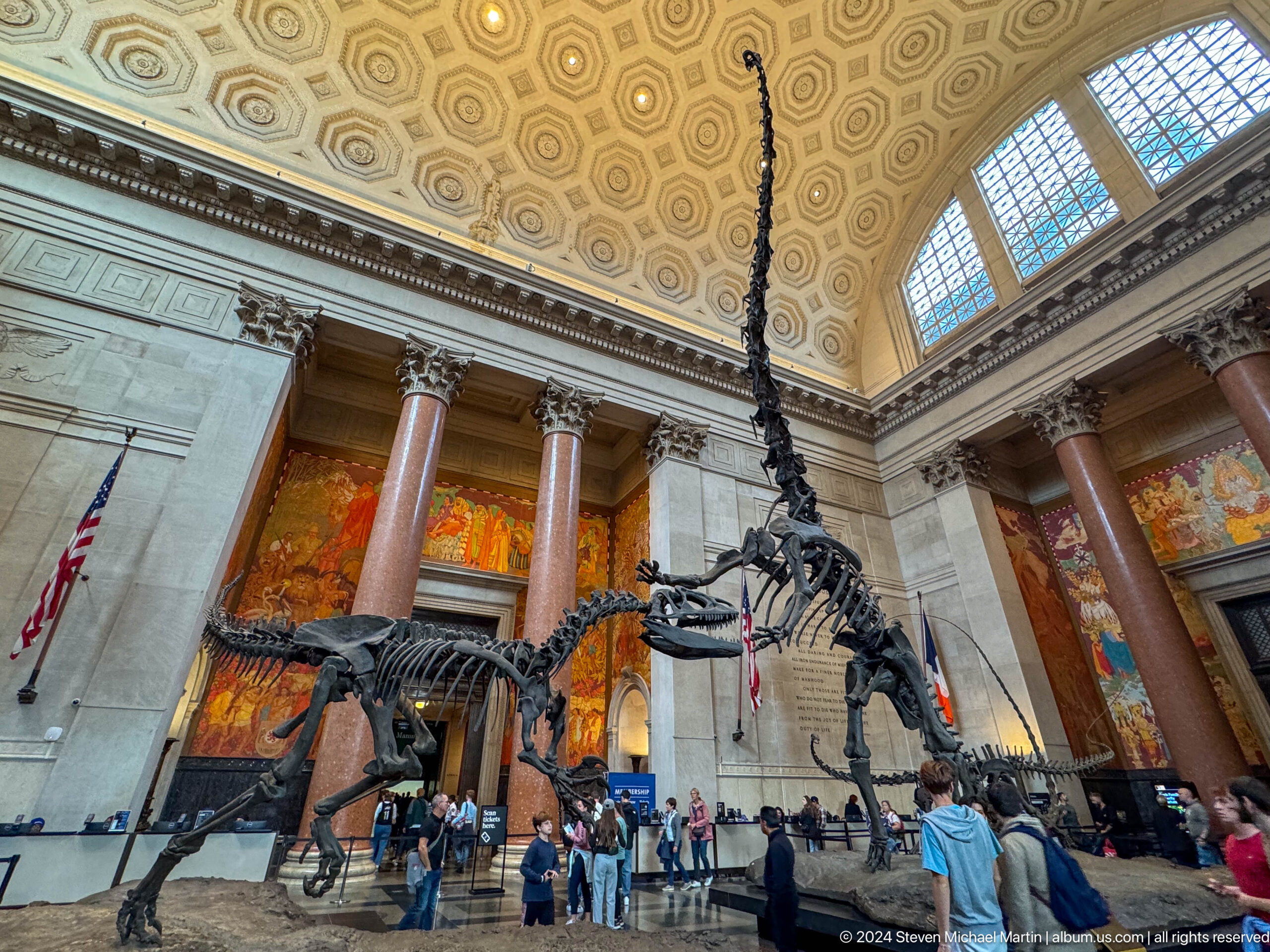
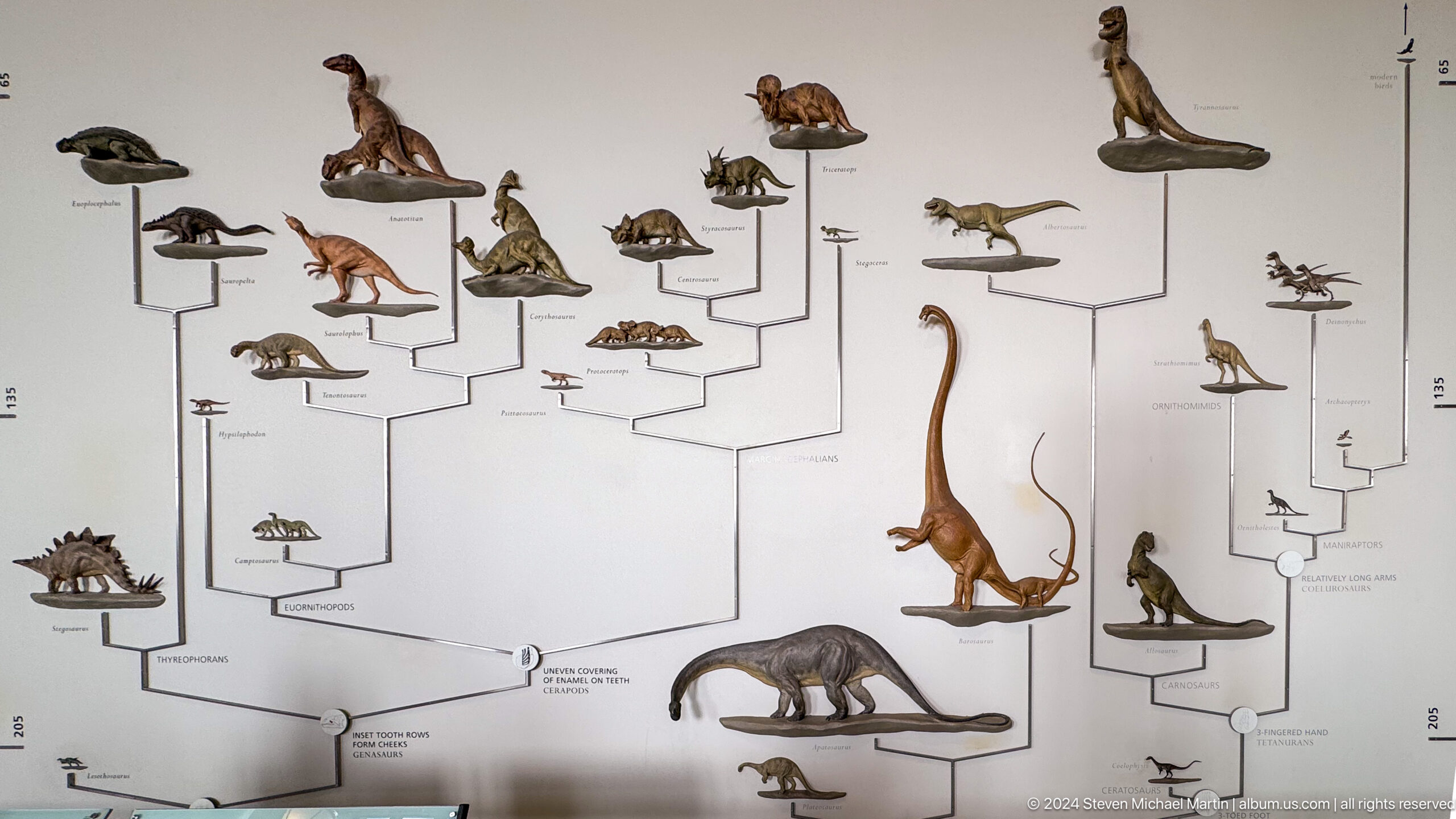
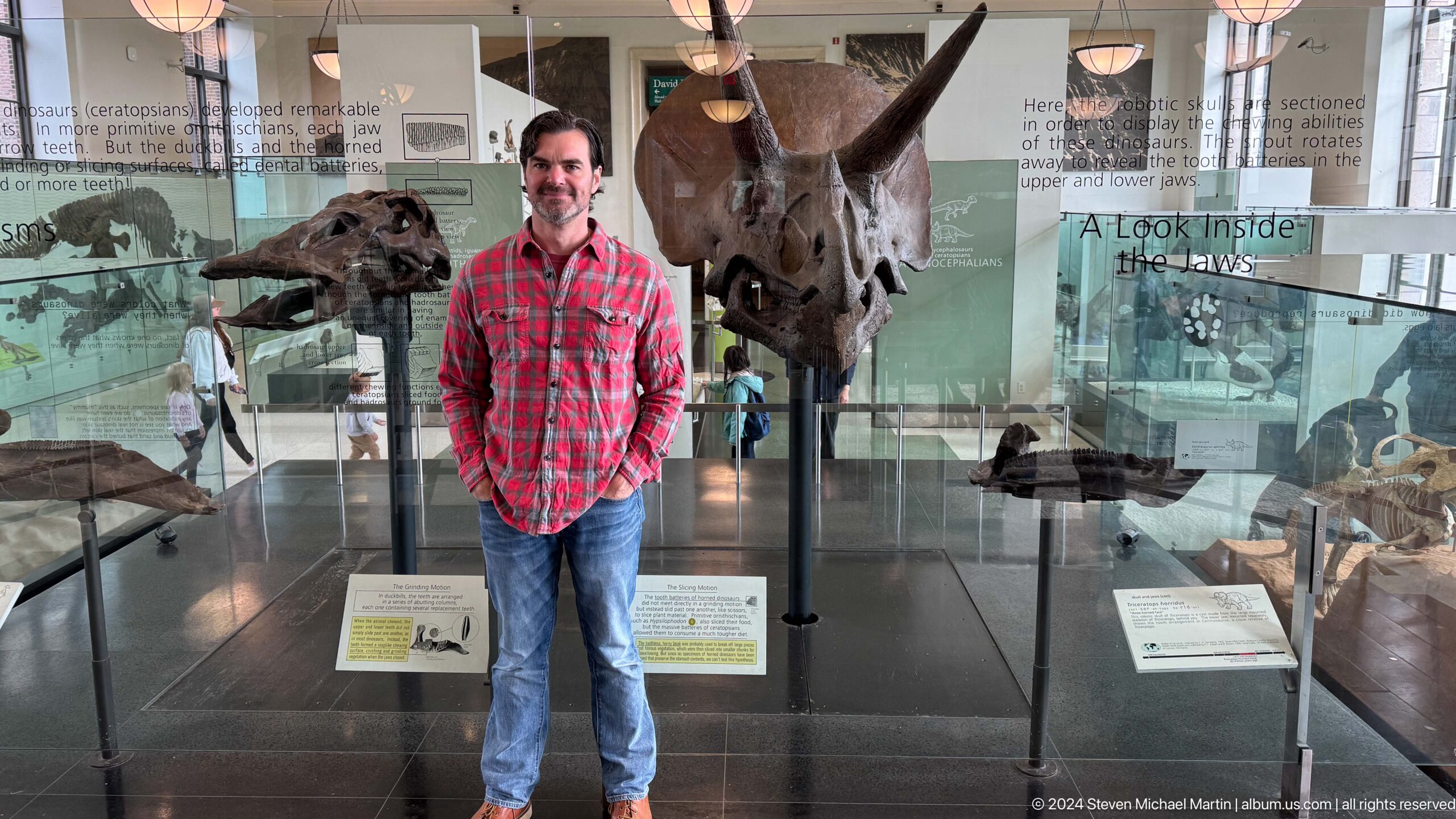
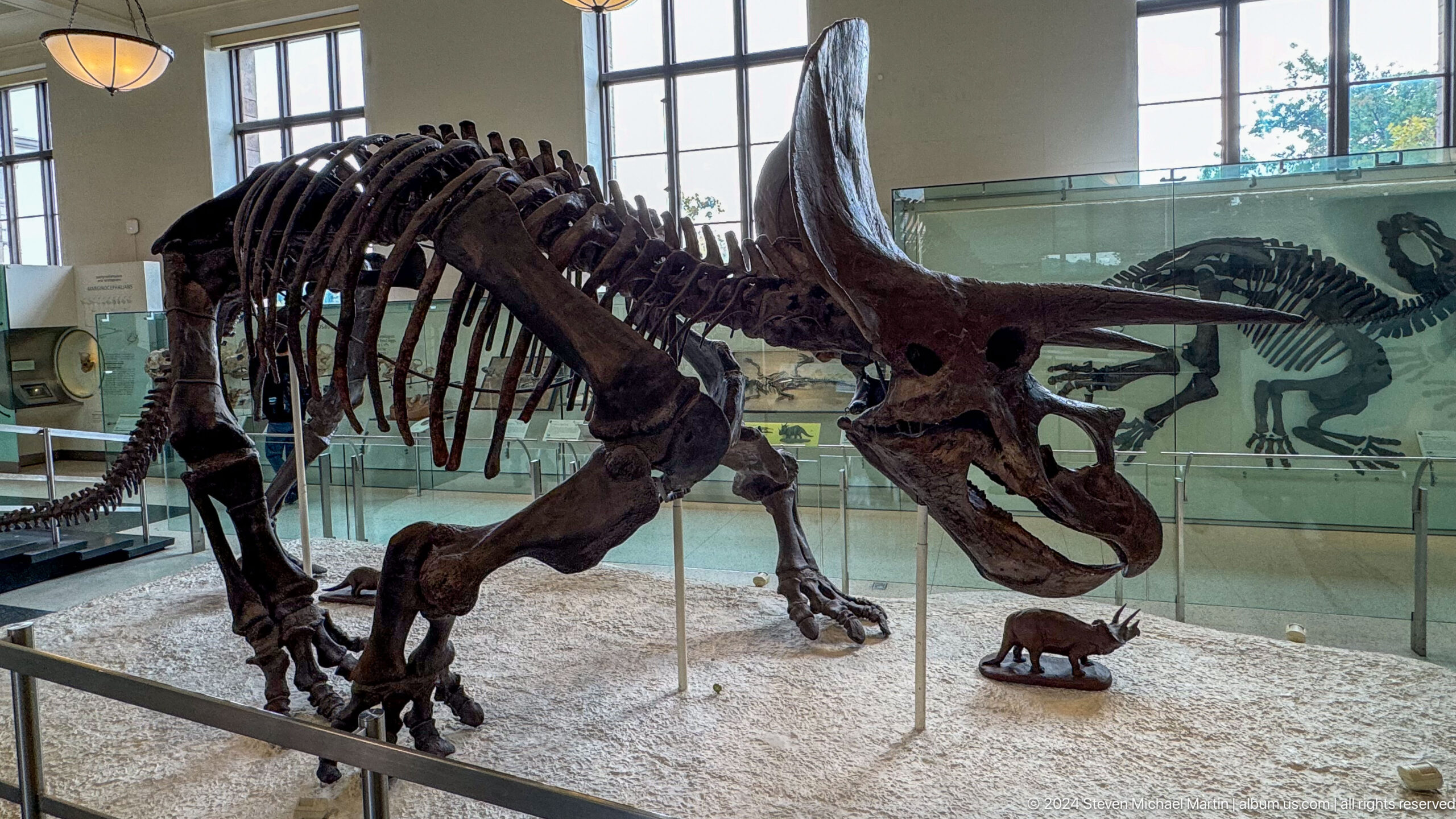
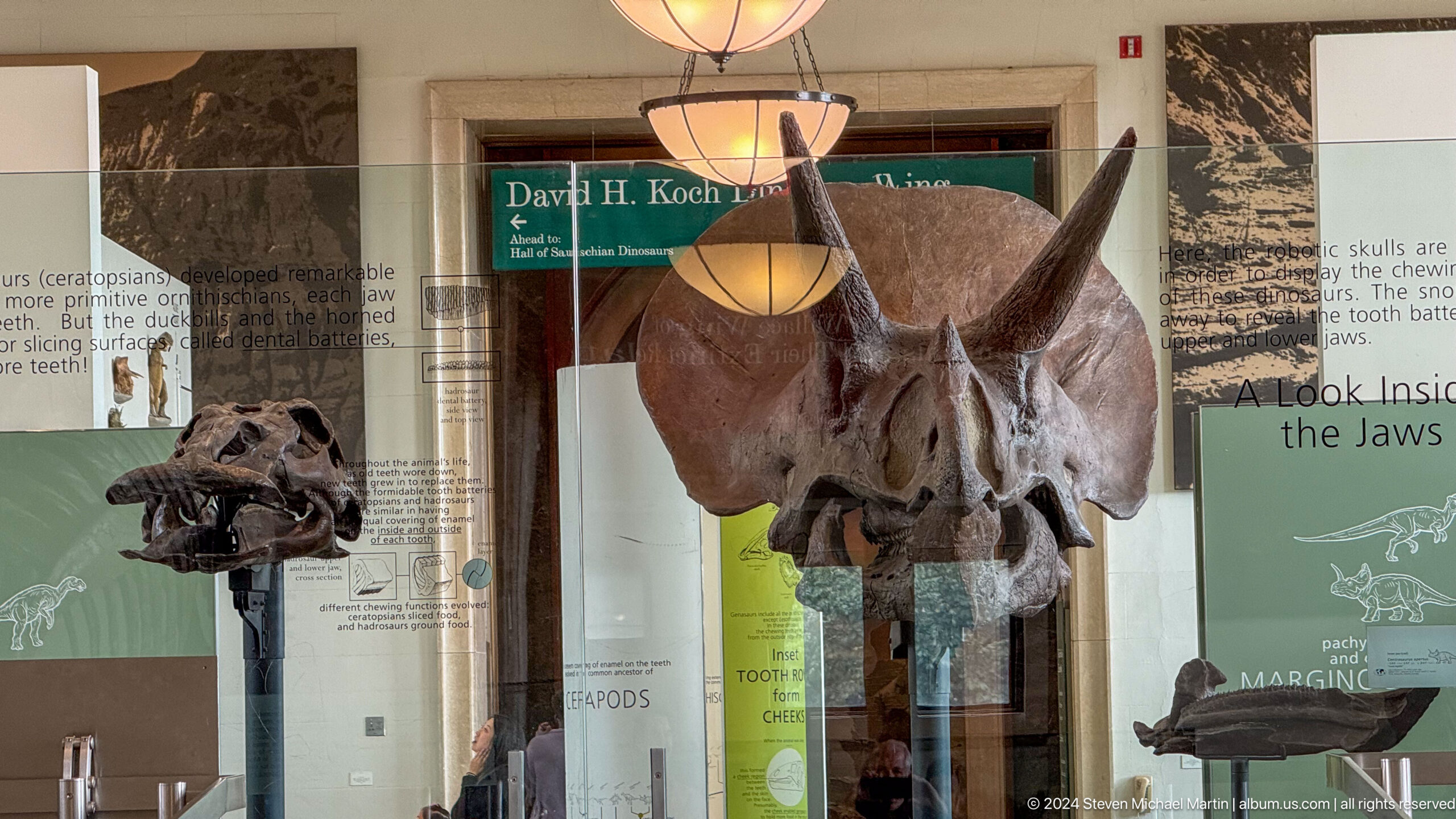
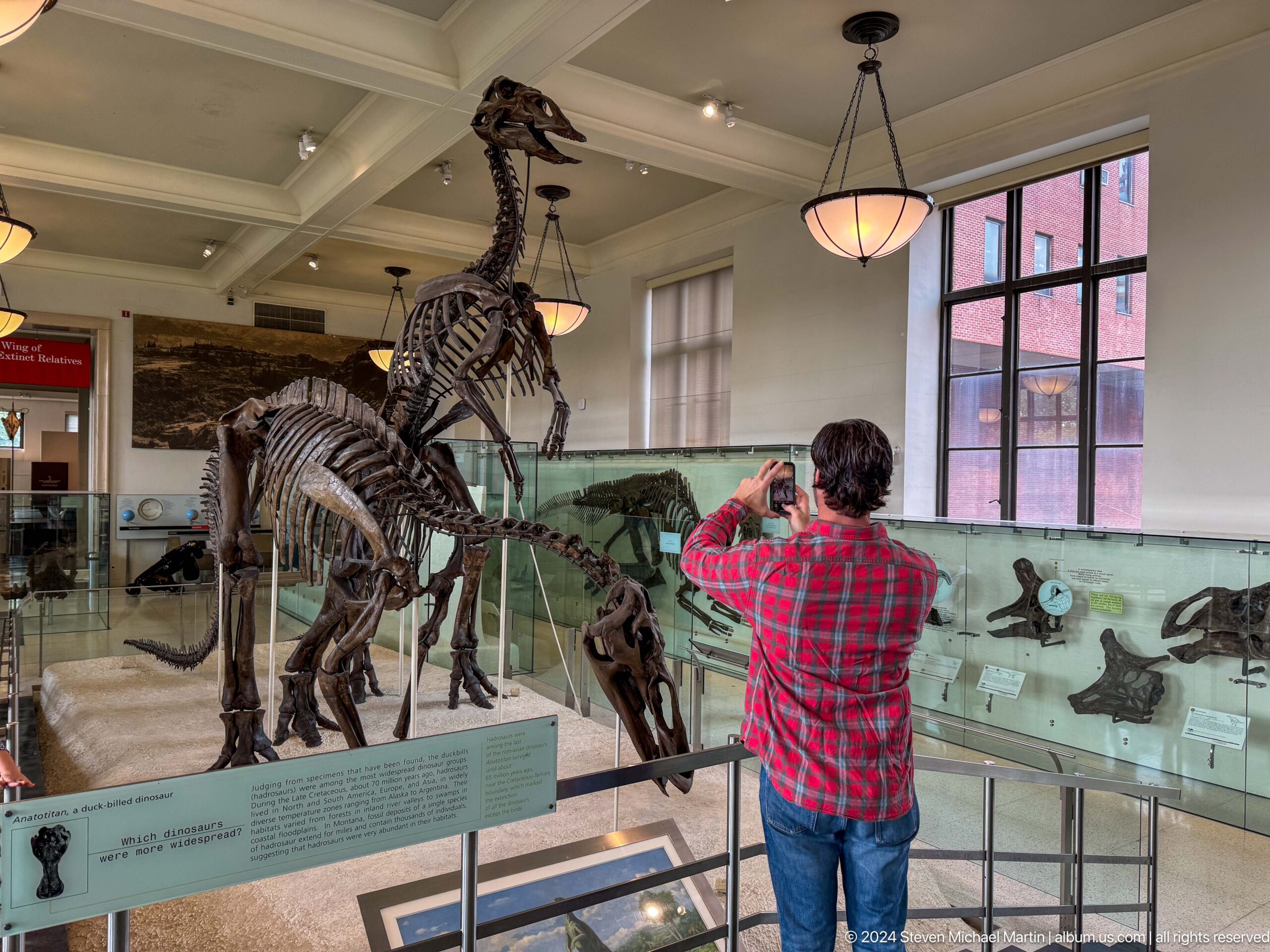
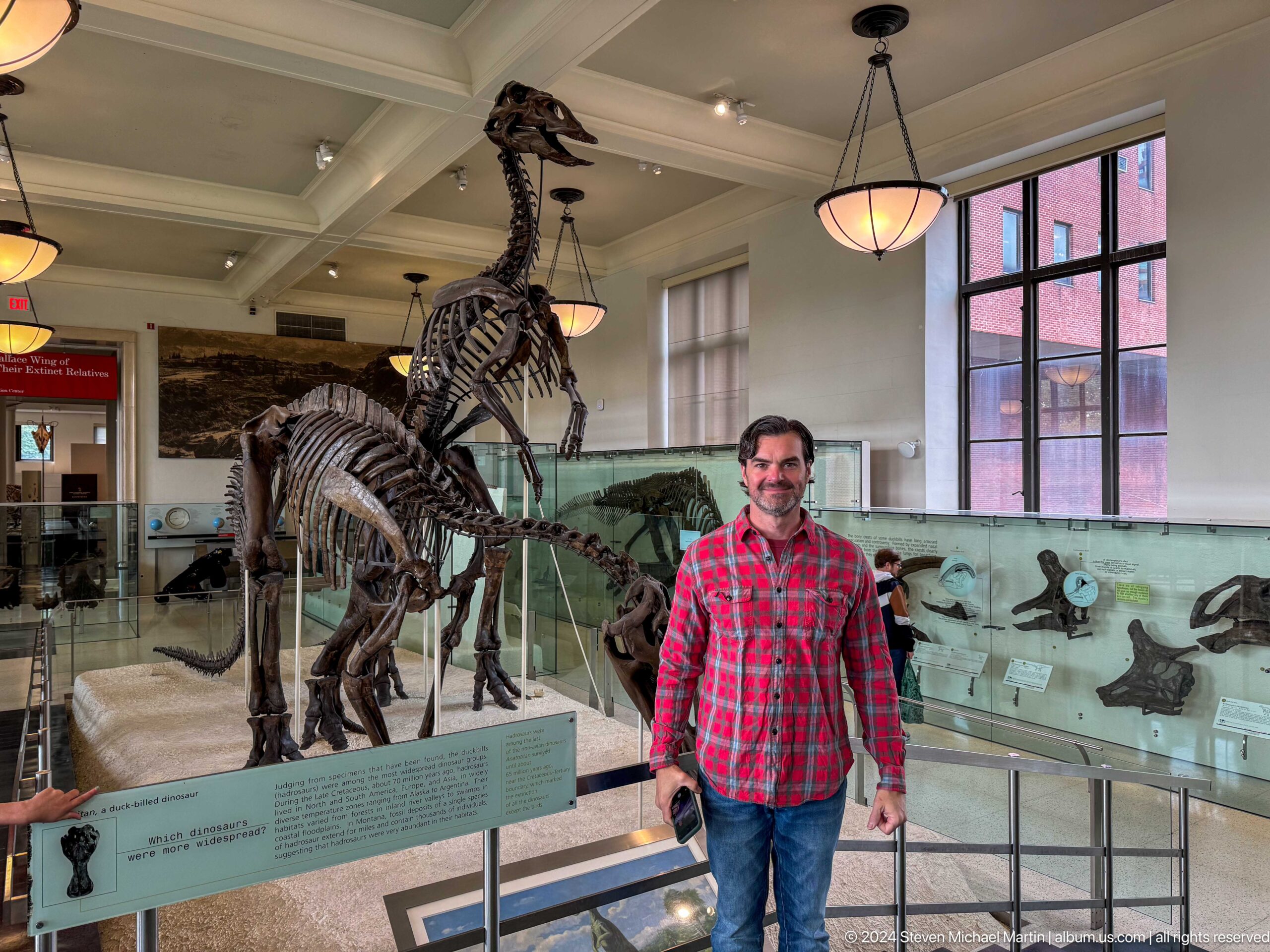
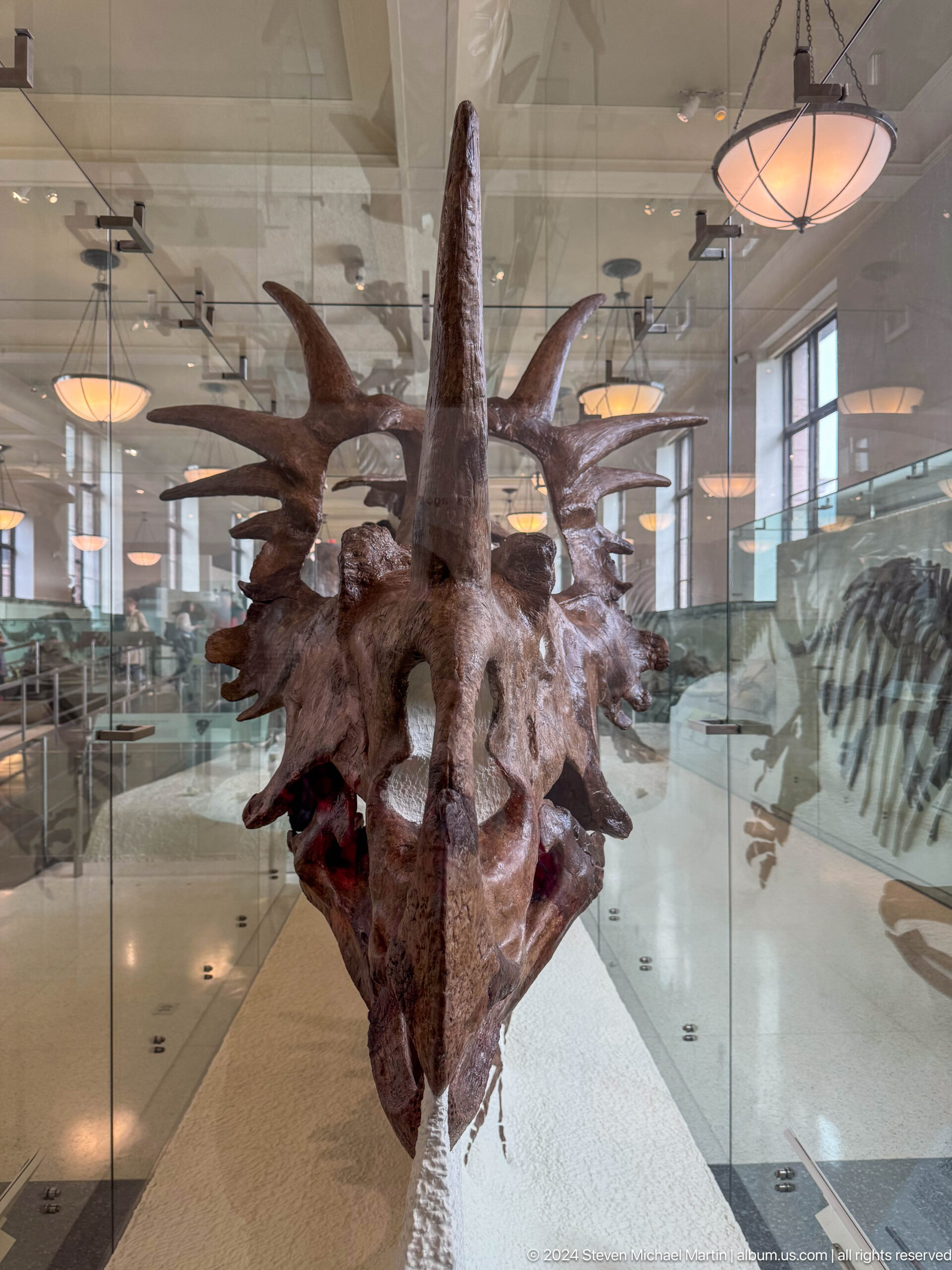
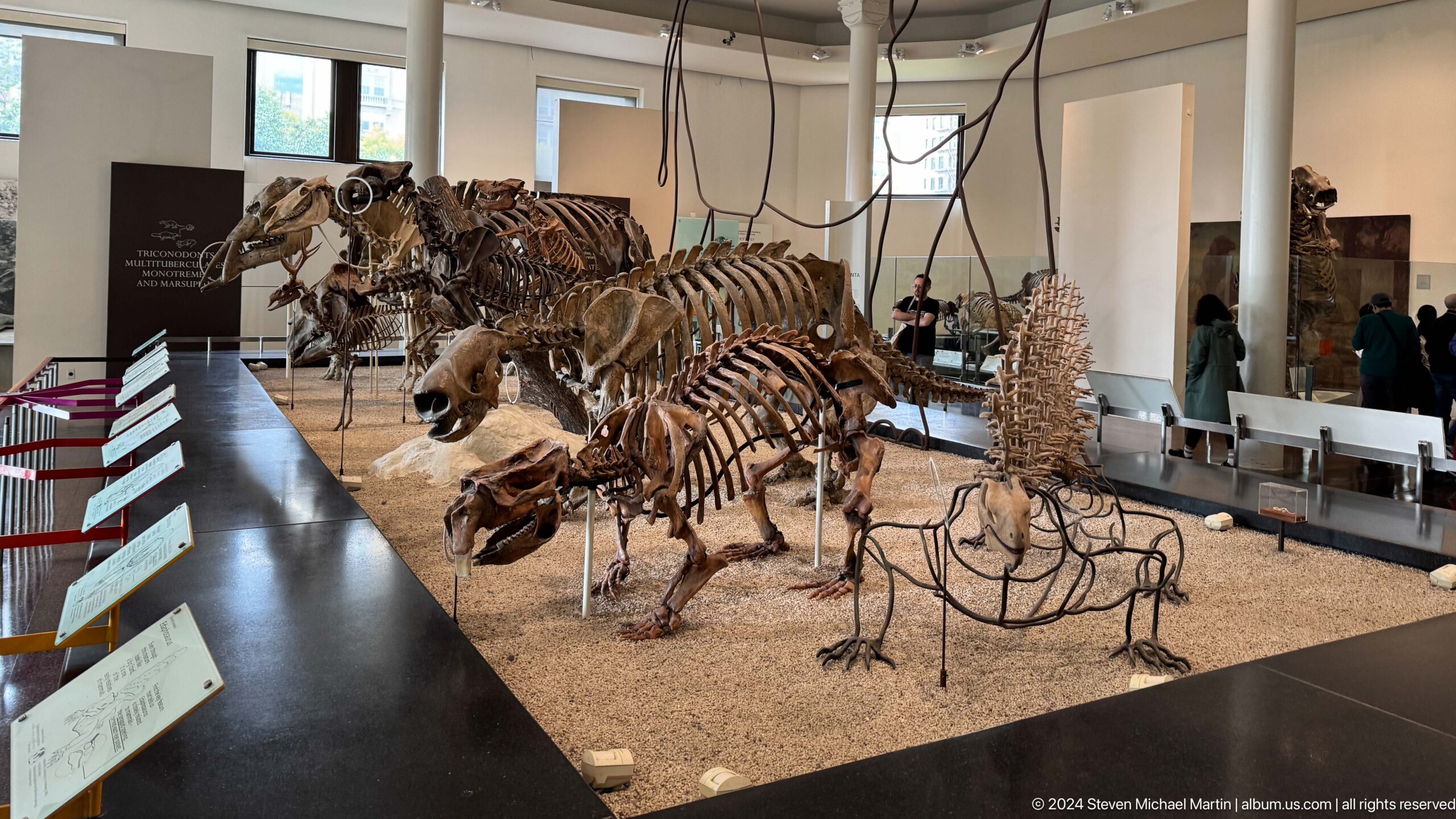
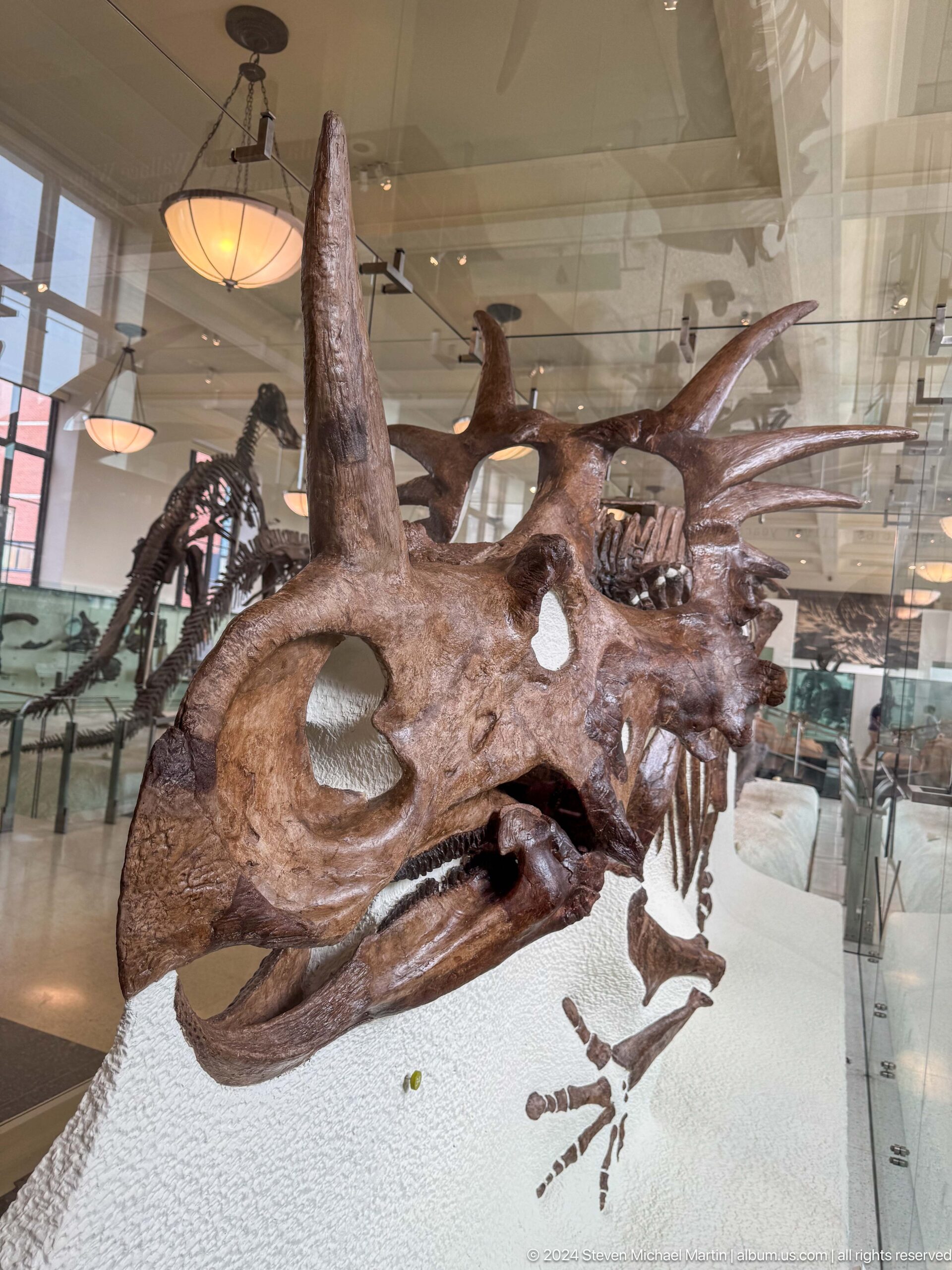
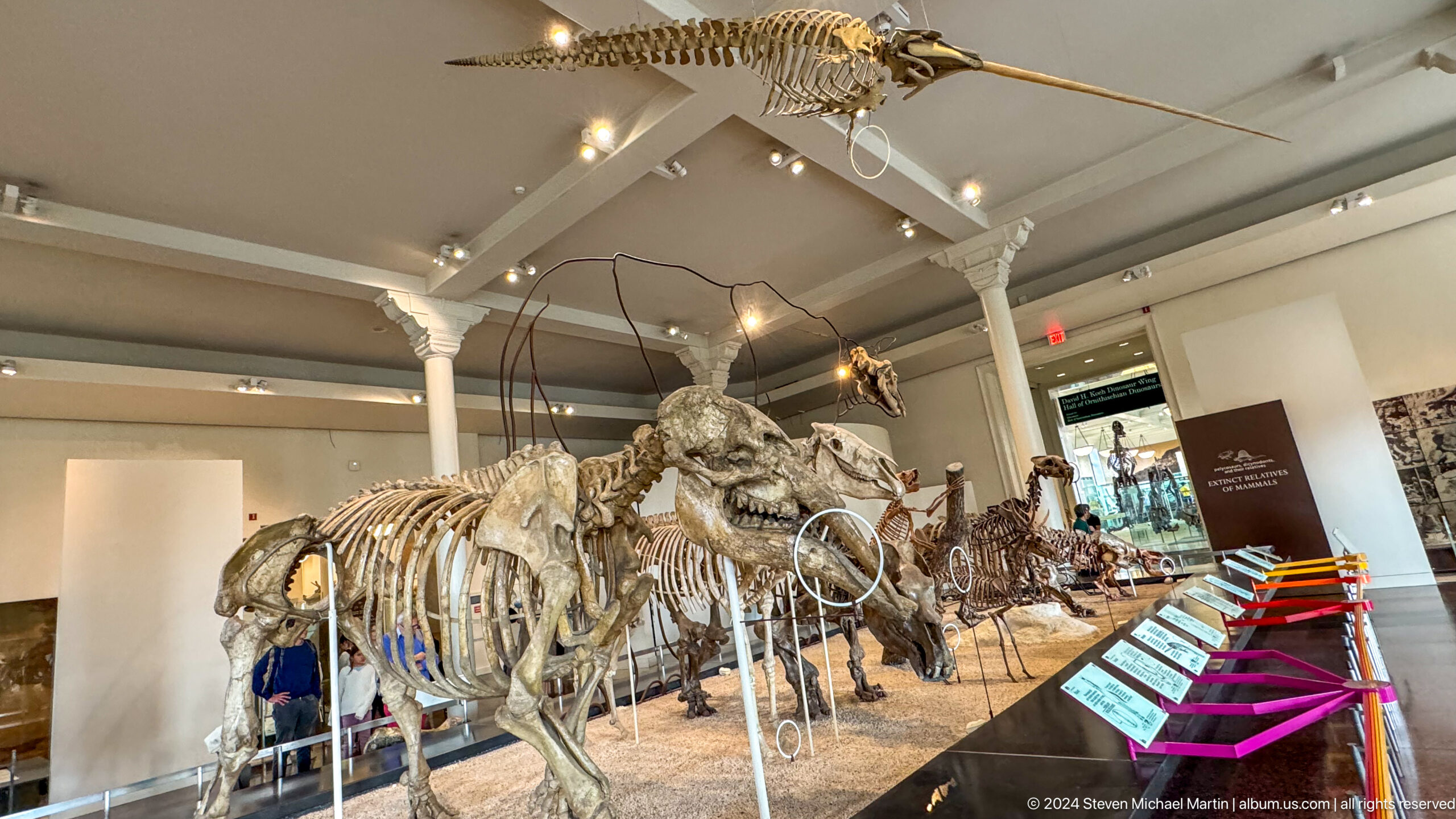
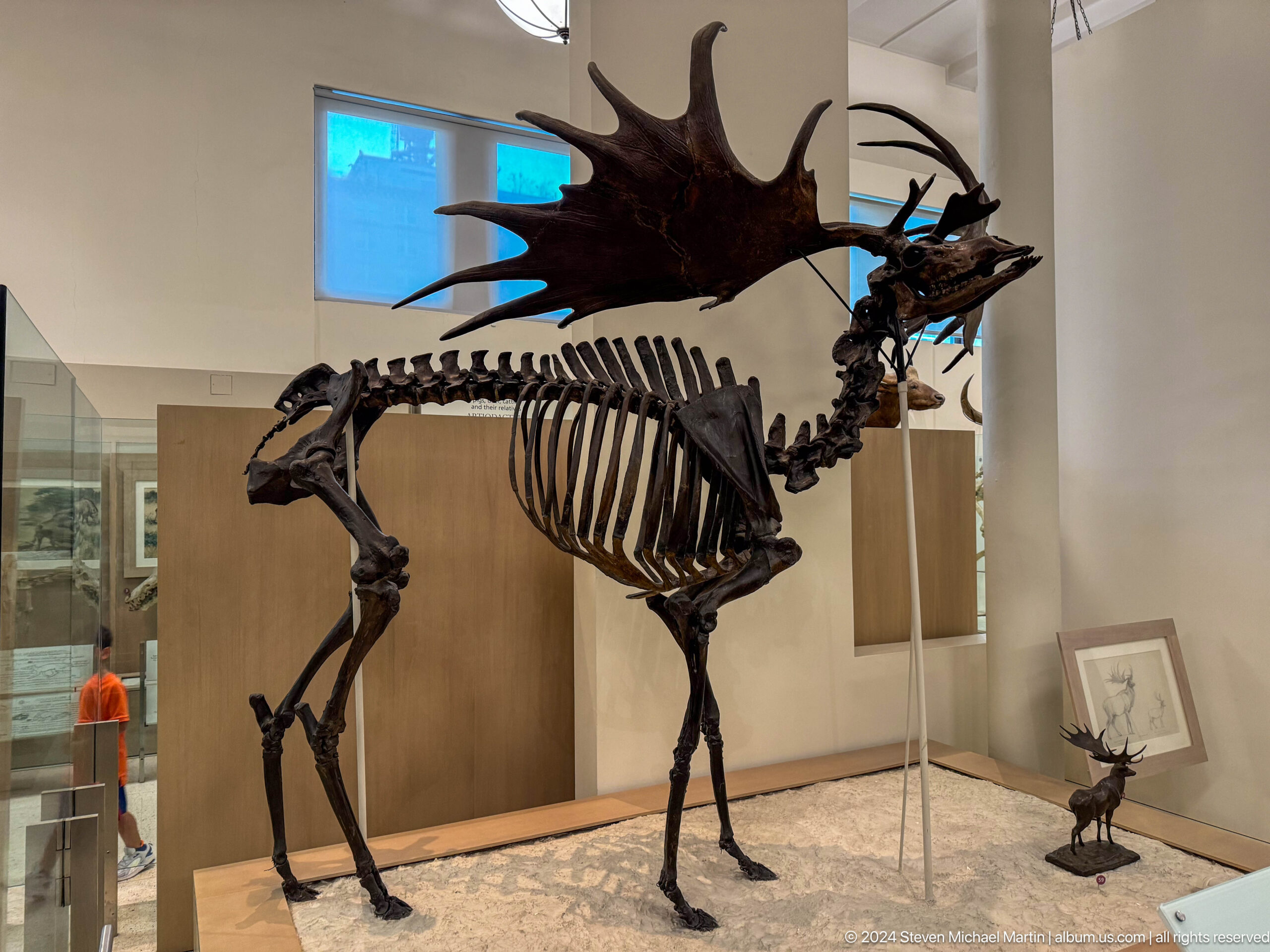
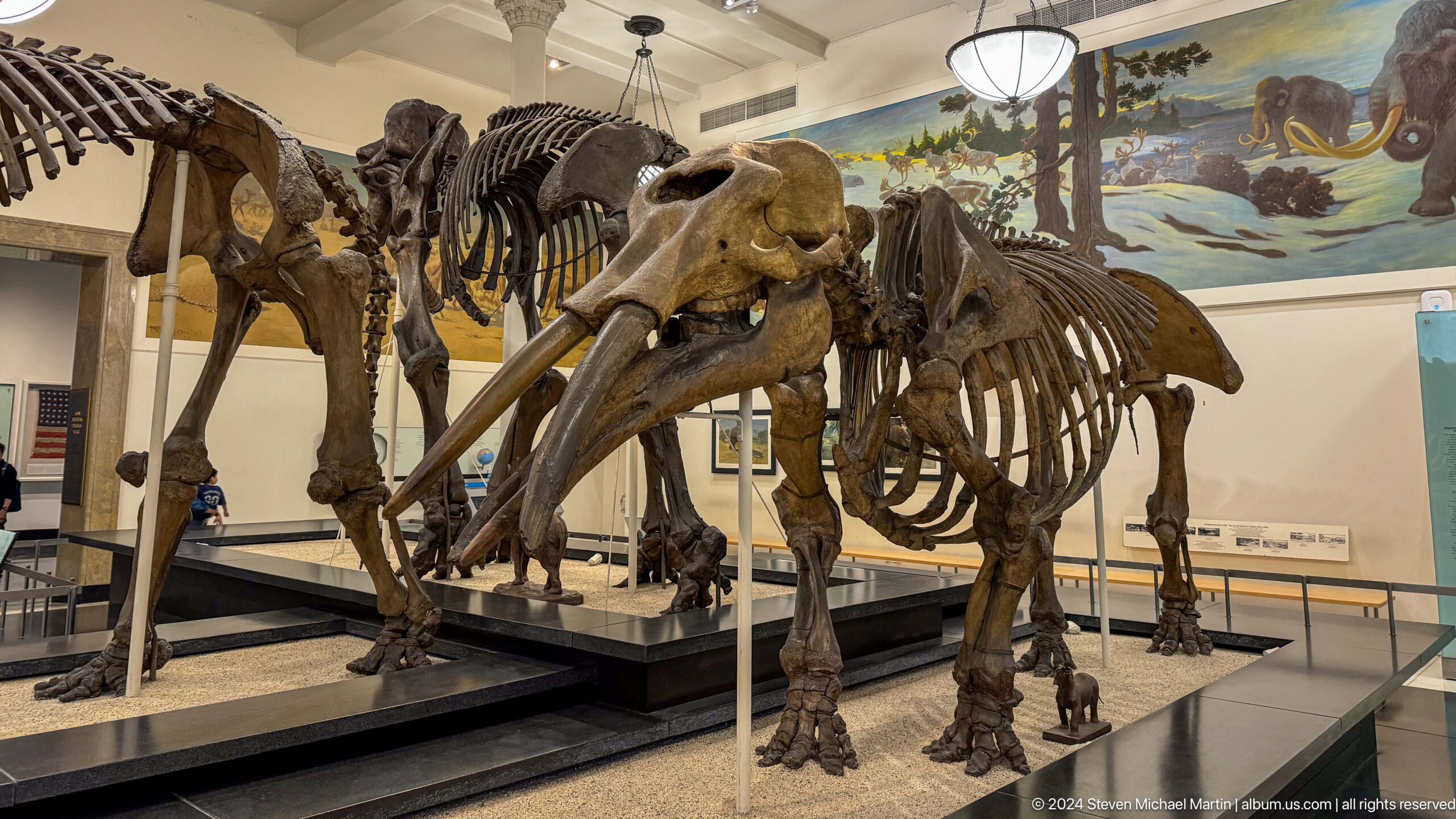
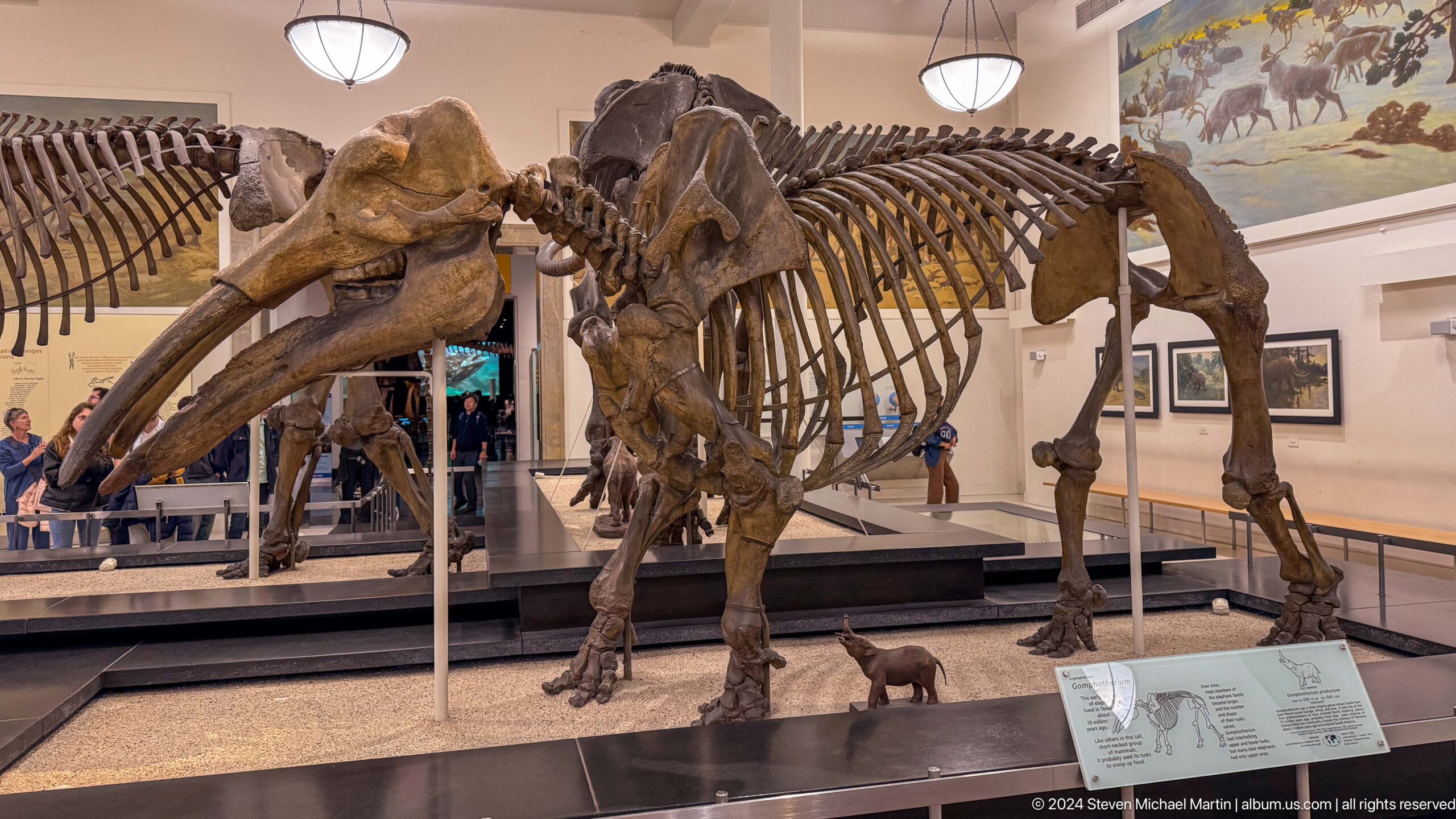
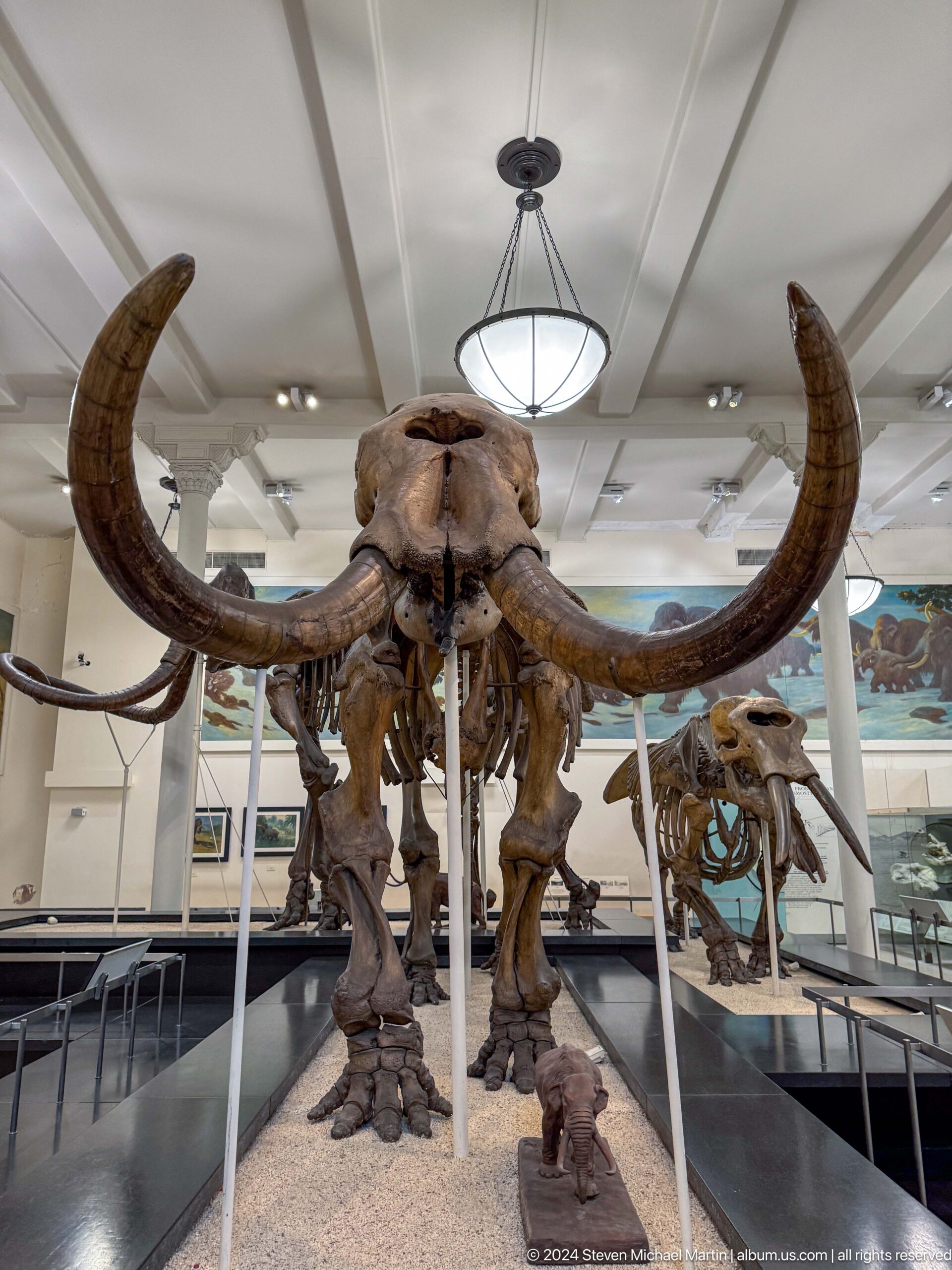
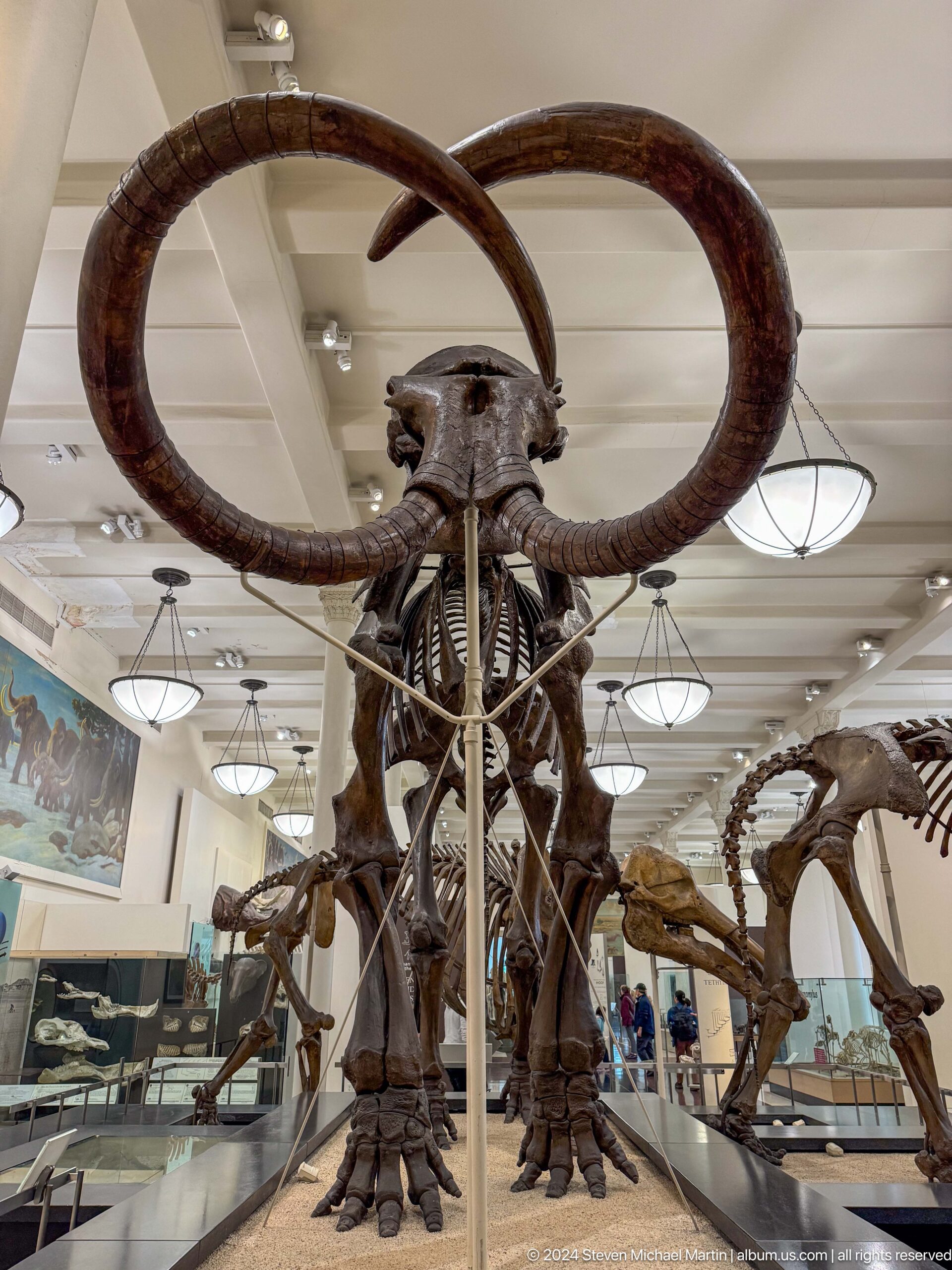
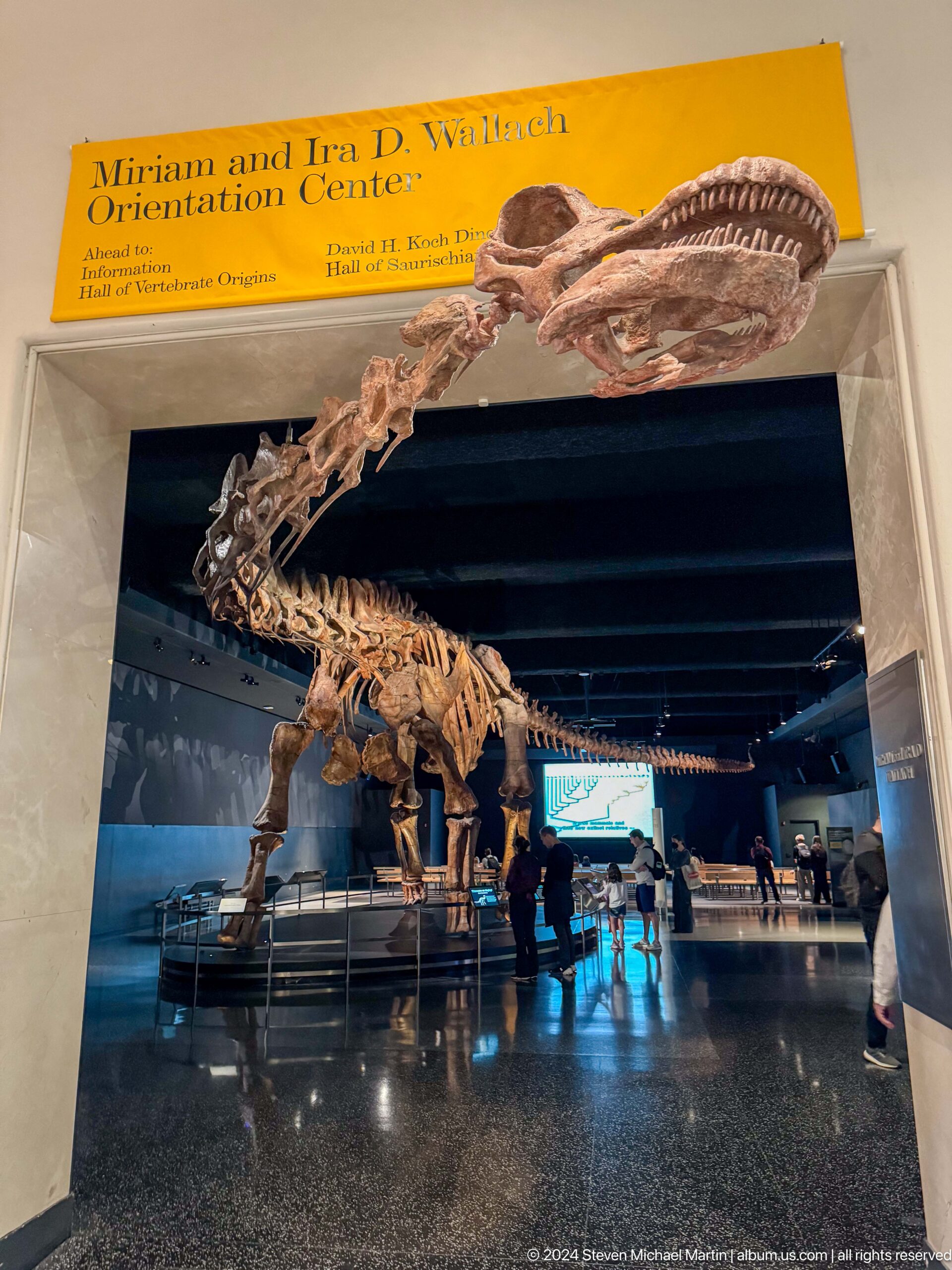
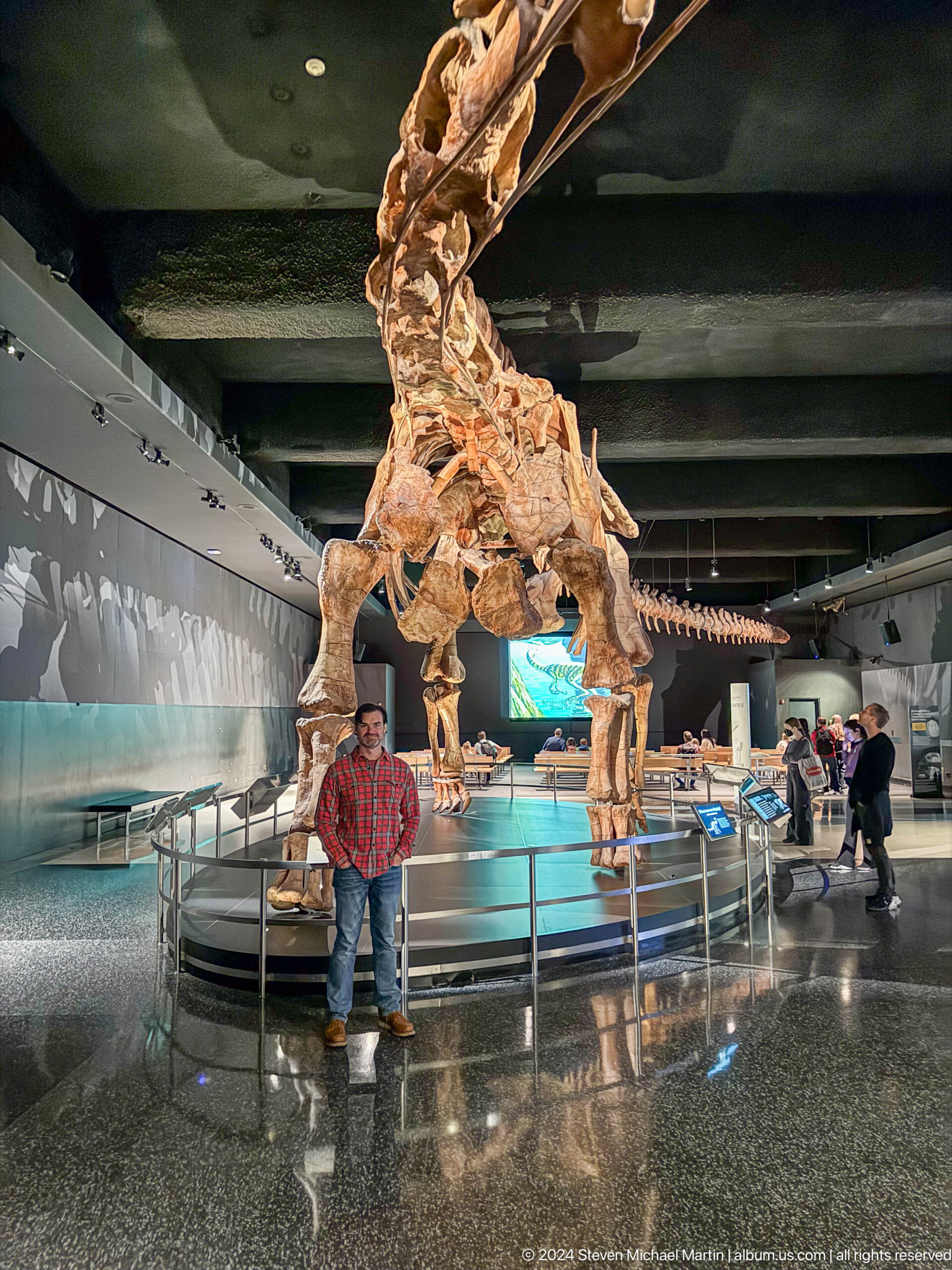
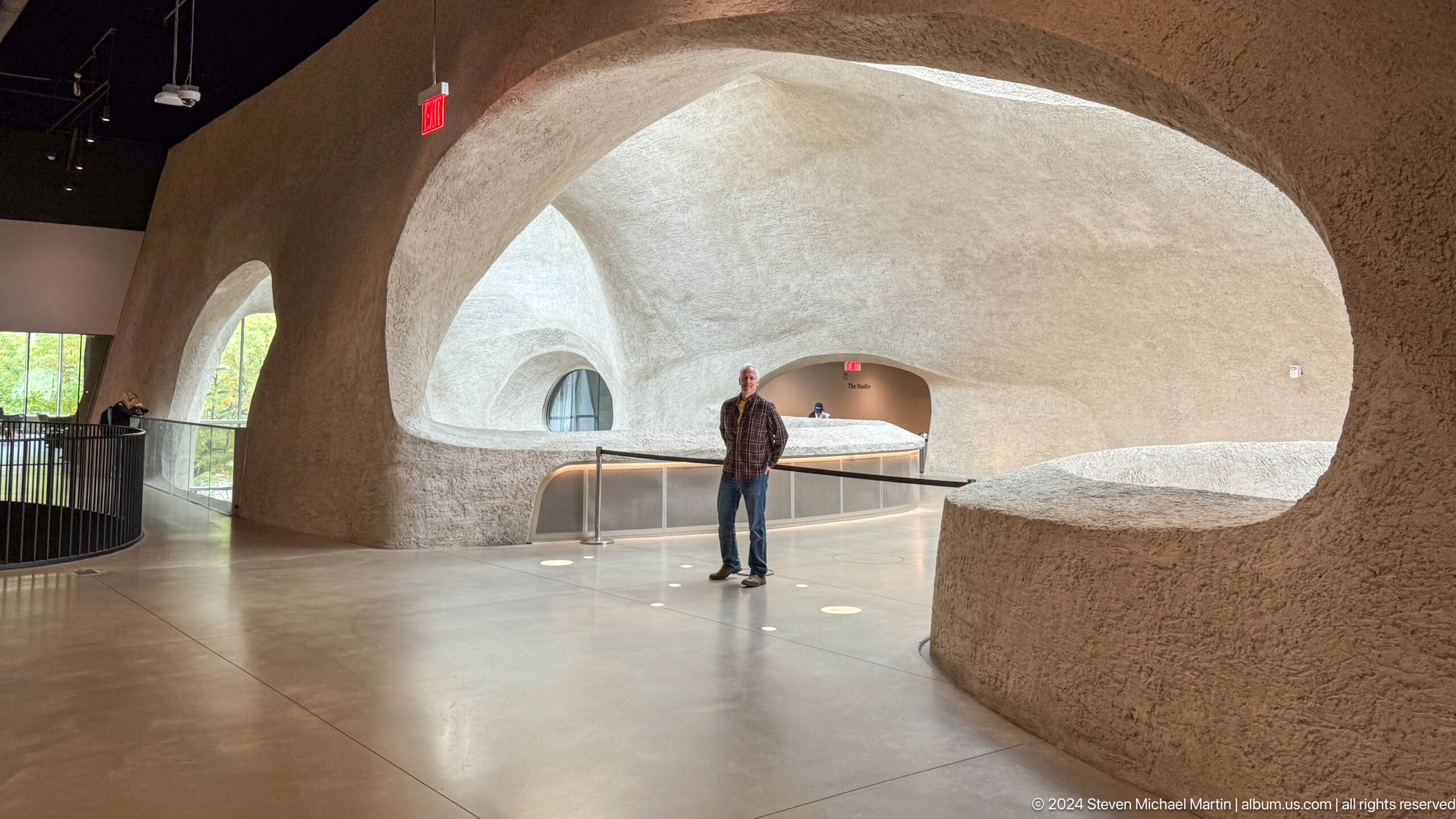
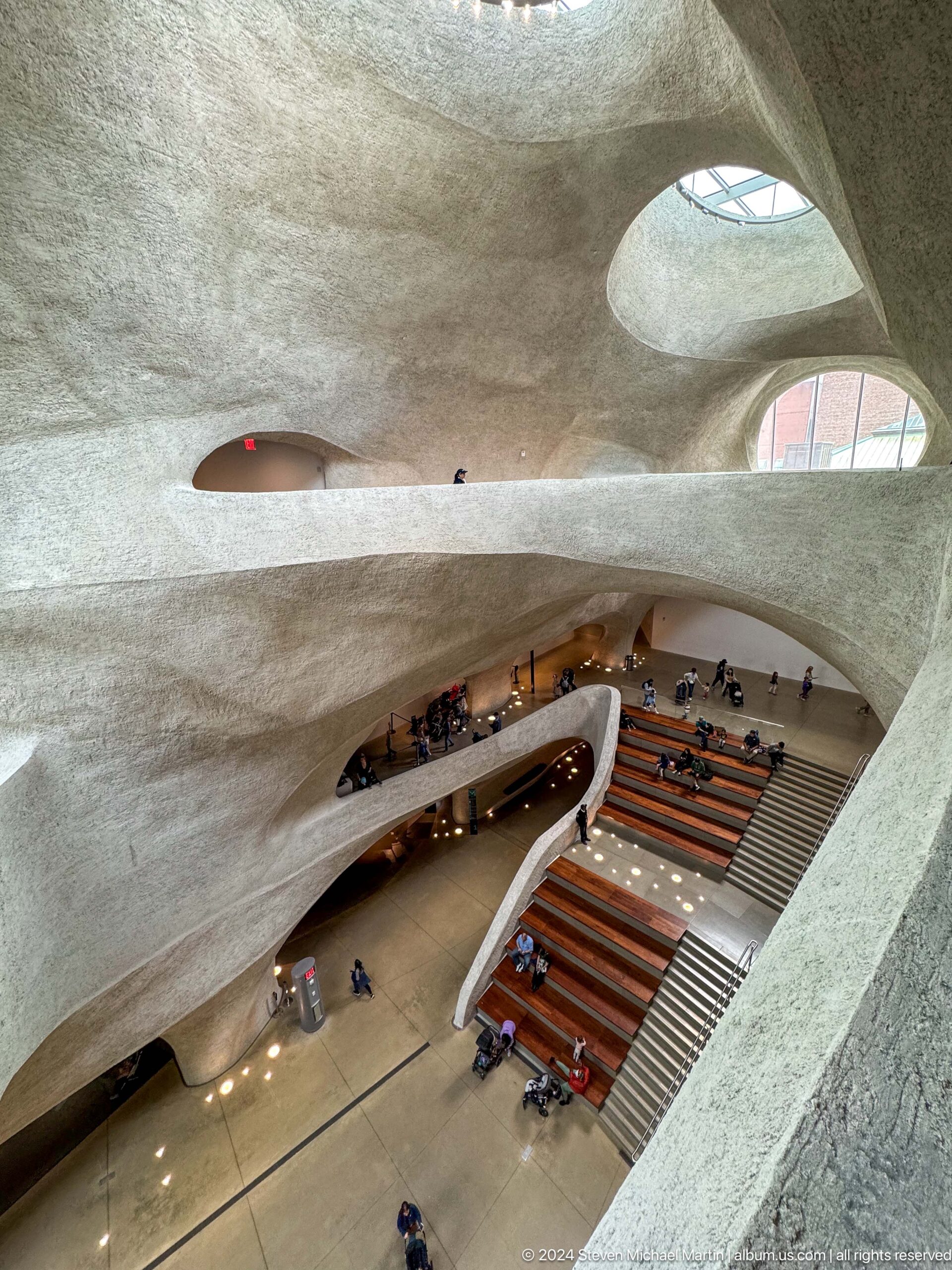
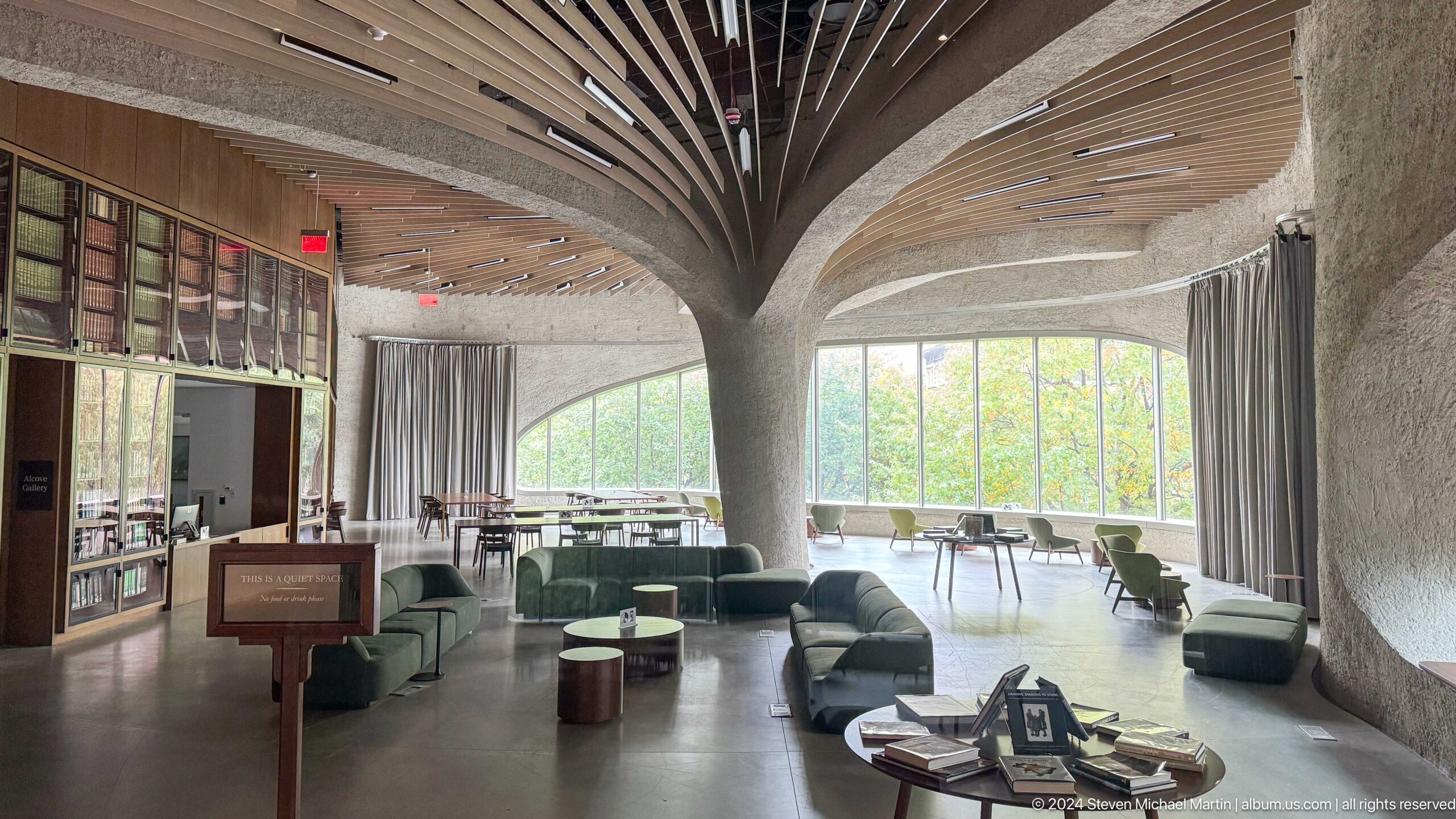
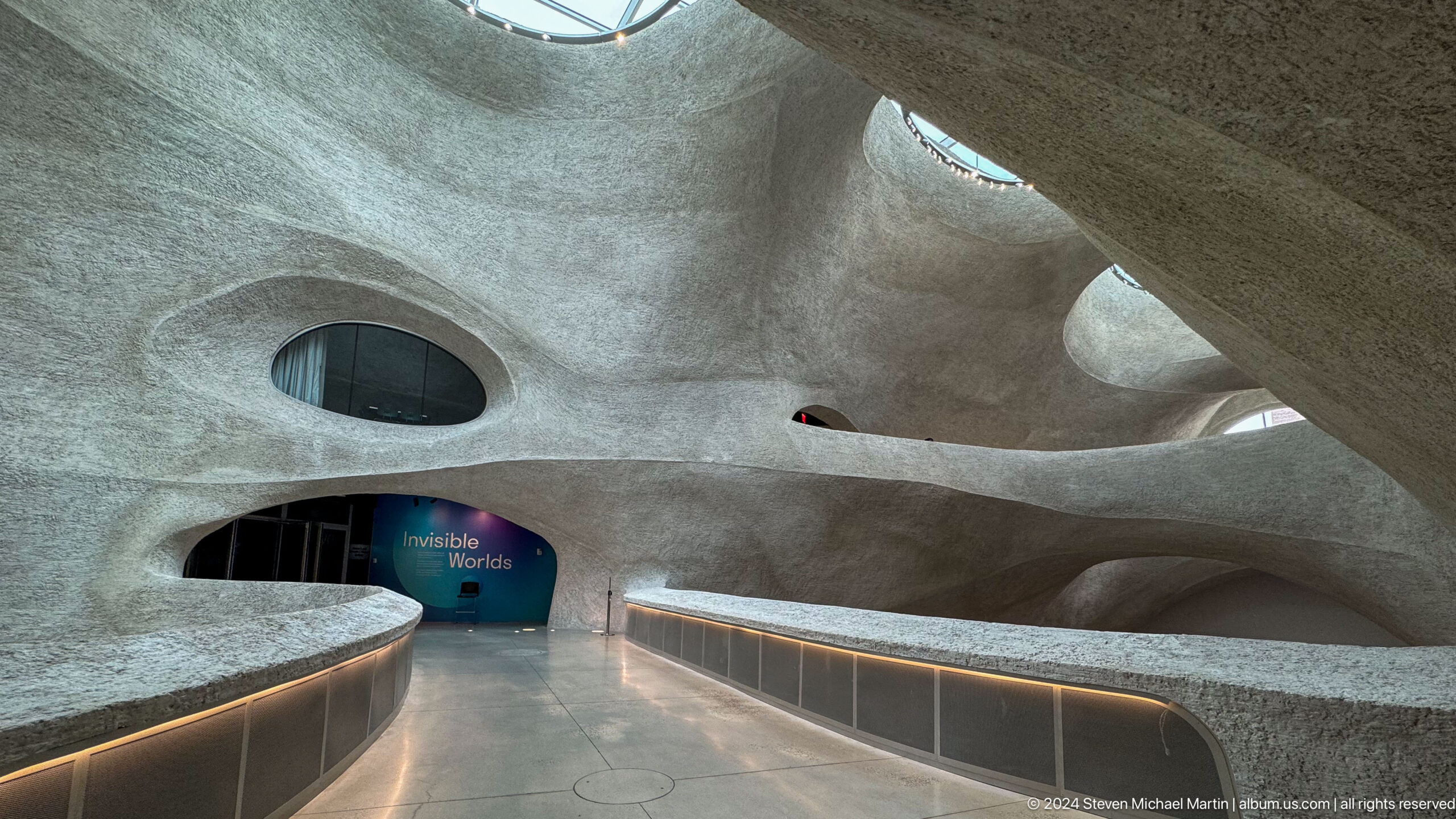
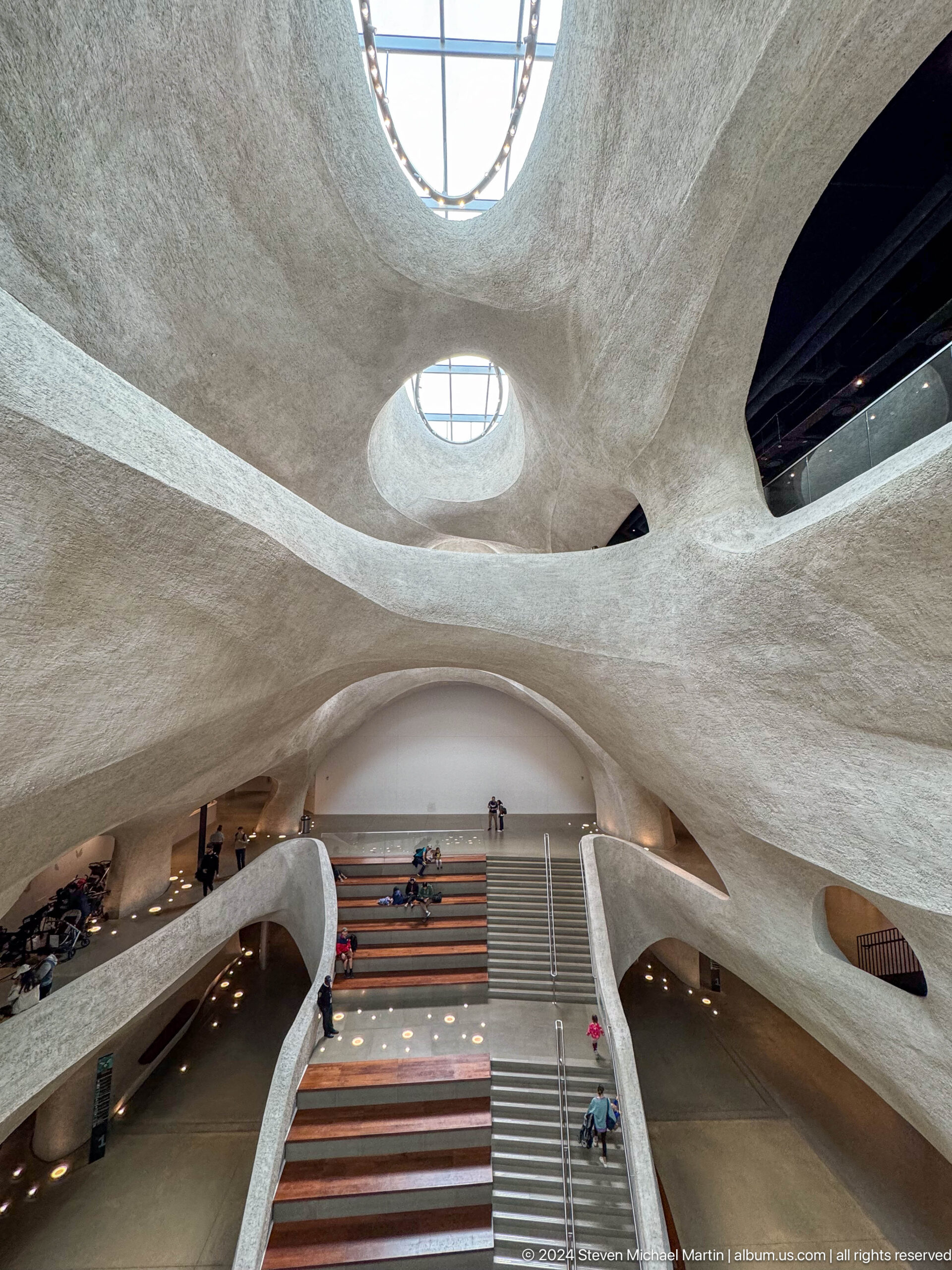
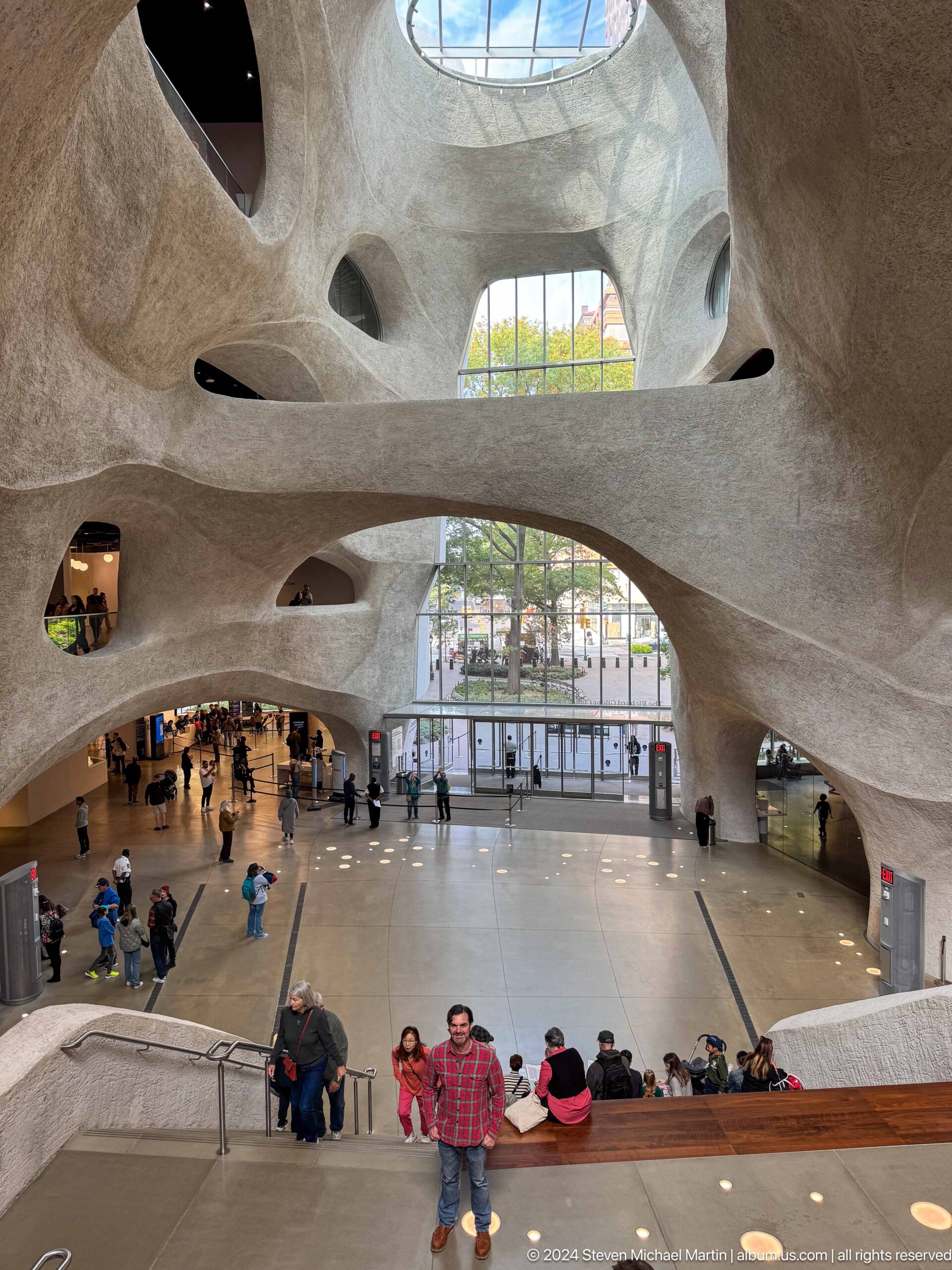
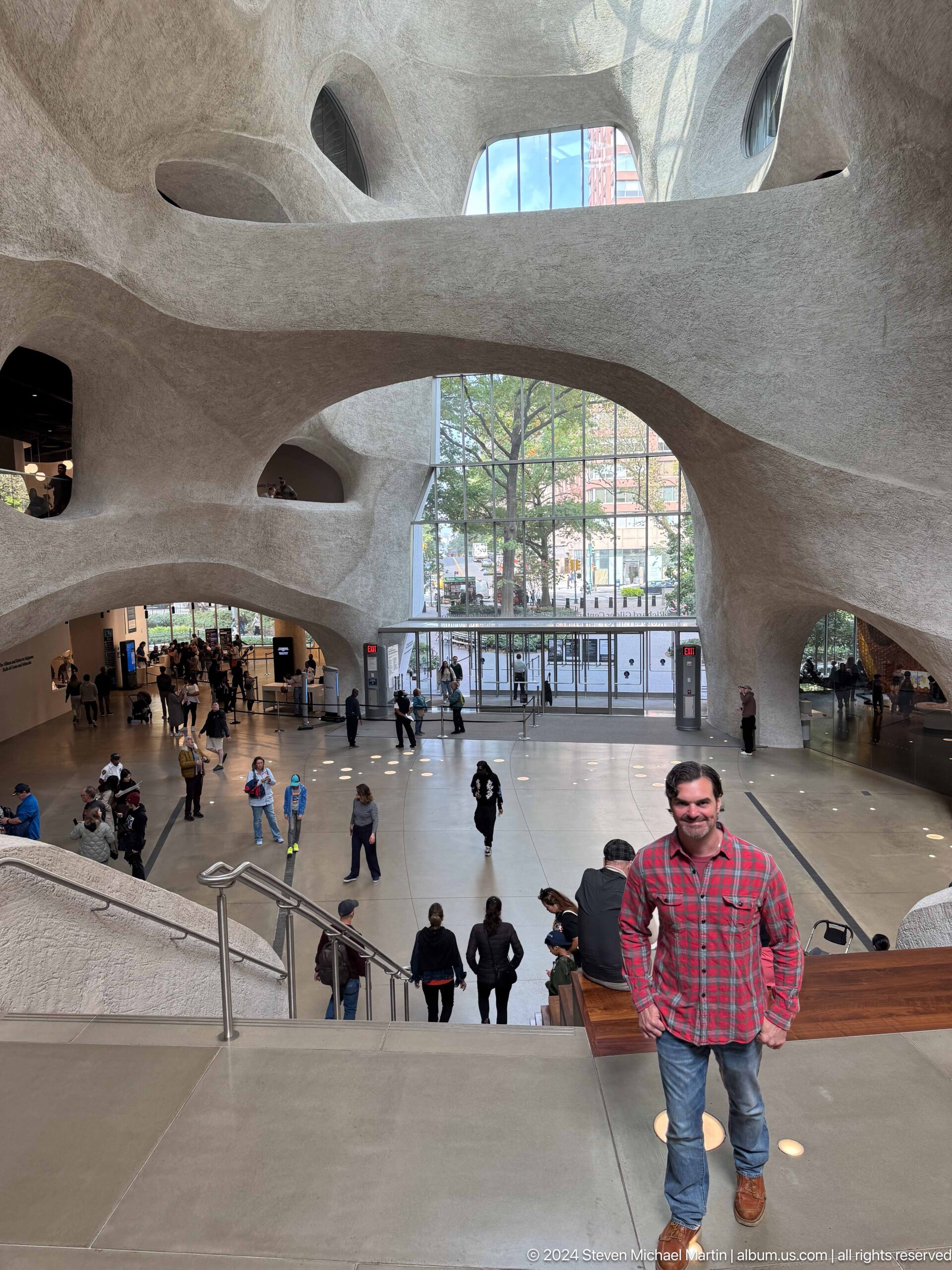
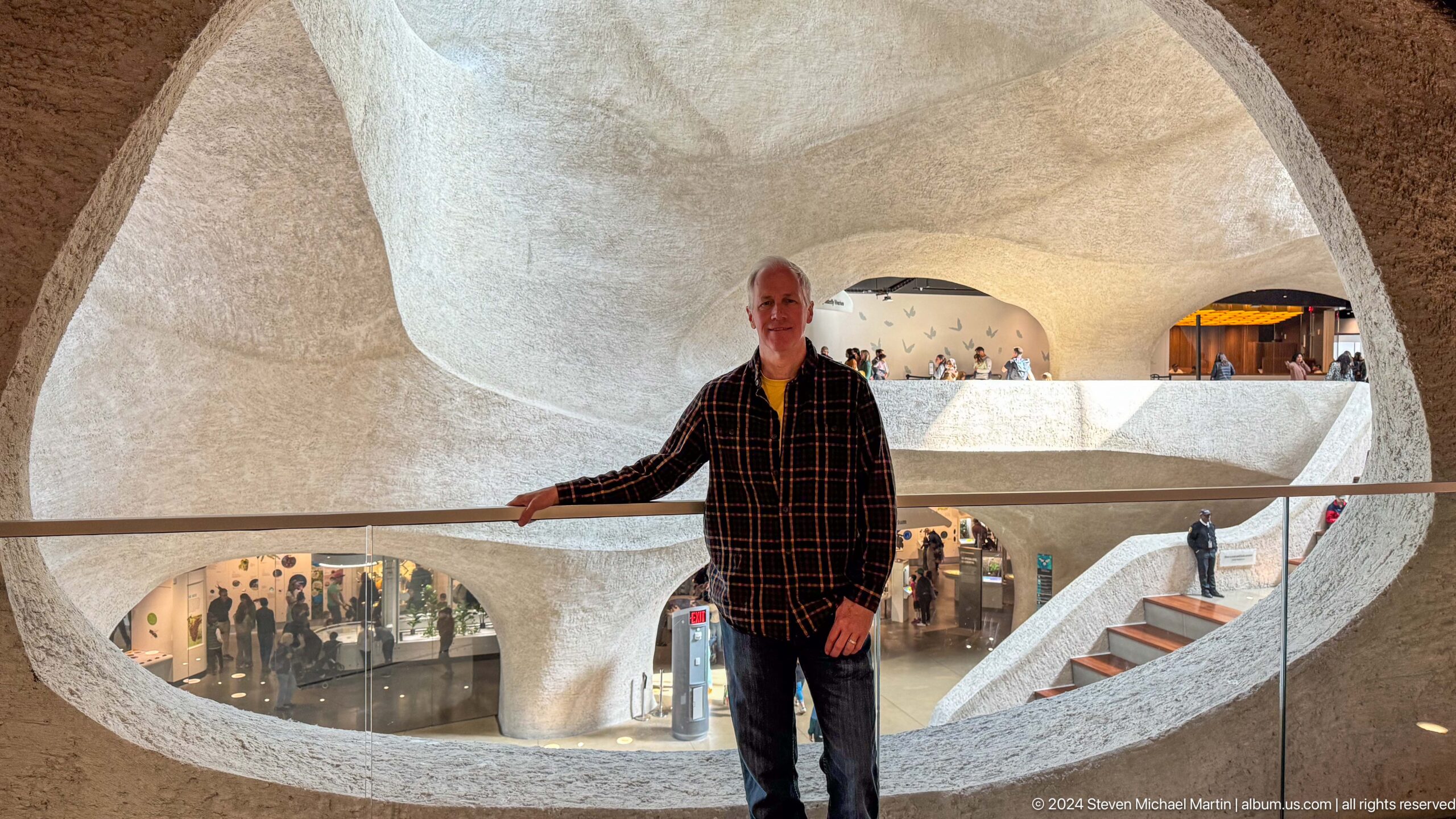
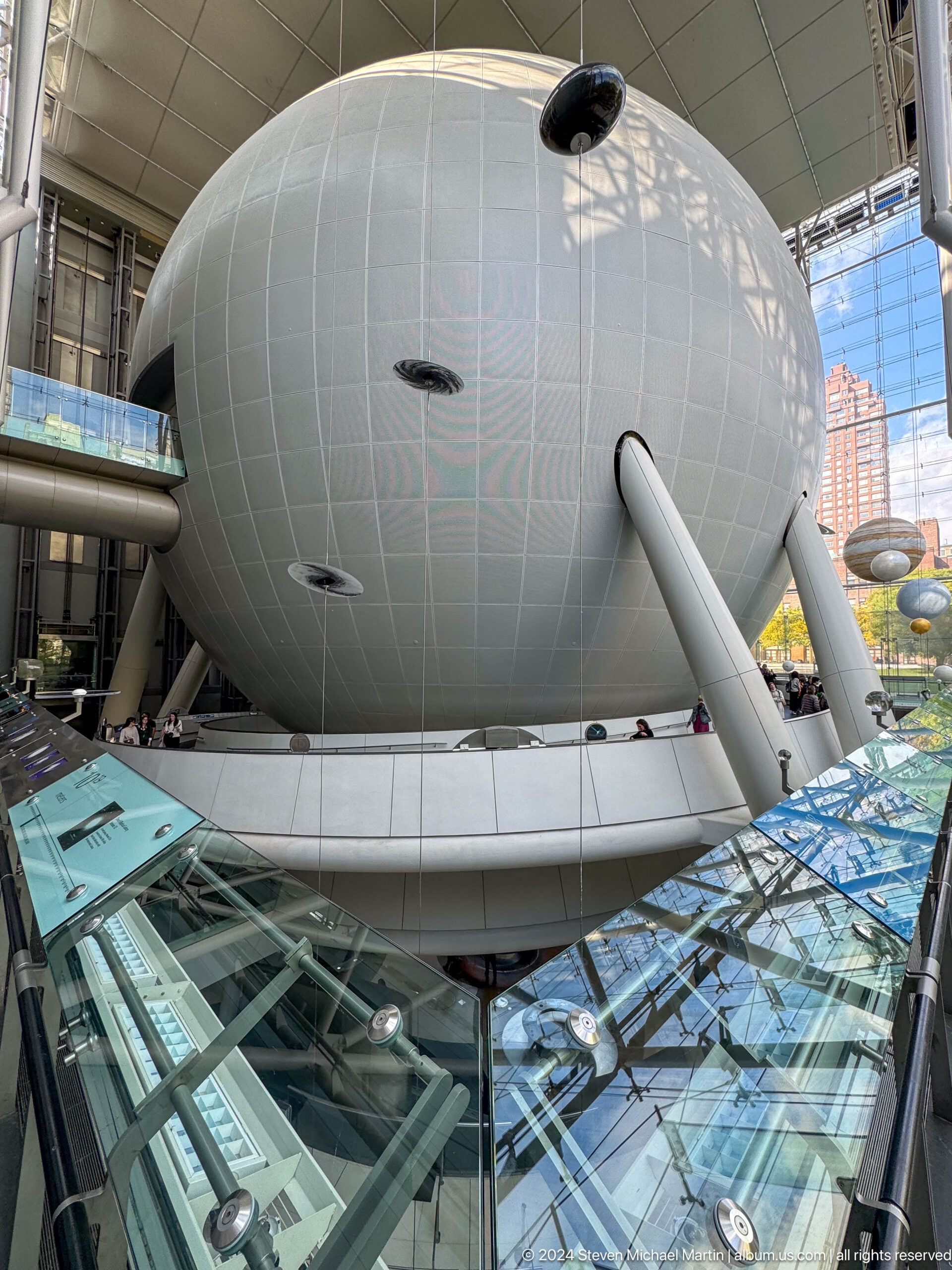
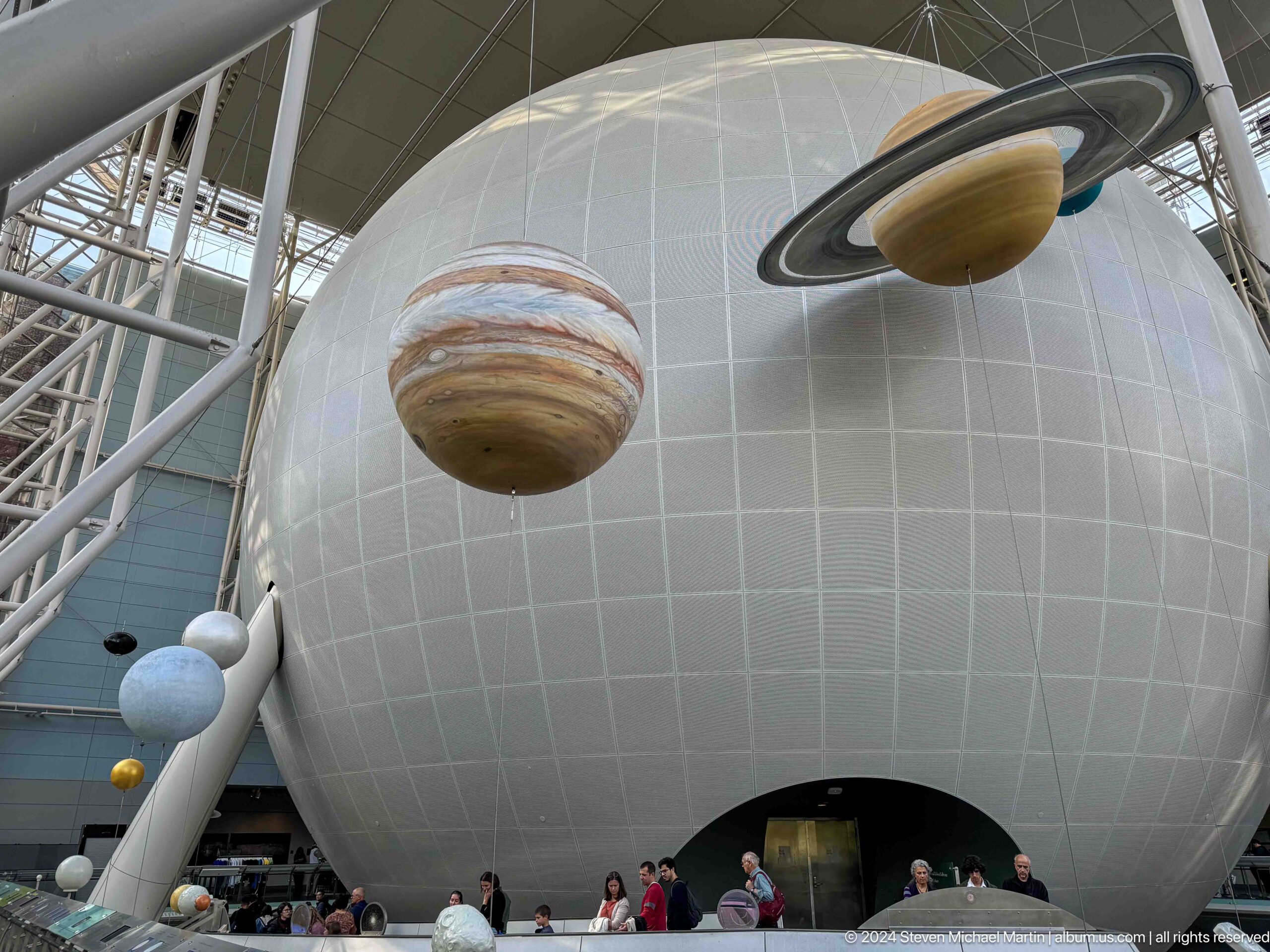
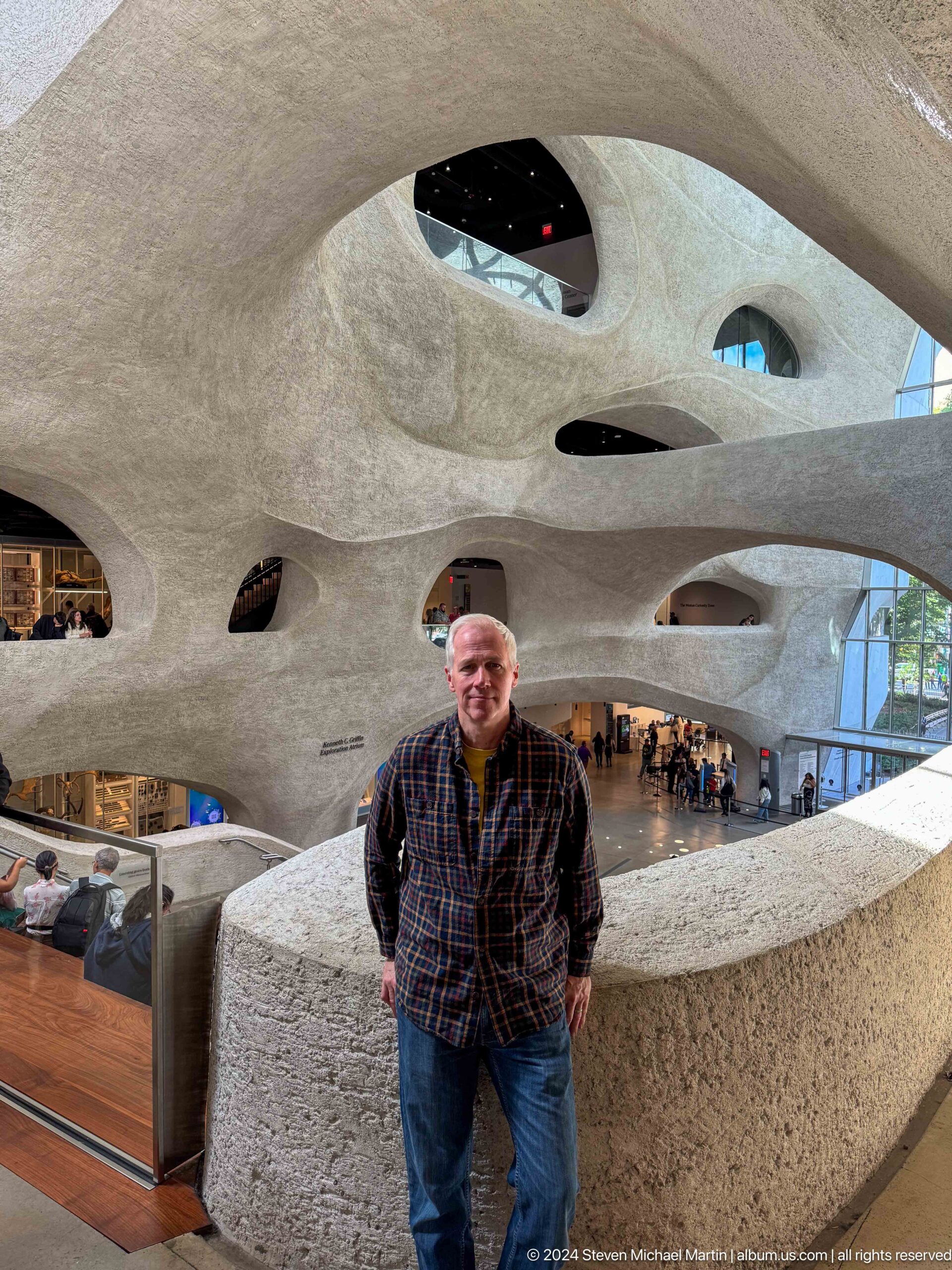
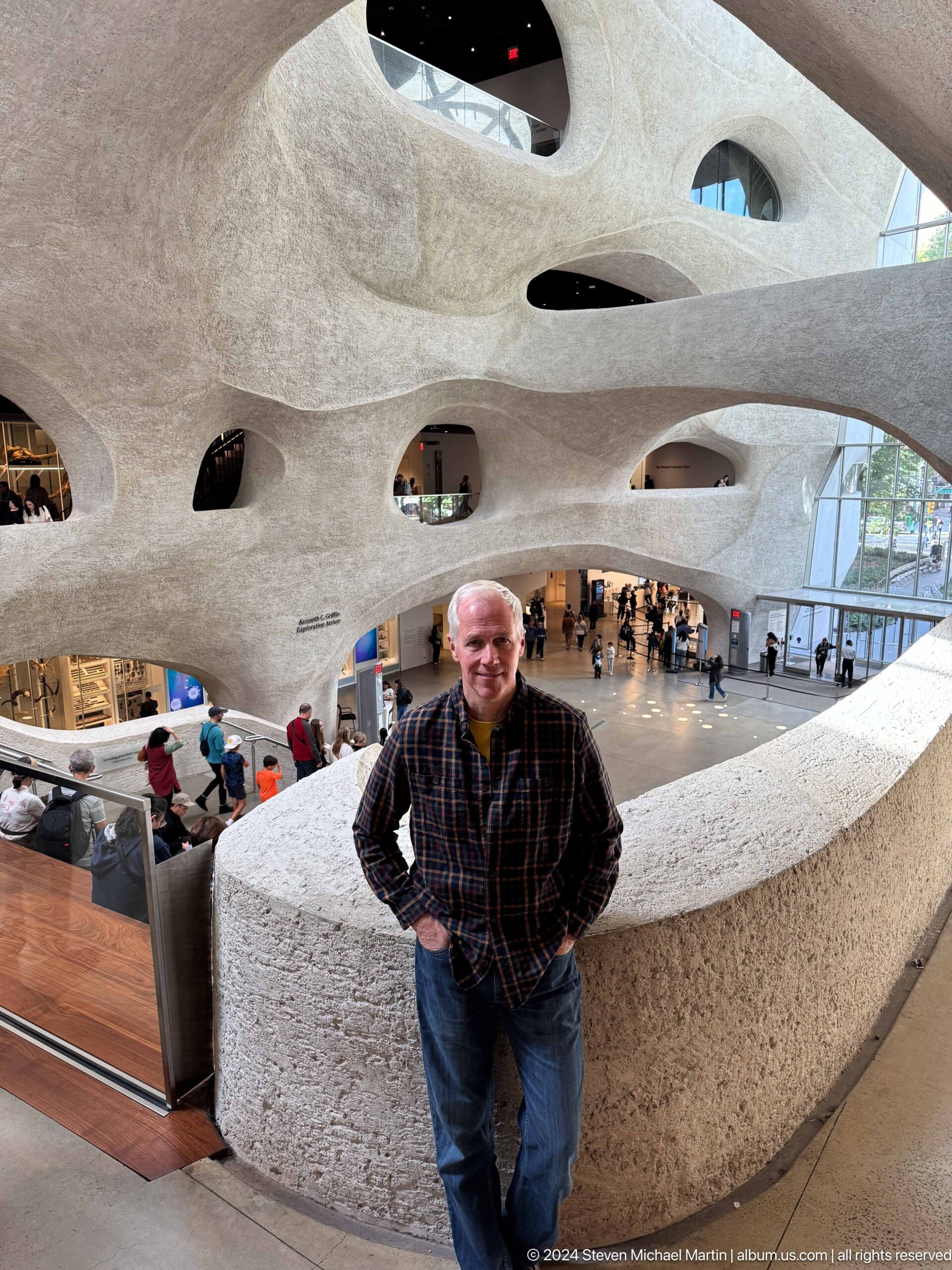
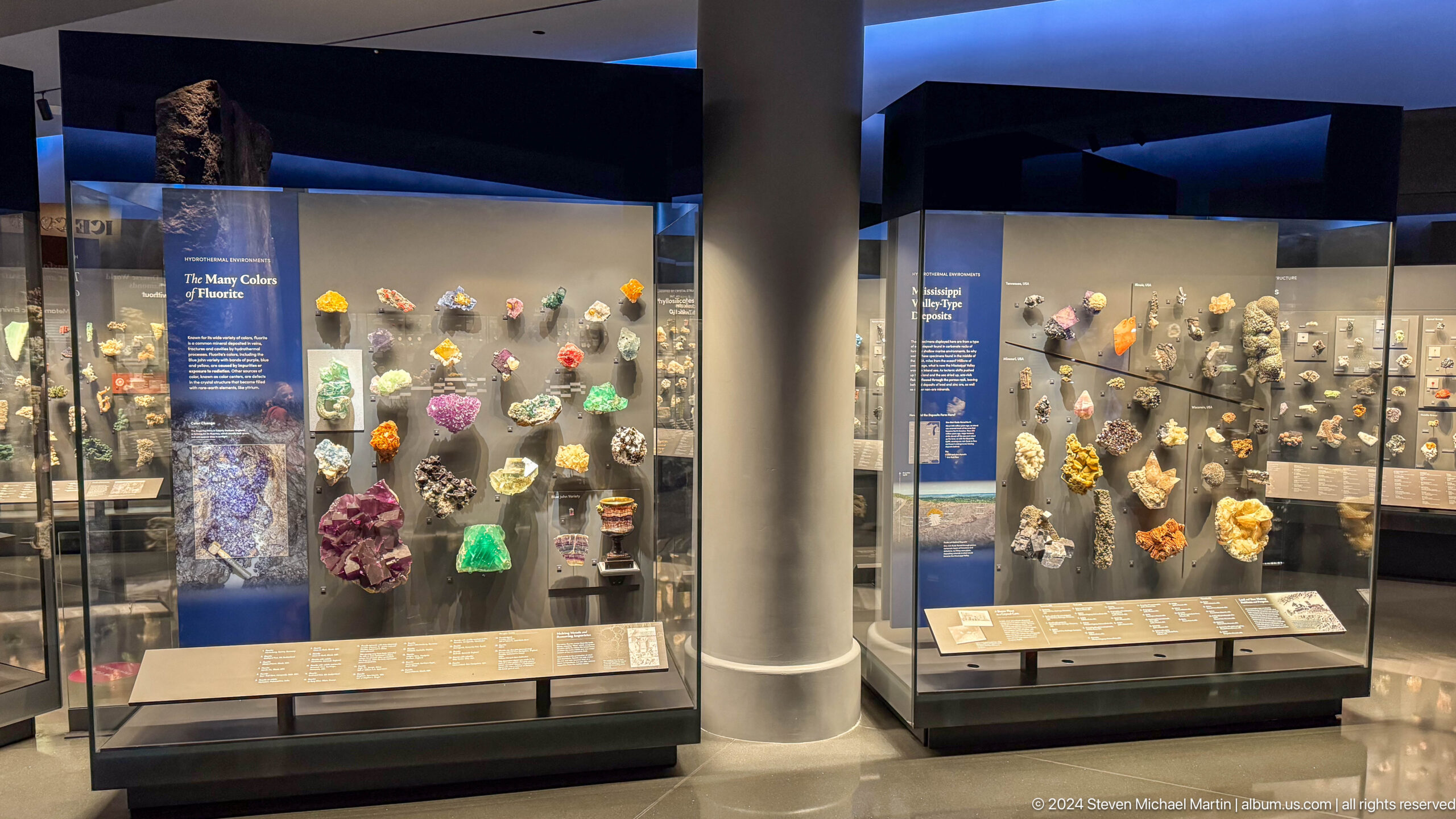
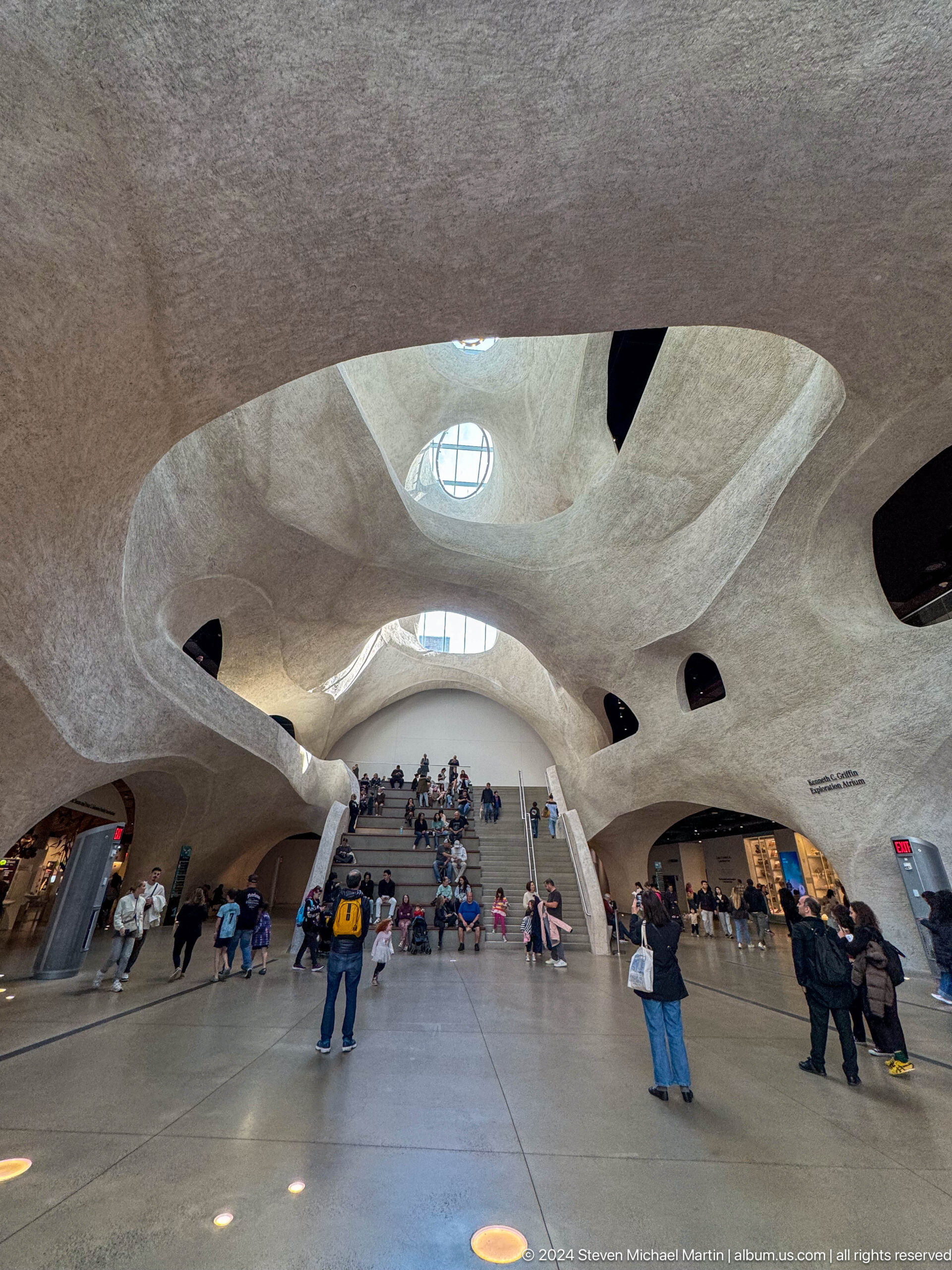
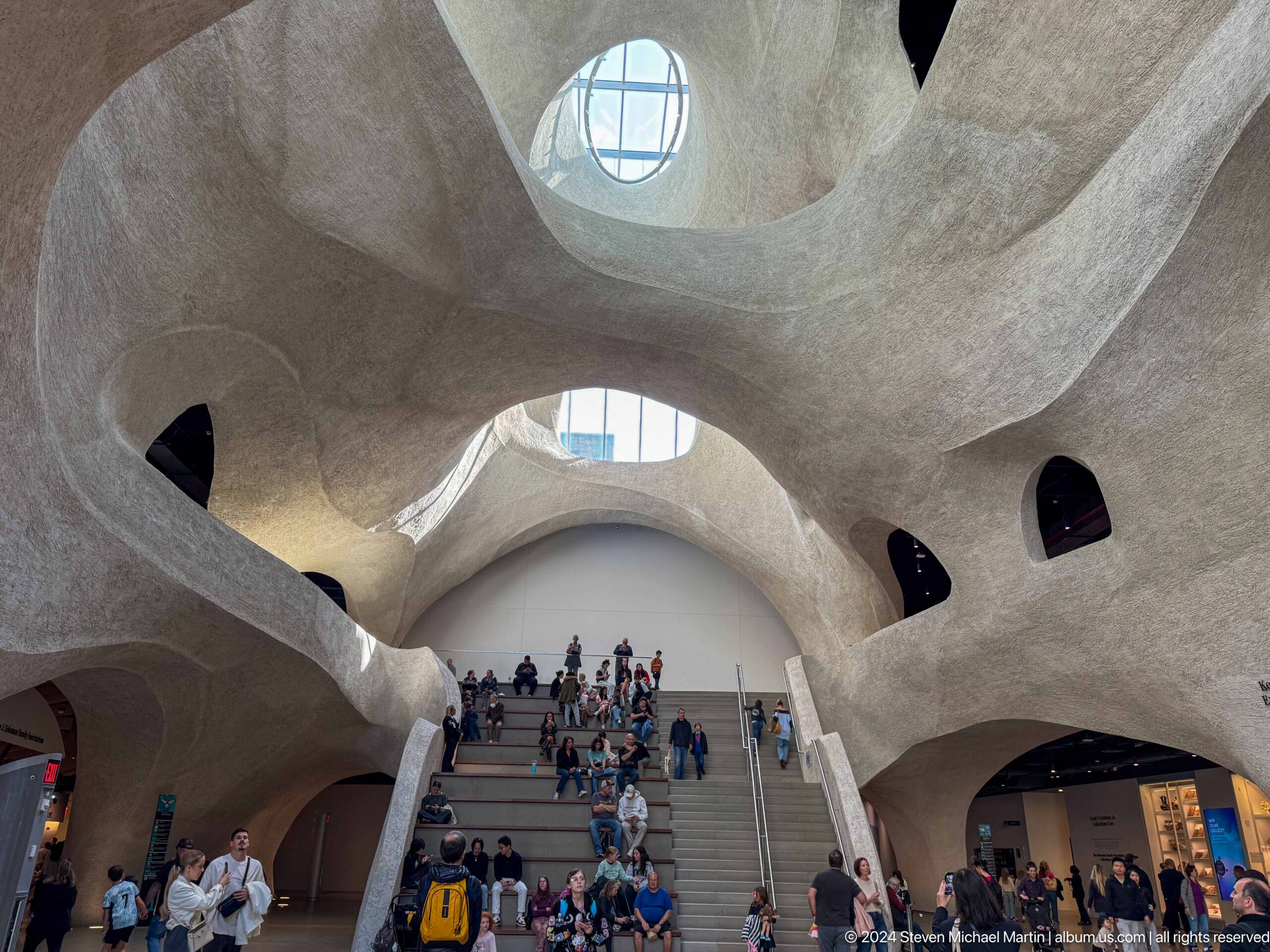
The museum’s exhibition halls include fossil specimens, dioramas of global ecosystems, meteorites, and artifacts that illustrate the diversity of life on Earth and the broader structure of the universe. Architectural expansions over time have created a complex of interconnected buildings that reflect evolving approaches to scientific display and education. The institution has contributed to public understanding of evolutionary theory, biodiversity, and planetary science through both research and exhibition.
The American Museum of Natural History contributes to understanding how scientific institutions shape public knowledge of environmental and biological systems. Its collections illustrate the interconnected nature of natural processes across geological time. The museum remains one of the most significant centers of scientific education in the United States.