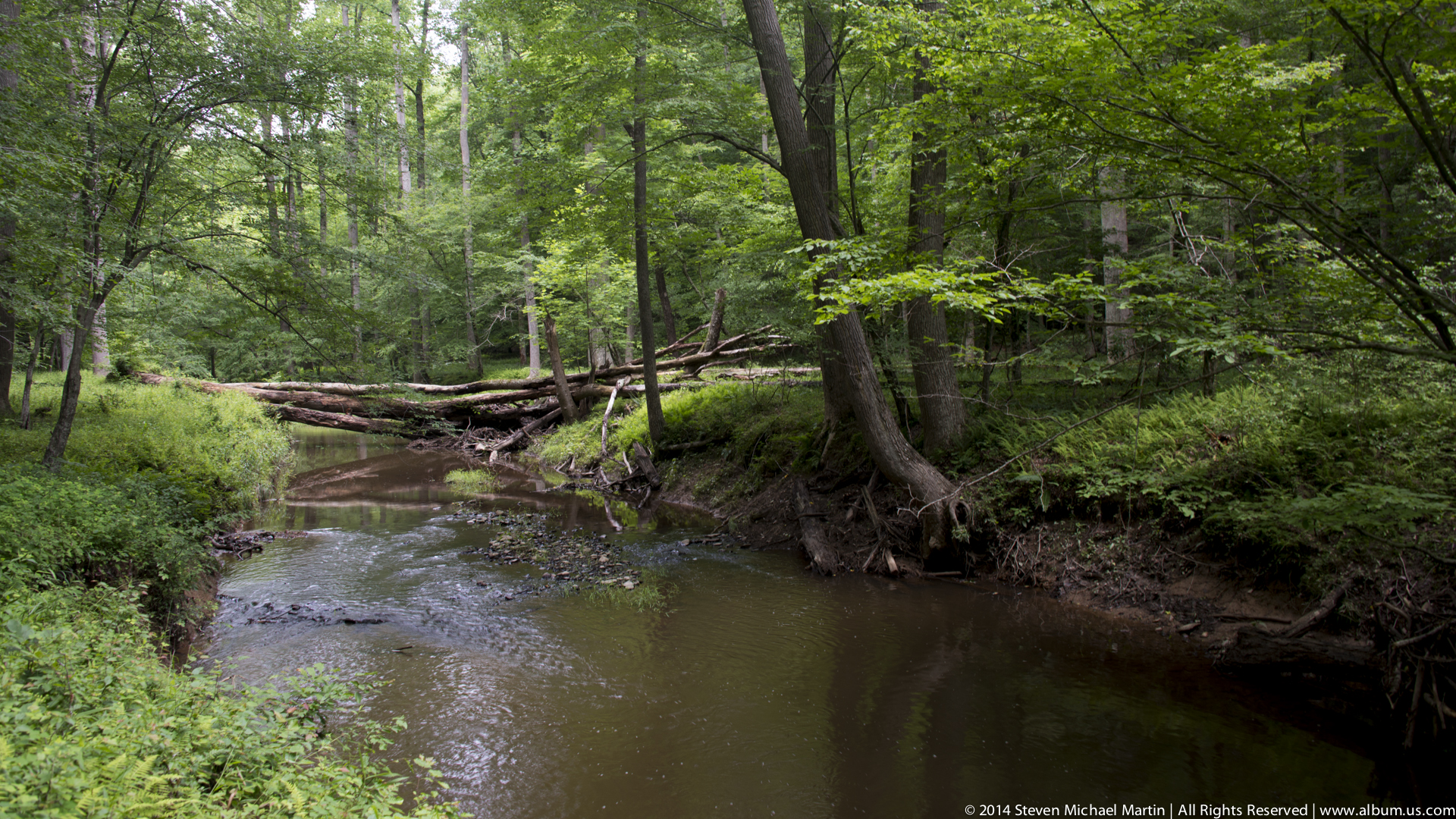
Prince William Forest Park
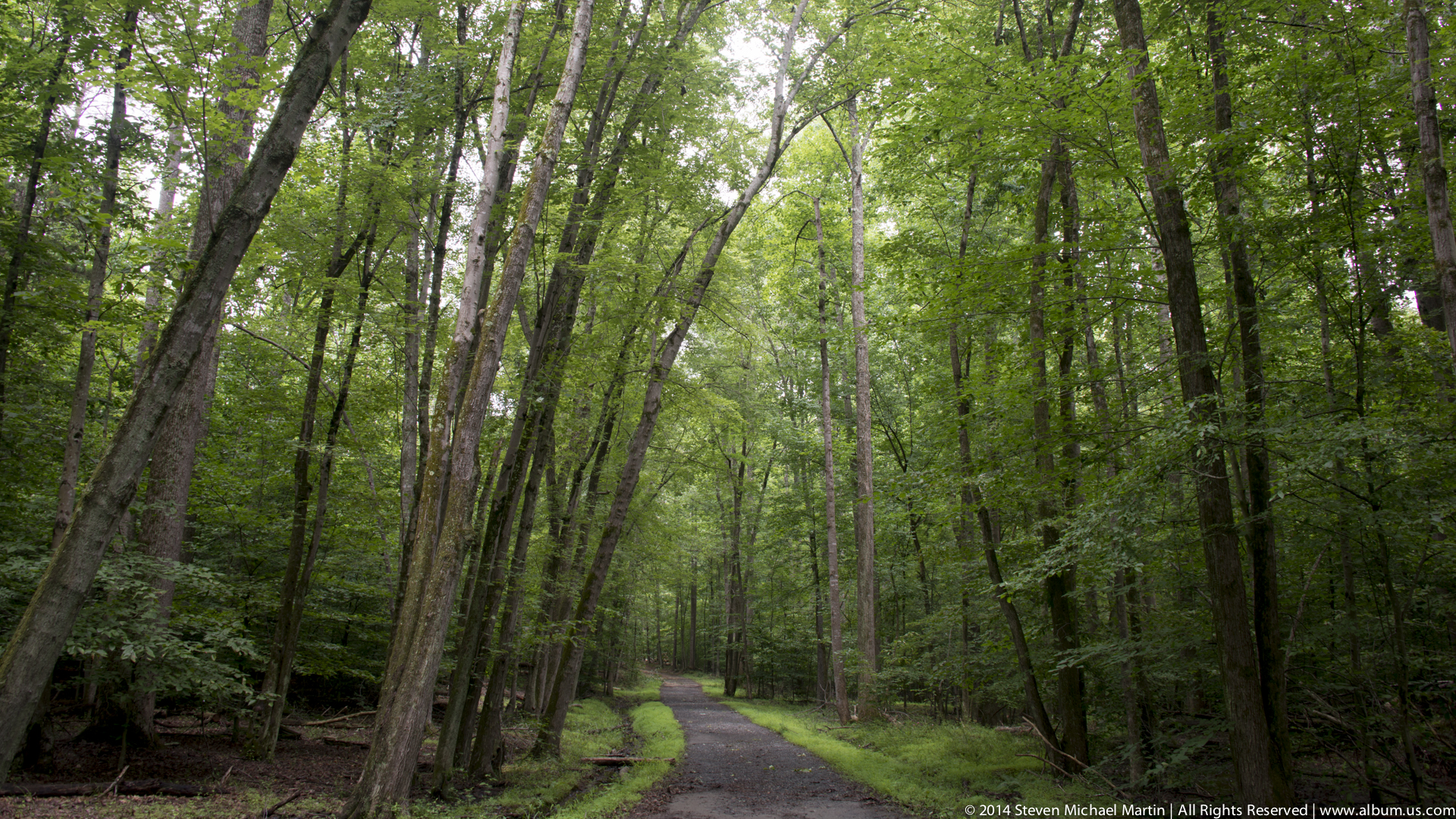
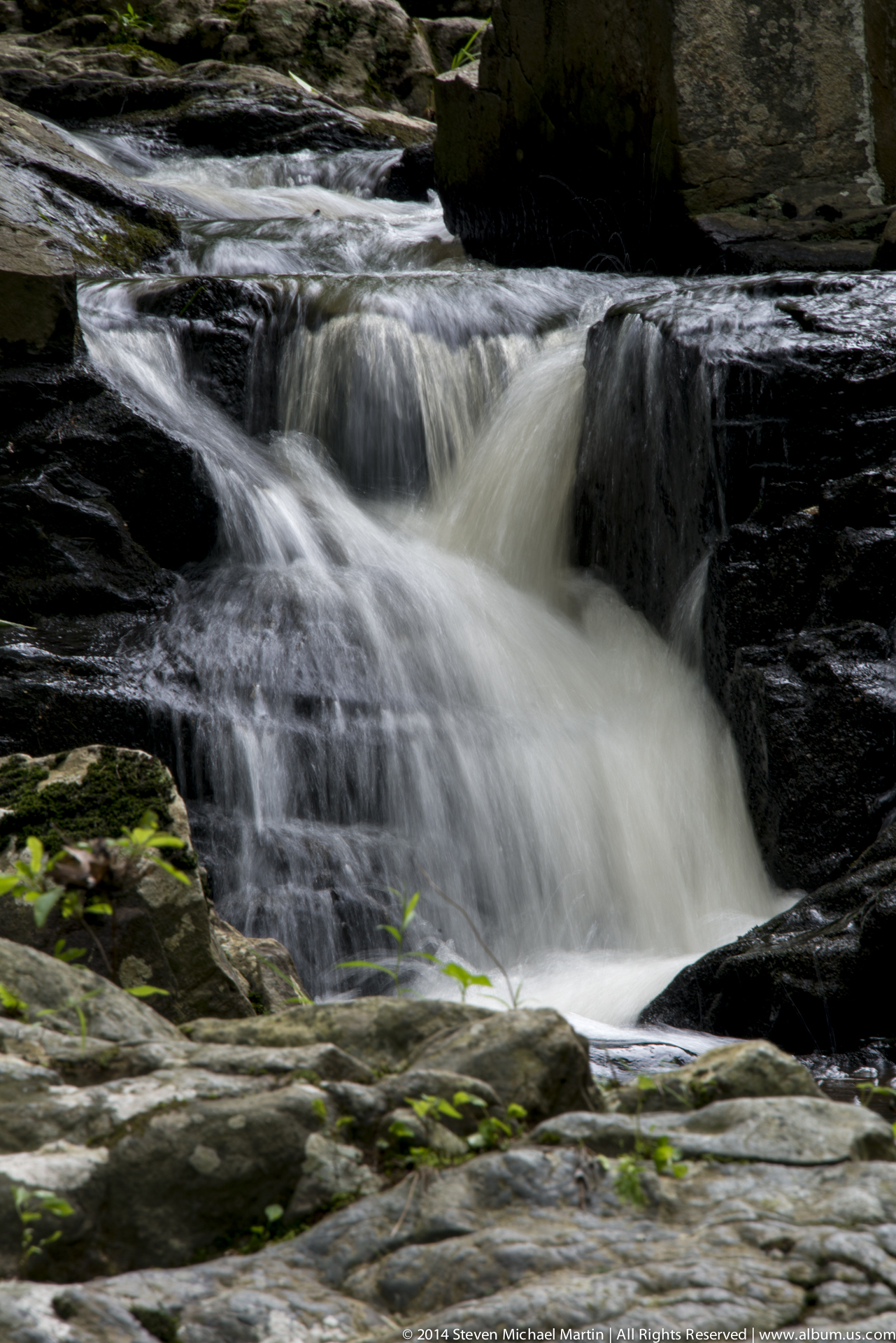
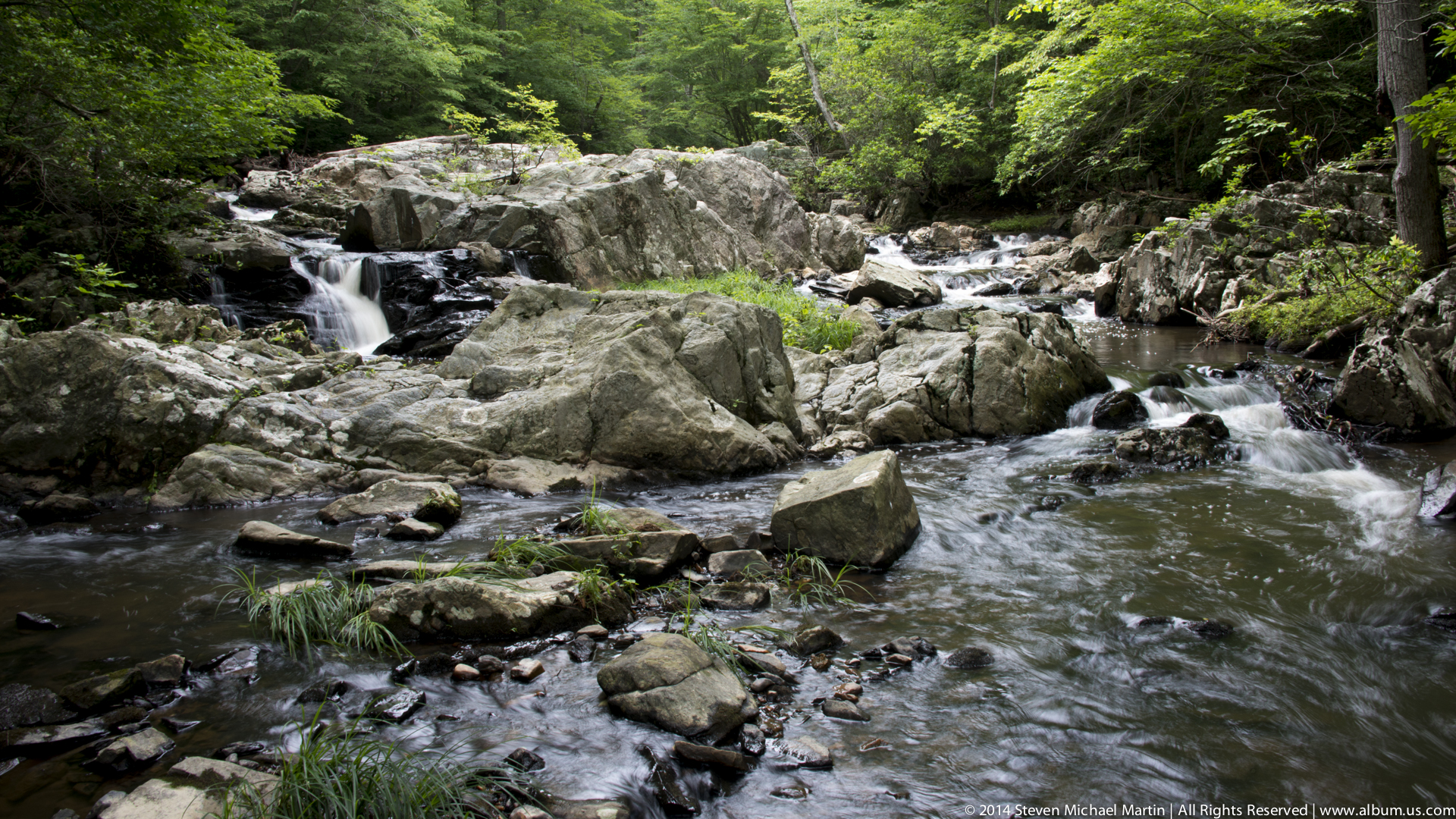
Prince William Forest Park preserves one of the largest protected forest landscapes in the Washington metropolitan region, where rolling Piedmont terrain, stream valleys, and mixed hardwood forest illustrate the environmental character of northern Virginia prior to extensive suburban development. Established during the New Deal era, the park reflects twentieth-century efforts to conserve natural landscapes near major population centers while also creating recreational space accessible to the public. Its setting within the Piedmont demonstrates the transition between the Appalachian uplands and the Atlantic coastal plain, where erosion, watershed systems, and forest succession have shaped the region over long periods of time.
The park’s history is also closely tied to federal public works and social programs of the 1930s, when the land was developed for recreation and conservation through the work of the Civilian Conservation Corps. Cabin camps, trails, and other built features within the forest landscape illustrate how design and infrastructure were integrated into natural surroundings with an emphasis on modest scale and environmental compatibility. The park’s extensive woodland and wetland habitats now support wildlife and ecological communities that provide a contrast to the densely developed urban corridor nearby.
Prince William Forest Park contributes to understanding how protected landscapes near the nation’s capital serve both ecological and historical purposes. The park preserves evidence of New Deal planning, forest regeneration, and watershed conservation within a setting that remains important for recreation and environmental education. Its continued protection illustrates the value of maintaining large natural areas within rapidly changing metropolitan regions.