Provincetown Spring
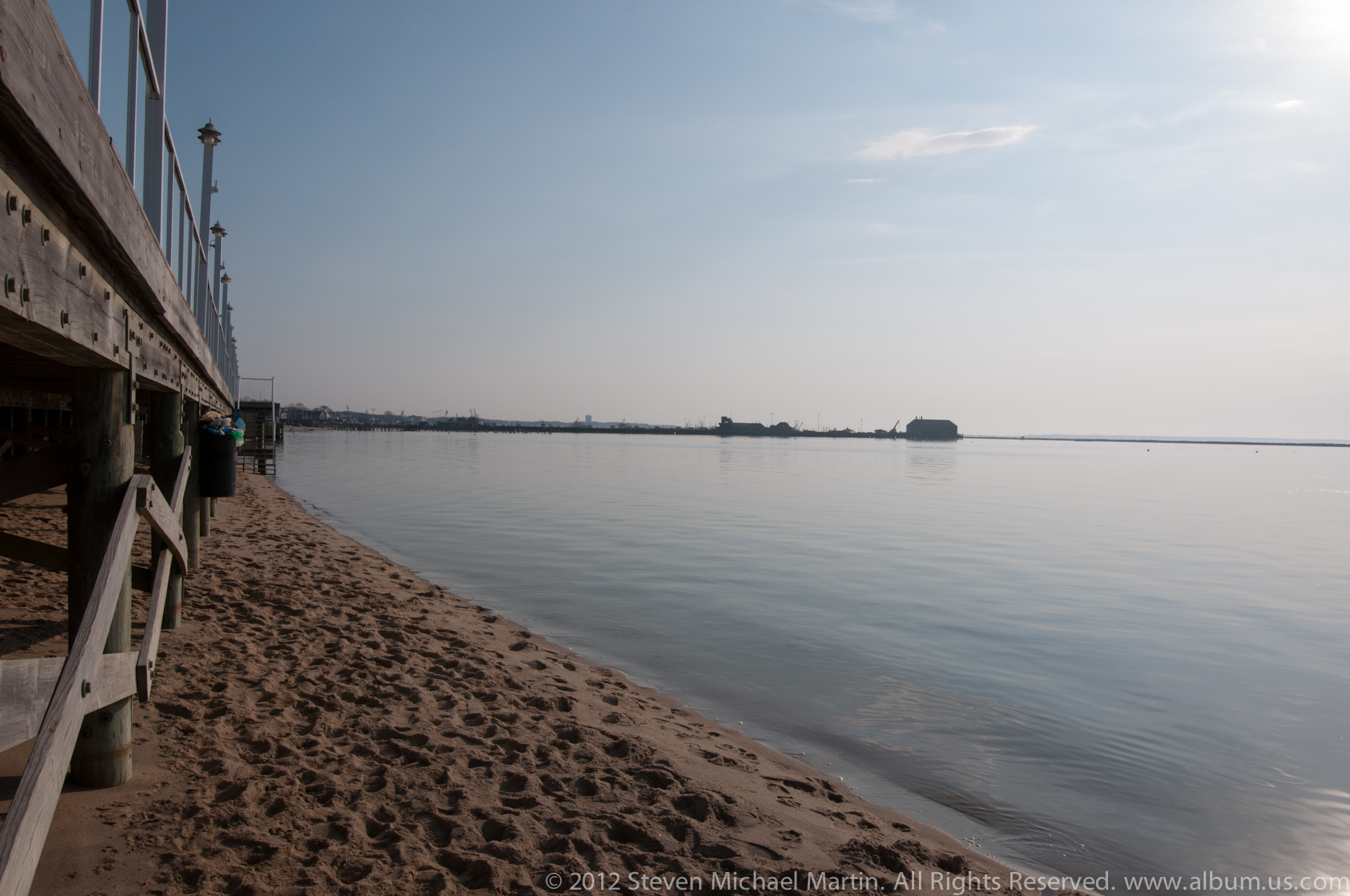
Spring in Provincetown marks the seasonal transition between the quieter winter months and the return of increased activity along the outer Cape. The coastal landscape reflects the influence of maritime climate, where ocean temperatures moderate seasonal change and contribute to cooler spring conditions relative to inland New England. Dune systems, tidal flats, and sandy soils characteristic of Cape Cod were formed through glacial deposition and continue to shift under the influence of wind and wave action.
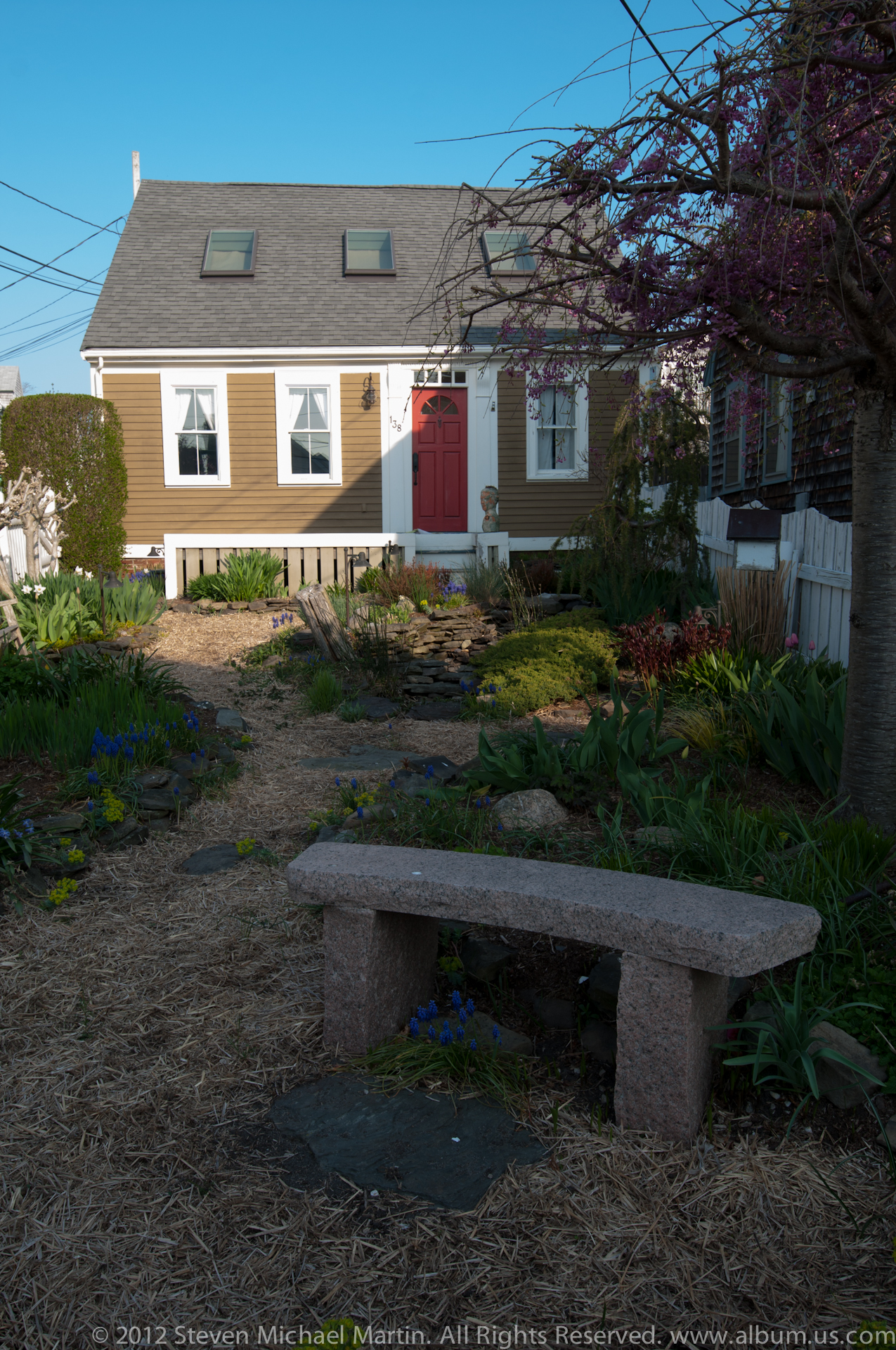
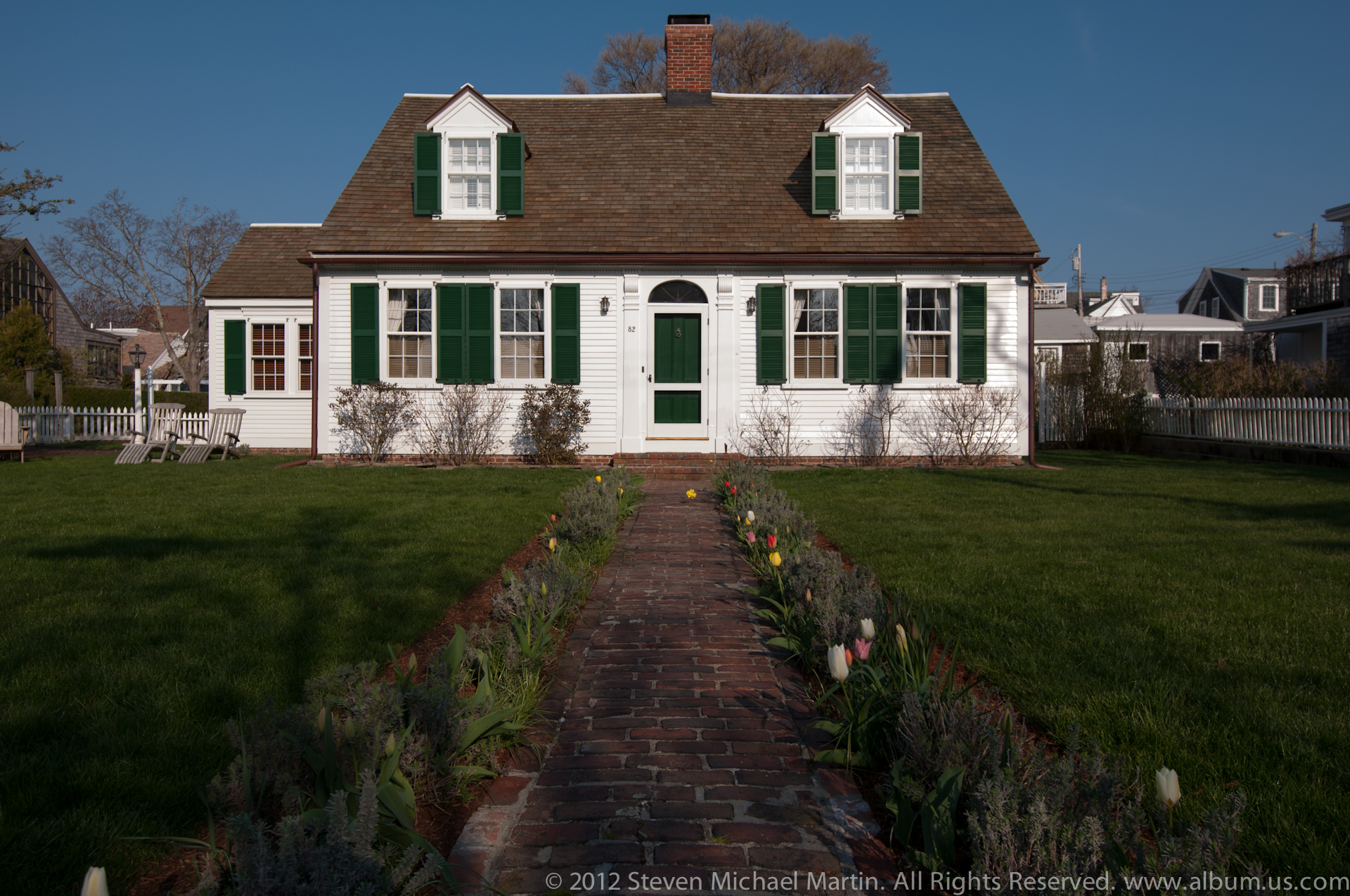
Spring vegetation across the outer Cape includes hardy coastal species adapted to salt air, sandy soils, and exposure to ocean winds. Seasonal change brings increased daylight and the gradual return of migratory bird populations along the Atlantic Flyway. Provincetown’s historic streets and harborfront illustrate the relationship between maritime economy and seasonal tourism patterns that shape the cultural rhythm of the town.
Provincetown in spring contributes to understanding how coastal environments respond to seasonal climate variation within the northeastern United States. The transition from winter to summer conditions highlights ecological adaptation across dune and shoreline environments. The spring landscape reflects continuity between natural coastal processes and long-standing patterns of settlement along Cape Cod.