

Washington, DC Washington, DC developed as a planned capital intended to reflect the political ideals of a newly independent nation through architecture and urban design. Established along the Potomac River as a federal district distinct from individual states, the city was conceived as a symbolic center representing unity among the states. Broad avenues, formal vistas, […]
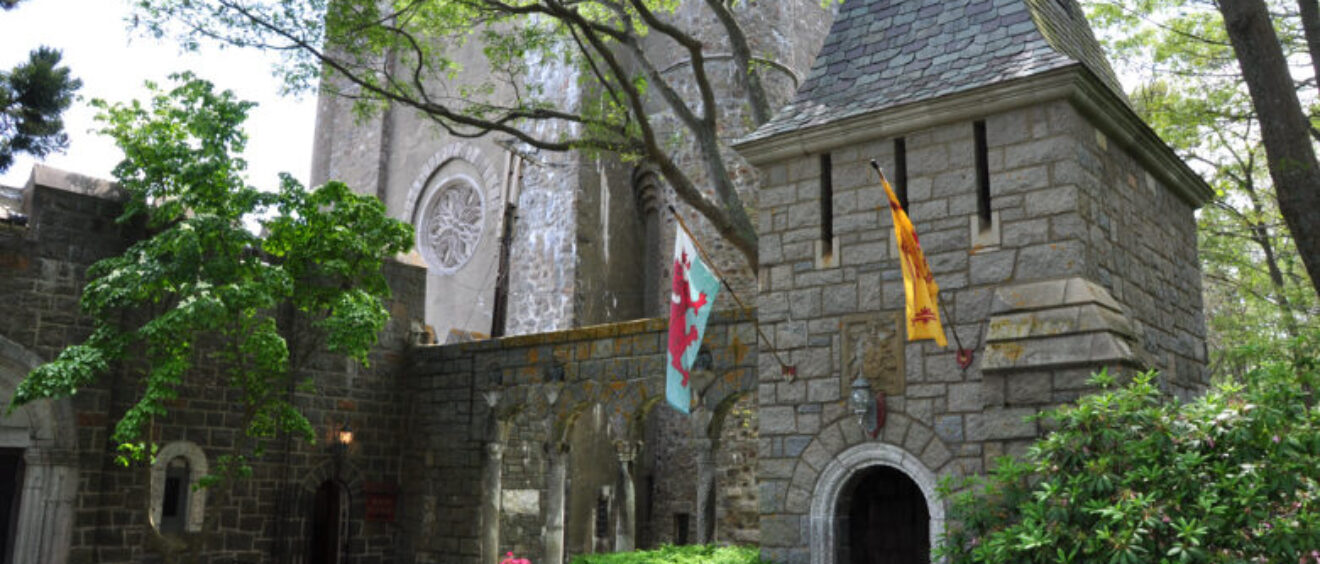
Hammond Castle Hammond Castle stands along the rocky coastline of Gloucester, Massachusetts, where the architectural imagination of inventor John Hays Hammond Jr. combined elements of medieval European design with twentieth-century engineering. Constructed between 1926 and 1929, the structure served both as a residence and laboratory for Hammond, a pioneer in radio control technology whose research […]
Introduction EPCOT explores the intersection of technological innovation and international cultural exchange through a landscape organized around themed pavilions representing countries from around the world. Originally conceived as an experimental vision of future urban planning, the park developed into a setting where architecture, cuisine, and design traditions are presented within a unified environment. The World […]
Memorial Day in Boston Boston’s historic landscape provides an important setting for national remembrance, where monuments, burial grounds, and civic spaces reflect the military history of the United States from the colonial period through the modern era. Memorial Day observances in the city connect contemporary traditions of commemoration with the long historical narrative of sacrifice […]