Whiteface Mountain and the Adirondacks
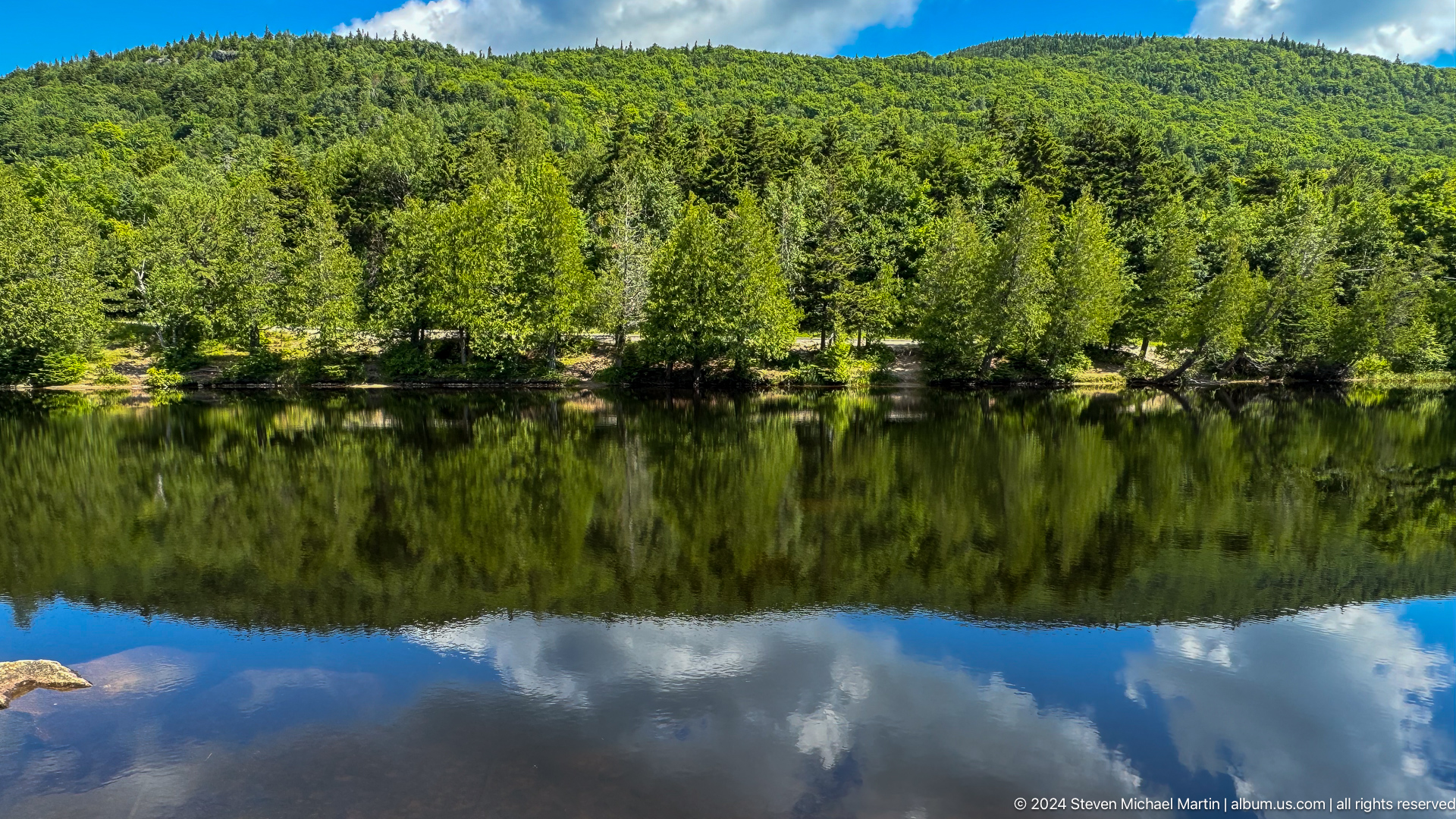
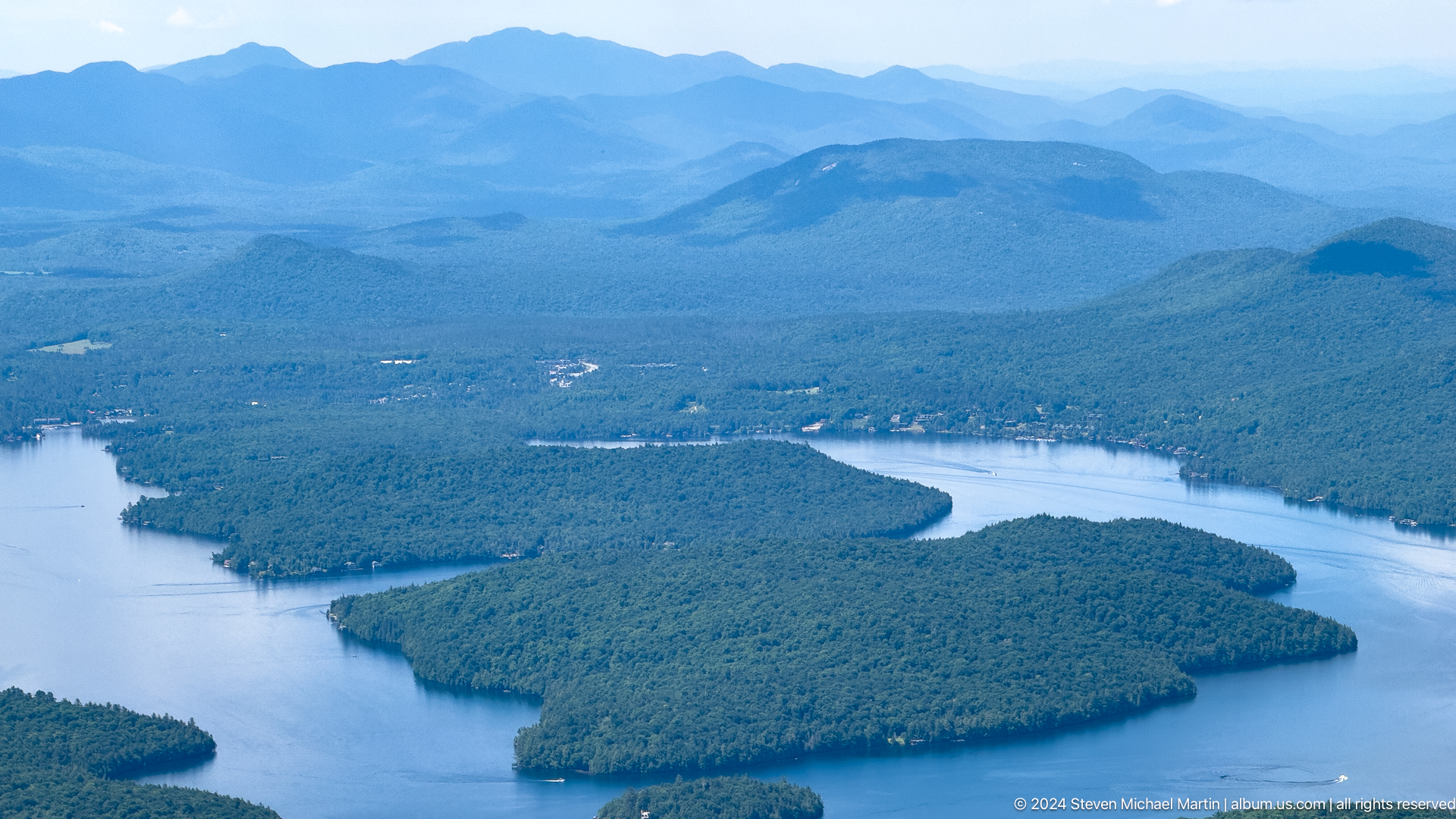
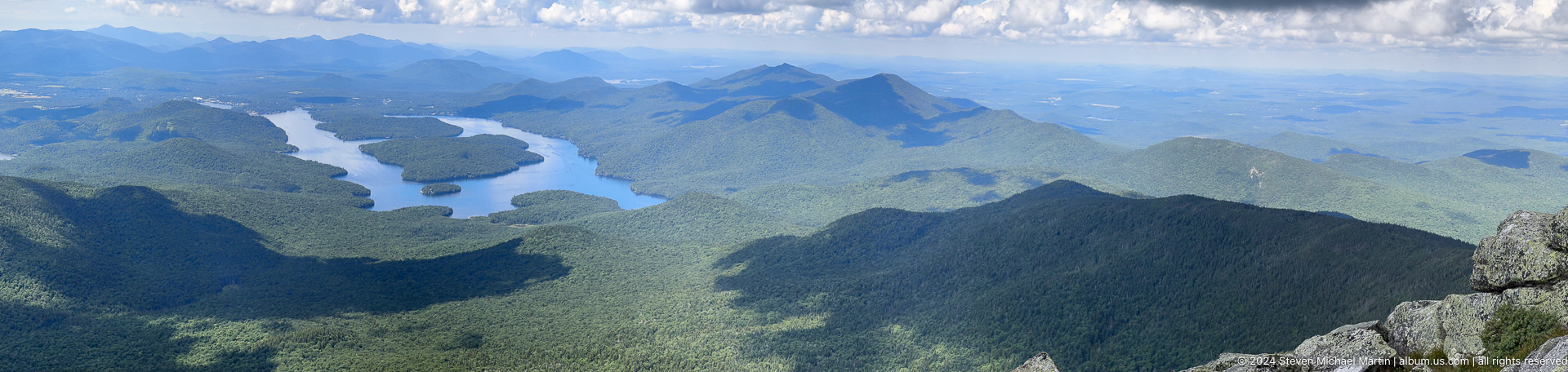
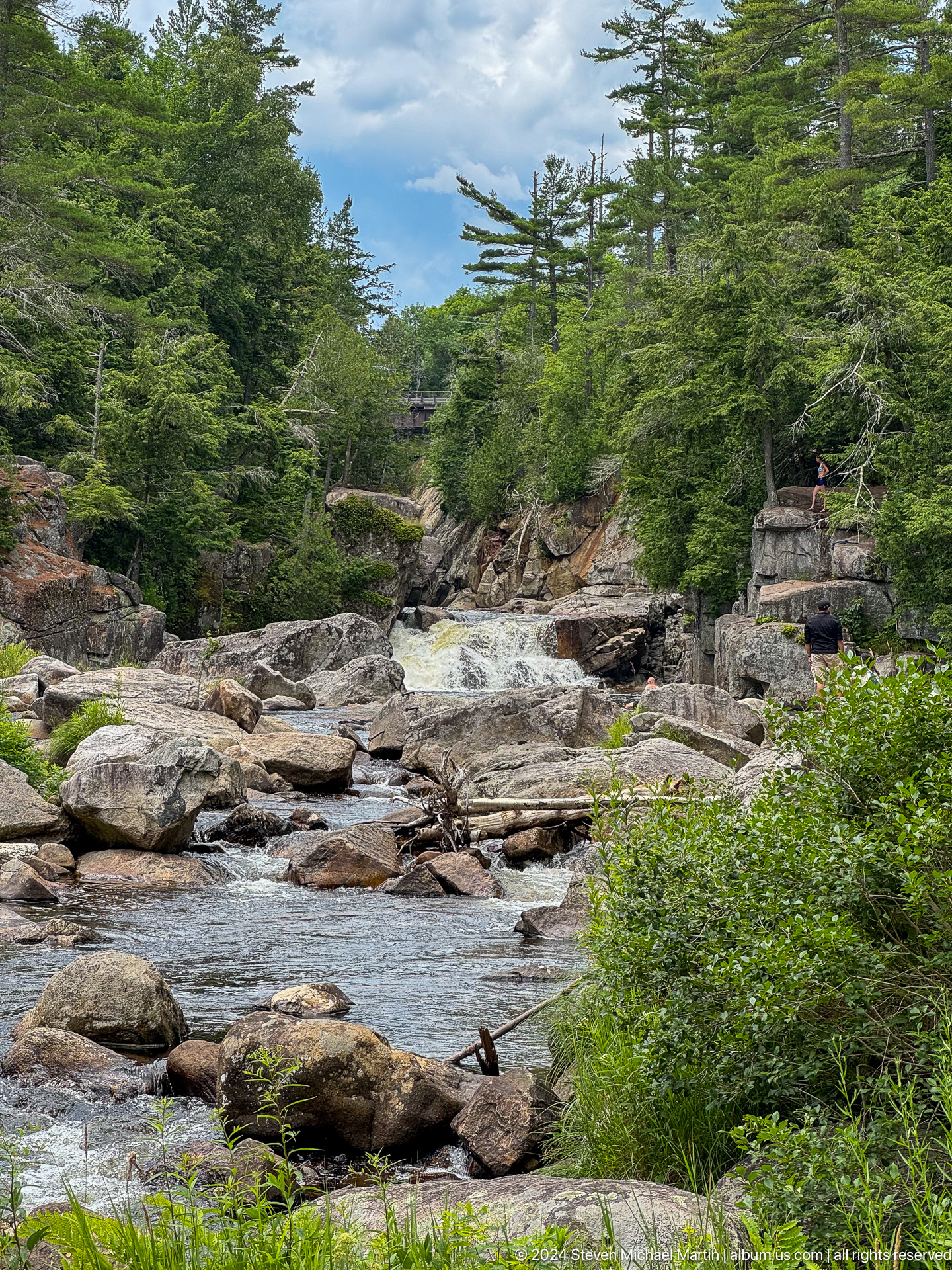
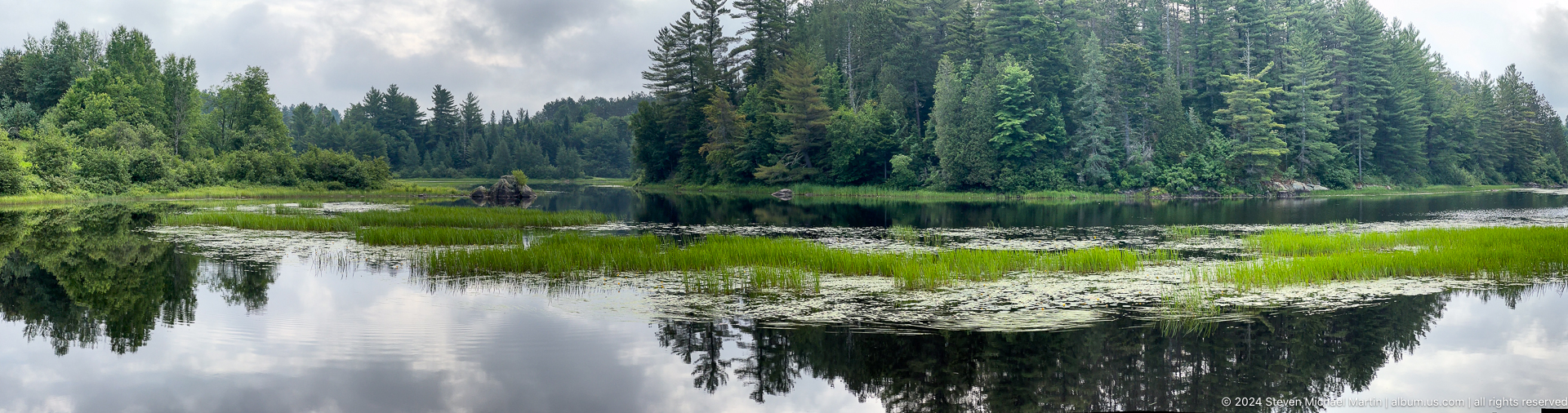
Whiteface Mountain rises within the Adirondack Mountains of northern New York, a region characterized by ancient rock formations uplifted through geological processes and shaped by glaciation during the Ice Age. The Adirondacks form one of the largest protected natural areas in the United States, encompassing extensive forests, rivers, and alpine environments that define the ecological character of northern New York. Whiteface Mountain, one of the highest peaks in the range, stands apart from neighboring summits and provides broad views across the Adirondack landscape as well as distant views toward Vermont and Canada on clear days.
The mountain became internationally recognized through its role in the 1980 Winter Olympics, when alpine skiing events were held on its slopes. The surrounding region illustrates the interaction between mountainous terrain and recreational development that began in the late nineteenth century, when improved transportation encouraged travel from northeastern cities to upland environments. The Adirondacks continue to serve as a major destination for hiking, skiing, and scenic exploration.
Whiteface Mountain contributes to understanding how geological formation and climate shape regional identity in northern New York. The preserved forests and high-elevation environments illustrate the ecological diversity of the northeastern United States. The Adirondacks reflect the continuing relationship between environmental conservation and recreational tradition in the American landscape.