Monticello
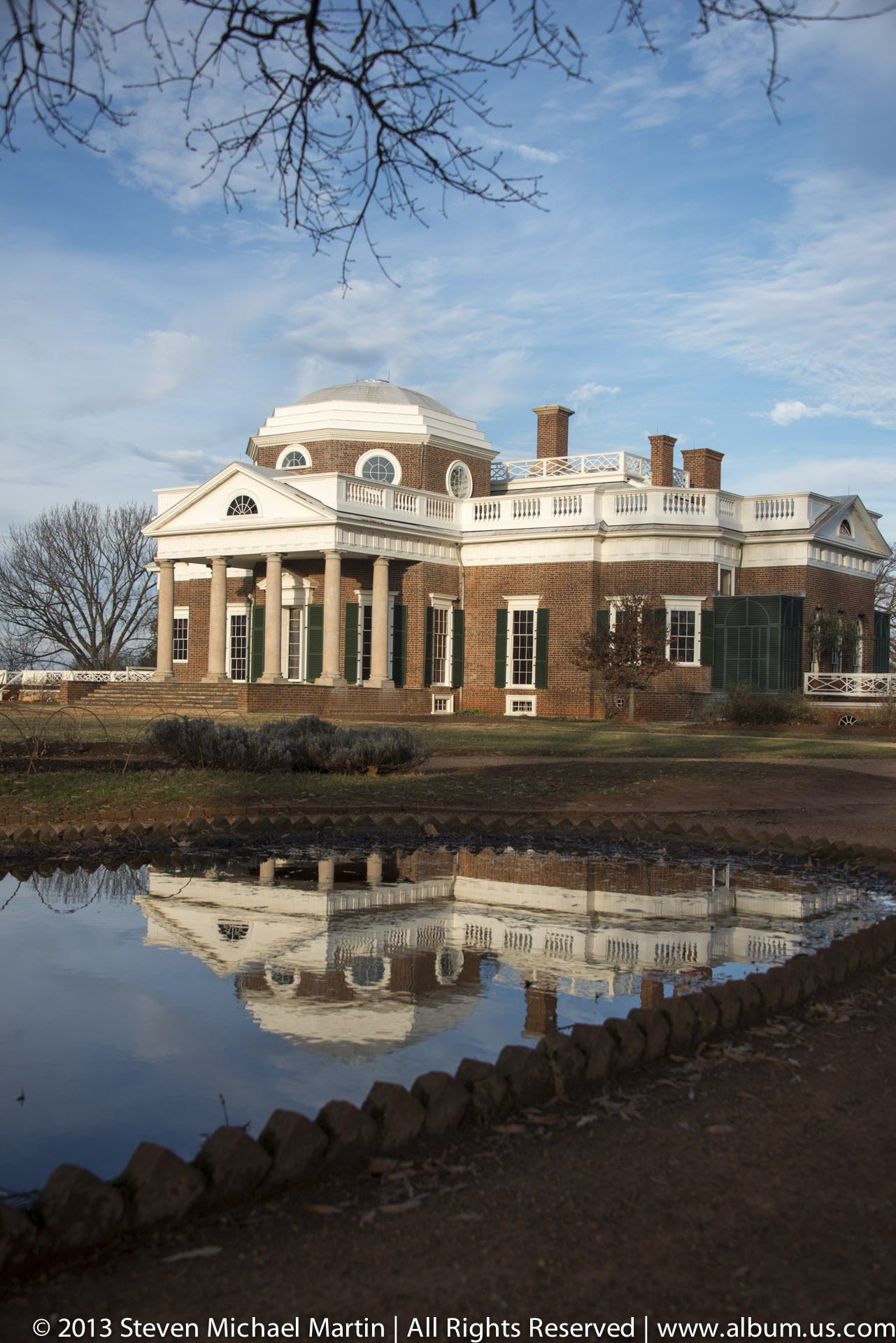
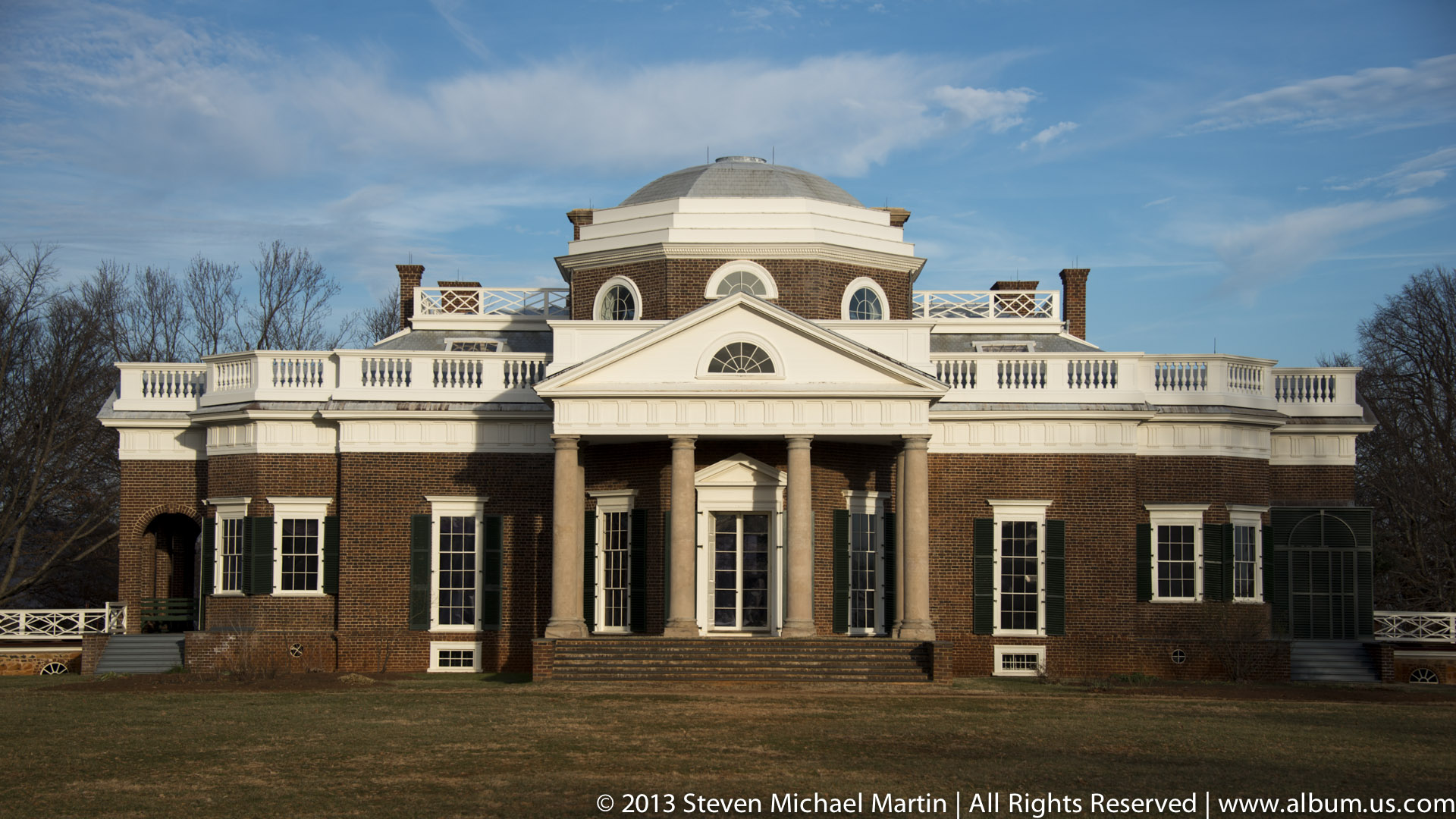
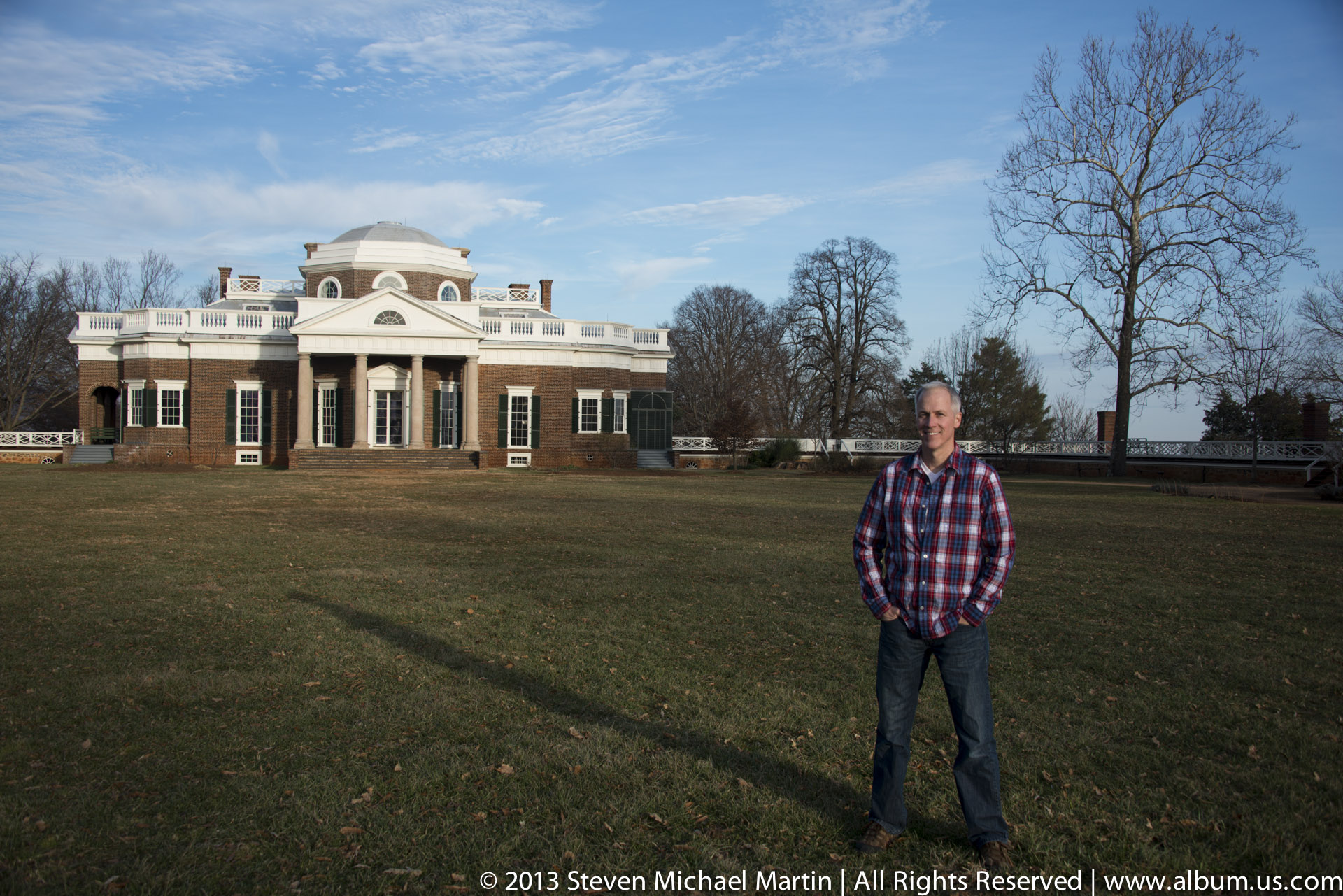
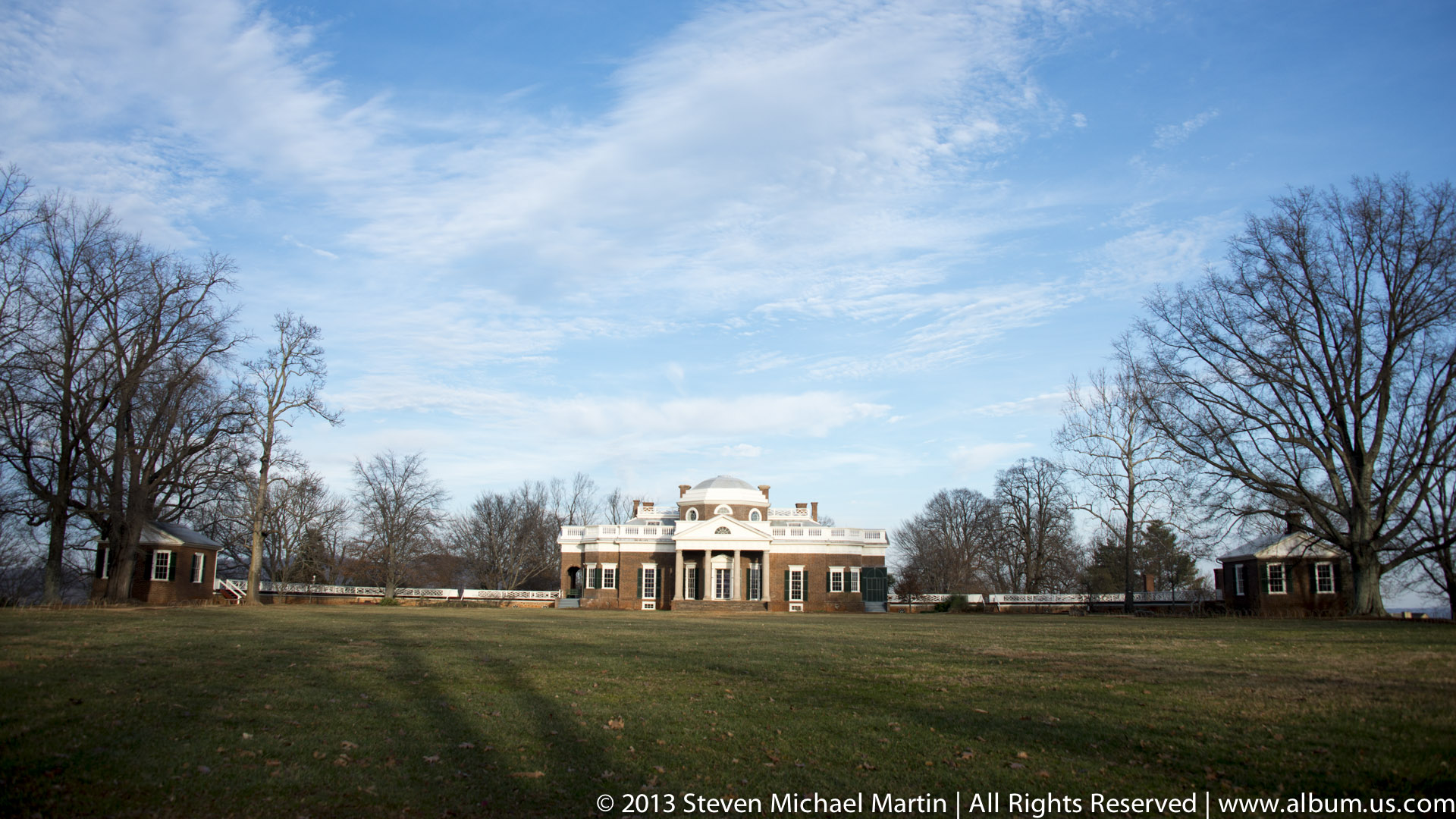
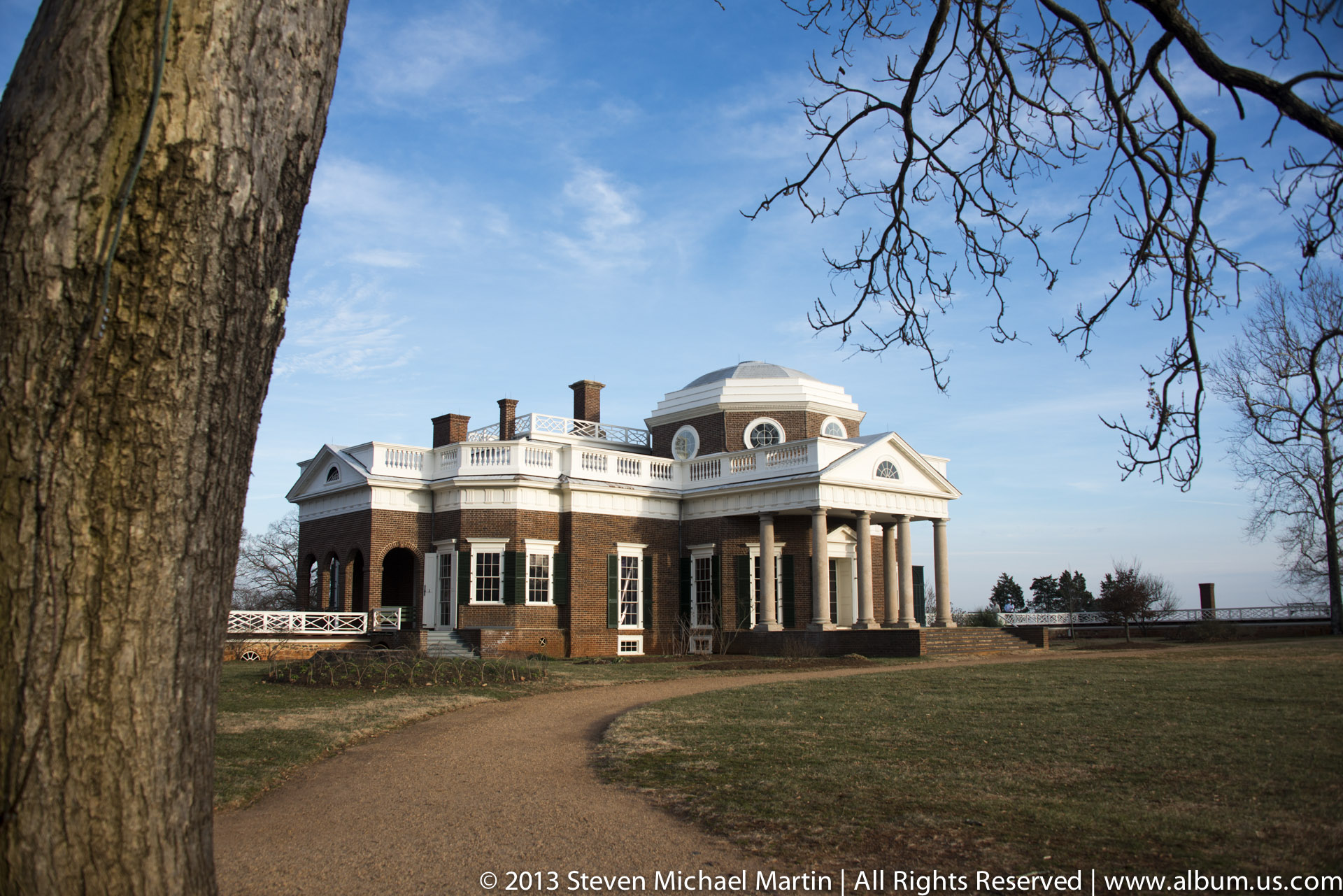
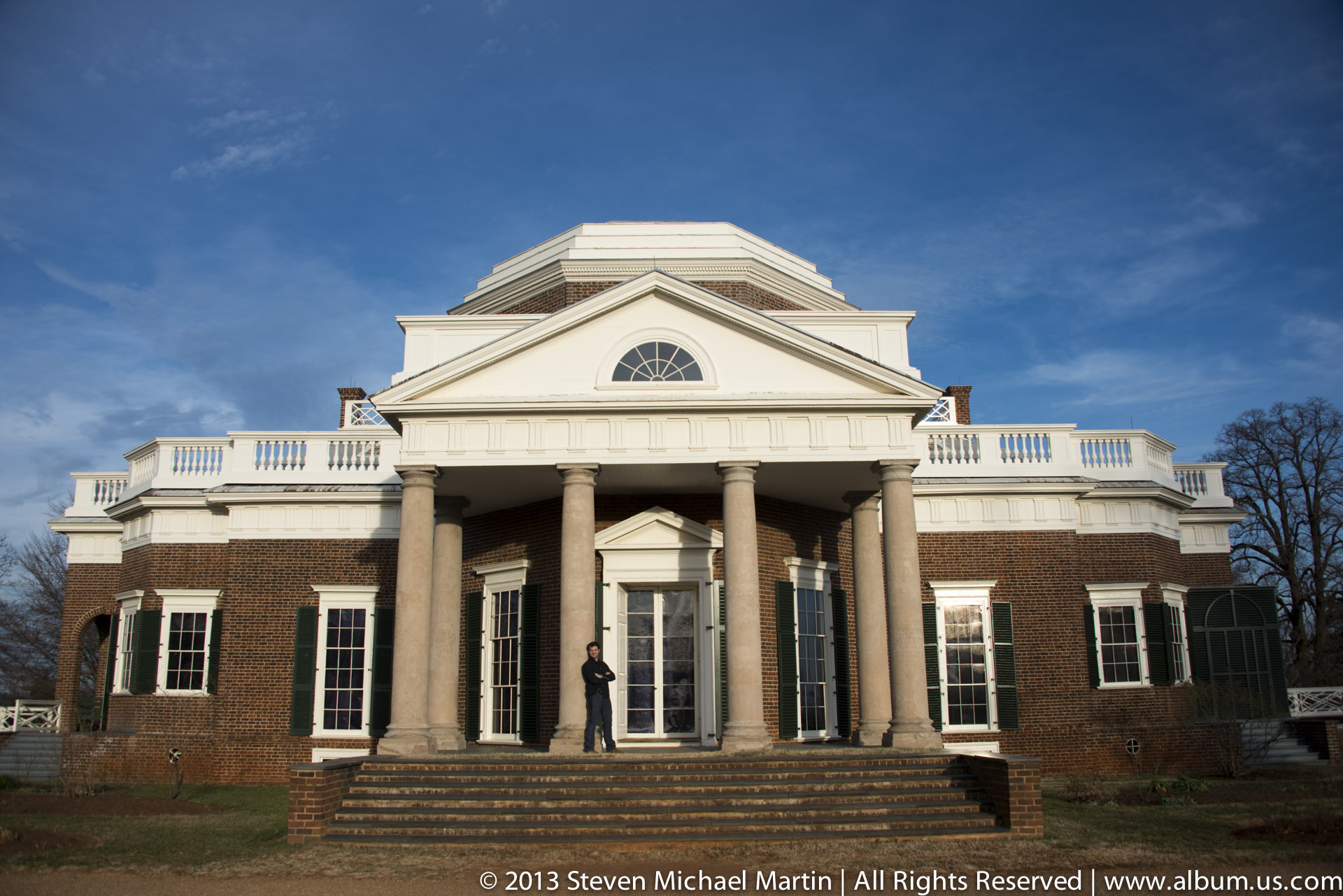
Monticello, the plantation home of Thomas Jefferson, reflects the architectural ideals and intellectual influences that shaped the early United States. Designed by Jefferson beginning in the late eighteenth century, the house incorporates neoclassical principles inspired by the work of Renaissance architect Andrea Palladio, demonstrating how classical architectural traditions were adapted to the cultural aspirations of the new republic. Situated on an elevated site overlooking the Piedmont landscape of Virginia, the estate illustrates the relationship between architecture, agriculture, and political philosophy in the early national period.
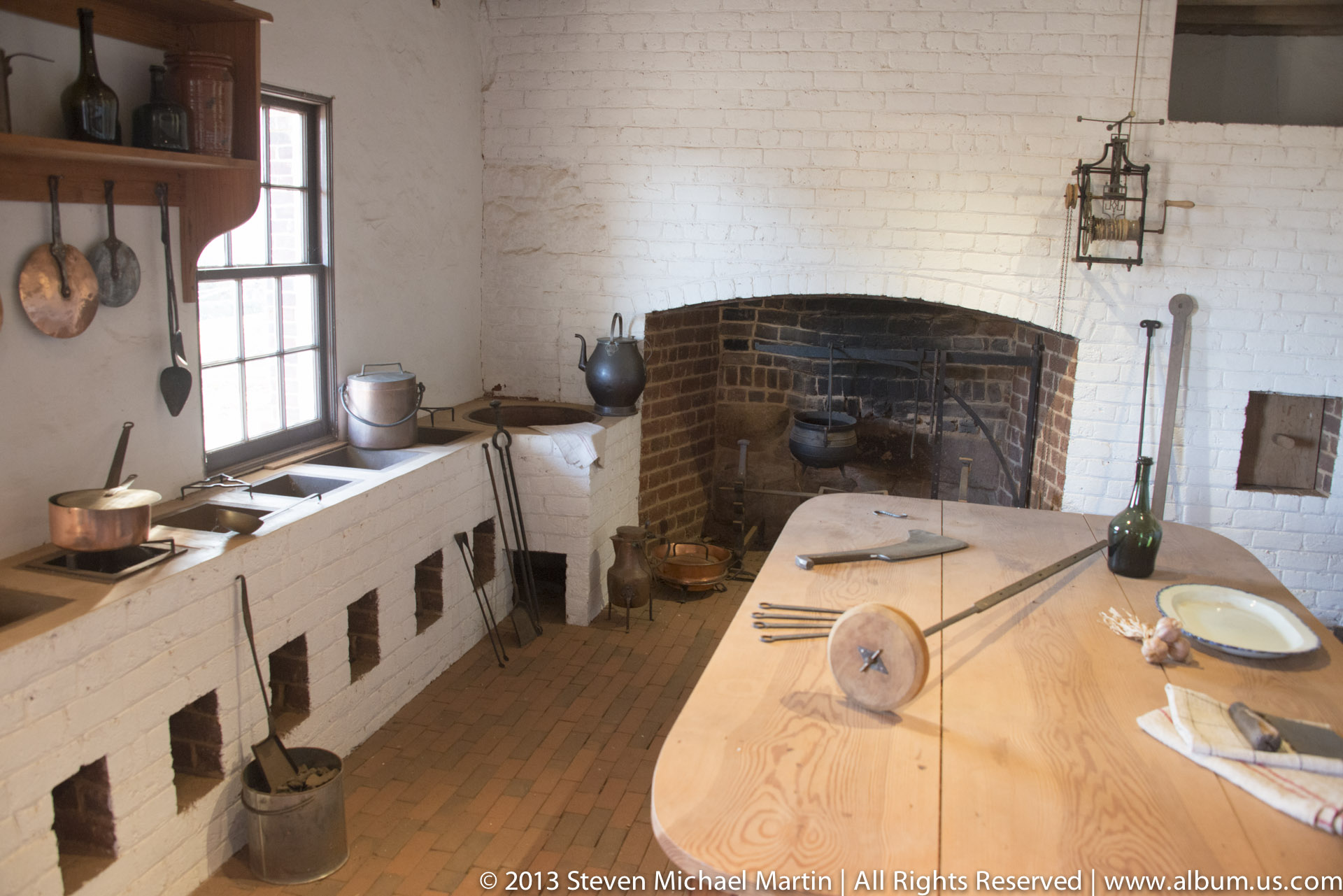
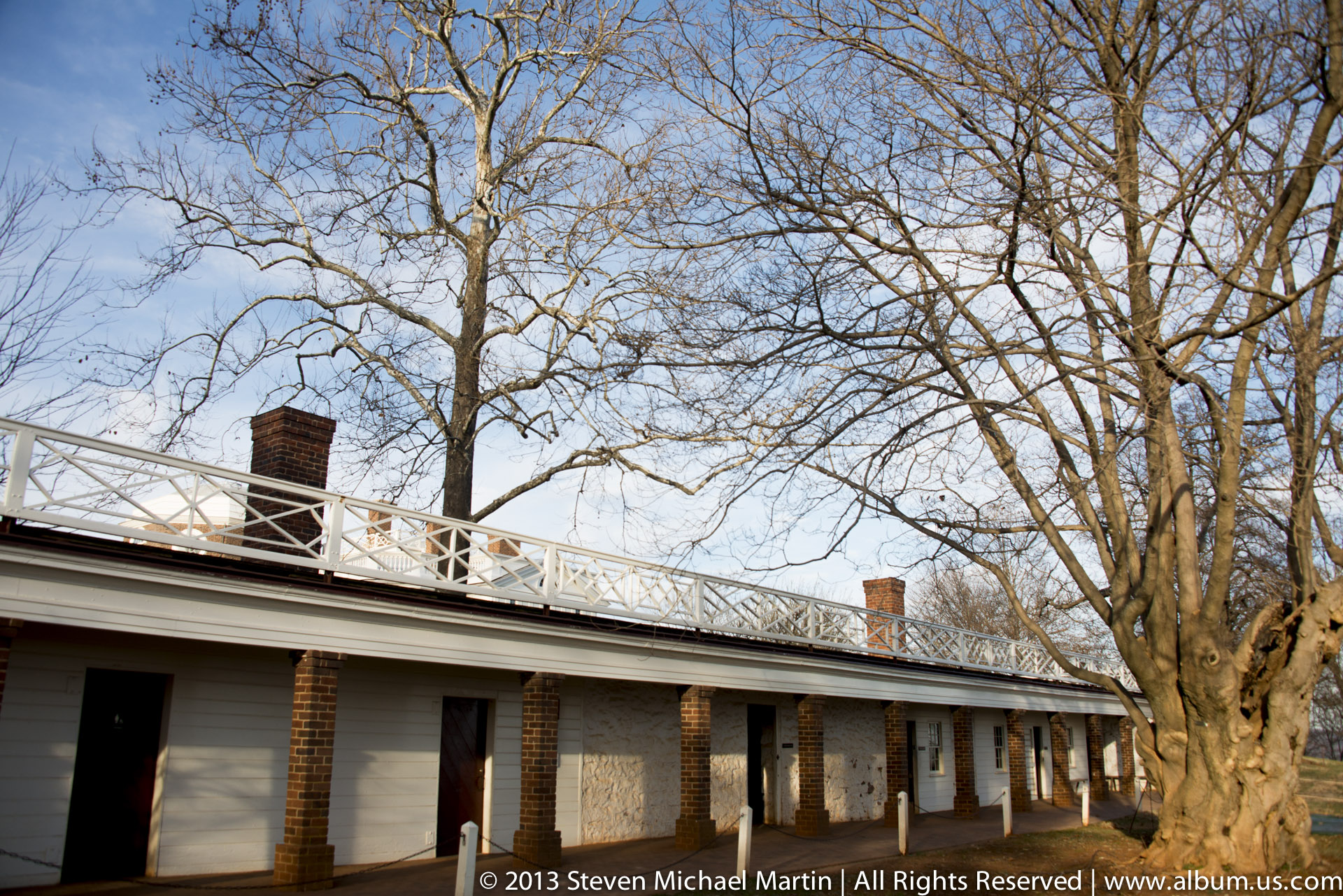
The house and surrounding plantation landscape demonstrate Jefferson’s interest in scientific agriculture, horticulture, and design innovation. Outbuildings along Mulberry Row supported domestic and agricultural activity, illustrating the economic structure of plantation life in the eighteenth and early nineteenth centuries. Monticello also reflects the complex social history associated with enslaved labor that supported the operation of the estate, connecting the site to broader themes of early American society.
Monticello contributes to understanding how architectural expression and intellectual inquiry intersected in the early republic. Jefferson’s design reflects Enlightenment ideas concerning proportion, geometry, and the relationship between built form and landscape. The preserved site illustrates how political philosophy, architectural experimentation, and agricultural practice combined to shape the cultural identity of the United States during its formative years.