Tidal Basin Cherry Blossoms in Peak Bloom
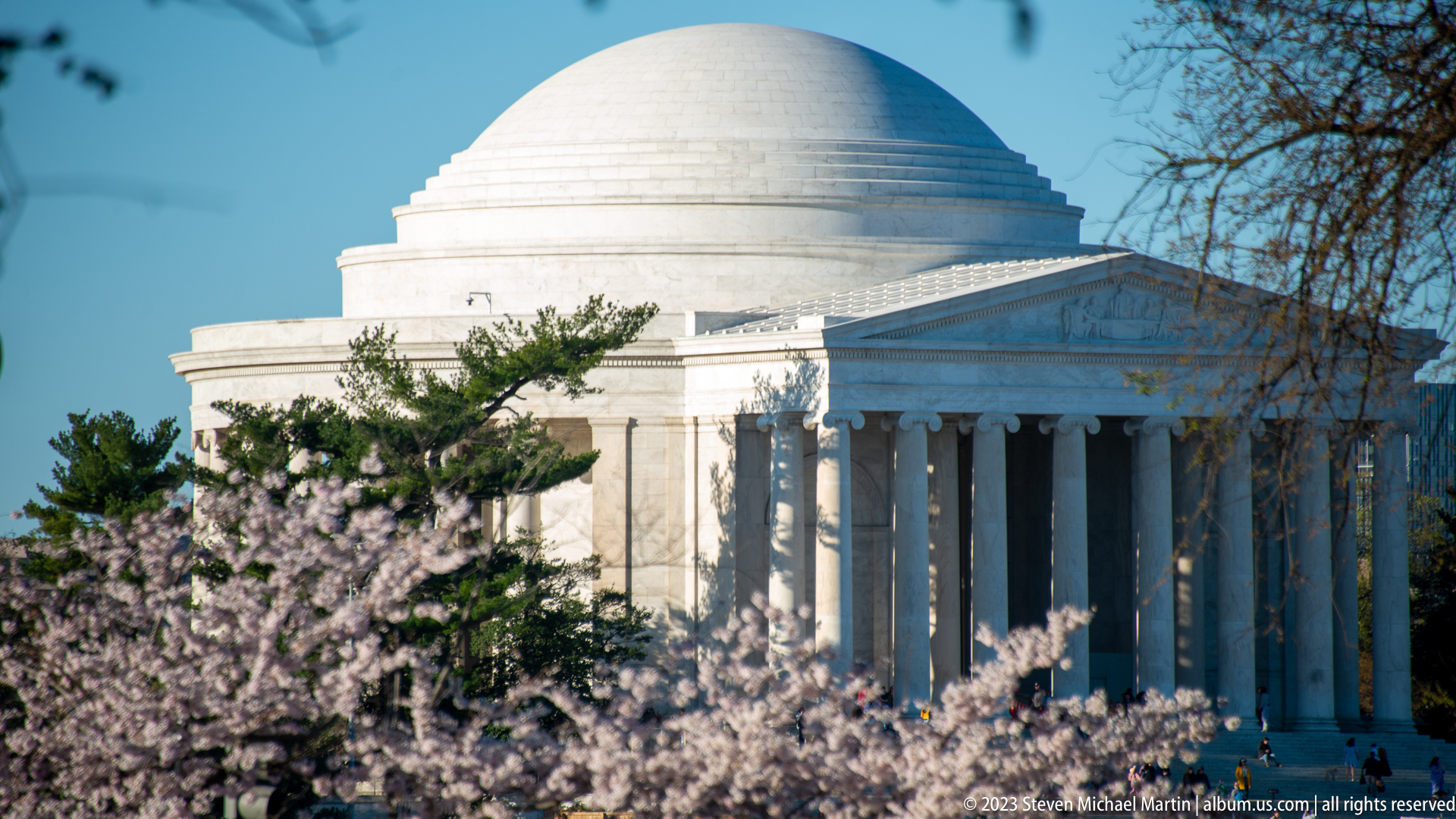
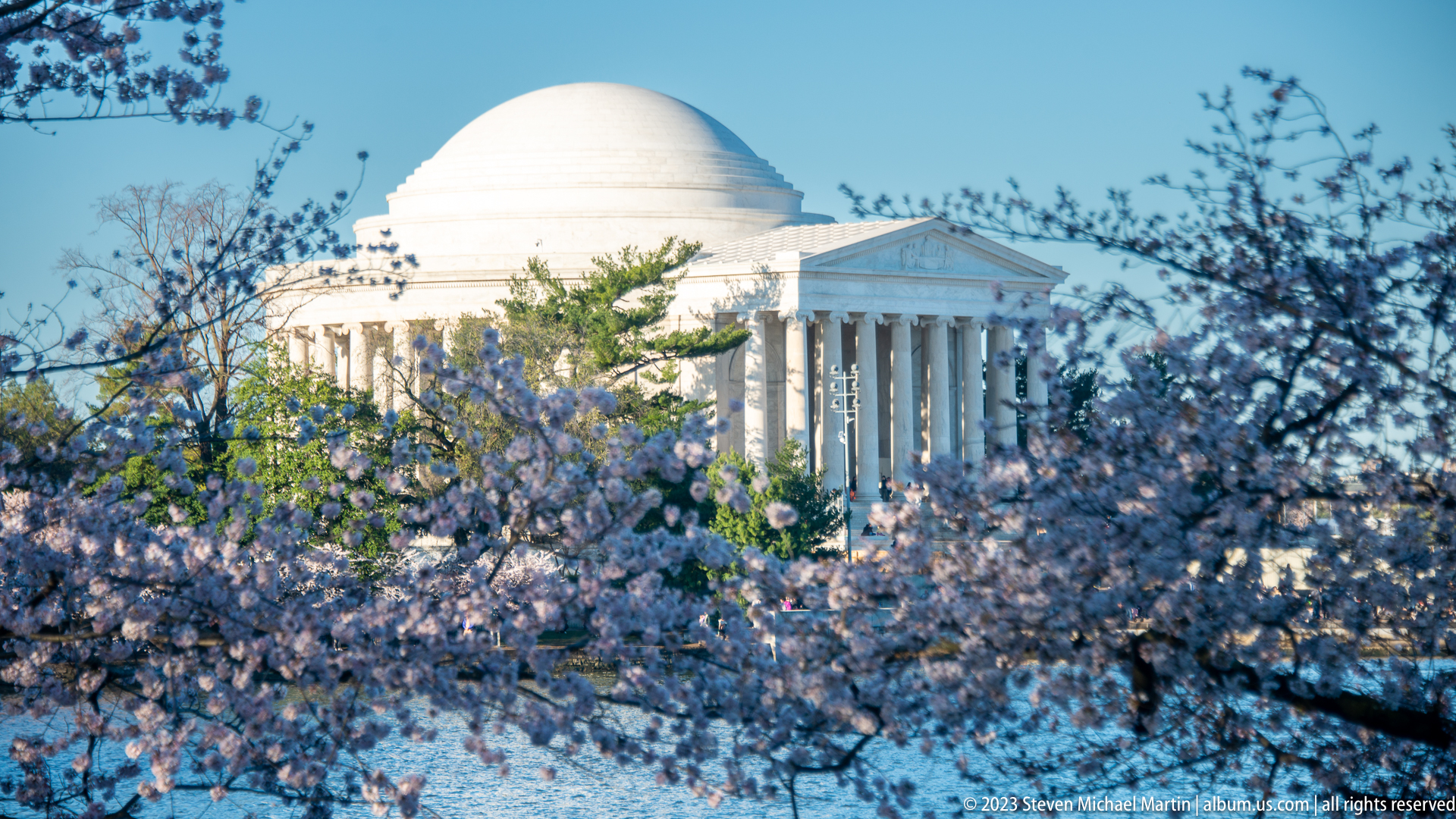
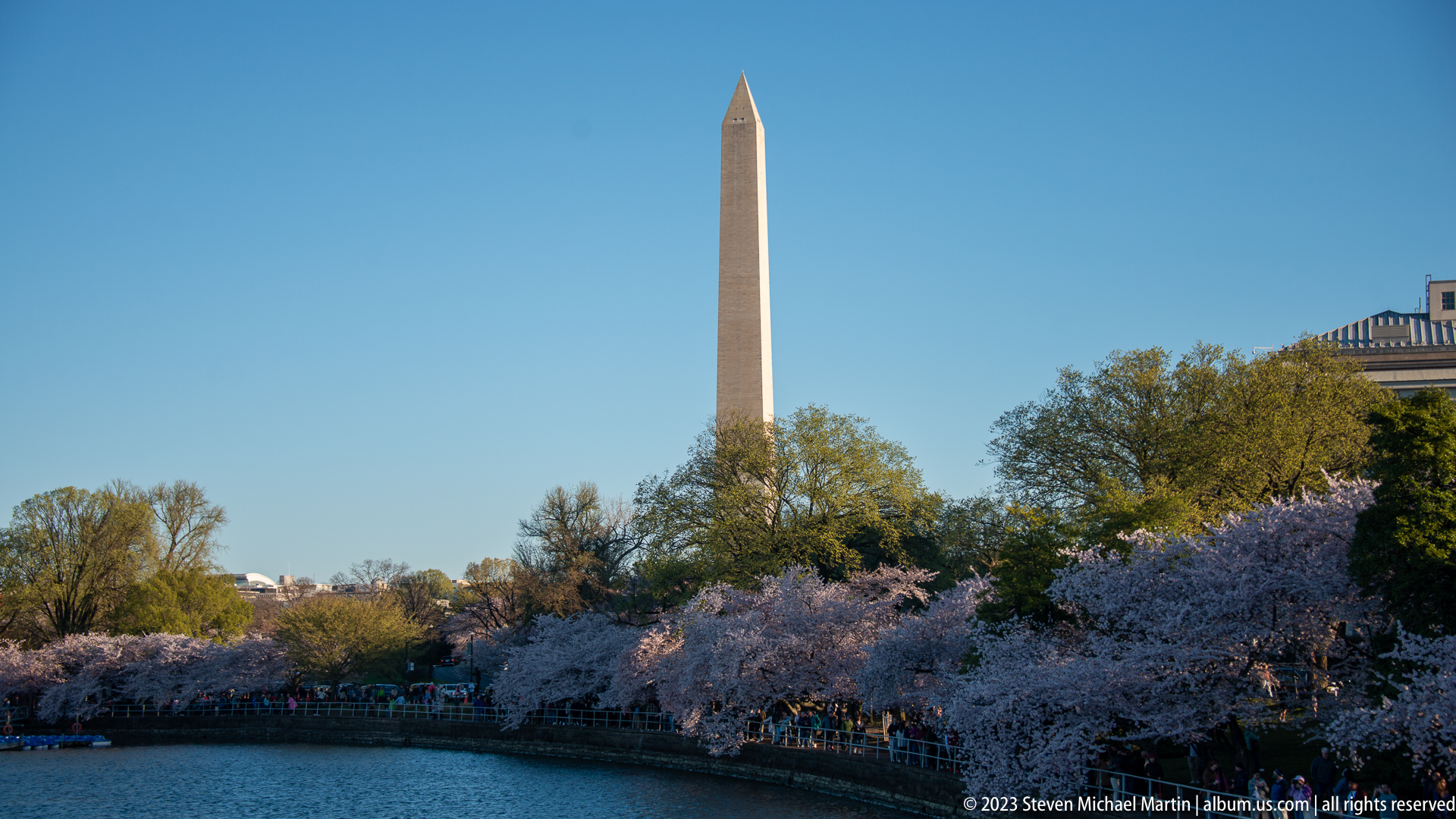
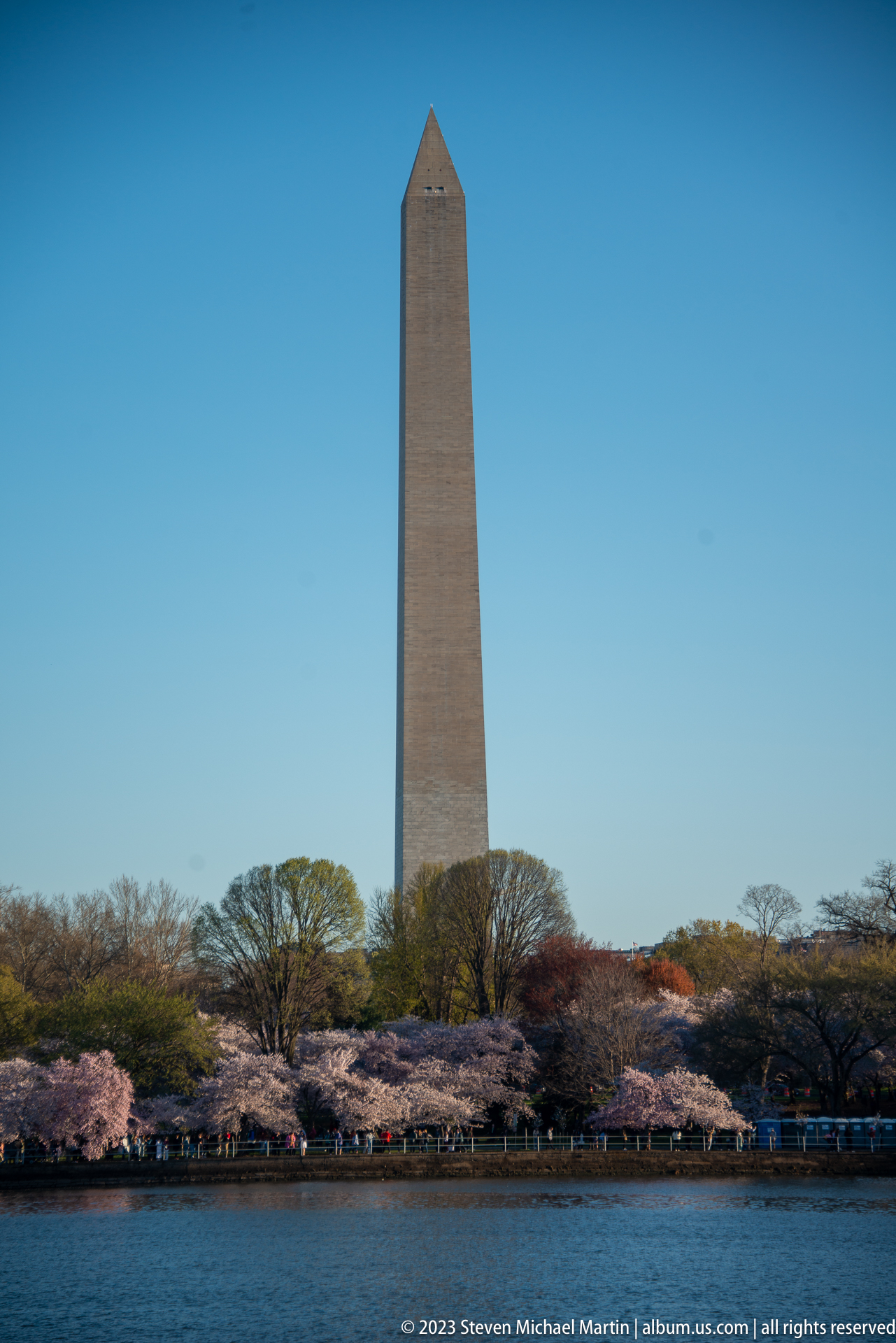
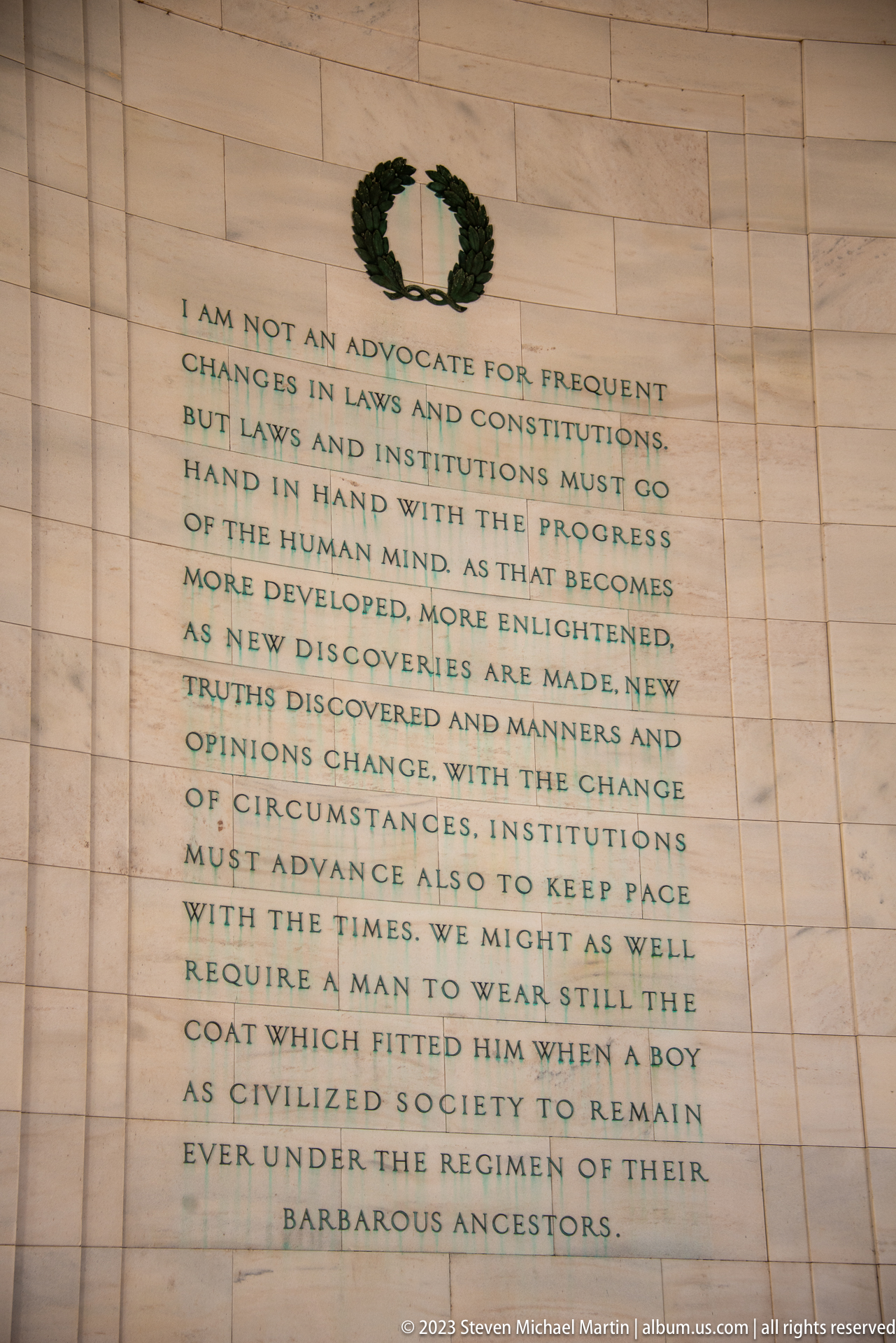
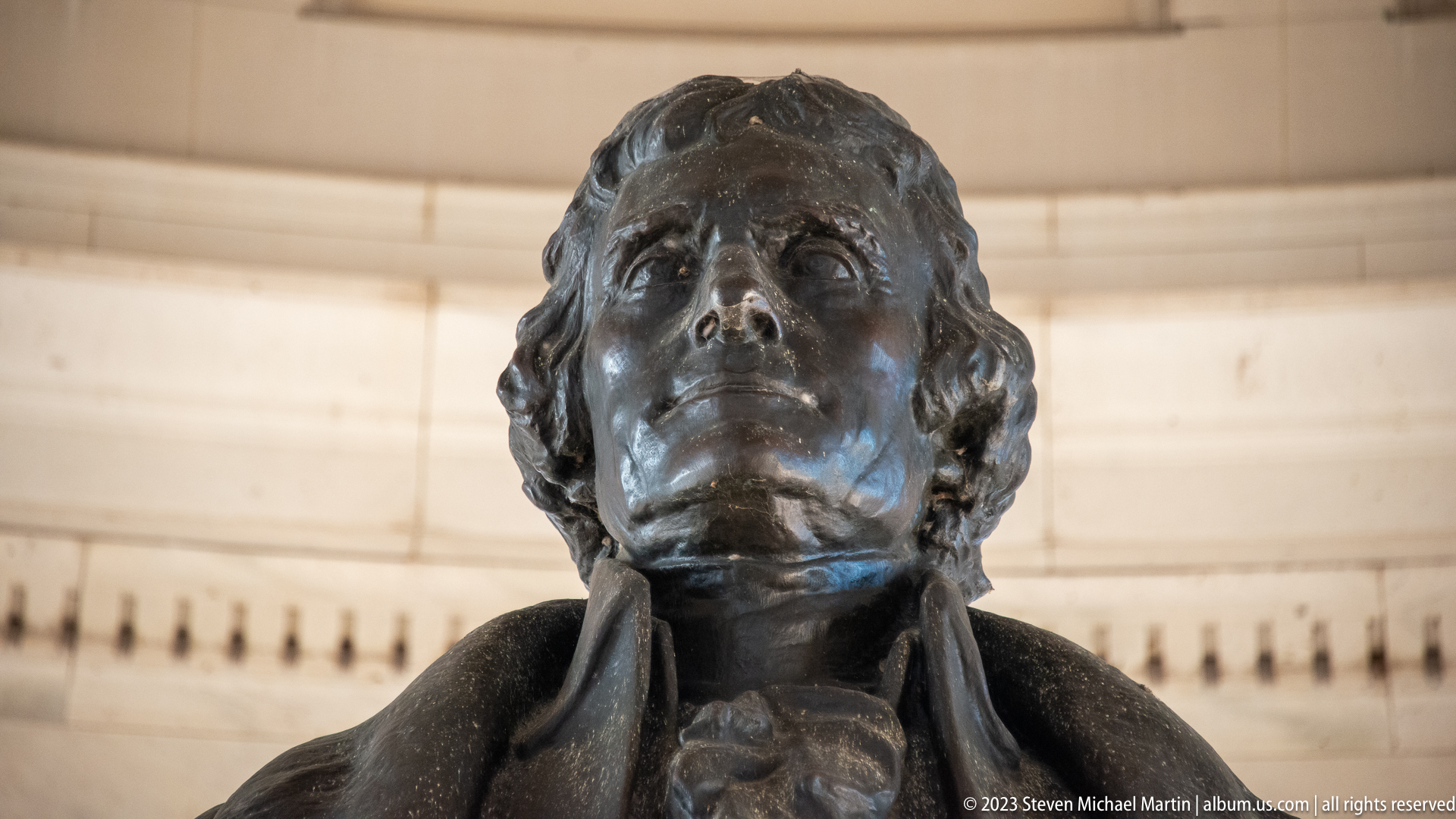
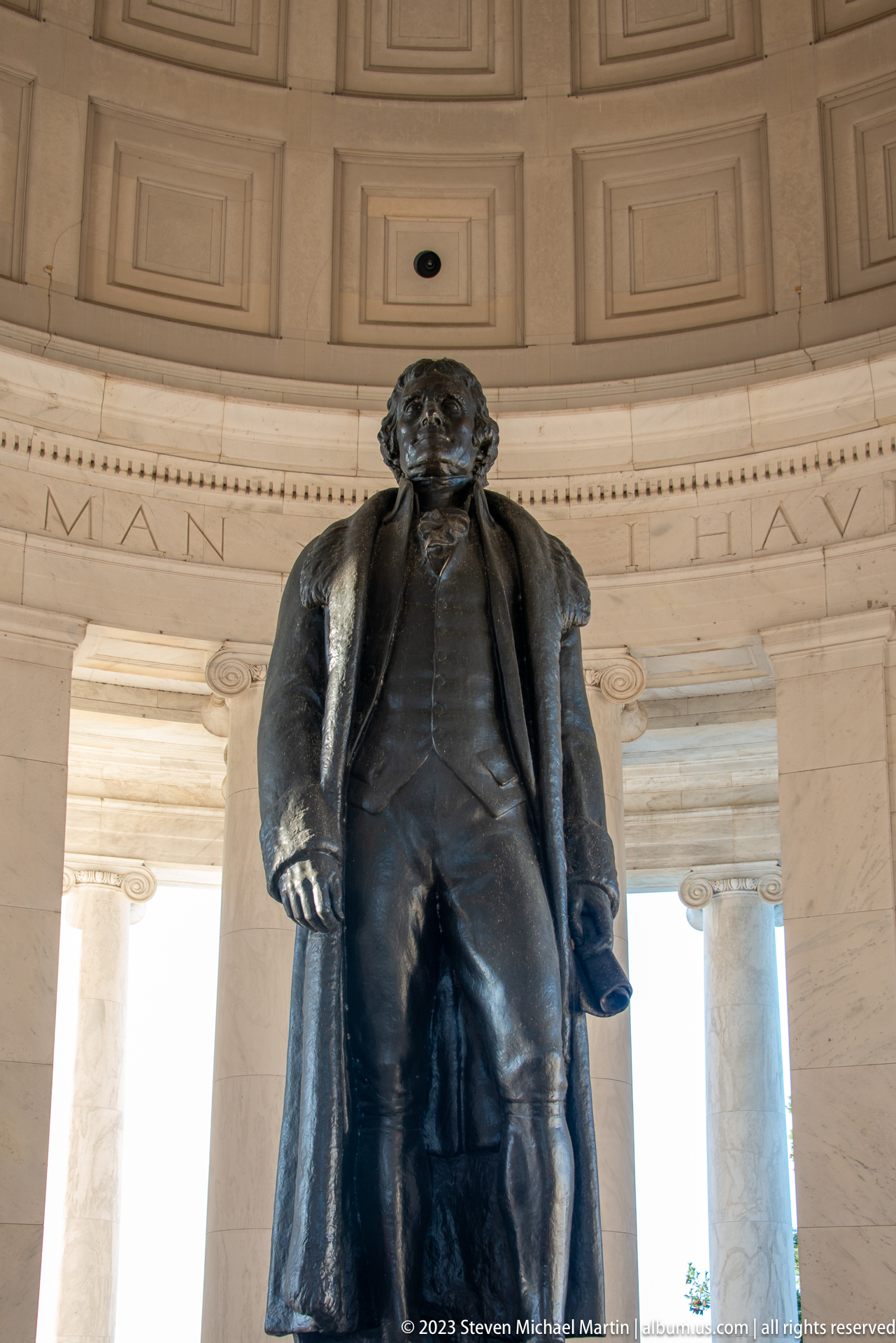
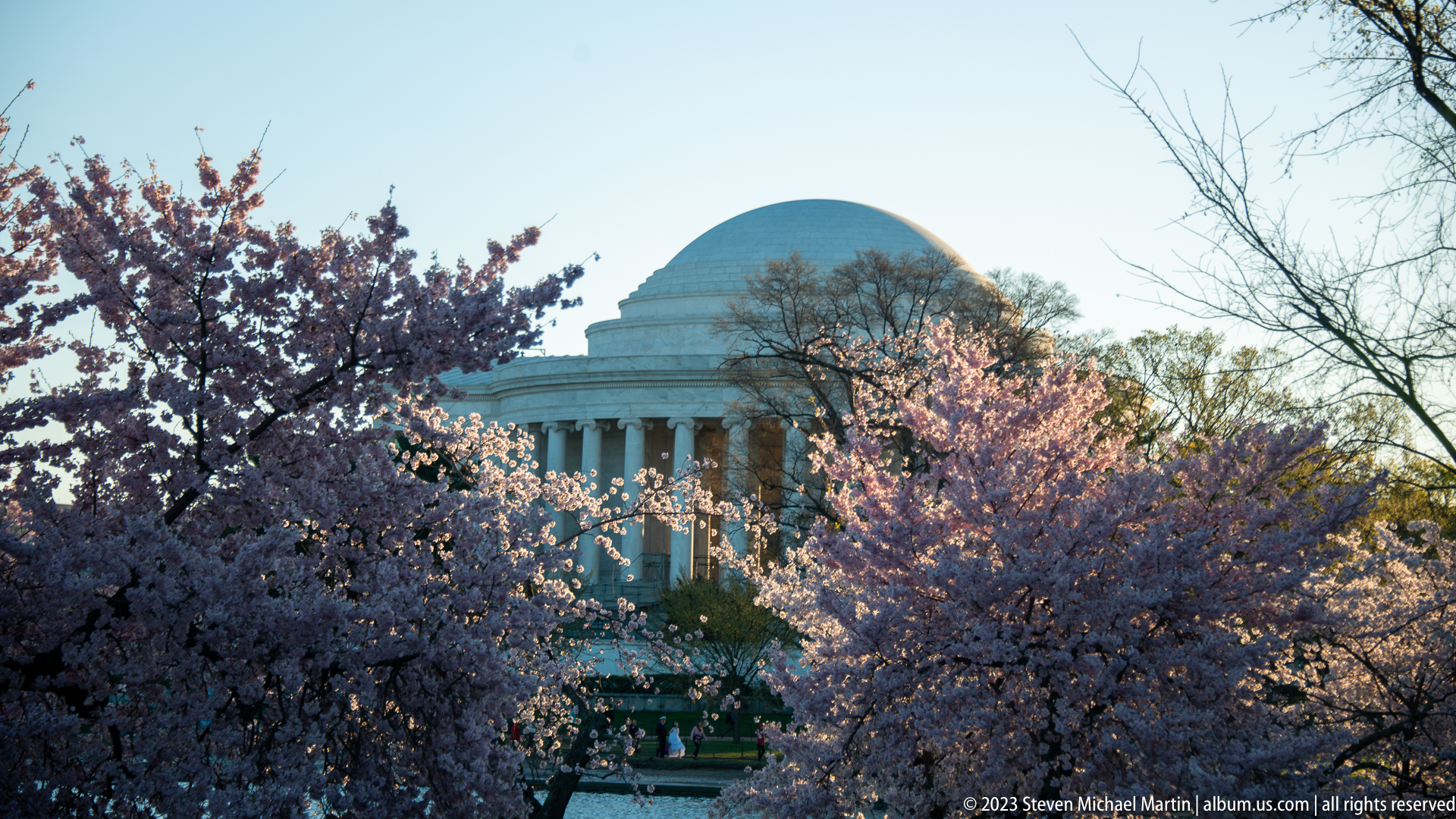
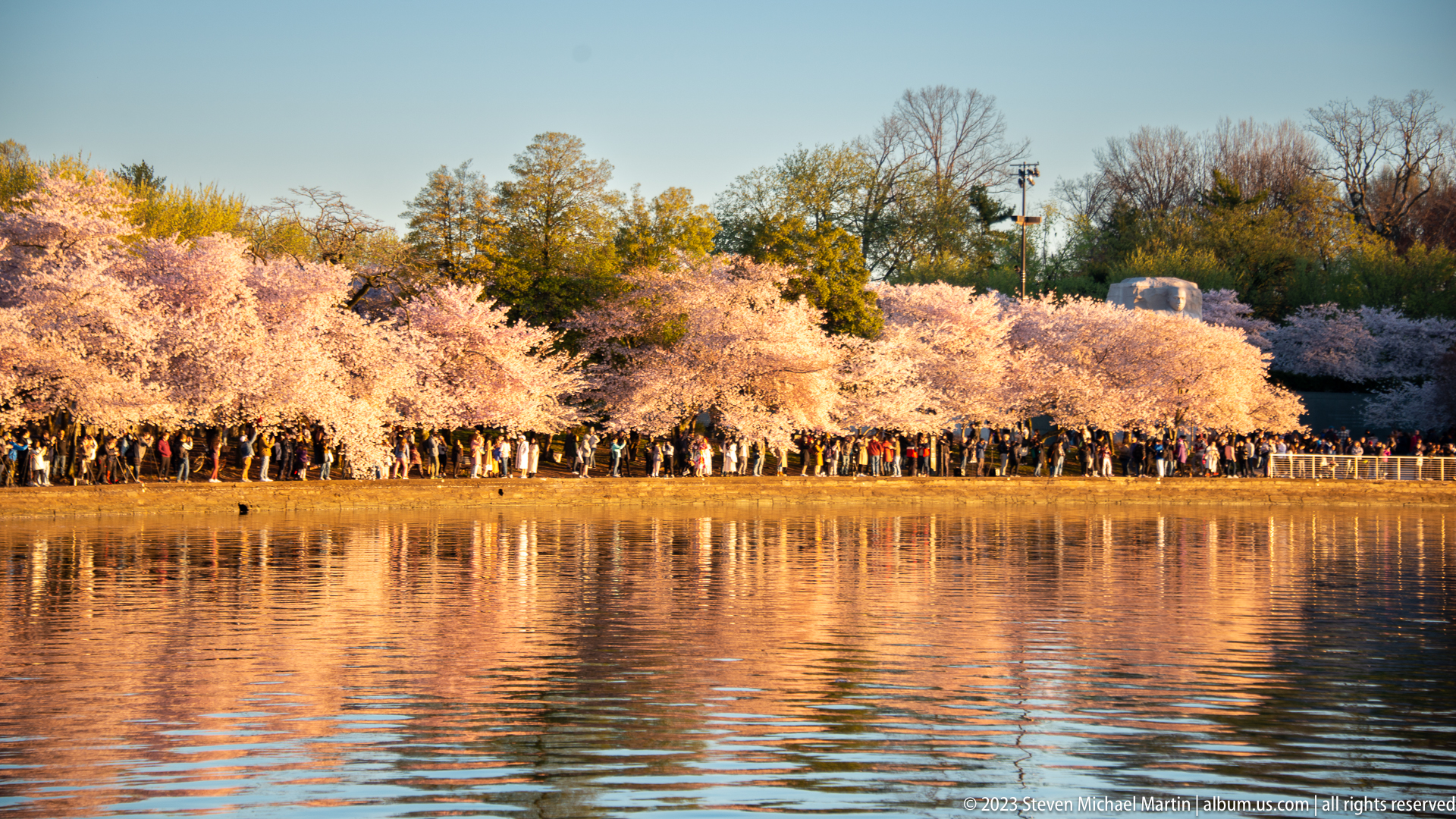
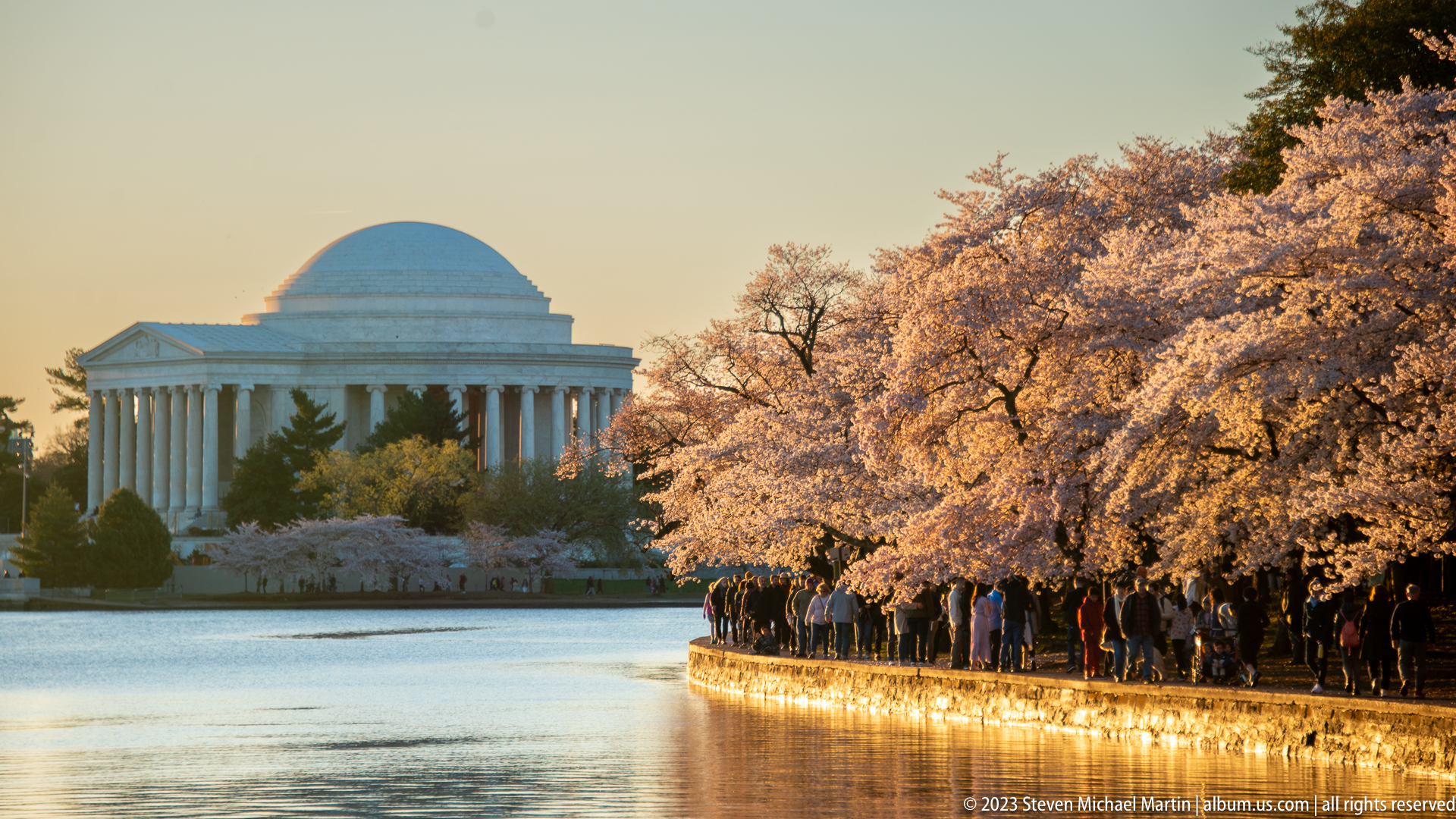
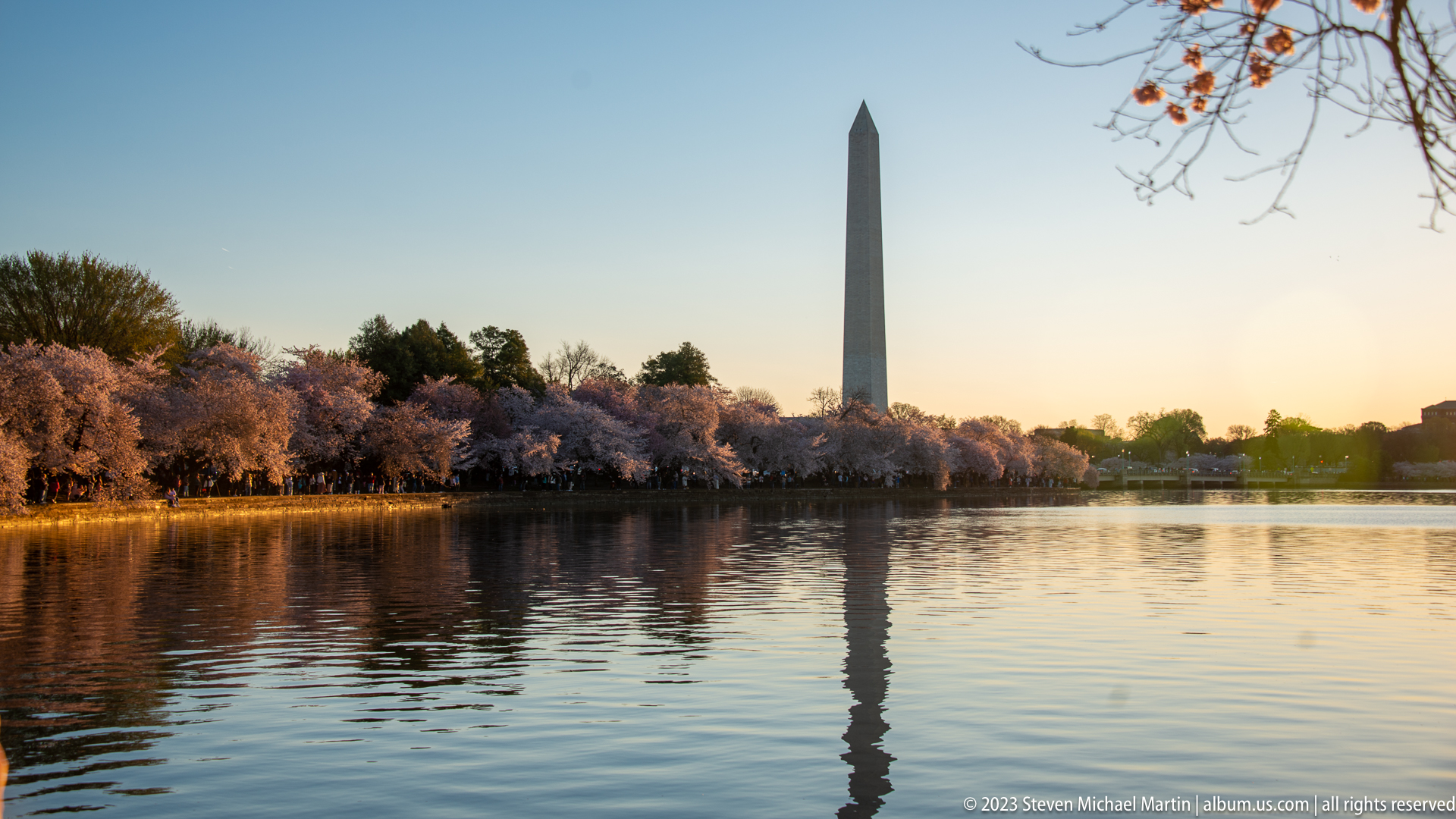
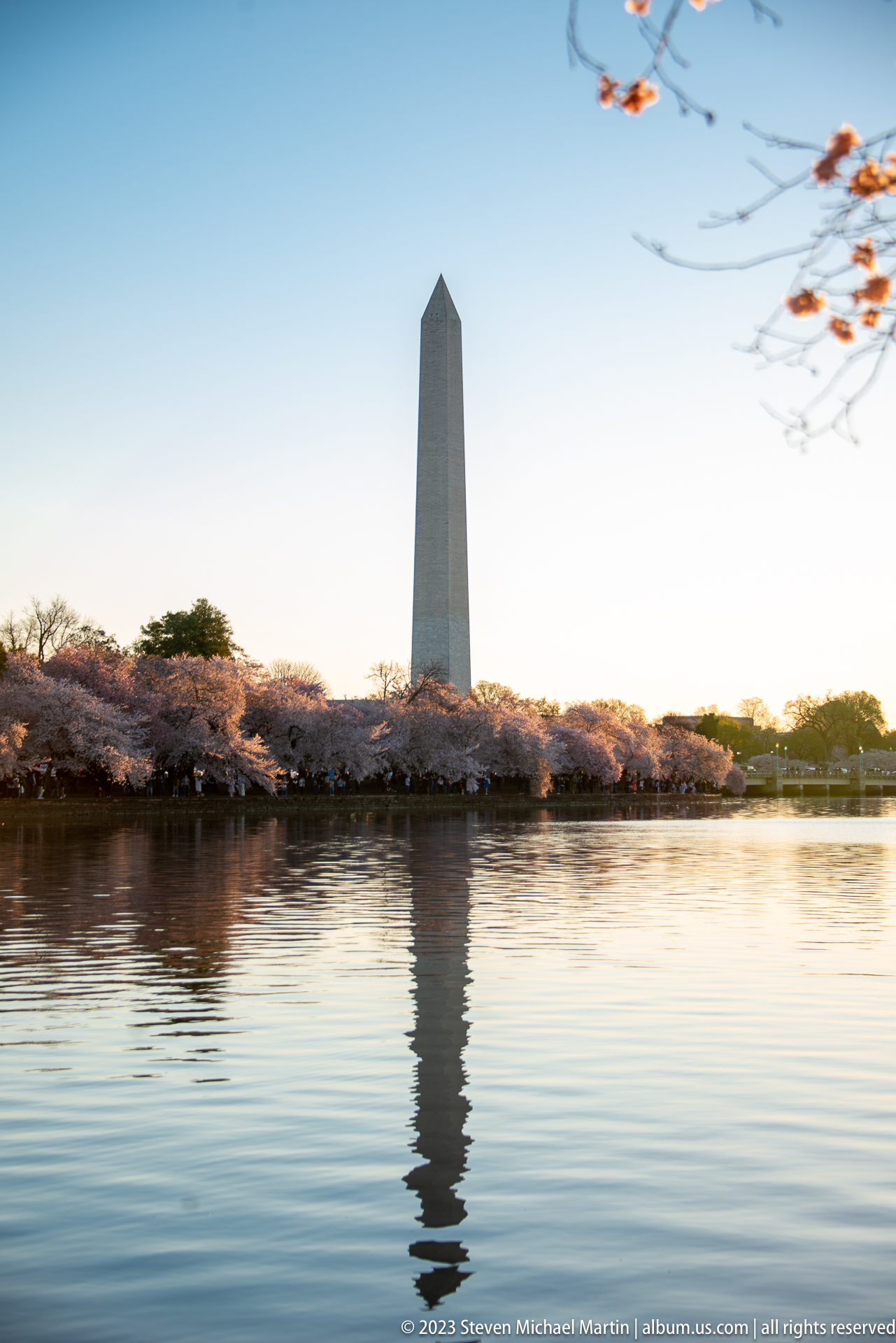
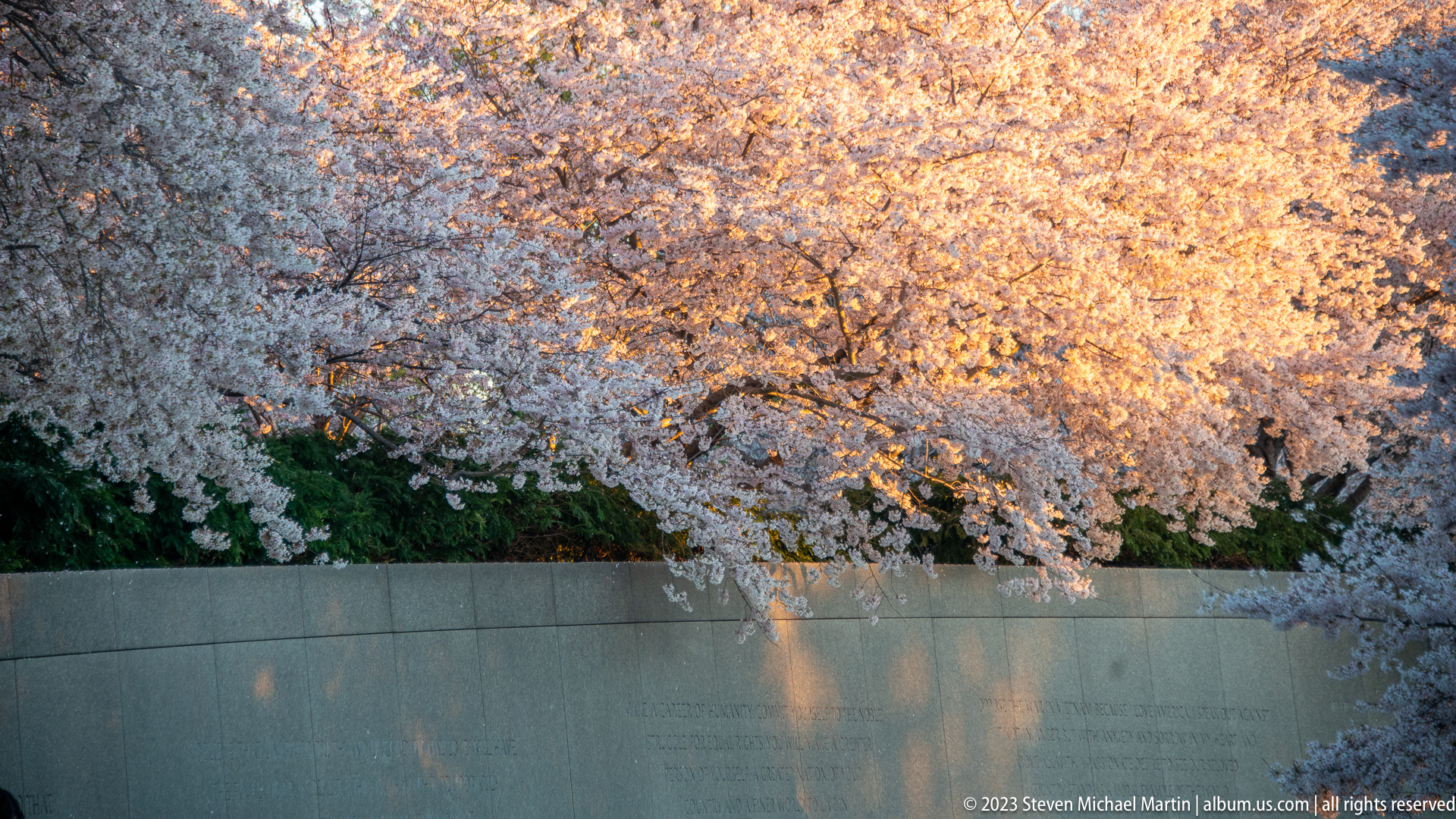
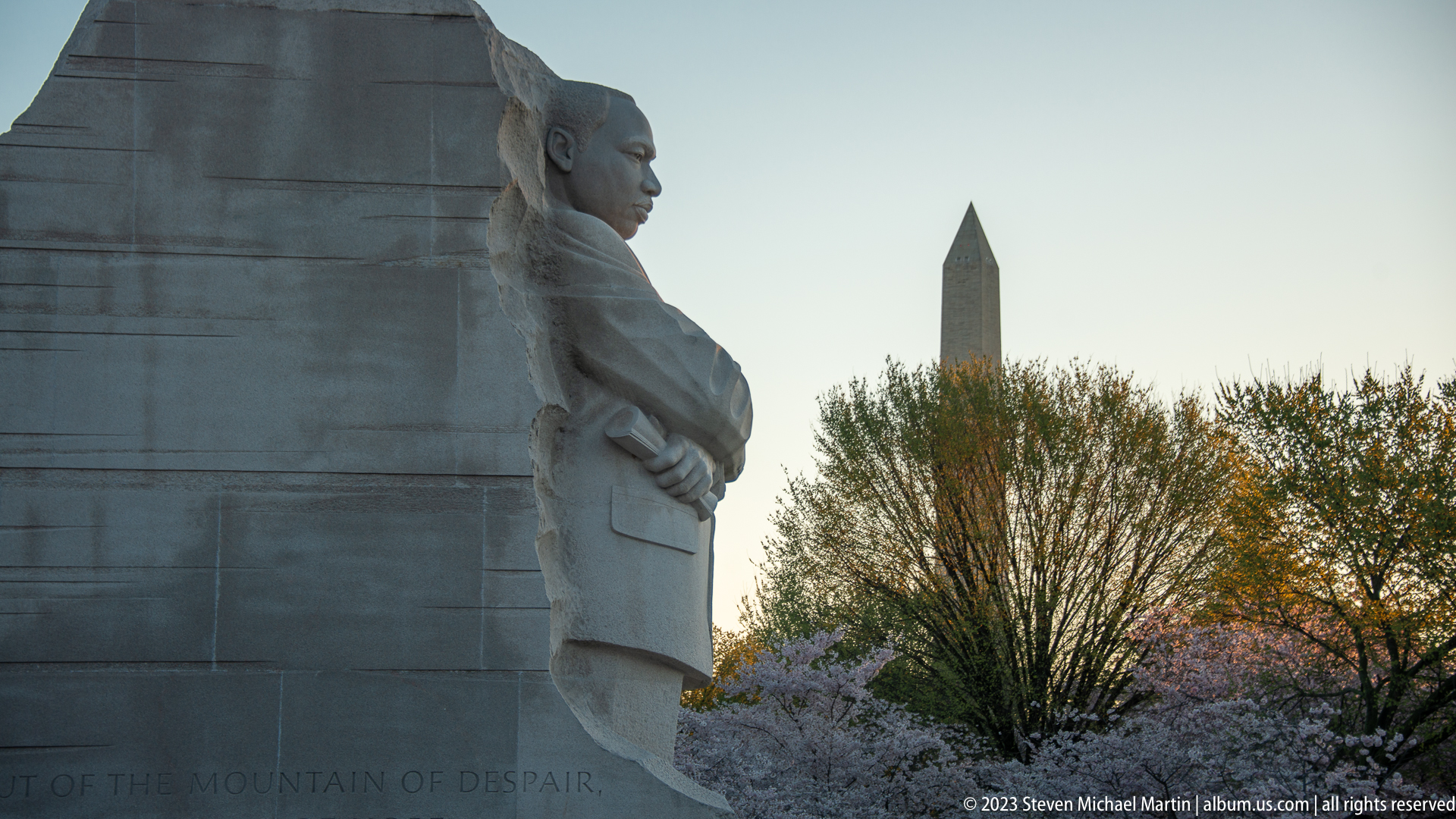
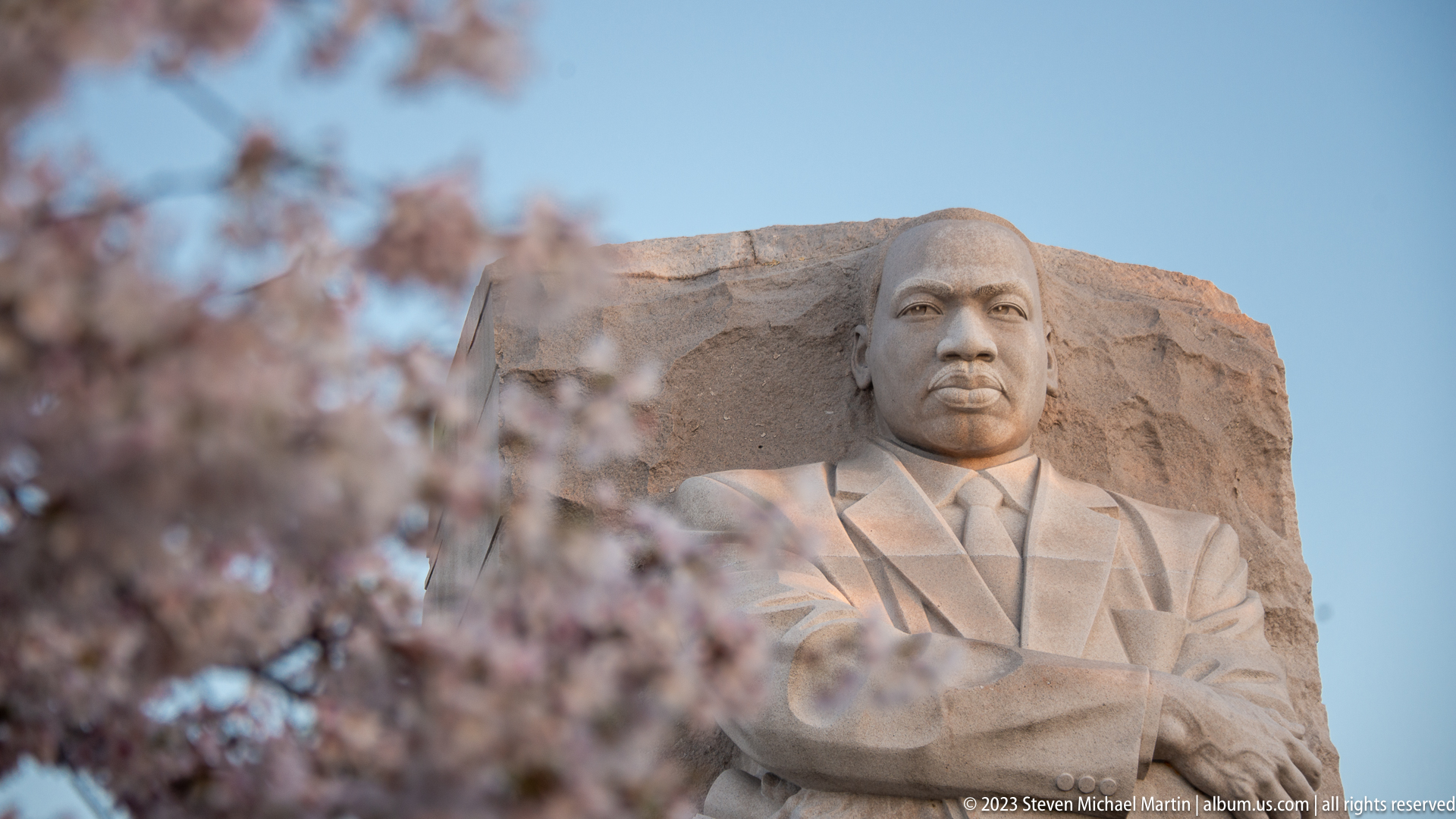
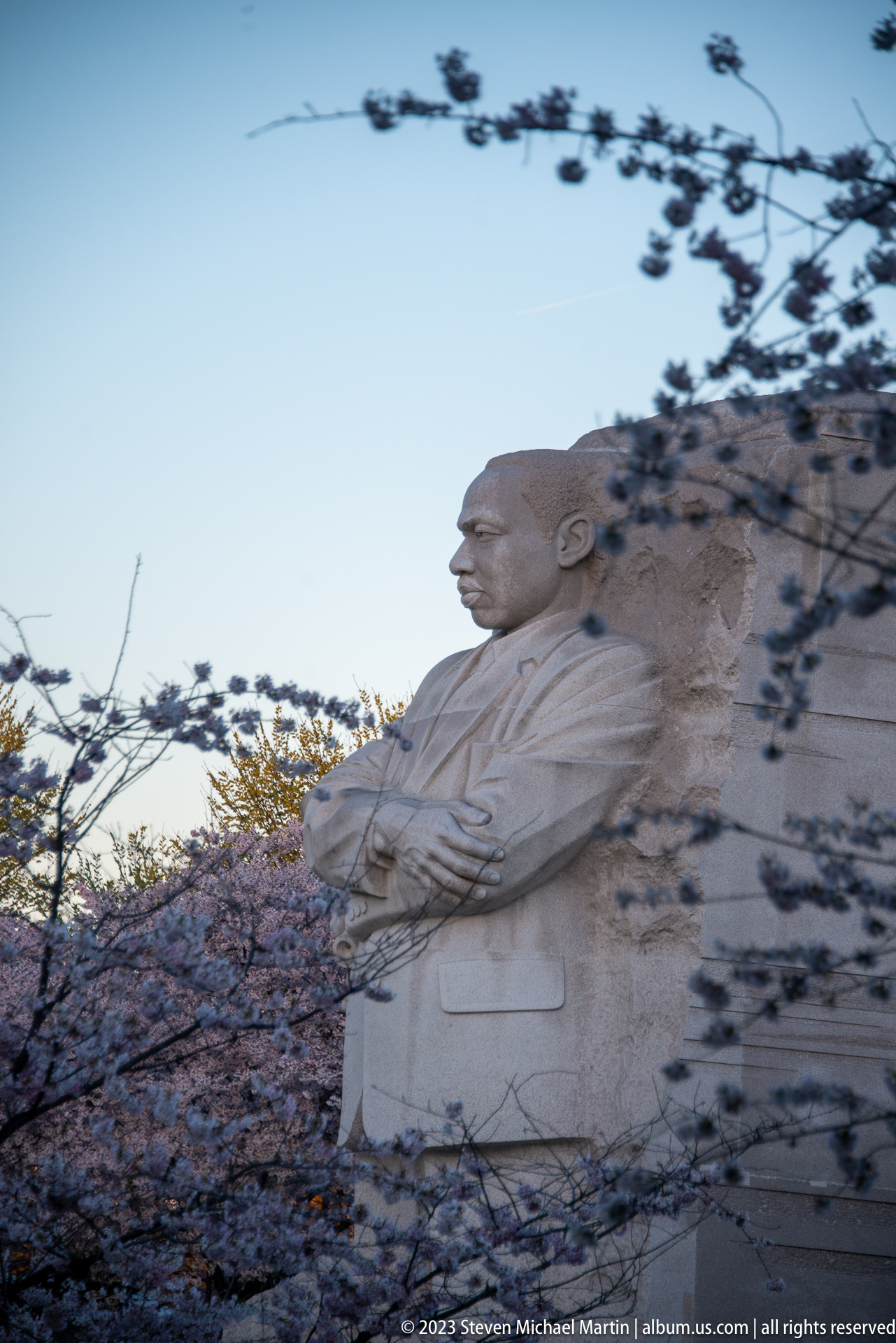
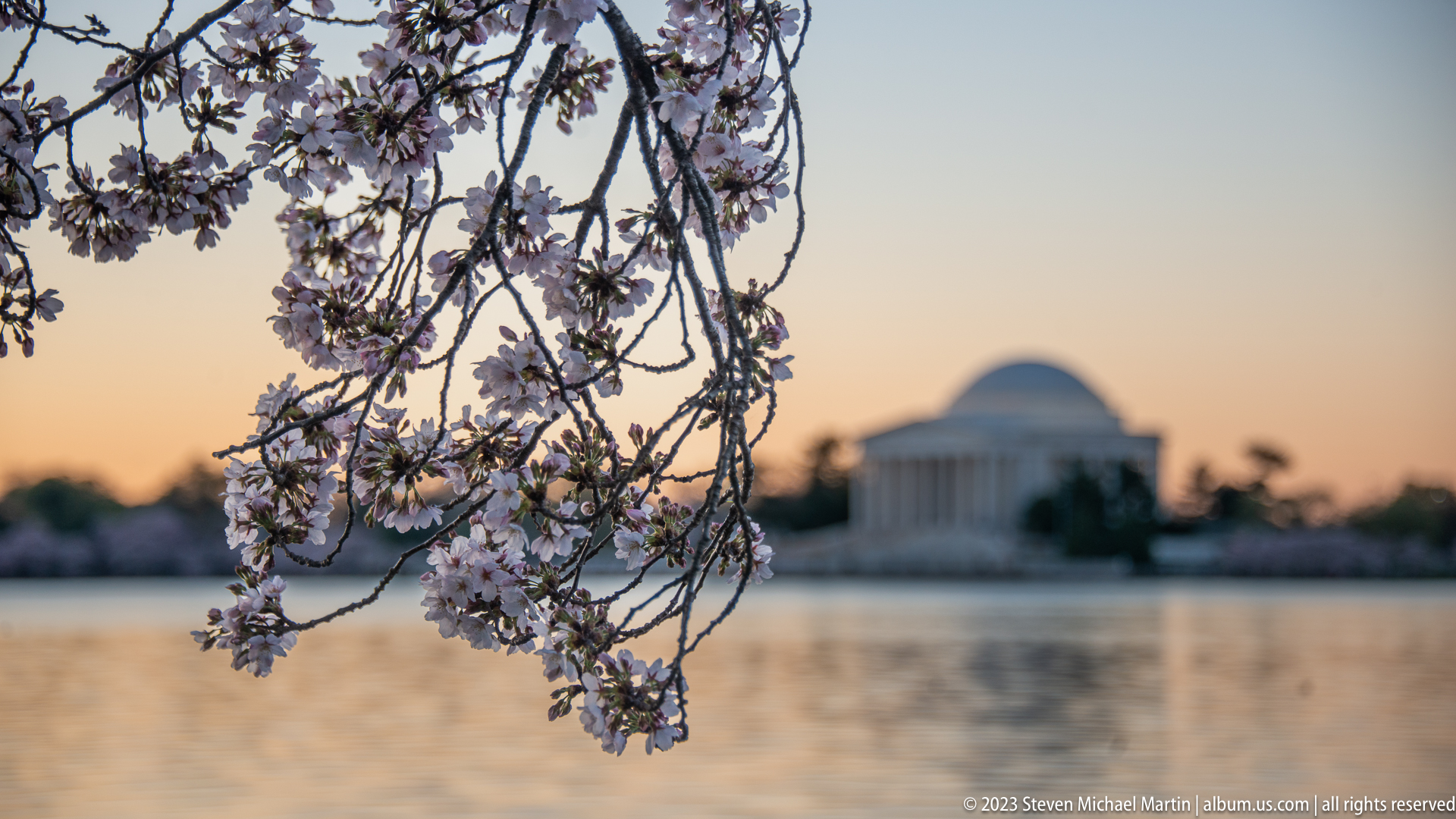
The Tidal Basin is one of the most recognizable ceremonial landscapes in Washington, DC, forming part of the planned monumental core extending west from the United States Capitol. Engineered in the nineteenth century as part of a system to regulate water flow along the Potomac River, the basin later became associated with memorial architecture including the Jefferson Memorial and Martin Luther King, Jr. Memorial. The surrounding parkland demonstrates how engineered water features can shape the spatial relationships between monuments and public space within the federal capital.
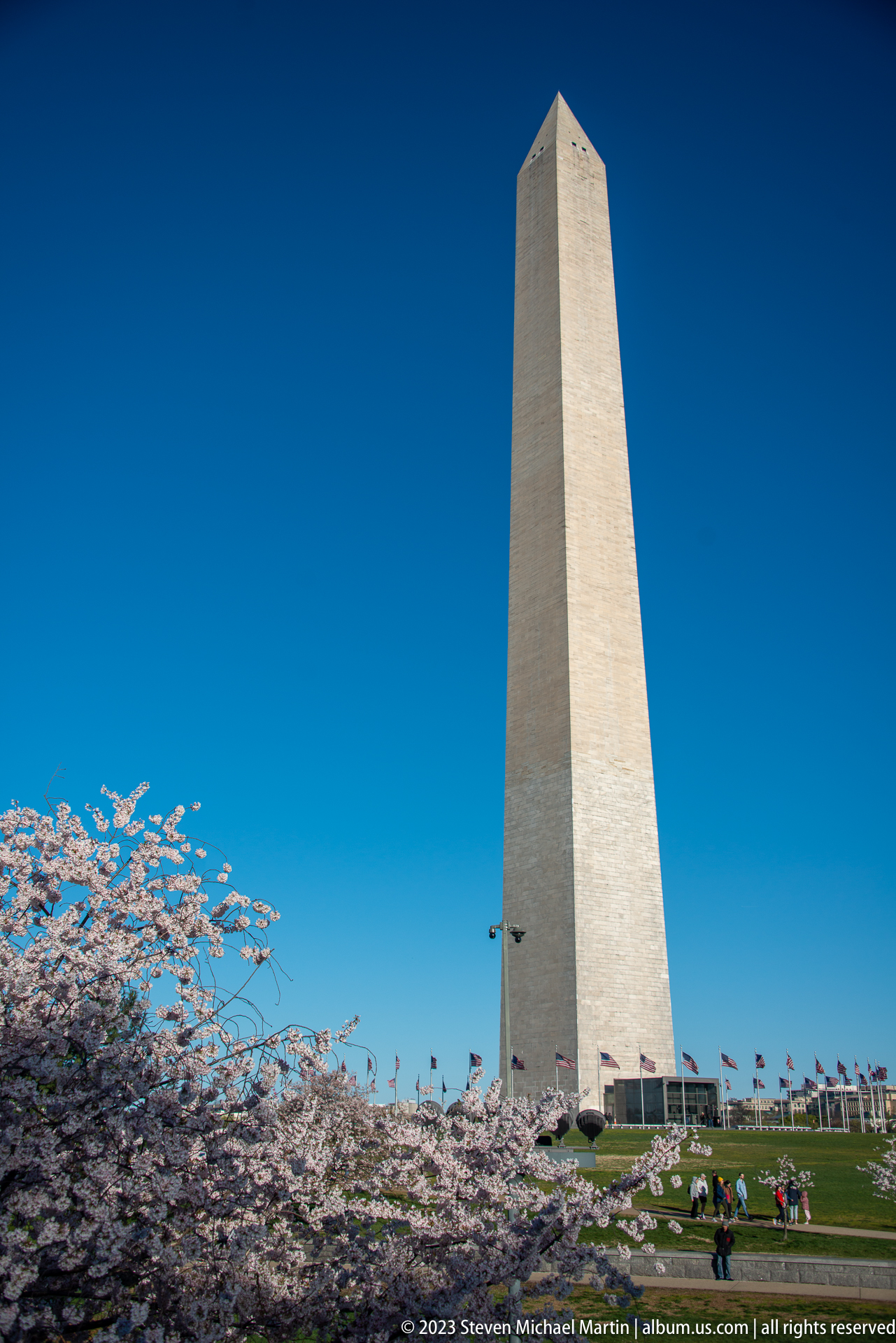
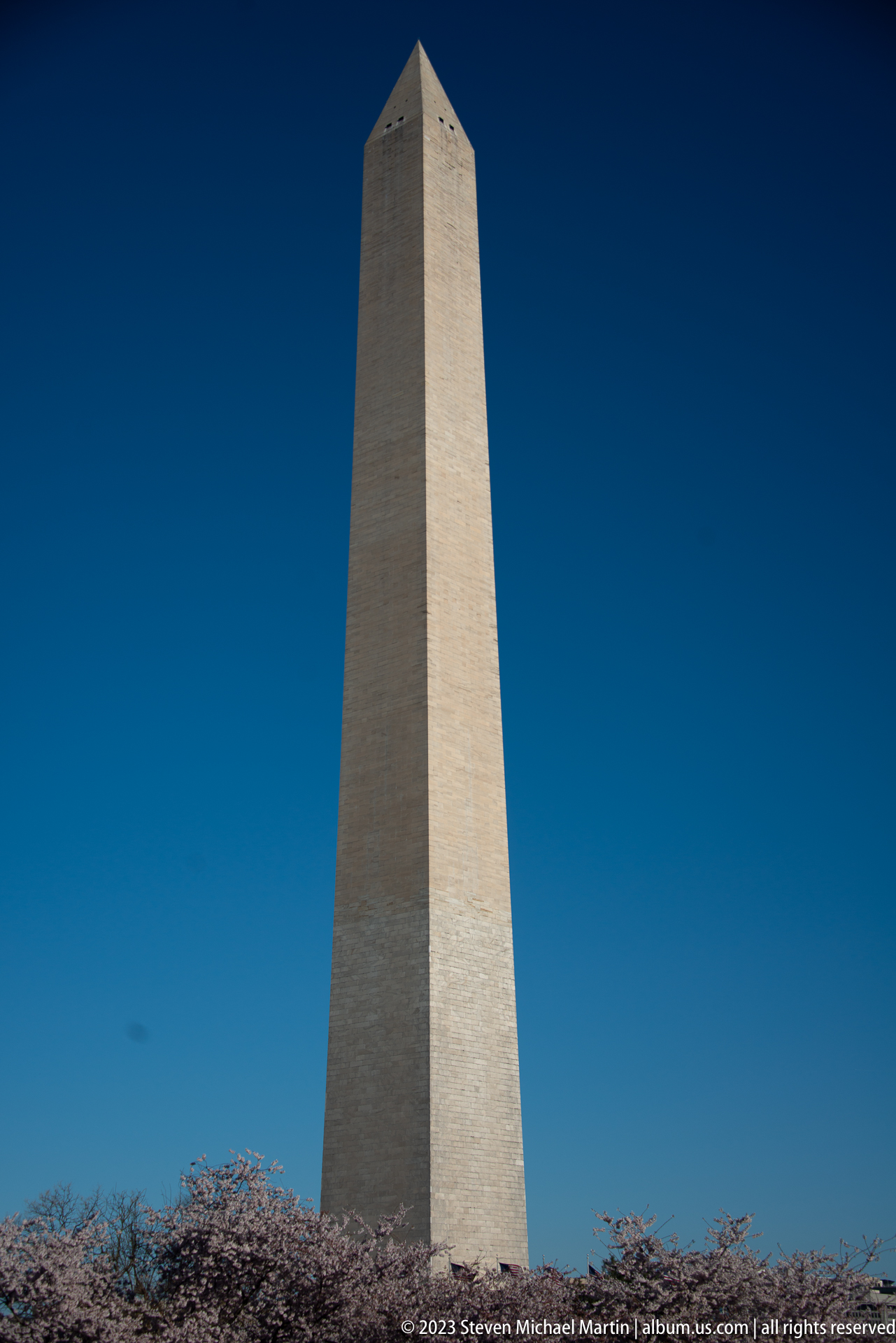
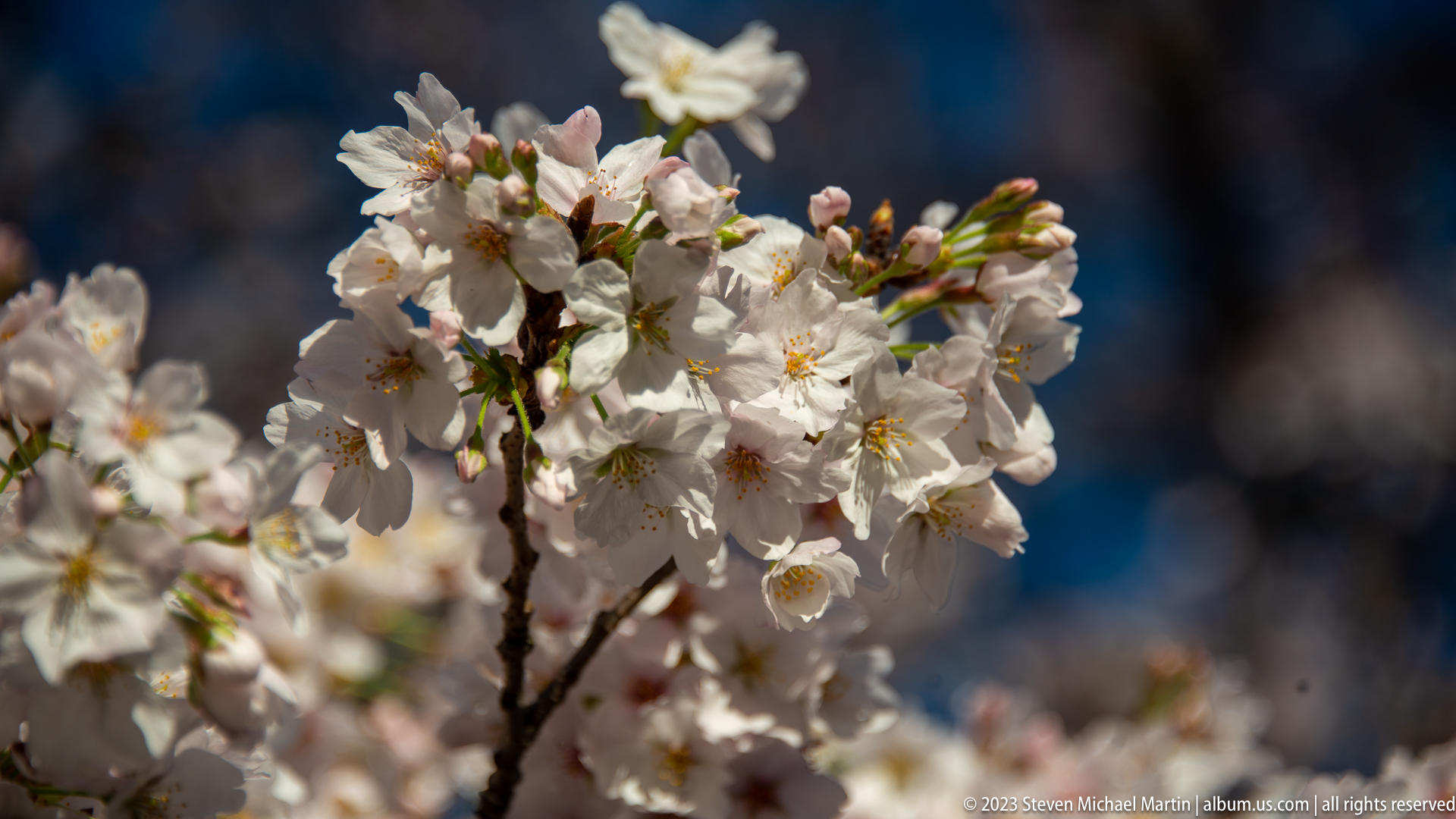
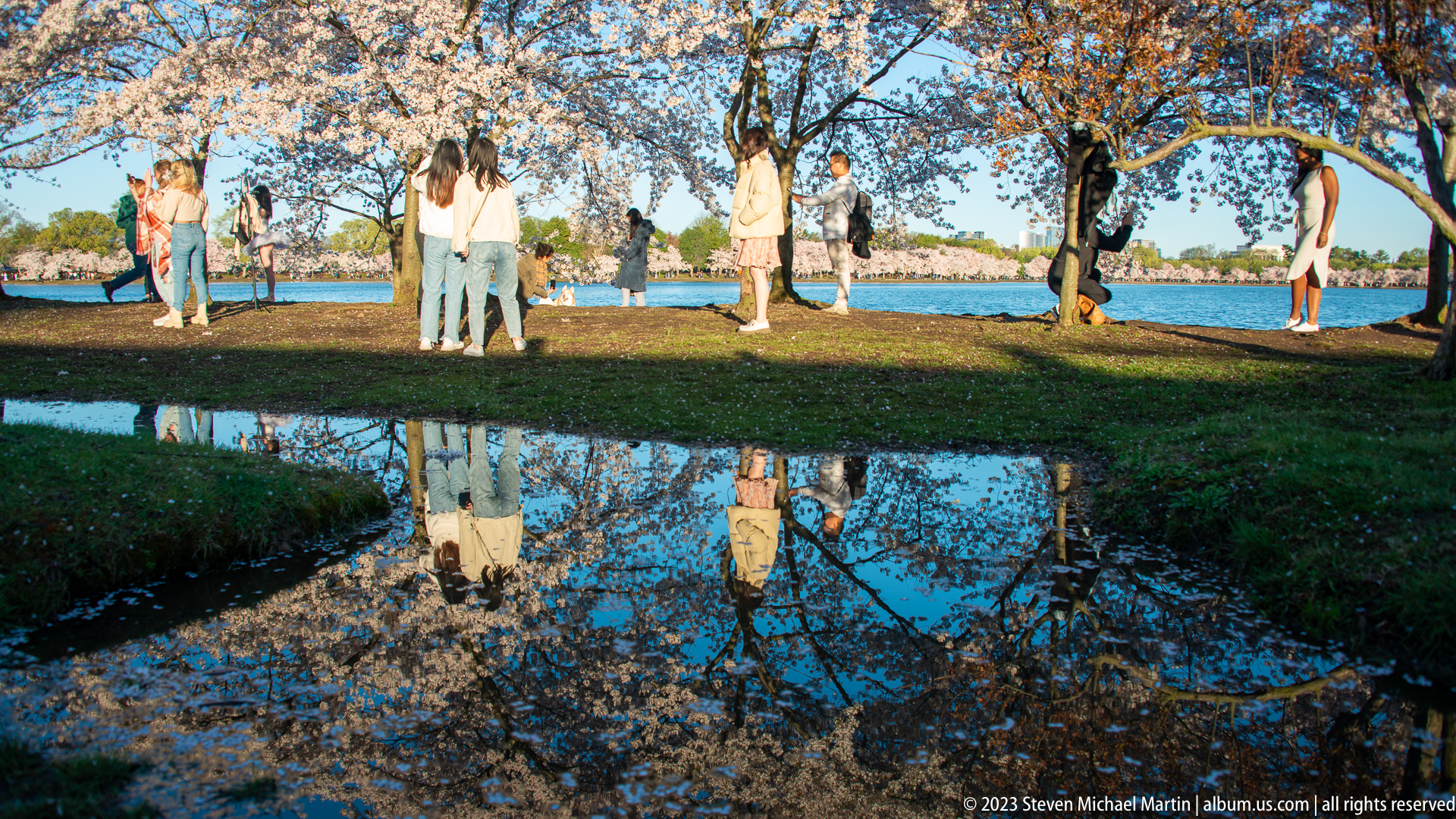
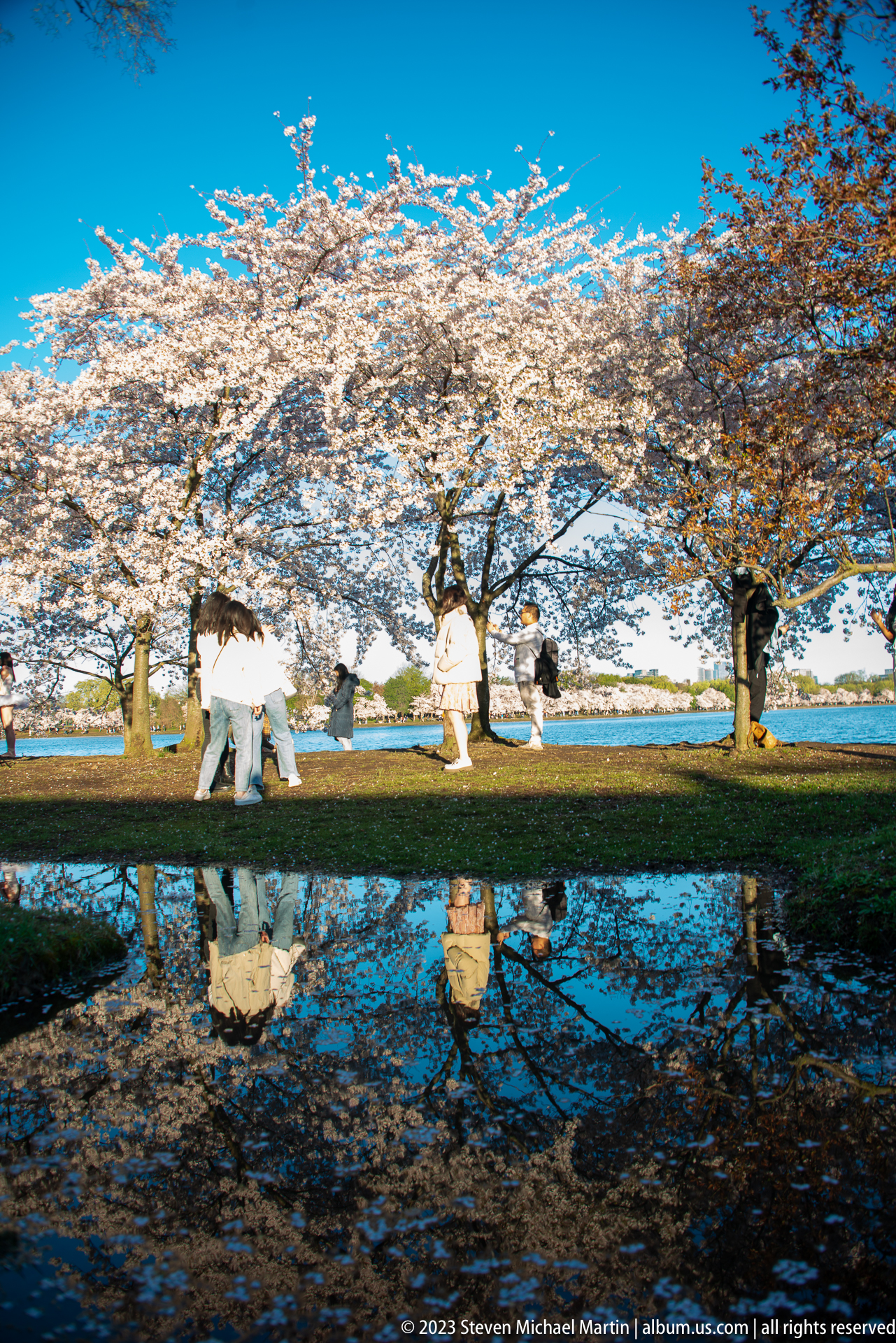
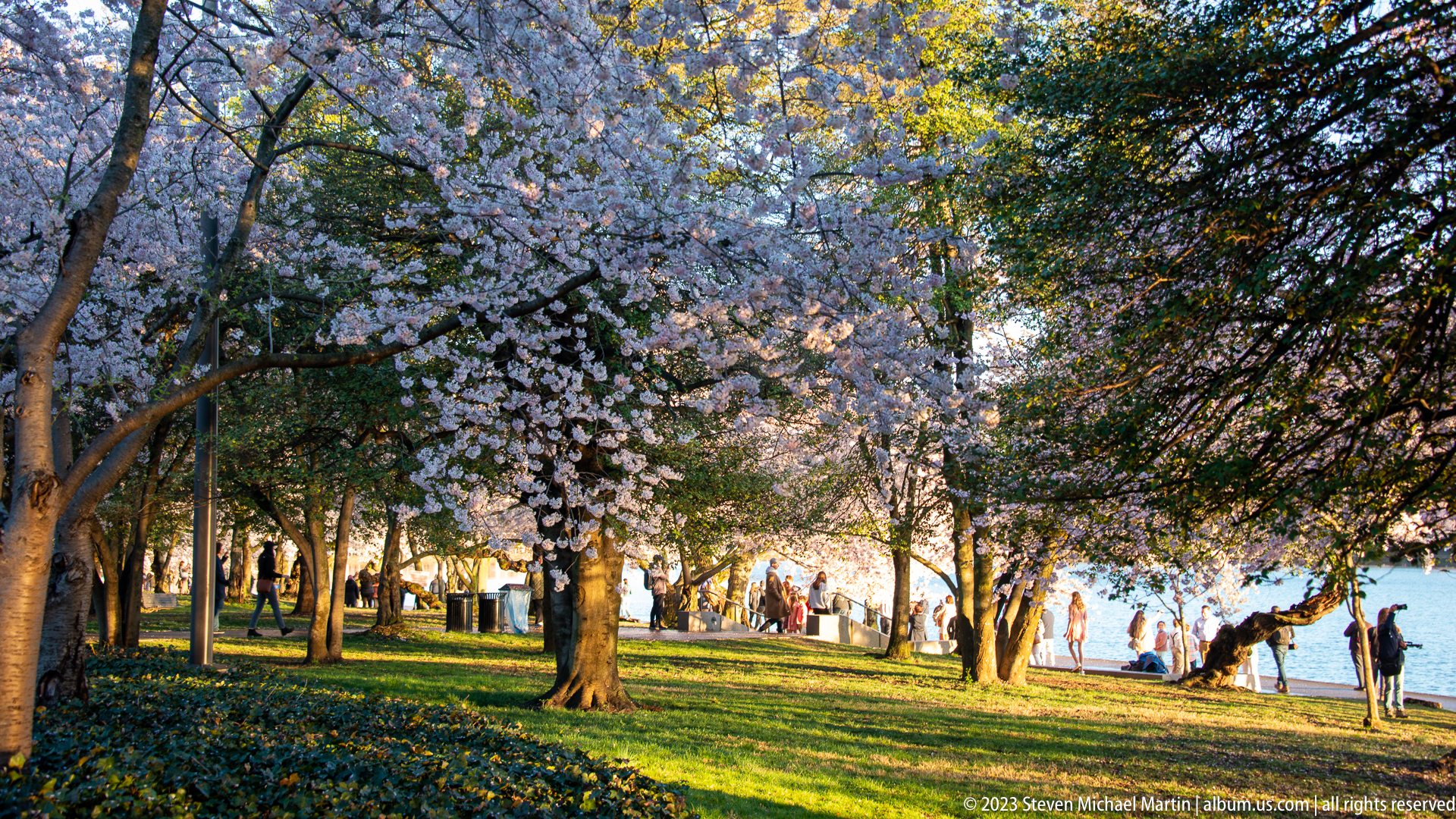
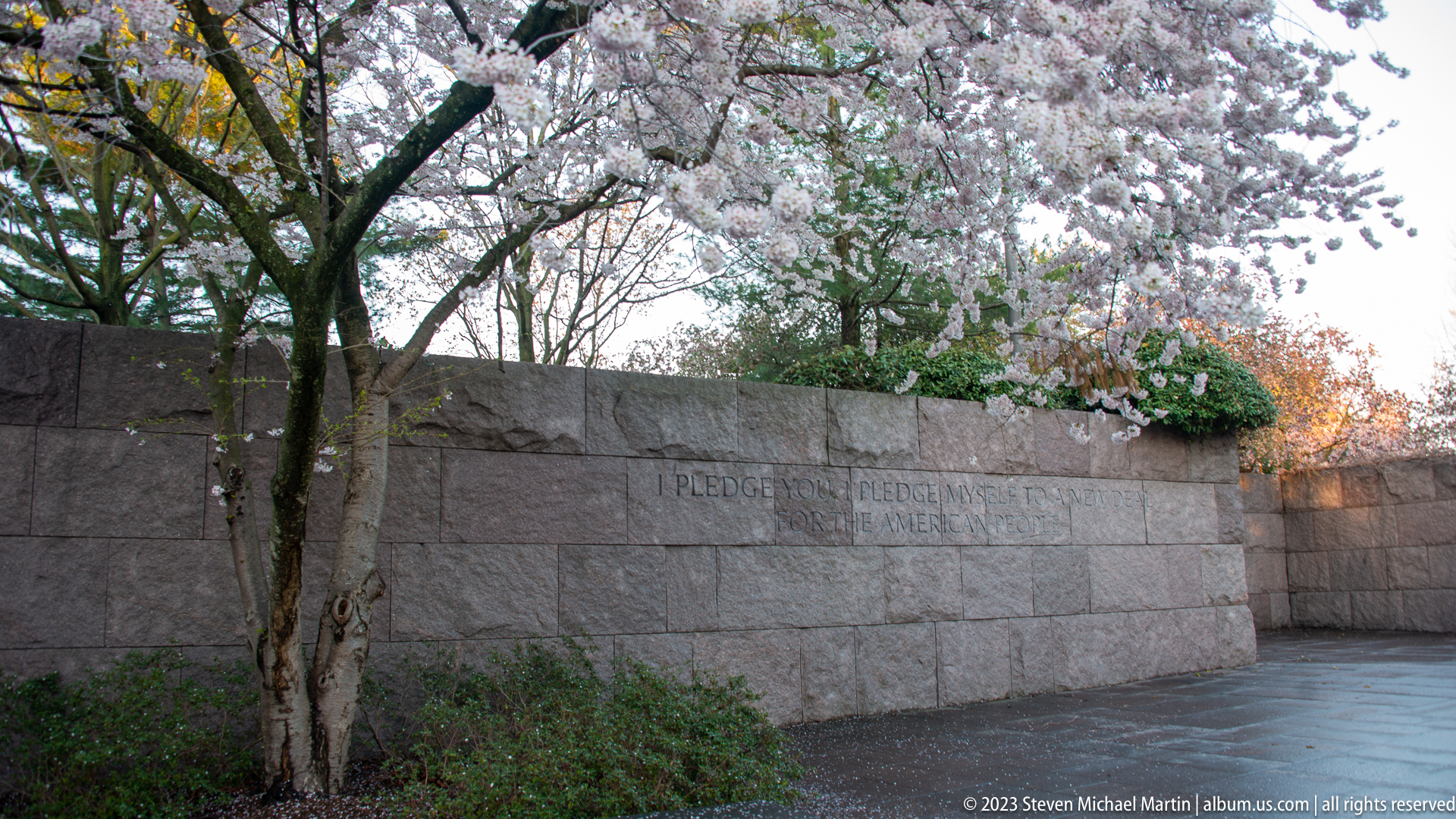
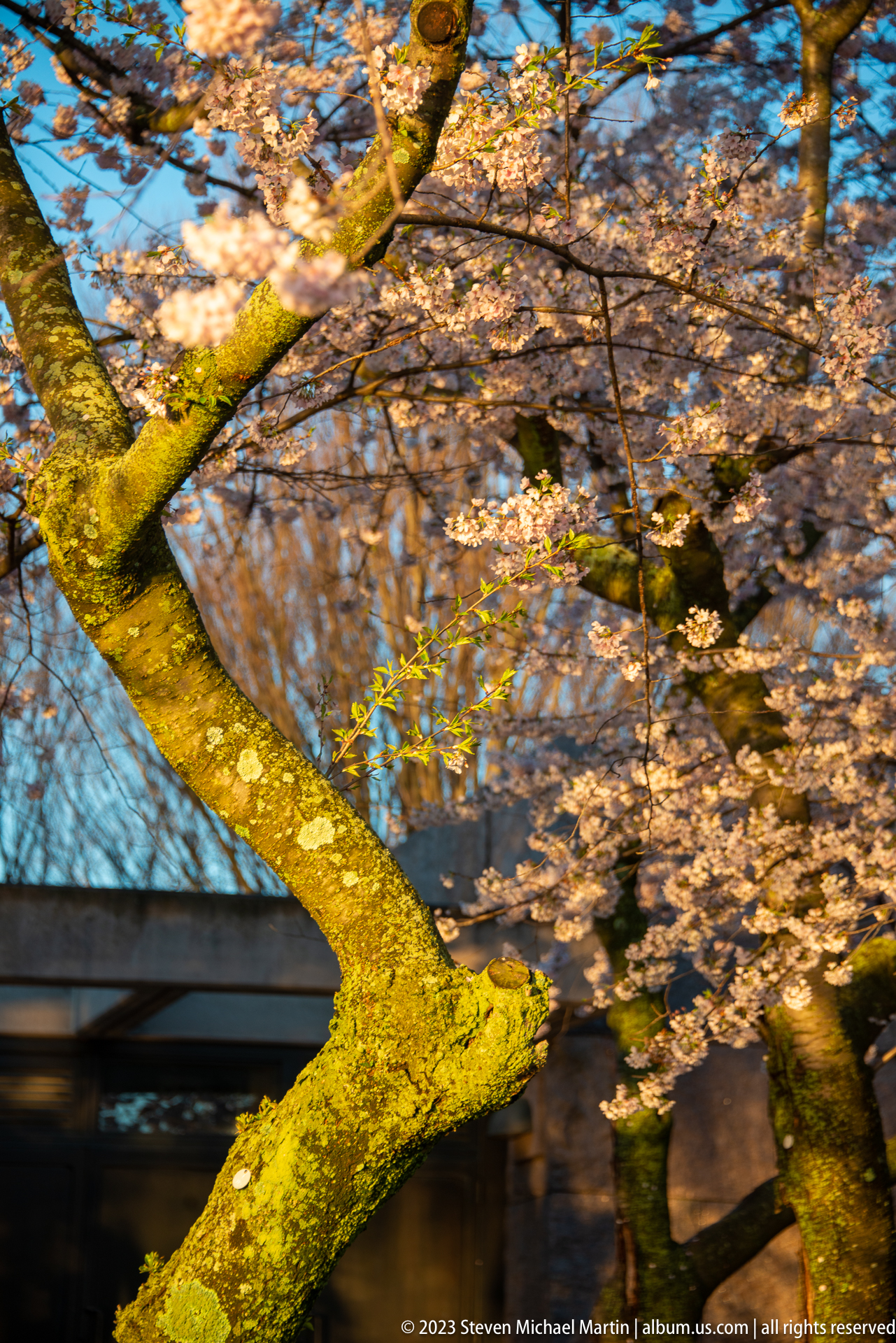
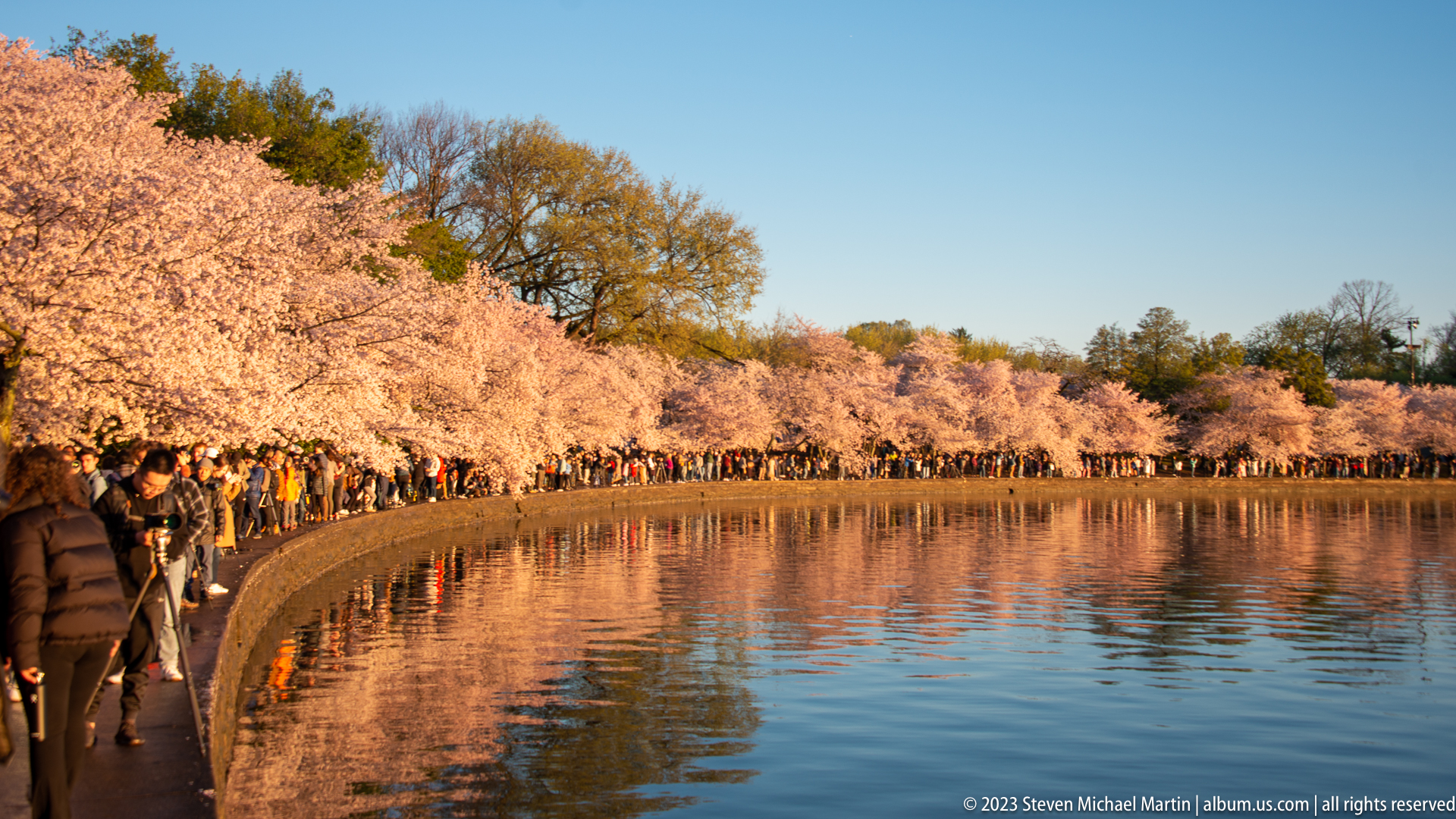
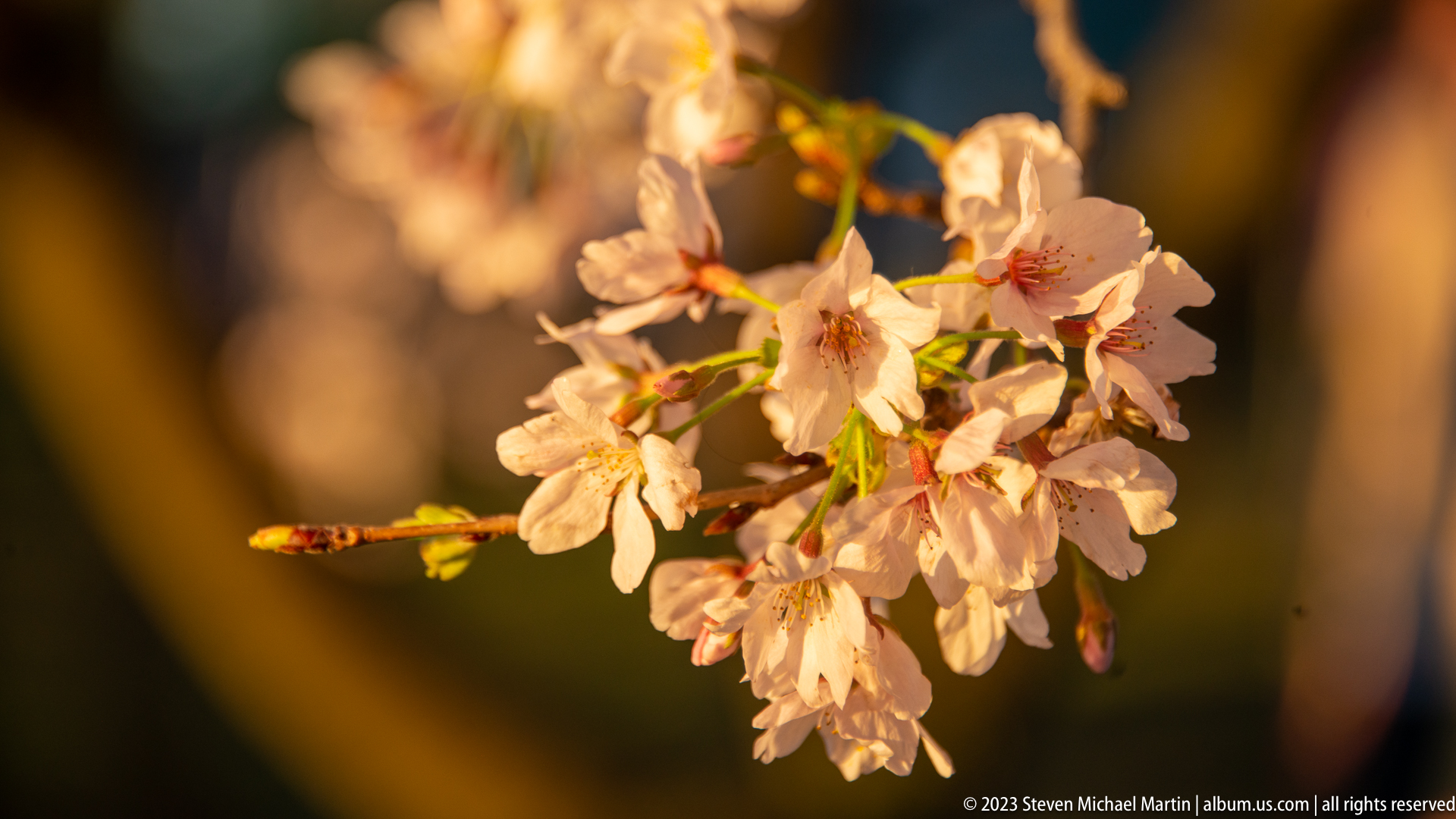
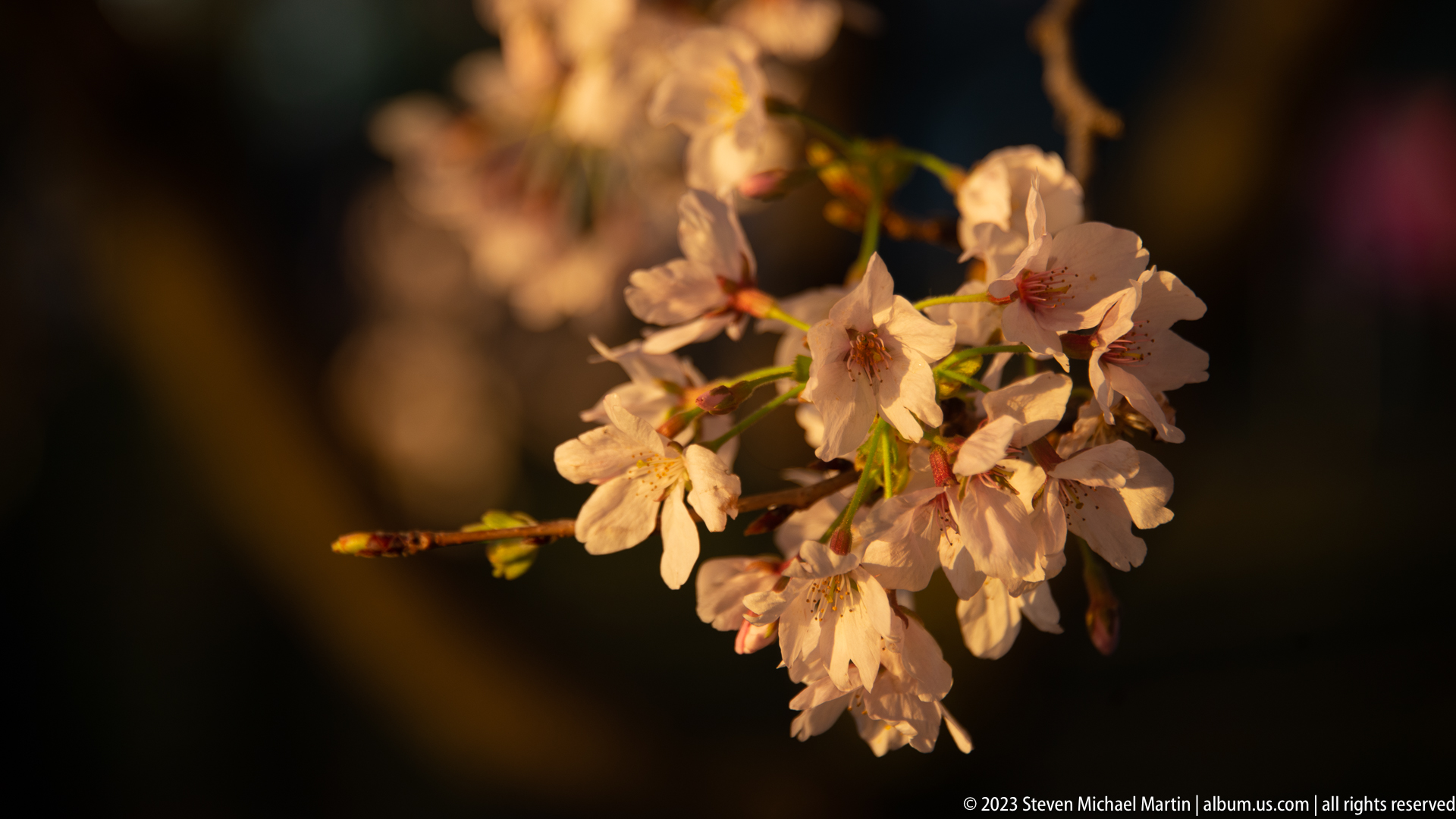
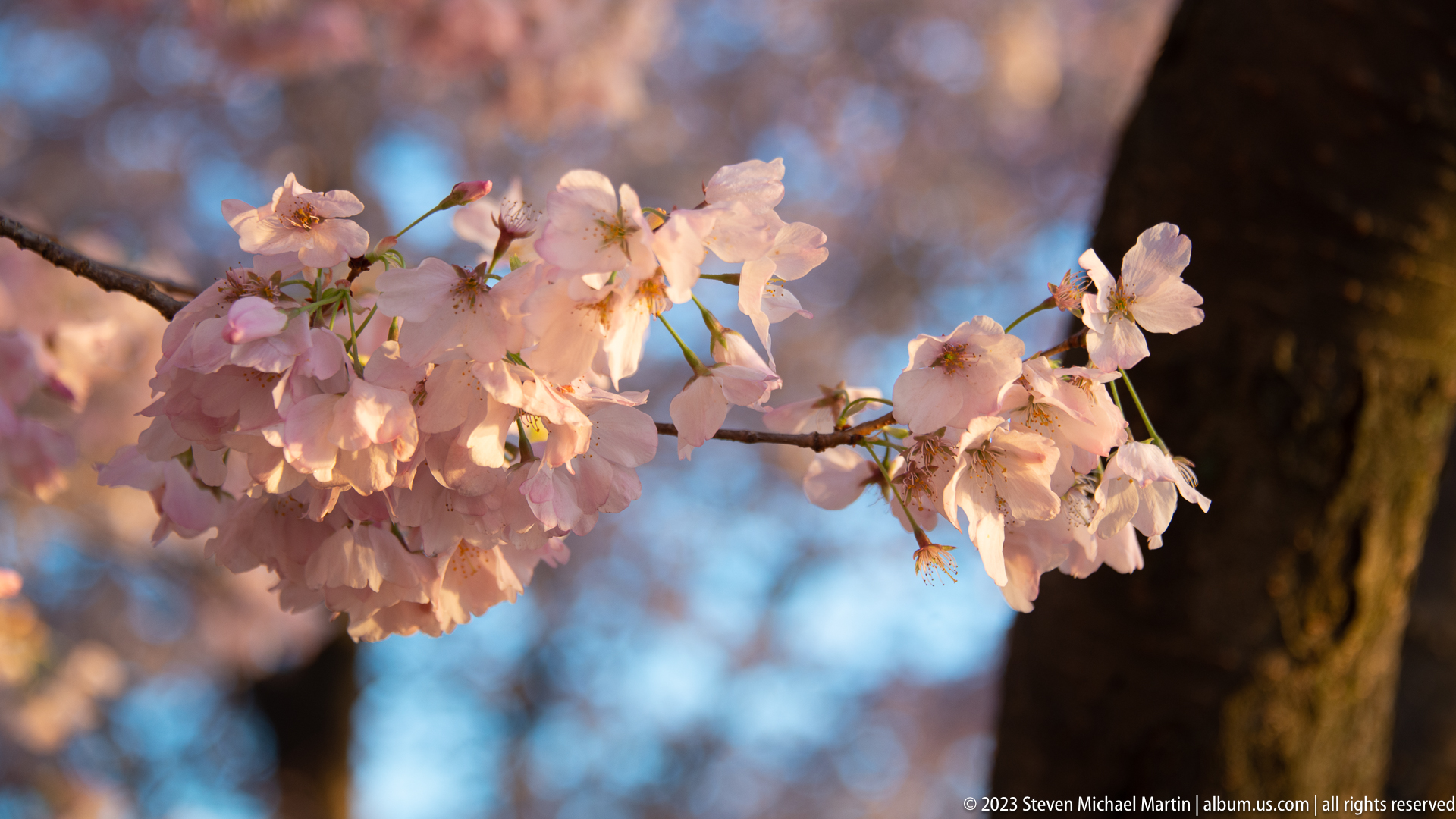
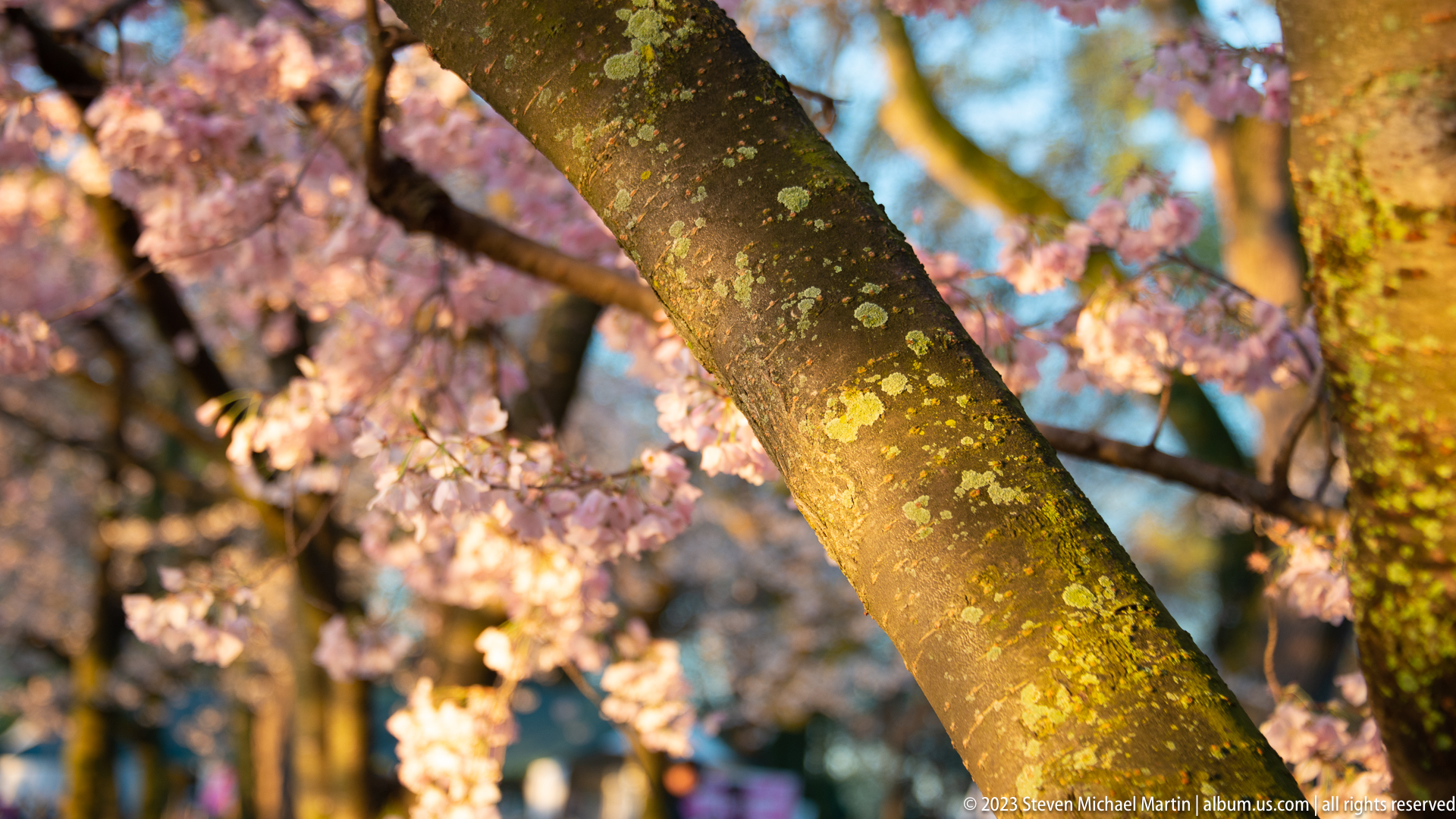
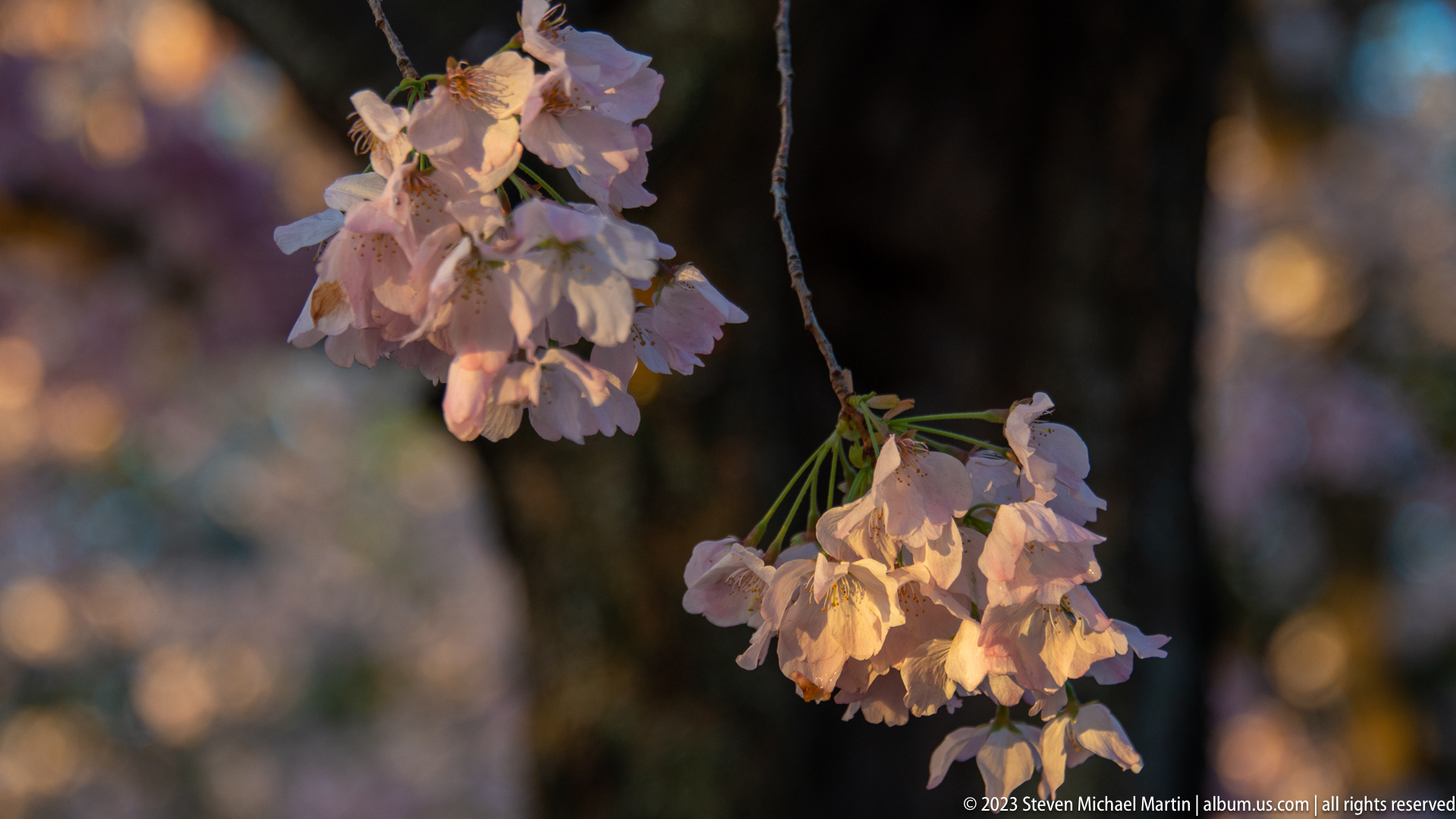
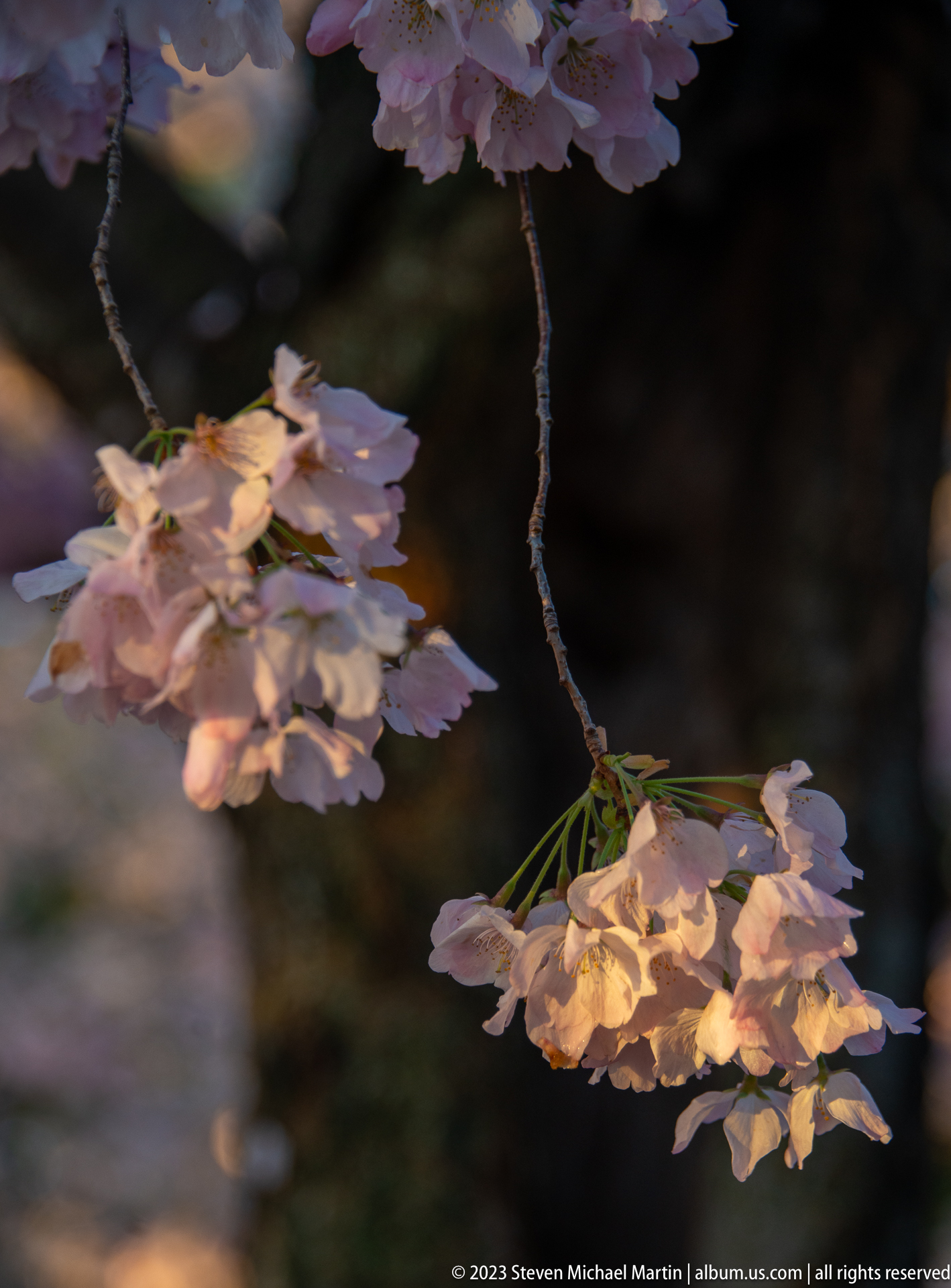
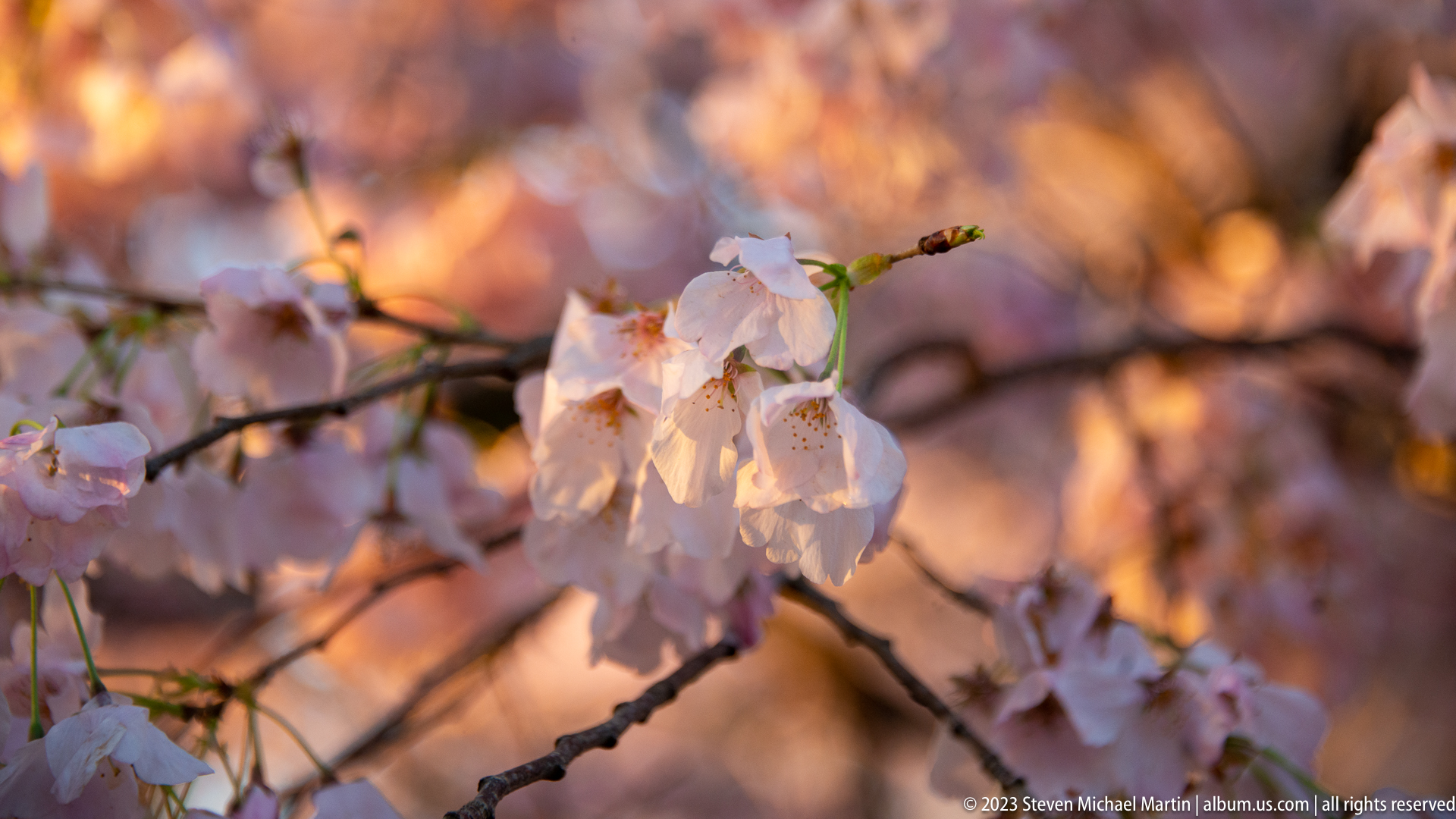
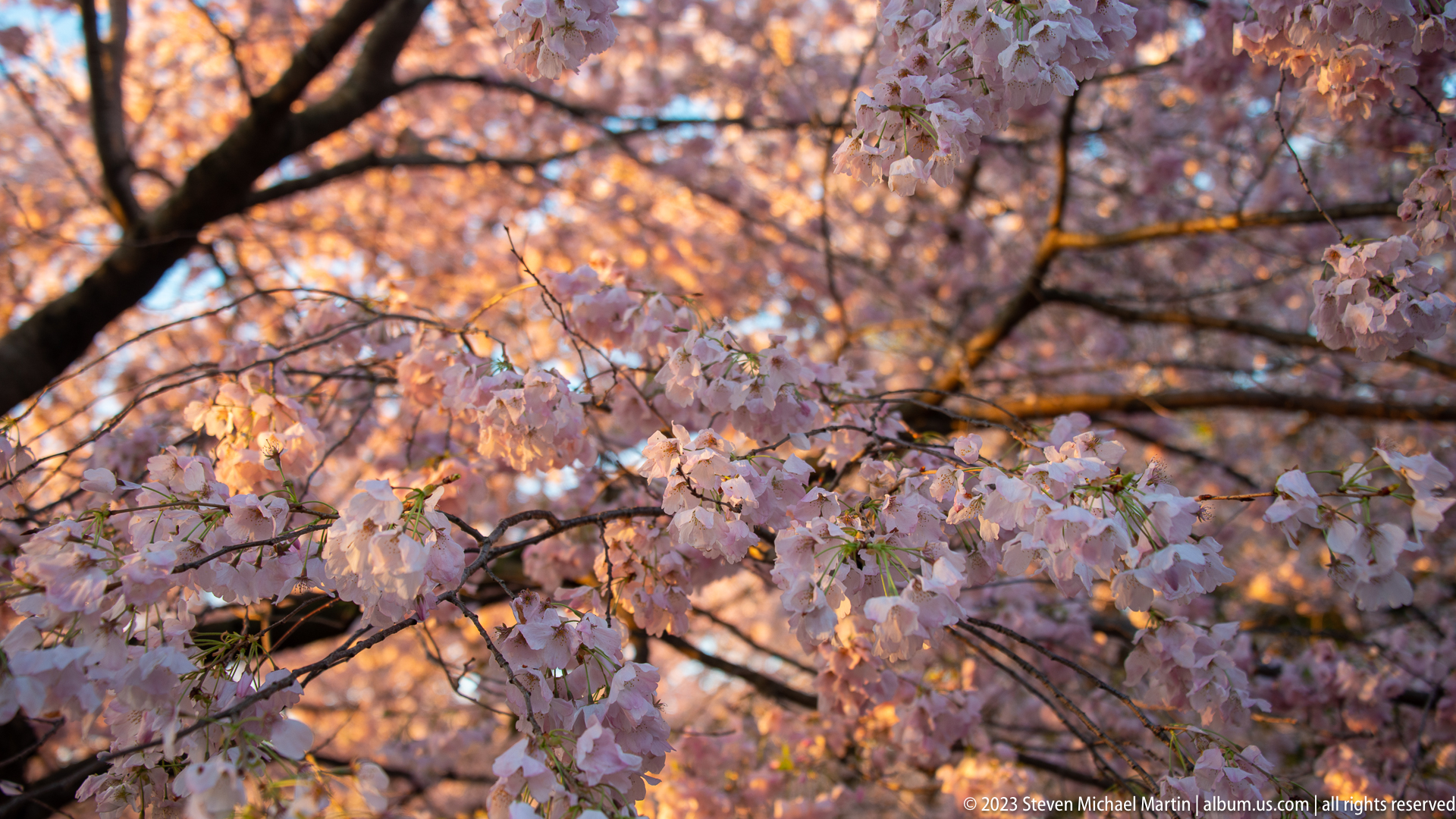
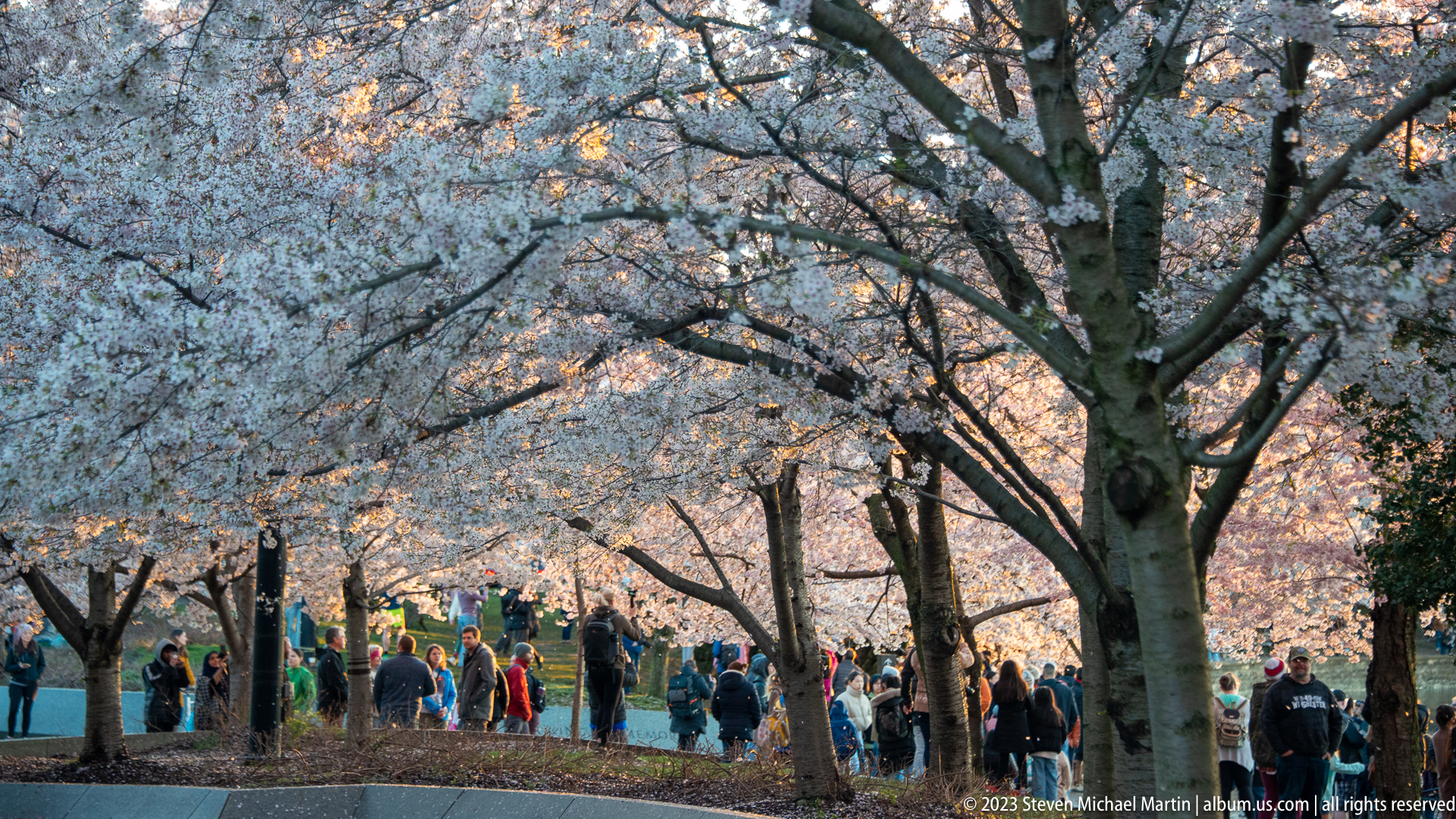
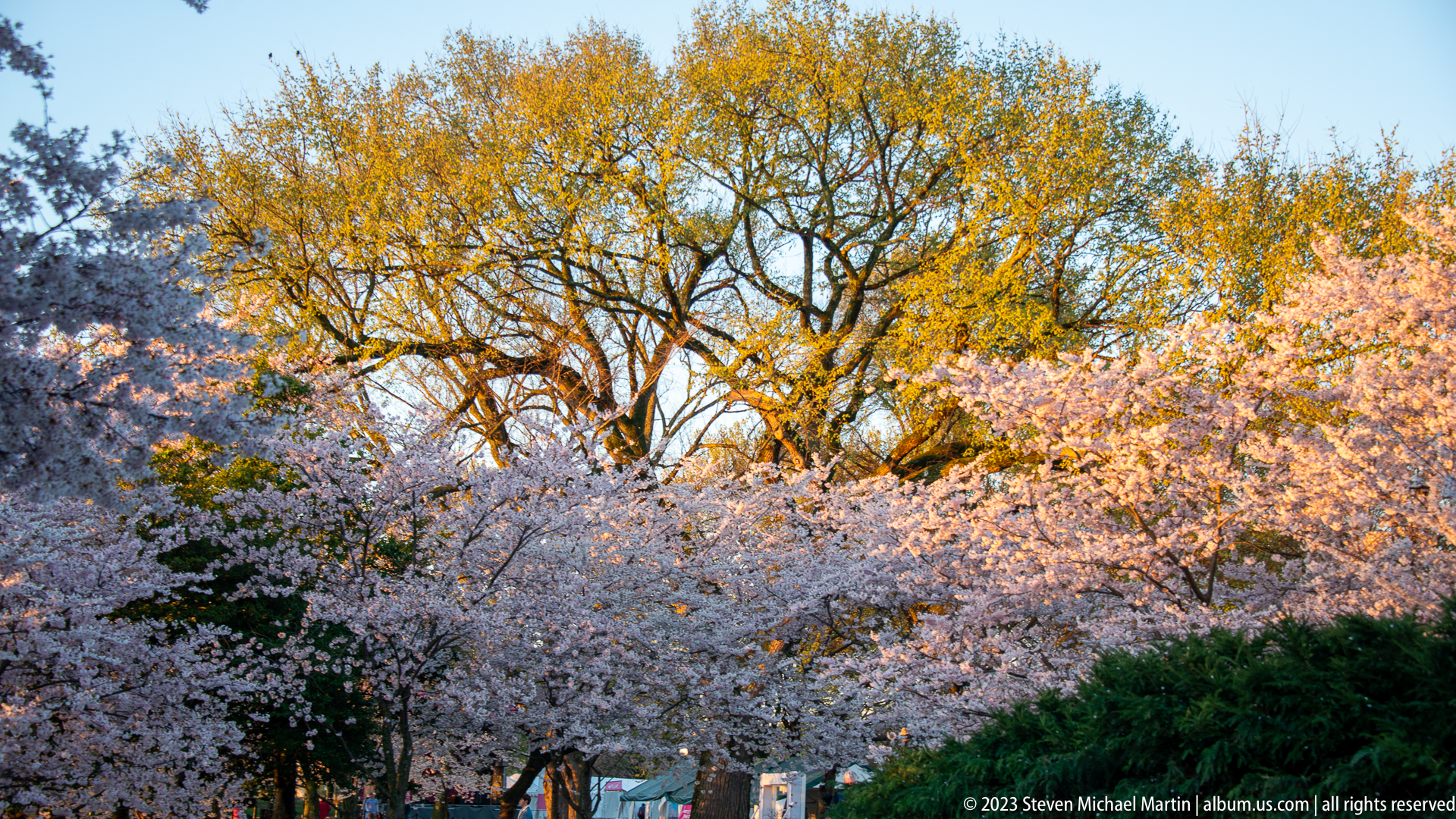
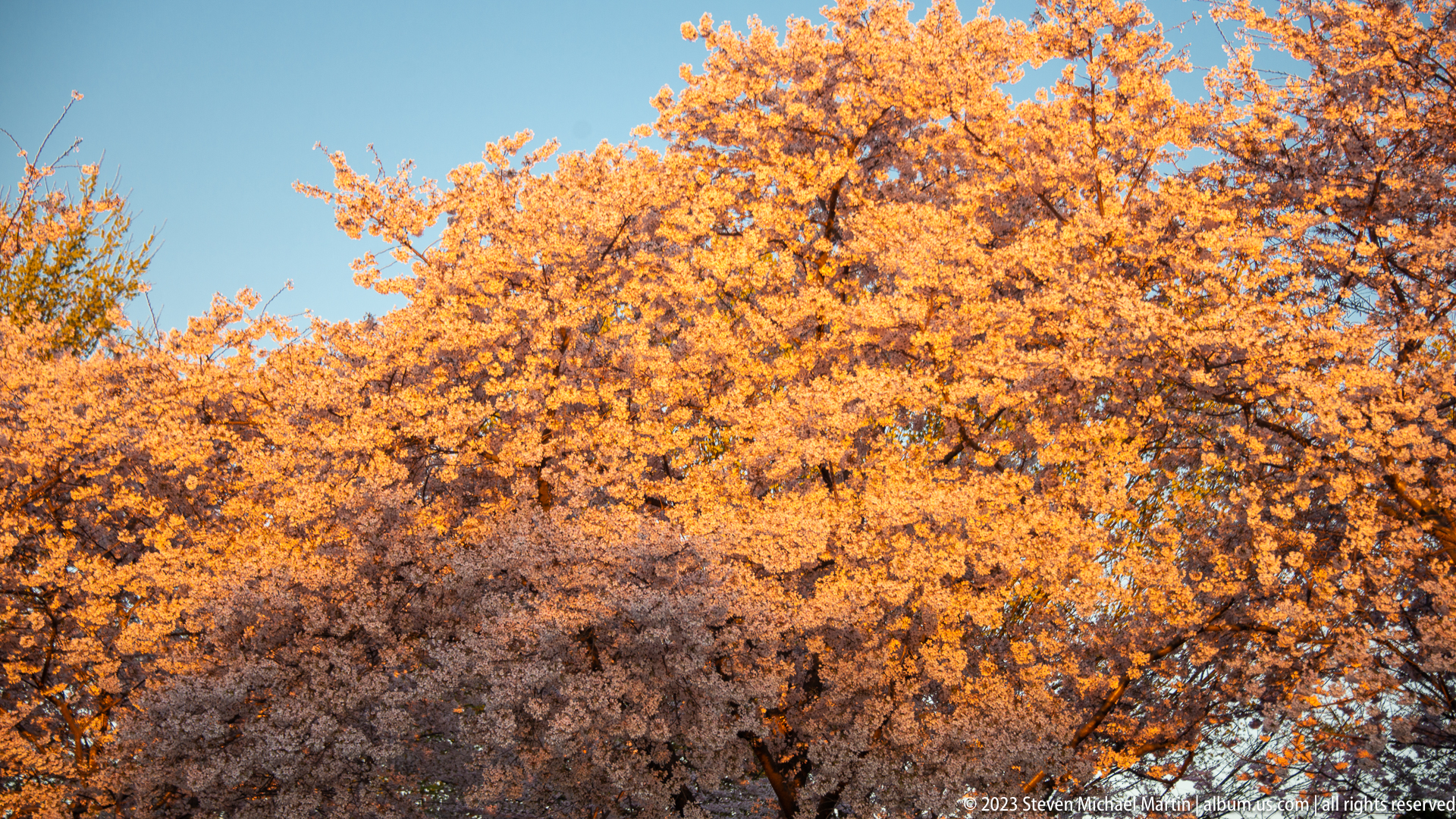
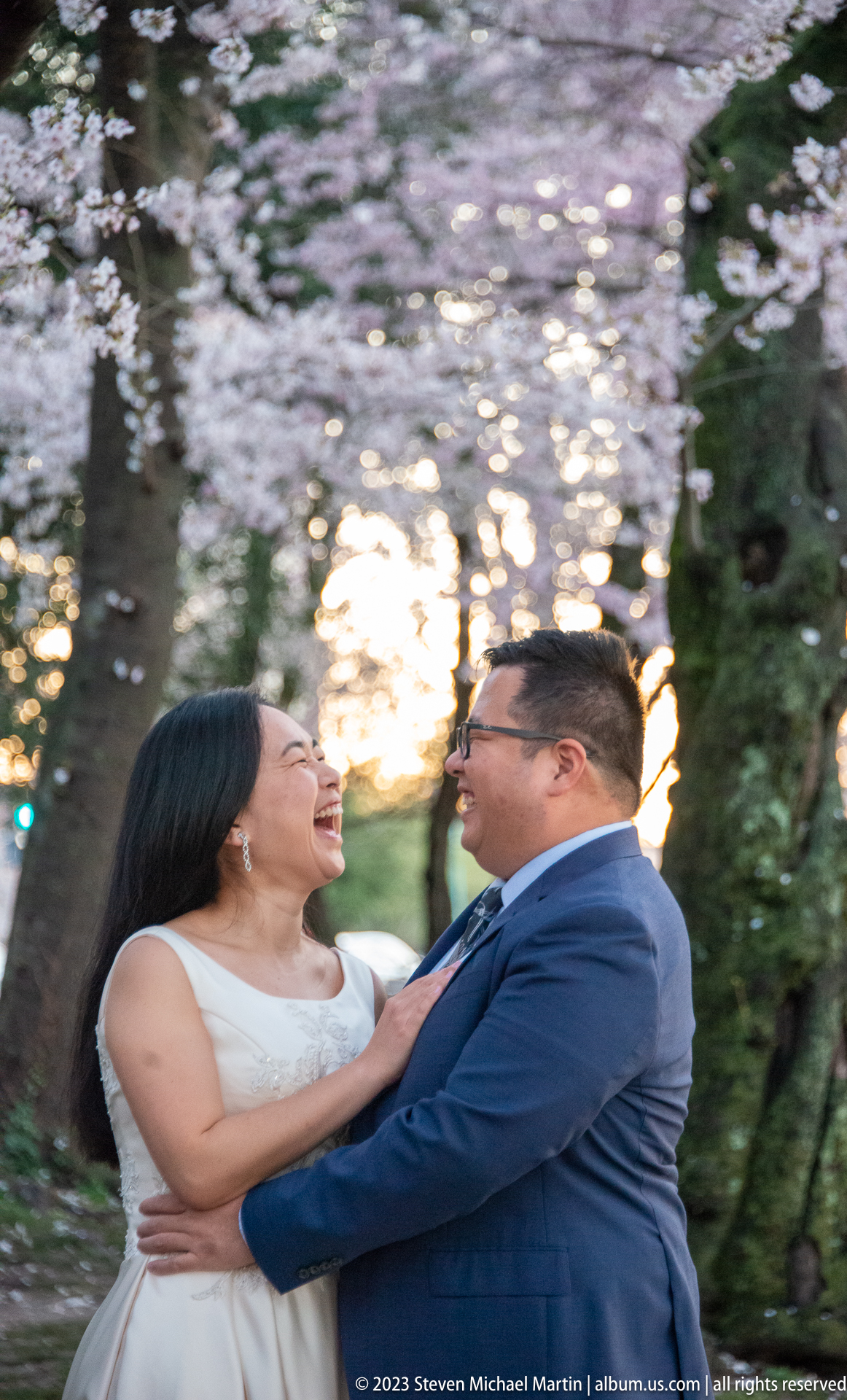
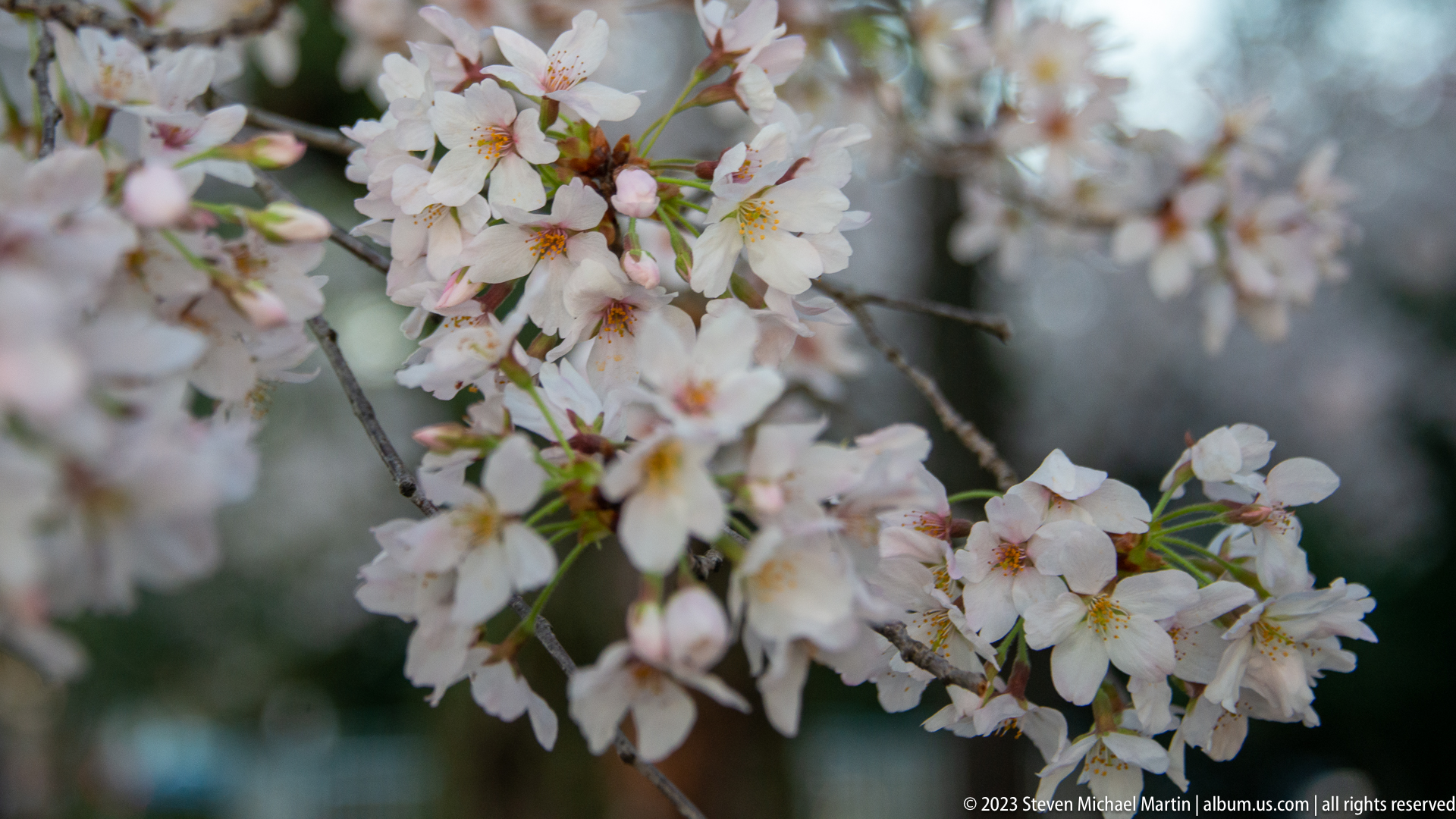
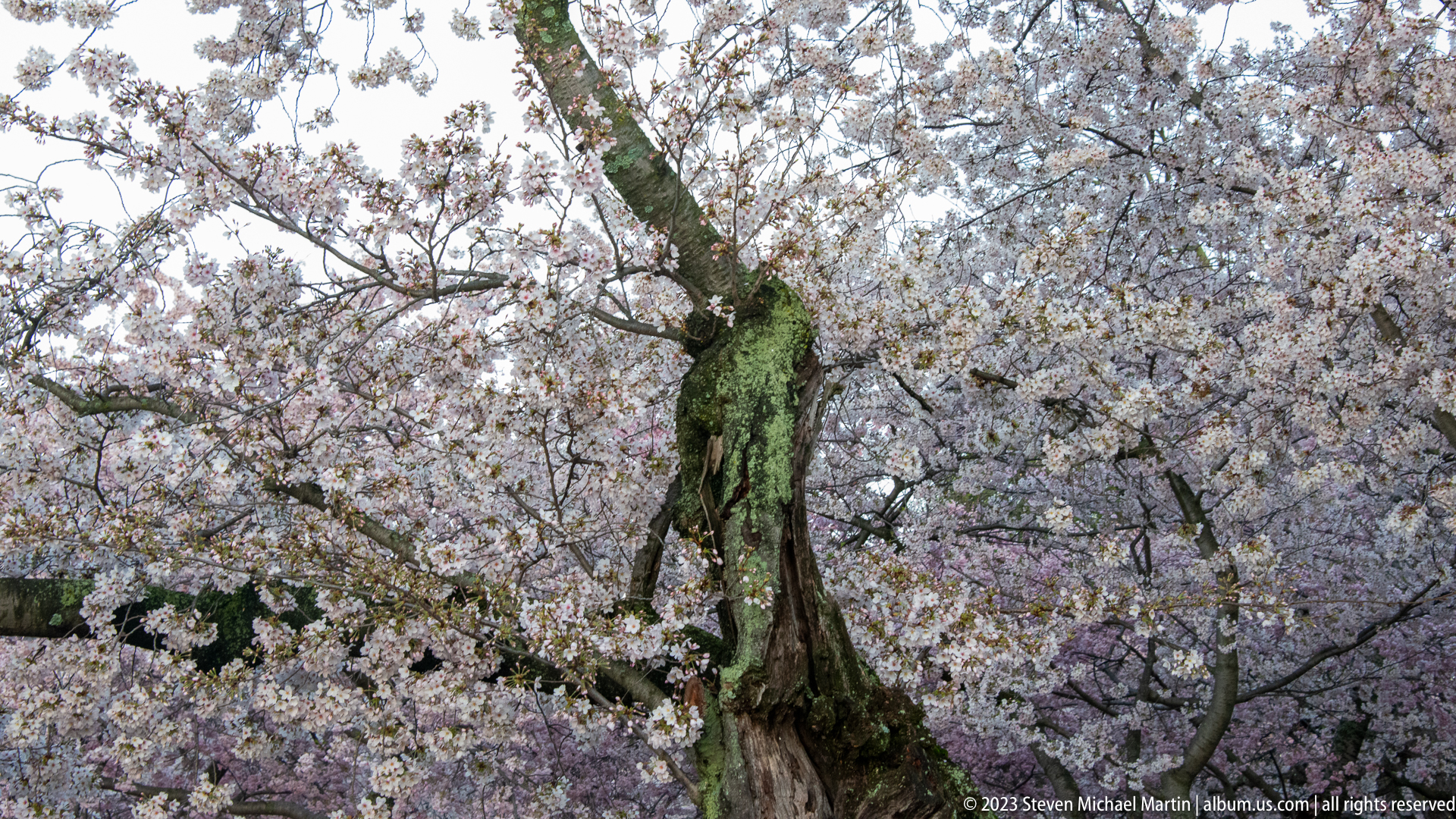
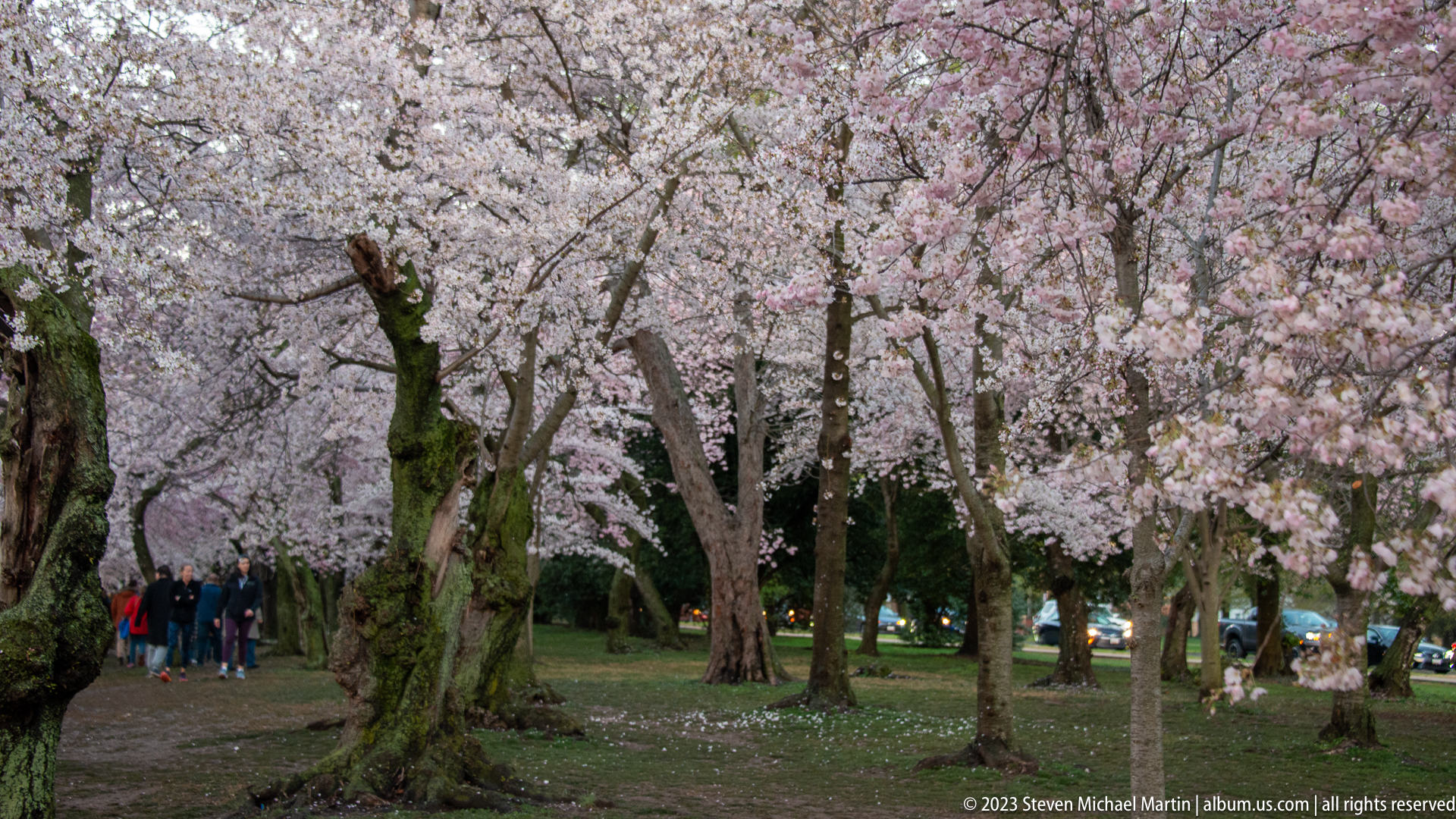
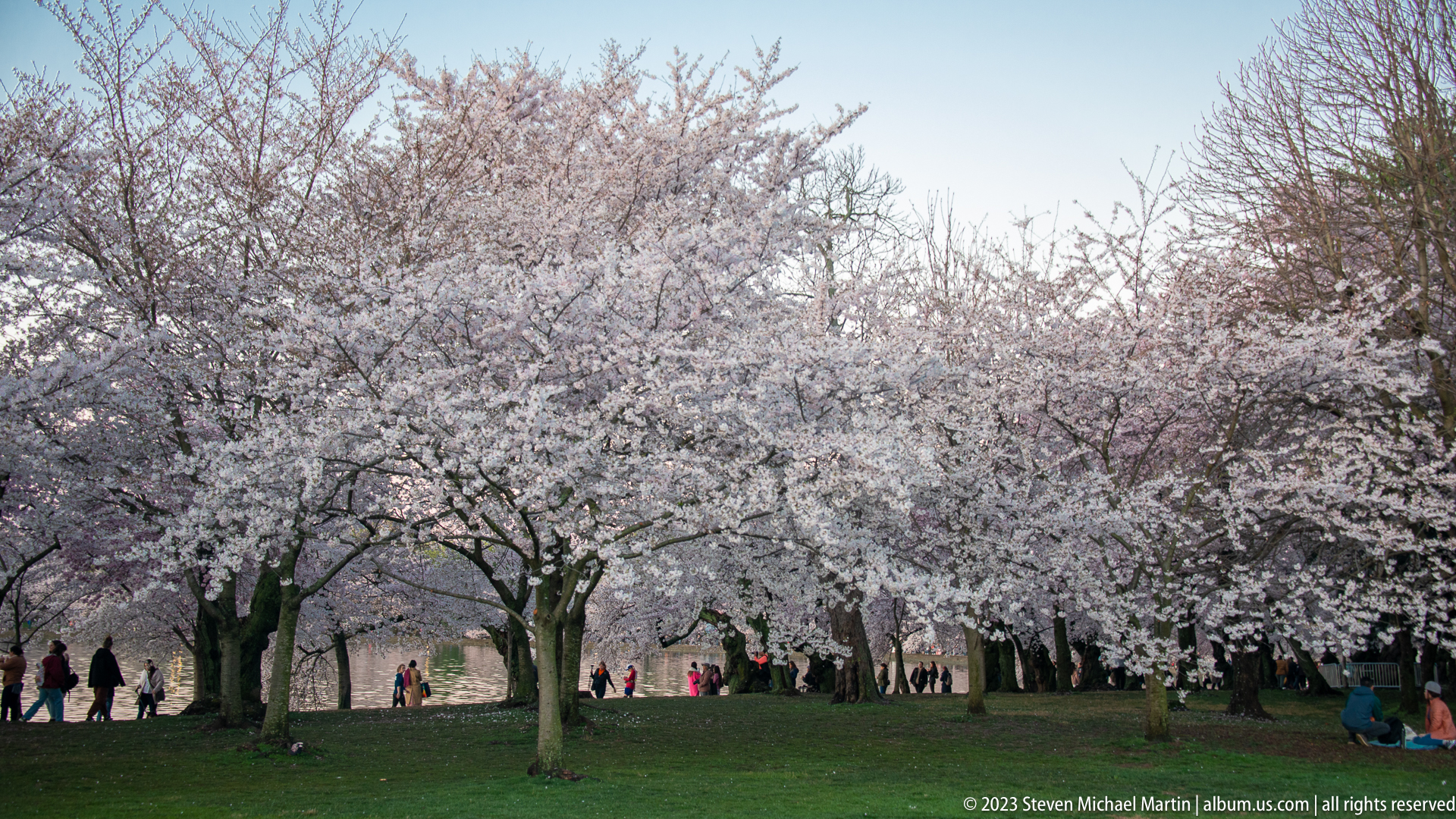
Cherry trees surrounding the basin were presented in 1912 as a diplomatic gift from Japan, establishing a seasonal tradition that attracts visitors each spring. Peak bloom occurs when the majority of Yoshino cherry trees open simultaneously, creating a brief period when the basin is framed by dense clusters of pale pink and white blossoms. The National Park Service defines peak bloom as the stage when approximately seventy percent of blossoms have opened, typically lasting about one week depending on weather conditions.
The Tidal Basin during peak bloom contributes to understanding how natural cycles can become embedded within cultural traditions and civic identity. The seasonal transformation of the landscape reinforces the relationship between horticulture, diplomacy, and public memory. The flowering trees illustrate how designed environments evolve over time, acquiring symbolic meaning through repeated public experience and shared cultural observance.