Lake Placid Olympic Venues
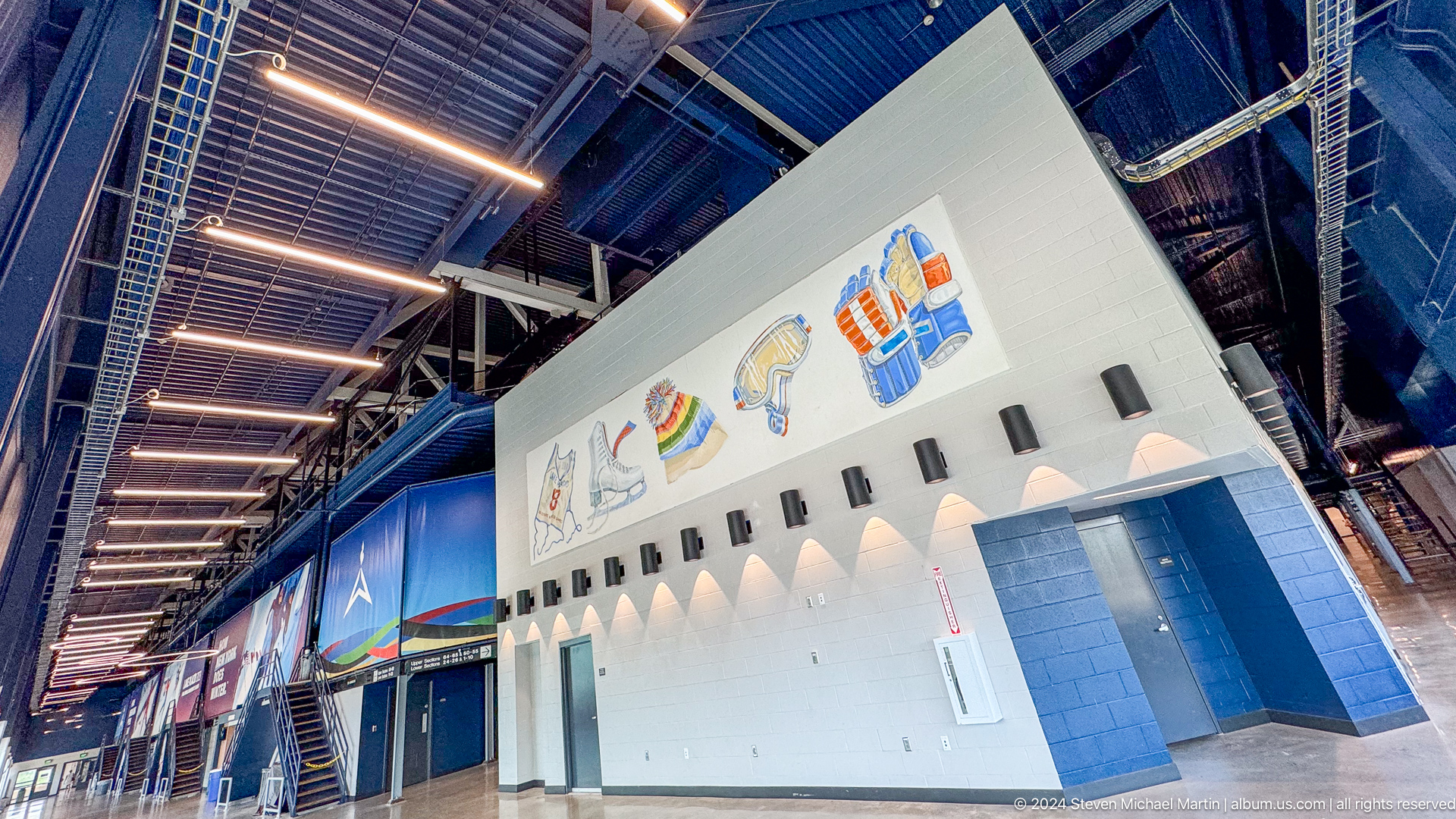
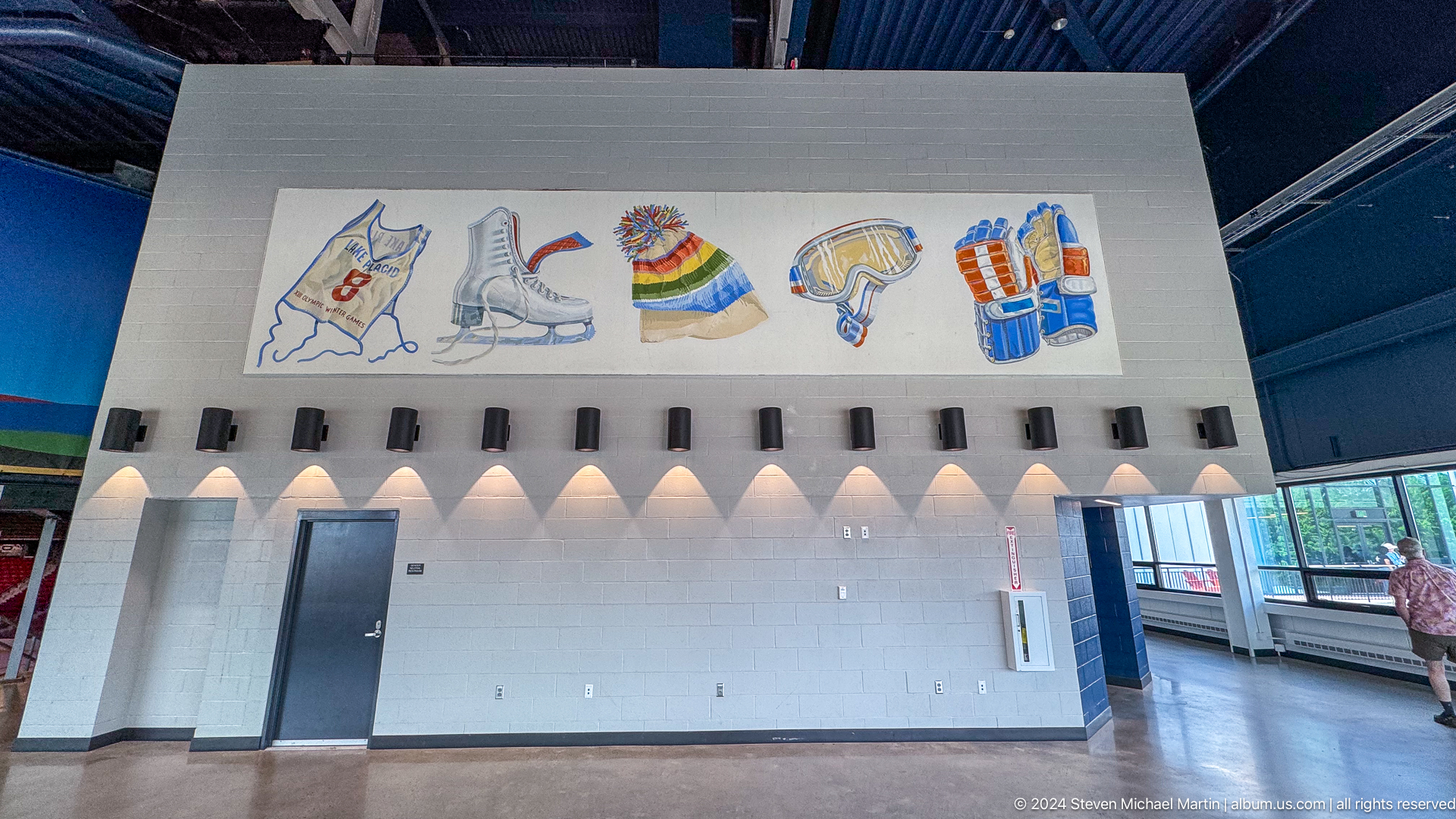
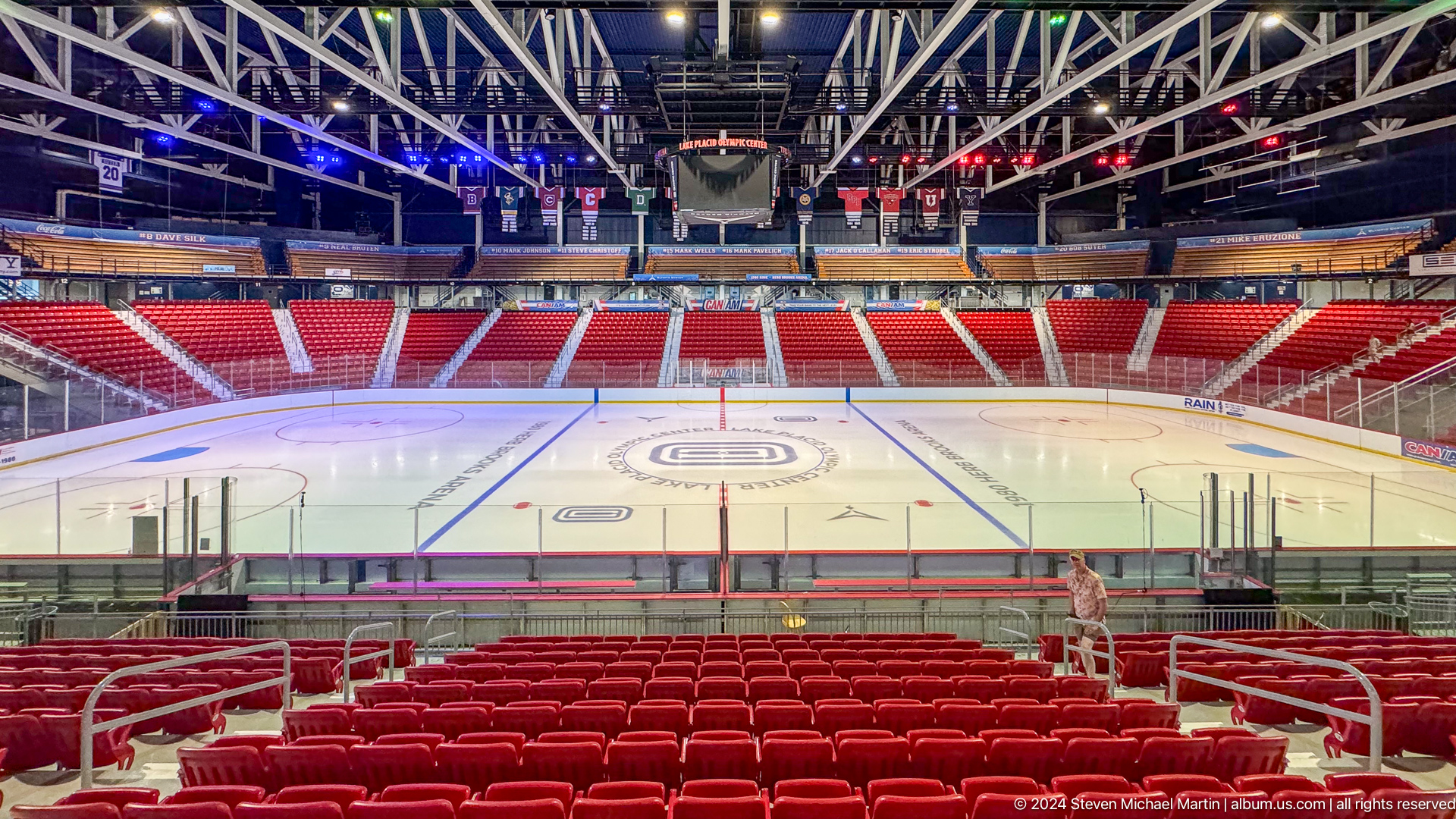
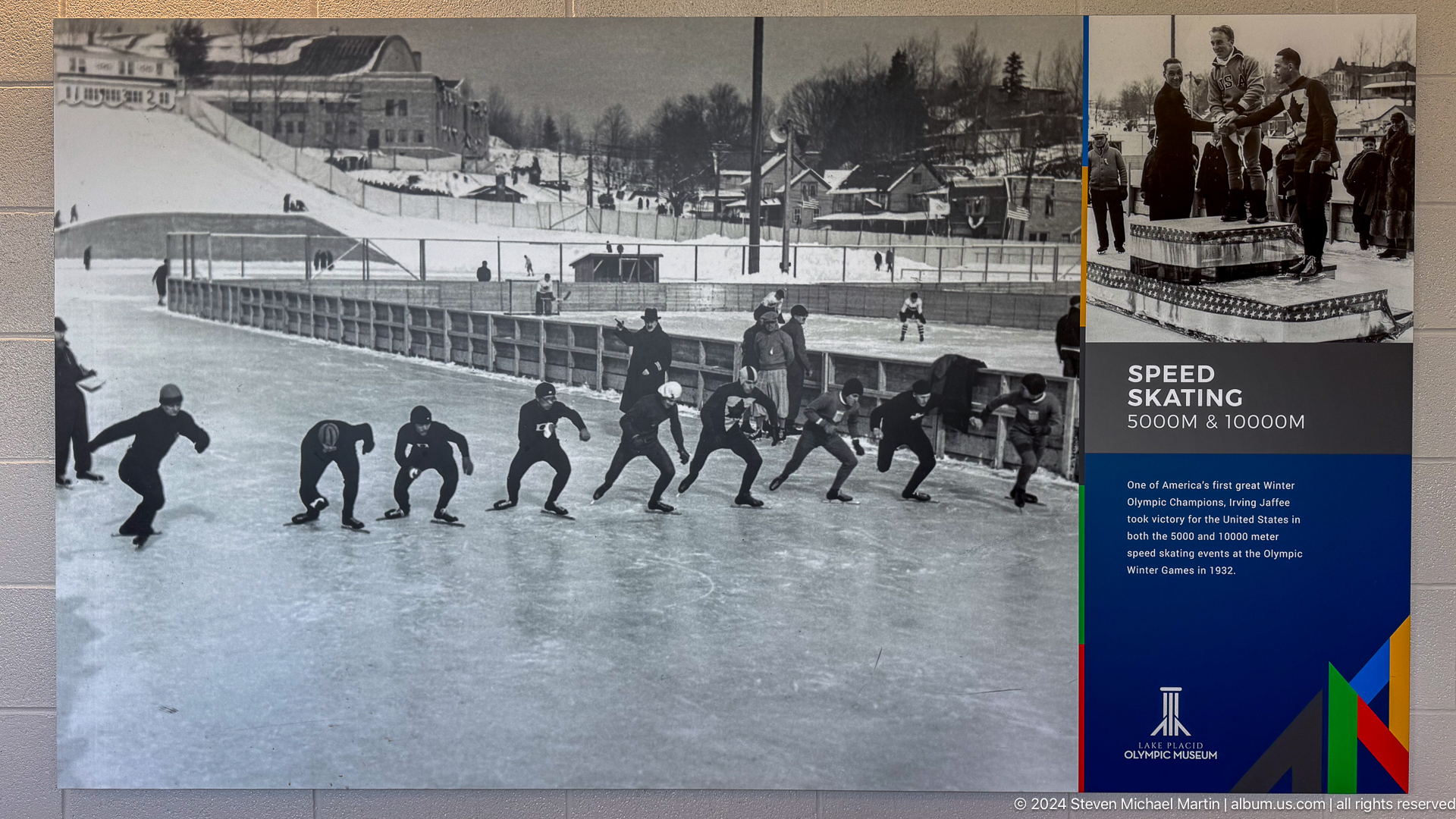
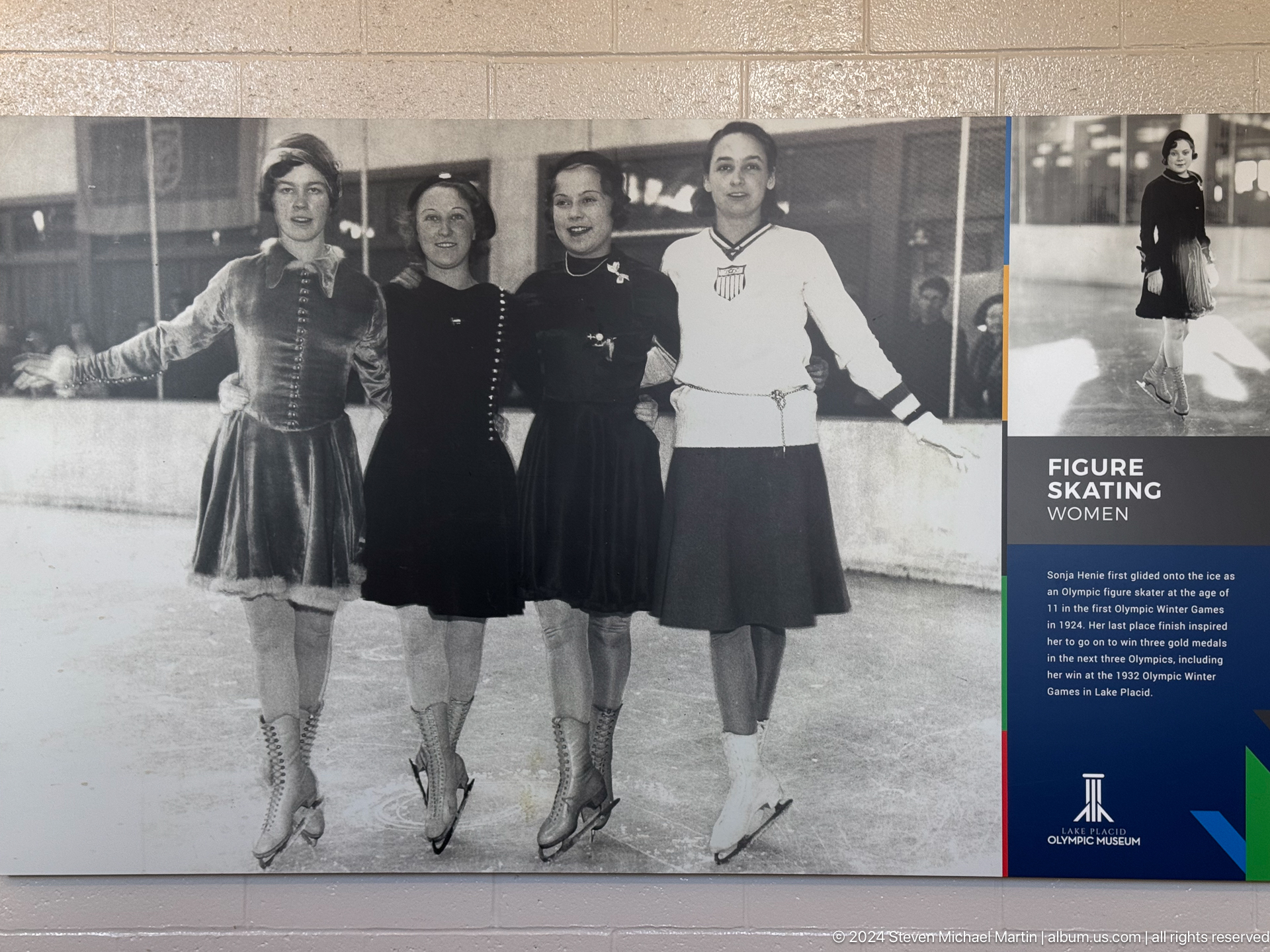
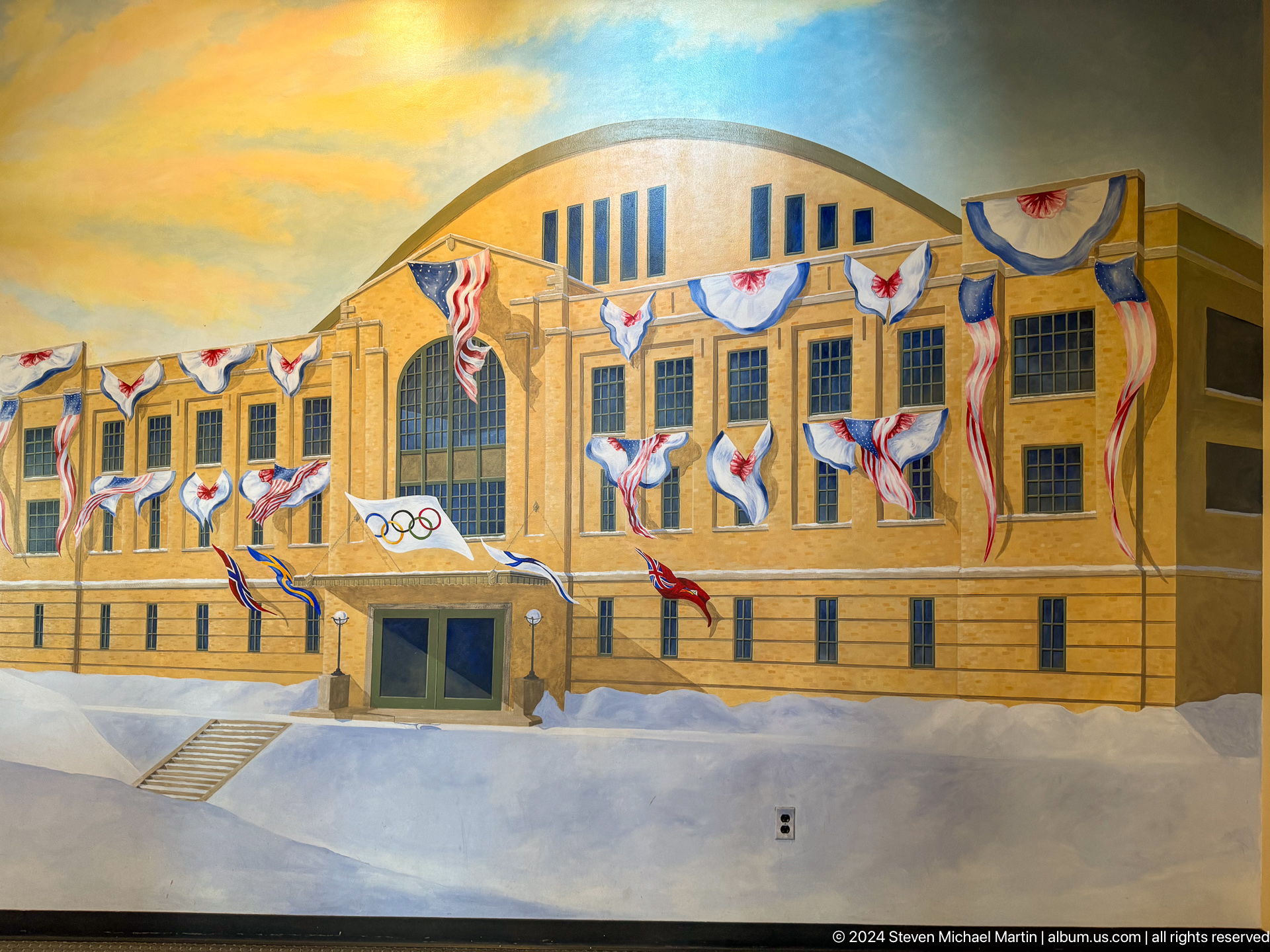
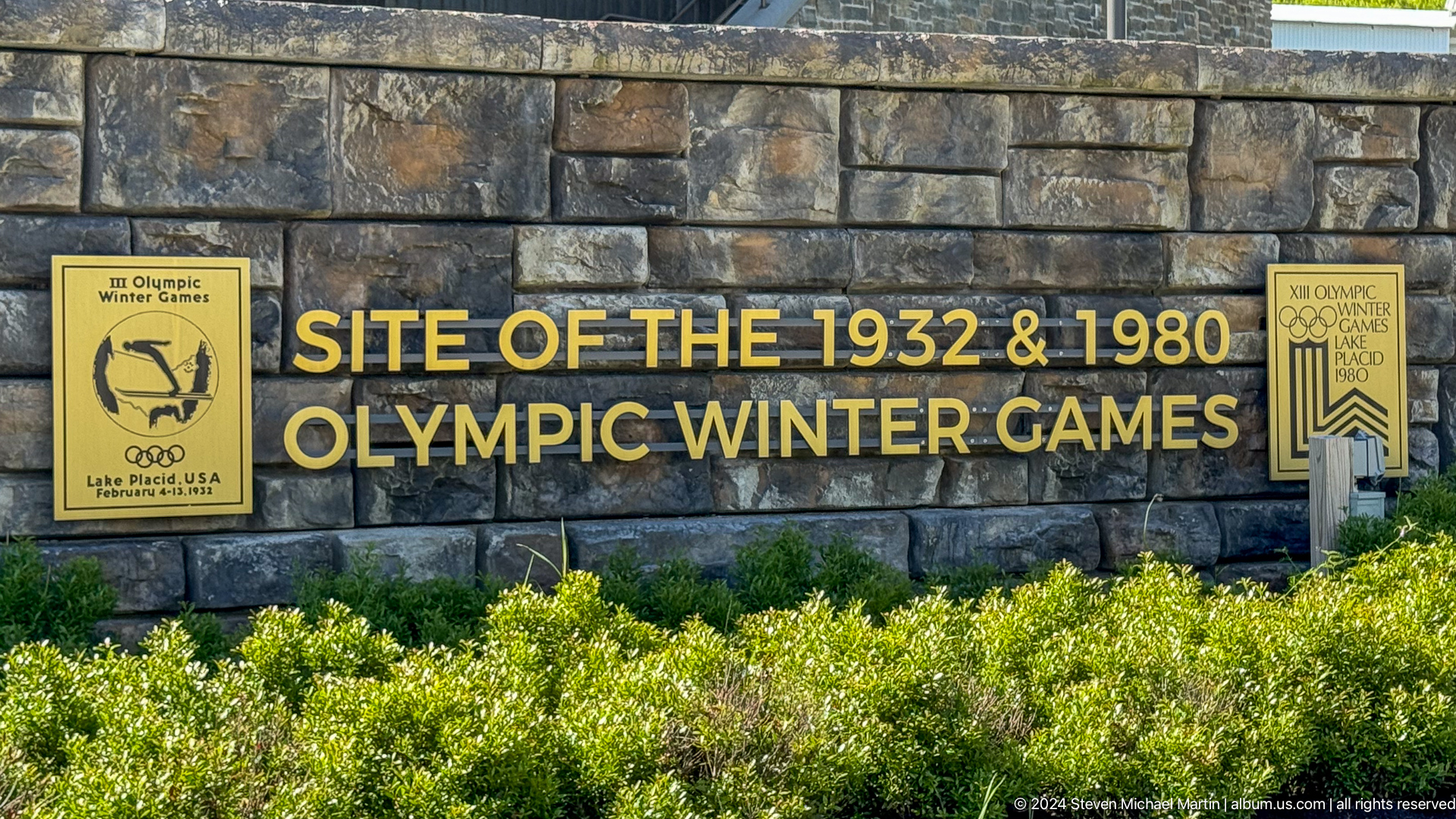
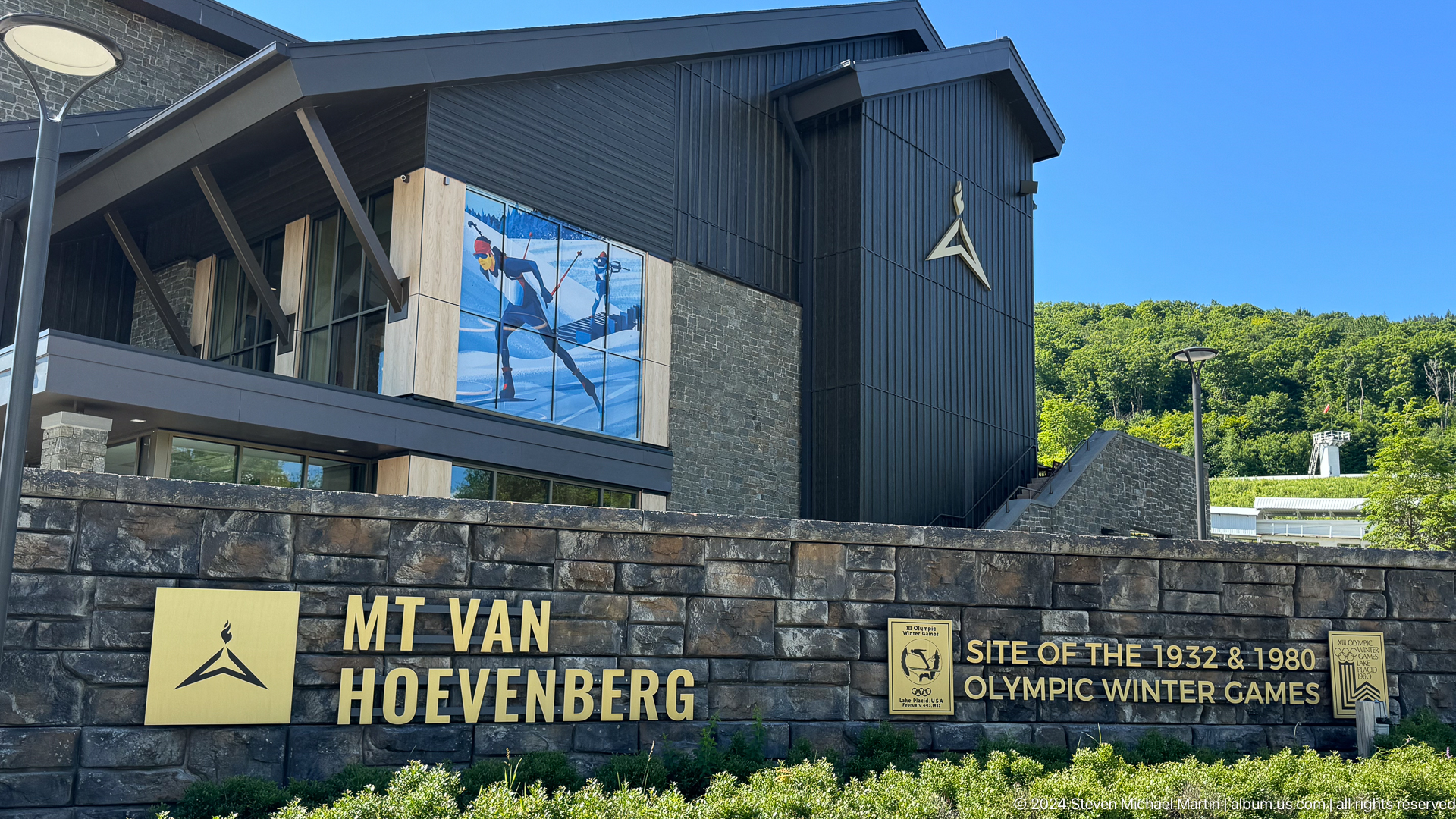
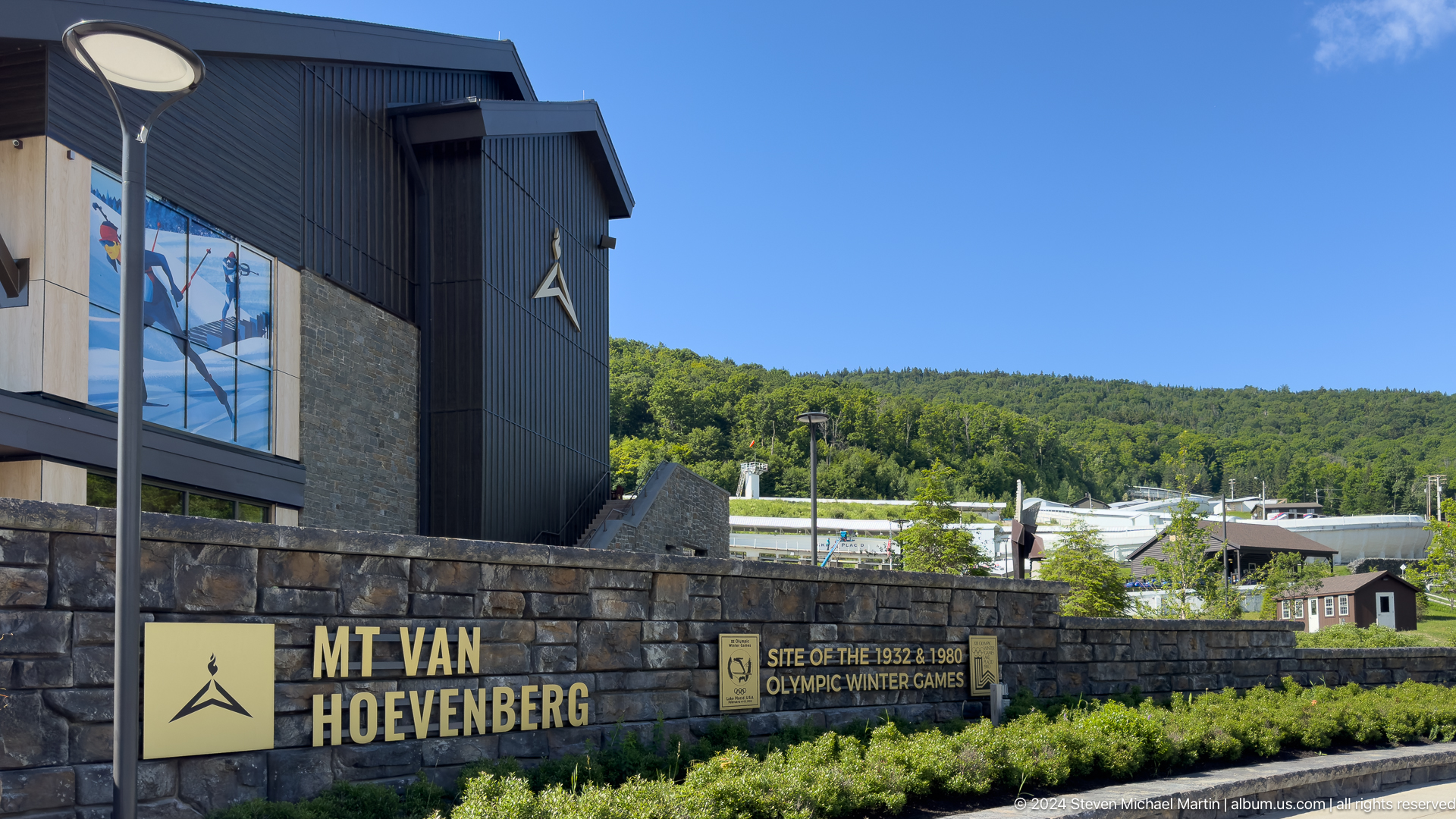
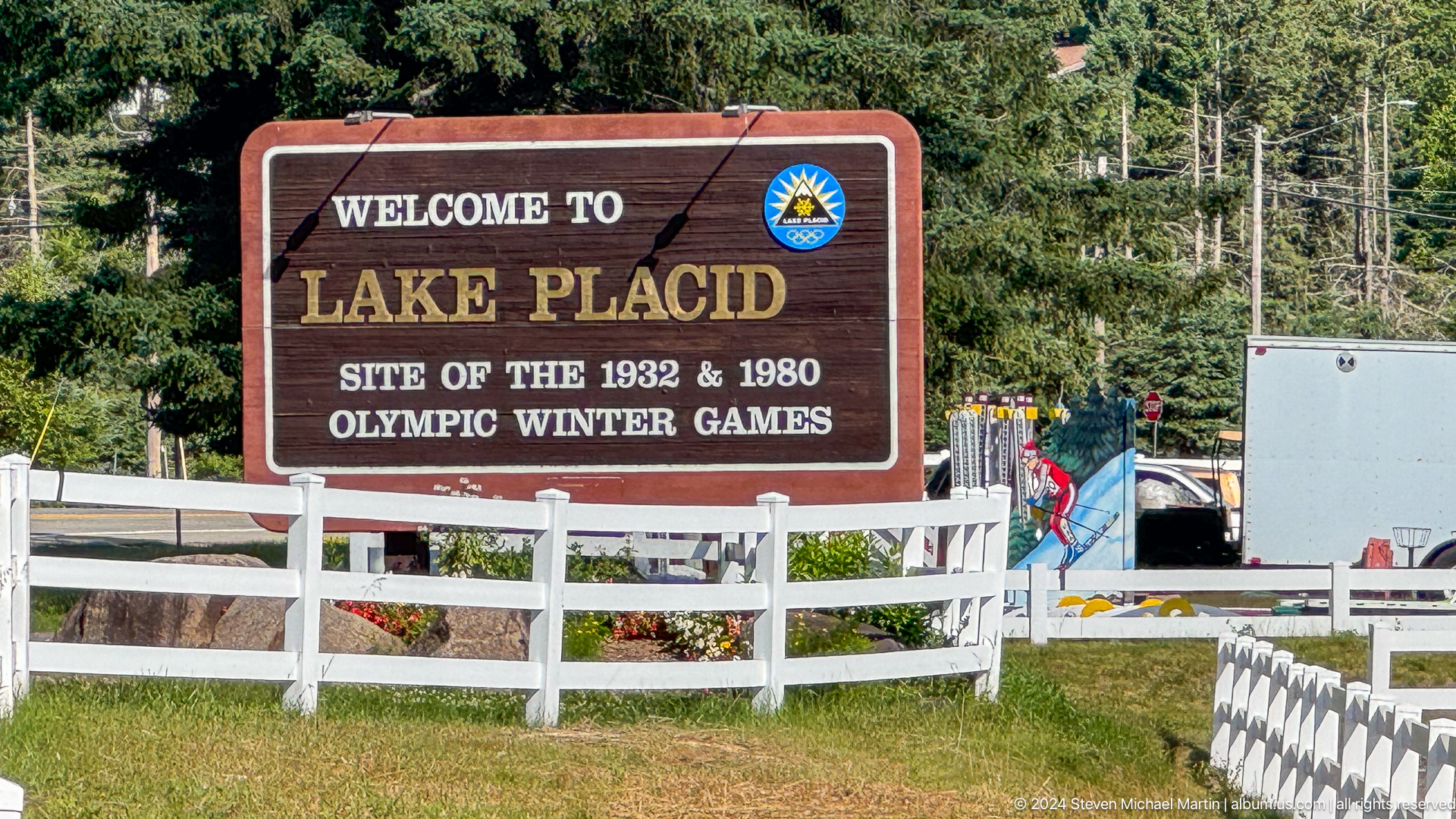
Lake Placid occupies a unique place in the history of international sport as one of the few locations to host the Winter Olympic Games twice, first in 1932 and again in 1980. The village’s mountainous setting in the Adirondacks provided suitable terrain for winter competition, while early investment in recreational infrastructure helped establish the area as a center of skiing, skating, and alpine sport. The Olympic venues constructed for these events demonstrated the growing importance of winter athletics in the twentieth century and helped shape Lake Placid’s identity as a global destination for outdoor recreation.
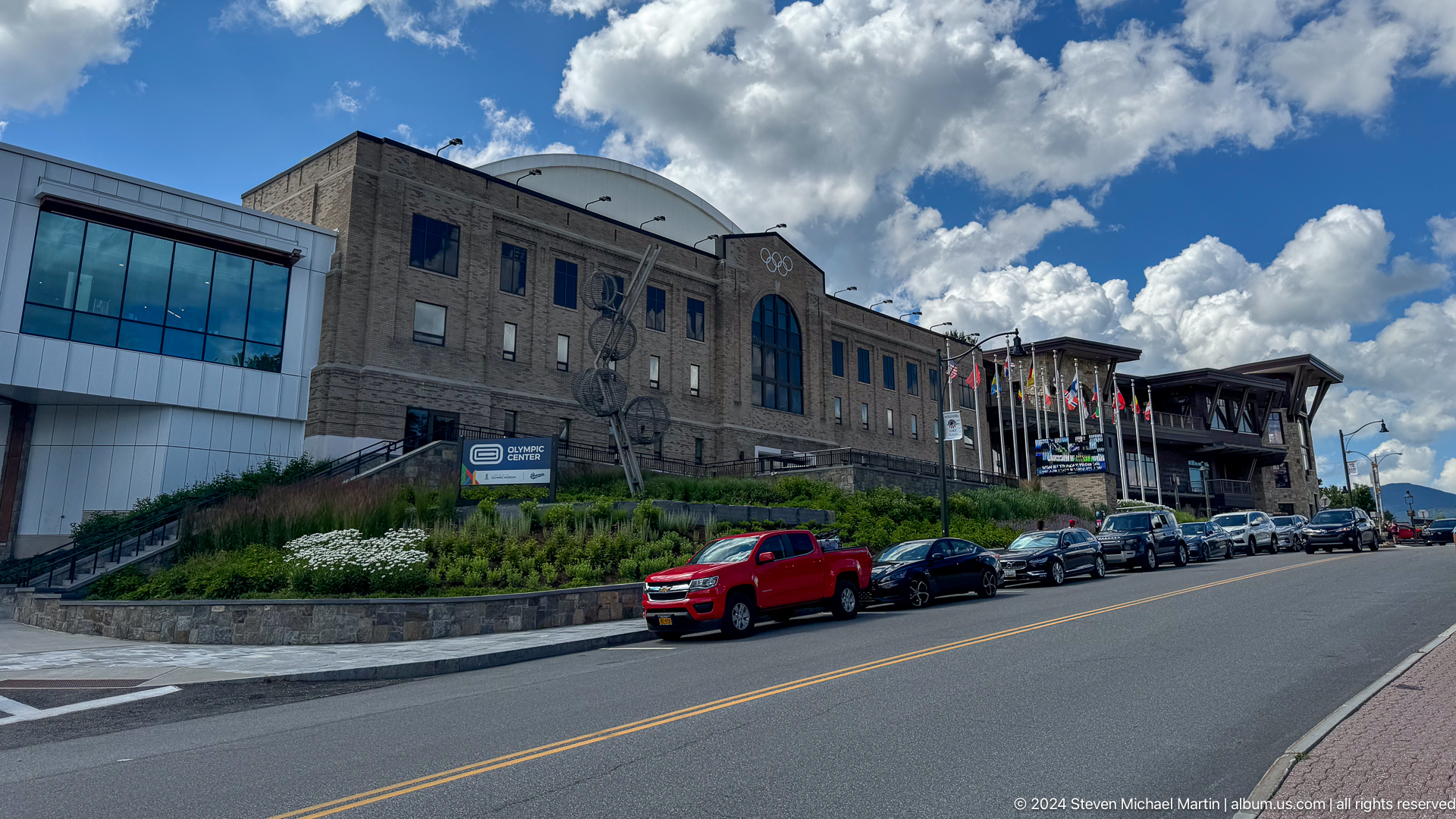
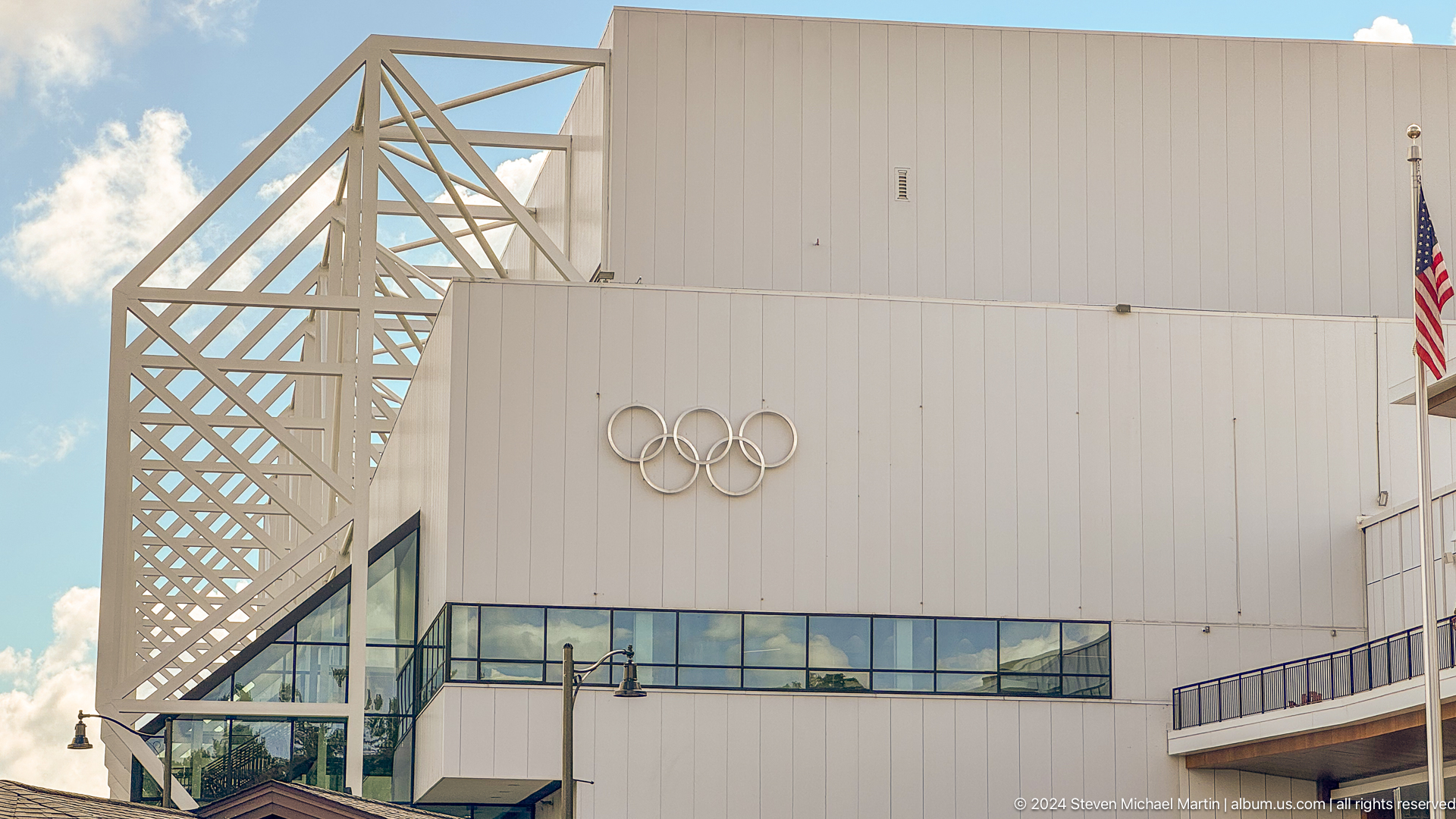
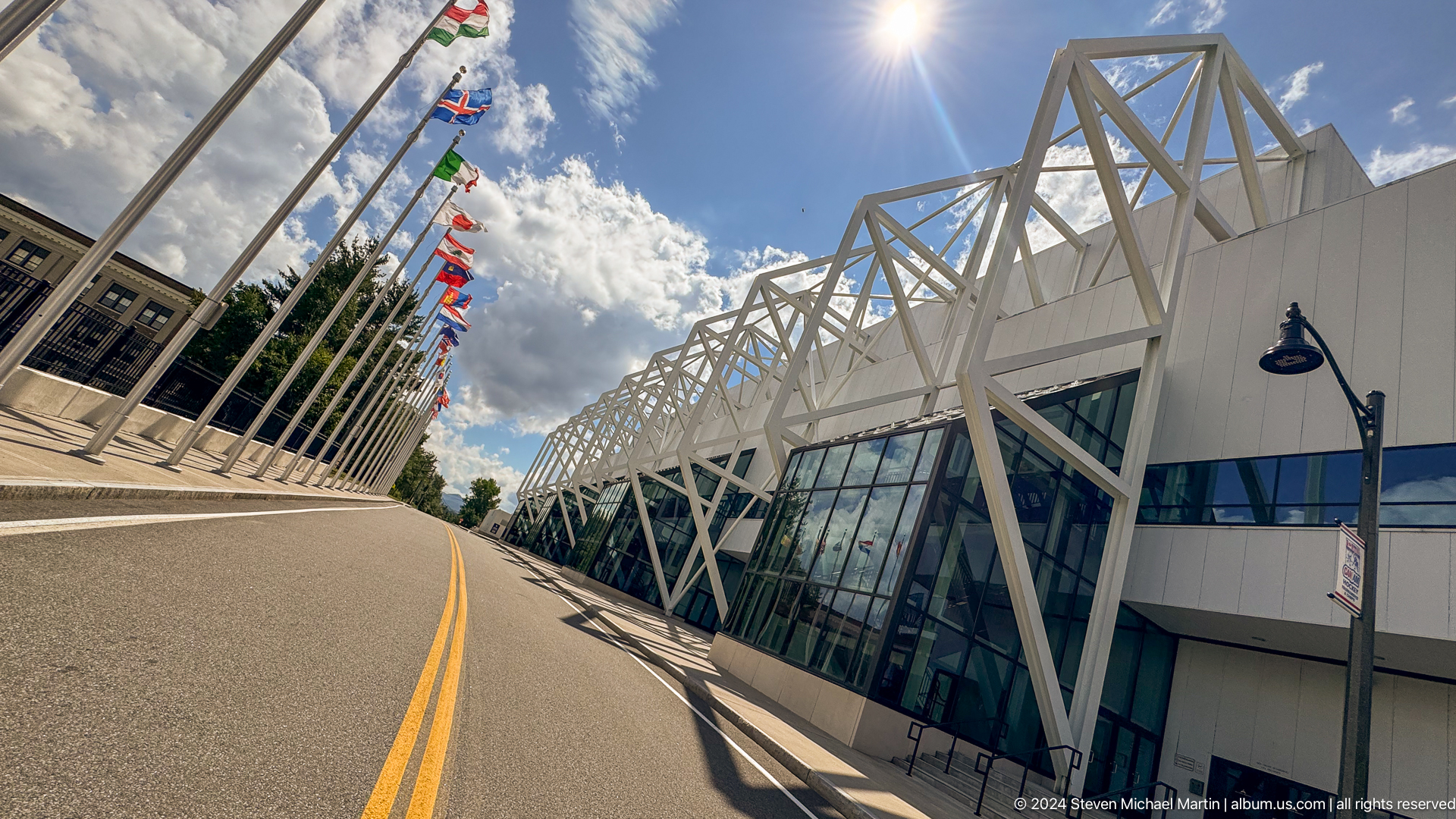
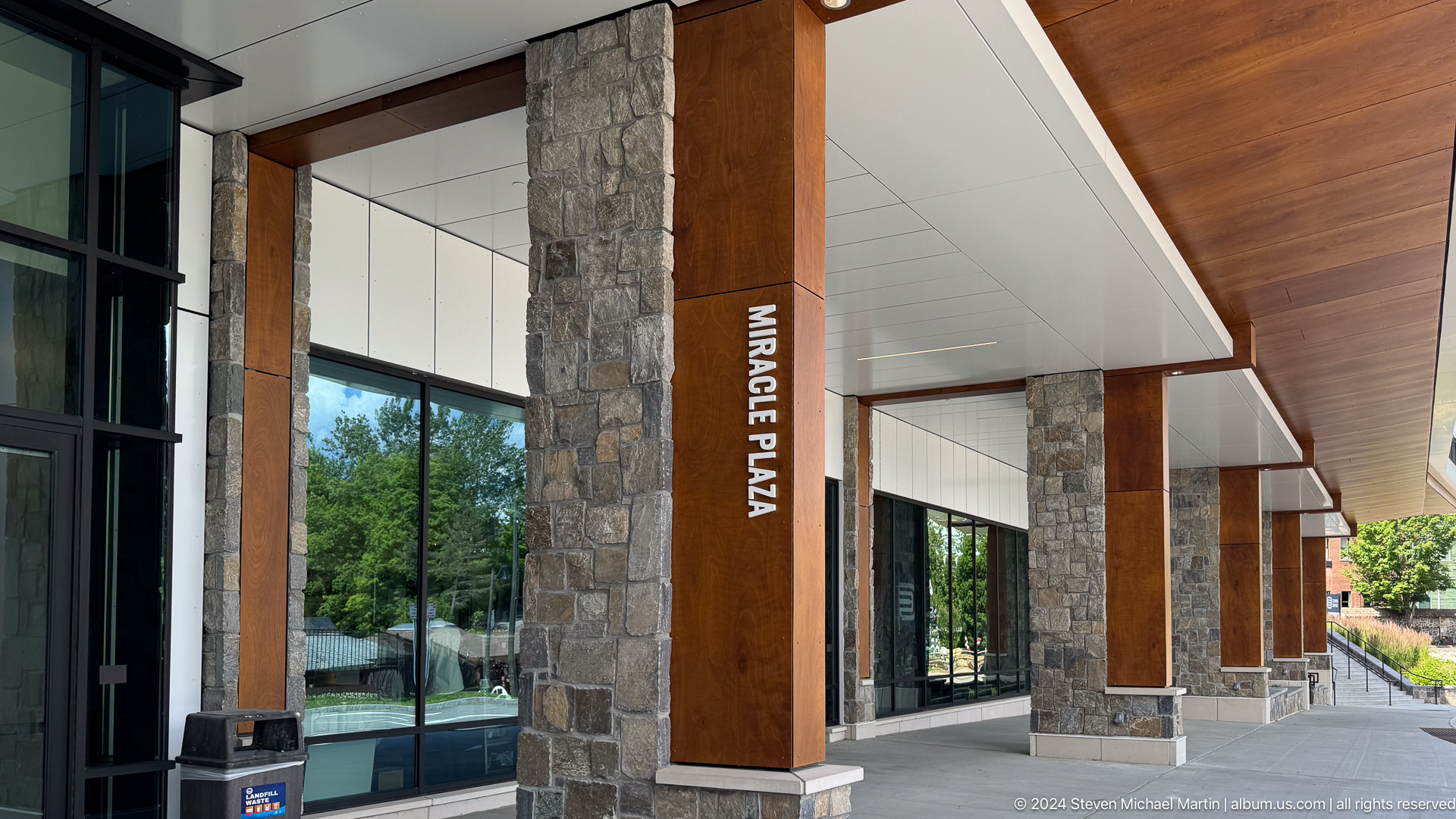
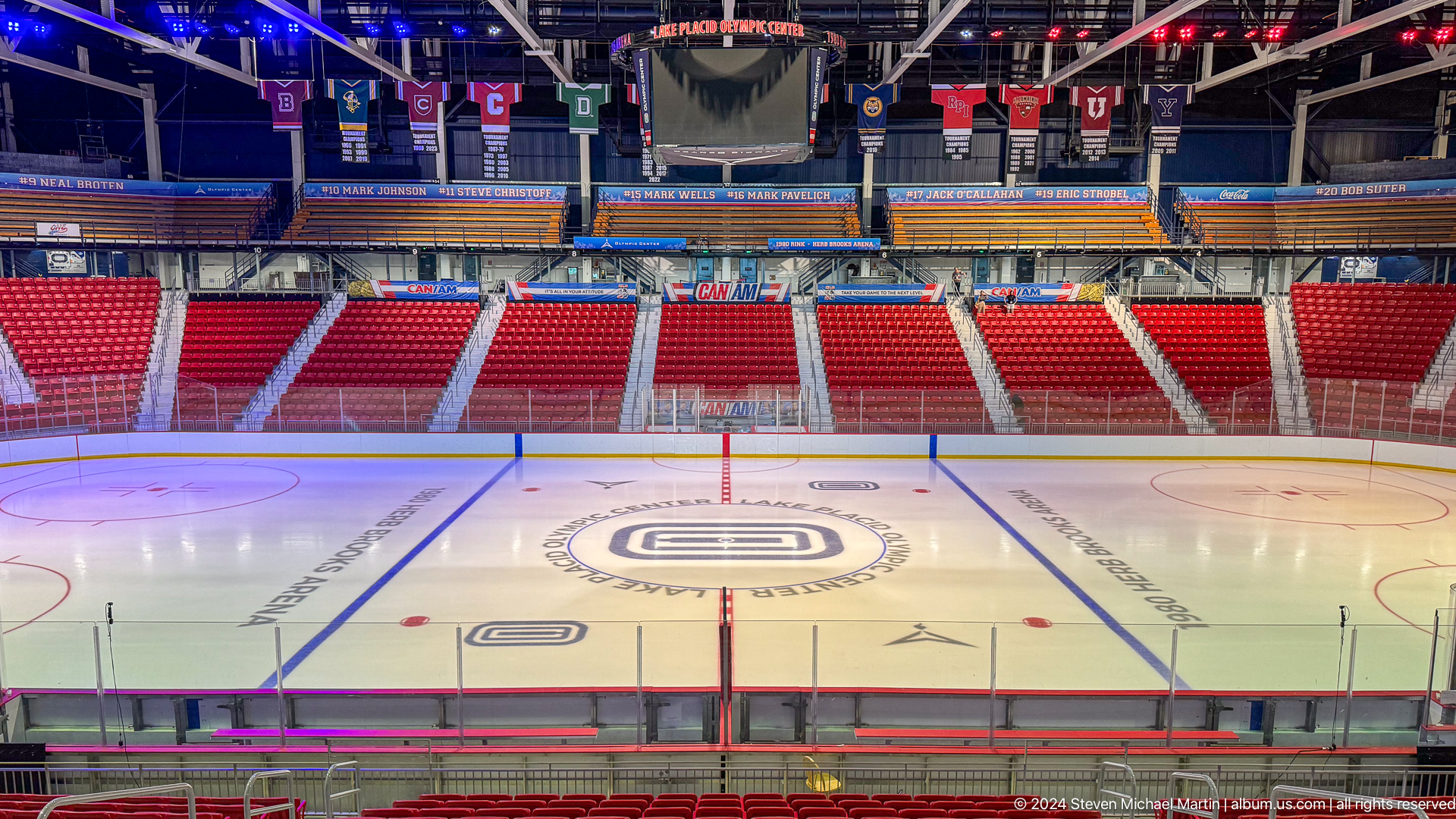
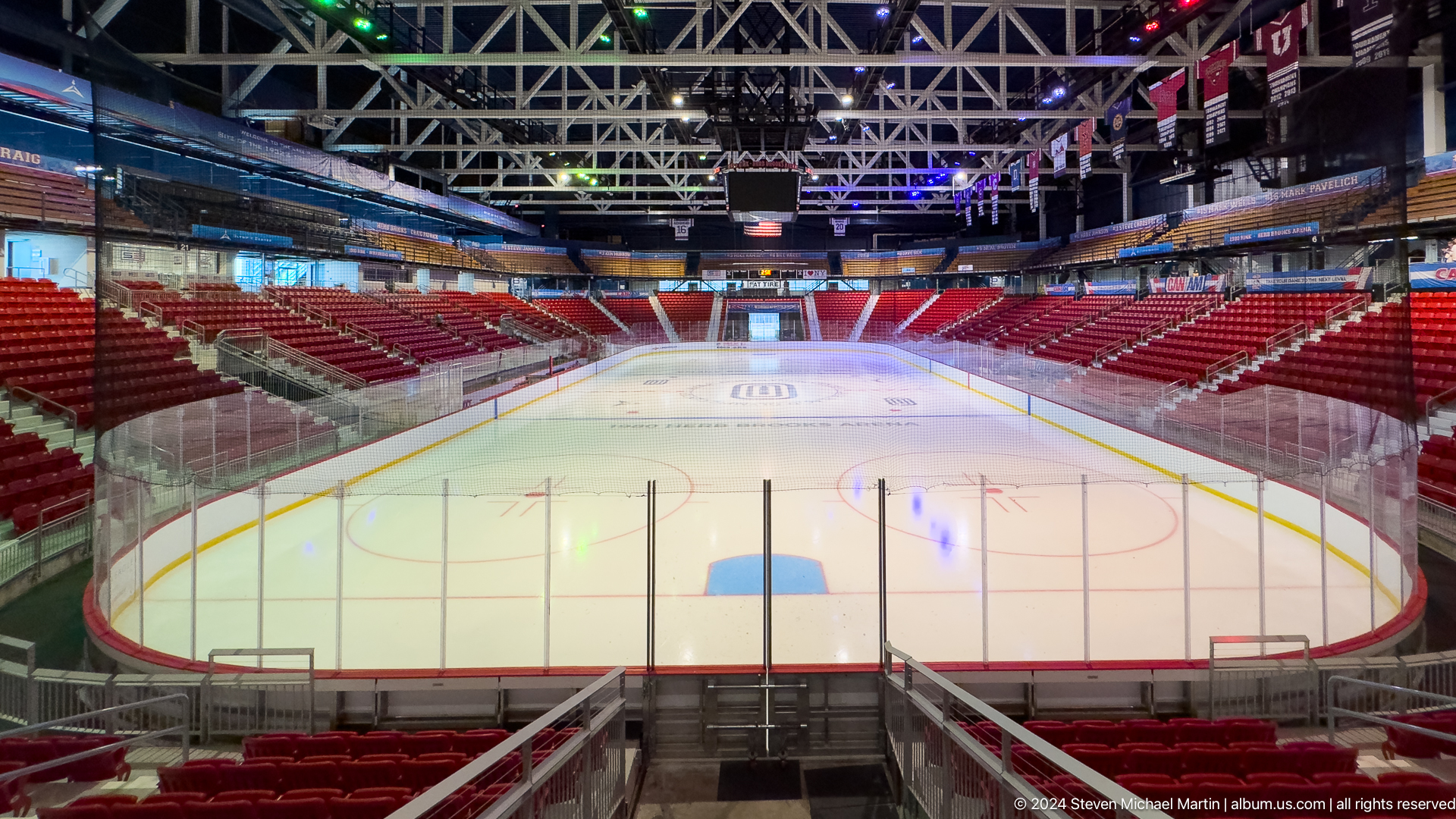
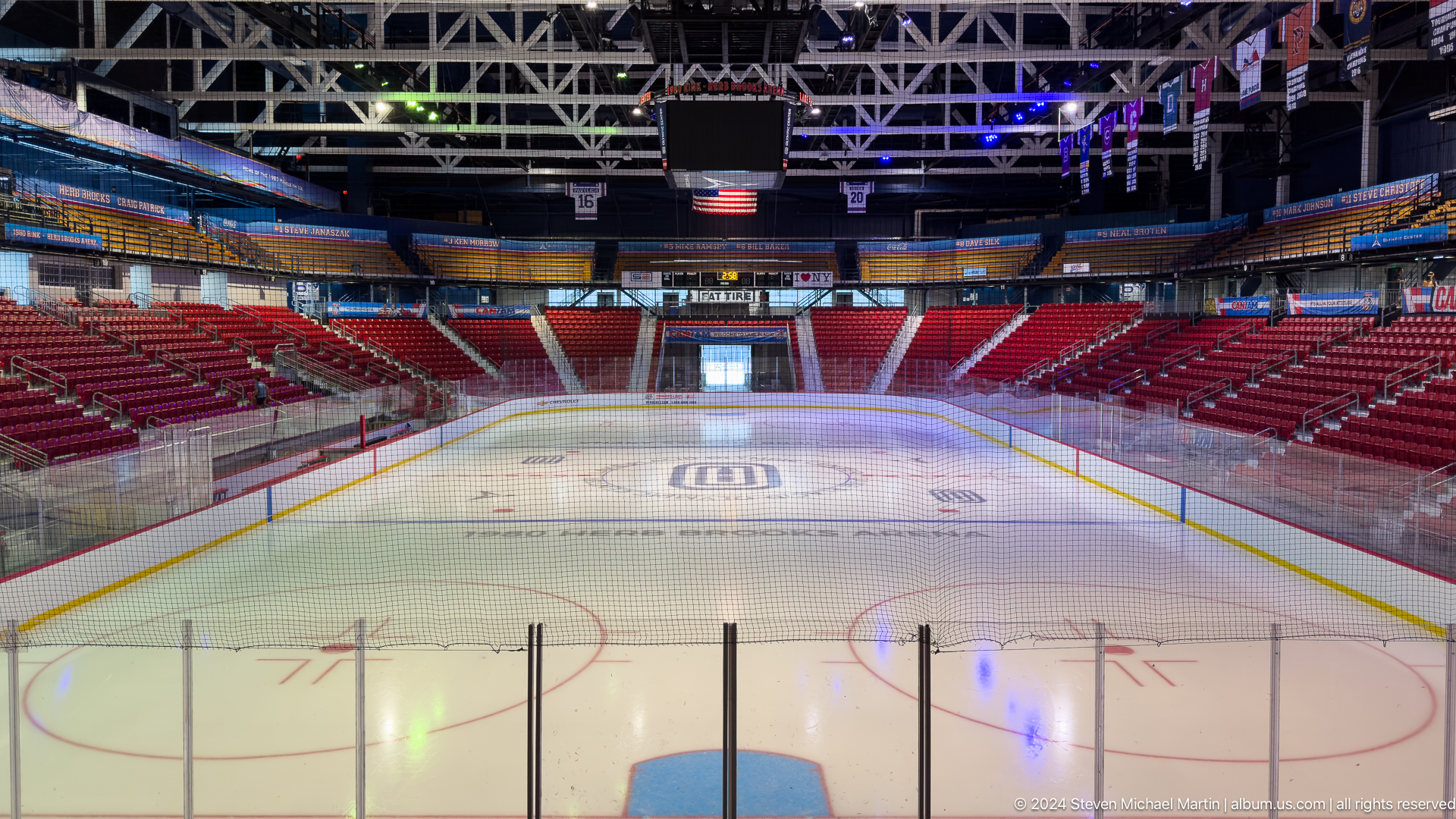
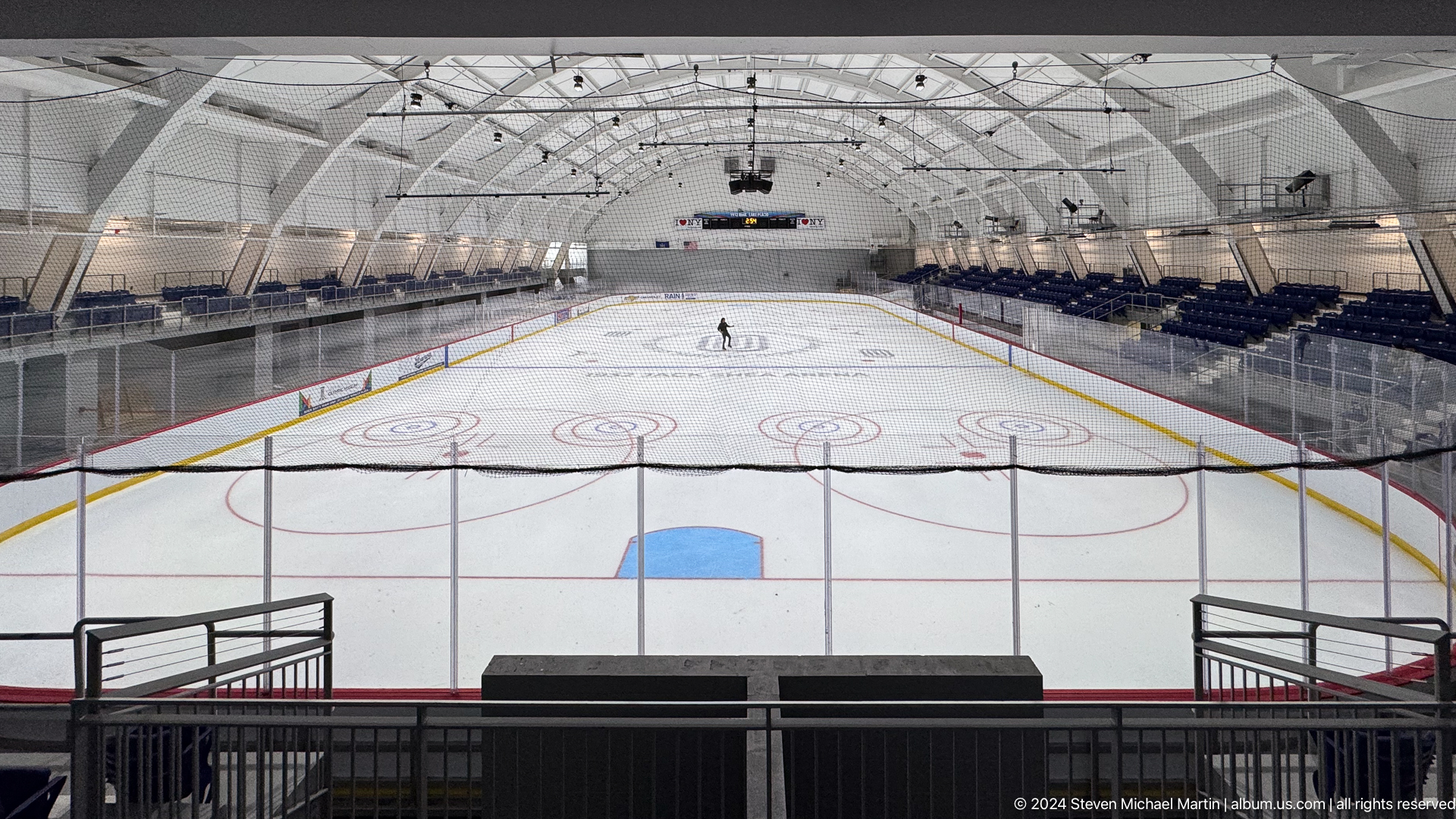
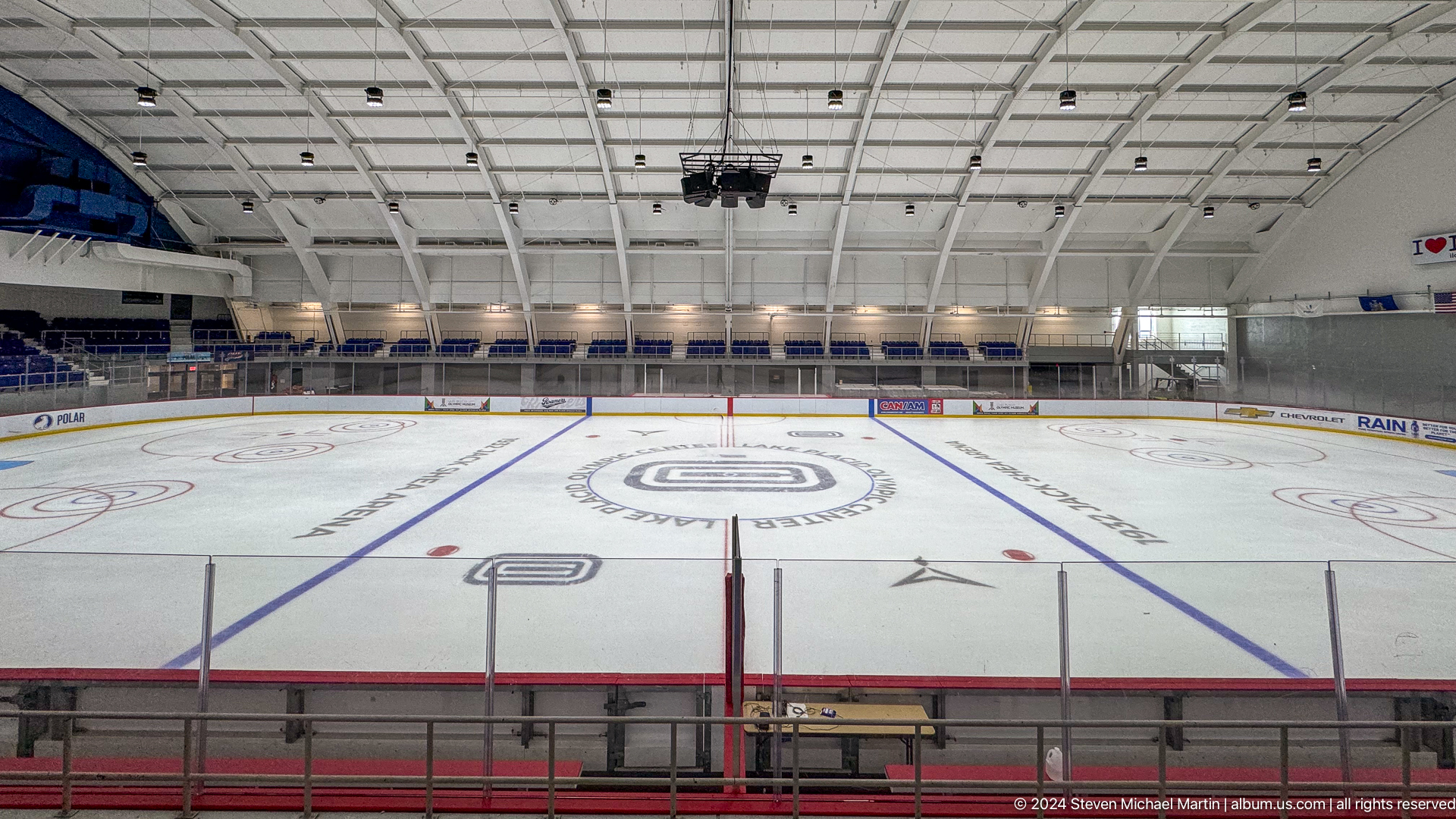
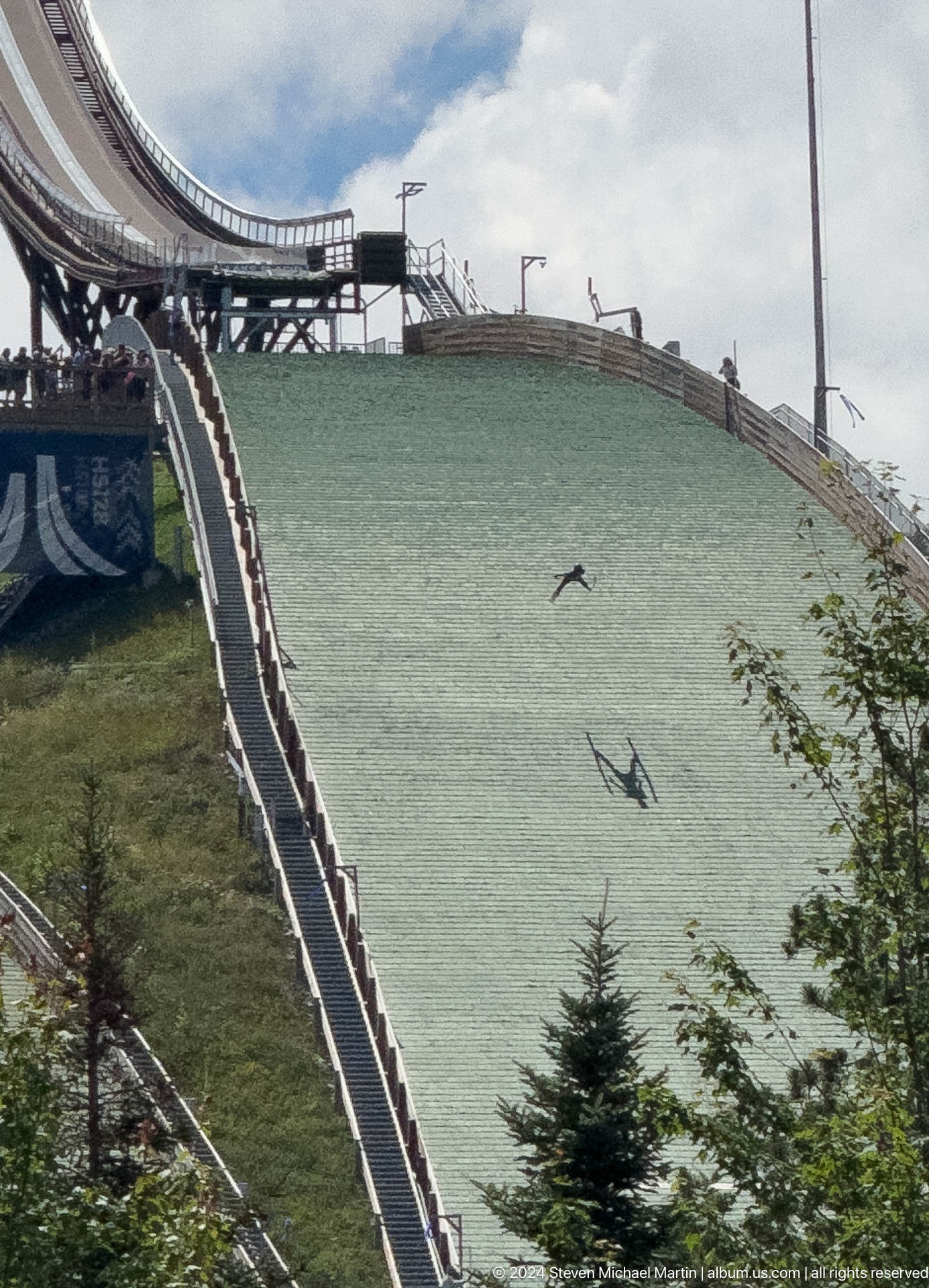
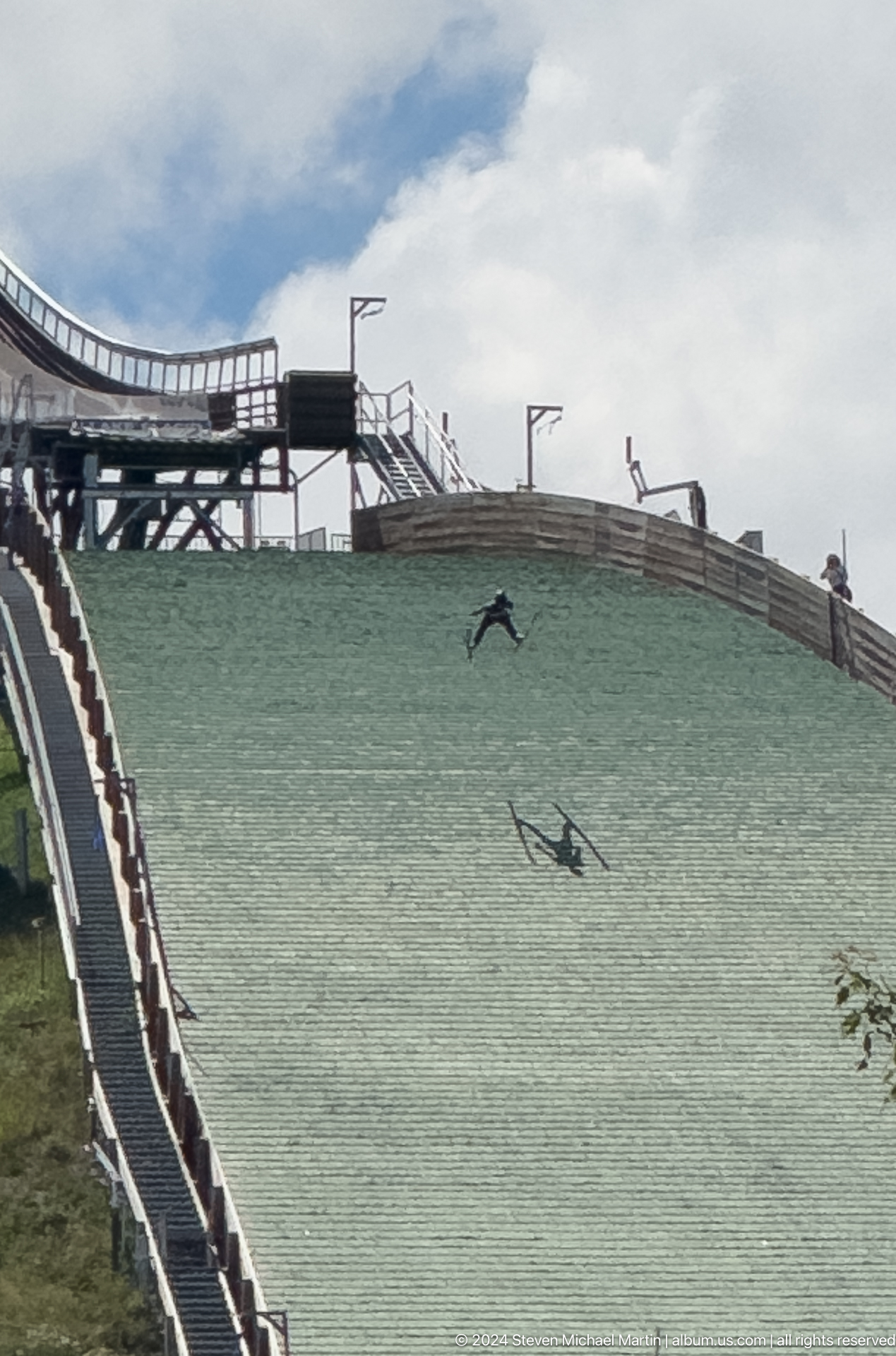
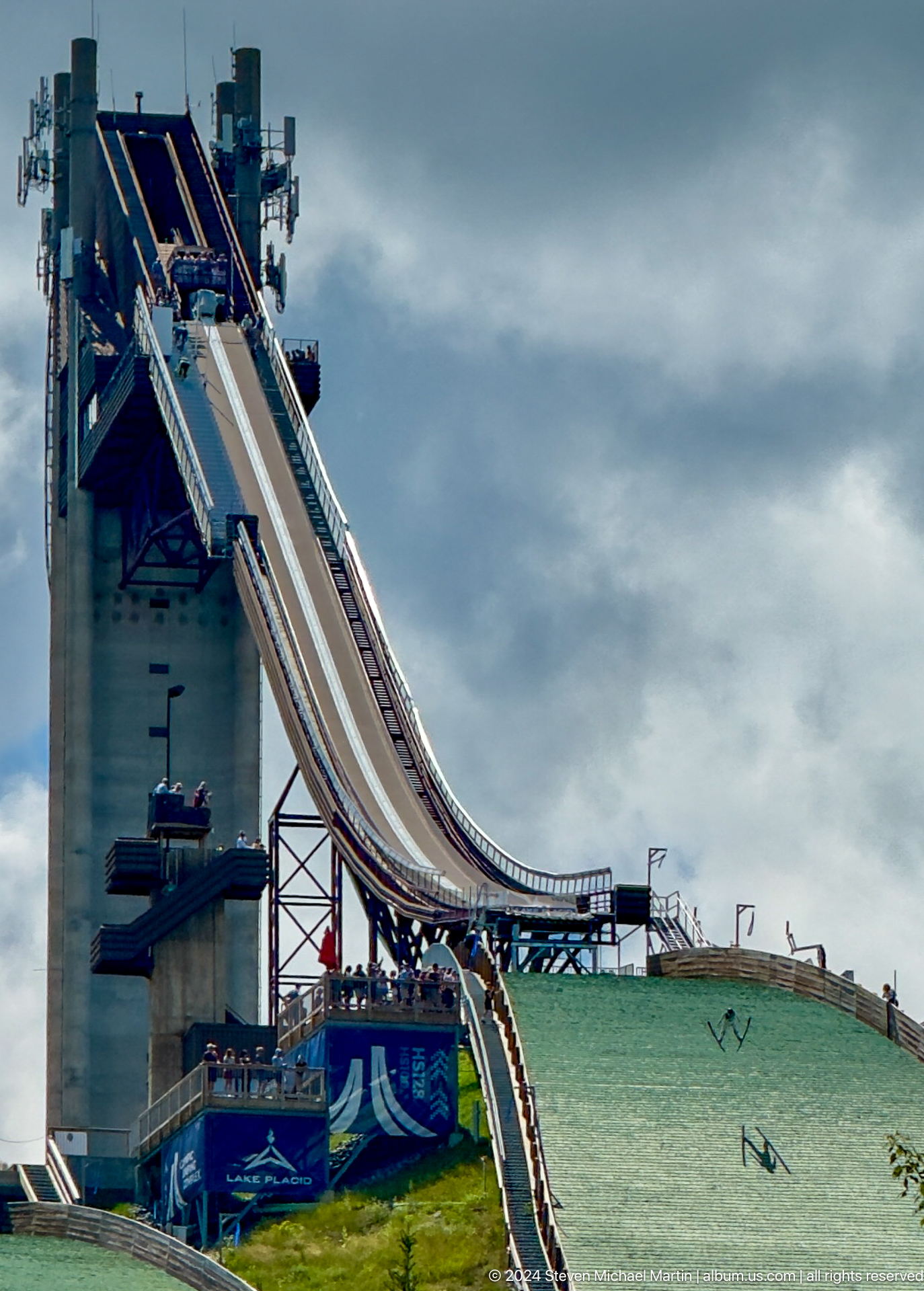
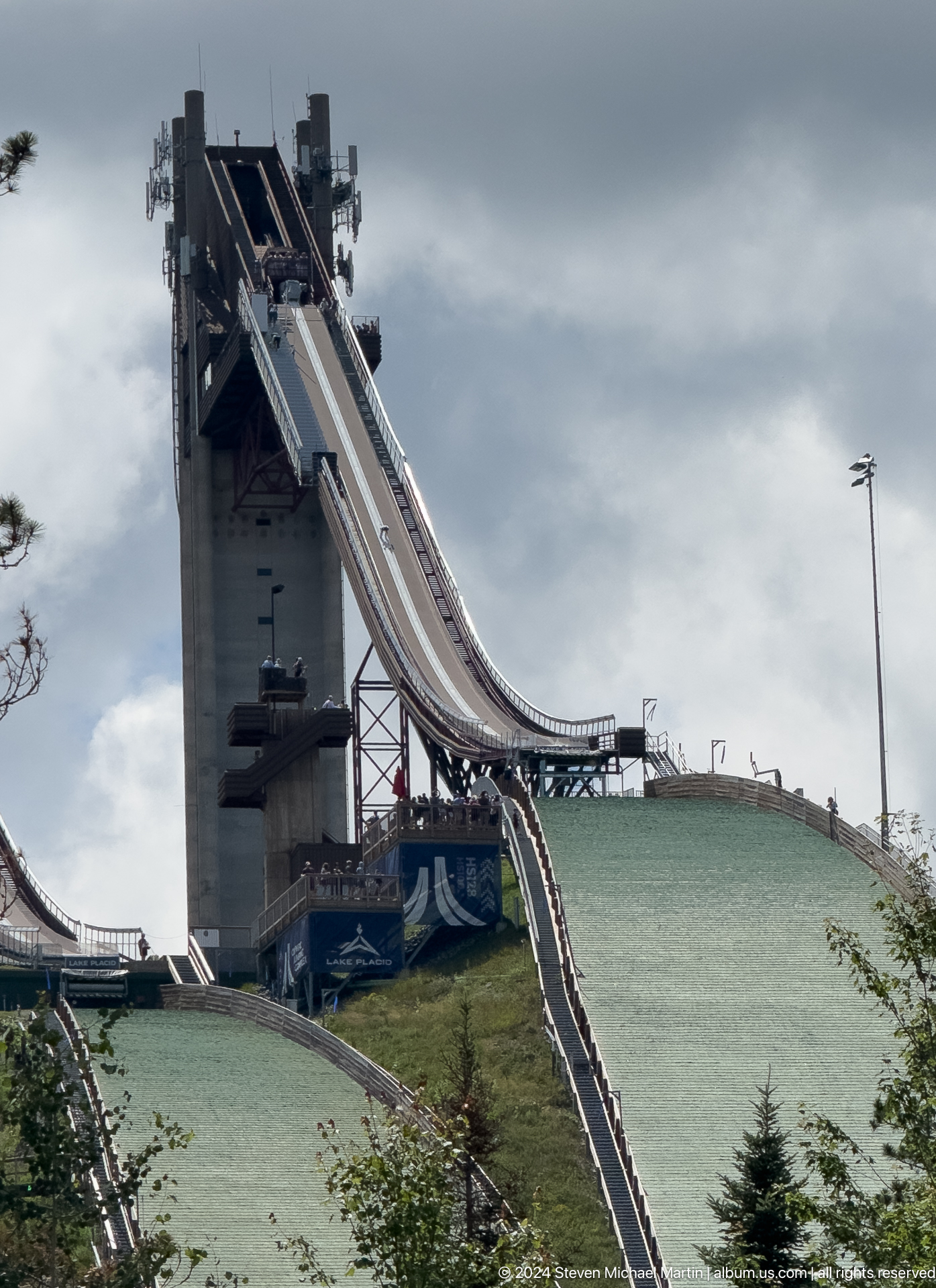
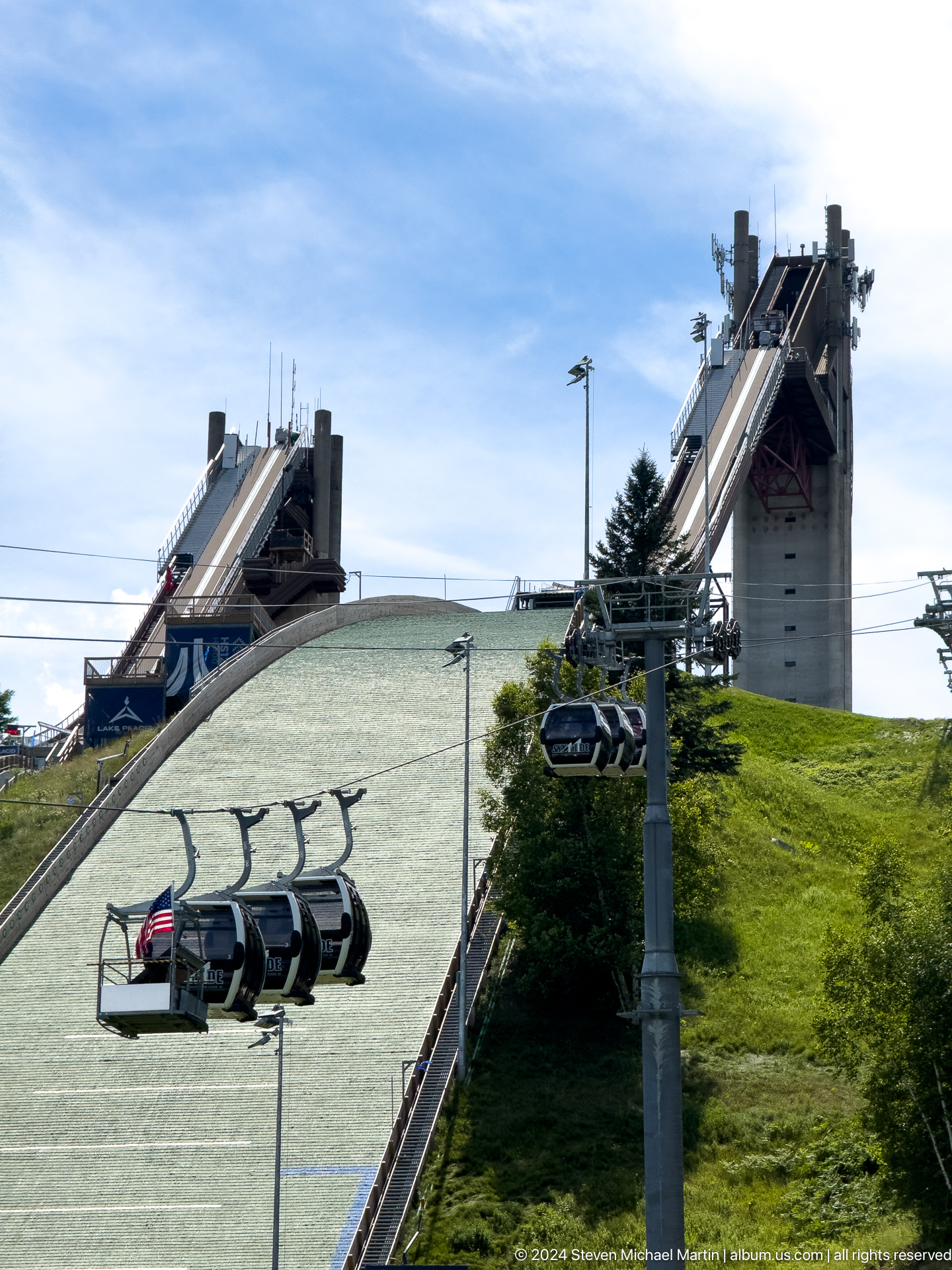
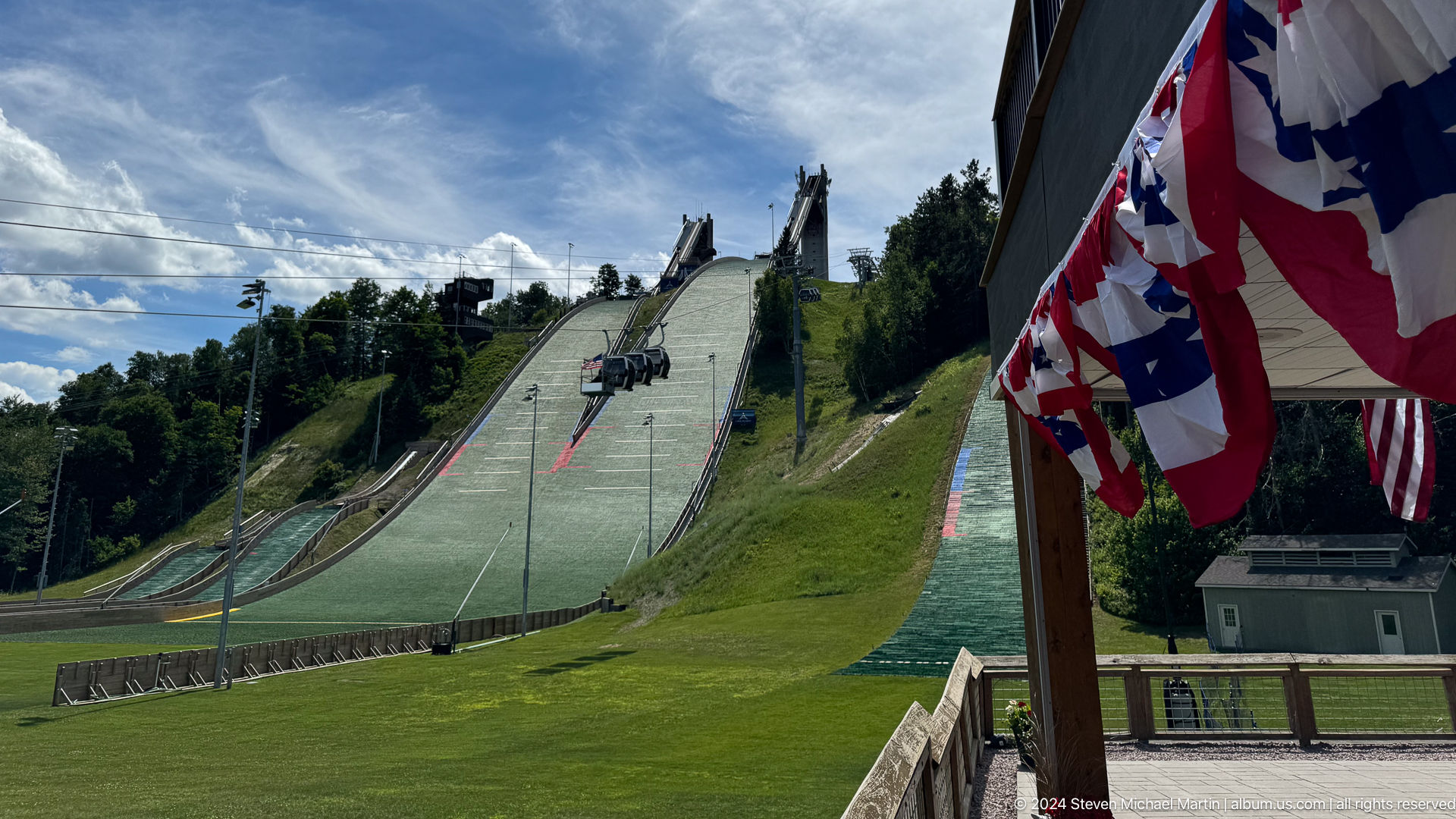
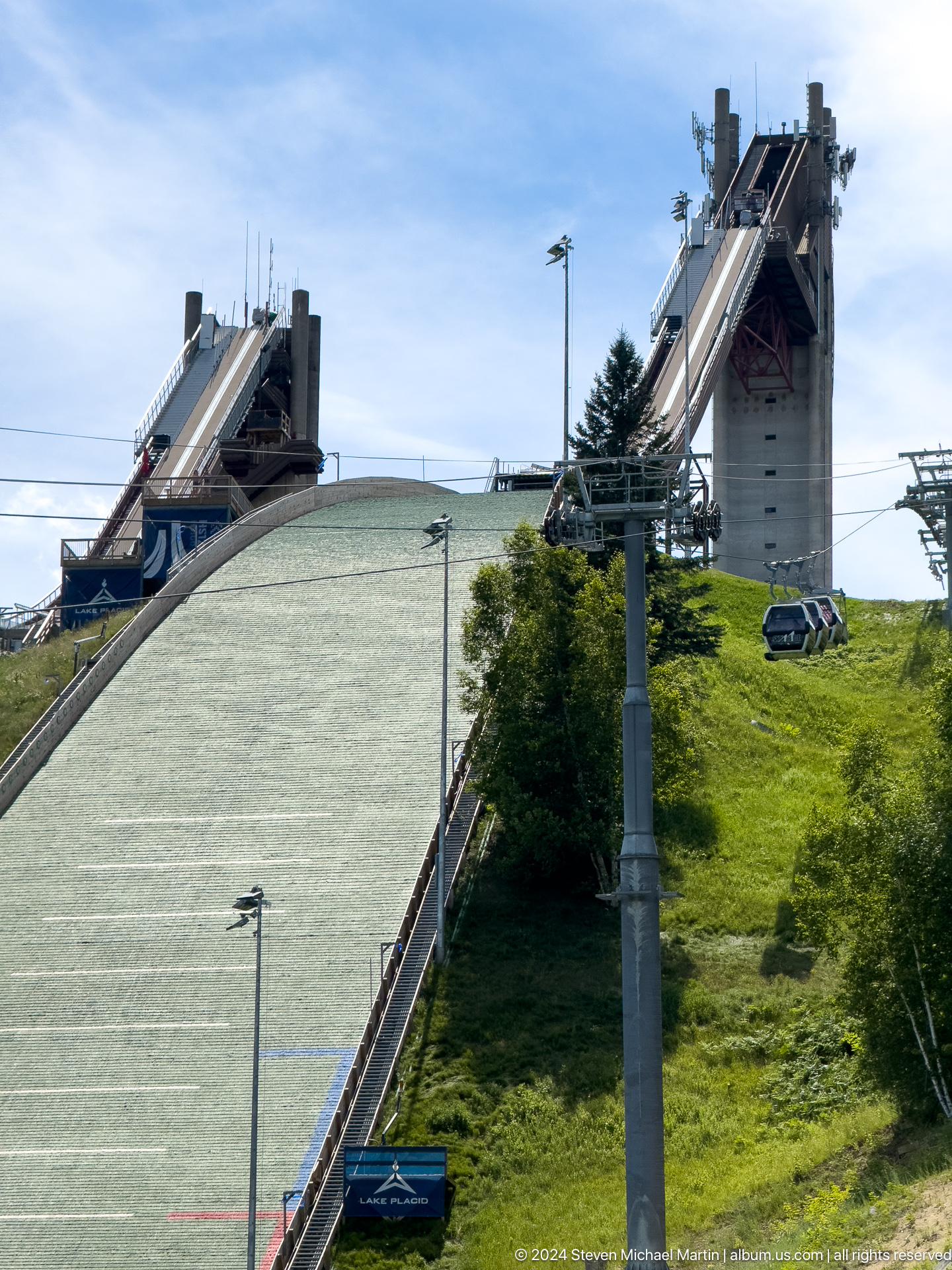
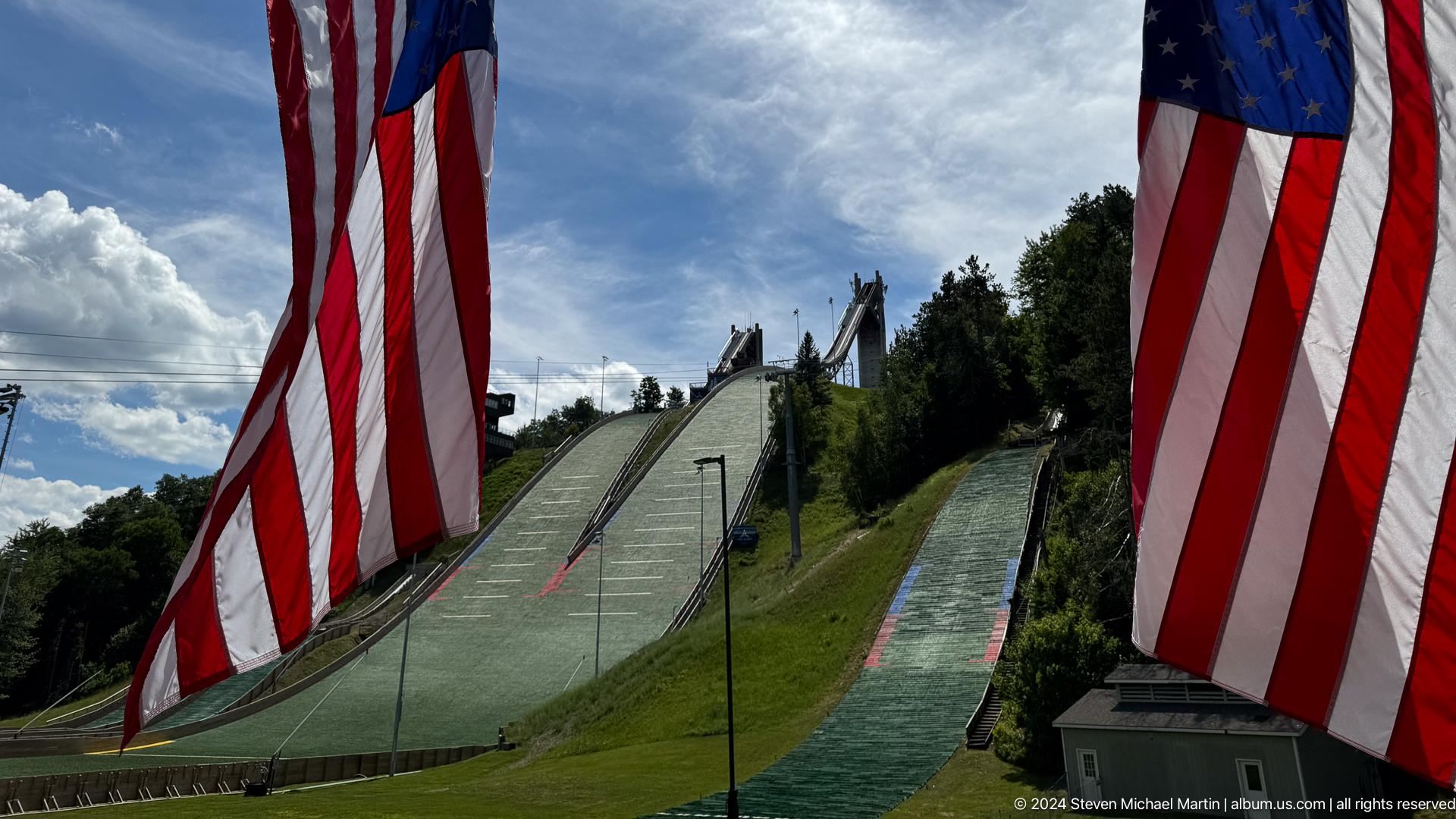
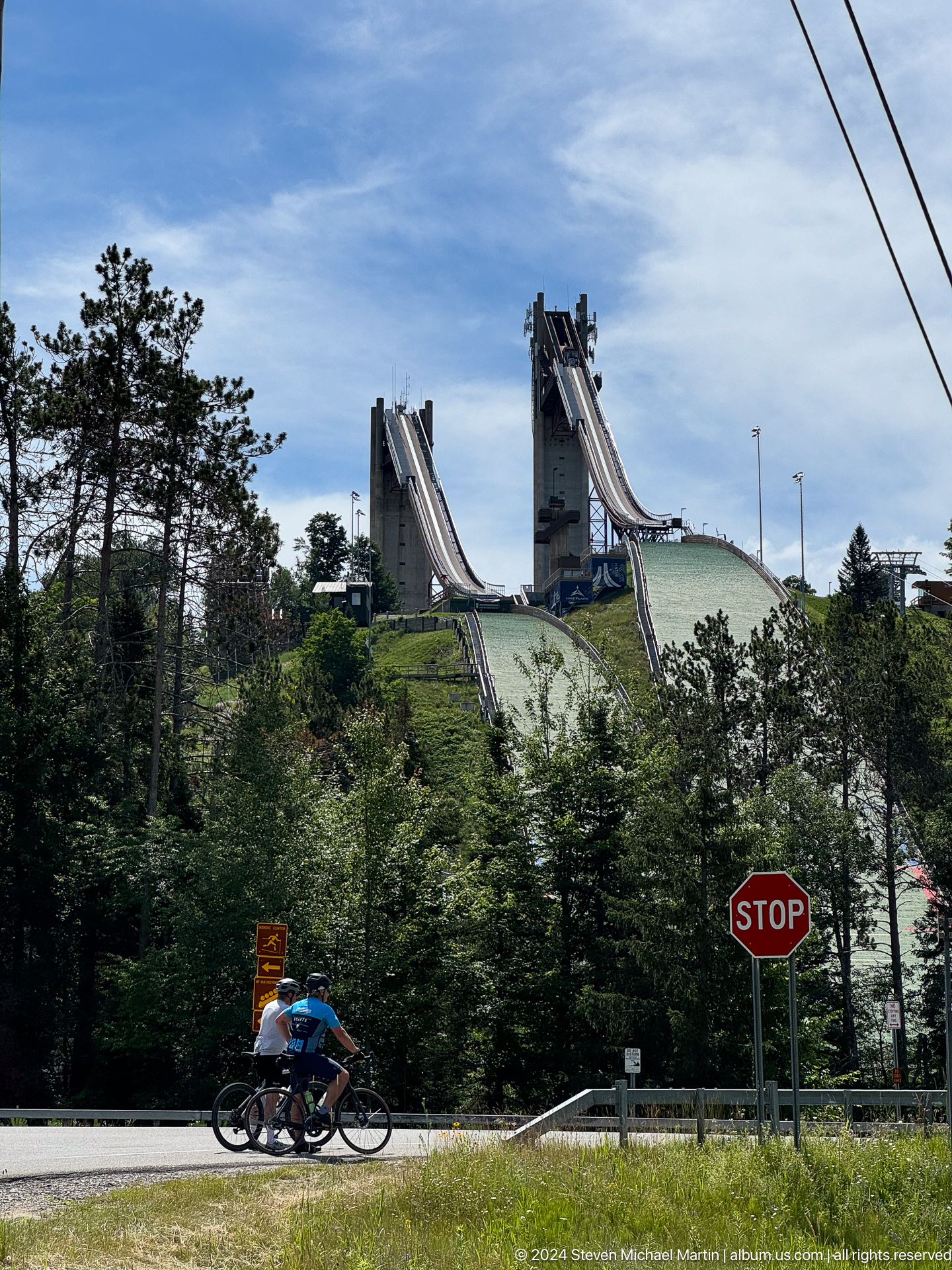
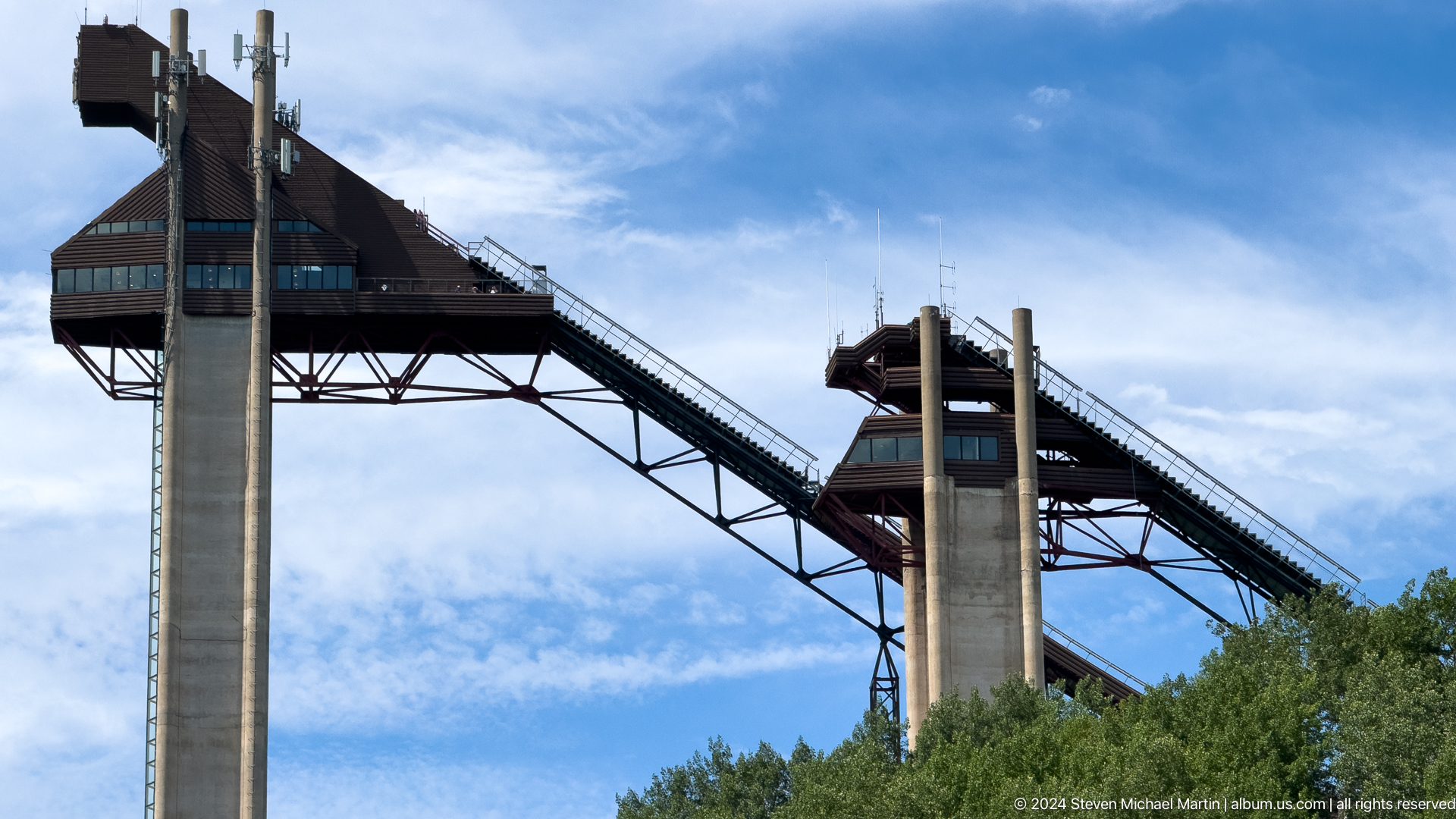
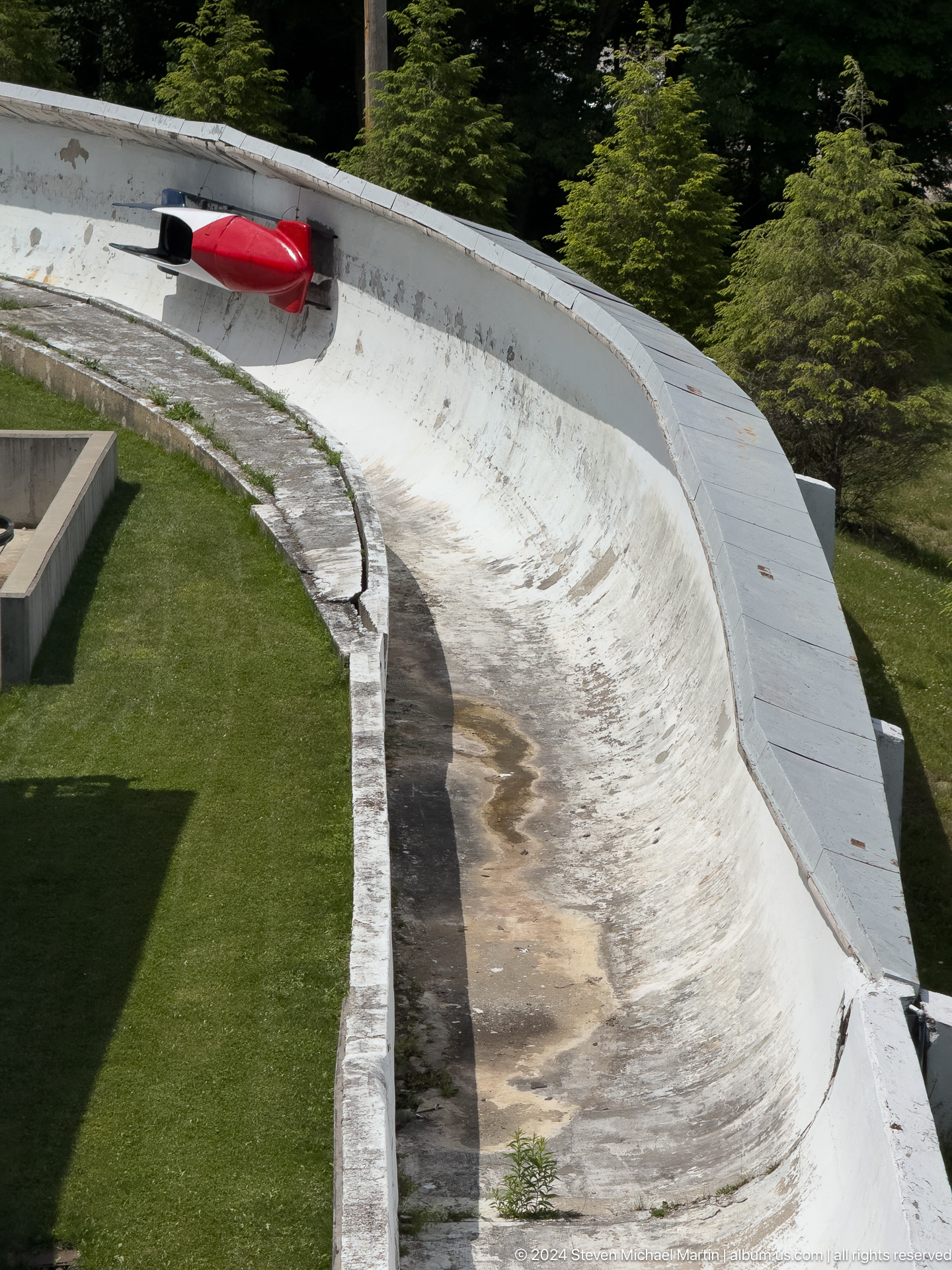
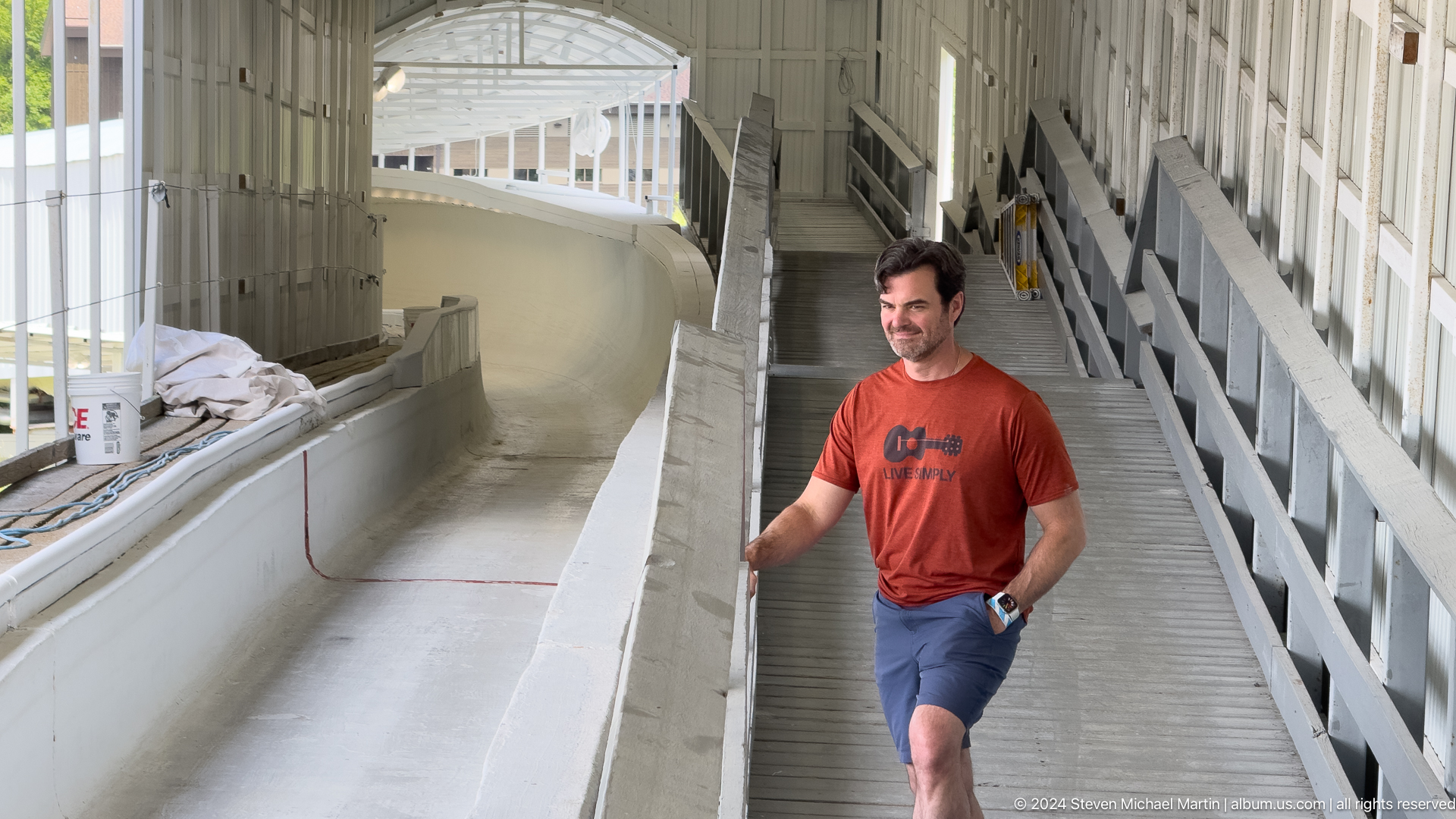
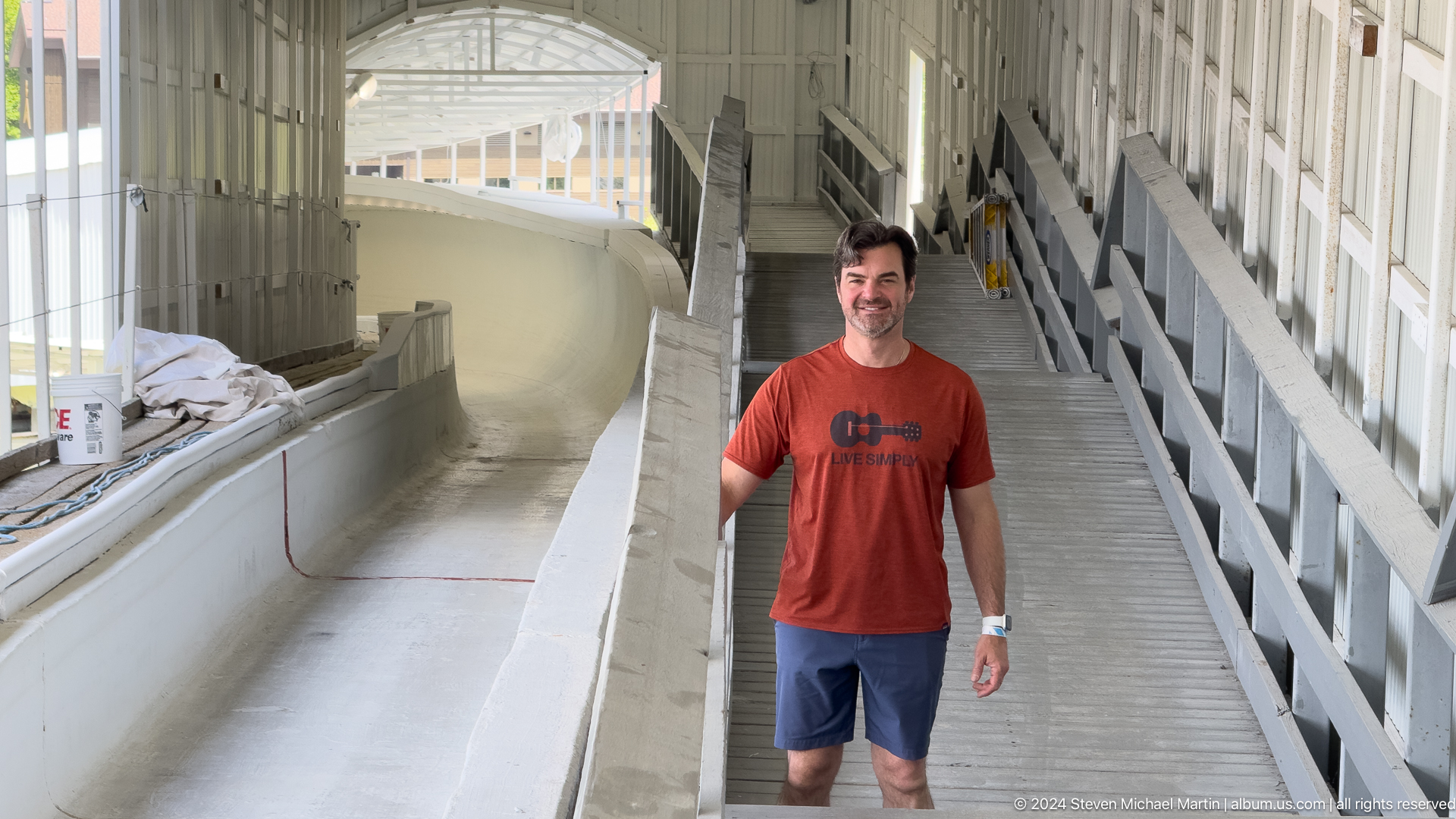
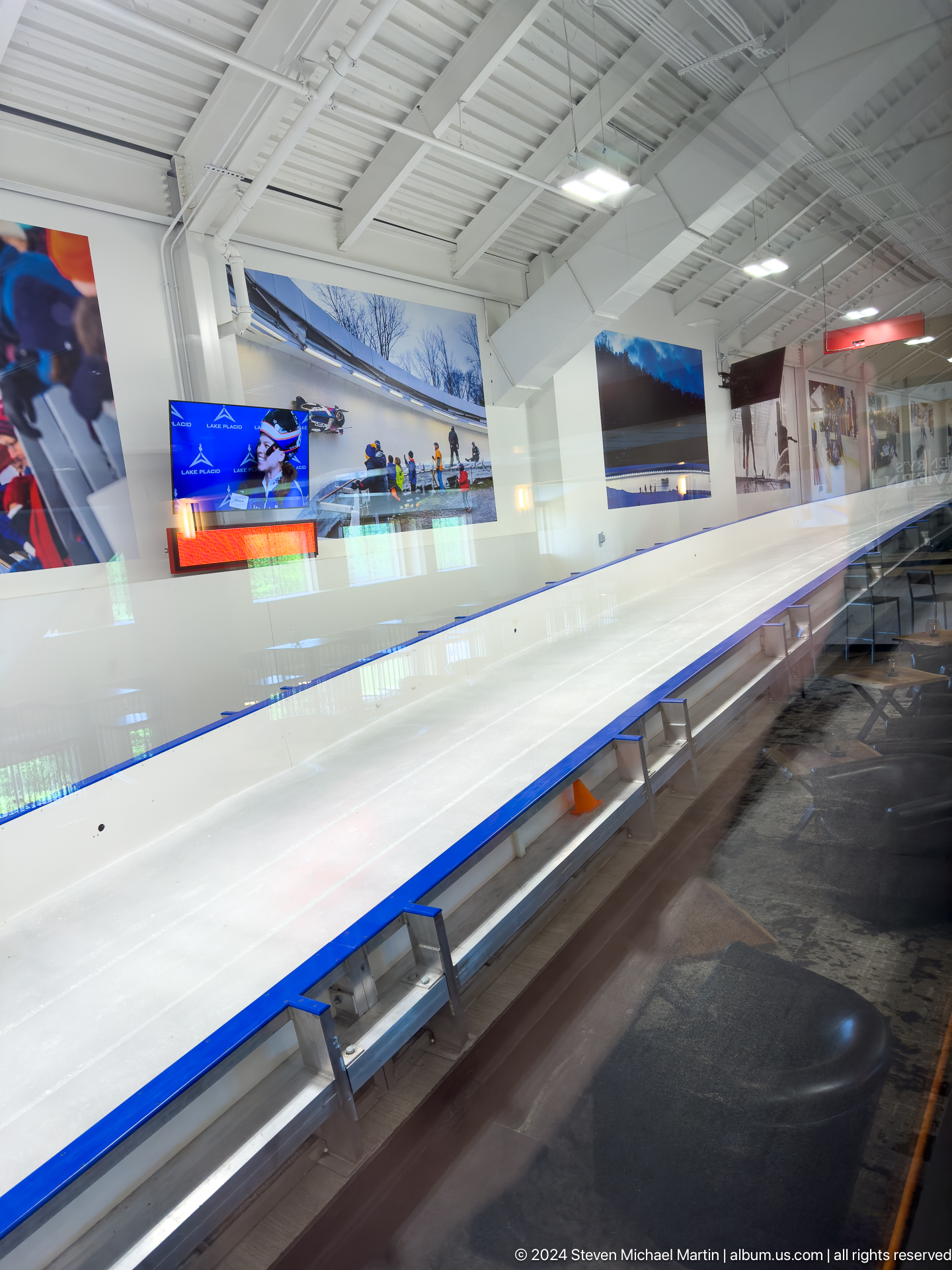
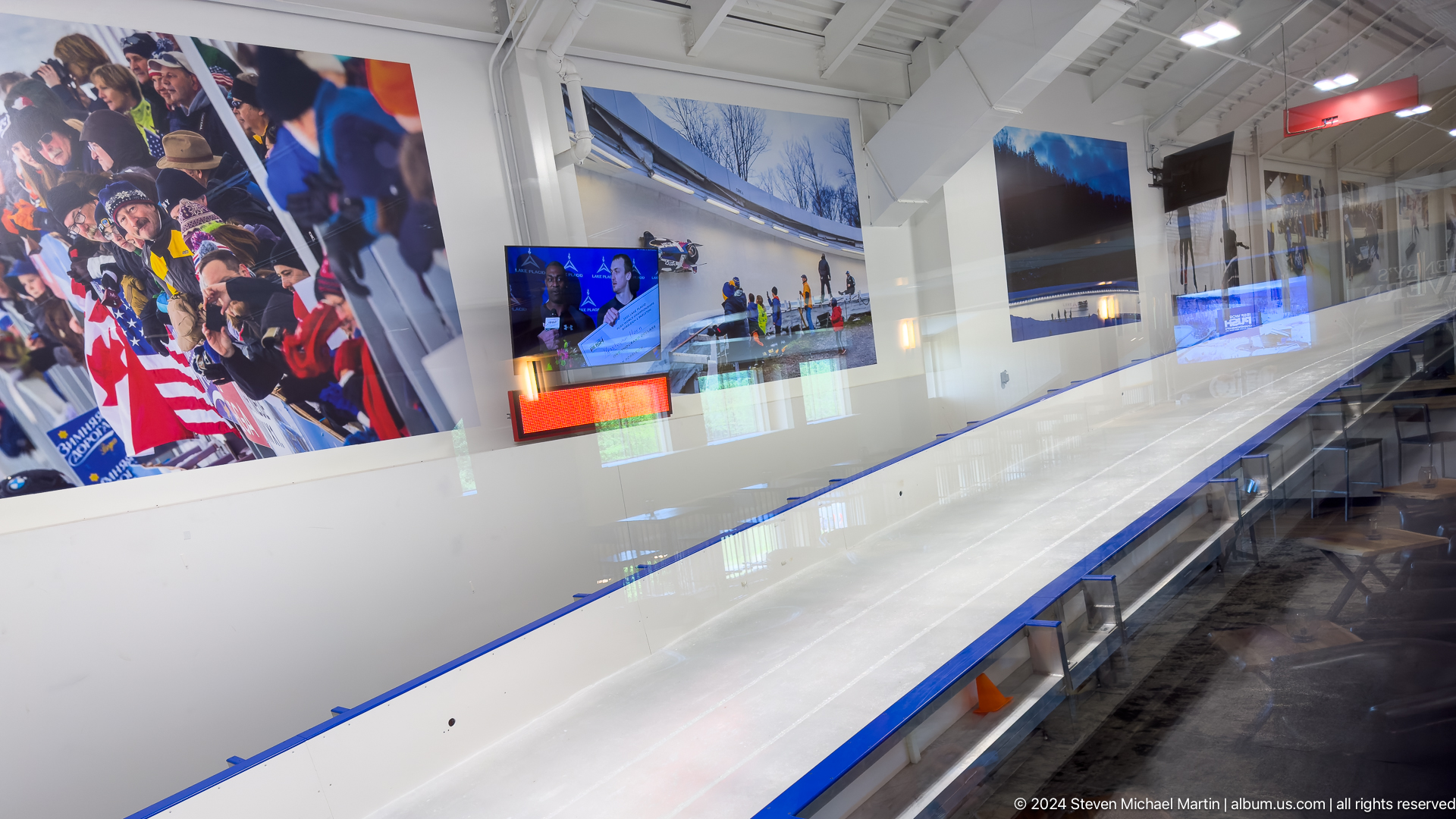
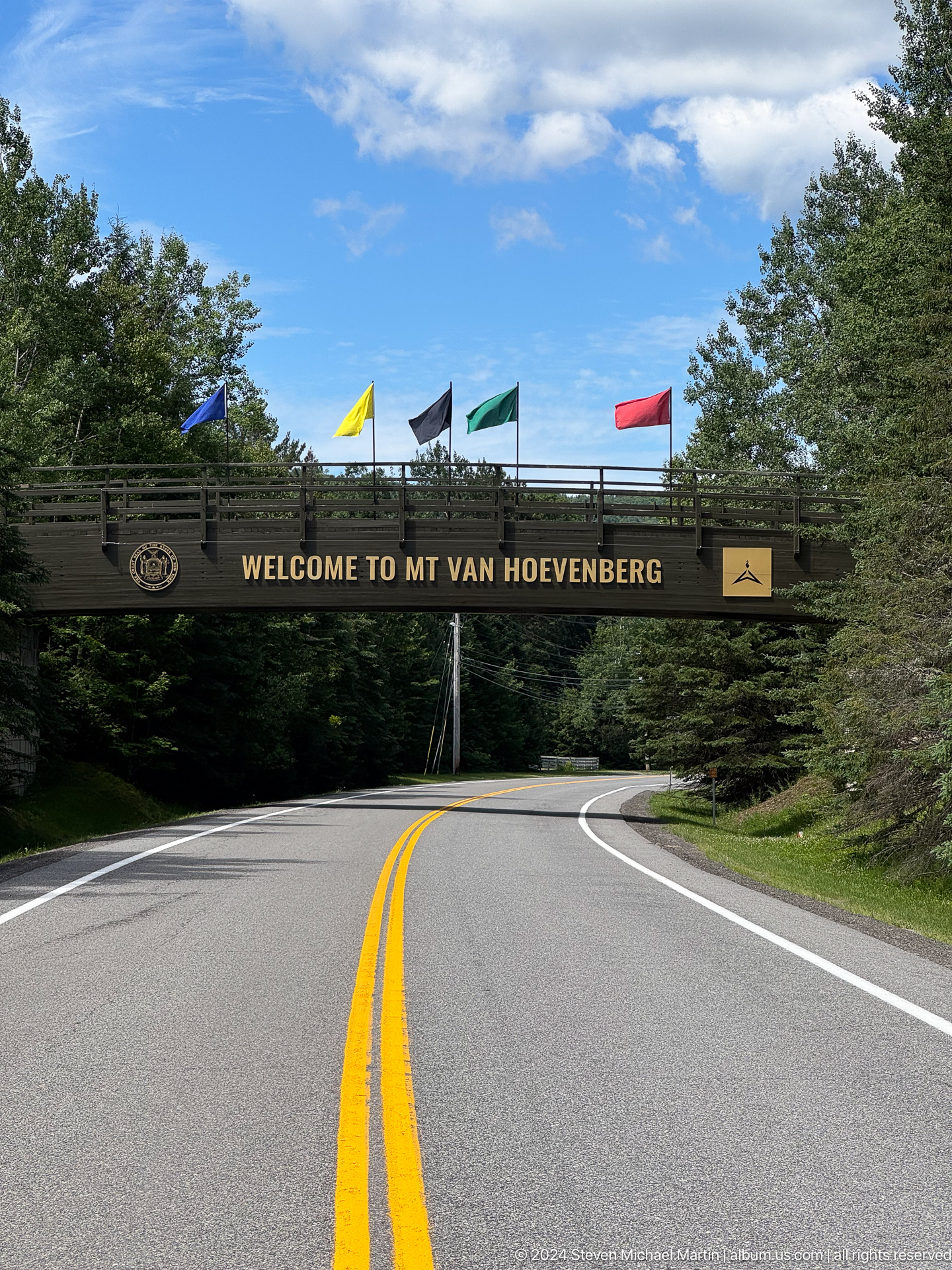
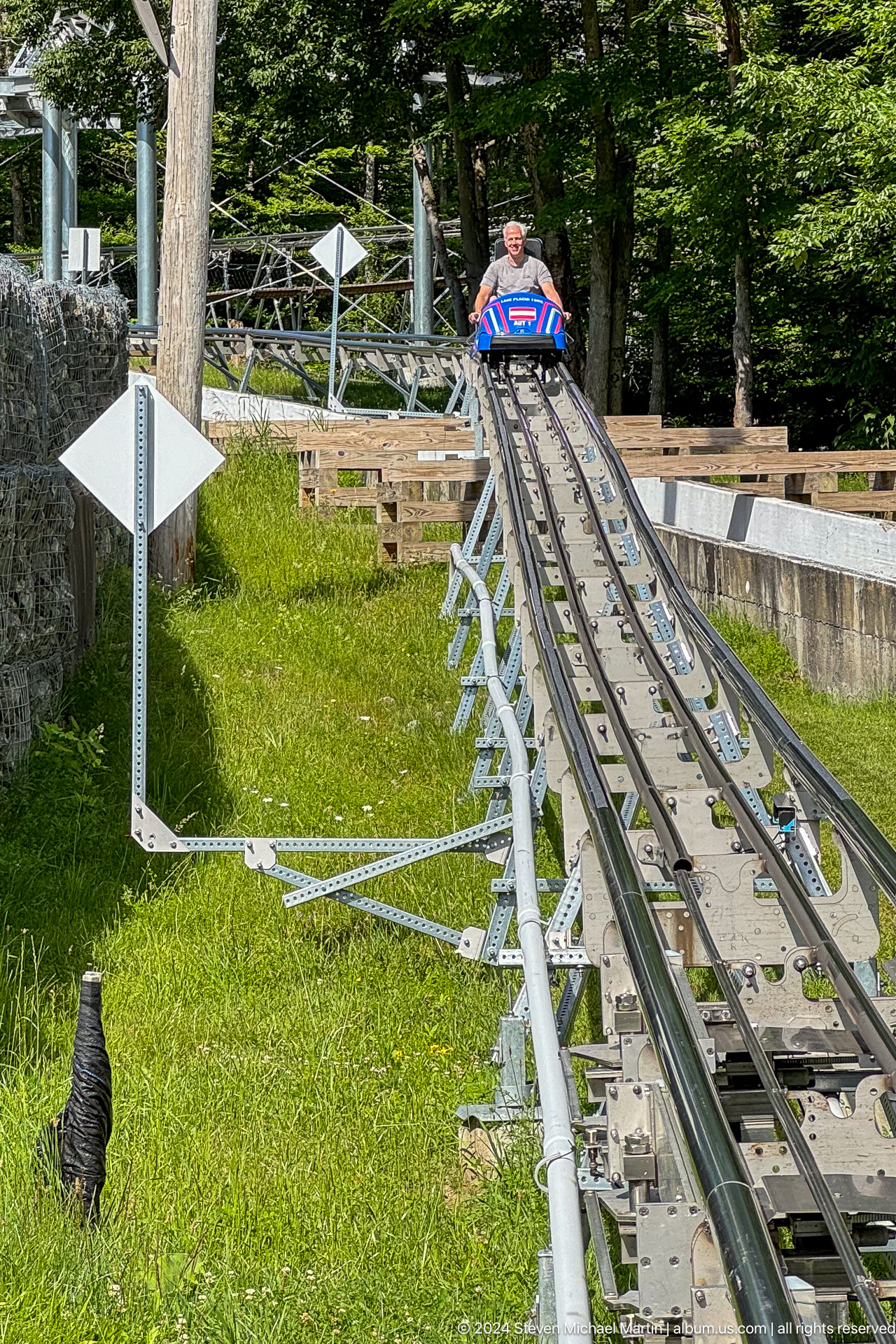
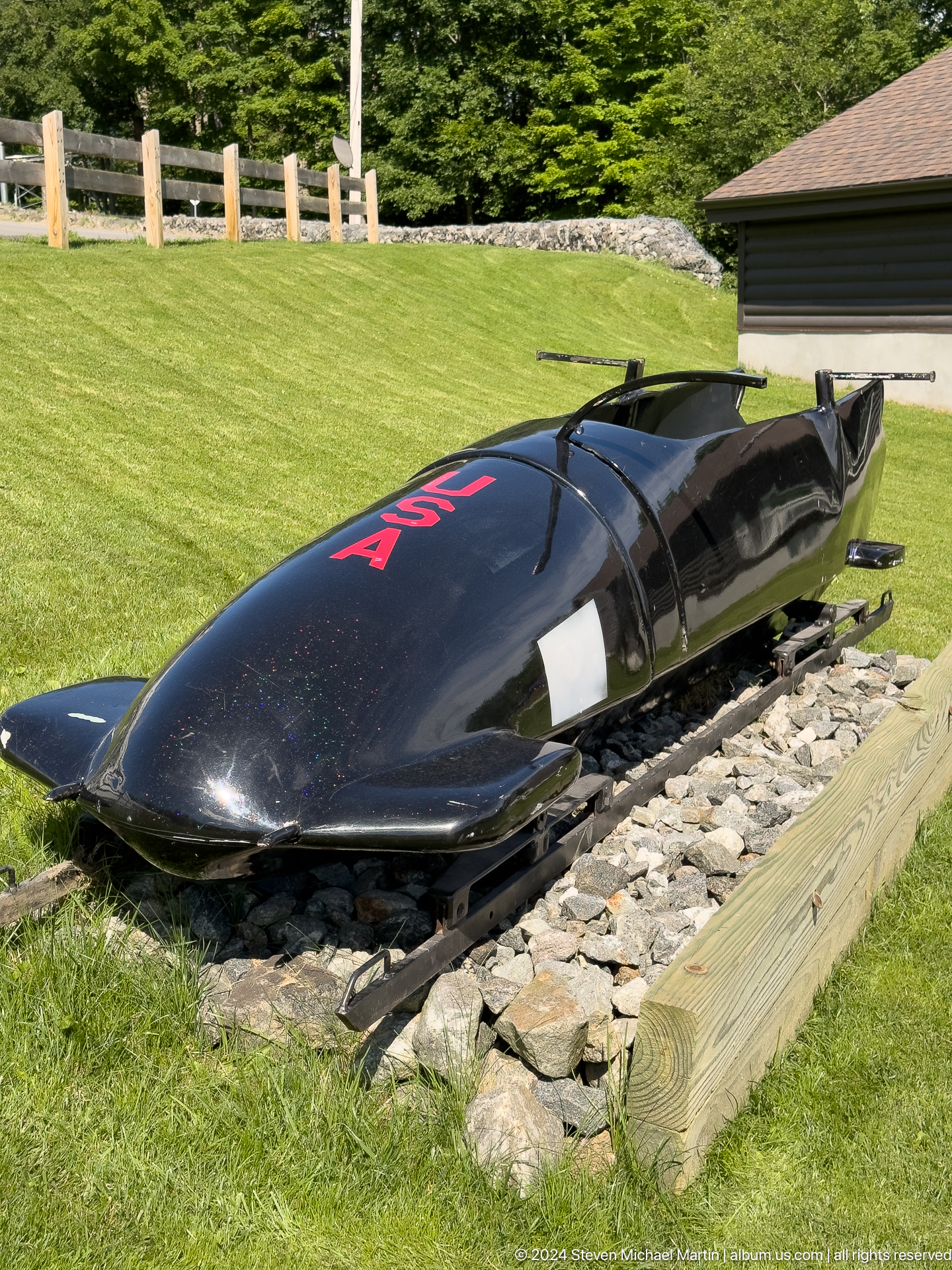
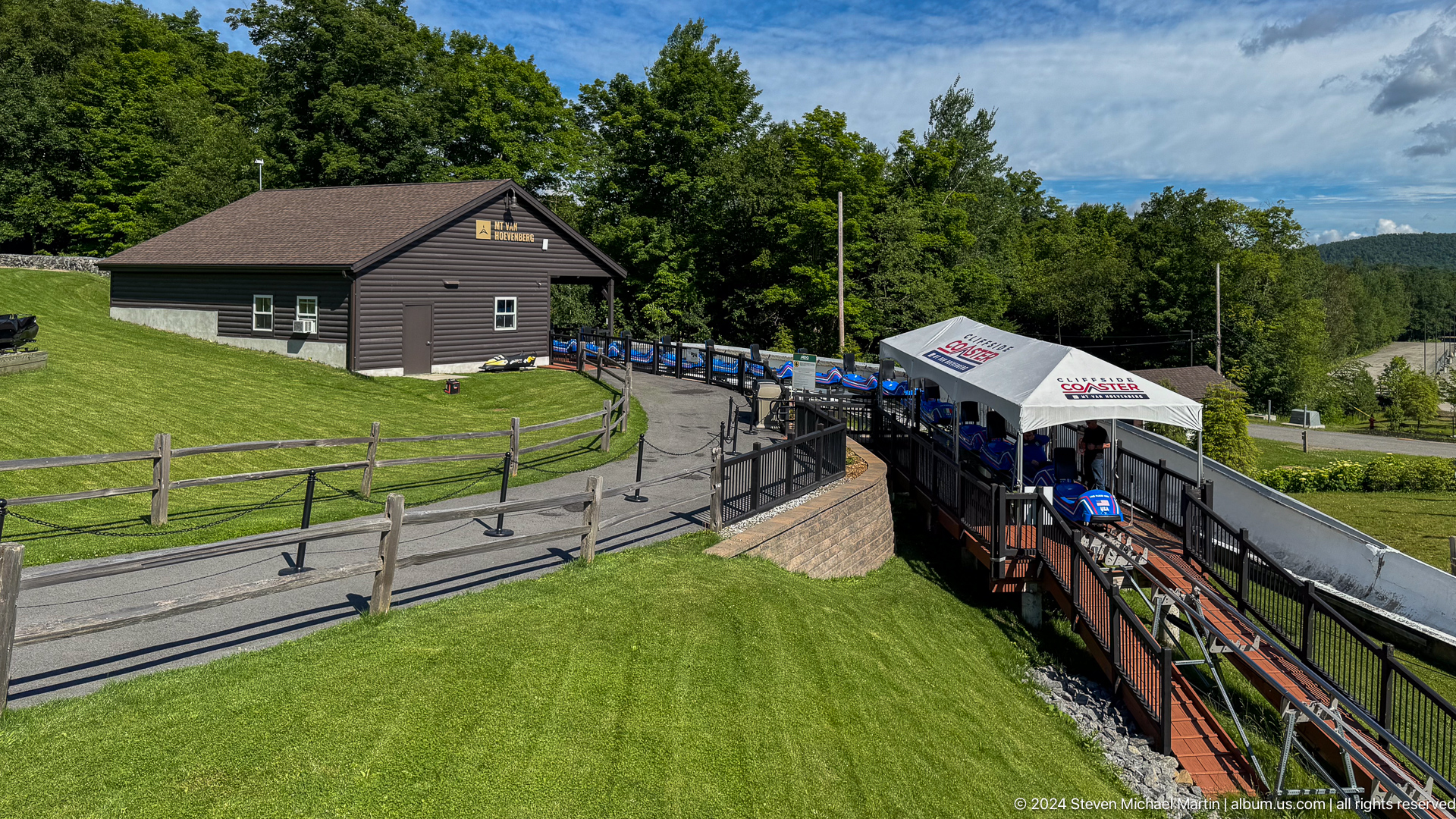
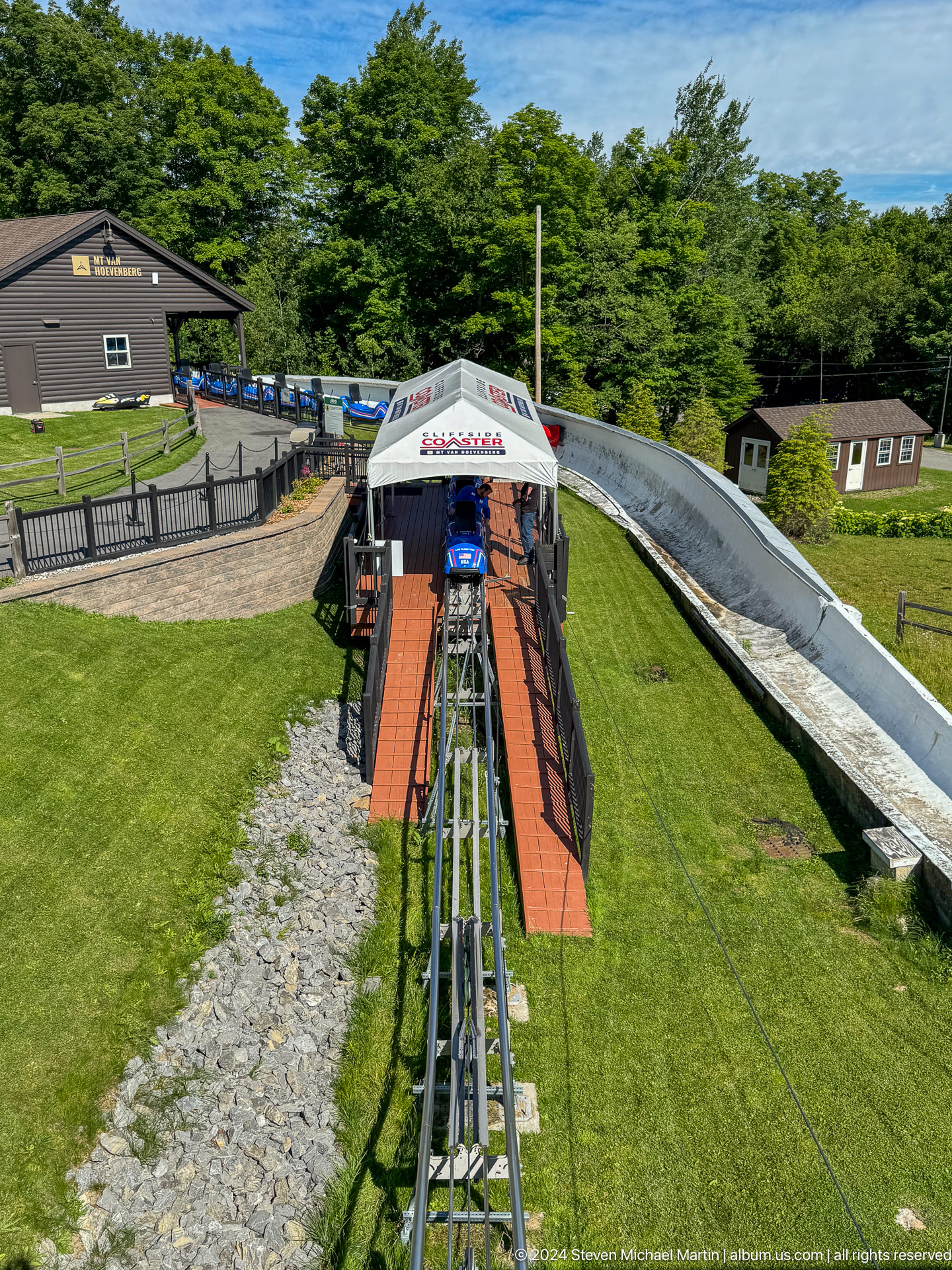
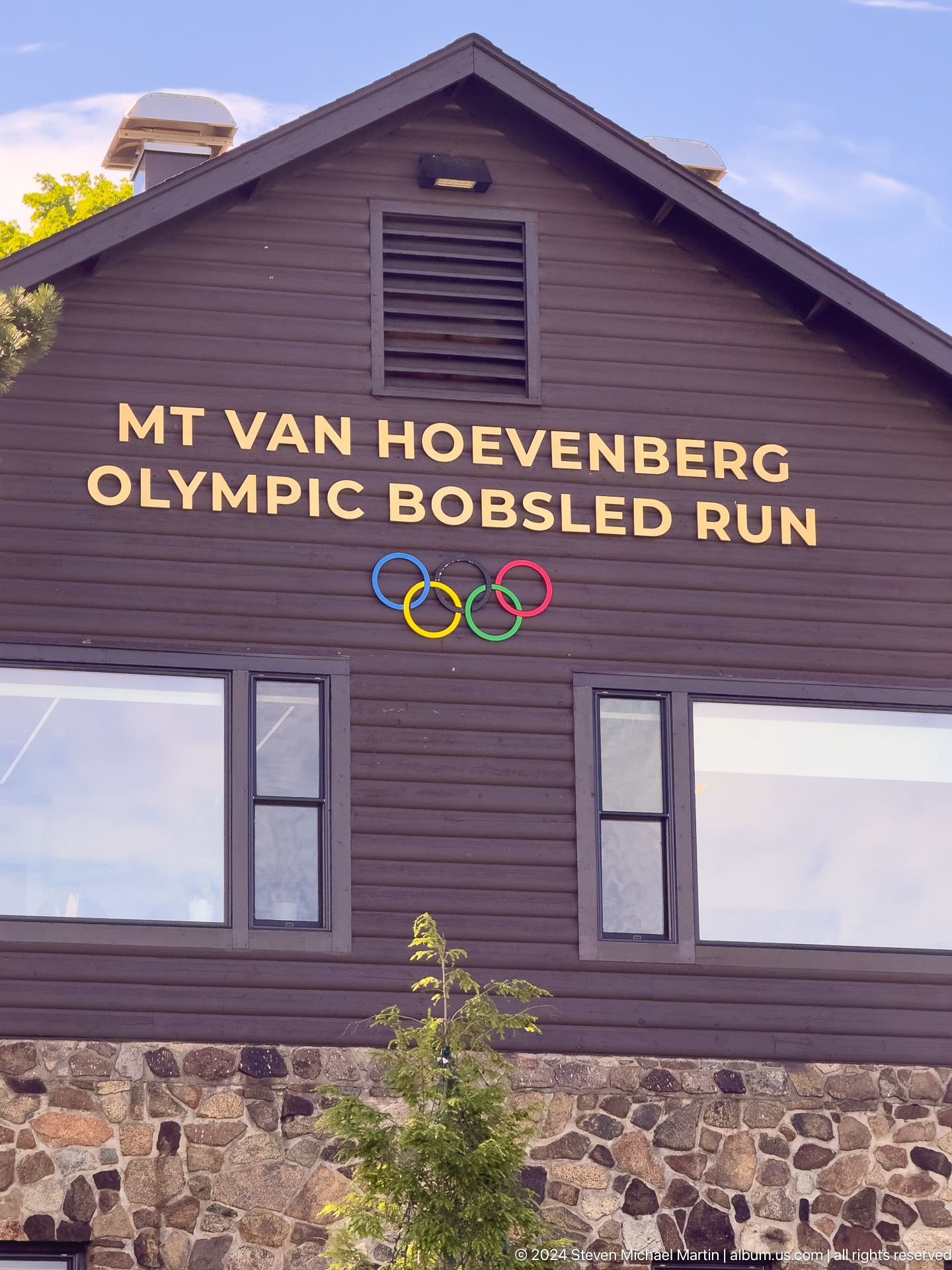
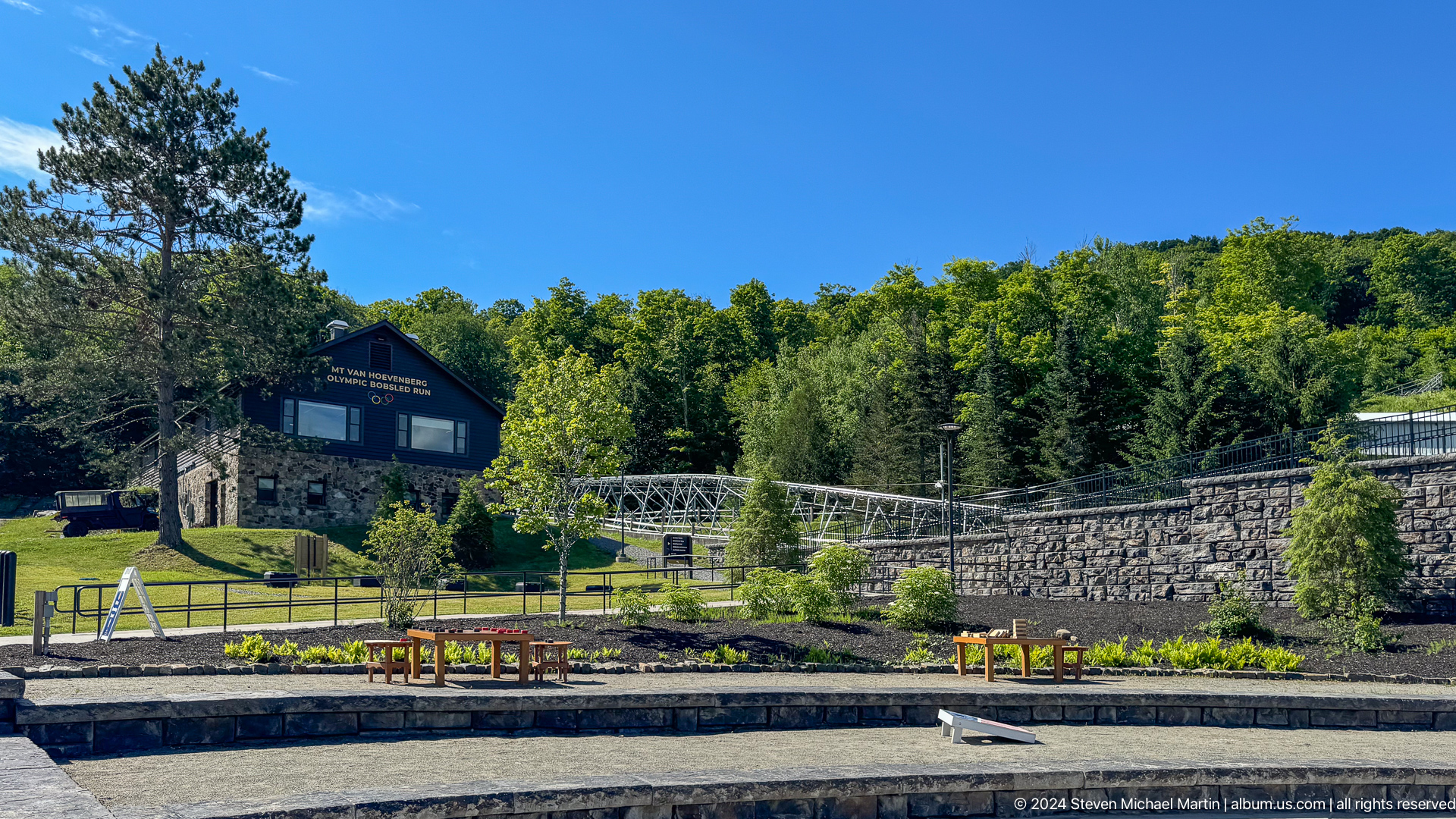
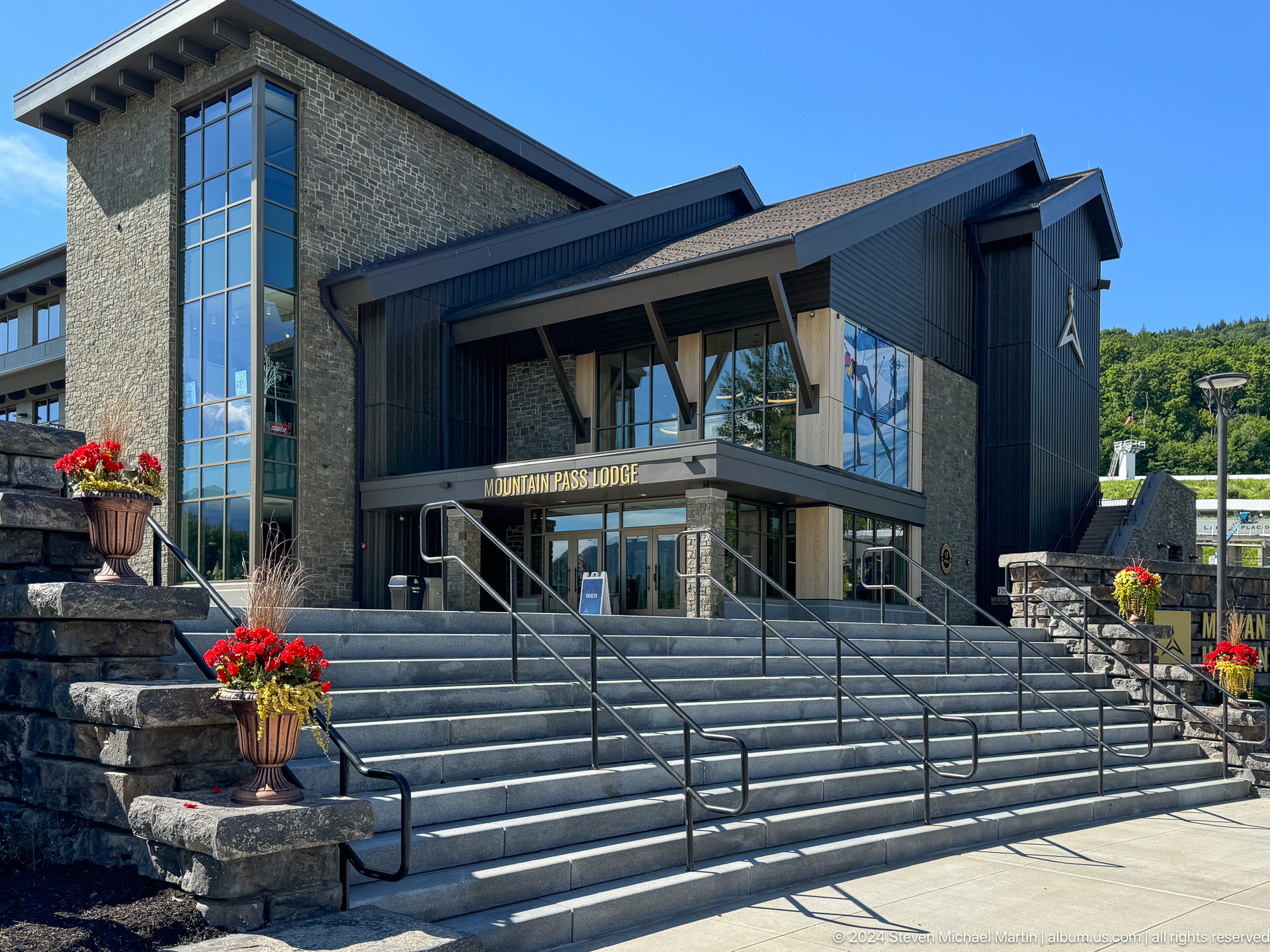
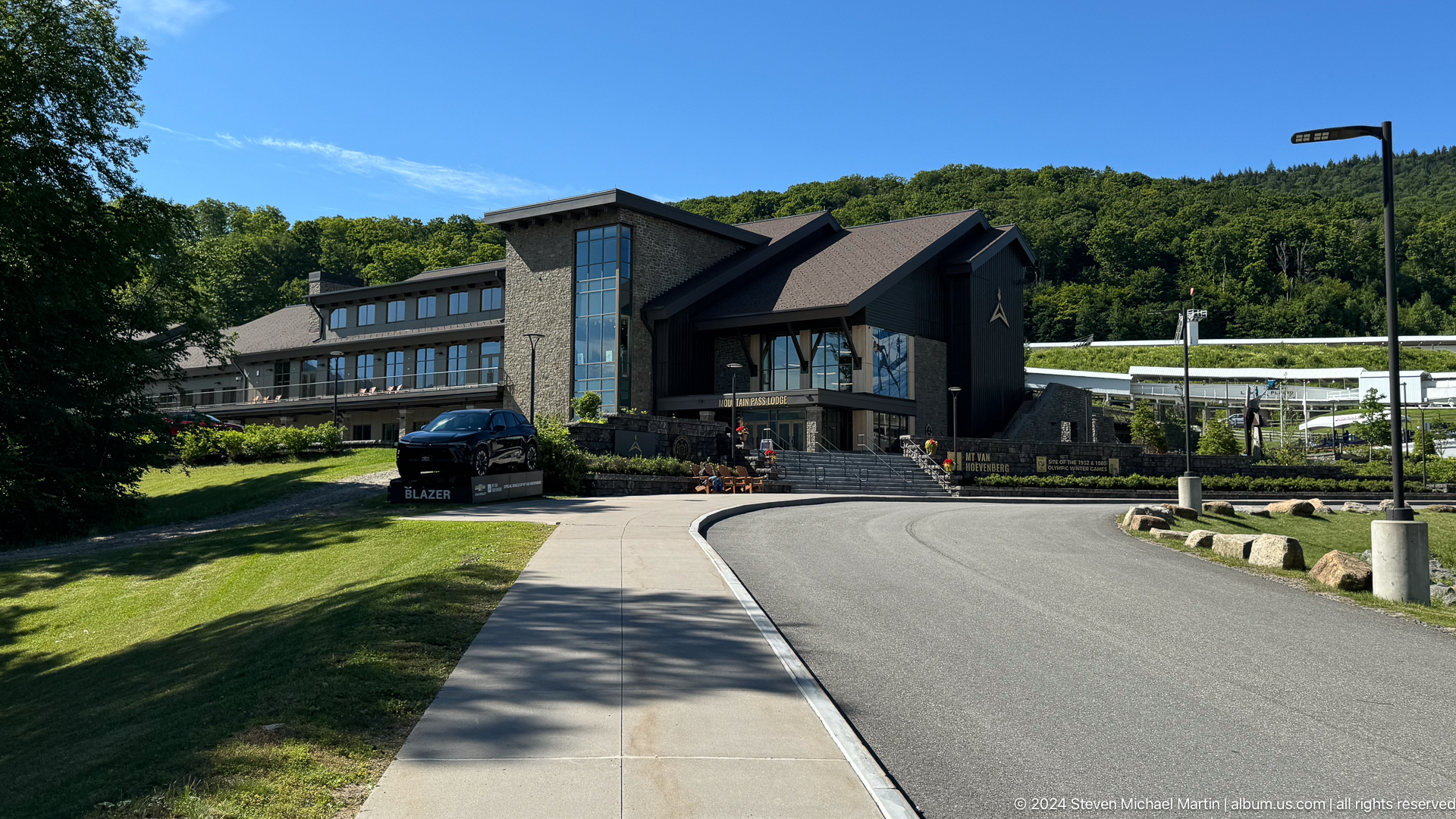
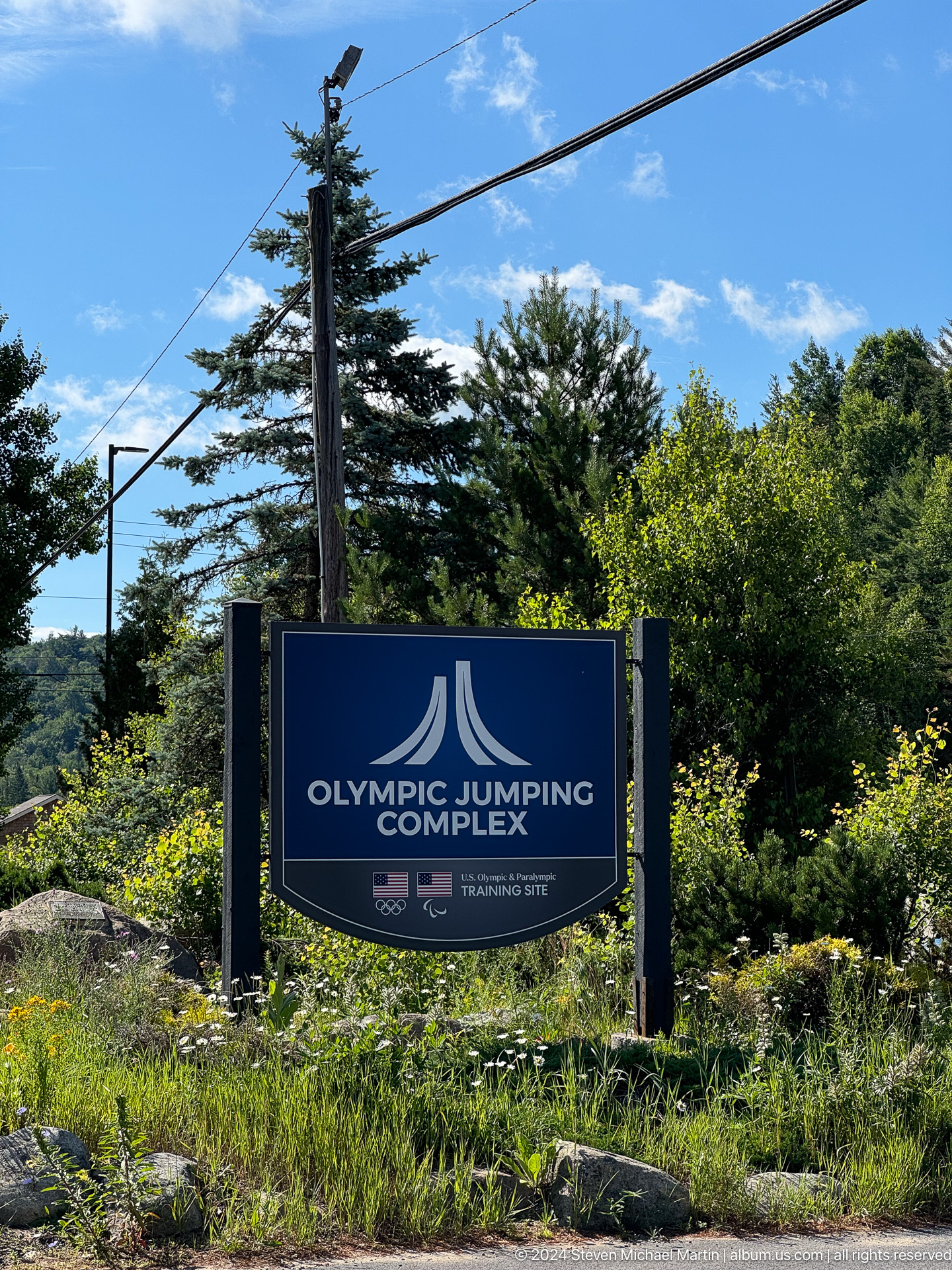
Sites such as the Olympic Center, ski jumping complex, and Mount Van Hoevenberg reflect the technical and architectural development of winter sports facilities designed to support international competition. The 1980 Winter Games became especially well known for the “Miracle on Ice,” when the United States hockey team defeated the Soviet Union in one of the most memorable moments in Olympic history. Many of the venues remain in use today, illustrating how infrastructure created for international competition continues to support athletic training and public visitation.
The Lake Placid Olympic sites contribute to understanding how sport influenced regional development in mountain communities. The legacy of the Winter Games demonstrates the relationship between geography, international competition, and local identity. Lake Placid remains one of the most significant winter sports landscapes in North America.