Harpers Ferry National Historical Park
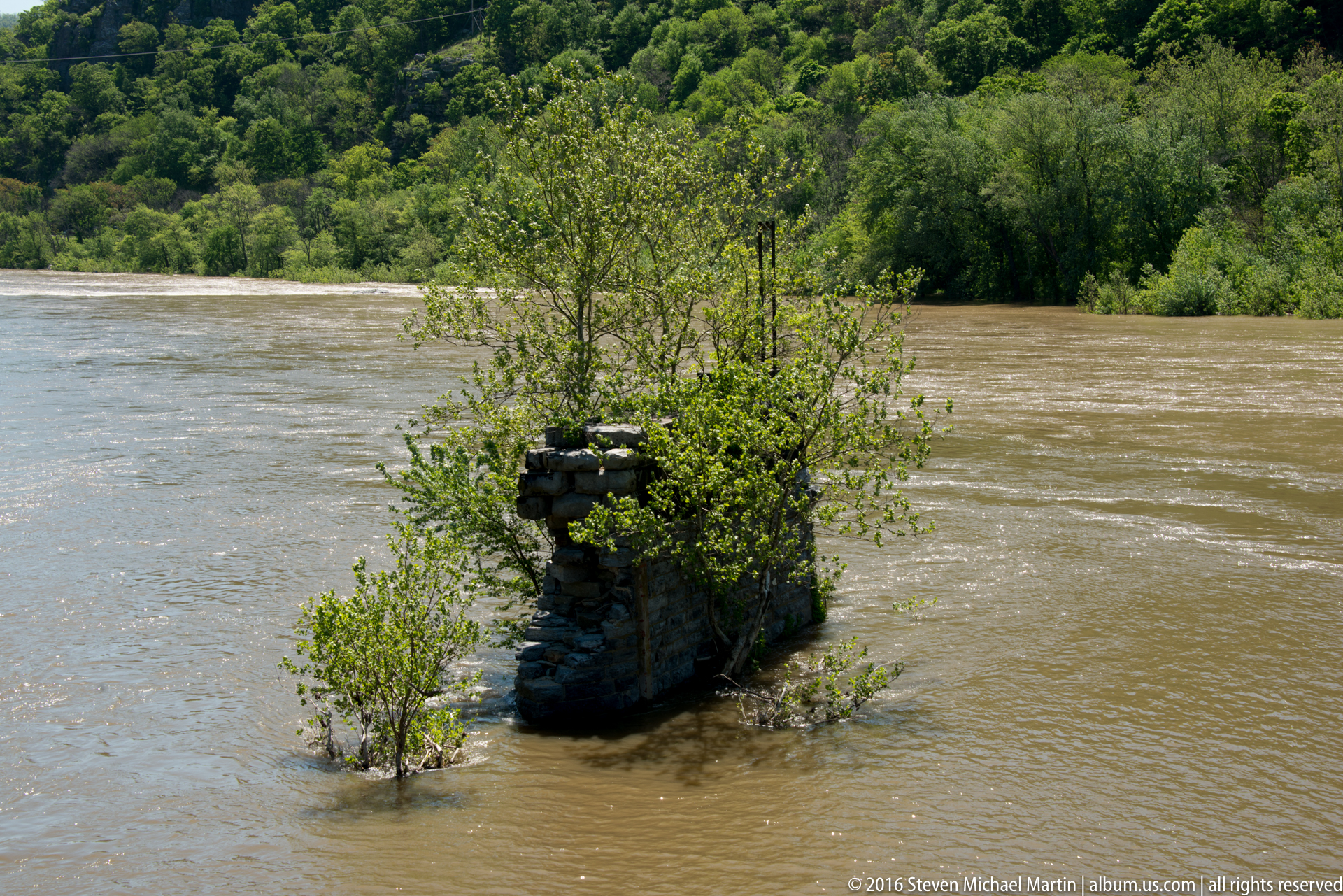
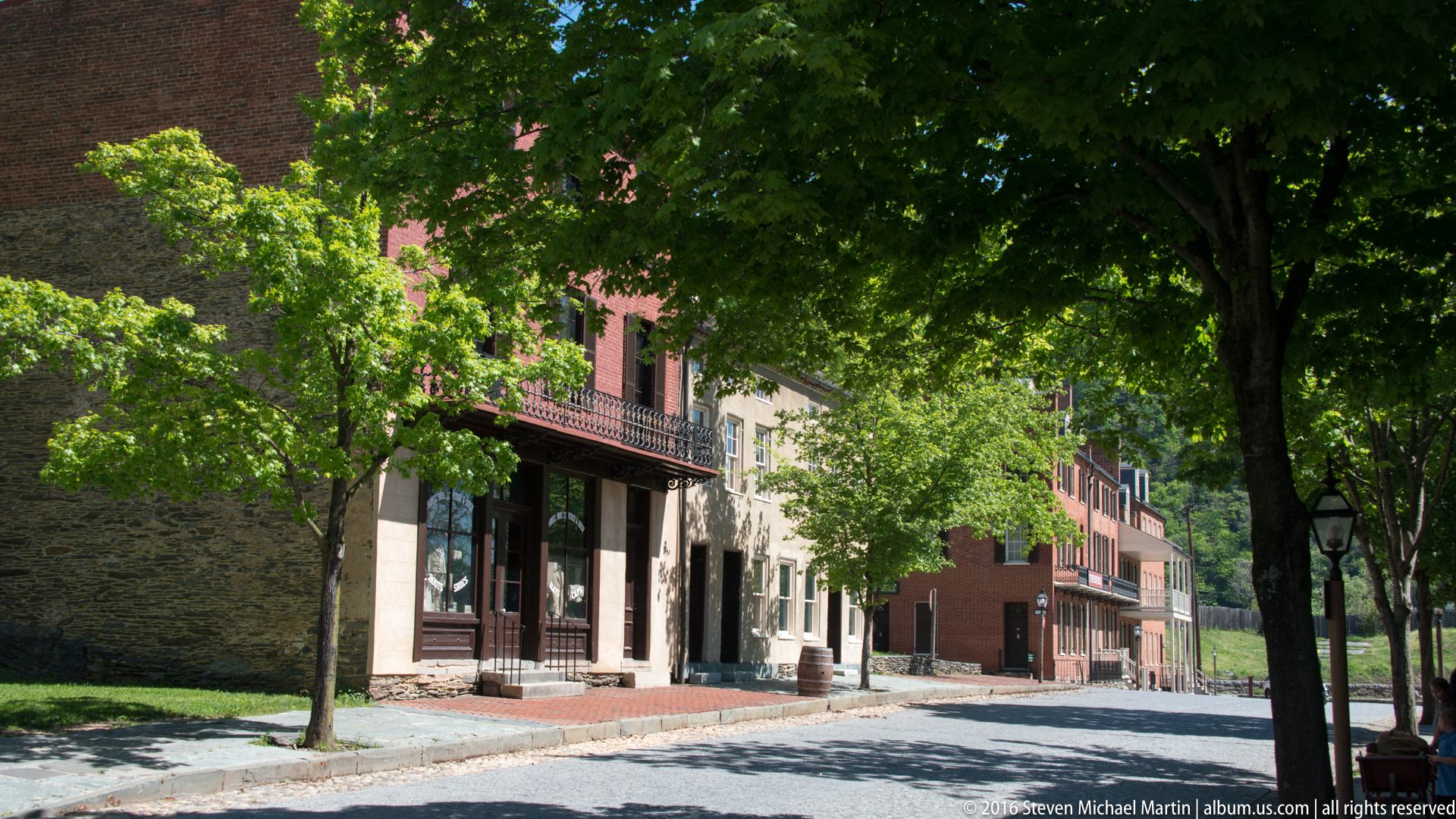
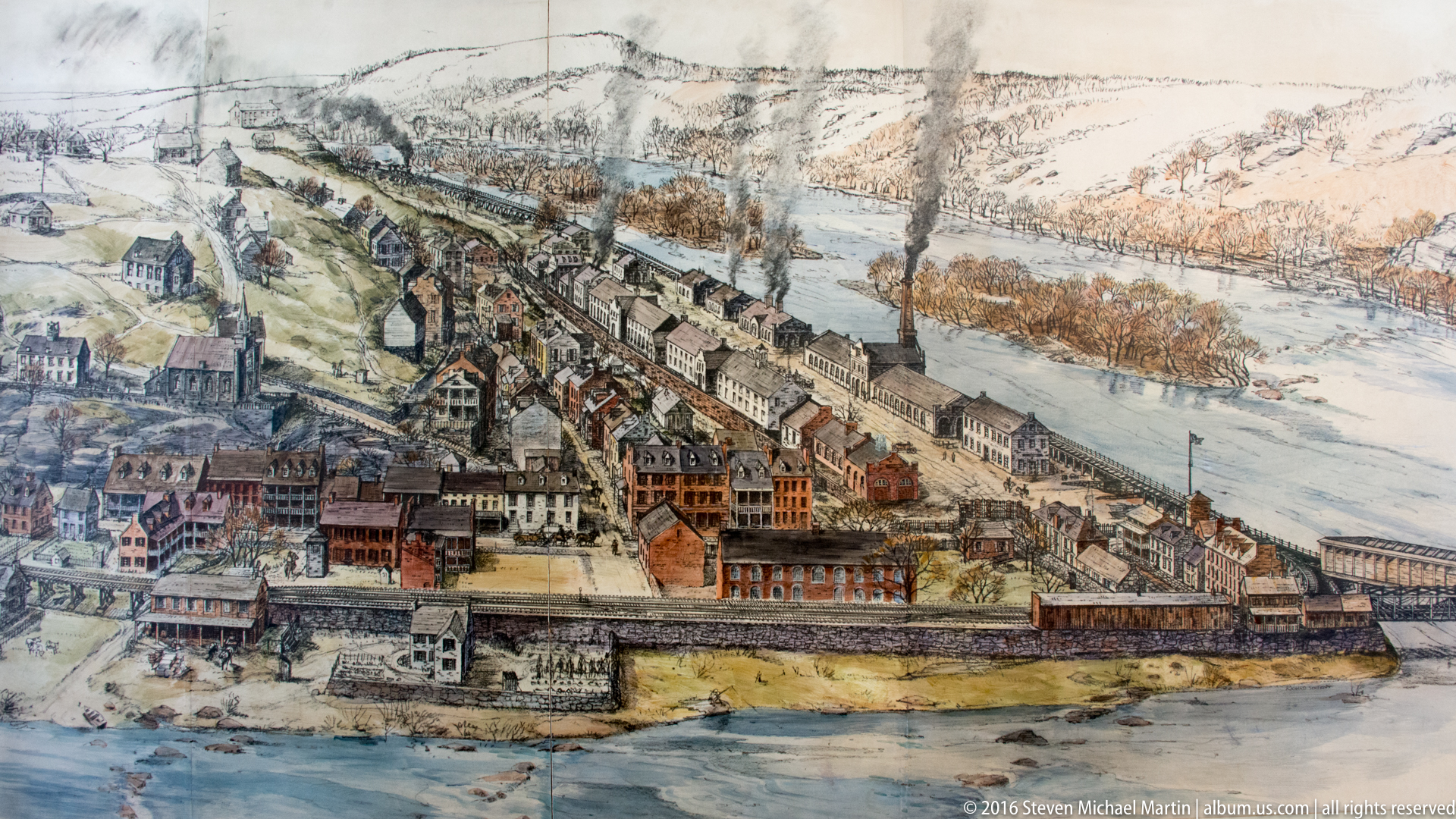
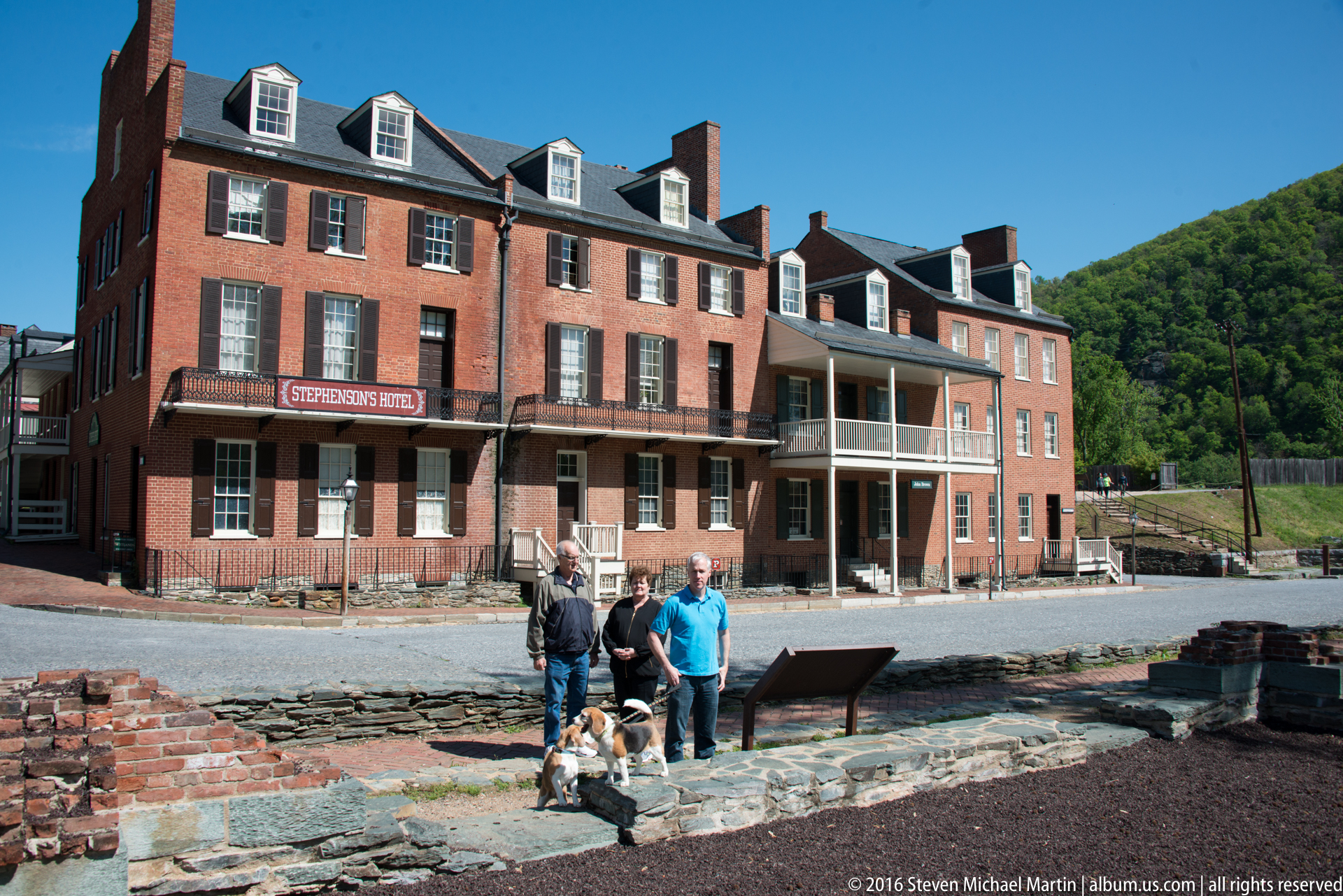
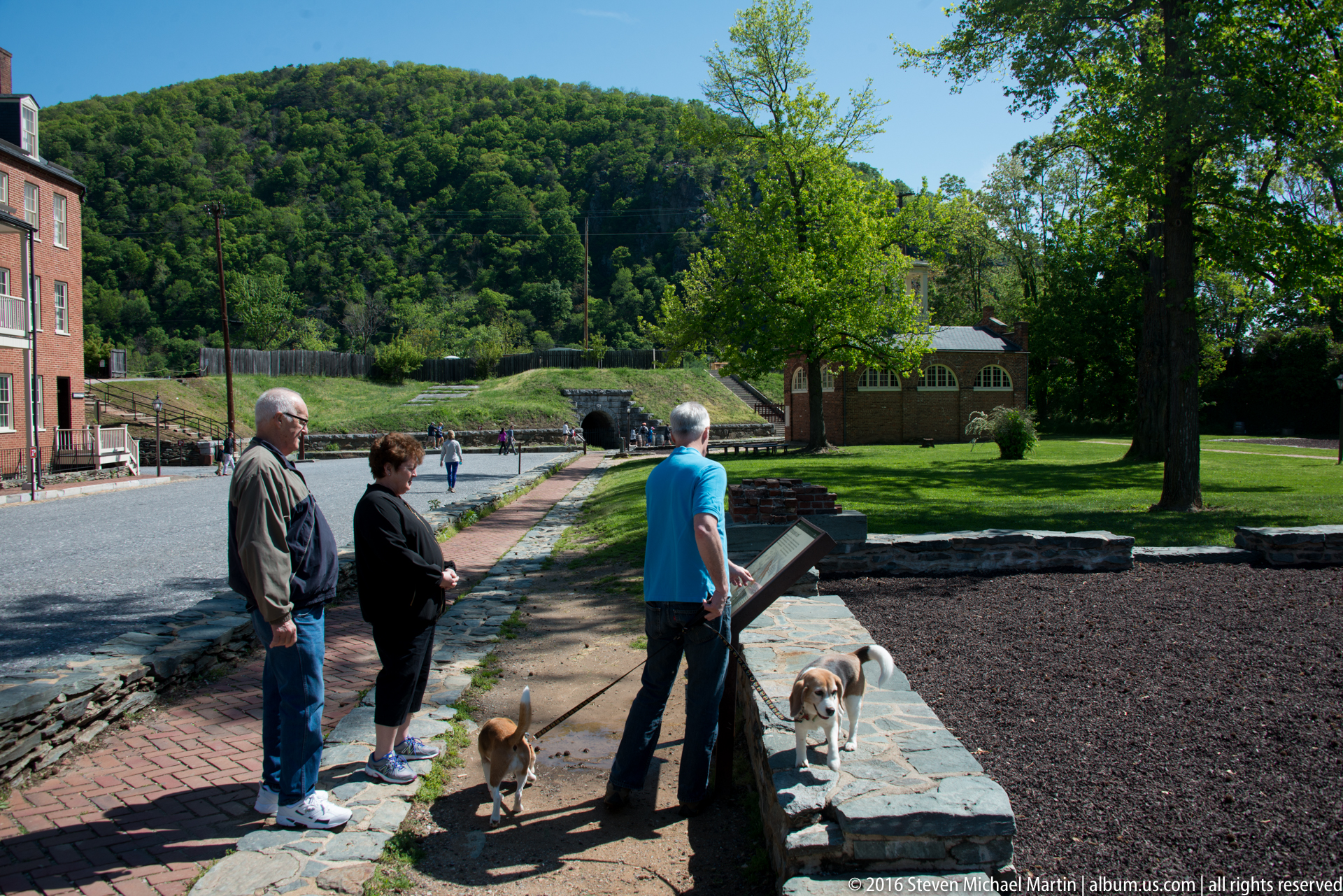
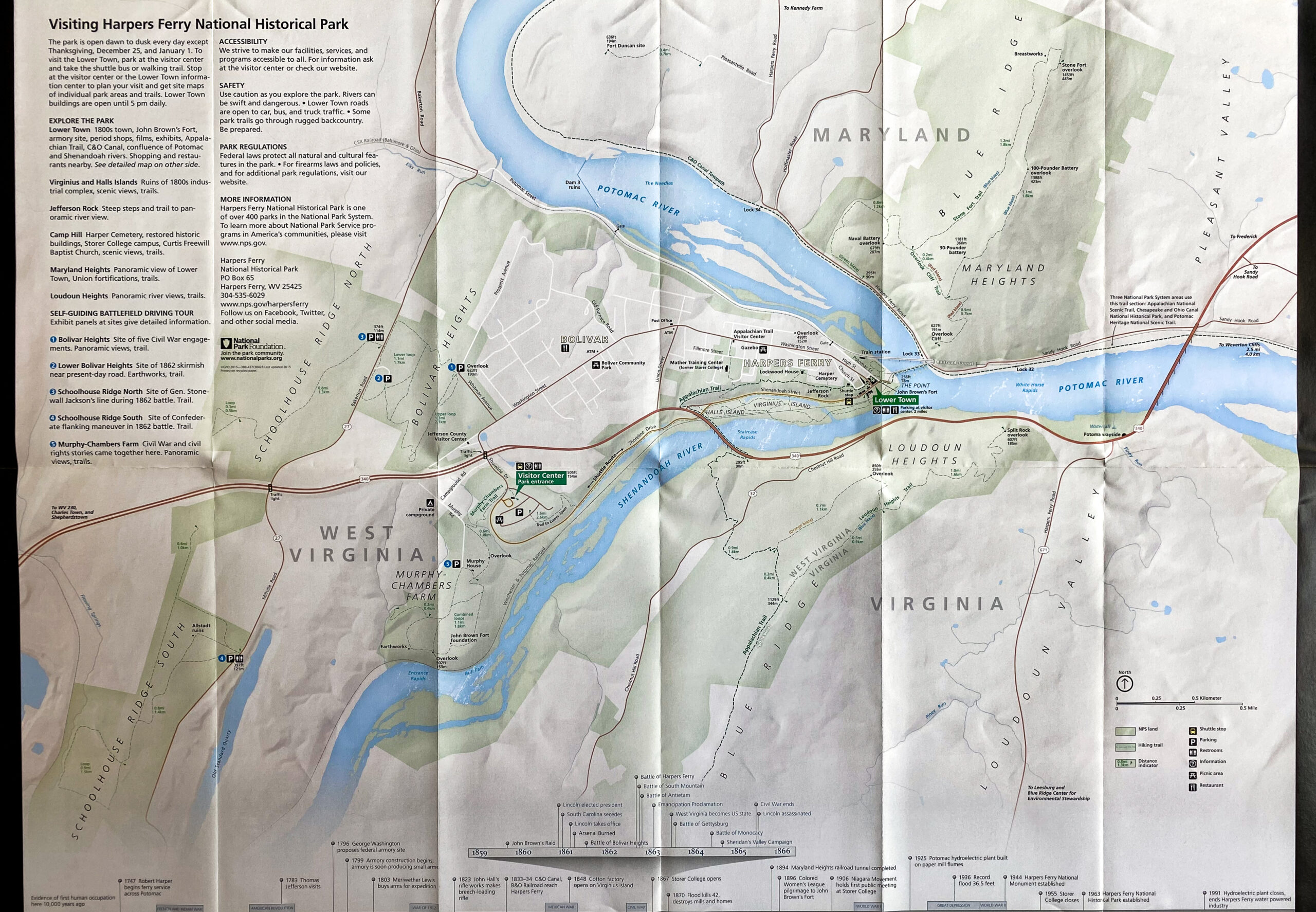
Harpers Ferry National Historical Park preserves the historic town and surrounding landscape at the confluence of the Potomac and Shenandoah Rivers, where transportation routes, industry, and political conflict intersected during the eighteenth and nineteenth centuries. The site developed as an important manufacturing center when the federal government established an armory and arsenal that produced firearms for the United States. Its location at the junction of major rivers contributed to its importance as a transportation hub connecting eastern cities with the interior of the Appalachian region.
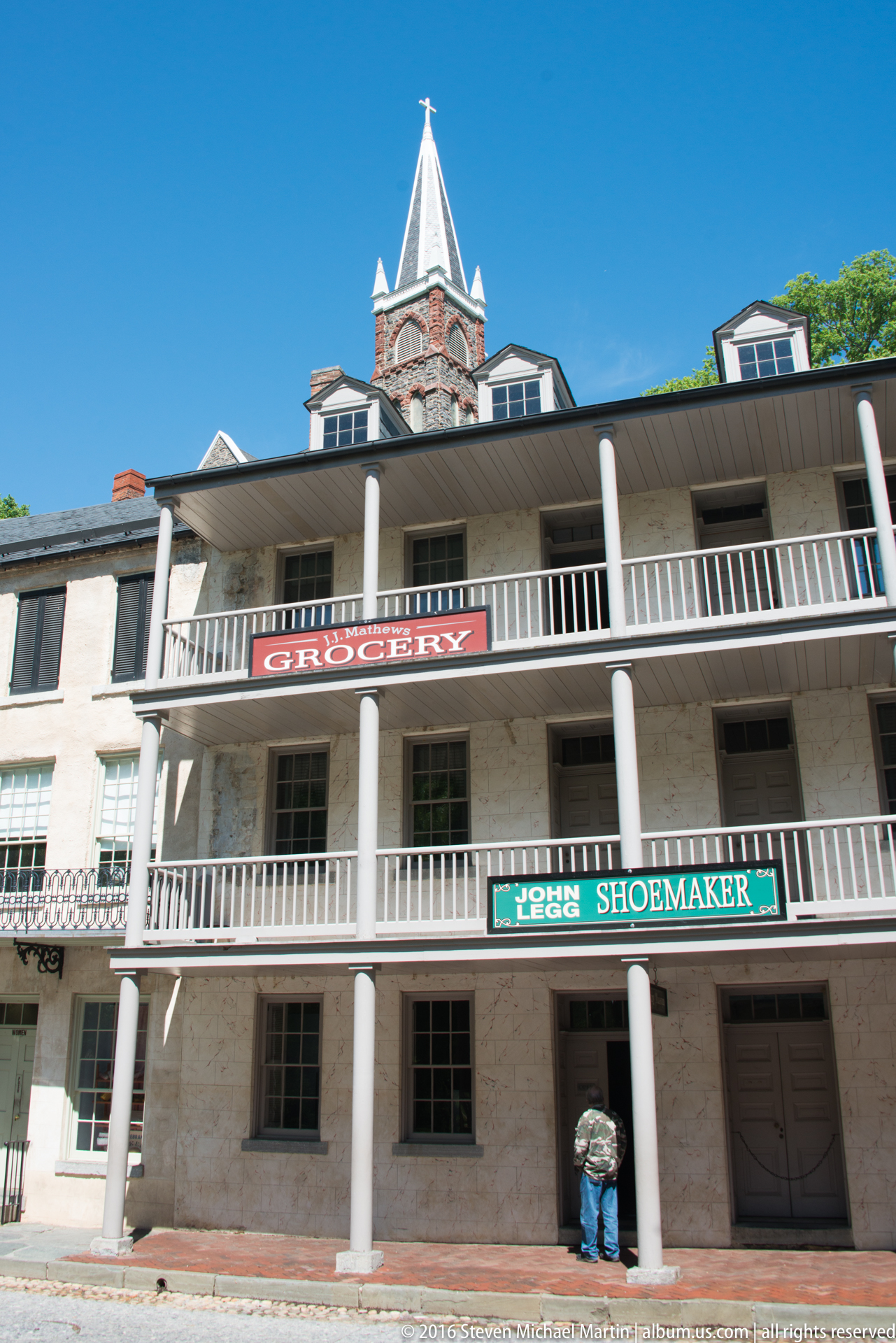
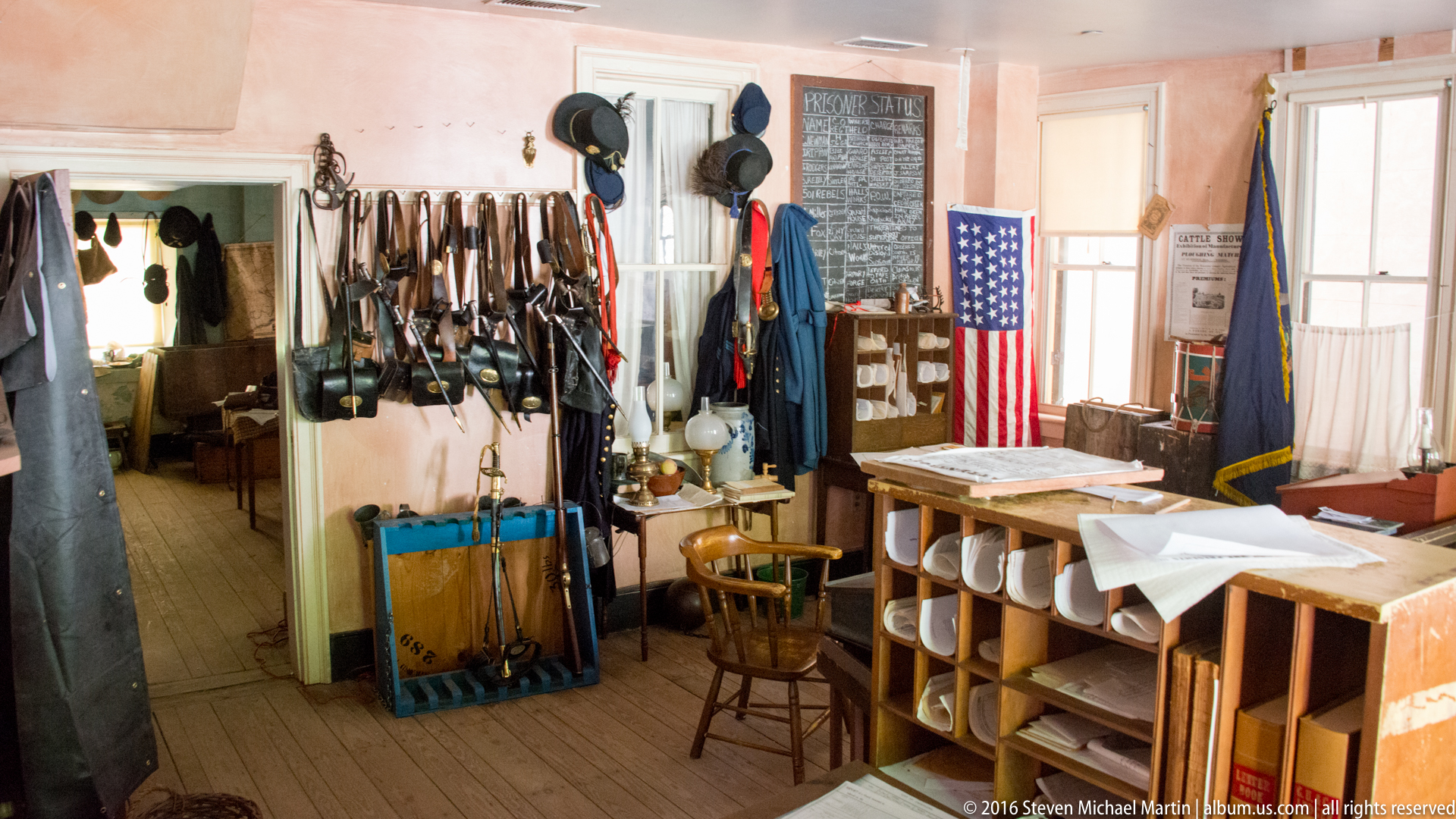
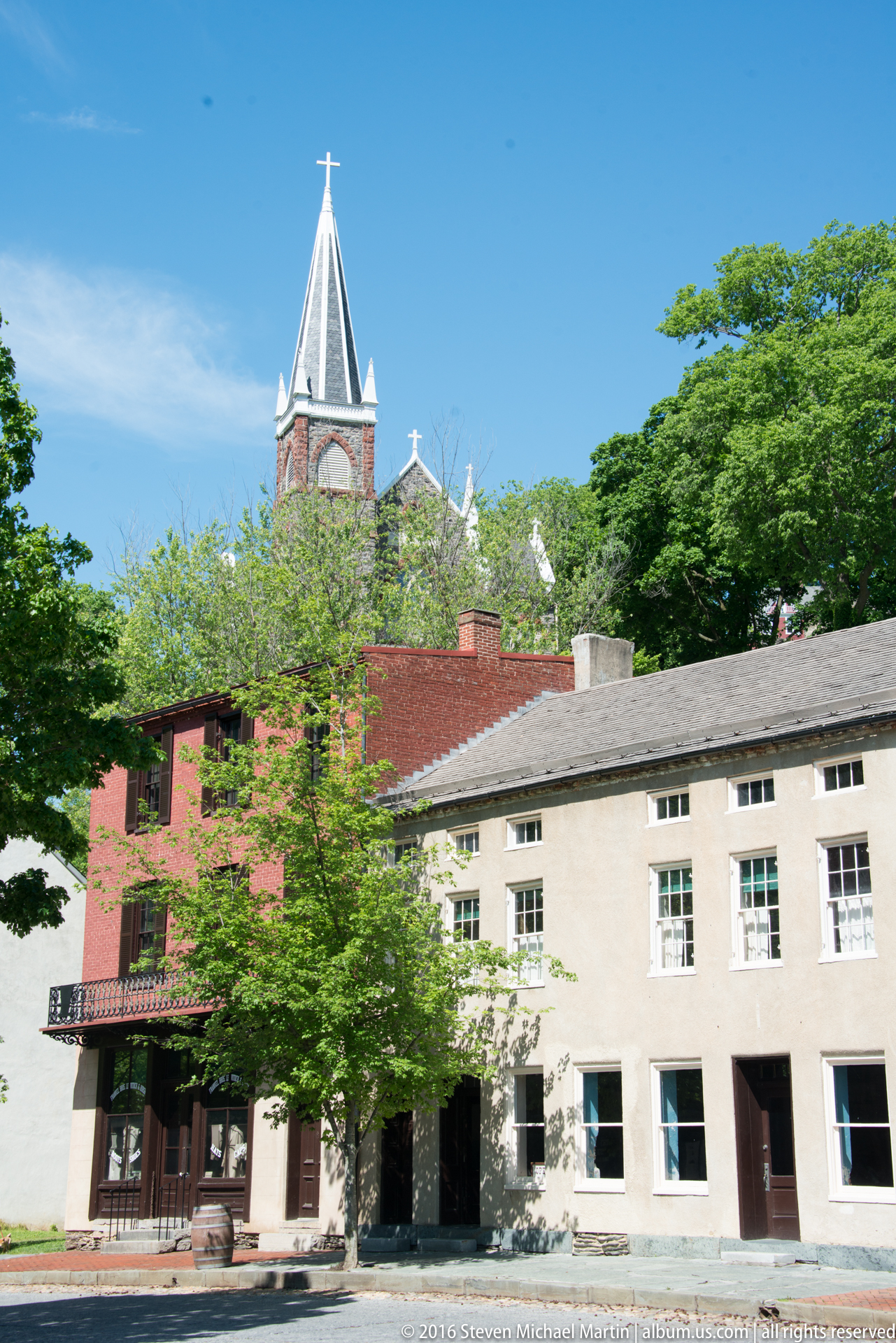
The town became nationally significant in 1859 when John Brown’s raid on the armory intensified tensions that contributed to the outbreak of the Civil War. During the conflict, control of Harpers Ferry was contested due to its strategic position along rail lines and river corridors. The preserved buildings and landscape illustrate how industrial communities were shaped by both technological development and military conflict during the nineteenth century.
Harpers Ferry contributes to understanding how geography influenced both industrial growth and political transformation in the United States. The preserved landscape illustrates the interaction between transportation networks, manufacturing, and social change during the period leading to the Civil War. The site remains an important setting for interpreting the relationship between landscape and historical development in the Appalachian region.