
Fort Scott National Historic Site
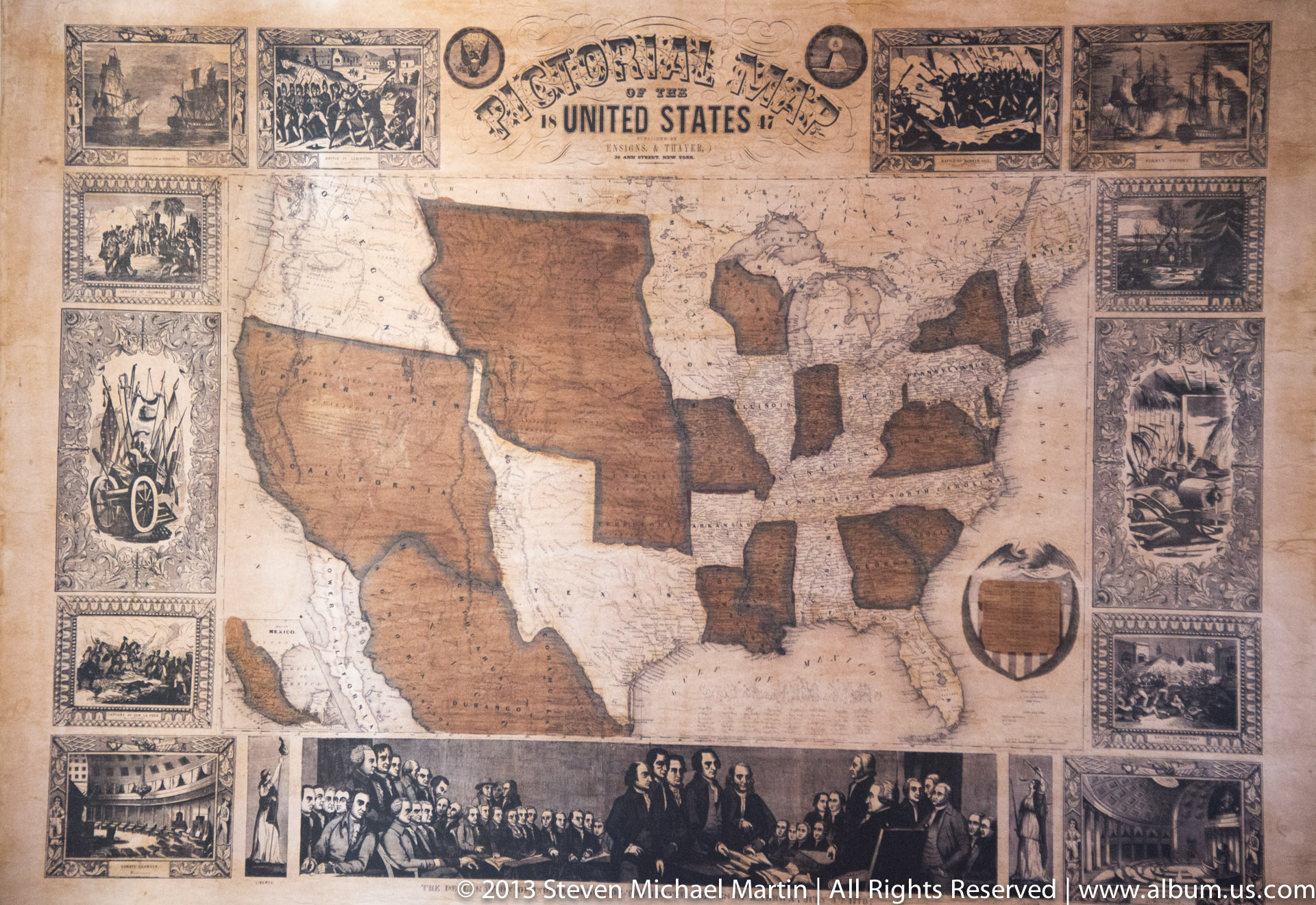
Fort Scott National Historic Site preserves structures associated with frontier military presence during nineteenth-century westward expansion. The fort supported transportation and communication networks connecting eastern and western regions of the United States.
Military installations provided security for routes used by settlers traveling across expanding territories. The fort illustrates how infrastructure supported migration and settlement patterns across the interior of North America.
Today, Fort Scott demonstrates how military installations influenced development of transportation corridors and settlement patterns during westward expansion.






National Historic Site Field Guide
Fort Scott National Historic Site preserves structures associated with military infrastructure supporting westward expansion. The site illustrates how transportation routes influenced settlement patterns.
🏛 Key Significance
- Frontier military installation supporting travel routes
- Infrastructure connected to westward migration
- Settlement influenced by transportation corridors
- Preserved historic structures illustrating military presence
- Role of forts in territorial development
📖 Historical Context
Military installations provided support for transportation networks connecting eastern and western regions. Infrastructure development influenced patterns of migration.
📷 Photography Notes
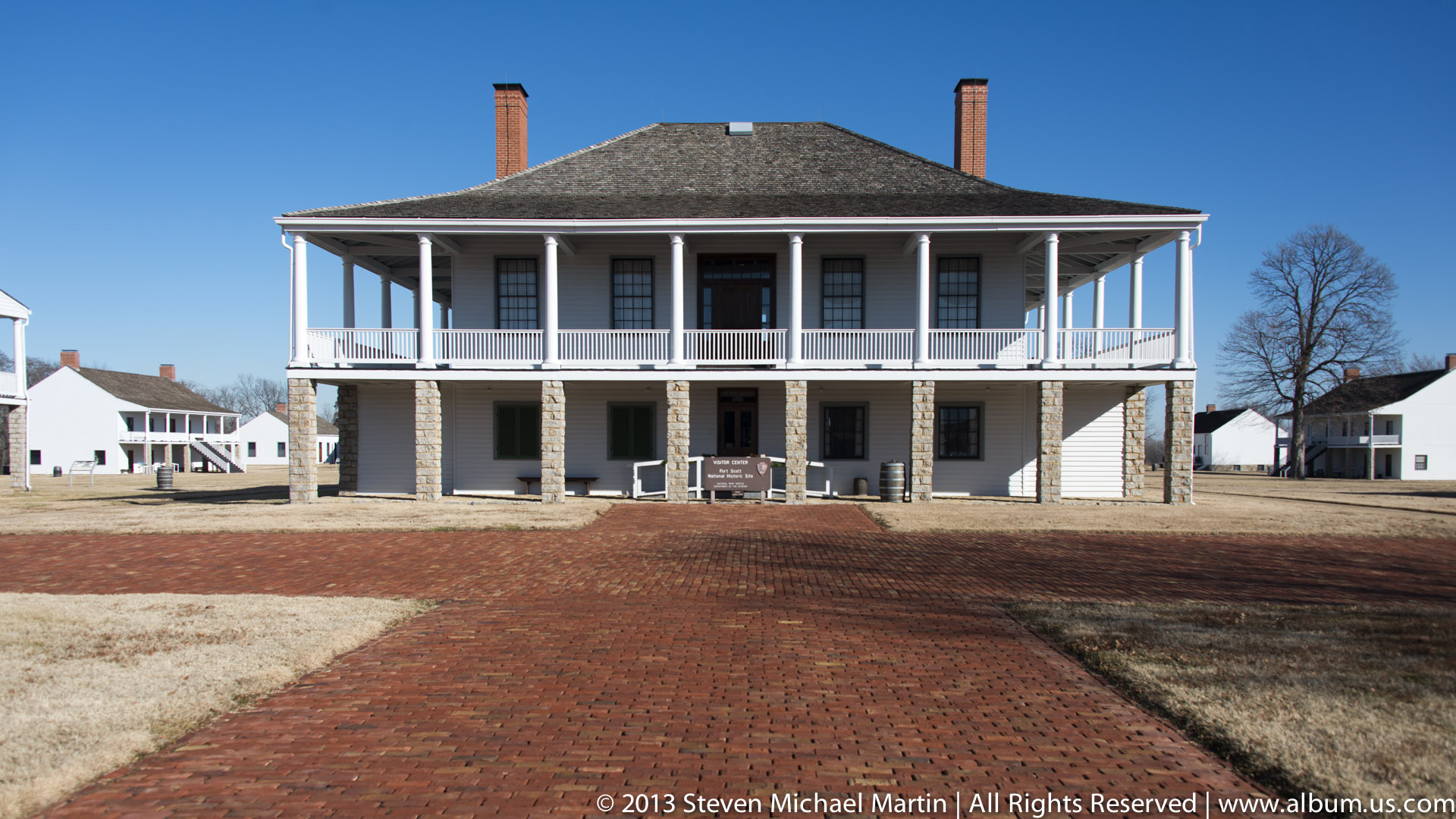
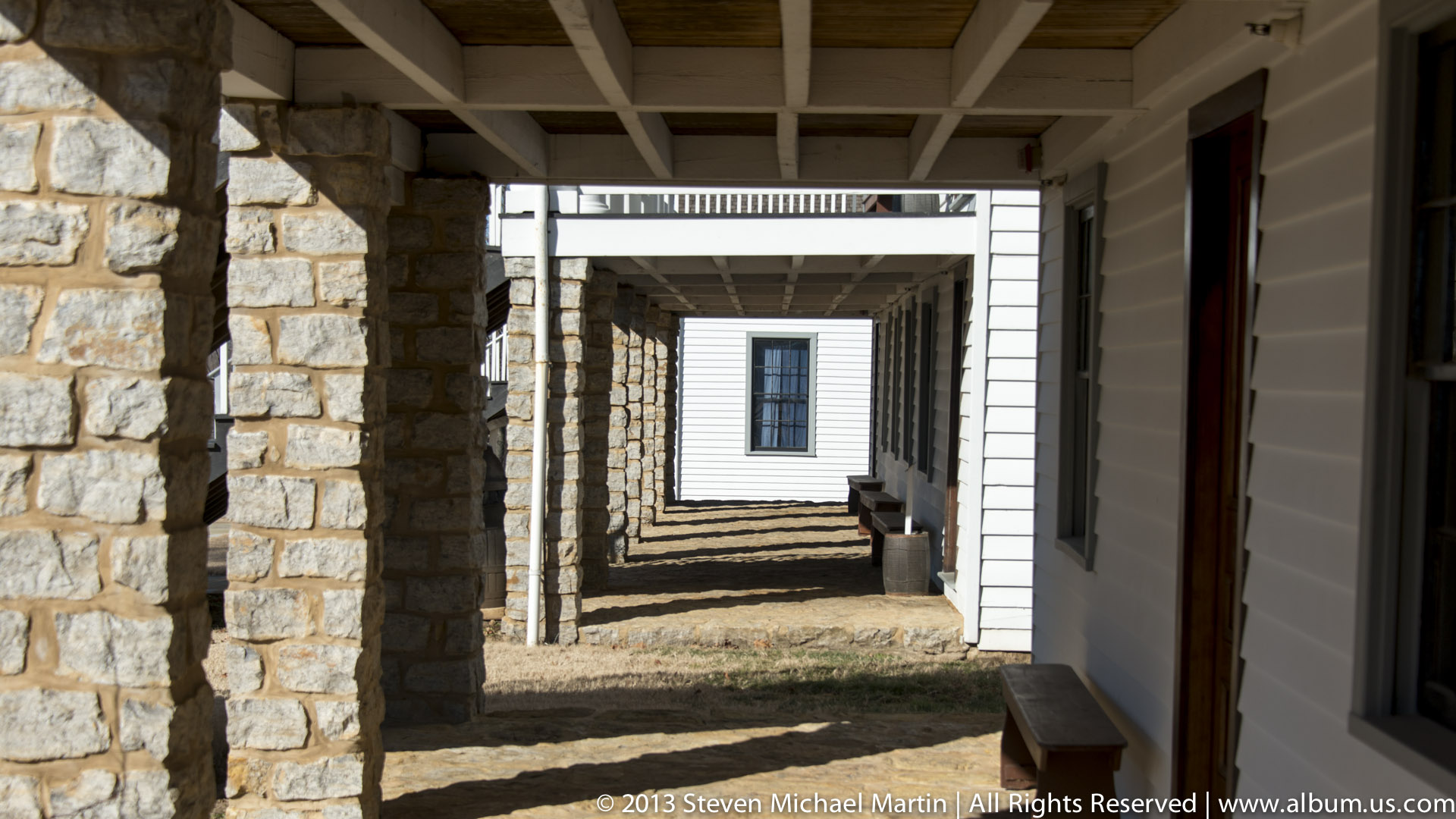
- Architectural symmetry creates strong compositions
- Wide views show fort layout
- Look for alignment of buildings and walkways
- Morning light enhances structural detail