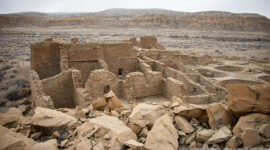
Pipestone National Monument
Pipestone National Monument preserves quarries where Indigenous communities extracted red pipestone used to create ceremonial pipes. The soft stone can be carved into detailed forms and holds cultural significance across multiple tribal traditions. Quarrying practices demonstrate continuity of cultural traditions connected to natural resources.
The stone forms within sedimentary layers that contrast with surrounding harder rock formations. Extraction required careful removal of overlying material to access the pipestone layer. The site illustrates how geological resources influenced artistic and ceremonial practices.
Today, Pipestone National Monument preserves both geological formations and cultural traditions associated with the use of natural materials. The site demonstrates connections between landscape and cultural identity.




National Monument Field Guide
Pipestone National Monument preserves quarry sites where red stone was extracted for ceremonial objects. The monument illustrates connections between geological resources and cultural traditions.
🪨 Key Significance
- Red pipestone used for ceremonial carving
- Quarrying traditions maintained across generations
- Geological layer suitable for carving
- Relationship between landscape and cultural practices
- Continuity of Indigenous traditions
📖 Interpretive Context
Pipestone forms within sedimentary rock layers that allow carving of ceremonial objects. Quarrying practices demonstrate long-term cultural connections to natural materials.
📷 Photography Notes
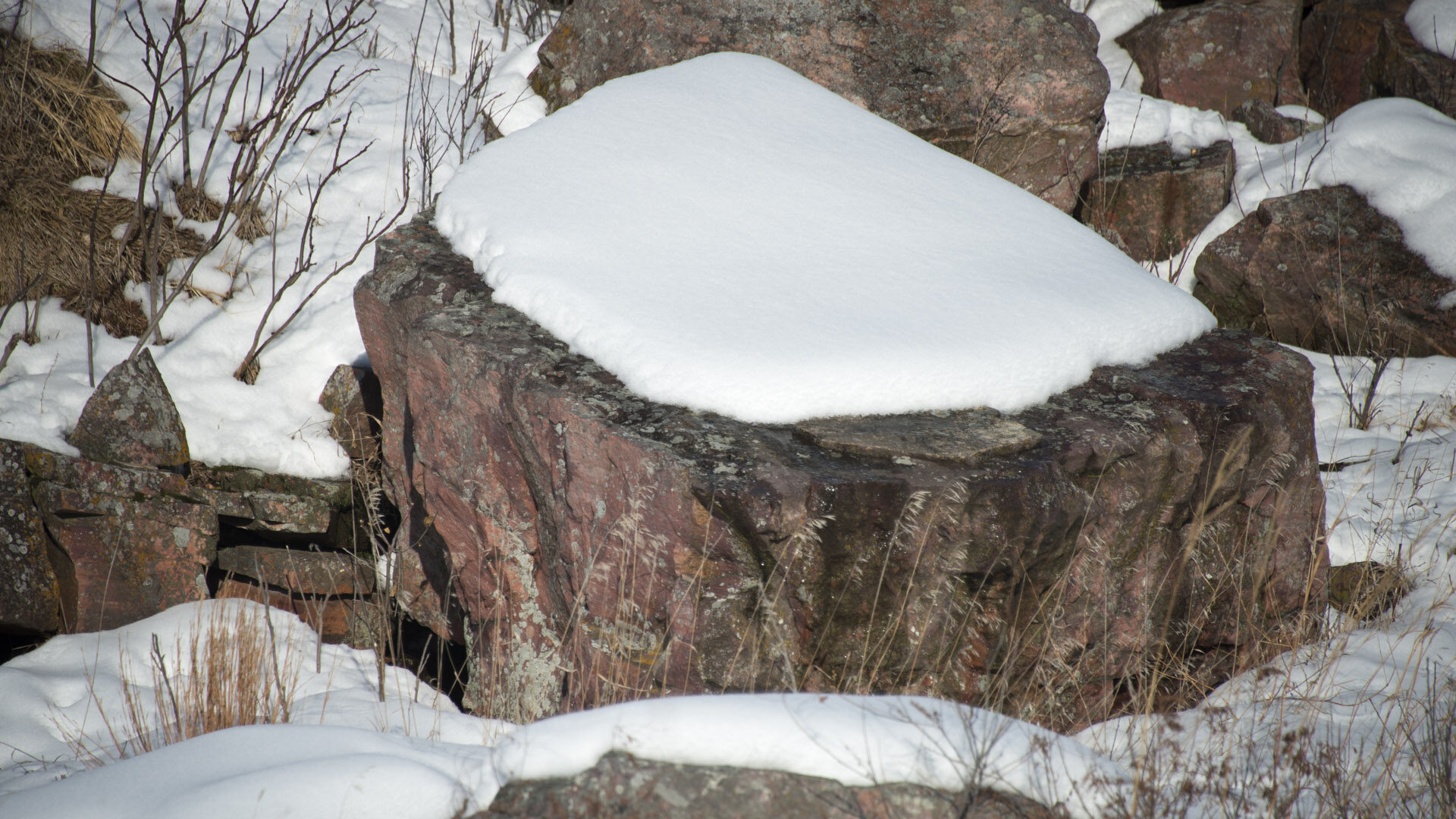
- Contrast between red stone and prairie landscape
- Textures emphasize carved surfaces
- Wide views show quarry setting
- Look for detail in stone patterns