Death Valley National Park
Death Valley National Park preserves basin landscapes formed through tectonic extension that created valleys between mountain ranges in the Basin and Range province. Faulting lowered sections of the earth’s crust, producing basins that collect sediment transported from surrounding mountains. The park contains some of the lowest elevations in North America.
Limited precipitation and high temperatures influence erosion patterns and soil composition across the valley floor. Salt flats form where water evaporates, leaving mineral deposits behind. The landscape illustrates how climate conditions interact with geological structure to shape desert environments.
Today, Death Valley demonstrates how tectonic forces and climate influence landform development across arid regions. The exposed terrain illustrates environmental conditions that differ significantly from higher elevation ecosystems nearby.




National Park Field Guide
Death Valley National Park protects desert basin landscapes formed through tectonic faulting that lowered portions of the earth’s crust between mountain ranges. Limited precipitation and high evaporation rates create salt flats and dry lake beds. The park illustrates how geological and climatic conditions interact across arid environments.
🧭 Key Features
- Below sea level basin formed through tectonic extension
- Salt flats created by evaporation of mineral-rich water
- Alluvial fans formed by sediment transport from mountains
- Extreme desert climate conditions
- Basin and Range geological structure
🌄 Landscape Highlights
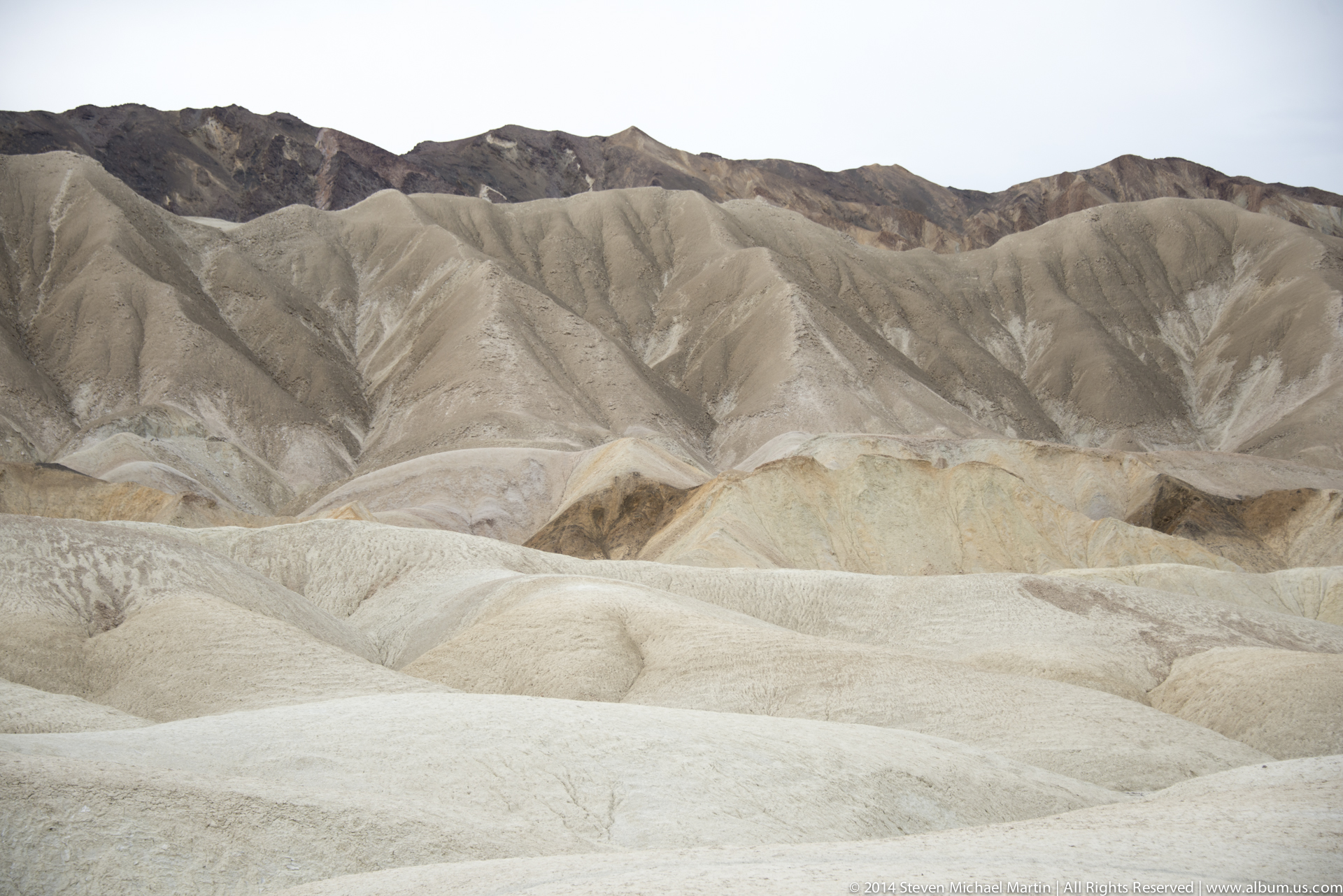
Broad valley floors contrast with surrounding mountain ranges created through fault movement. Evaporation leaves mineral deposits that form salt crust patterns. Elevation differences influence temperature variation across the landscape.
🌎 Natural Systems
Tectonic forces stretched the earth’s crust, creating alternating basins and ranges. Sediments eroded from mountains accumulate on valley floors. Evaporation concentrates mineral deposits that form distinctive surface textures.
📷 Photography Notes
- Wide compositions emphasize scale of valley
- Salt patterns create visual texture
- Low-angle light highlights terrain contours
- Mountain silhouettes frame basin landscapes
- Clear air enhances distant visibility
🌱 Conservation Context
Death Valley preserves desert ecosystems shaped by tectonic and climatic processes. Protection of basin environments allows continued observation of geological conditions influencing arid landscapes.