American Samoa NP — Ofu Island Snorkeling in Va’oto
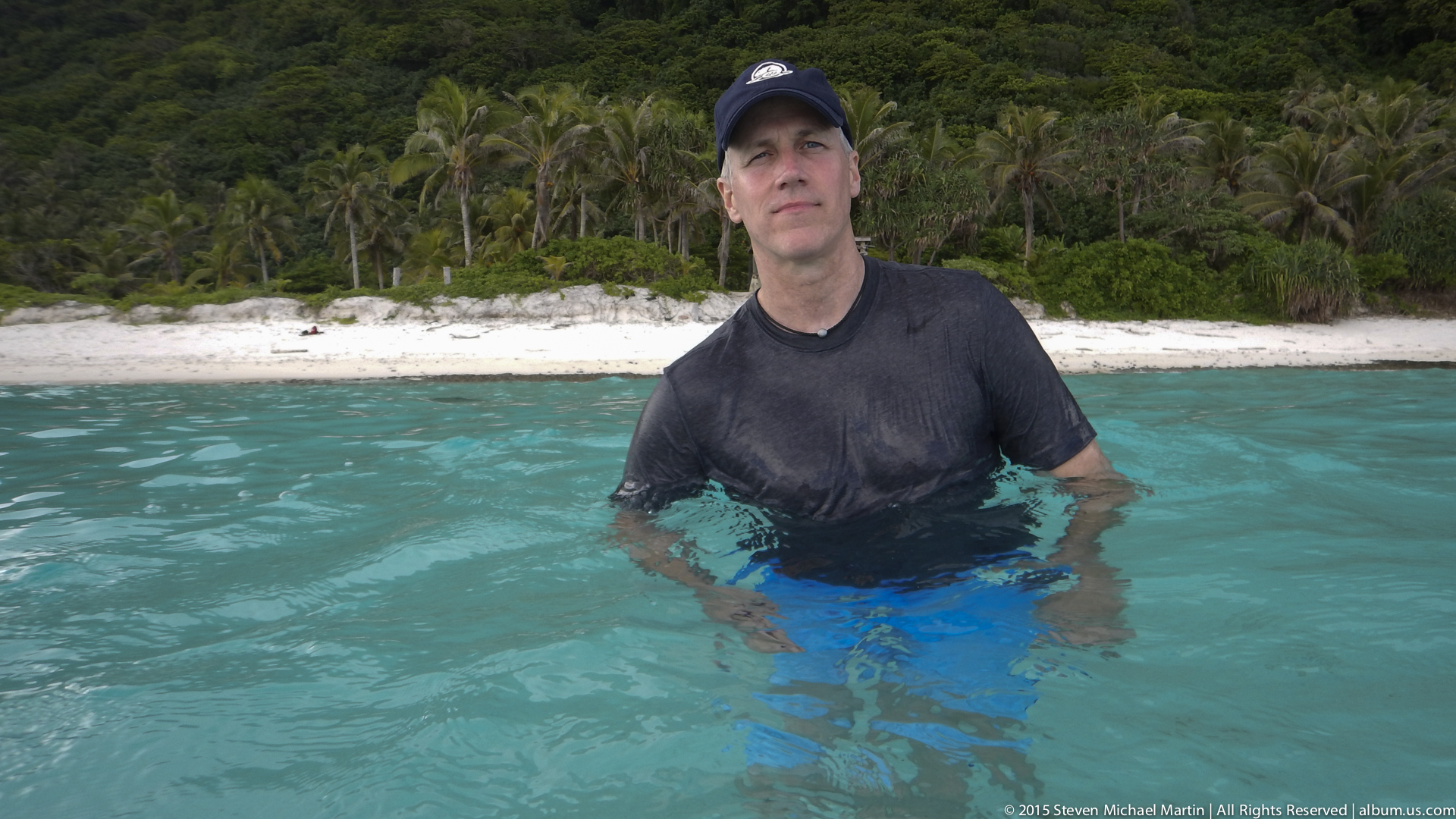
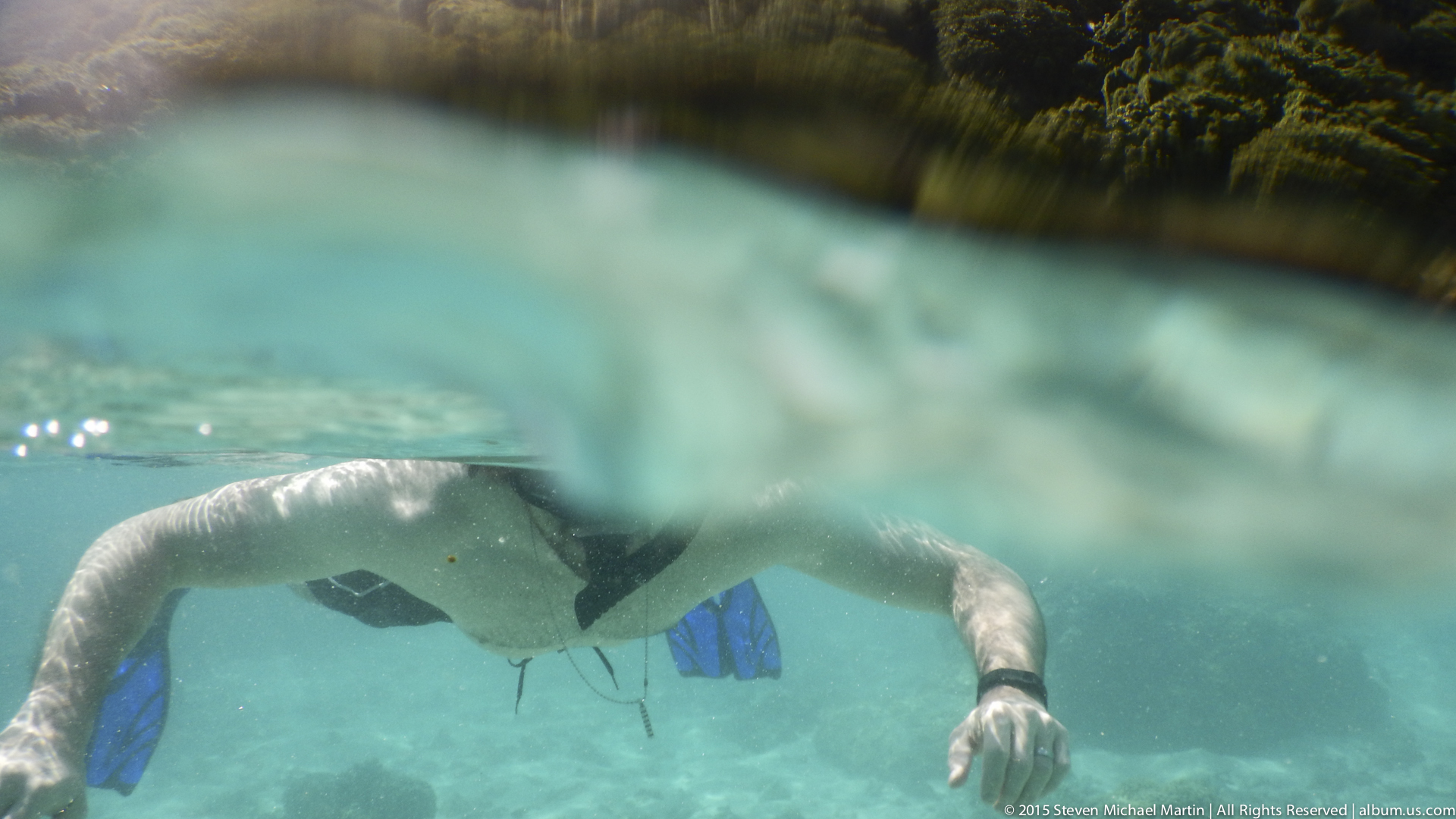
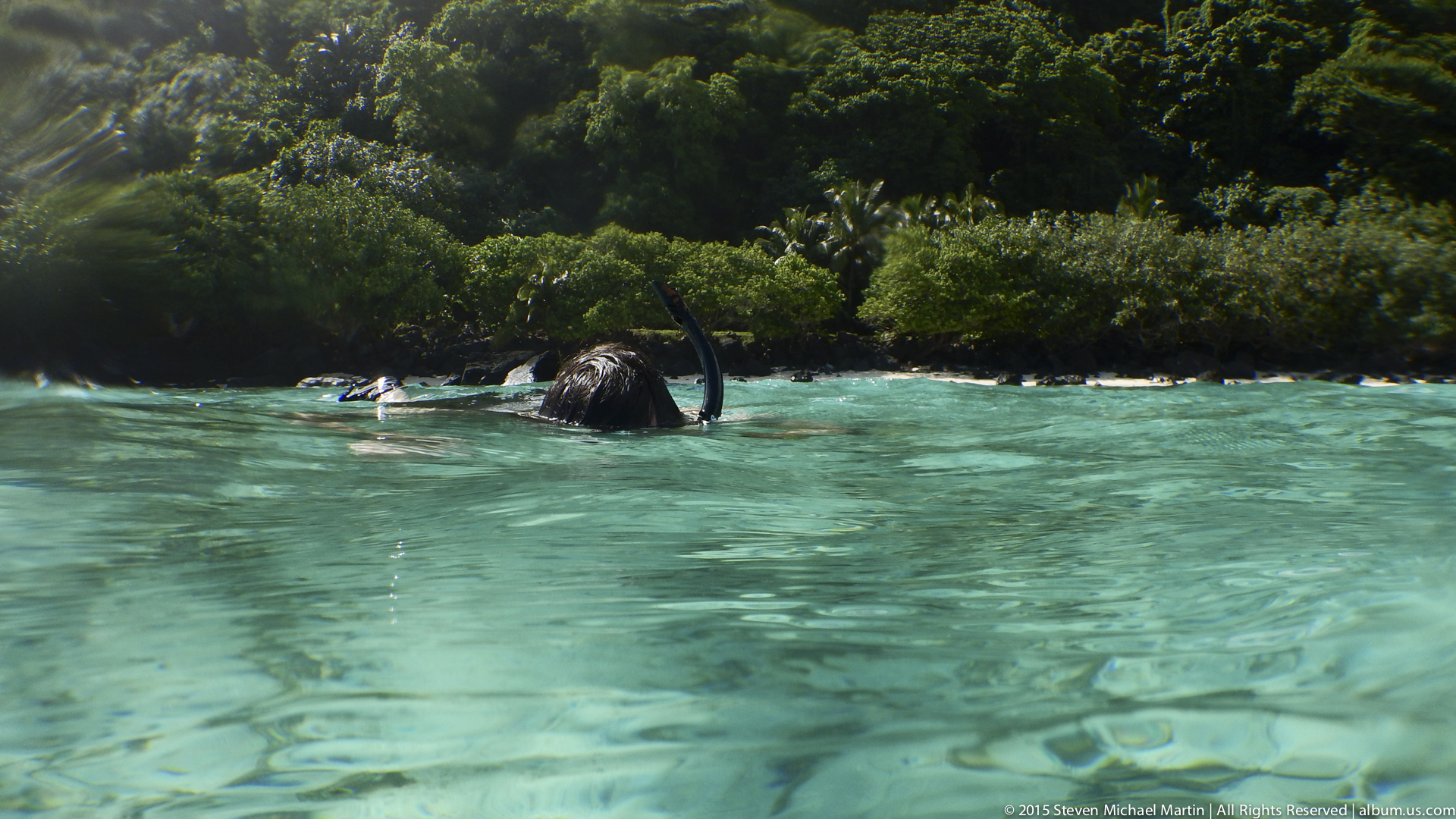
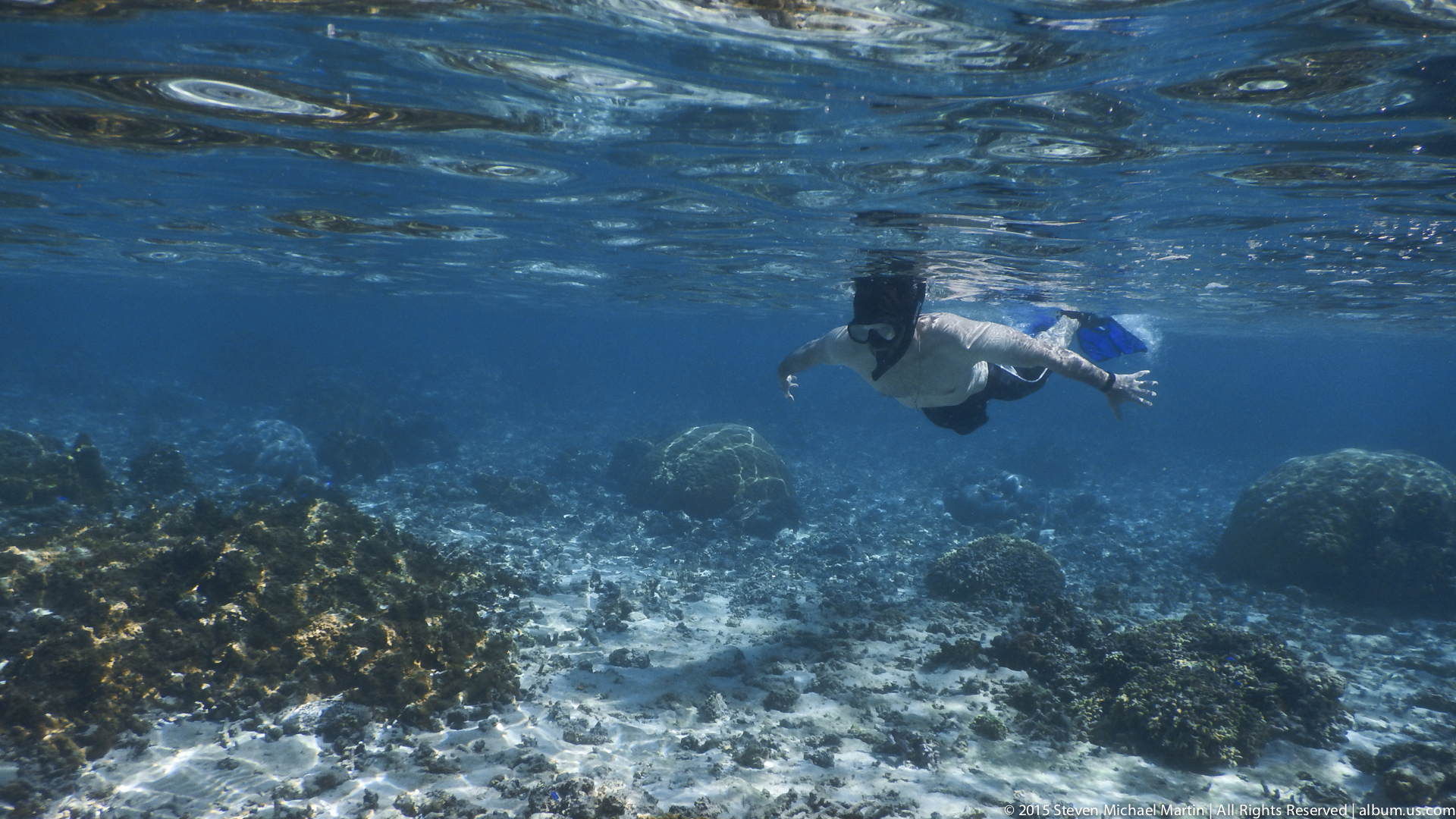
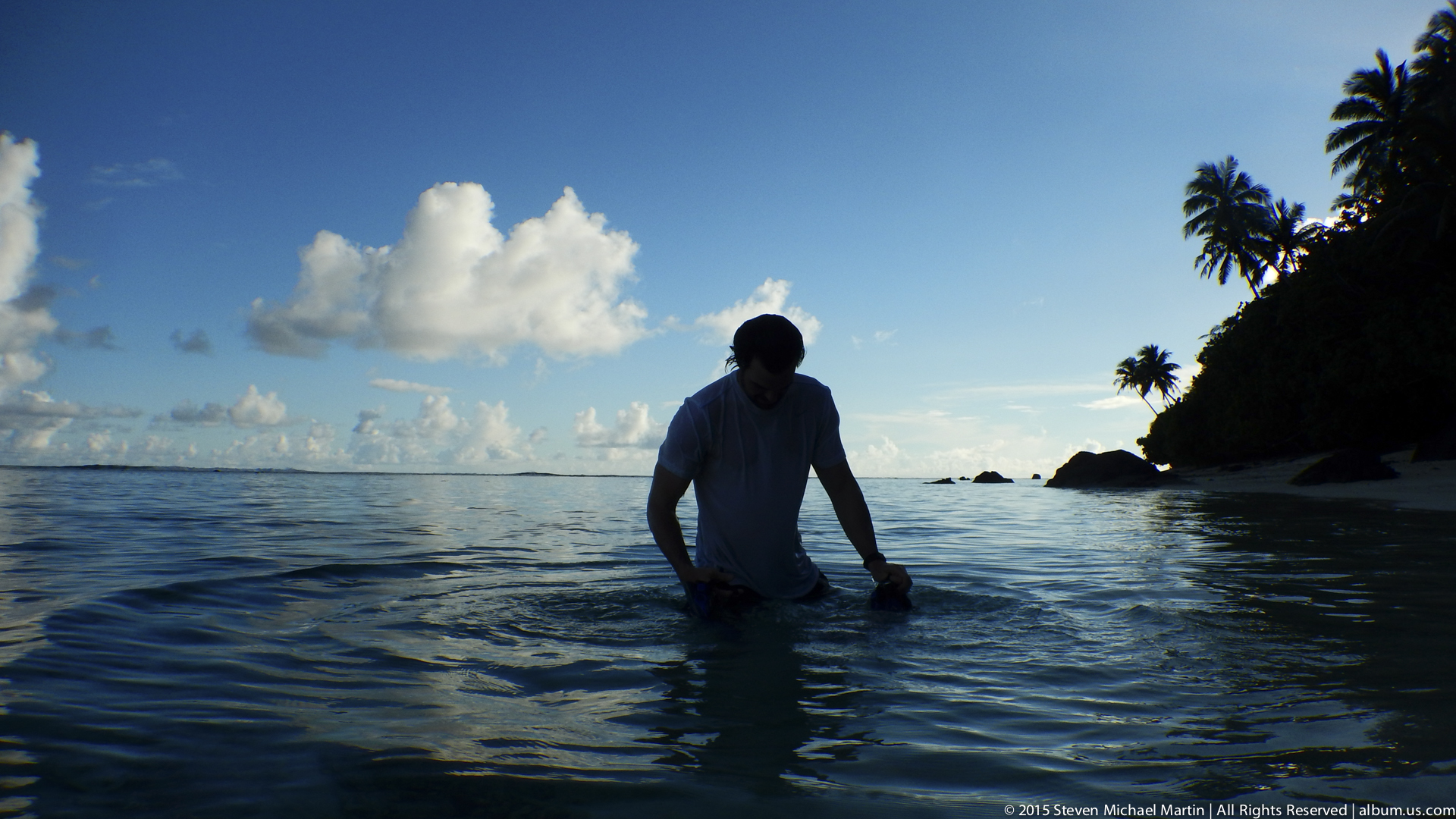
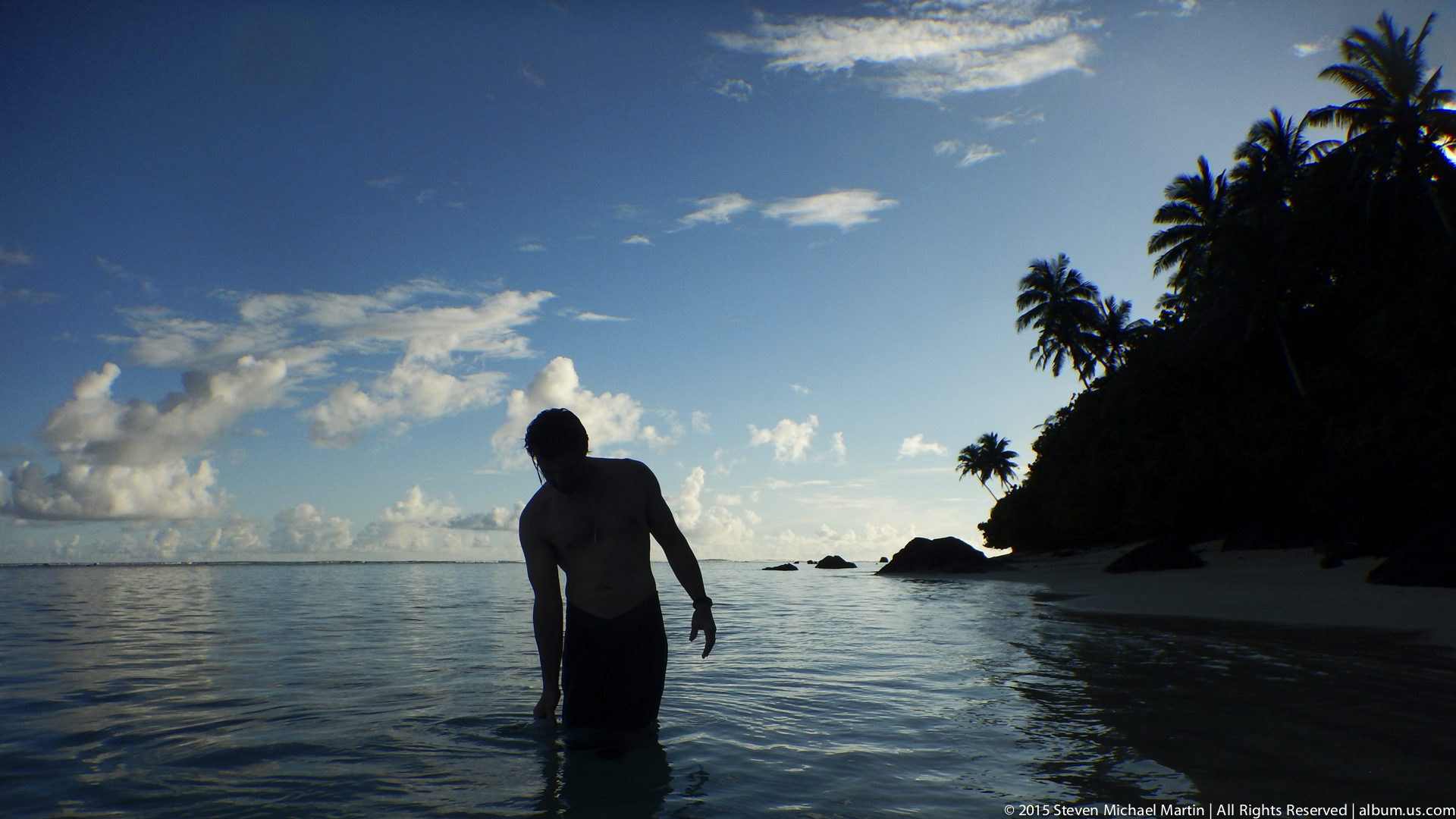
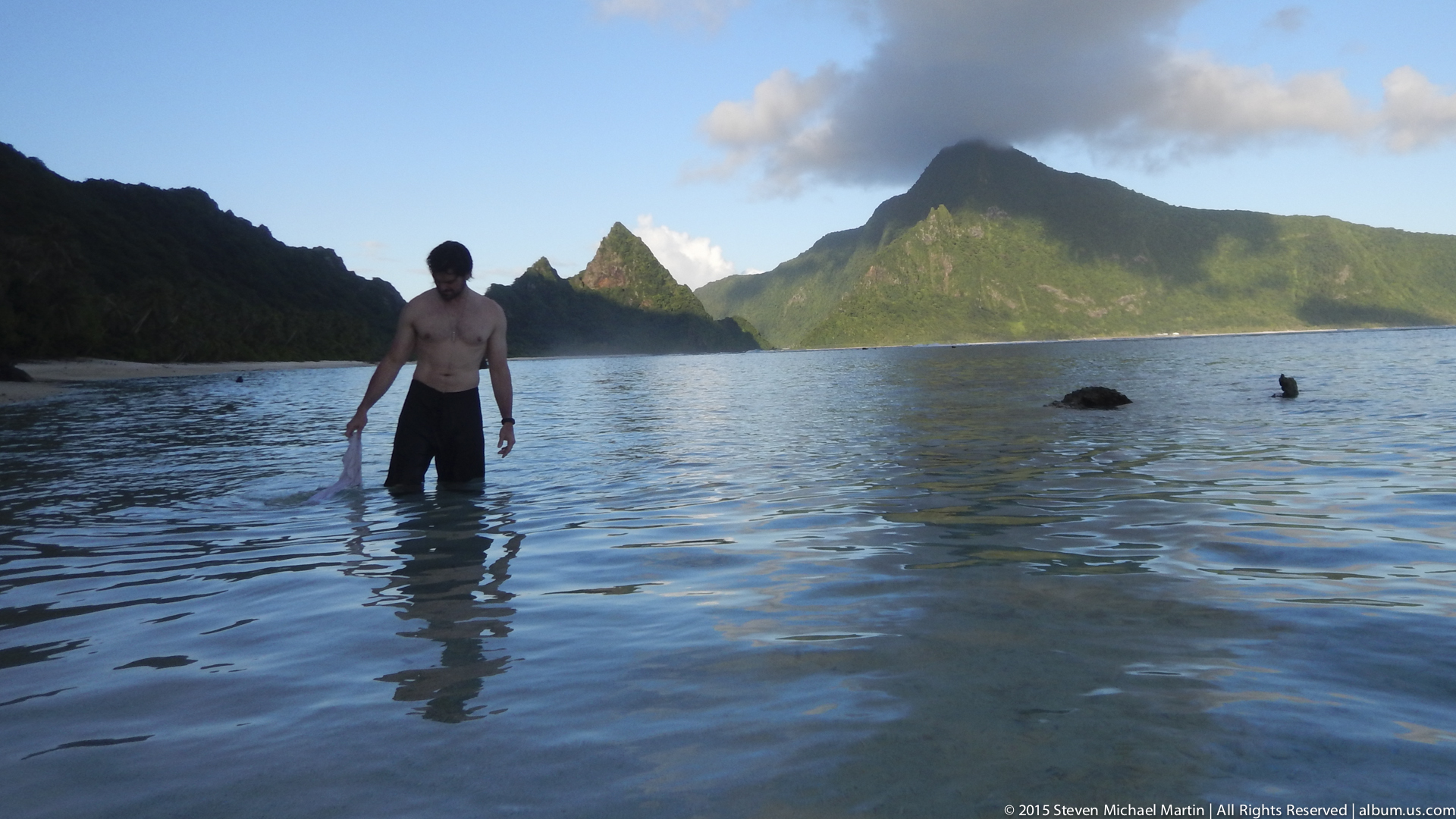
Reaching Va’oto felt like traveling to the edge of the world. Getting here required multiple flights across the Pacific and then a small local fishing boat ride between islands, a journey that seemed to grow quieter and more remote with every mile. By the time we stepped into the warm lagoon waters, it felt as though we had arrived somewhere rarely visited — a place that still belonged almost entirely to nature.
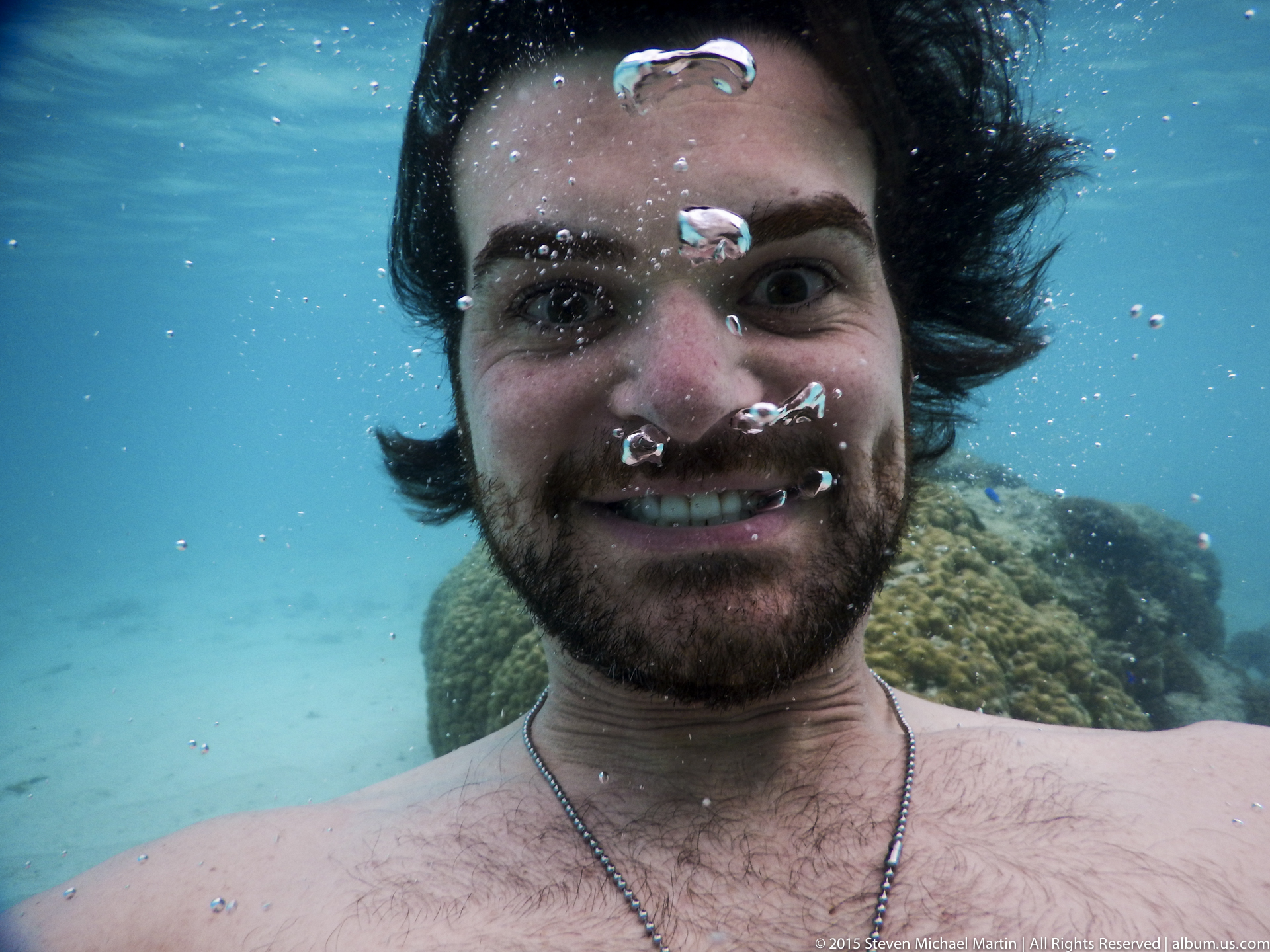
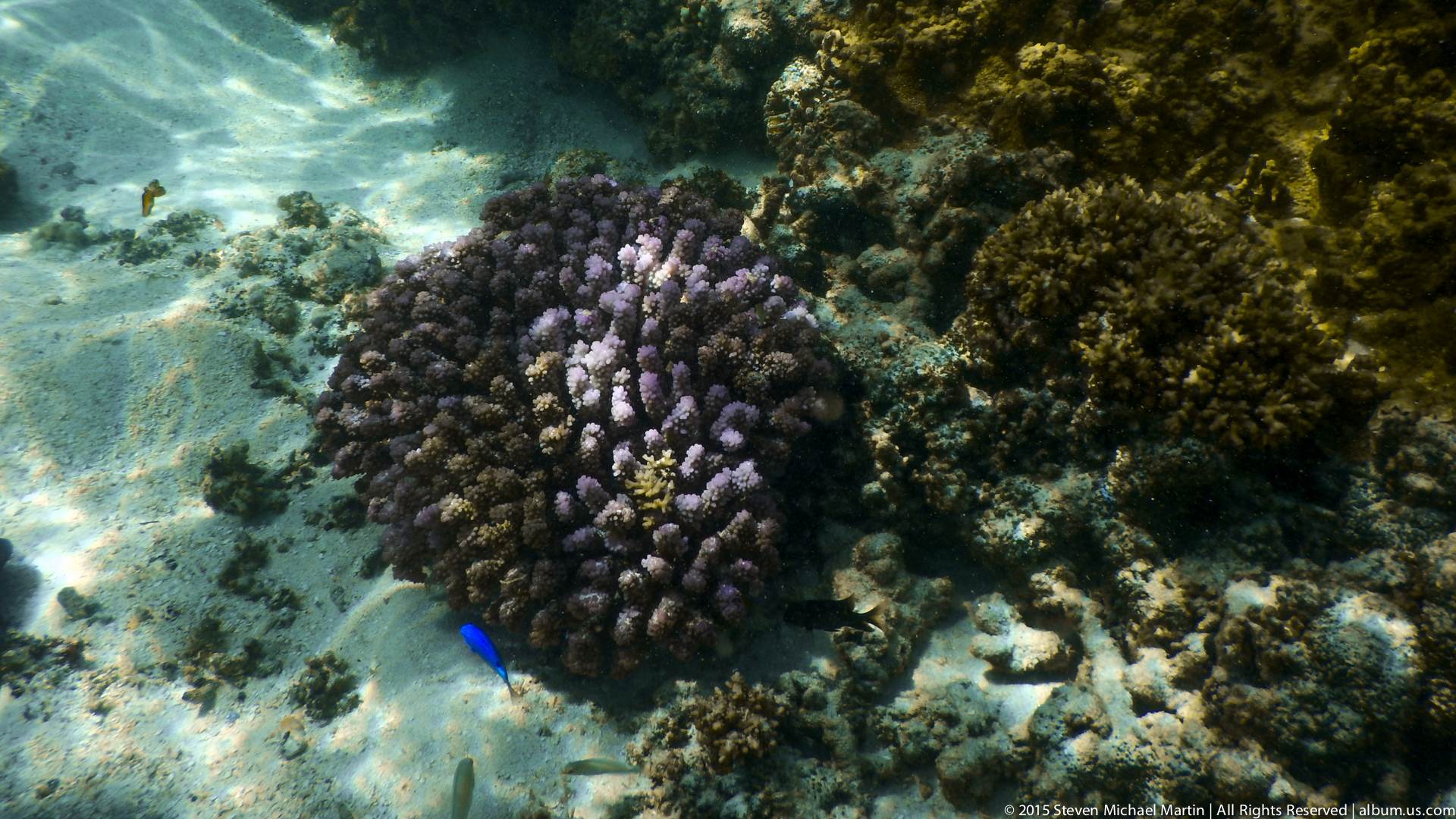
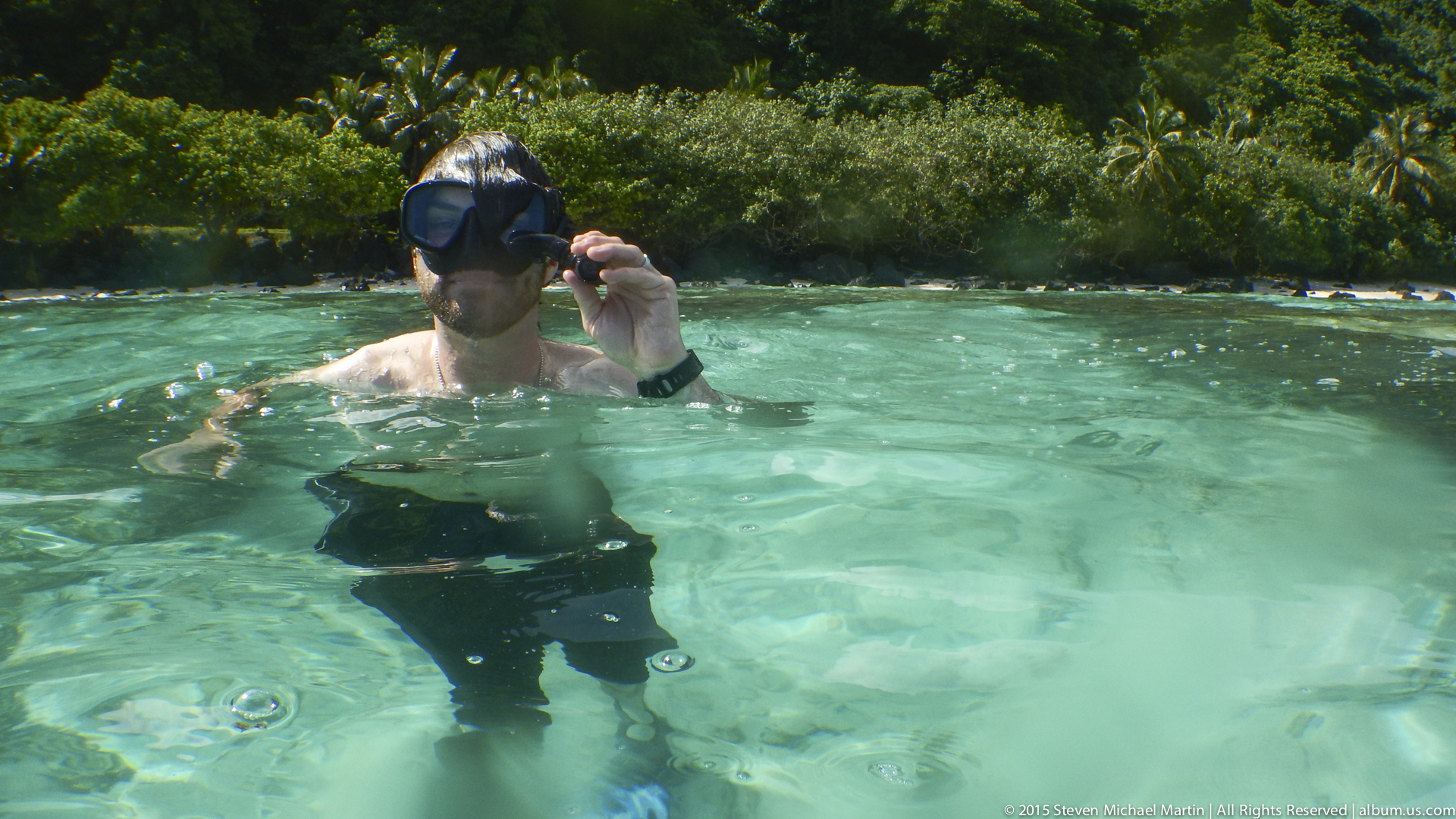
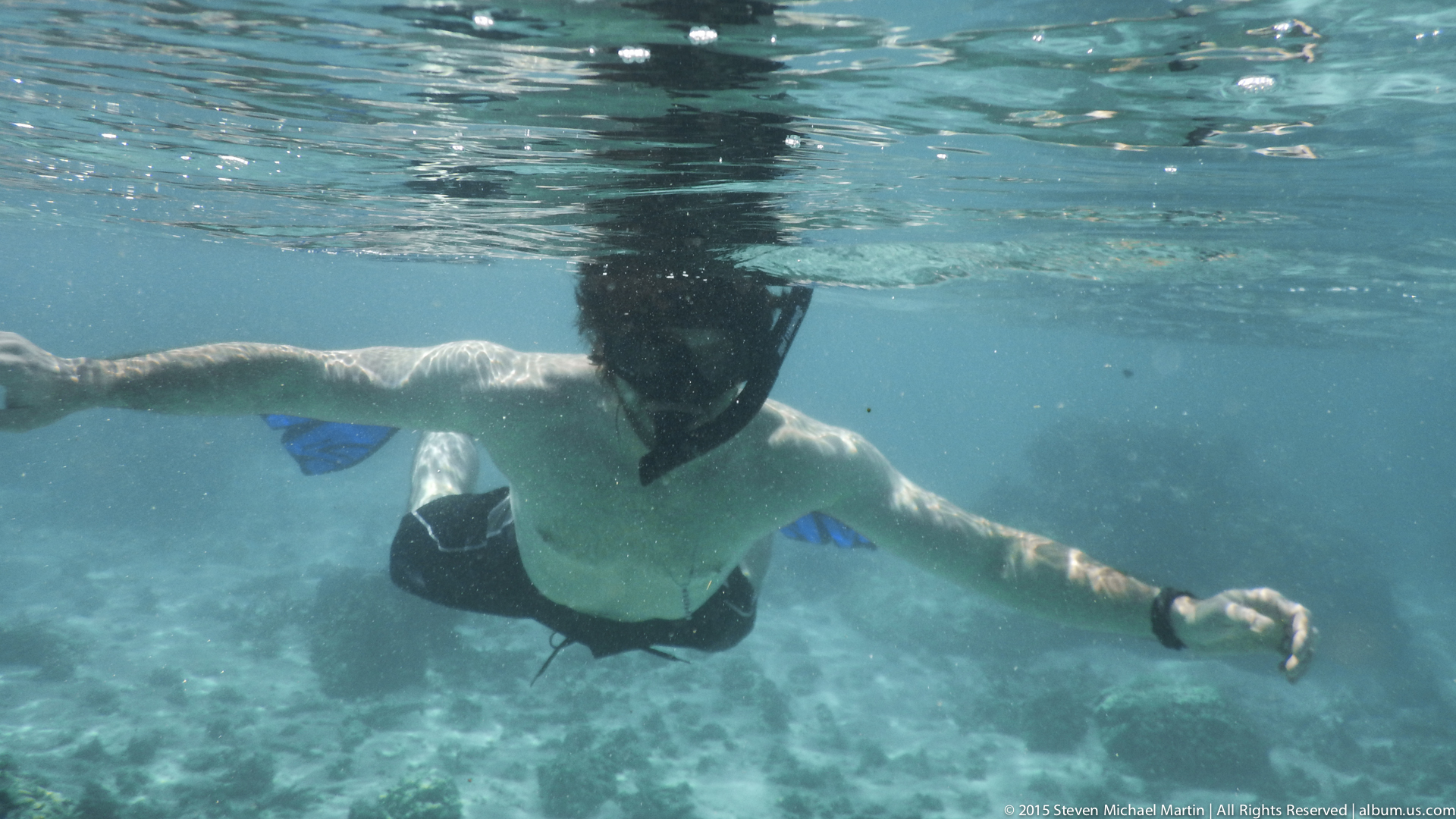
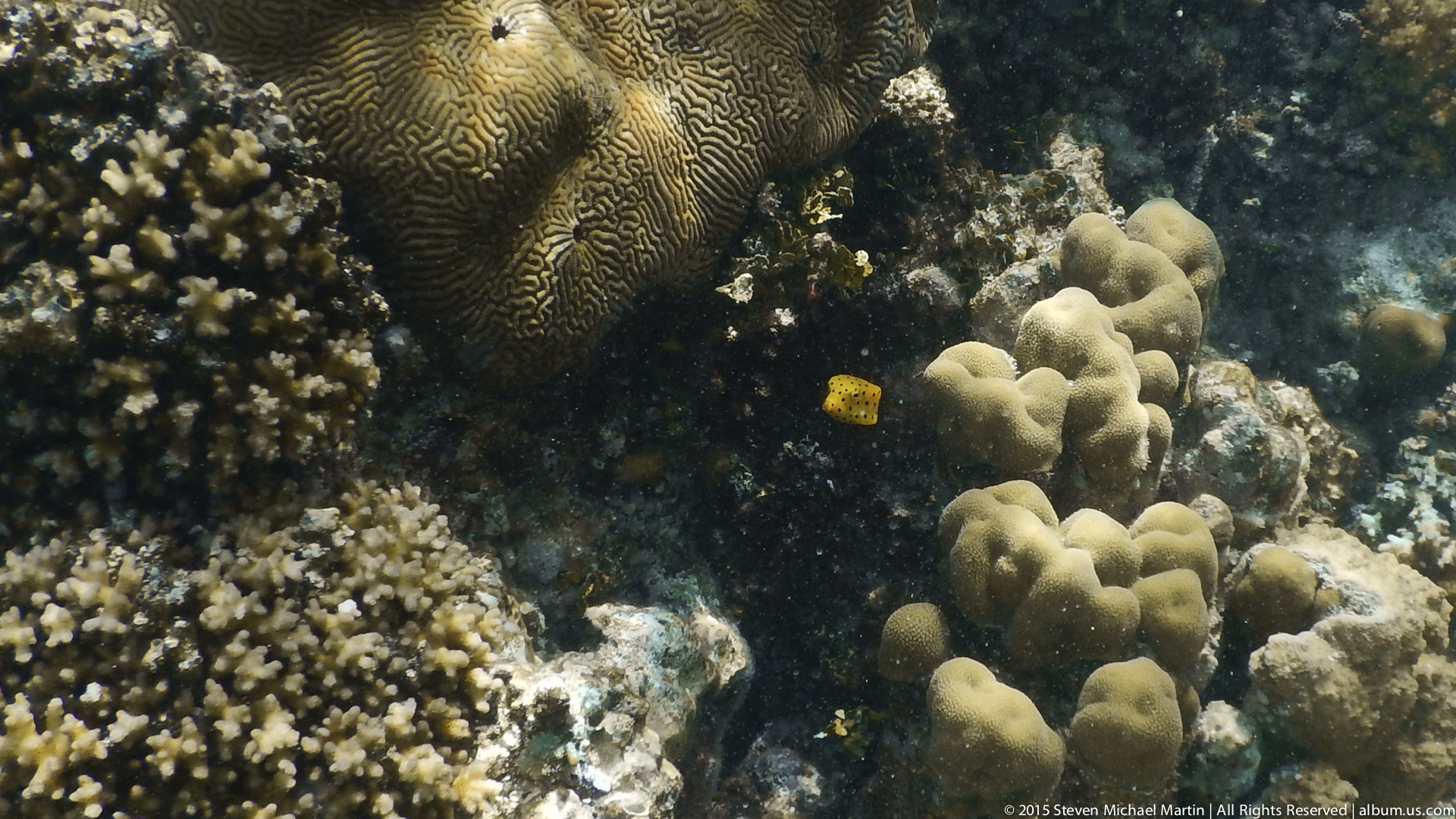
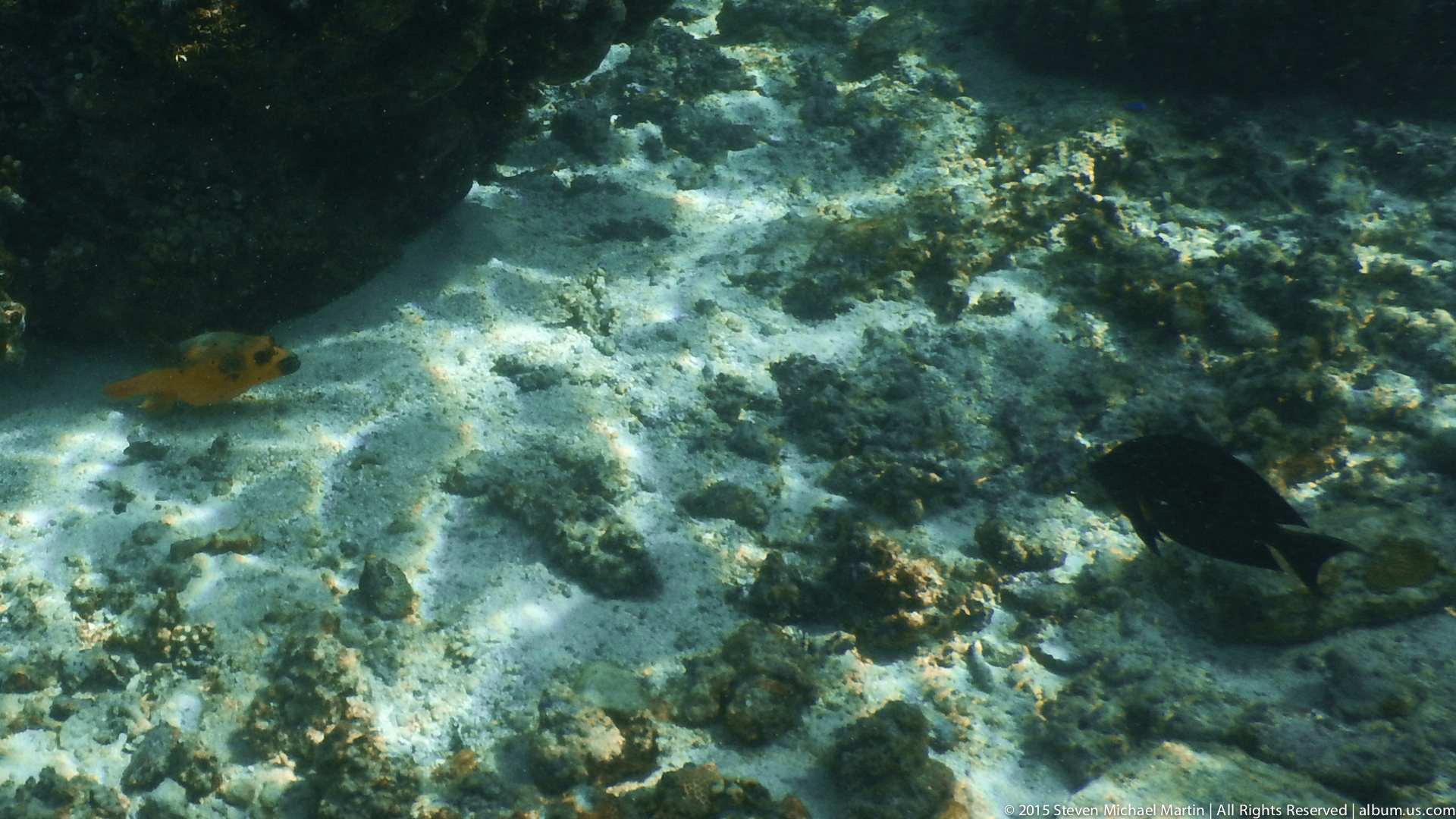
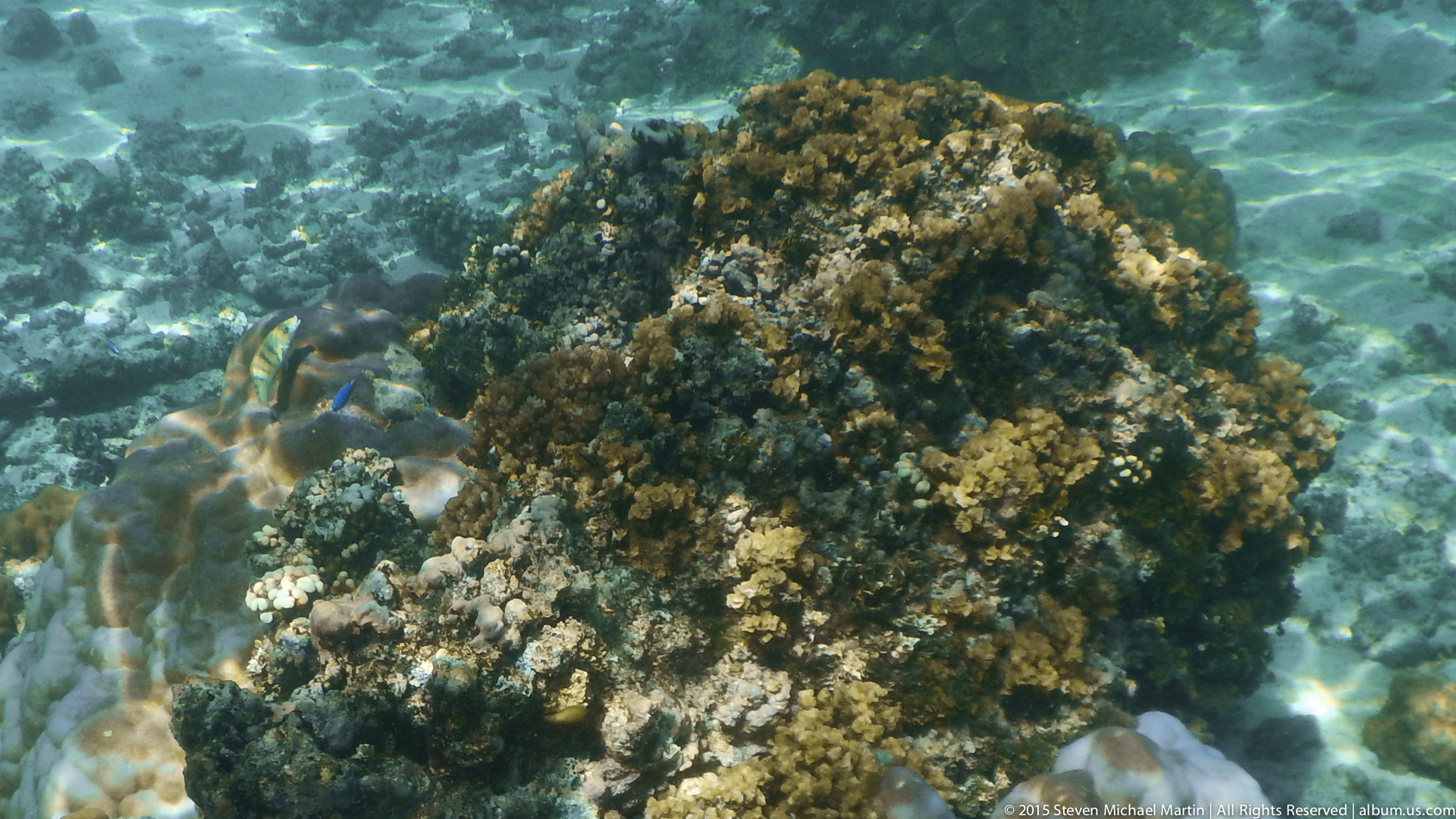
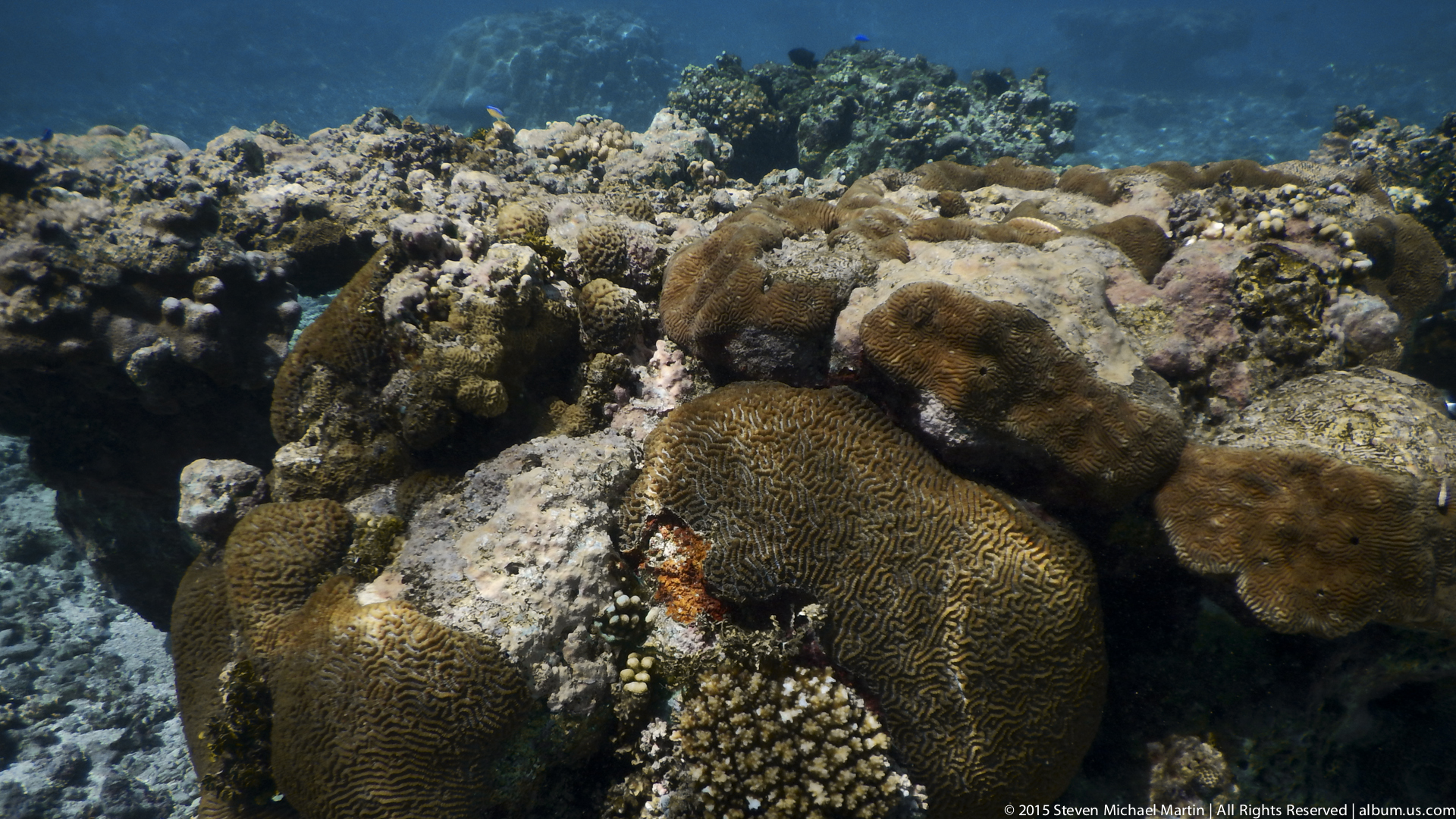
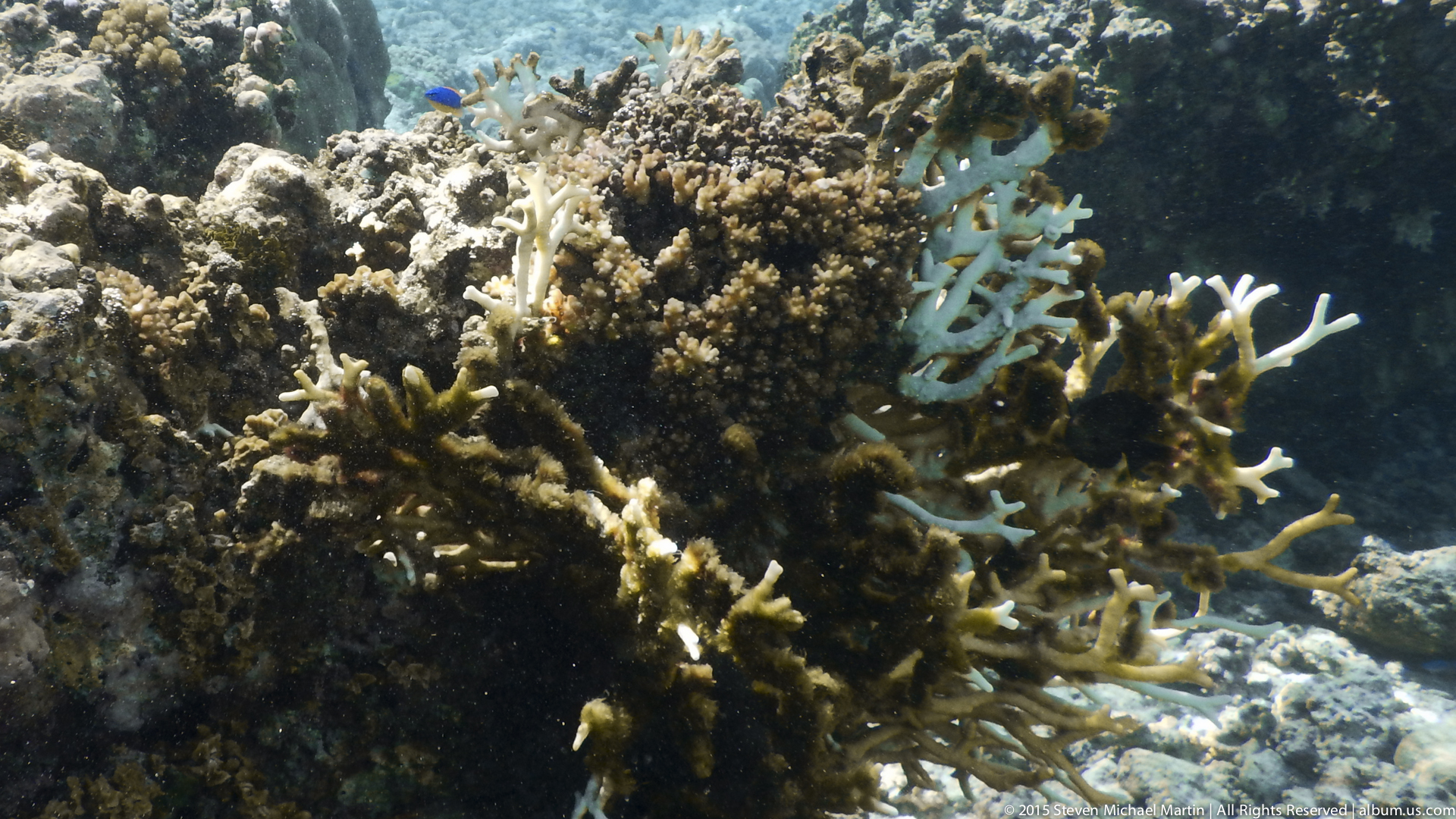
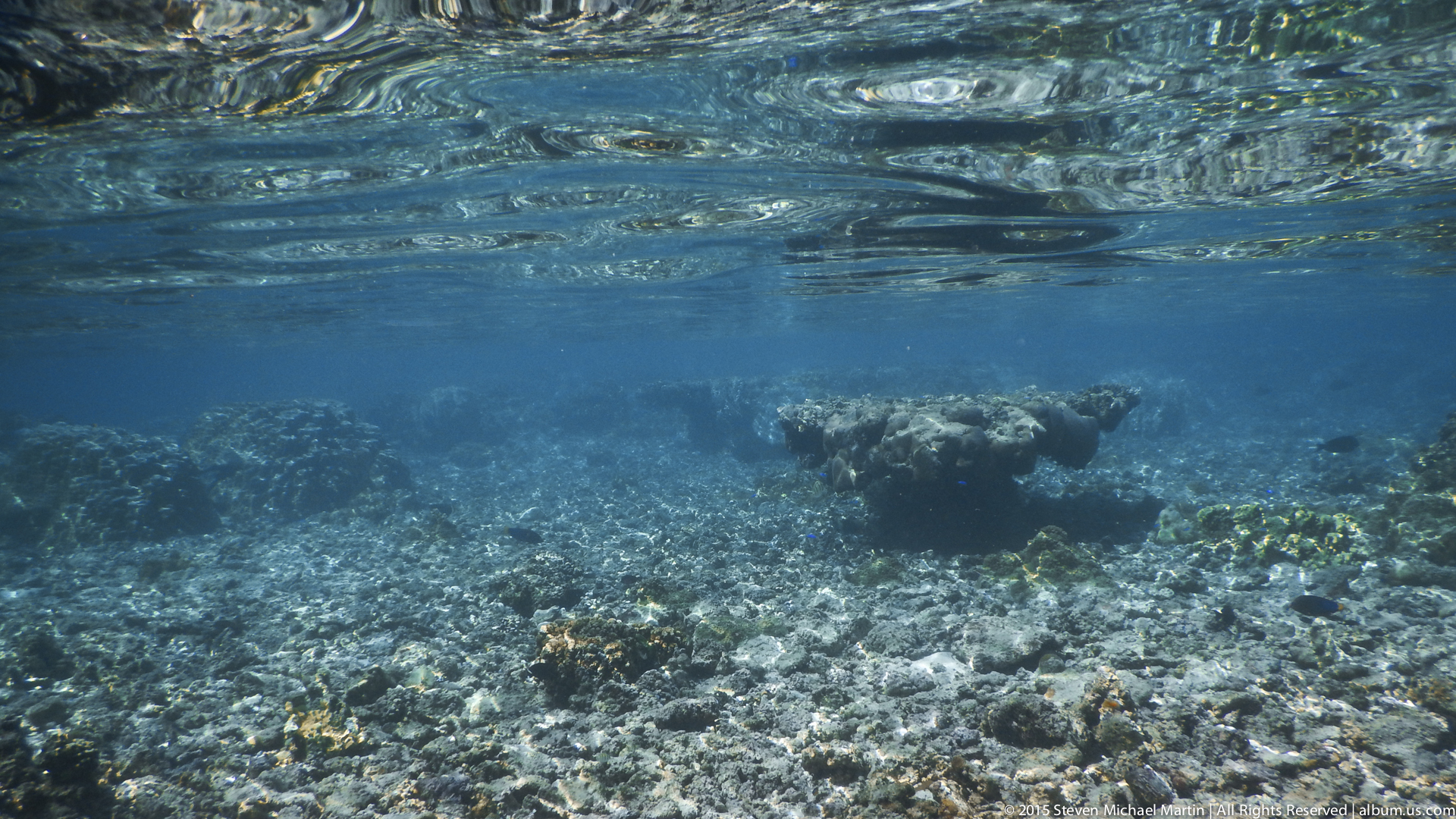
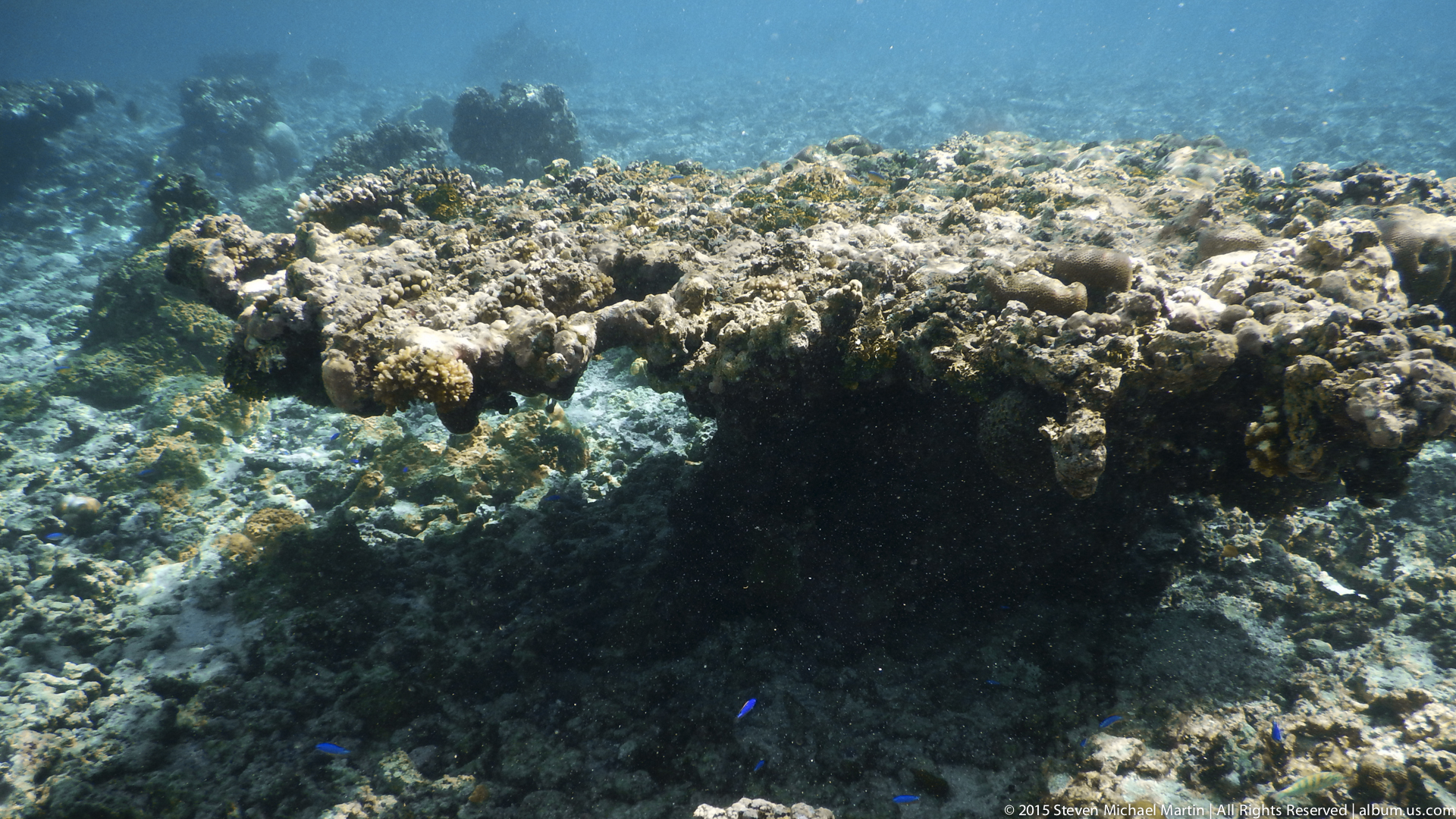
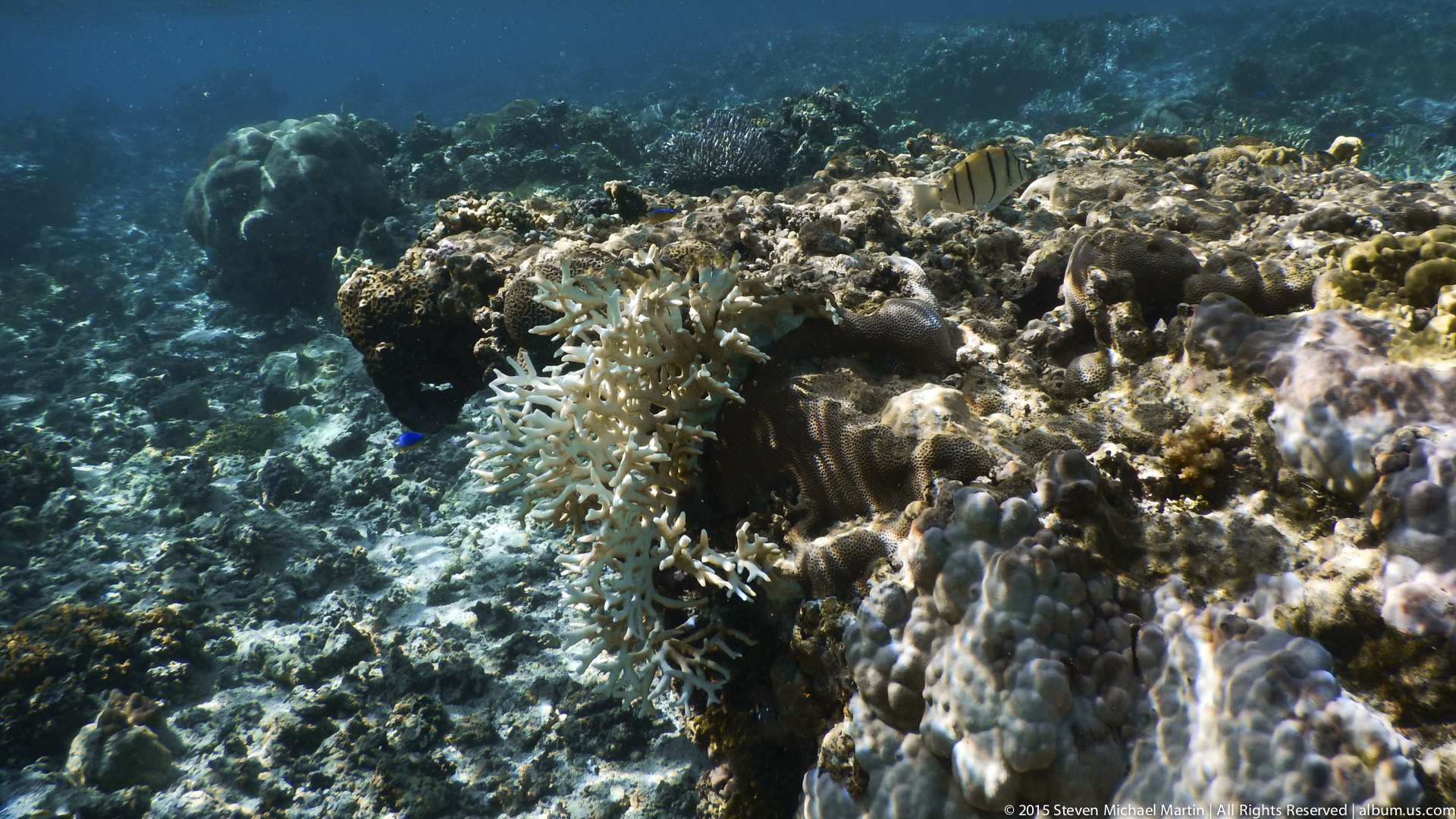
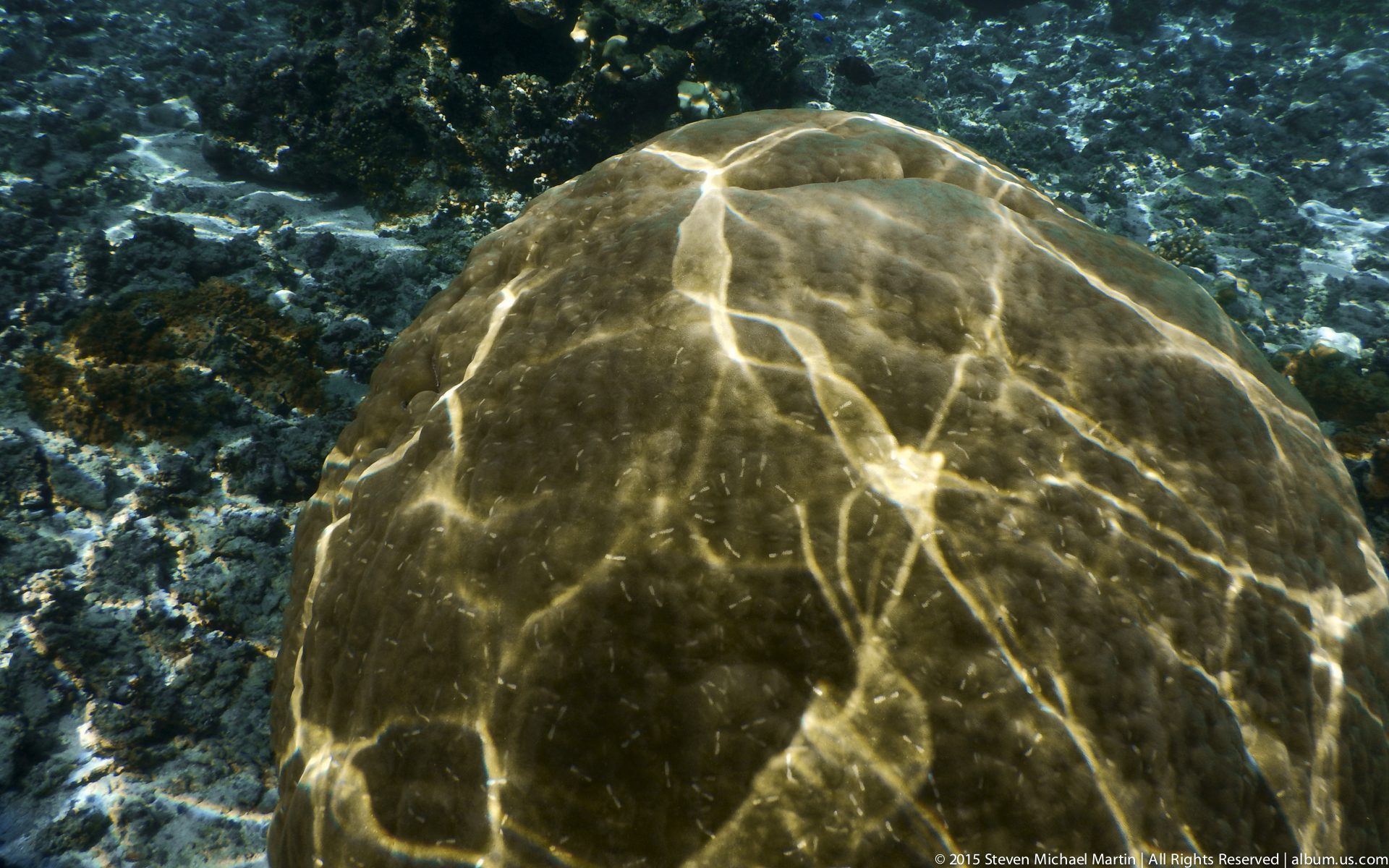
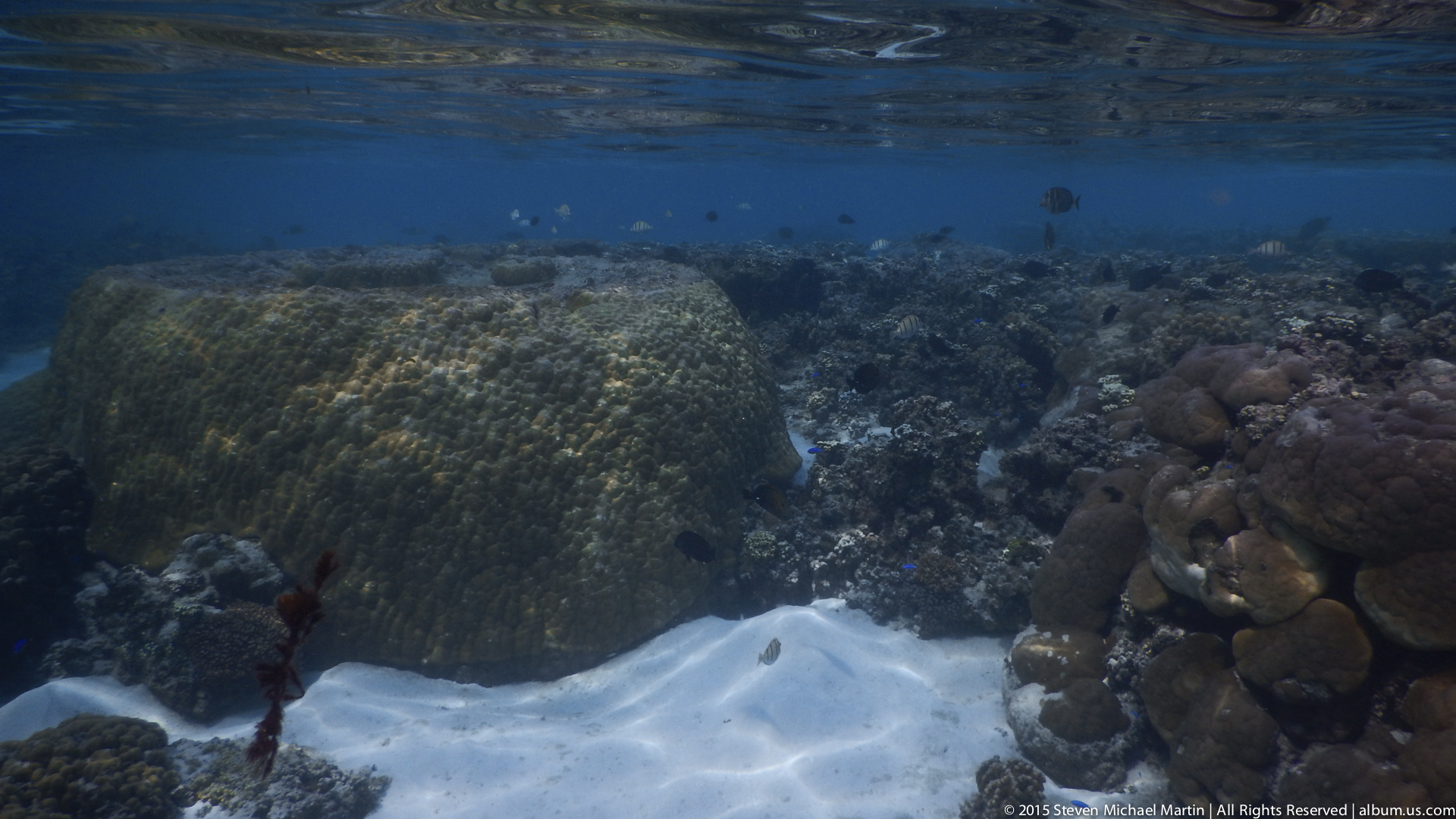
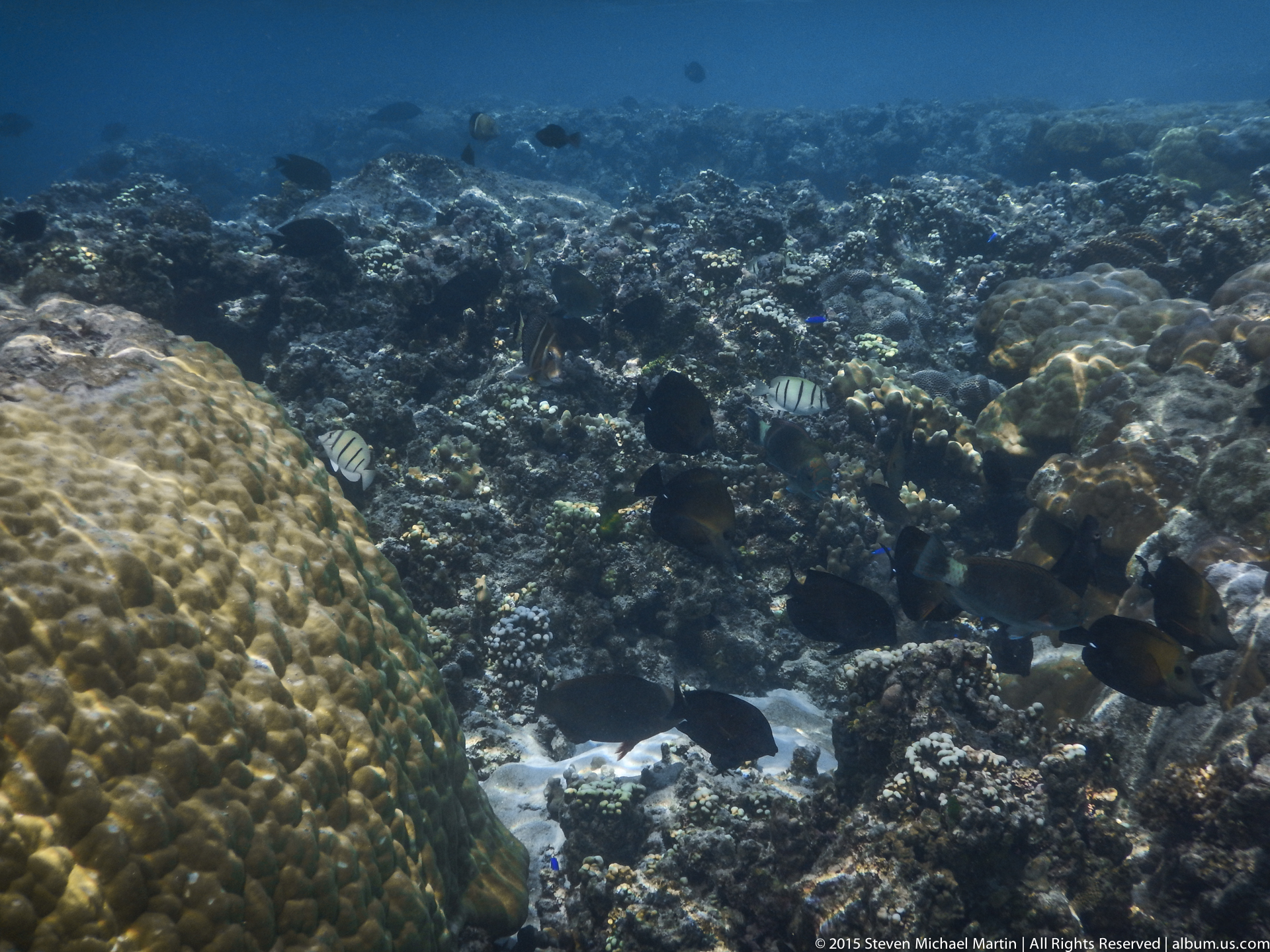
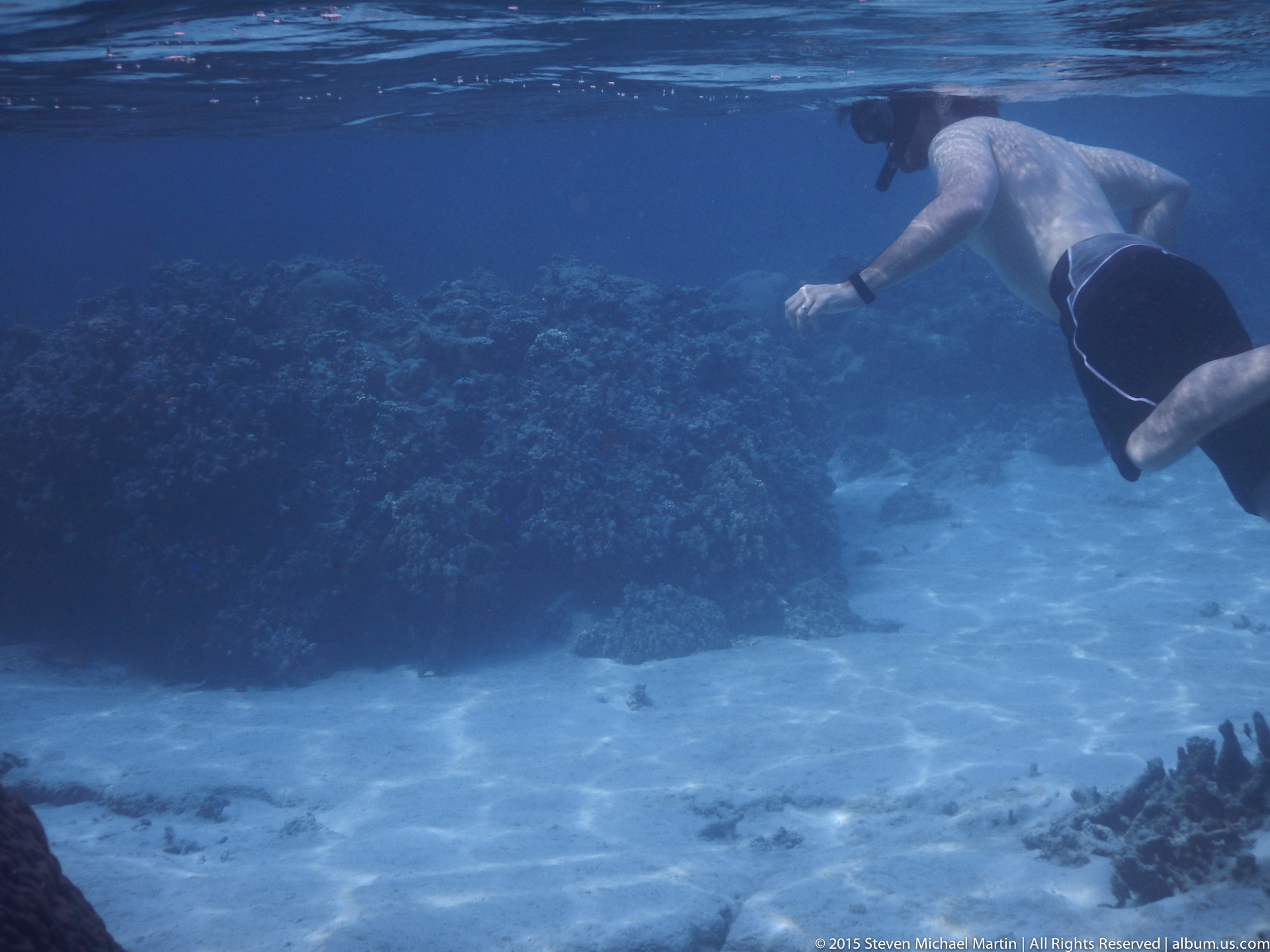
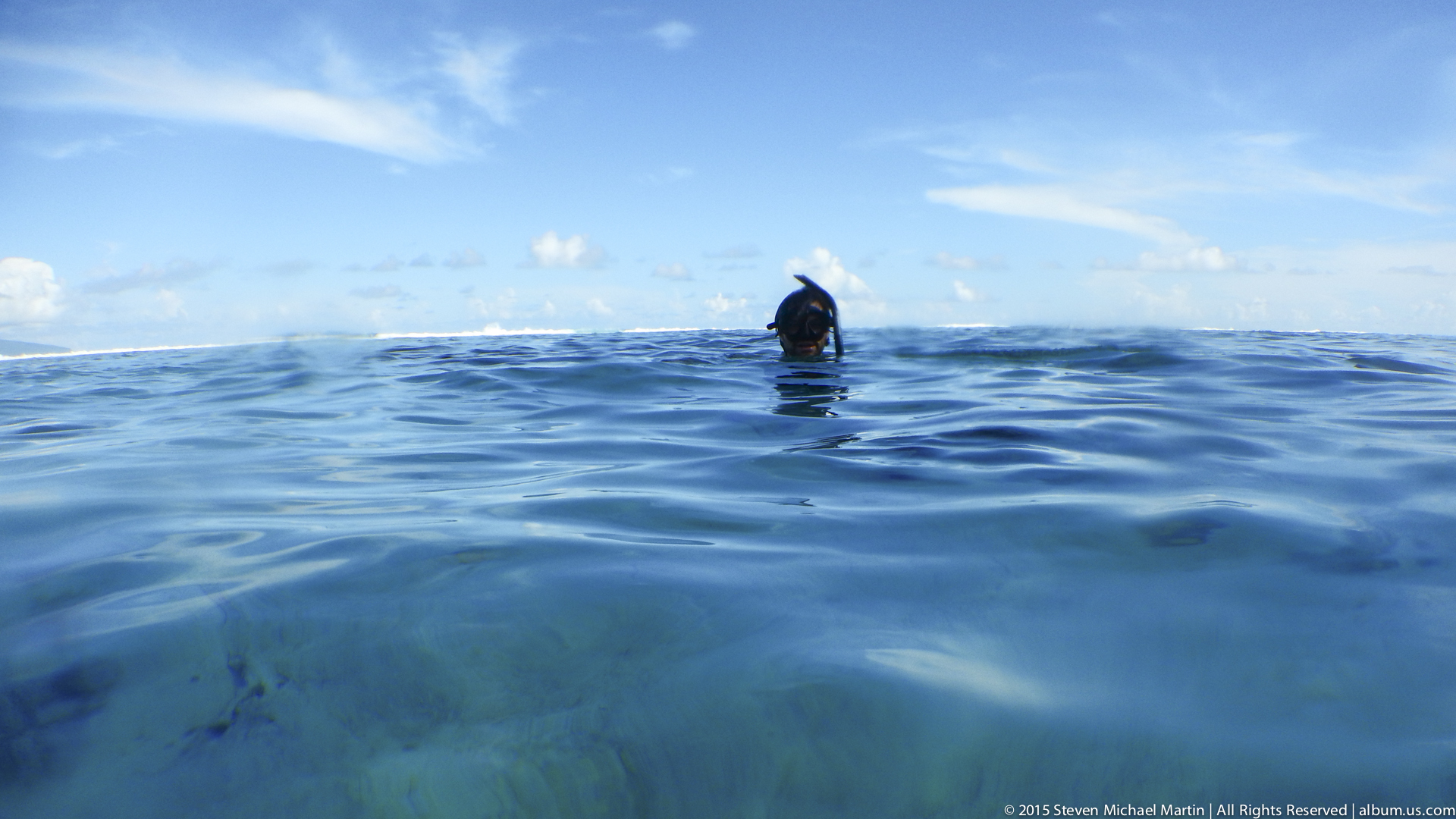
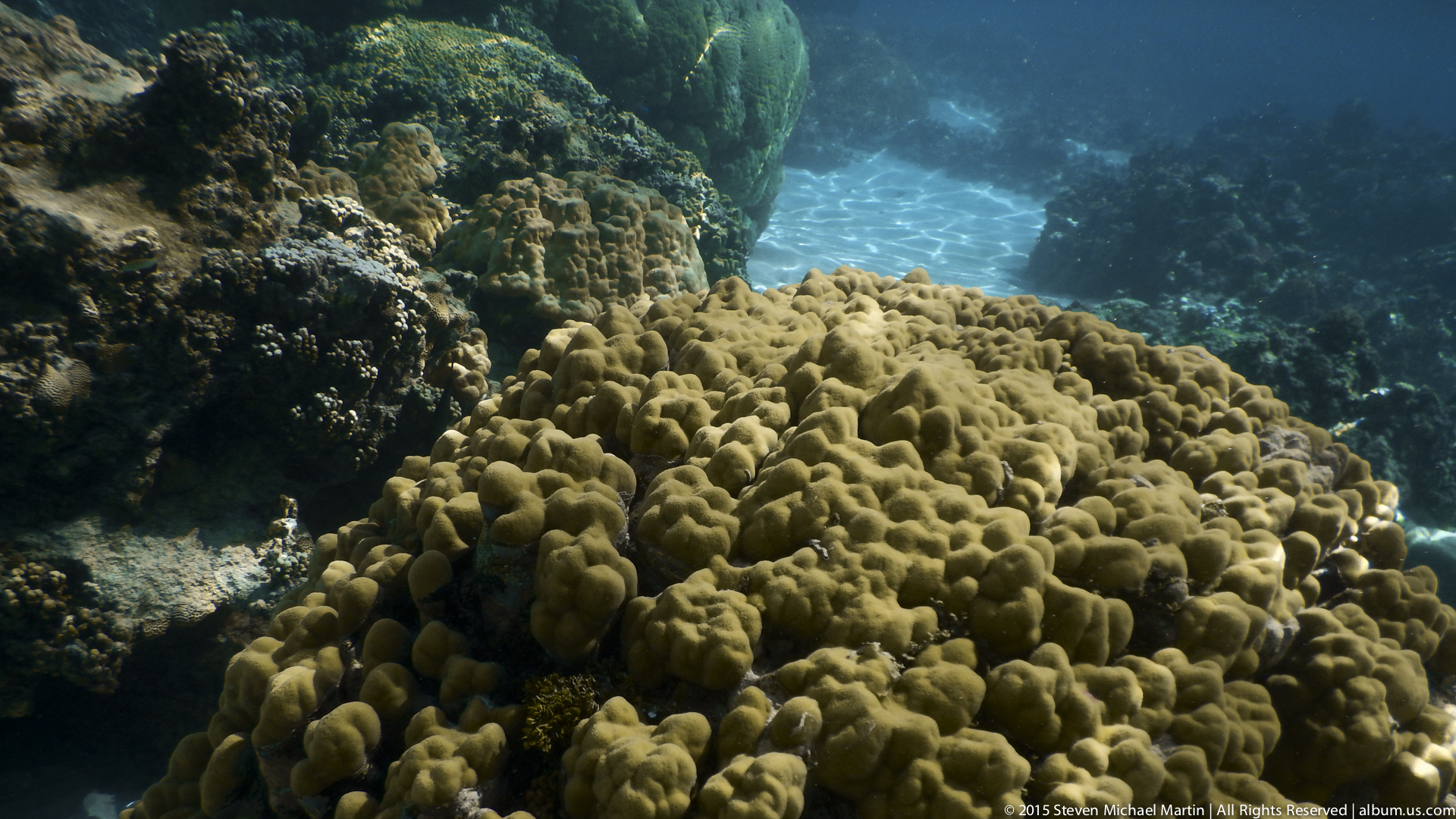
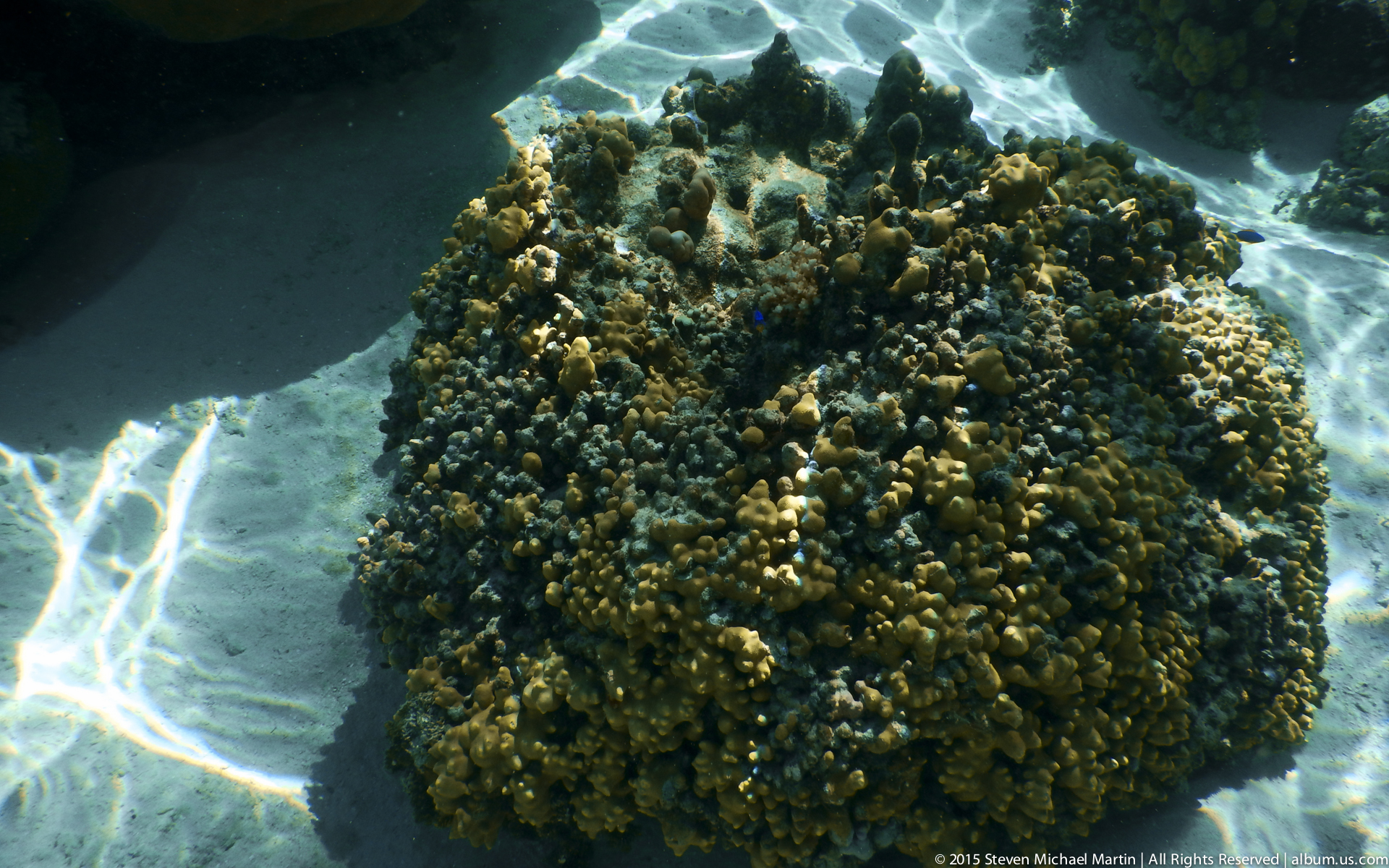
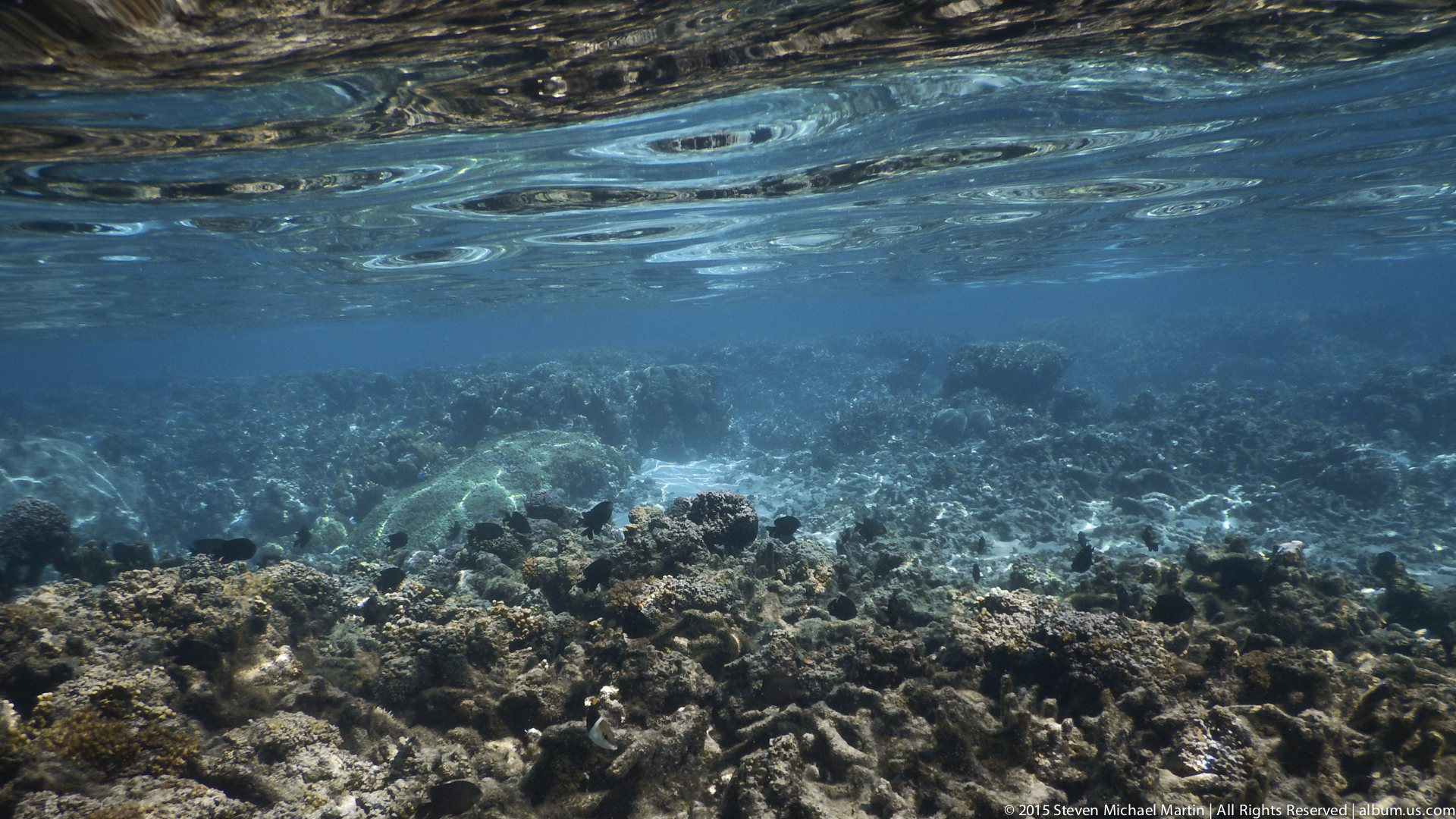
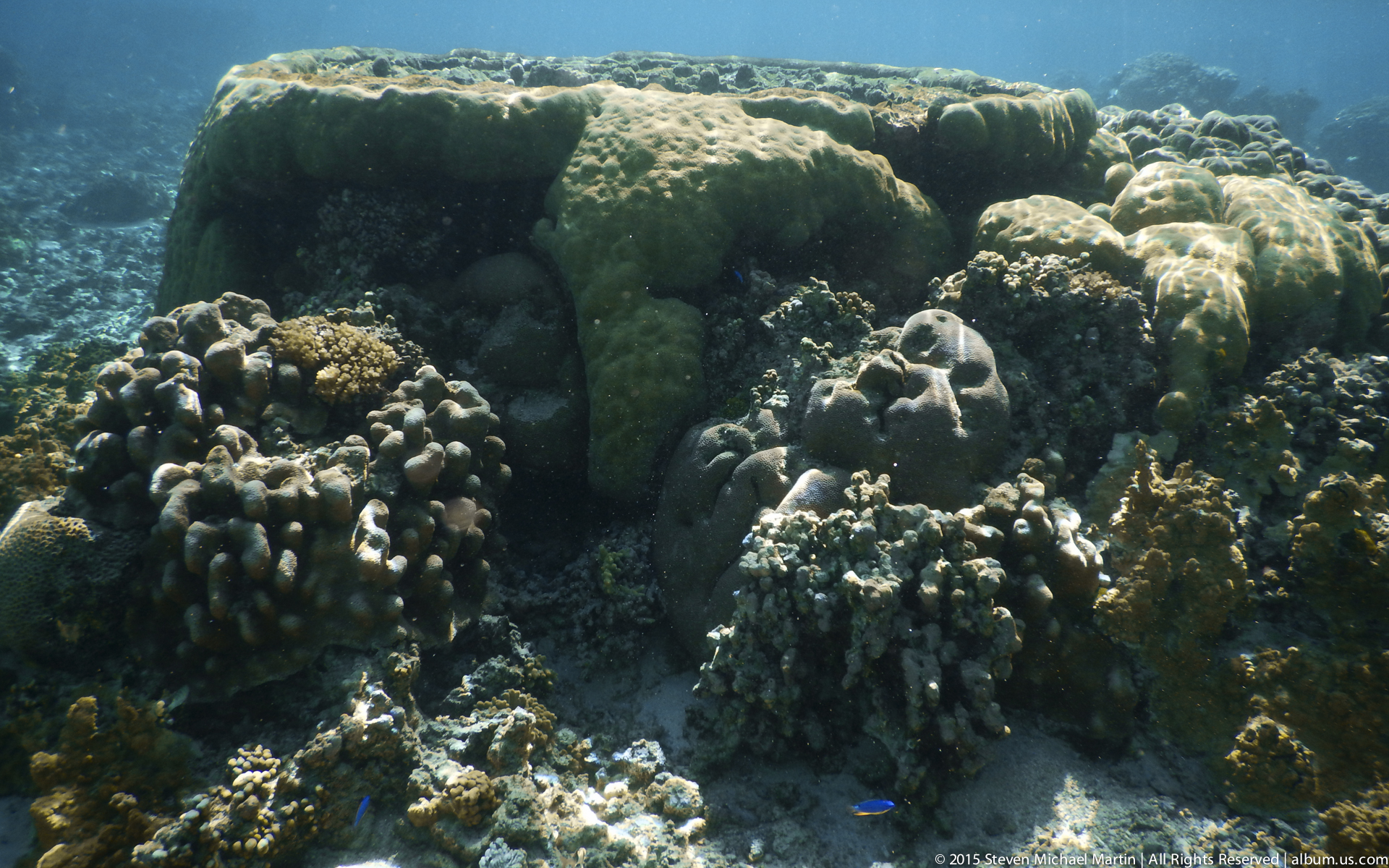
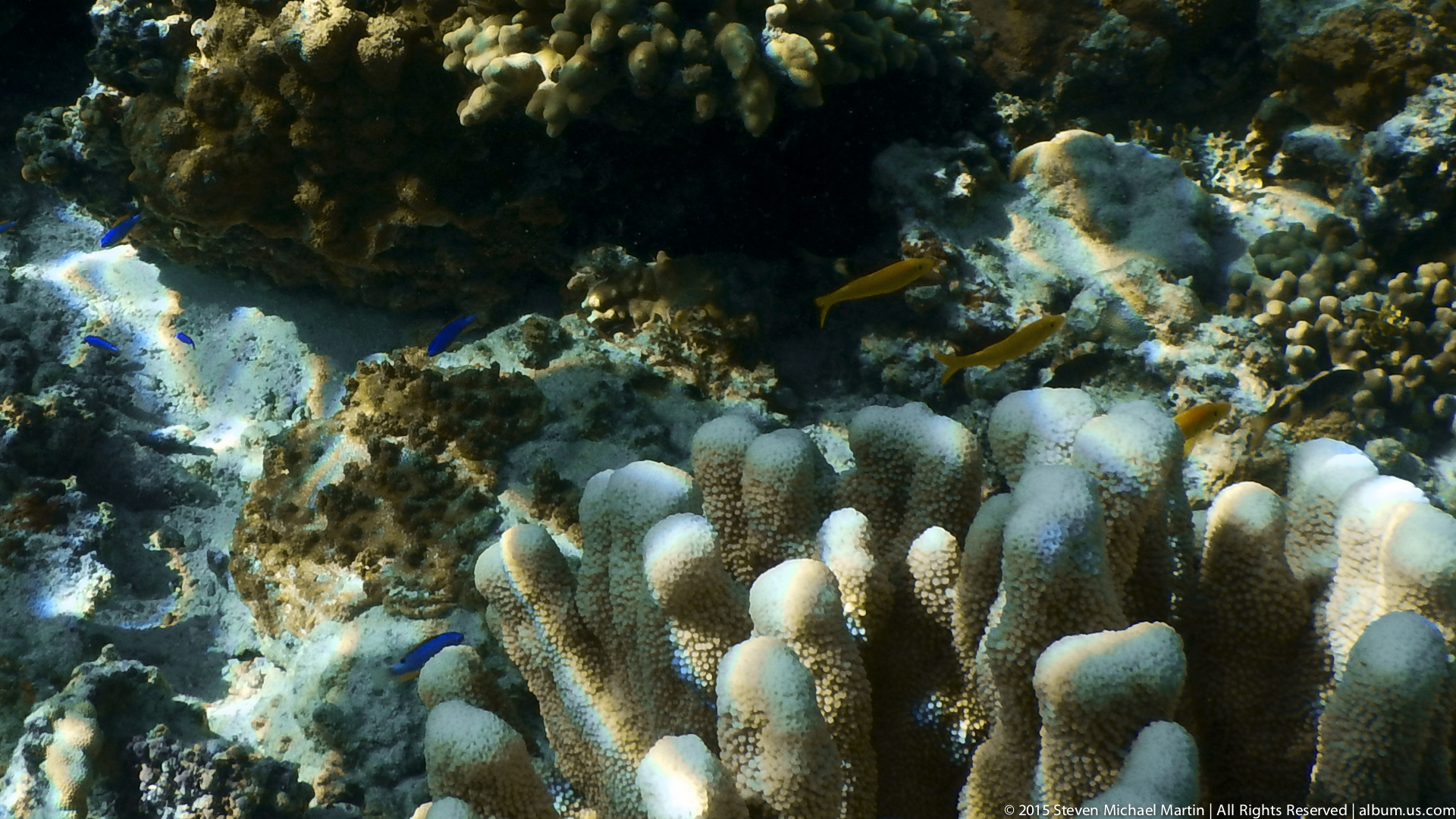
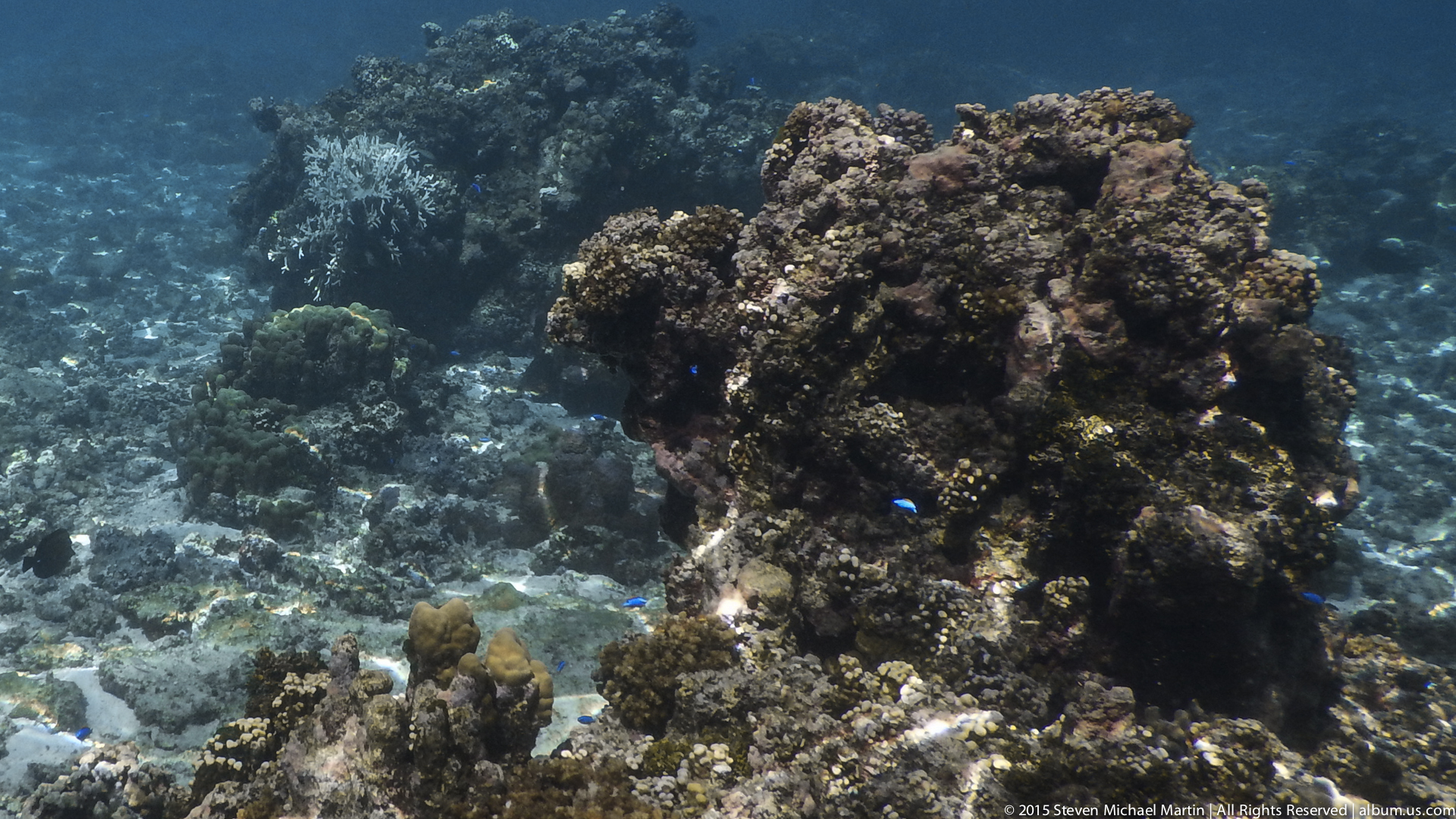
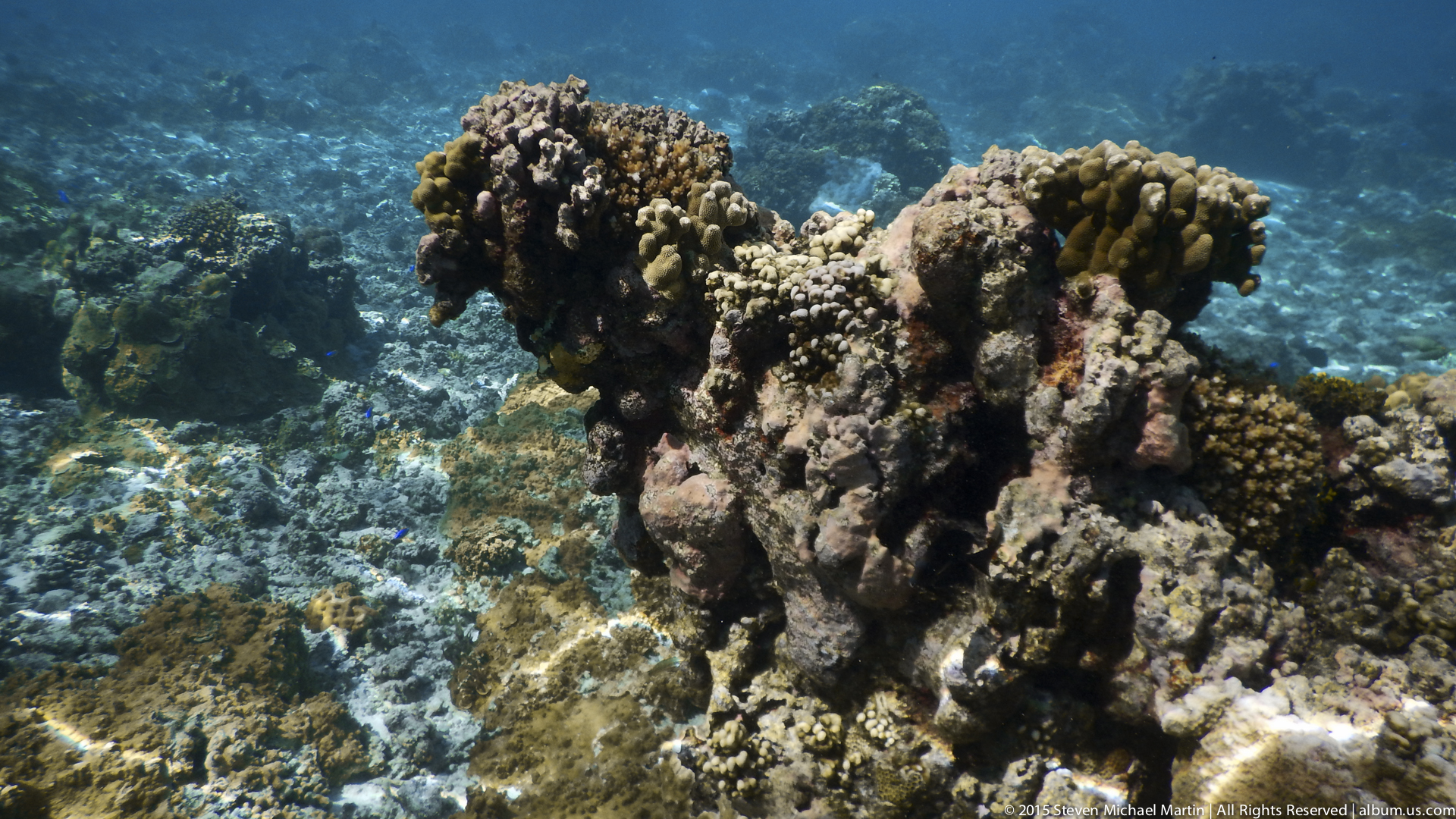
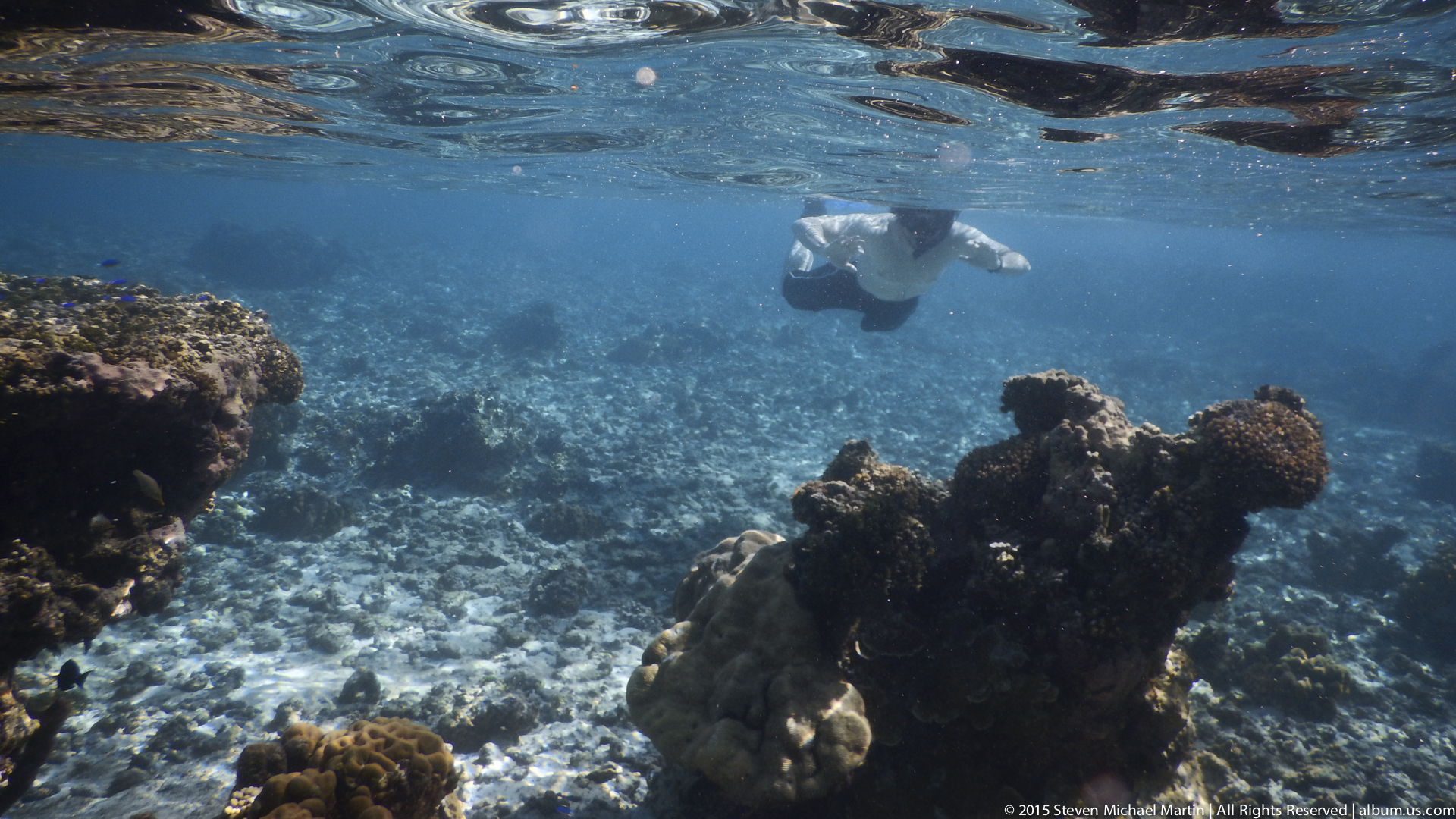
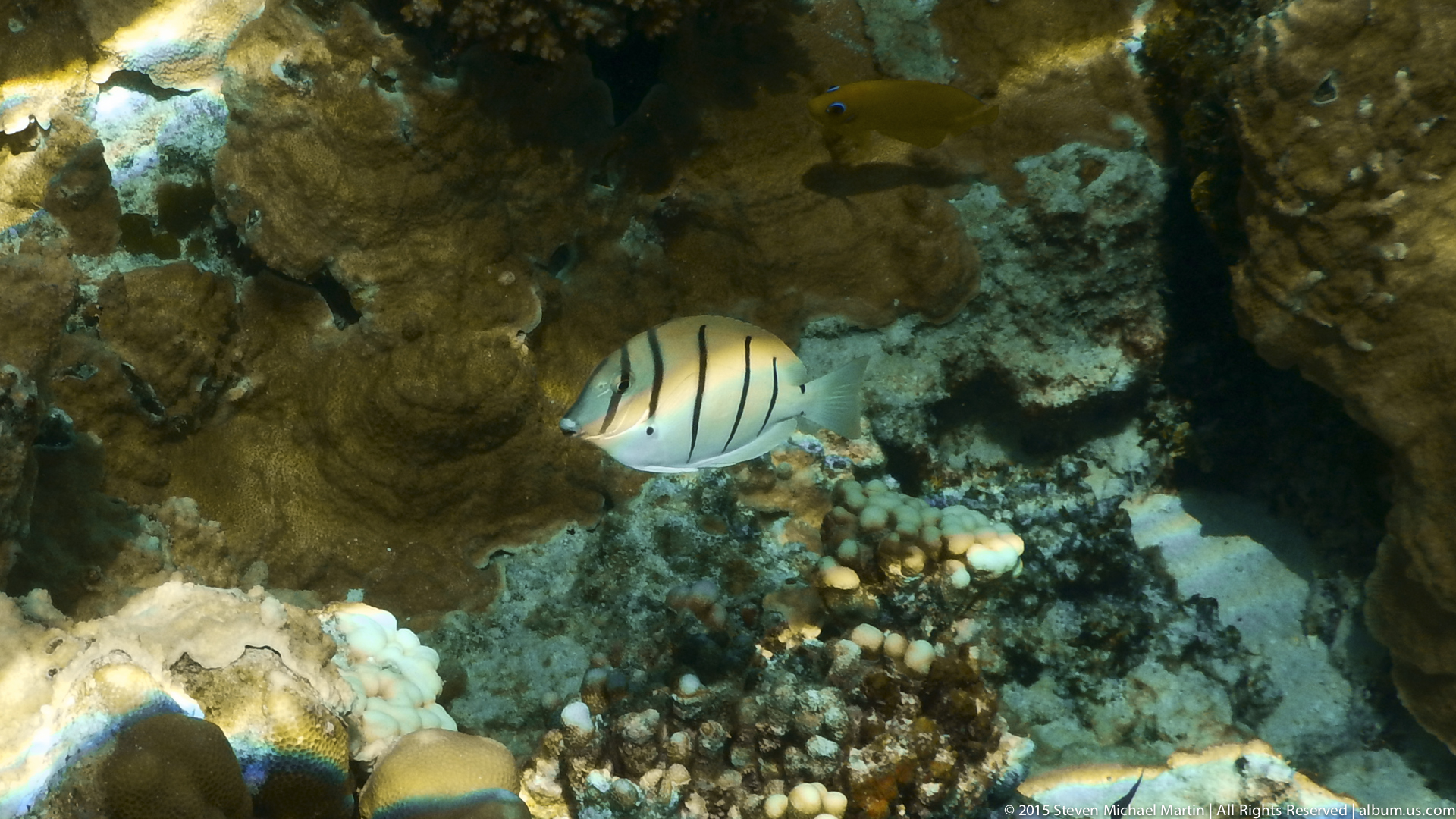
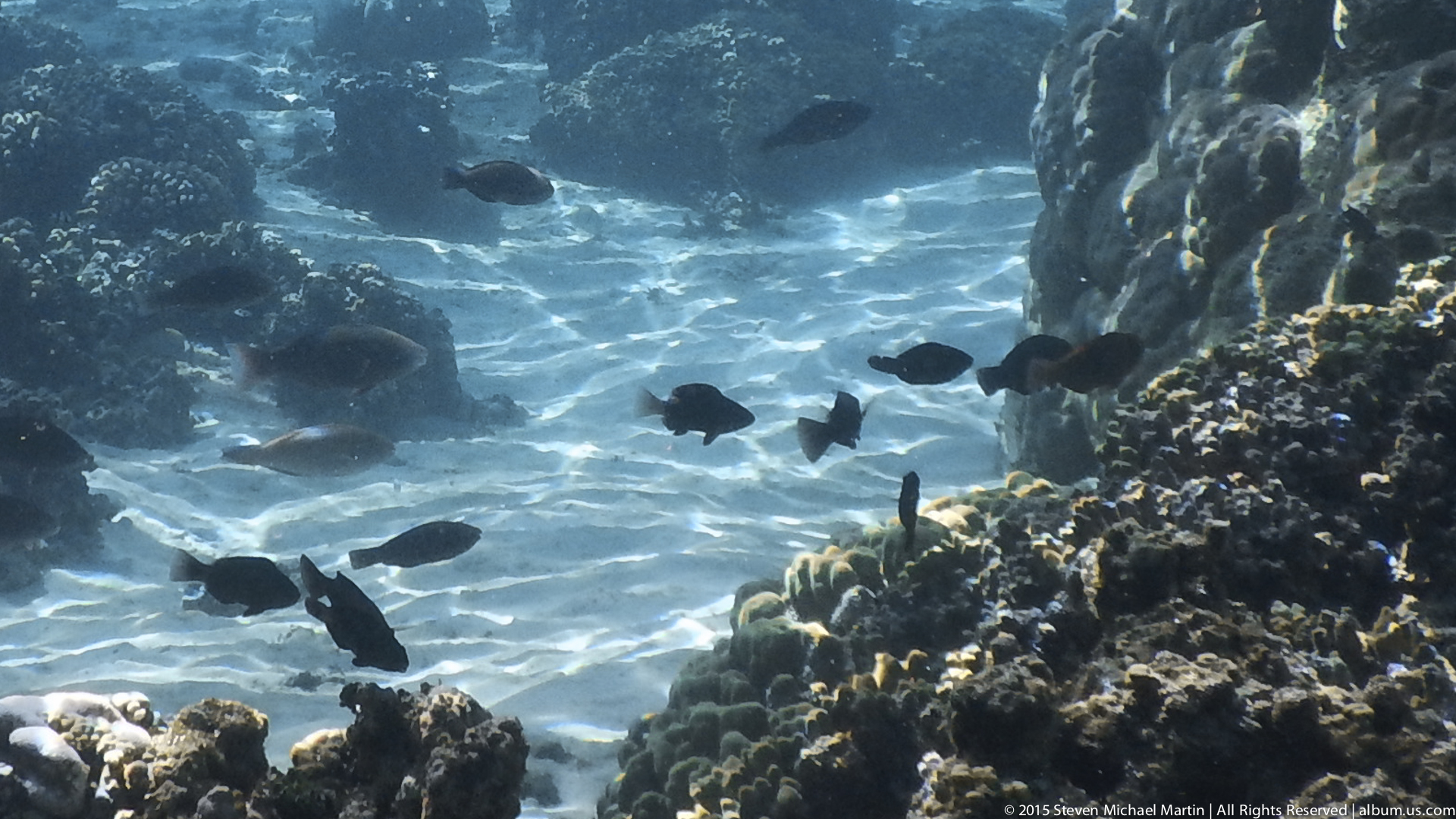
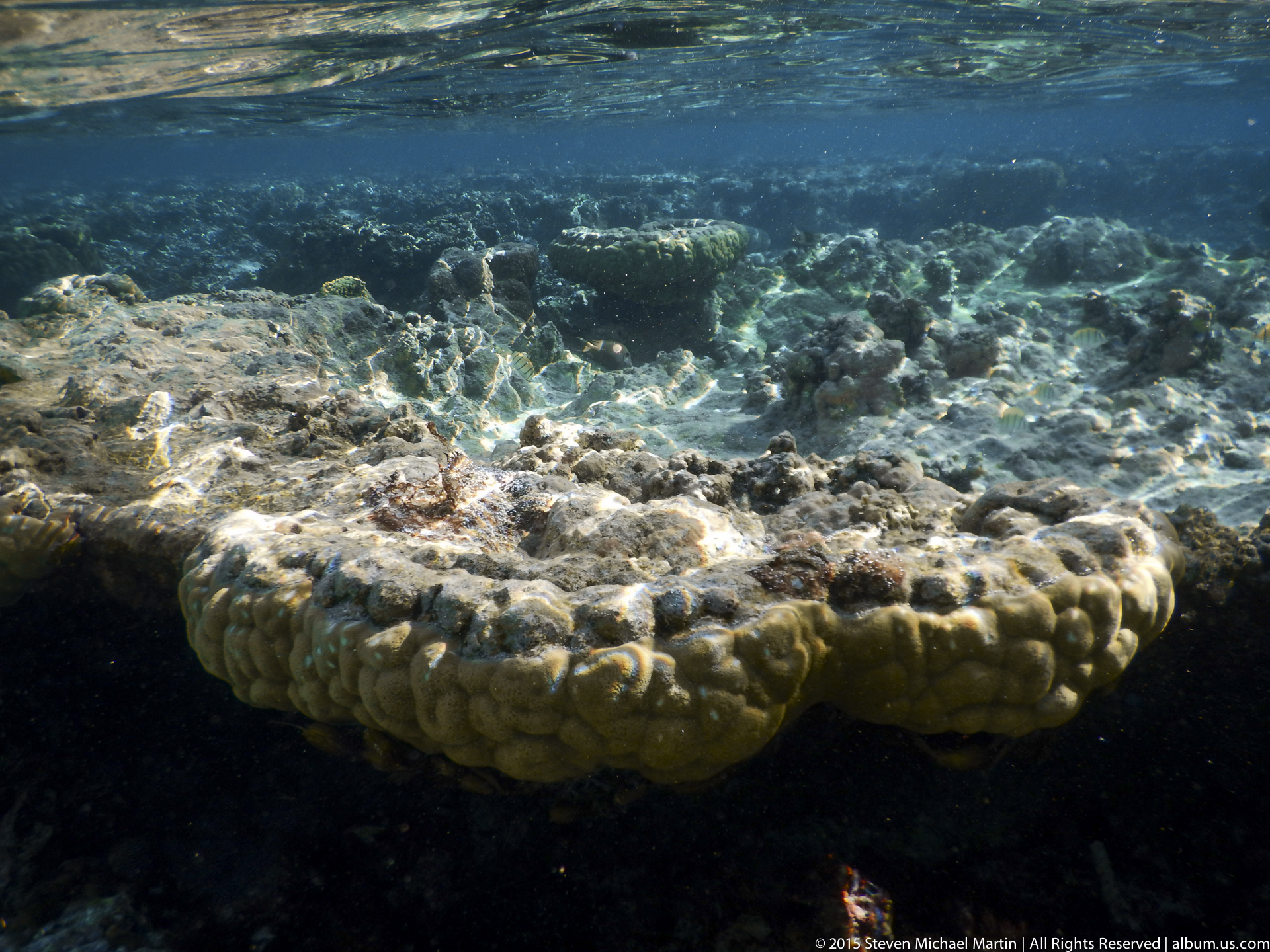
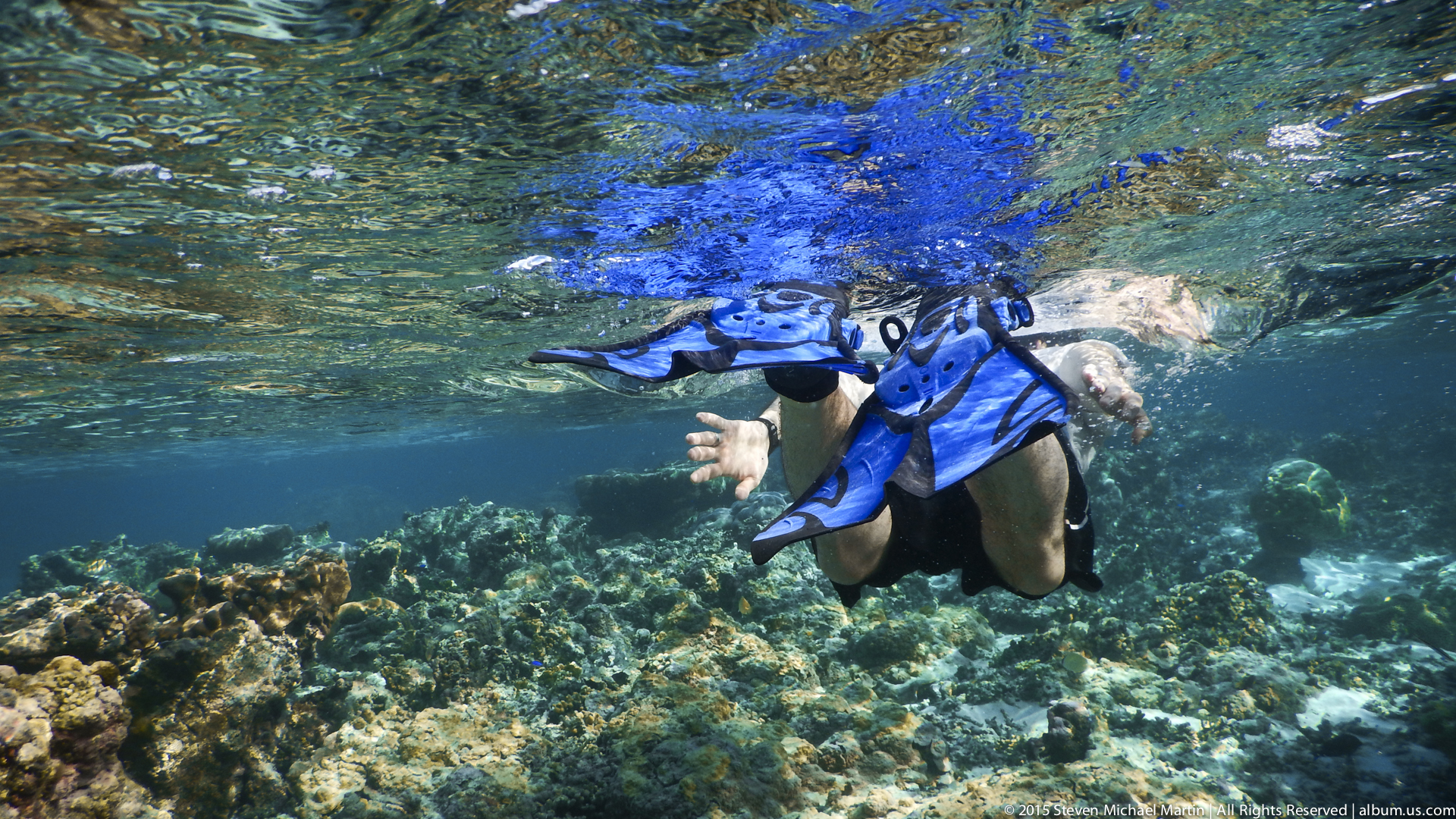
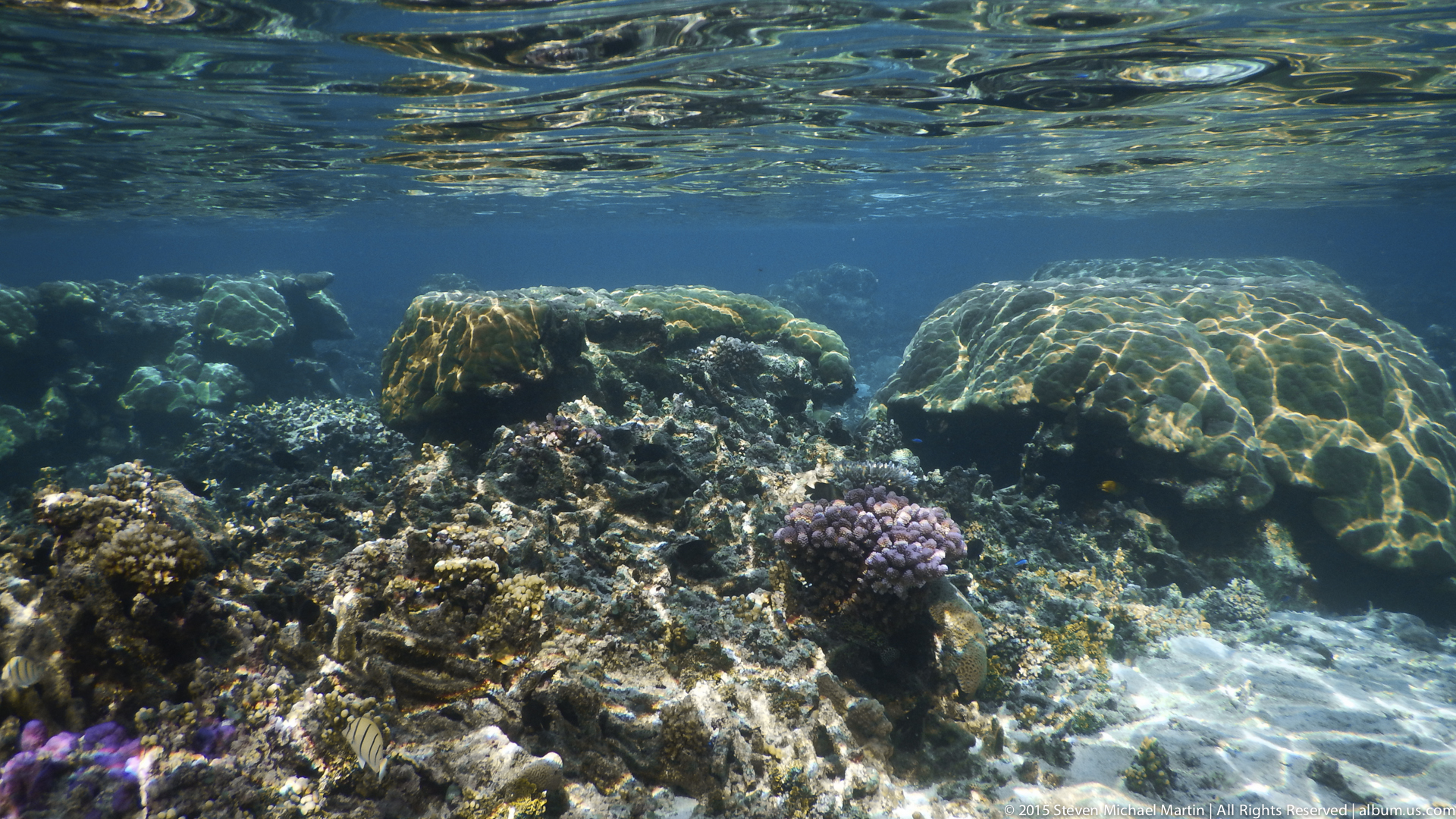
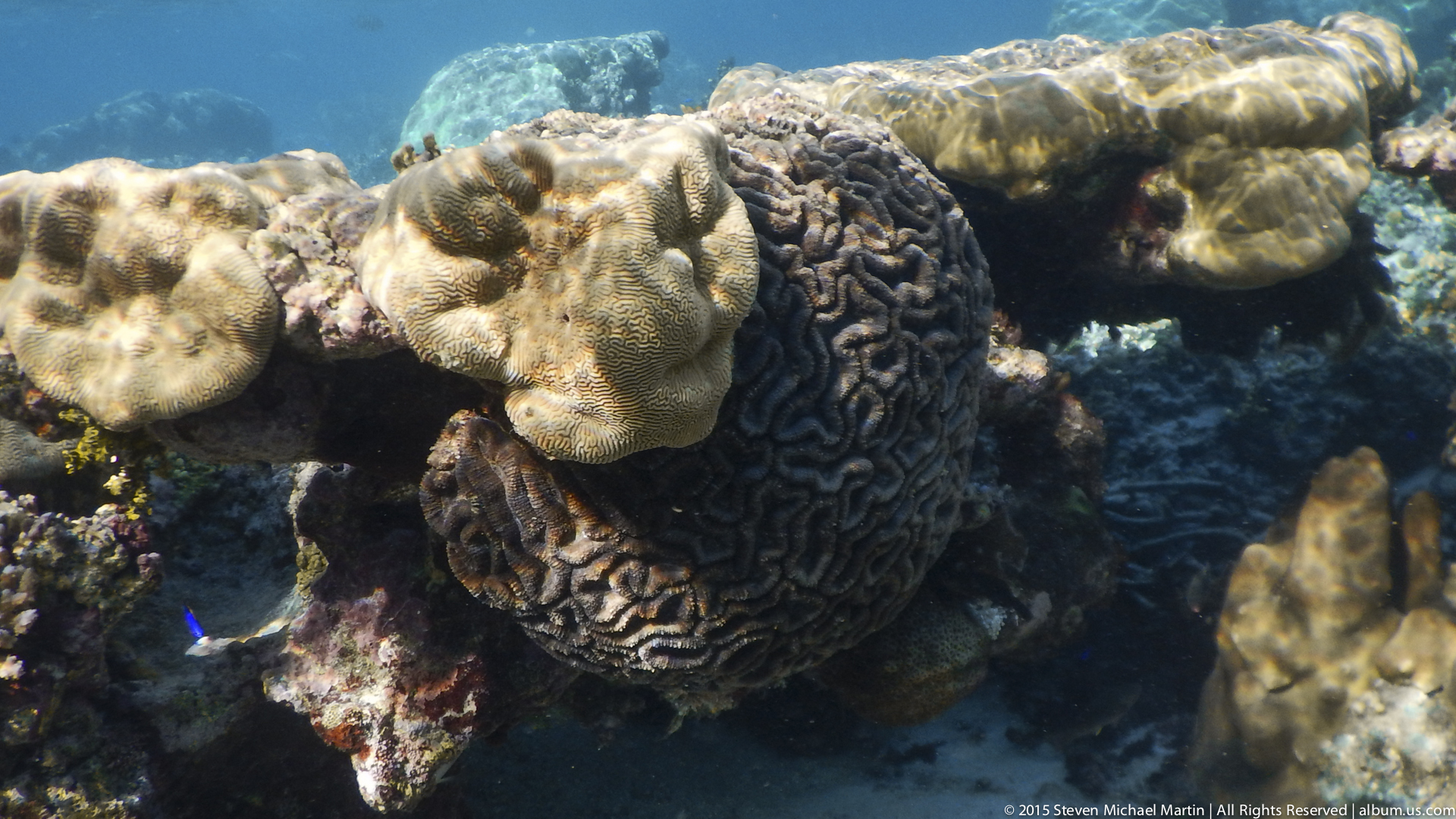
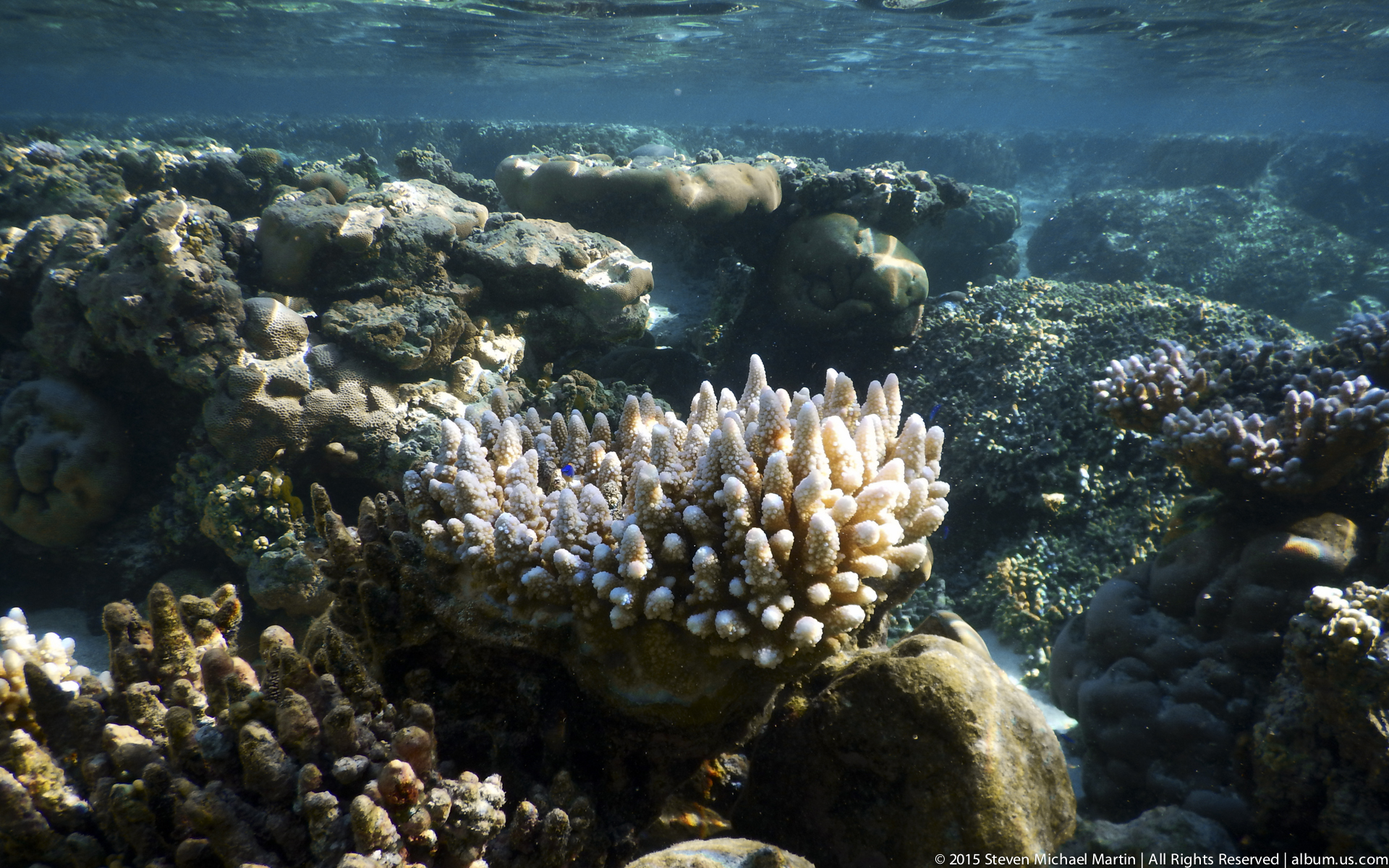
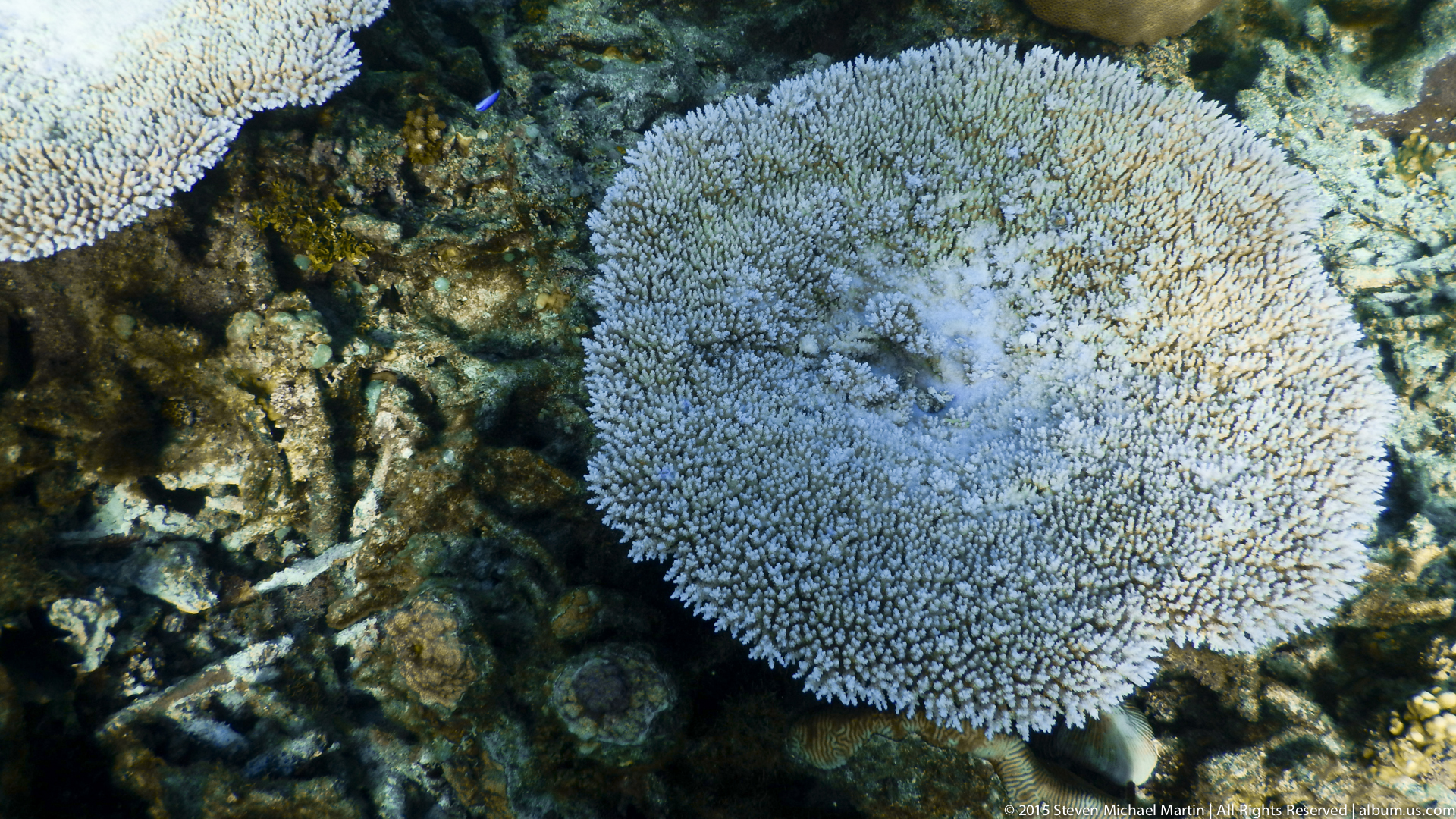
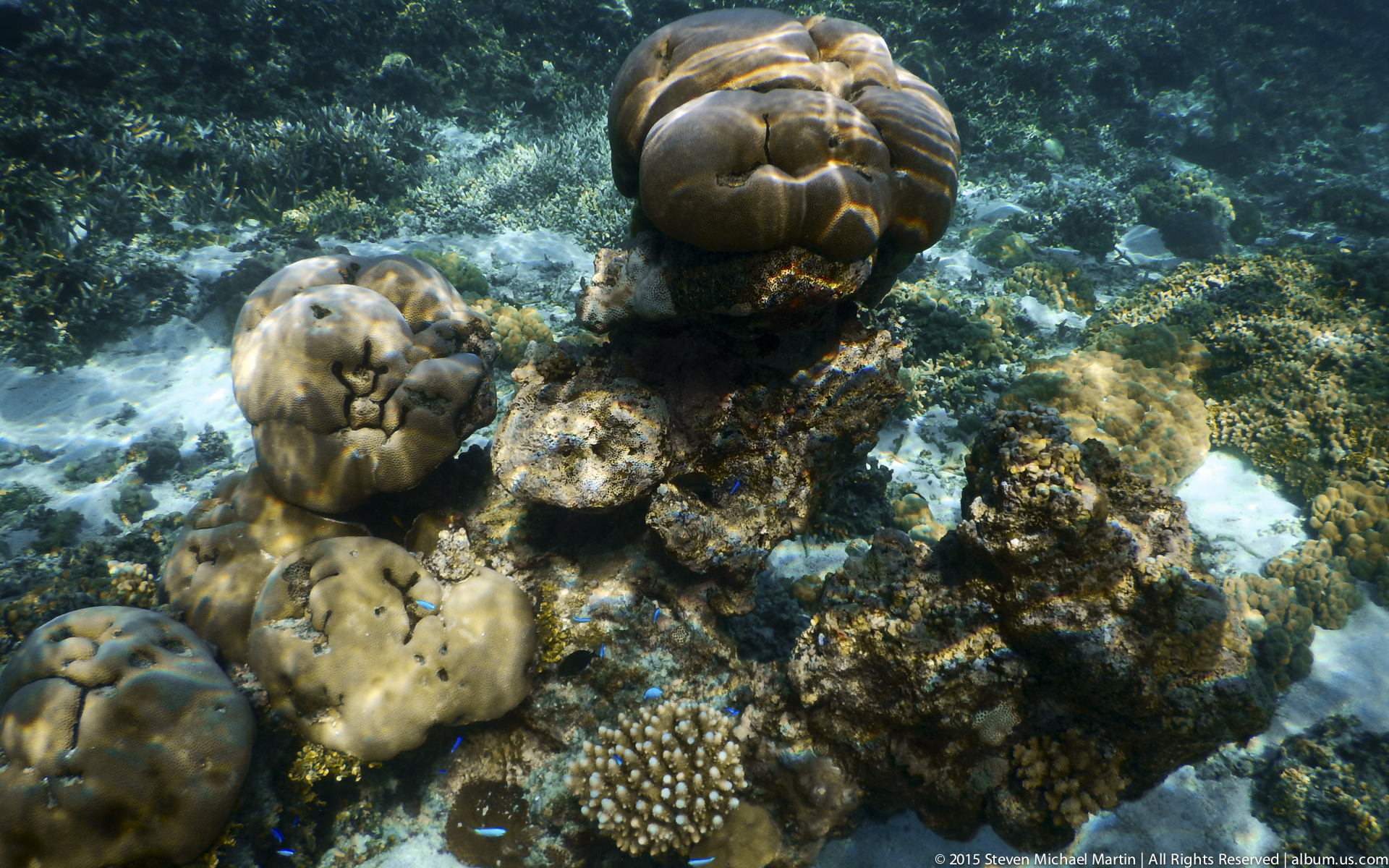
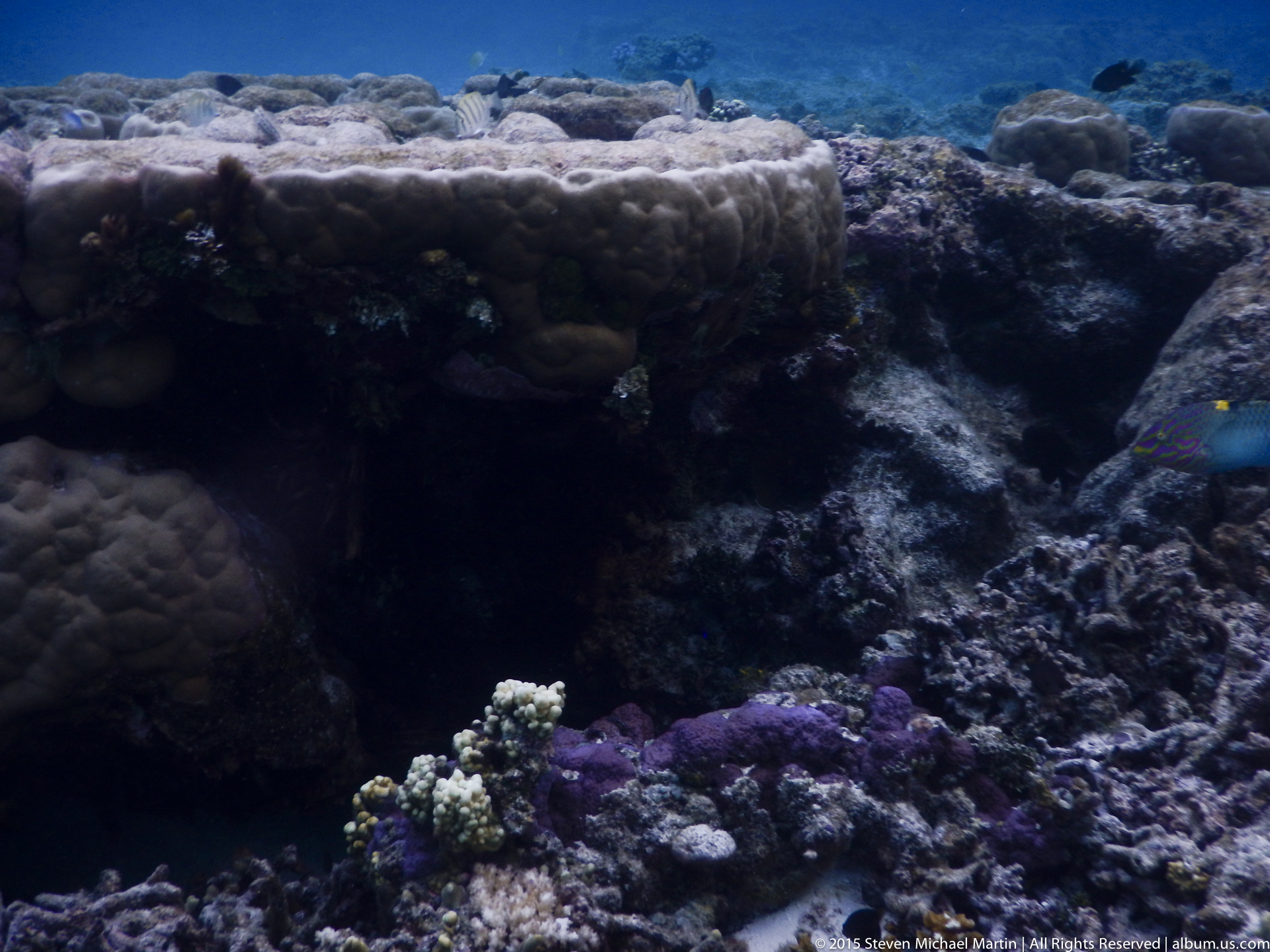
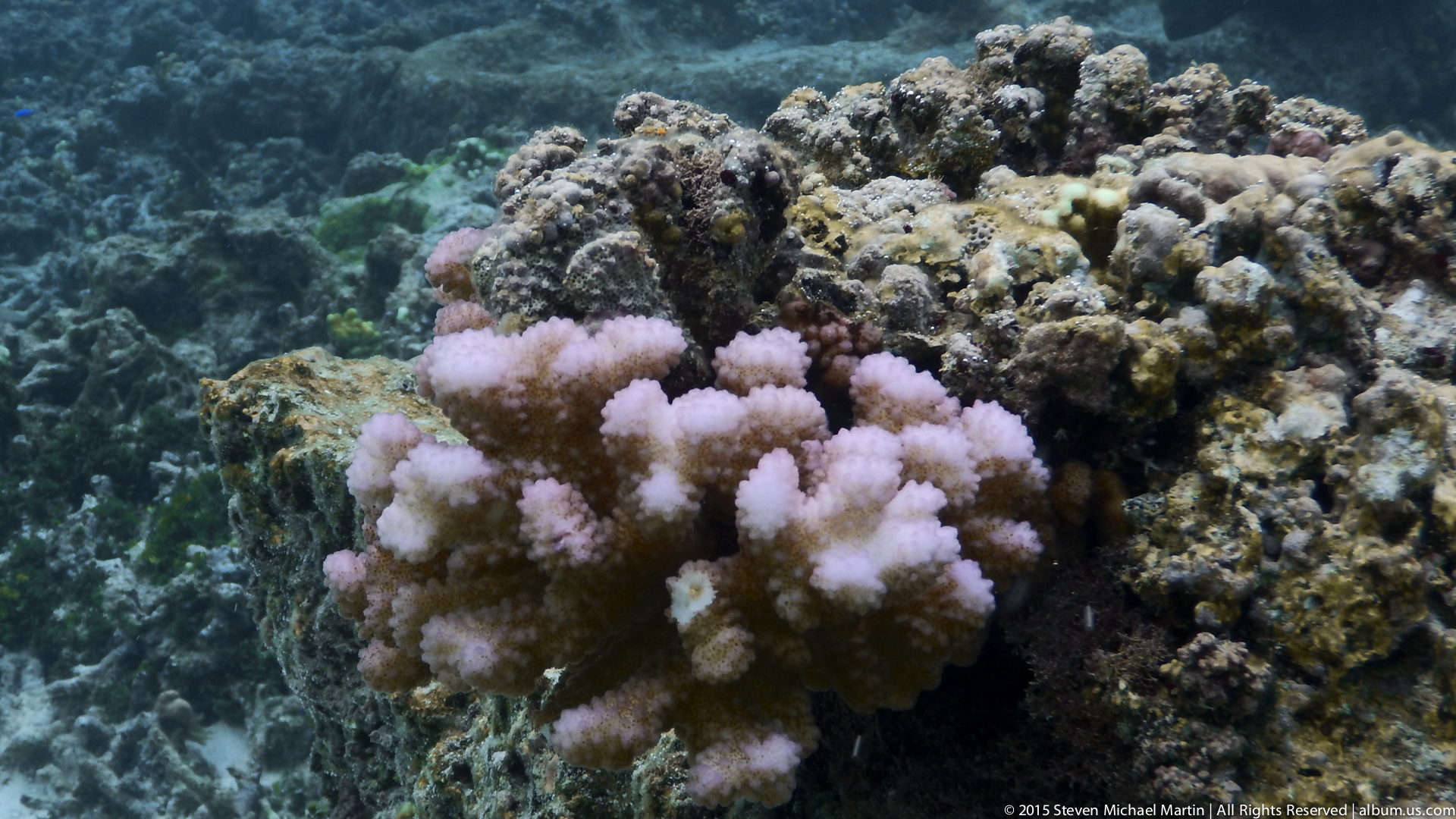
The first moments in the water were almost surreal. Visibility extended across broad coral shelves and scattered reef formations that appeared untouched, with sunlight rippling across plate corals, branching colonies, and rounded coral heads. Small reef fish moved calmly through the formations, unbothered by our presence. The water was warm and still, more like a natural aquarium than an ocean, and the quiet isolation made it feel as though we had discovered a reef that few people had ever seen.
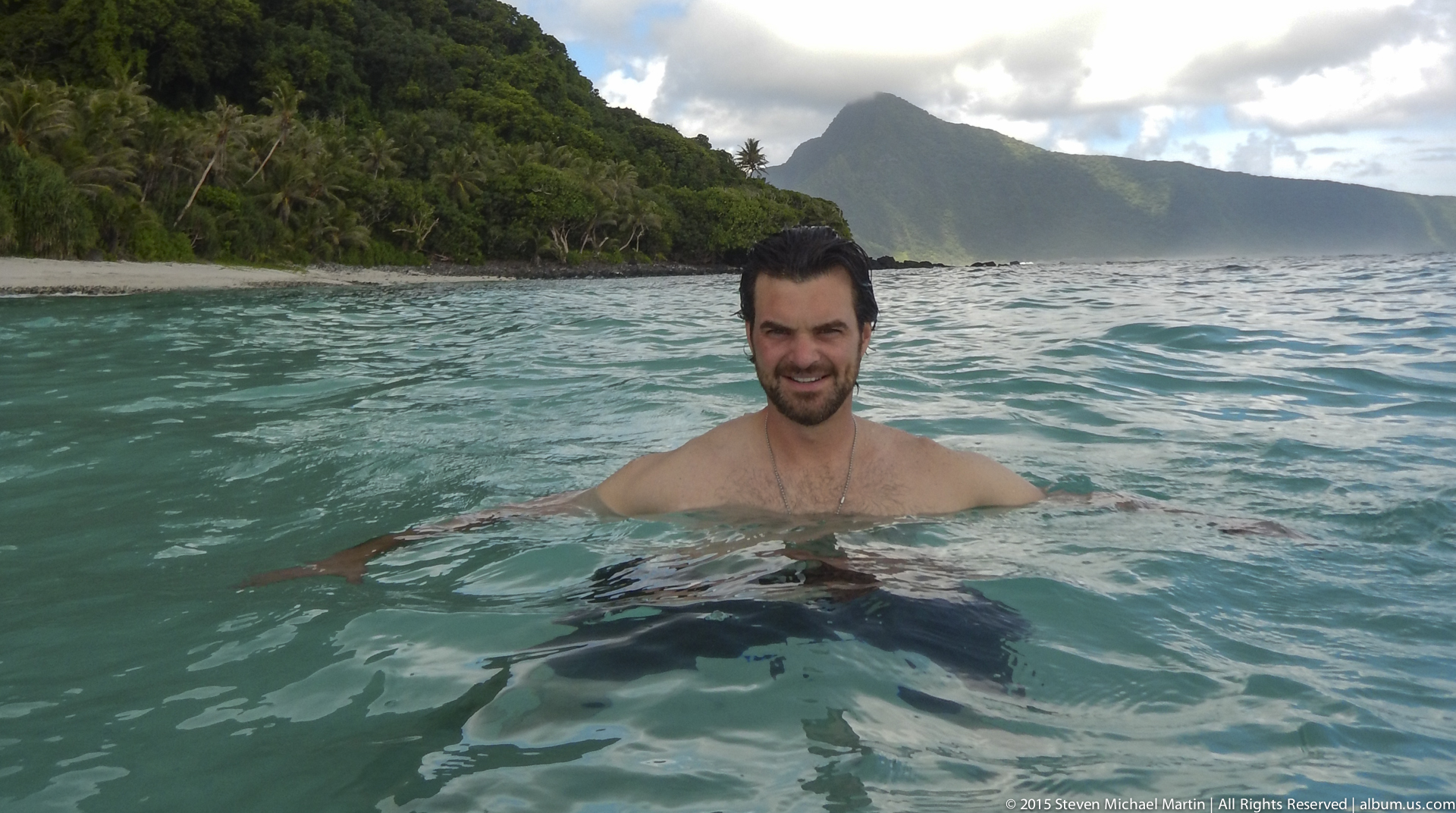
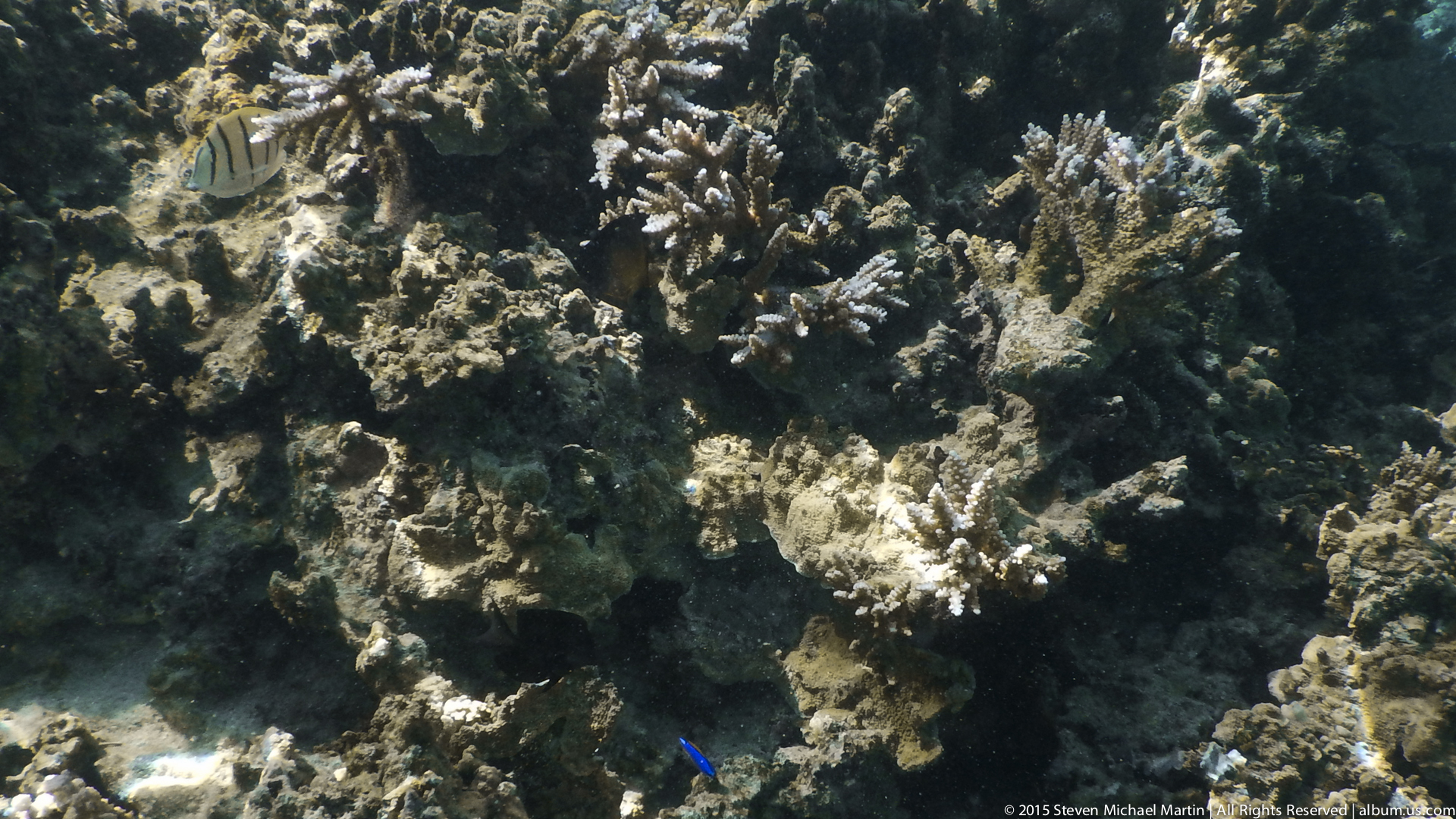
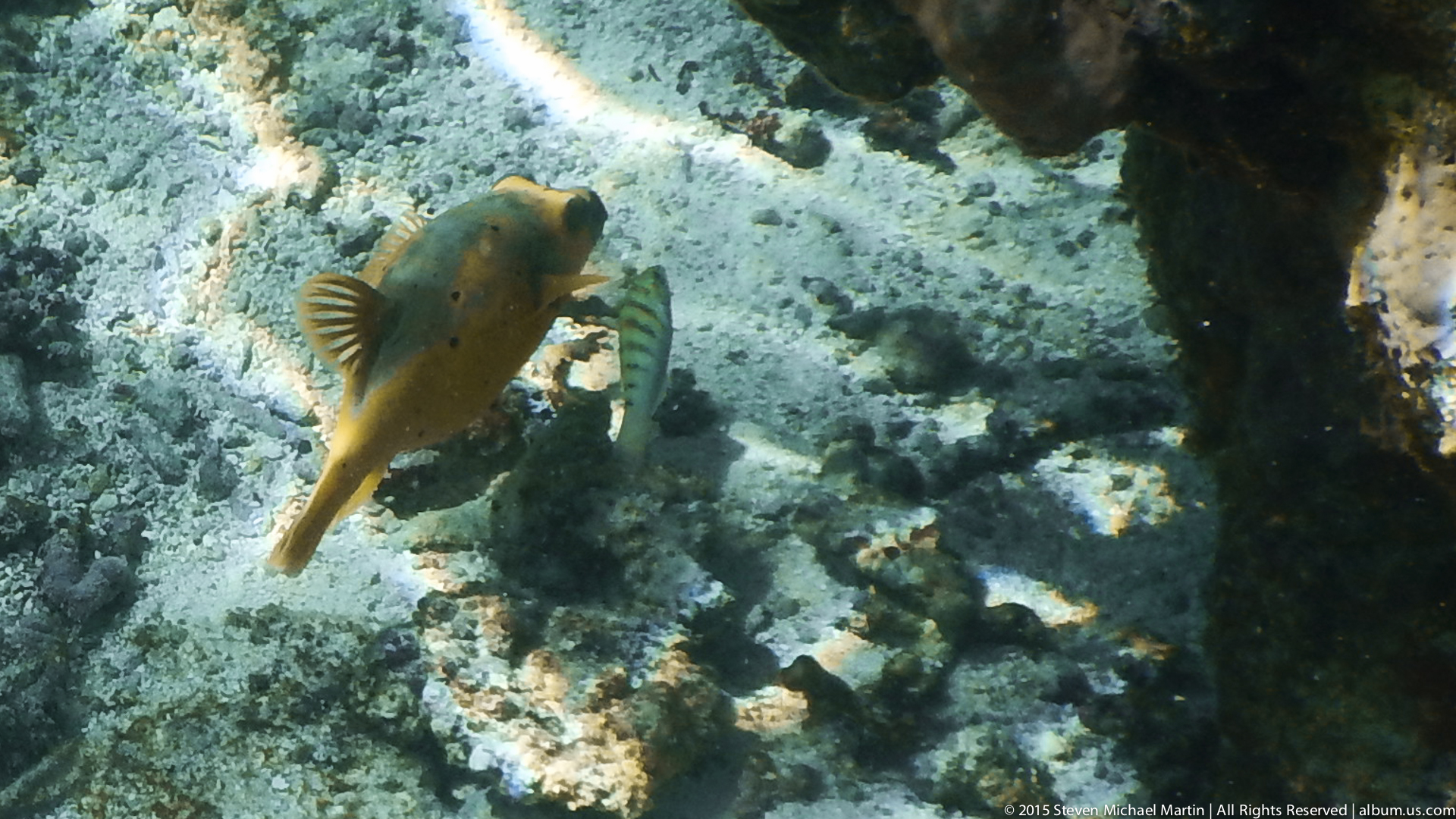
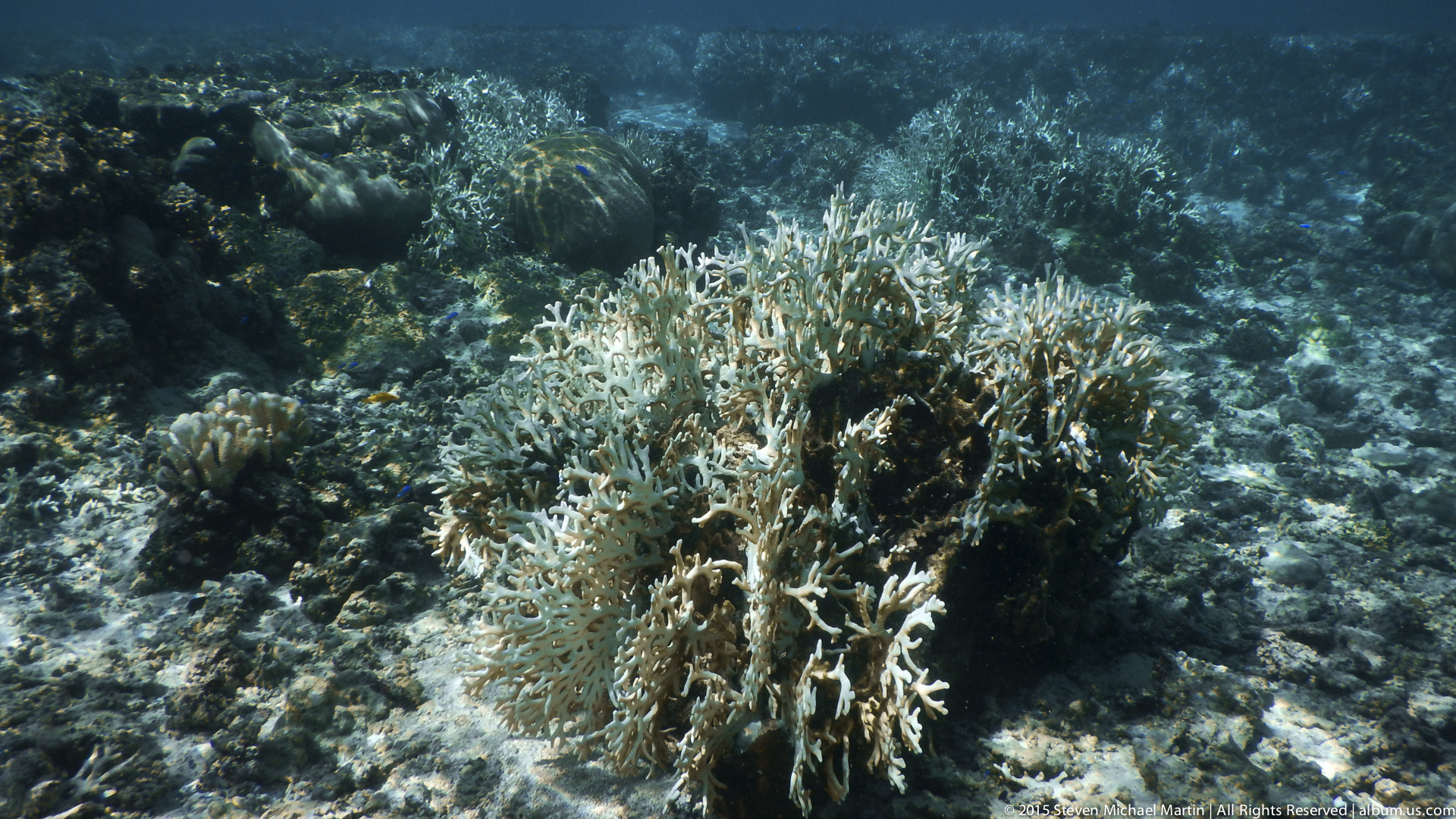
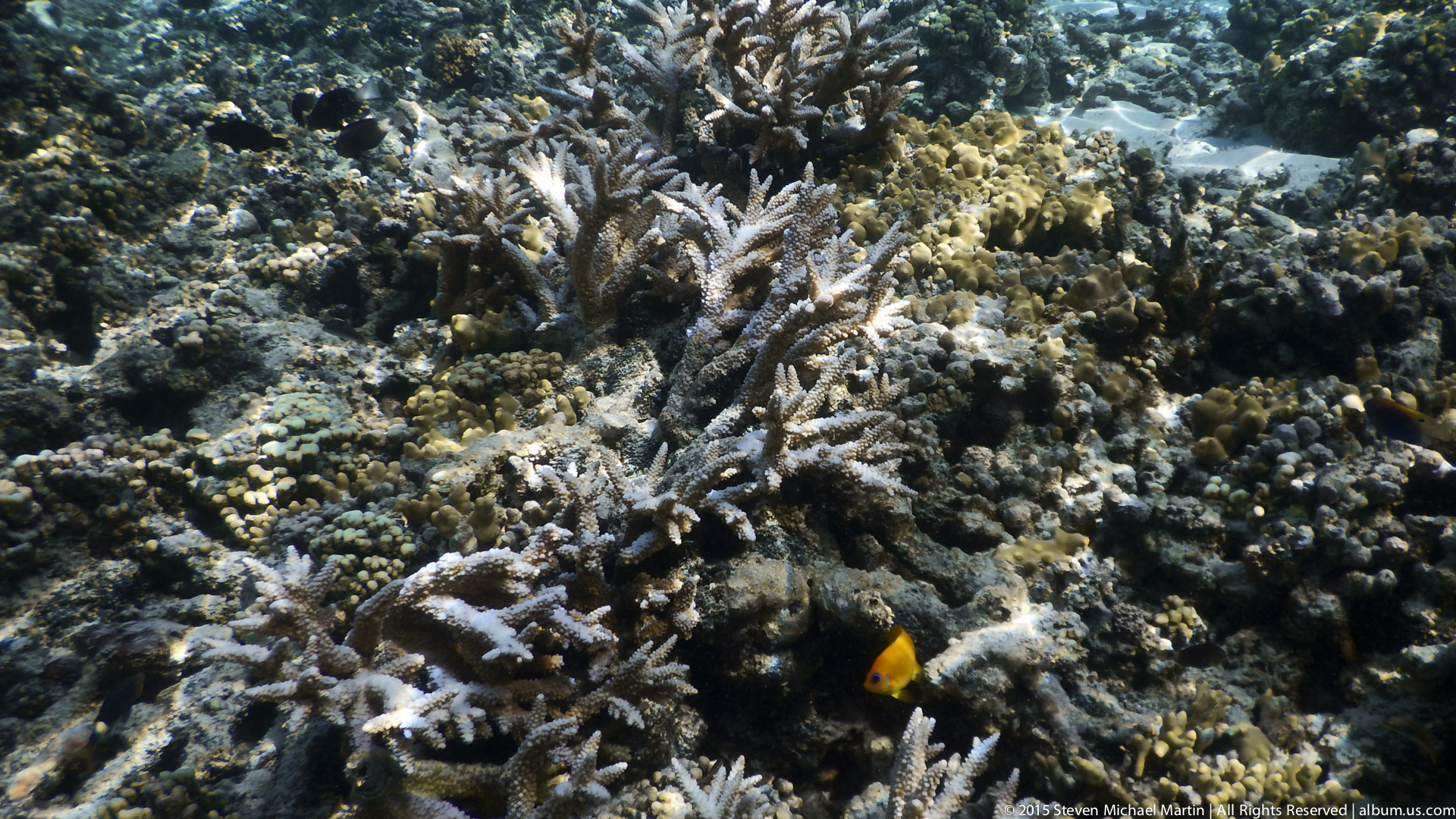
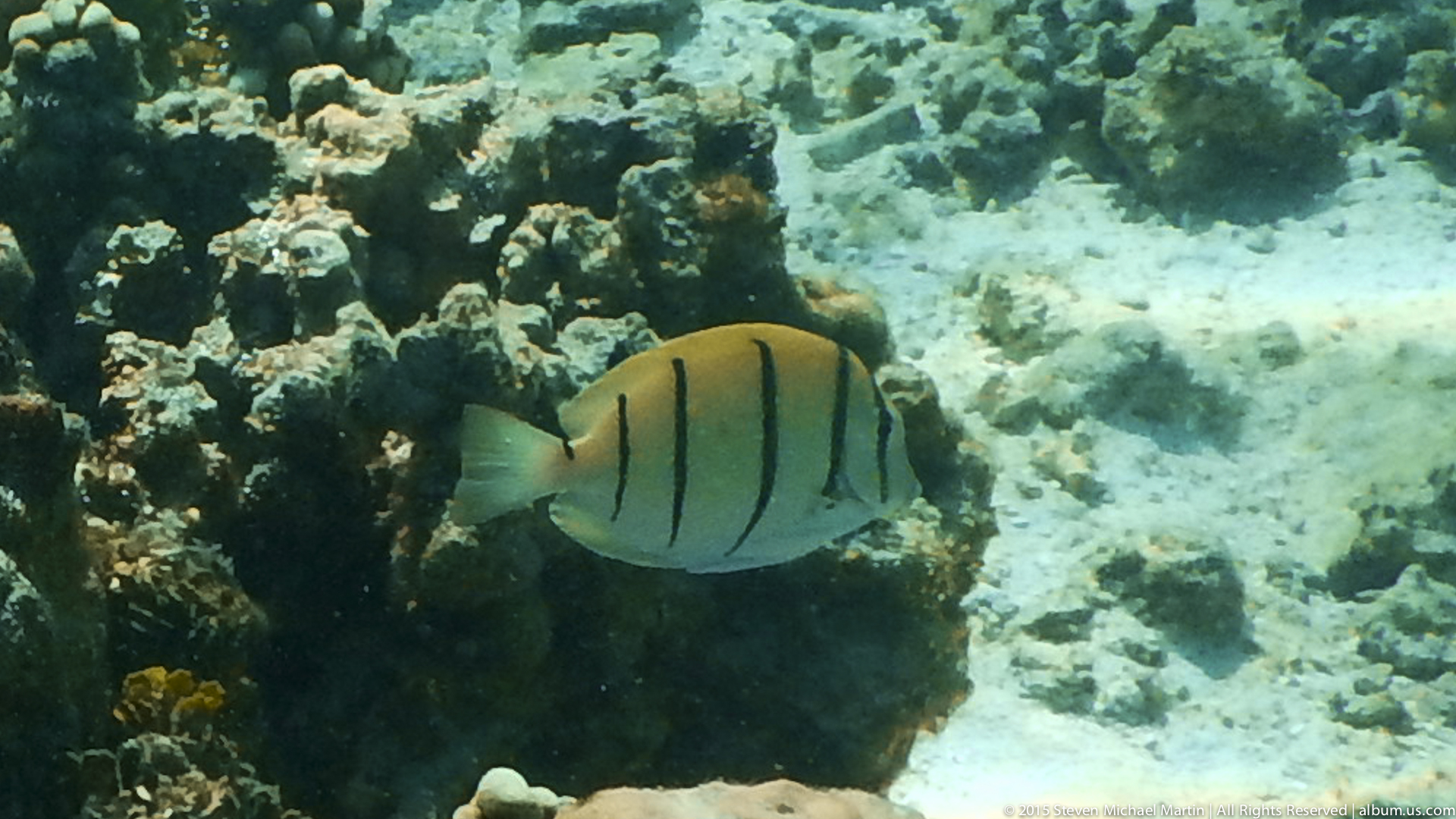
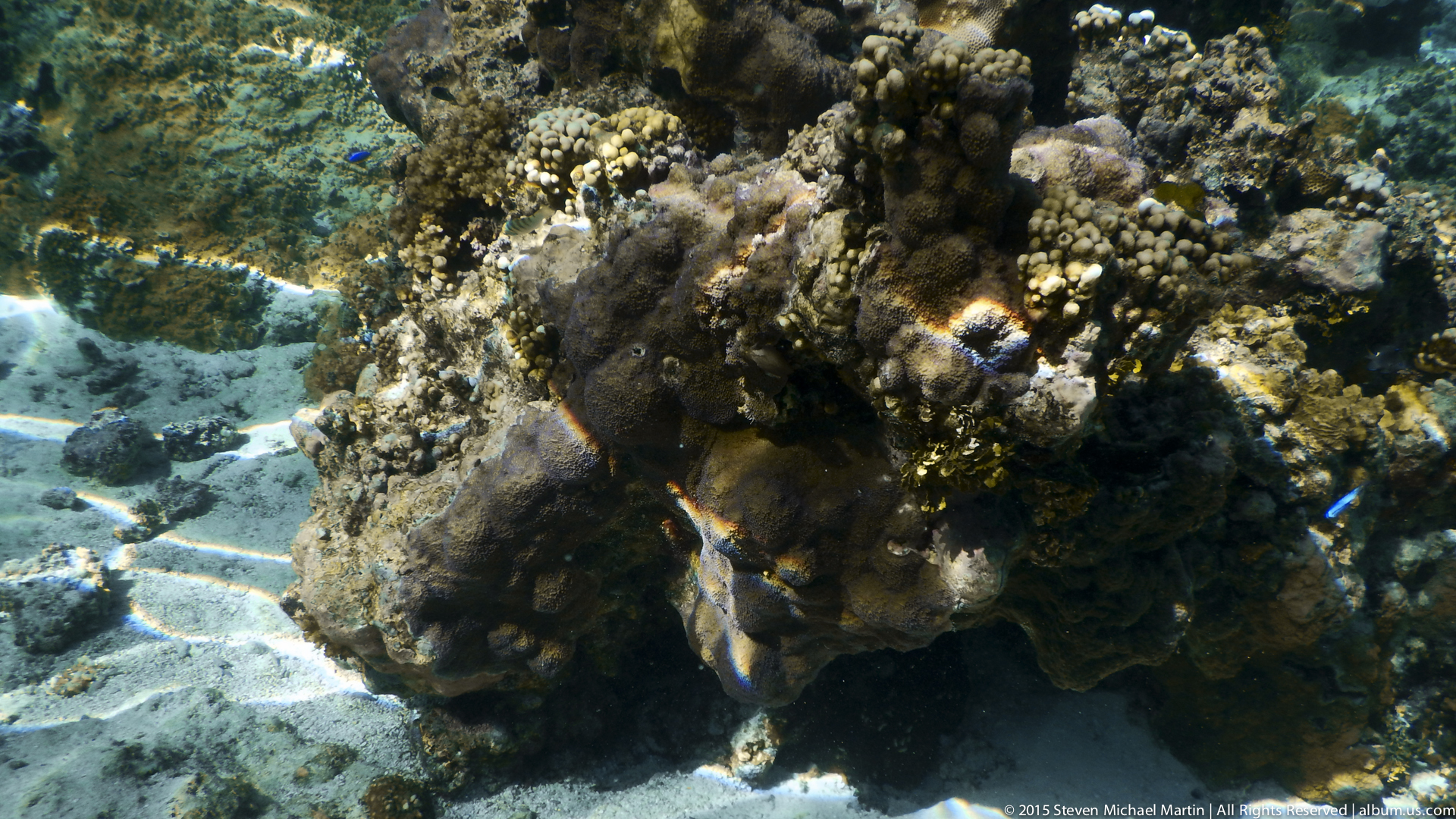
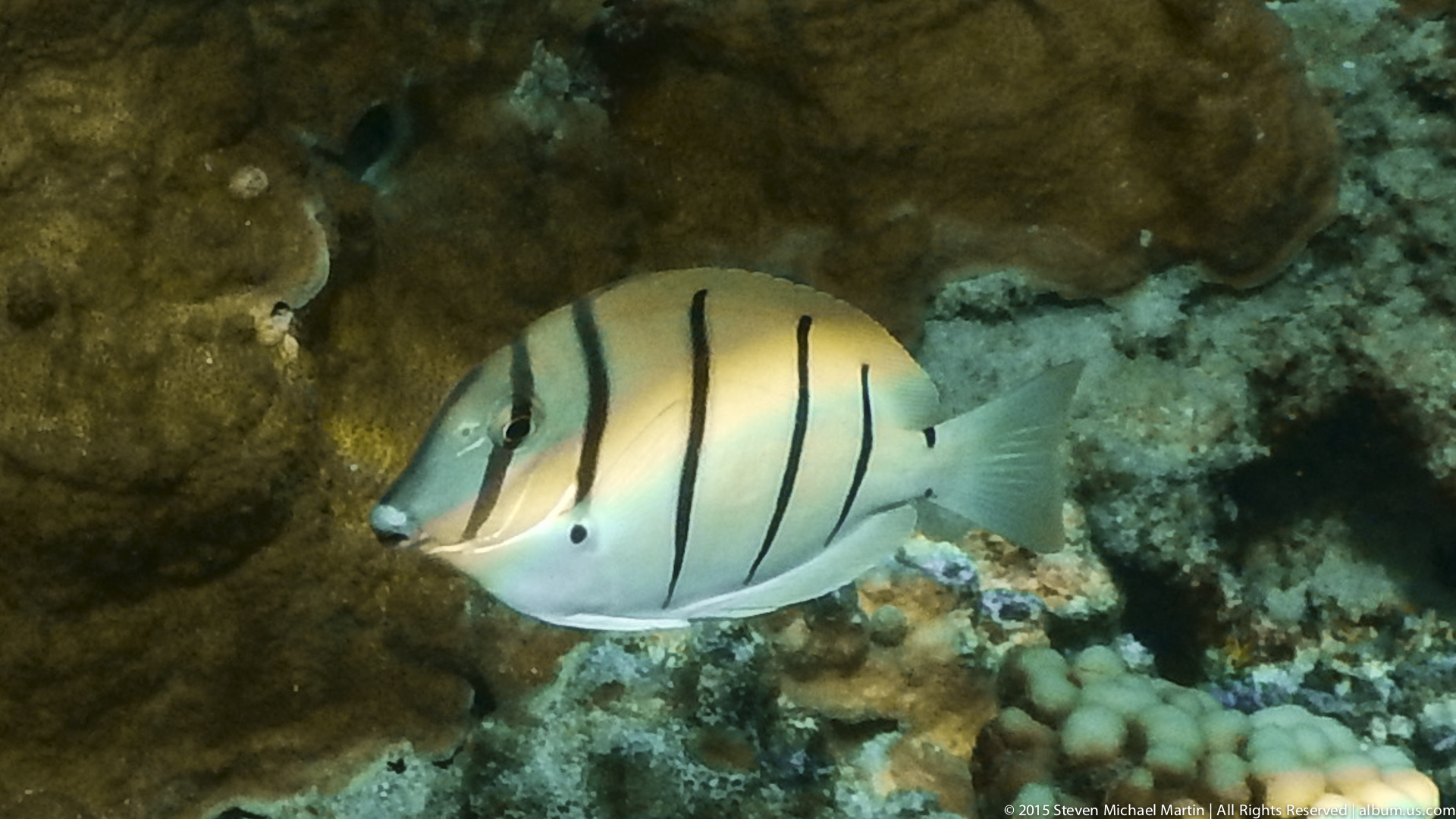
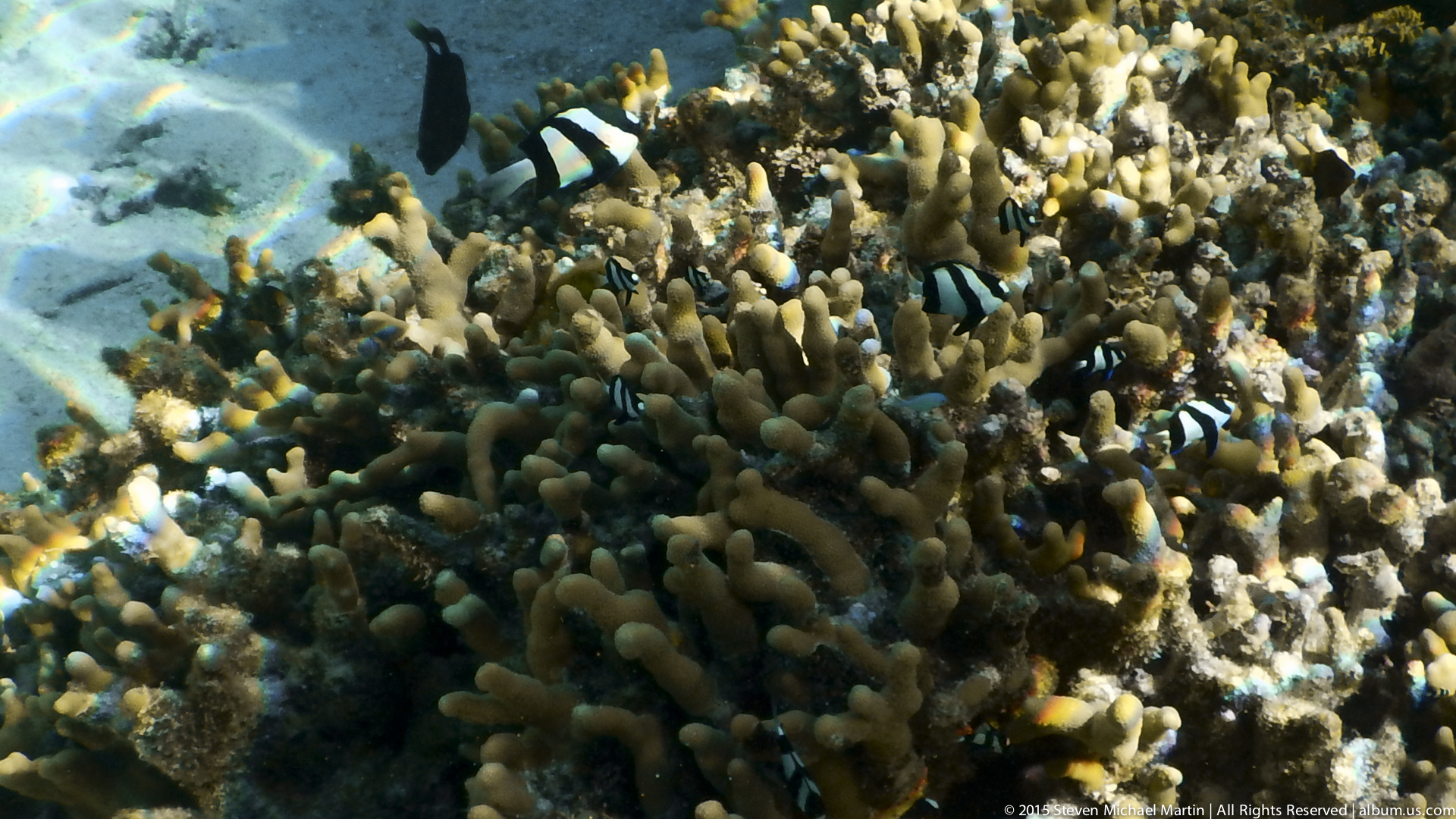
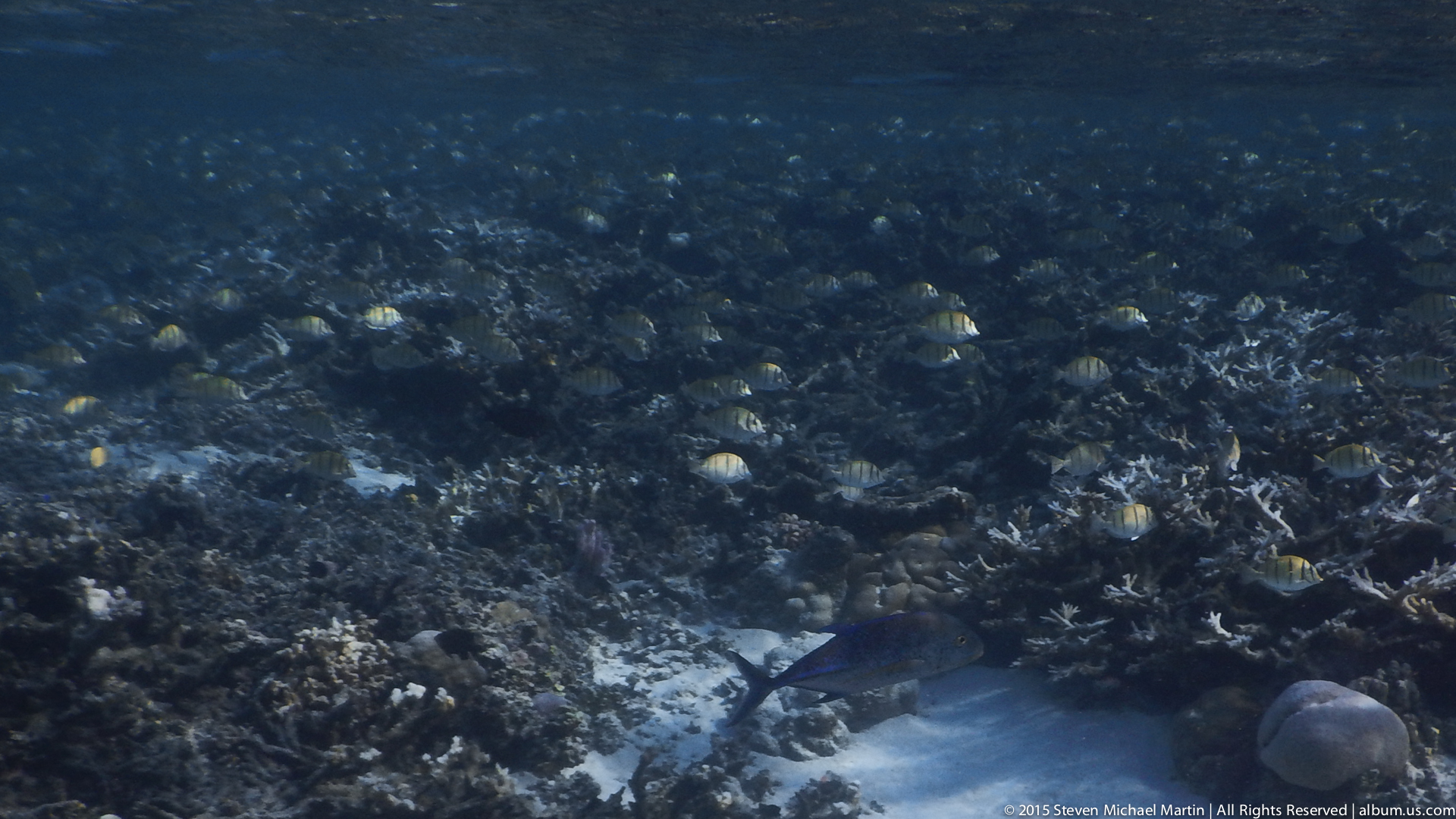
As we drifted across the reef, every direction revealed something new — soft corals swaying gently in the current, striped reef fish moving between coral openings, and textured reef structures shaped by decades of uninterrupted growth. The volcanic peaks of Ofu rose above the lagoon, reminding us how far we had traveled to reach this moment. Snorkeling here was not simply beautiful — it felt like witnessing one of the most pristine coral environments in the world, a rare glimpse of a marine ecosystem that still feels wild, quiet, and remarkably untouched.



















🧭 Field Guide
Landscape Type: Coral reef and volcanic island coastline
Primary Features: reef formations, lagoon water, tropical shoreline
Best Time to Visit: calm ocean conditions for clear water visibility
Conditions: warm water temperatures with variable coastal winds
✨ Highlights
- Coral Reef Ecosystem – complex reef structures visible in shallow coastal water.
- Clear Tropical Water – high visibility reveals underwater landscape features.
- Protected Lagoon Environment – calmer water conditions near reef formations.
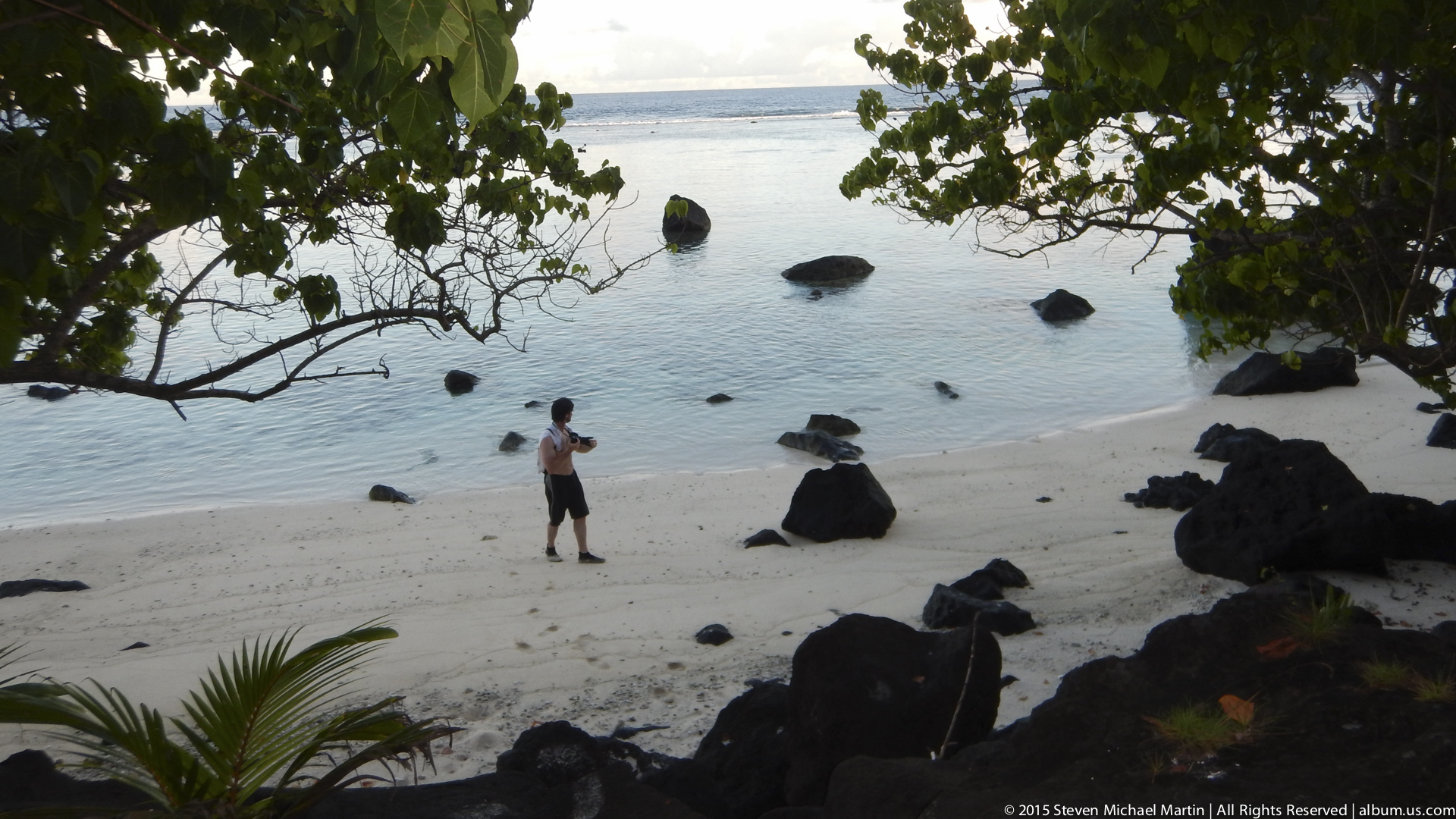
- Volcanic Coastal Terrain – dark rock contrasts with turquoise water.
- Marine Biodiversity – reef habitat supports numerous aquatic species.
- Remote Island Setting – limited development preserves natural scenery.
🐠 Notable Wildlife Encounters
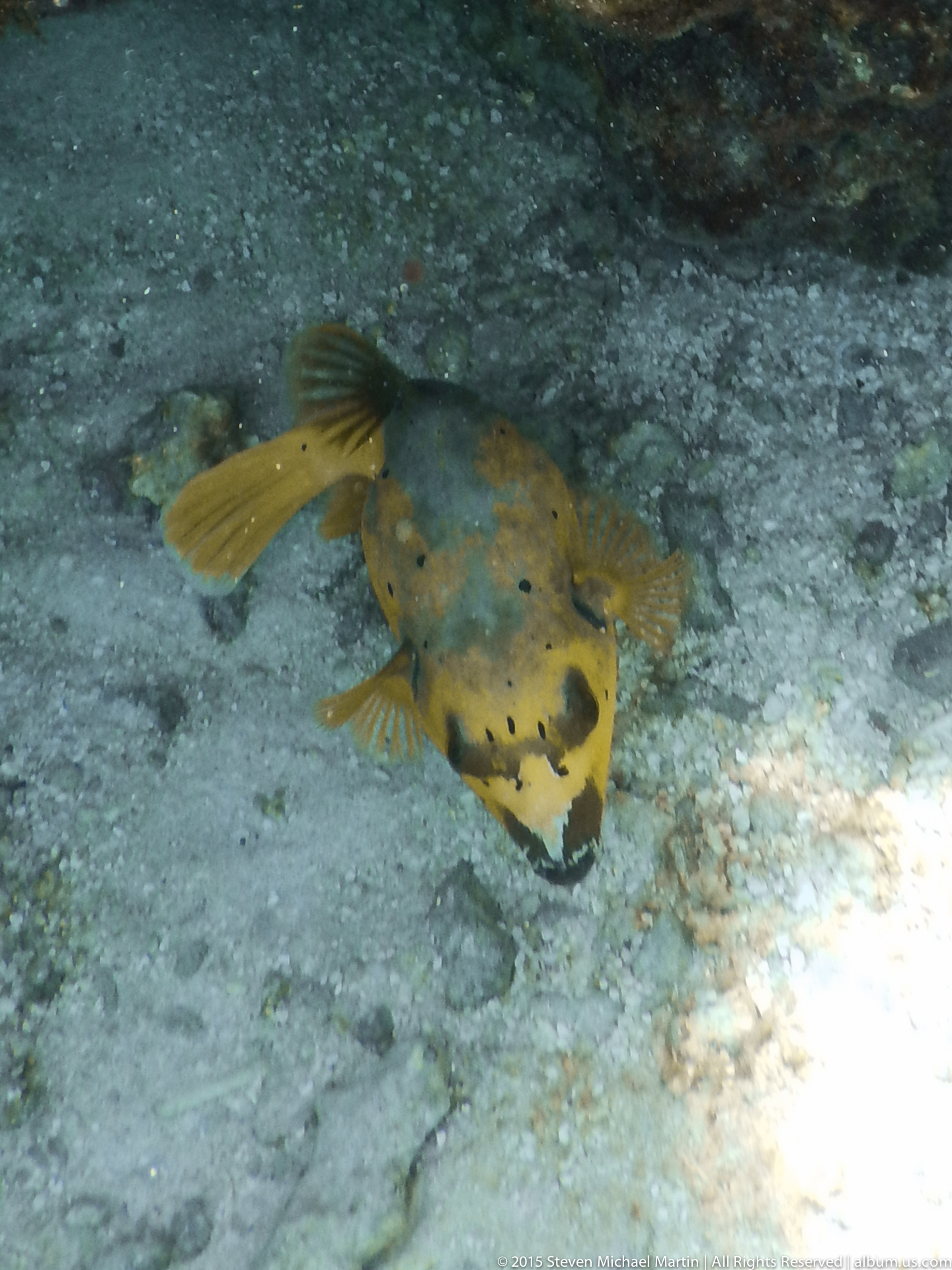
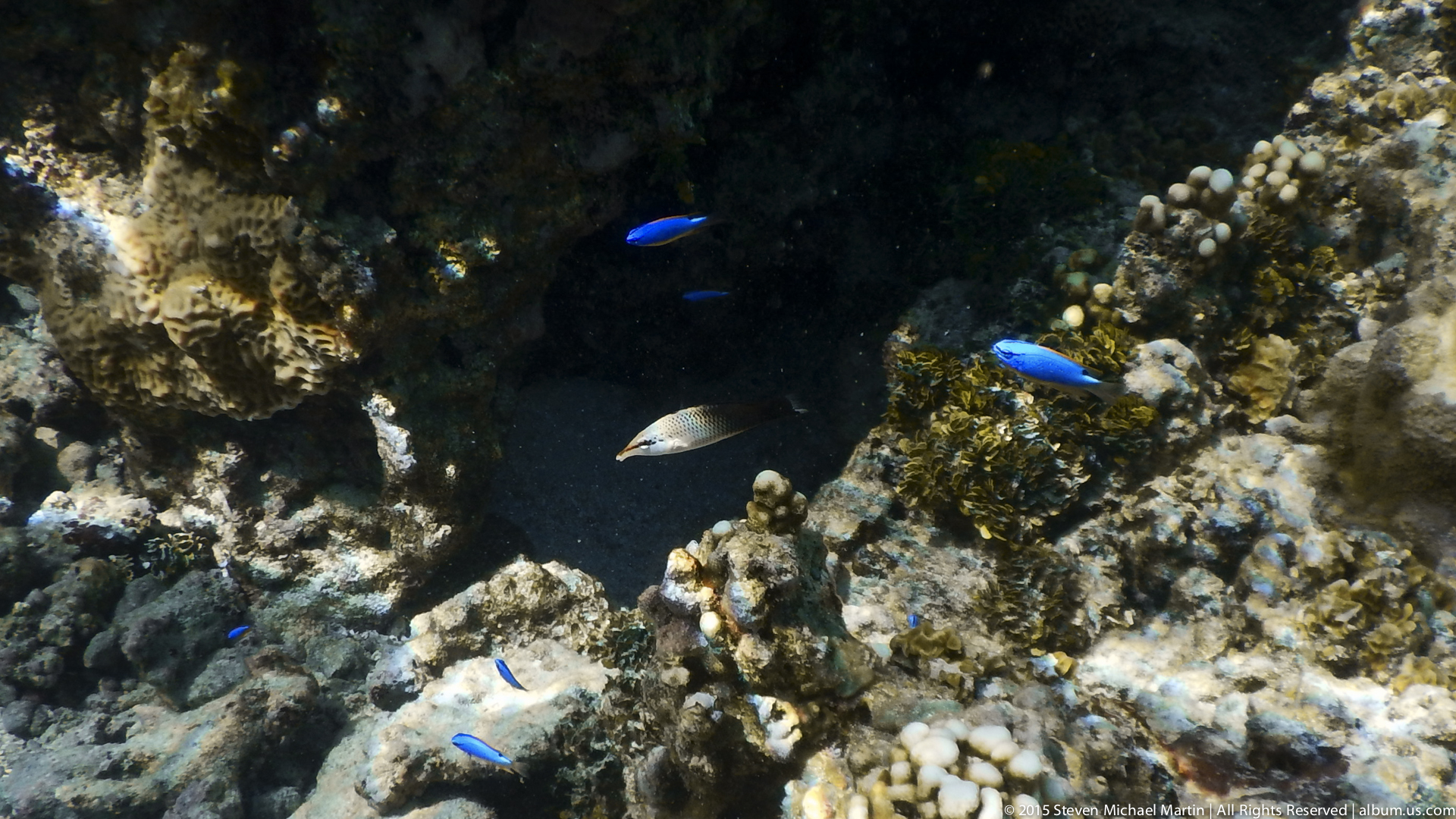
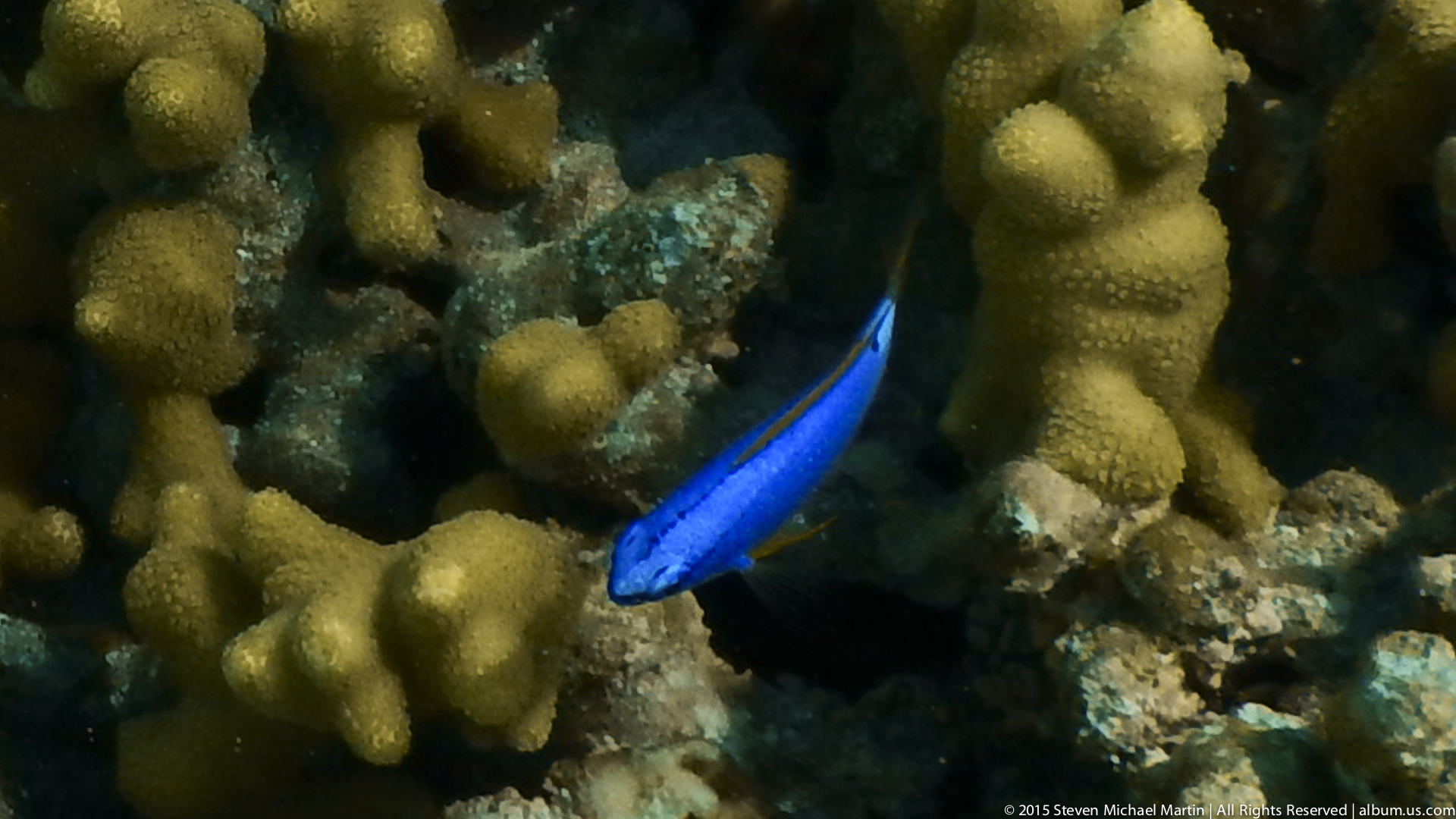
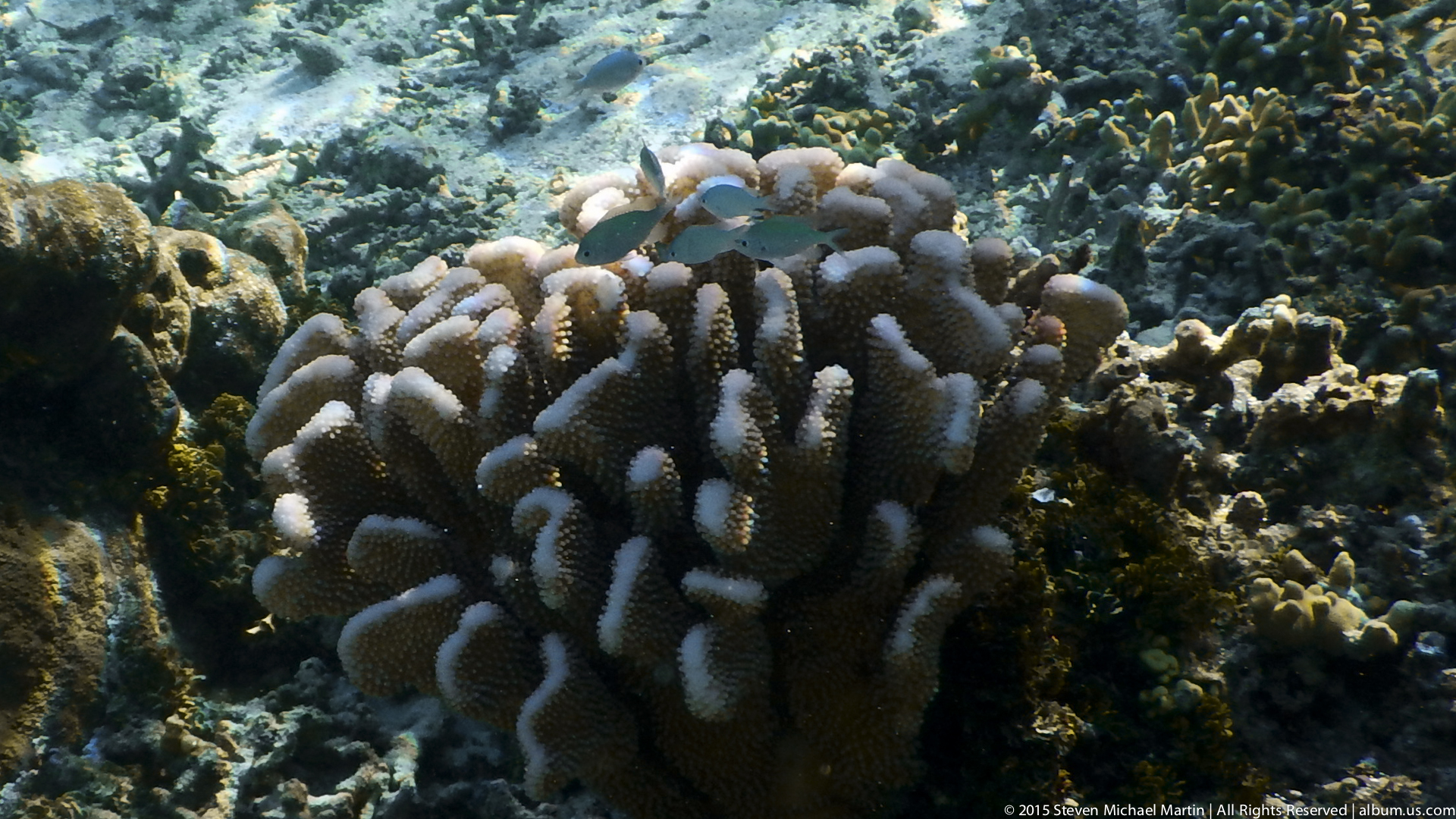
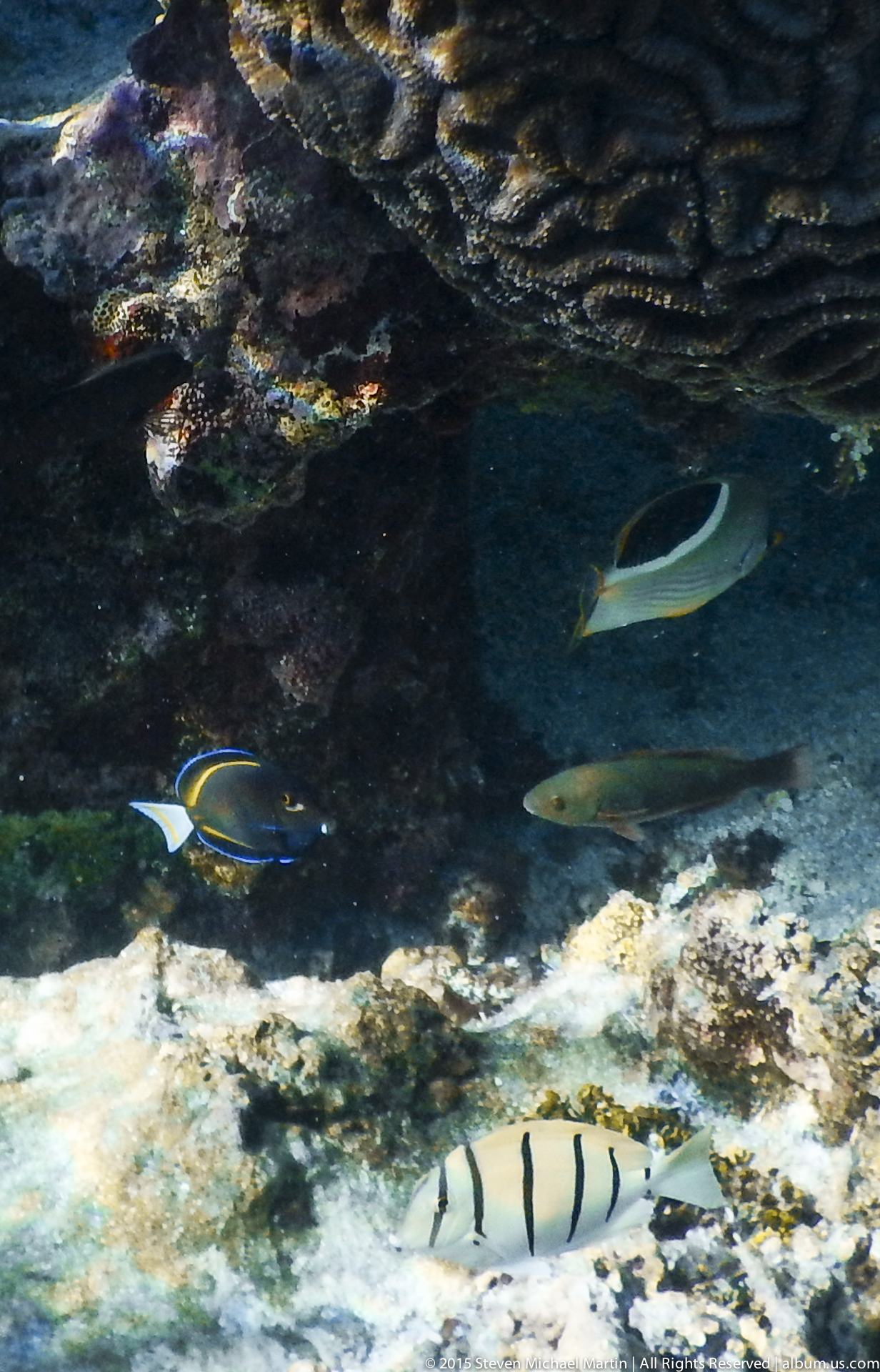
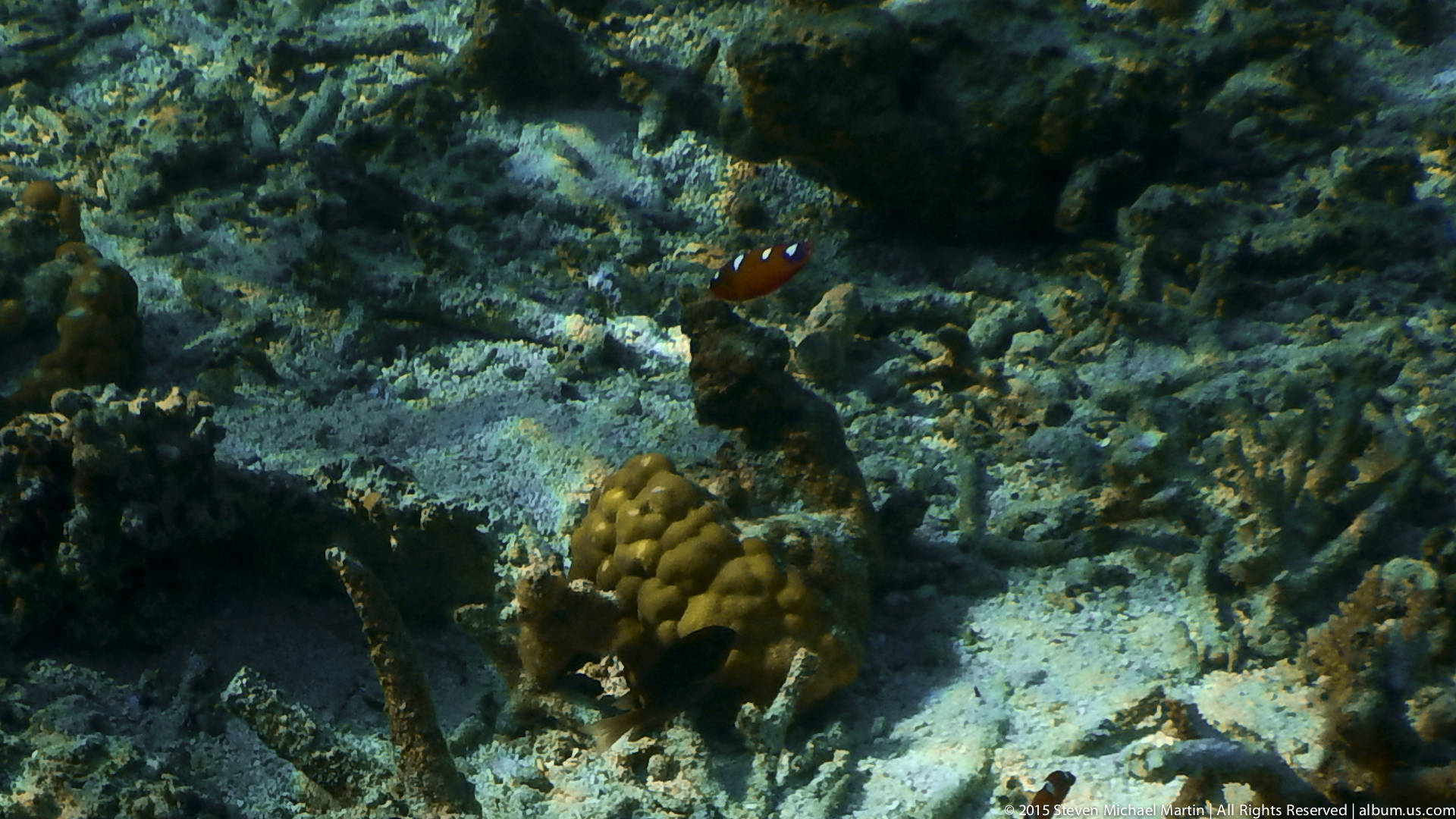
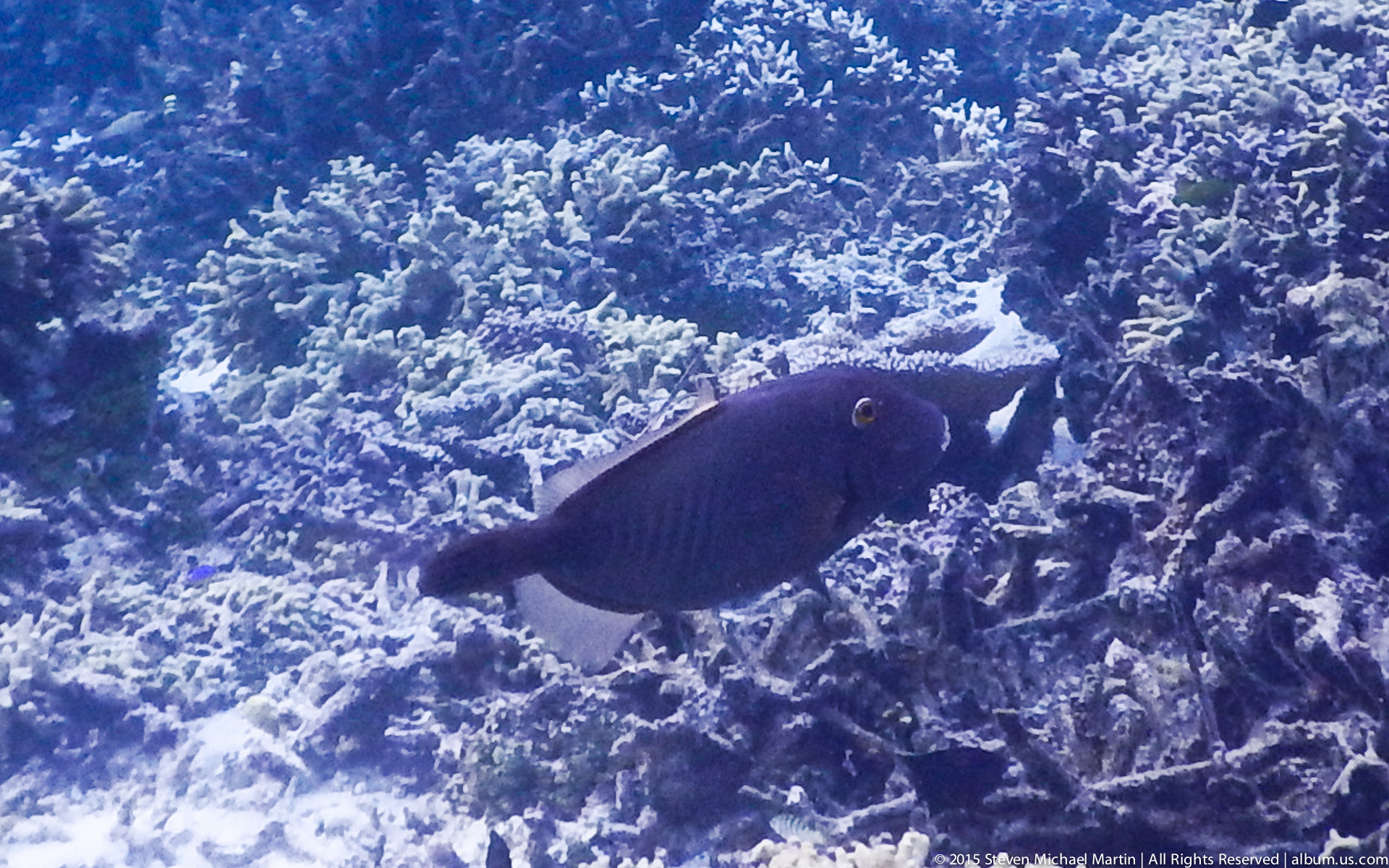
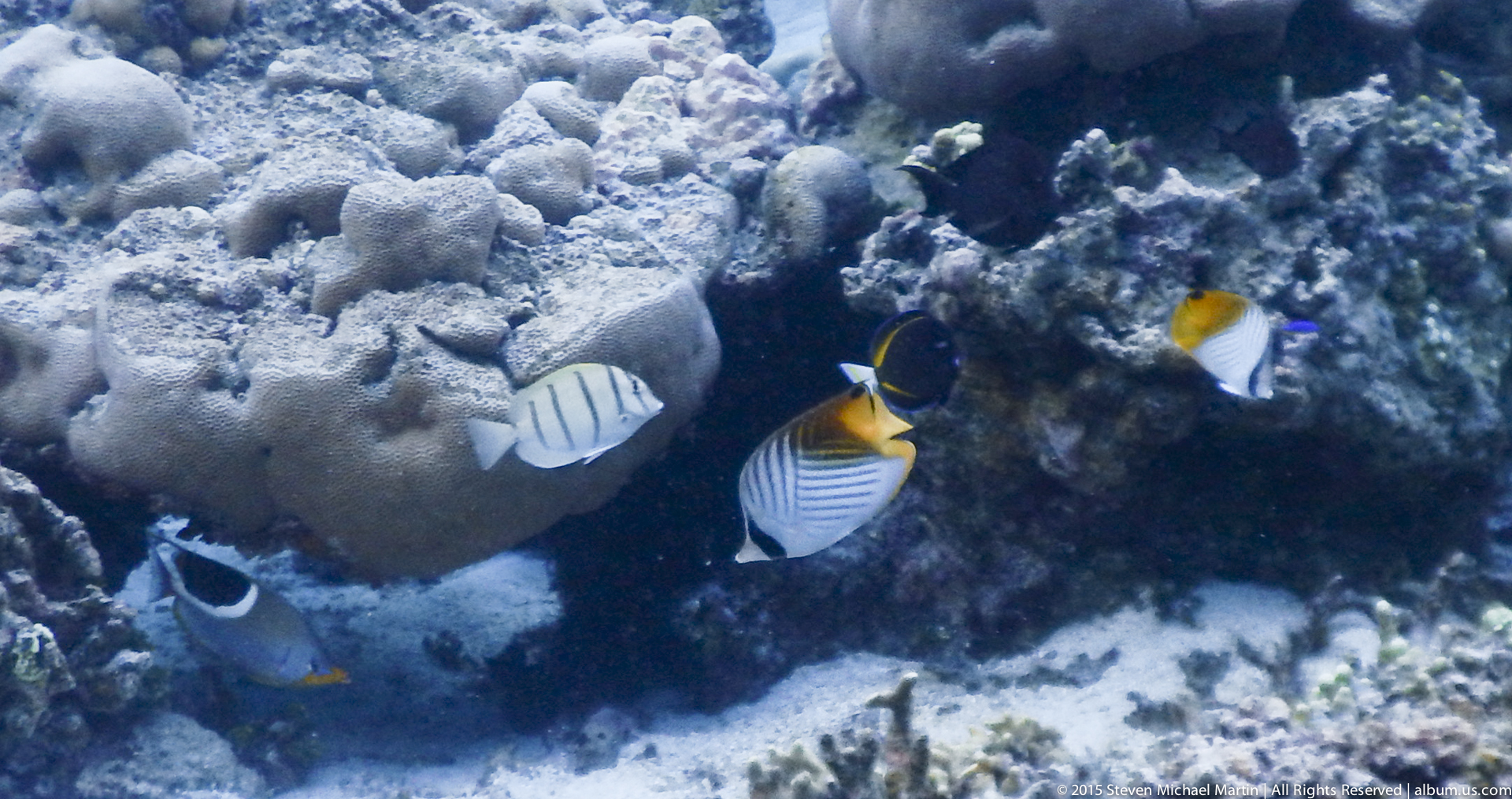
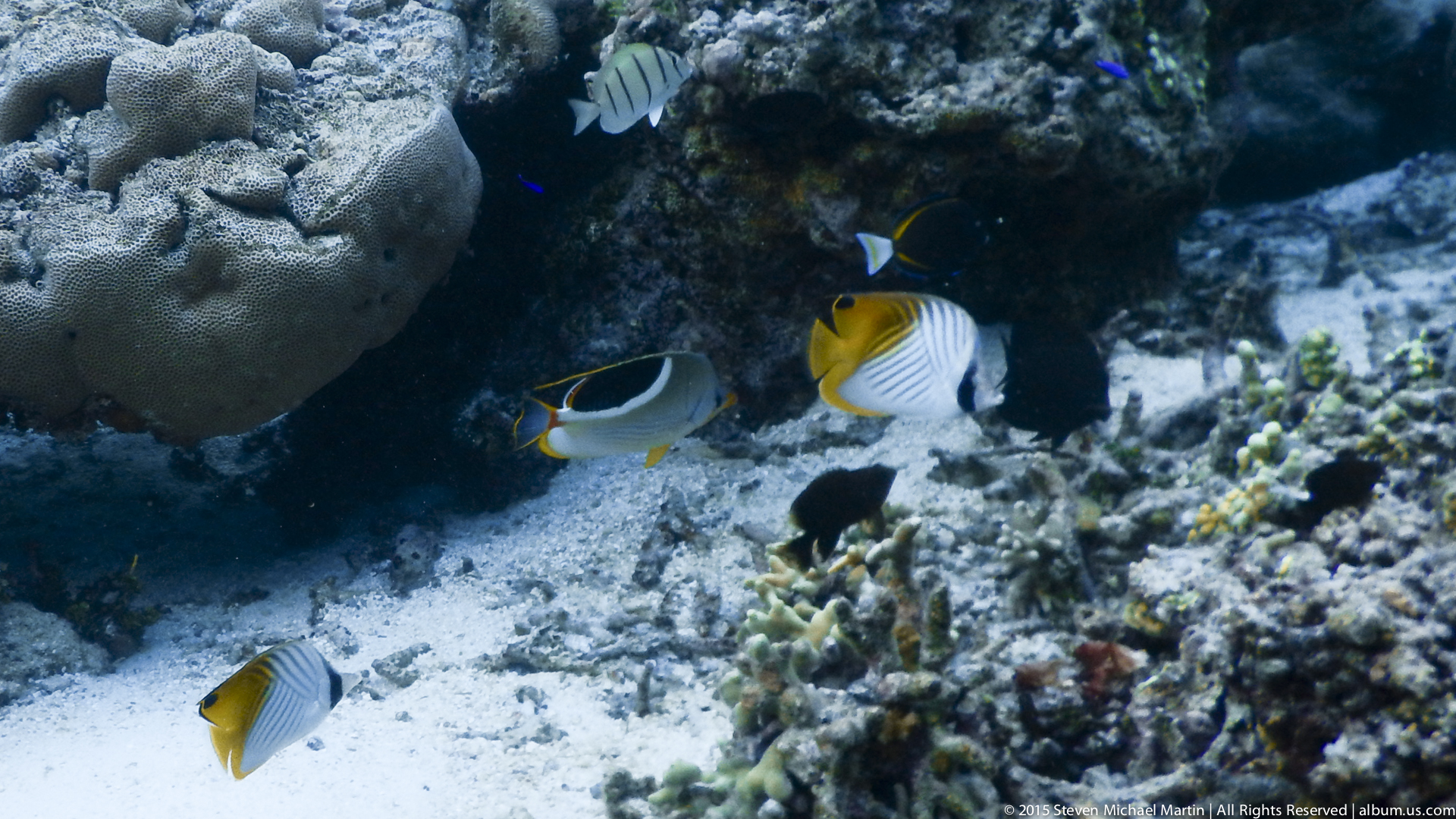
- Tropical Reef Fish – Small reef fish moved calmly through coral openings, seemingly unbothered by our presence. Their ease in such clear water reinforced the feeling that this ecosystem experiences relatively little disturbance.
- Striped Butterflyfish and Reef Species – Distinctive reef fish glided between coral ledges and branching formations, adding motion and color to the stillness of the lagoon.
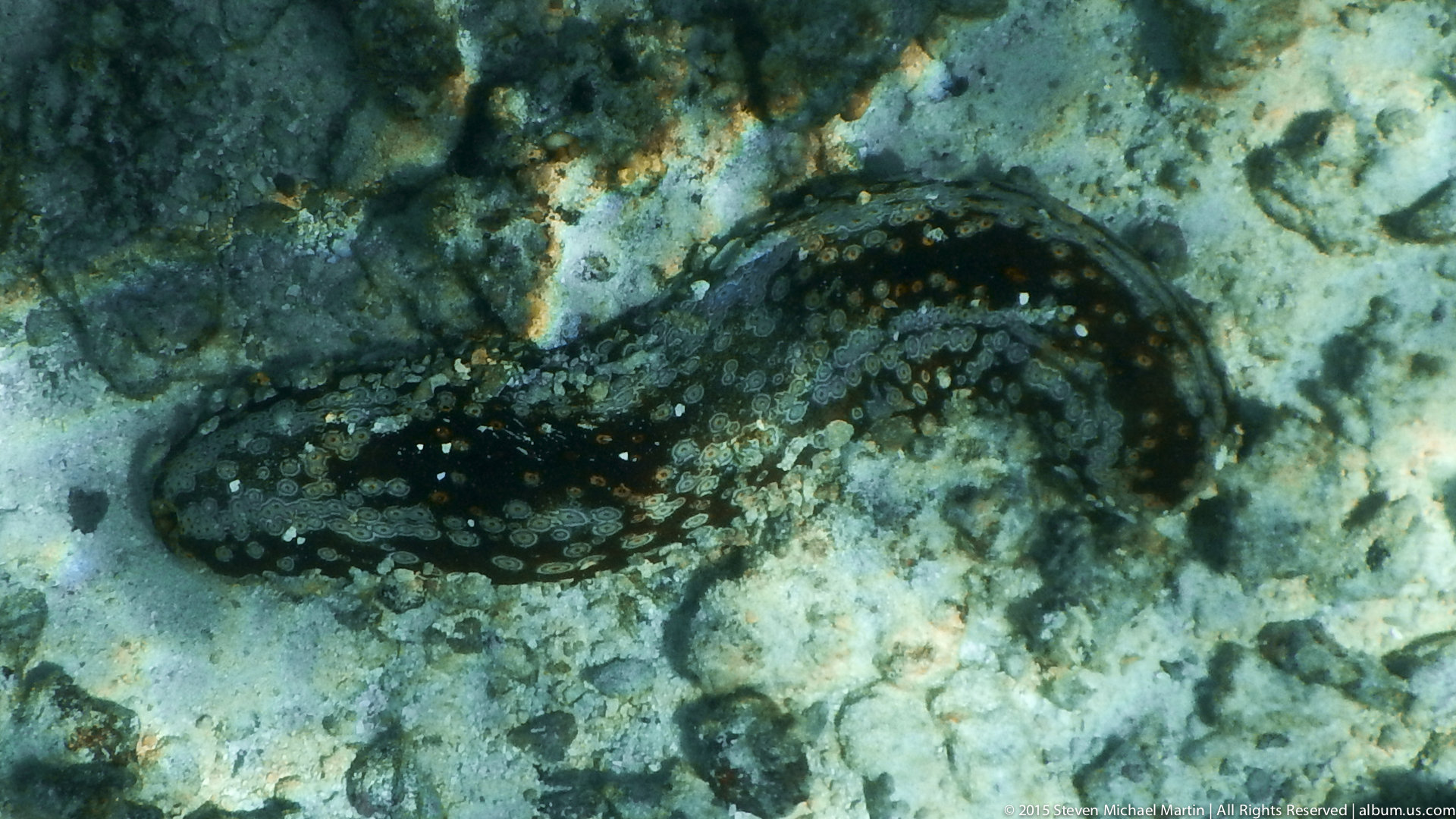
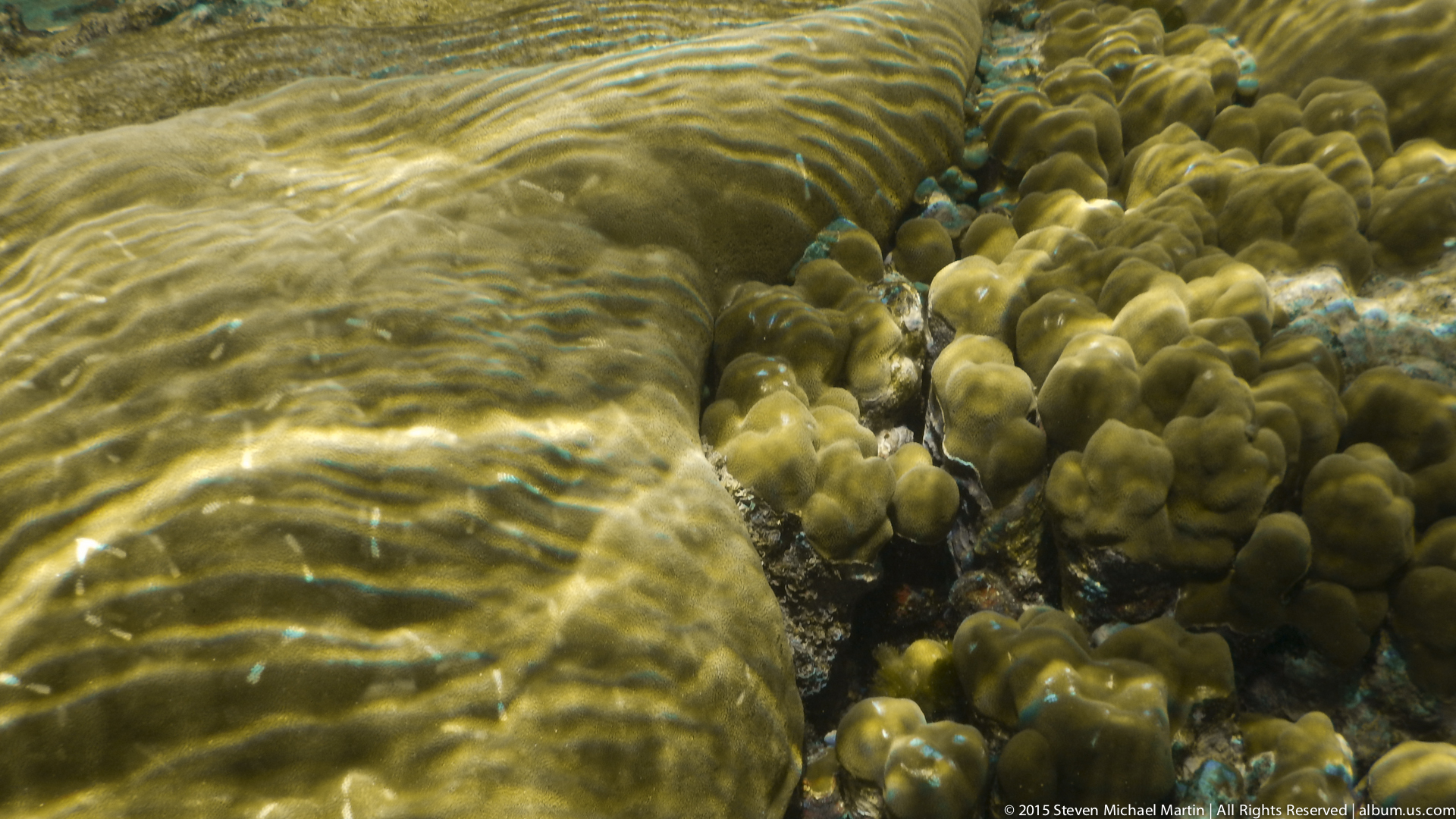
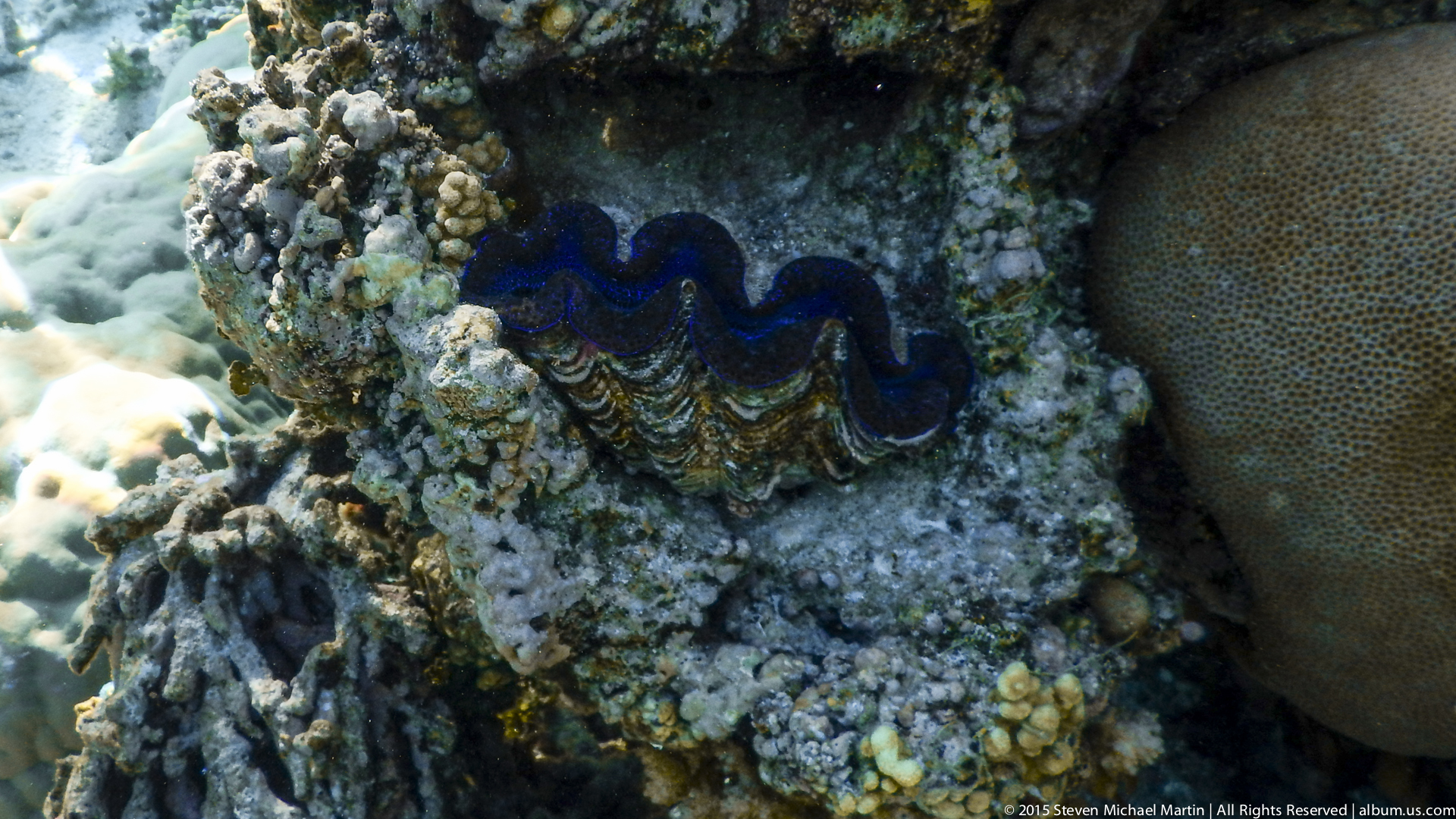
- Giant Clam – Embedded within the reef, the giant clam appeared almost sculptural, its textured shell blending into coral structures that have developed undisturbed over long periods.
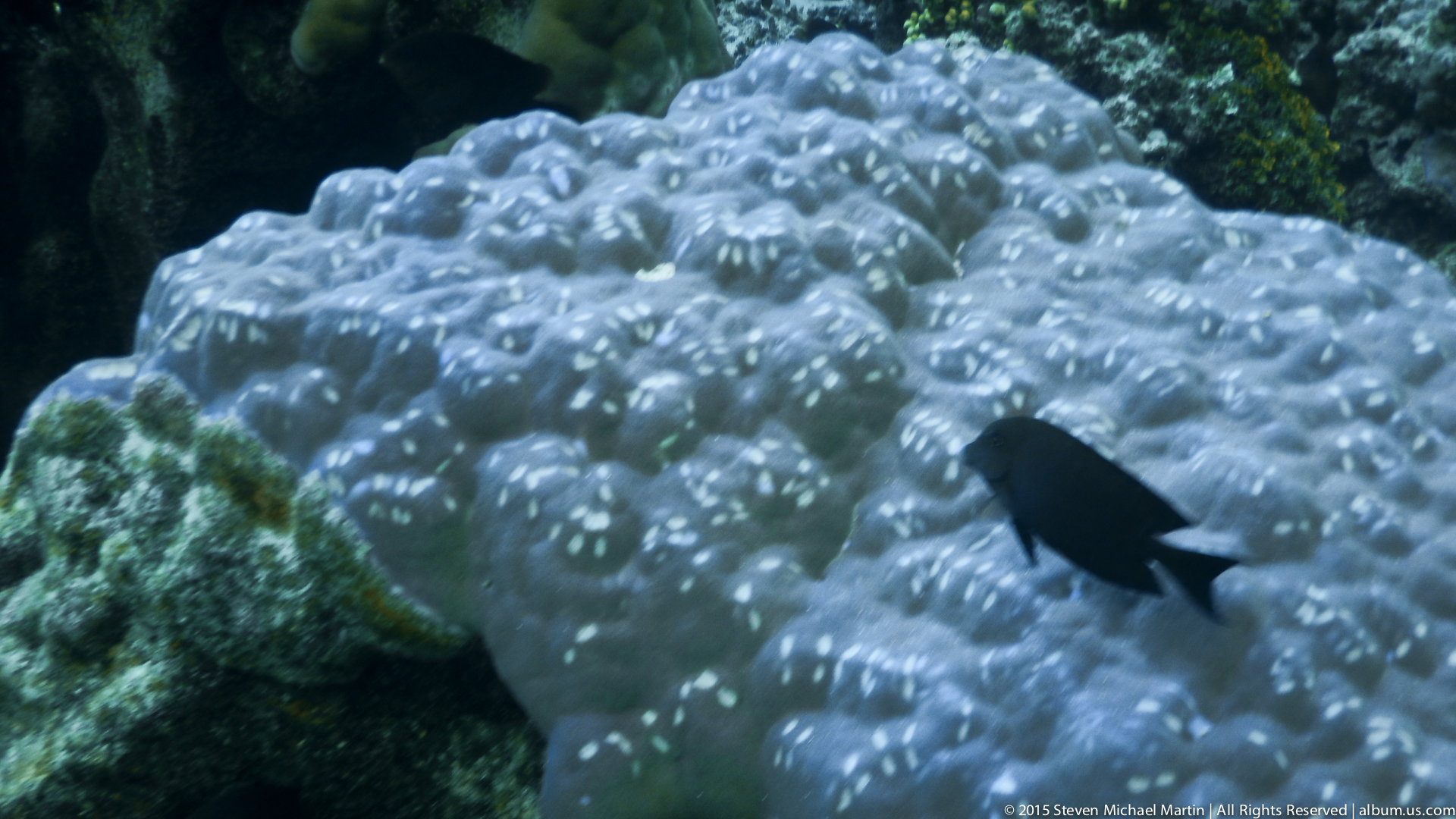
- Branching and Plate Coral Formations – The reef revealed remarkable structural diversity, from delicate branching colonies to broad plate corals shaped by sunlight and gentle currents.
- Soft Coral and Reef Textures – Soft coral surfaces moved subtly with the water, creating a sense of quiet motion across an otherwise calm marine landscape.
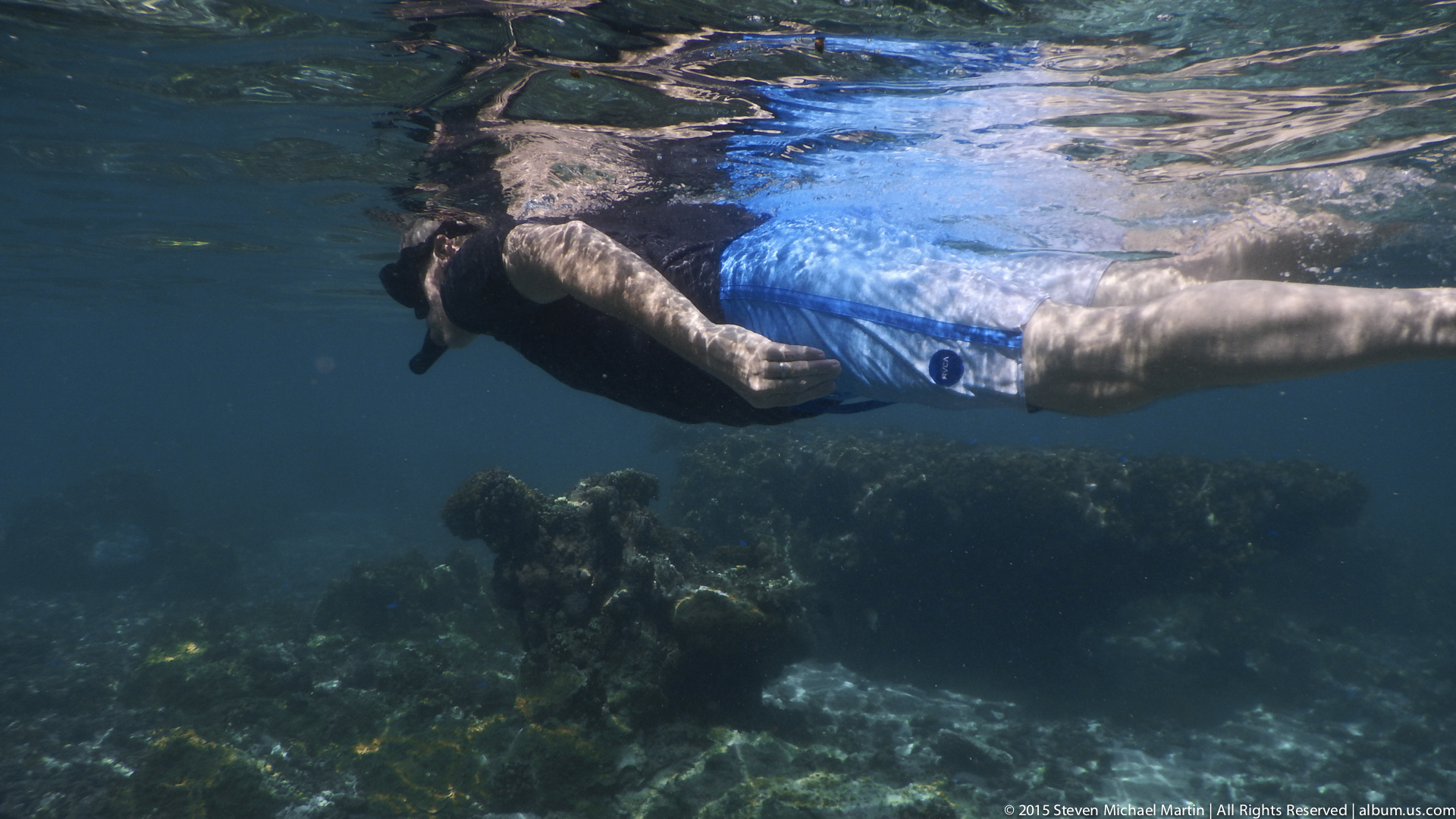
- Clear Lagoon Habitat – The exceptional clarity of the shallow lagoon made it possible to observe reef details from the surface, creating the impression of floating above a natural aquarium.
- Pristine Coral Ecosystem – The density and health of the coral suggested an ecosystem largely protected by the island’s remoteness, reinforcing the feeling of experiencing a place few people ever reach.
📷 Photography Notes
- Bright sunlight enhances water clarity and reef visibility.
- Polarized lenses may reduce glare from ocean surface.
- Morning light often produces calmer water conditions.
- Shallow reef areas create visible color variation.
- Coastal vegetation provides foreground framing elements.