

Castillo de San Marcos & Fort Matanzas (St. Augustine)
St. Augustine preserves one of the earliest European-established settlements in the continental United States, reflecting the strategic importance of Florida’s Atlantic coastline within Spanish colonial networks. Positioned along protected waterways connecting the Atlantic Ocean to inland environments, the settlement developed as part of a broader system of imperial defense and maritime navigation linking the Caribbean, the Gulf of Mexico, and the North American mainland.
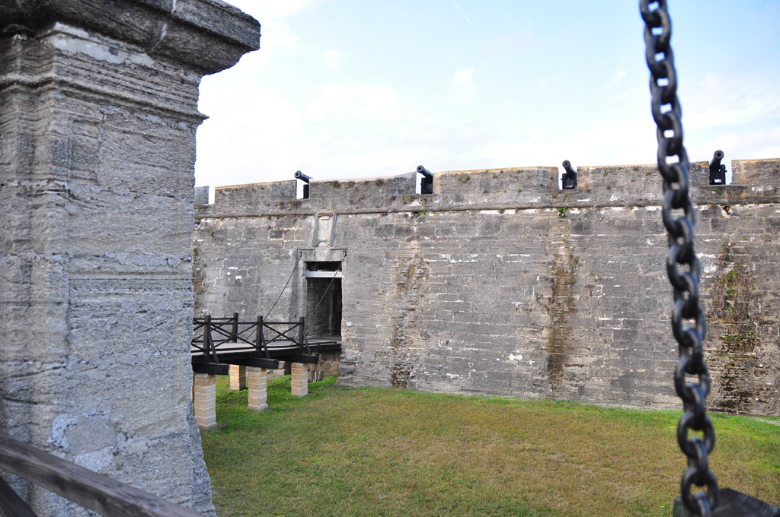
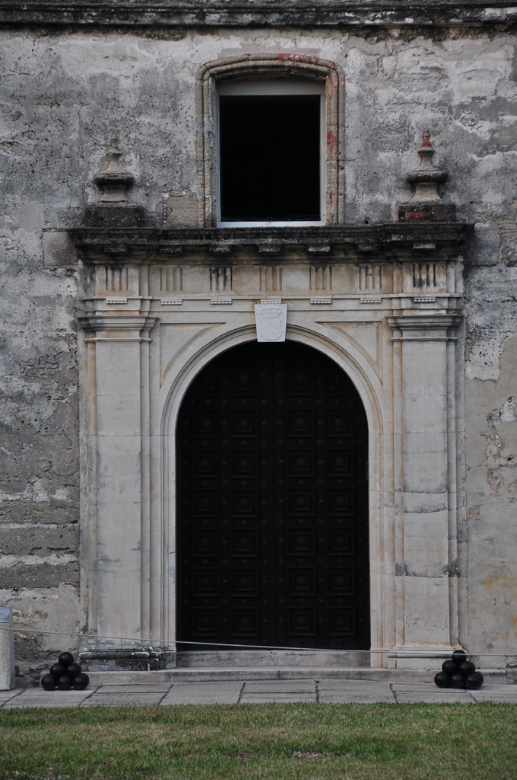
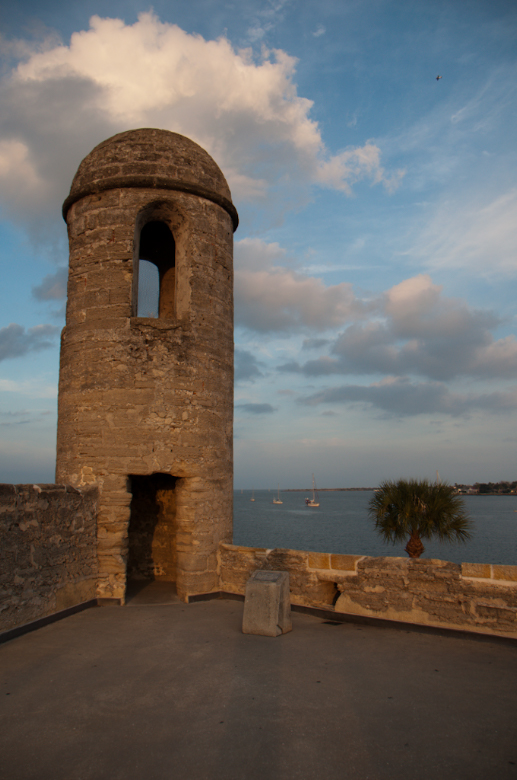
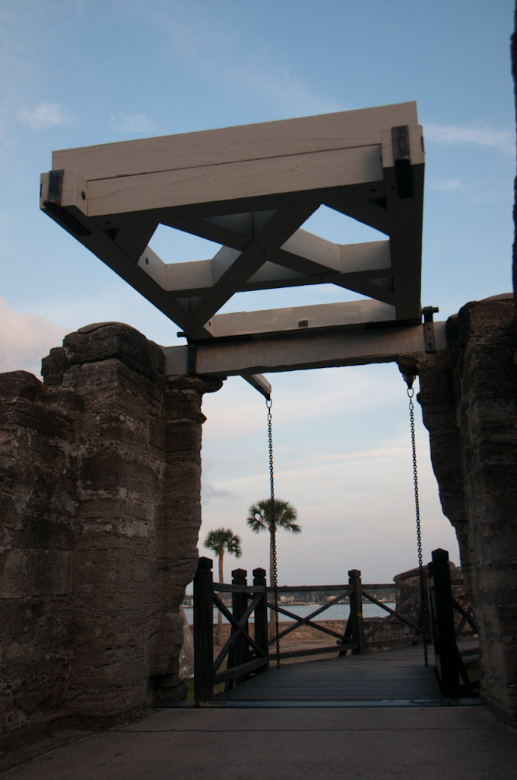
The masonry fortifications of Castillo de San Marcos and Fort Matanzas illustrate evolving defensive strategies designed to protect access to the harbor and surrounding waterways. Constructed from coquina stone formed from compressed shell fragments, these structures demonstrate adaptation to both environmental conditions and military requirements. Their locations along navigable channels highlight the geographic considerations that influenced colonial settlement patterns along the southeastern coast.
Together, these preserved fortifications illustrate the importance of coastal geography in shaping early colonial competition and settlement in North America. The sites reflect the interaction of architecture, environment, and maritime strategy that contributed to the long historical continuity of St. Augustine as a cultural and geographic landmark within the southeastern United States.


Castillo de San Marcos & Fort Matanzas National Monuments Field Guide
📍 Location
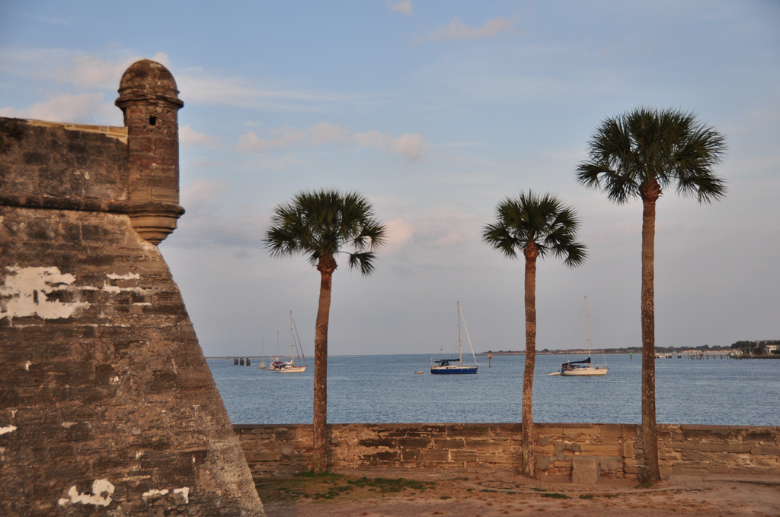
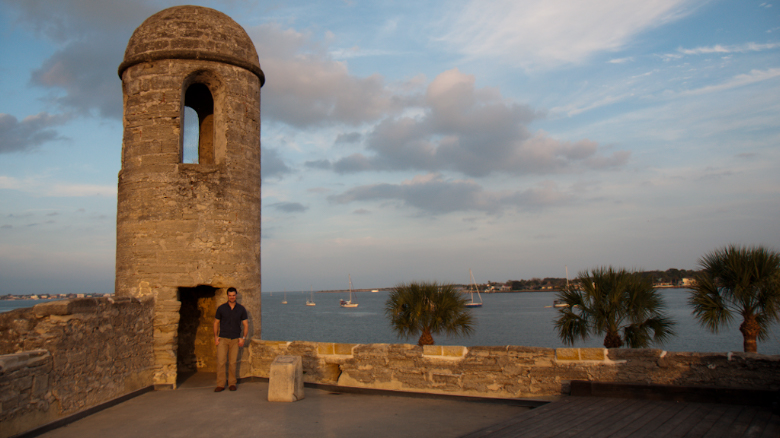
Located along the northeastern coast of Florida in St. Augustine, these fortifications occupy strategic positions controlling access to Matanzas Bay and the Atlantic shipping routes that connected Spain’s Caribbean territories with North America.
🏛 Historical Significance
Constructed during the Spanish colonial period, Castillo de San Marcos and Fort Matanzas formed part of a defensive network protecting St. Augustine, the oldest continuously occupied European-established settlement in the continental United States. Built from coquina stone composed of compressed shell fragments, the fortifications illustrate adaptation to local materials and coastal conditions.
⭐ Highlights
- Coquina stone construction resistant to cannon fire
- Strategic positioning overlooking coastal waterways
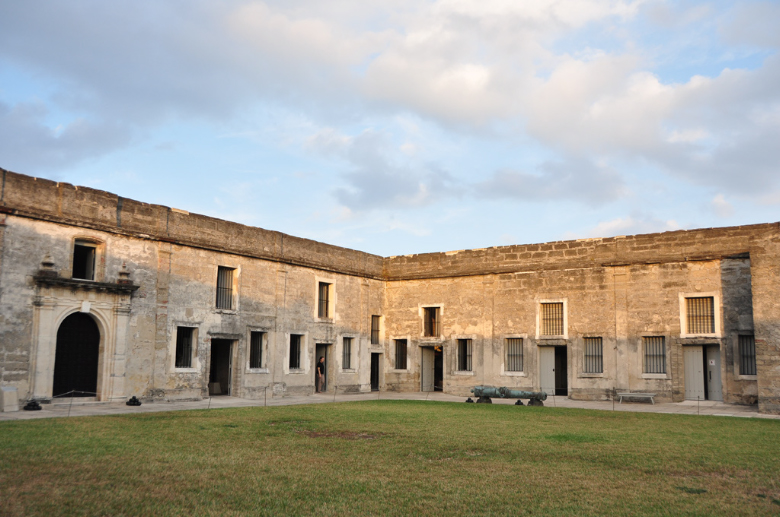
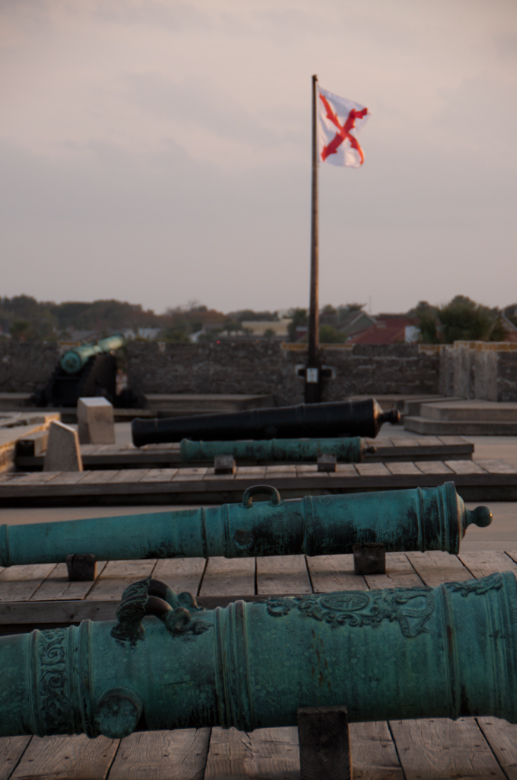
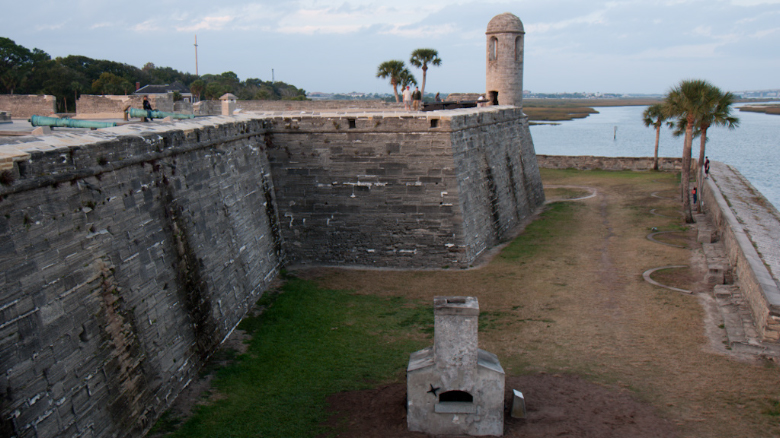
- Preserved bastions, walls, and defensive structures
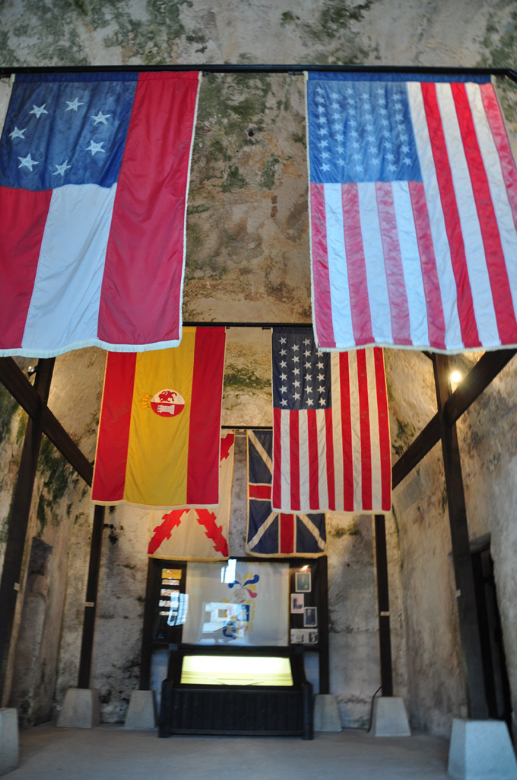
- Connection to early Spanish colonial presence in North America
📷 Photography Notes
- Stone textures photograph well in angled morning or late afternoon light
- Wide compositions capture geometric fort layouts
- Water views help convey strategic coastal placement
- Overcast conditions can enhance detail in coquina surfaces
- Elevated positions provide strong compositional lines
📚 Summary
These fortifications illustrate the strategic importance of Florida’s Atlantic coastline within Spanish colonial defense systems. Their preserved structures reflect the relationship between coastal geography, military architecture, and early European settlement in North America.