Hawaiʻi Volcanoes NP
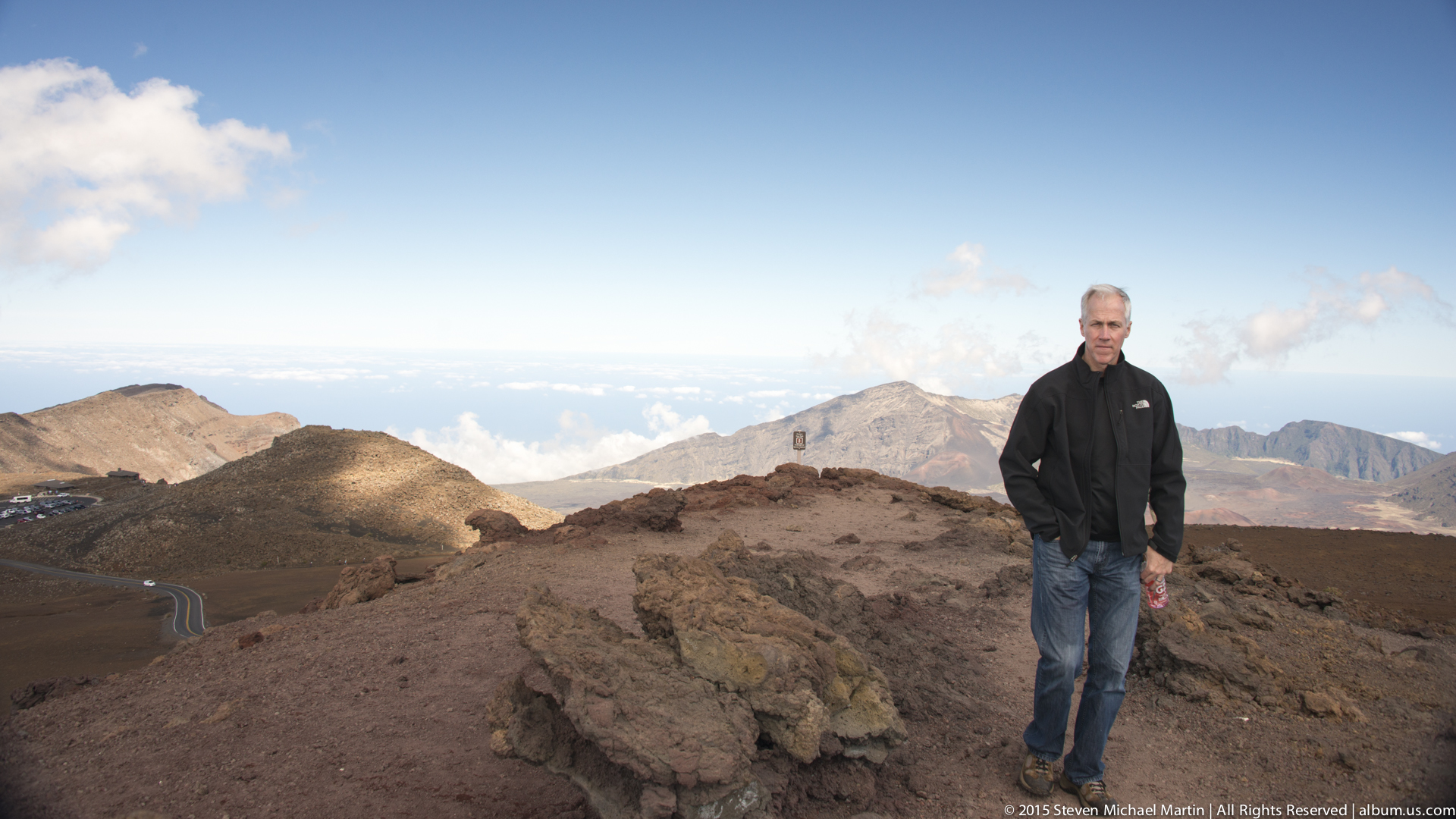
Hawaiʻi Volcanoes National Park presents one of the most geologically dynamic landscapes in the Pacific, where volcanic forces continue to shape the island environment. Vast lava fields, steam vents, and crater formations illustrate the processes that created the Hawaiian archipelago over millions of years. The terrain often feels stark and elemental, revealing the raw materials that form new land.
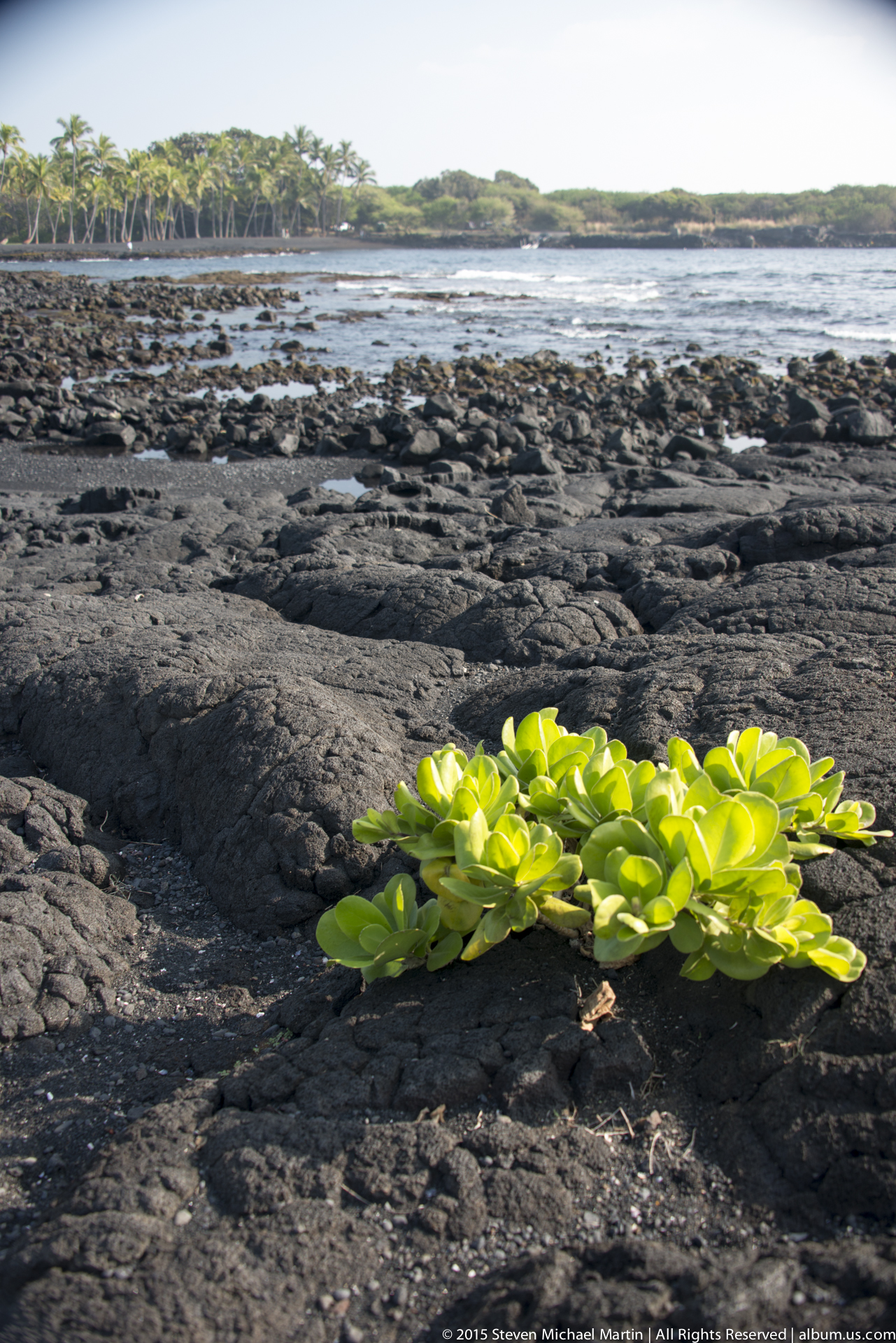
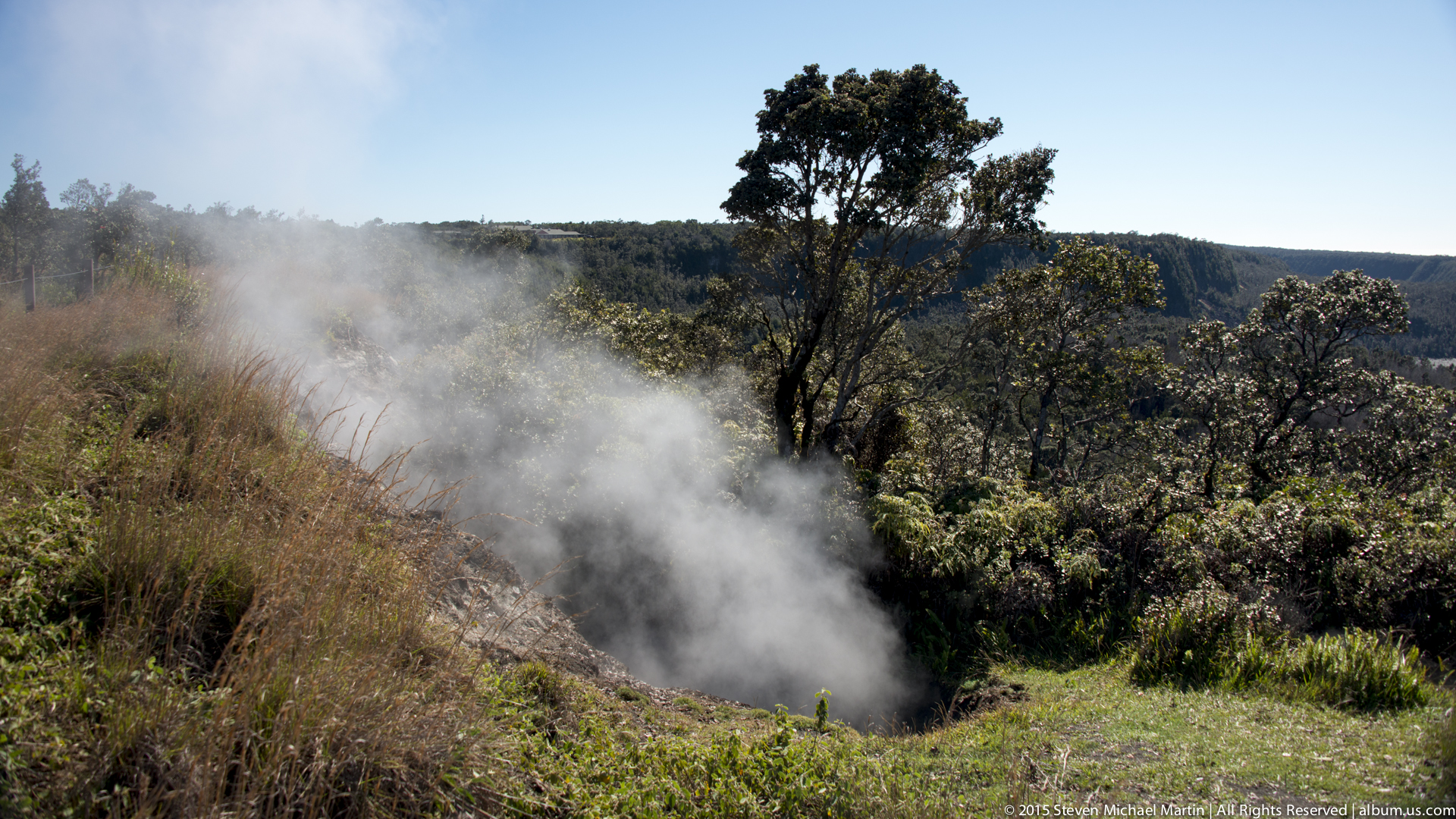
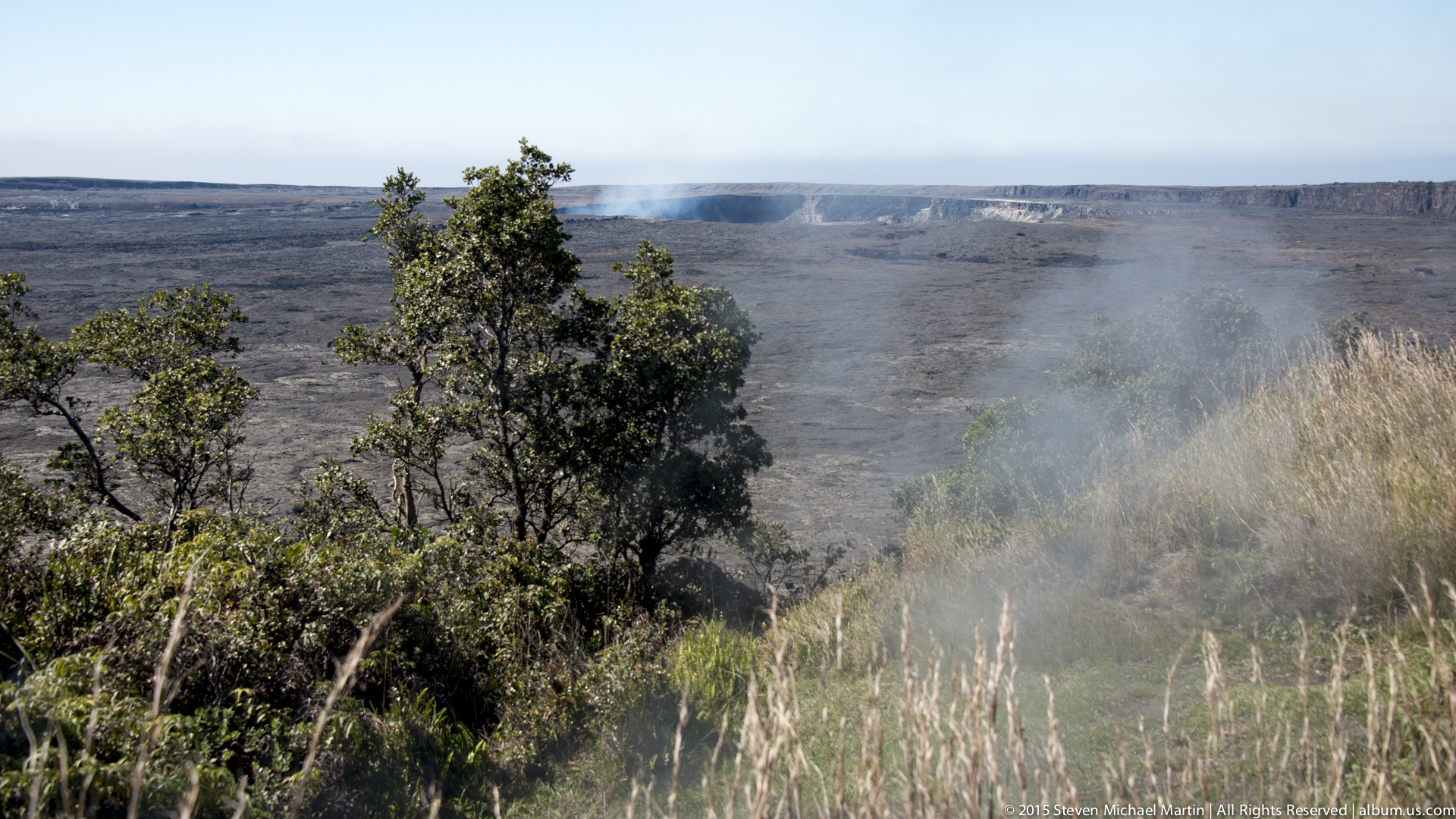
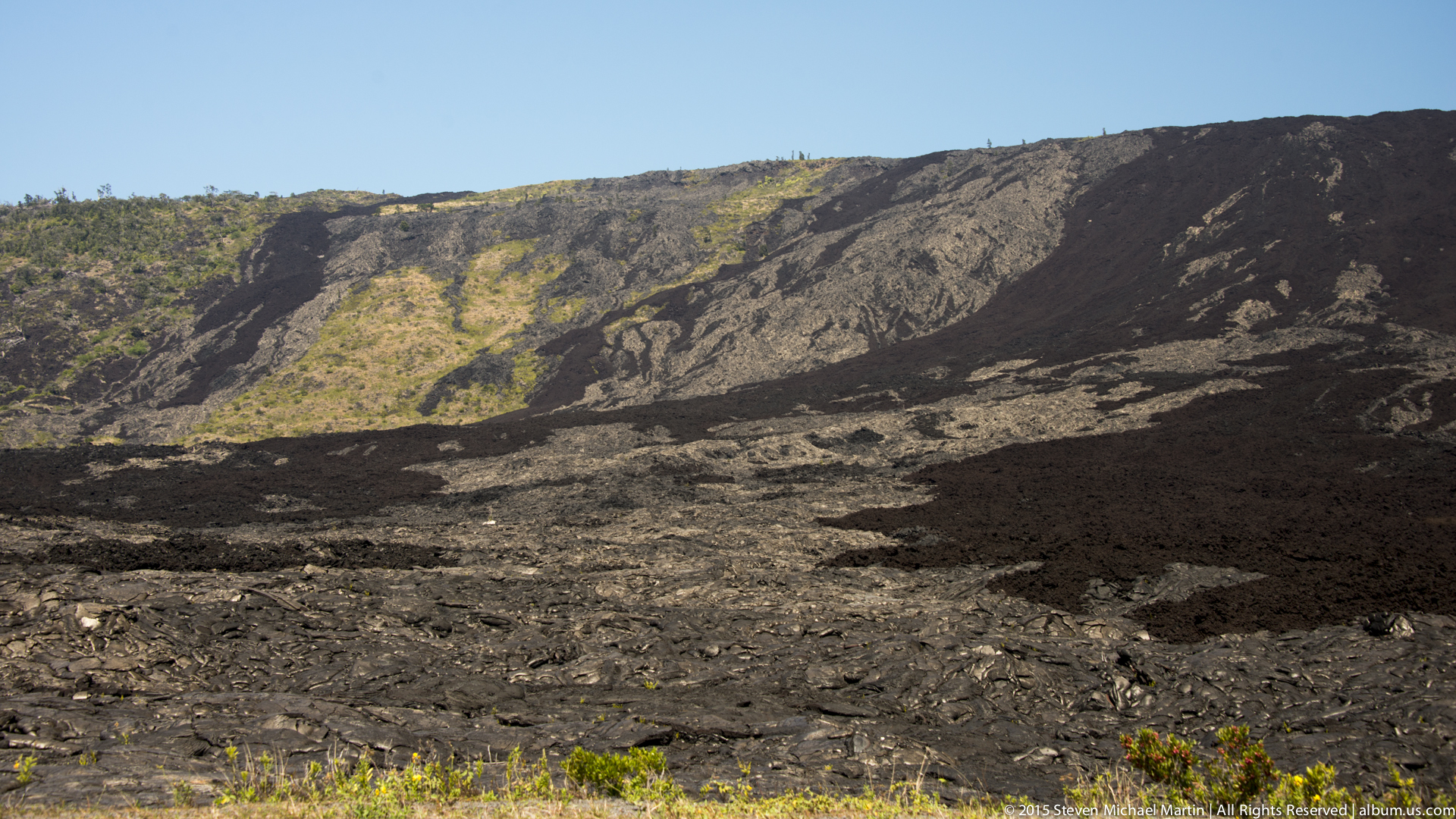
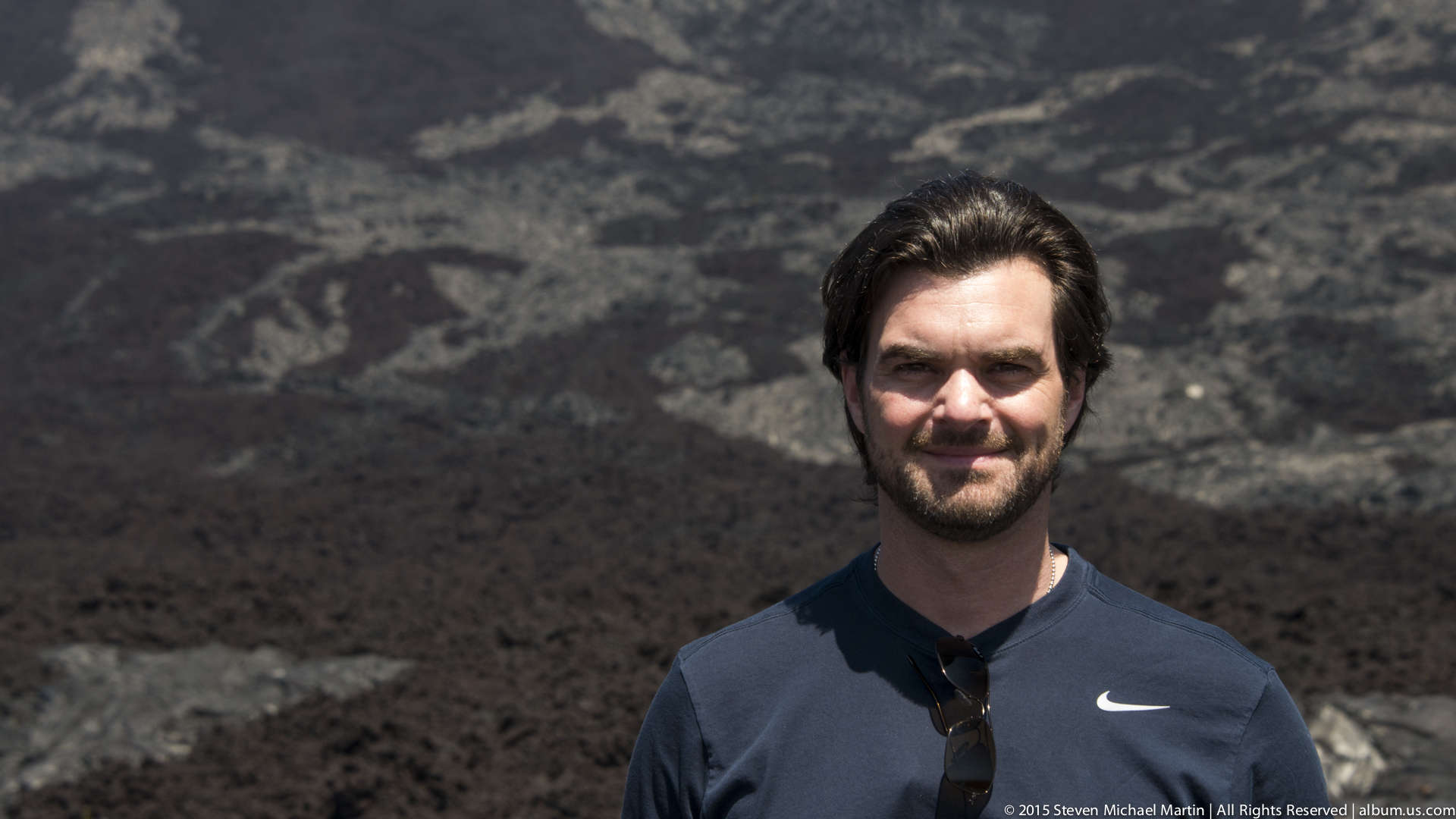
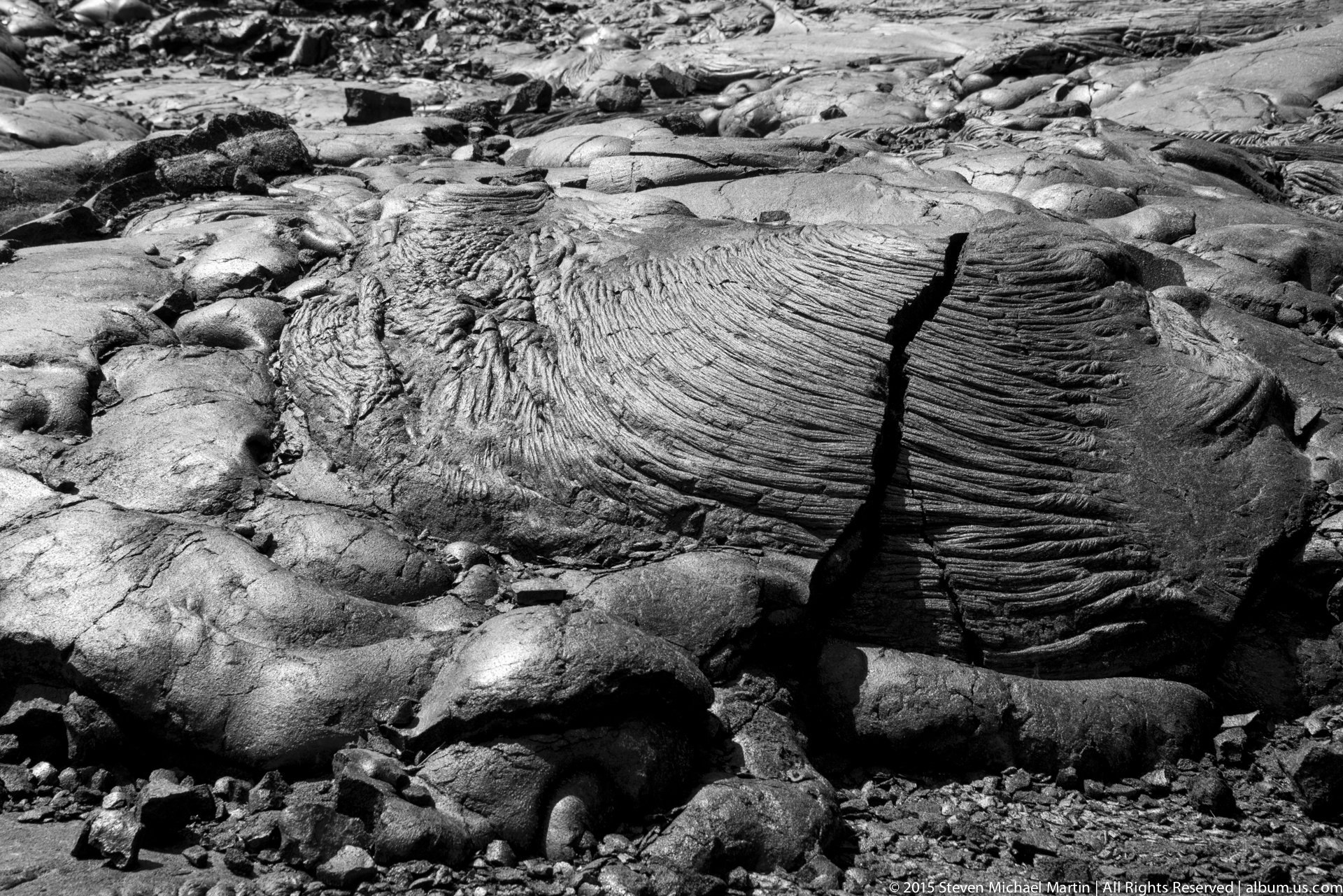
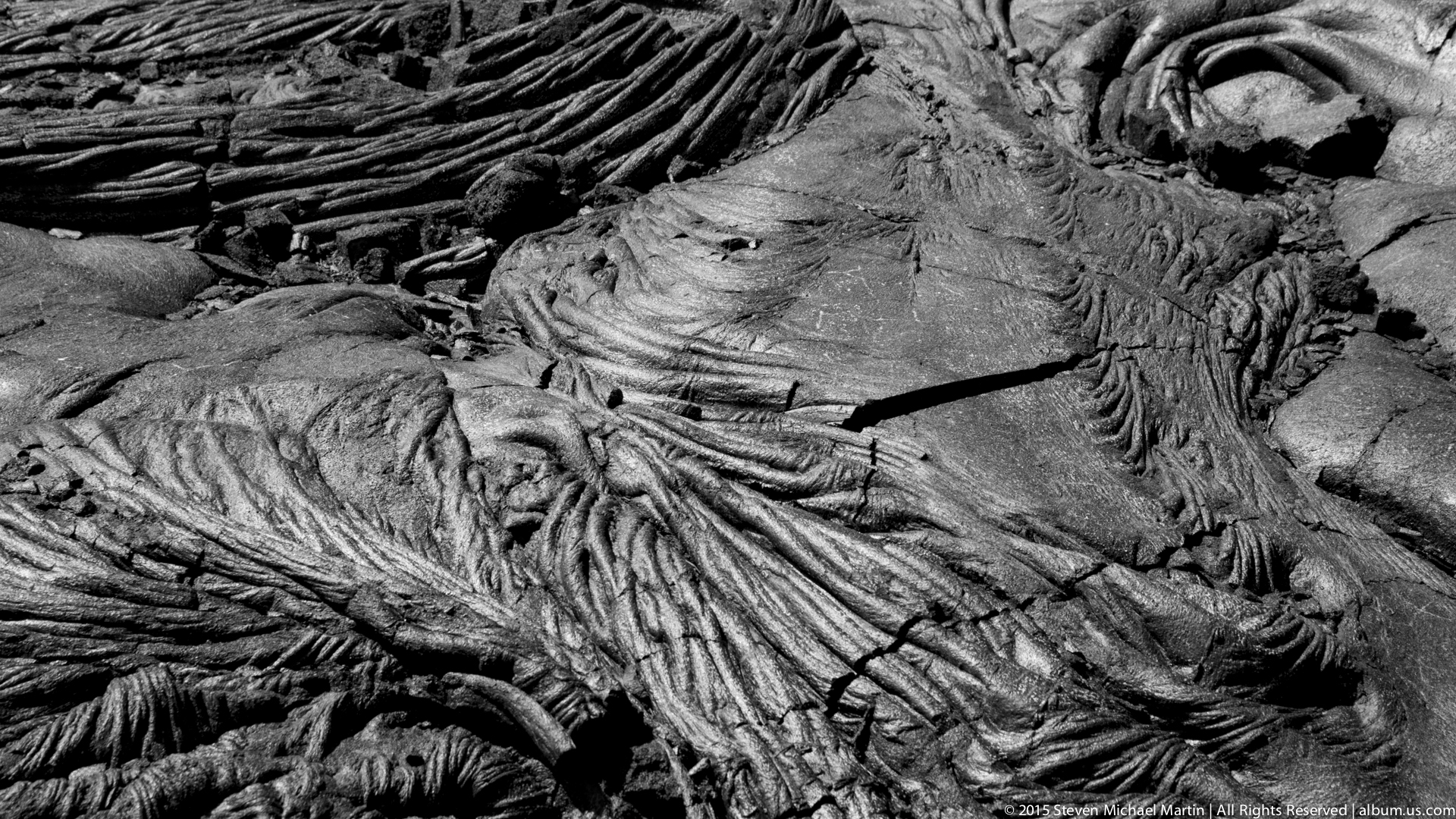
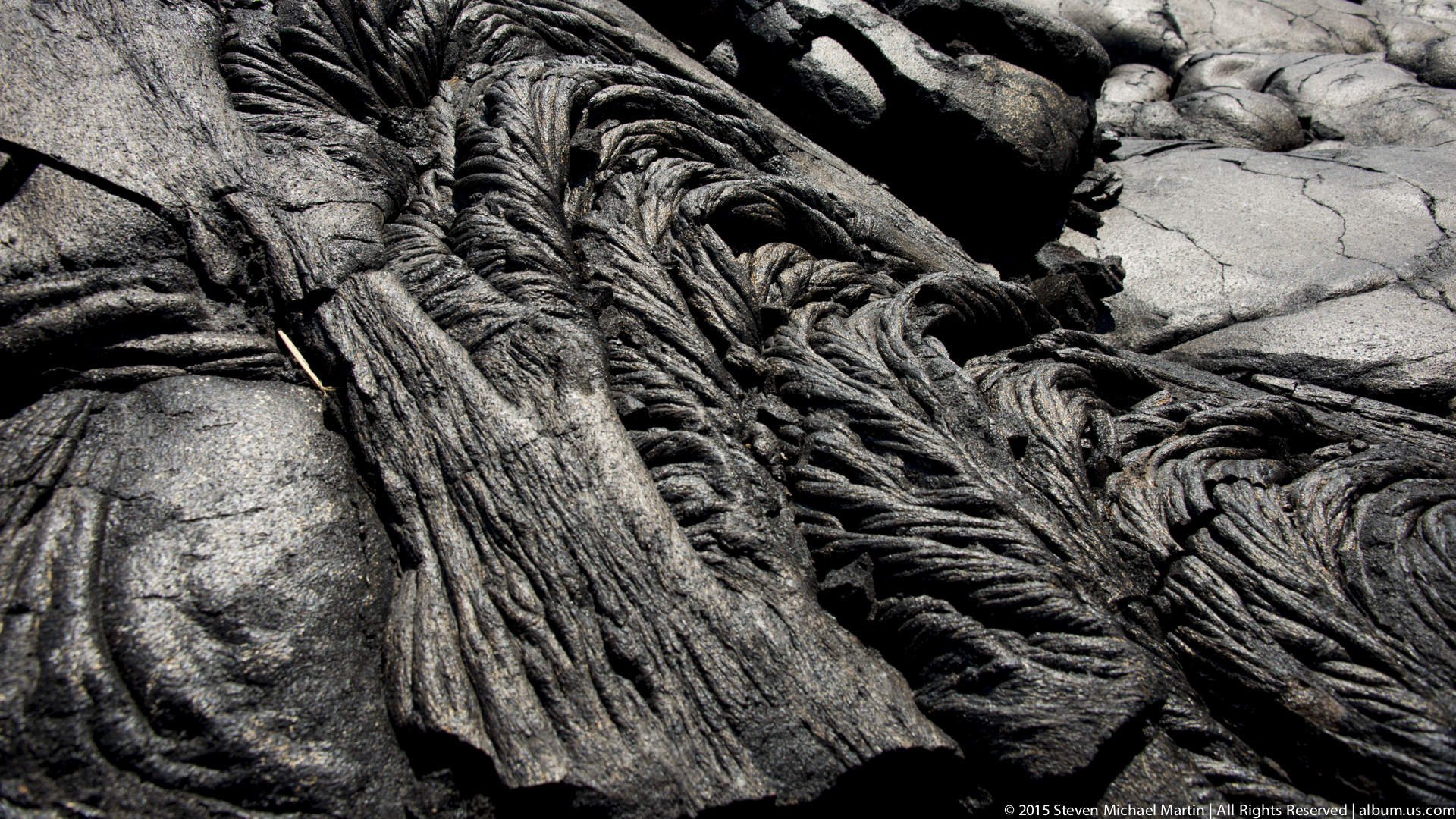
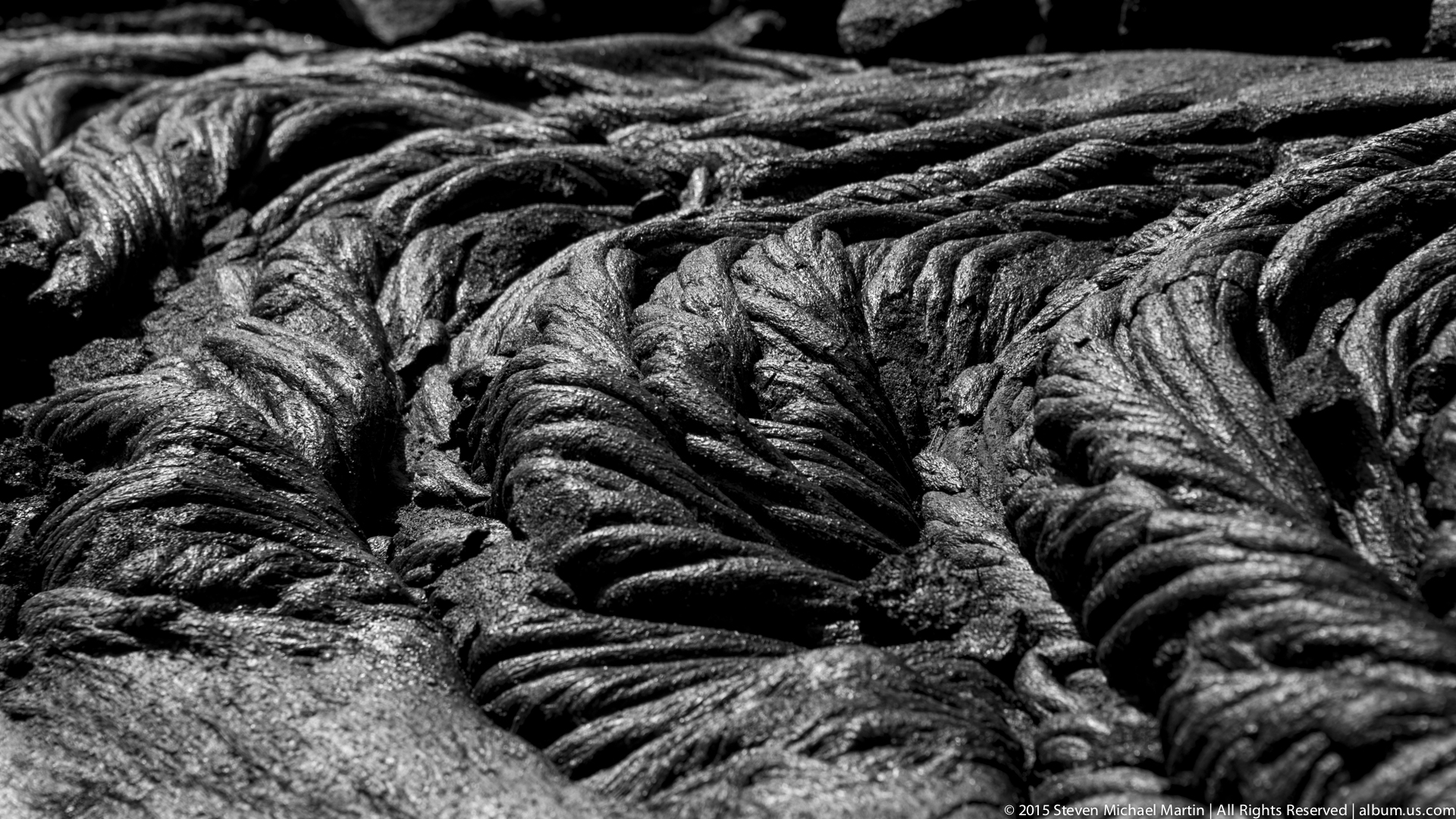
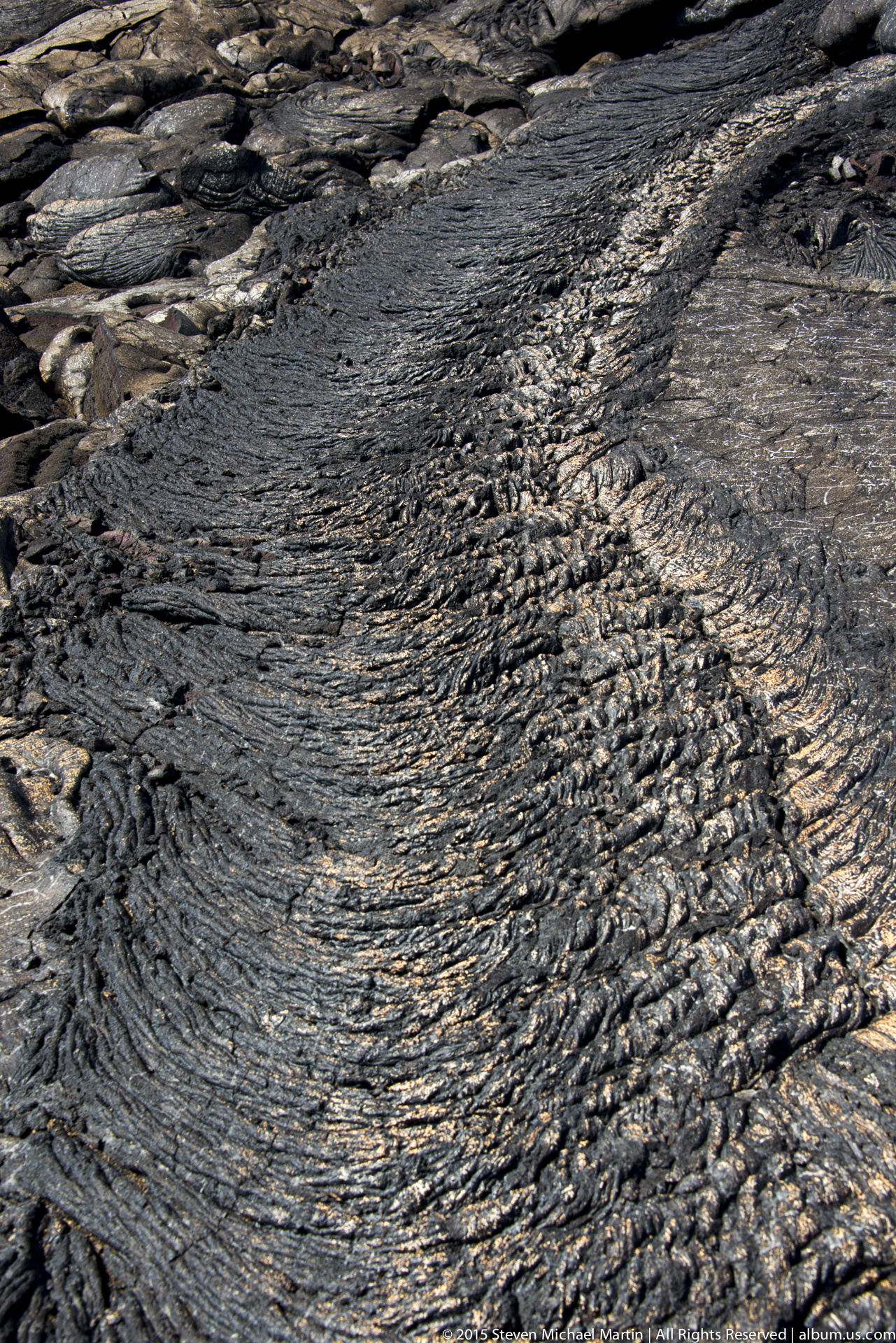
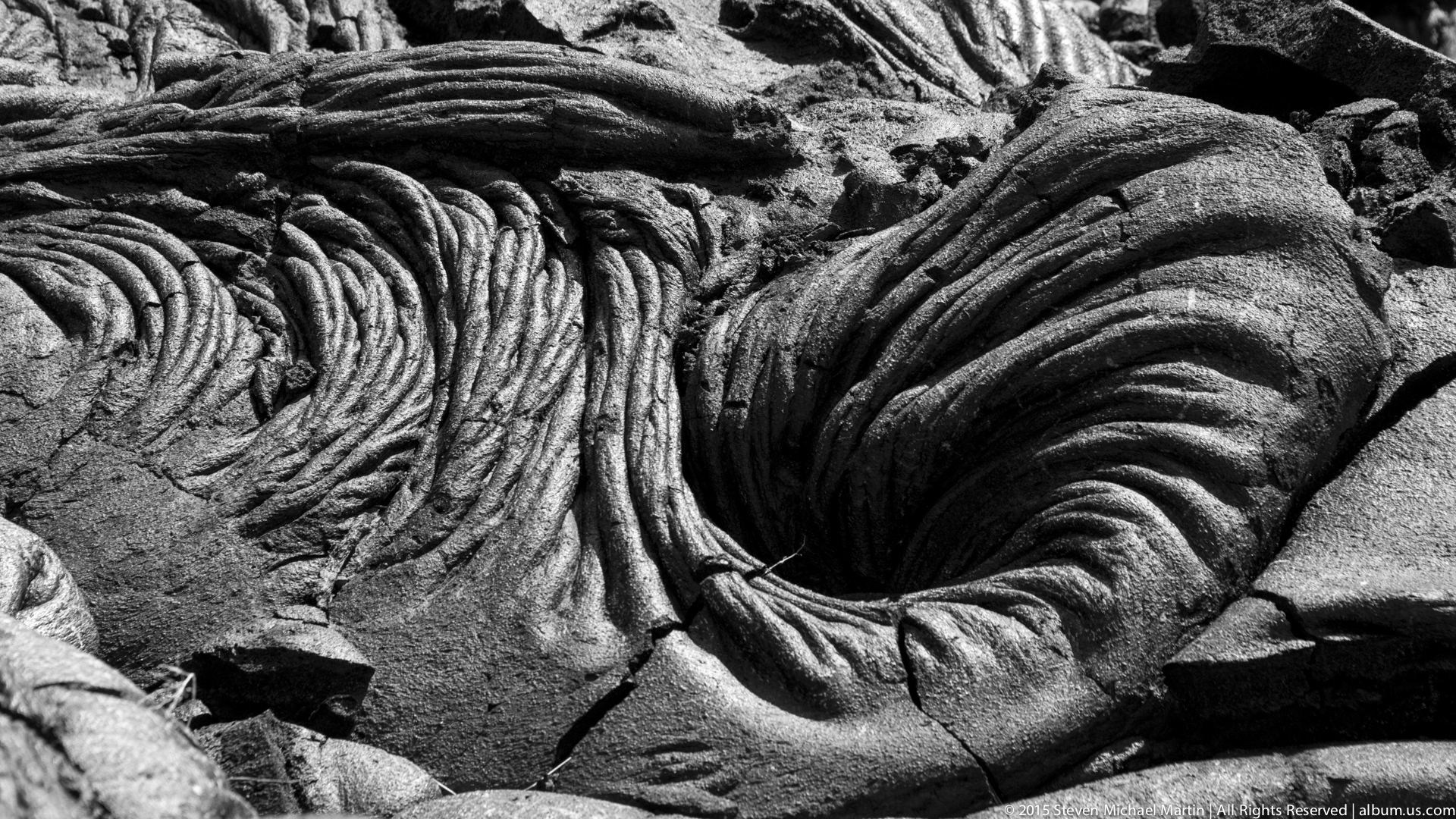
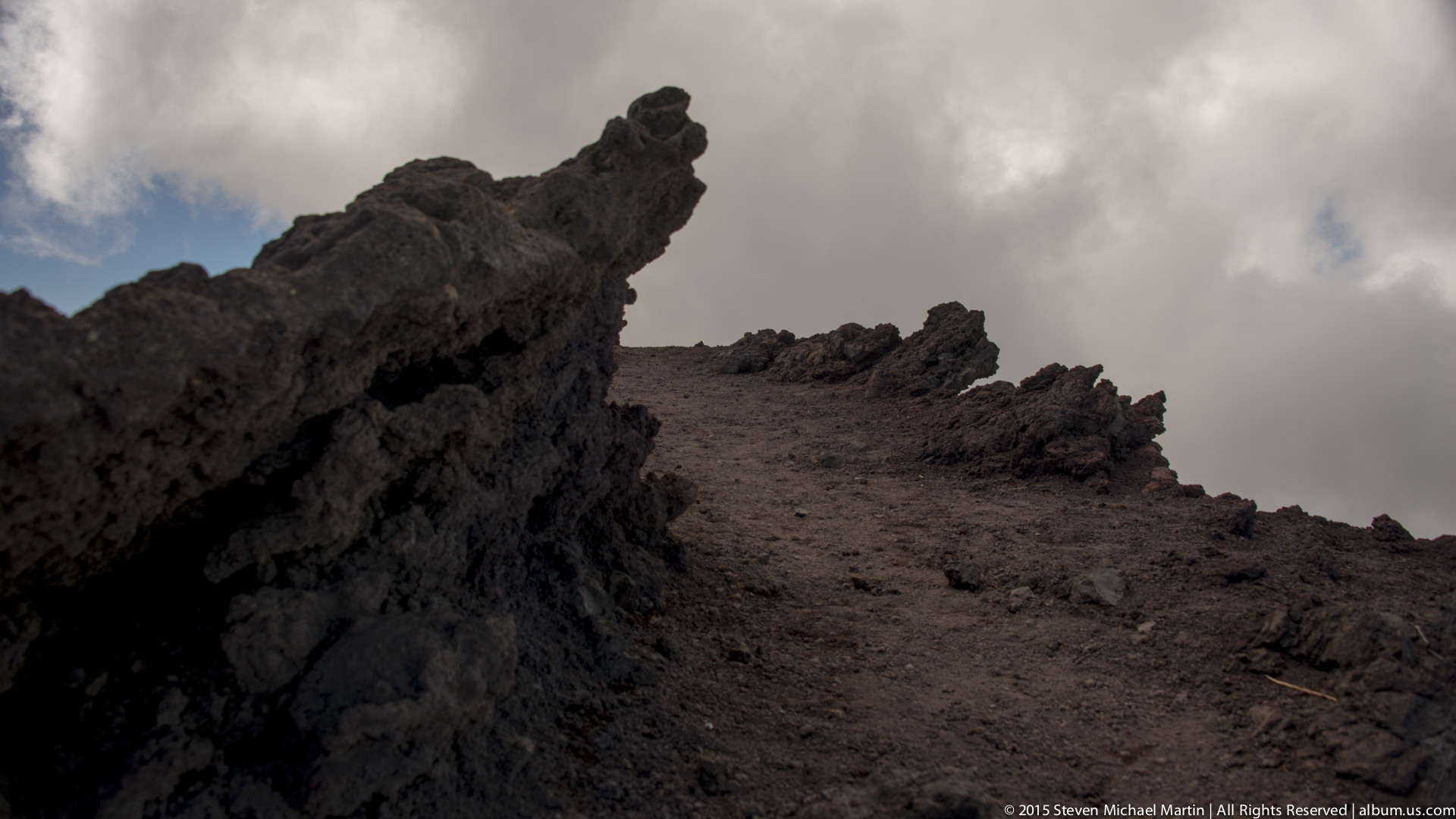
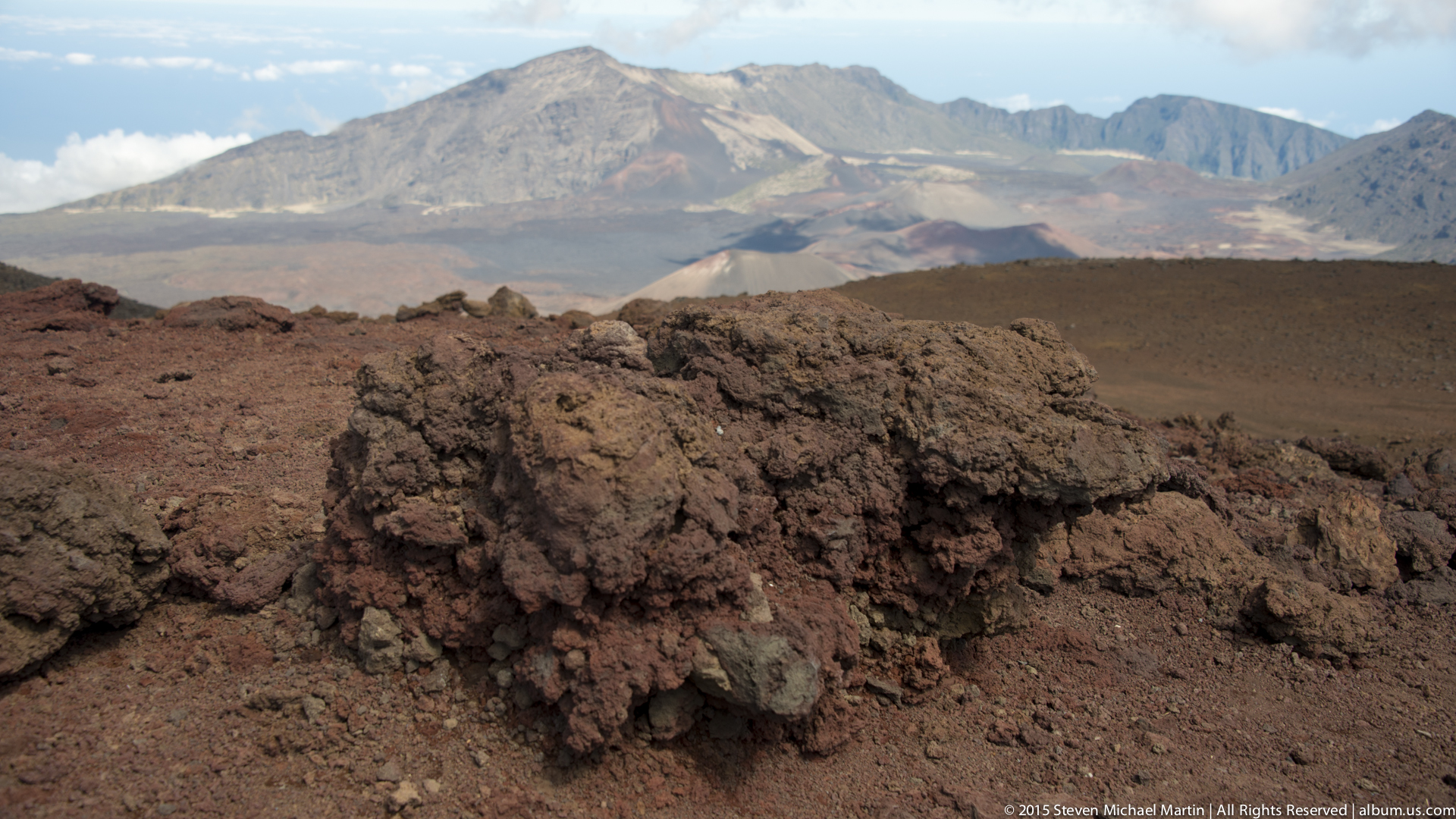
Driving through the park highlights the contrast between older vegetated lava flows and more recent surfaces where little plant life has yet taken hold. Textures shift from smooth pahoehoe lava to rough ʻaʻā fields, creating visual patterns that emphasize the complexity of volcanic geology. Steam rising from vents provides visible reminders that the landscape remains active and constantly evolving.
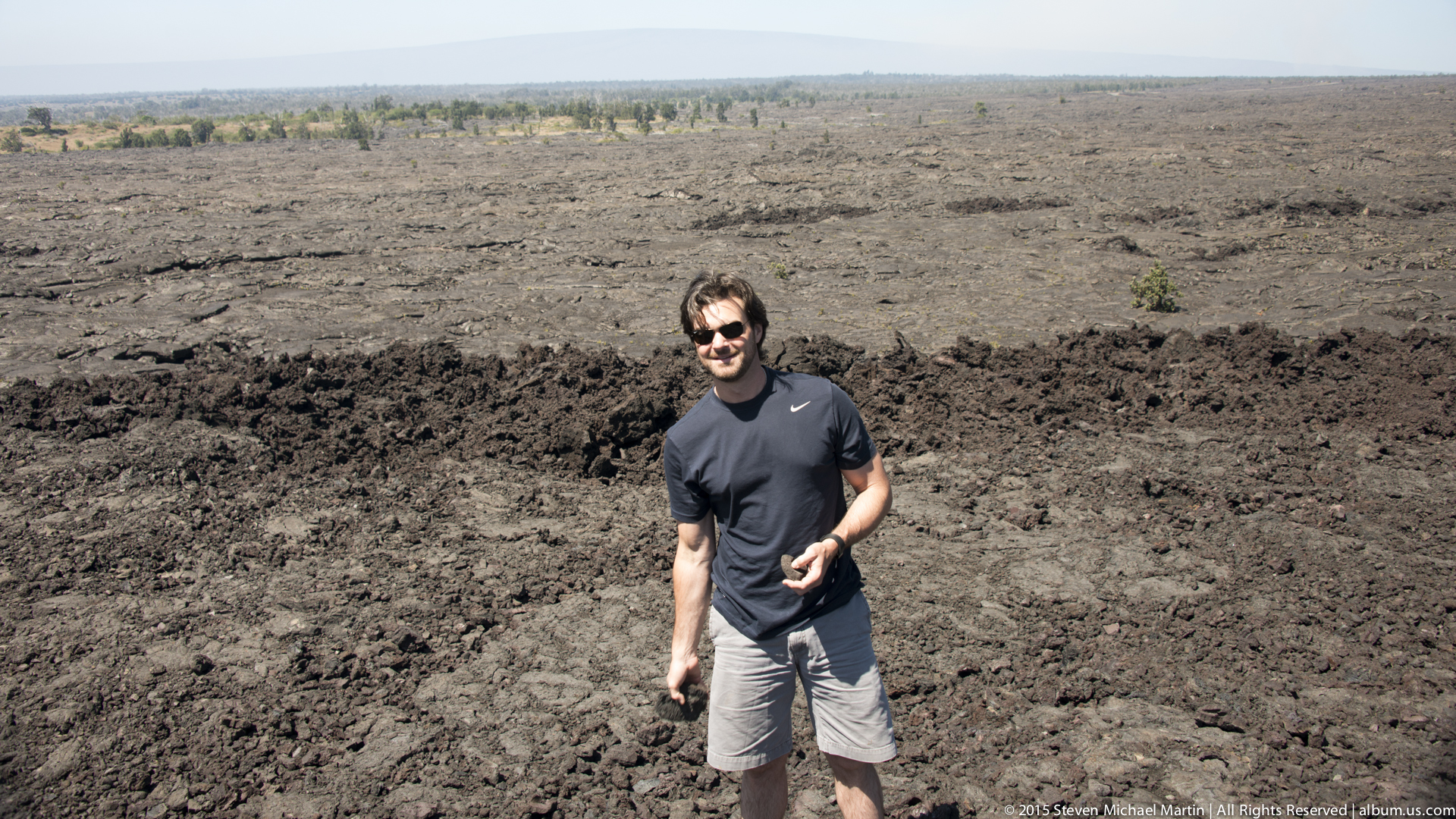
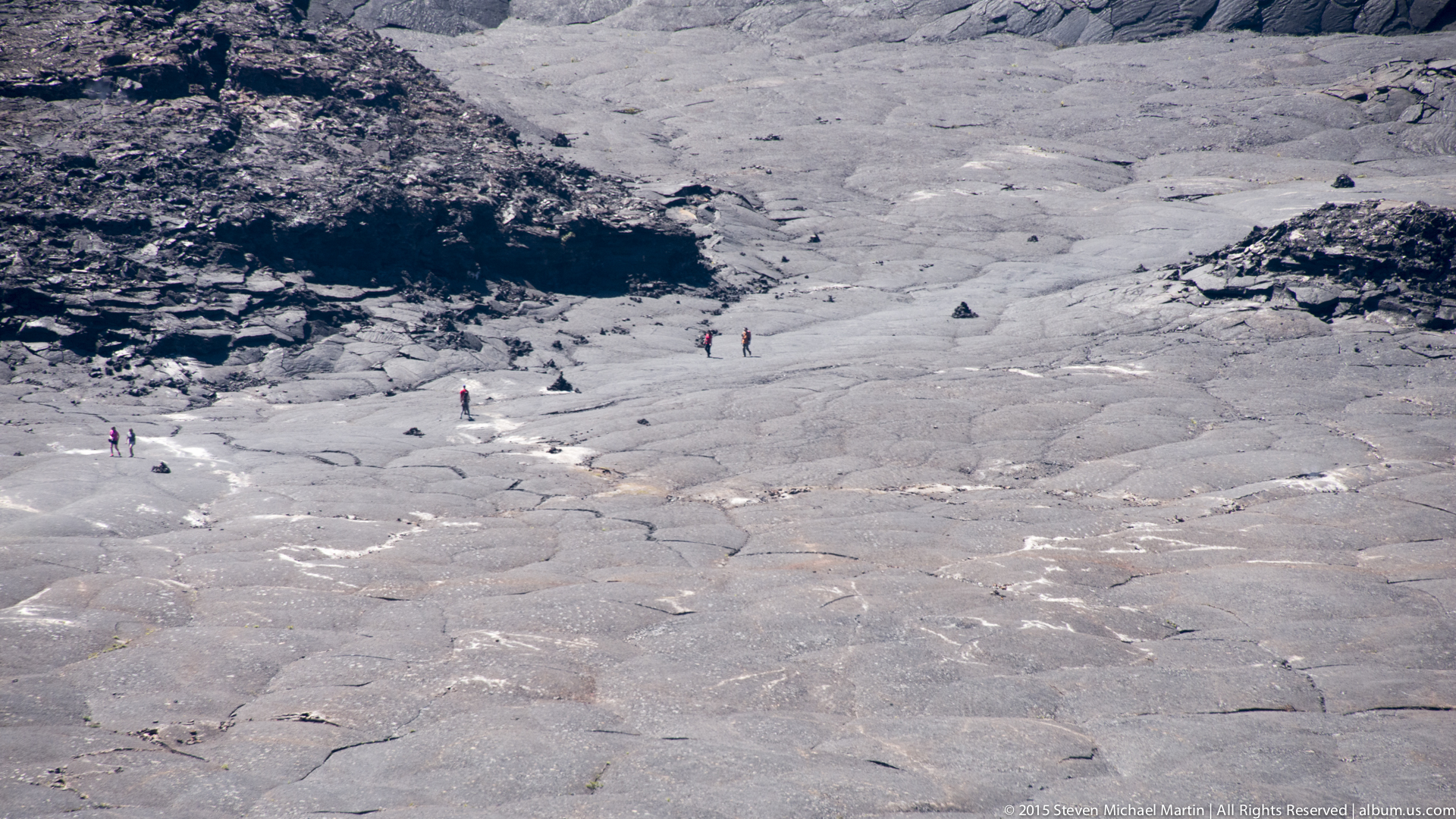
Walking across hardened lava flows offers perspective on the scale of volcanic activity that has shaped the island. The environment feels both ancient and newly formed at the same time, reflecting the ongoing interaction between earth’s interior forces and surface ecosystems. Hawaiʻi Volcanoes National Park illustrates how islands continue to grow through volcanic processes.









🧭 Field Guide
Landscape Type: active volcanic ecosystem
Primary Features: lava flows, craters, steam vents, volcanic rock formations
Best Time to Visit: early morning or late afternoon for improved light contrast
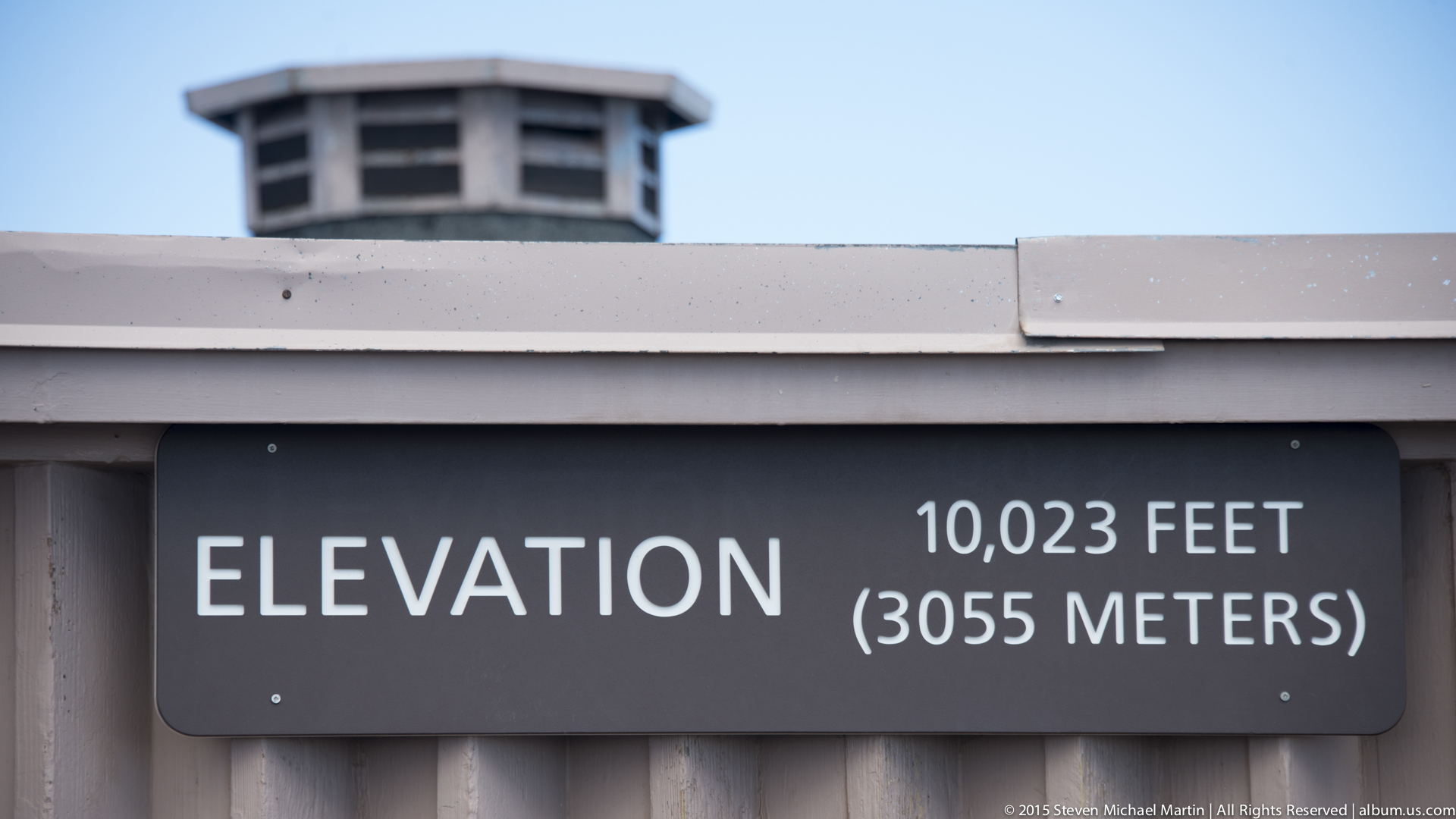
Conditions: variable temperatures depending on elevation and wind exposure
✨ Highlights
- Kīlauea Volcano – one of the most active volcanic systems in the world.
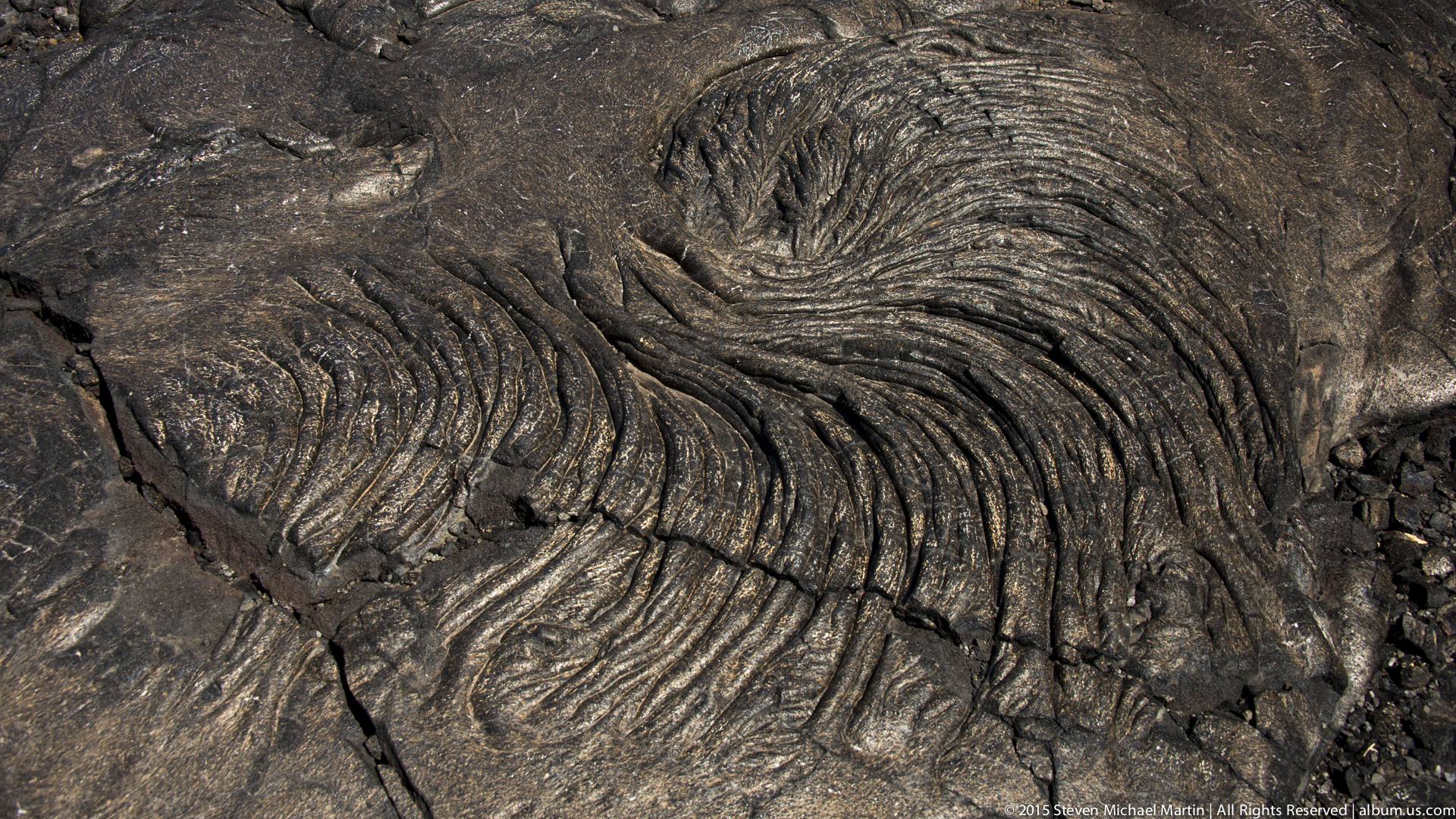
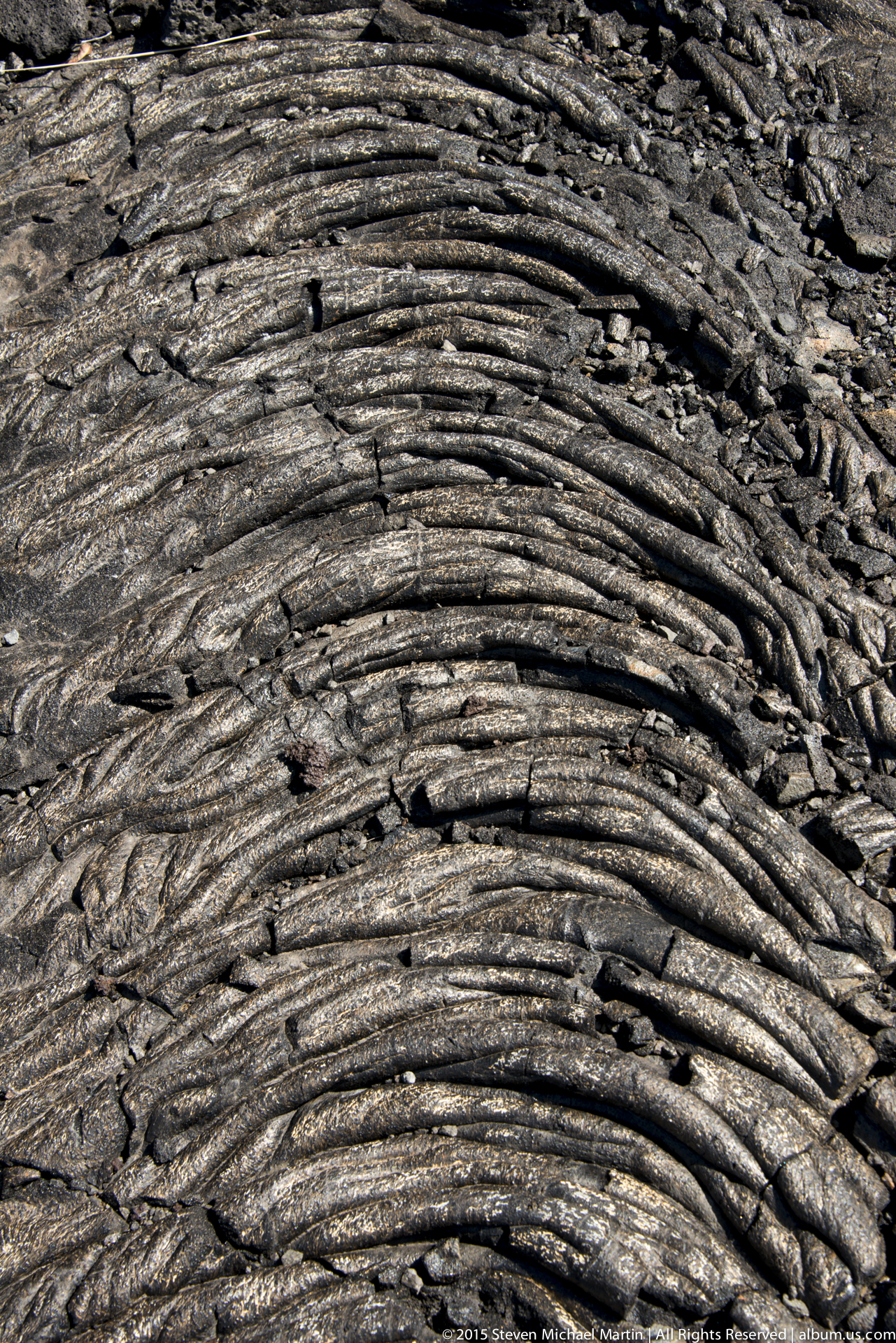
- Pahoehoe Lava – smooth, rope-like lava patterns formed by slow-moving flows.
- ʻAʻā Lava Fields – rough, fragmented lava surfaces created by faster cooling conditions.
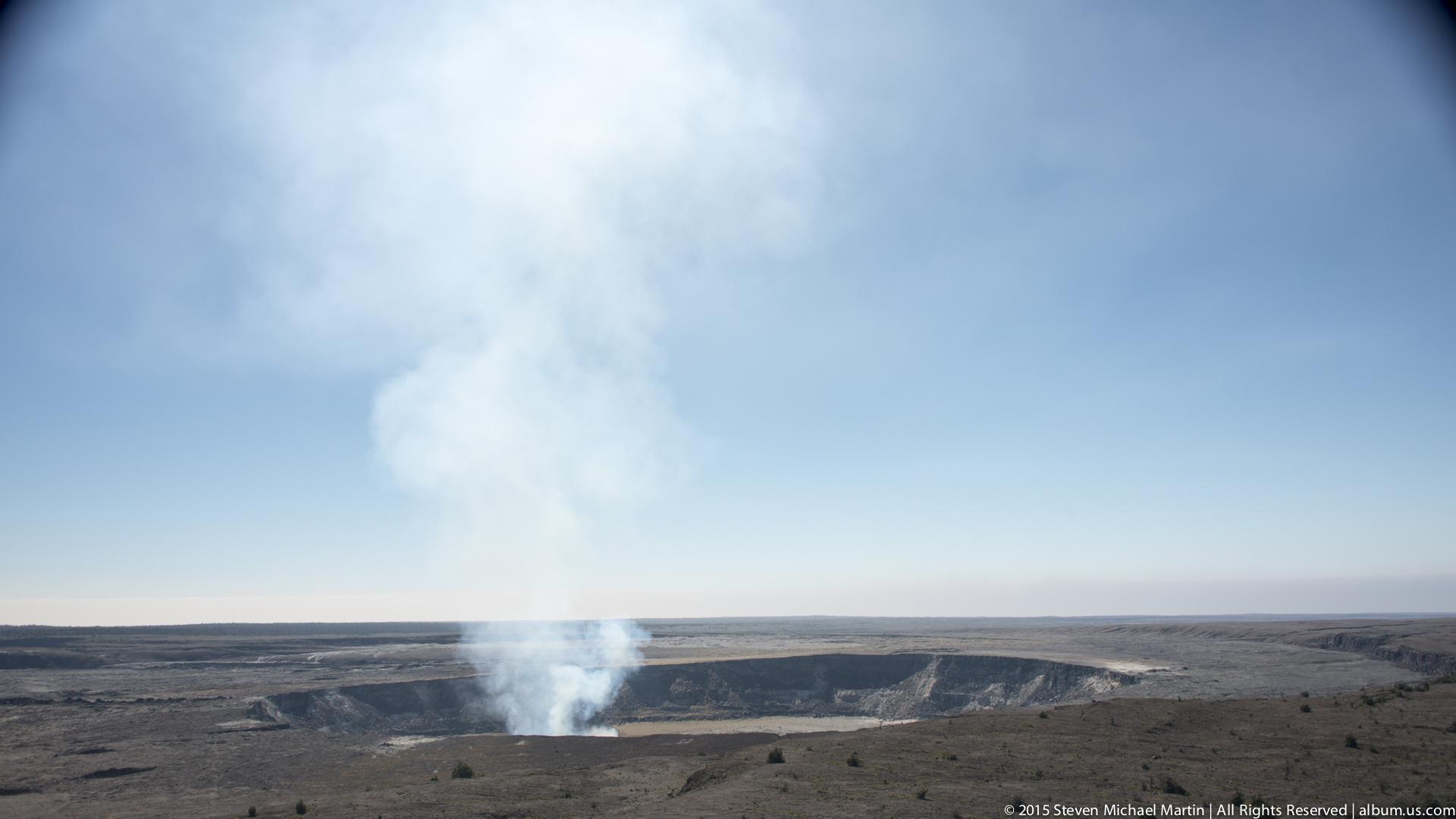
- Steam Vents – geothermal openings releasing visible vapor from underground heat.
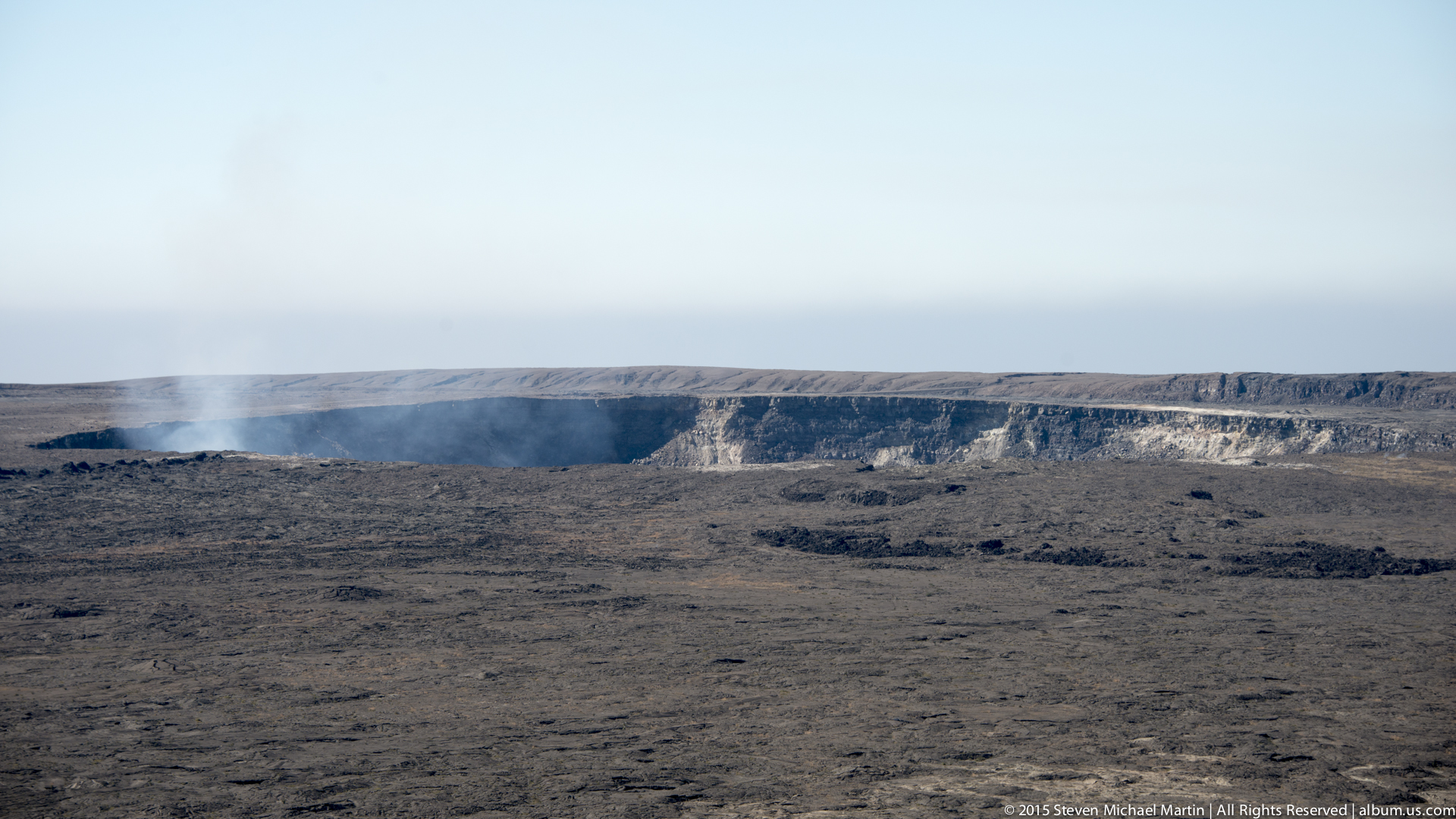
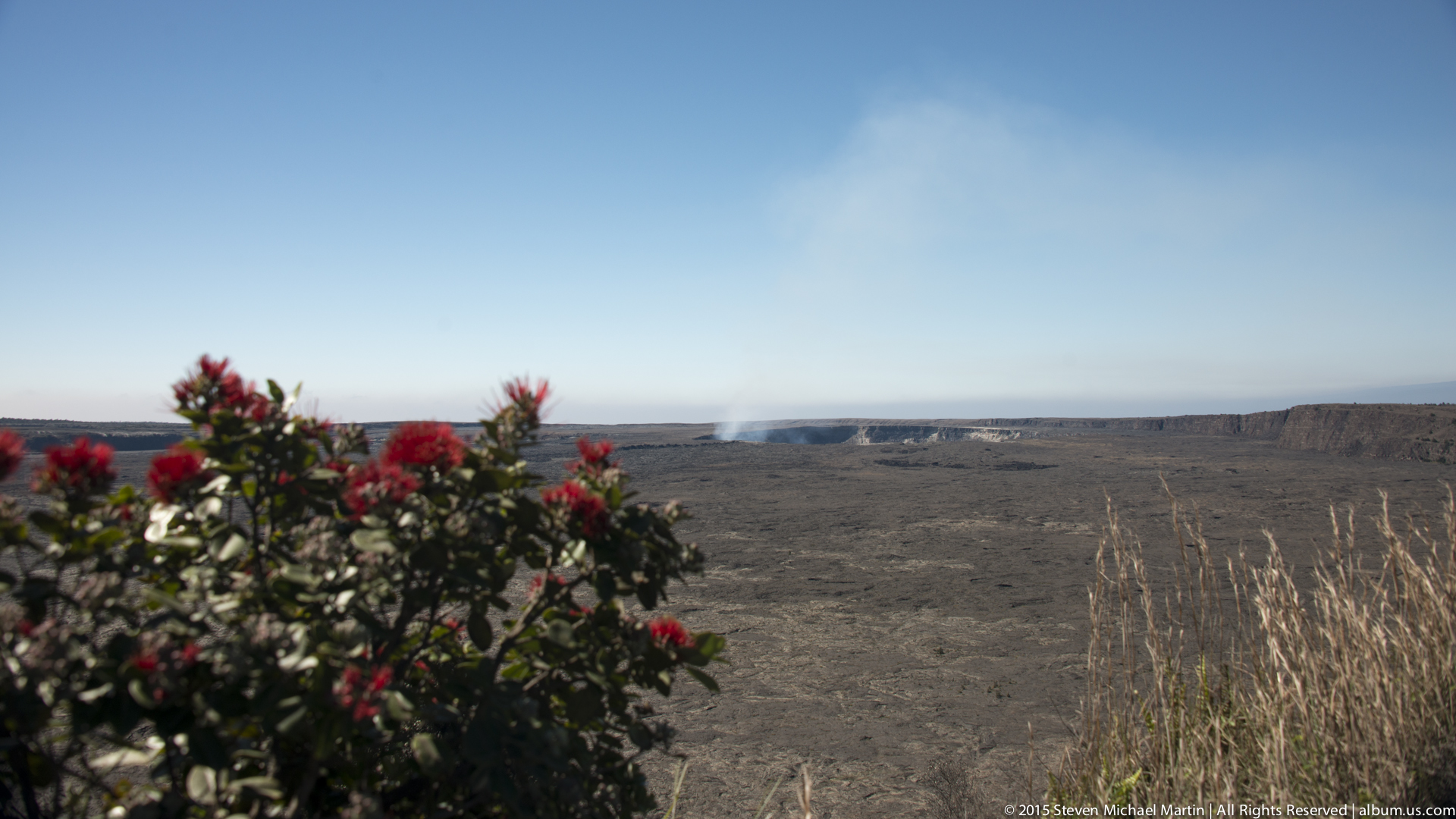
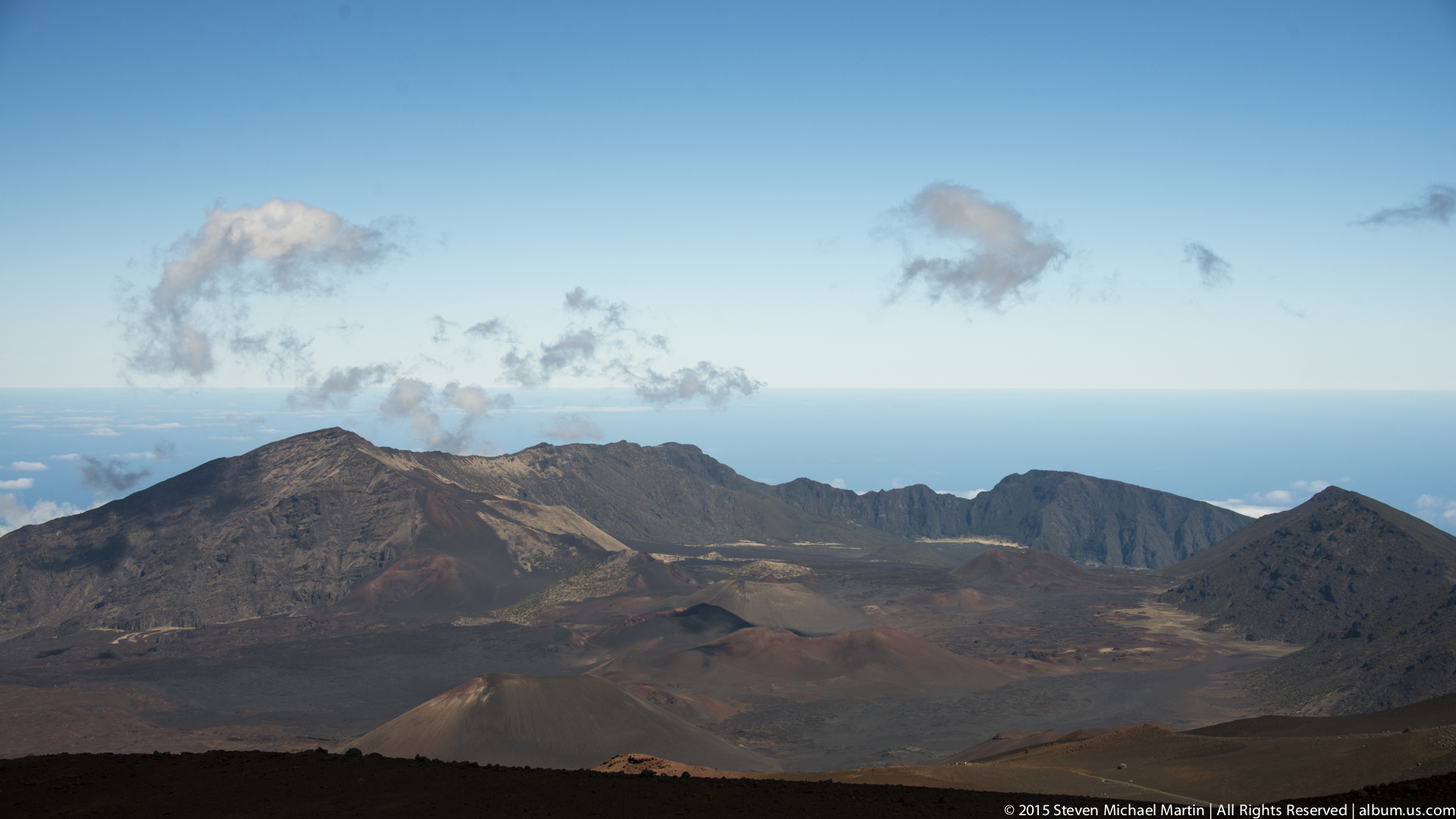
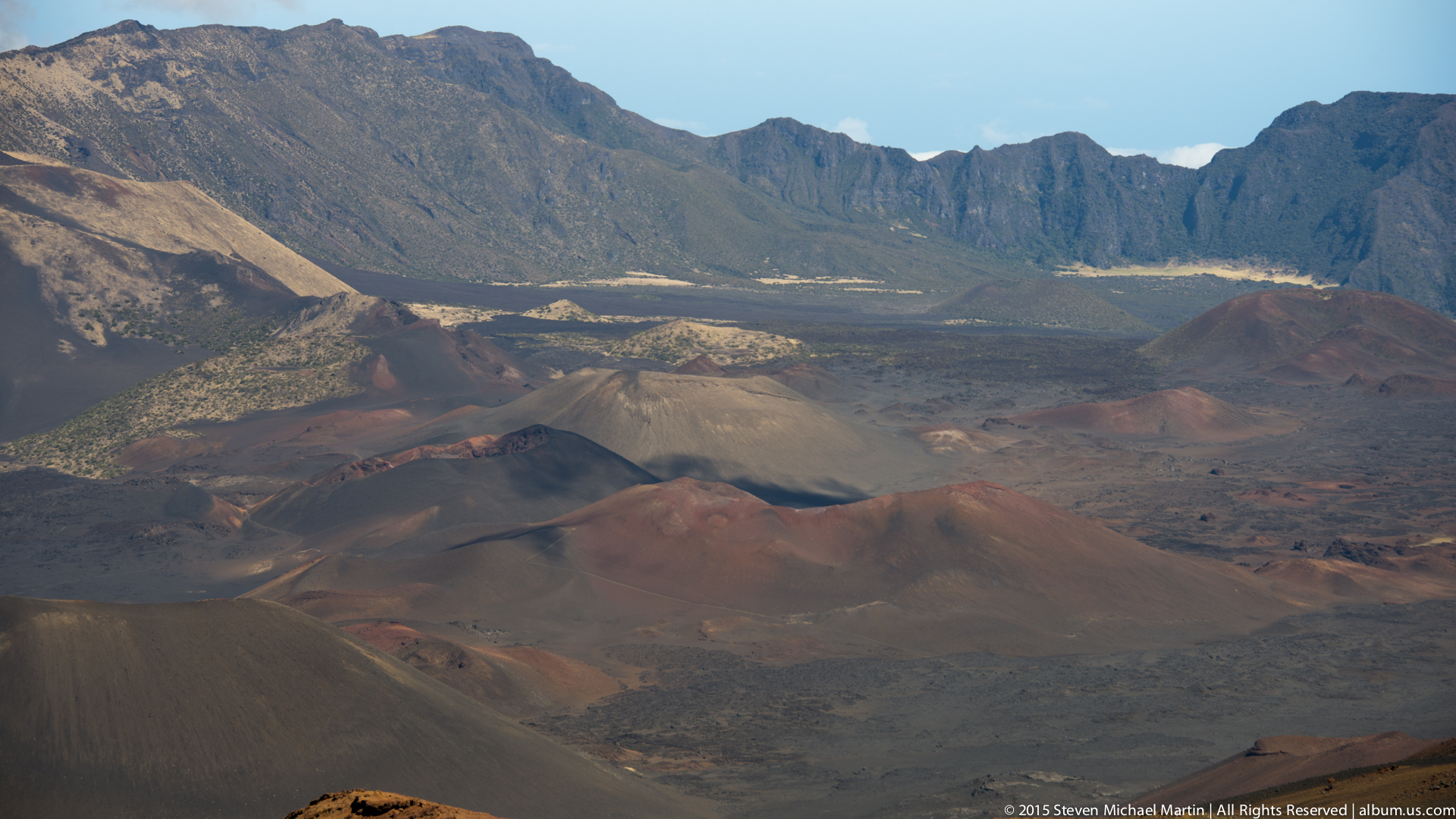
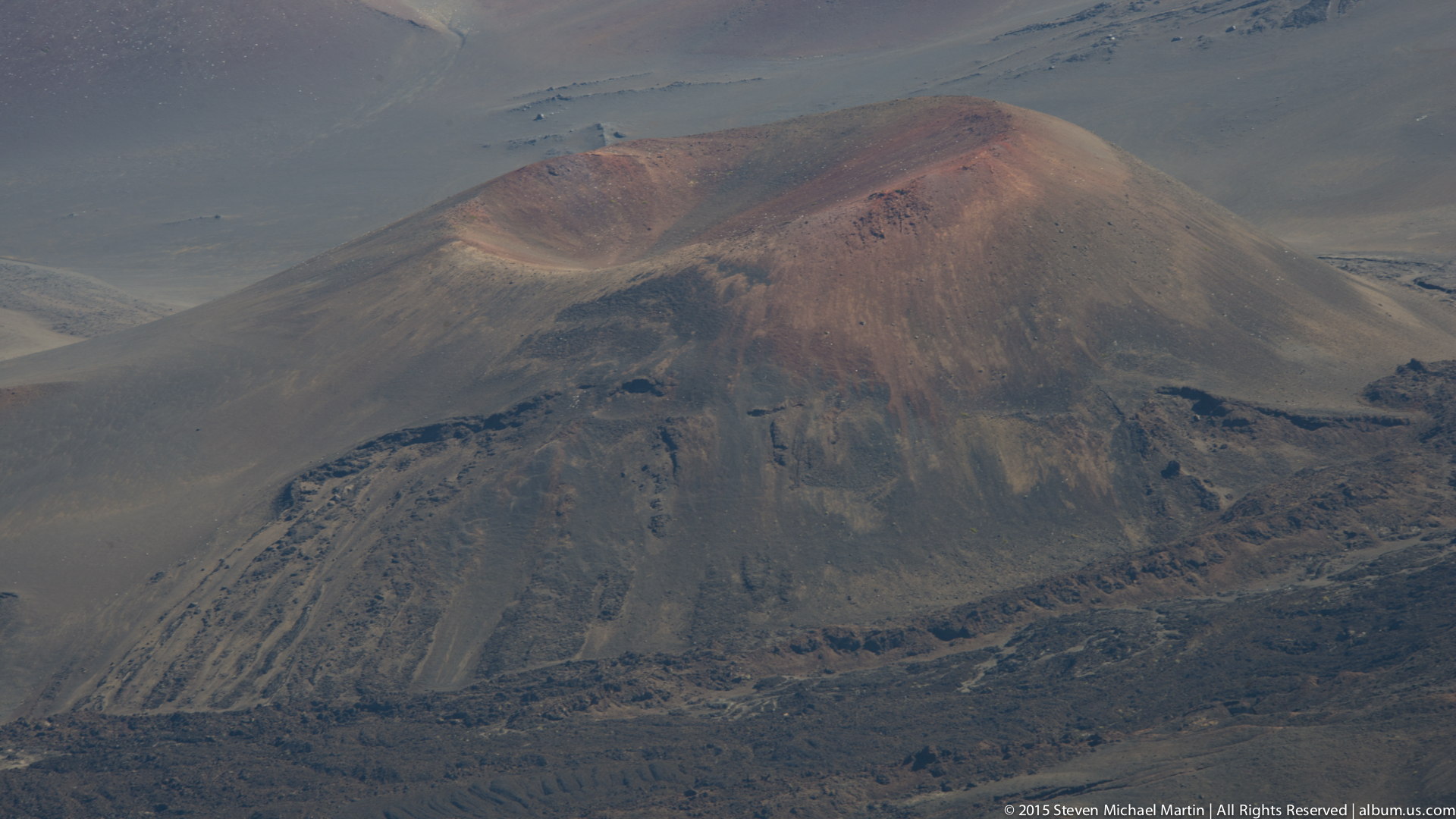
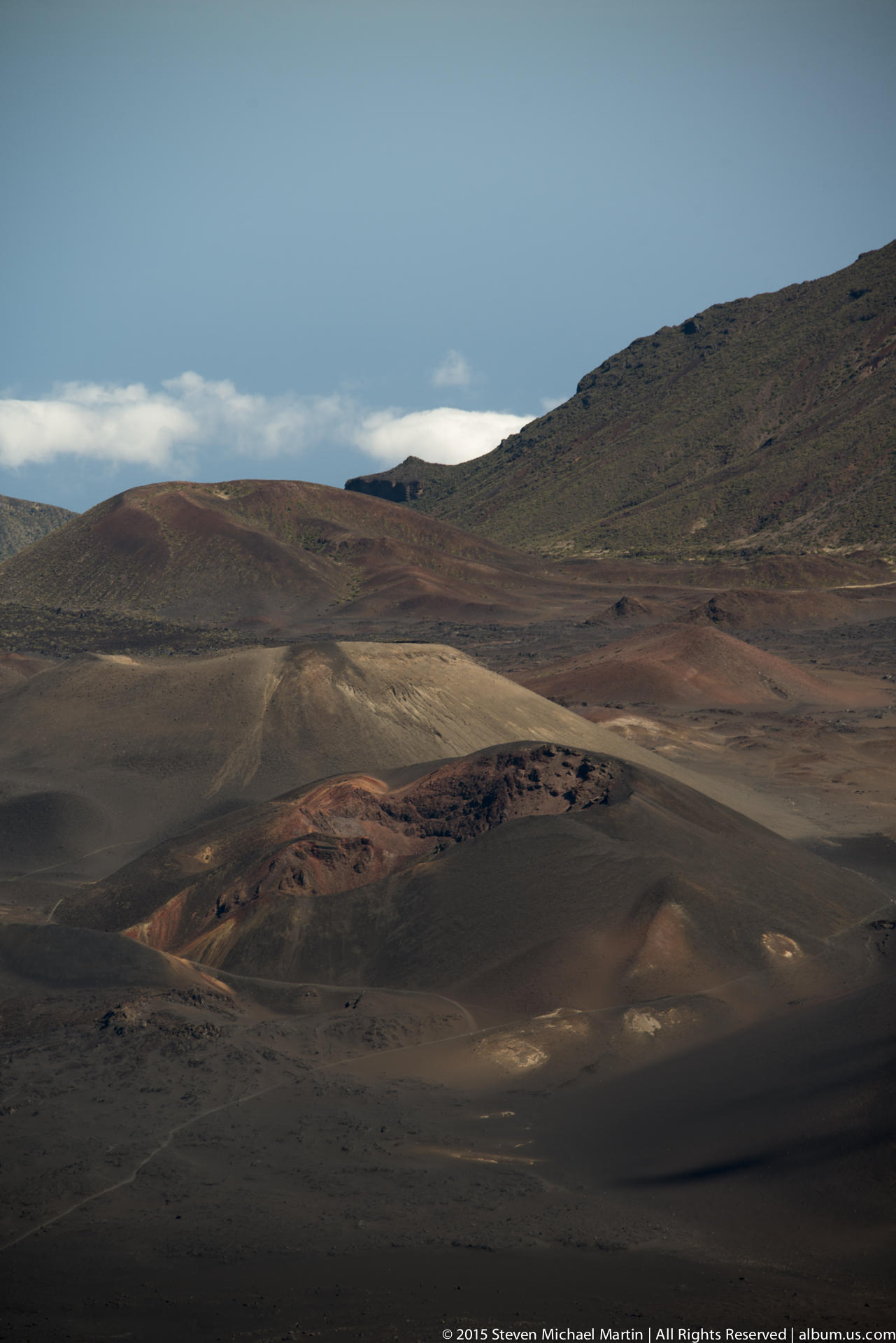
- Crater Rim Landscapes – large volcanic depressions illustrating past eruptions.
- Volcanic Color Variation – mineral composition creates subtle shifts in tone.
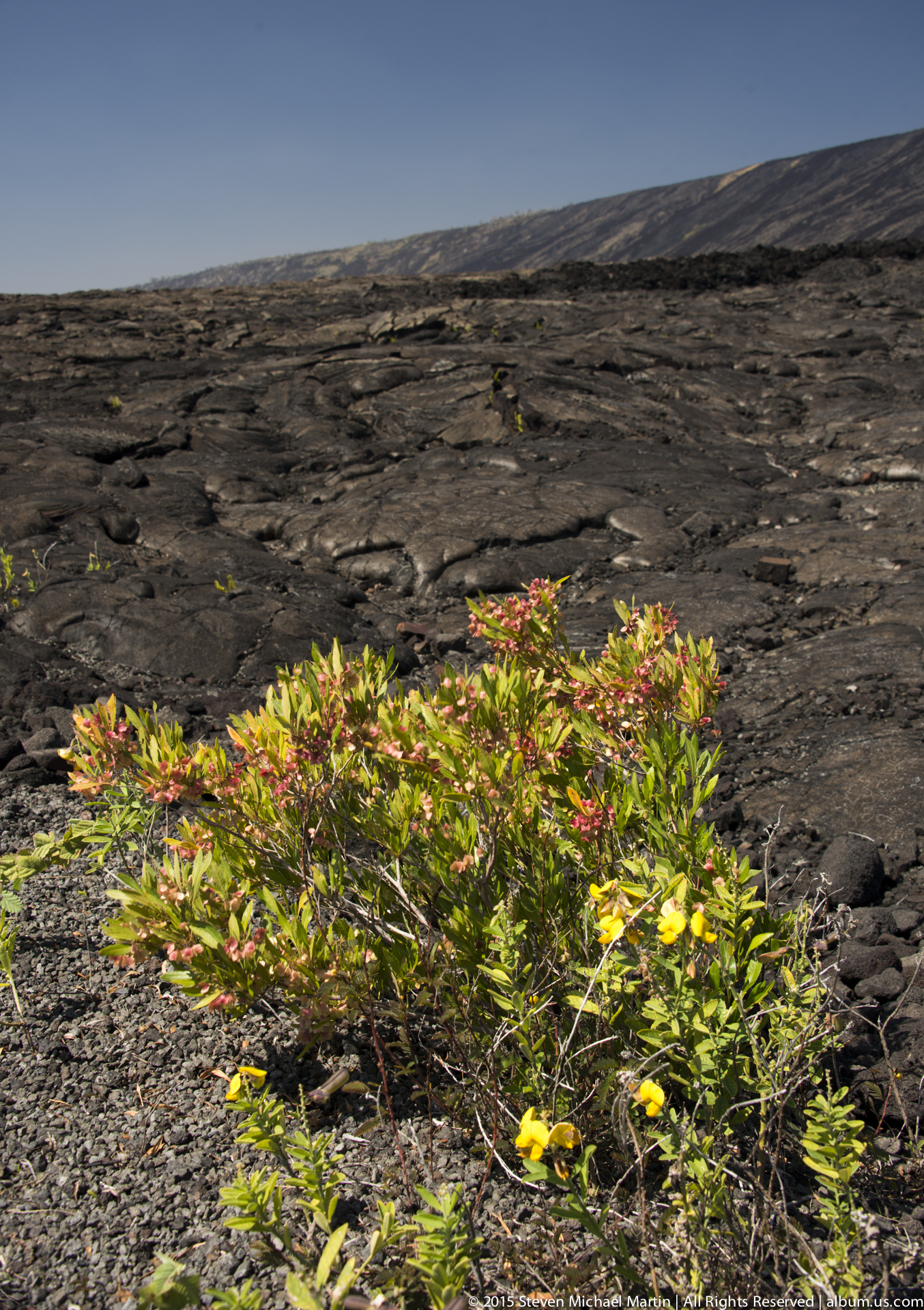
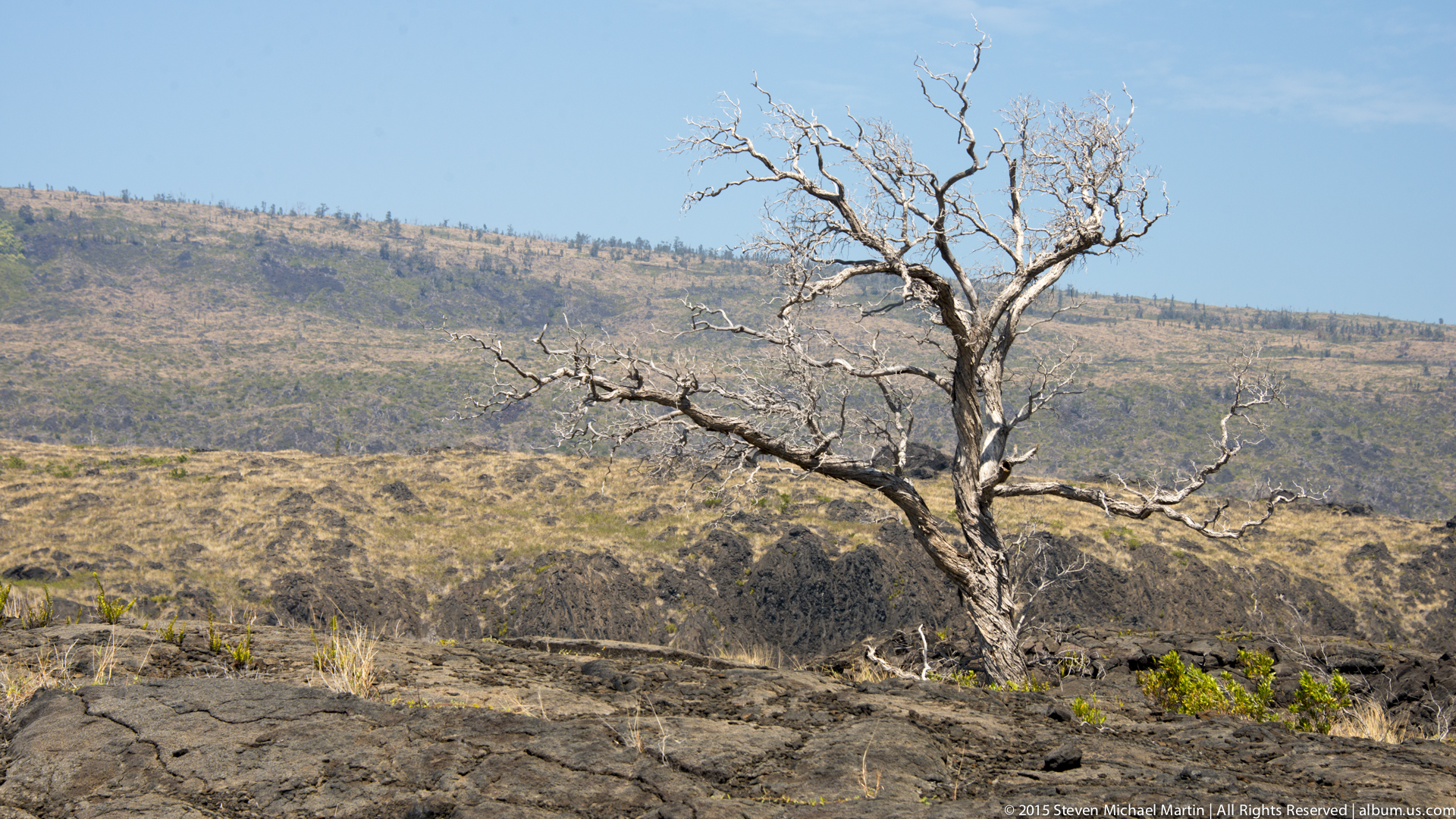
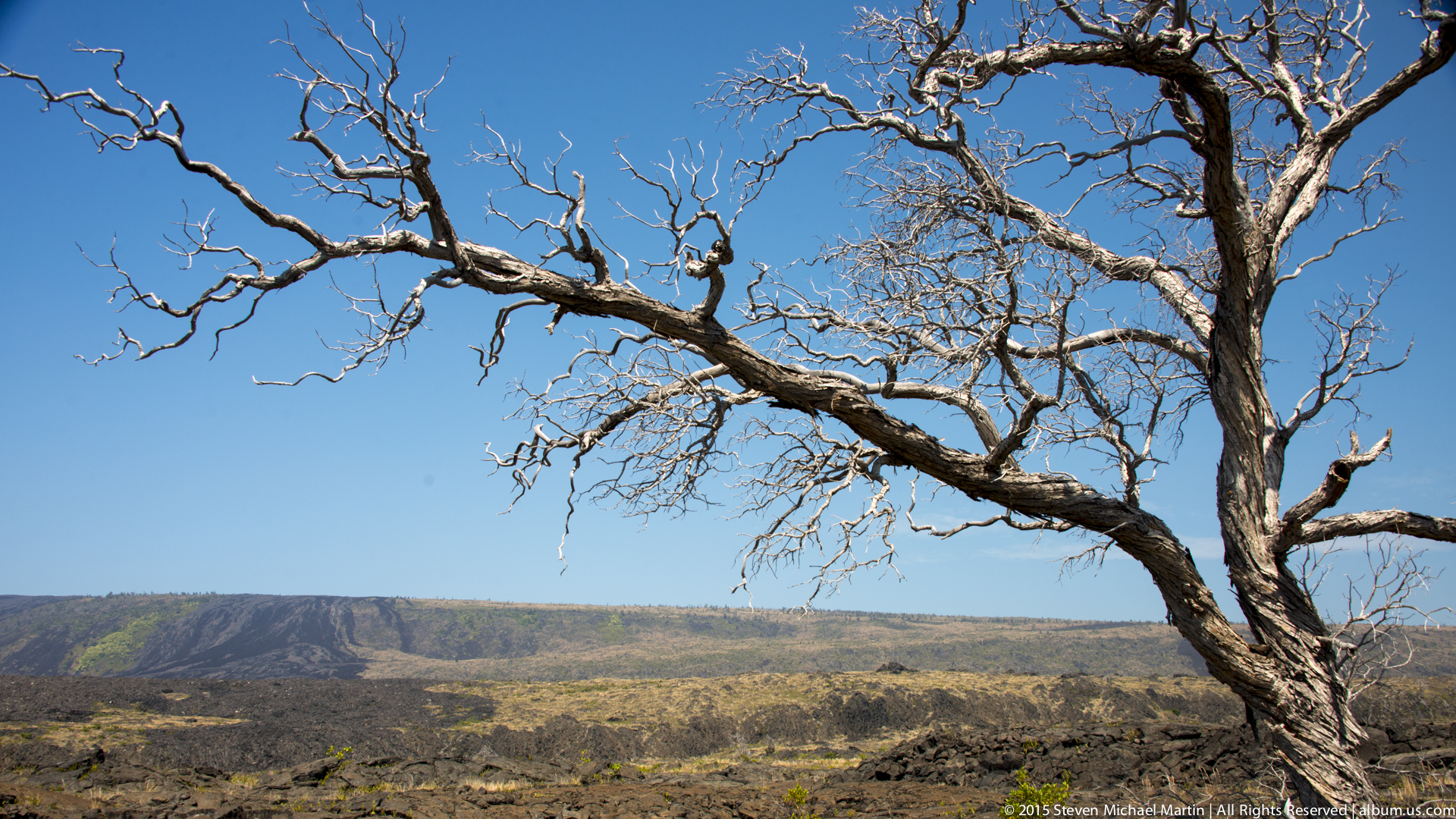
- Regenerating Vegetation – plant life gradually returning to older lava surfaces.
📷 Photography Notes
- Low-angle light reveals texture in lava formations.
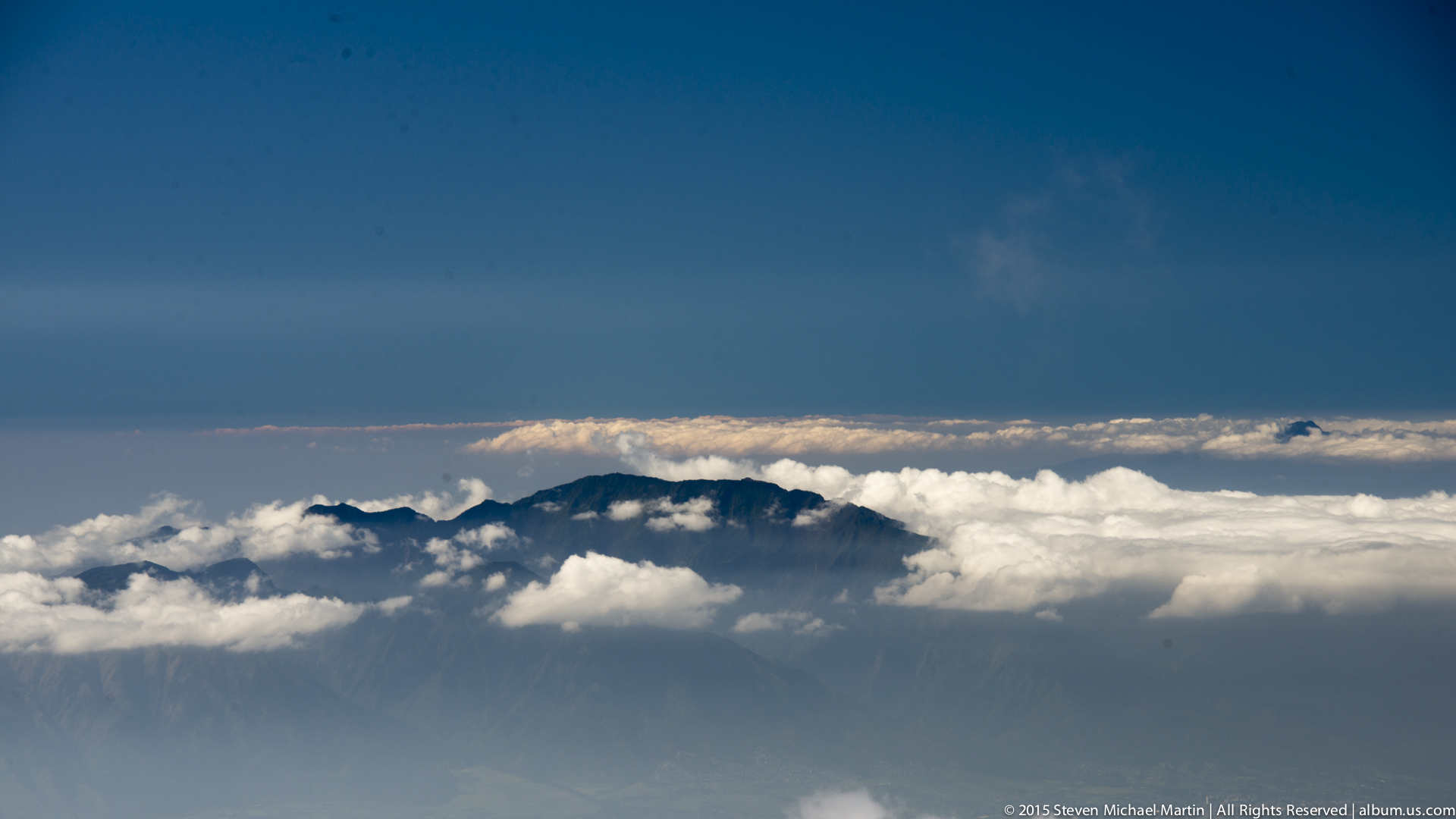
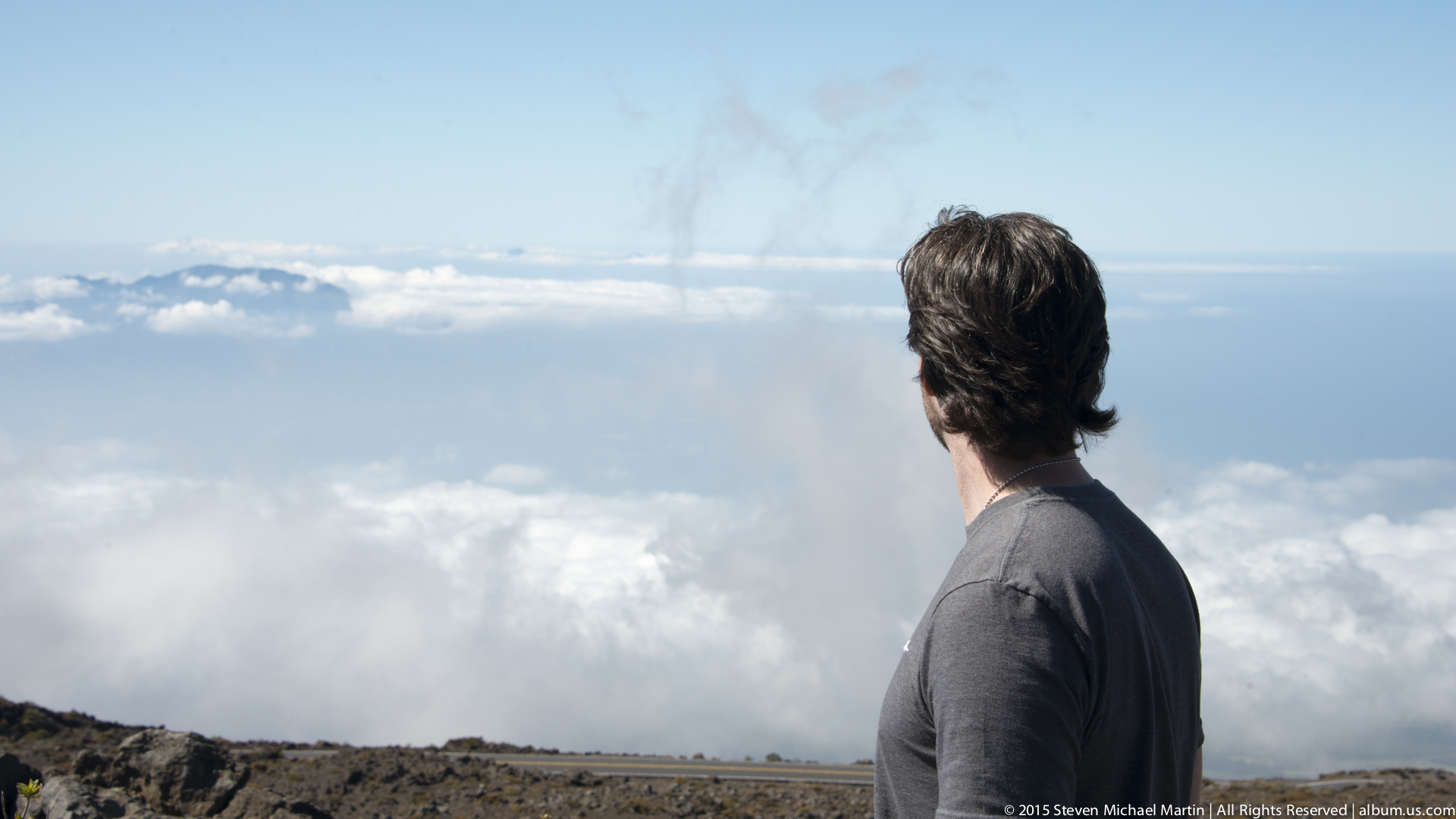
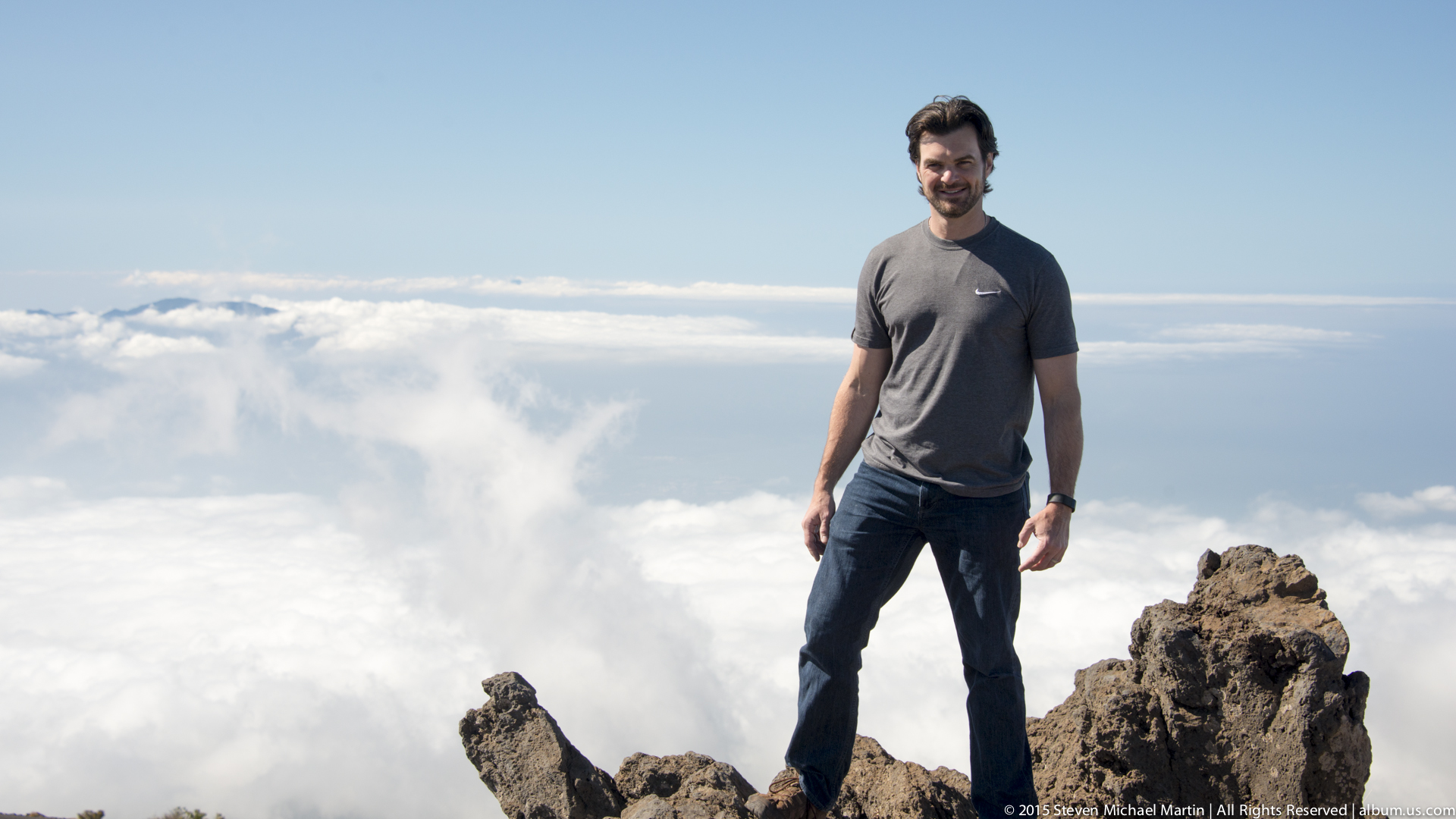
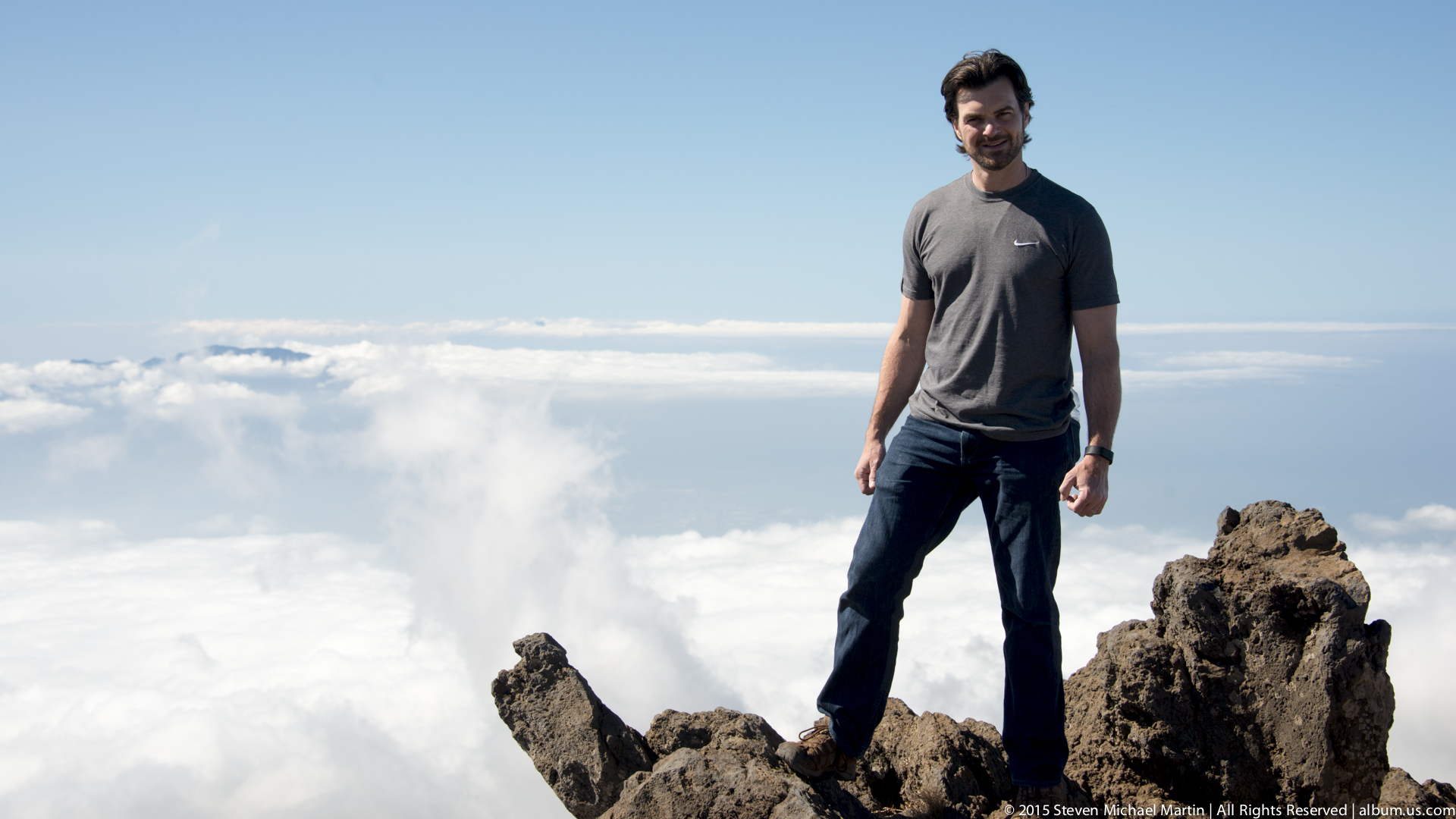
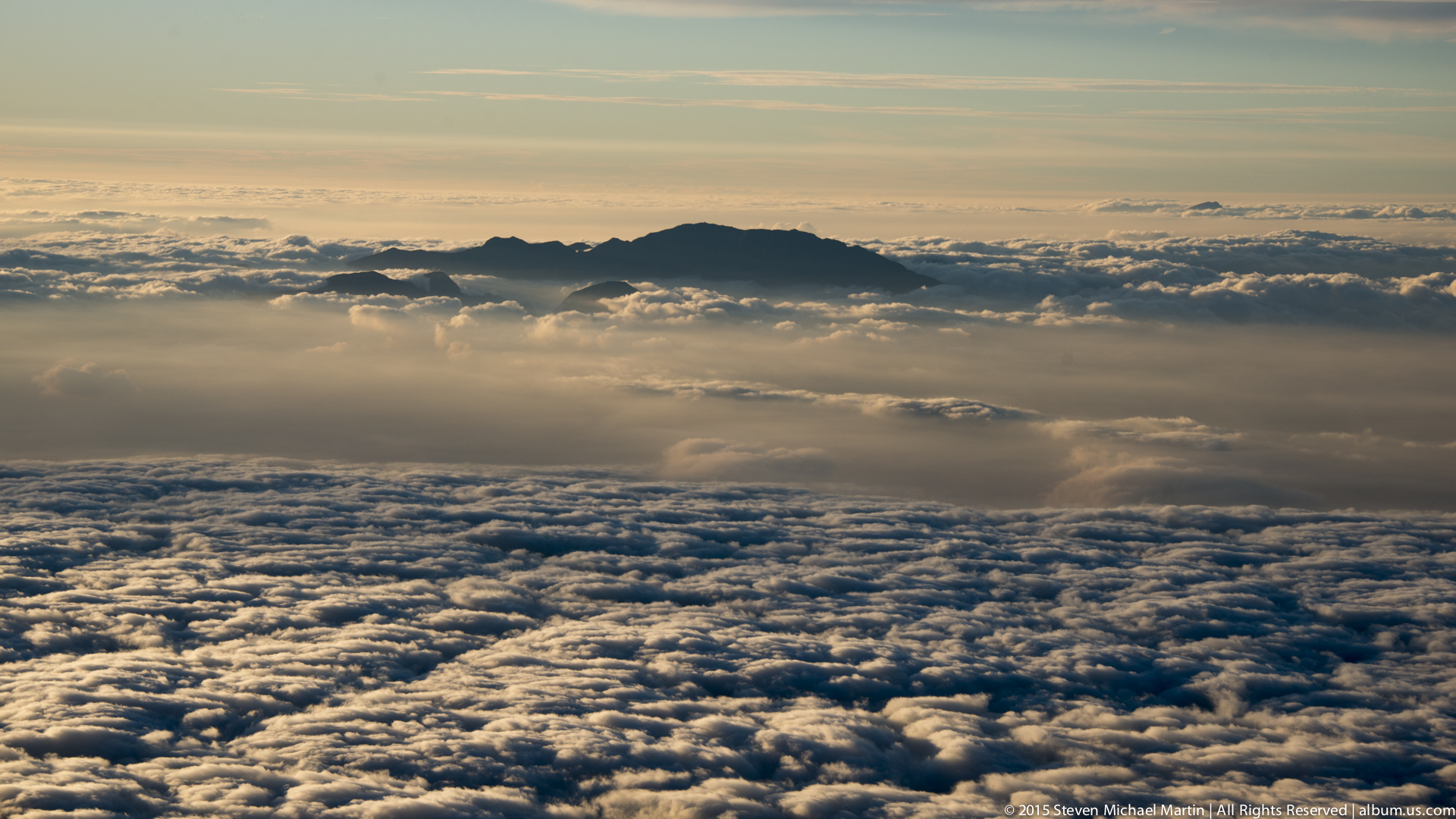
- Cloud movement adds depth to crater views.
- Wide compositions emphasize scale of volcanic terrain.
- Steam vents provide atmospheric visual elements.
- Contrast between dark lava and green vegetation creates strong compositions.
- Minimal foreground clutter enhances geometric patterns.