National Bonsai Collection
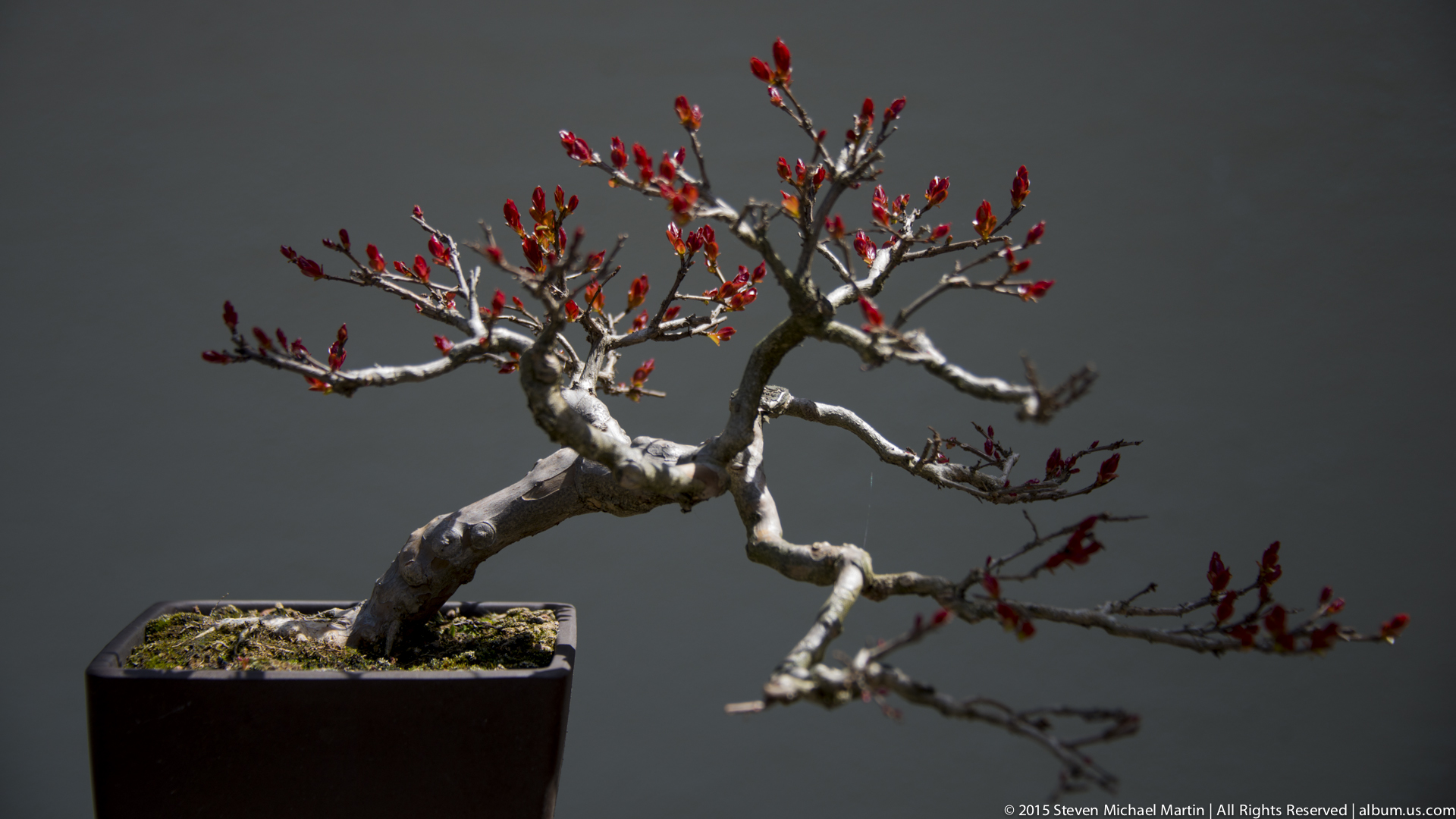
The National Bonsai & Penjing Museum at the United States National Arboretum preserves a specialized collection of miniature trees shaped through horticultural techniques that originated in East Asia and developed over centuries as an artistic and botanical tradition. Established within the Arboretum’s research environment, the collection reflects the intersection of scientific study, landscape design, and cultural exchange. Bonsai cultivation emphasizes the relationship between human stewardship and natural growth processes, illustrating how aesthetic traditions can influence botanical practice.
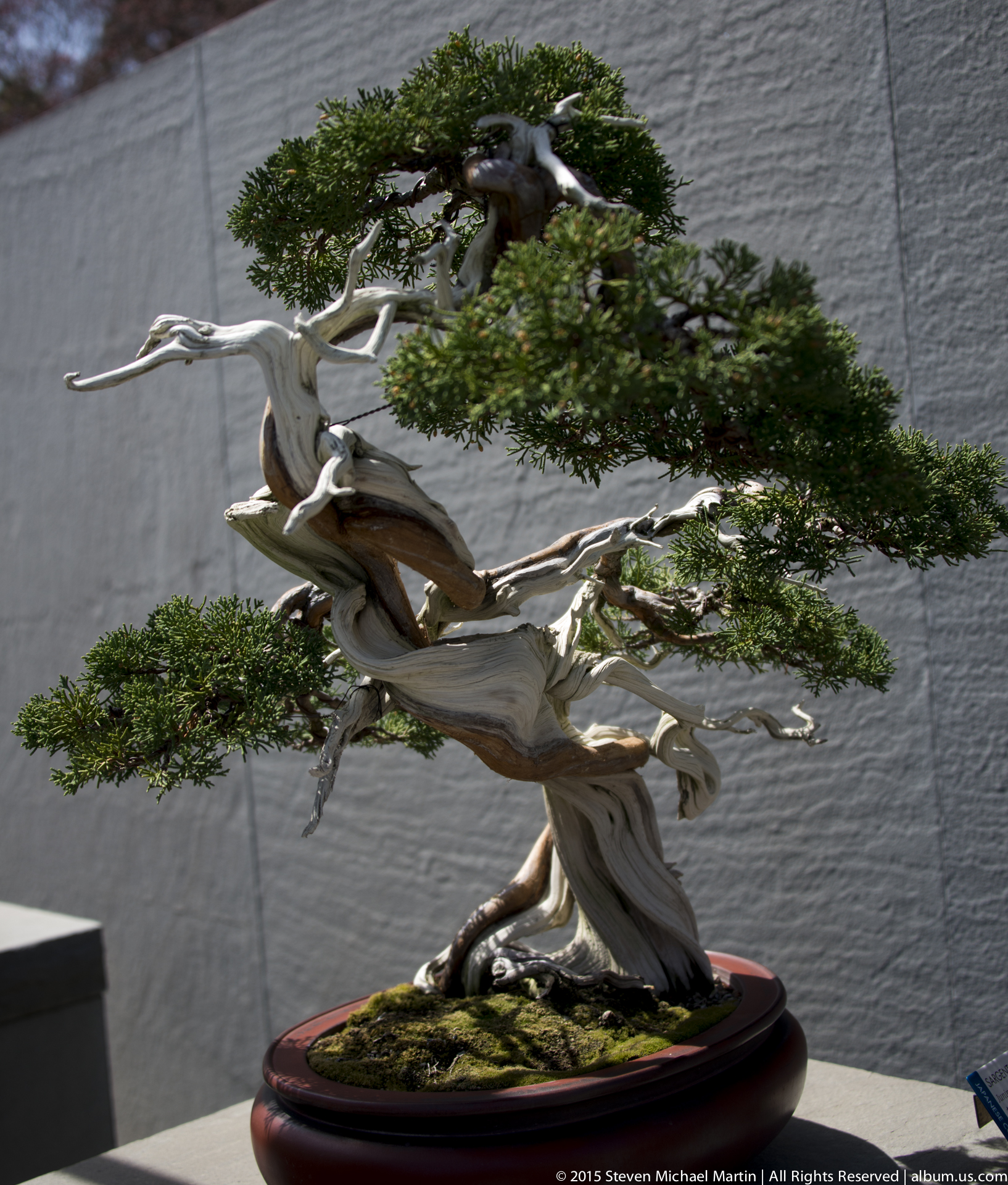
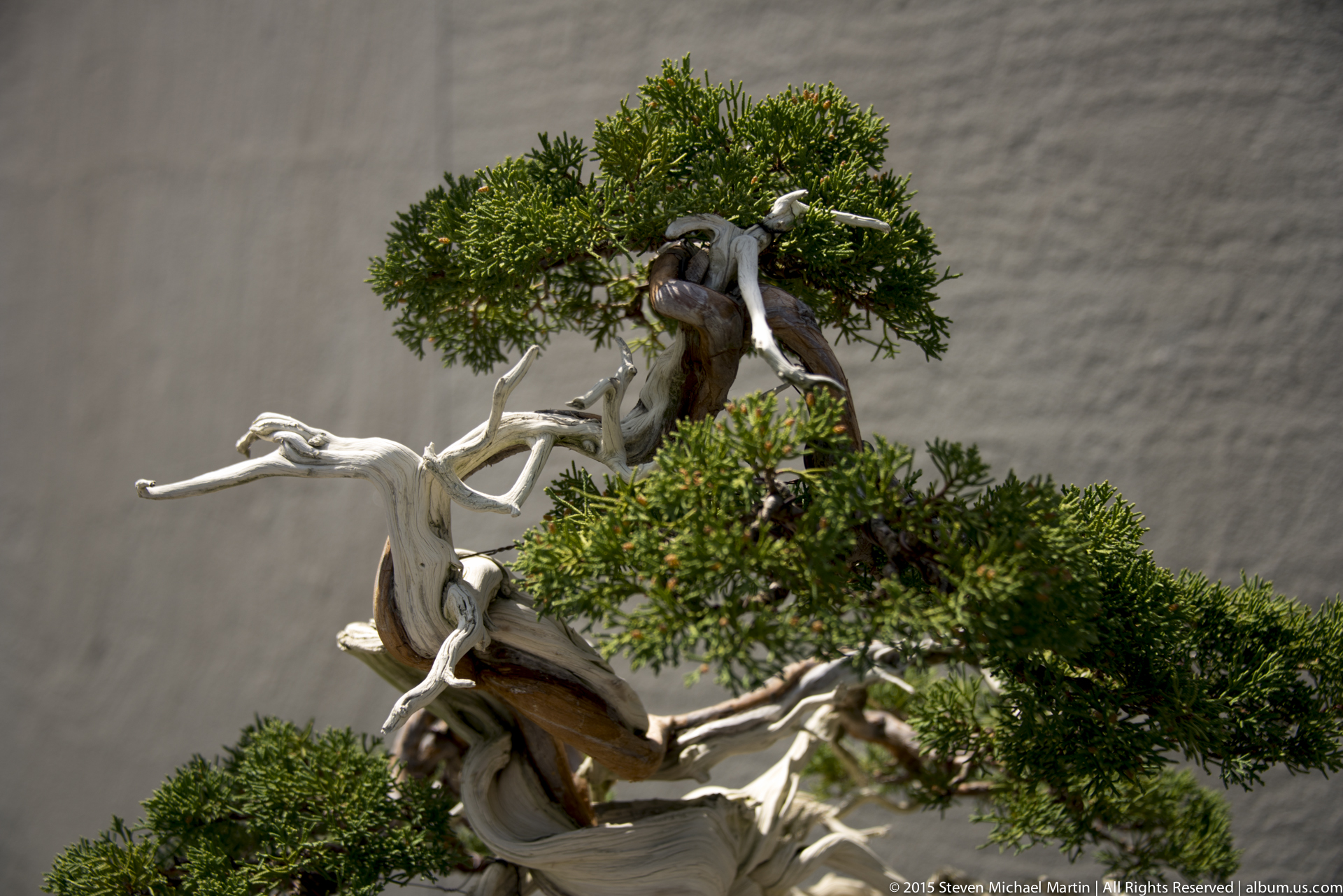
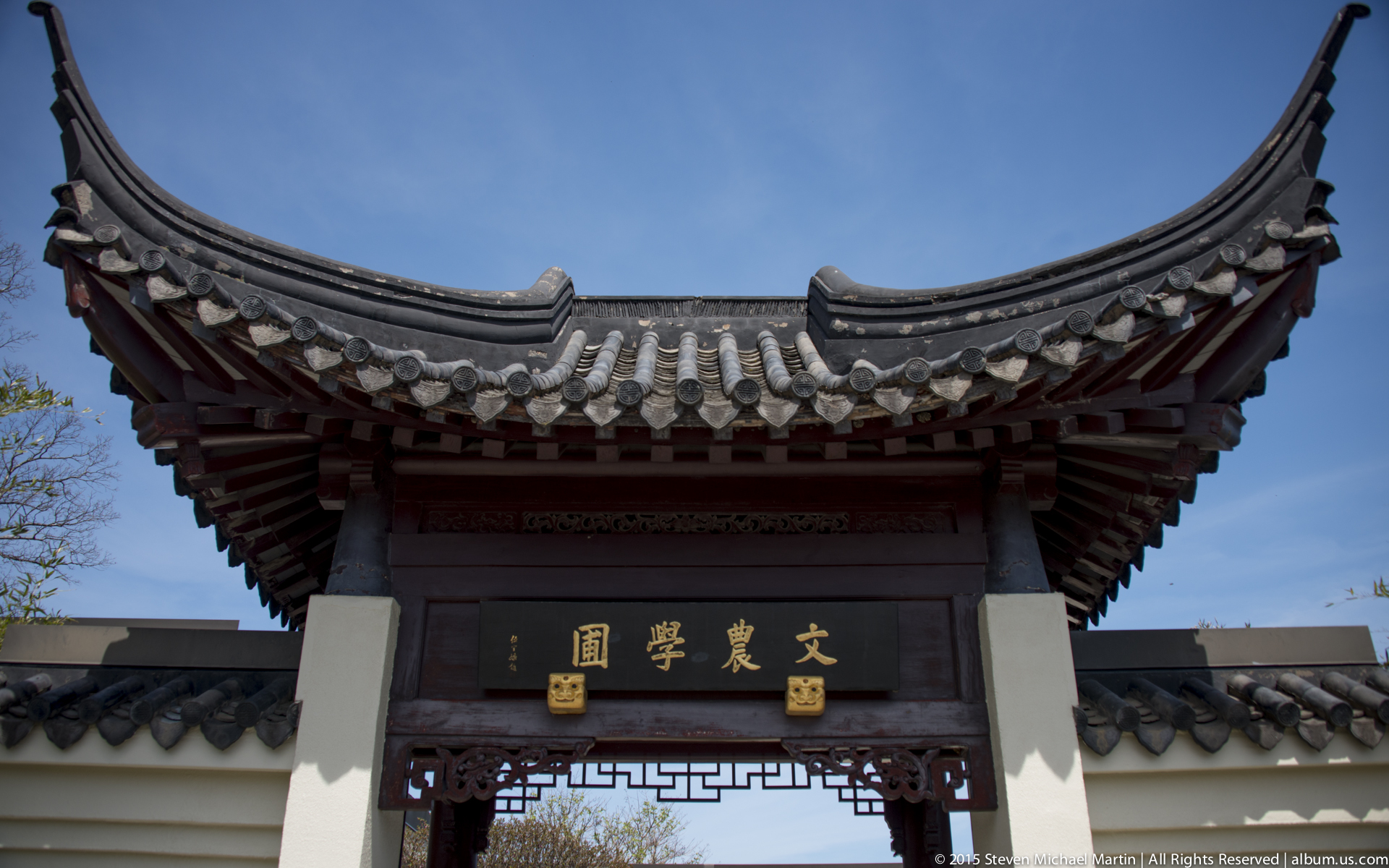
The collection includes specimens representing Japanese, Chinese, and North American bonsai traditions, demonstrating variations in form, pruning techniques, and container design. Many trees have been cultivated for decades, reflecting the long-term commitment required to maintain balance between natural growth and artistic shaping. The presence of bonsai within the National Arboretum connects horticultural science with artistic expression, illustrating the diversity of approaches used to interpret plant structure and environmental adaptation. The Arboretum itself, established in 1927, serves as a center for plant research and conservation.
The bonsai collection contributes to understanding how cultural traditions influence the interpretation of natural form within scientific institutions. Its presence within the federal capital demonstrates the integration of international artistic heritage into American research environments. The collection illustrates continuity between botanical study, landscape design, and artistic practice, reinforcing the broader role of the National Arboretum as both a scientific and cultural institution.