George Washington National Forest — Elizabeth Furnace
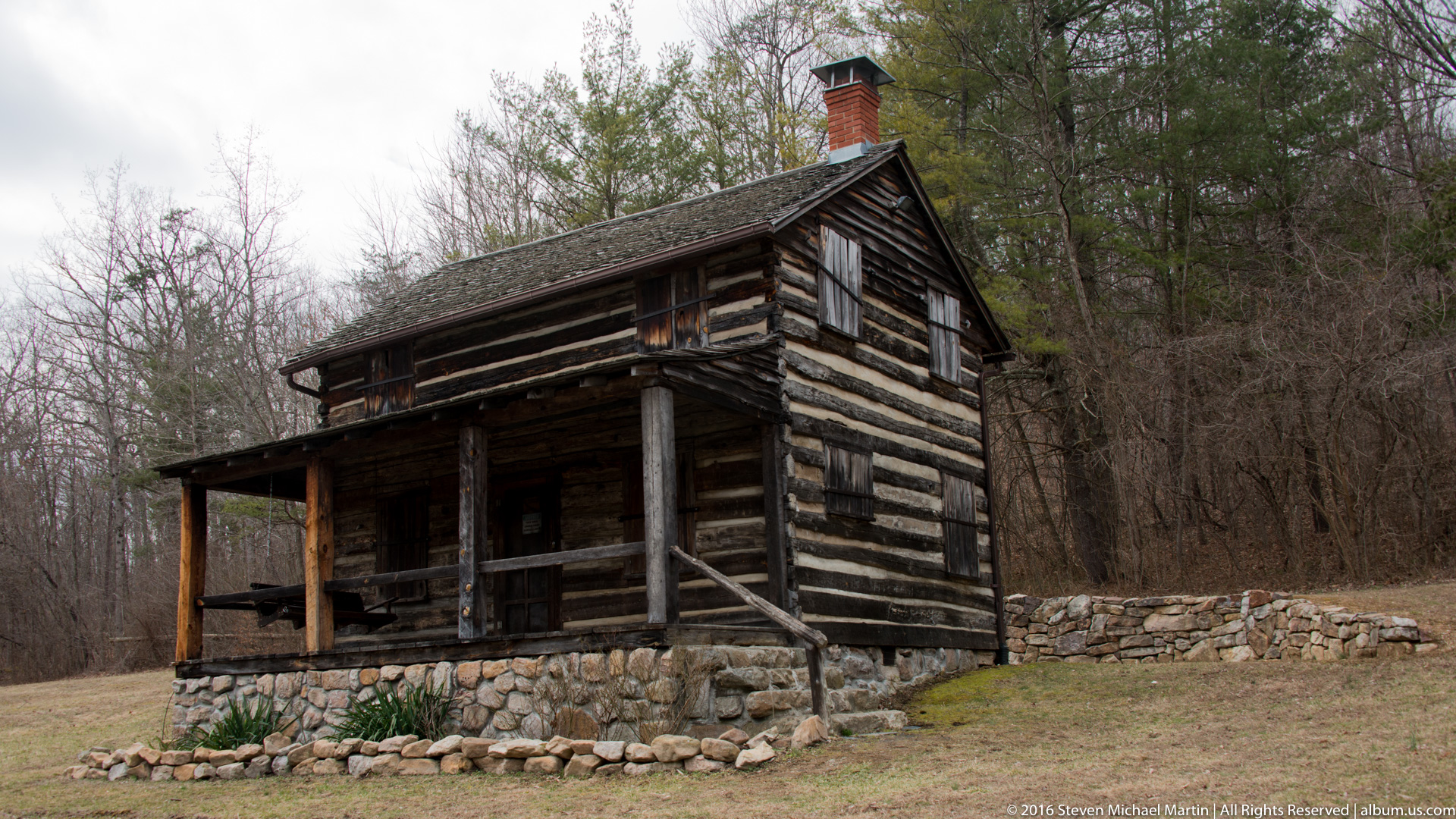
The Elizabeth Furnace area of George Washington National Forest preserves the remains of a nineteenth-century iron furnace set within the forested landscape of the Shenandoah Valley. Established in 1836, the furnace used locally mined iron ore, limestone, timber, and waterpower from Passage Creek to produce pig iron that supported regional industry and transportation networks. The site illustrates how early American manufacturing depended upon natural resources found within Appalachian mountain environments.
Iron produced at Elizabeth Furnace was transported across Massanutten Mountain toward the Shenandoah River, linking the site to broader industrial systems associated with railroads, tools, and infrastructure during the nineteenth century. The furnace also played a role during the Civil War, when iron production contributed to wartime industry before the site was destroyed during military campaigns in the Shenandoah Valley. The remaining stone structure and surrounding landscape reflect both industrial activity and the environmental consequences of resource extraction.
Today the Elizabeth Furnace area forms part of George Washington National Forest, illustrating the transition from industrial production to conservation and recreation within Appalachian landscapes. Forest regeneration and public land protection policies of the twentieth century transformed previously exploited environments into protected ecosystems. The site contributes to understanding how industrial history and environmental recovery coexist within the broader history of American land management.