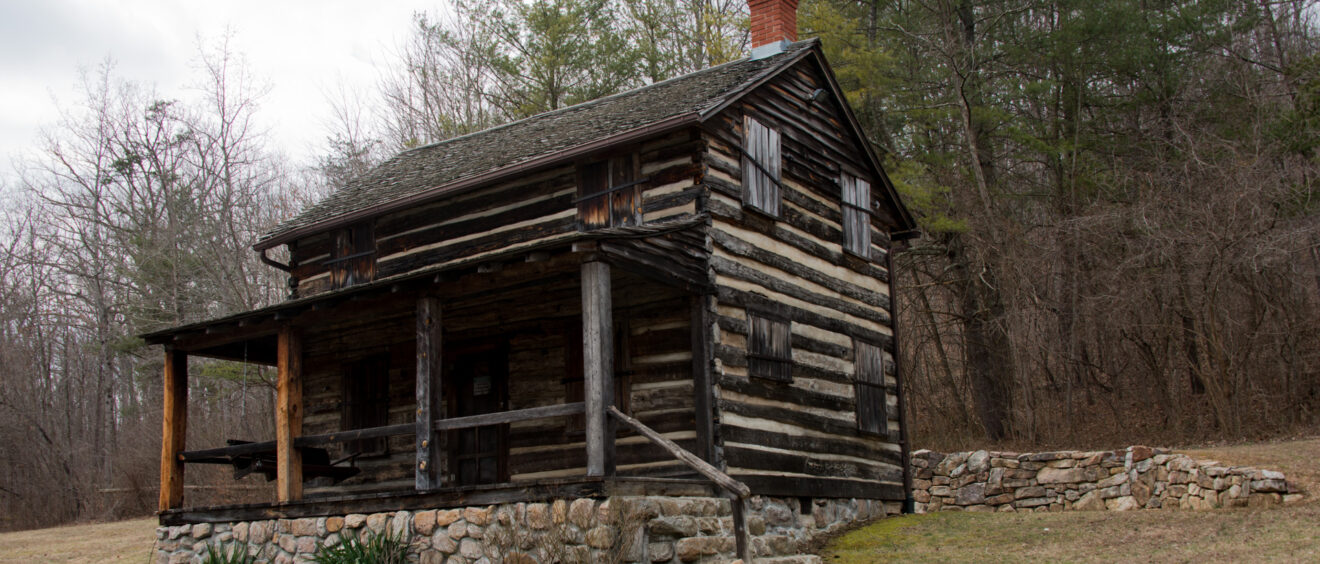
George Washington National Forest — Elizabeth Furnace The Elizabeth Furnace area of George Washington National Forest preserves the remains of a nineteenth-century iron furnace set within the forested landscape of the Shenandoah Valley. Established in 1836, the furnace used locally mined iron ore, limestone, timber, and waterpower from Passage Creek to produce pig iron that […]
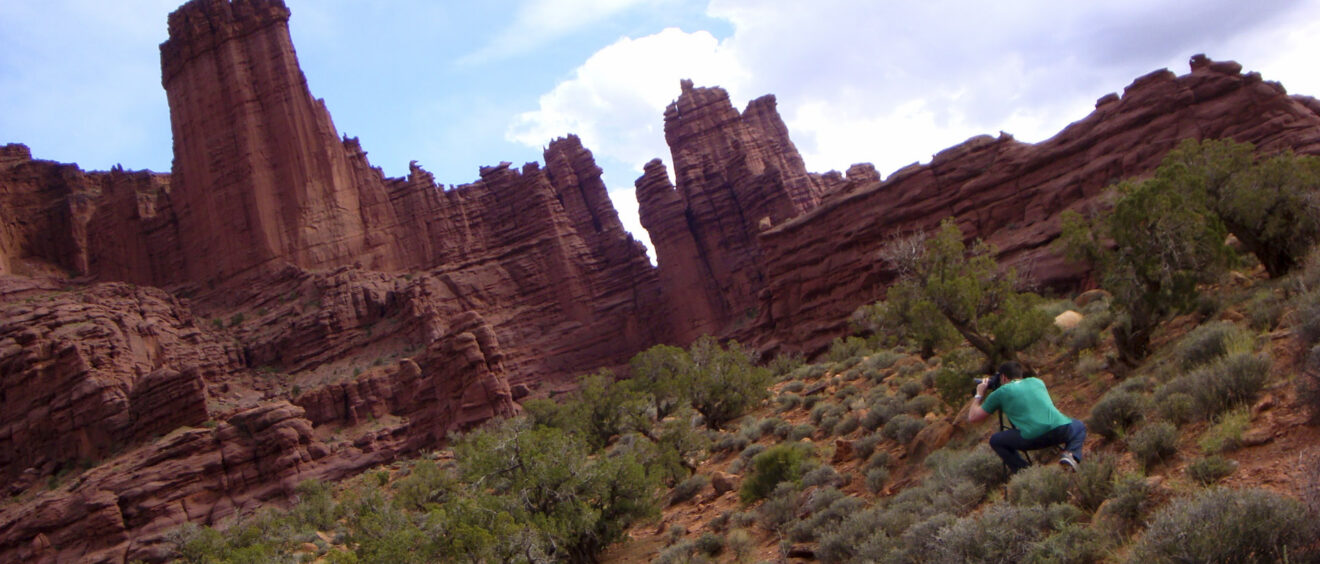
McInnis Canyons National Conservation Area — Moab Region McInnis Canyons National Conservation Area protects a rugged canyon environment characterized by exposed sandstone formations, mesas, and deeply eroded rock layers. The landscape reflects geological processes similar to those found throughout the Colorado Plateau, where uplift and erosion created distinctive canyon terrain. Rock layers reveal variations in […]
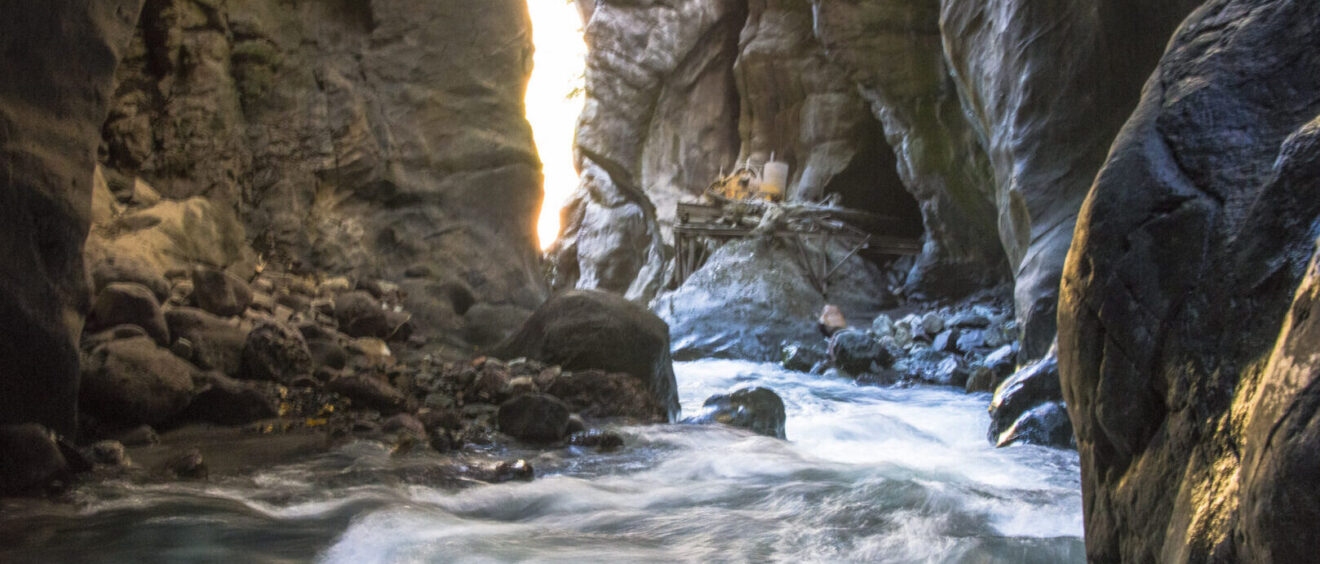
San Juan National Forest — Ouray & Box Canyon San Juan National Forest preserves extensive alpine landscapes shaped by tectonic uplift and glacial erosion. The area surrounding Ouray is known for steep mountain slopes, narrow valleys, and dramatic elevation changes that illustrate the geological complexity of the San Juan Mountains. High elevation environments support forests, […]
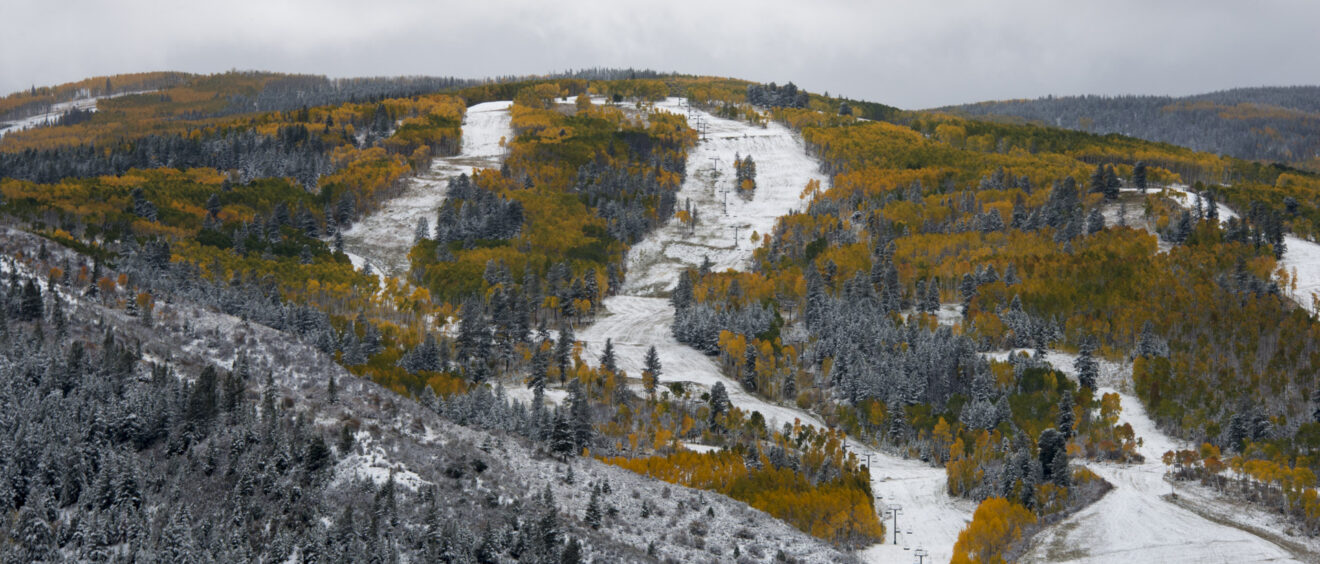
Gunnison National Forest Gunnison National Forest protects a broad landscape of mountain terrain shaped by uplift, erosion, and glaciation. Dense forests, open meadows, and high elevation ridgelines illustrate the ecological diversity of the central Rocky Mountains. The forest environment reflects long-term geological processes that created the varied terrain of western Colorado. Seasonal changes influence vegetation […]
Black Hills The Black Hills region consists of forested mountains rising above the surrounding Great Plains, formed through geological uplift associated with the Laramide orogeny approximately seventy million years ago. Erosion exposed ancient granite and metamorphic rock formations that contrast with the sedimentary plains surrounding the region. The distinctive topography creates varied ecosystems supporting diverse […]