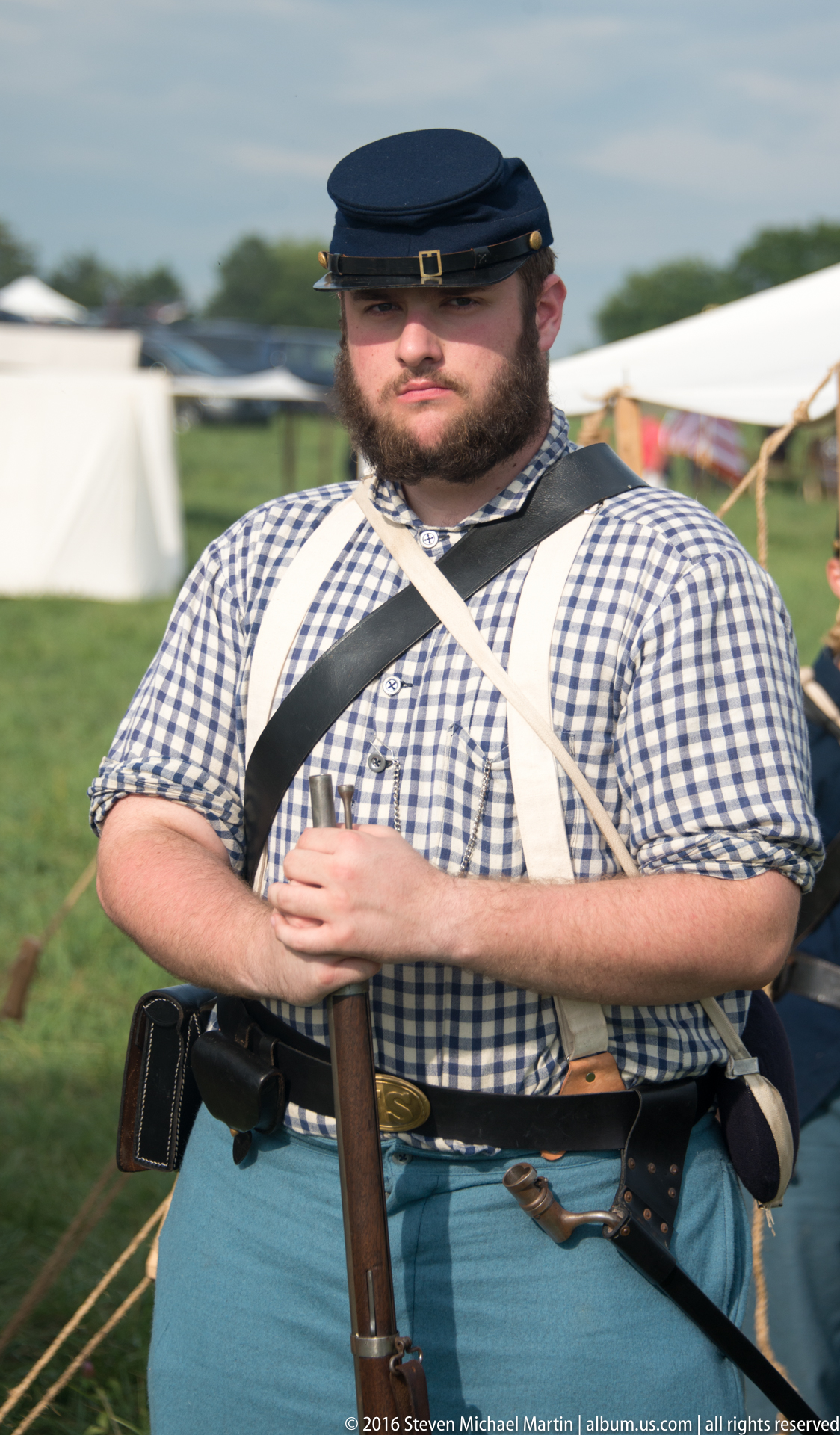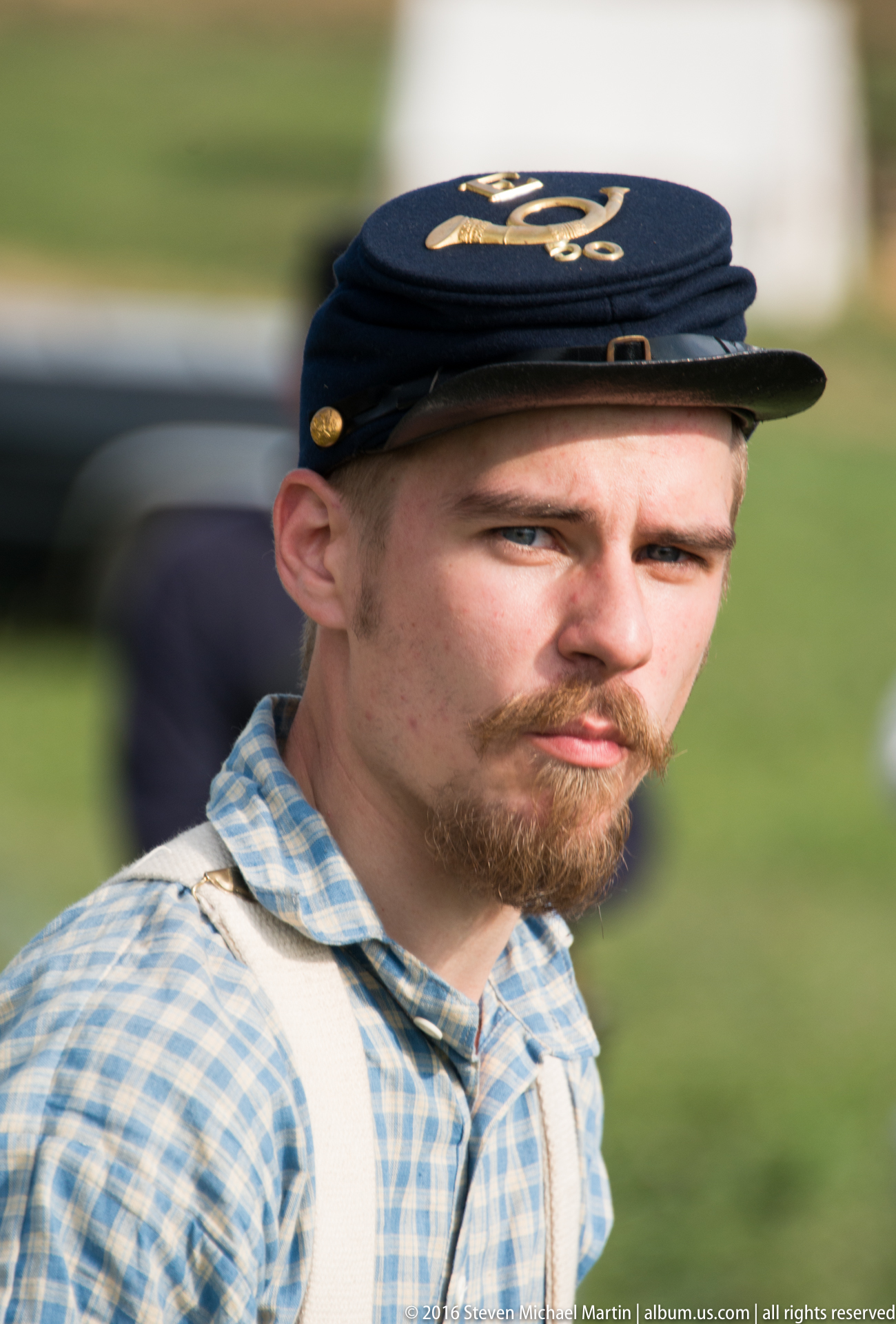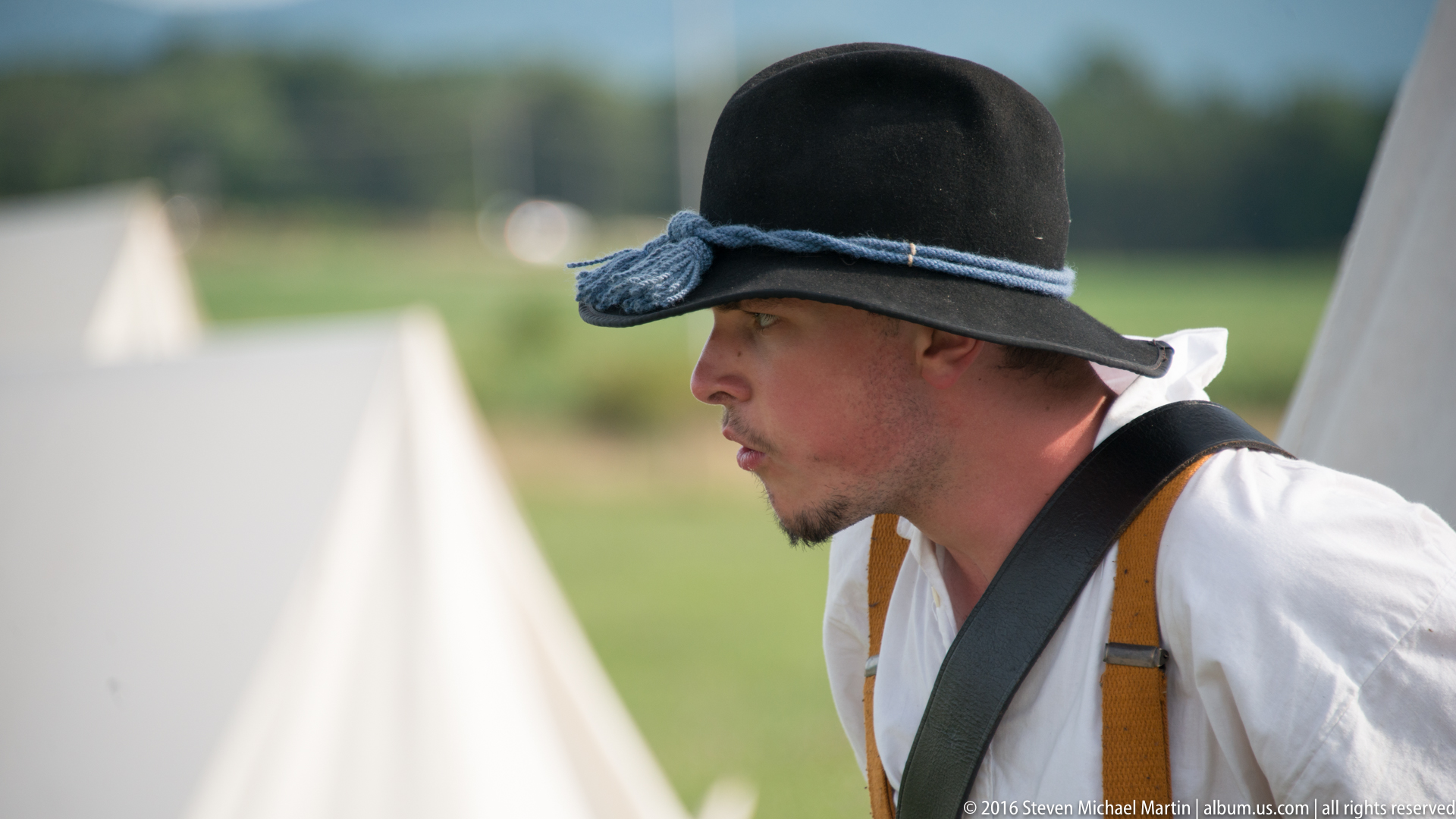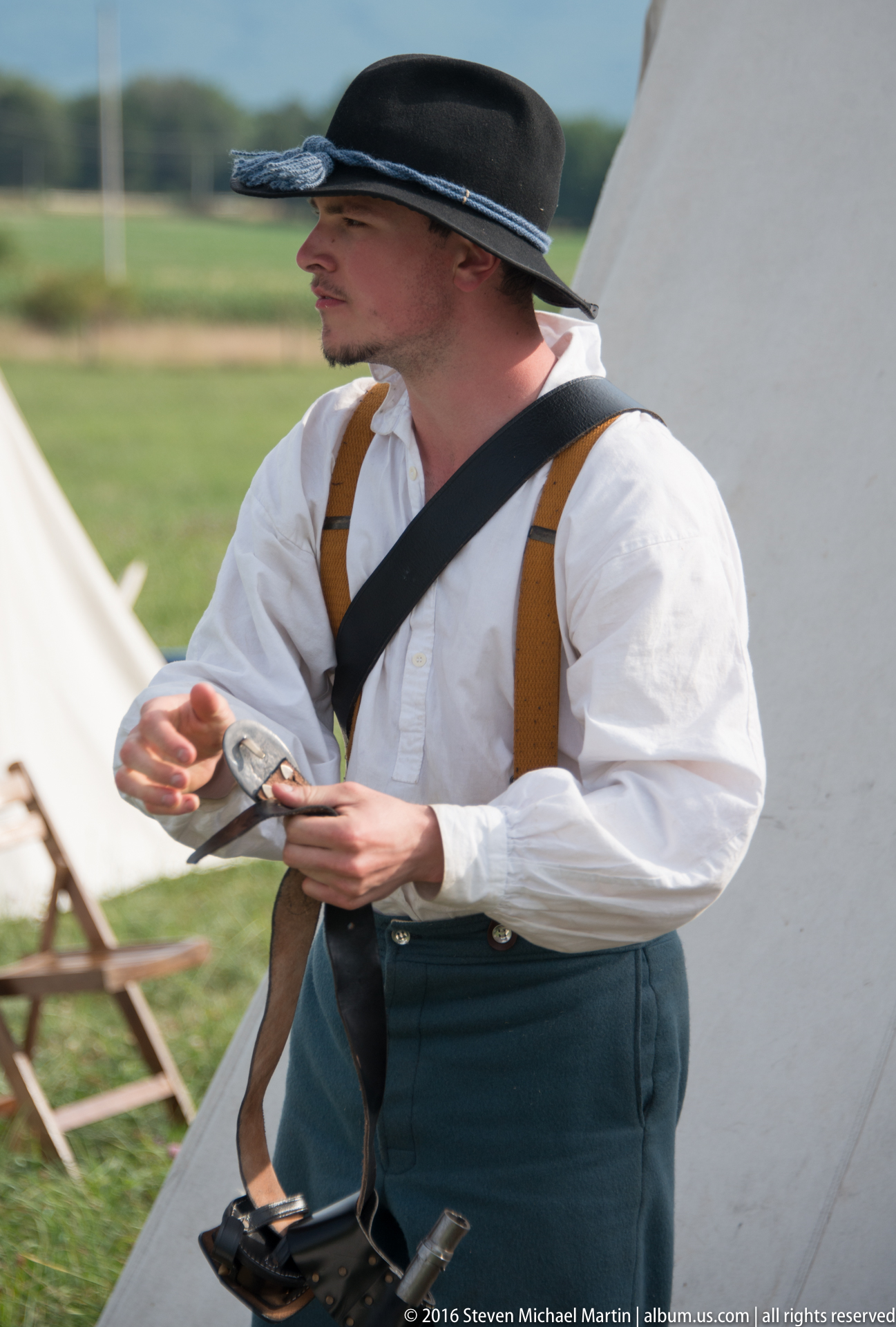
Battle of Bull Run Reenactment — Union Encampment
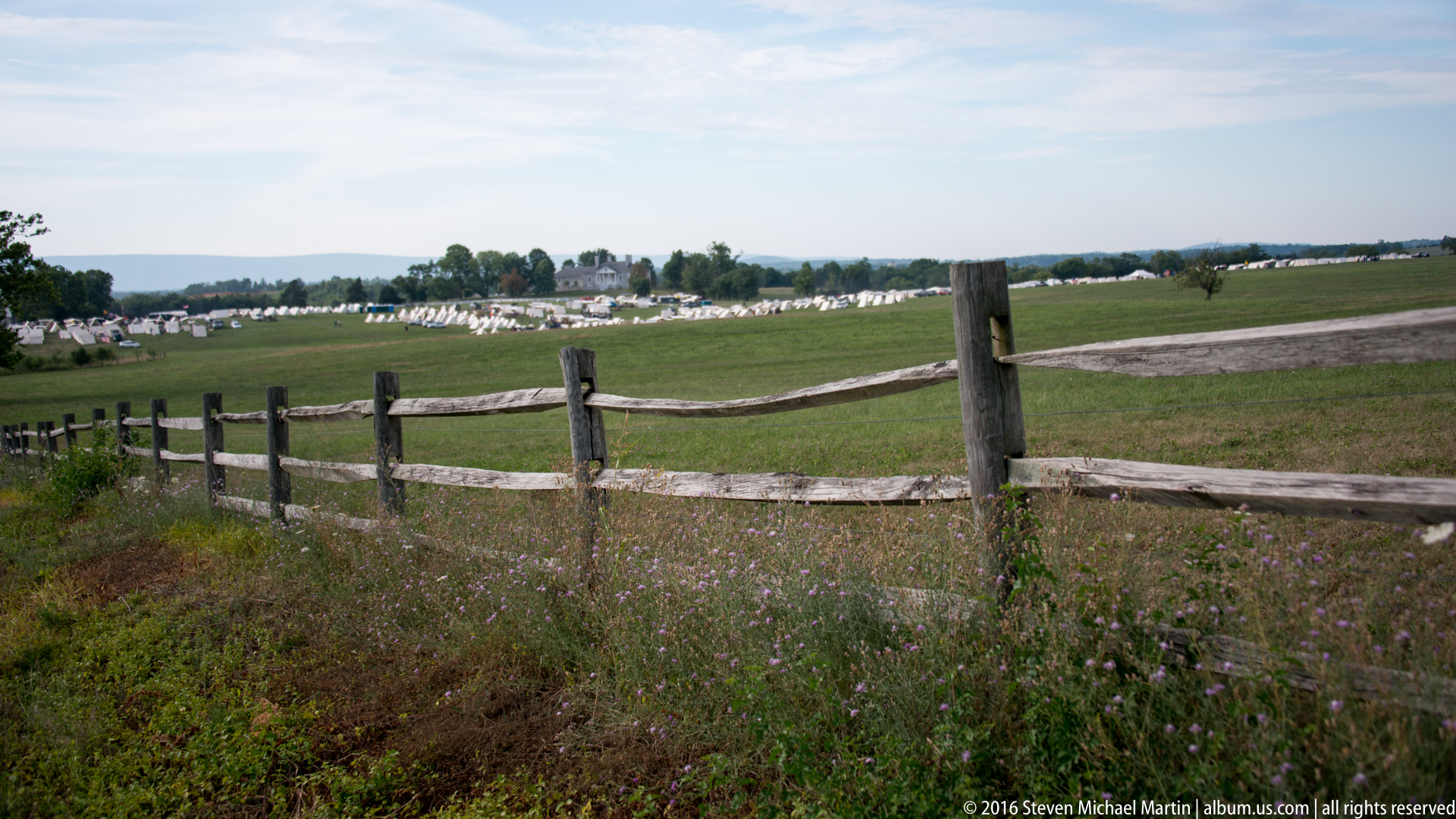
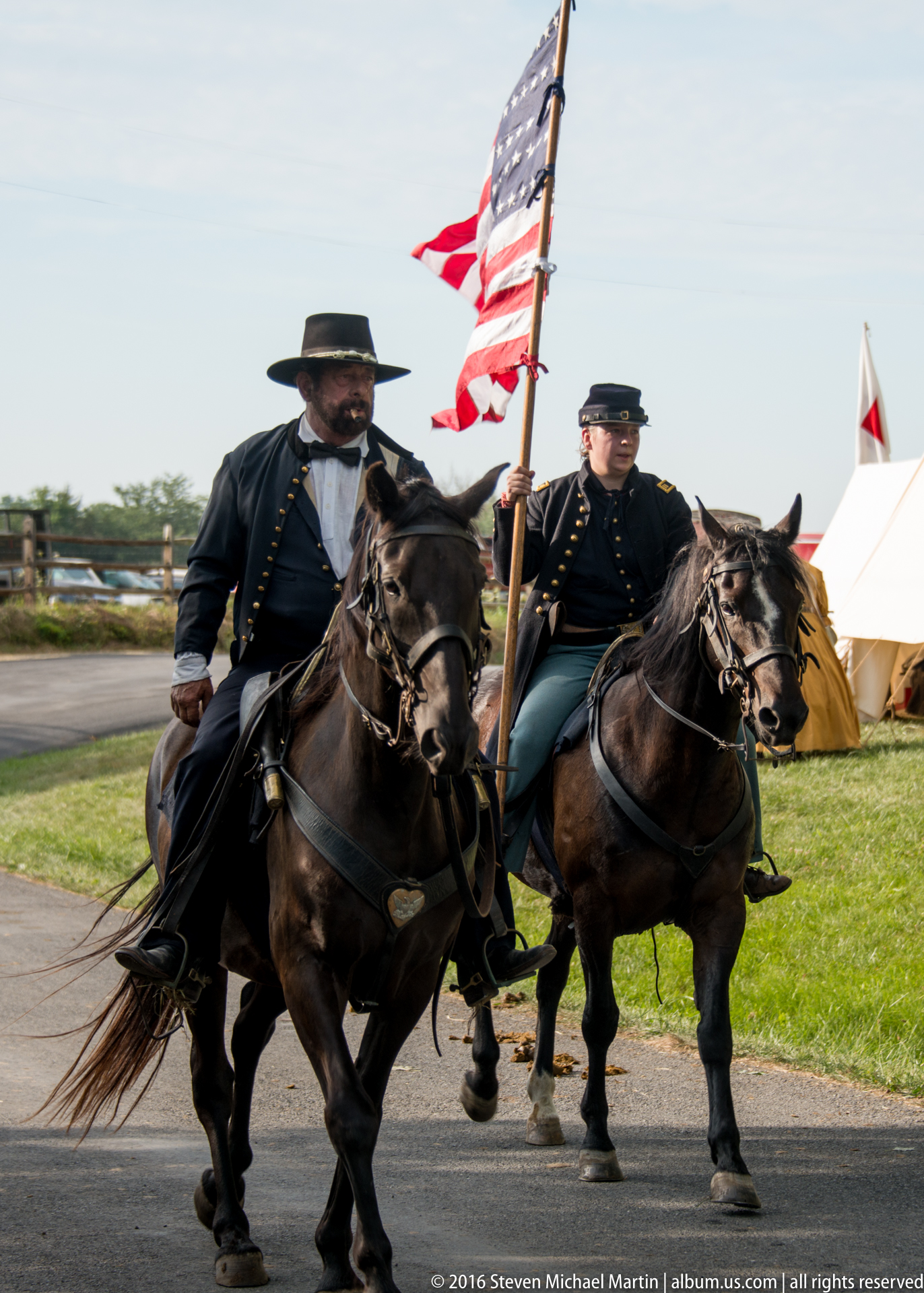
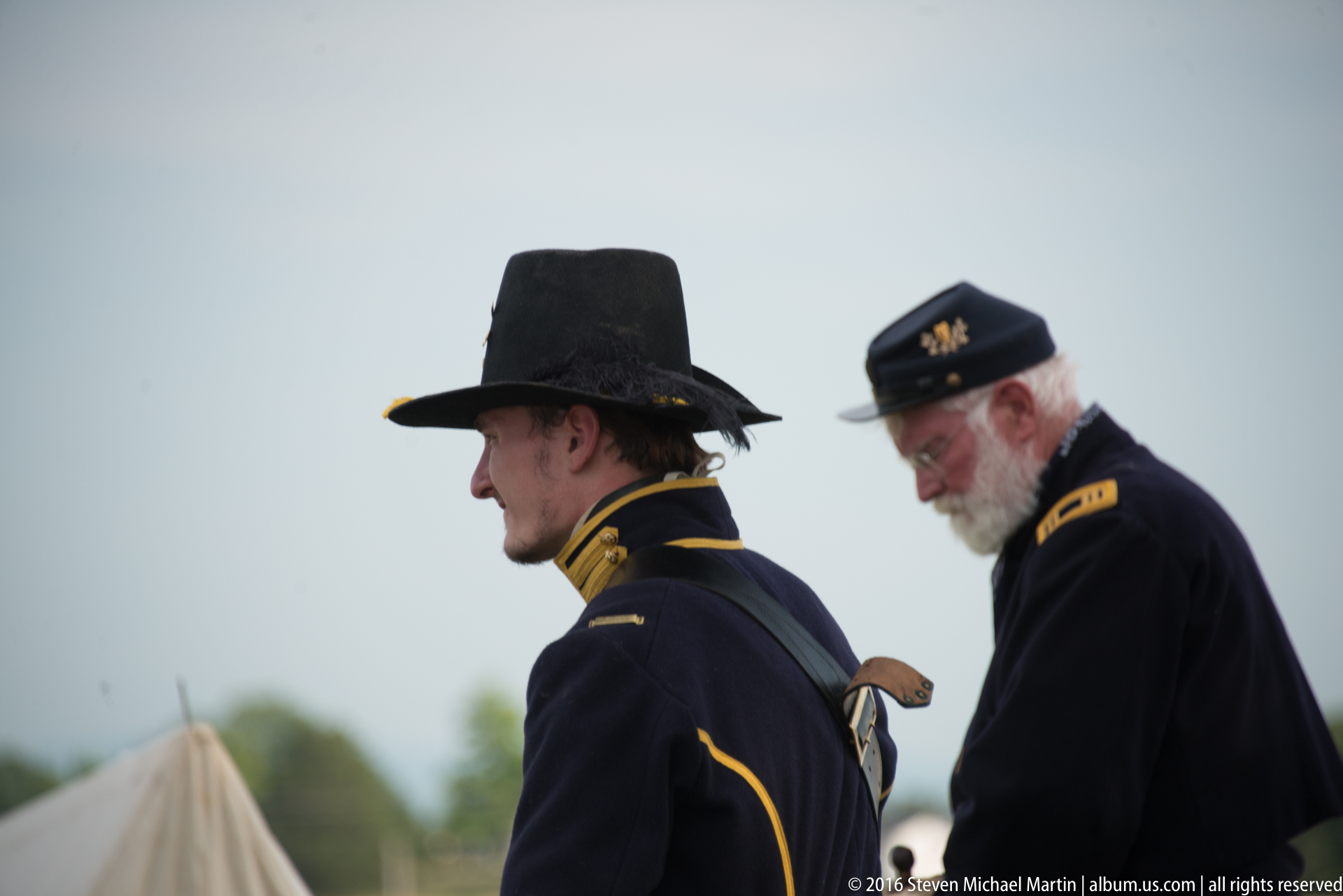
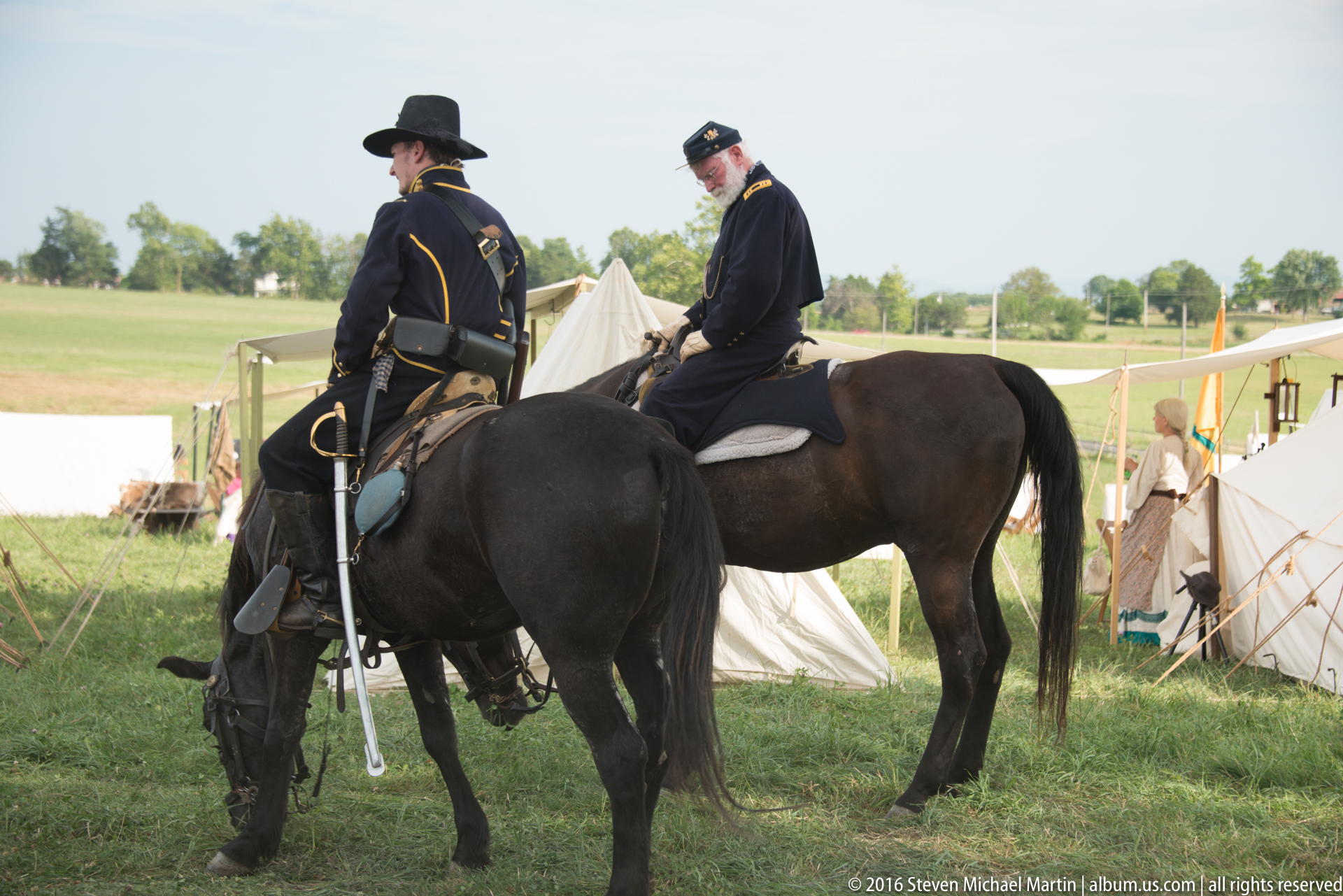
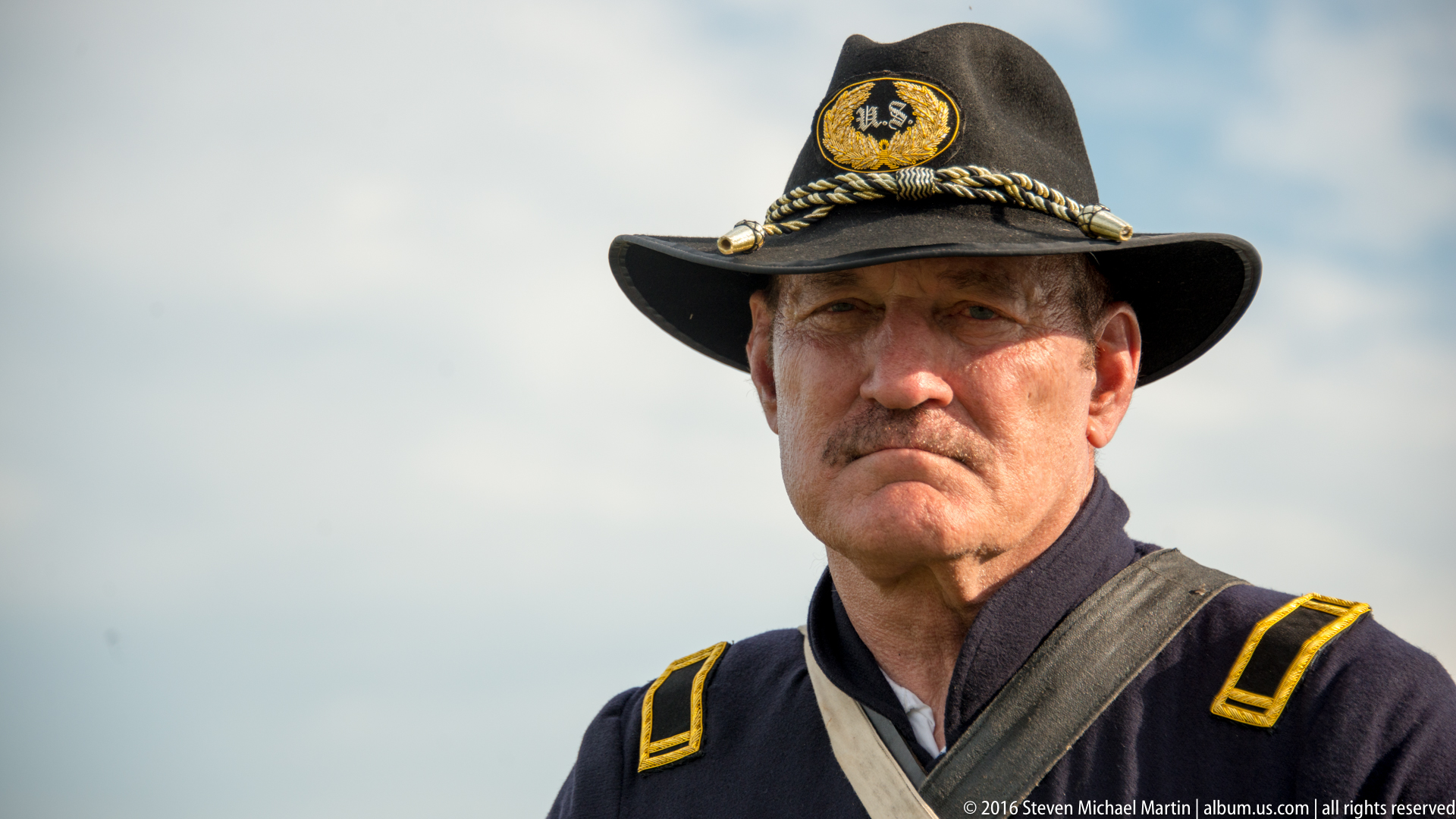
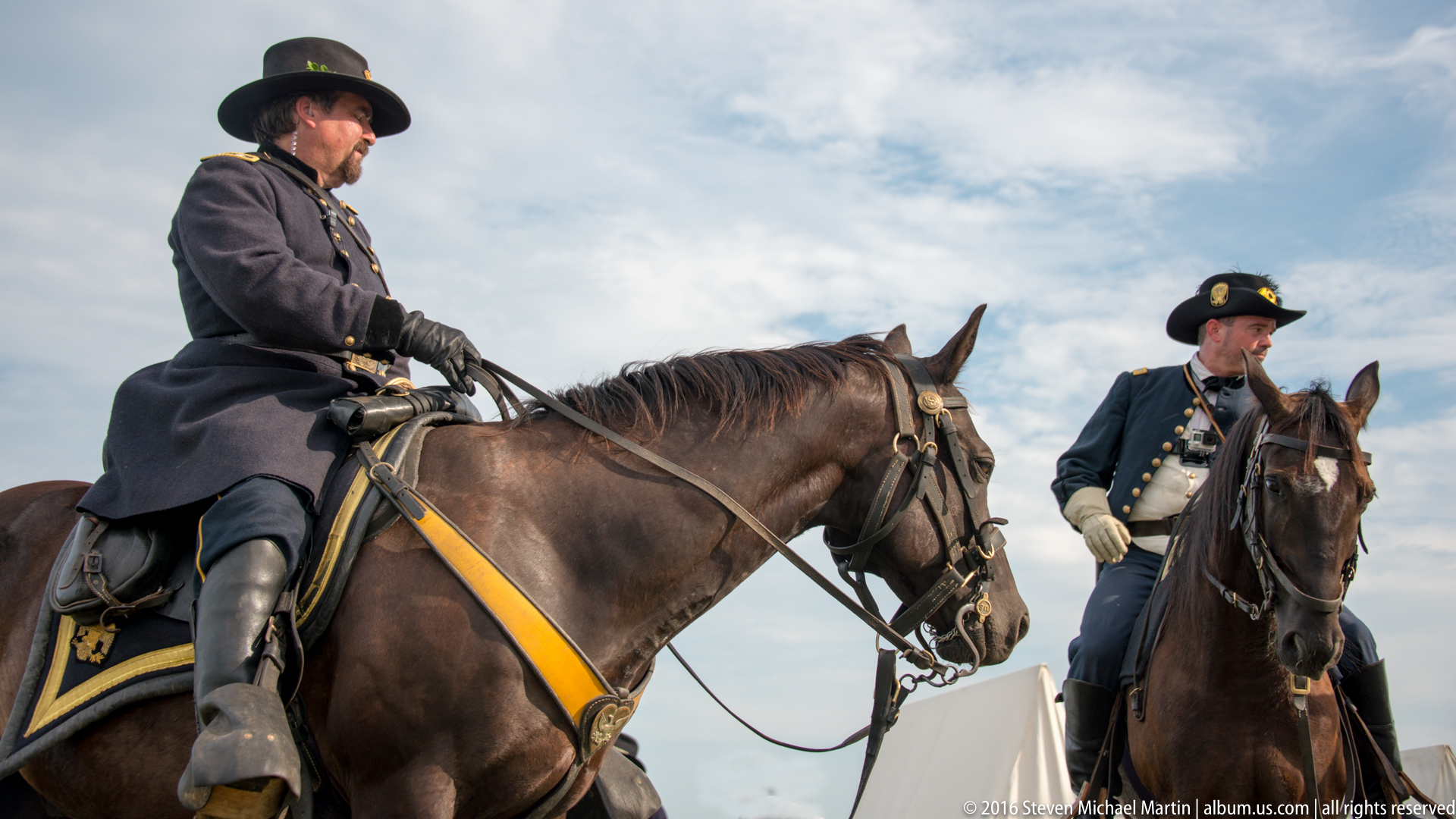
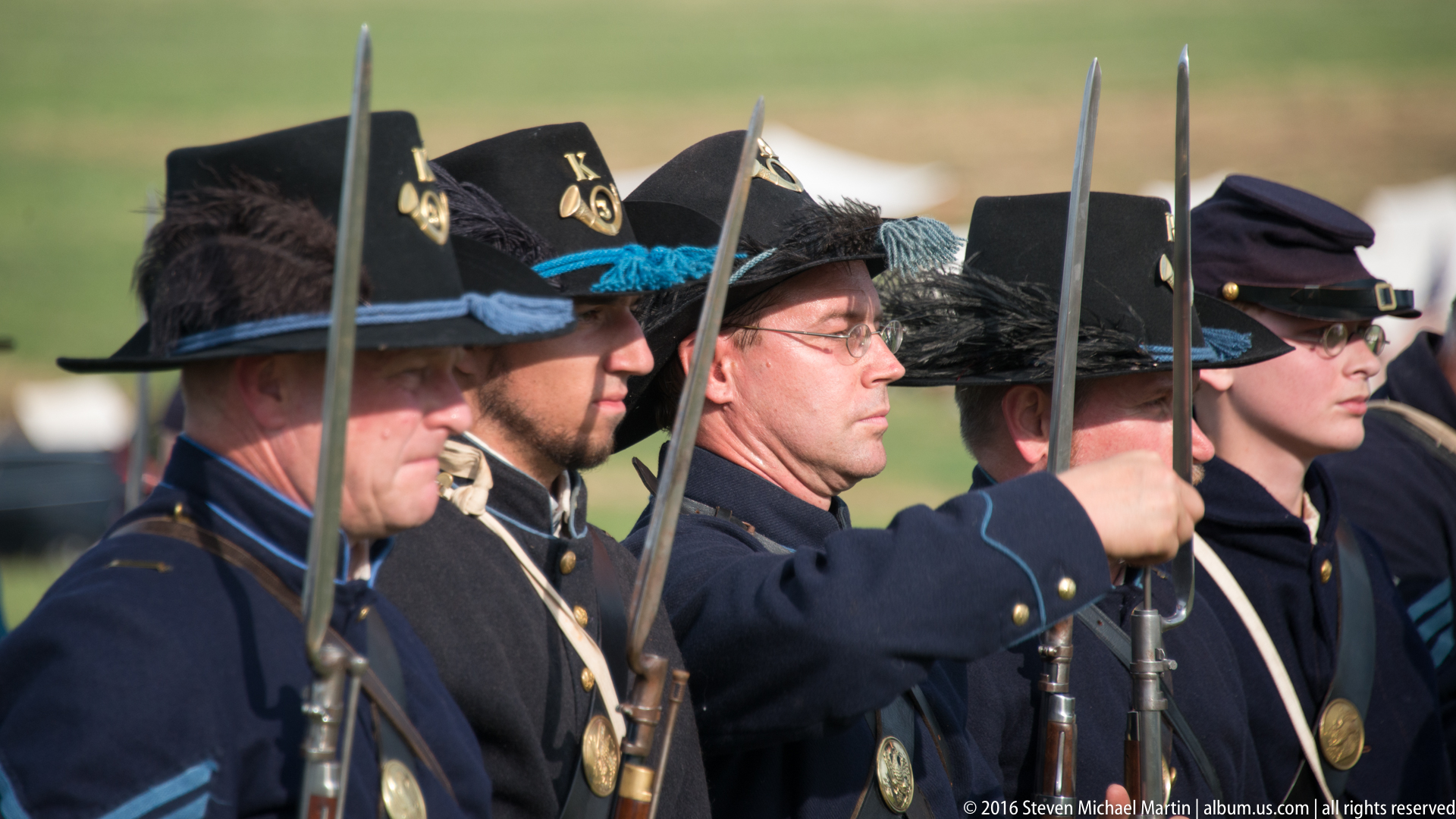
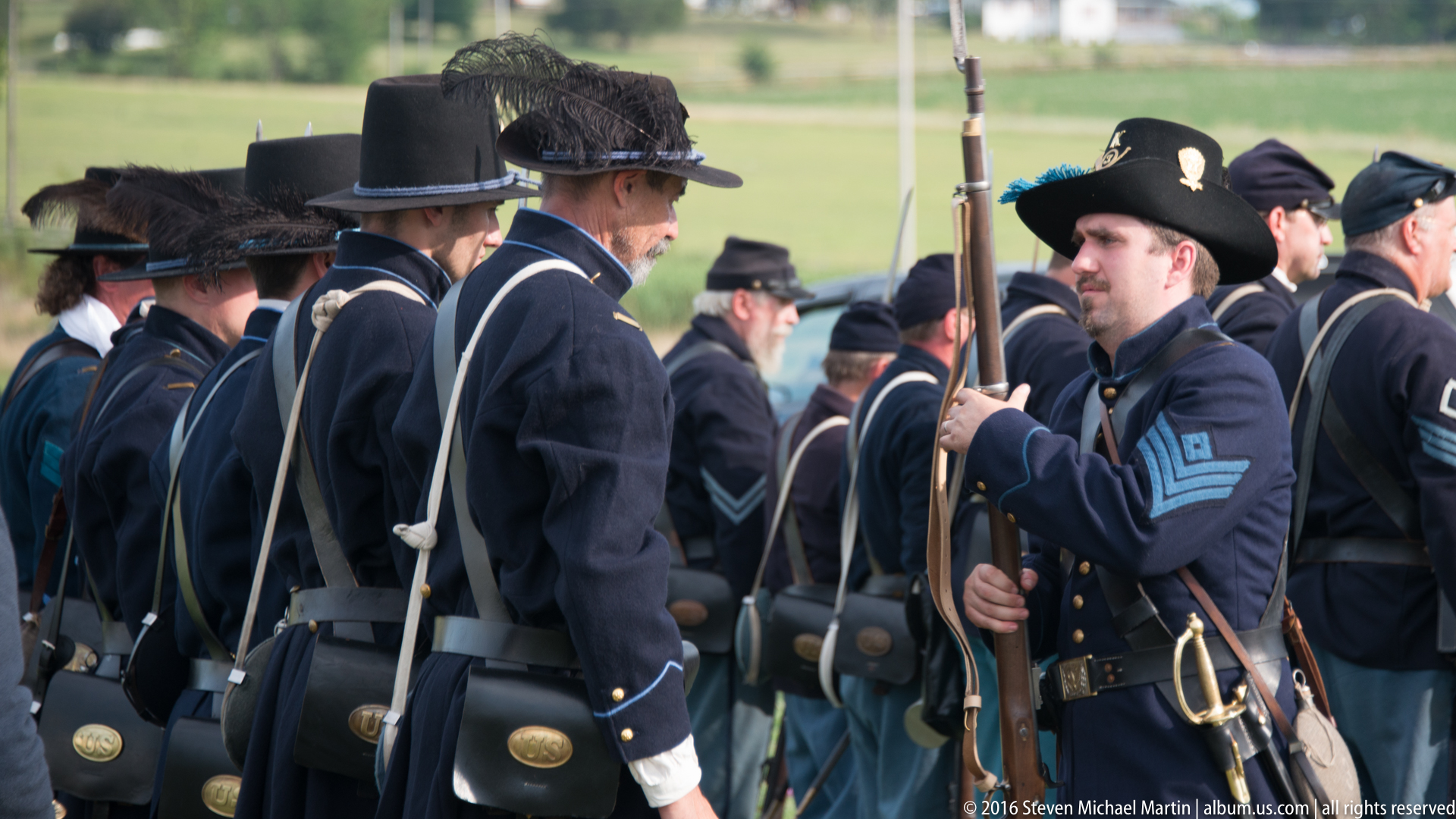
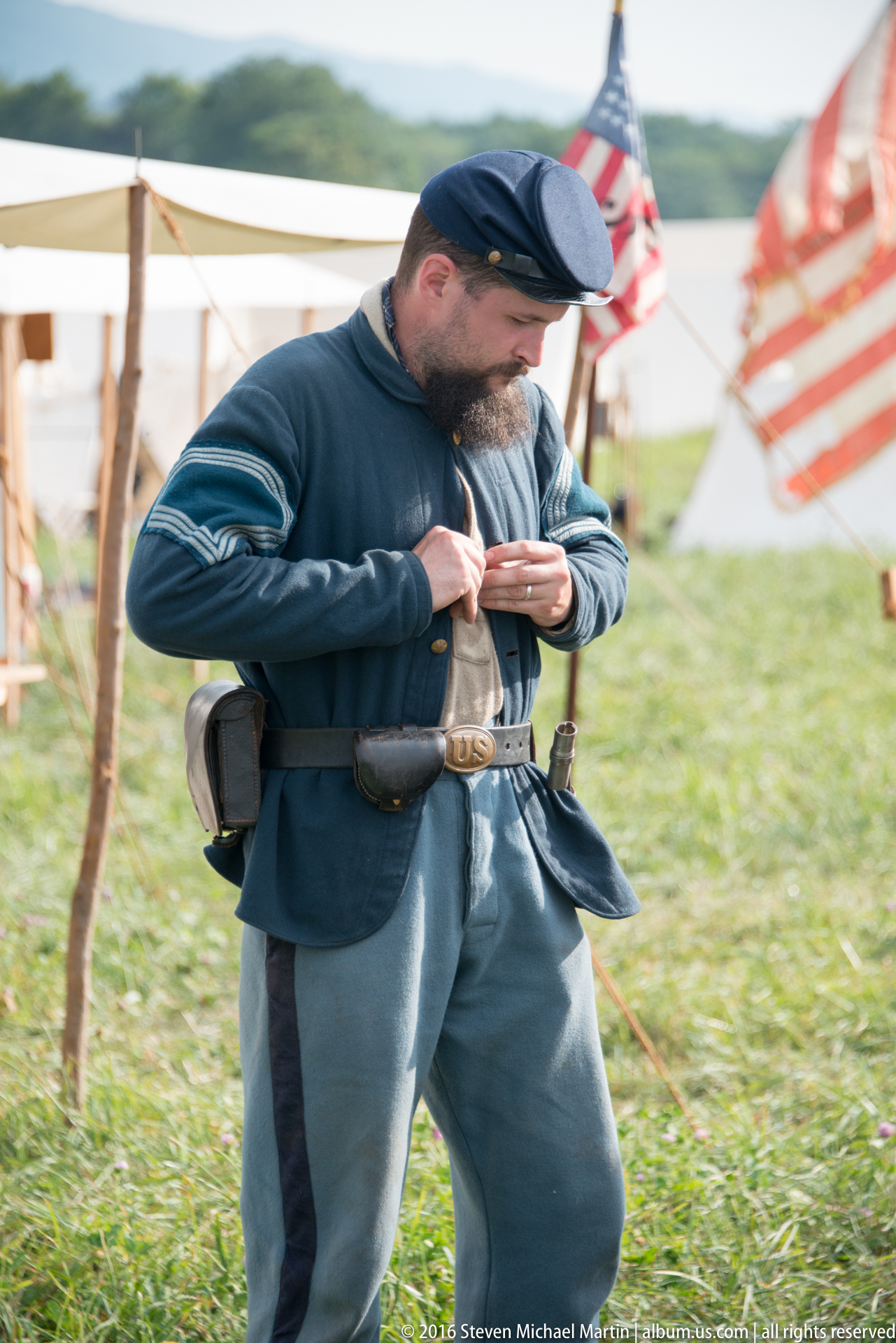
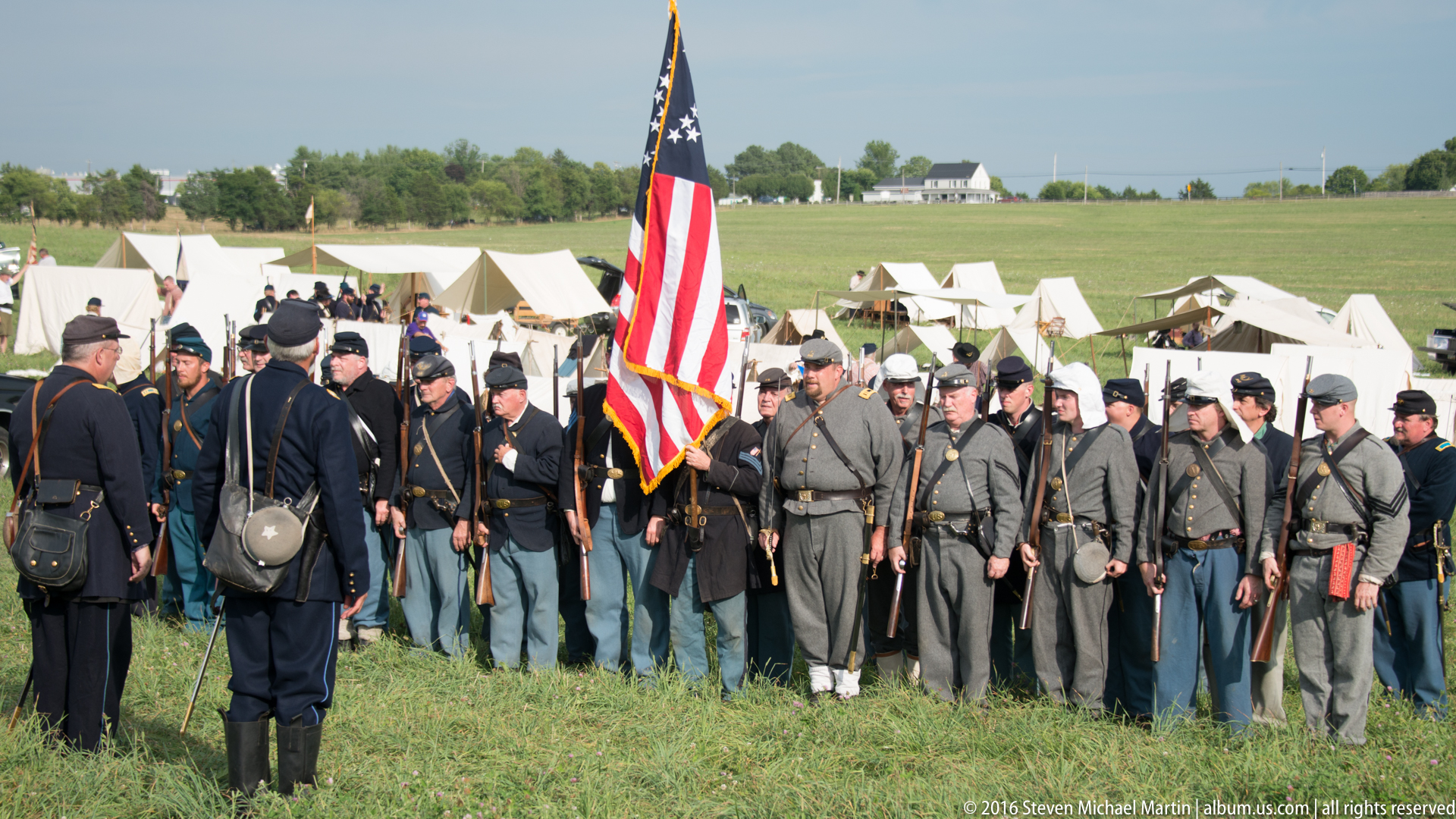
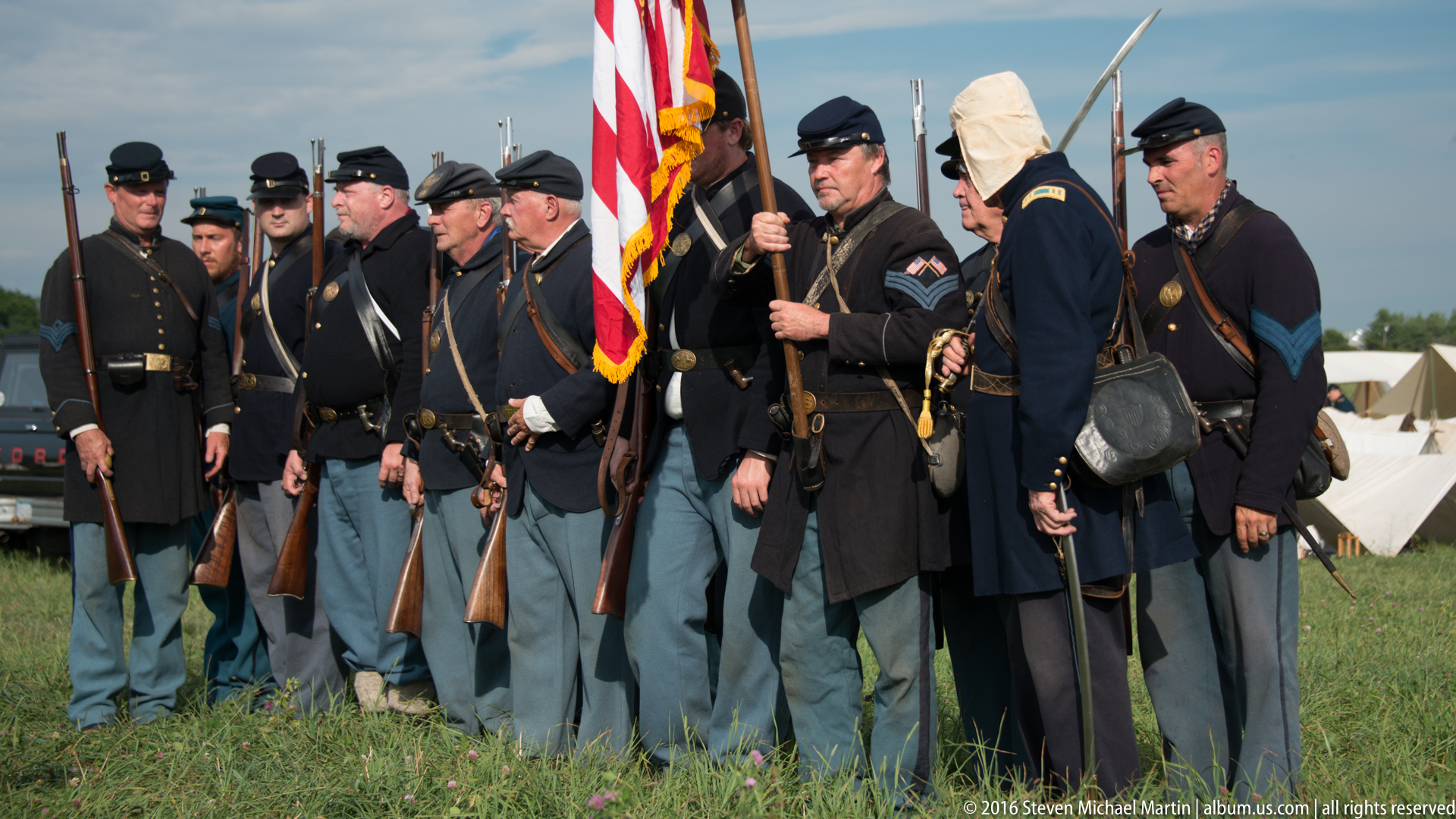
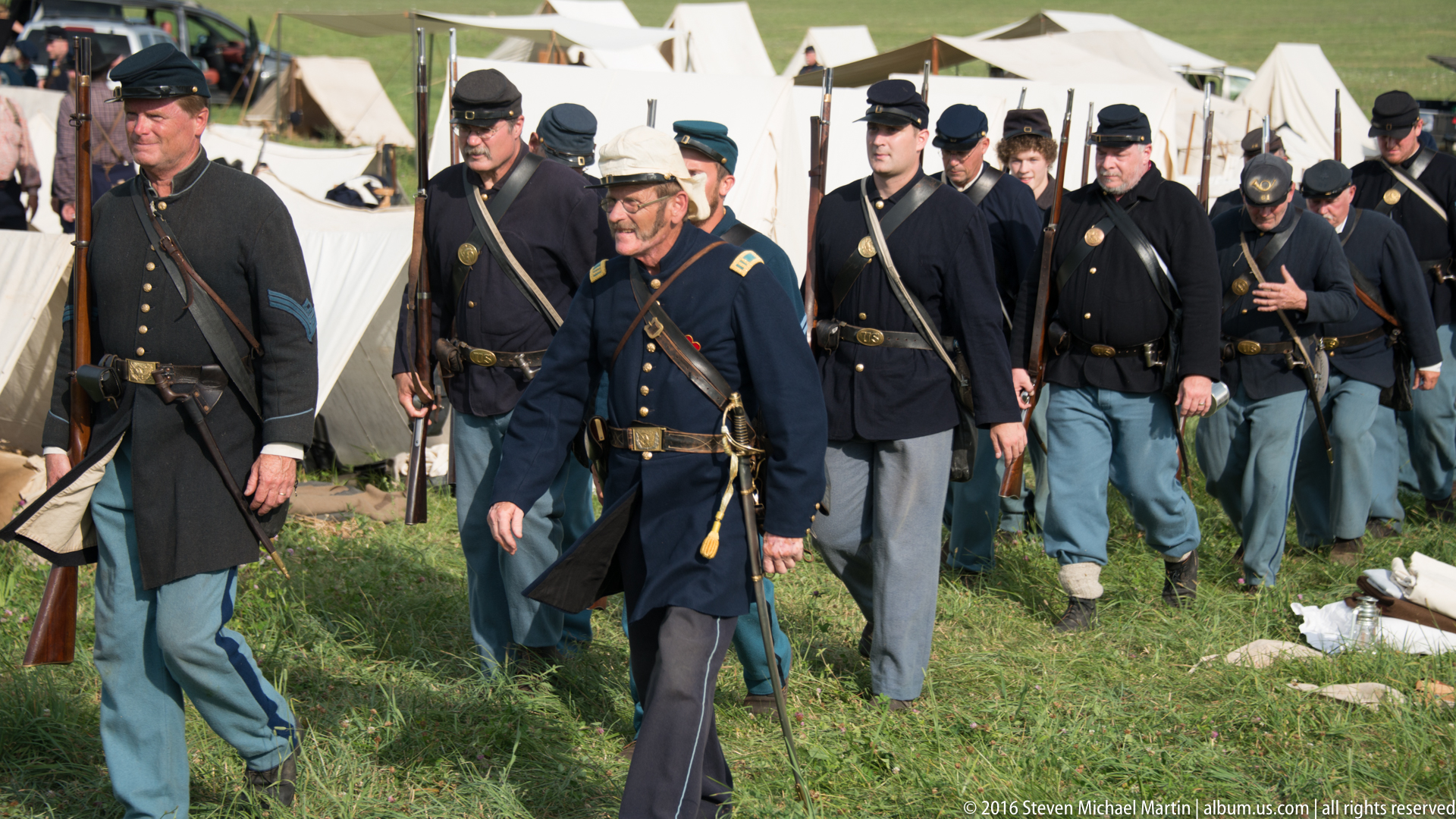
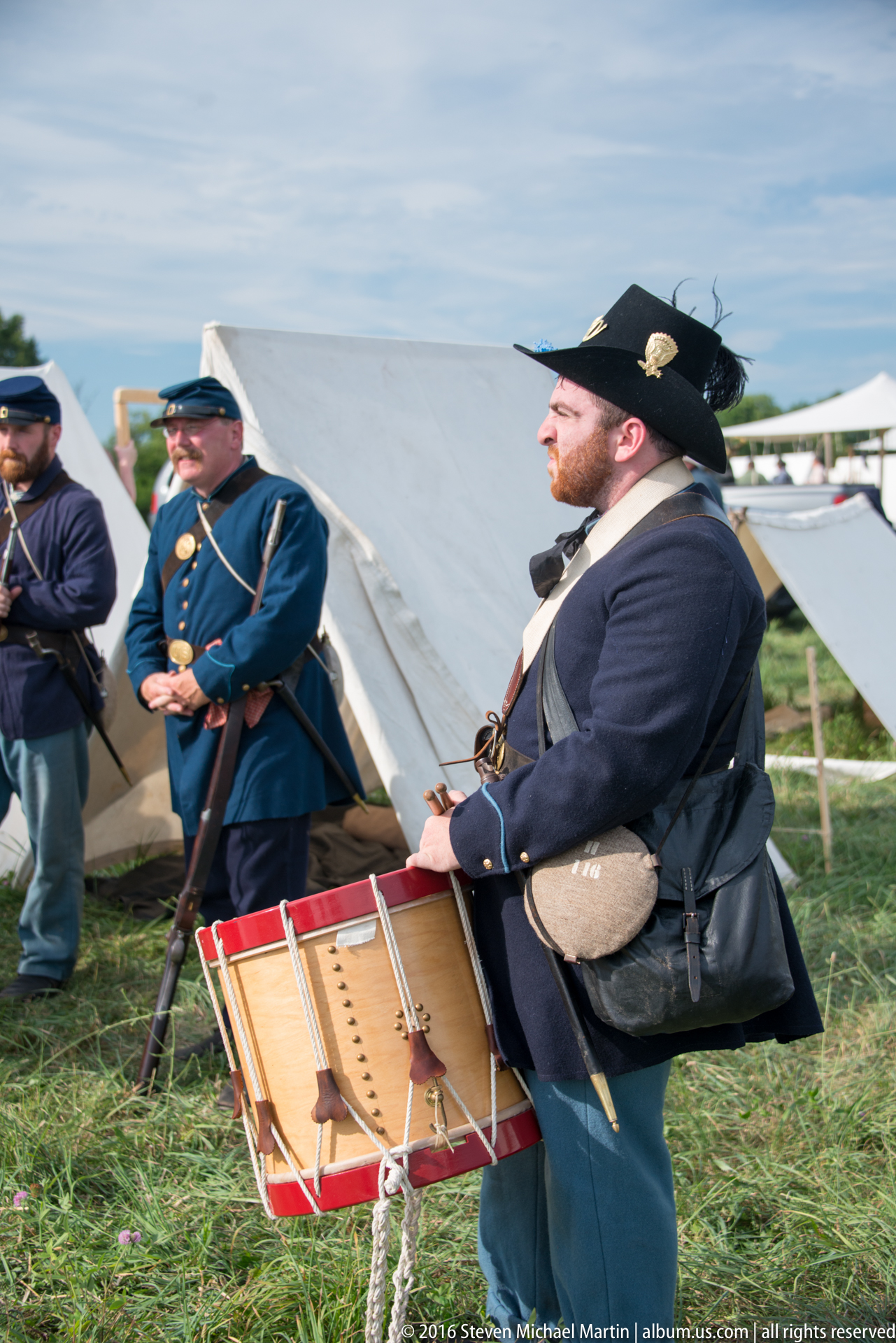
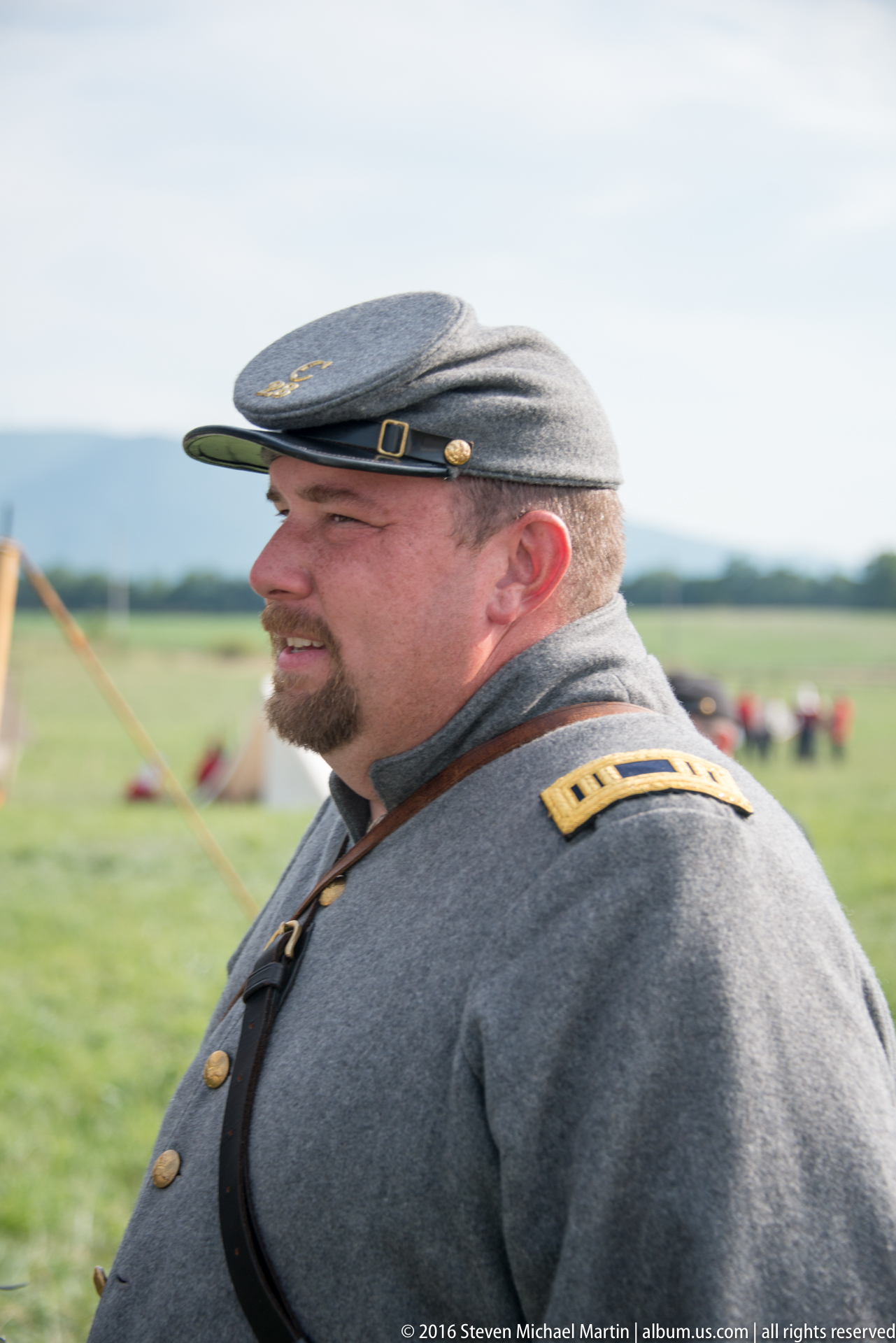
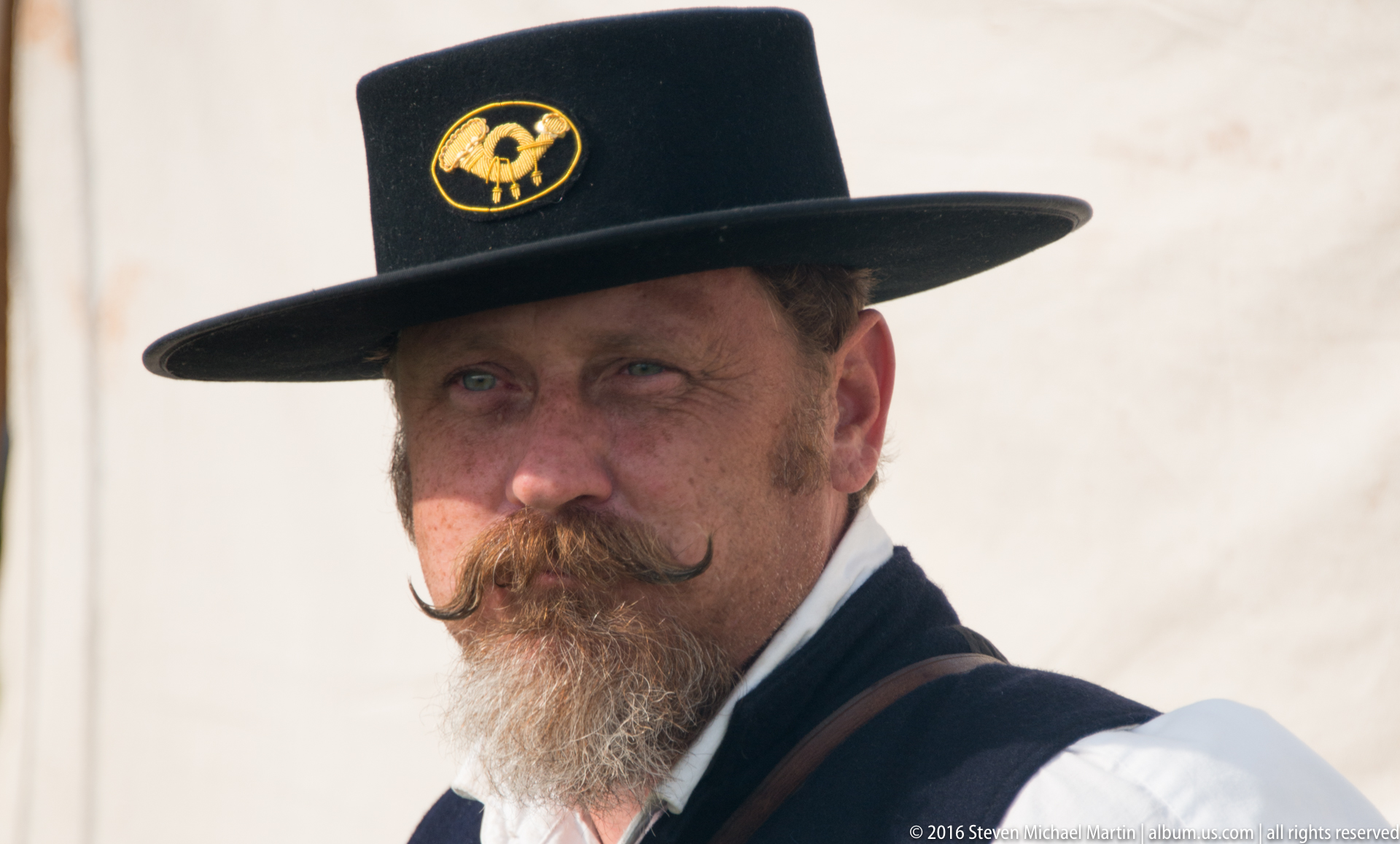
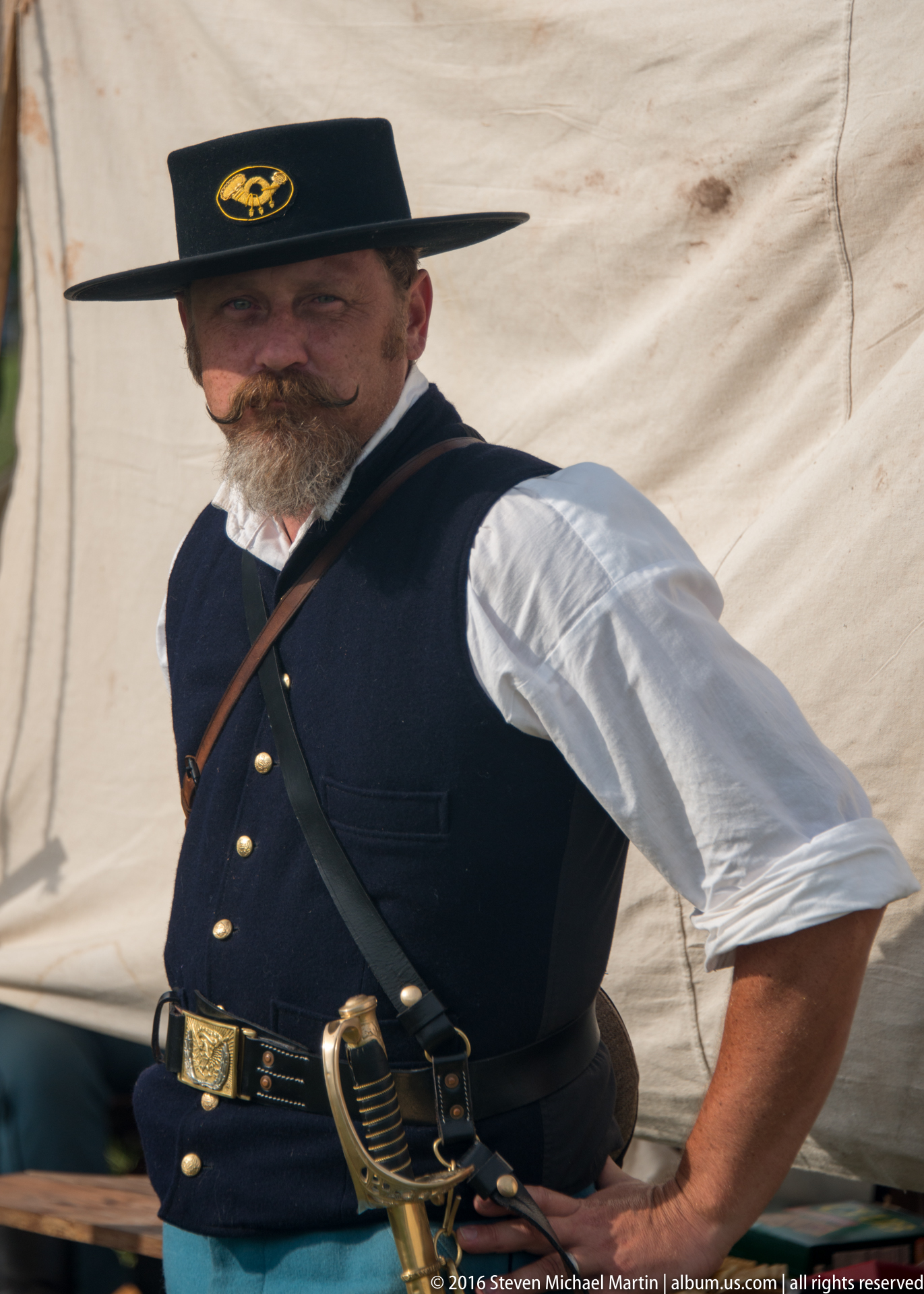
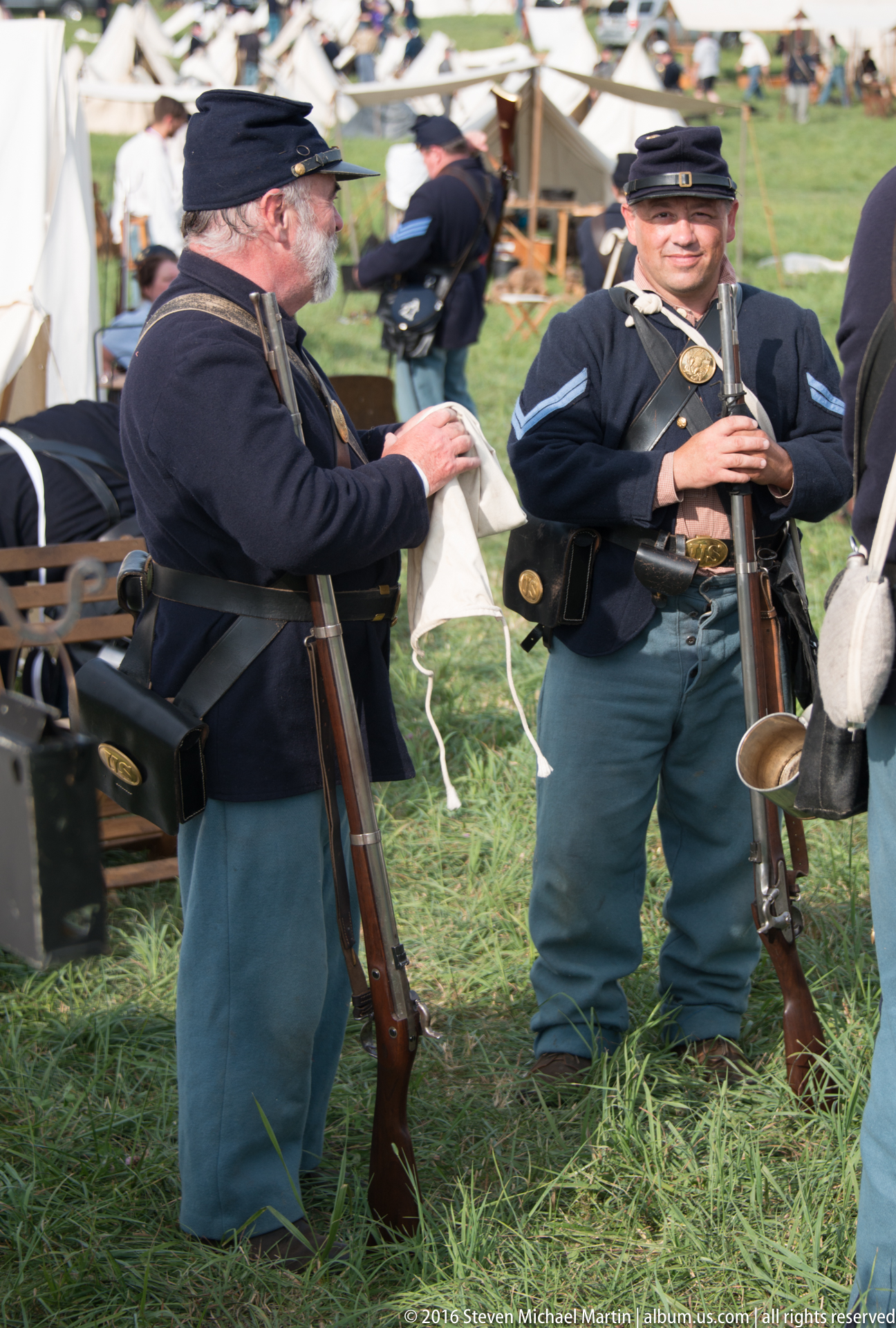
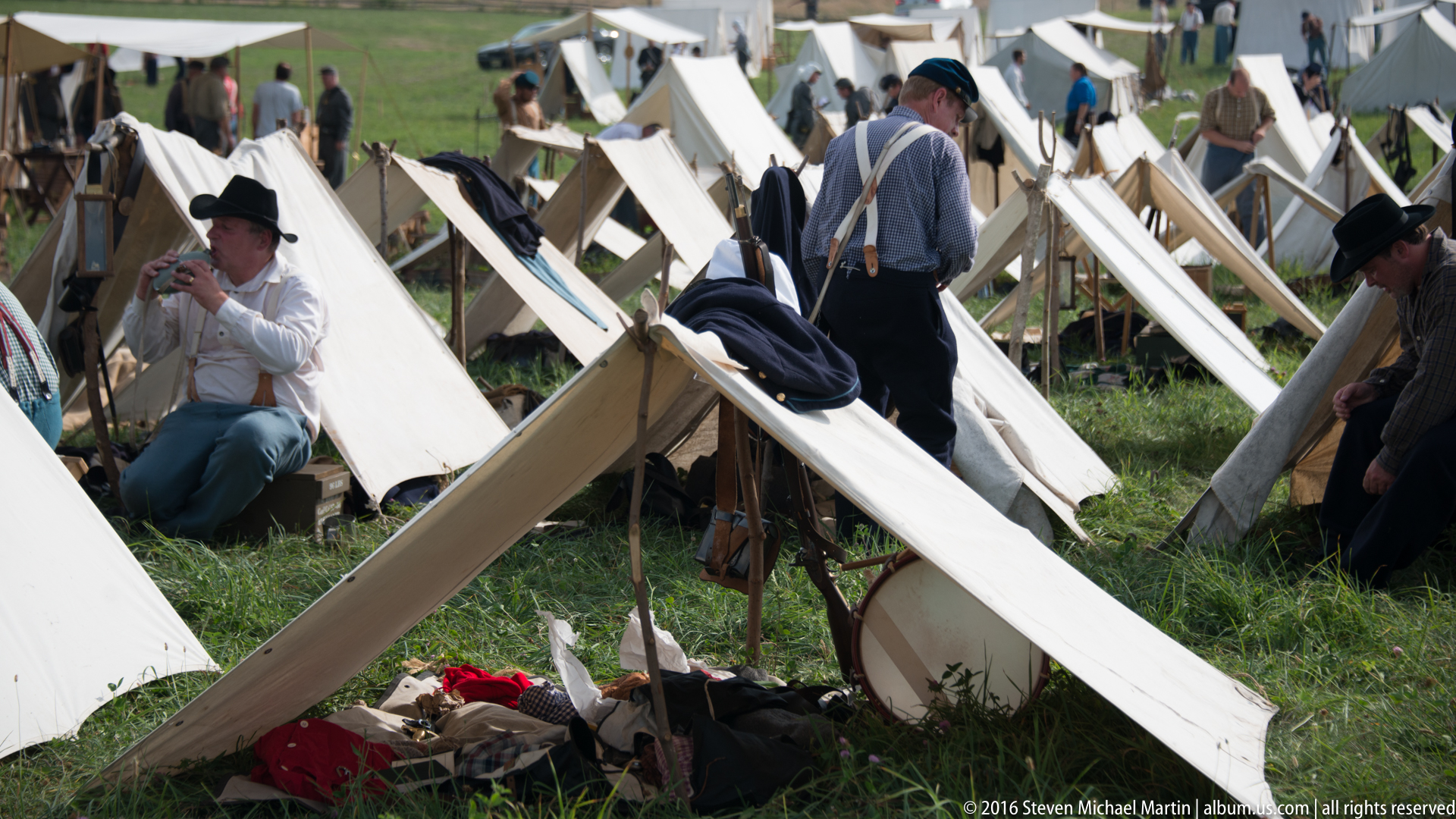
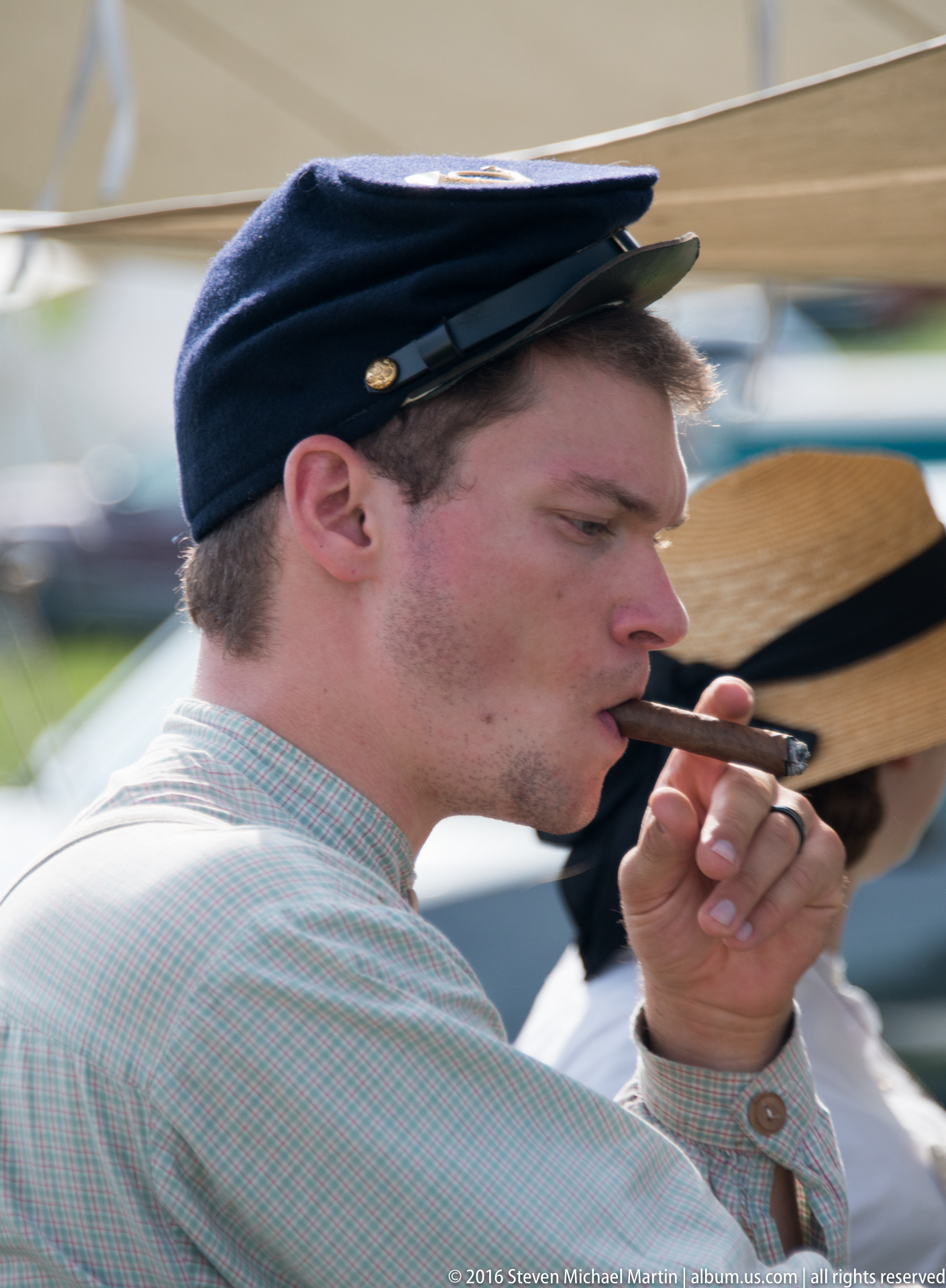
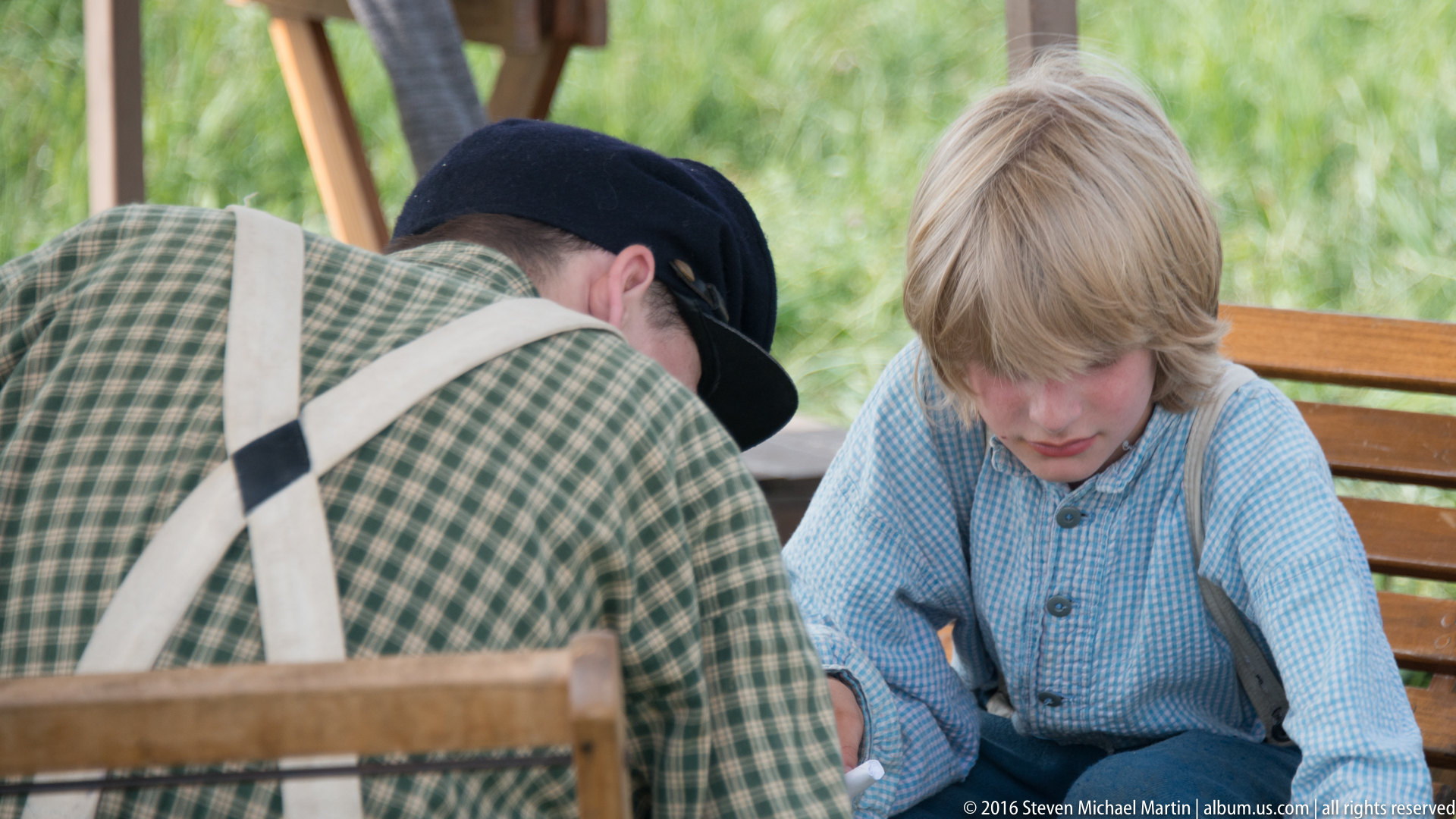
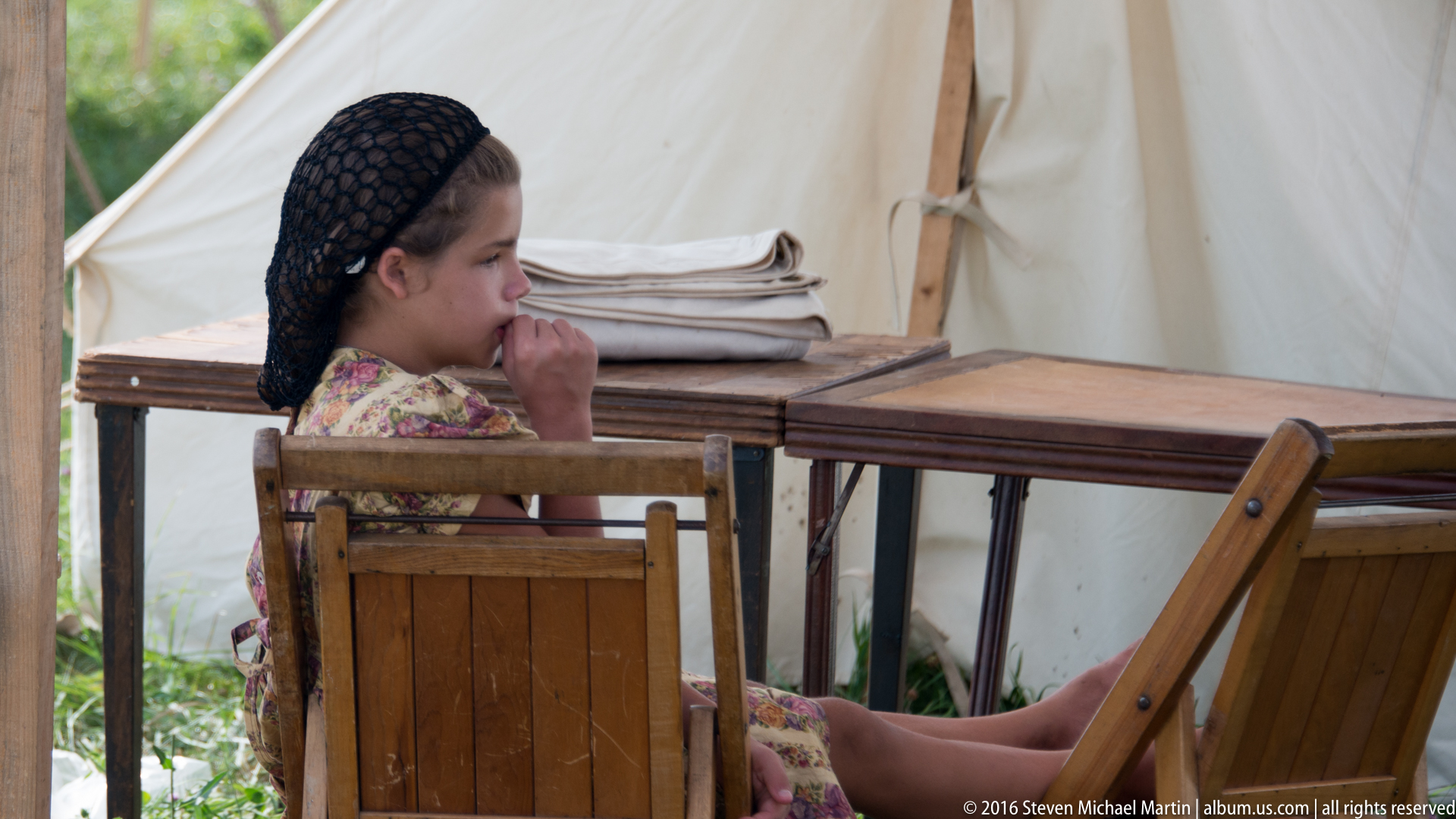
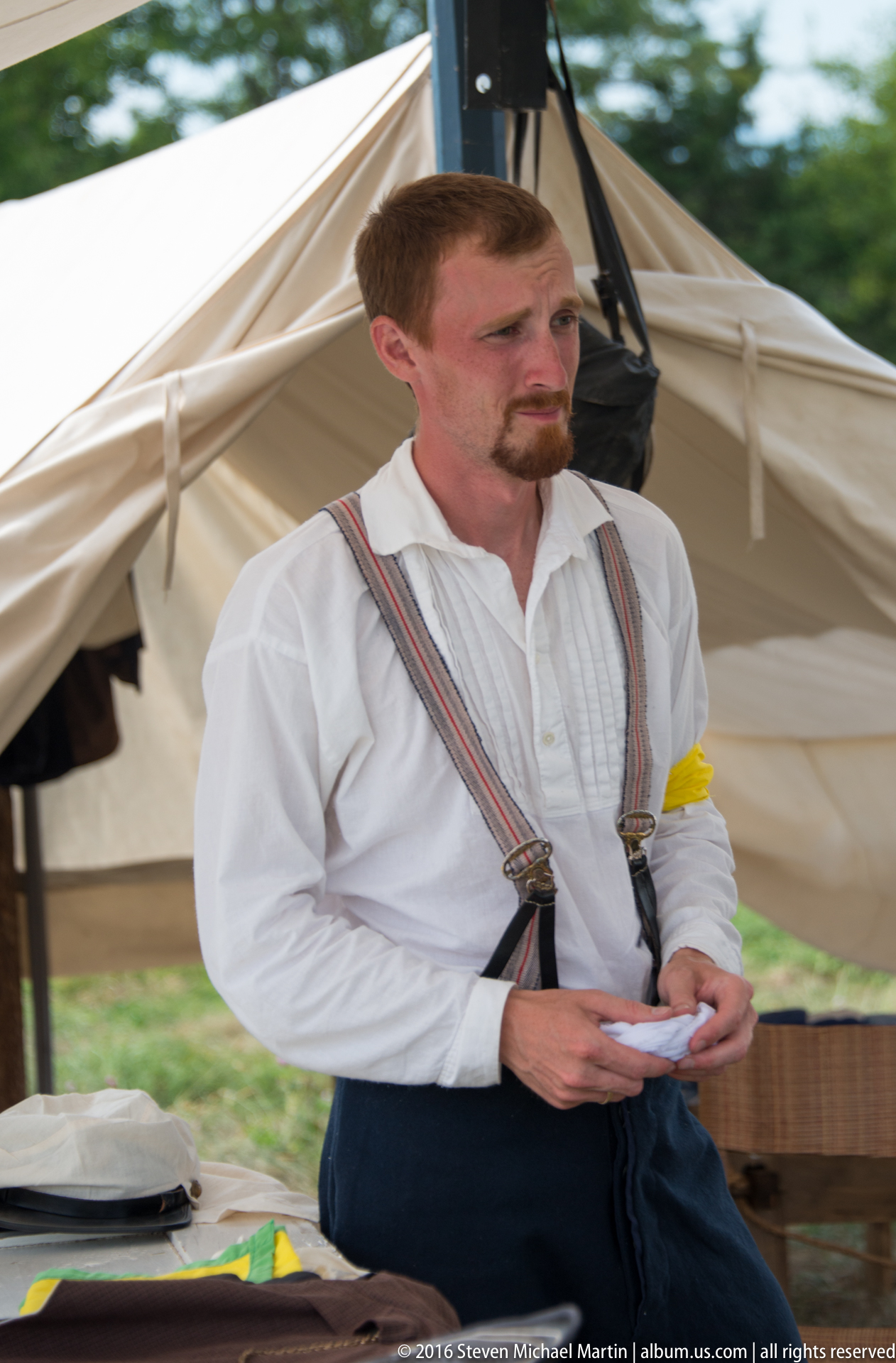
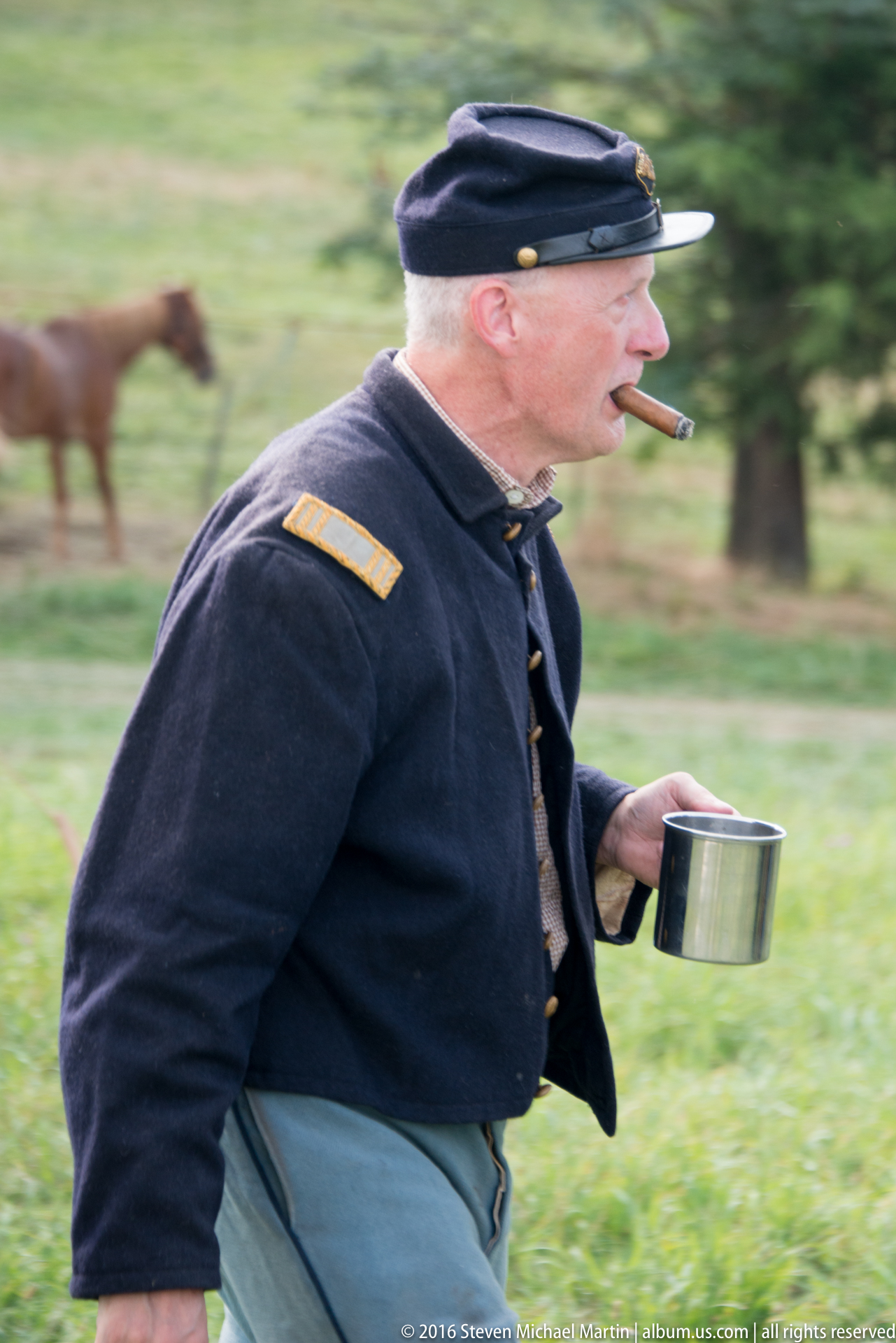
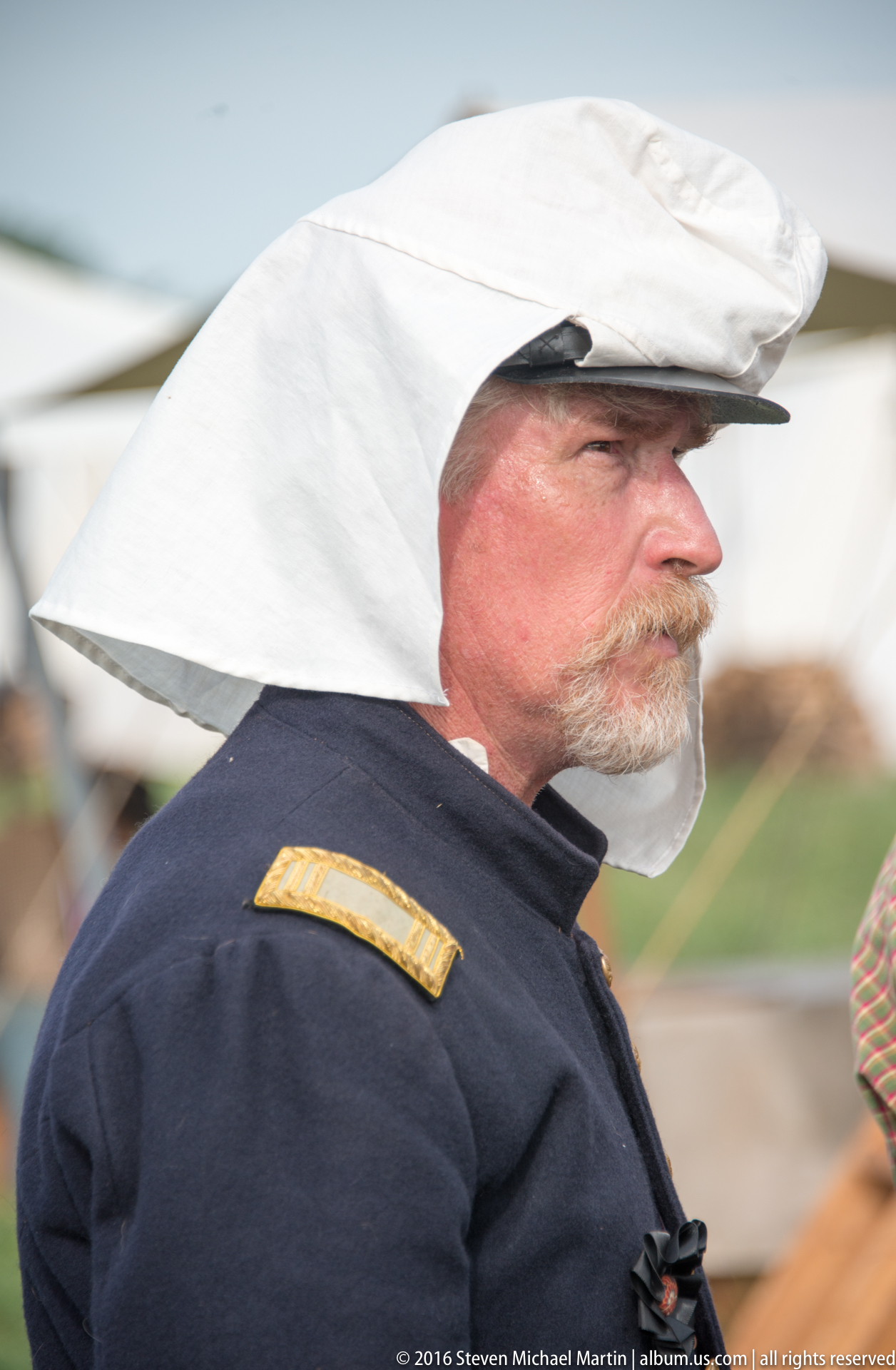
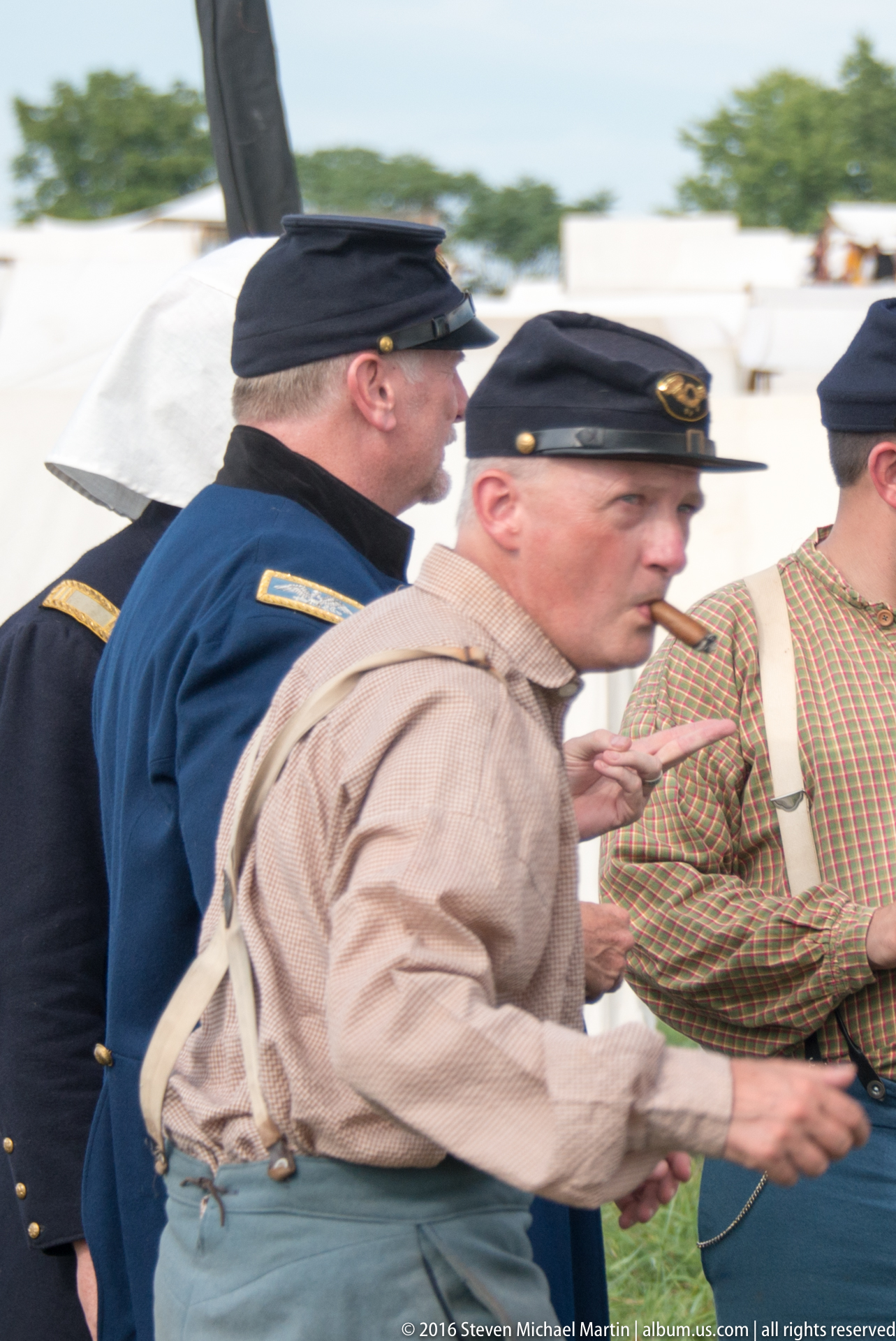
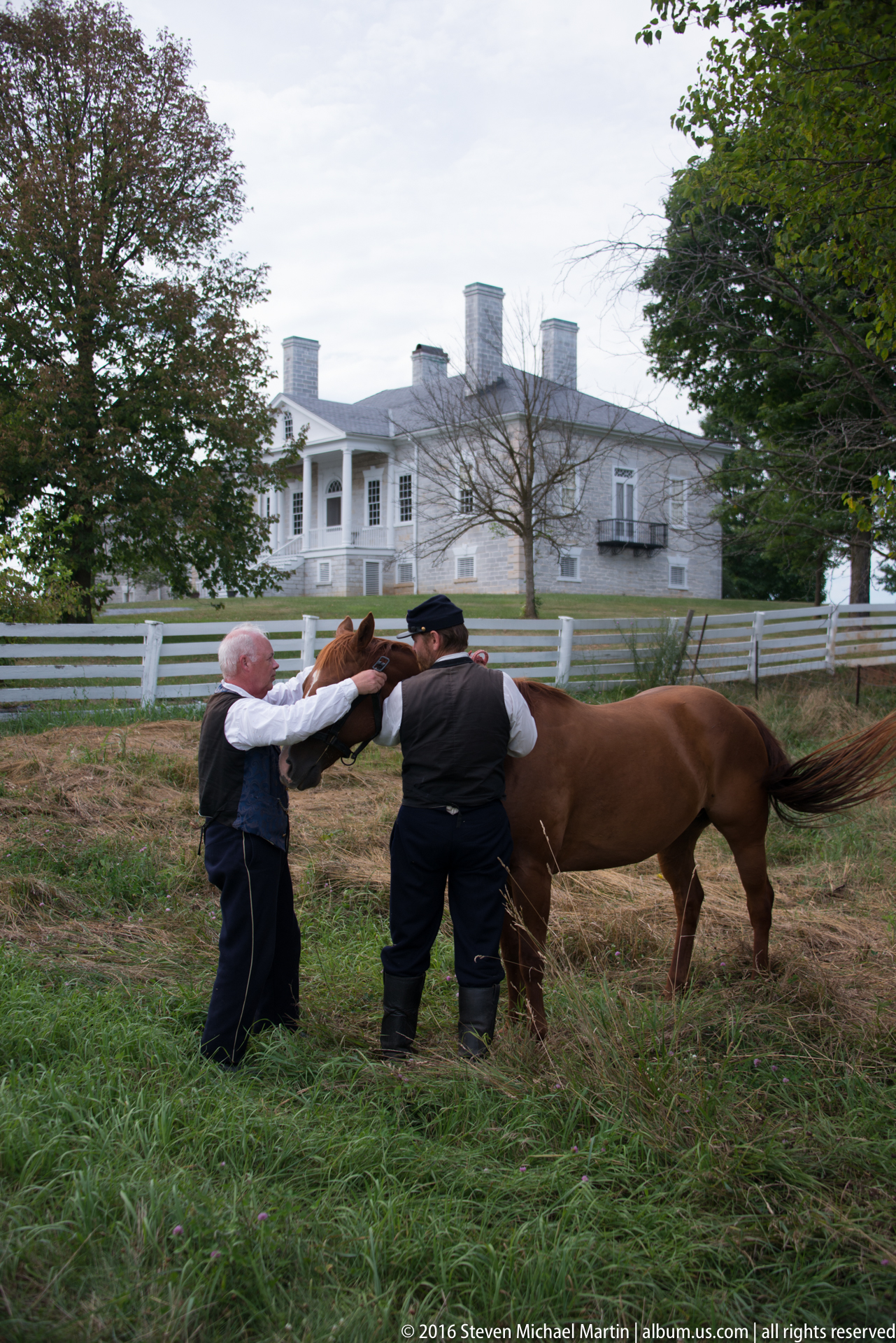
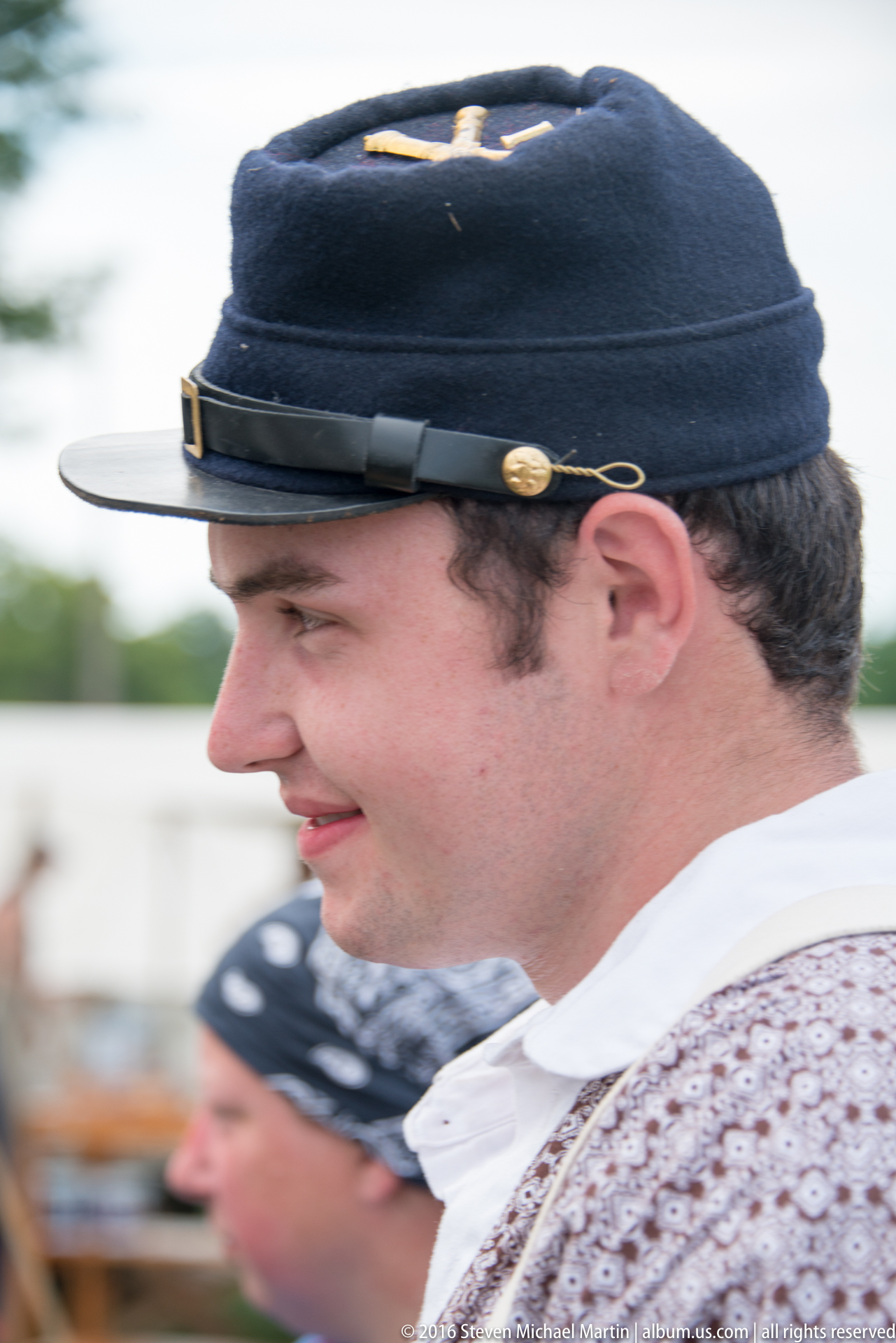
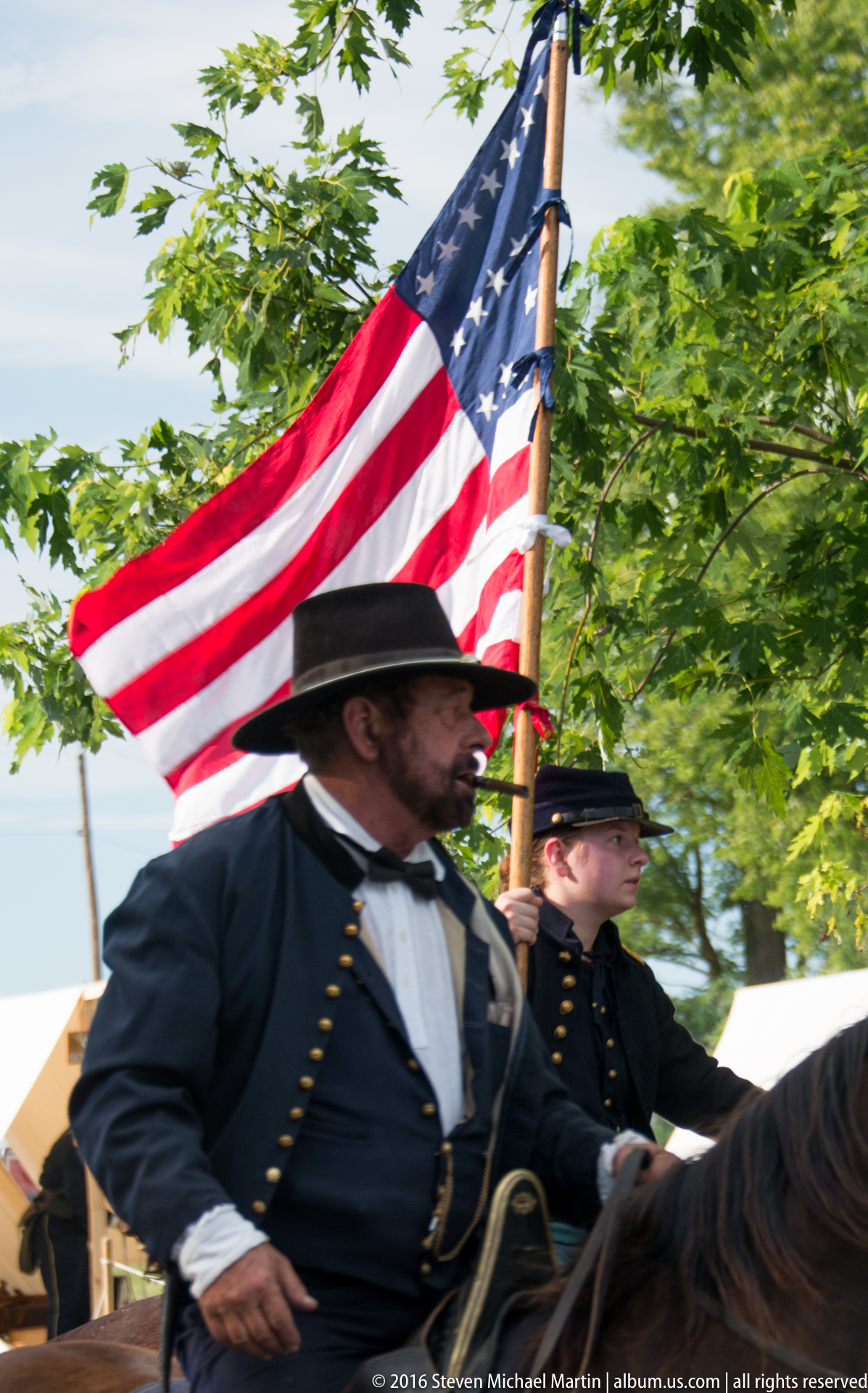
Union encampment reenactments interpret the conditions experienced by northern volunteer soldiers who participated in early Civil War campaigns. The Union army assembled in 1861 included regiments formed rapidly in response to the outbreak of conflict, many composed of individuals with limited prior military experience. Encampments served as centers of organization where troops prepared equipment, learned drill procedures, and developed the discipline required for coordinated battlefield operations.
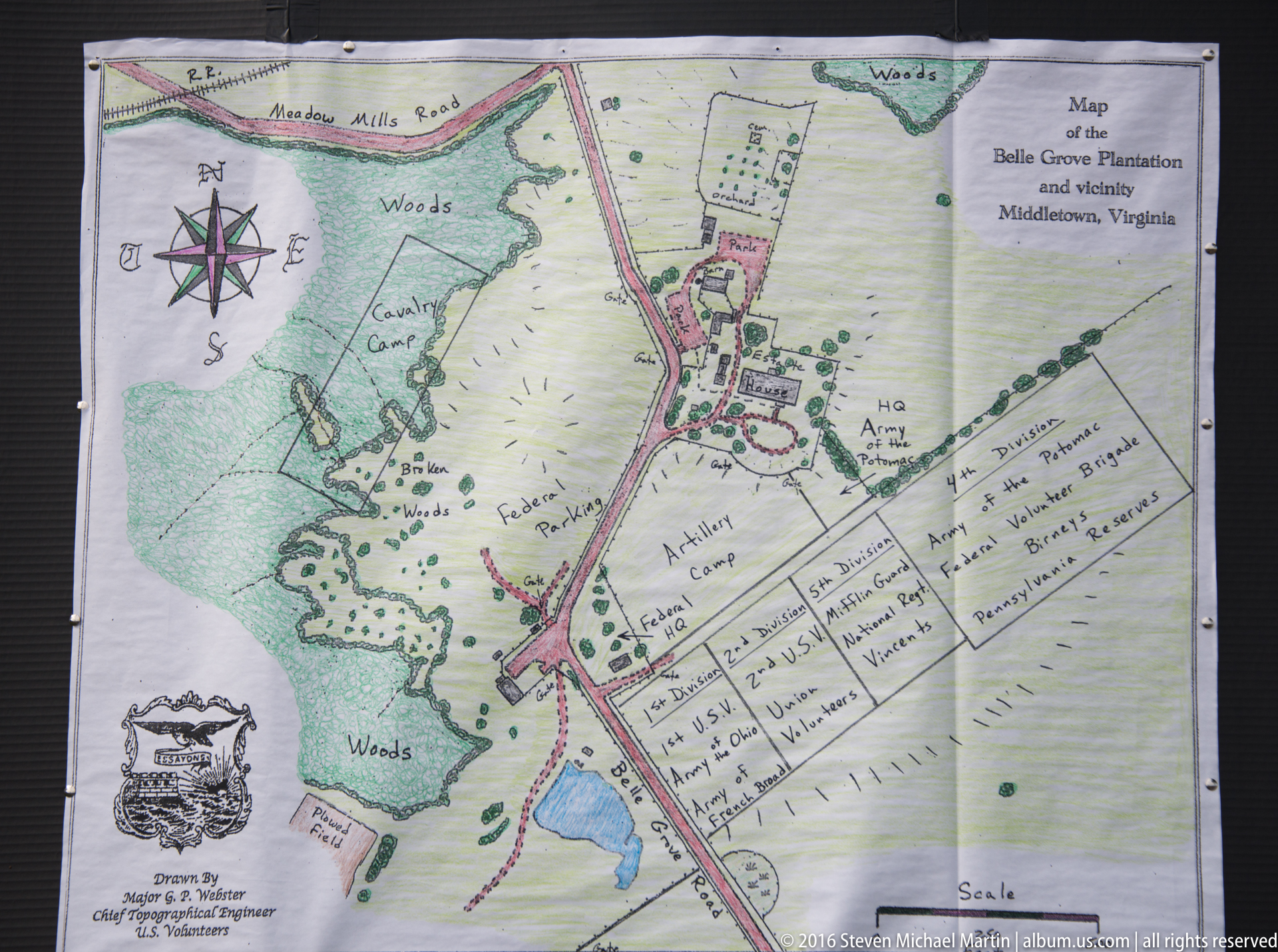
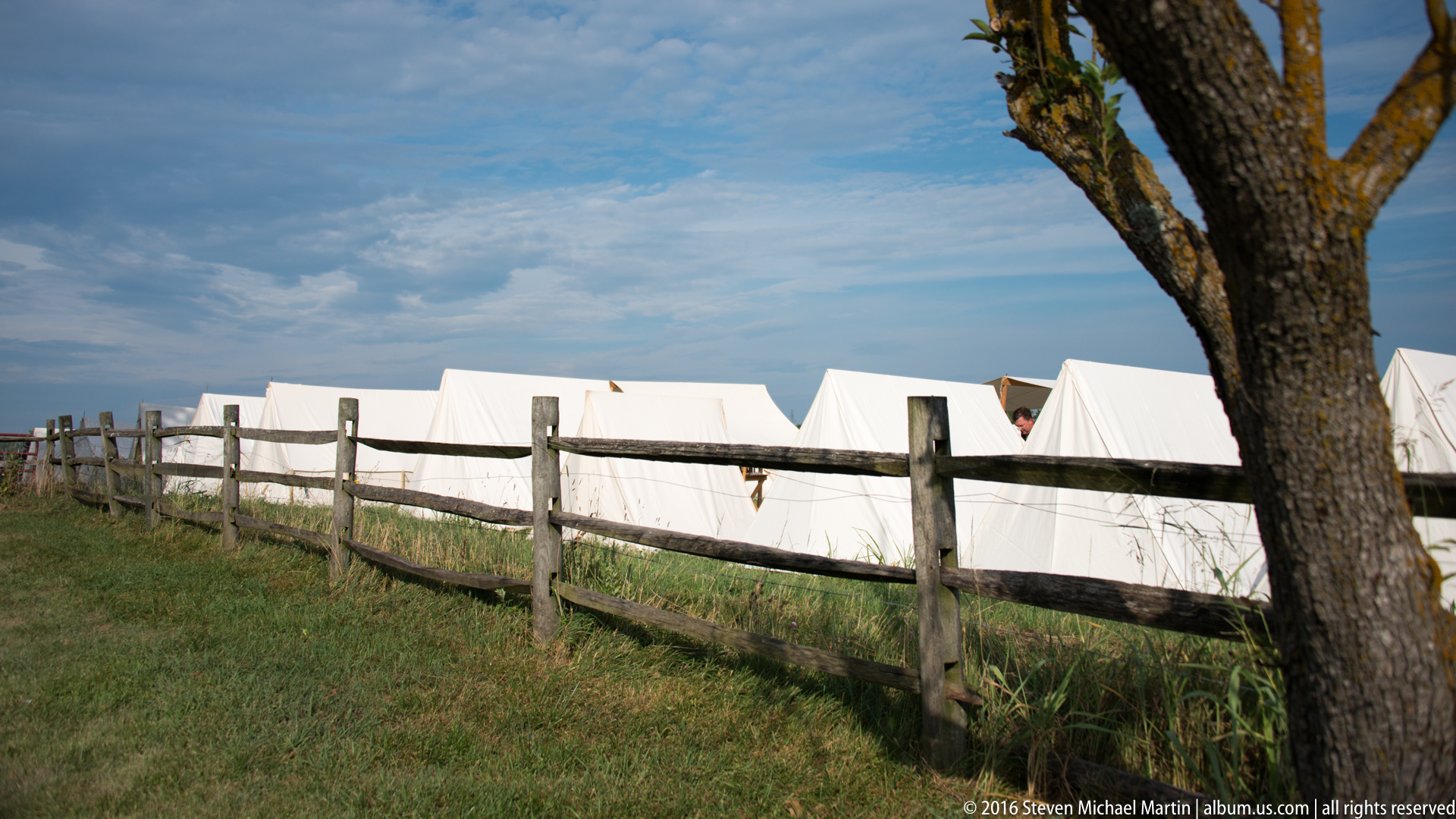
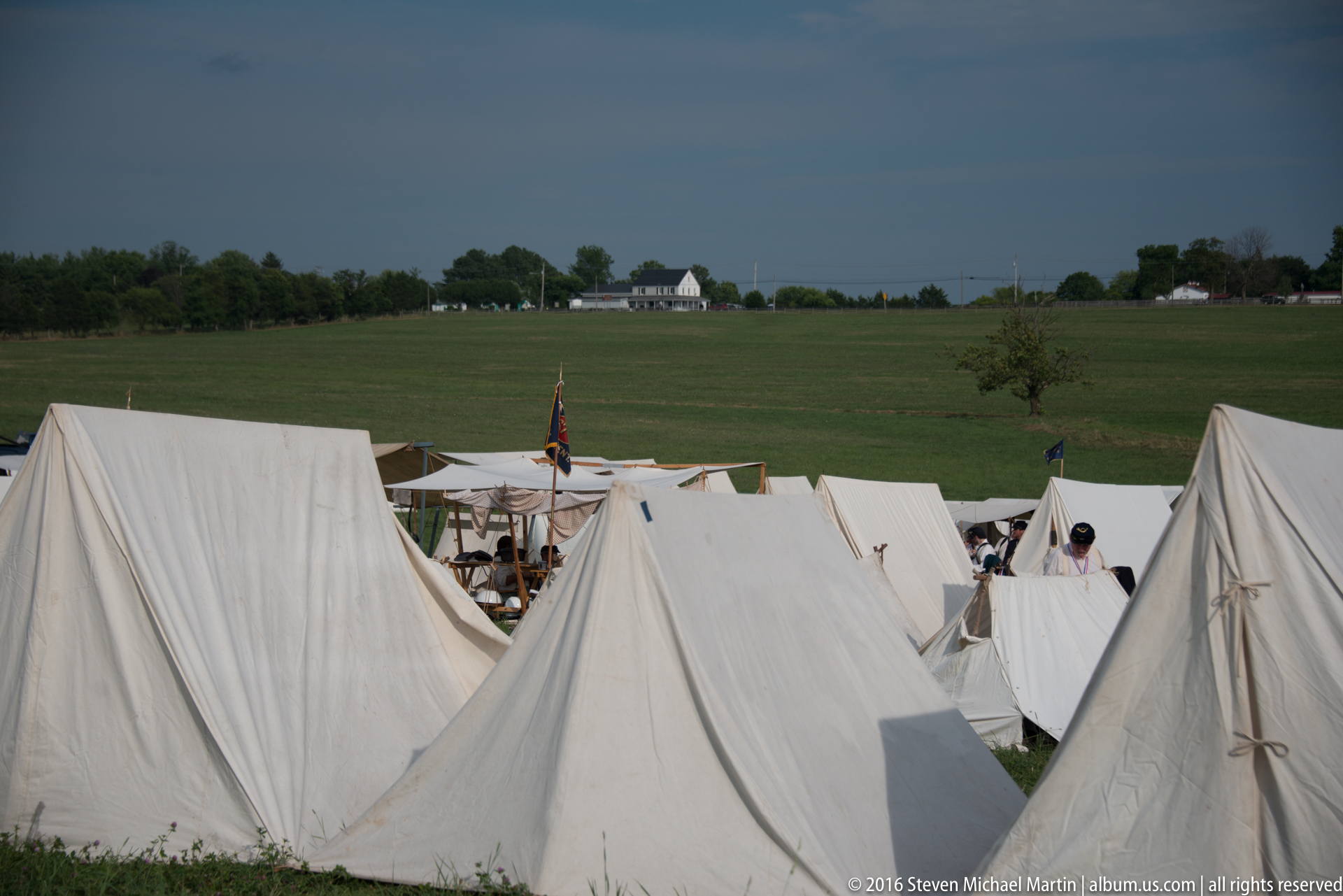
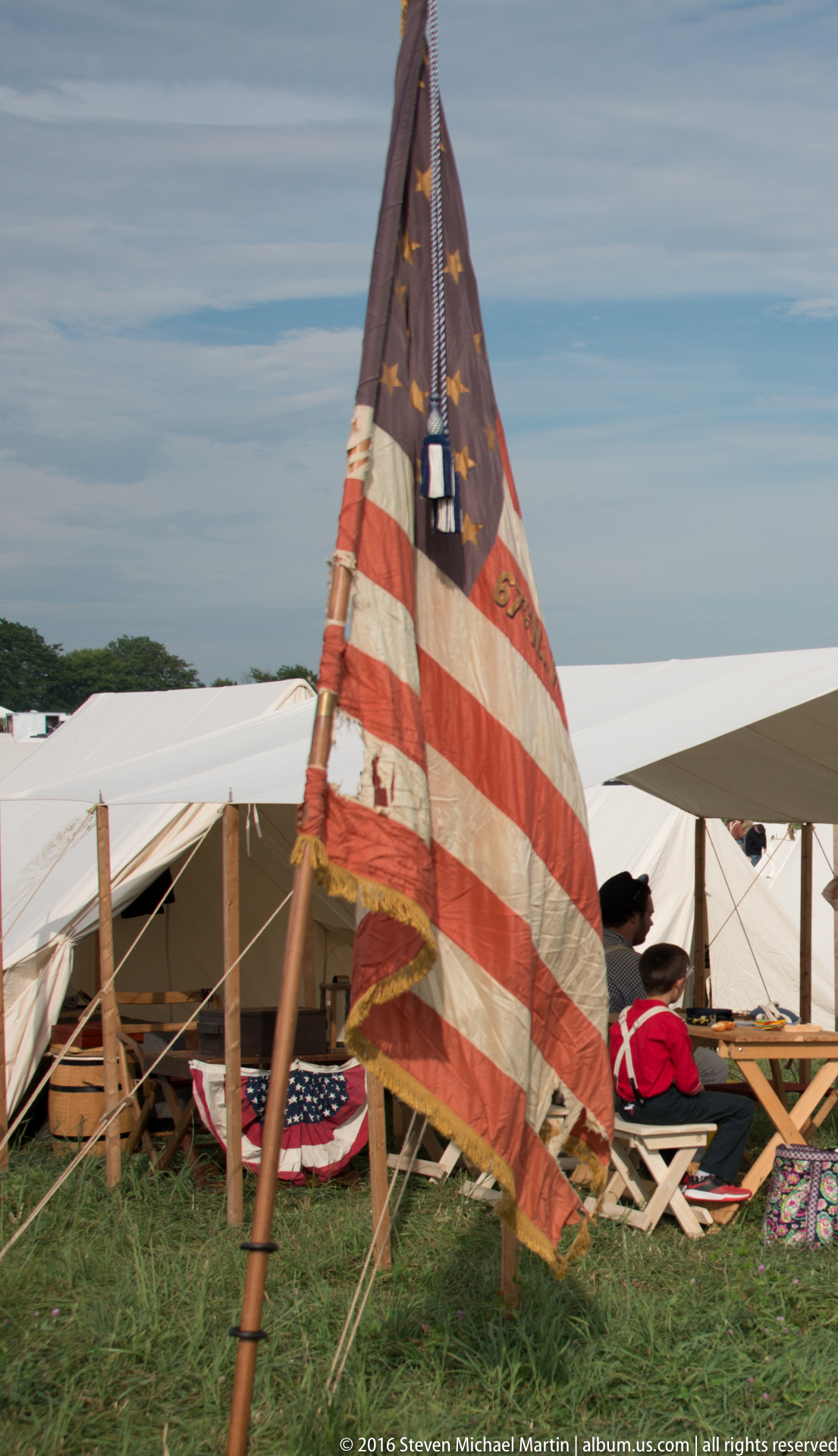
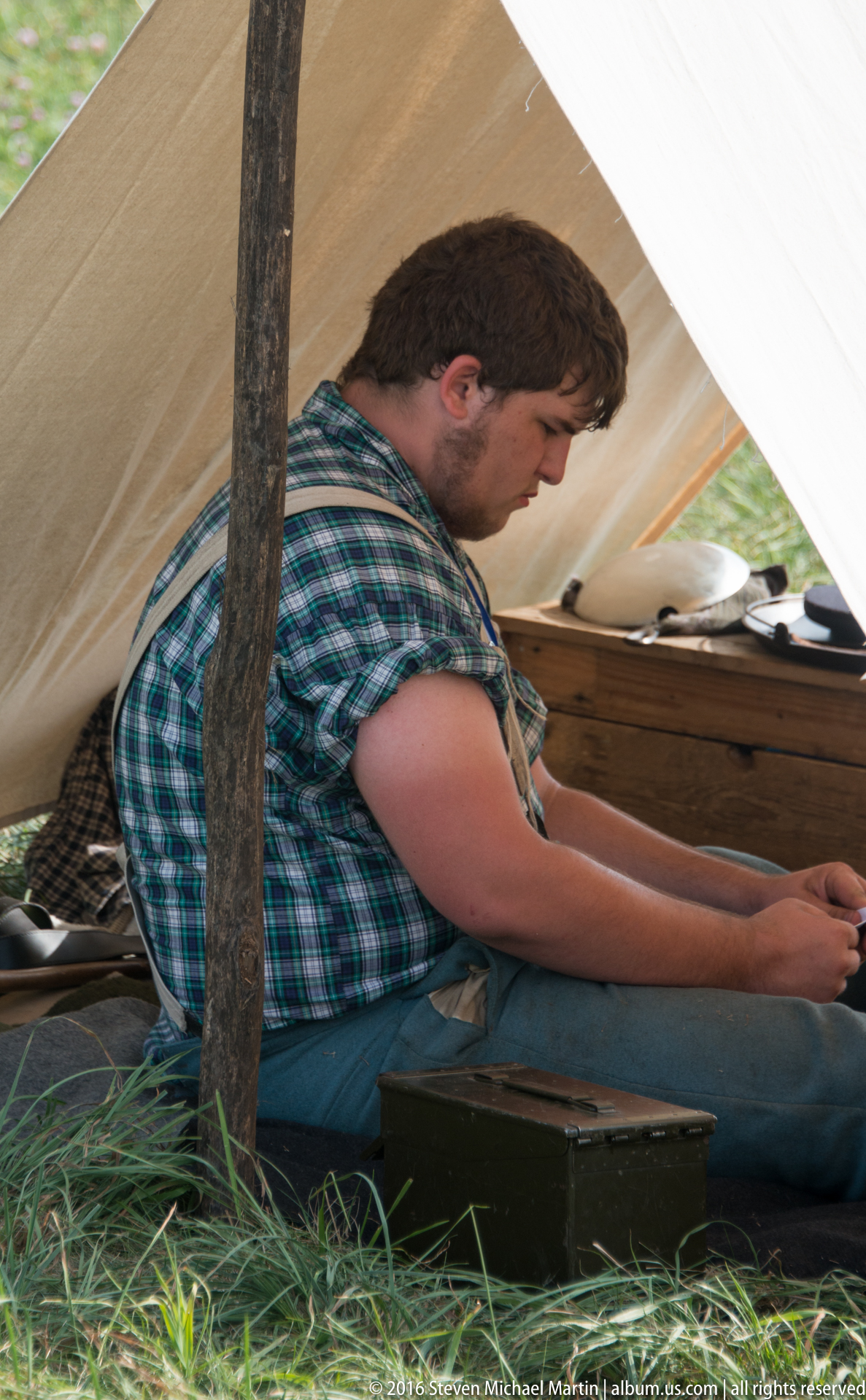
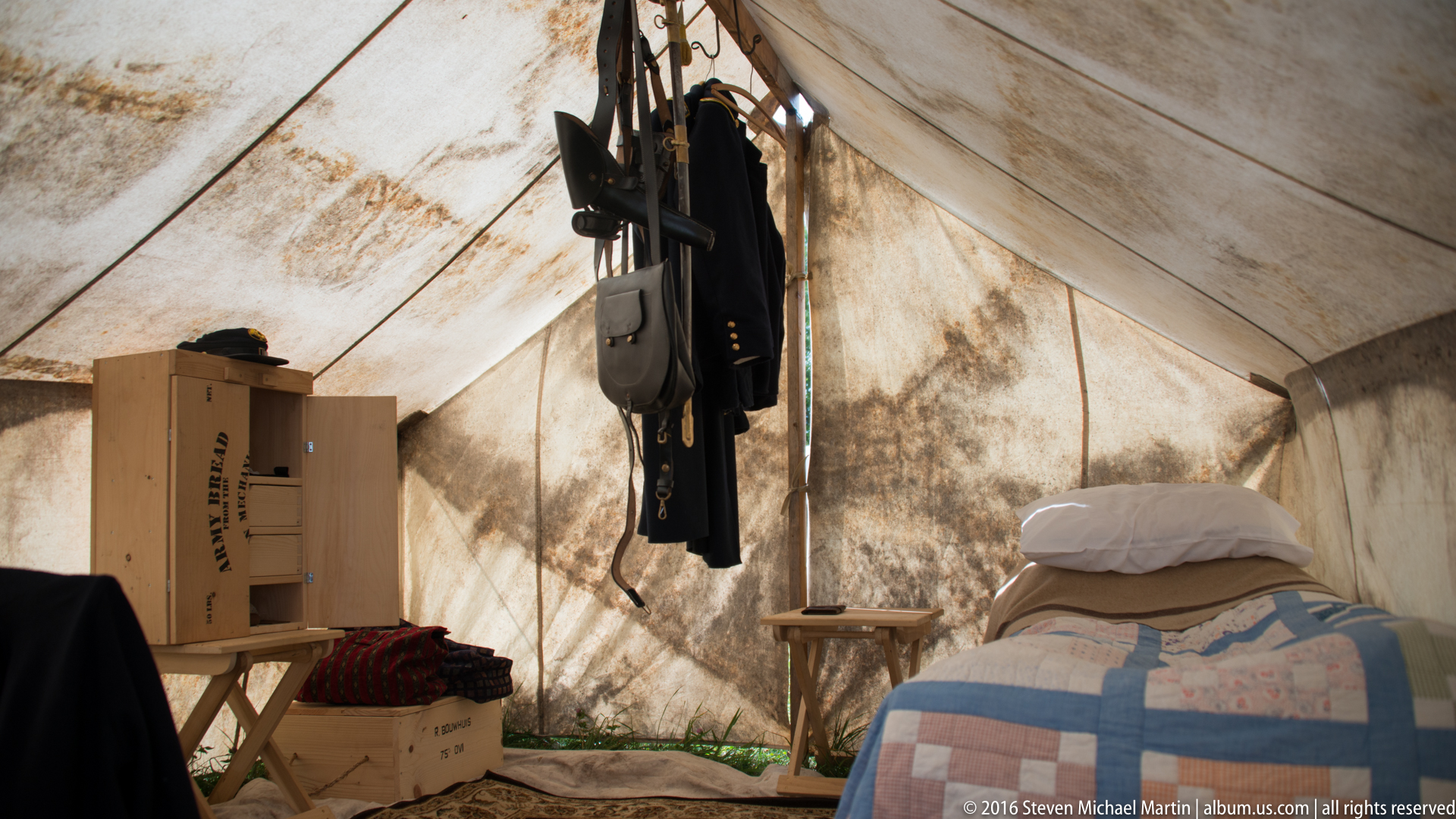
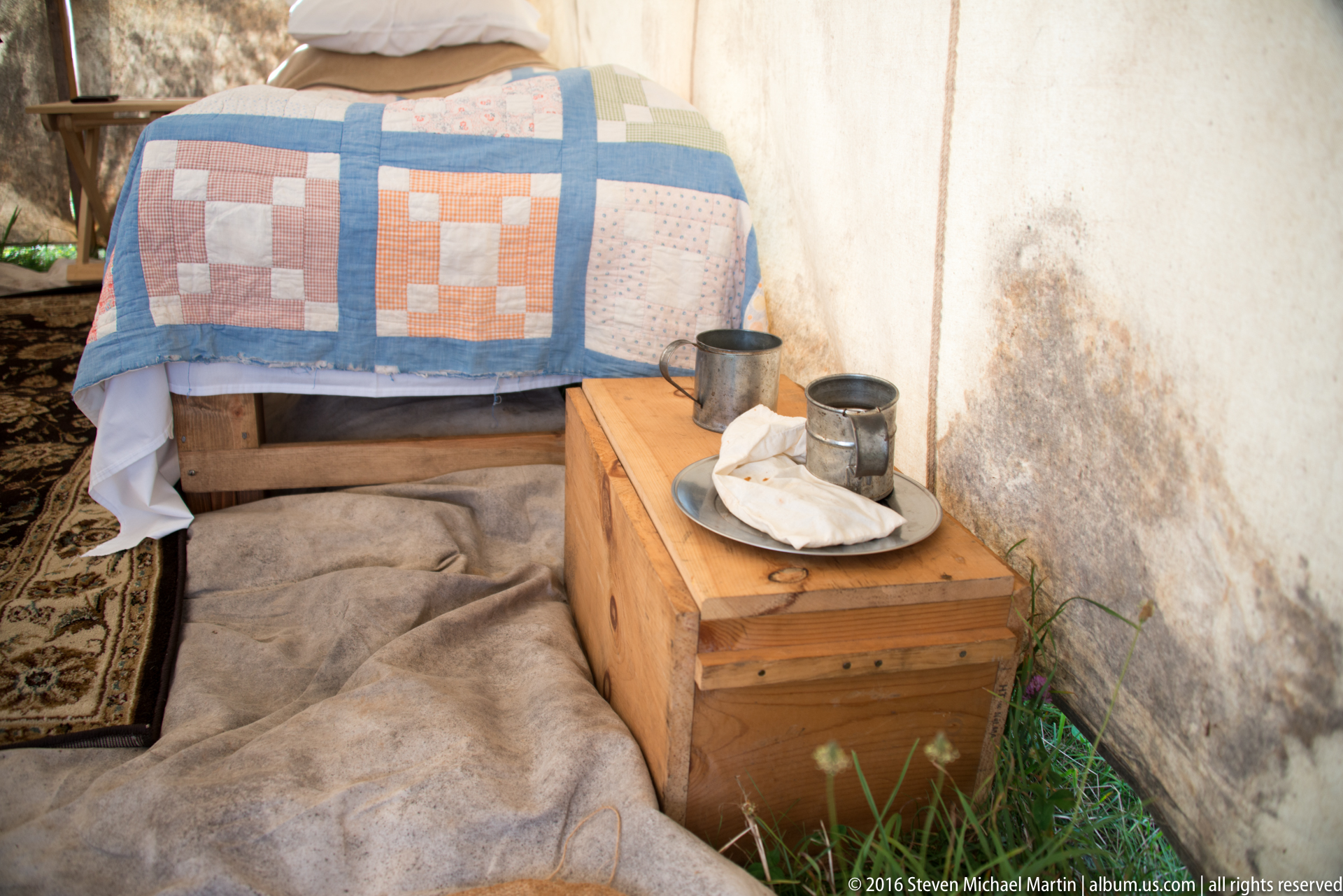
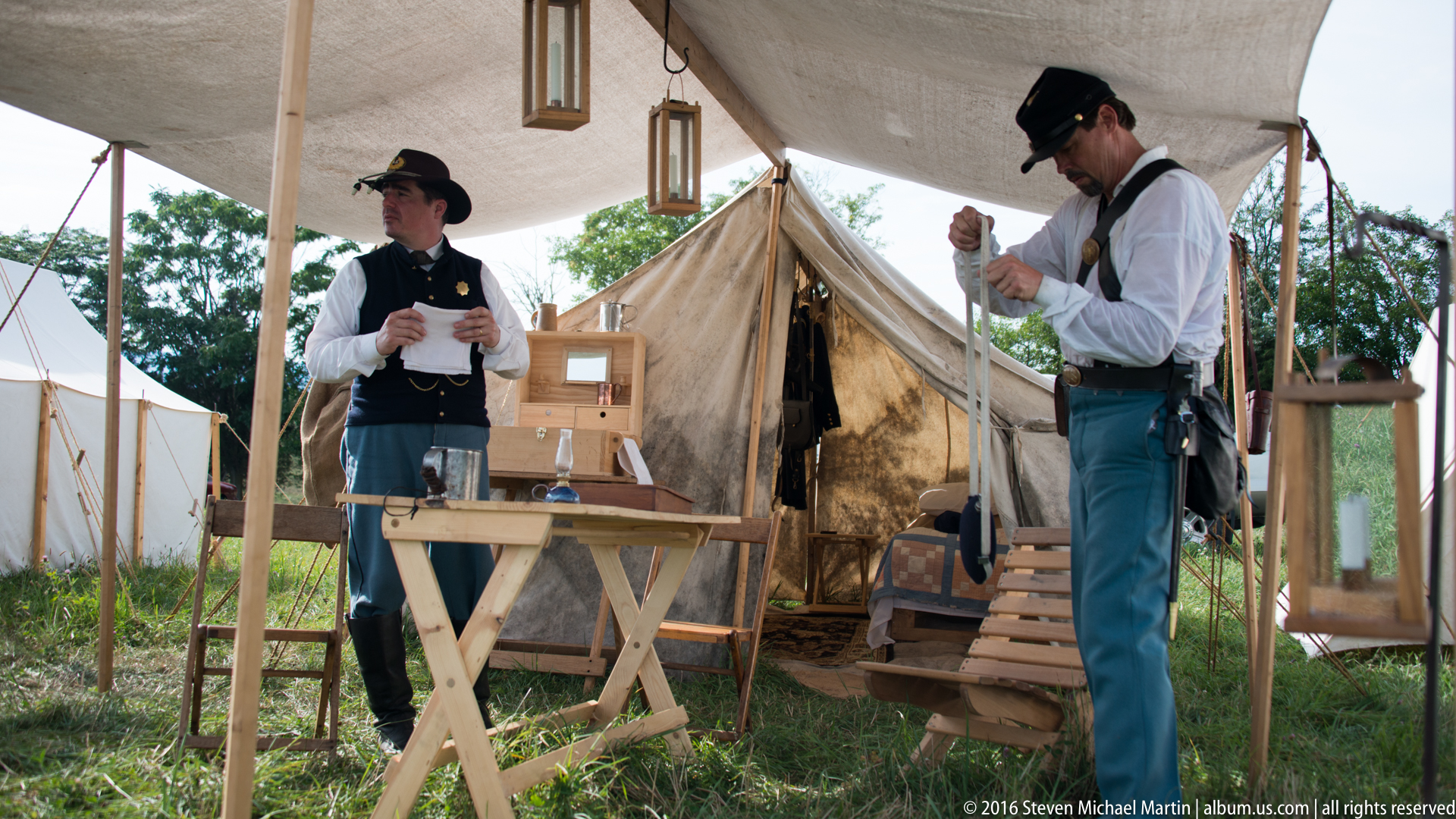
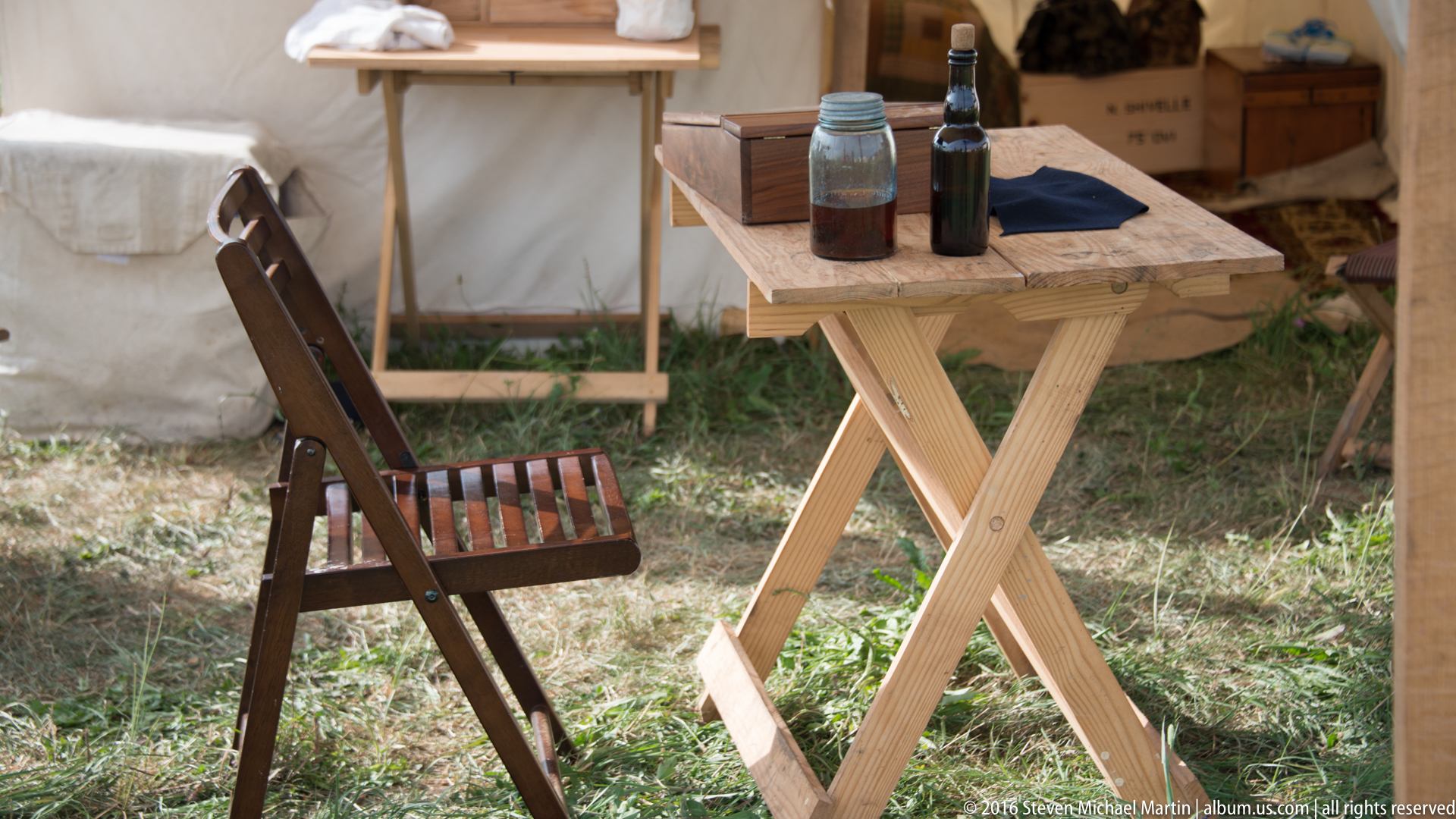
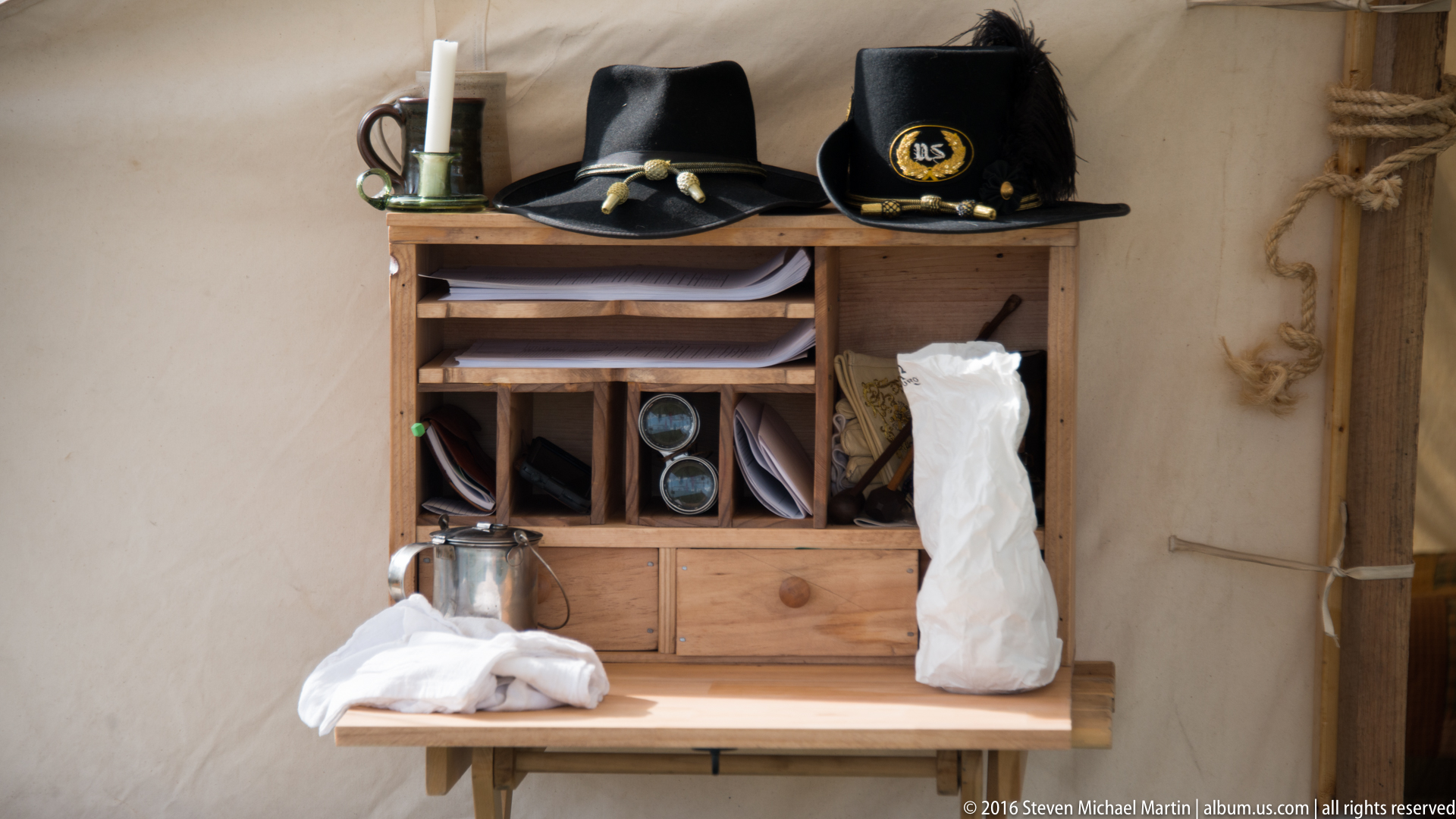
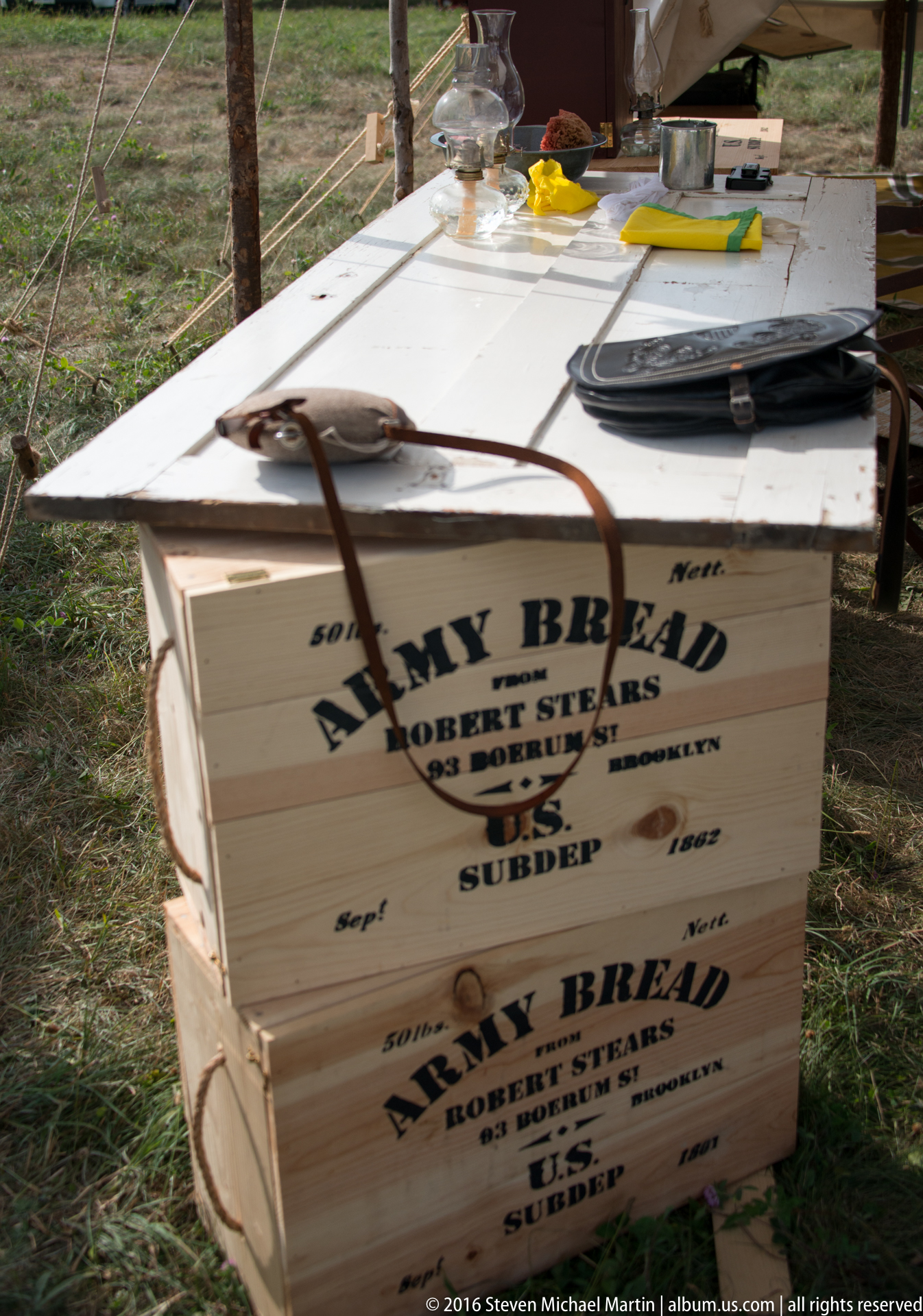
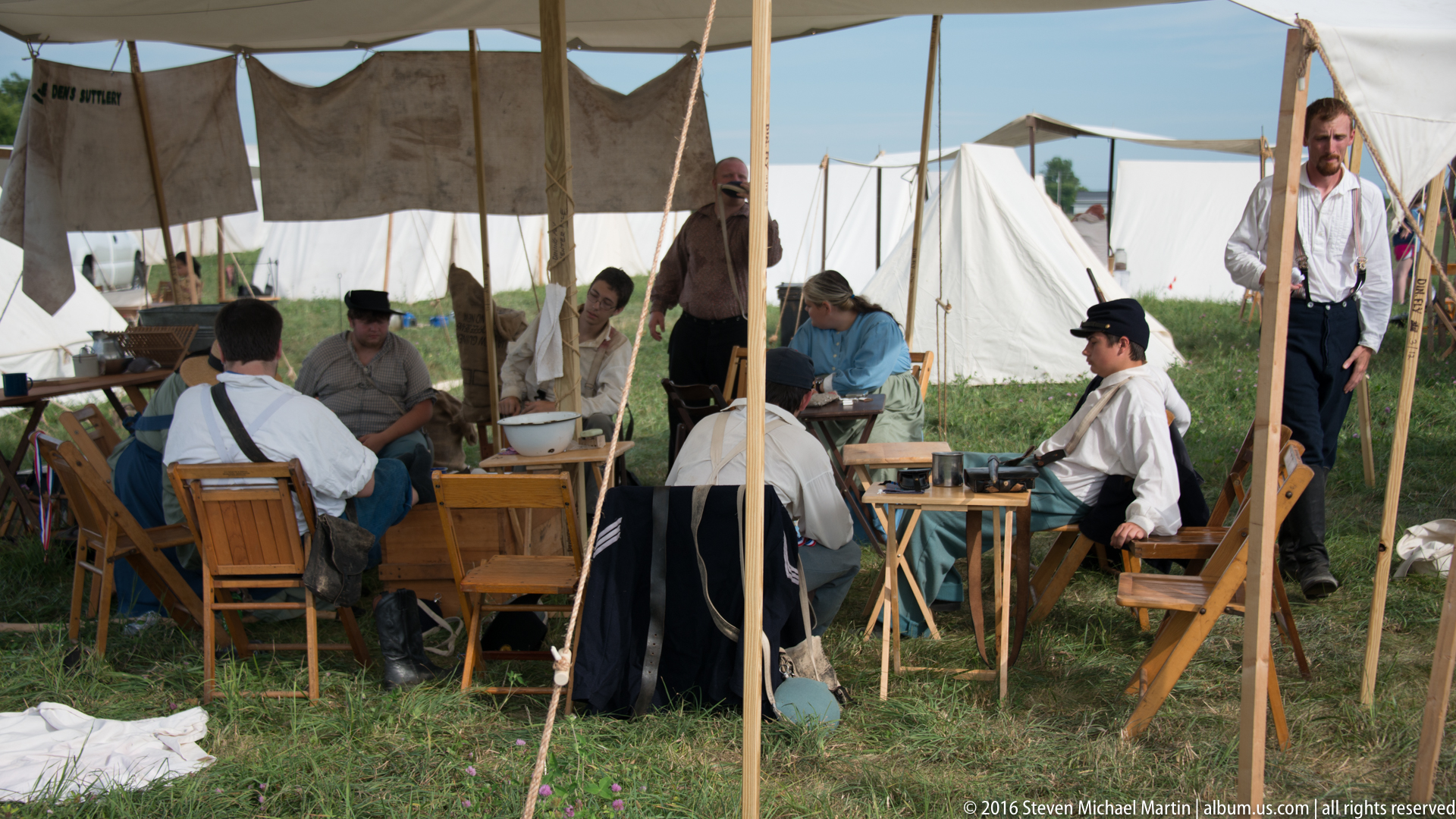
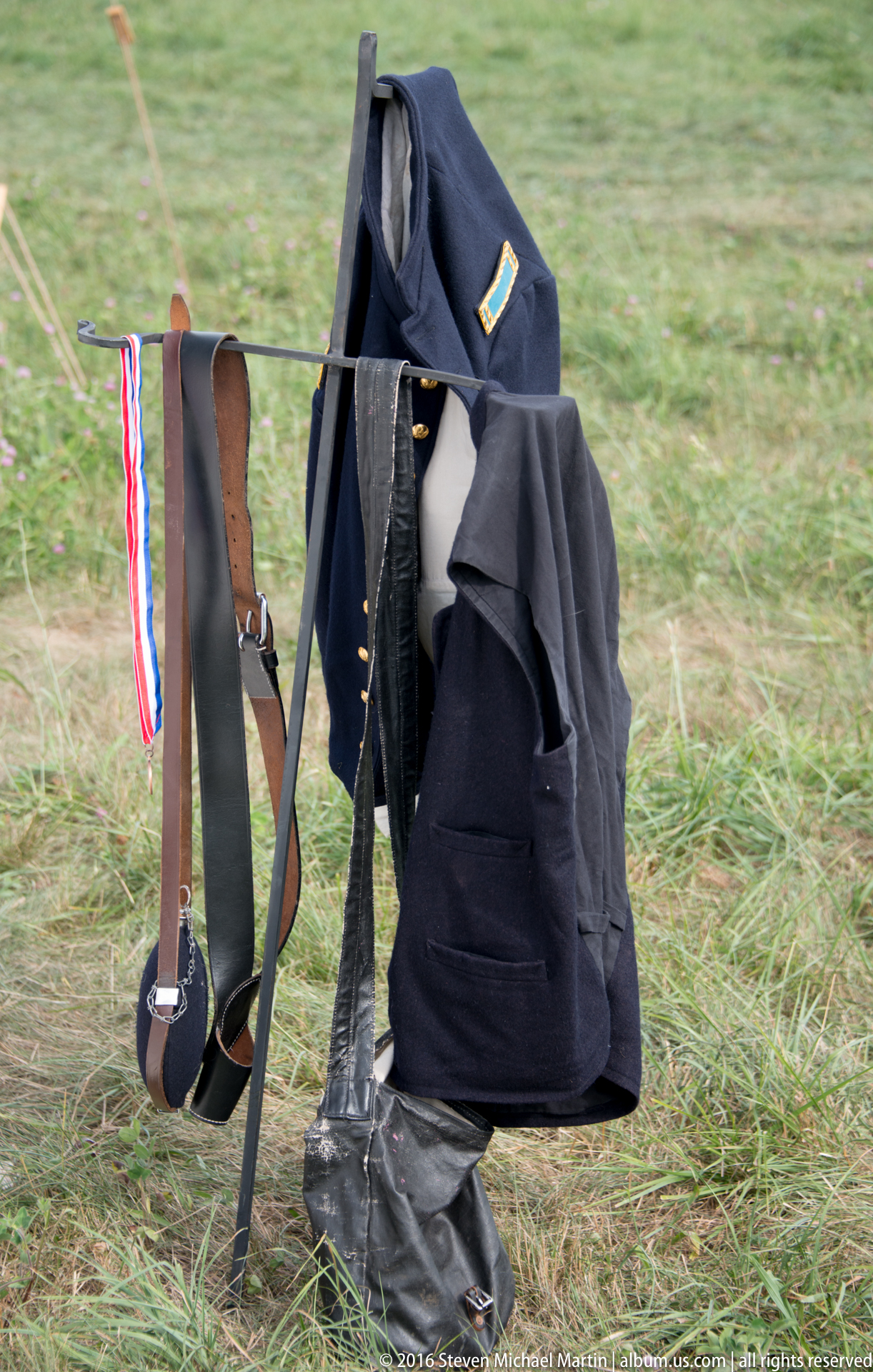
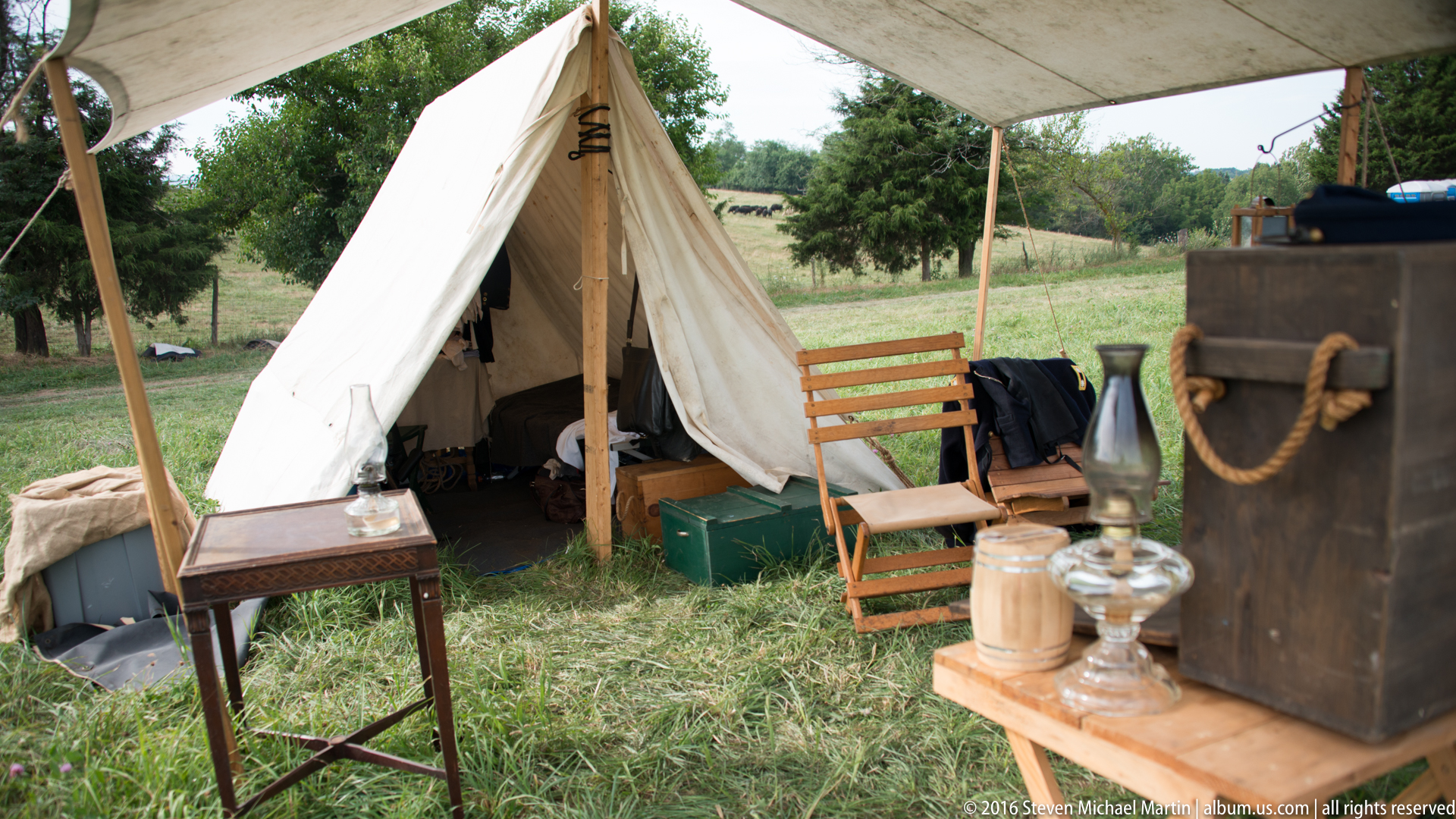
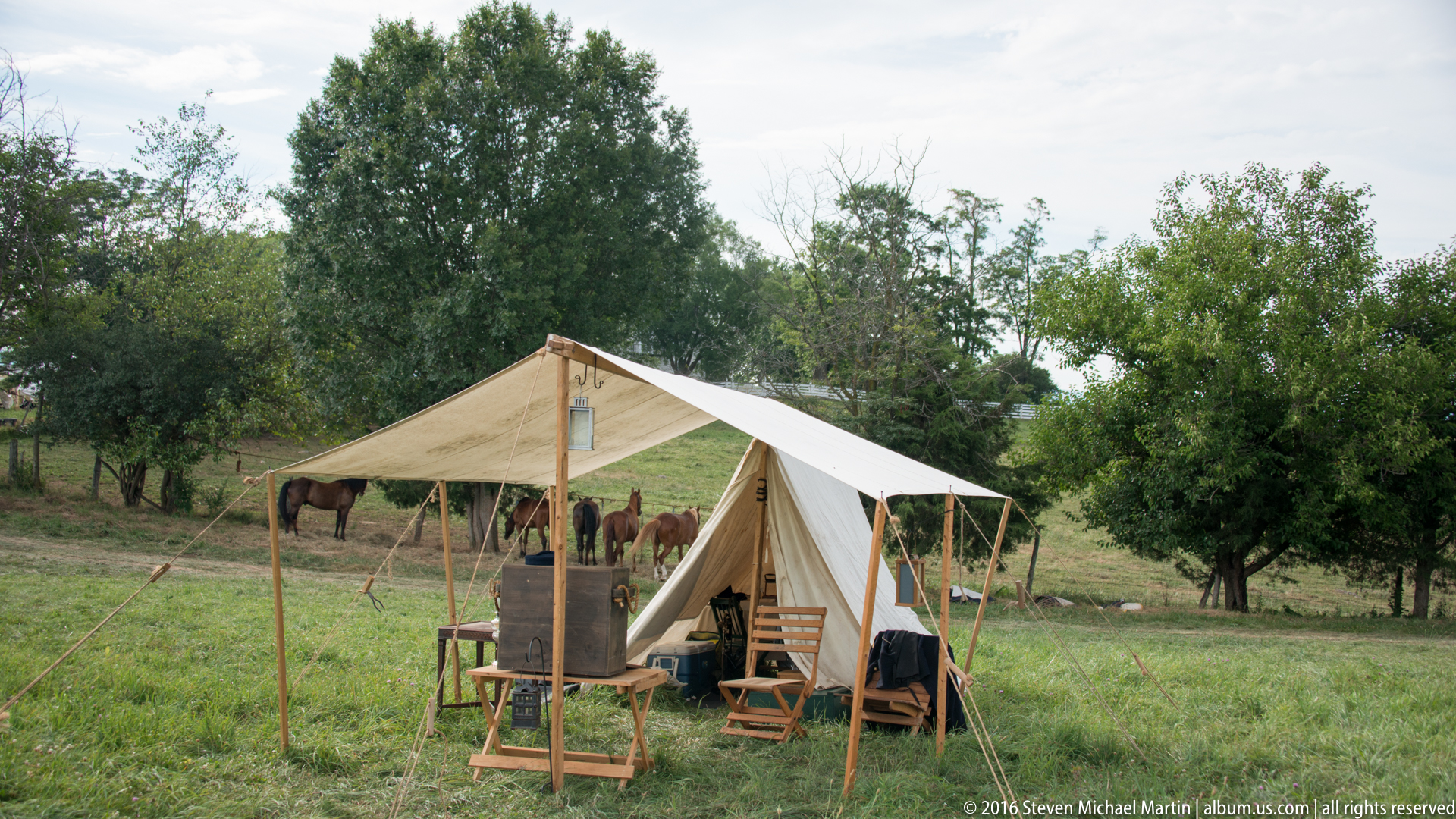
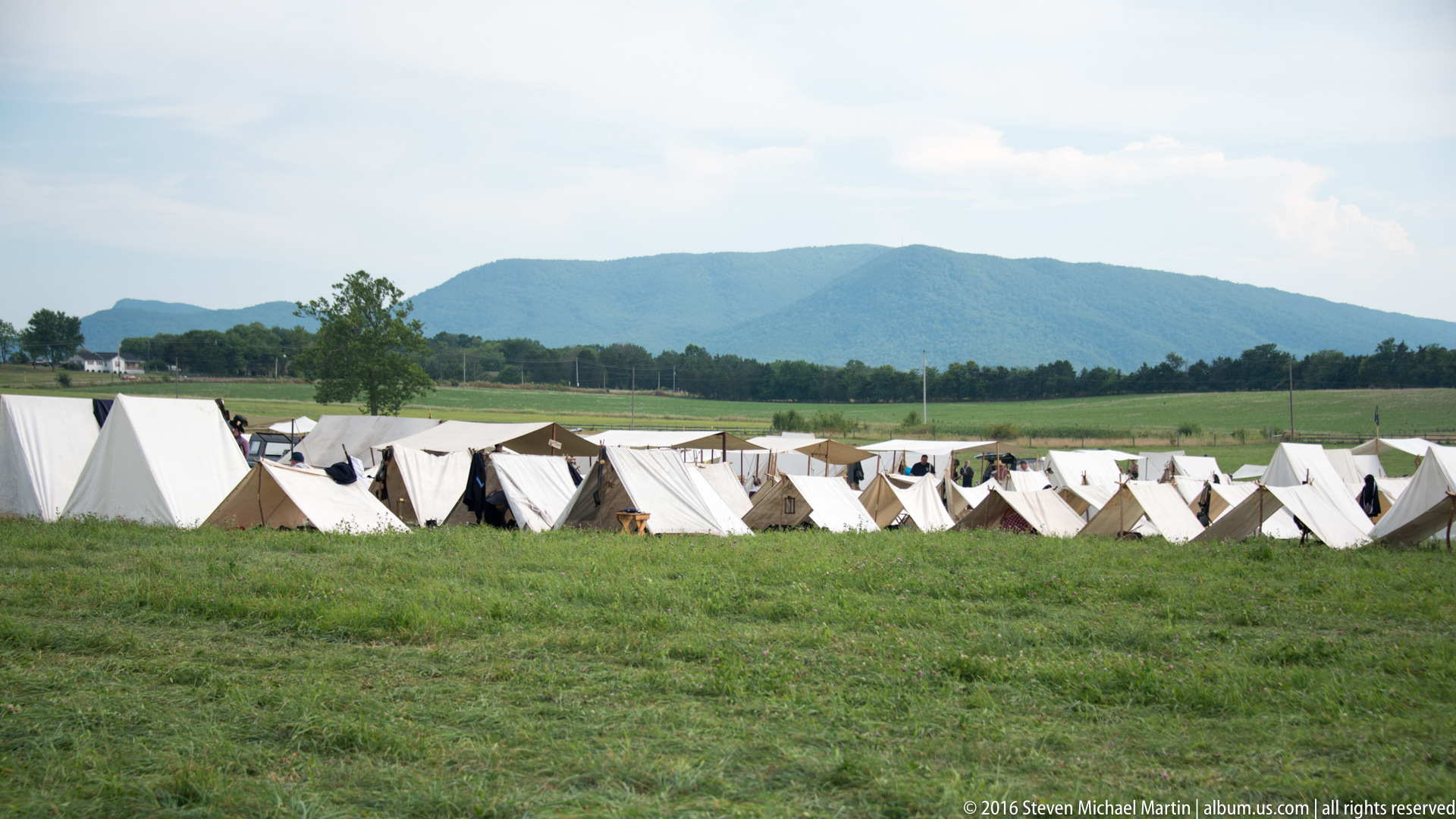
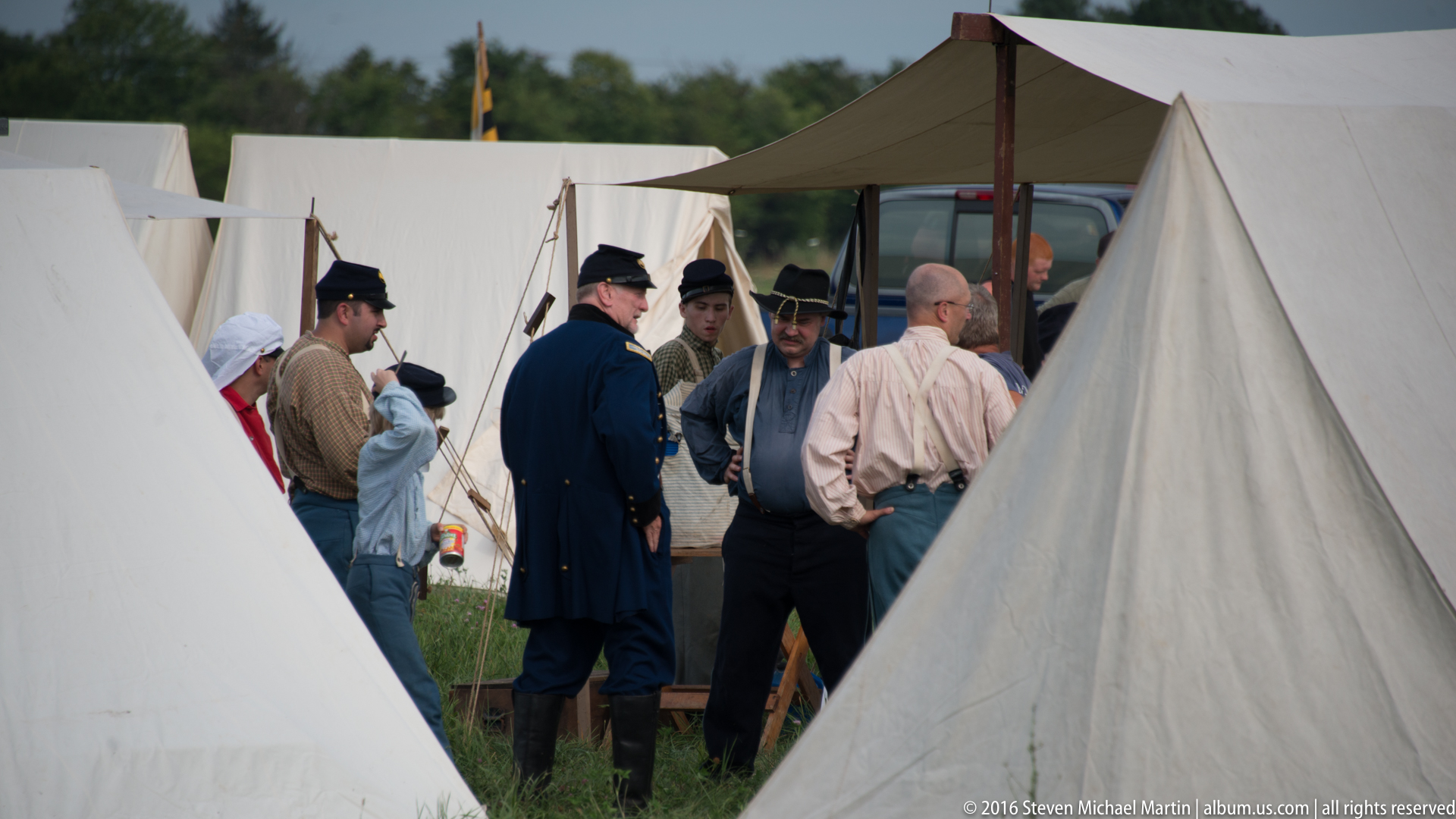
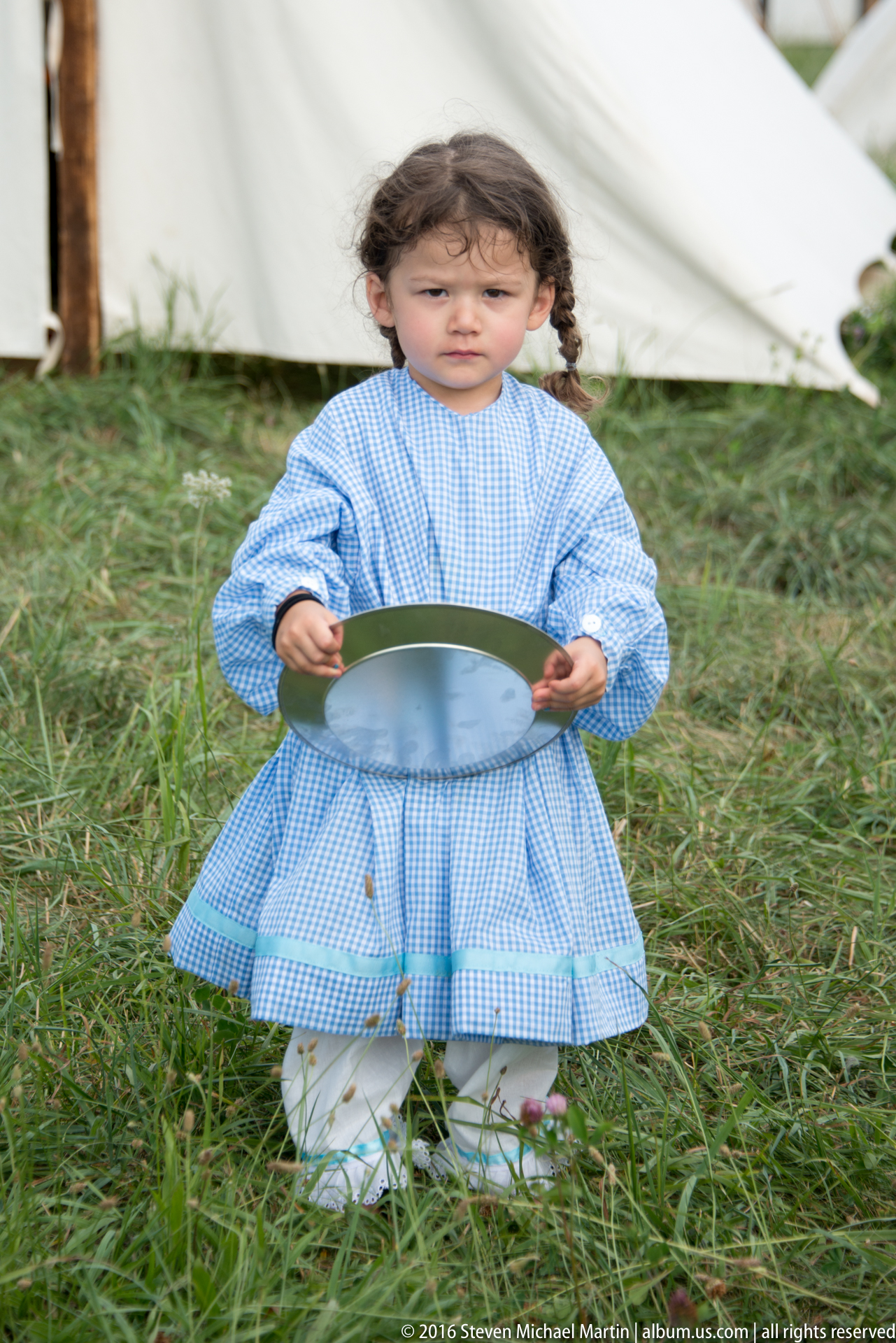
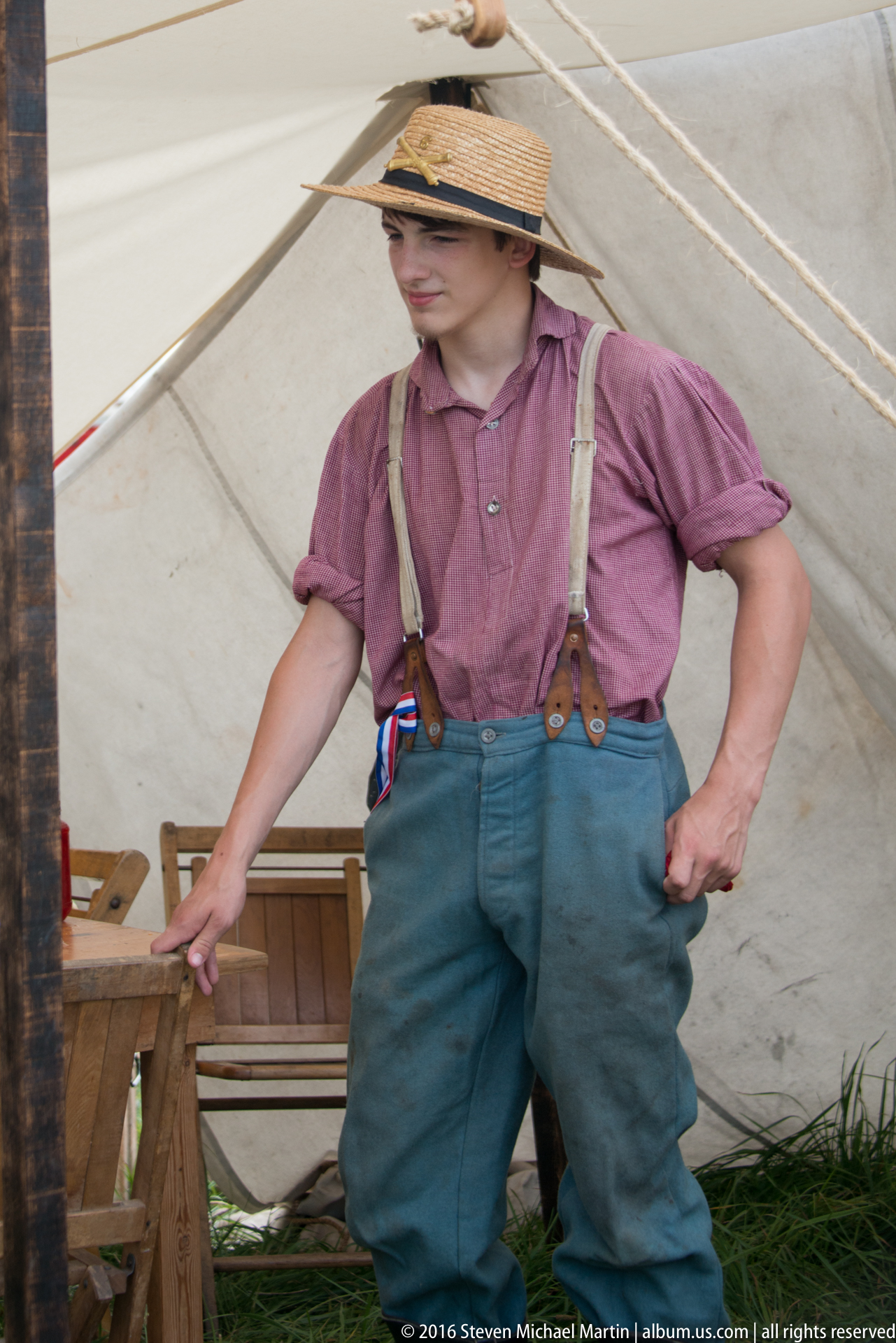
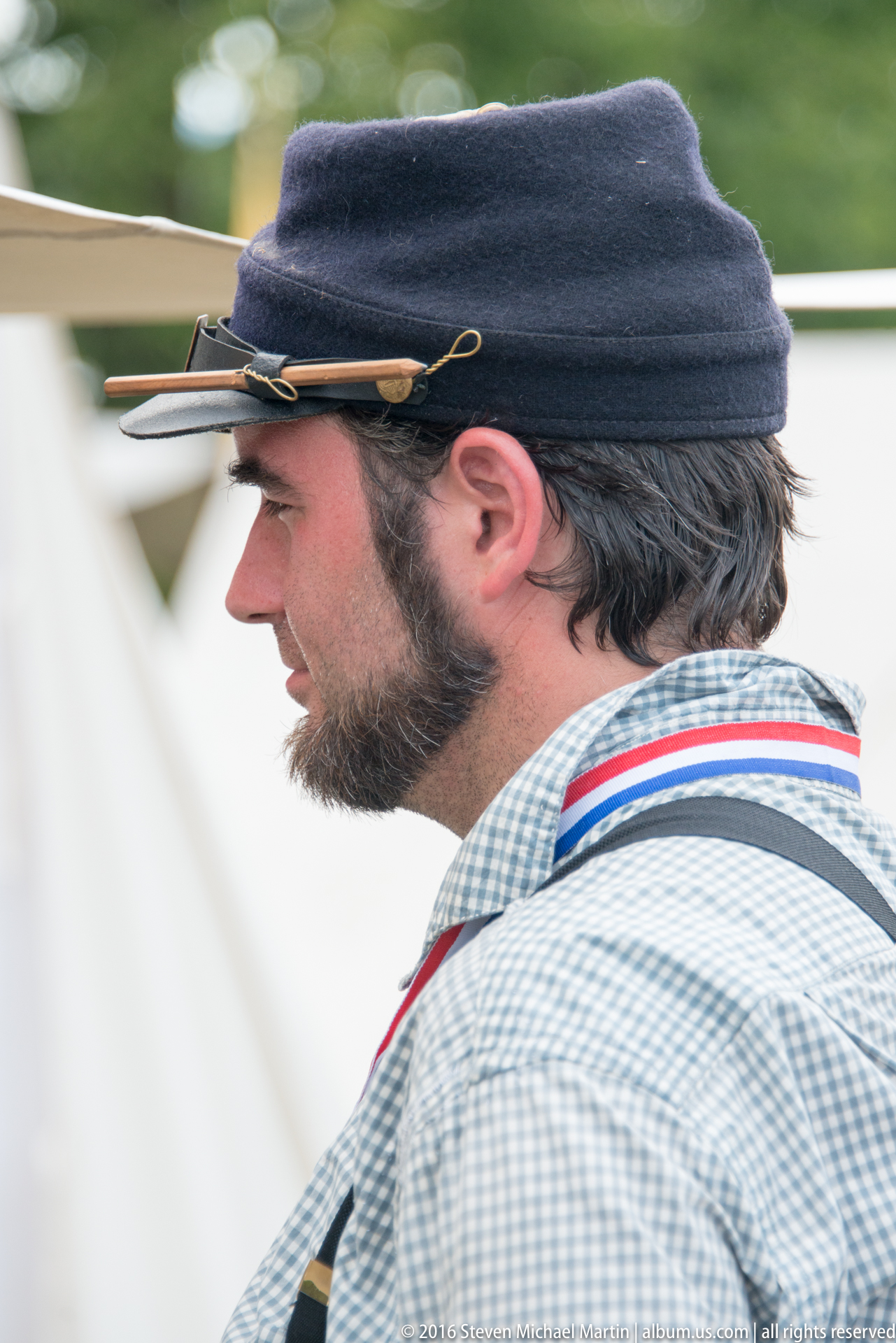
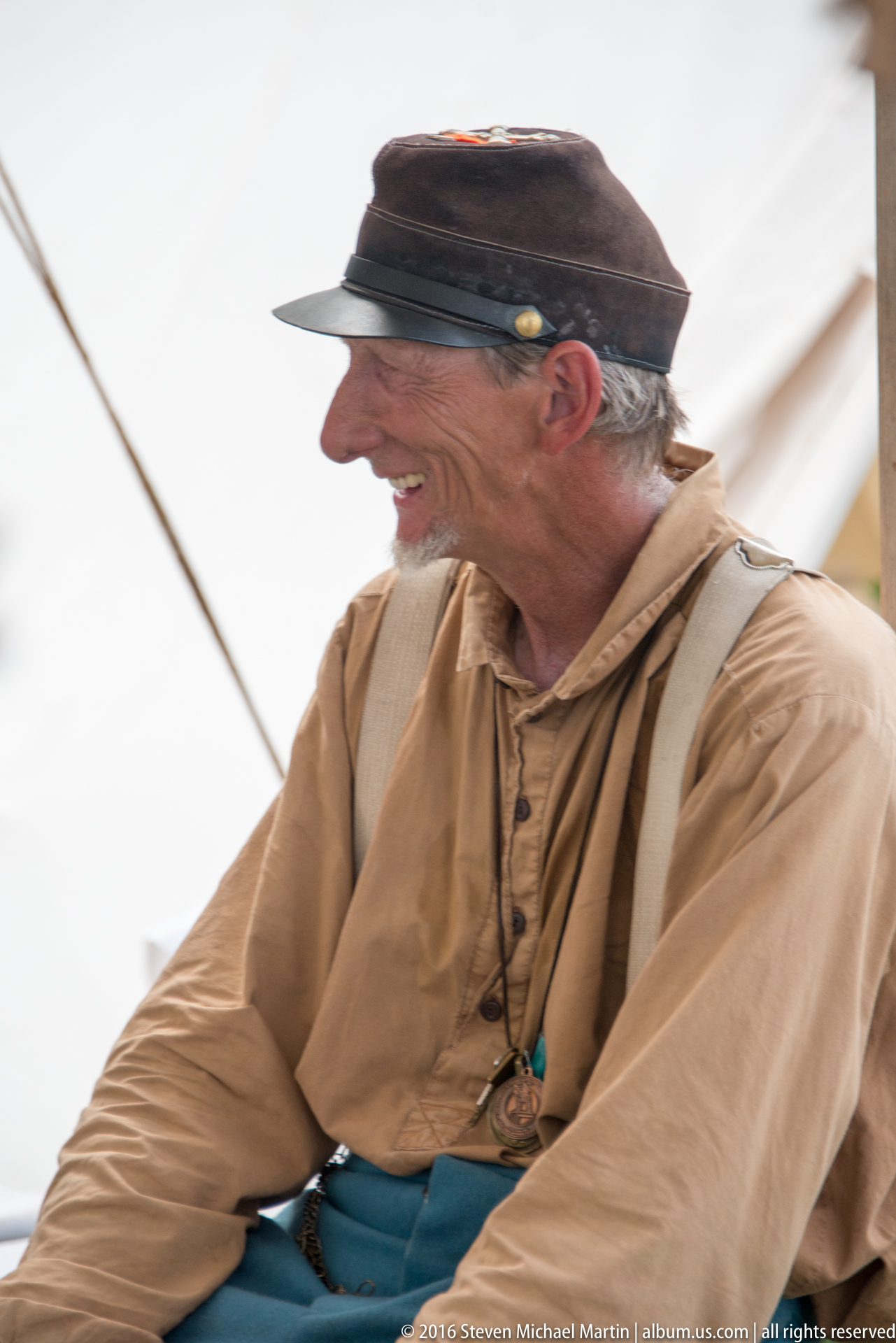
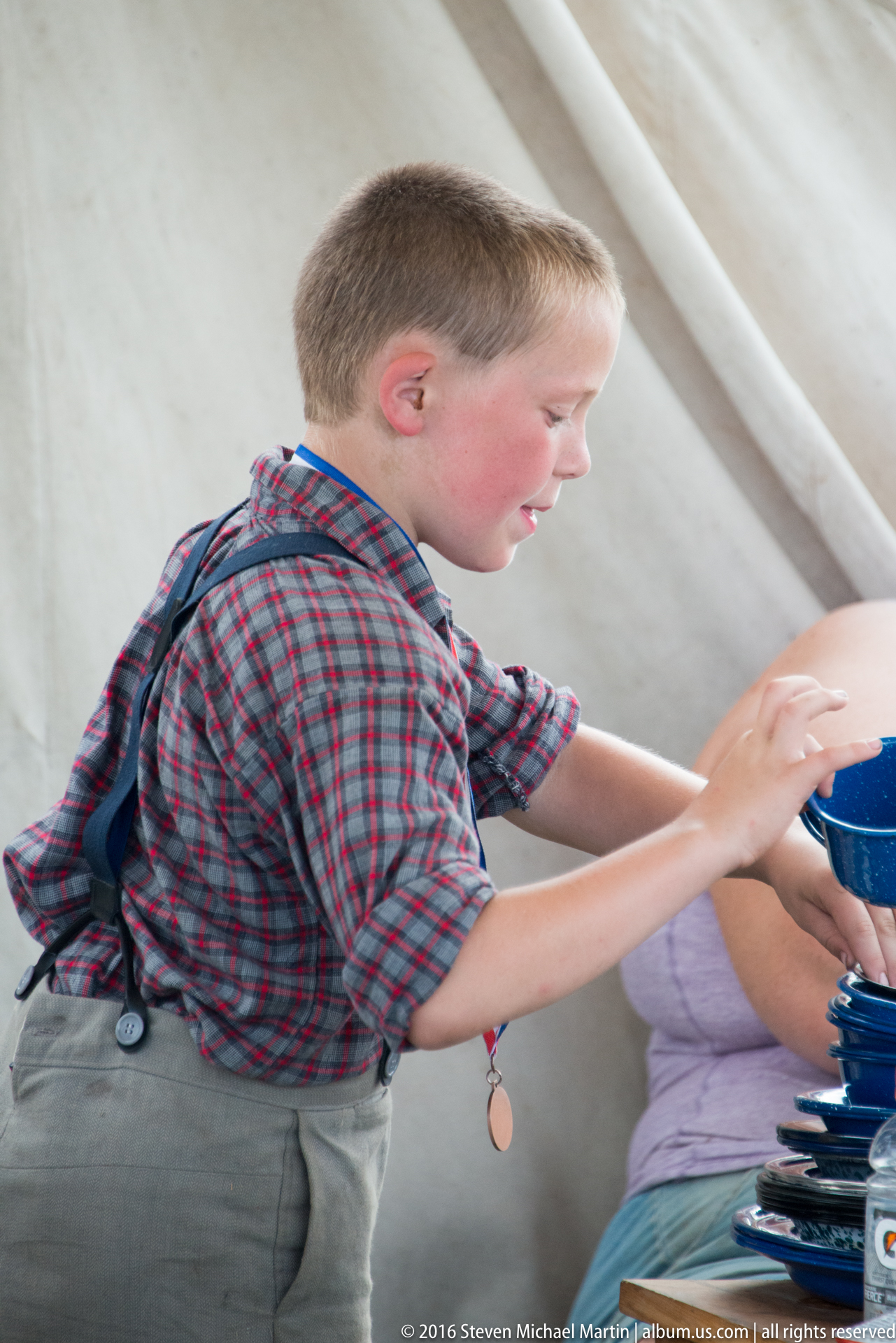
The arrangement of tents, mess equipment, and regimental organization illustrates how armies adapted to field conditions while maintaining systems of hierarchy and logistical support. Material culture associated with Union forces reflects industrial production capabilities in the northern states, where manufacturing capacity influenced the supply of uniforms, tools, and equipment. Reenactments demonstrate how camp environments functioned as spaces of preparation, routine, and adaptation within rapidly changing military circumstances.
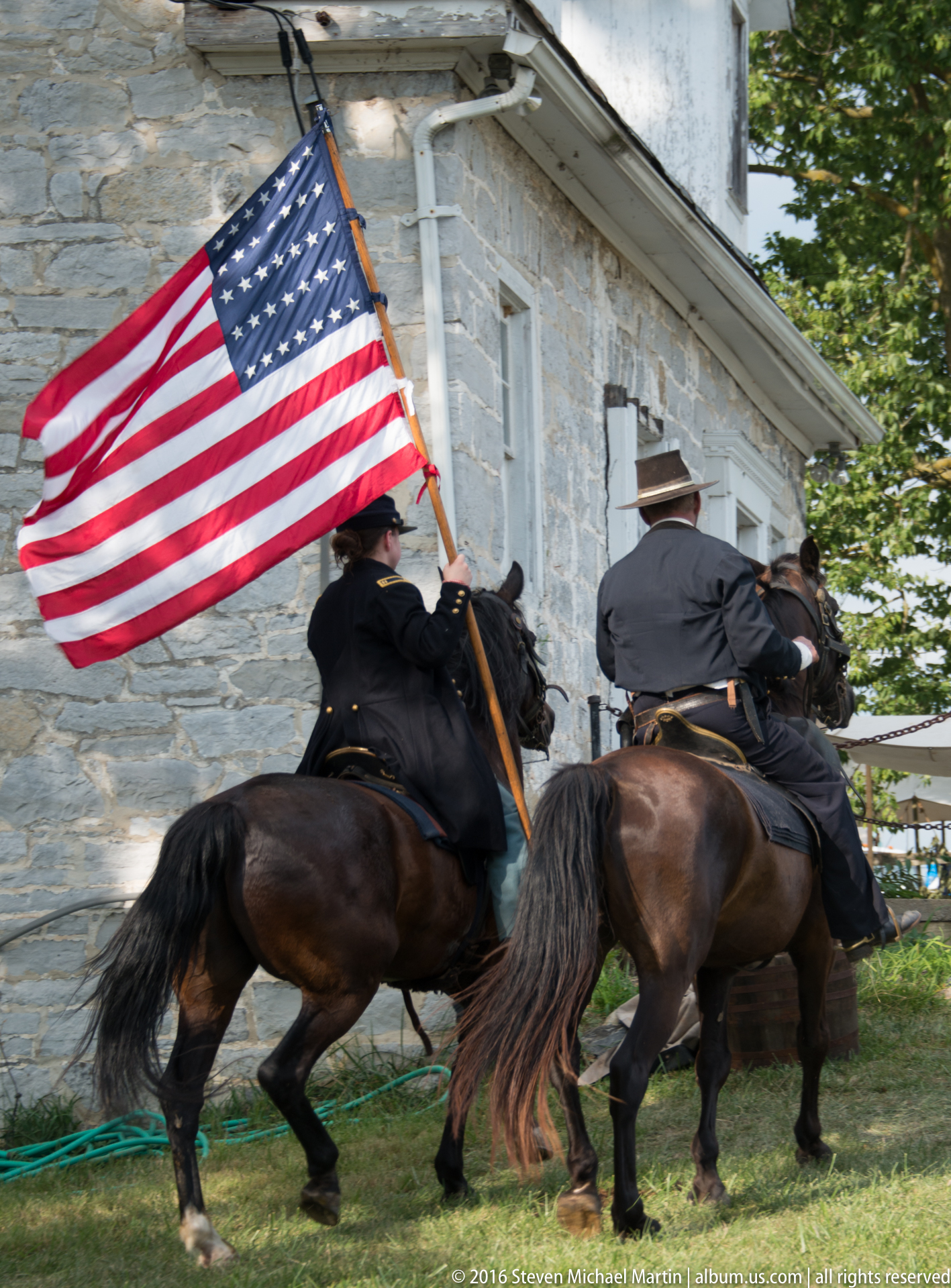
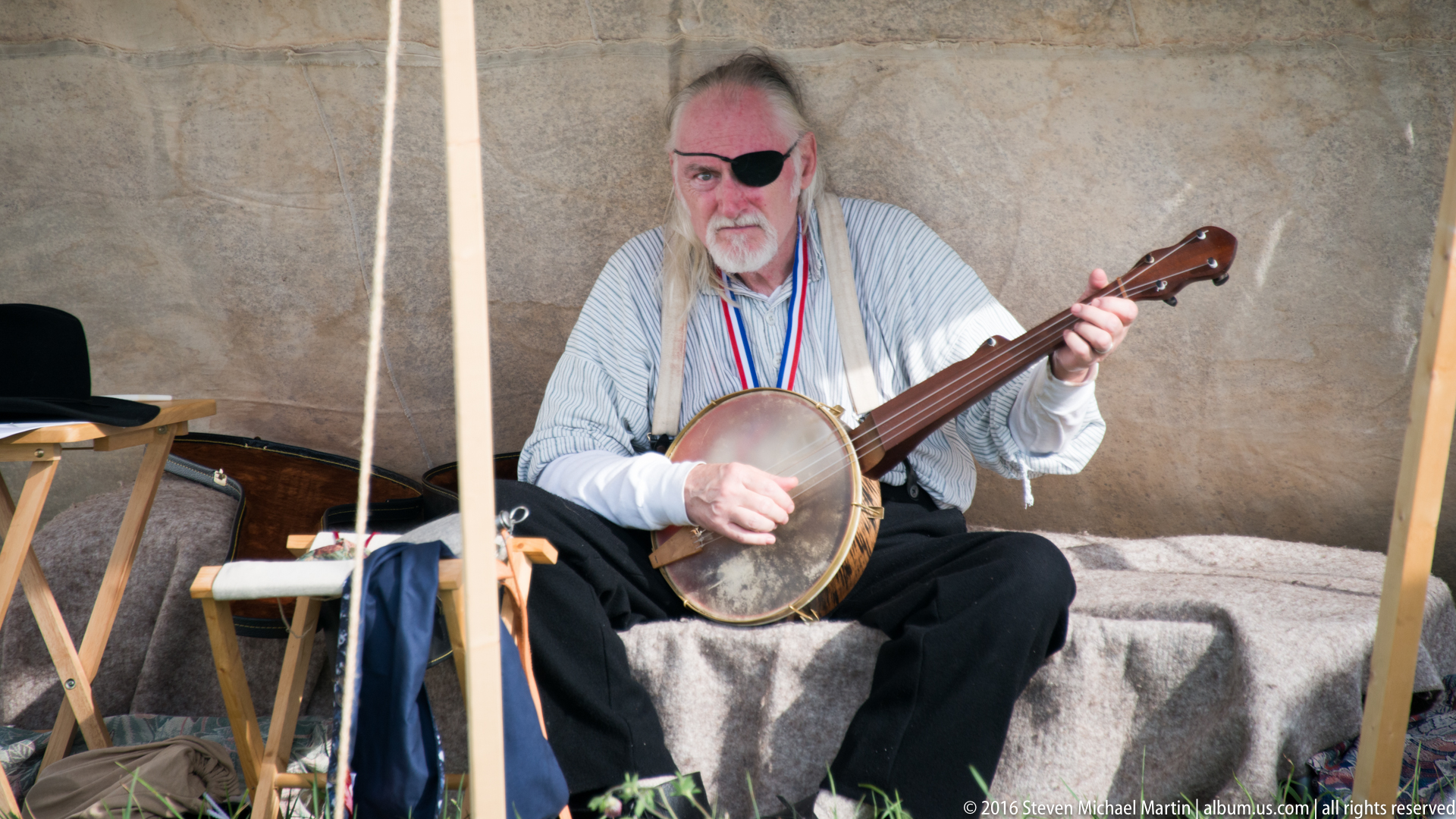
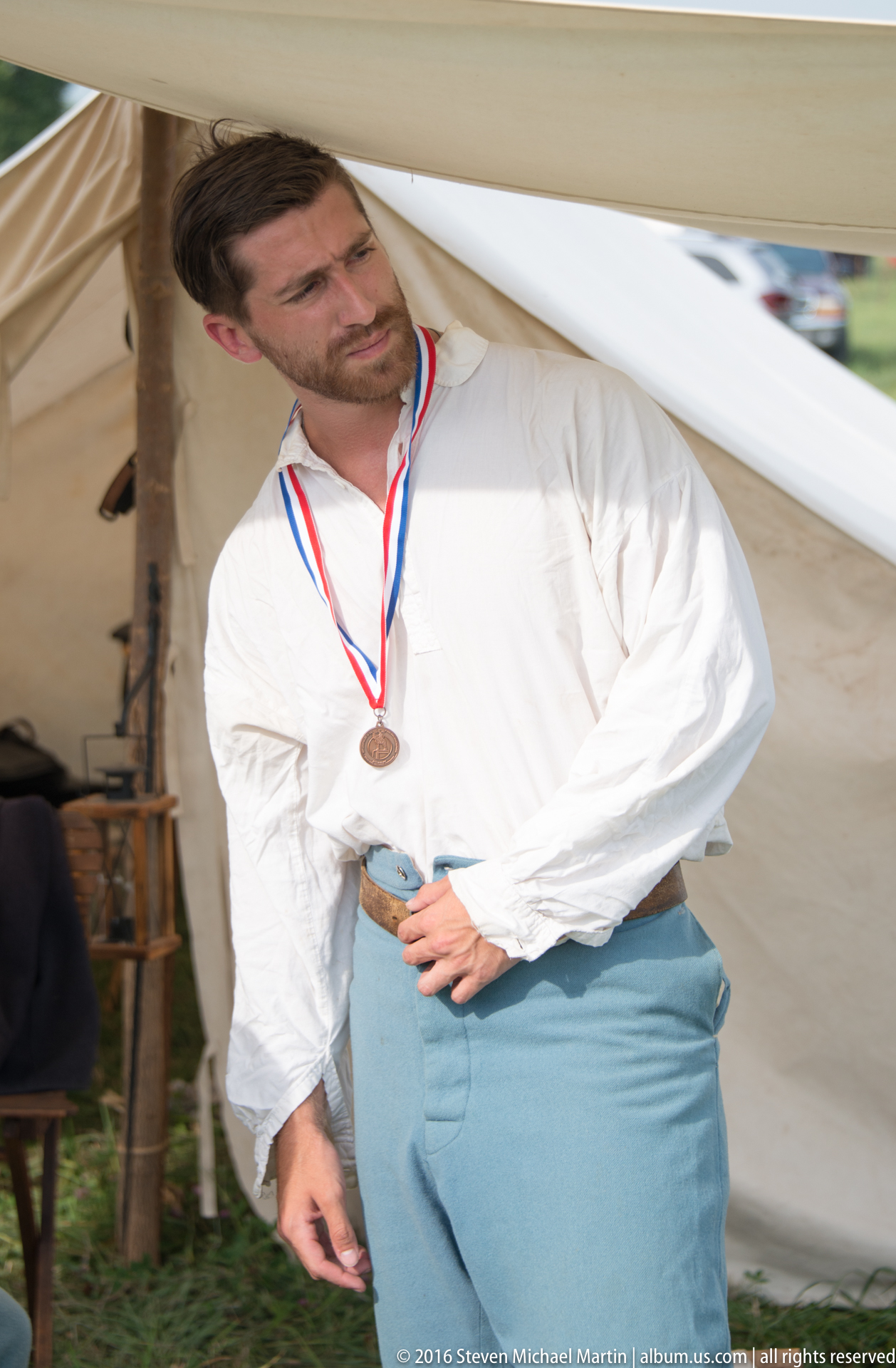
Union encampment interpretation contributes to understanding how citizen soldiers transitioned into organized military forces during the early stages of the Civil War. The recreated setting illustrates the relationship between training, supply, and battlefield performance. Through reconstruction of camp life, reenactments help explain how large volunteer armies operated within unfamiliar environments during a period of national transformation.