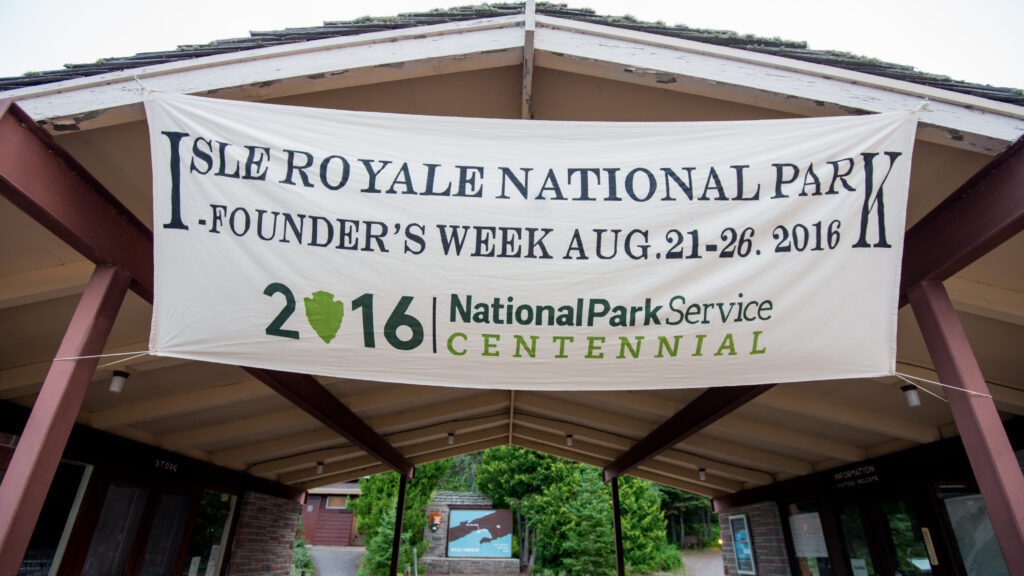
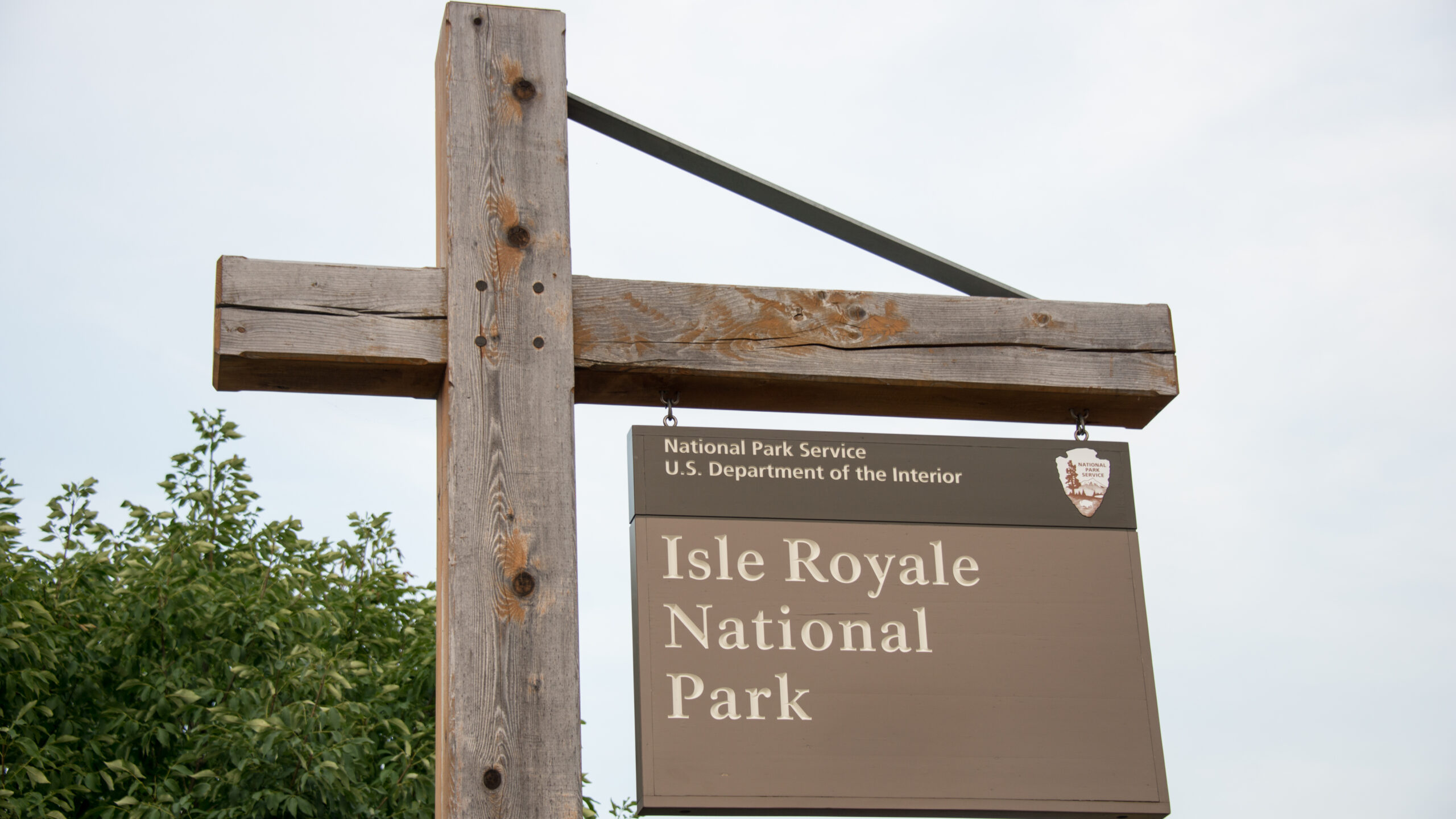
Isle Royale National Park
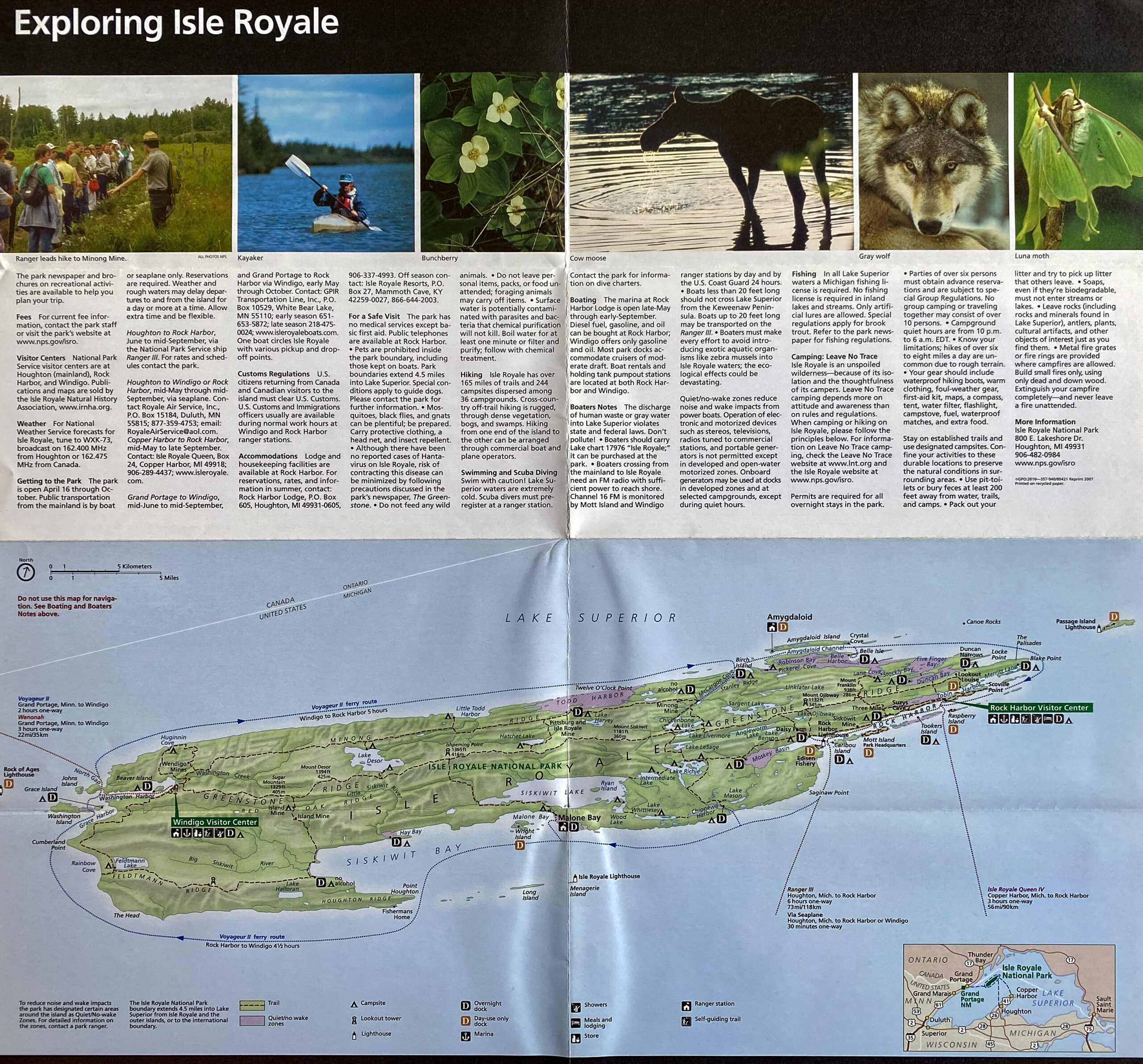
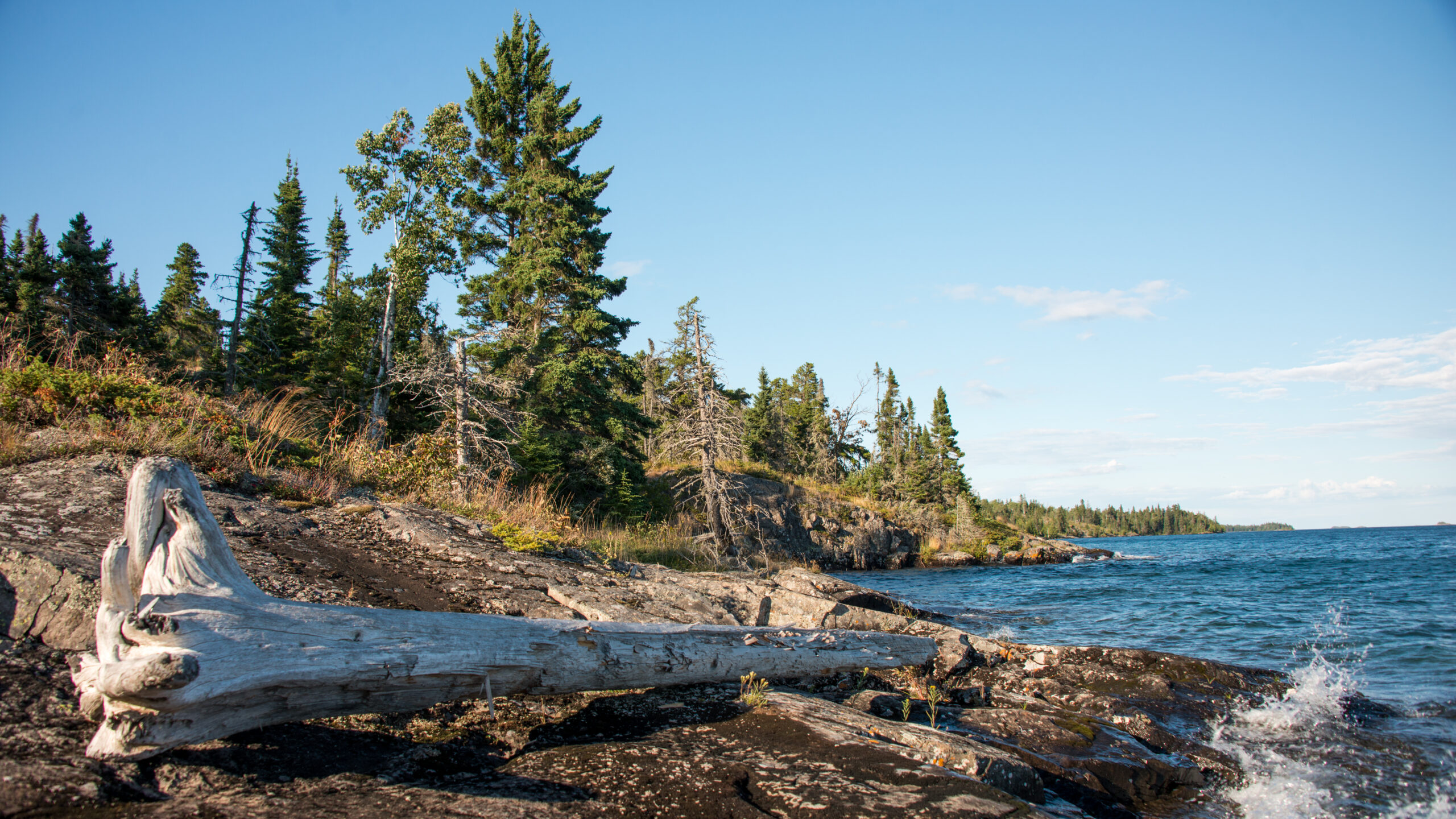
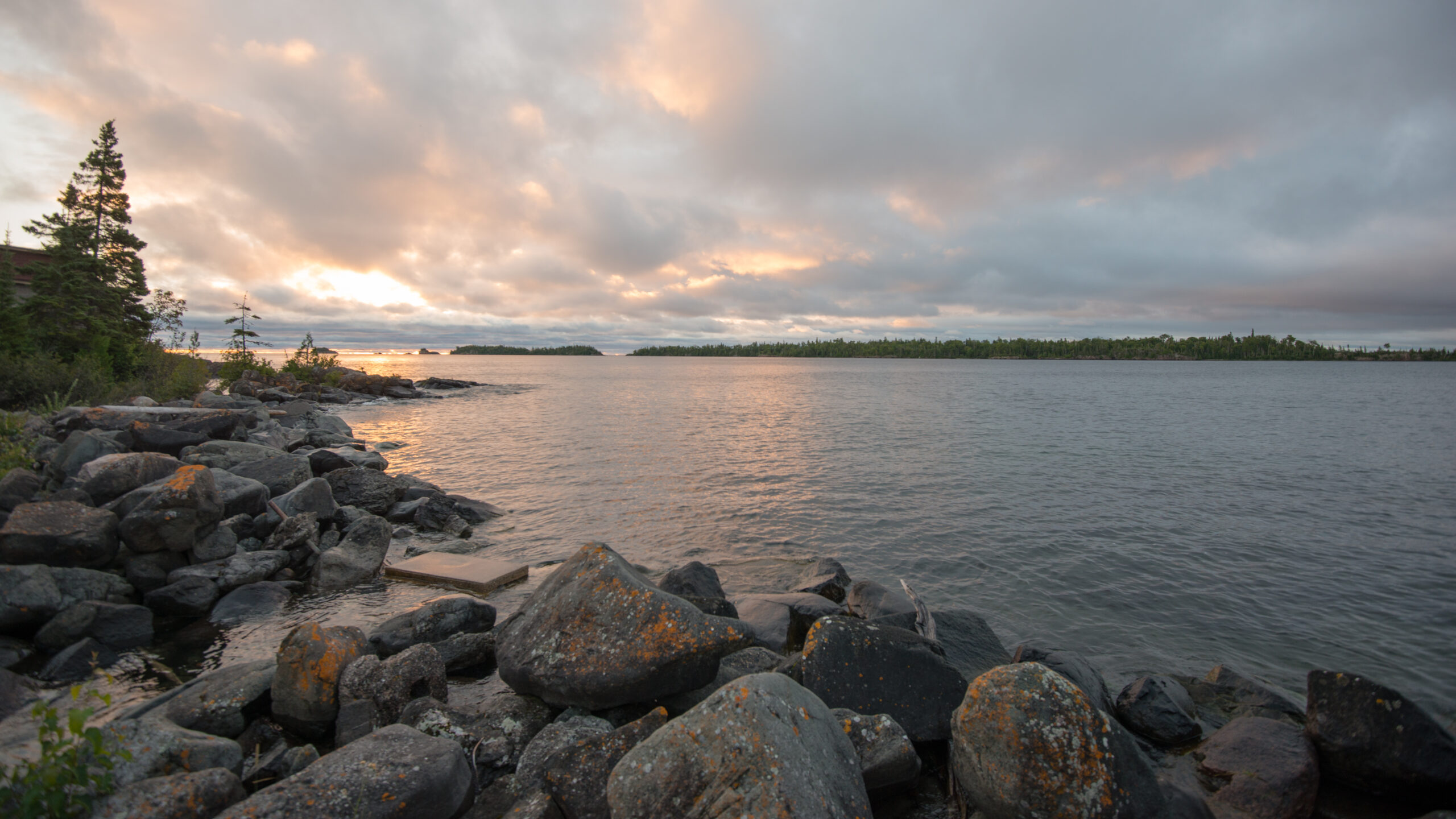
Isle Royale National Park protects a remote island archipelago located in Lake Superior and represents one of the most isolated national parks in the contiguous United States. Accessible primarily by ferry or seaplane, the park preserves a largely undeveloped wilderness characterized by forested ridges, inland lakes, and rocky shoreline landscapes. Its remote setting contributes to a distinctive sense of solitude and environmental continuity.
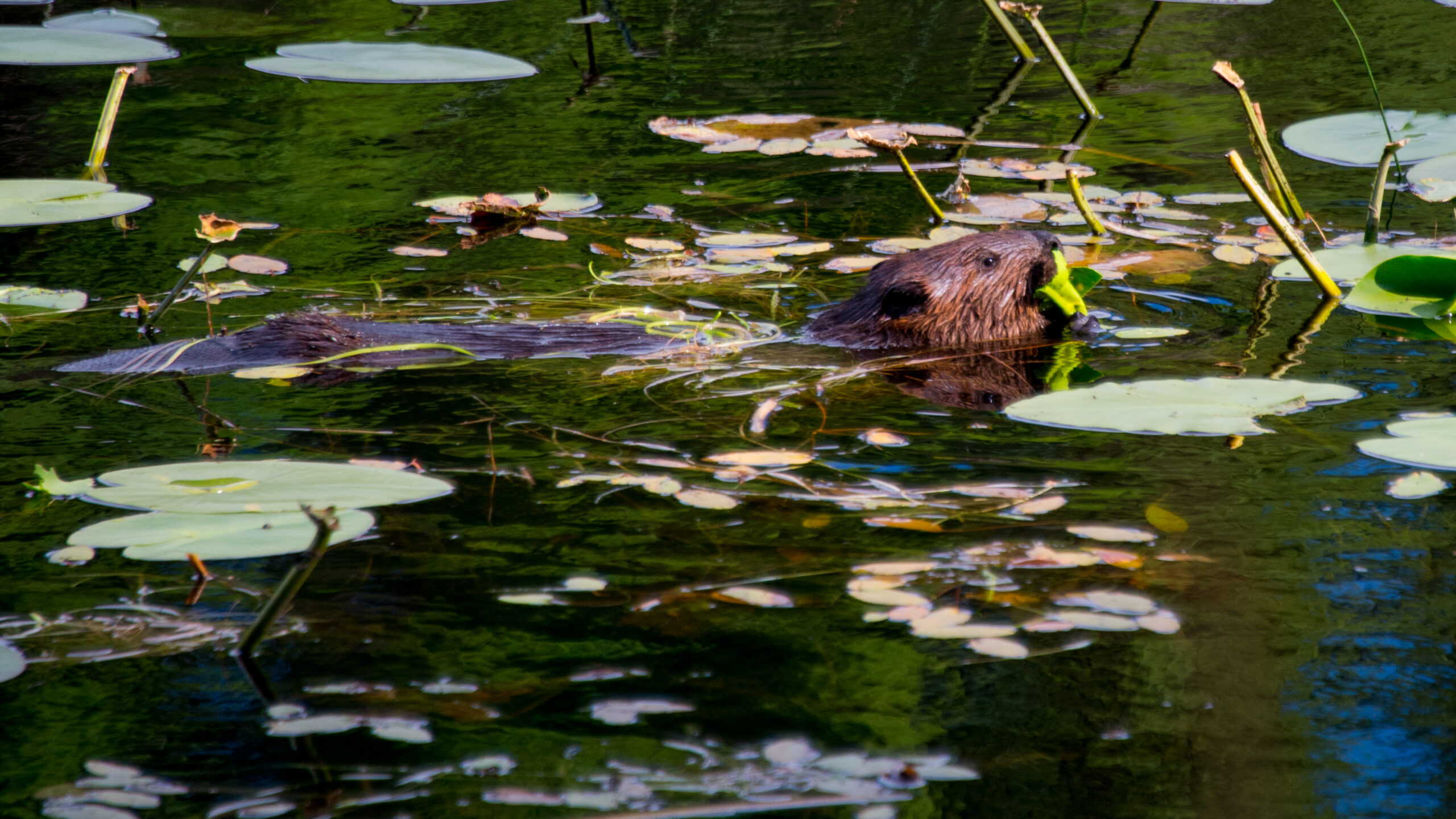
The island’s ecosystems support a variety of wildlife, including moose and wolves, whose long-term population interactions have been studied as part of ecological research. Historic lighthouses, maritime remains, and small visitor facilities provide insight into the human history of the island while maintaining the emphasis on wilderness preservation. The surrounding waters of Lake Superior contribute to changing weather conditions and dramatic shoreline views.
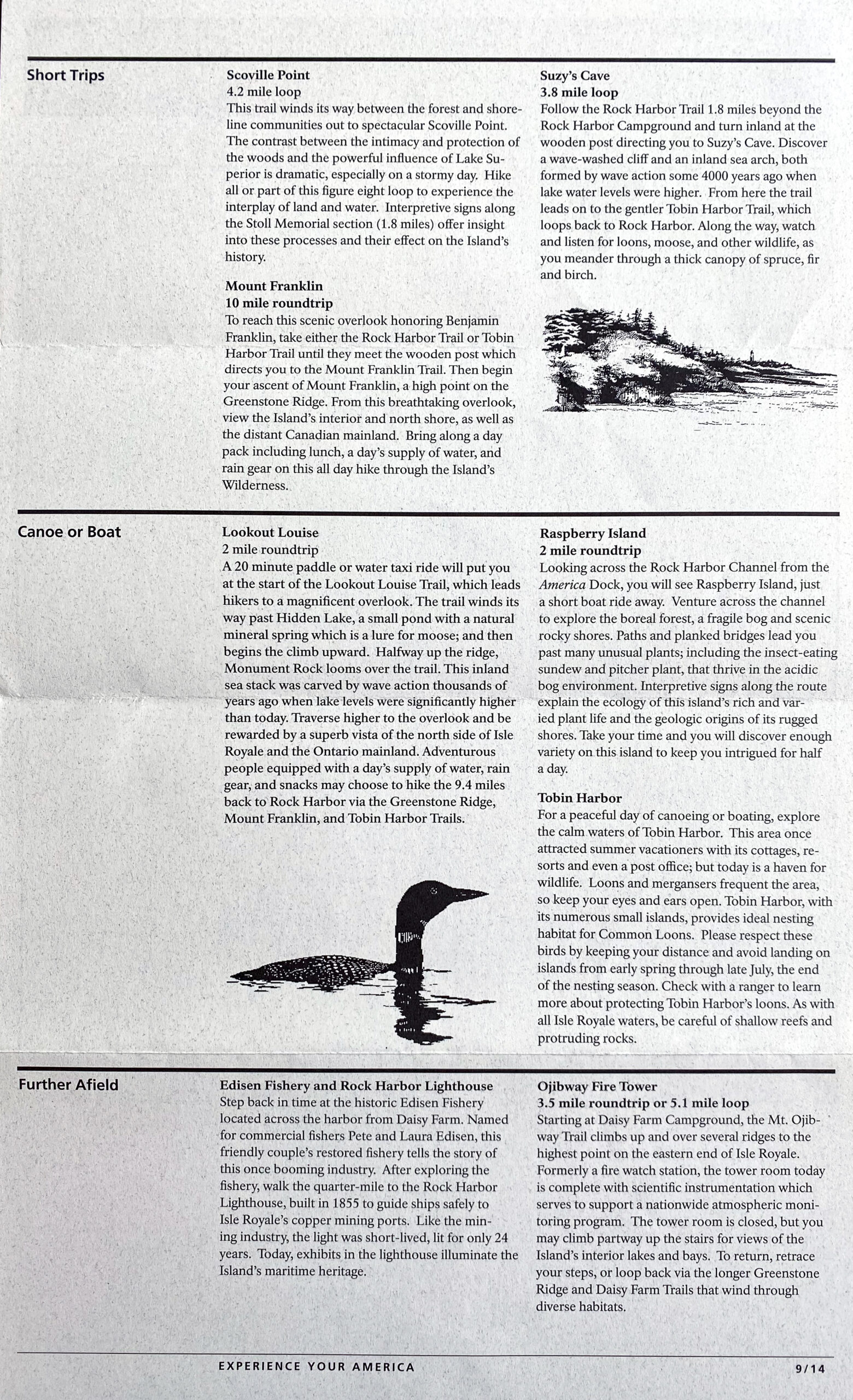
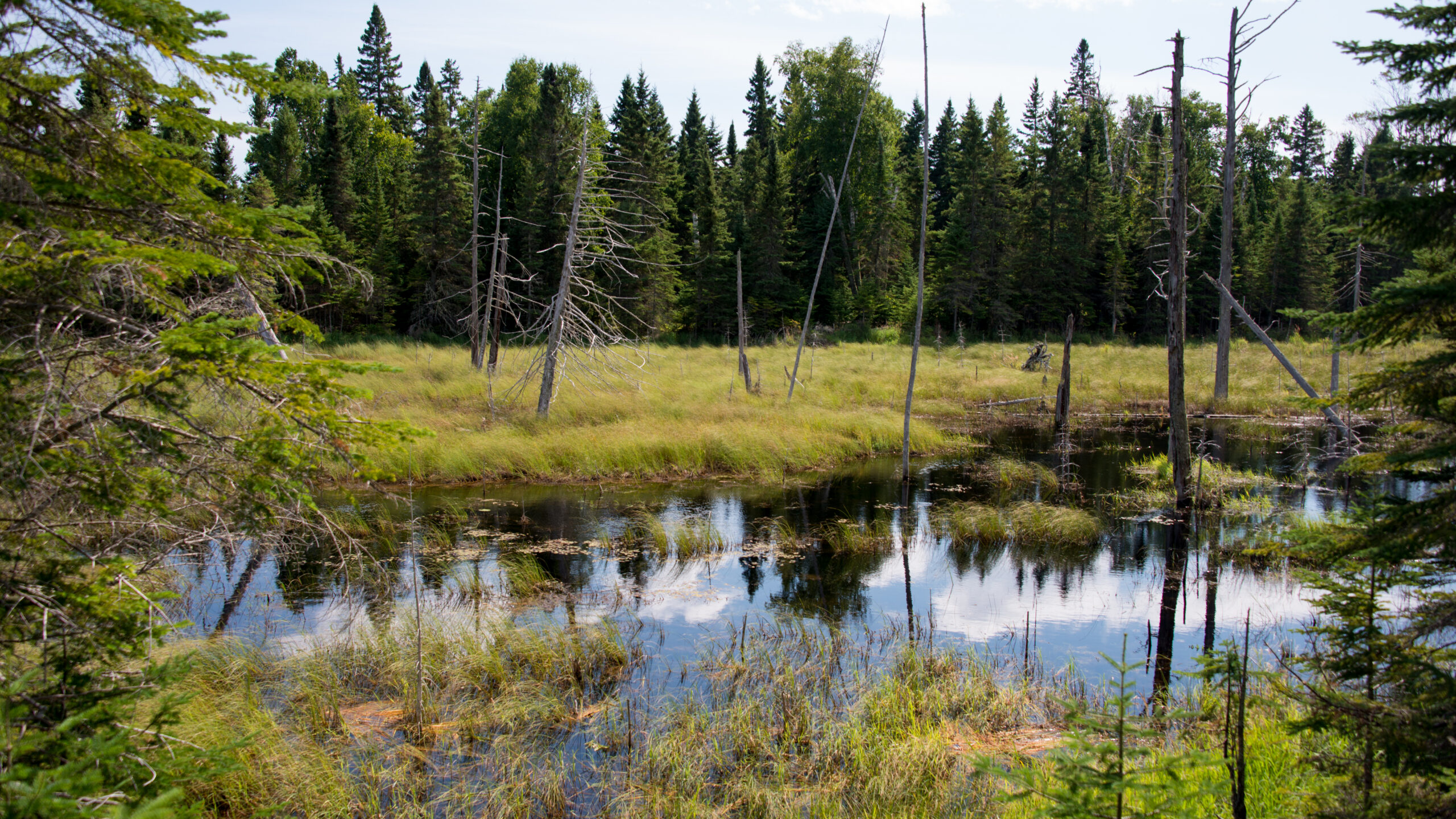
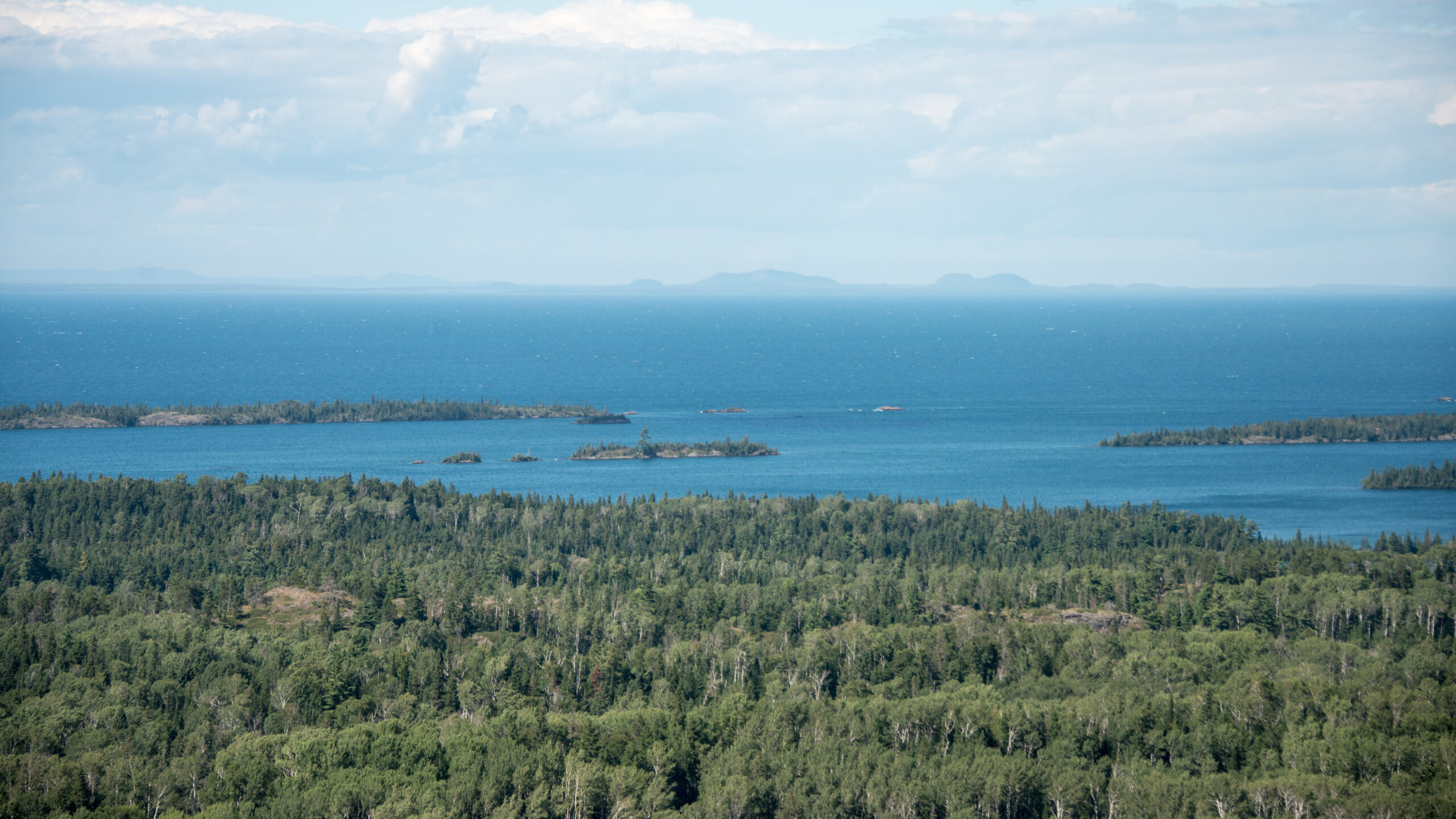
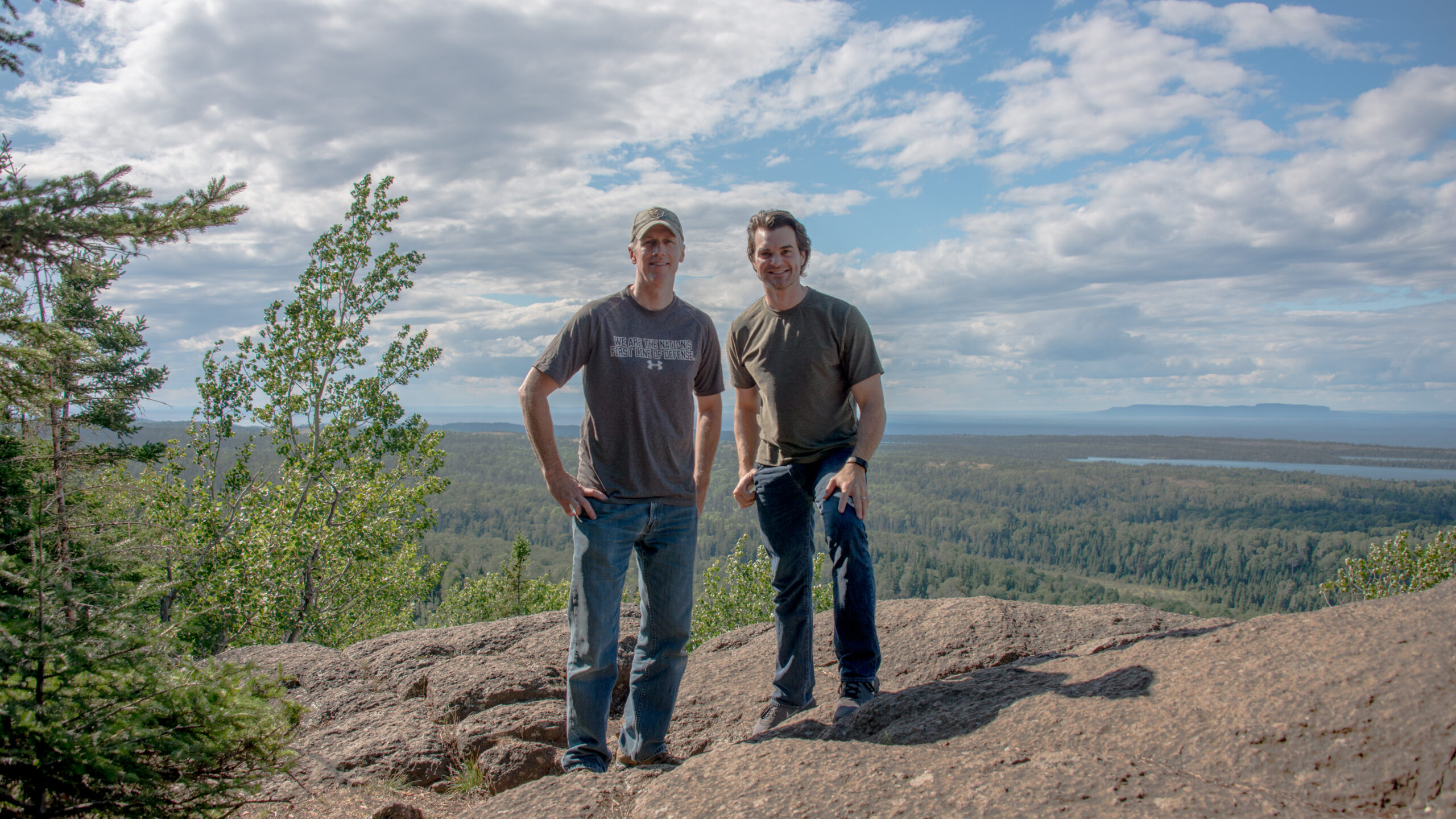
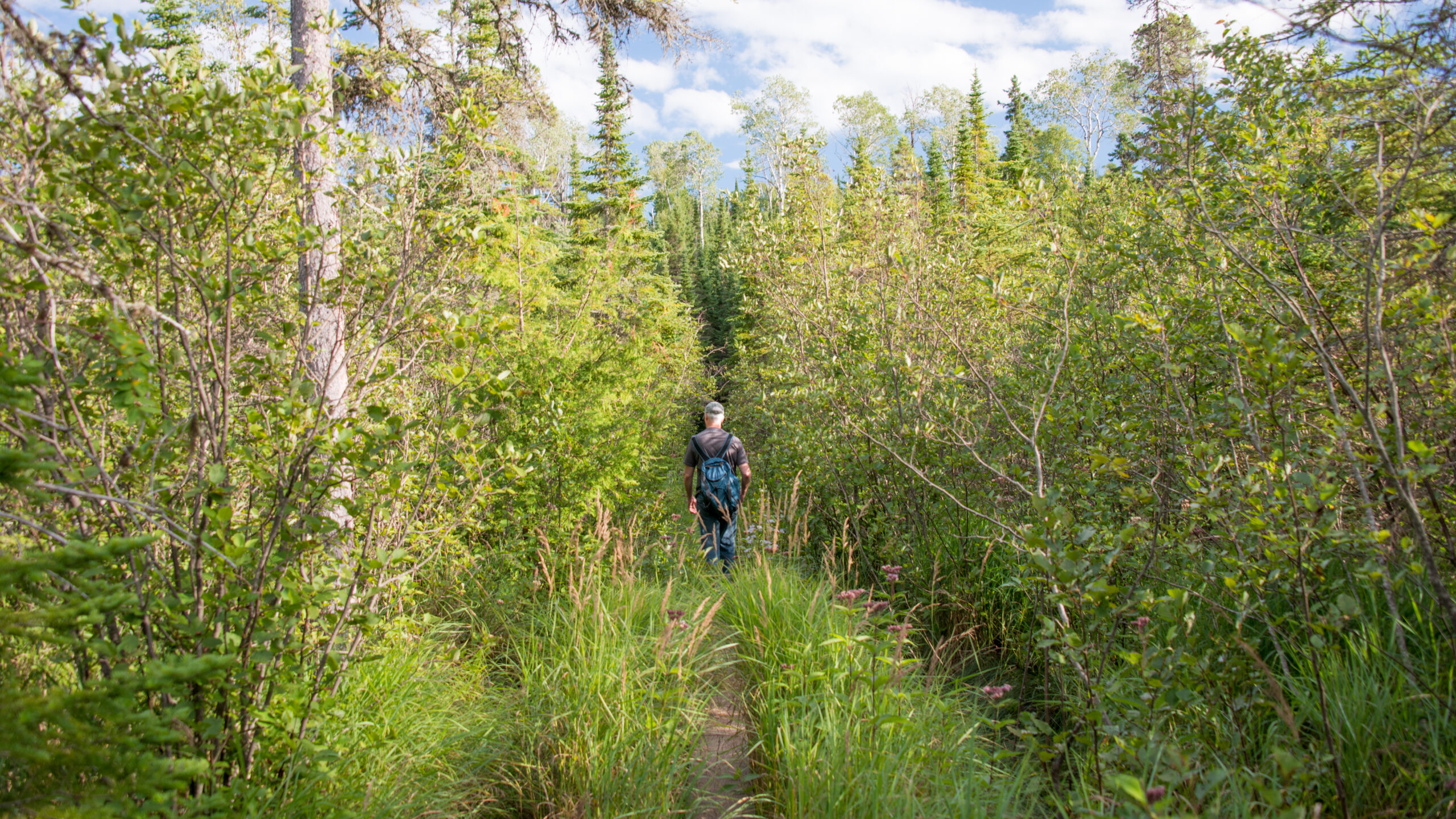
Visitors experience hiking trails, quiet inland waterways, and expansive lake vistas that emphasize the scale and isolation of the island environment. The park offers a unique opportunity to encounter landscapes shaped primarily by natural processes, providing insight into ecological relationships and the preservation of wilderness areas.






















Isle Royale National Park — Field Guide
National Park Field Guide
📍 Overview
Isle Royale National Park preserves a remote island wilderness located within Lake Superior and offers one of the most isolated national park experiences in the United States. The park protects forested ridges, inland lakes, and rugged shoreline environments shaped by glacial activity. Its relative isolation contributes to ecological continuity and a strong sense of natural preservation.
The island supports wildlife populations that have been studied extensively to better understand predator-prey relationships, particularly between wolves and moose. Historic lighthouses and maritime features illustrate the importance of Lake Superior navigation while maintaining the park’s emphasis on wilderness protection. The landscape reflects the interaction between geological forces and ecological development.
⭐ Highlights
- Remote wilderness island in Lake Superior
- Long-term ecological research on wolves and moose
- Rocky shoreline landscapes shaped by glacial activity
- Historic lighthouses and maritime heritage
- Quiet inland lakes and forested ridges
🔎 Key Features
- Wilderness landscape with minimal development
- Ecological research associated with predator-prey dynamics
- Historic navigation structures along the shoreline
- Trails connecting interior lakes and ridges
- Geological formations shaped by glacial processes
📷 Photography Notes
- Soft light works well along rocky shorelines
- Wide compositions emphasize isolation and scale
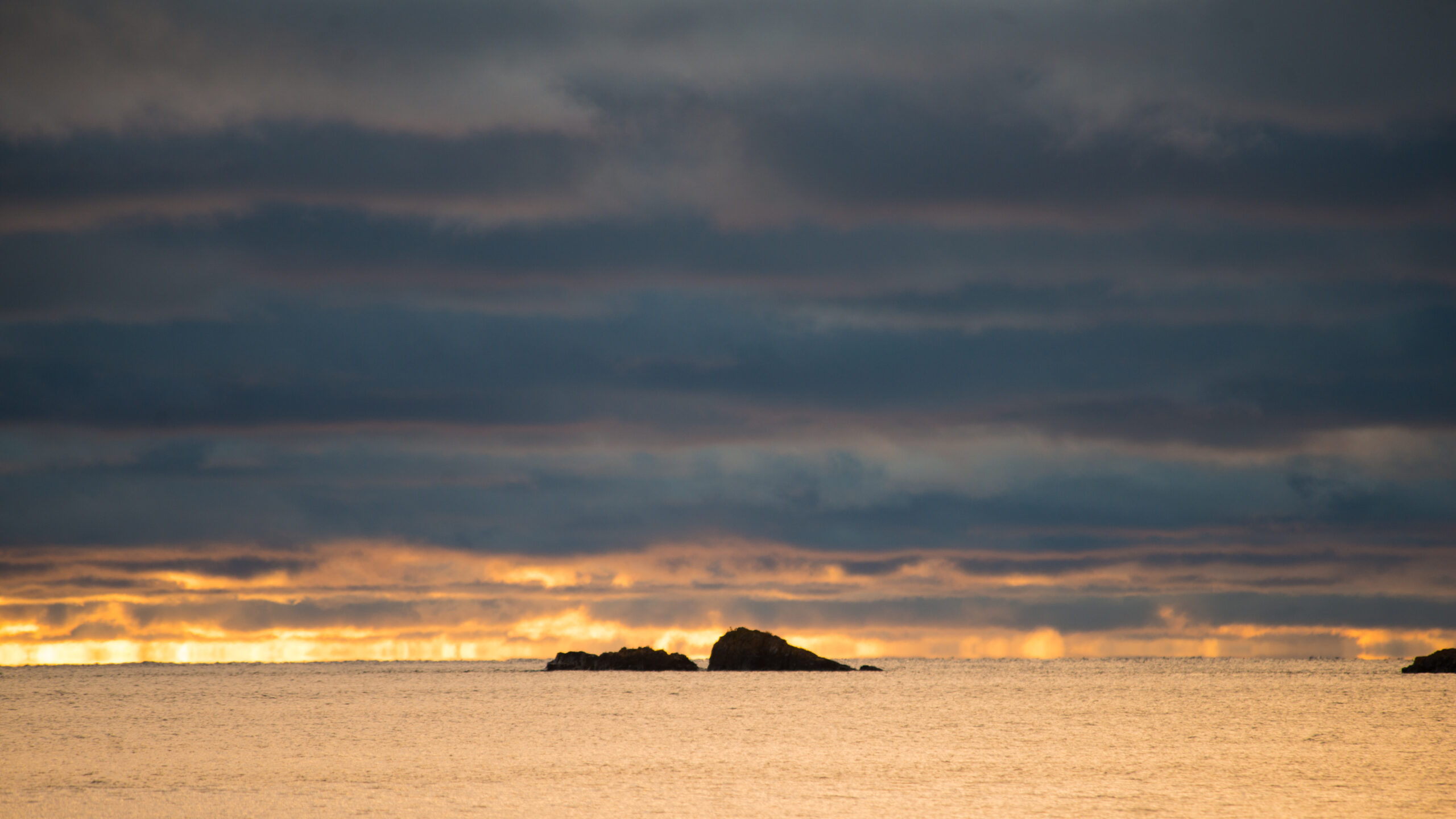
- Water reflections often create simple compositions
- Weather changes quickly and can add atmosphere
- Foreground rocks can add depth to lake views
- Look for quiet scenes that convey remoteness