Hammond Castle
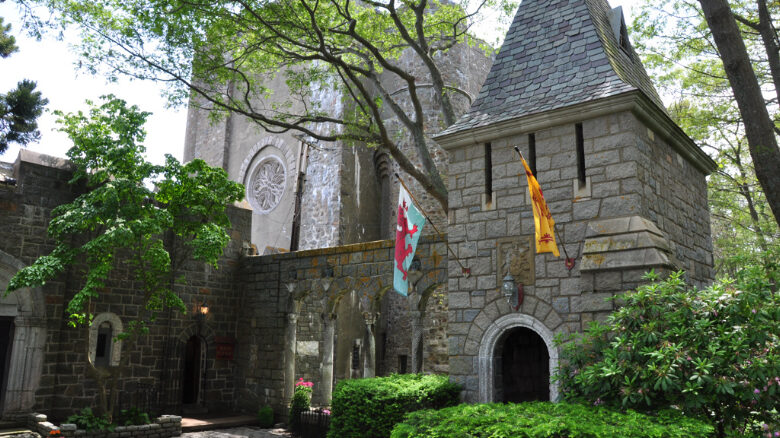
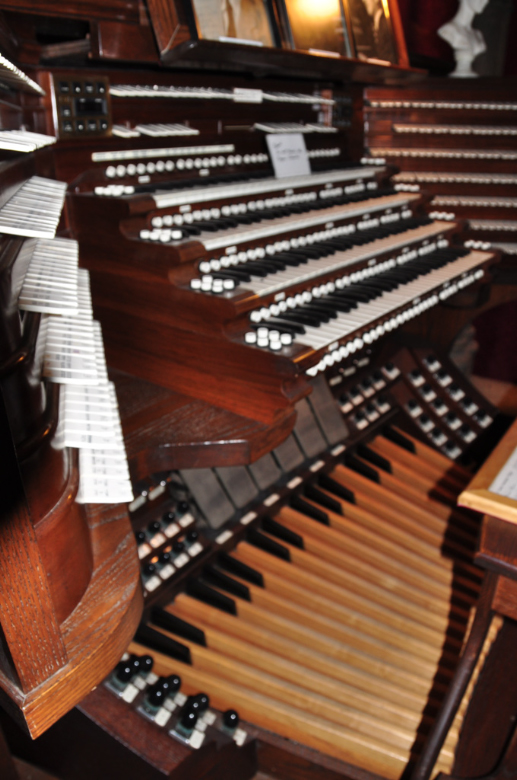
Hammond Castle stands along the rocky coastline of Gloucester, Massachusetts, where the architectural imagination of inventor John Hays Hammond Jr. combined elements of medieval European design with twentieth-century engineering. Constructed between 1926 and 1929, the structure served both as a residence and laboratory for Hammond, a pioneer in radio control technology whose research contributed to advances in communications and military guidance systems. :
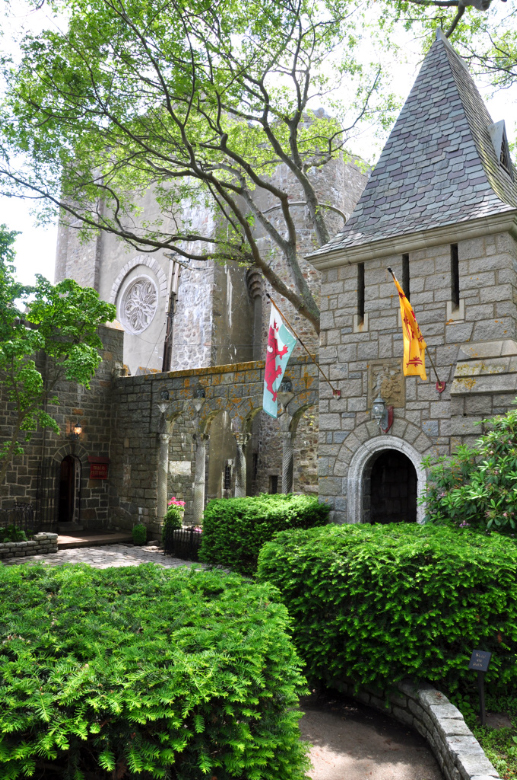
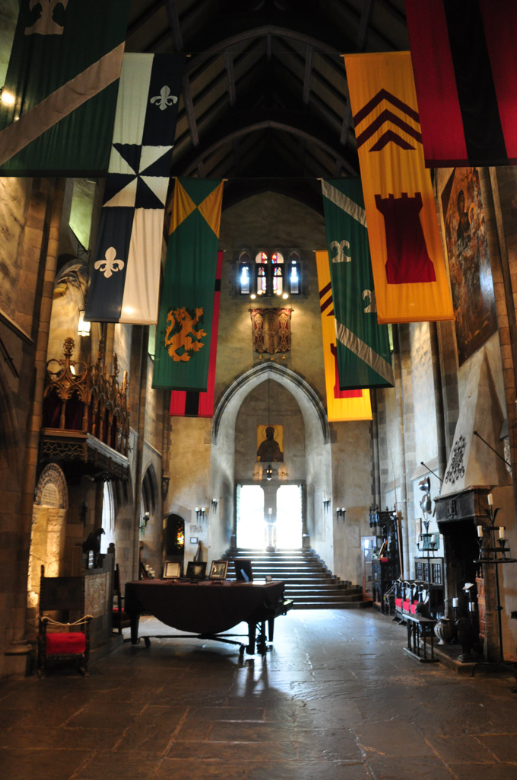
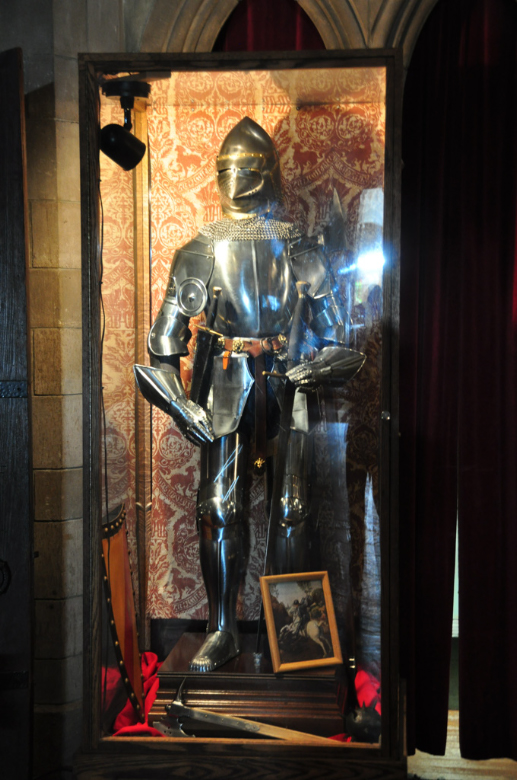
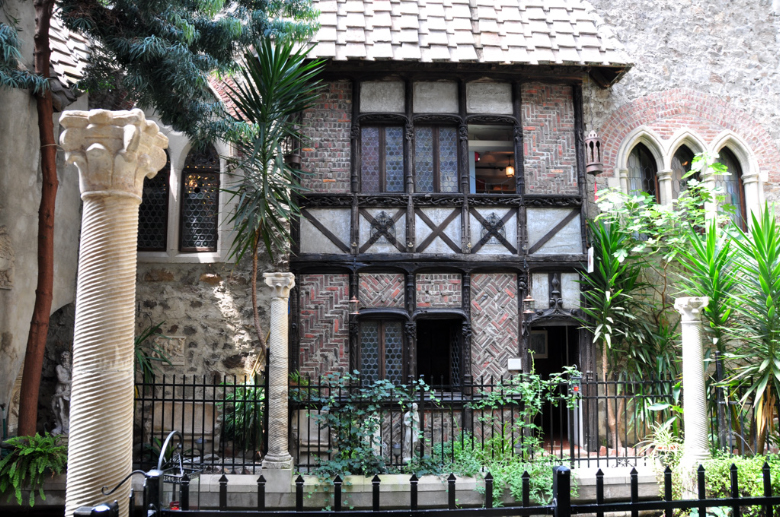
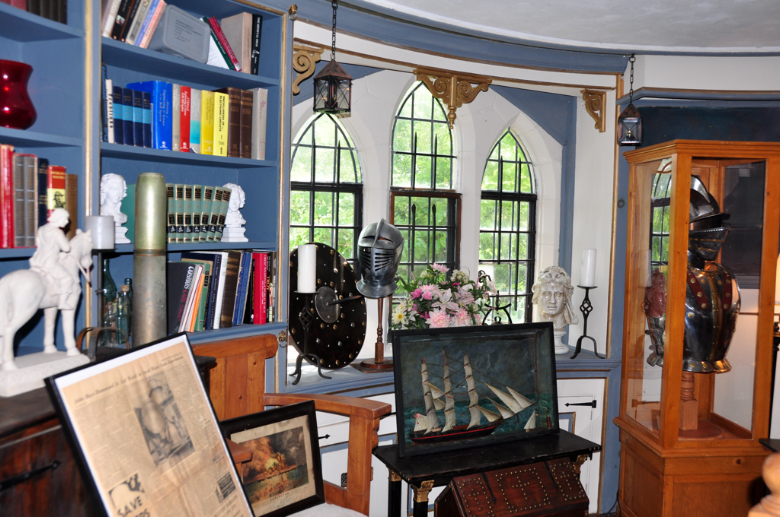
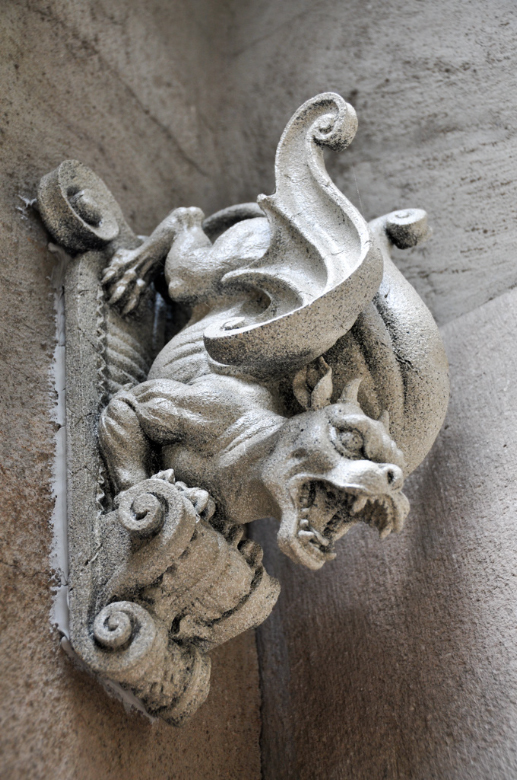
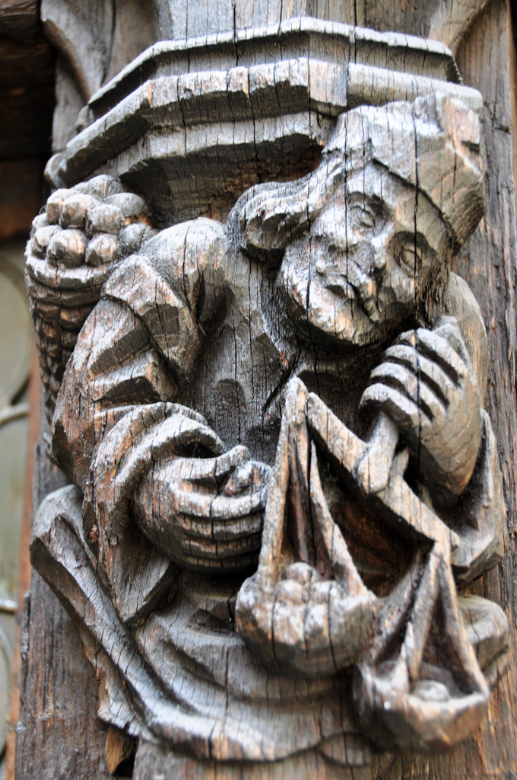
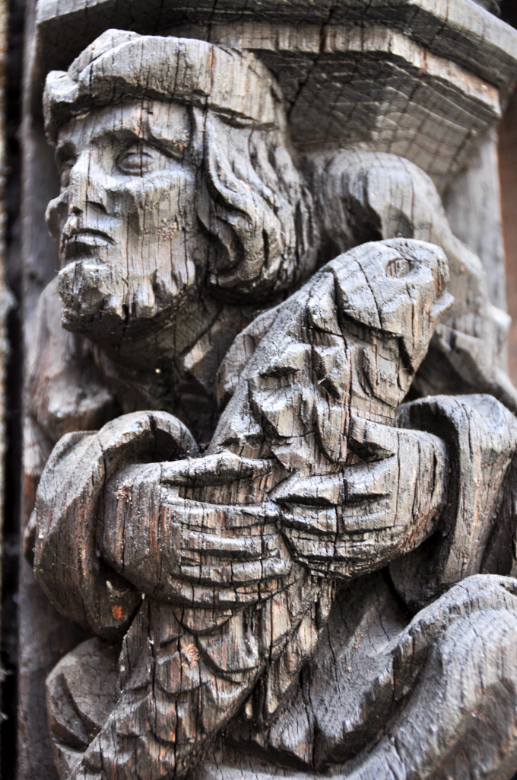
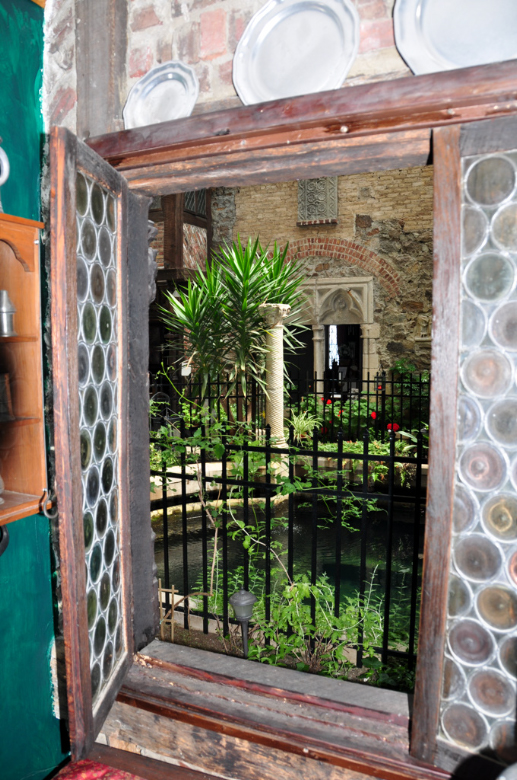
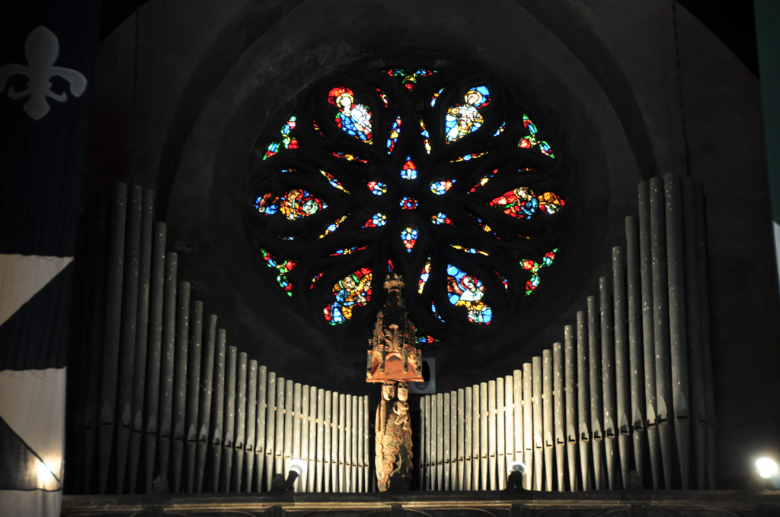
The castle incorporates architectural fragments collected from Europe, including stonework, columns, and decorative elements intended to evoke the appearance of historic fortifications and religious buildings. The interior includes a Great Hall, library, courtyard, and experimental spaces reflecting Hammond’s interest in the relationship between science, art, and architecture. Positioned on a coastal hill overlooking the Atlantic Ocean, the structure illustrates the adaptation of European stylistic traditions within the New England maritime landscape.
Hammond Castle contributes to understanding how individual creativity influenced architectural expression during the early twentieth century. The structure reflects both technological innovation and the cultural interest in historic European forms that shaped American design during this period. Its coastal setting demonstrates the continuing influence of maritime geography on architectural identity in New England.