National Museum of the American Indian
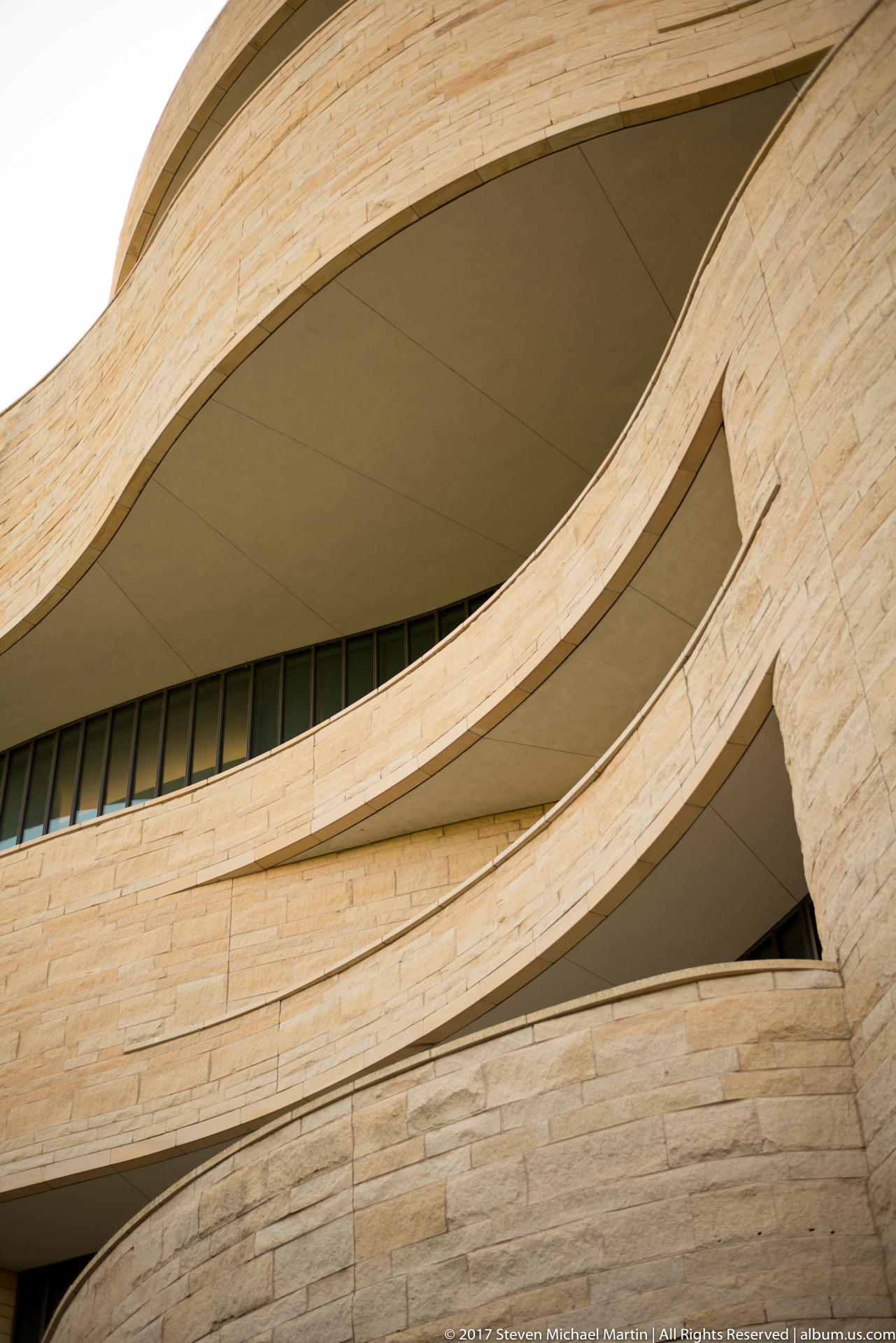
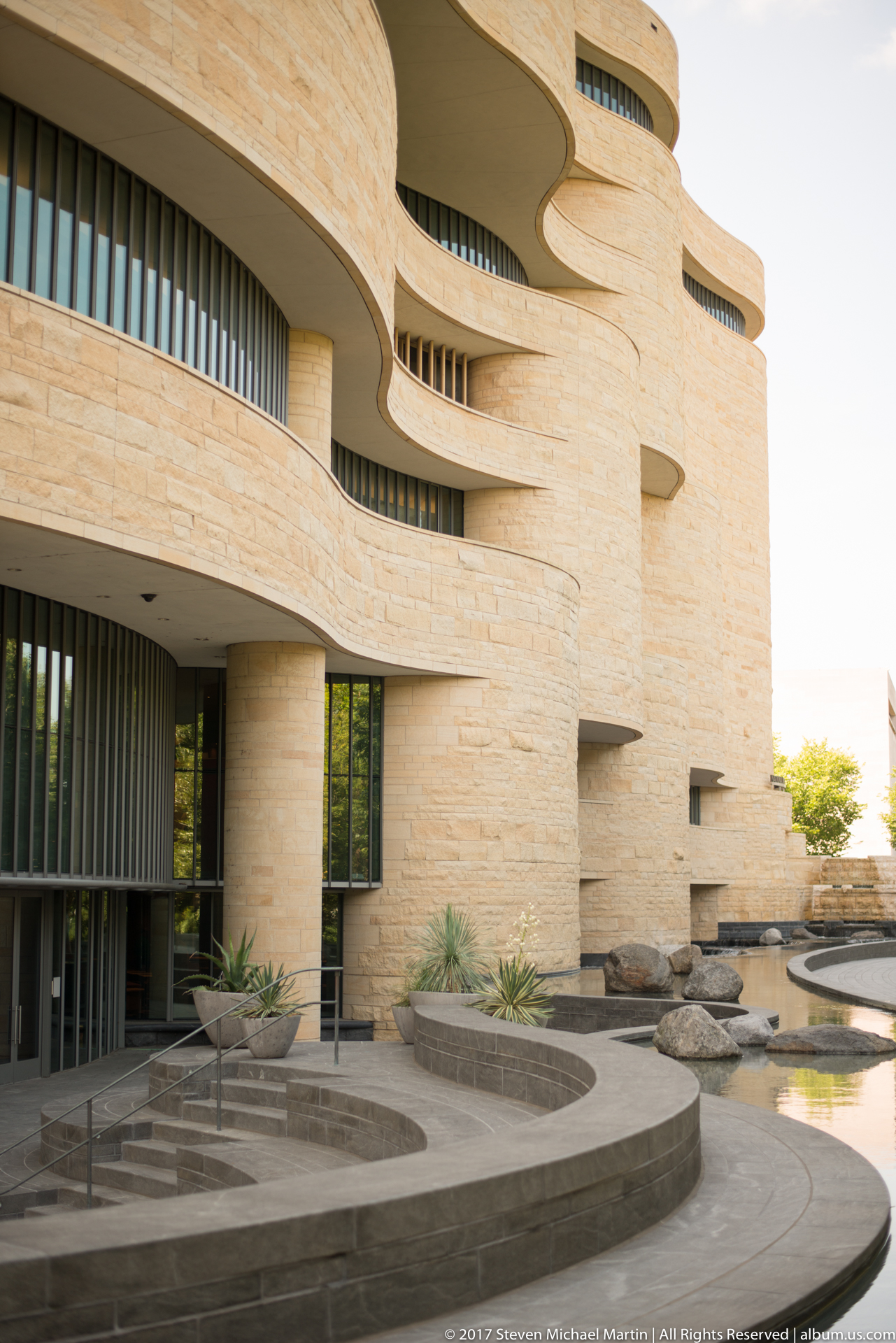
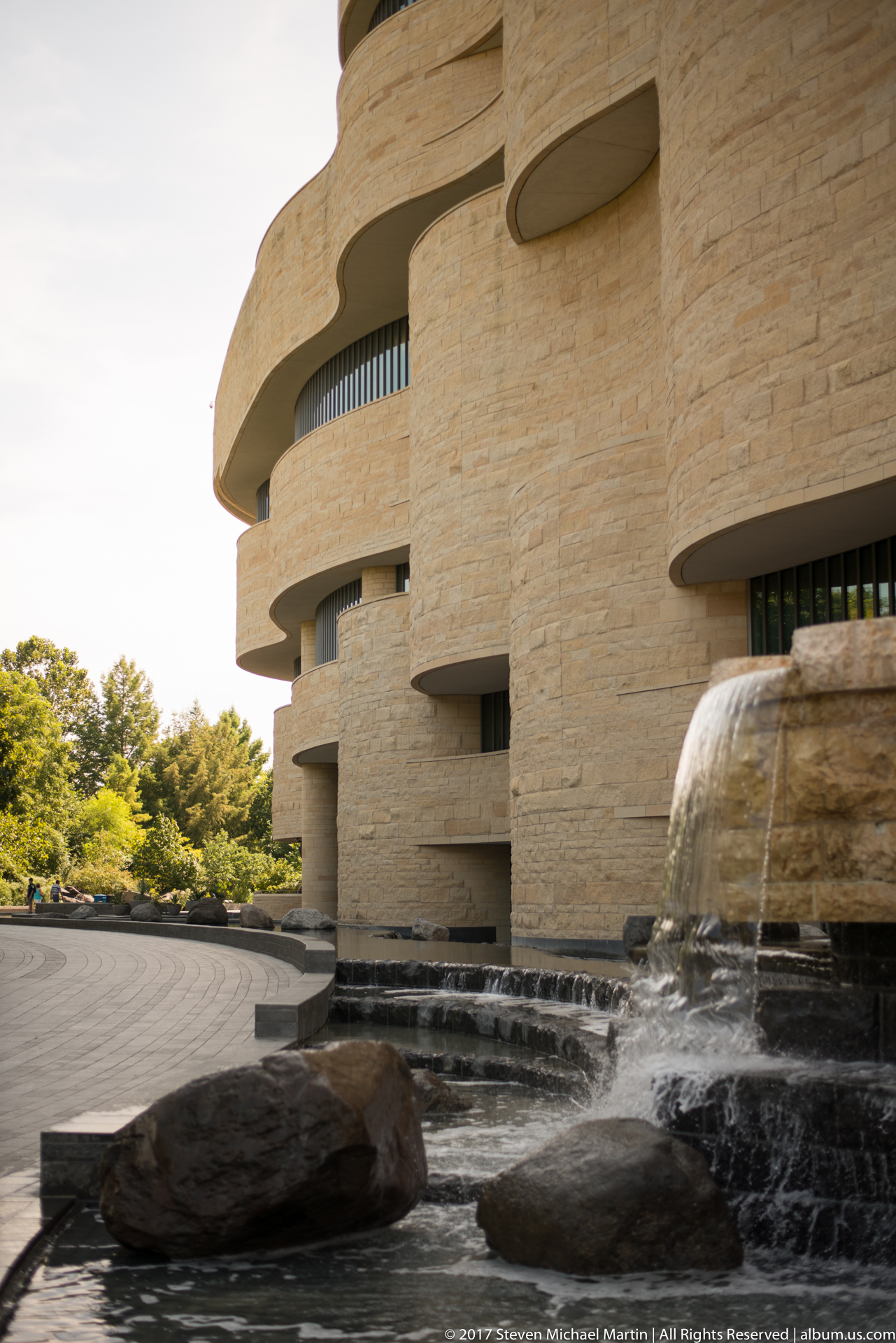
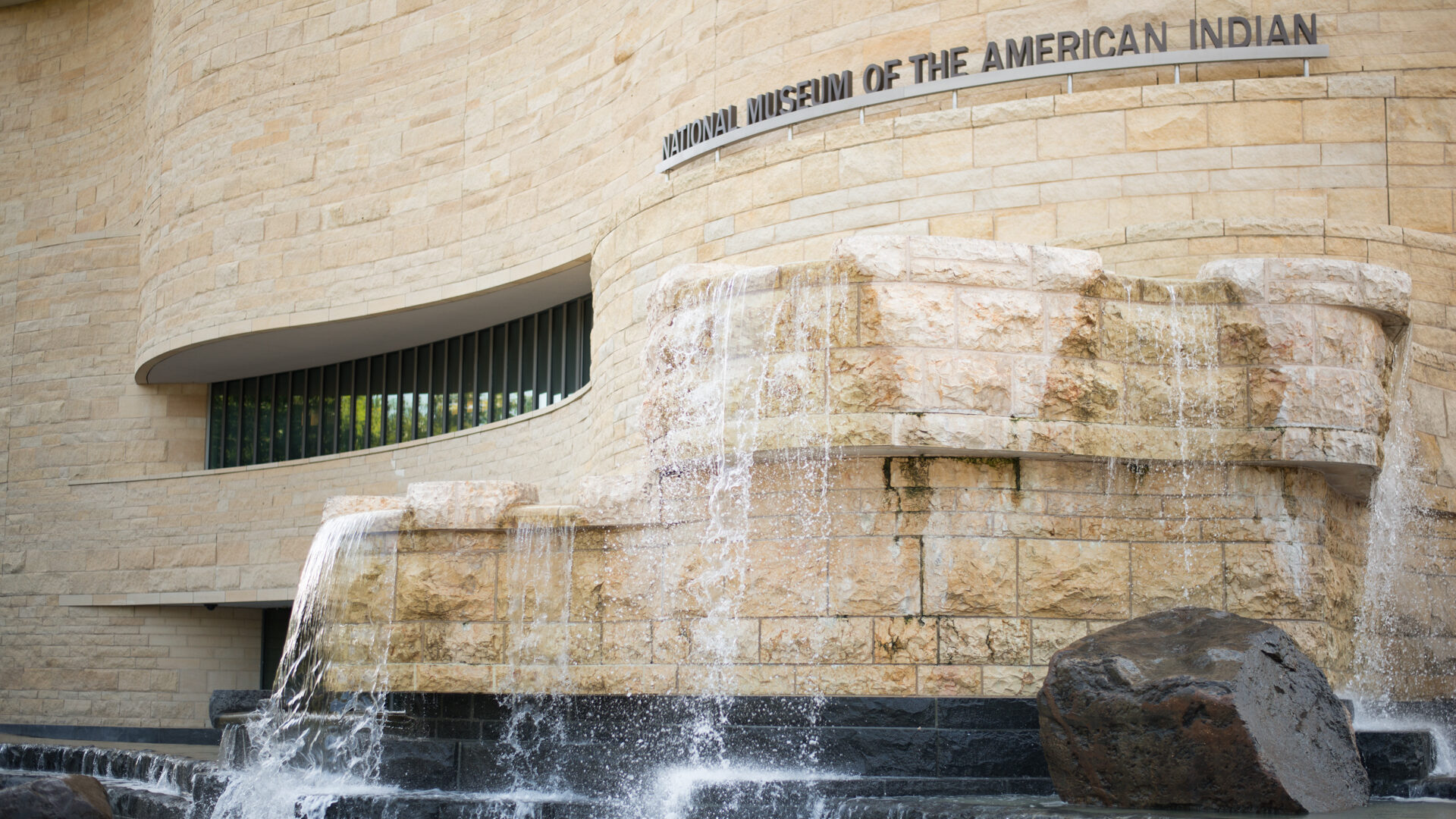
The National Museum of the American Indian occupies a prominent location on the National Mall, presenting the history, culture, and artistic traditions of Indigenous peoples of the Western Hemisphere. Opened in 2004 as part of the Smithsonian Institution, the museum represents one of the first major national efforts to interpret Native history through collaboration with Indigenous communities themselves. Its curvilinear design, clad in warm-toned limestone intended to evoke natural rock formations shaped by wind and water, reflects an architectural approach that emphasizes continuity between cultural identity and the natural environment.
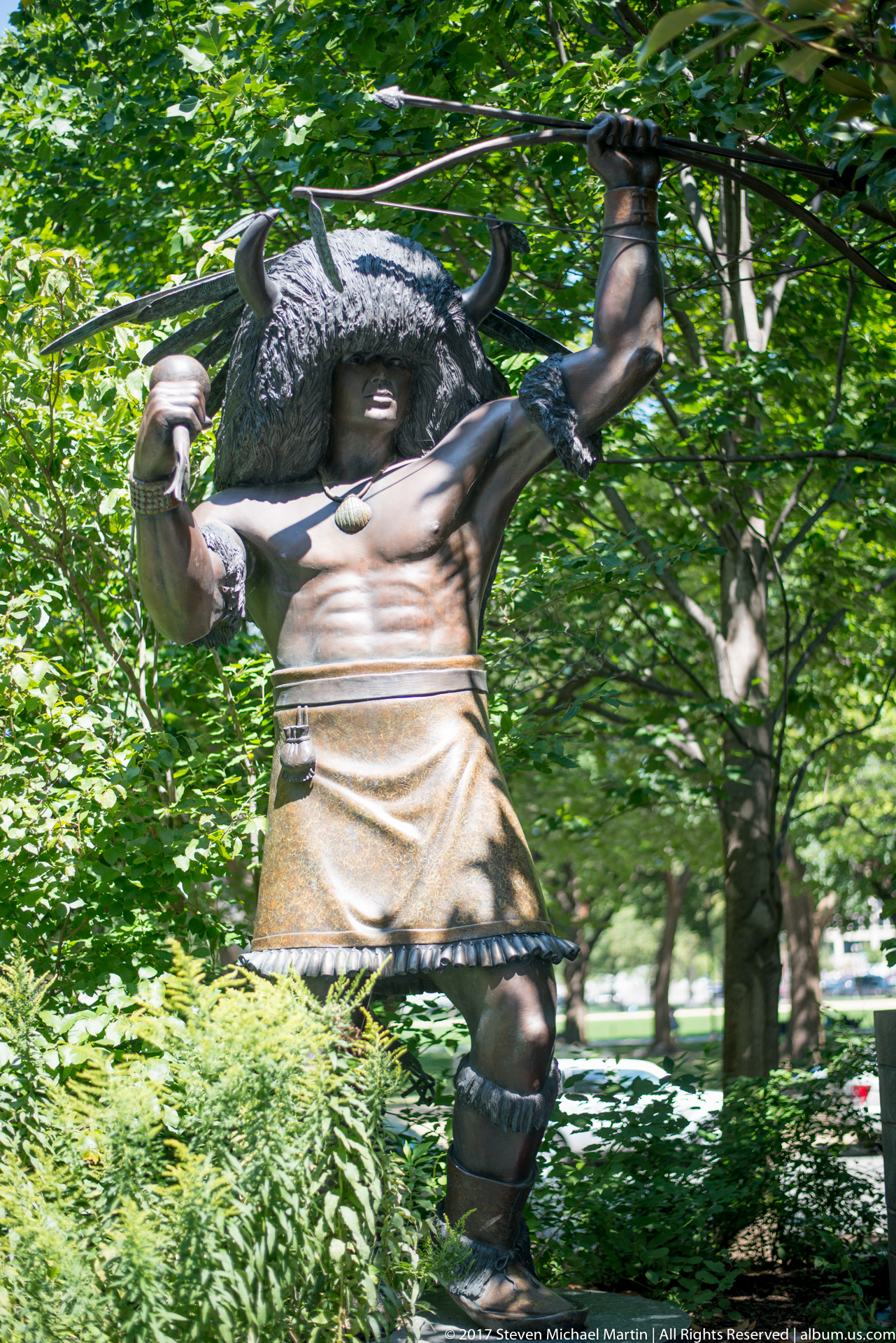
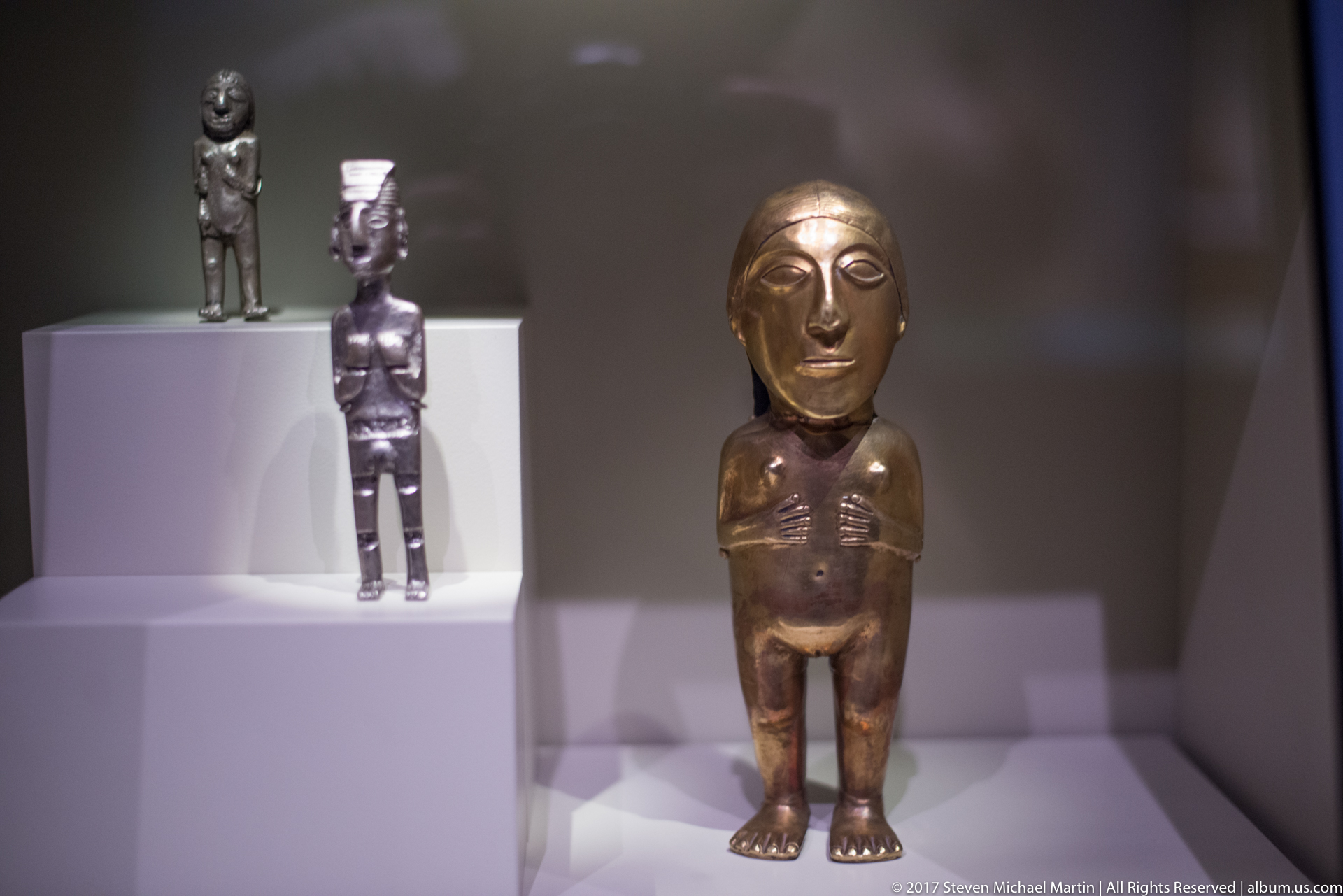
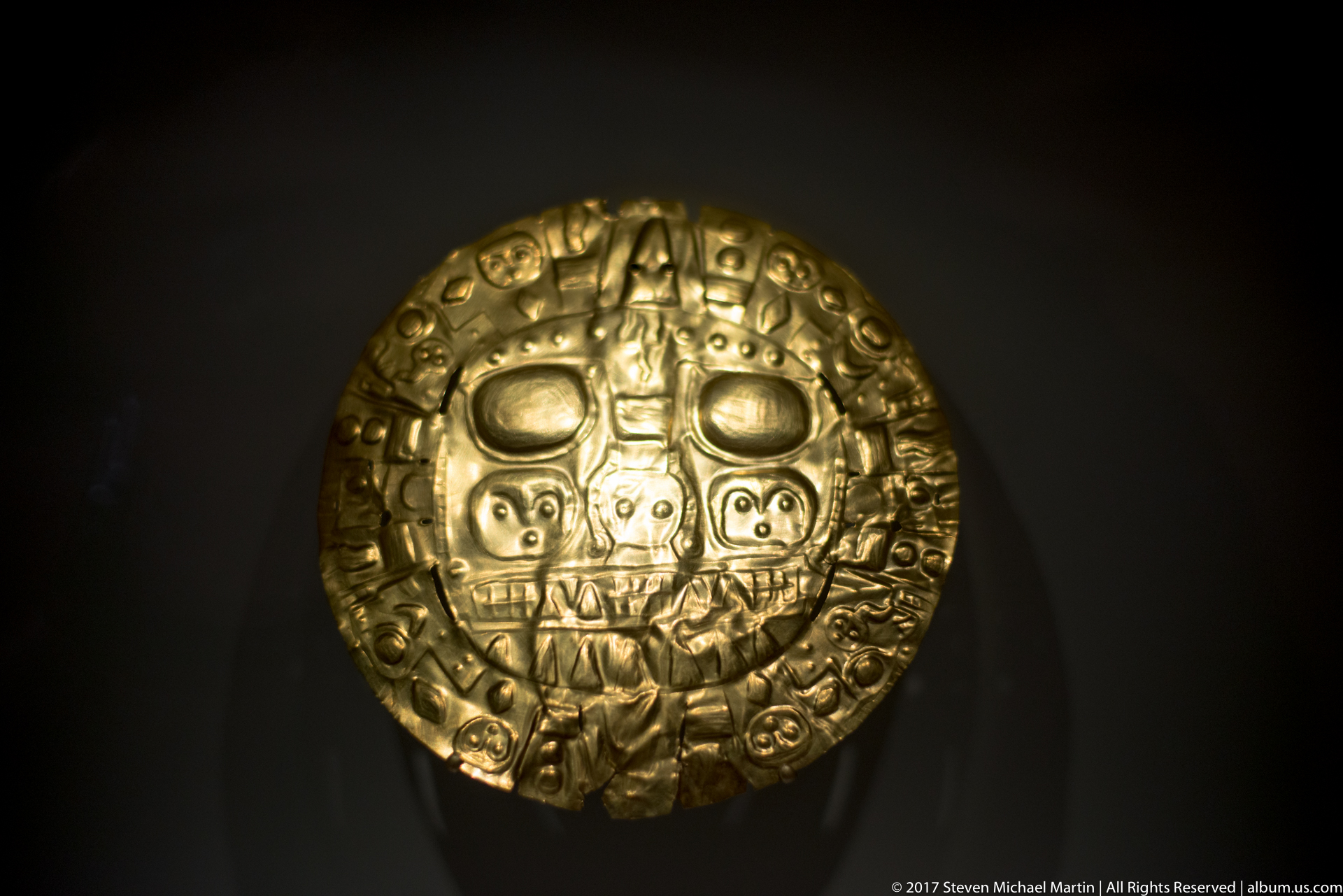
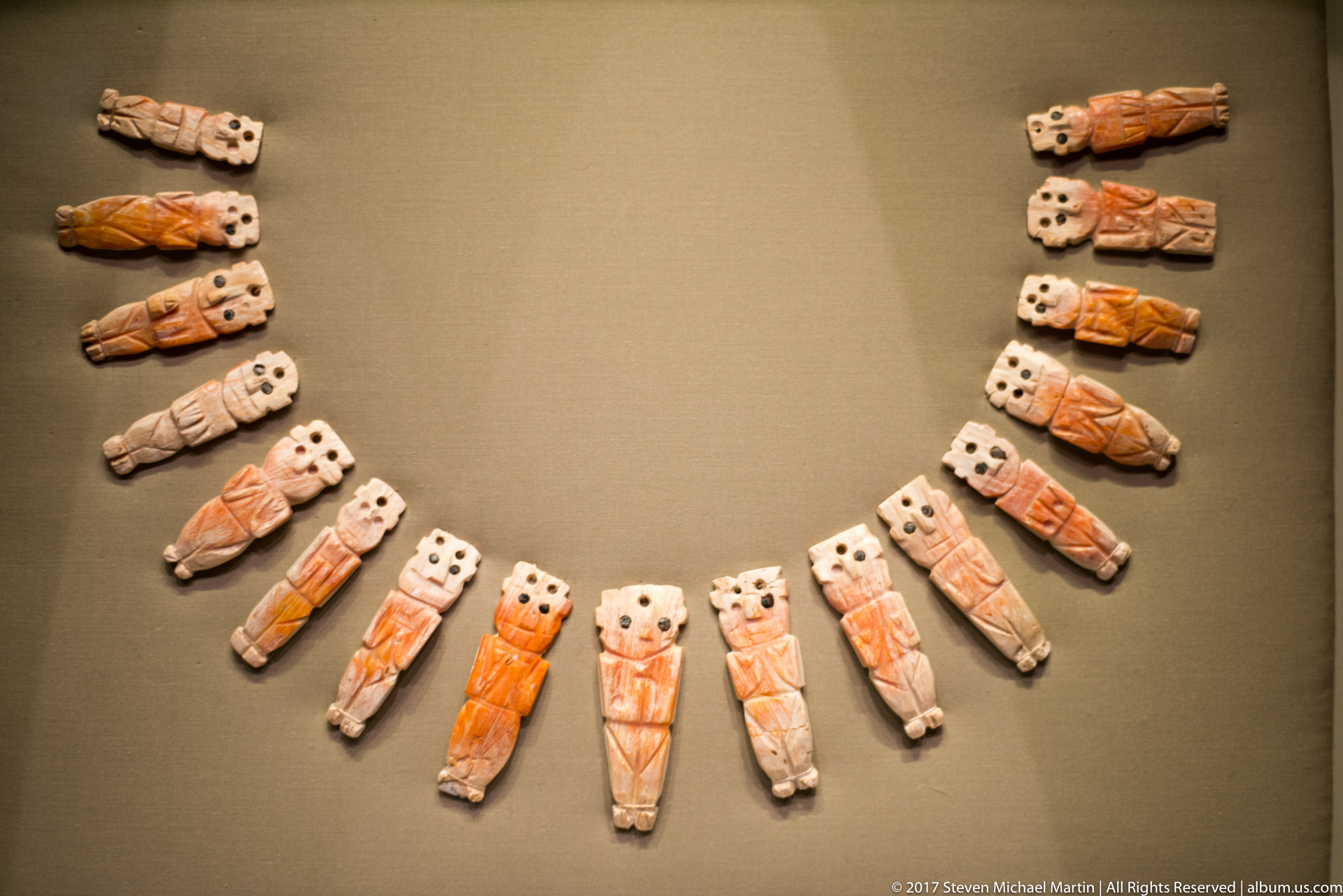
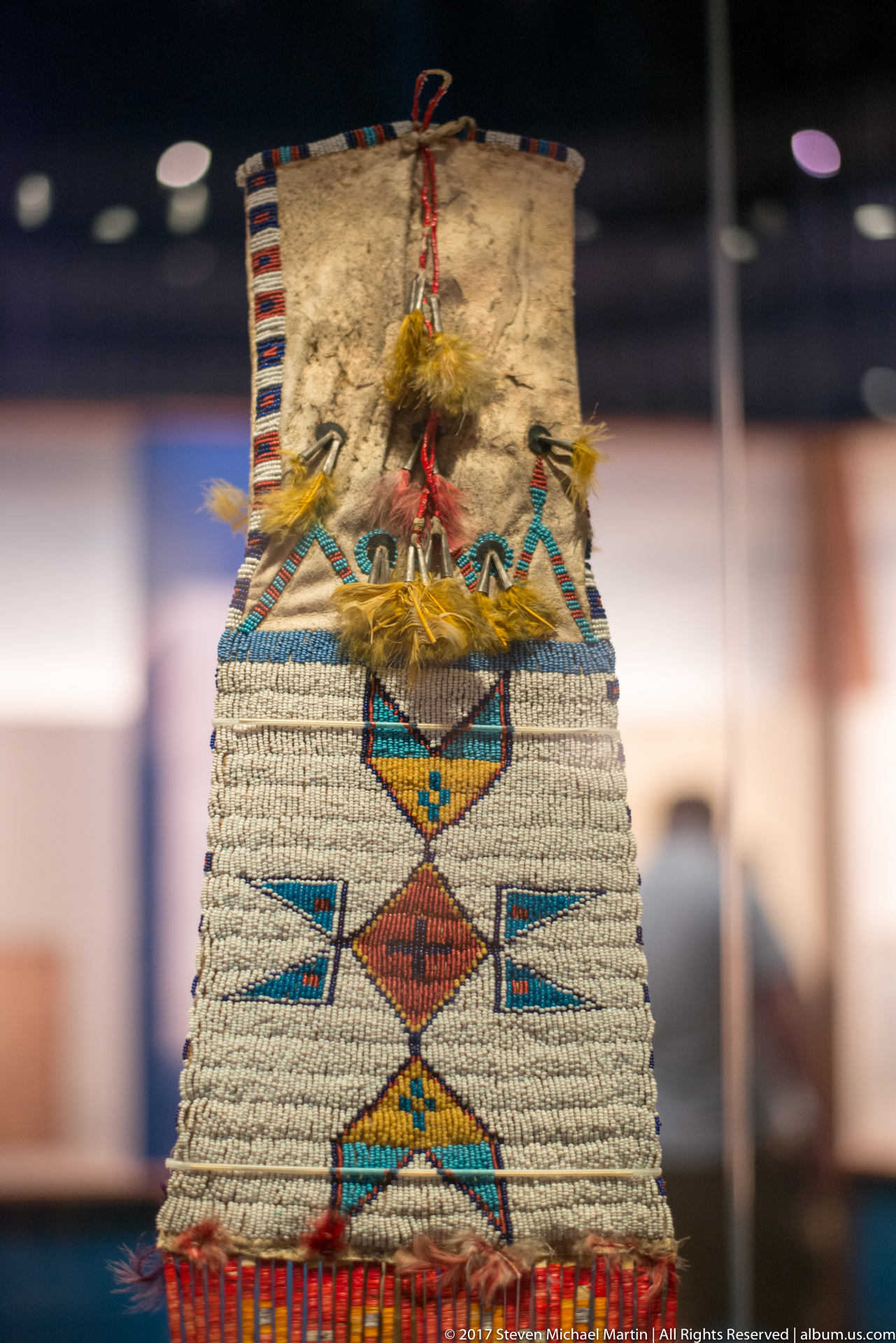
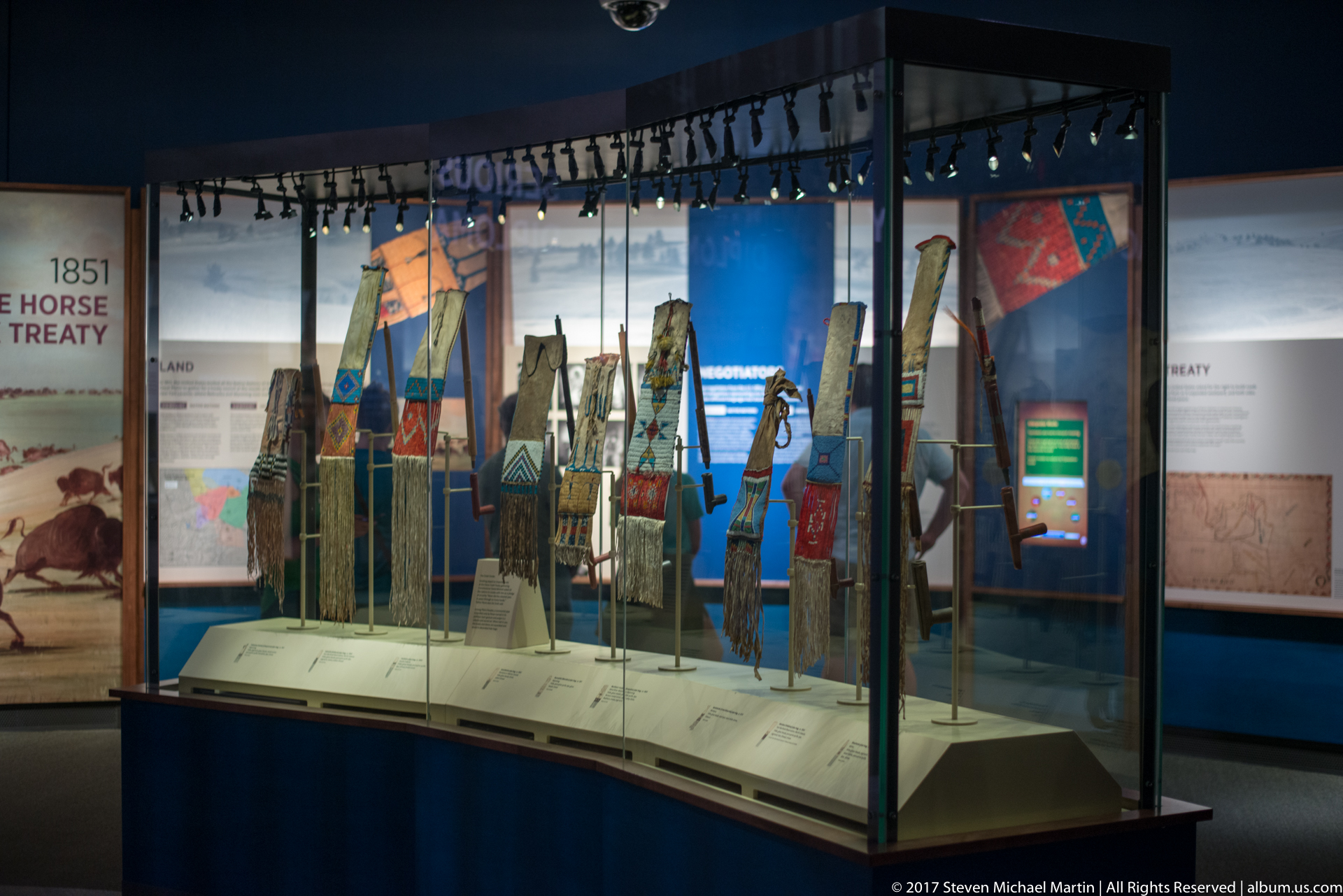
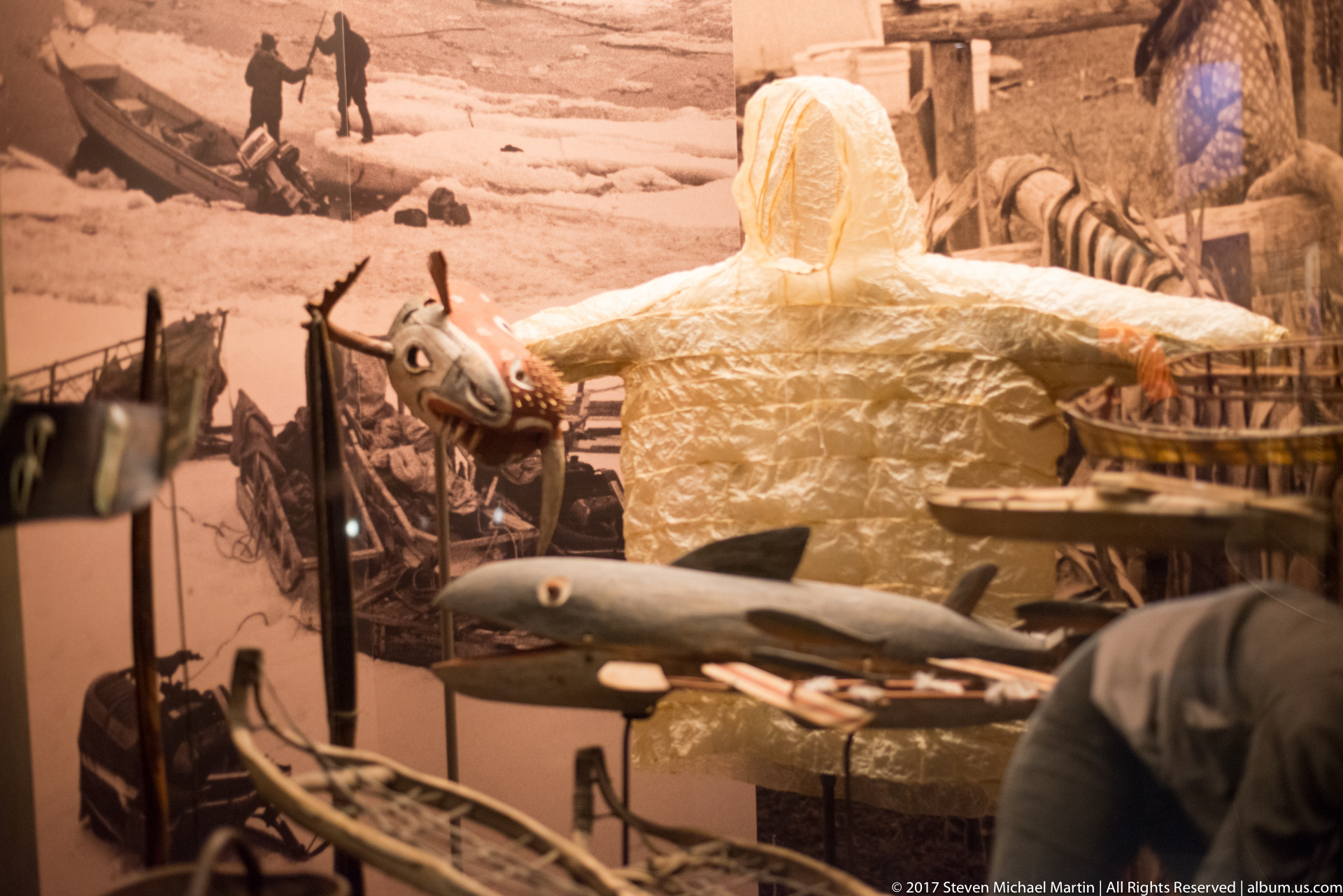
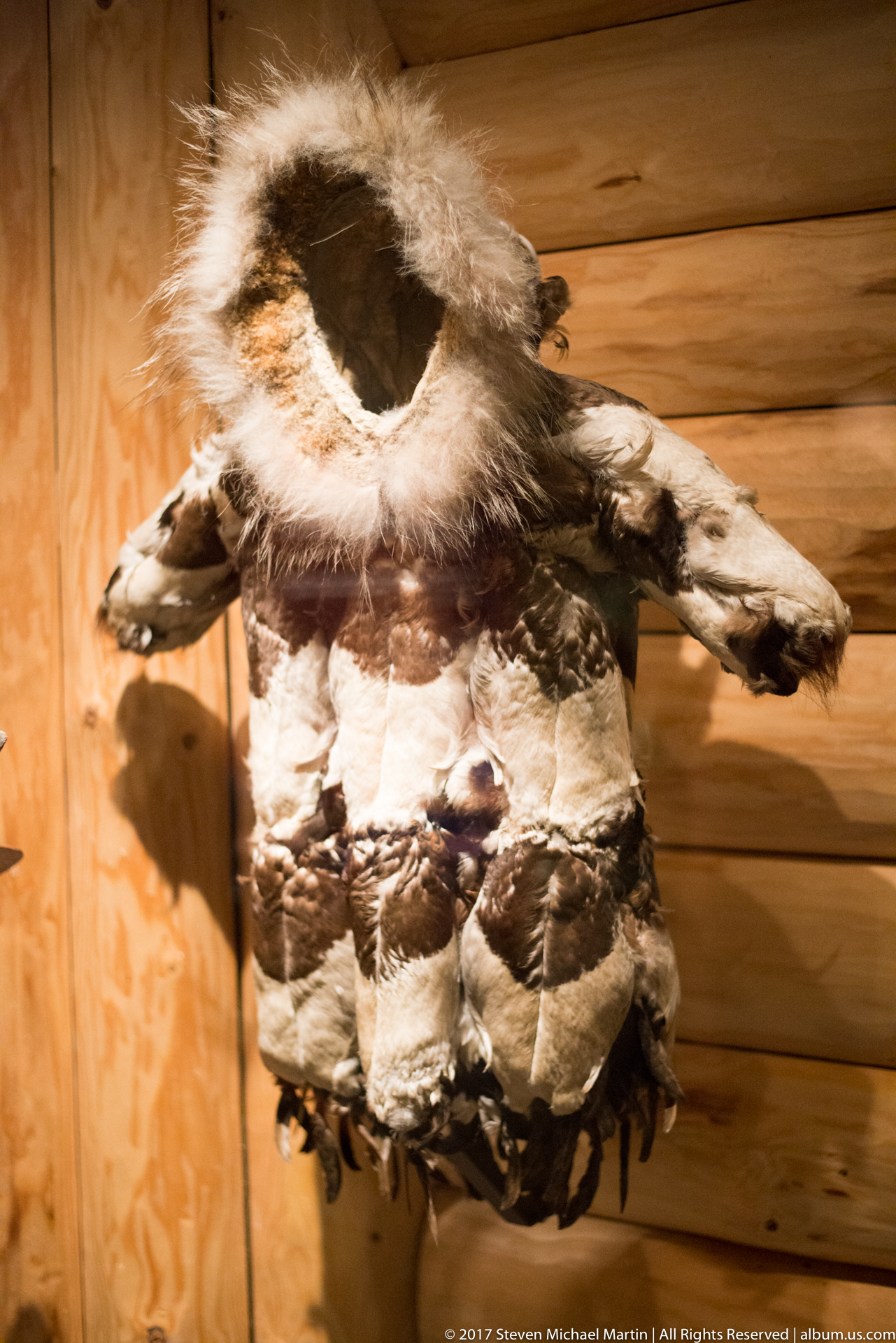
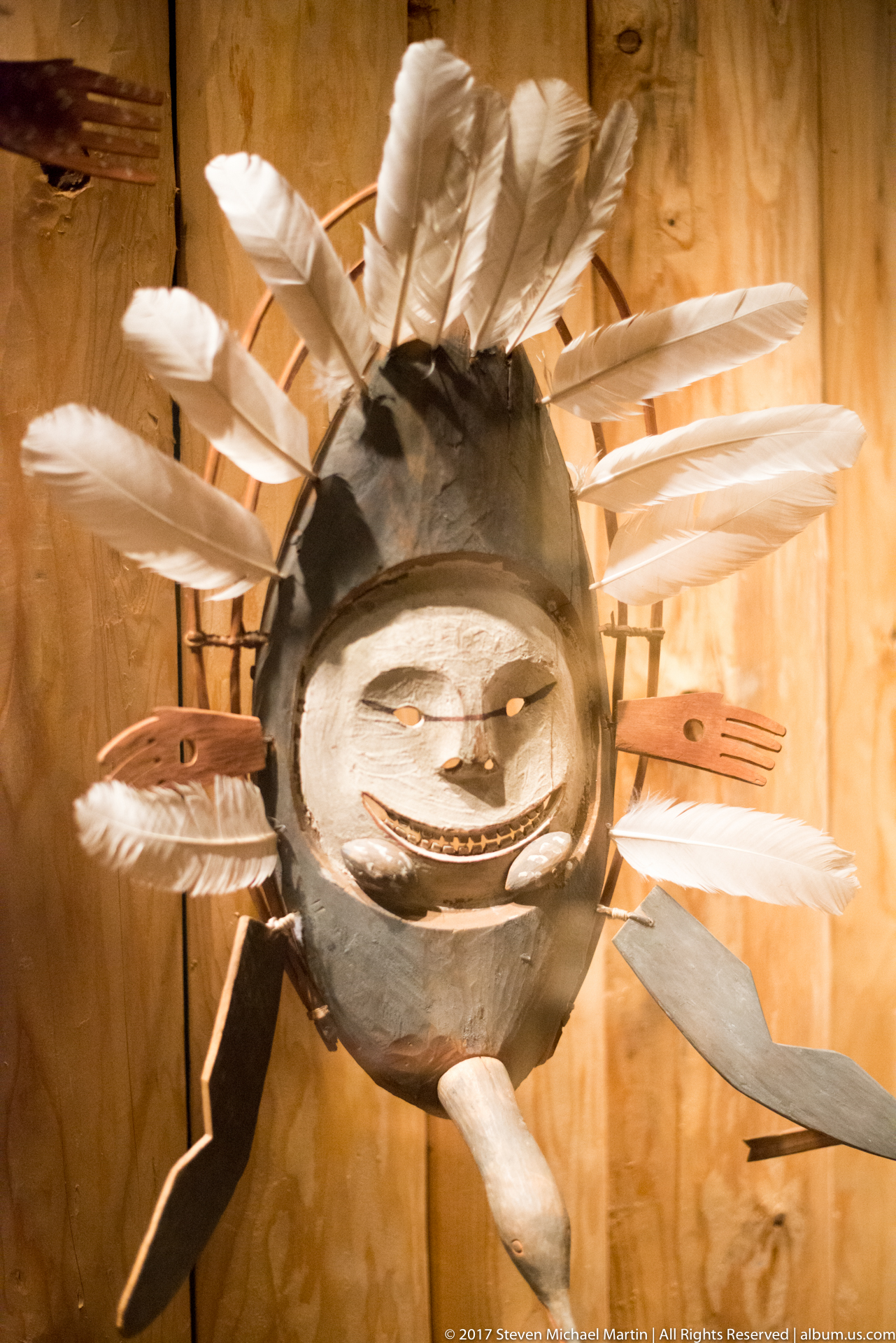
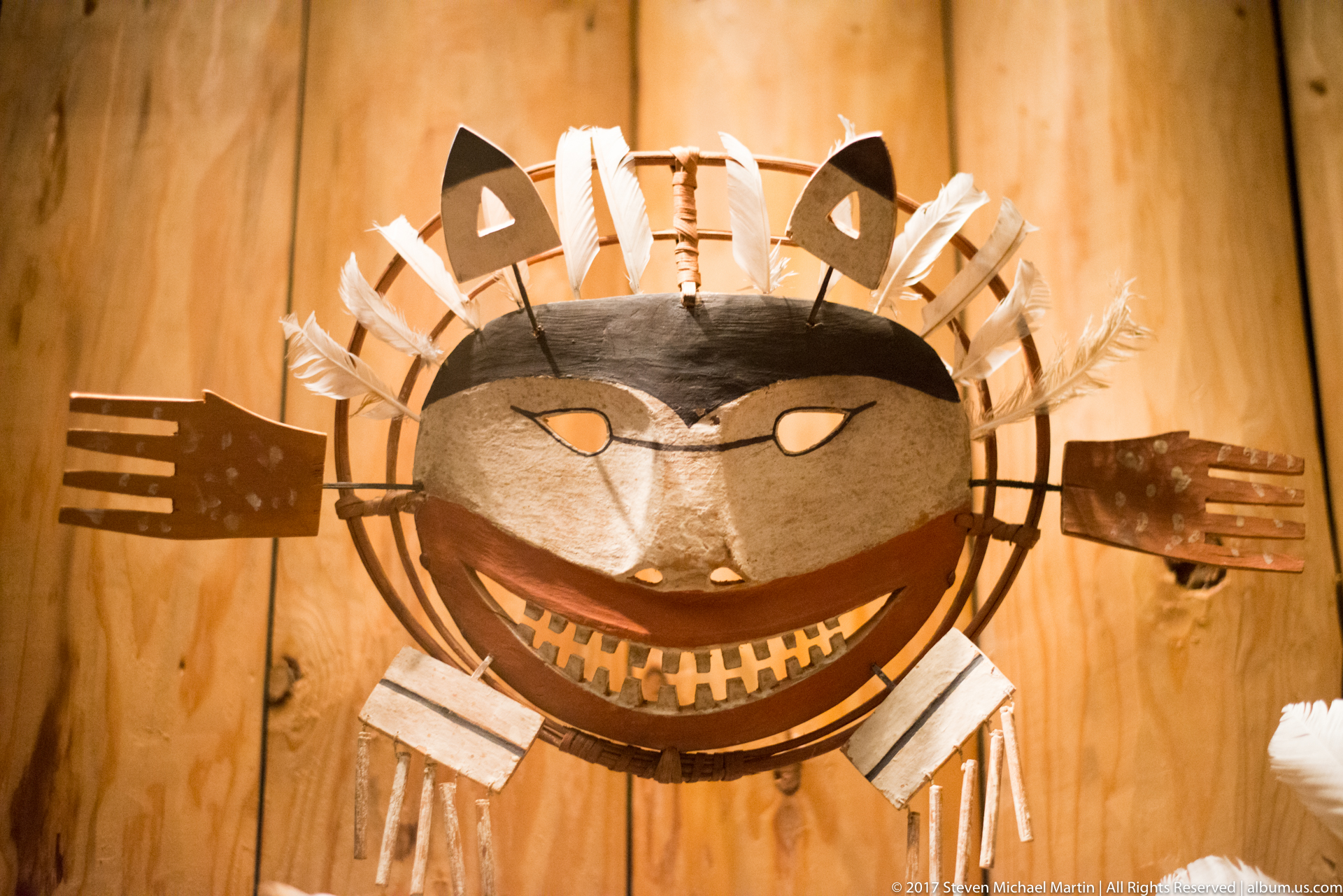
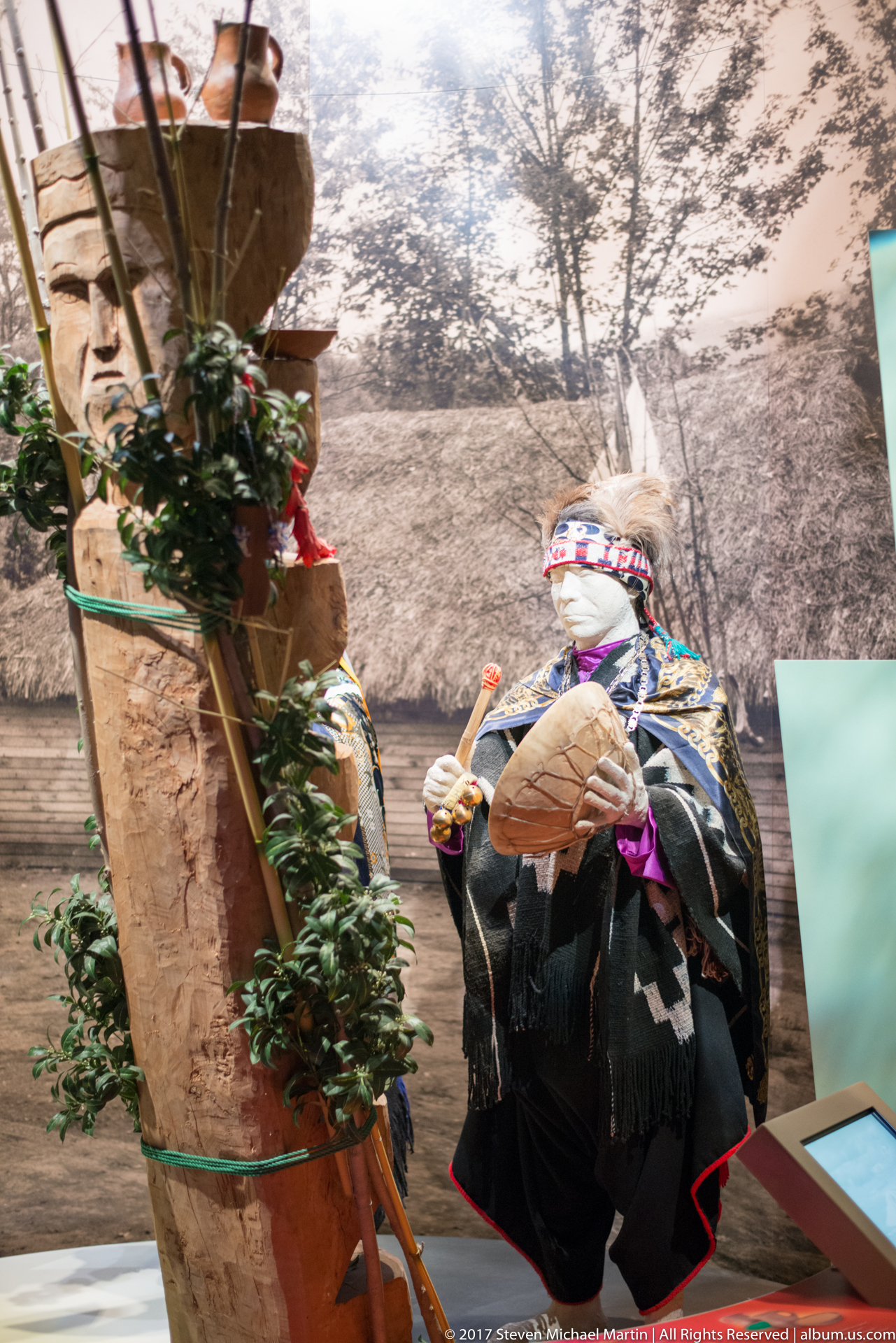
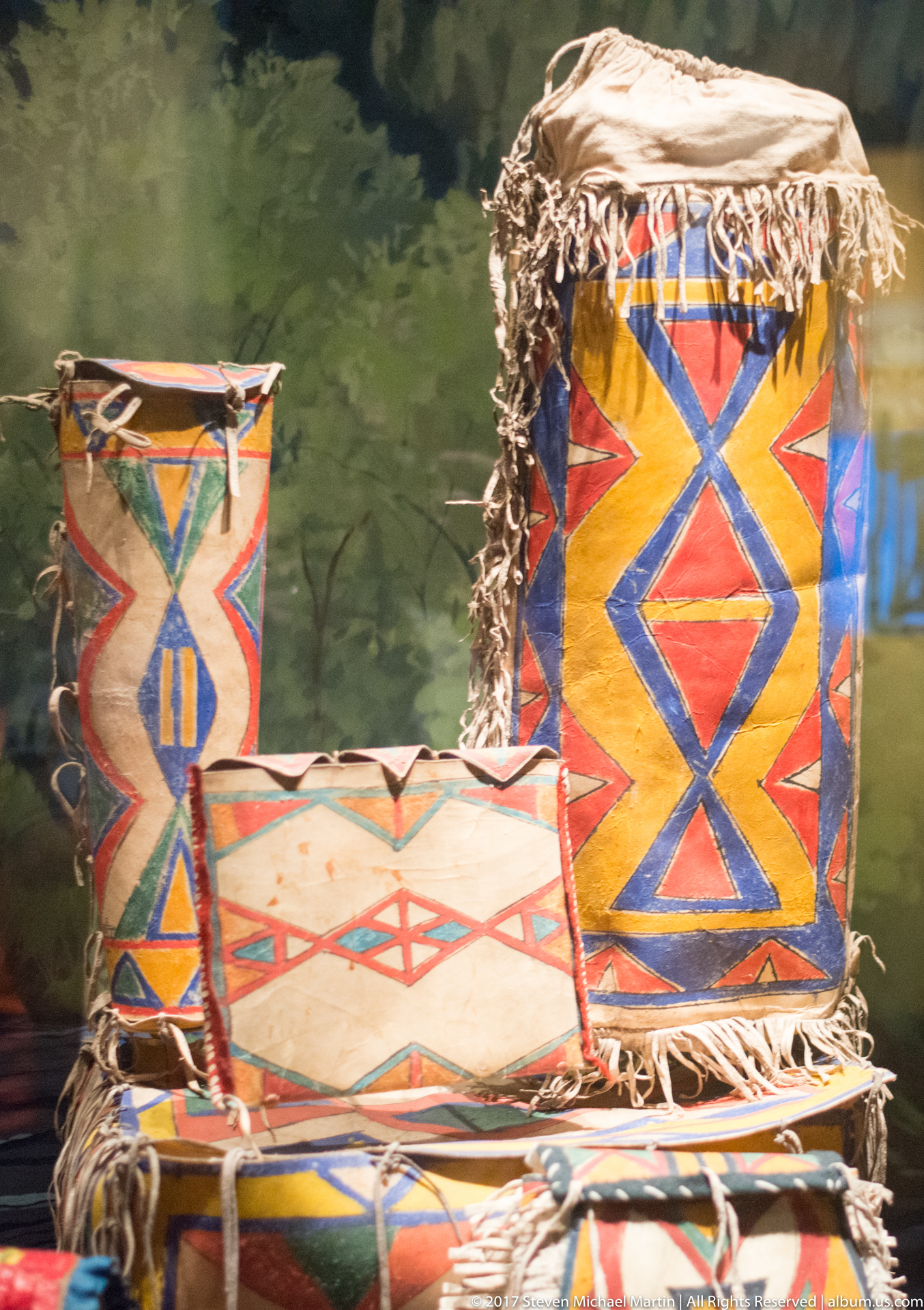
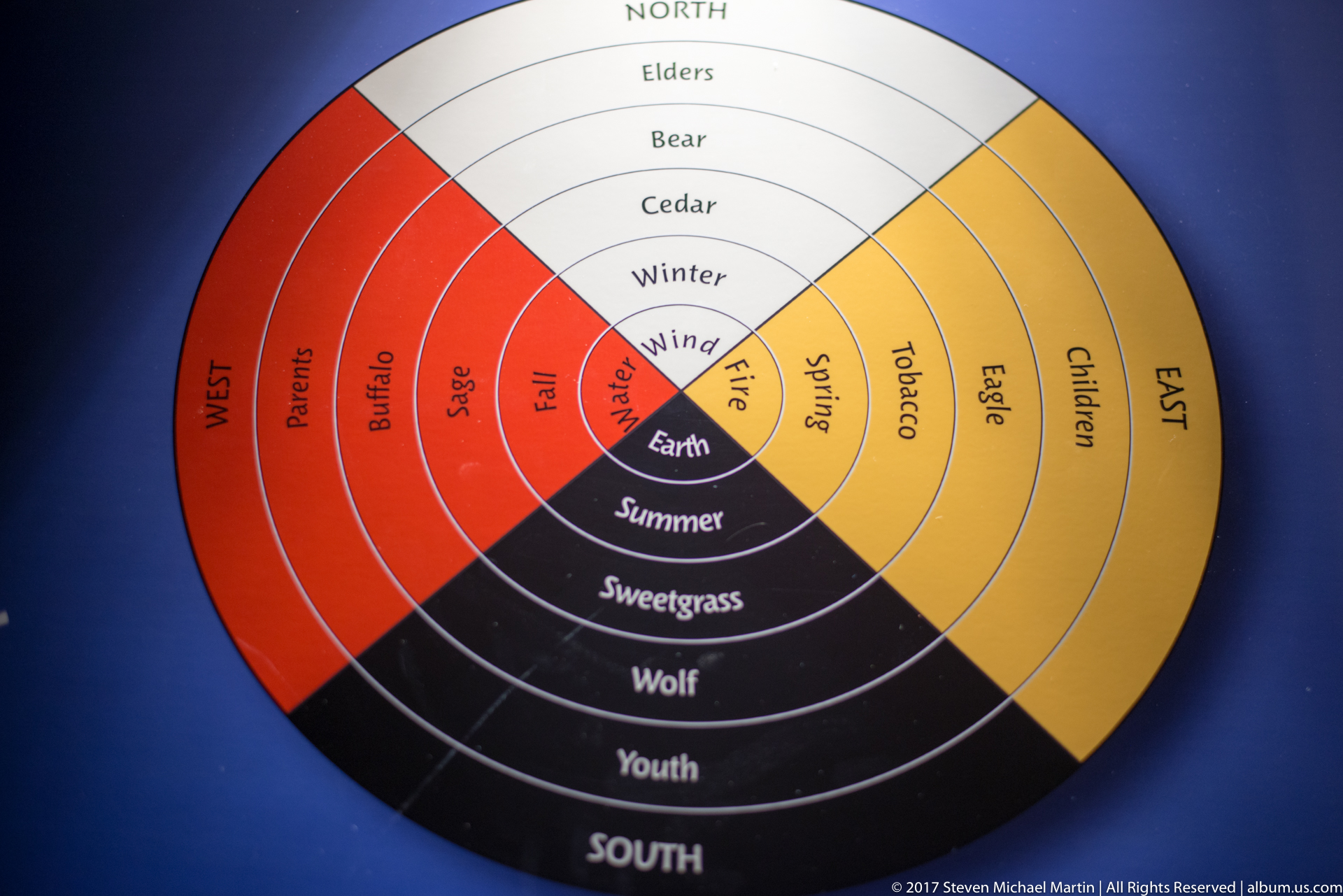
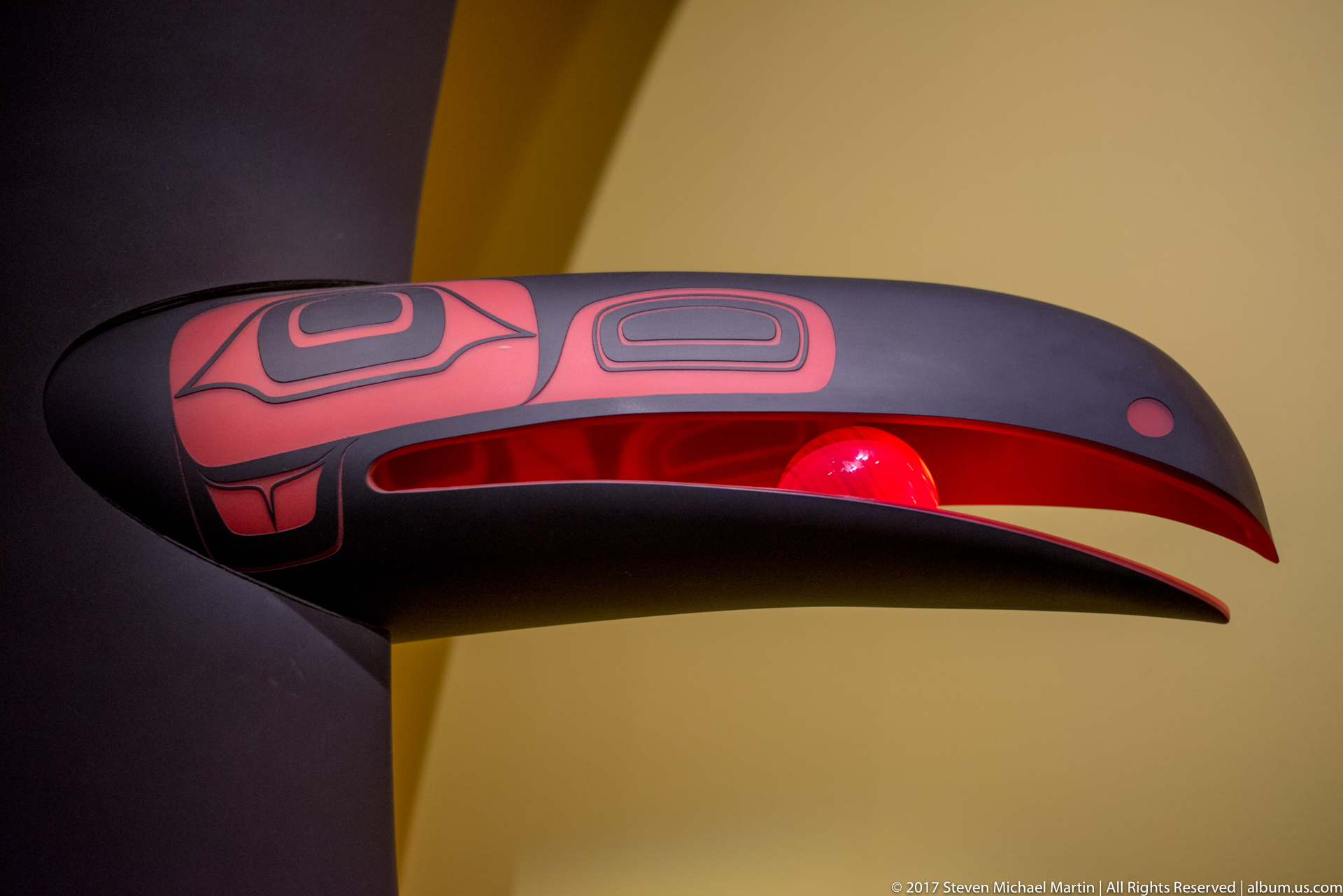
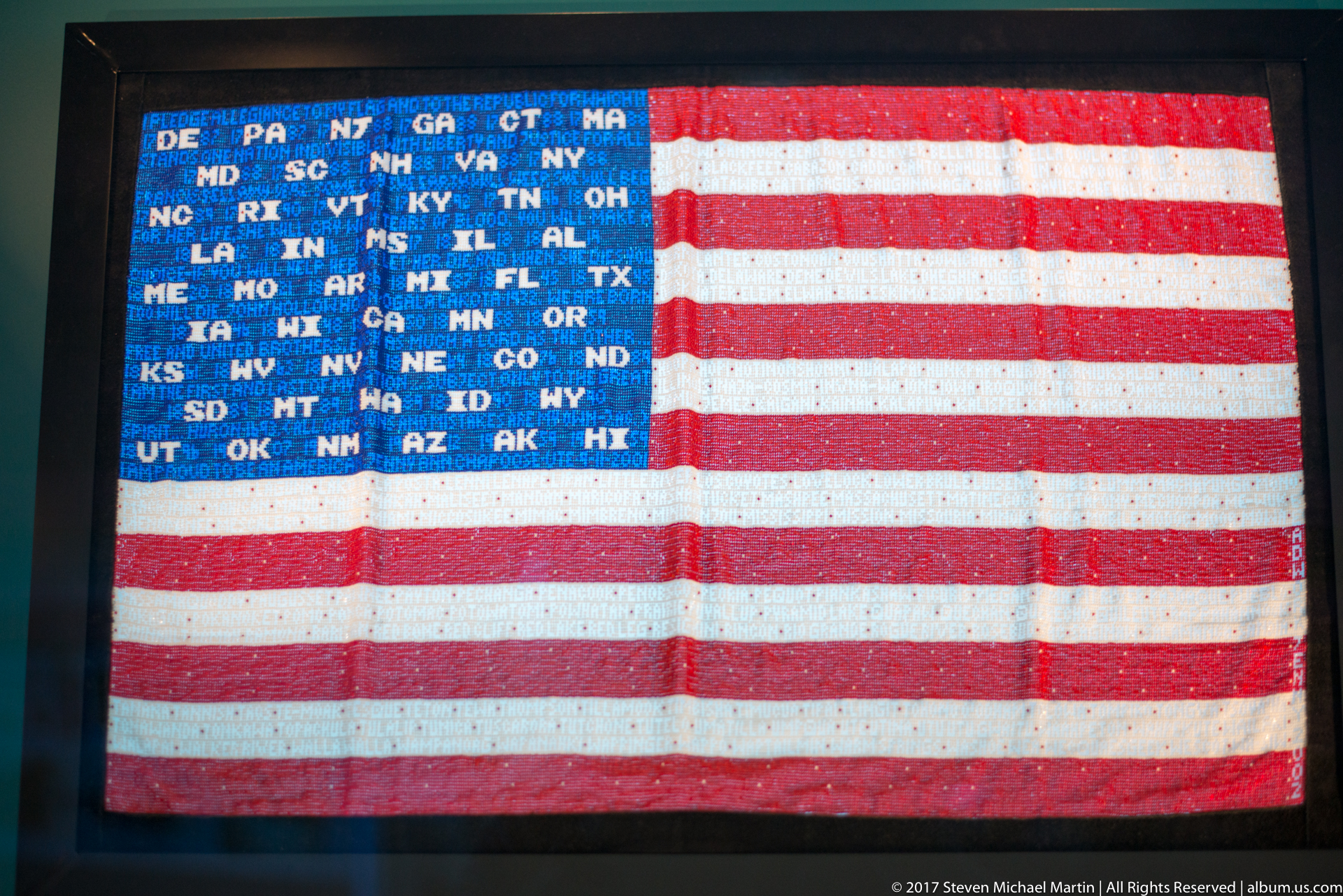
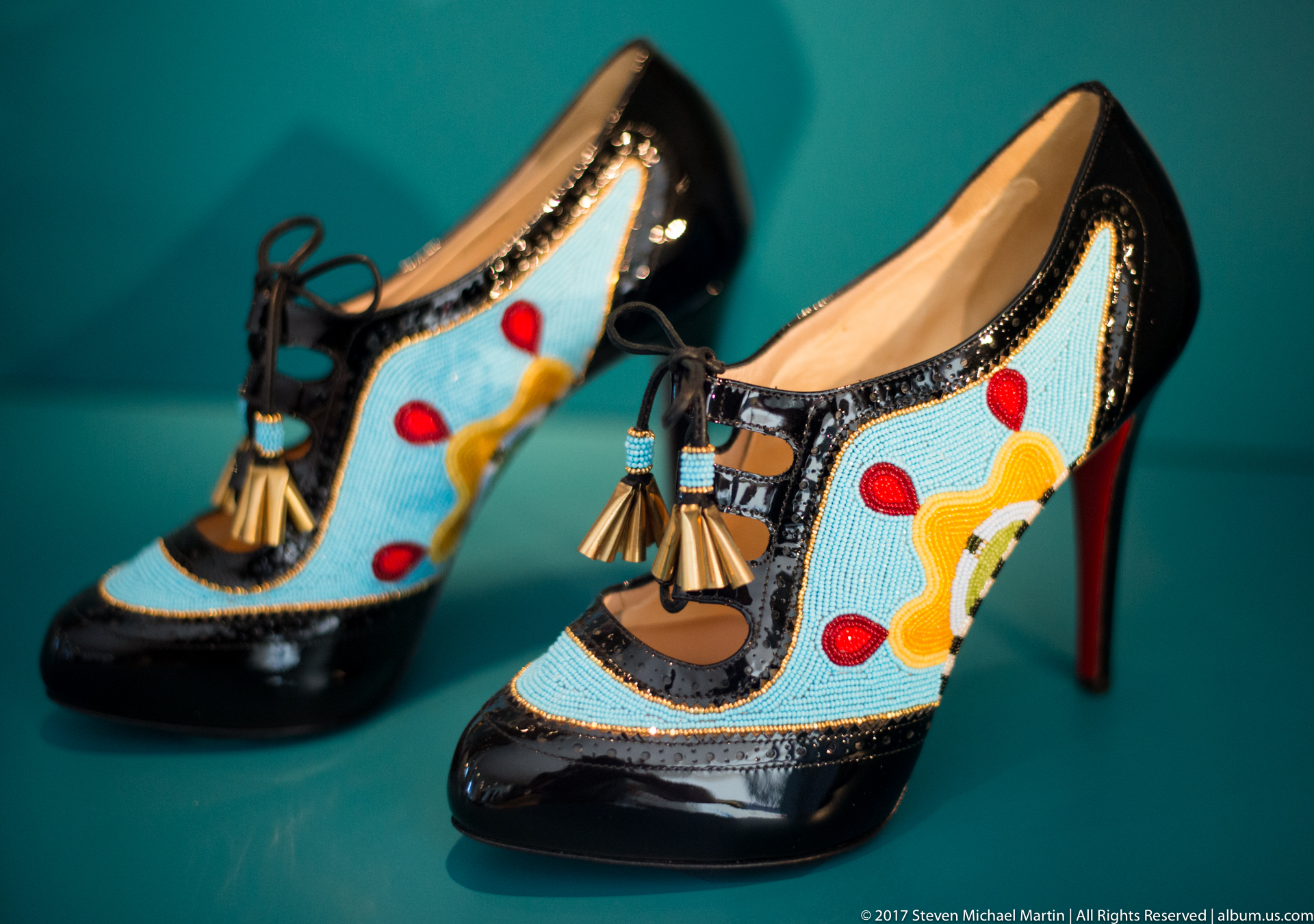
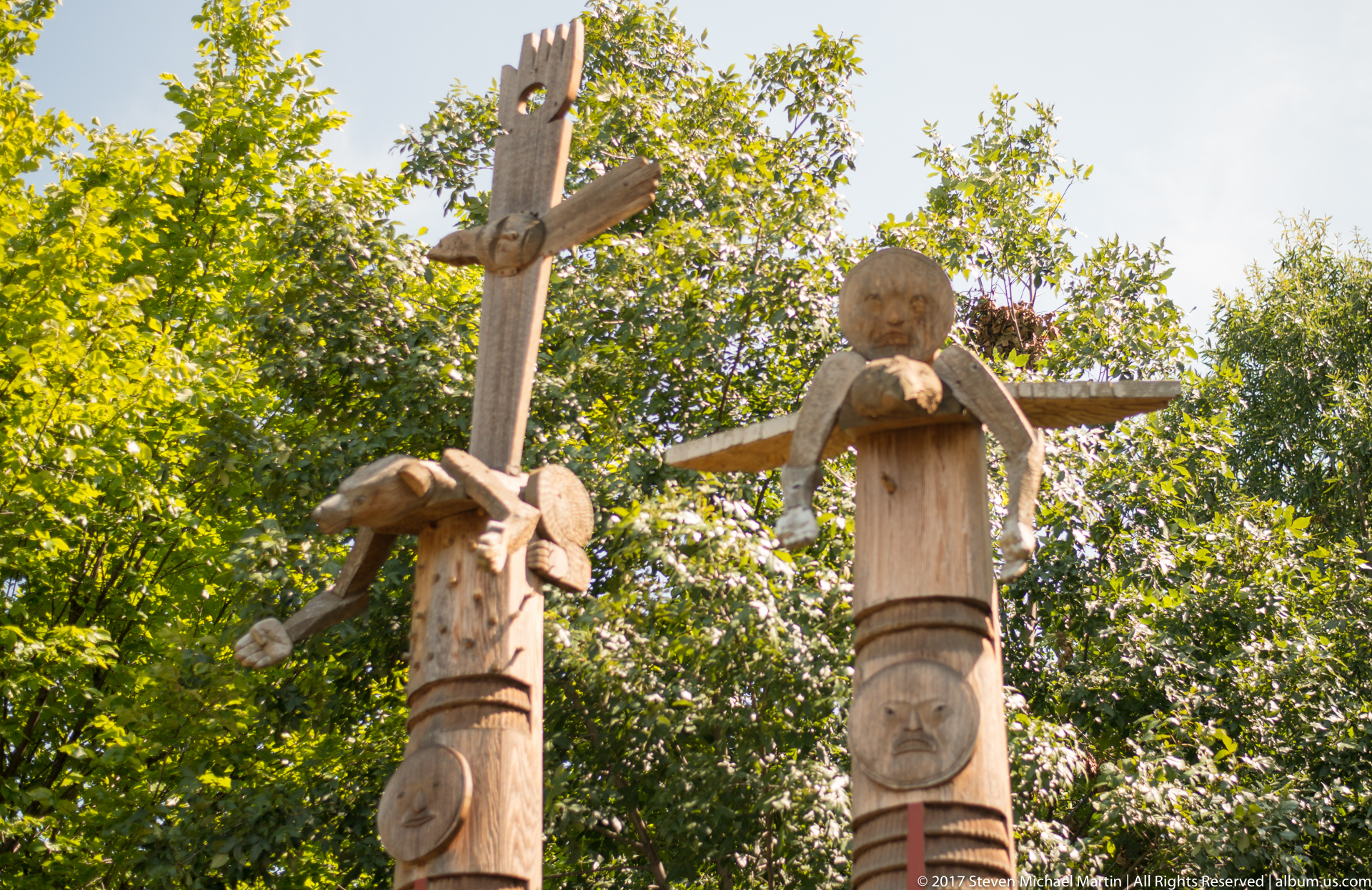
The museum’s exhibitions explore the diversity of Native cultures from the Arctic to South America, presenting artifacts, oral histories, and contemporary artistic works that illustrate both historical continuity and living cultural traditions. Surrounding landscape features, including wetlands and plantings of species significant to Indigenous communities, reinforce the relationship between land and cultural identity emphasized throughout the museum’s interpretive design.
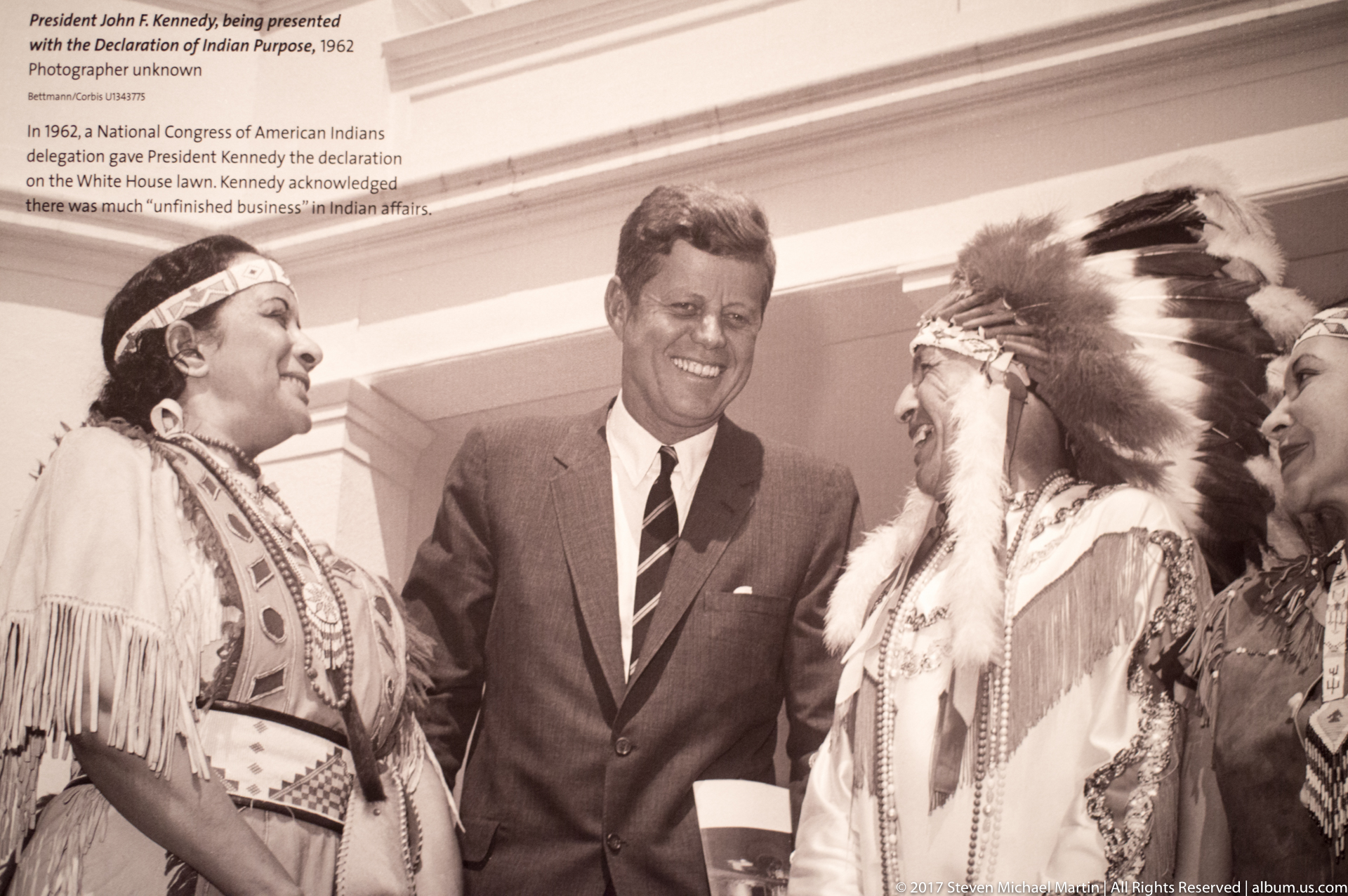
The National Museum of the American Indian contributes to understanding the depth and diversity of Indigenous experience across the Americas. Its collaborative curatorial approach reflects evolving museum practices that emphasize representation, cultural context, and shared authority in historical interpretation. The museum’s presence on the National Mall reinforces the importance of Native history within the broader narrative of the United States and the Western Hemisphere.