National Museum of African American History and Culture
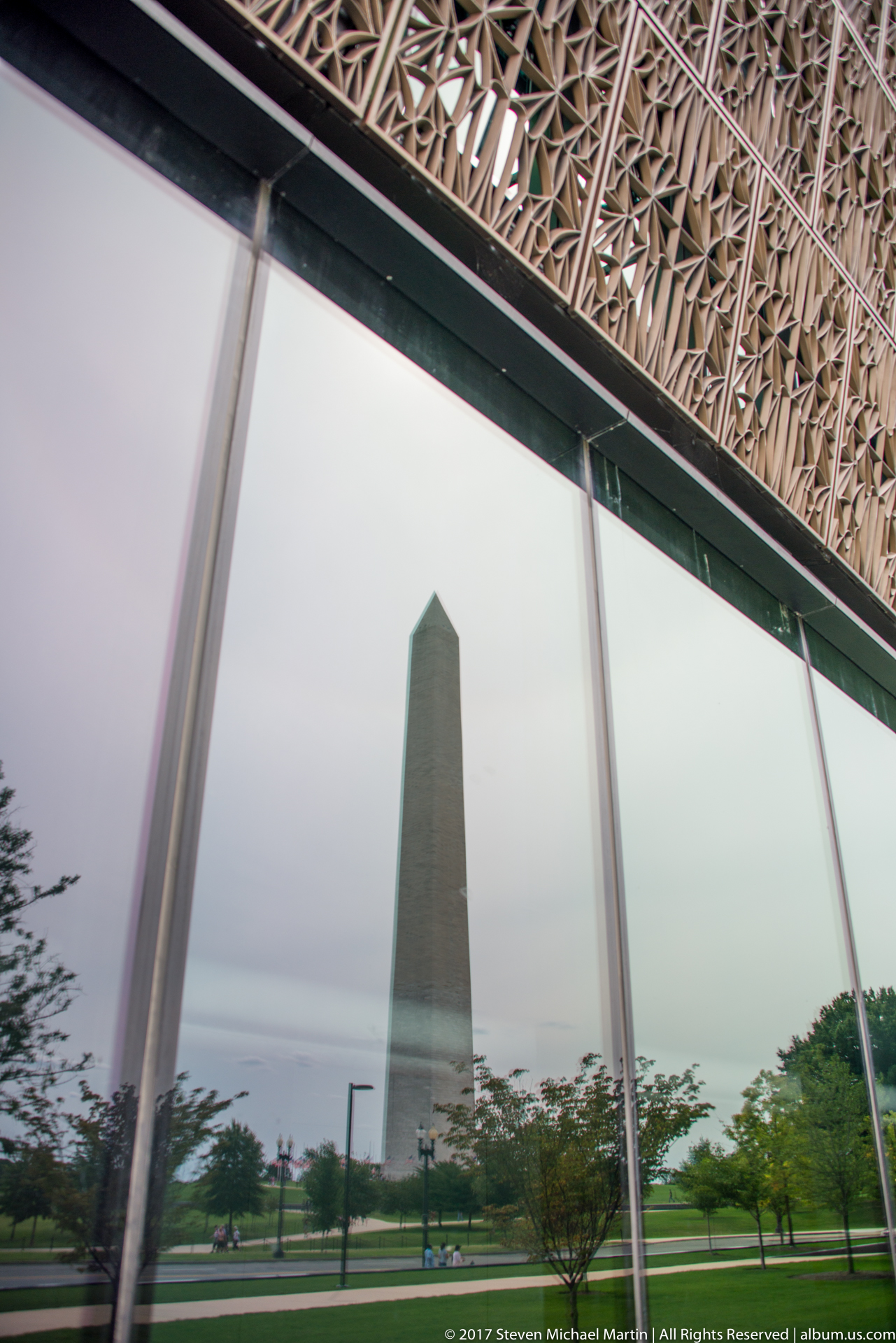
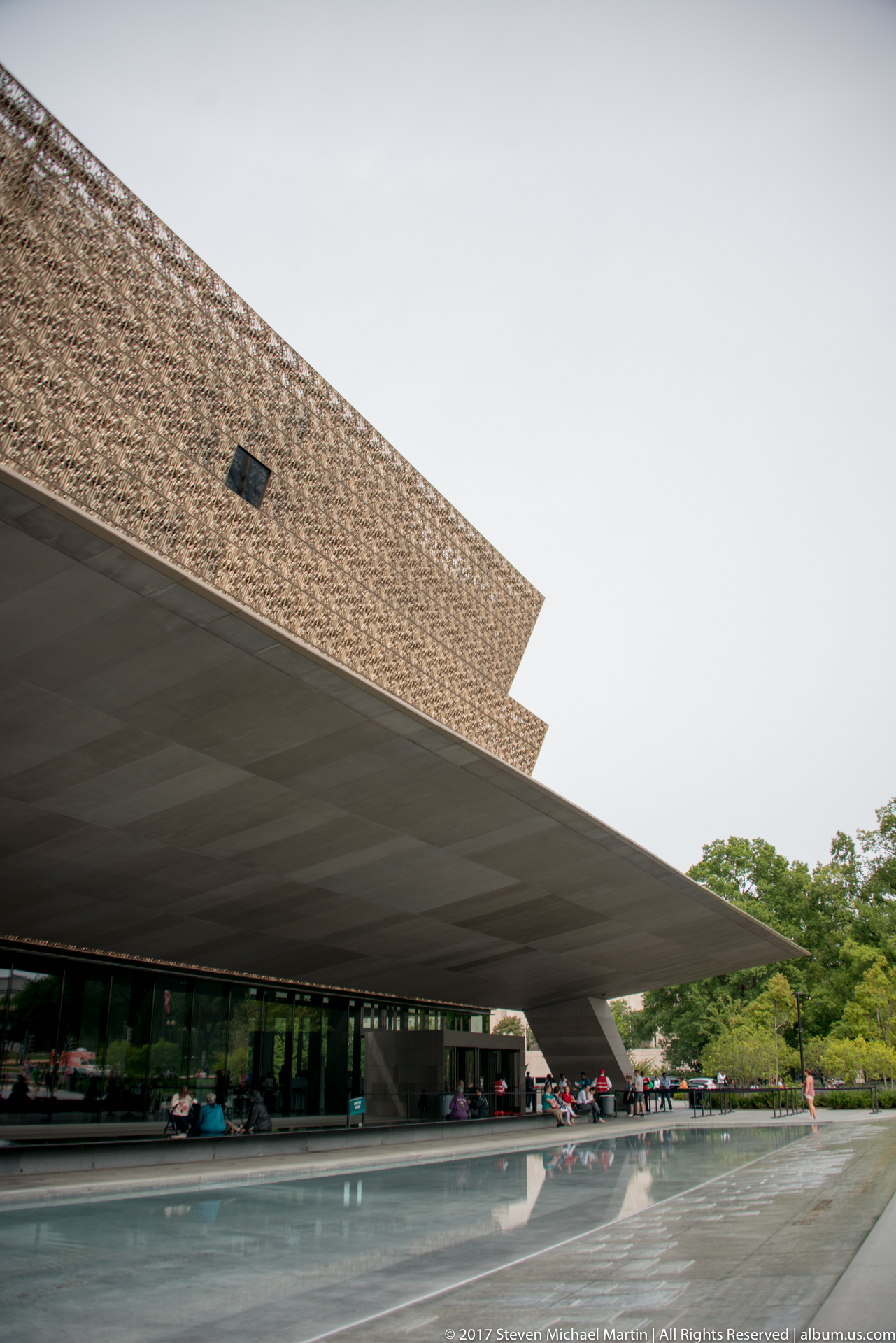
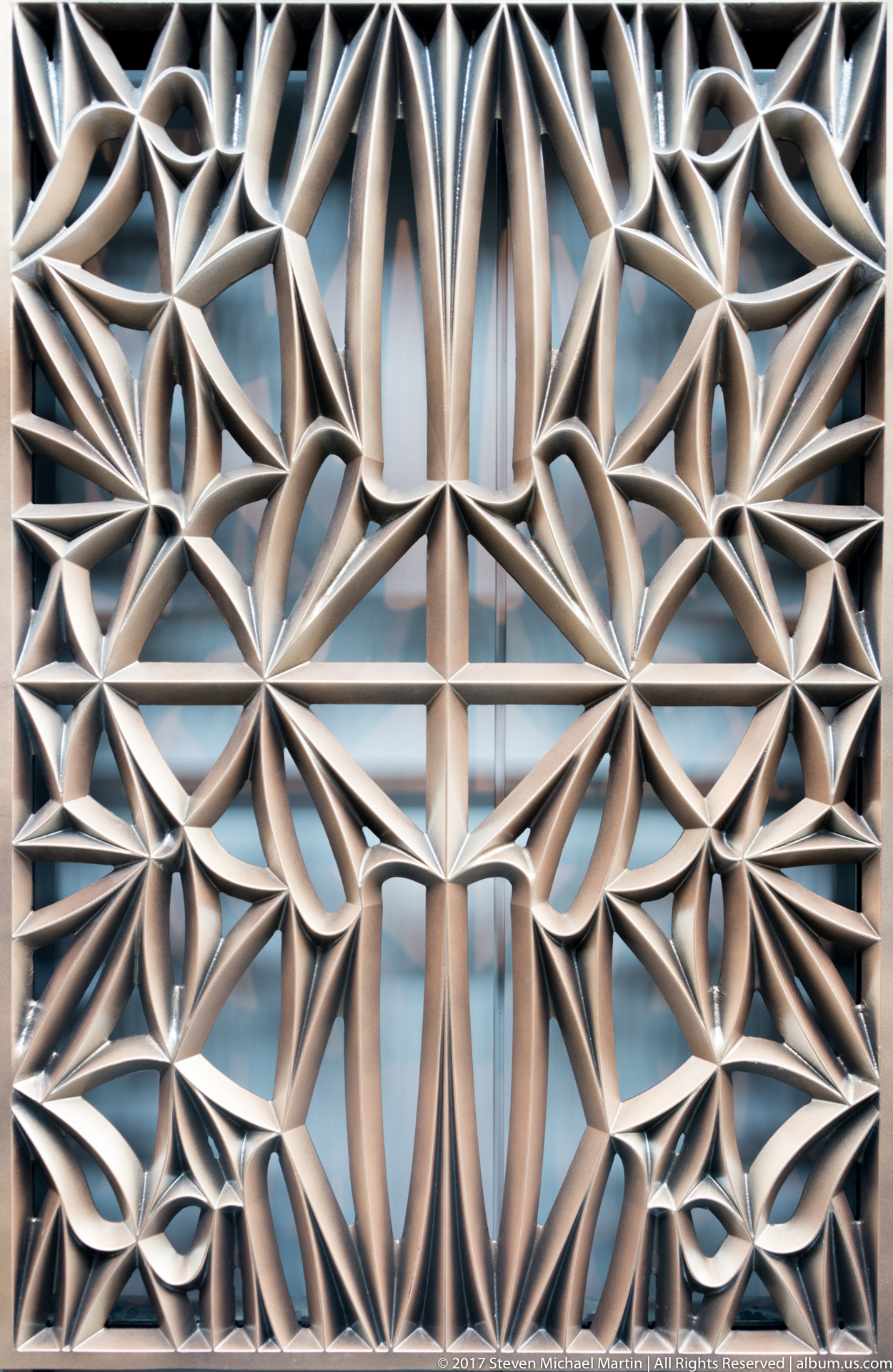
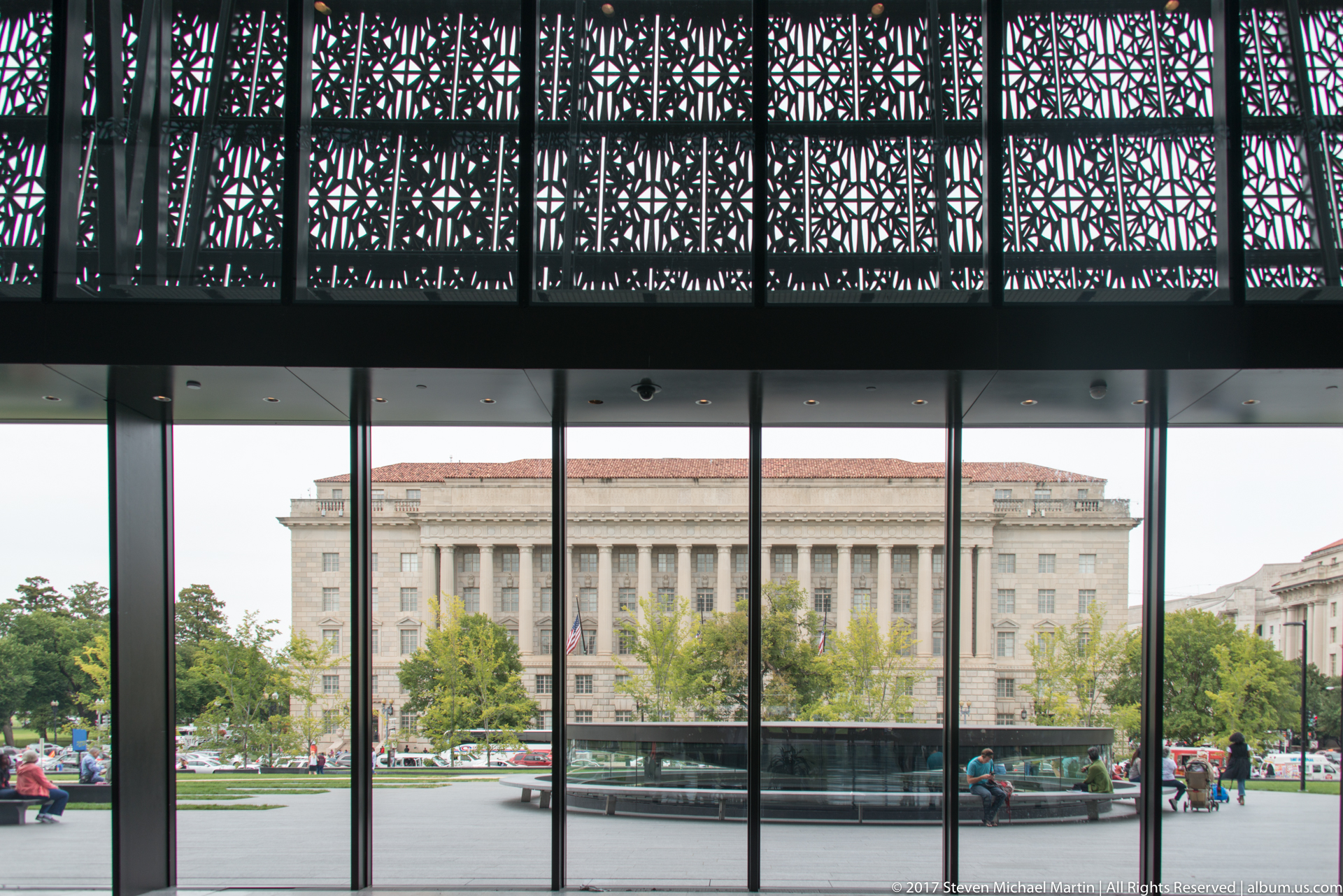
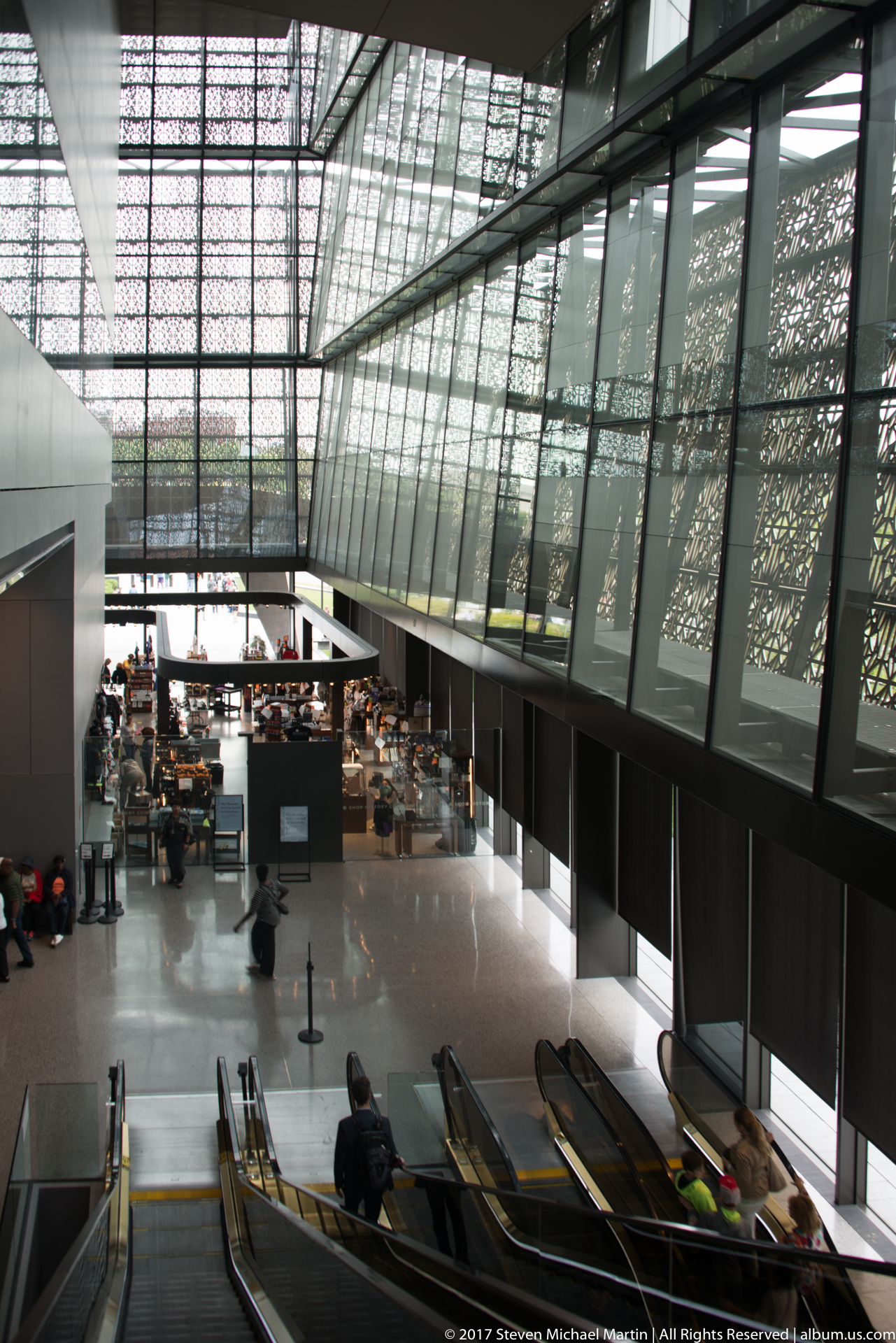
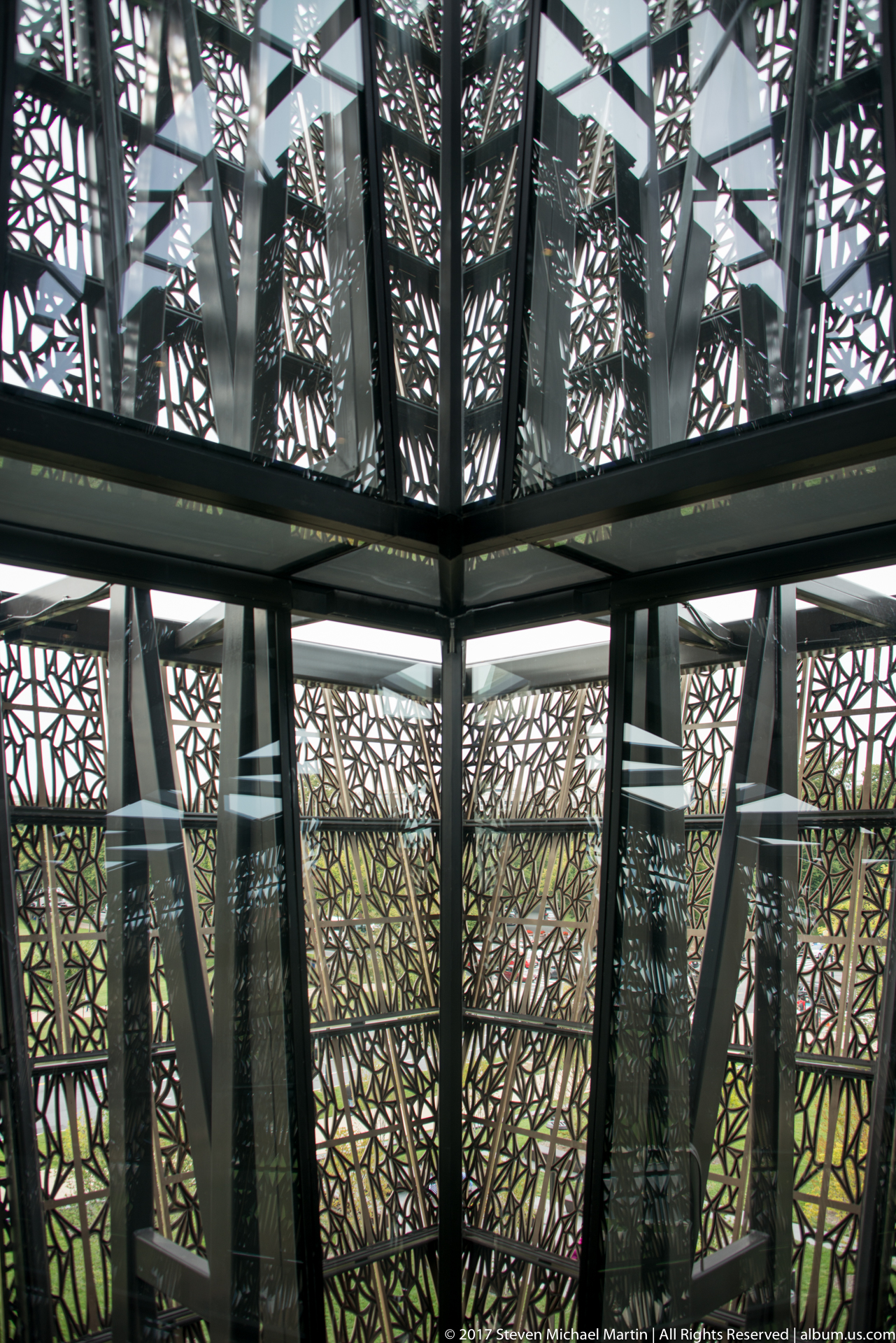
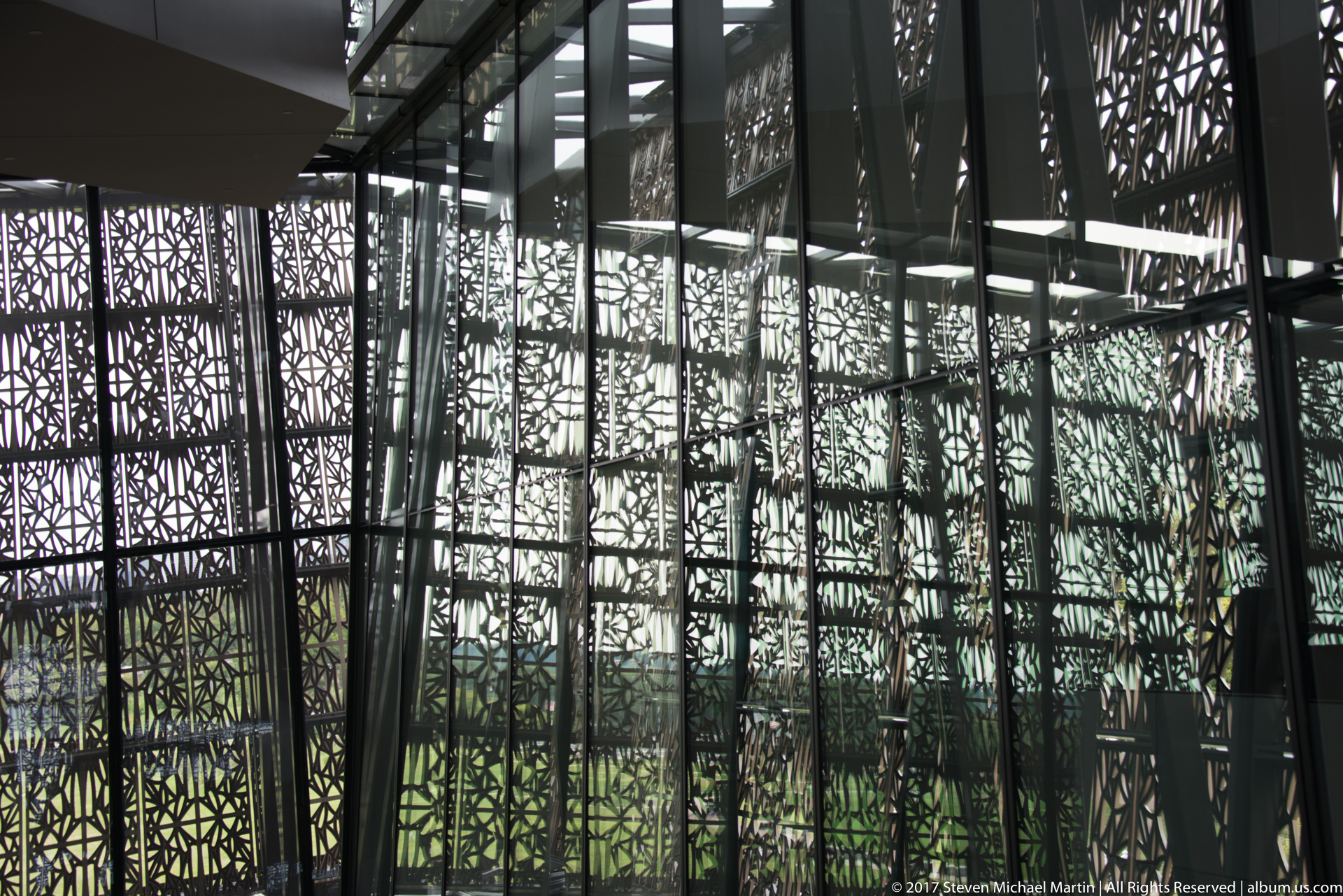
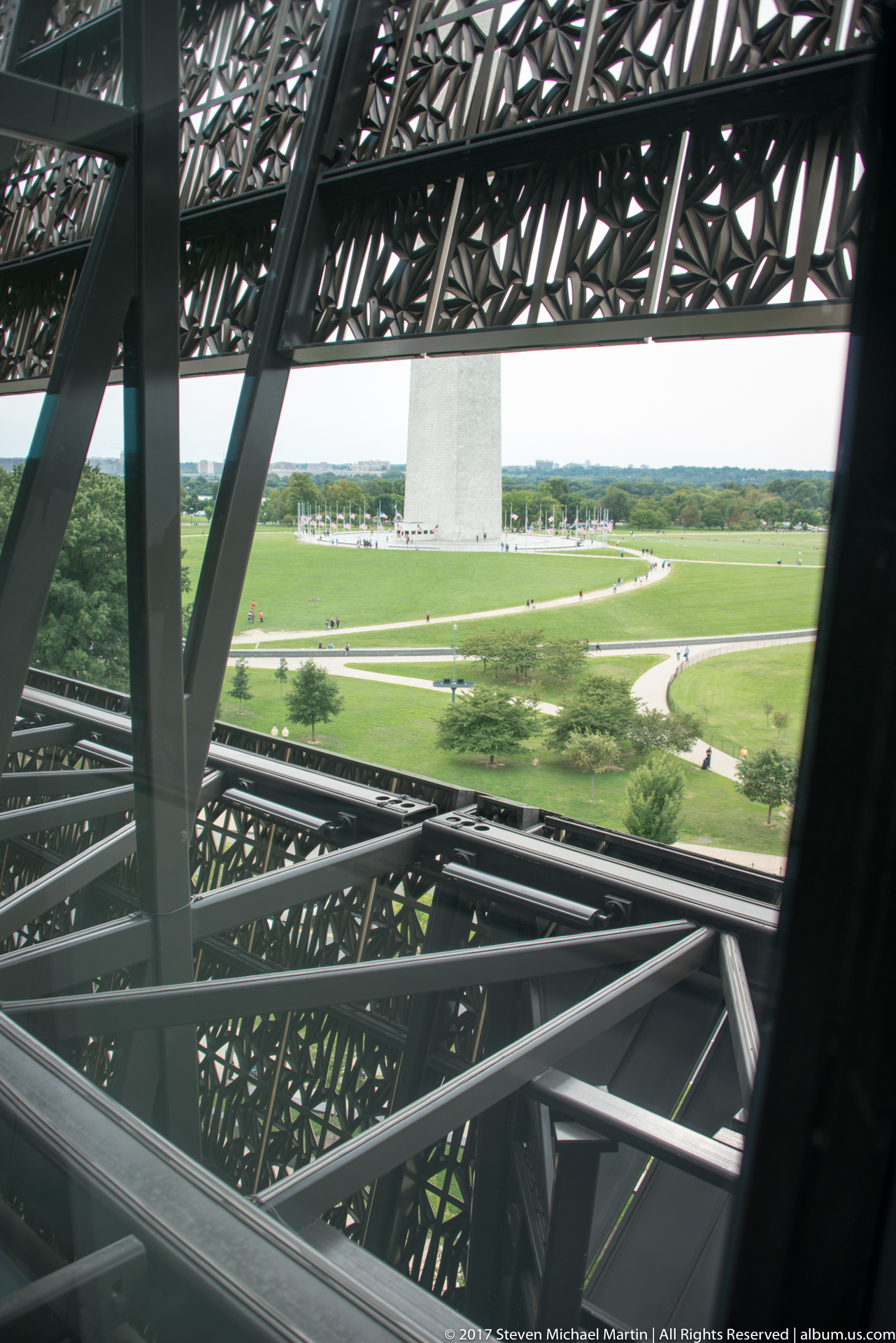
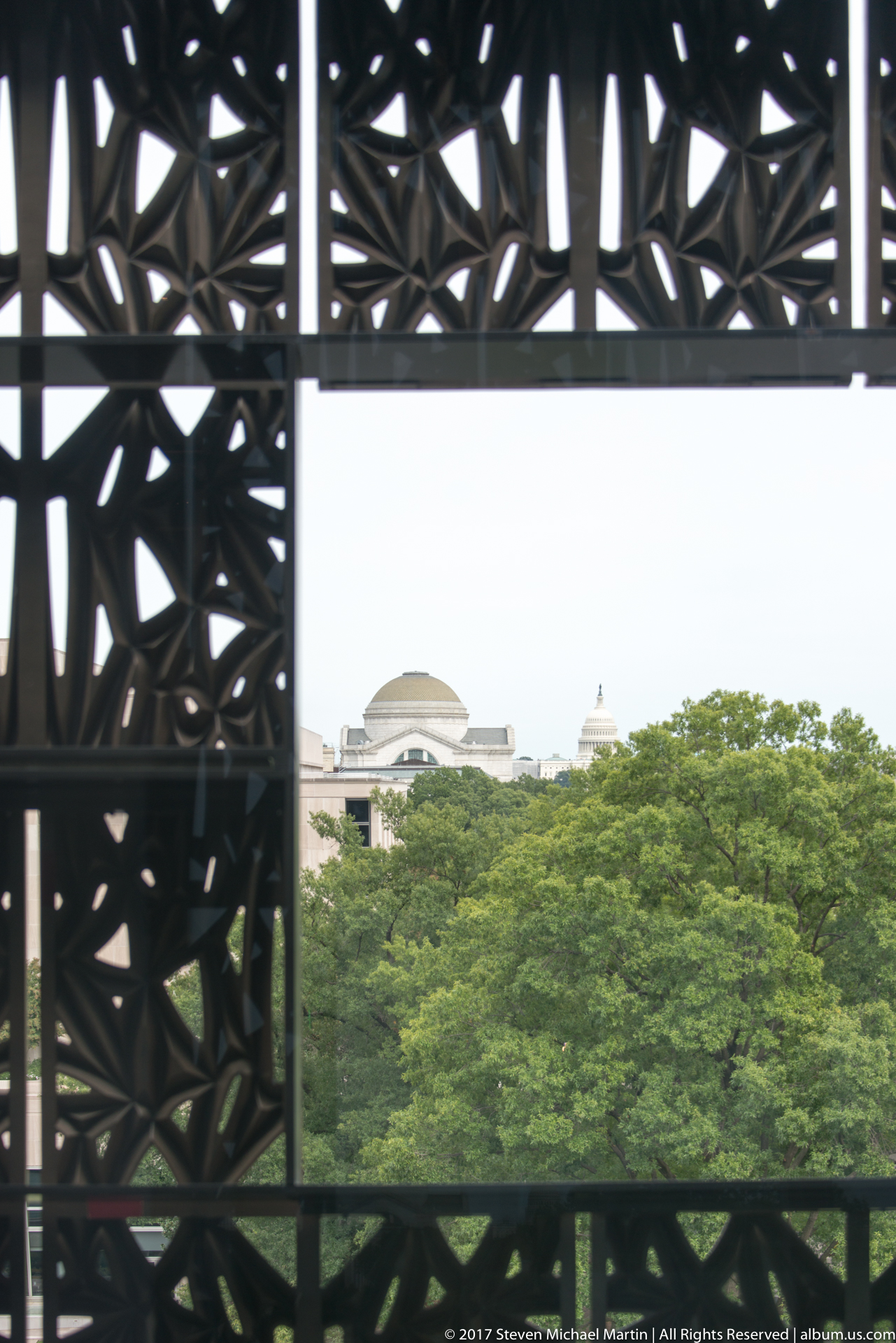
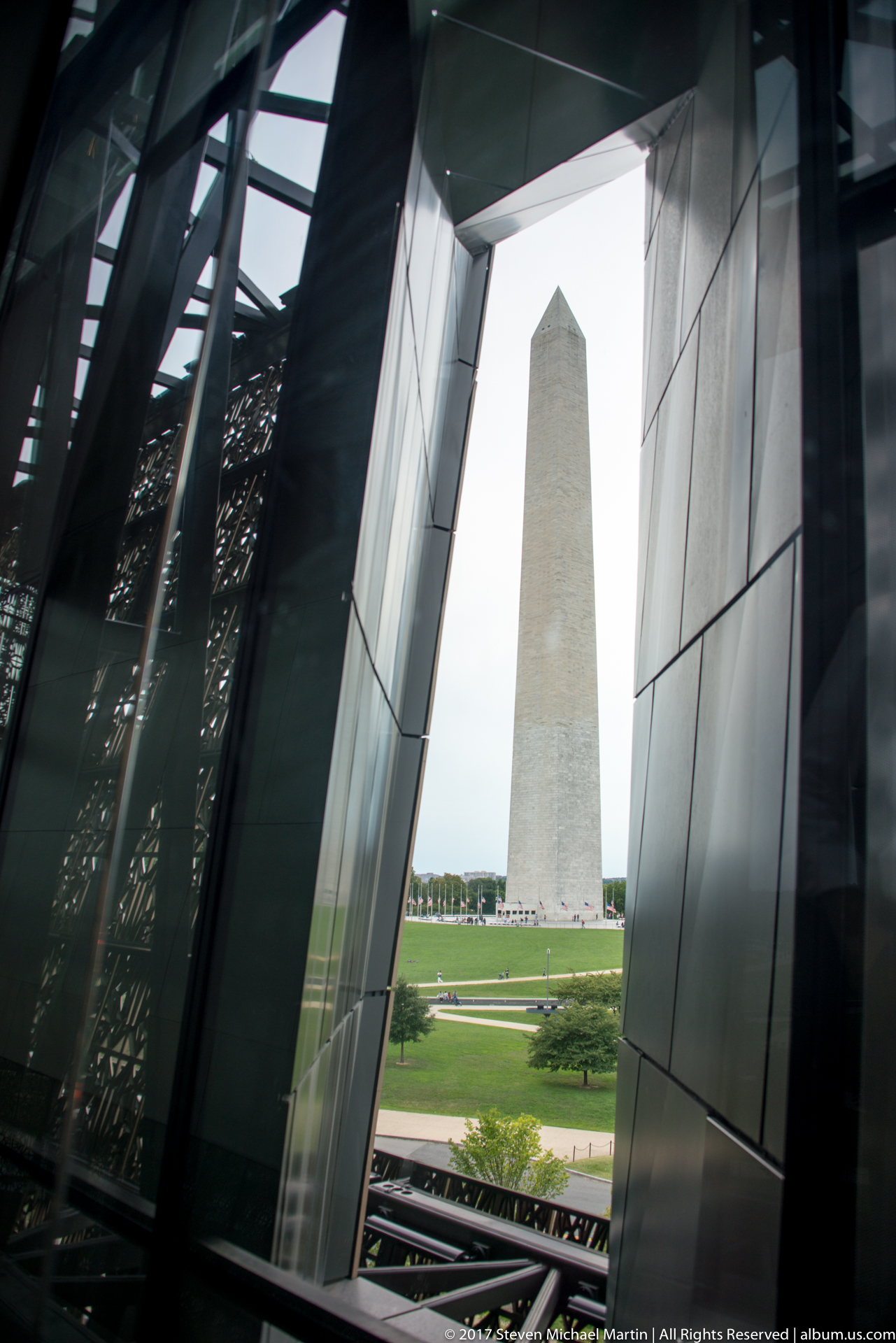
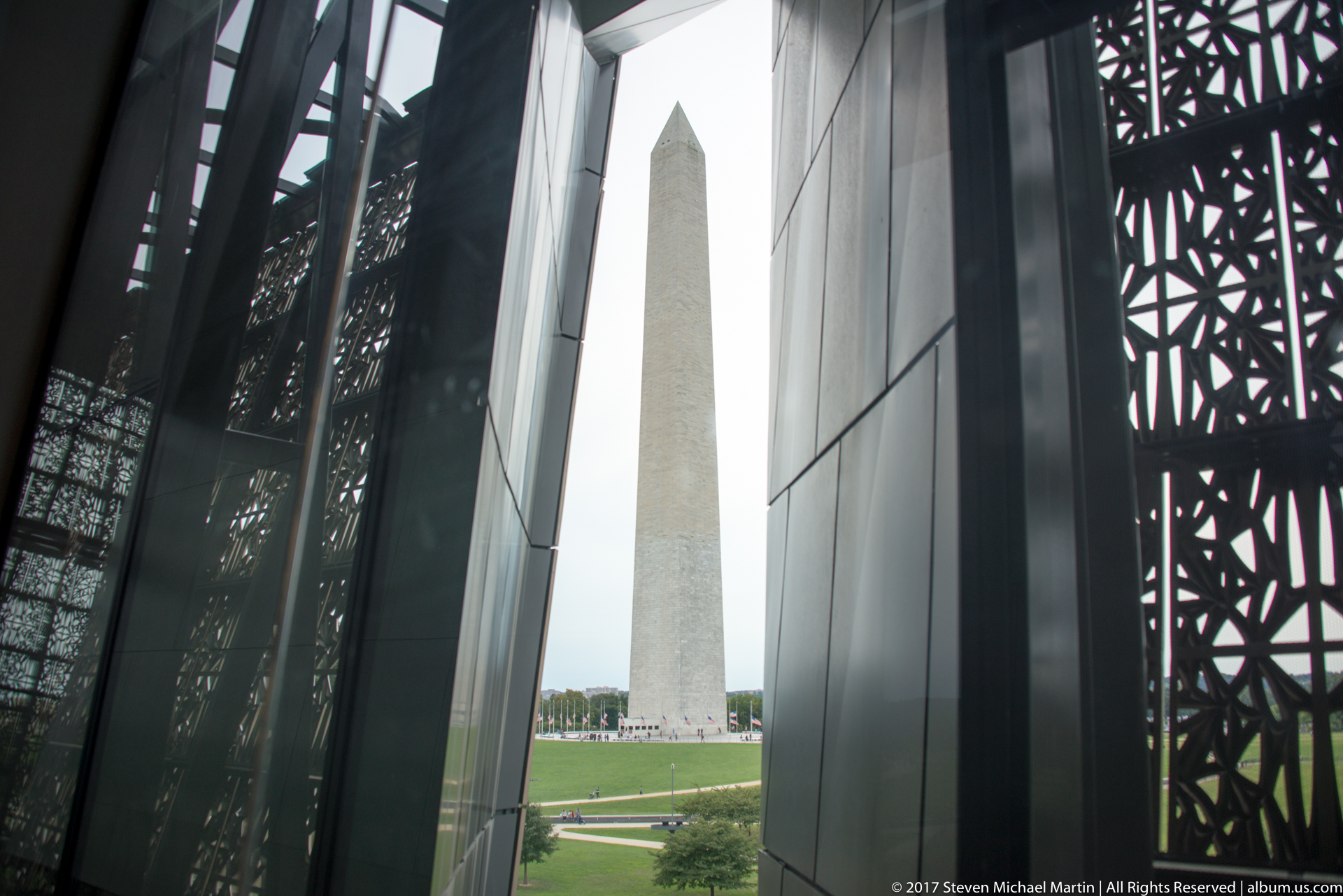
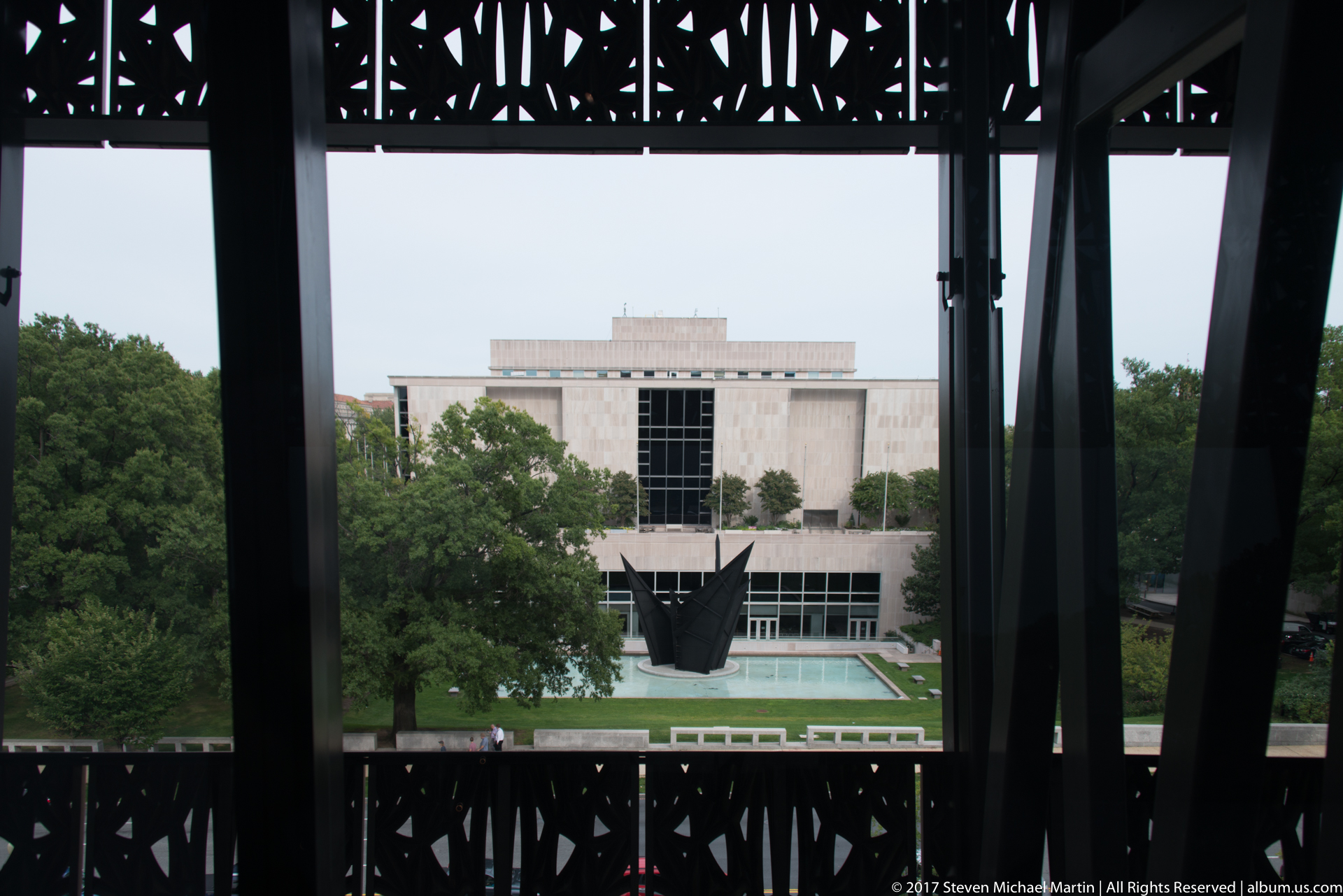
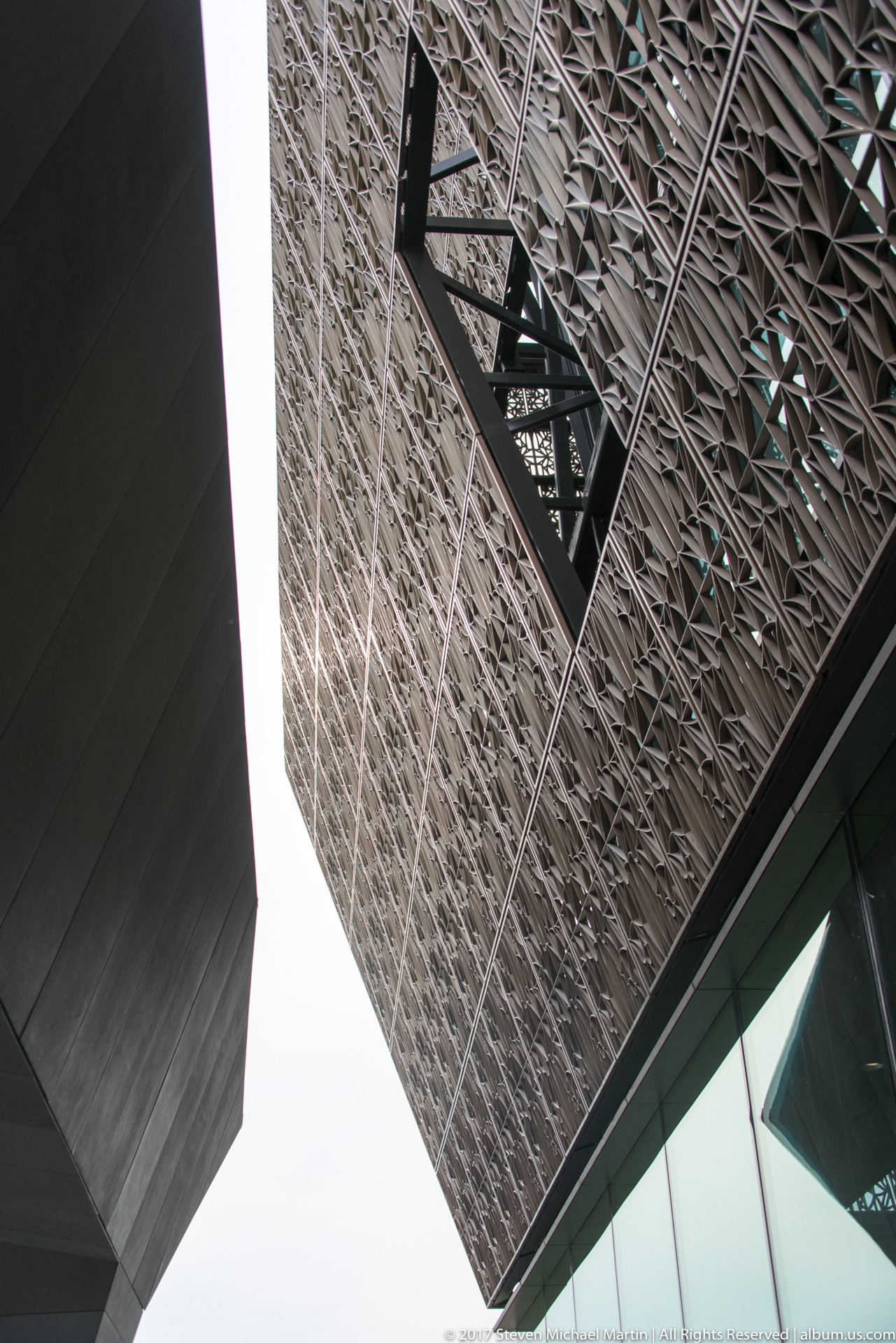
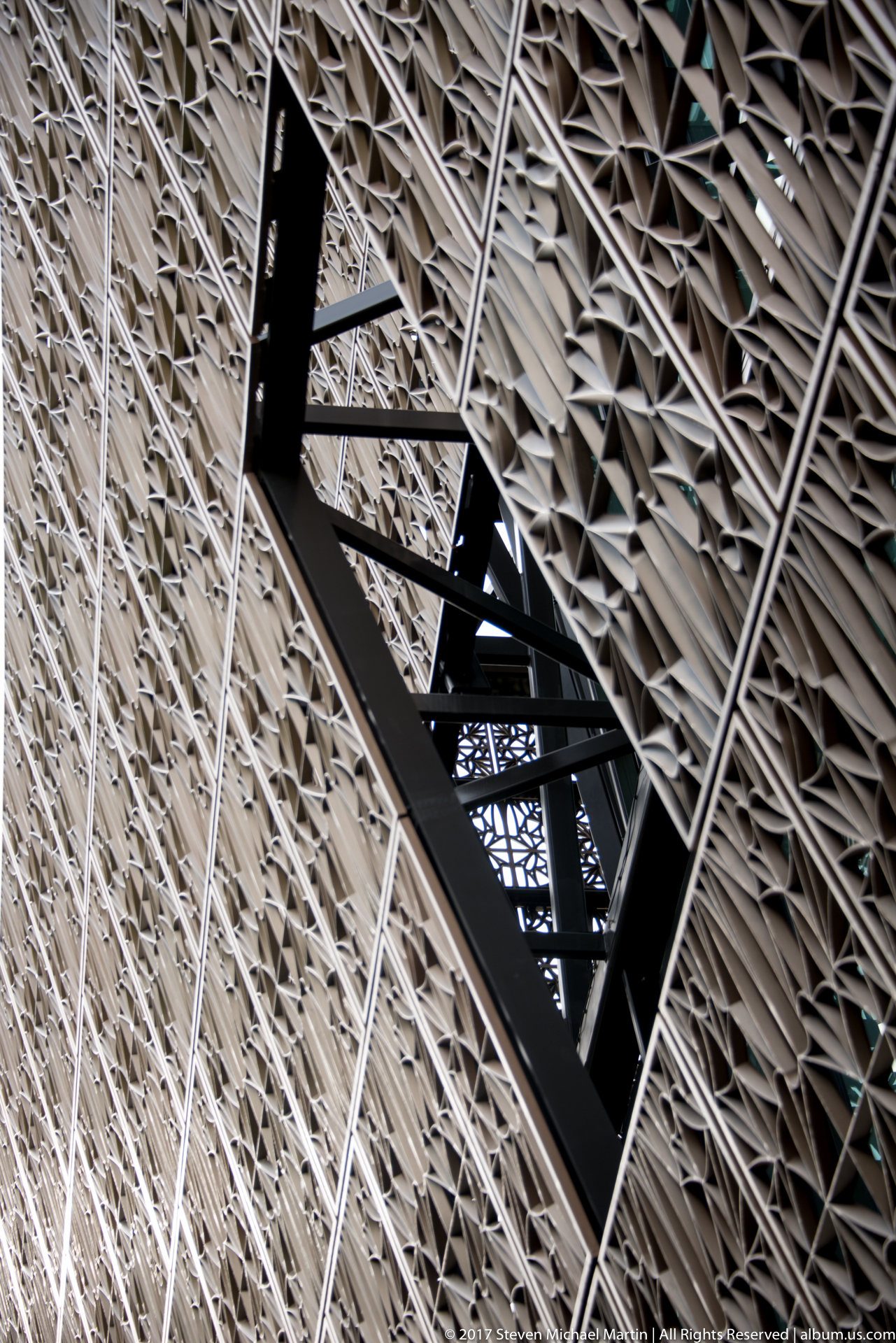
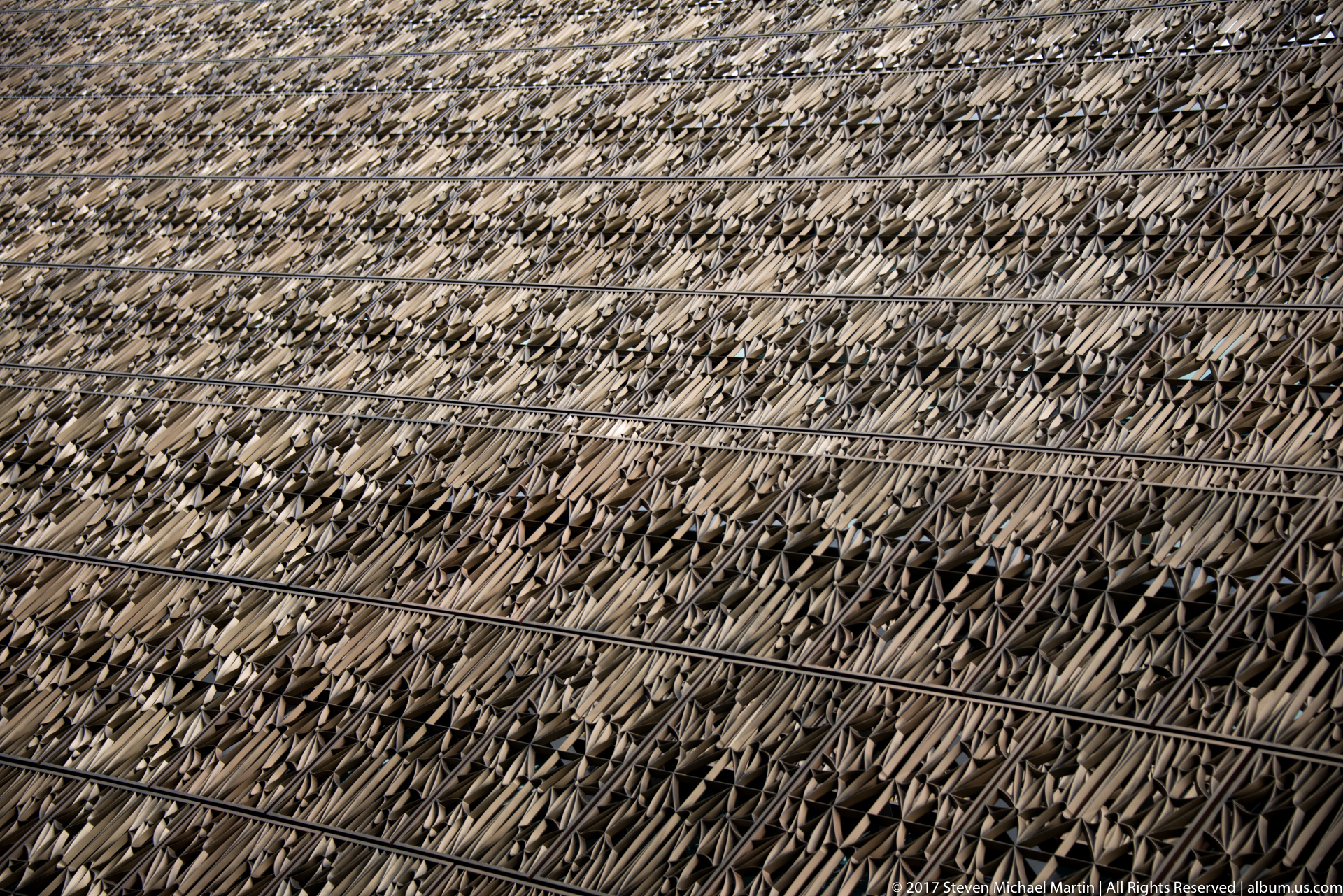
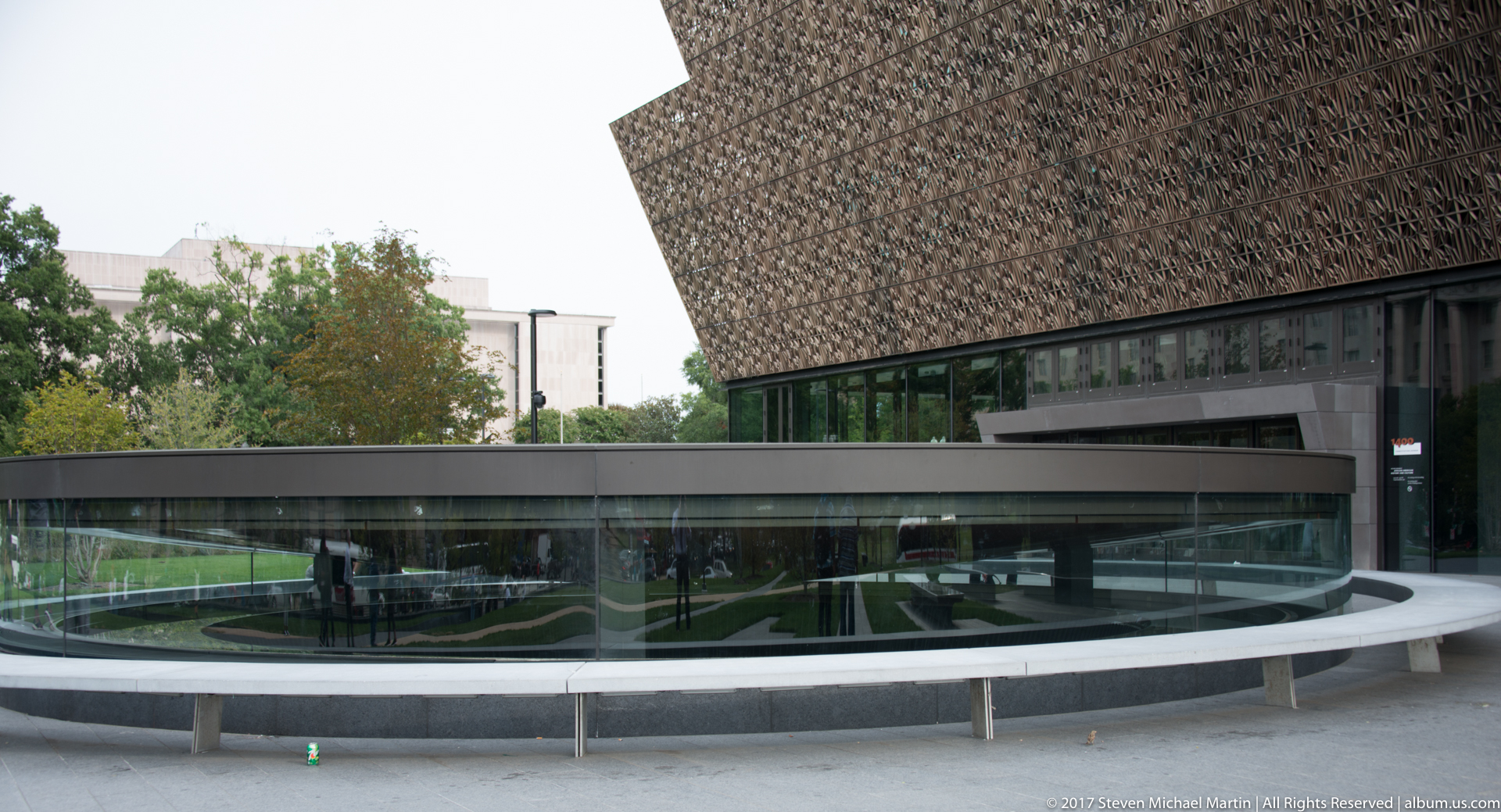
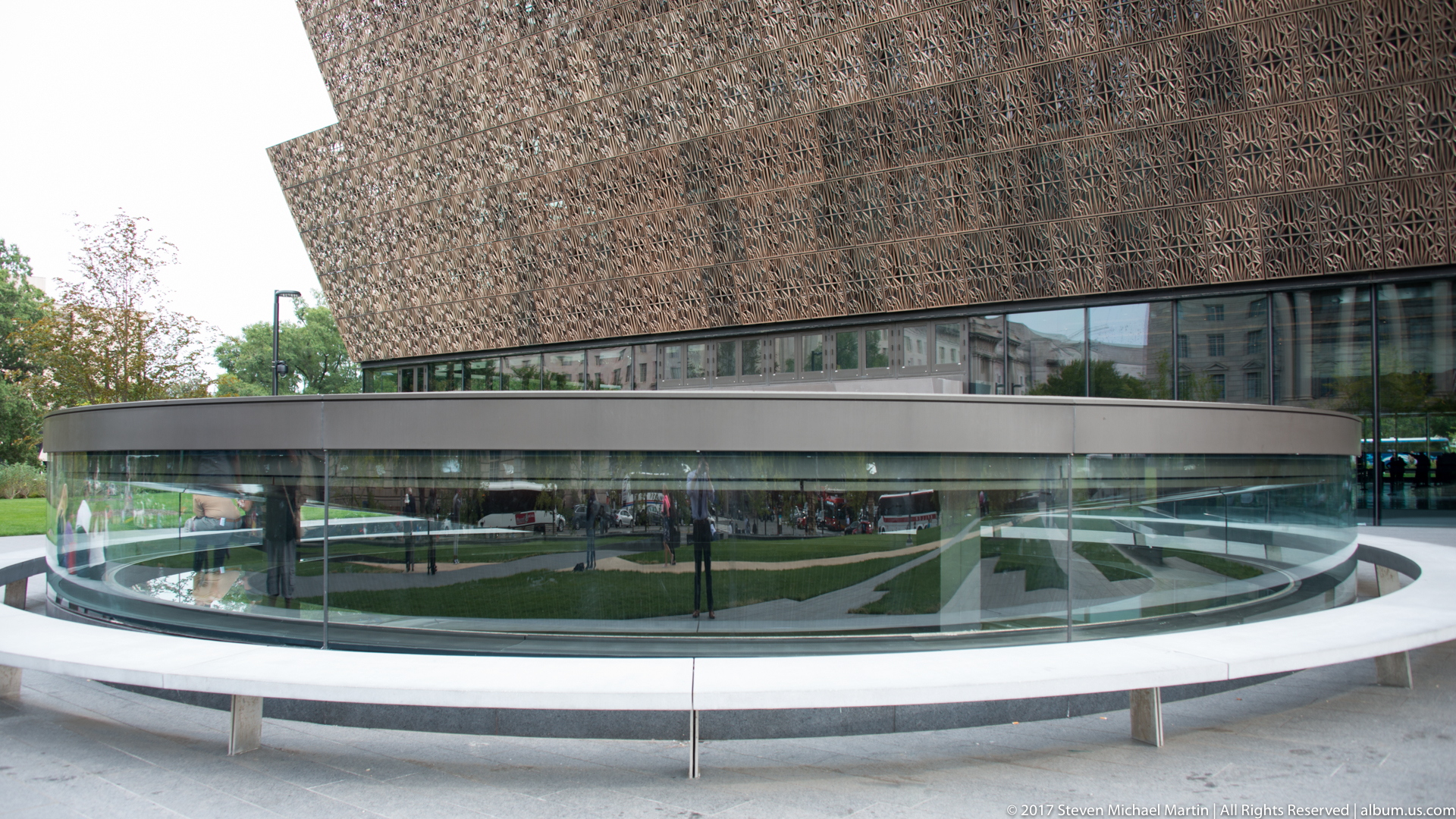
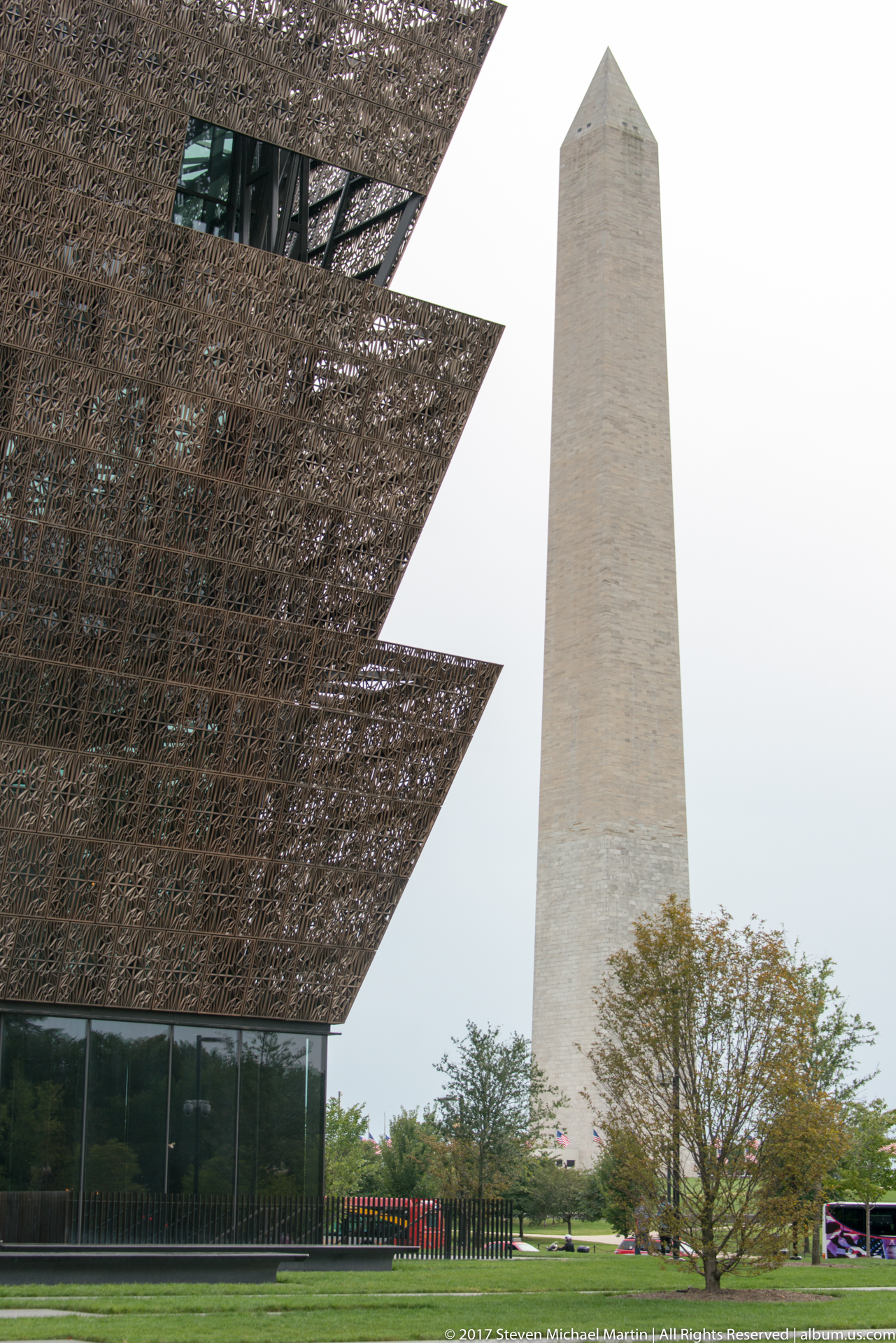
The National Museum of African American History and Culture stands on the National Mall as a major institution dedicated to documenting the history, culture, and contributions of African Americans across the development of the United States. Opened in 2016 after decades of planning, the museum represents an important addition to the Smithsonian Institution’s network of cultural and historical museums. The building’s distinctive bronze-colored lattice exterior references traditional ironwork crafted by enslaved and free African American artisans, symbolizing the relationship between artistic expression and historical experience.
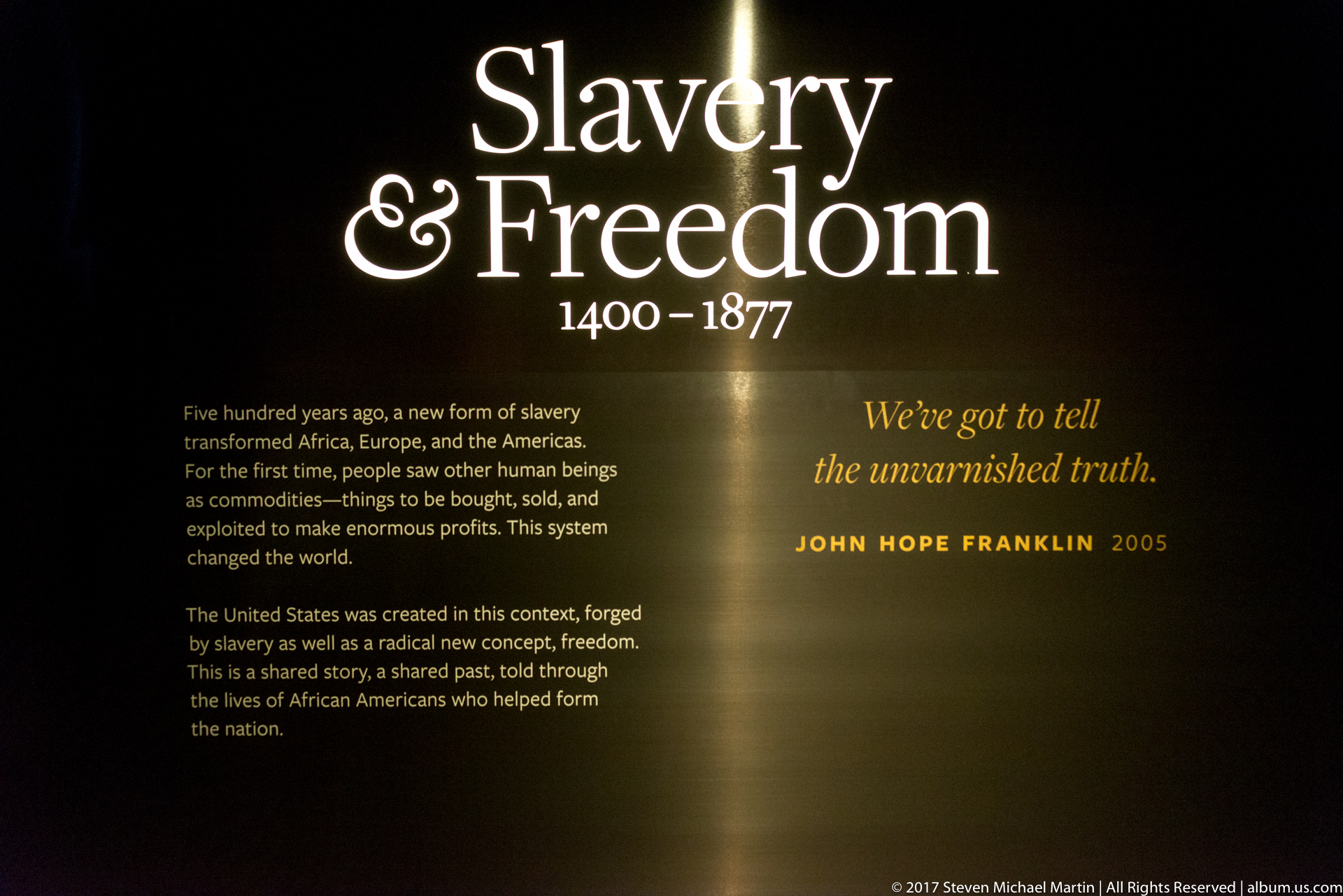
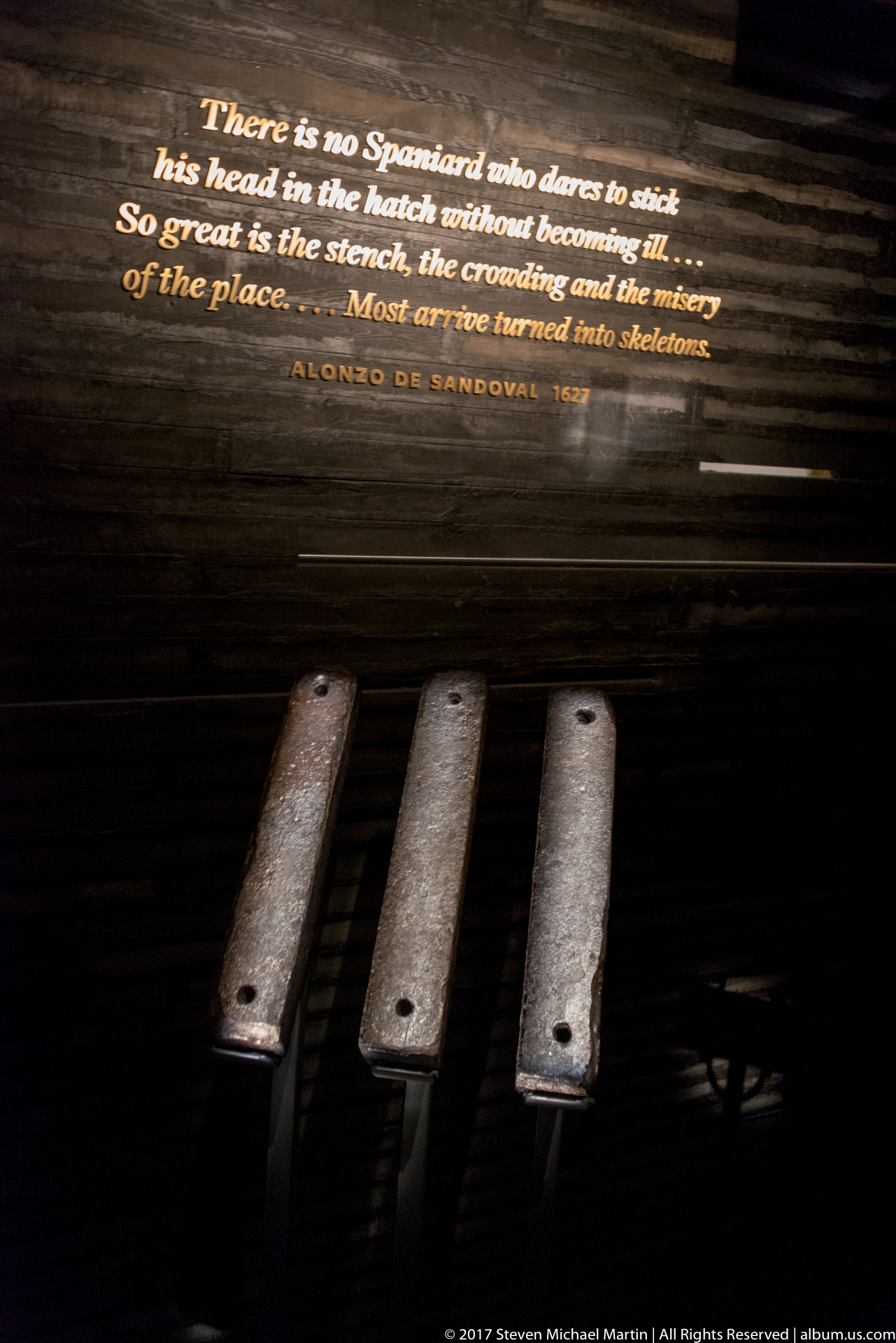
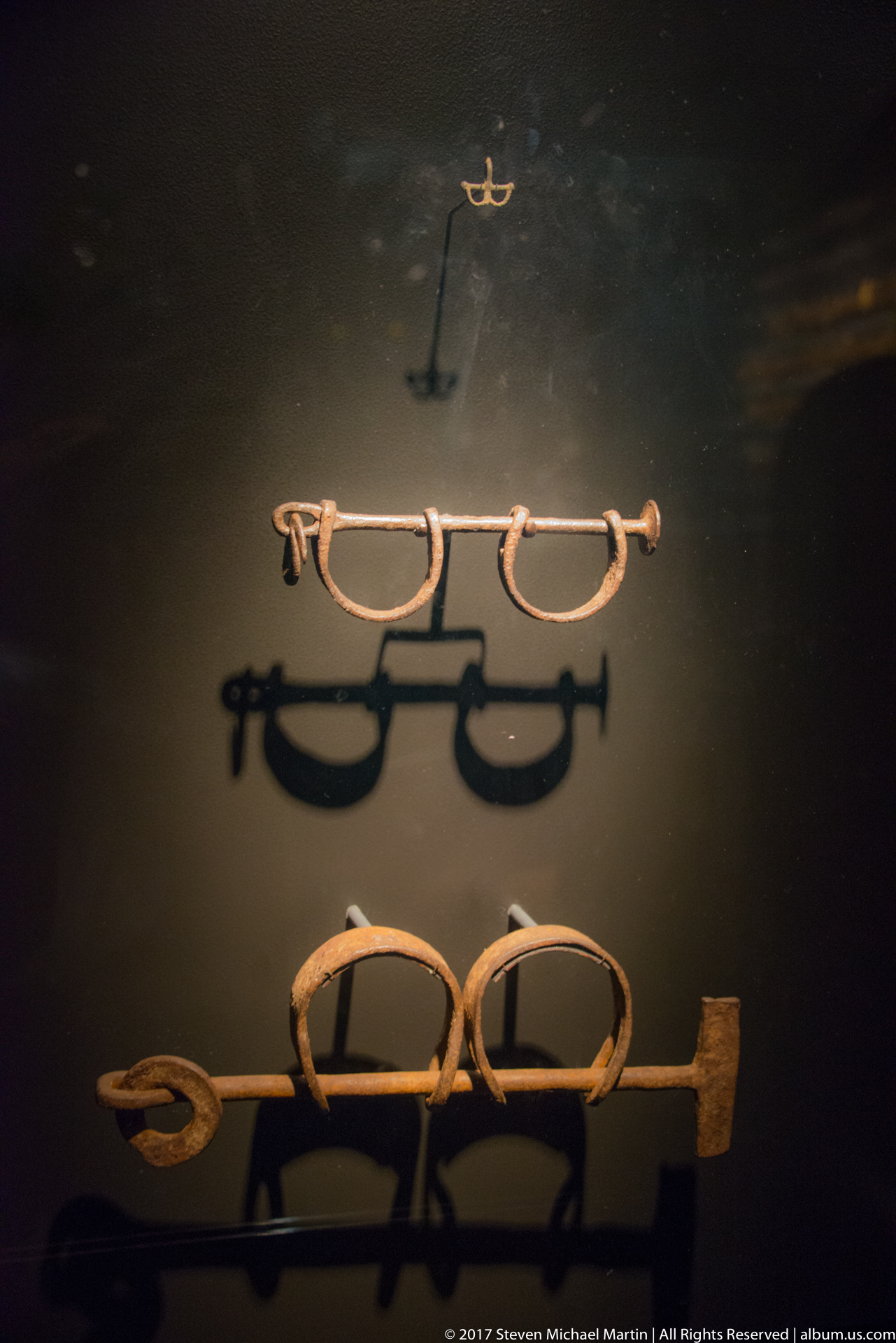
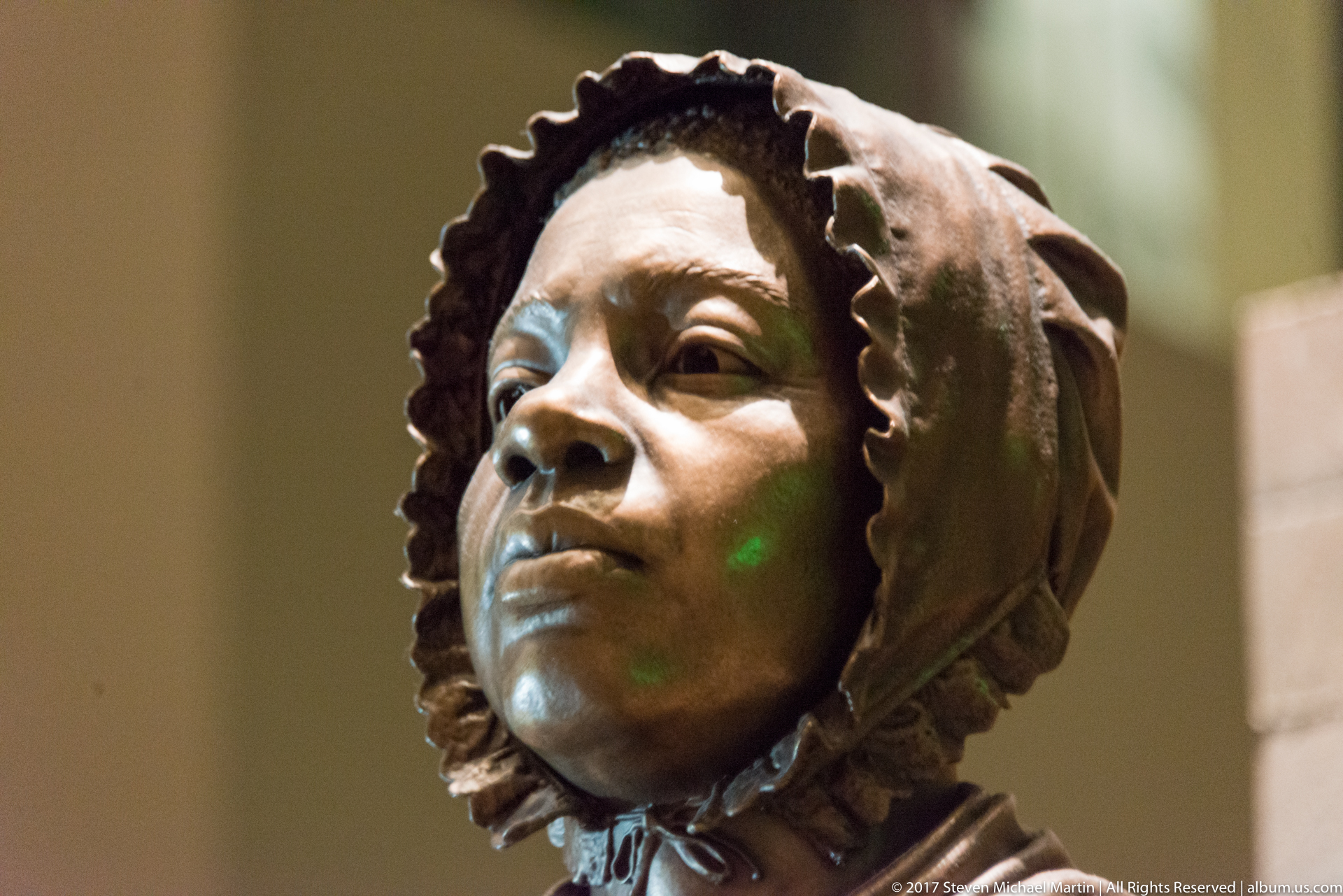
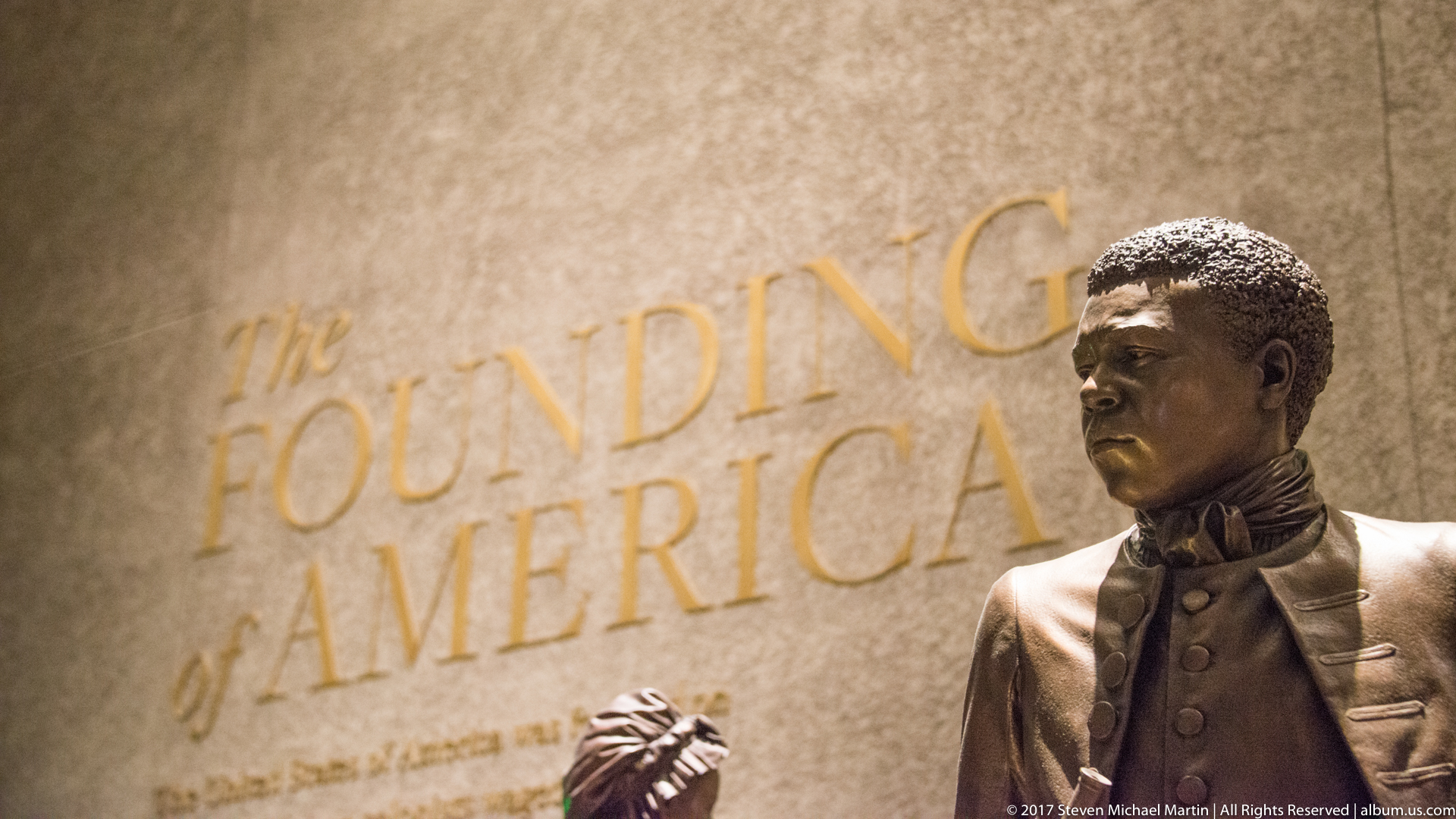
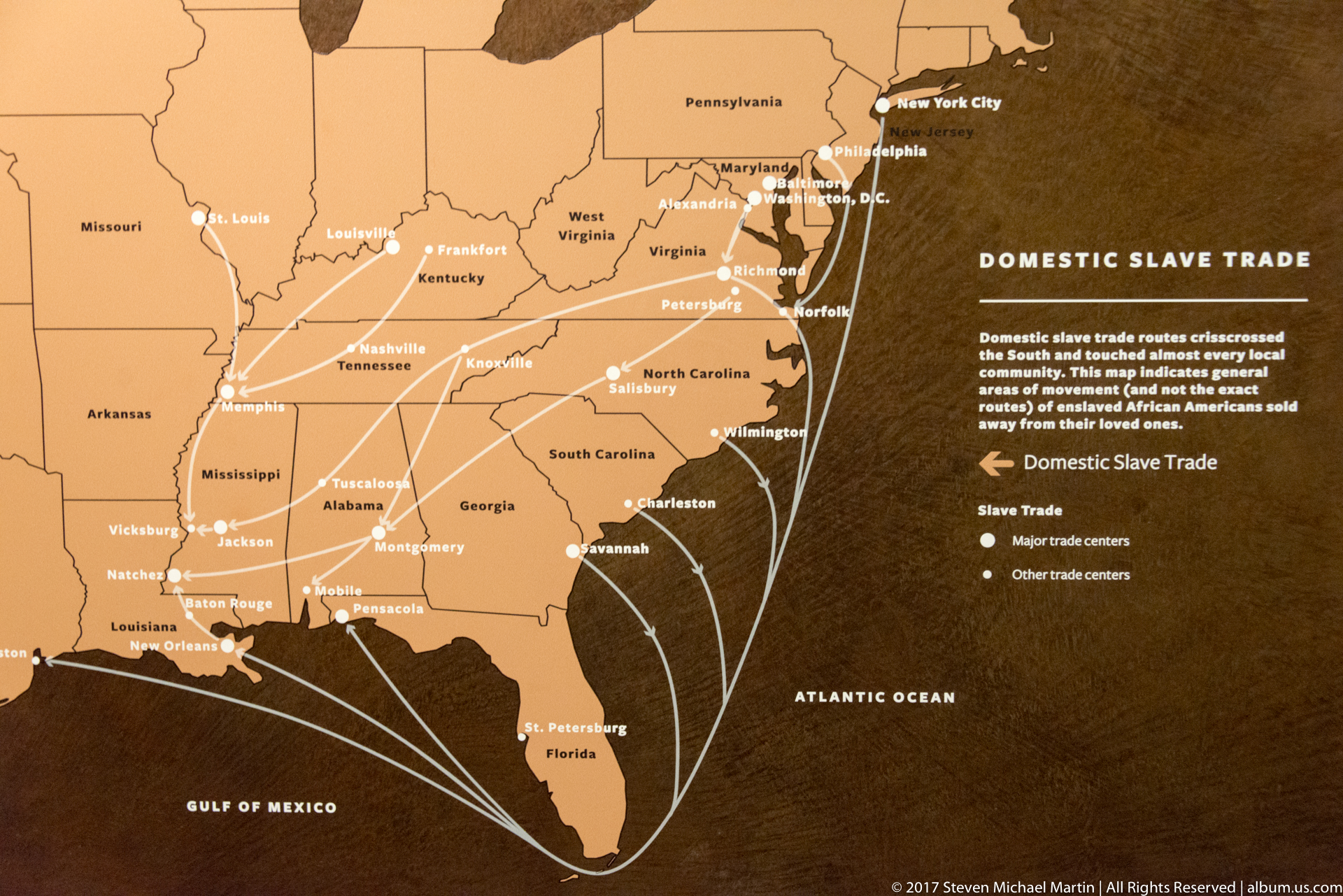
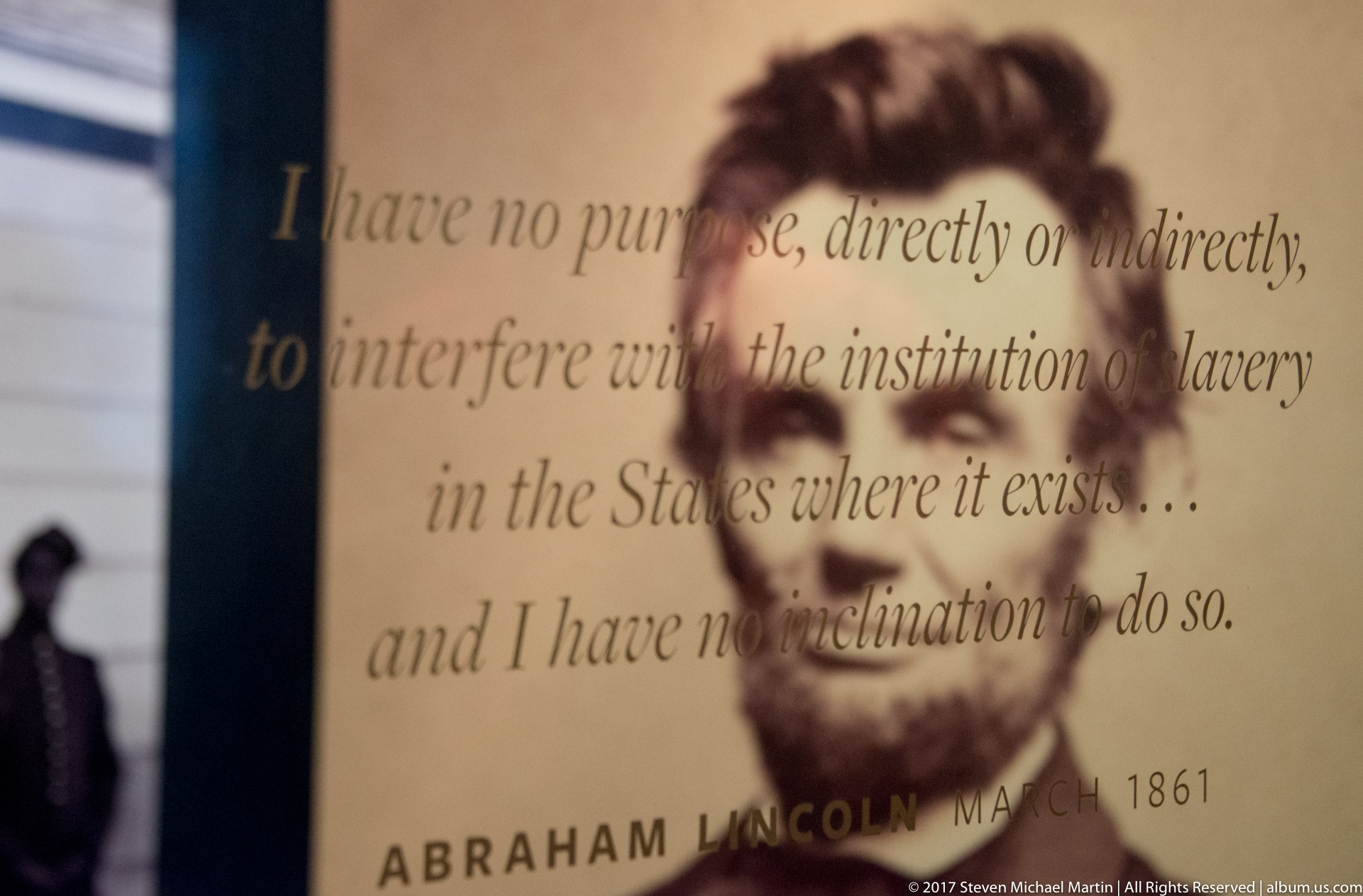
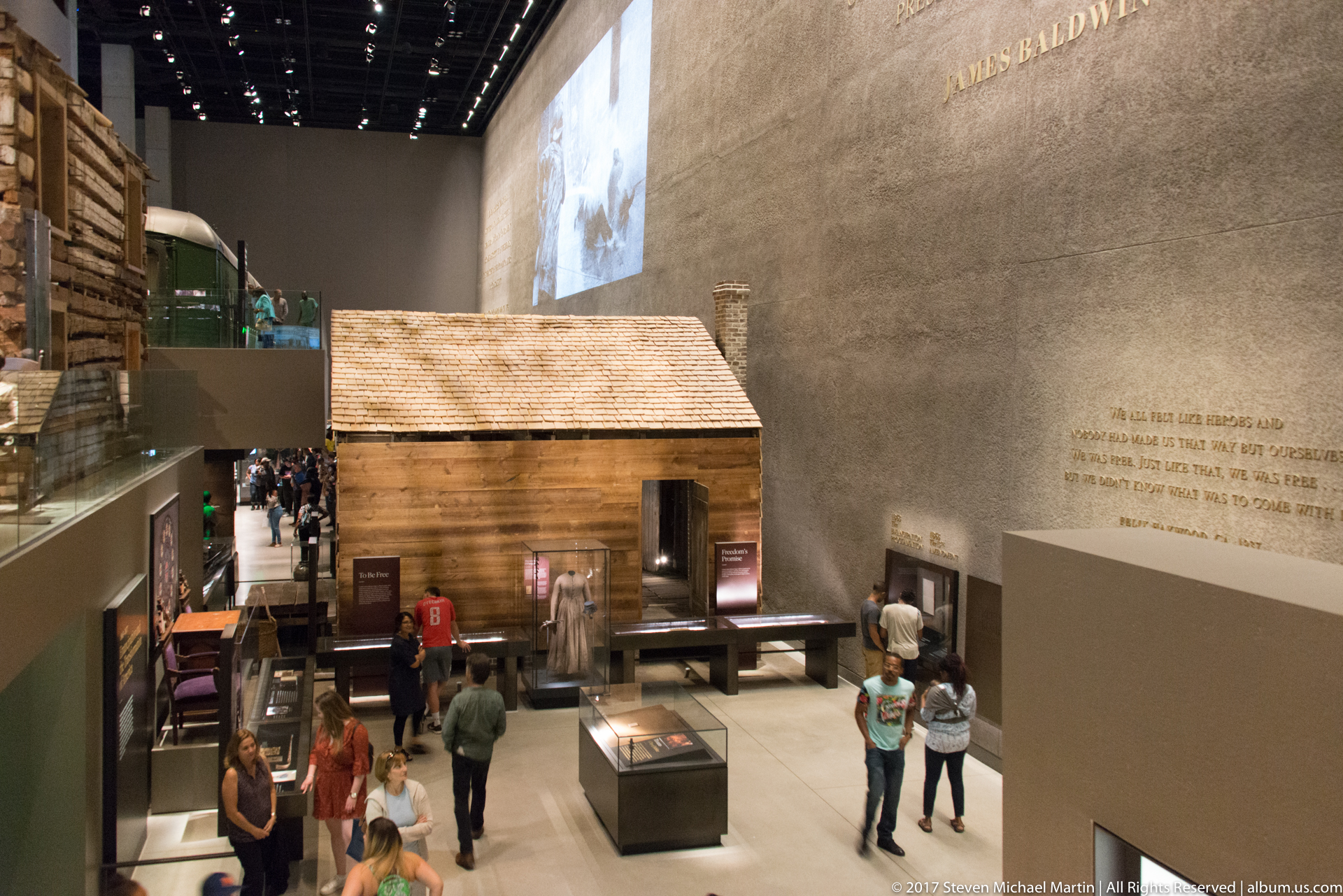
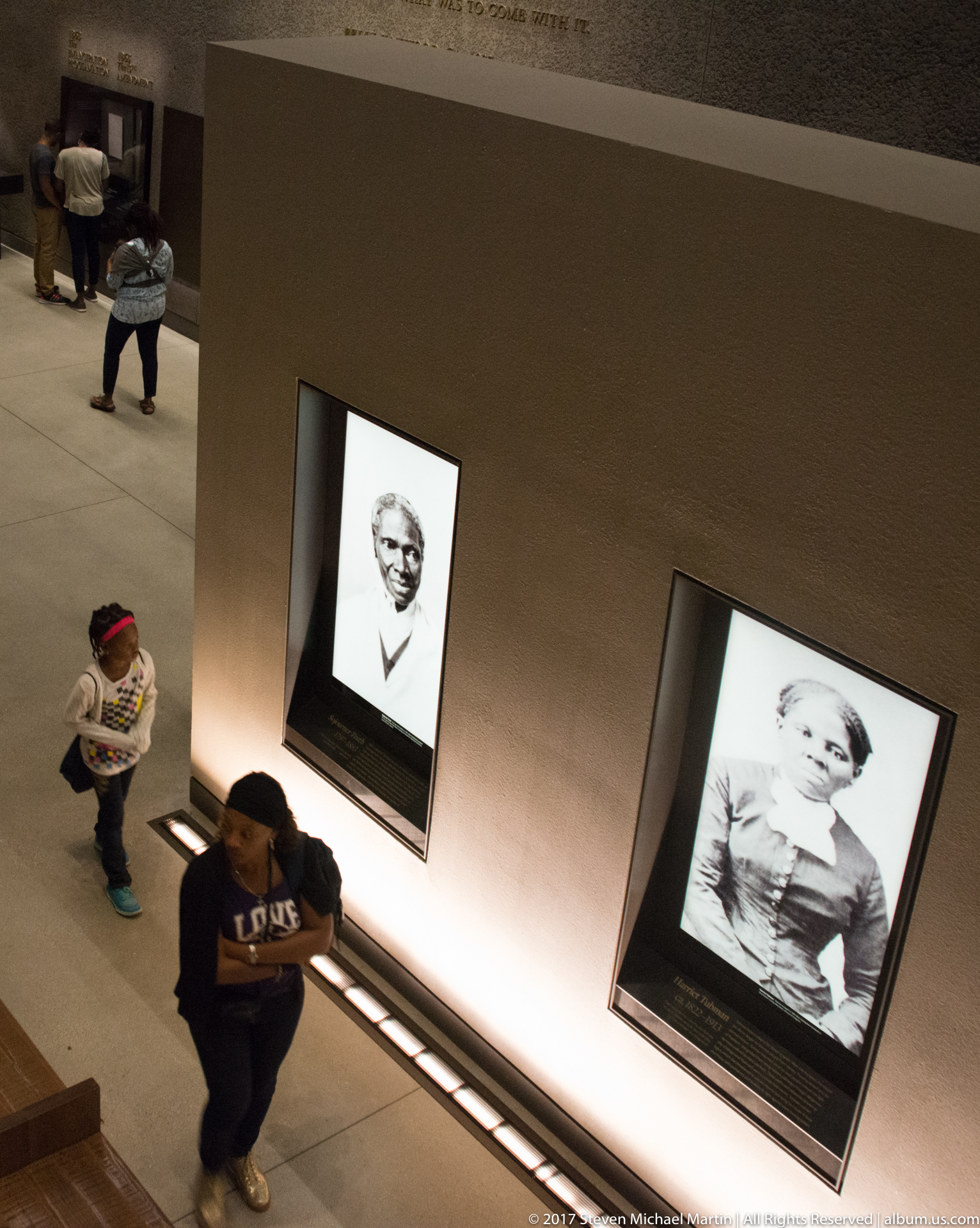
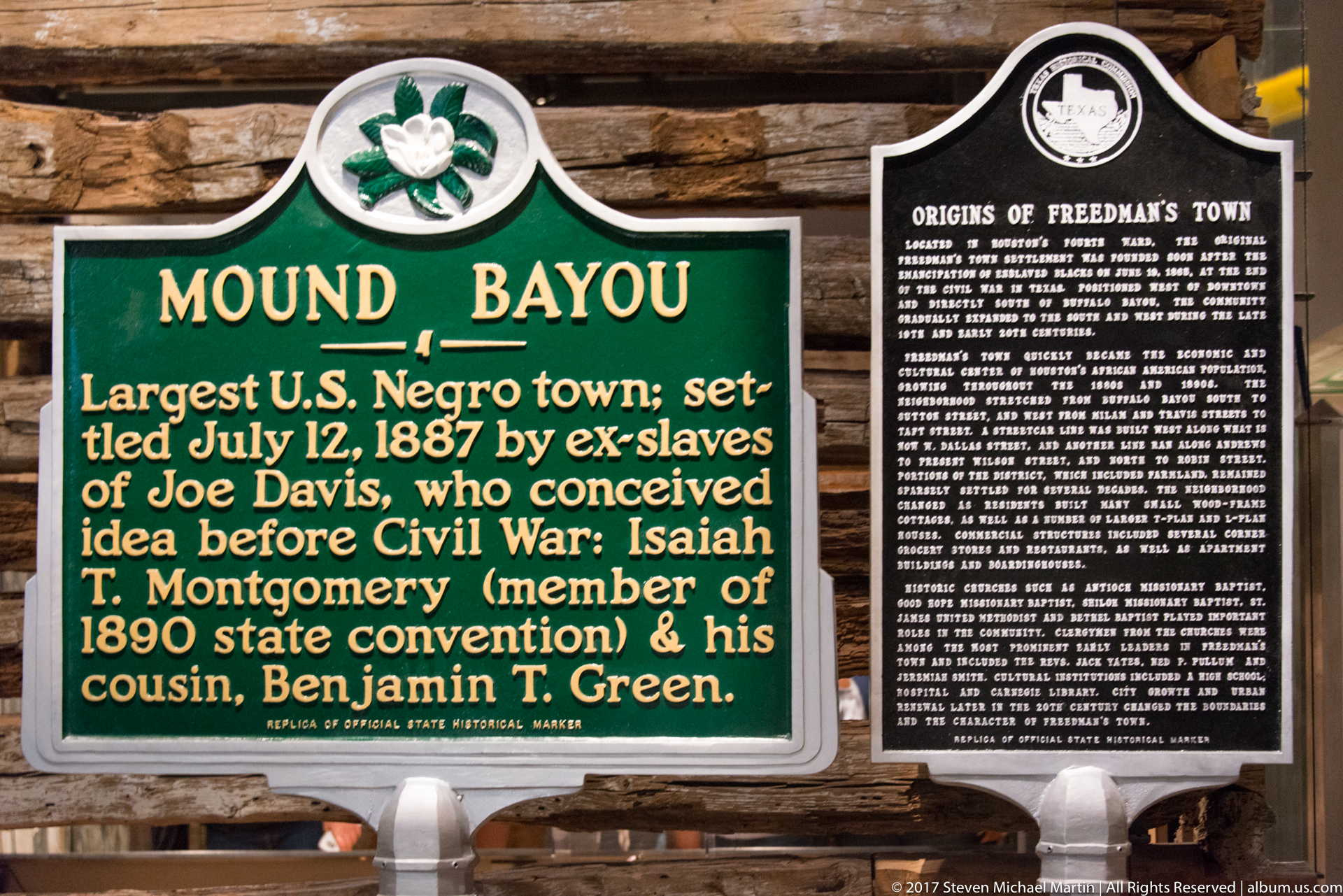
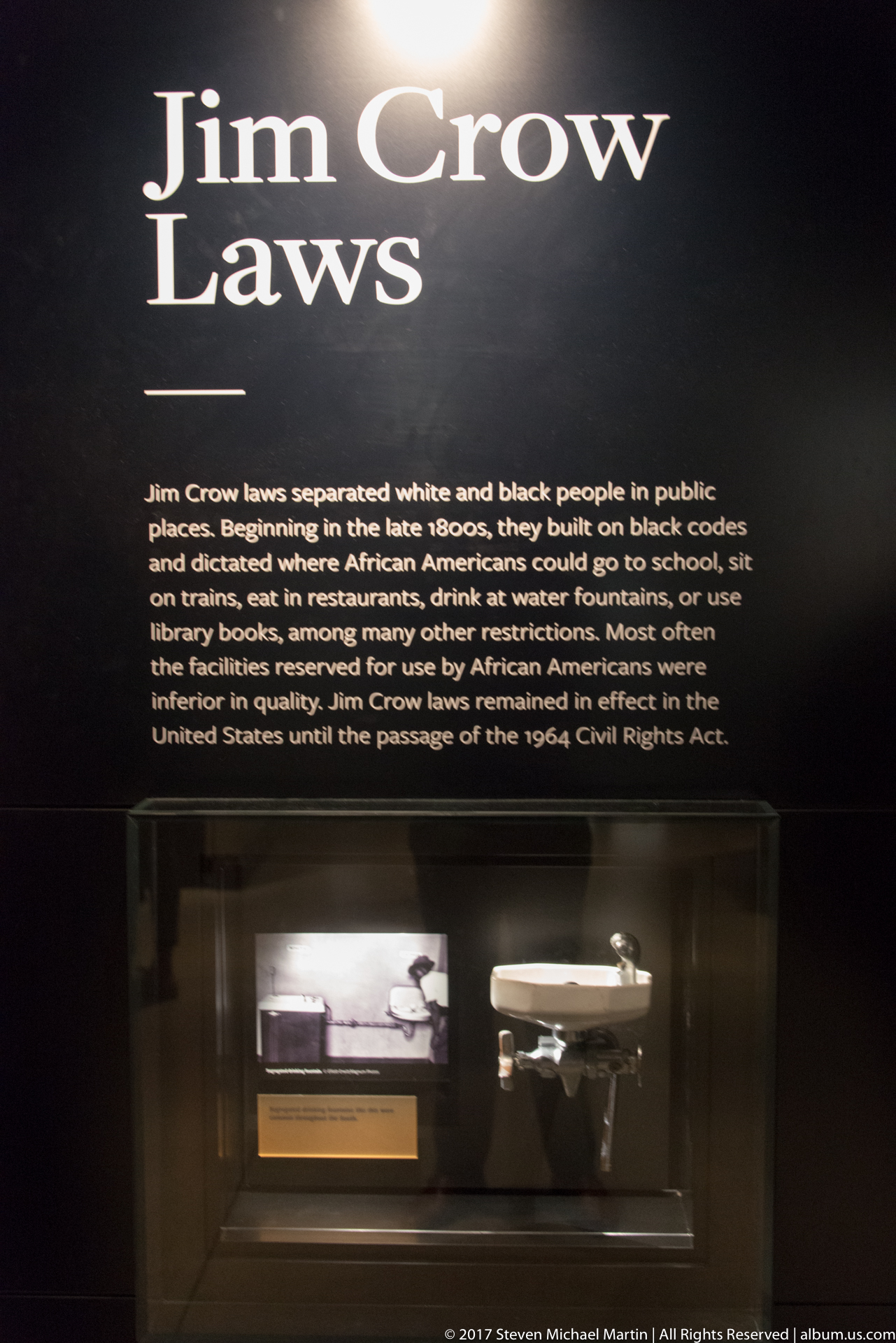
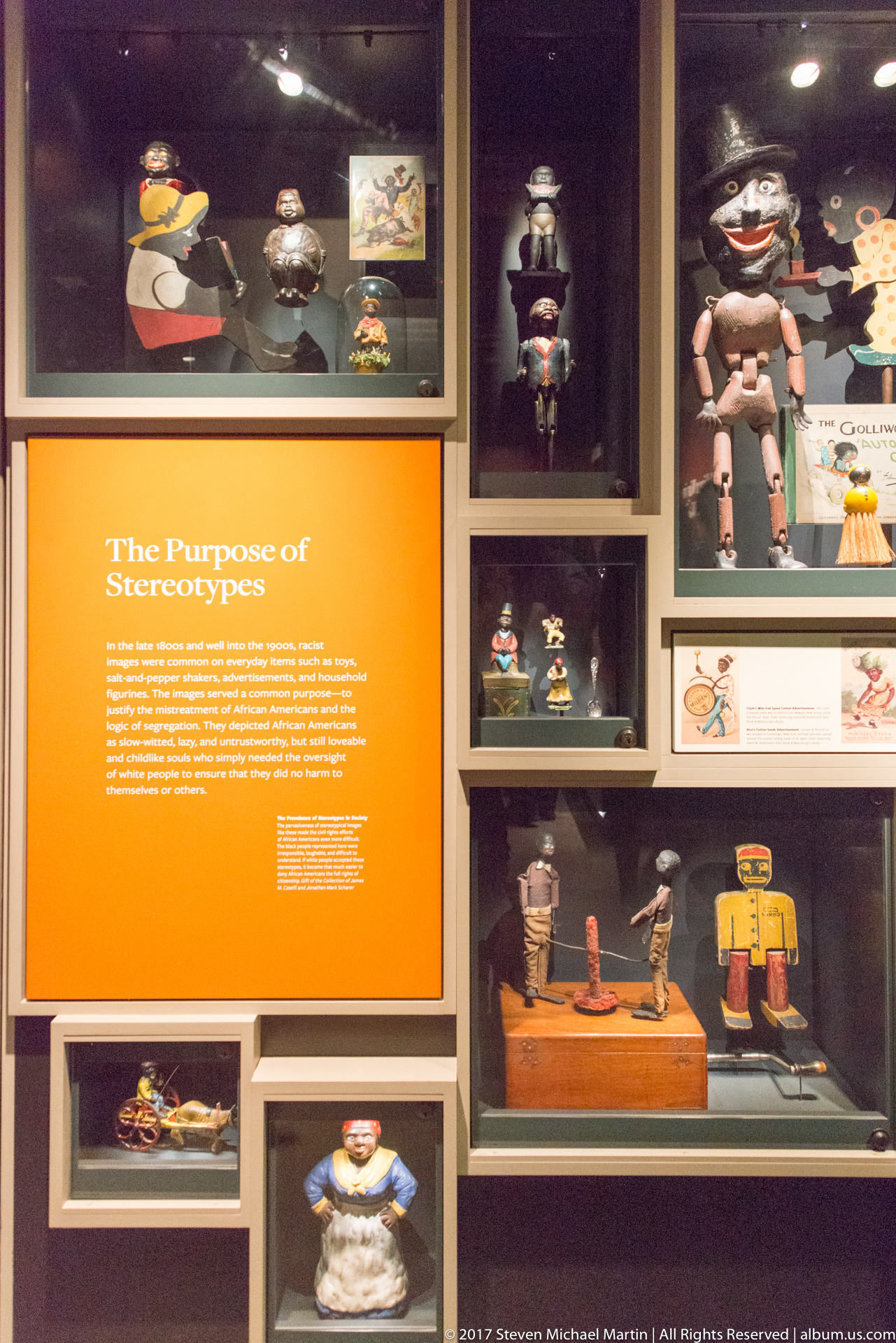
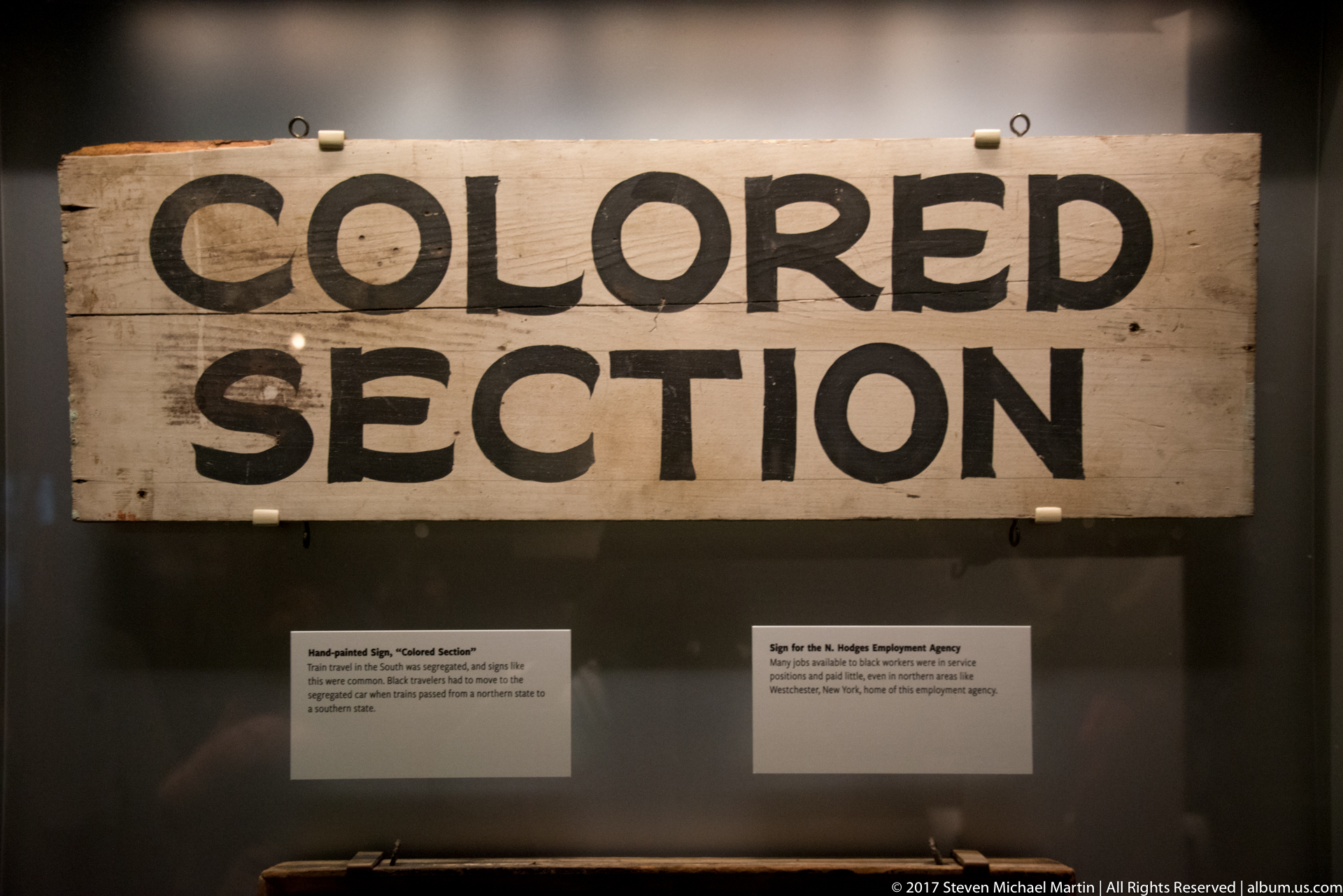
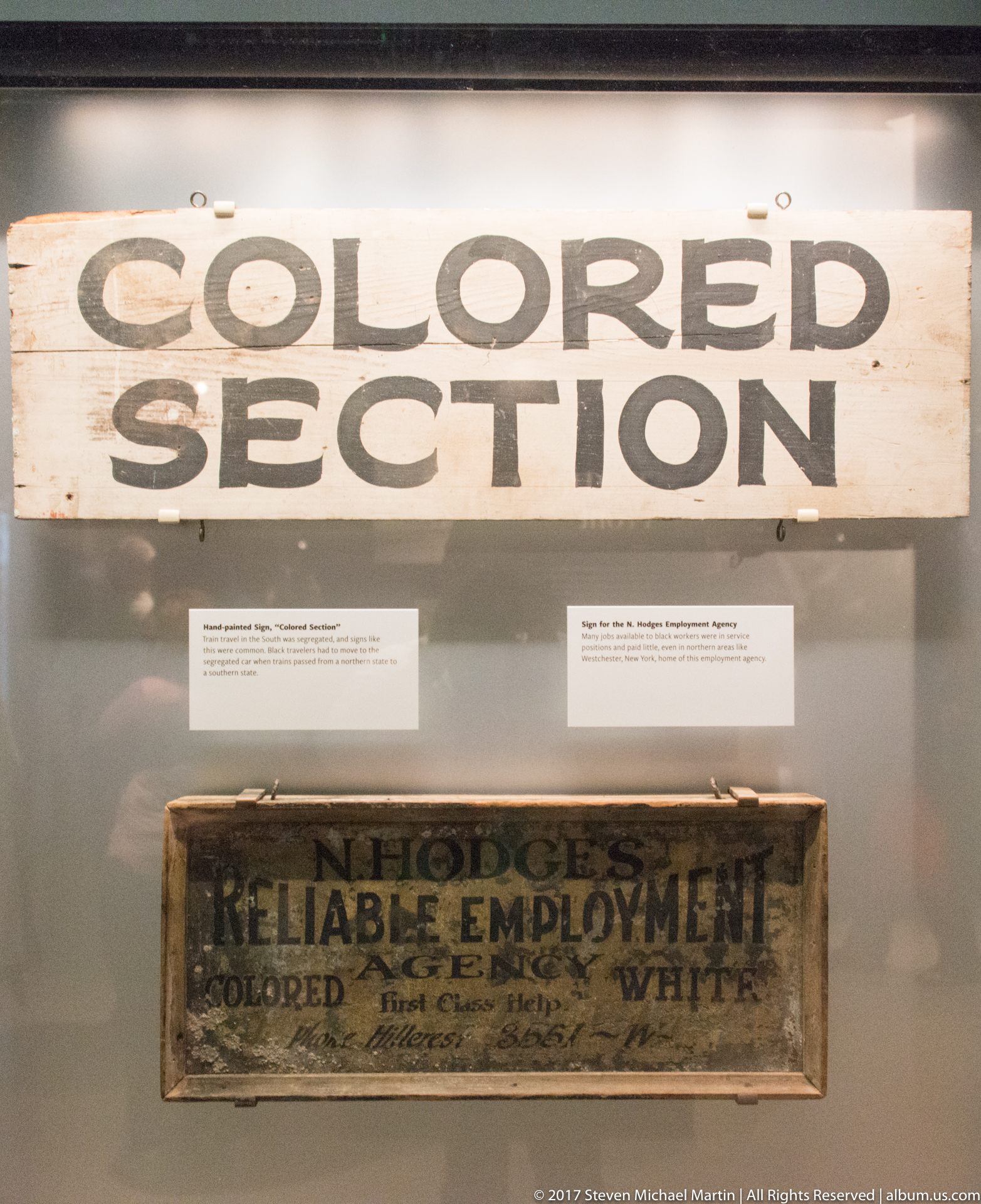
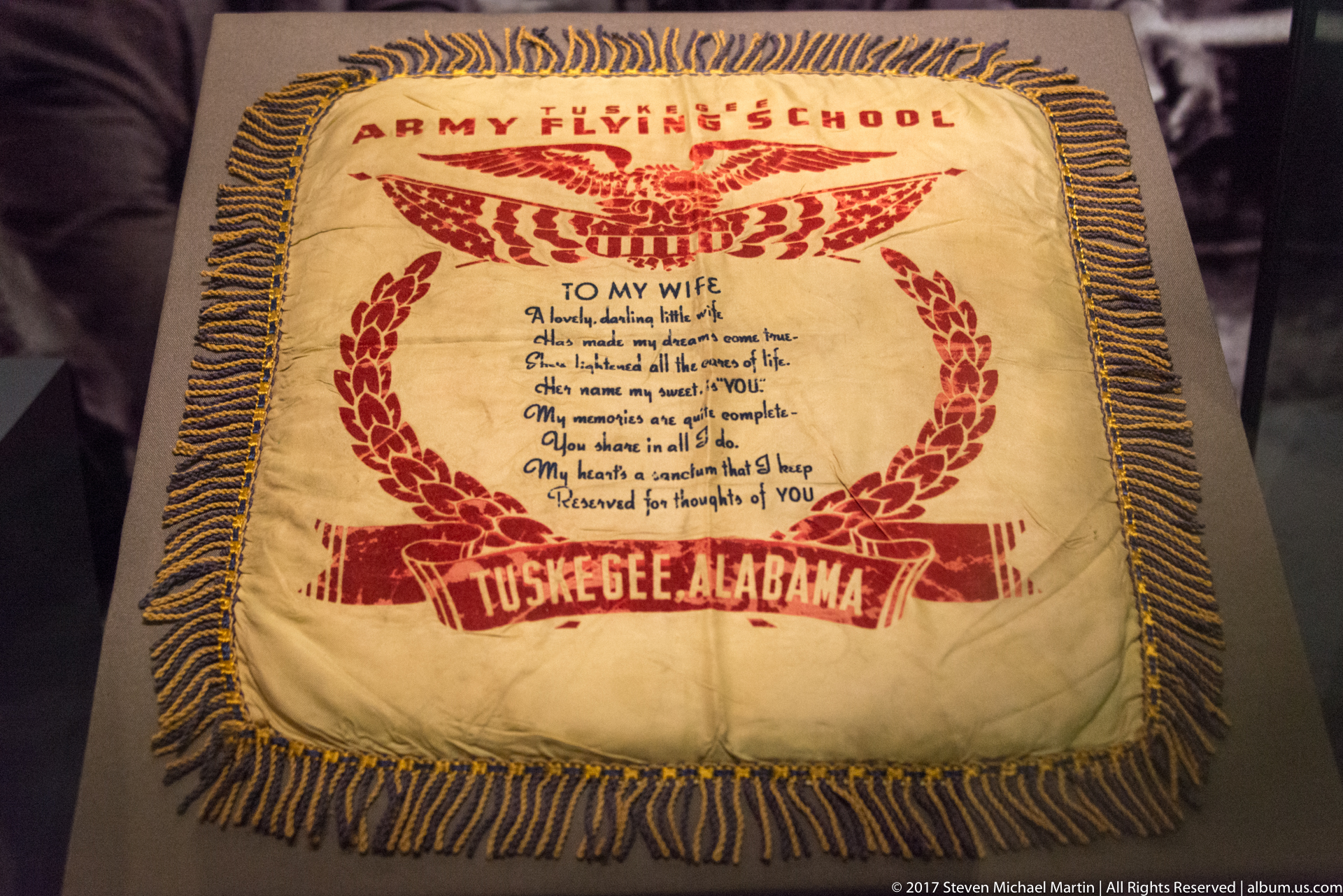
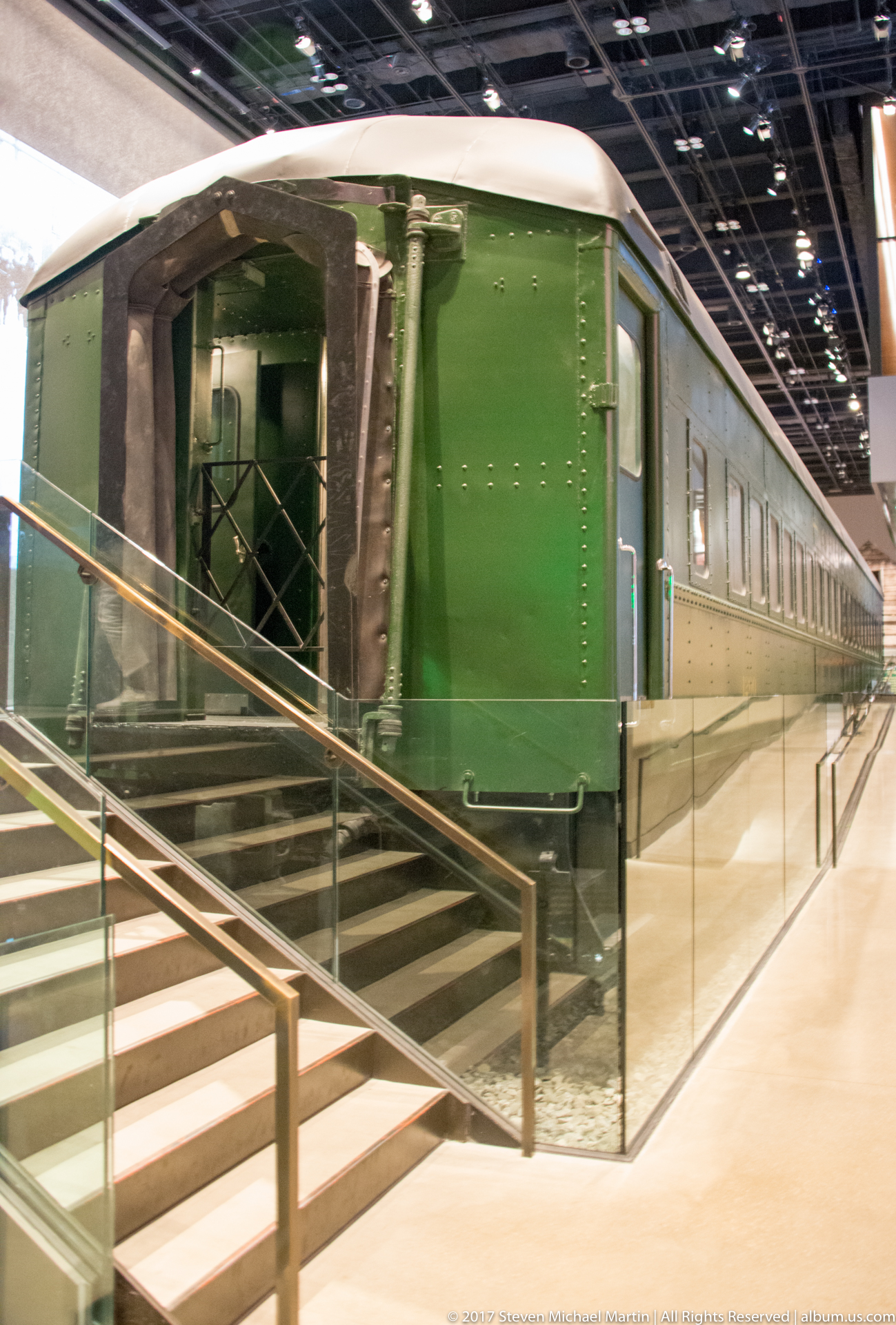
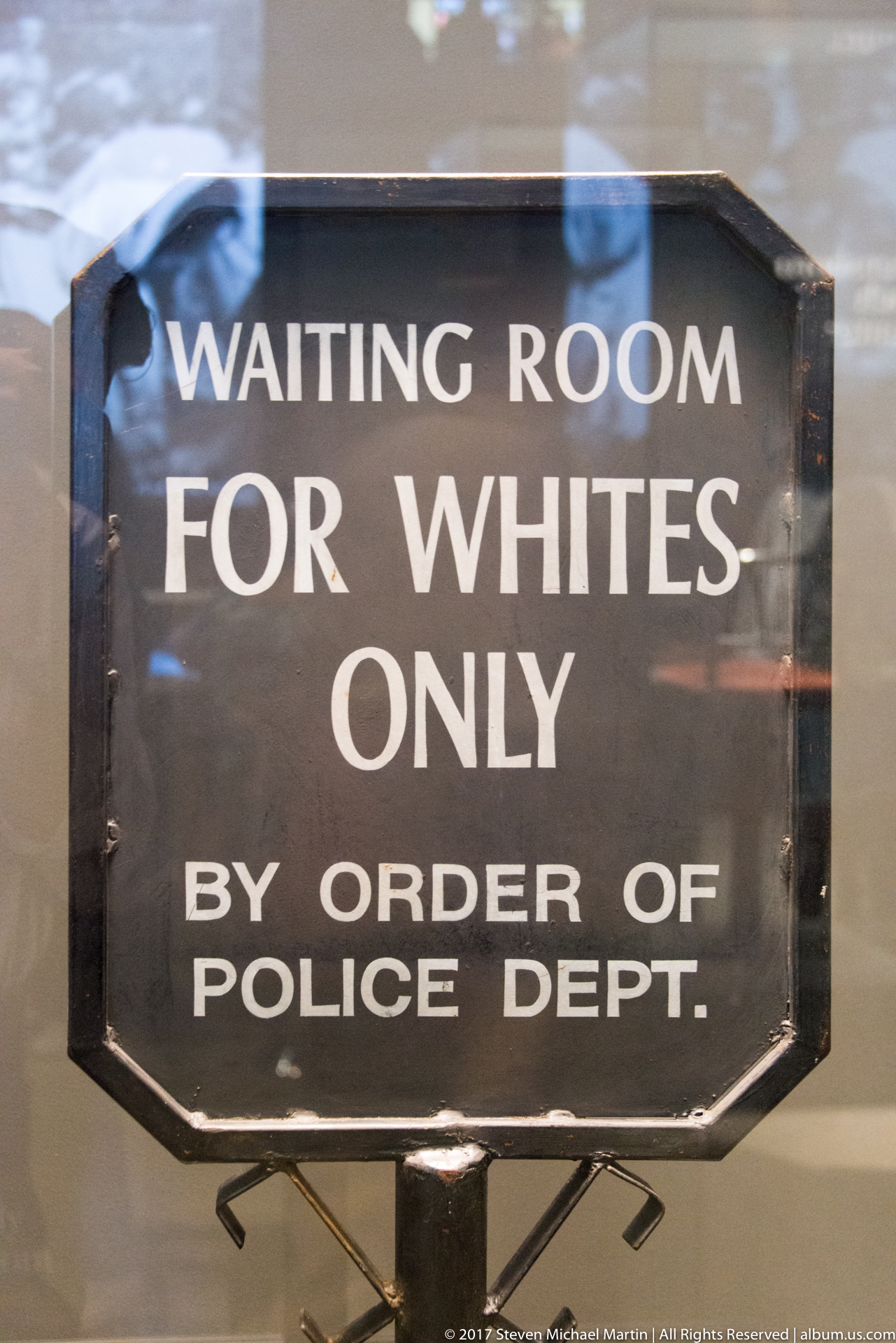
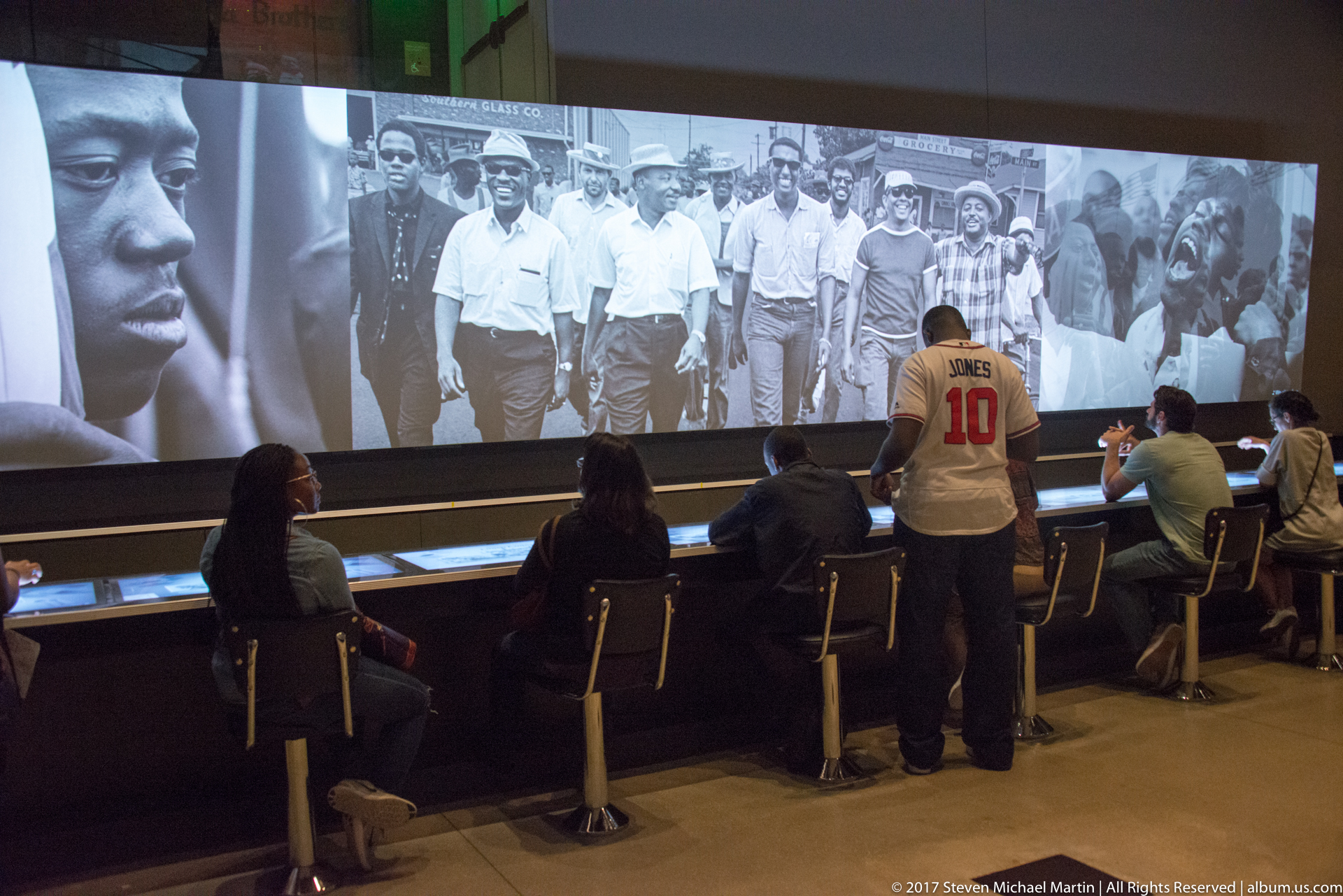
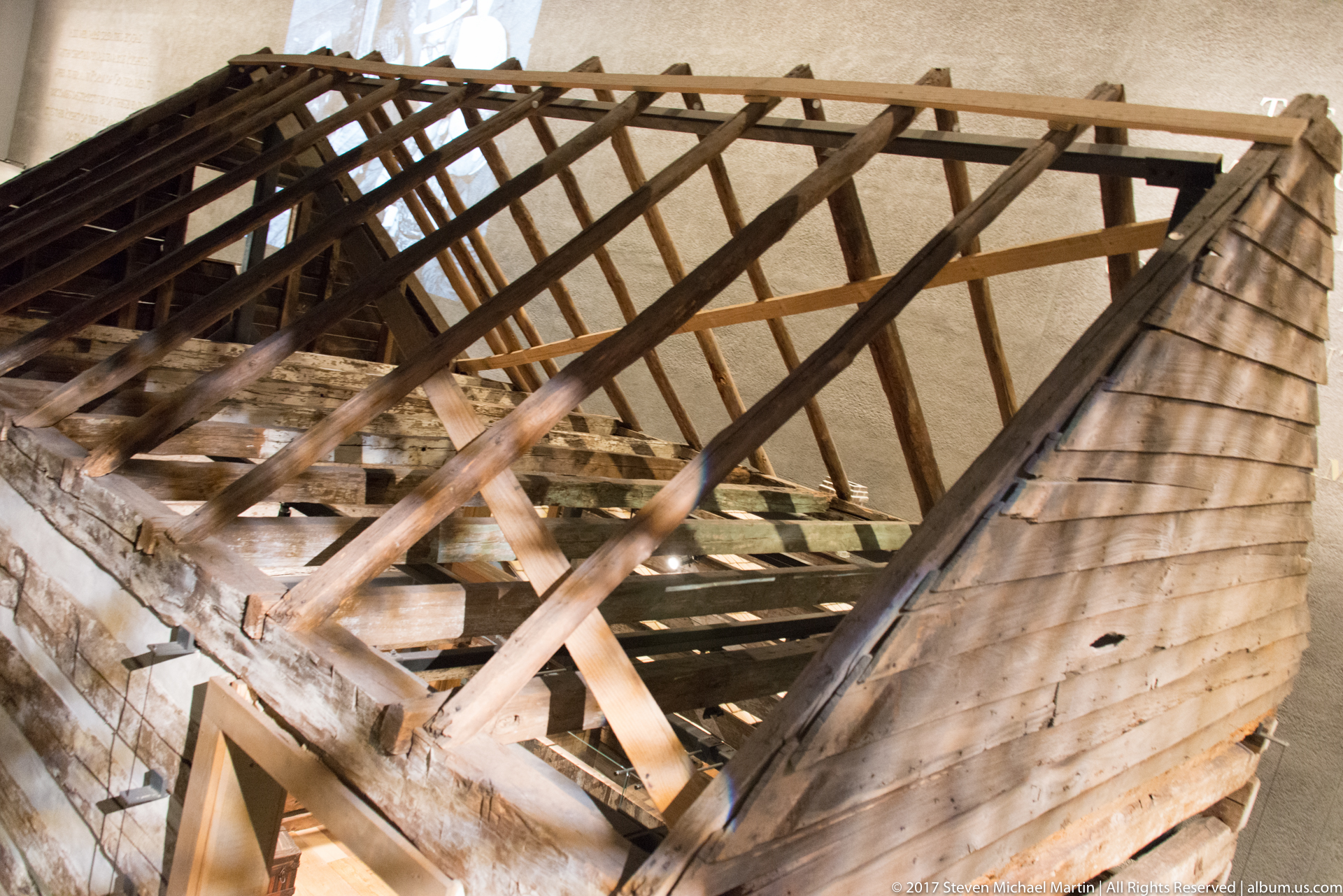
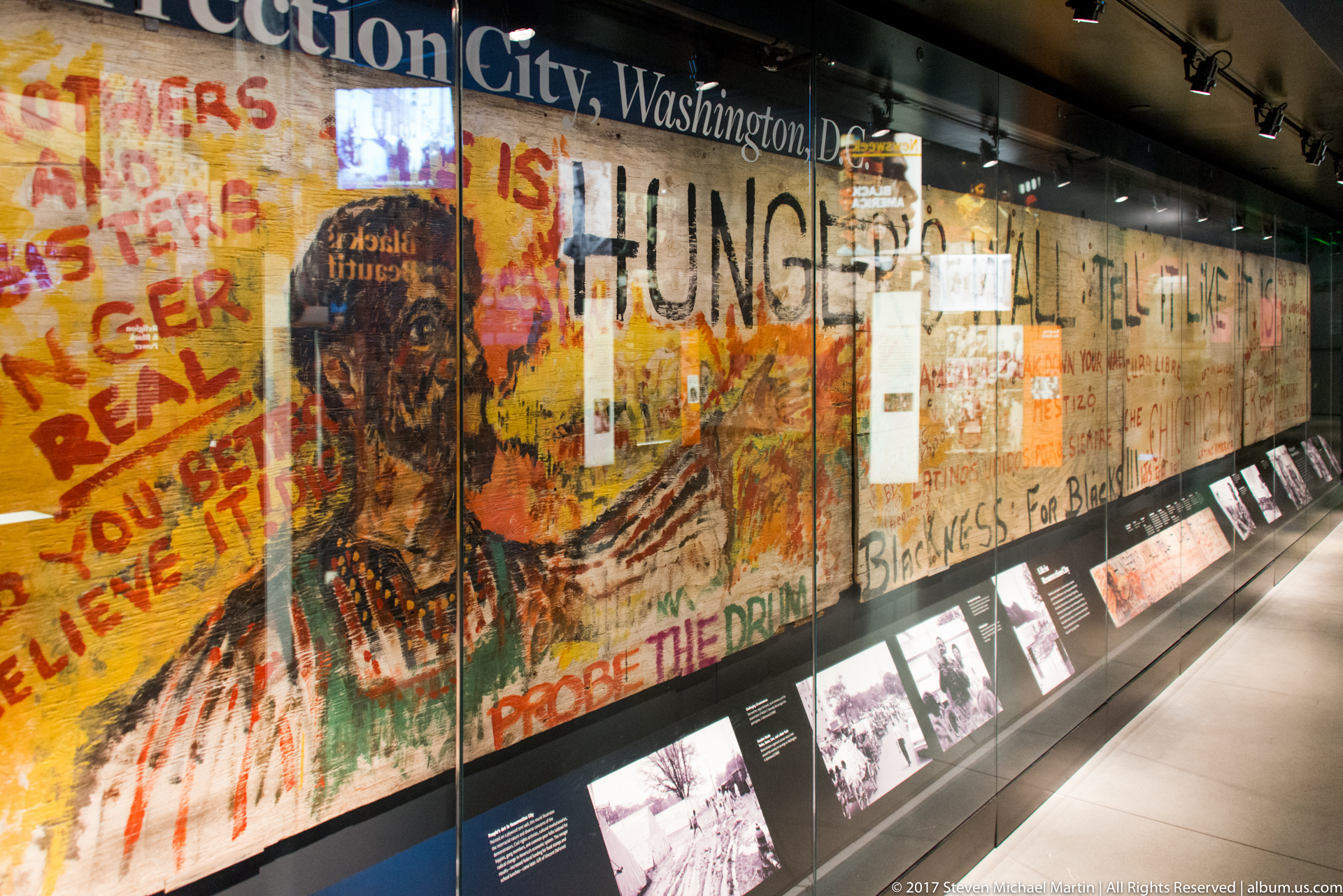
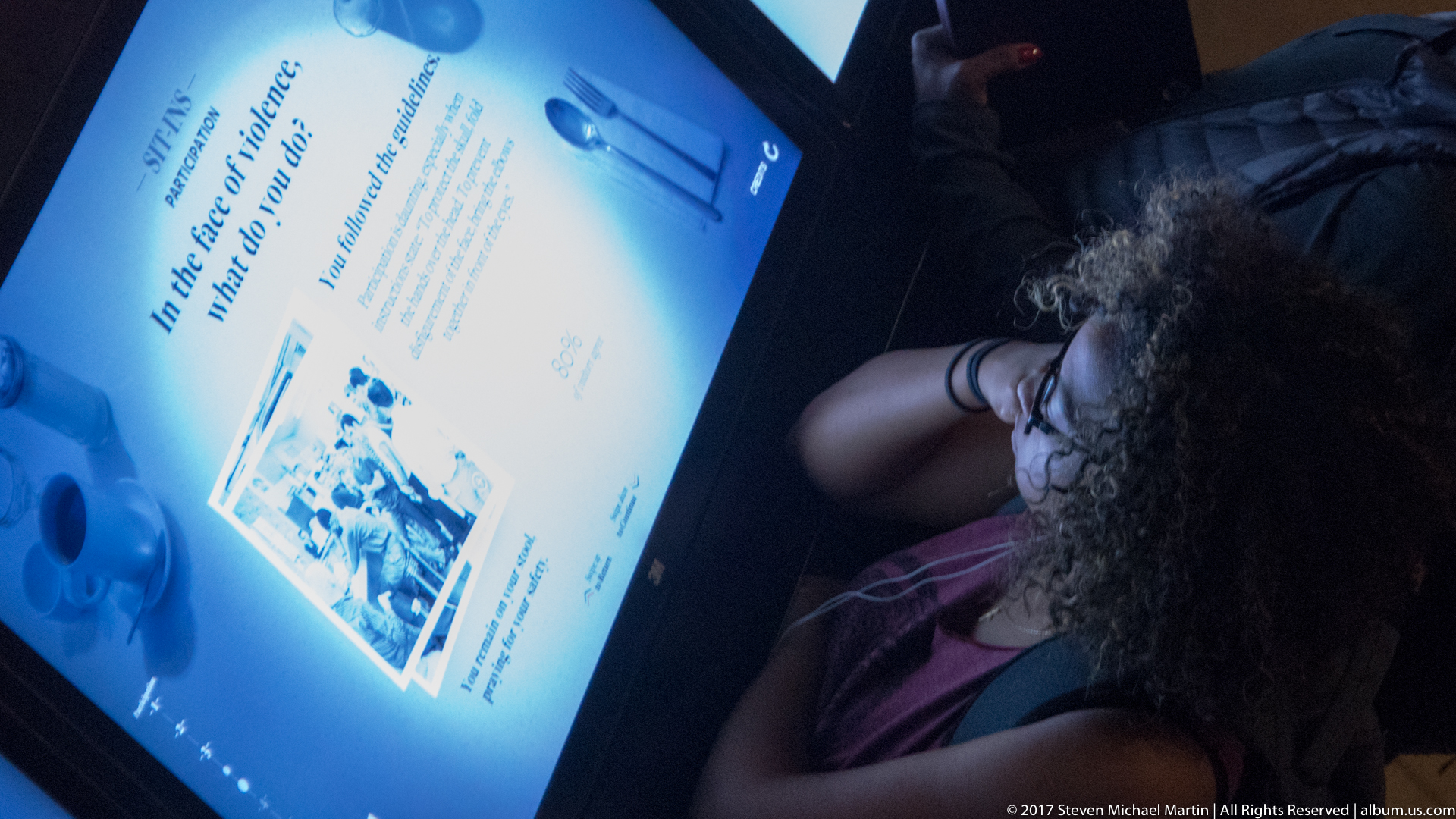
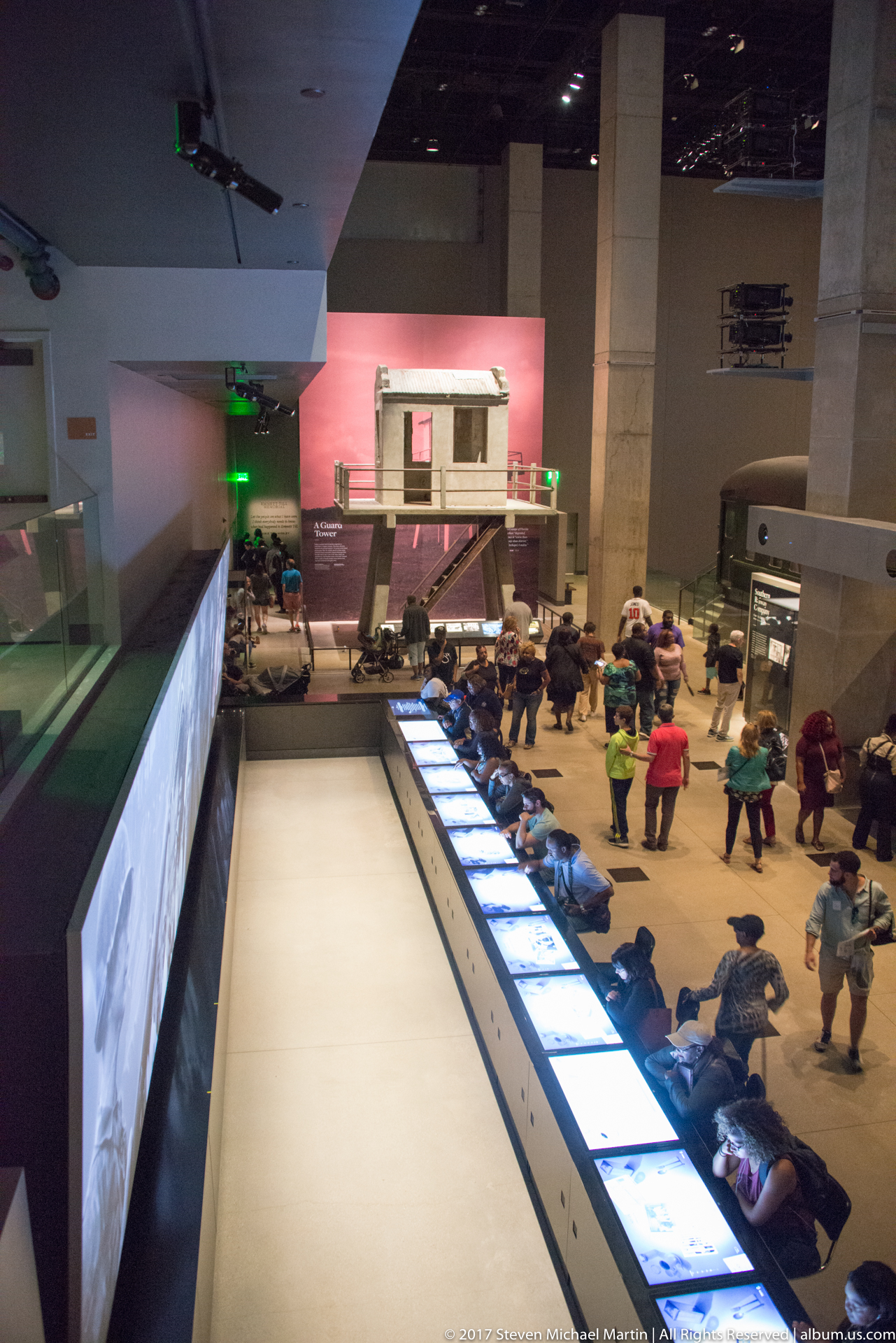
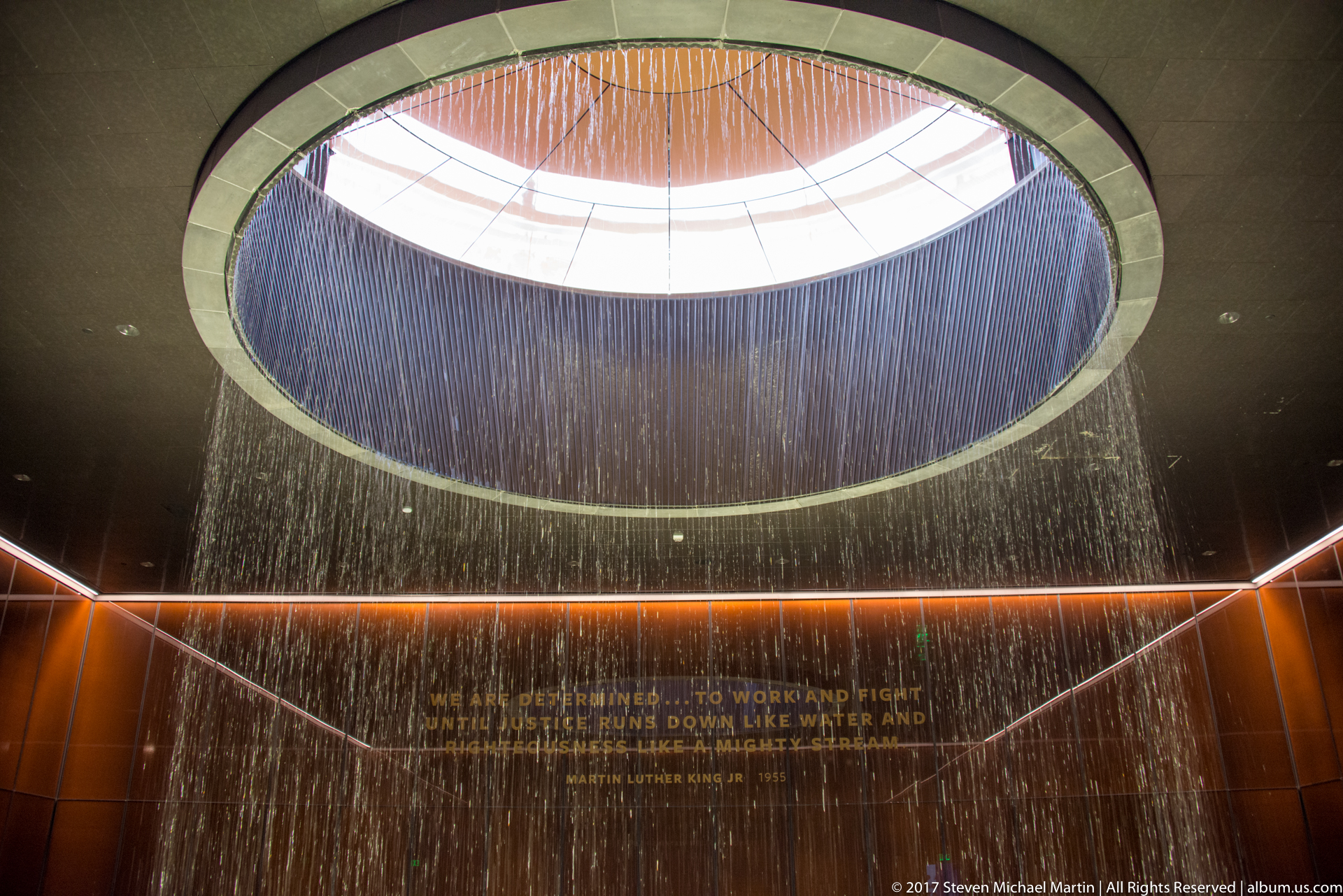
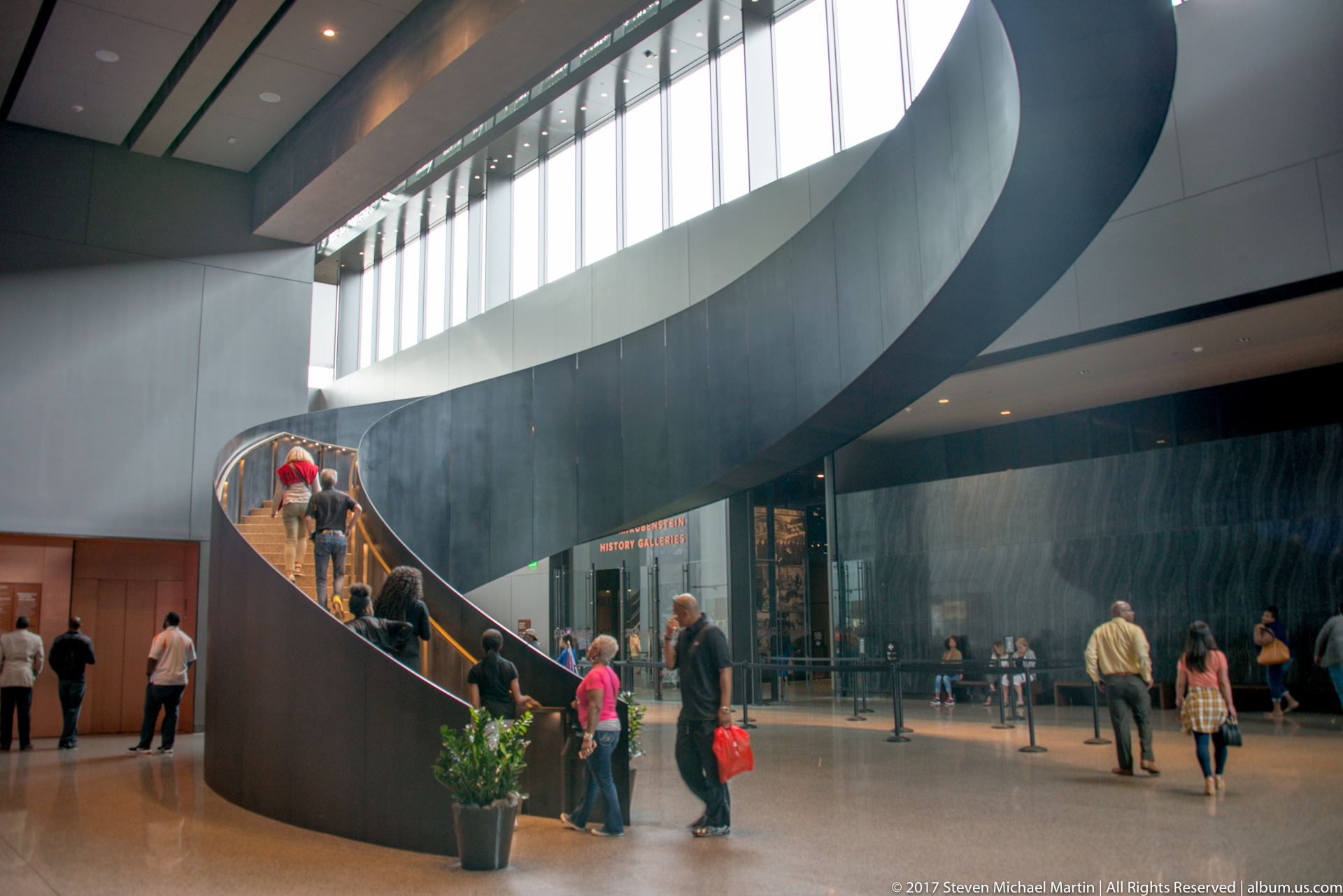
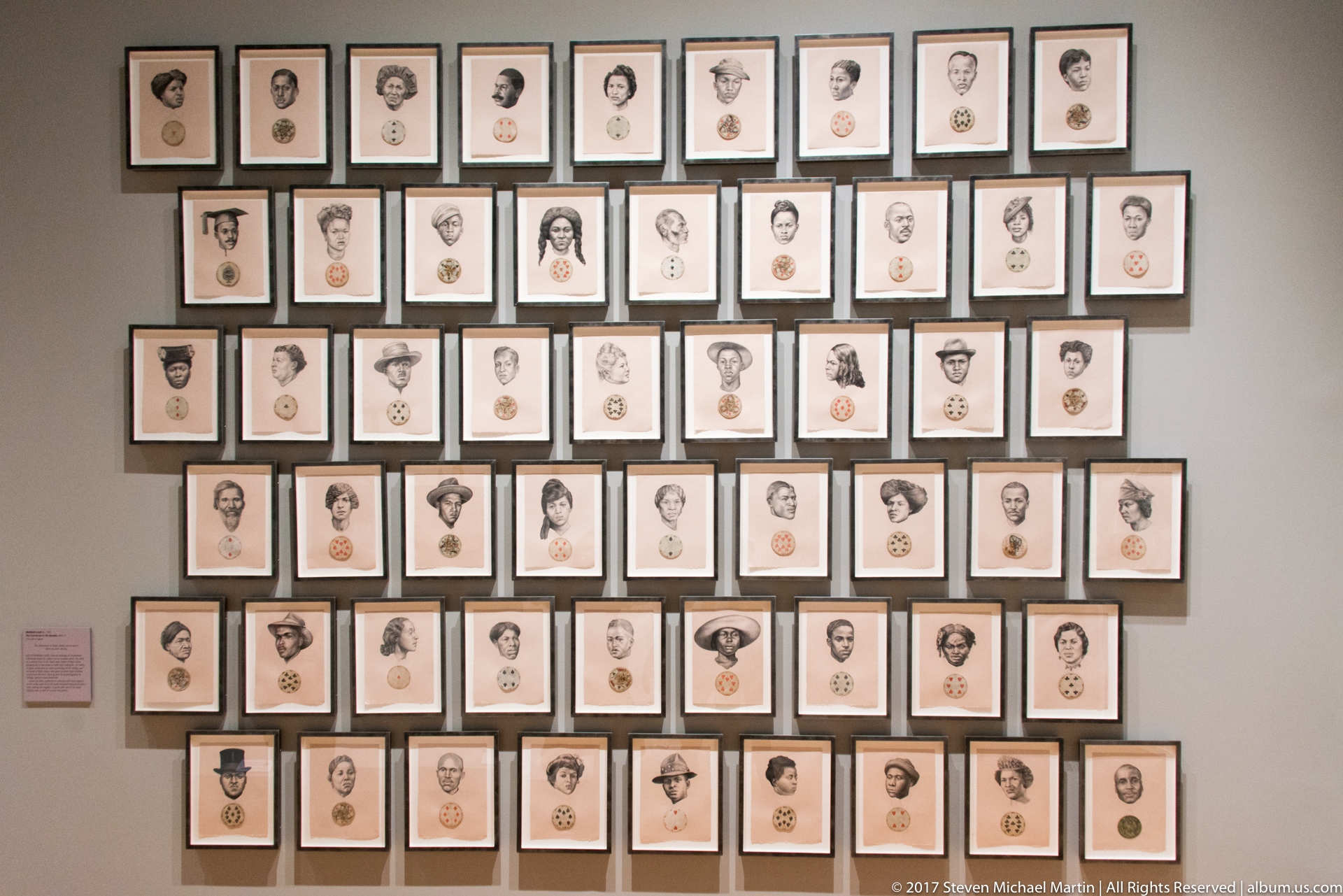
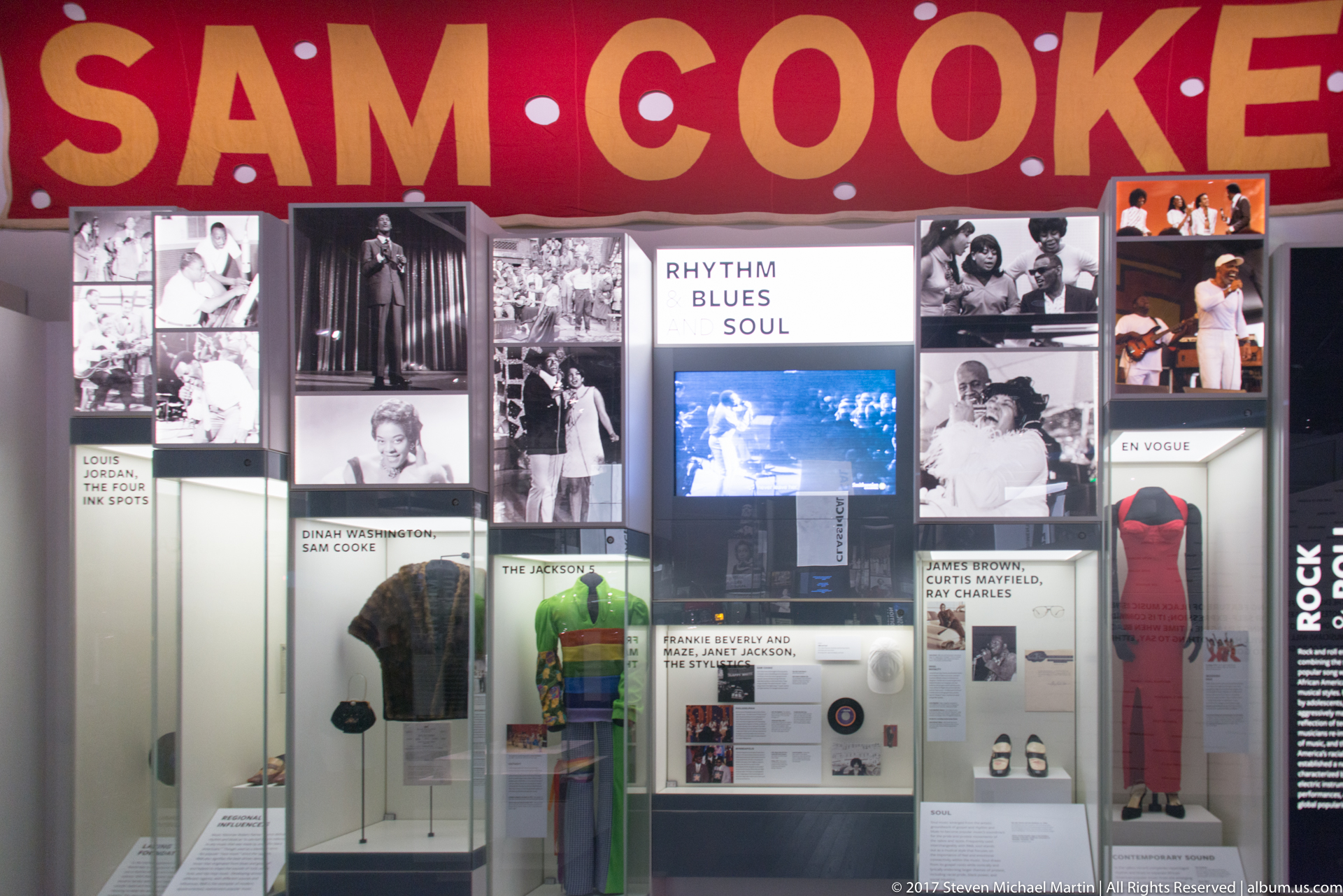
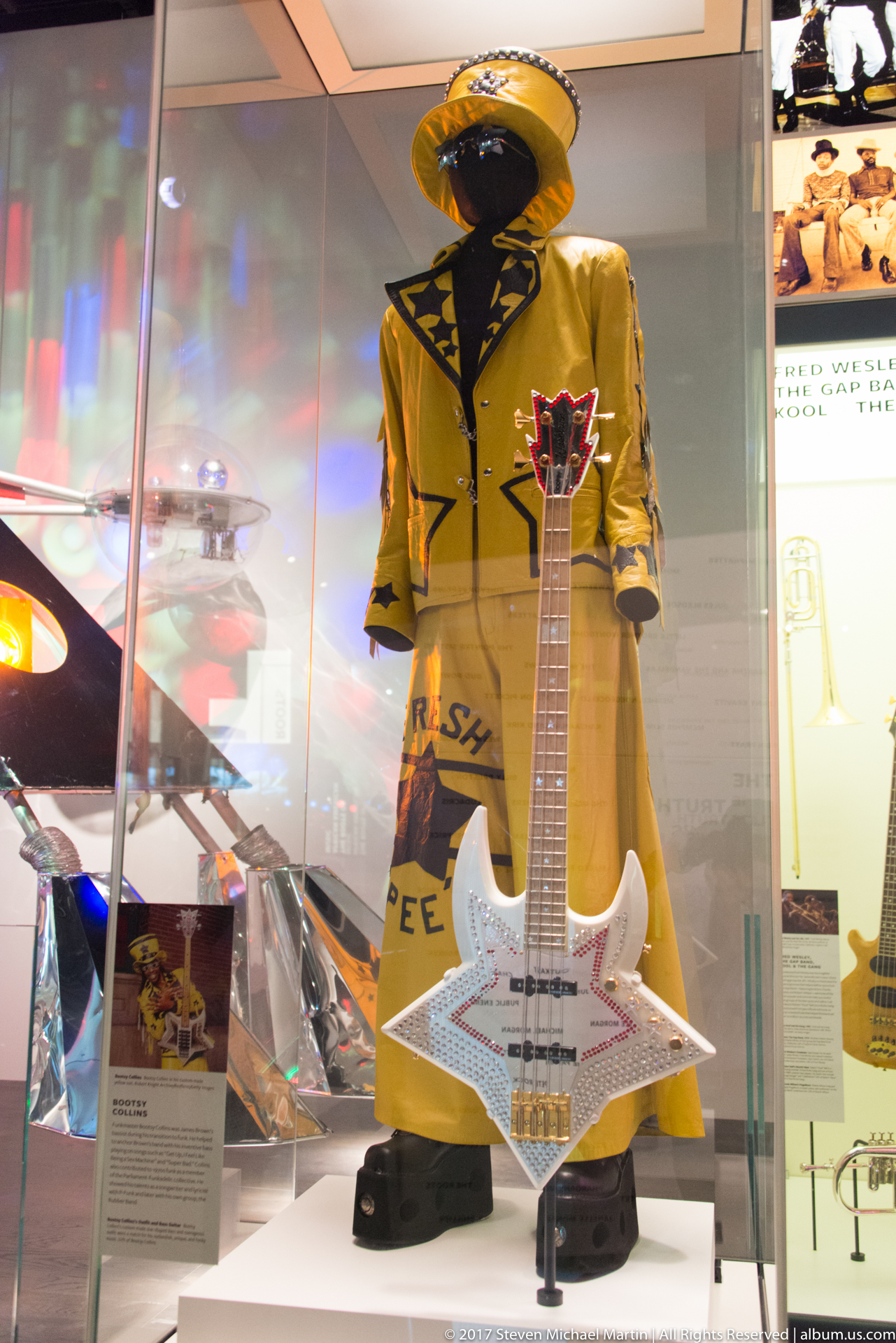
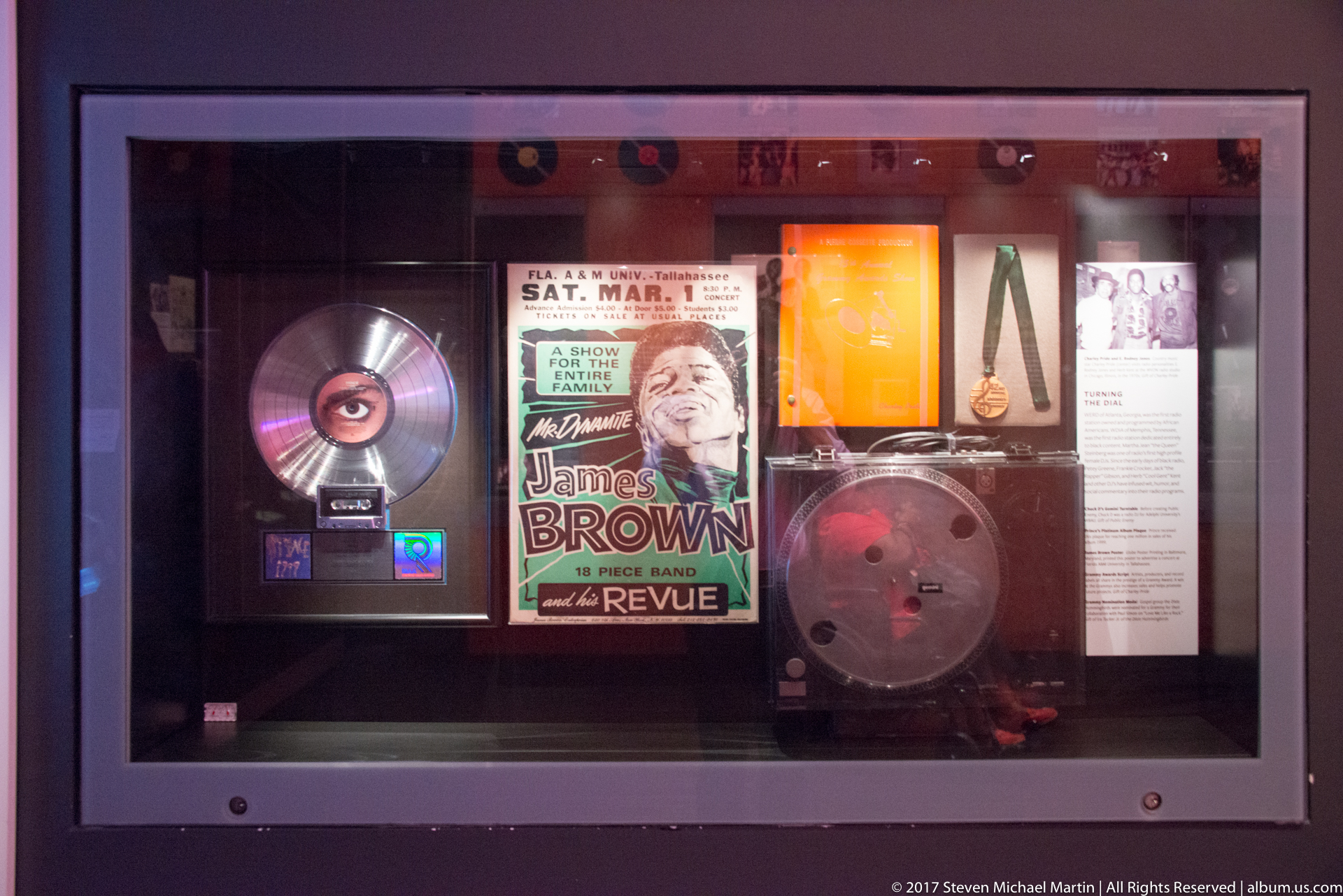
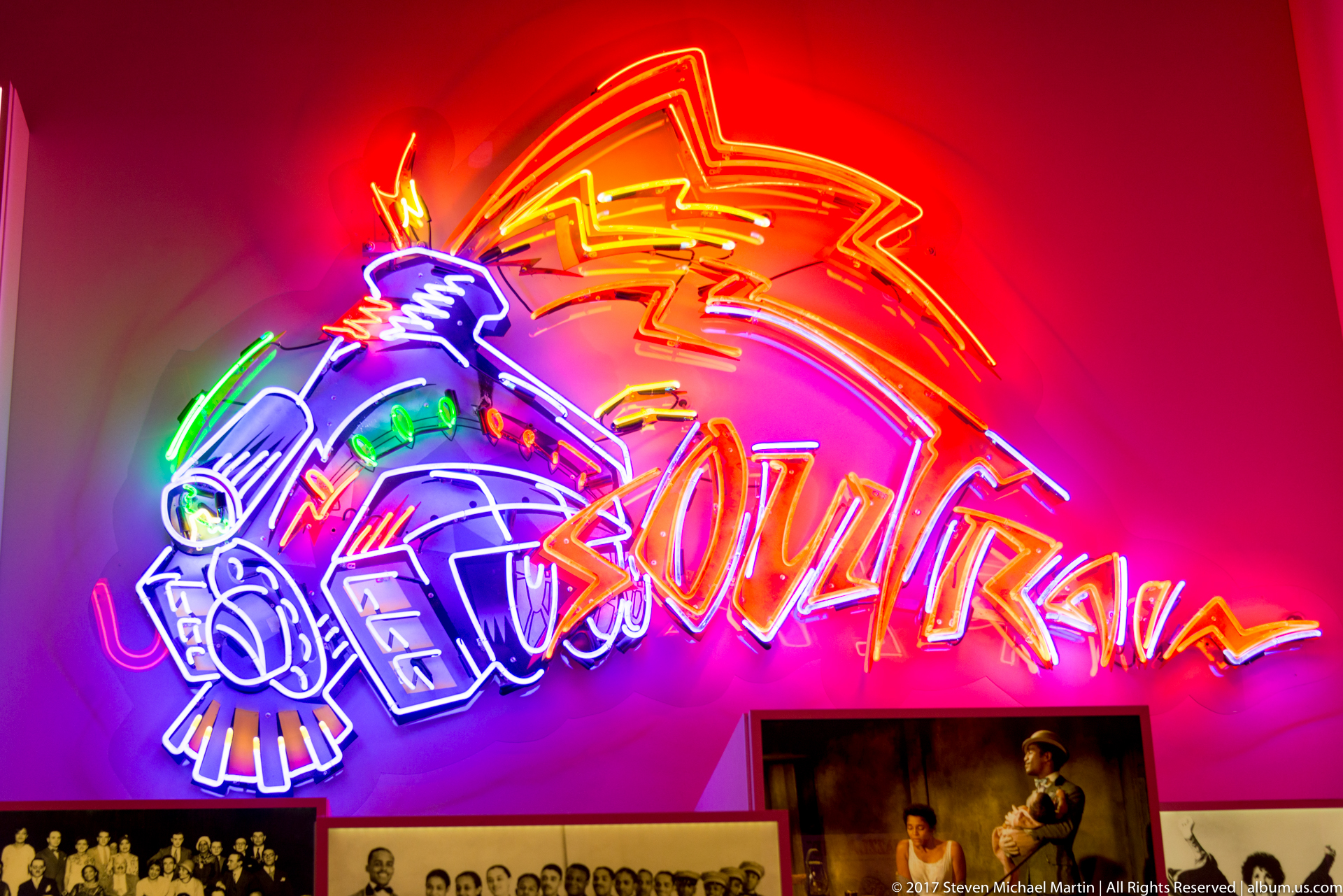
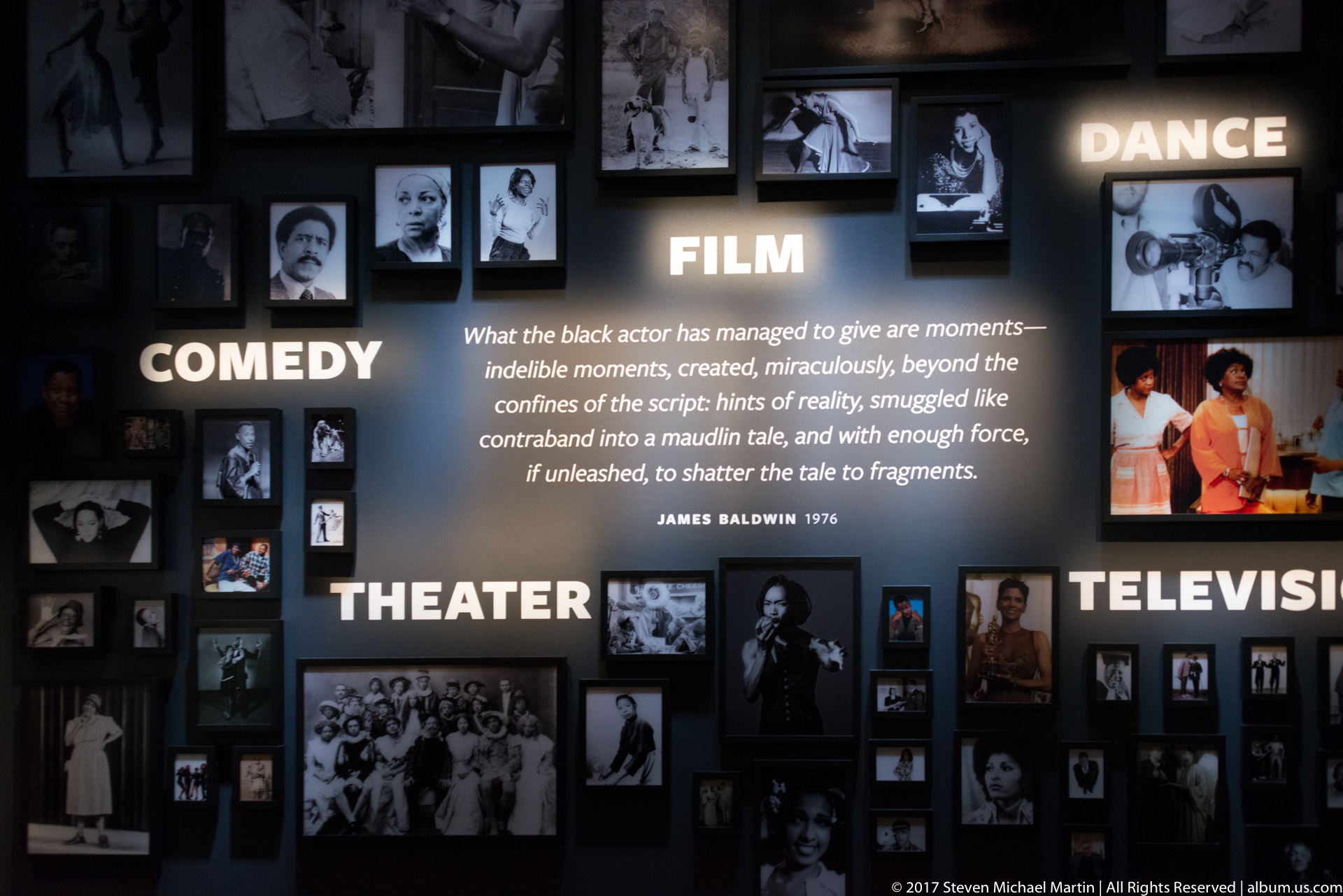
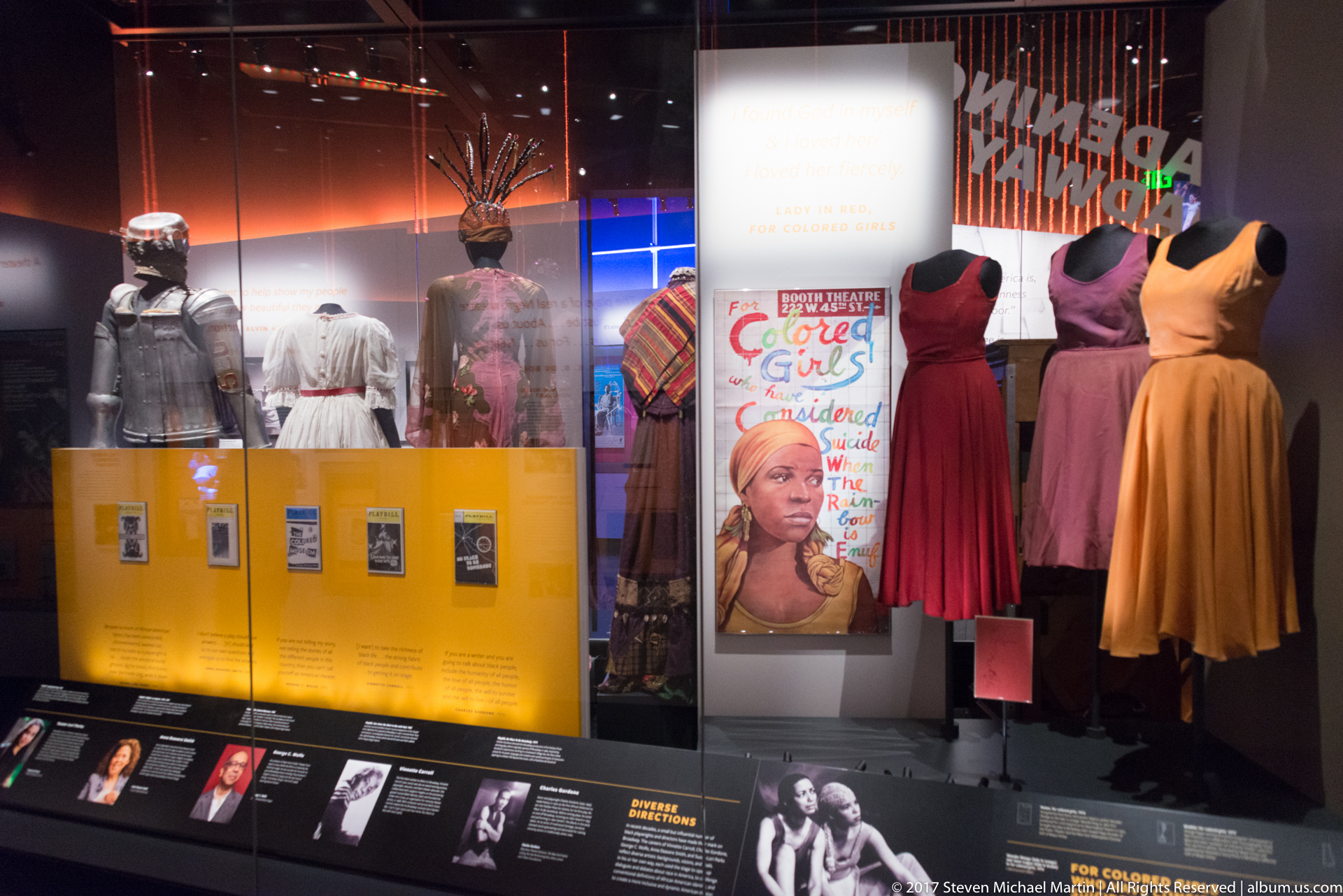
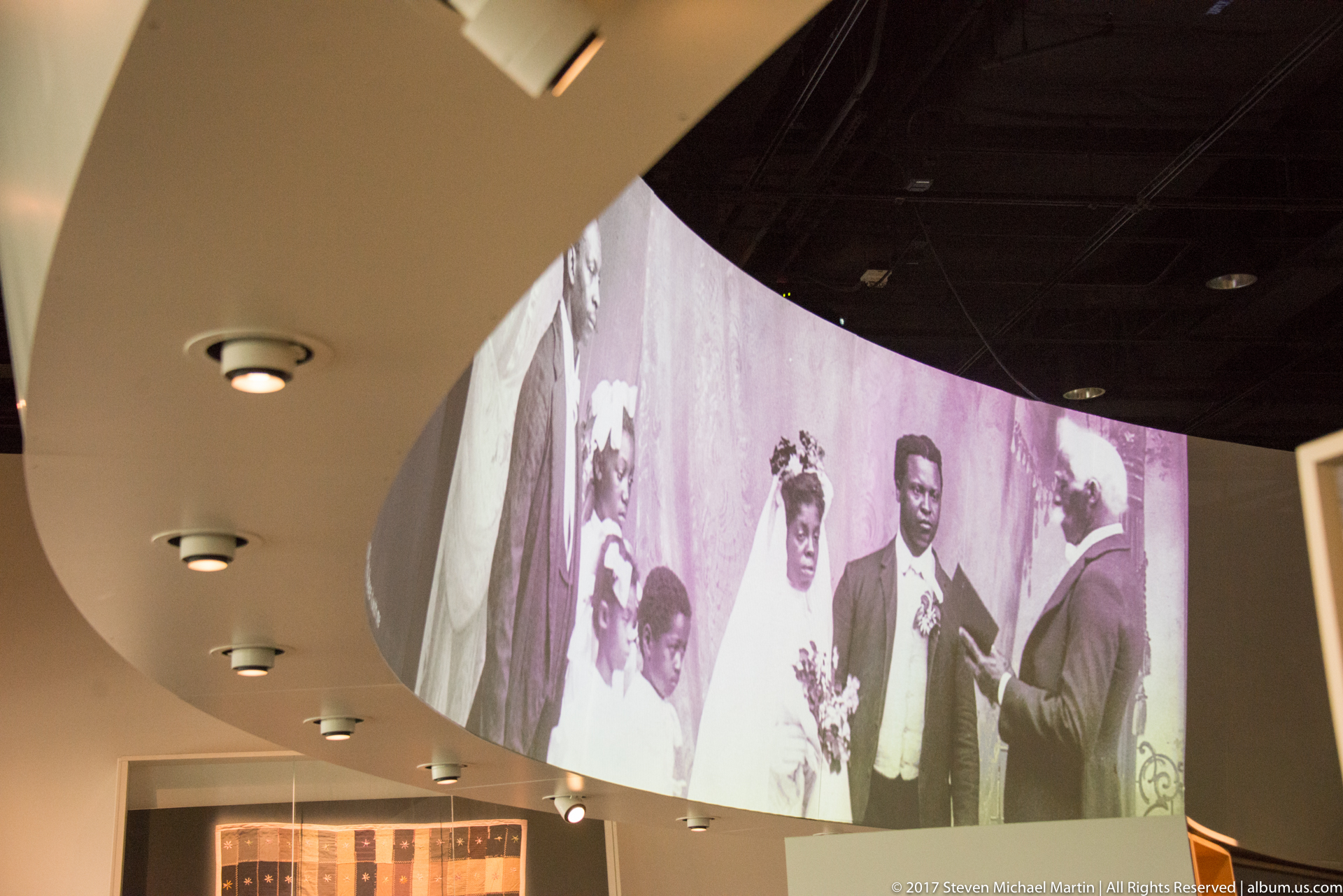
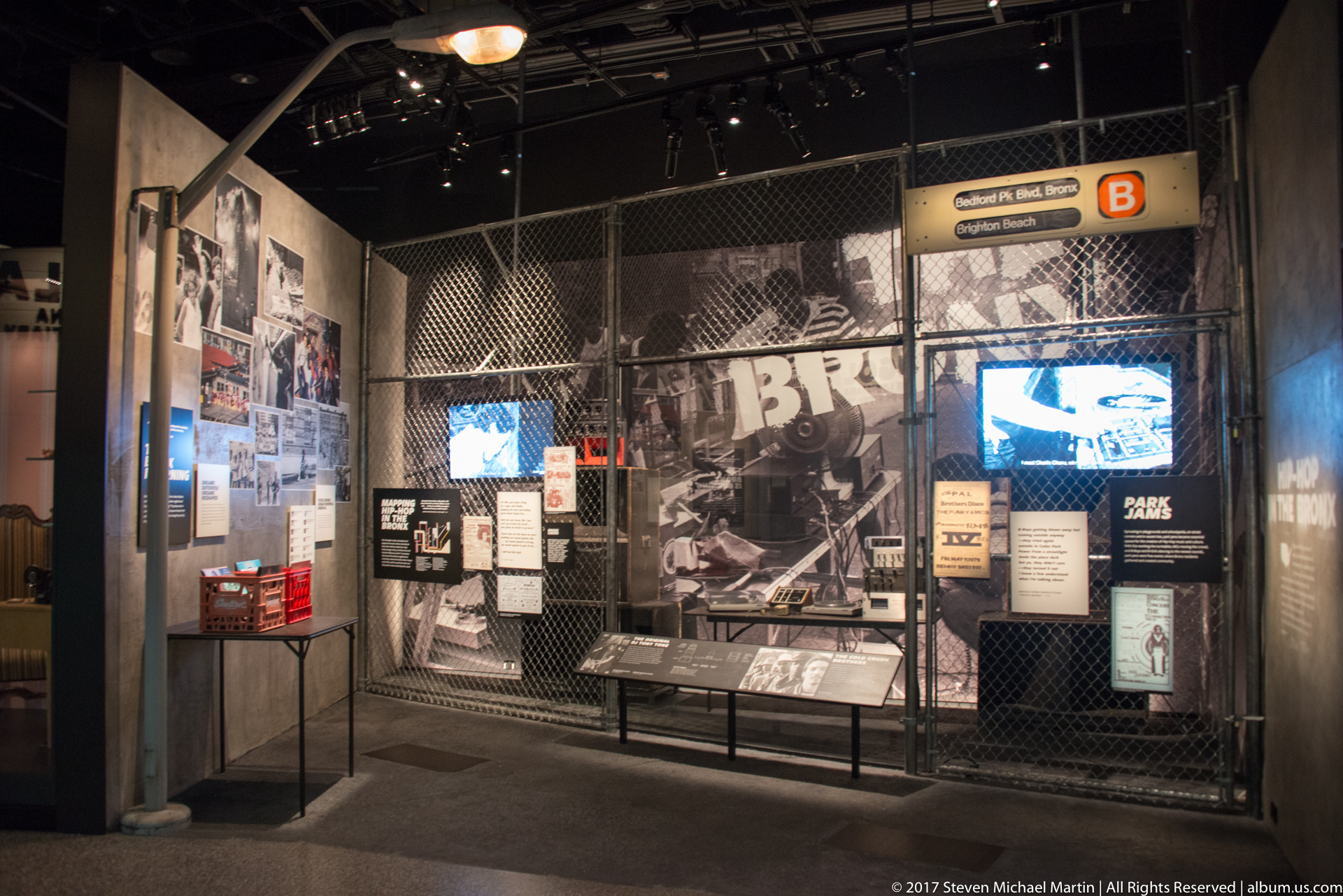
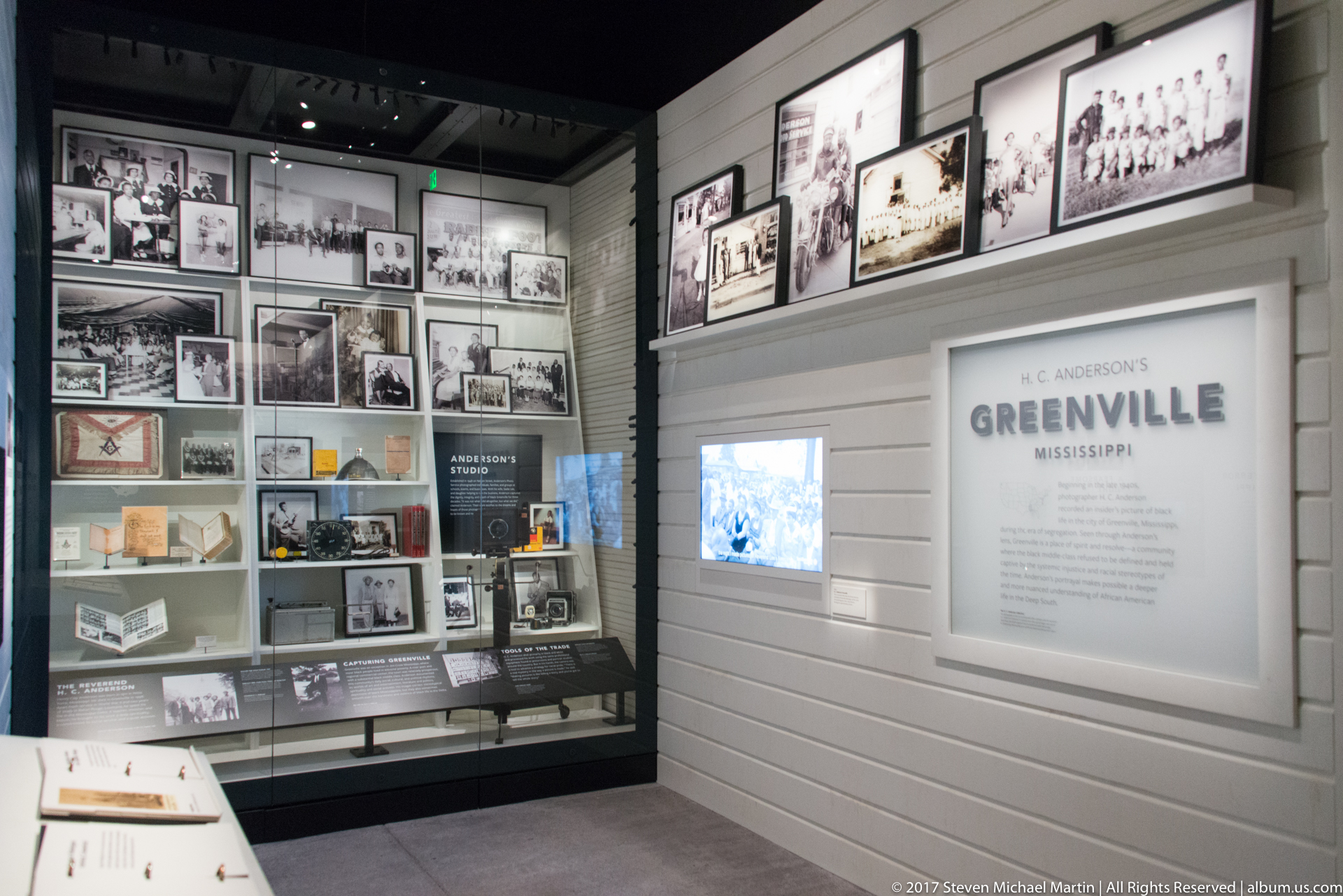
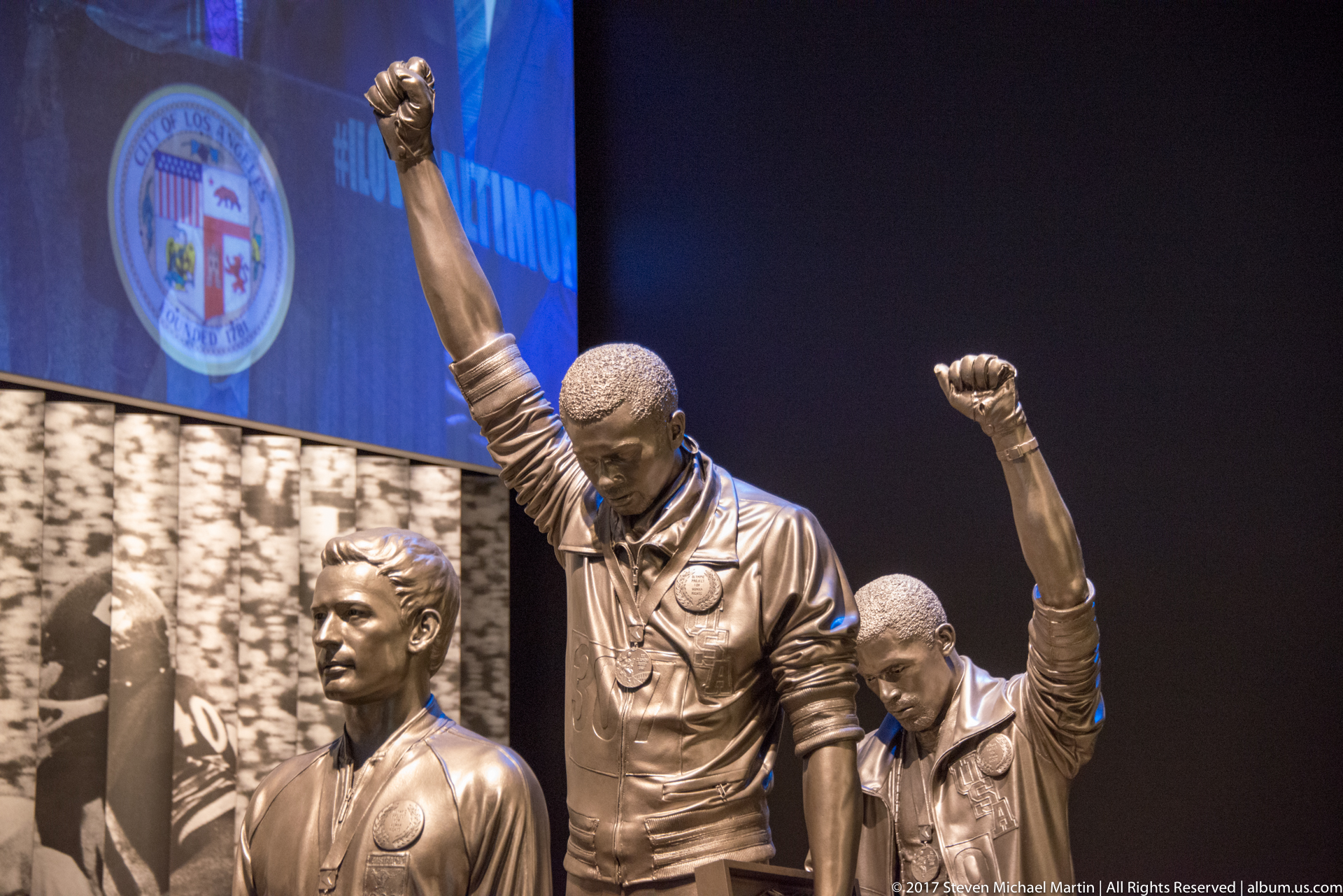
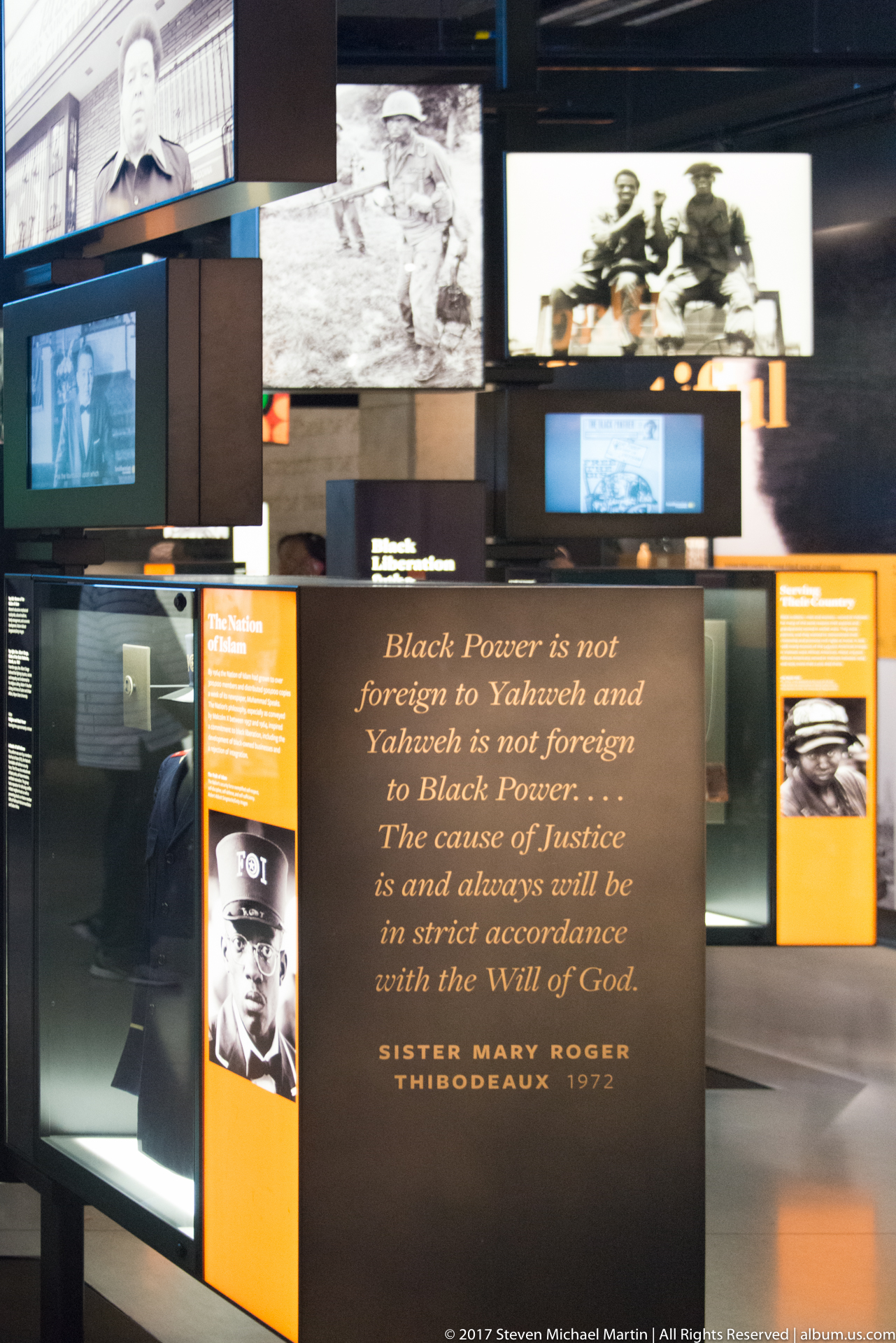
Exhibitions within the museum explore themes ranging from the transatlantic slave trade and the Civil War to the Civil Rights Movement and contemporary cultural achievements. The museum’s architectural design guides visitors through historical narratives that illustrate both hardship and resilience, demonstrating the central role of African American history in shaping national identity. The structure’s symbolic form draws inspiration from West African artistic traditions, reflecting cultural connections that extend across the Atlantic world.
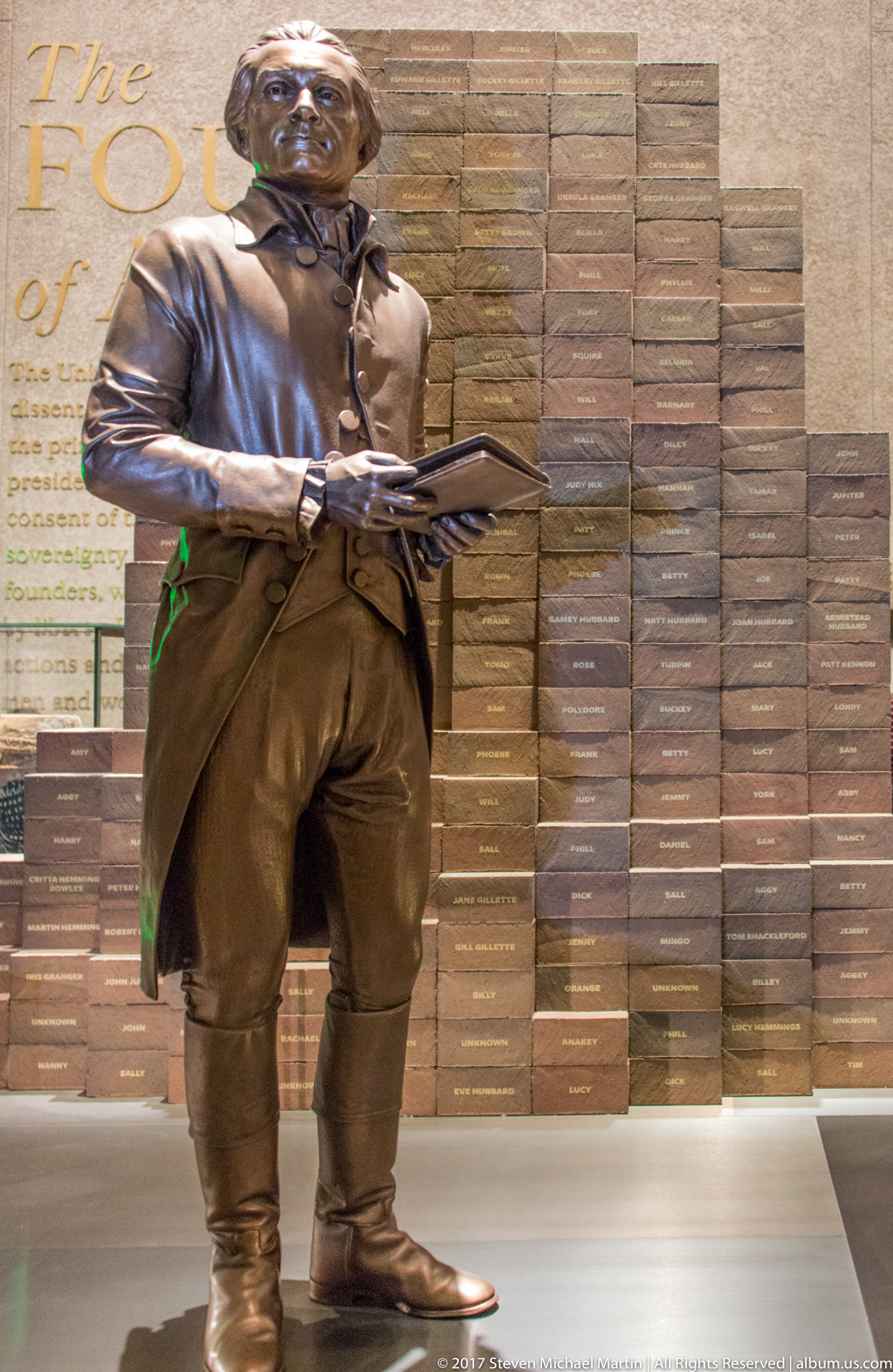
The National Museum of African American History and Culture contributes to understanding the complex historical processes that influenced the development of the United States. Its collections illustrate the relationship between cultural creativity, social change, and political transformation across multiple historical periods. The museum reinforces the importance of inclusive historical interpretation within the broader symbolic landscape of the federal capital.