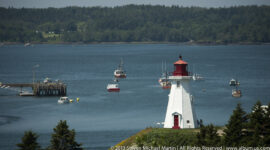
Acadia National Park and Portland
Maine’s coastal landscape reflects the interaction between ancient bedrock formations and repeated glaciation that shaped the shoreline of the North Atlantic. The granite mountains and rocky coast preserved in Acadia National Park illustrate the effects of continental ice sheets that carved valleys and exposed resistant stone along Mount Desert Island. Further south, Portland developed as a maritime center whose harbor connected New England trade routes with broader Atlantic networks, contributing to the economic growth of the northeastern United States.
The combination of coastal mountains, forests, and tidal environments creates a landscape that supports diverse ecosystems characteristic of the Gulf of Maine. Acadia preserves some of the highest headlands along the Atlantic seaboard, where exposed granite ridges rise above the ocean and reflect the geological processes that shaped the Appalachian region. Portland’s historic waterfront illustrates the importance of maritime commerce in linking regional industries such as shipbuilding, fishing, and timber export with international markets.
Together these environments demonstrate the relationship between glacial geology and maritime development across coastal New England. The interaction between ocean climate, forest ecology, and rocky shoreline contributes to the distinctive character of Maine’s coastal landscape. These settings illustrate the broader environmental continuity between the Appalachian highlands and the North Atlantic coast.

























Acadia National Park
📍 Overview
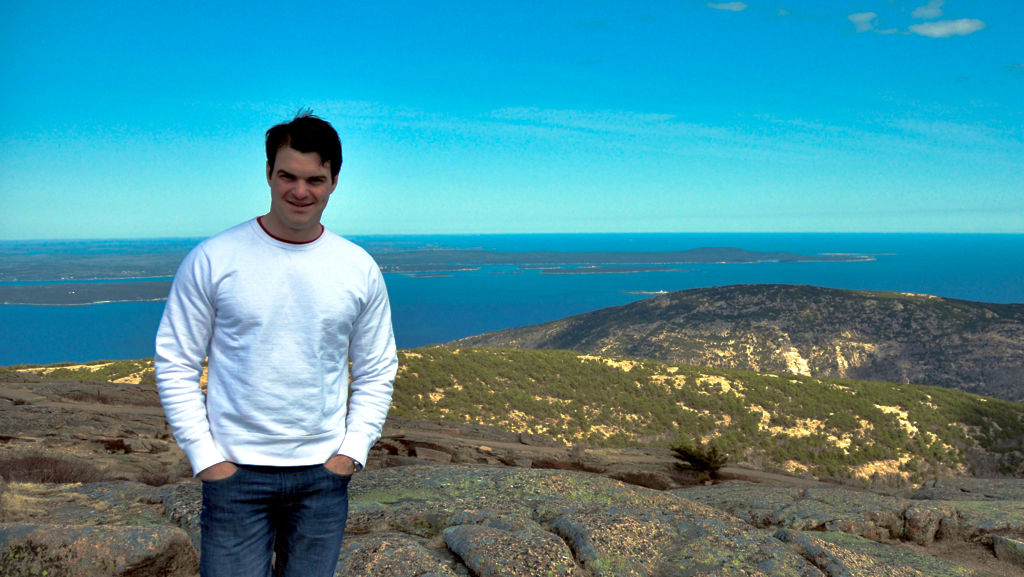
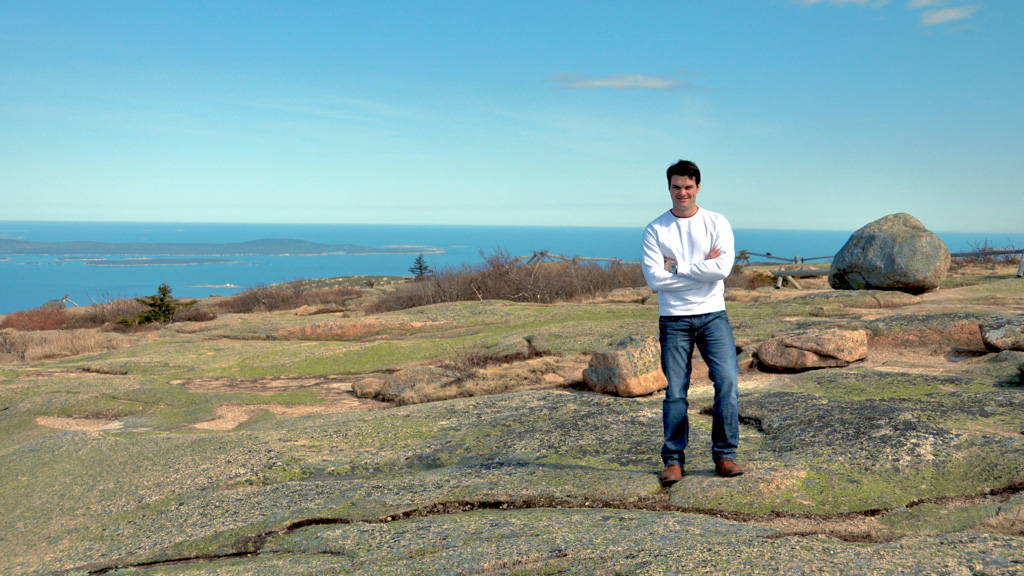
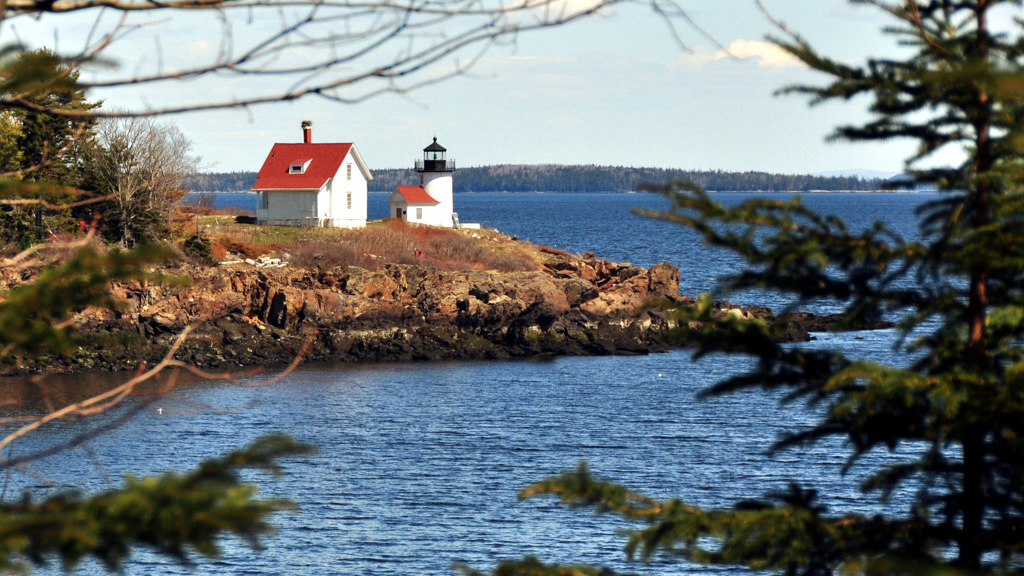
Acadia National Park preserves a section of the North Atlantic coastline where granite mountains rise directly from the sea, forming one of the most distinctive landscapes along the eastern United States. Located primarily on Mount Desert Island, the park reflects the combined influence of ancient bedrock formations, continental glaciation, and ongoing coastal erosion. The landscape includes rocky headlands, forested slopes, freshwater lakes, and offshore islands shaped by geological processes that extend back hundreds of millions of years.
🧭 Quick Facts
- Location: Maine
- Established: 1916 (as Sieur de Monts National Monument)
- Designation: National Park
- Landscape type: Coastal mountains, forests, lakes
- Highest point: Cadillac Mountain
🏞️ Landscape Features
- Granite peaks shaped by glacial erosion
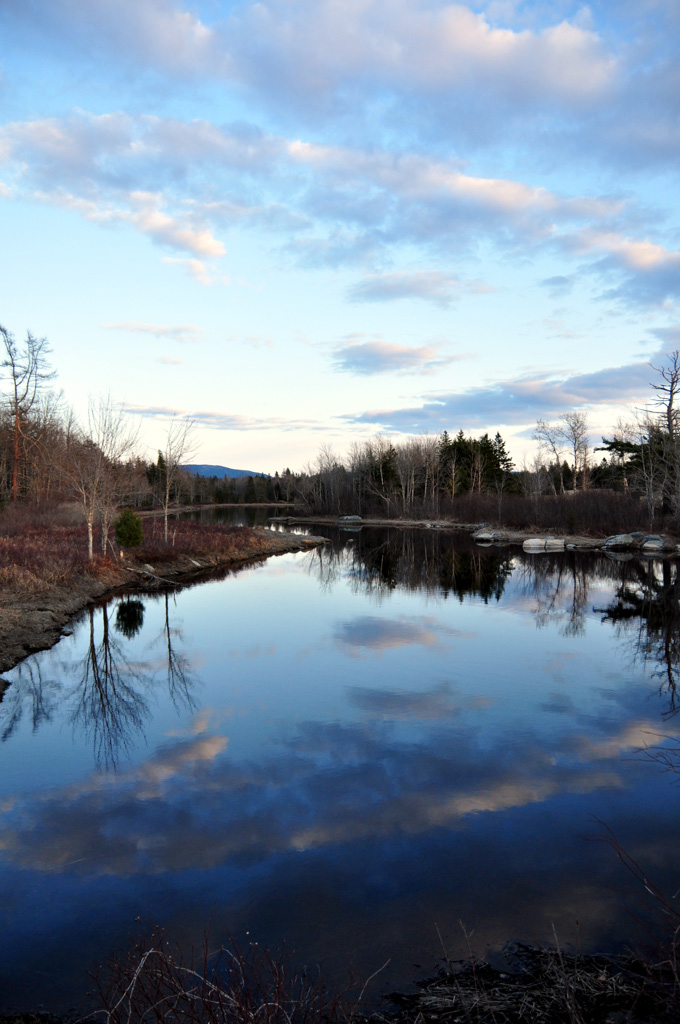
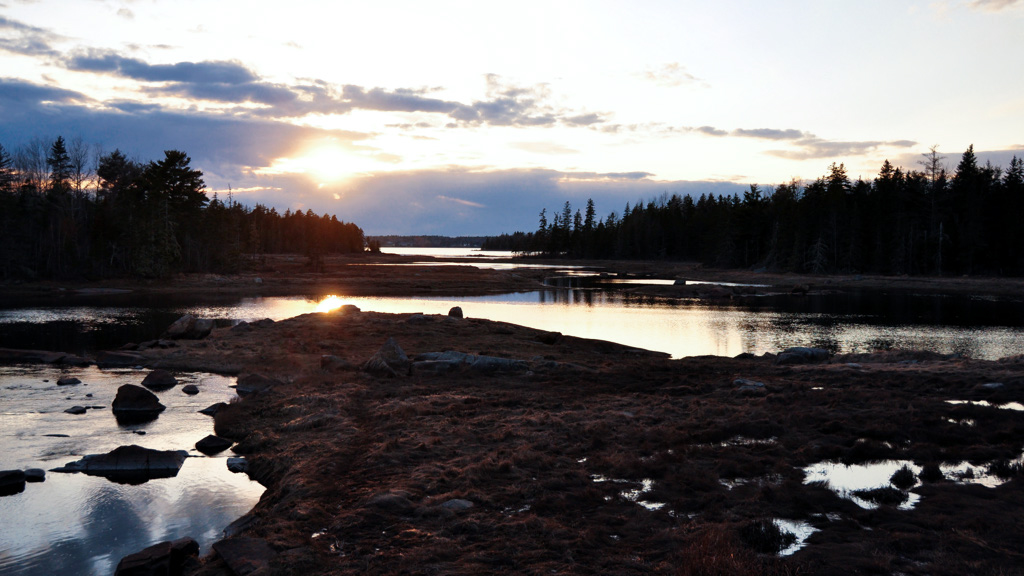
- Rocky Atlantic shoreline and tidal environments
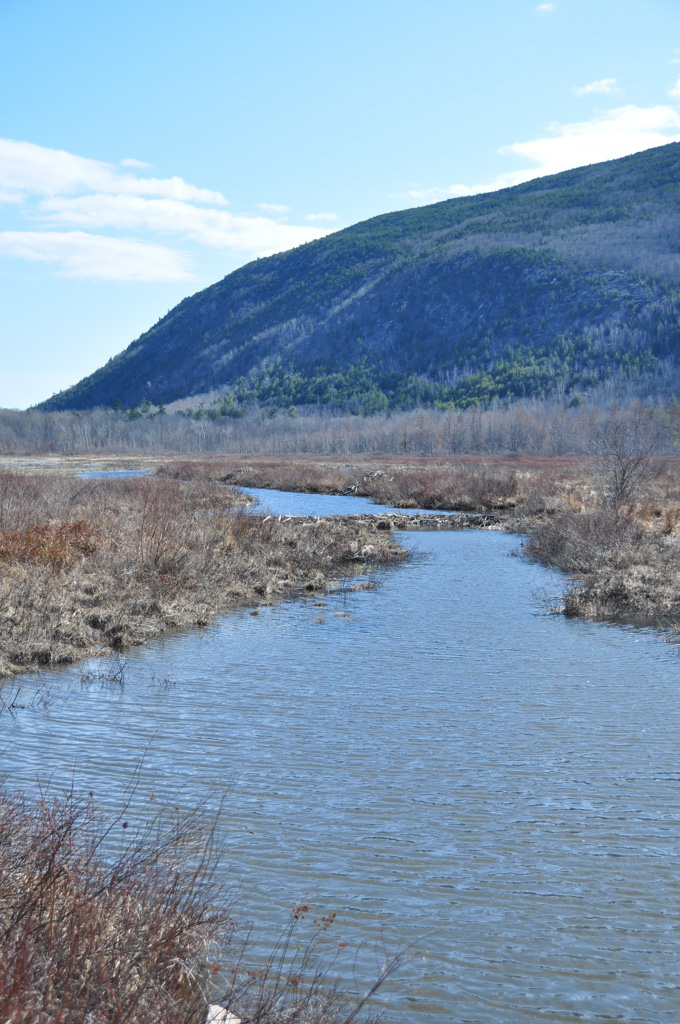
- Freshwater lakes formed by glacial retreat
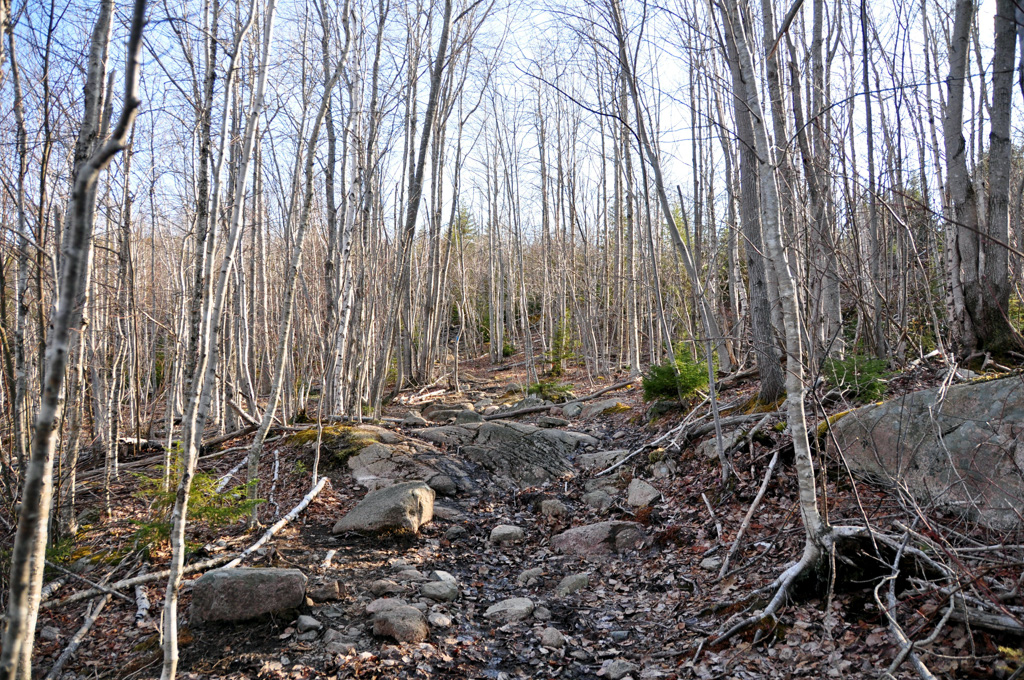
- Mixed hardwood and evergreen forest ecosystems
- Offshore islands and peninsulas
📚 Historical Significance
- Early conservation efforts supported by private philanthropy
- Association with the cultural landscape of historic Acadia
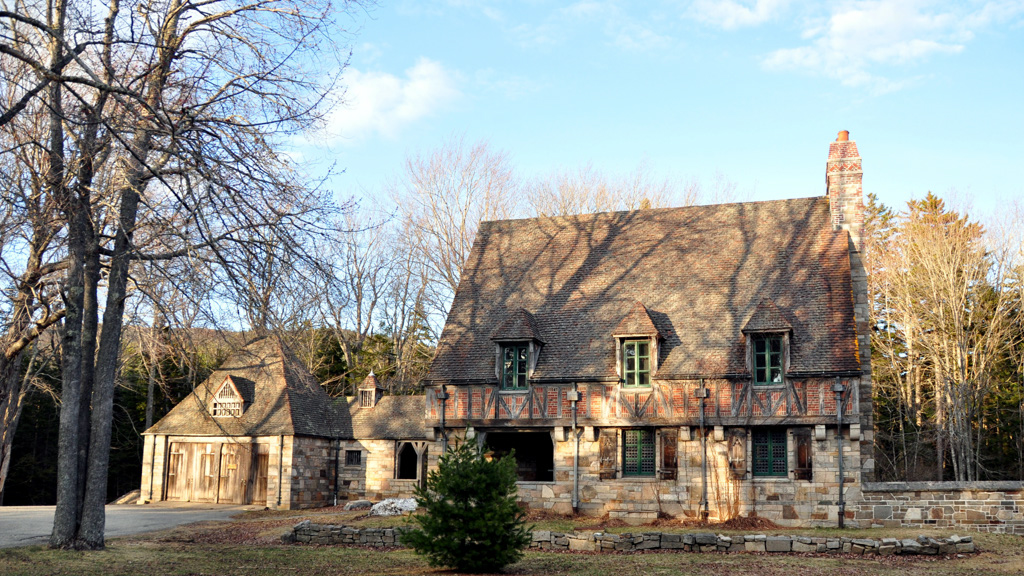
- Development of scenic carriage roads and park infrastructure
- Long history of seasonal settlement along the Maine coast
🥾 Notable Experiences
- Summit views from Cadillac Mountain
- Historic carriage road network
- Coastal cliffs and headlands along Mount Desert Island
- Forest trails connecting lakes and ridges
- Observation of changing coastal weather patterns
📷 Photography Notes
- Early morning light highlights granite textures along the coast
- Fog and changing weather create atmospheric variation
- Elevated viewpoints reveal contrast between forest and ocean
- Seasonal foliage adds color variation in autumn
- Shoreline compositions emphasize interaction of rock and water