Charlottesville and the University of Virginia
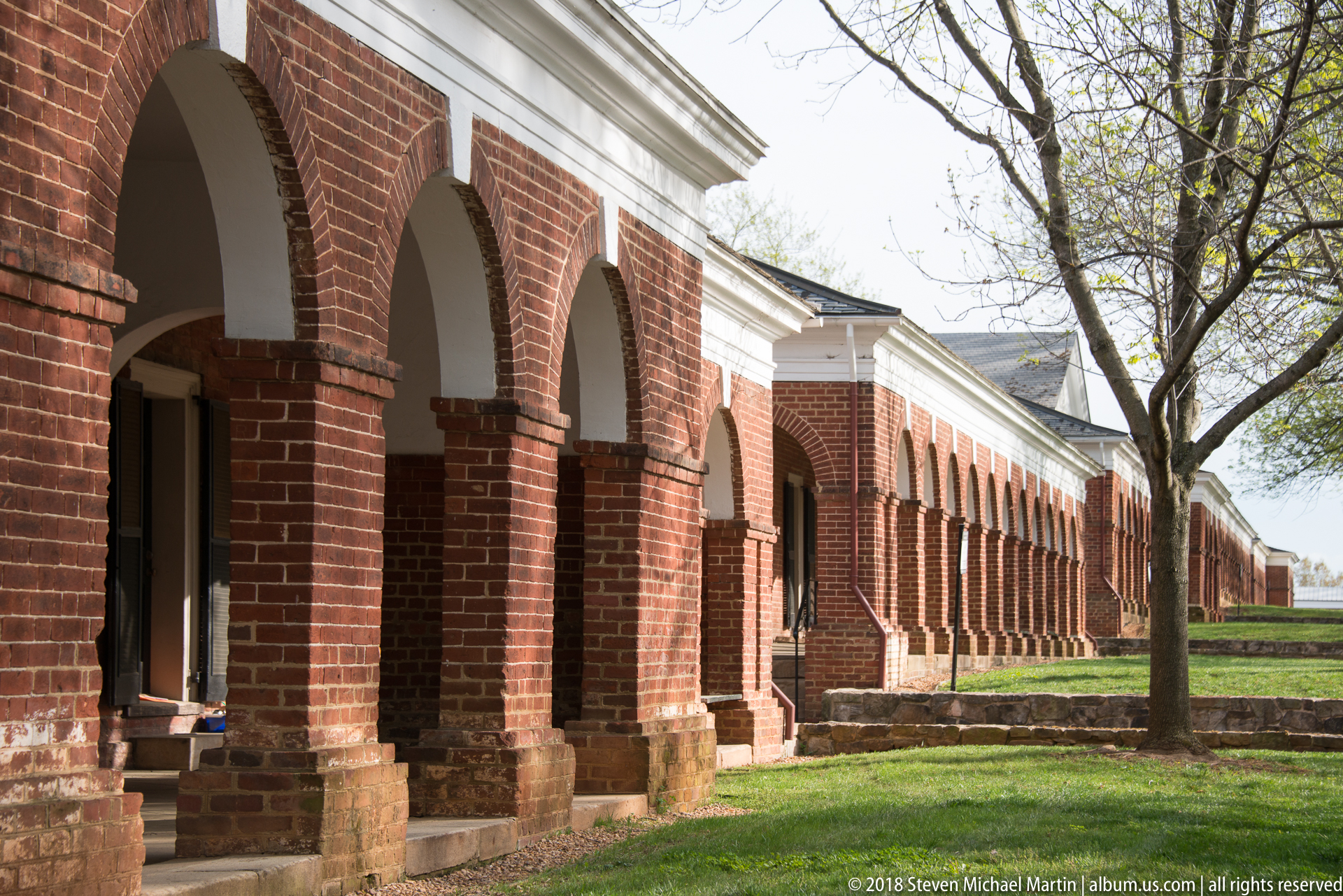
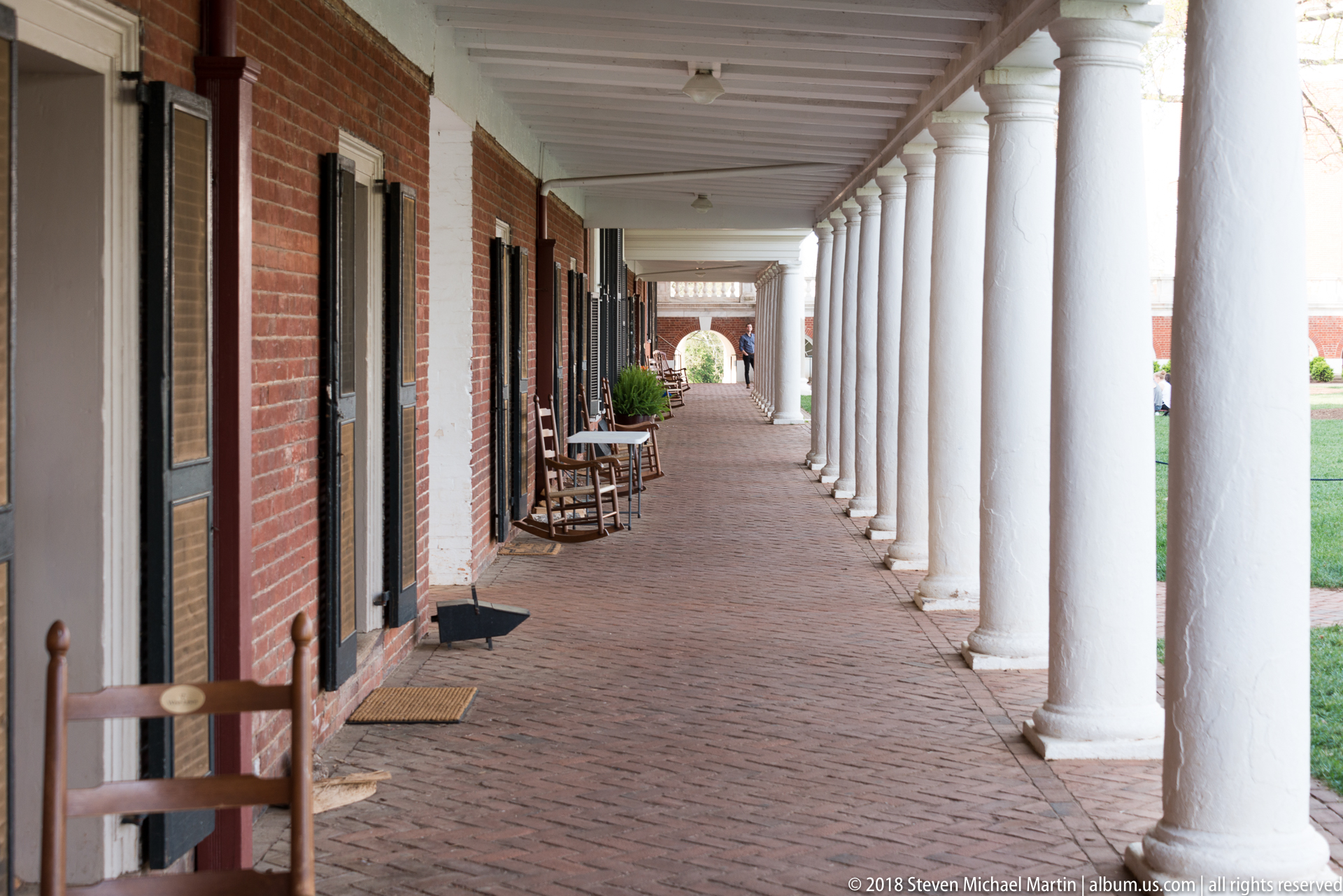
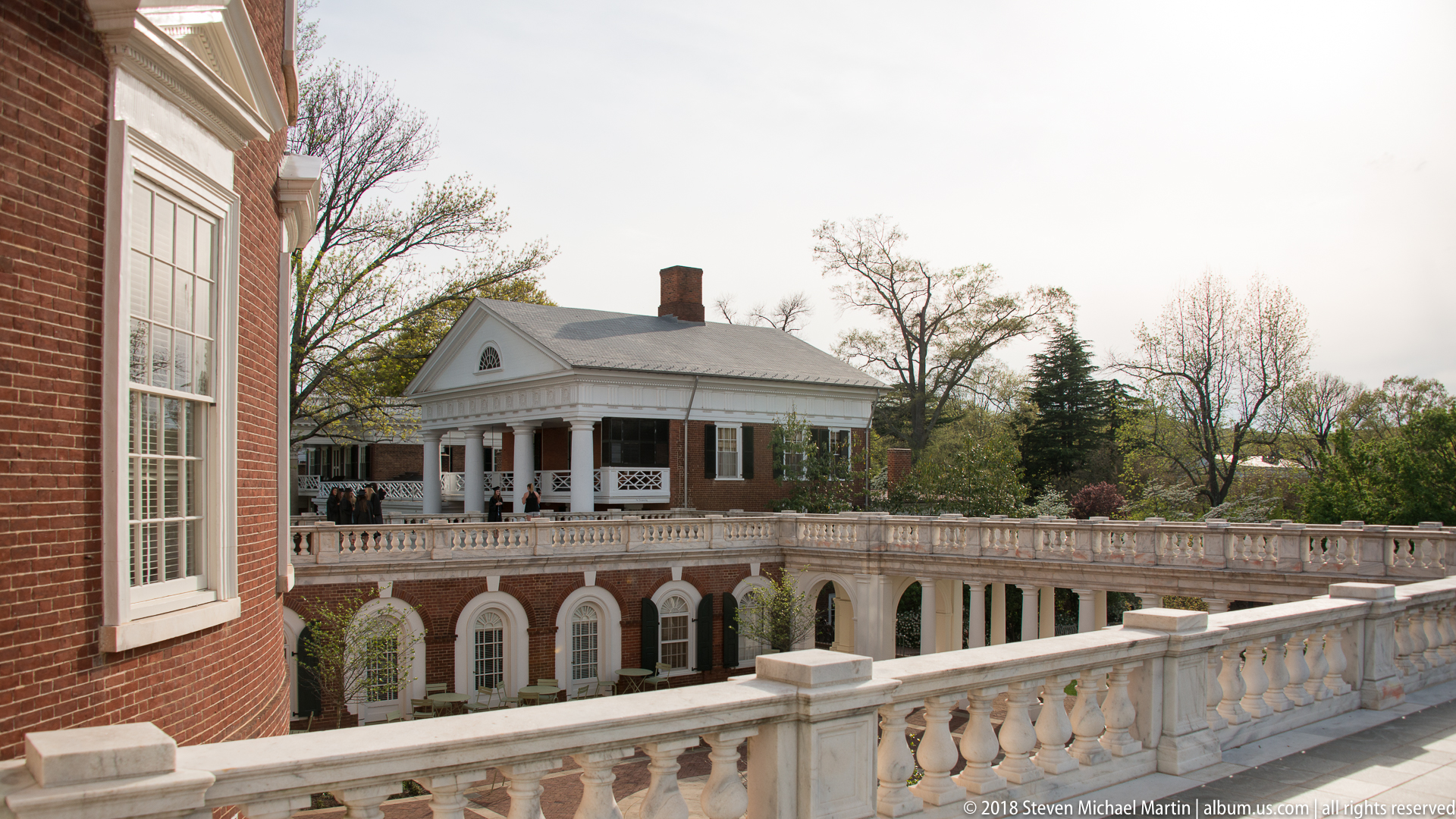
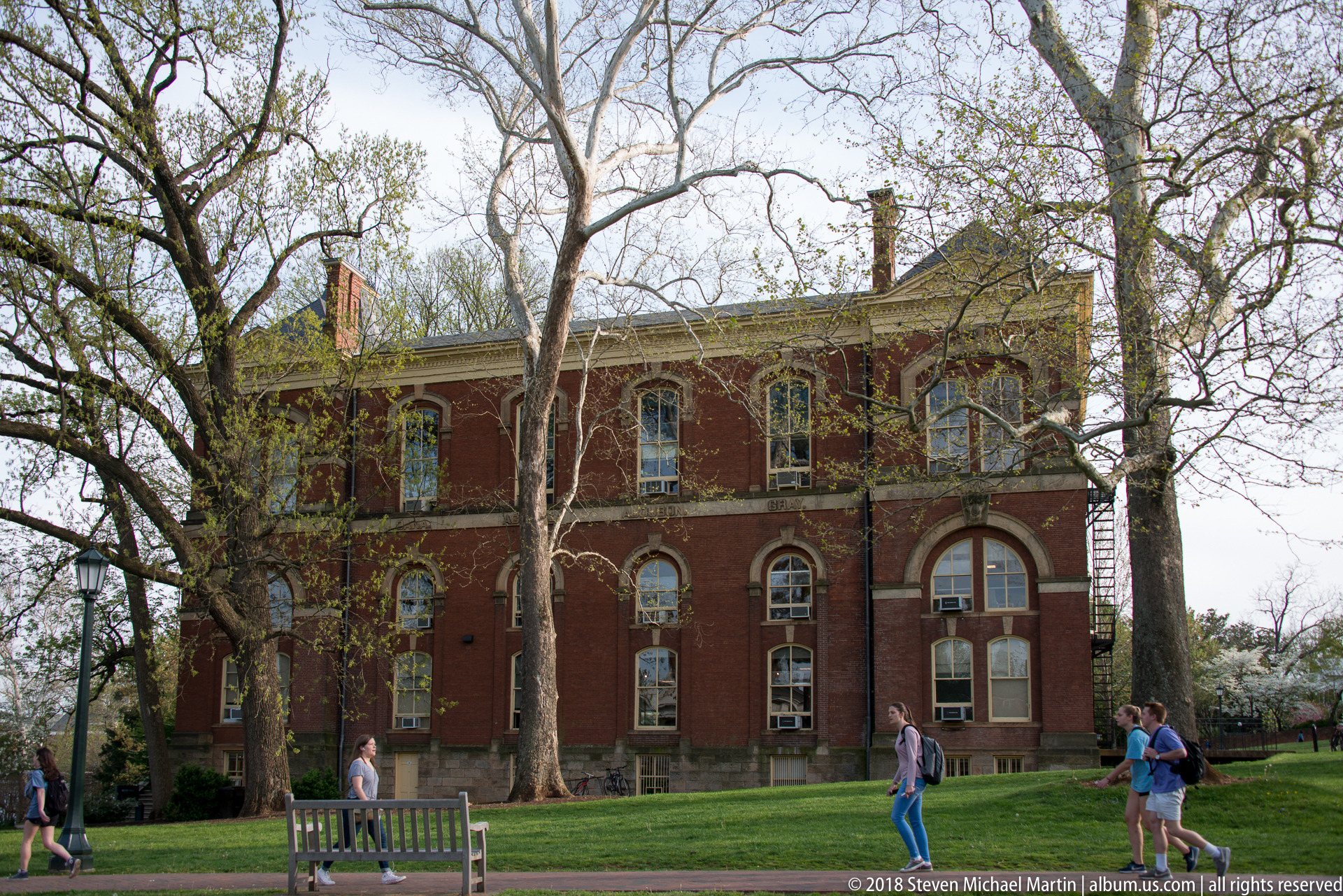
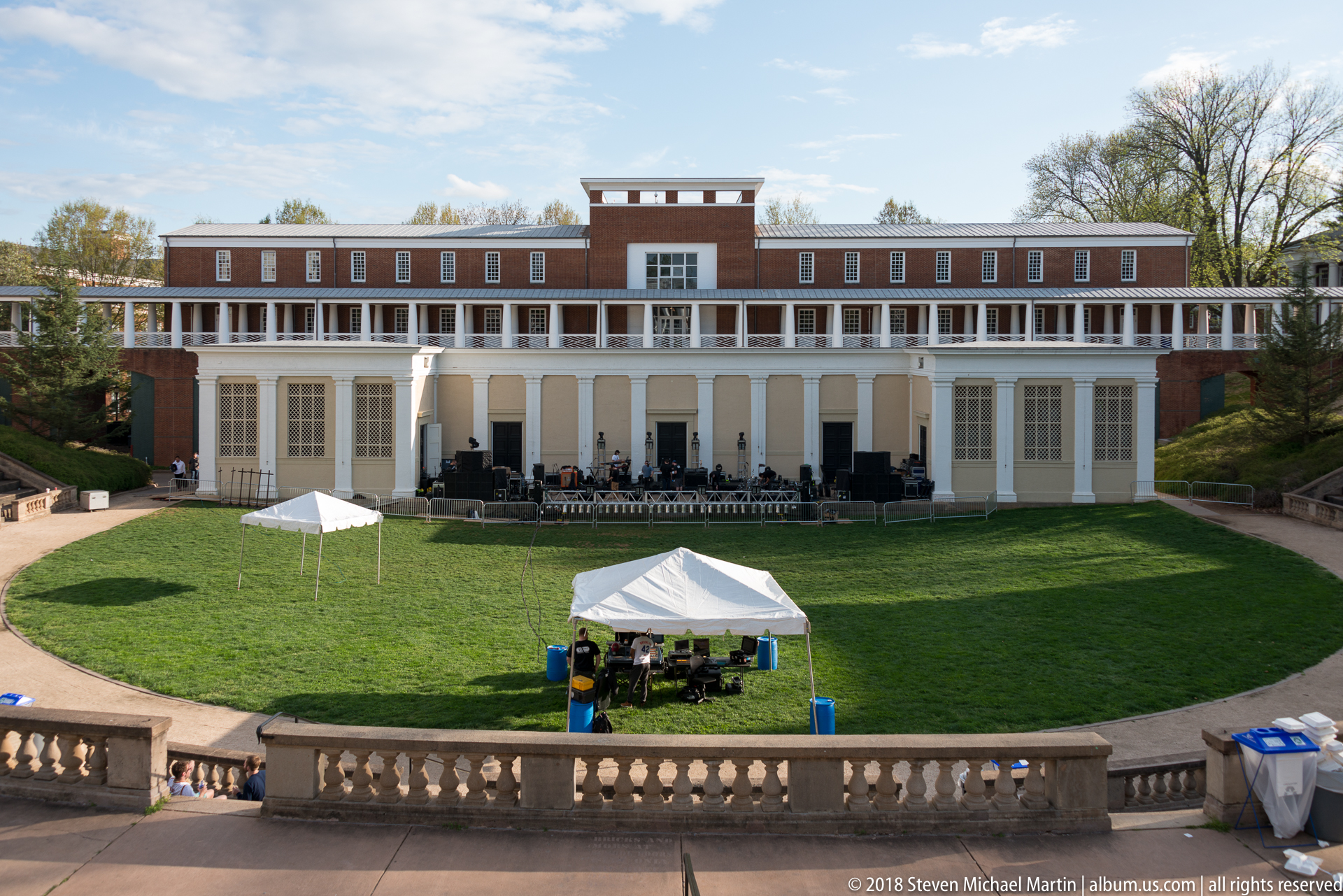
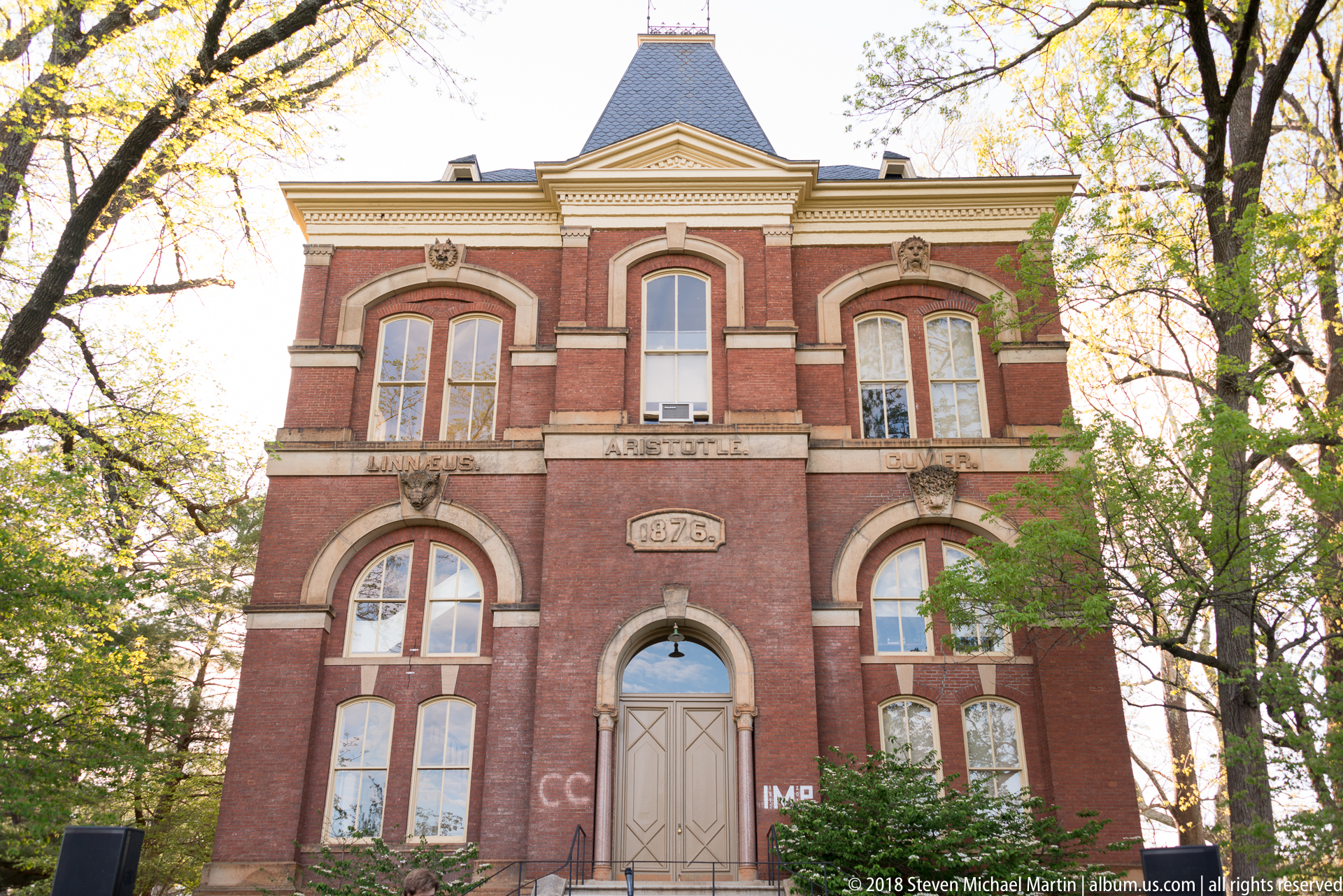
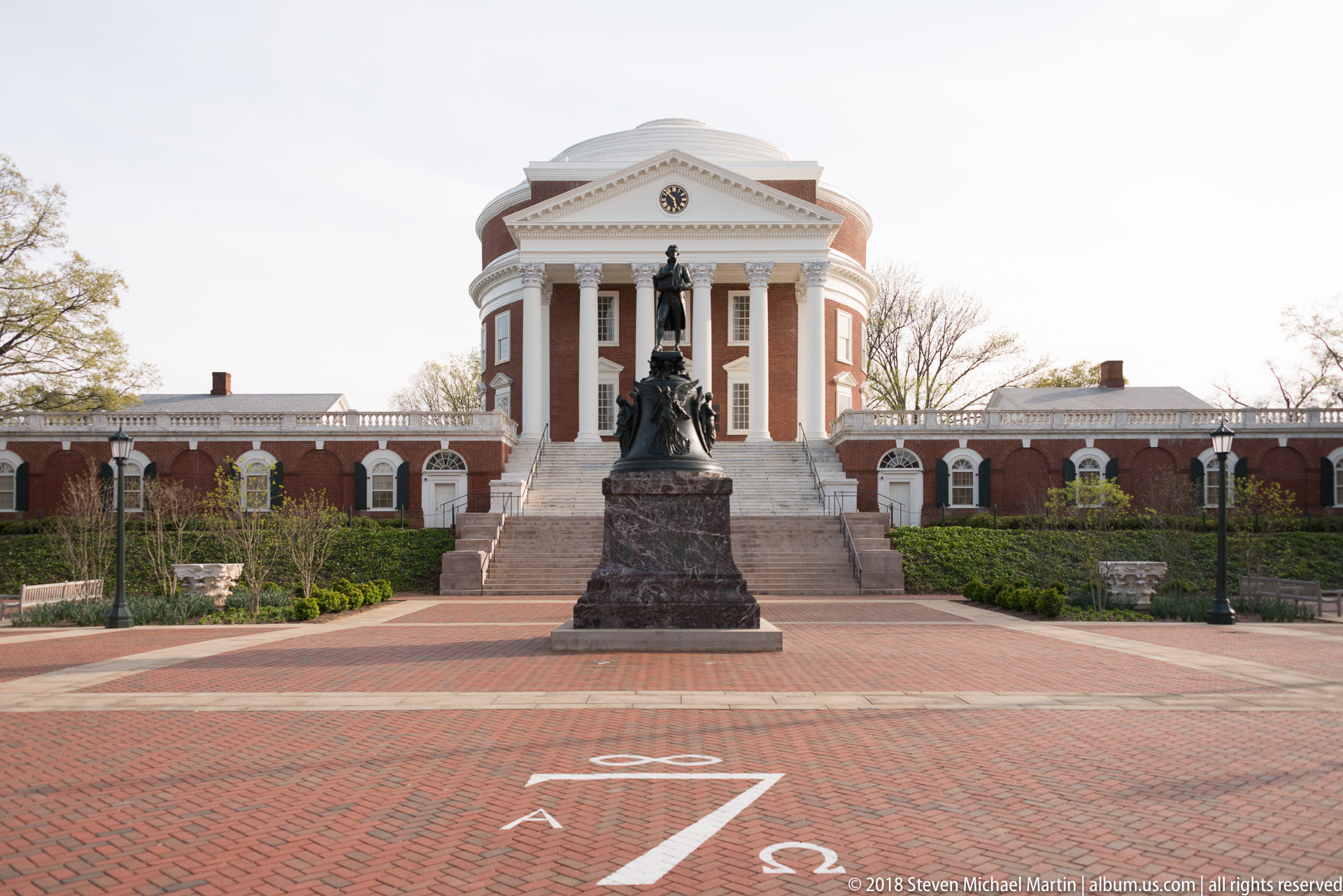
Charlottesville developed within the Virginia Piedmont as a center of intellectual, agricultural, and political life influenced strongly by the legacy of Thomas Jefferson. The surrounding landscape of rolling hills and fertile soils supported plantation agriculture during the eighteenth century, while Jefferson’s architectural vision shaped the cultural identity of the region. The University of Virginia, founded in 1819, reflects Enlightenment principles emphasizing education, civic responsibility, and the relationship between architecture and landscape. Jefferson designed the university’s Academical Village as an integrated environment where learning, community, and natural surroundings were closely connected.
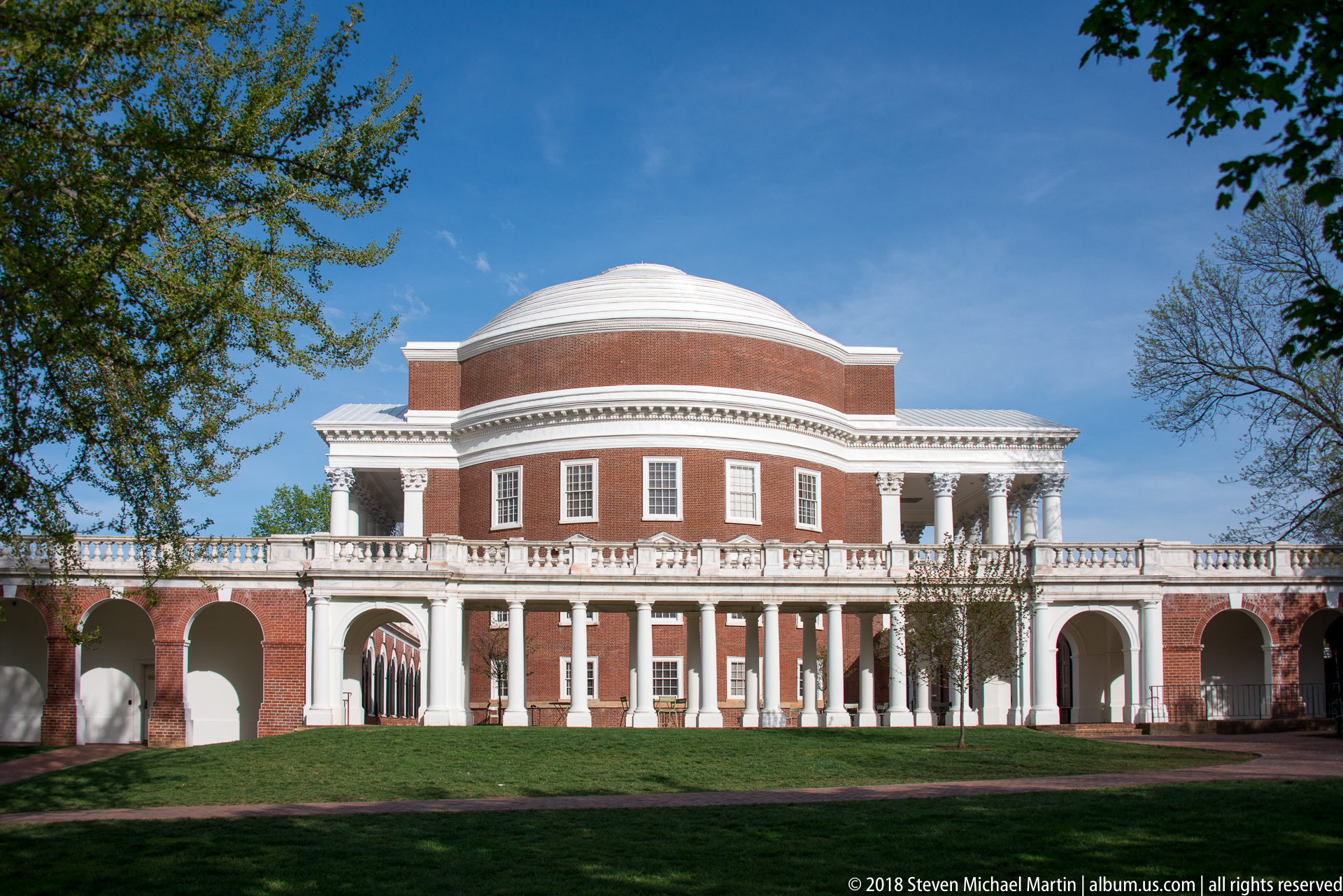
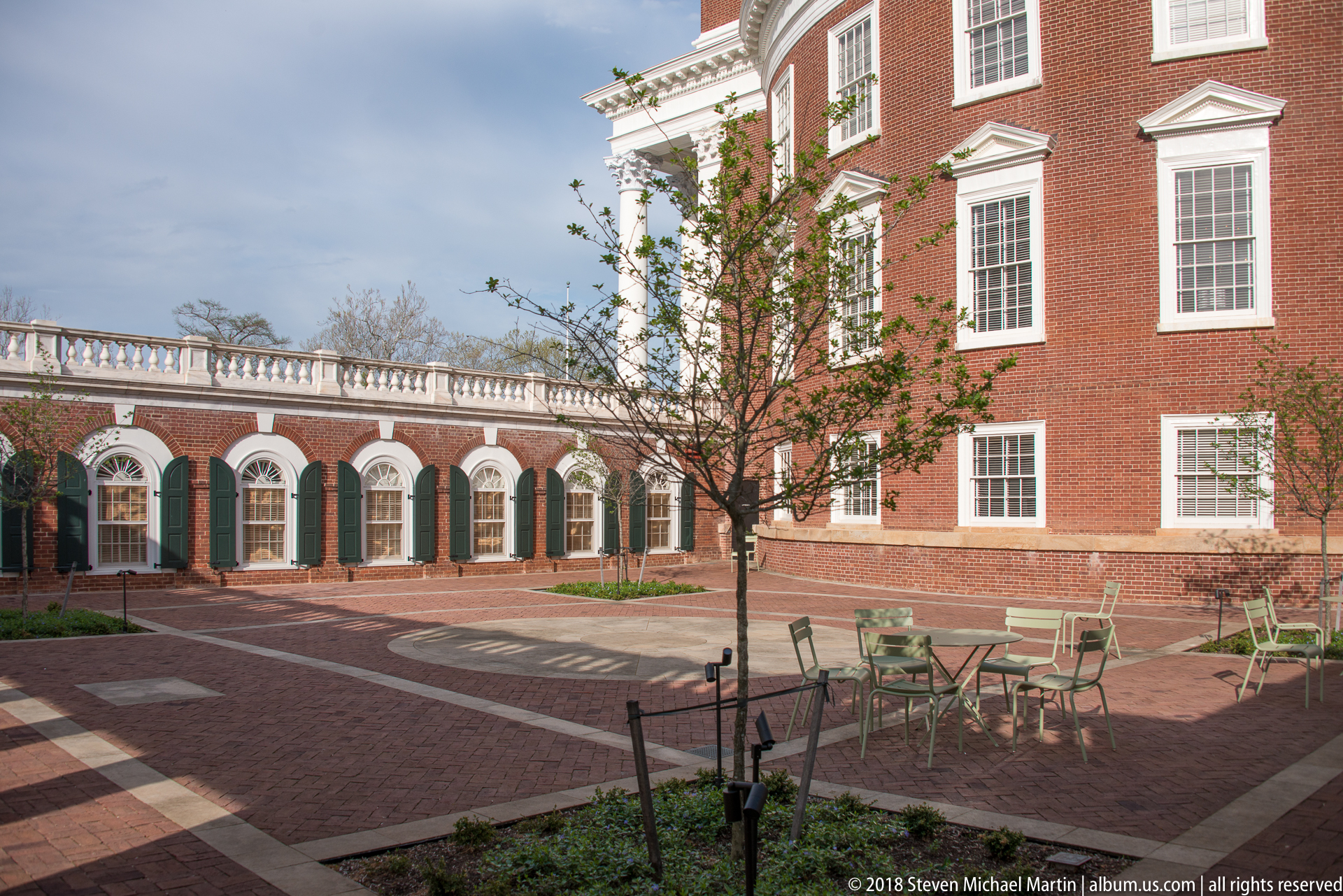
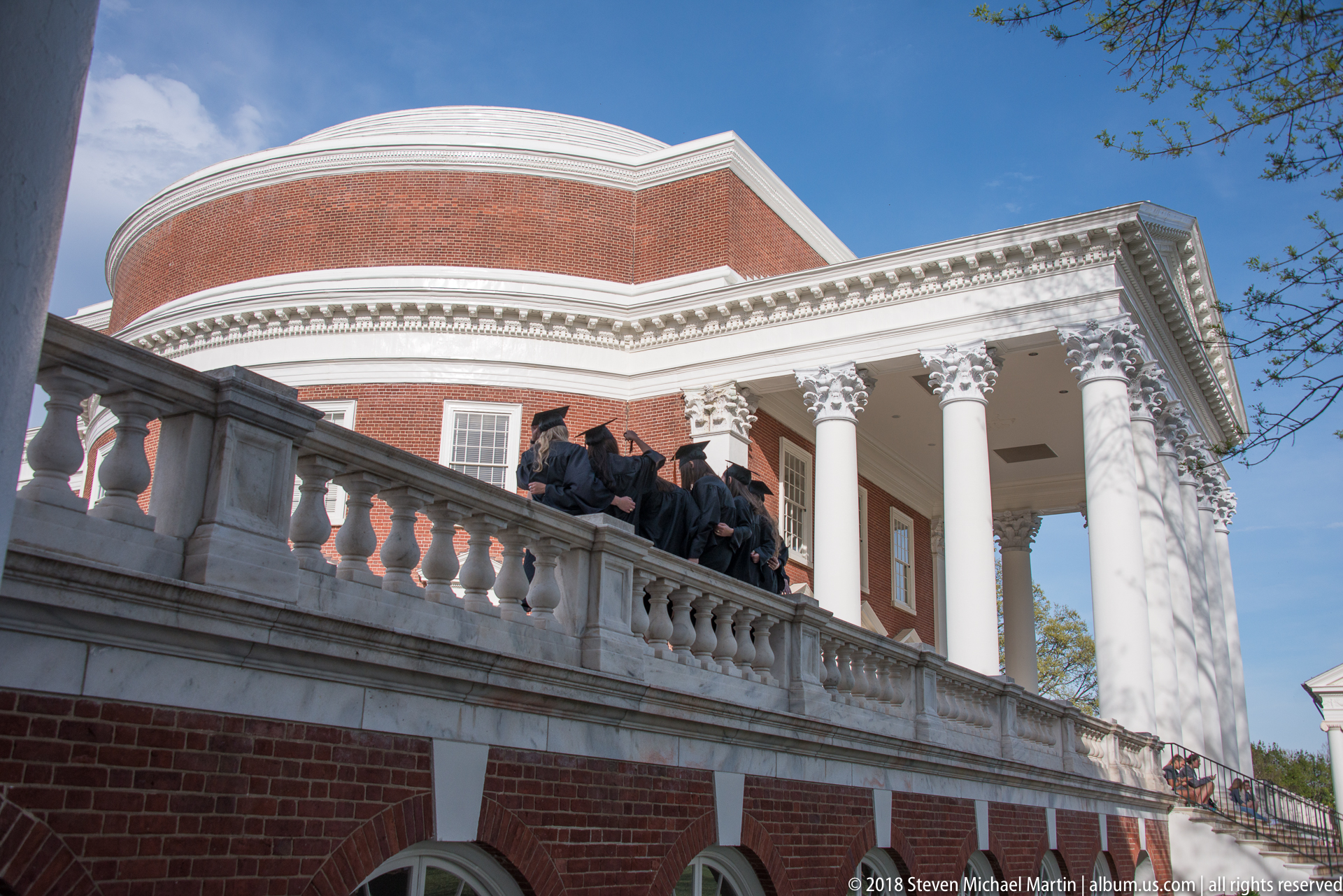
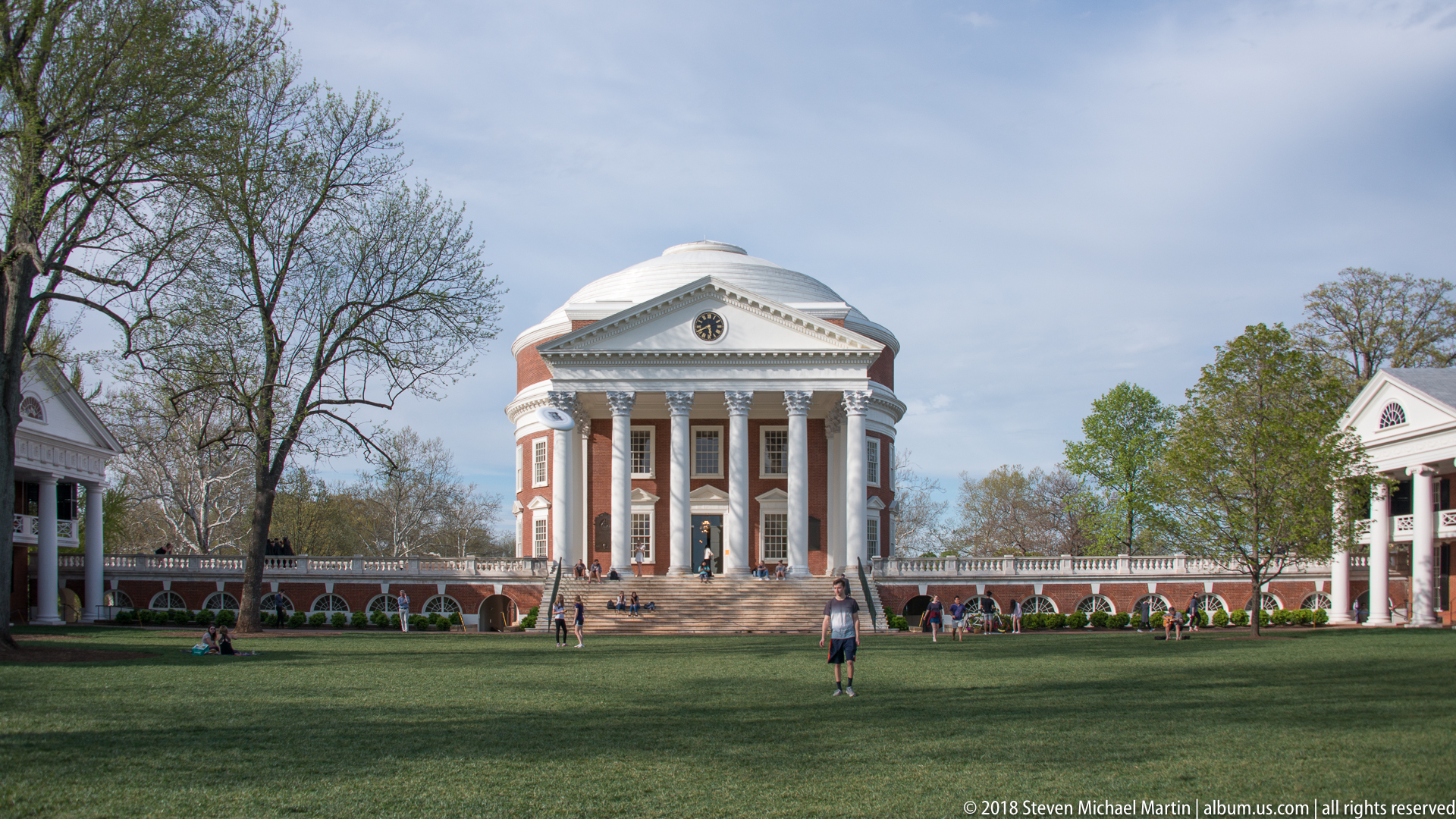
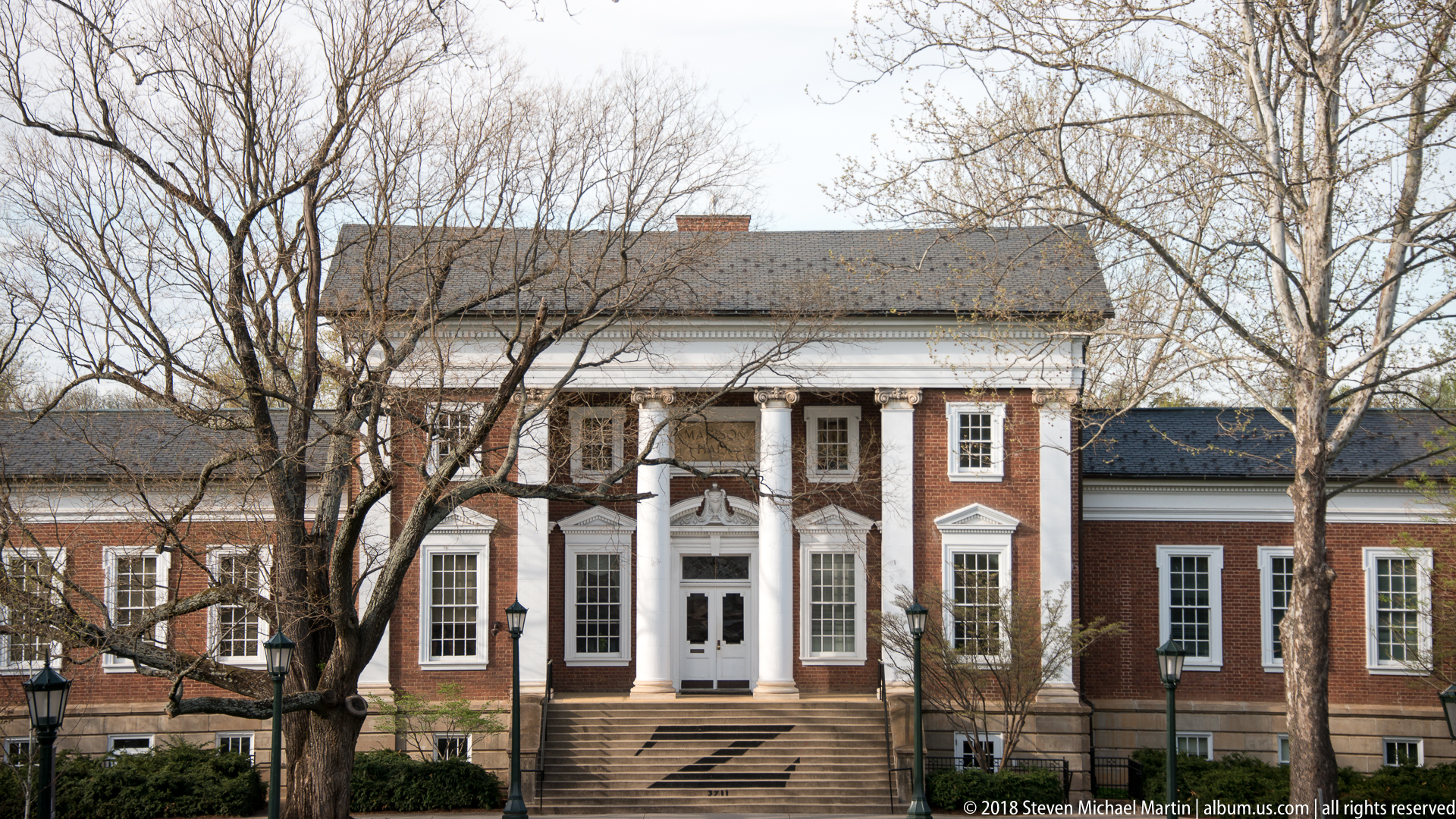
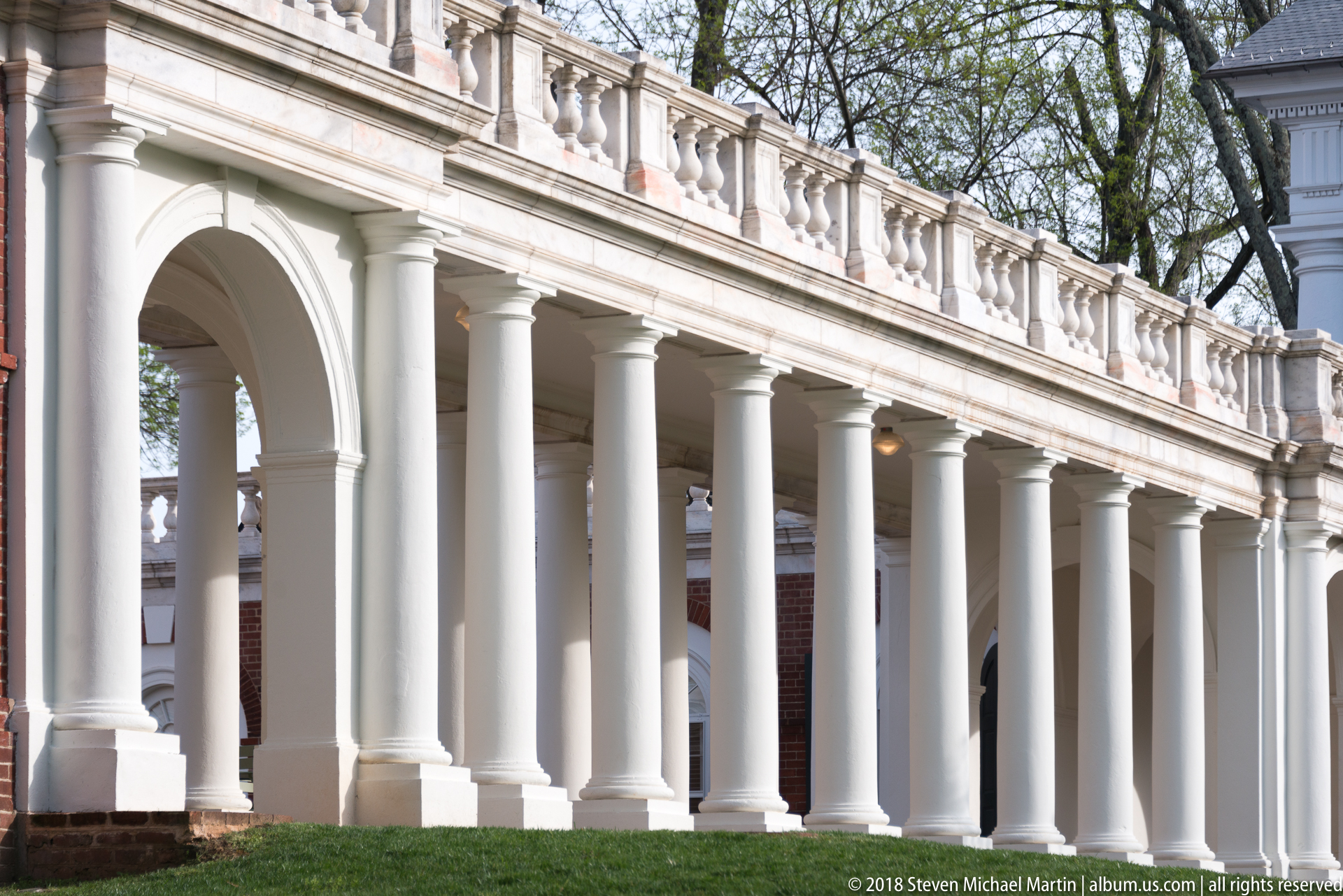
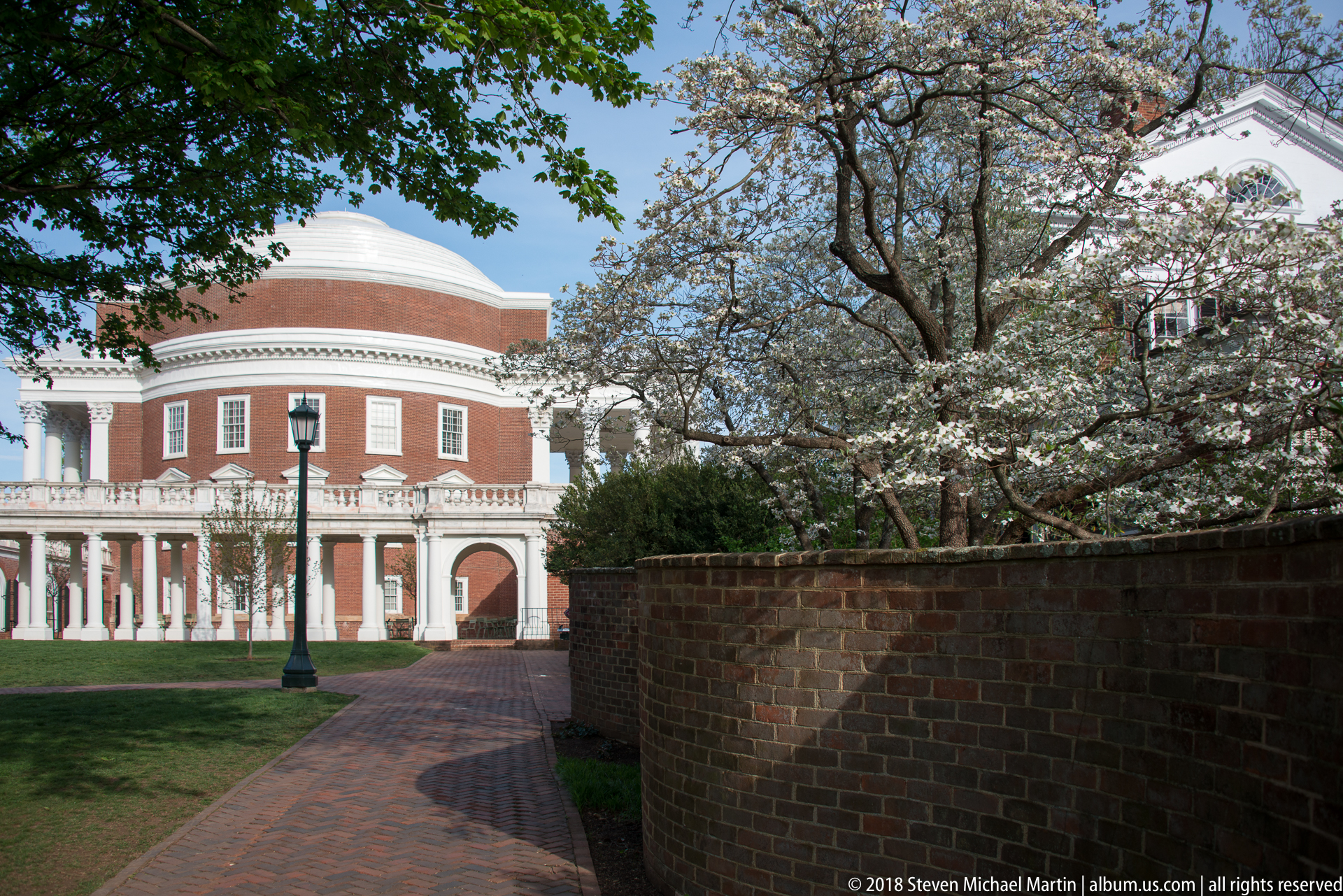
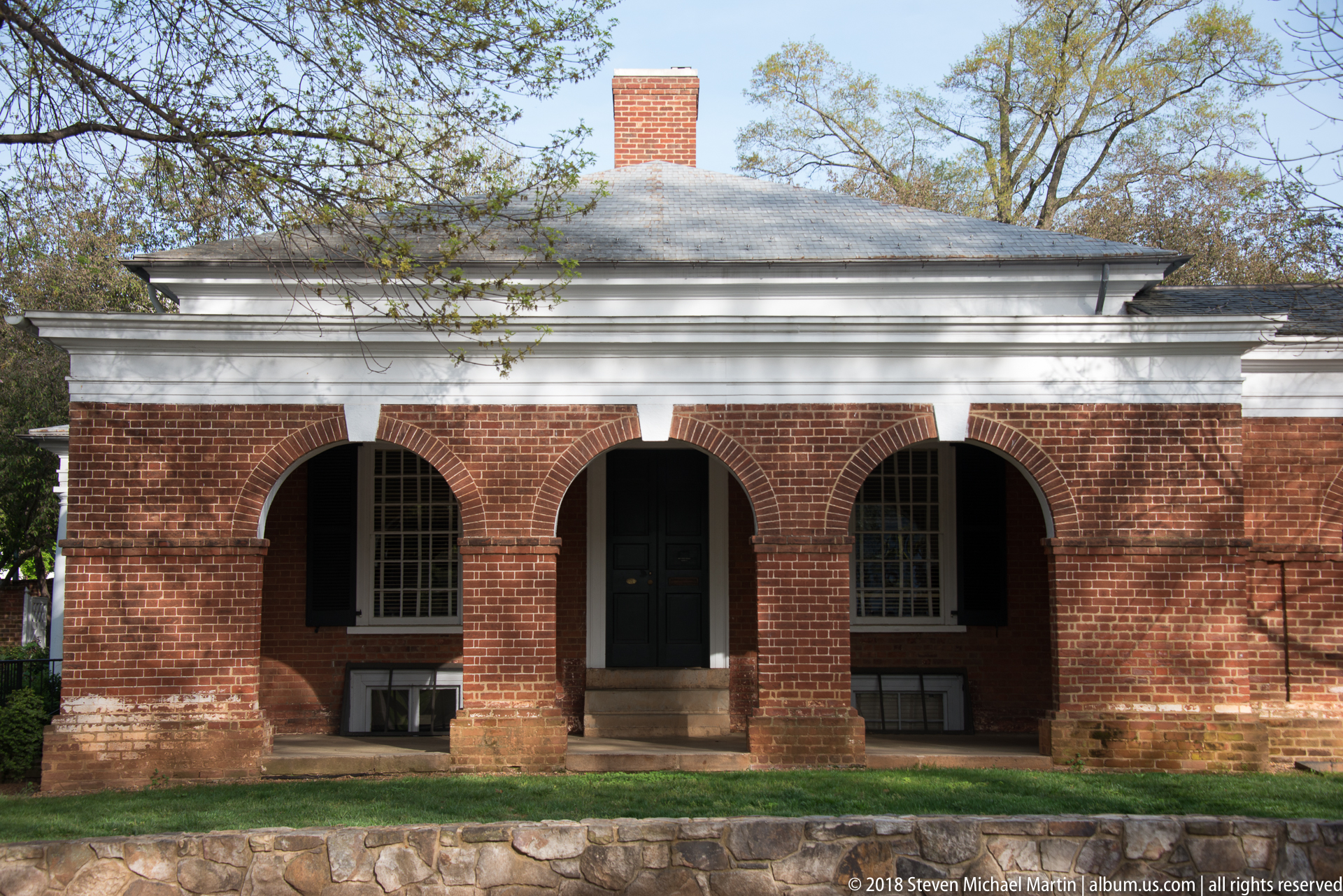
The university’s Lawn, Rotunda, and pavilions demonstrate neoclassical design influenced by classical Roman architecture and Renaissance interpretations of proportion and symmetry. The relationship between Monticello and the university illustrates Jefferson’s effort to express philosophical ideals through built form, linking education with democratic governance and scientific inquiry. Charlottesville later developed as a regional center shaped by academic activity, transportation routes, and agricultural production characteristic of the Virginia Piedmont.
Charlottesville contributes to understanding how architecture and landscape were used to express intellectual and political values in the early United States. The university’s design reflects Enlightenment ideas concerning knowledge, reason, and civic participation. Together with nearby historic sites, the city illustrates the interaction between education, agriculture, and political thought in the formation of American identity.