Olympic National Park
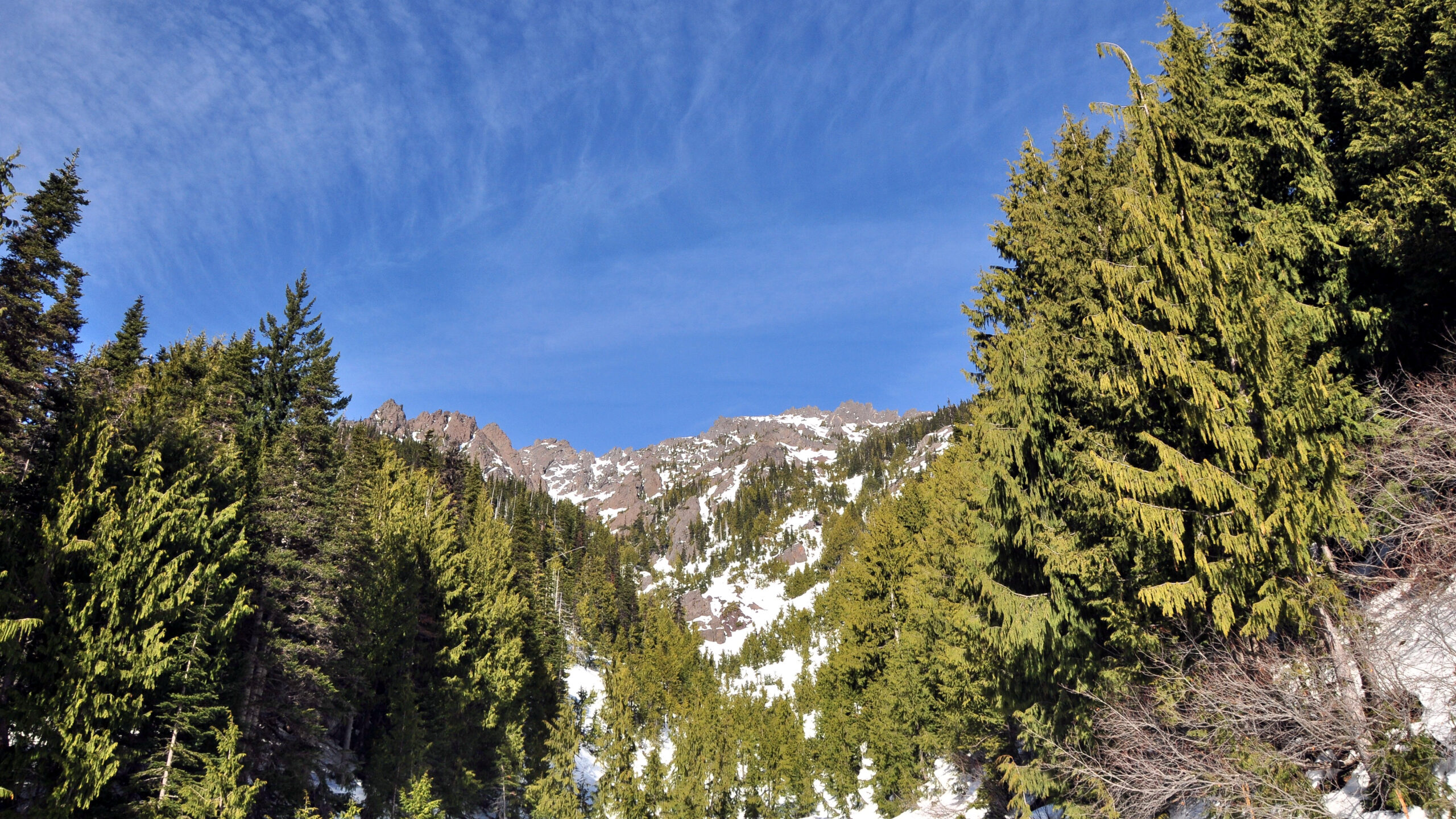
Olympic National Park occupies much of the Olympic Peninsula in northwestern Washington, where mountains, temperate rainforest, and Pacific coastline form one of the most ecologically diverse landscapes in the United States. The Olympic Mountains originated from marine sediments and basalt formed on the ocean floor that were uplifted and folded through tectonic collision along the Cascadia subduction zone. These geological processes produced rugged peaks surrounded by forested valleys and coastal environments shaped by erosion and glaciation.
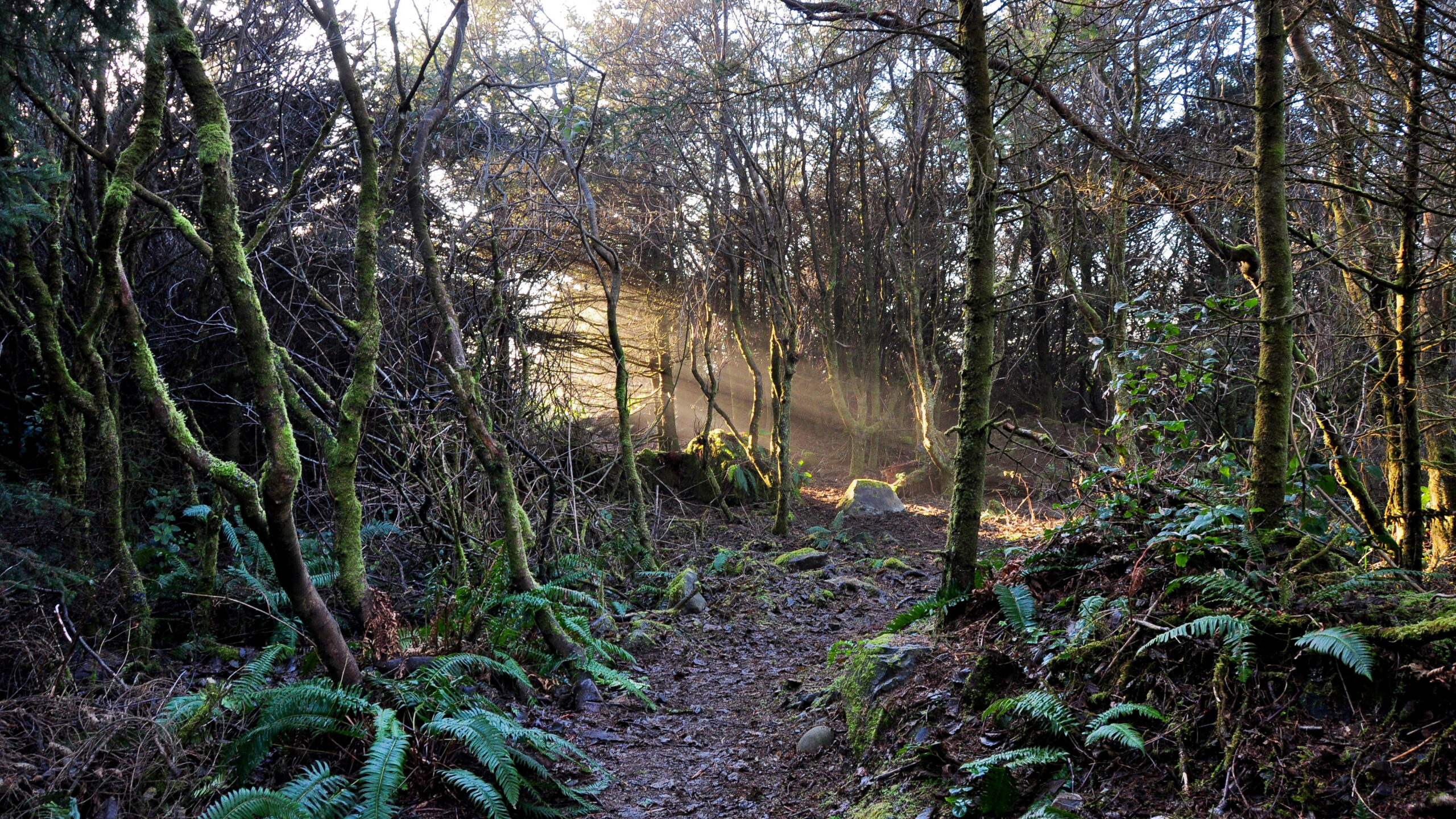
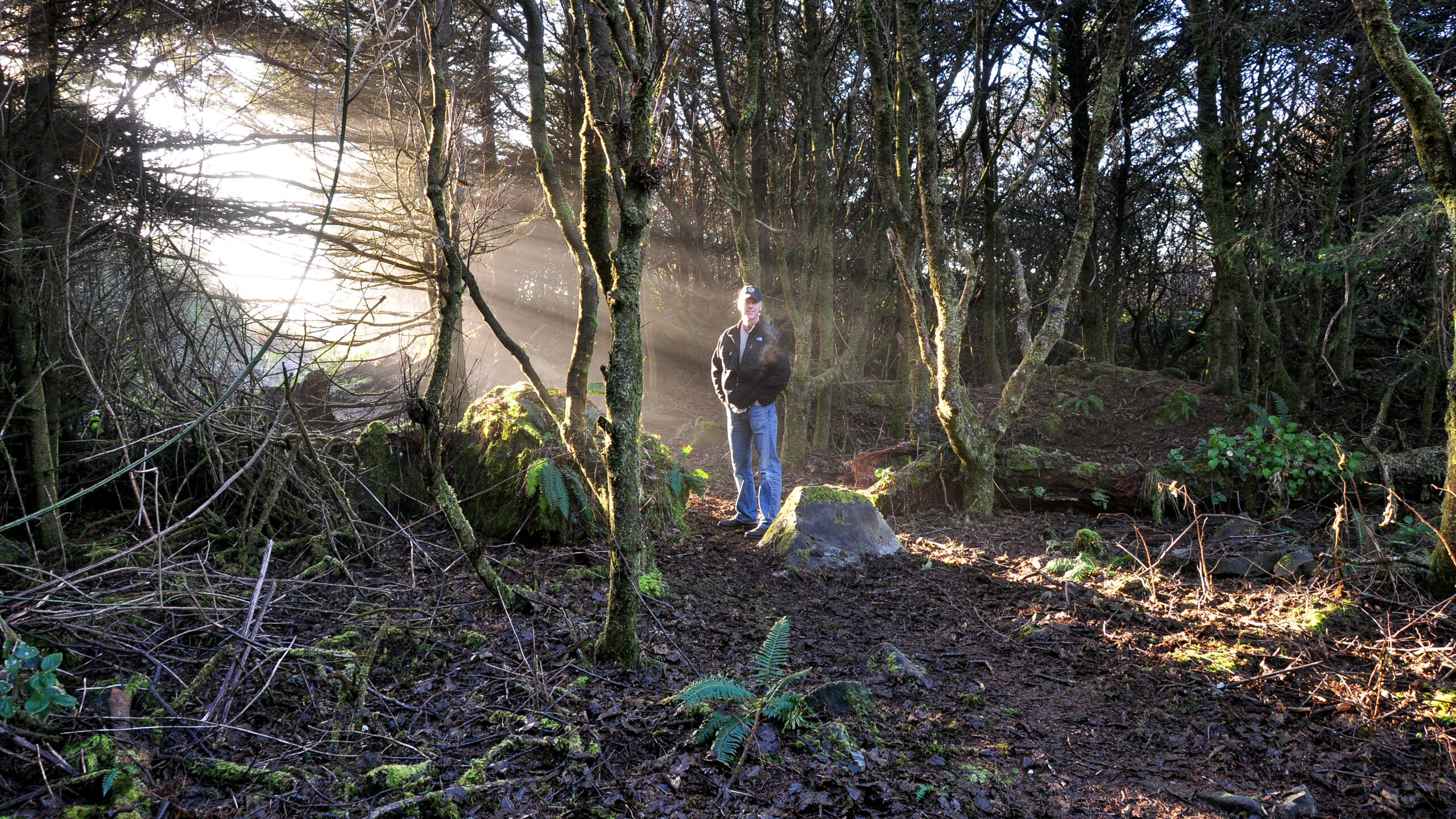
The park protects a wide range of ecosystems extending from rocky Pacific beaches to dense temperate rainforest receiving more than 140 inches of precipitation annually. Old-growth forests dominated by Sitka spruce, western hemlock, and Douglas fir support diverse plant communities including mosses and ferns adapted to high moisture environments. Elevation gradients create transitions from coastal forest to subalpine meadows and alpine tundra.
Because of its geographic isolation, the Olympic Peninsula developed unique plant and animal species found nowhere else, contributing to the park’s designation as both a UNESCO World Heritage Site and International Biosphere Reserve. Coastal headlands, glacier-carved valleys, and rainforest ecosystems illustrate the interaction between marine climate and mountain geography characteristic of the Pacific Northwest.












Olympic National Park Field Guide
📍 Location
Olympic National Park is located on the Olympic Peninsula of Washington, bordered by the Pacific Ocean and Puget Sound.
🌲 Ecosystems
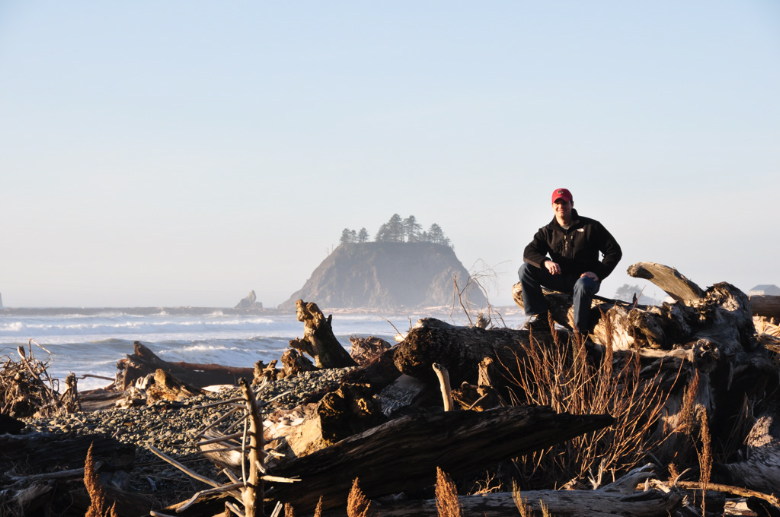
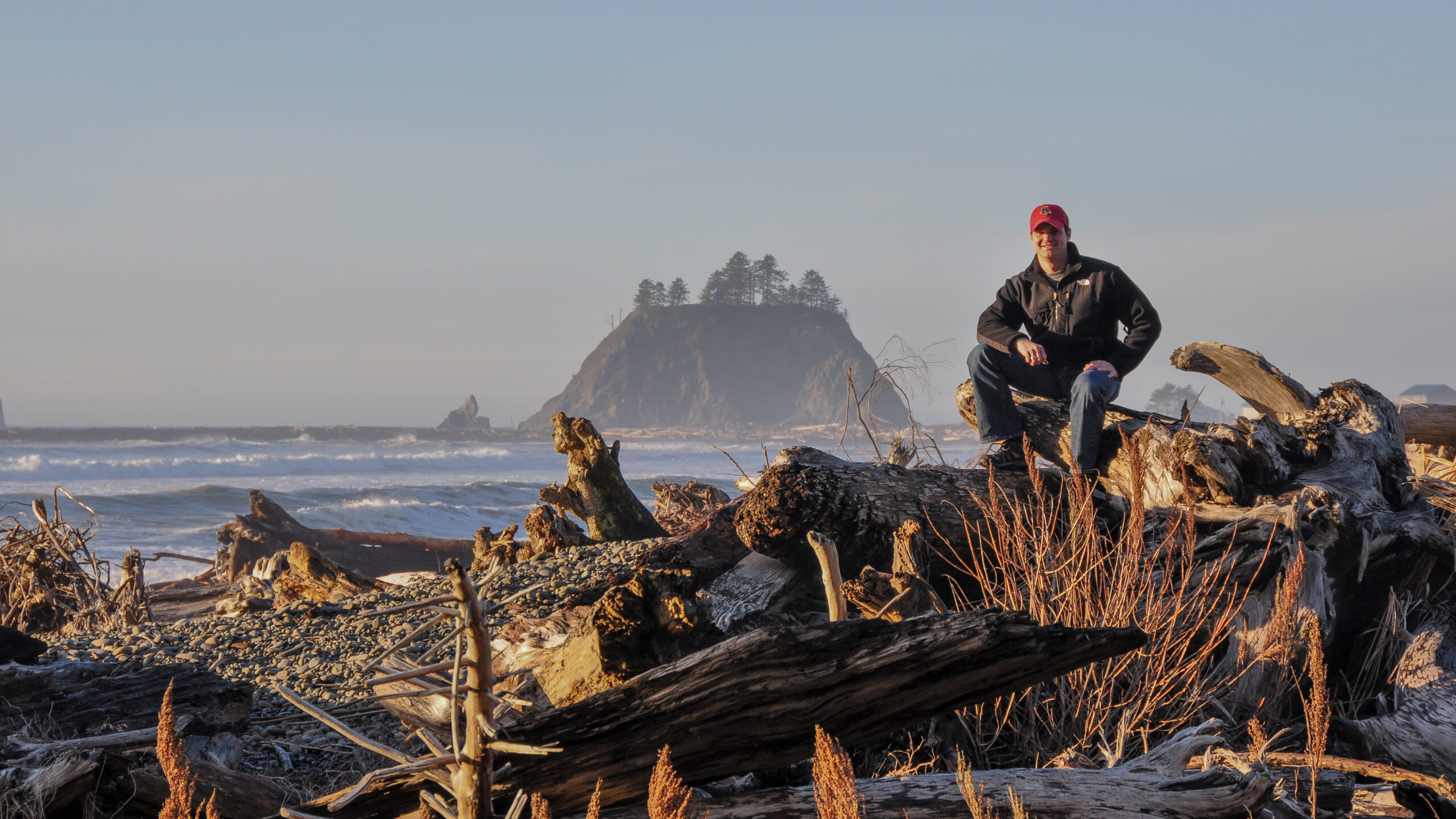
The park preserves multiple ecological zones including Pacific coastline, temperate rainforest, montane forest, subalpine meadows, and alpine tundra.
🌧 Rainforest
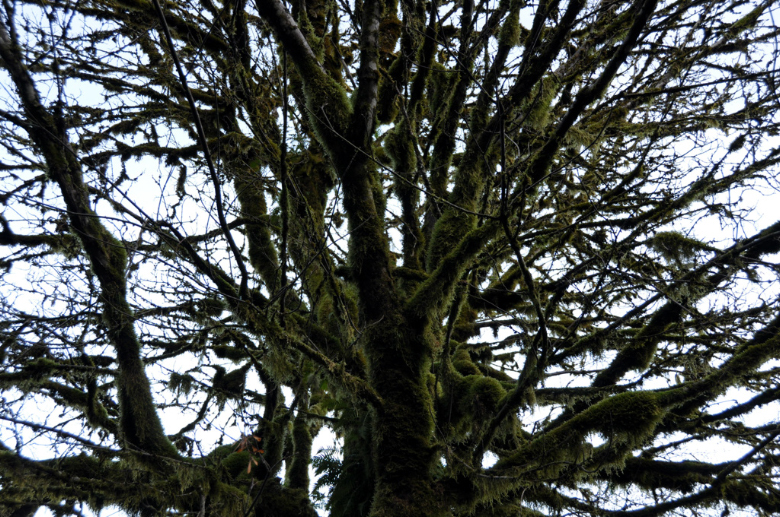
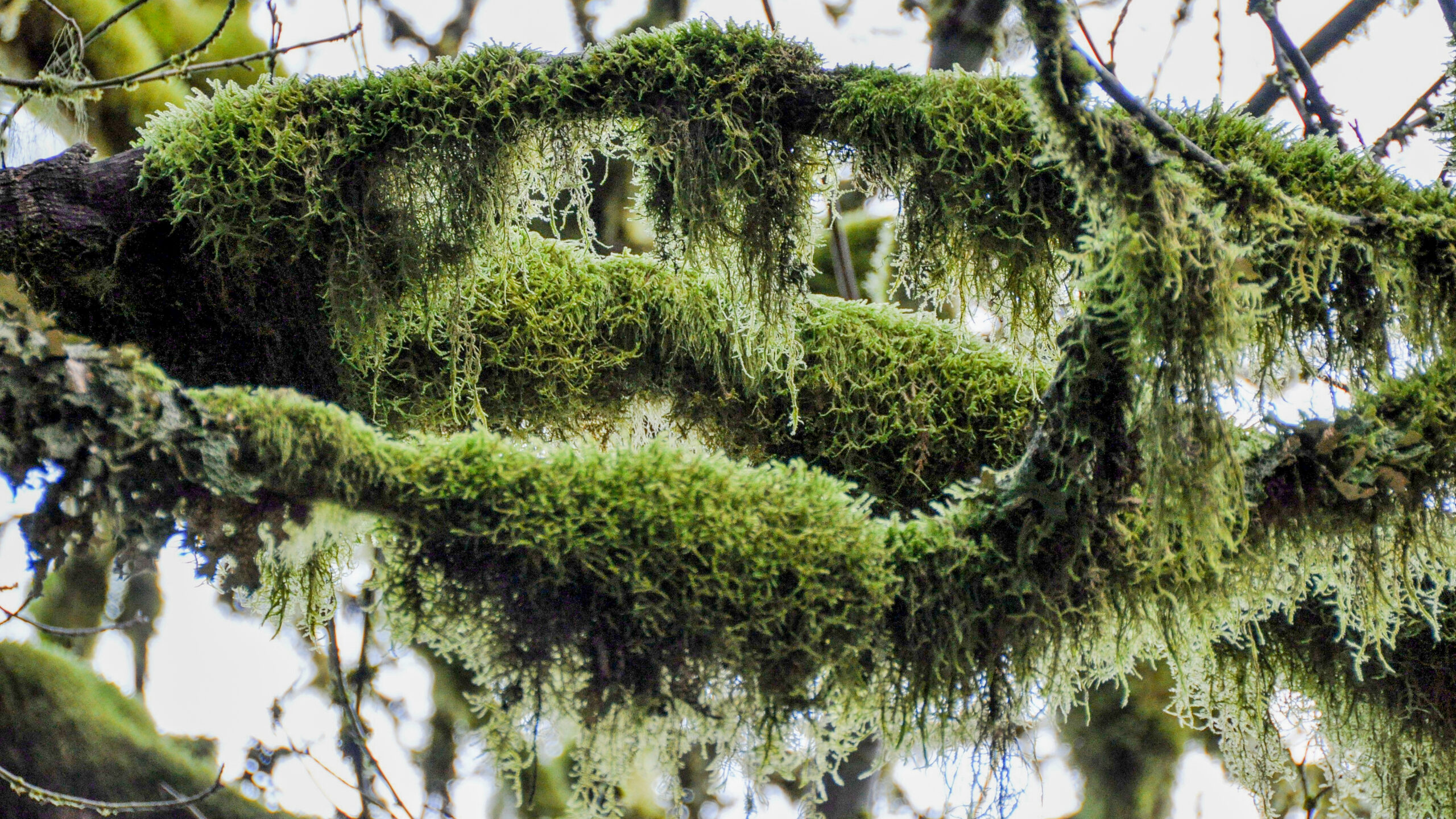
Temperate rainforests within the park receive some of the highest precipitation levels in the continental United States, supporting dense moss-covered forest environments.
🏔 Mountains
The Olympic Mountains formed from uplifted marine sediments and basalt associated with tectonic plate convergence along the Cascadia subduction zone.
⭐ Highlights
- Temperate rainforest ecosystems
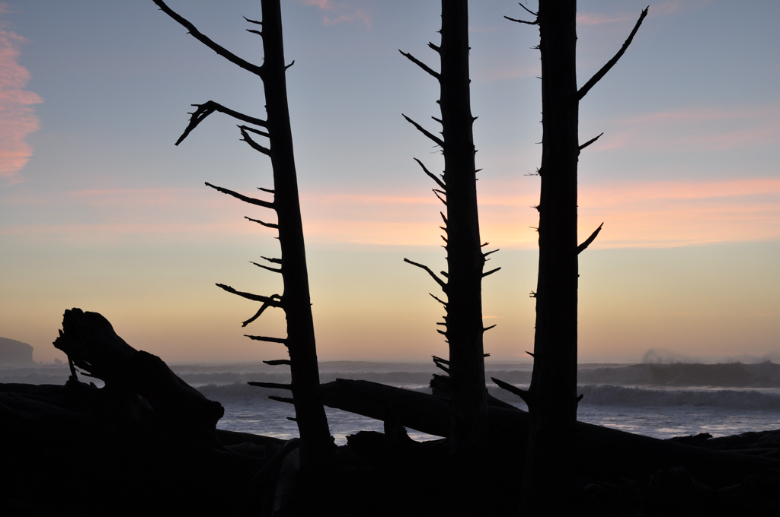
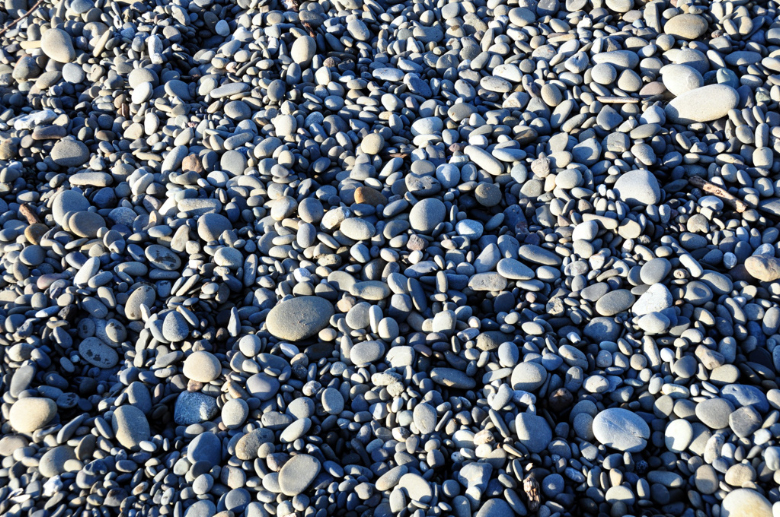
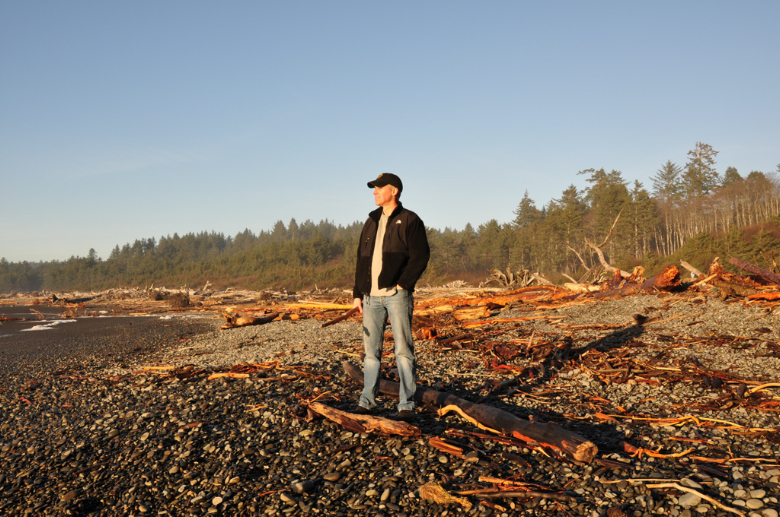
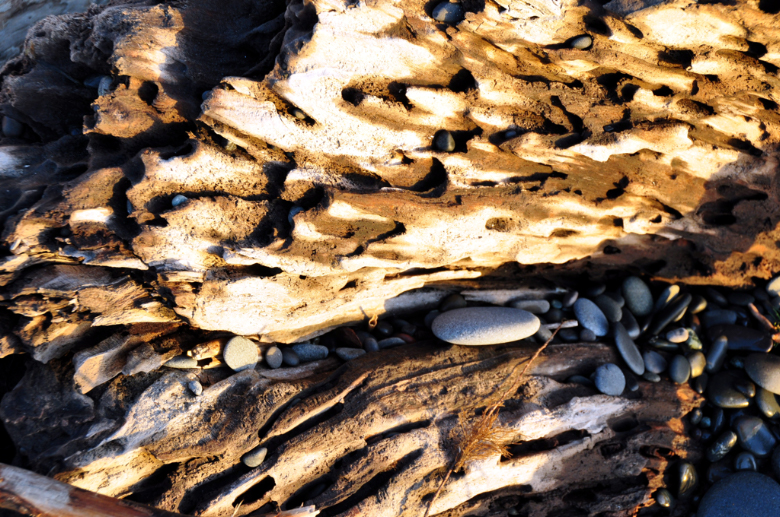
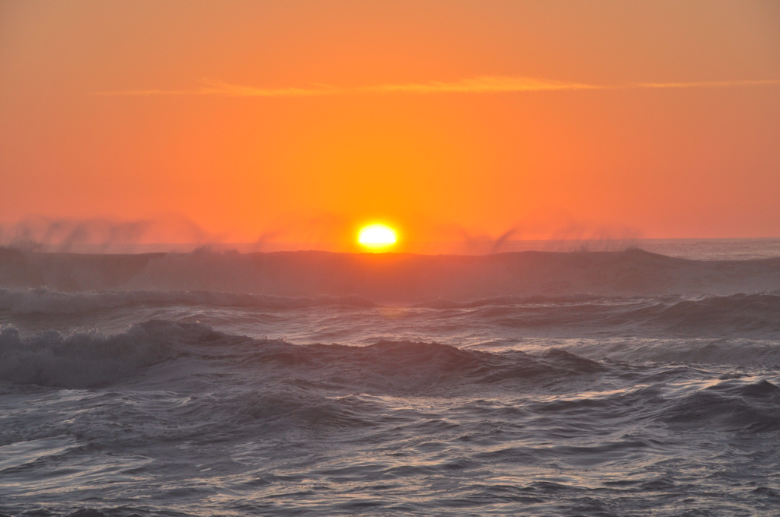
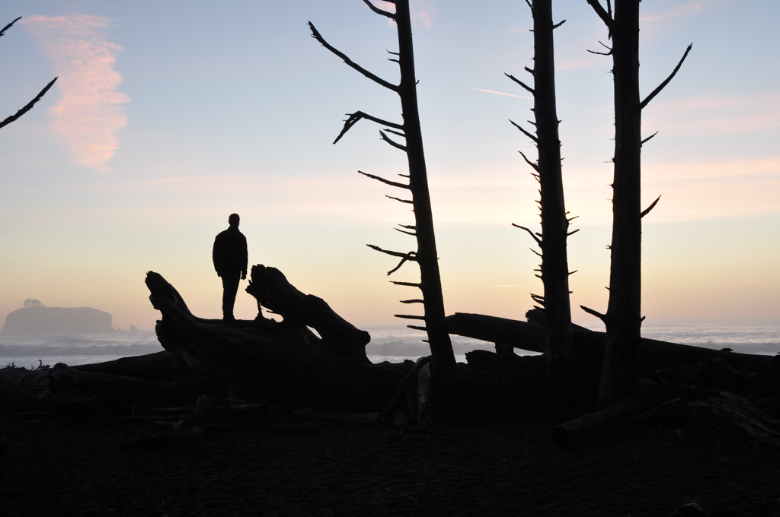
- Rocky Pacific coastline
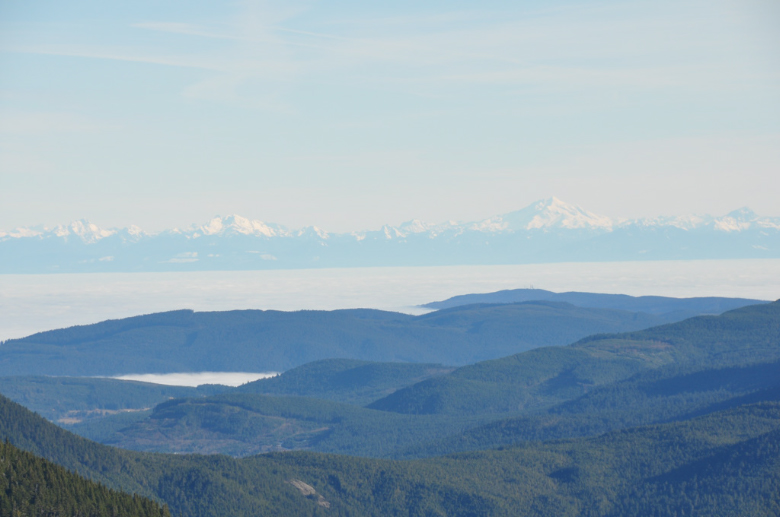
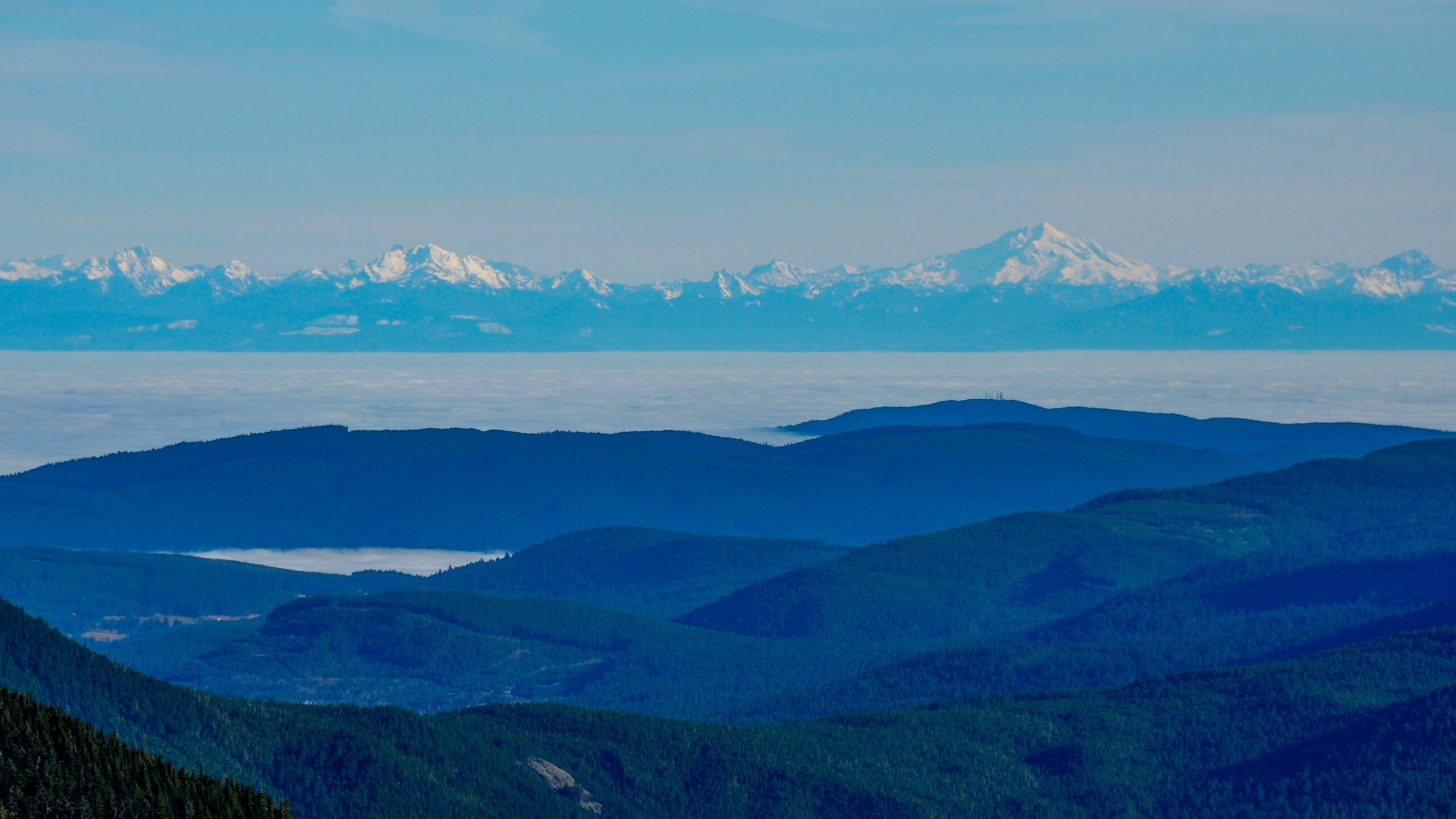
- Glacier-carved mountain valleys
- Old-growth forest landscapes
- Diverse wildlife habitats
📷 Photography Notes
- Overcast light enhances forest detail
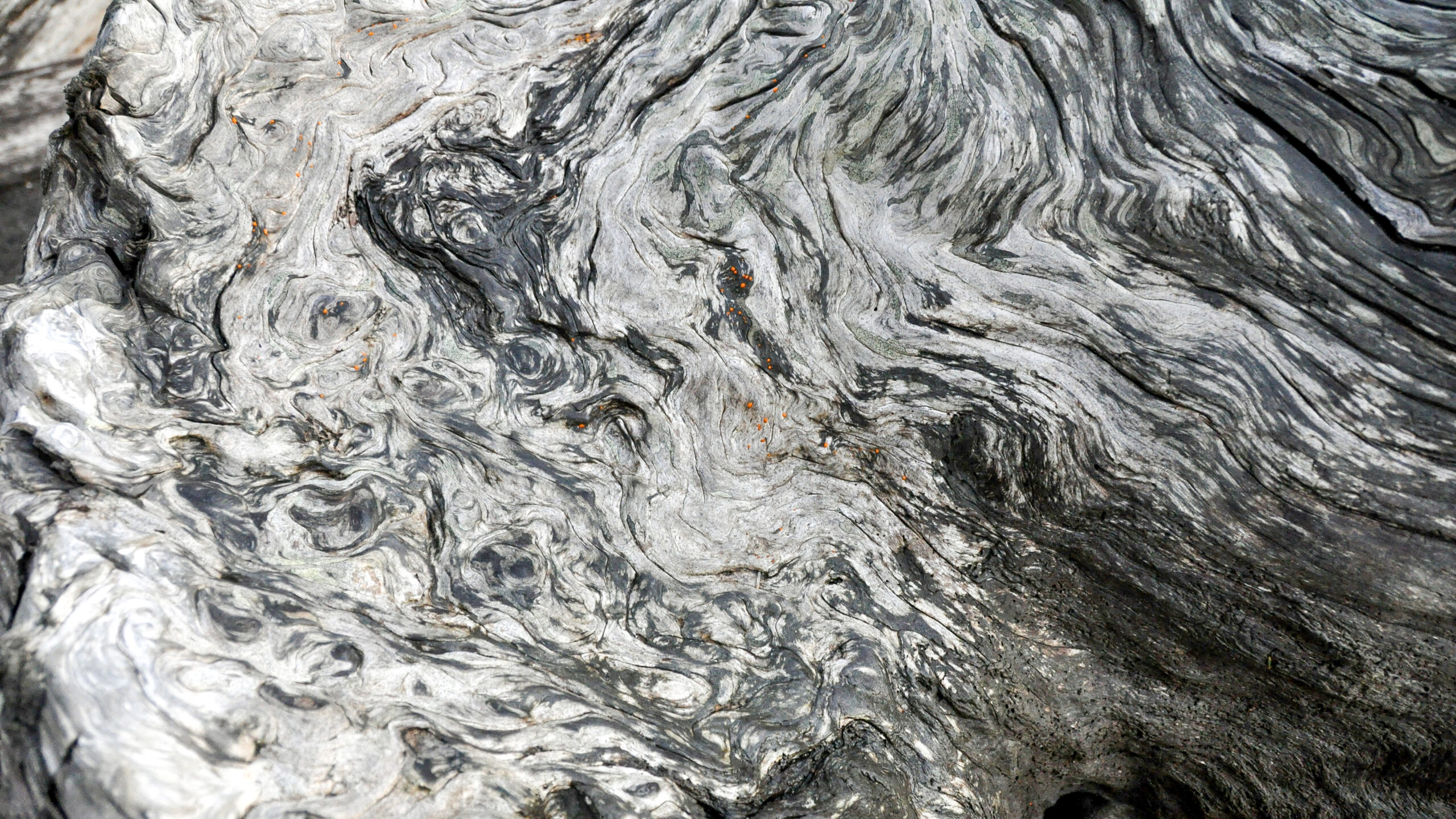
- Moss-covered trees provide texture
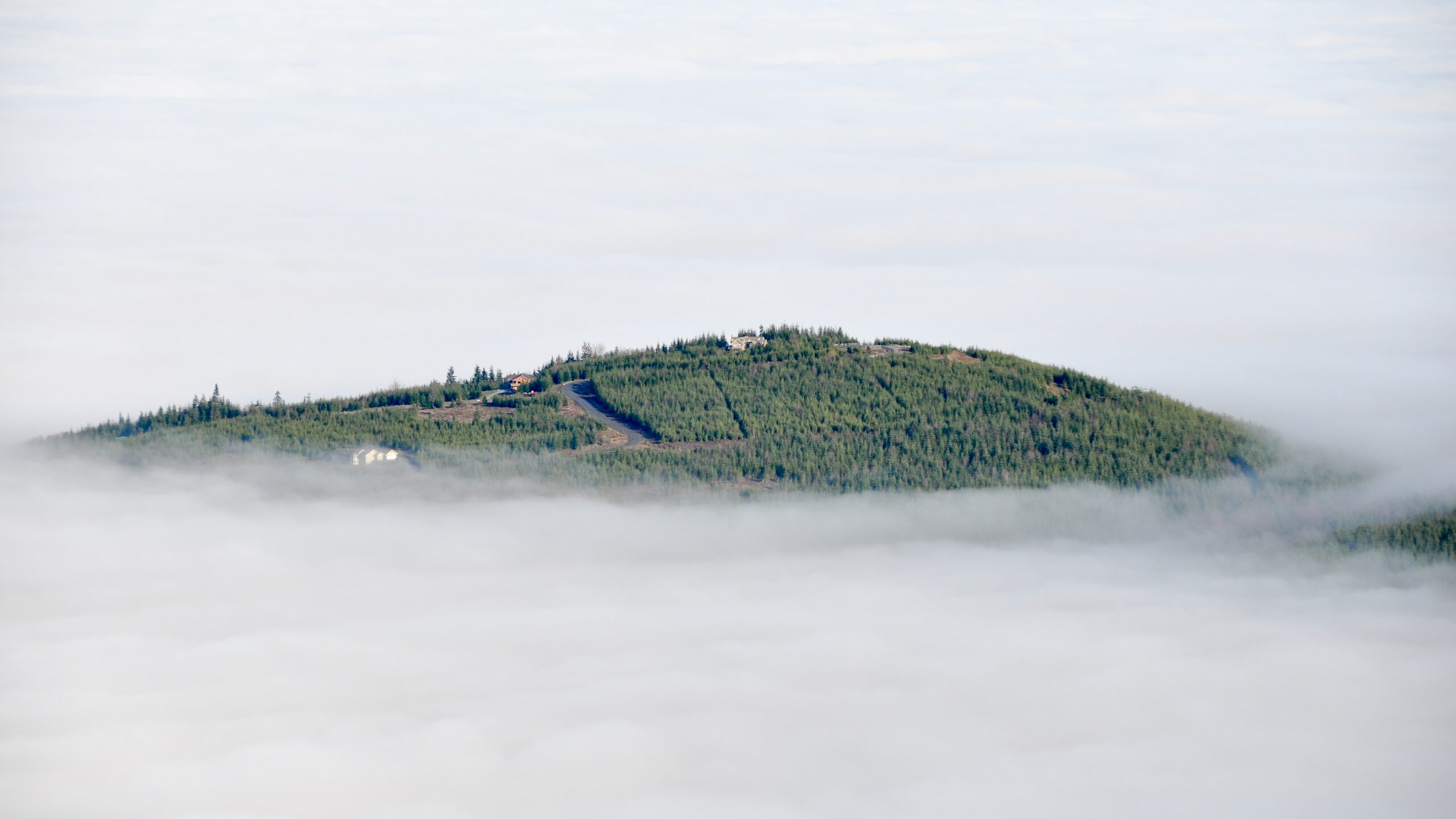
- Coastal fog creates atmospheric depth
- Wide compositions capture layered forests
- Water reflections enhance compositions
📚 Summary
Olympic National Park preserves one of the most ecologically diverse landscapes in North America, illustrating the interaction between marine climate, mountain uplift, and temperate rainforest ecosystems.