Weir Farm National Historical Park
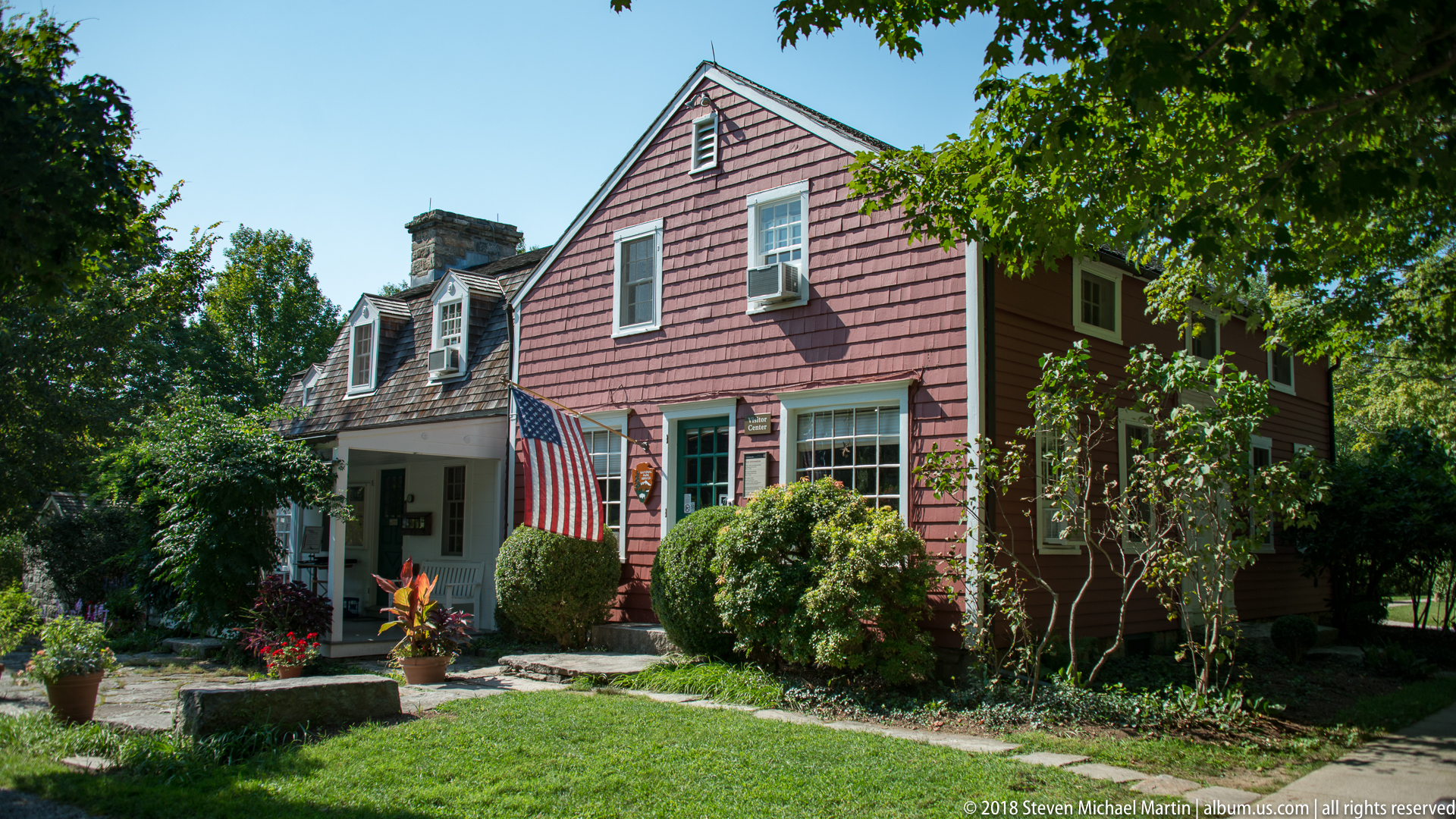
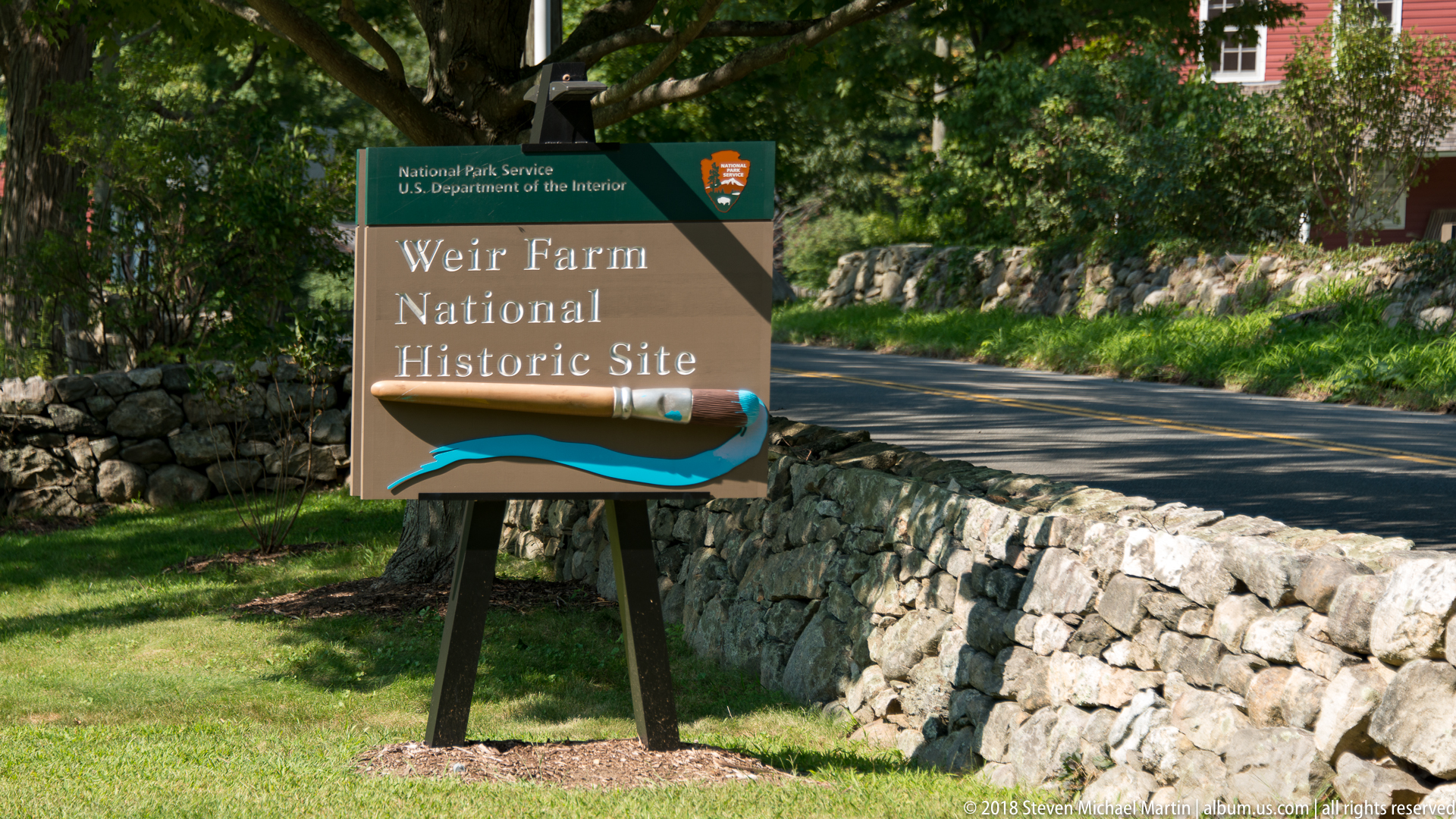
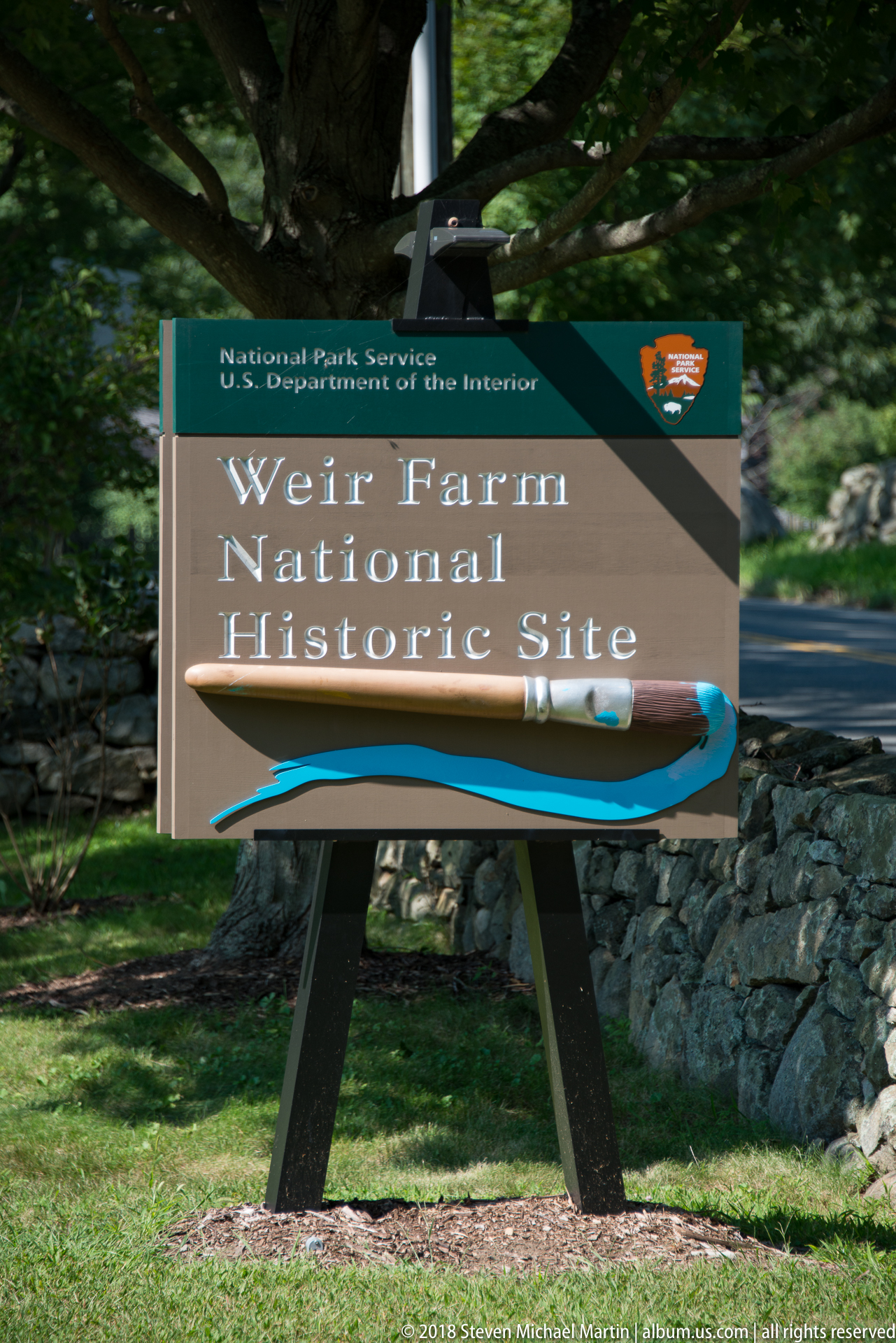
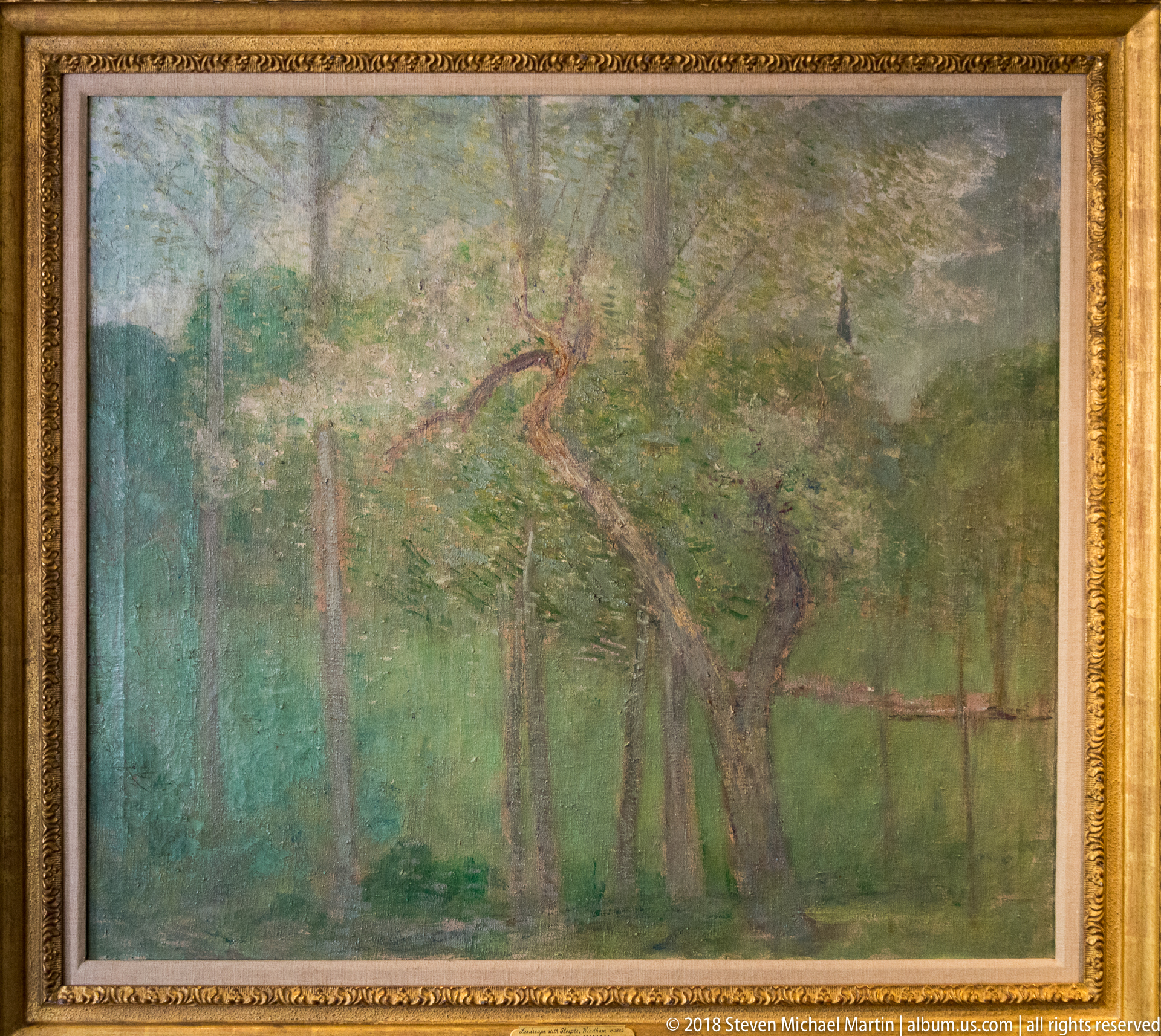
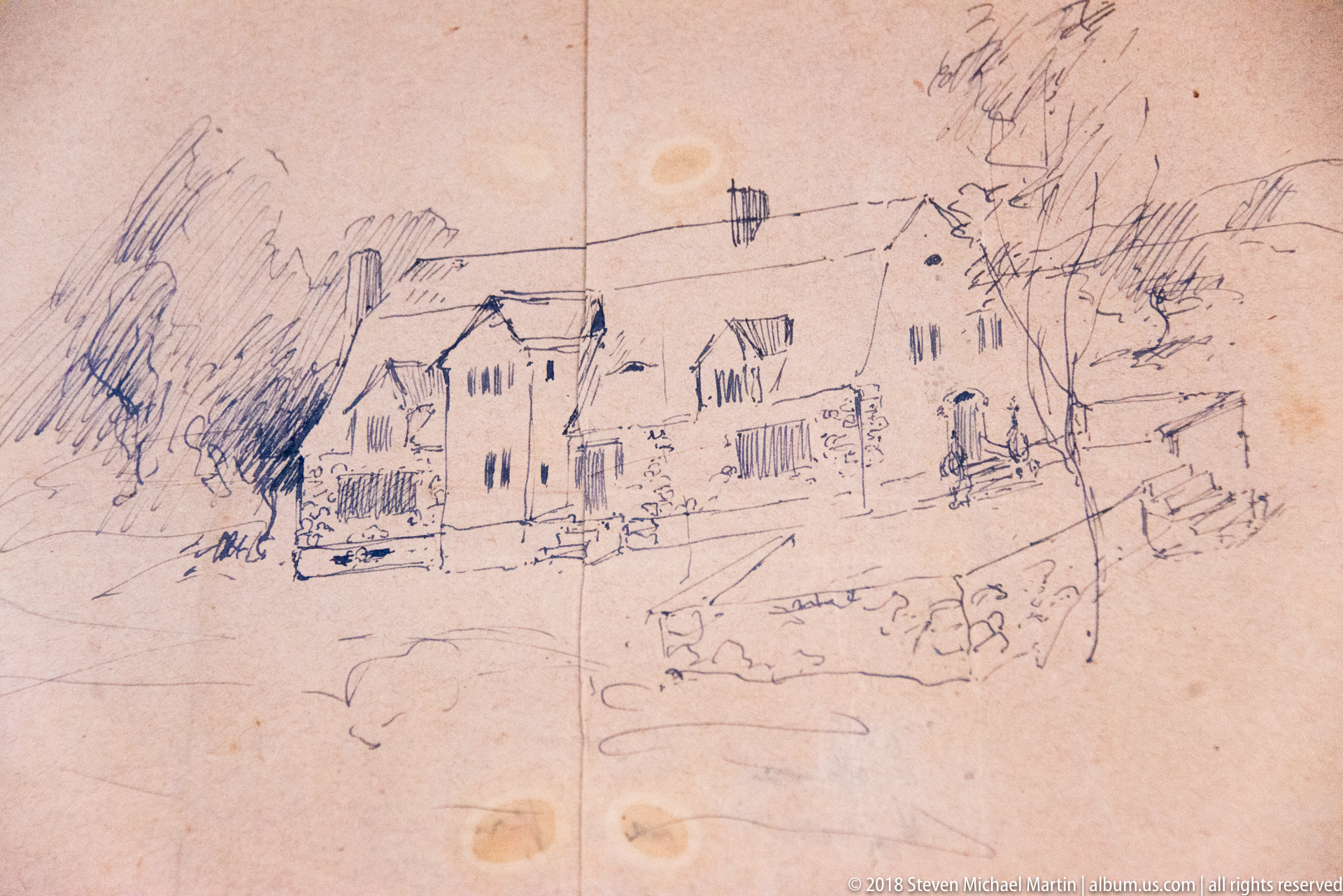
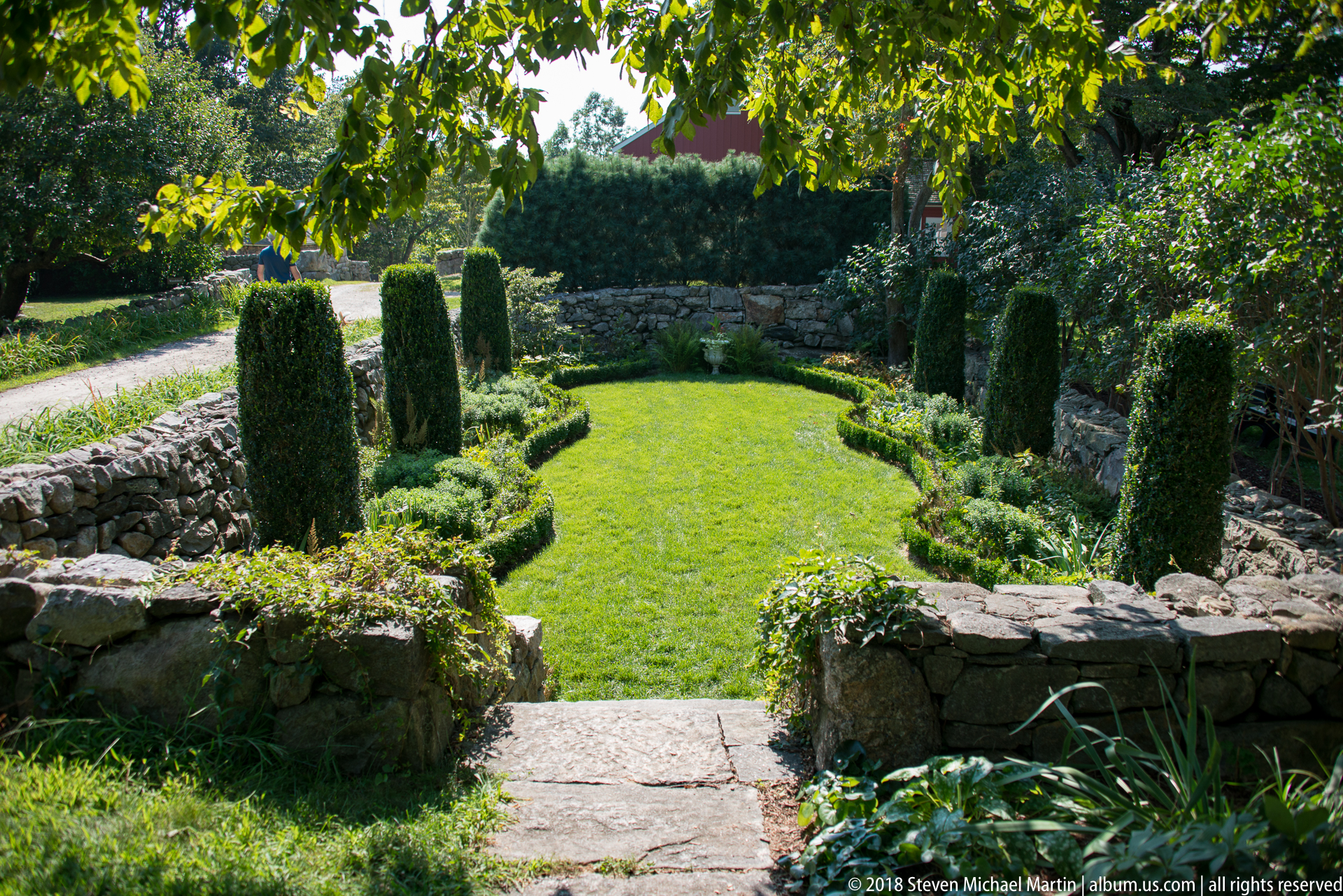
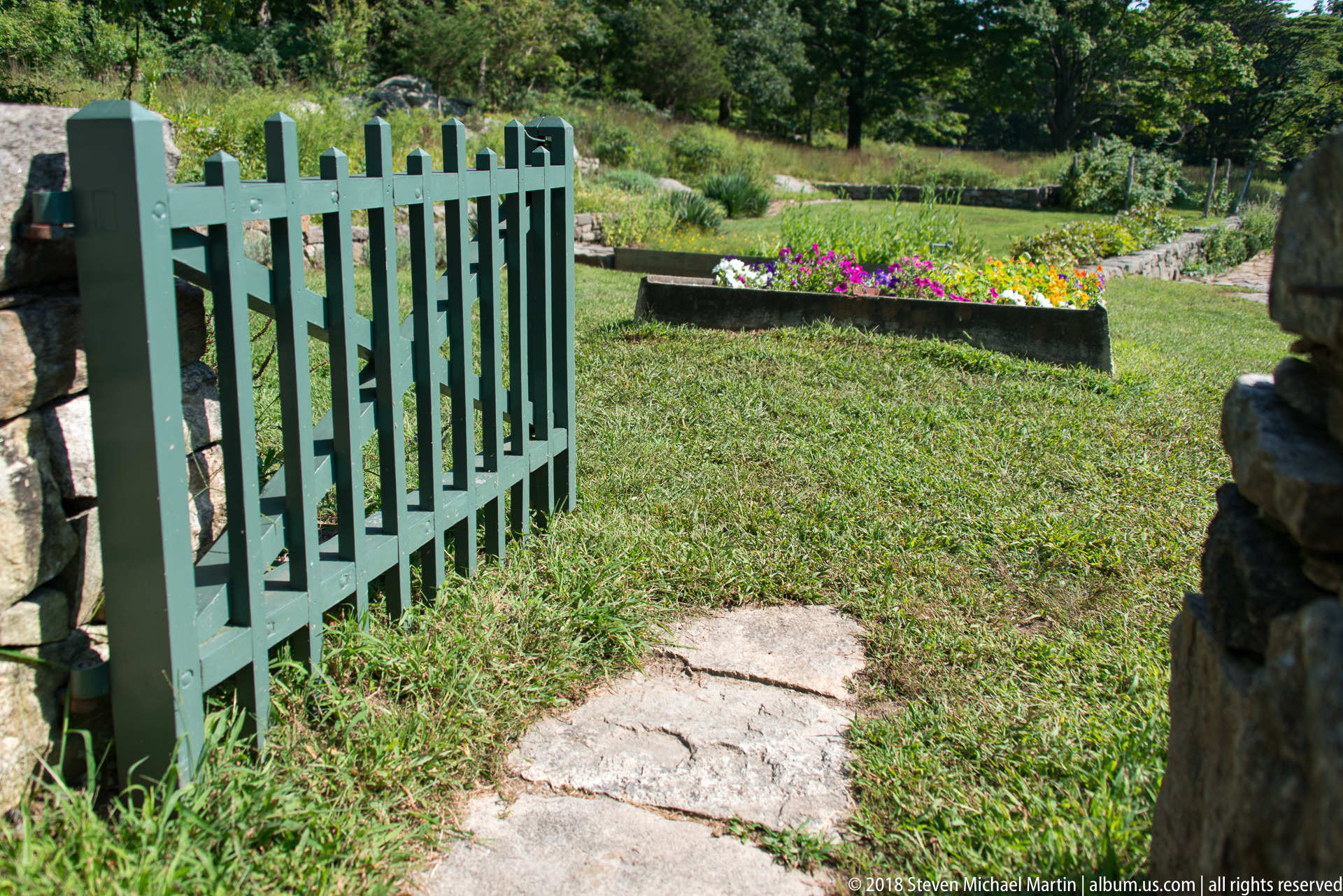
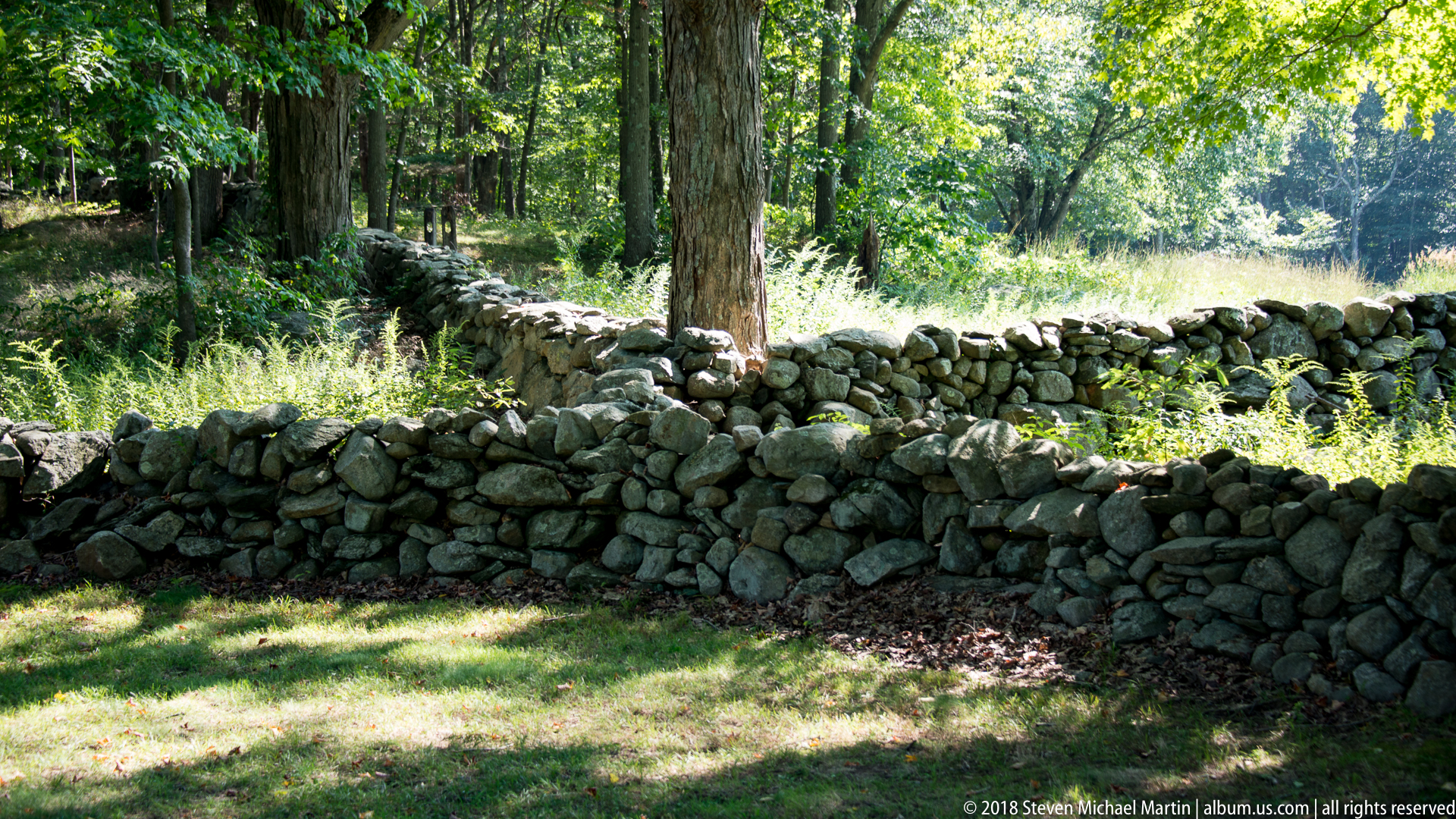
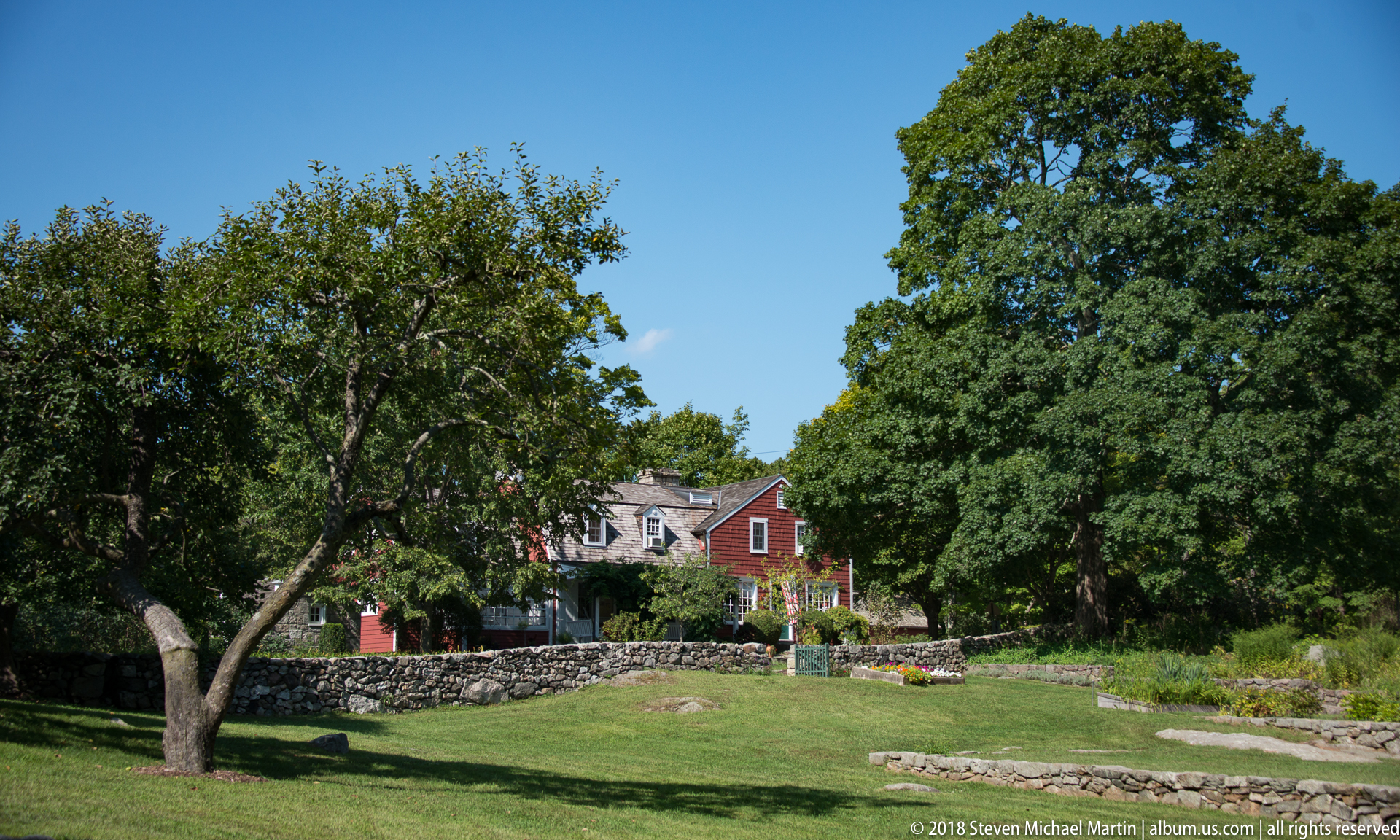
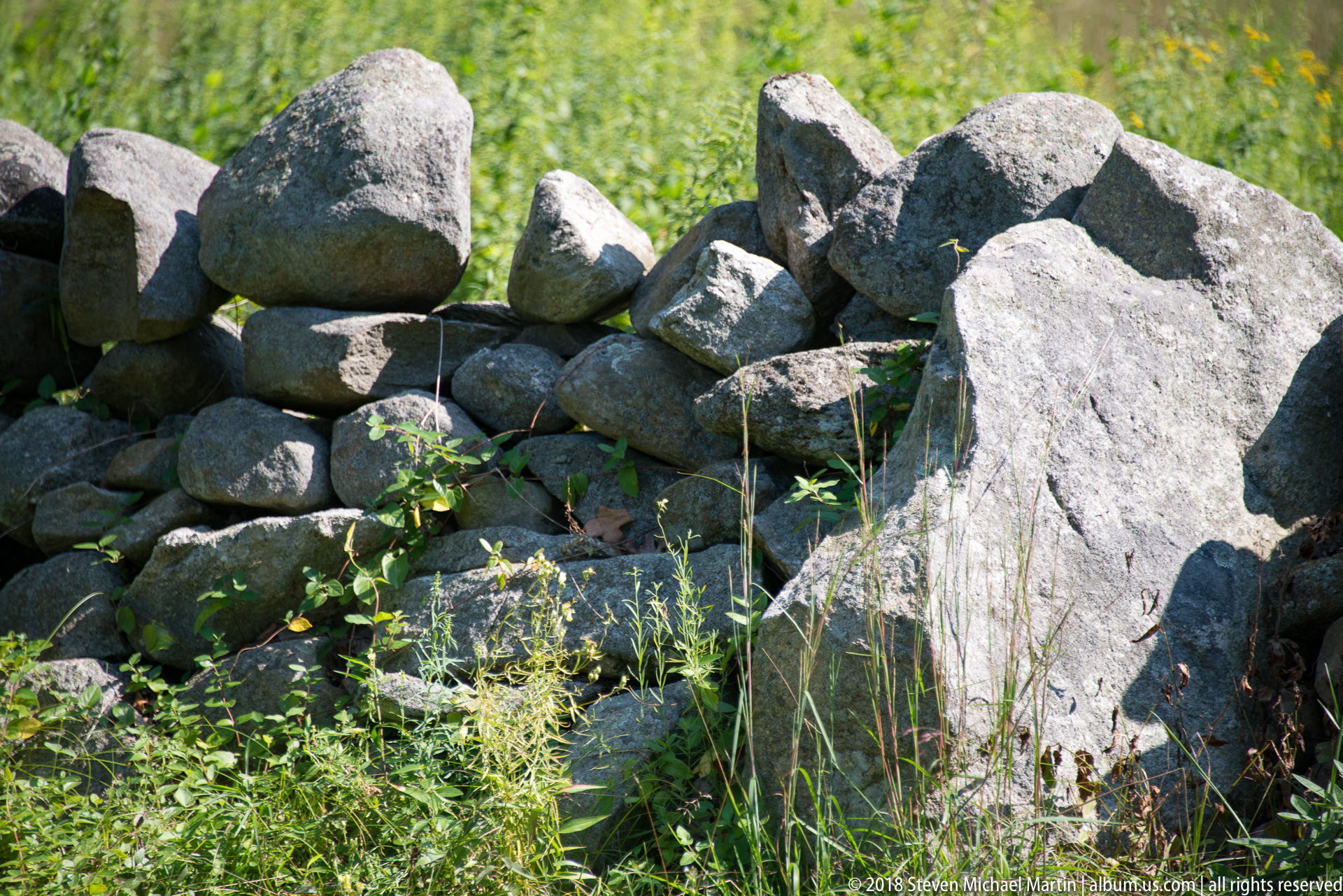
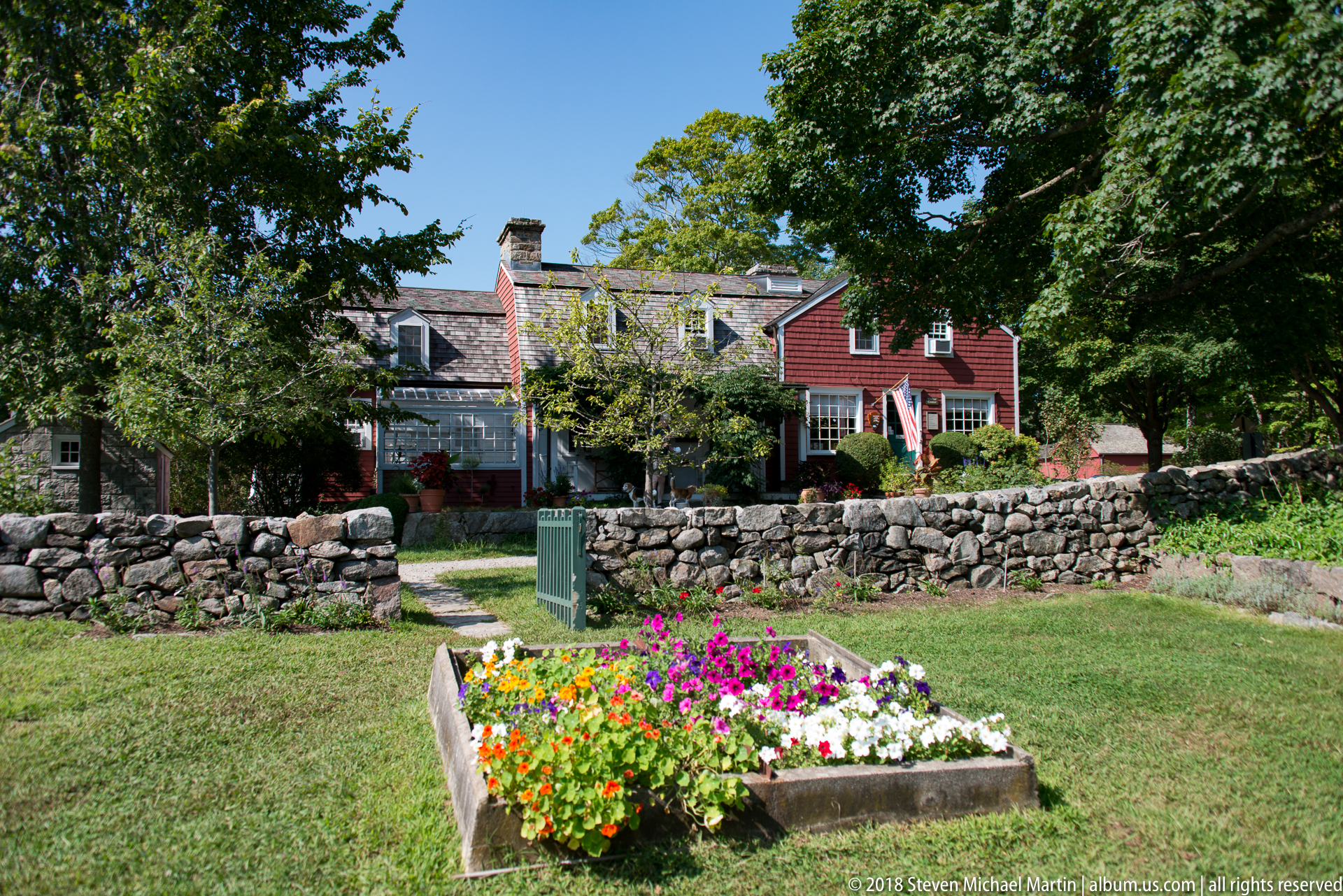
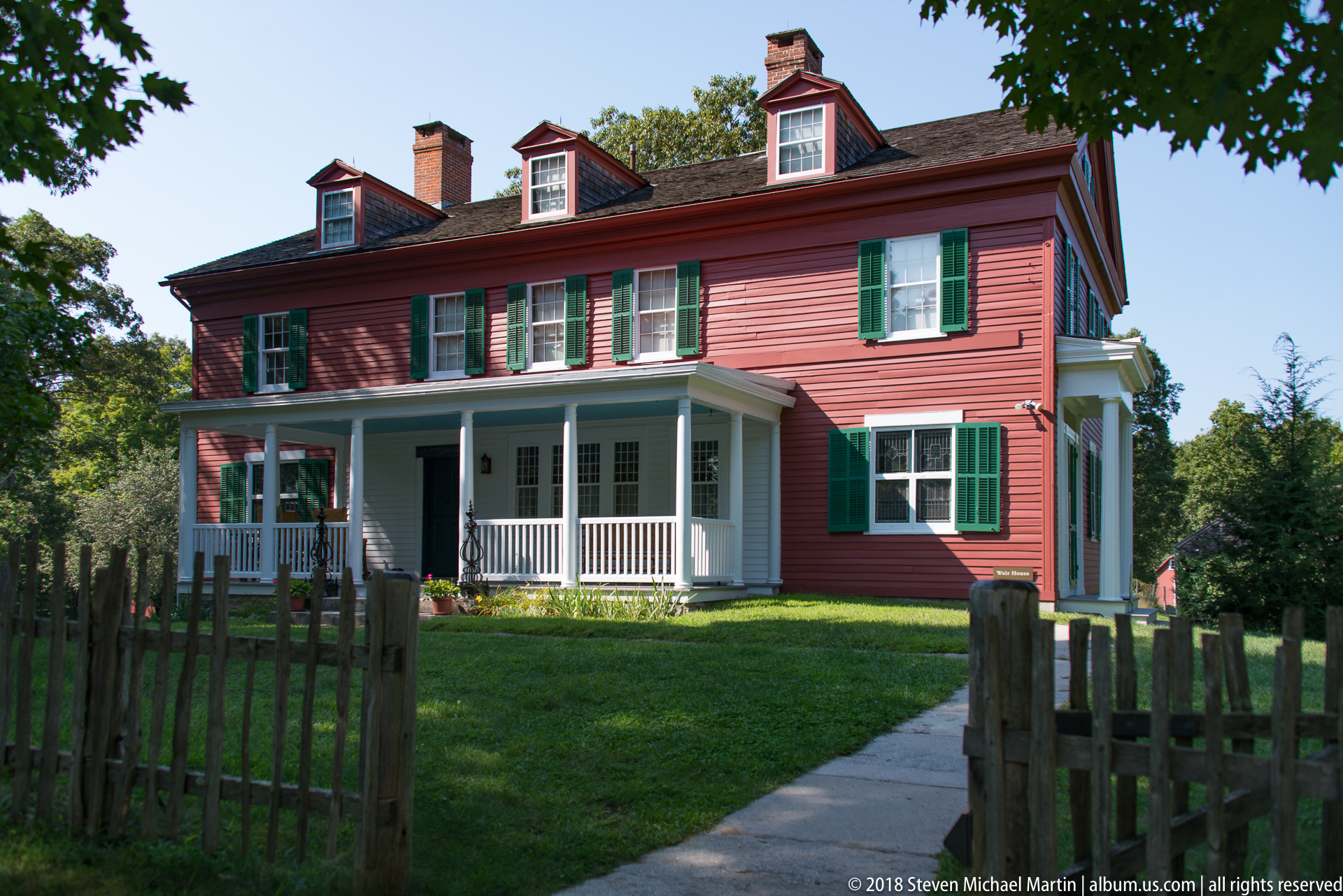
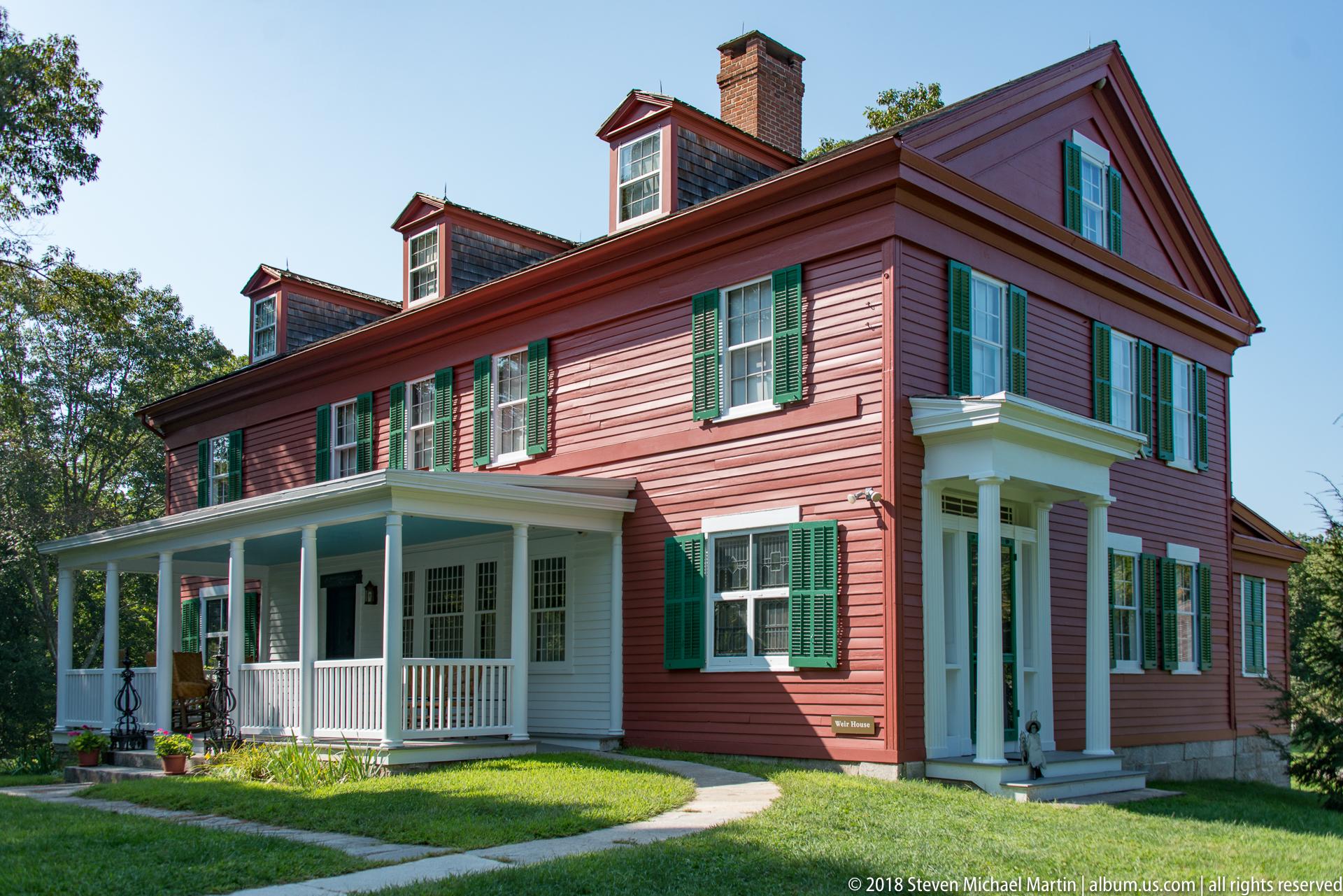
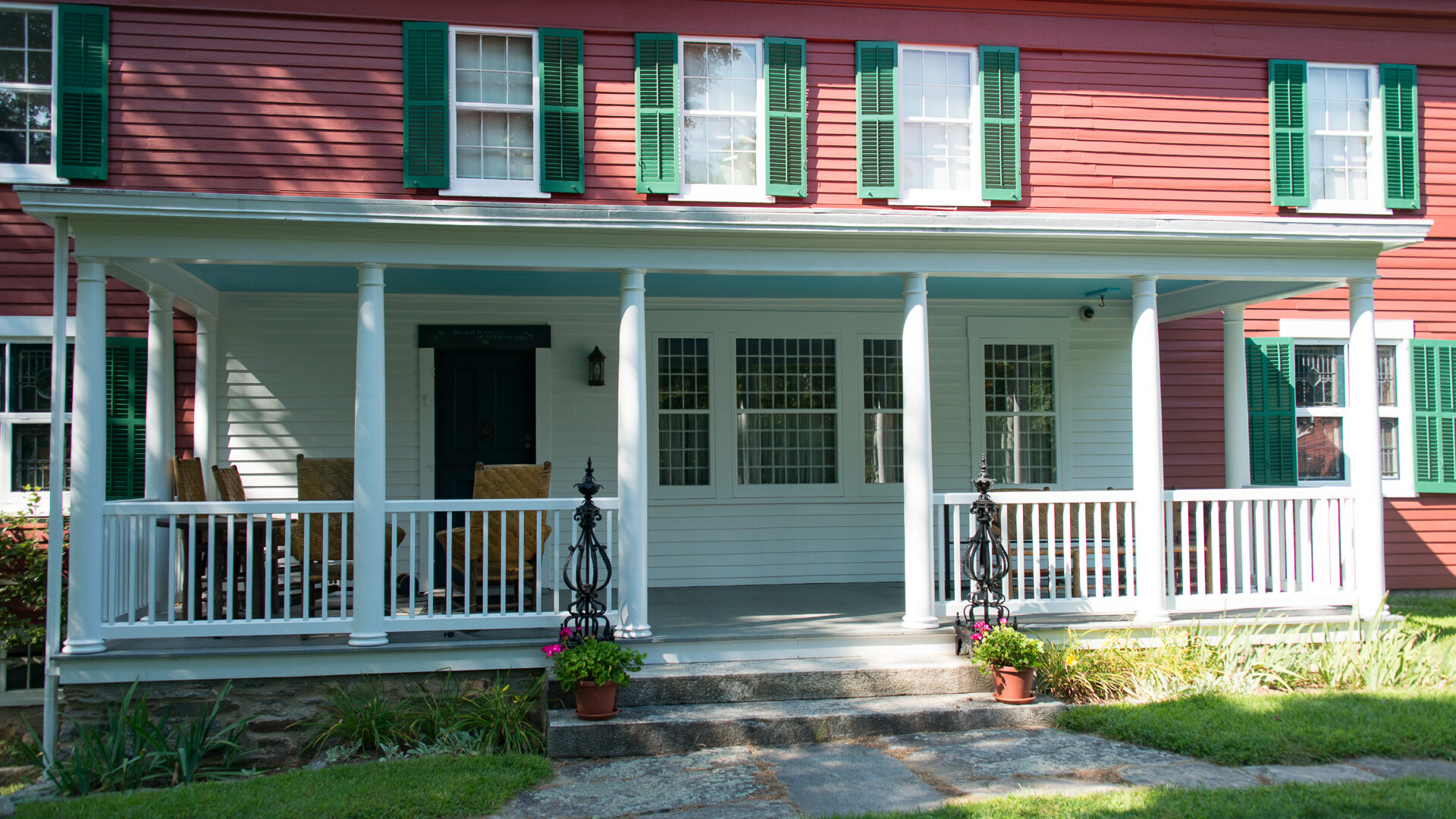
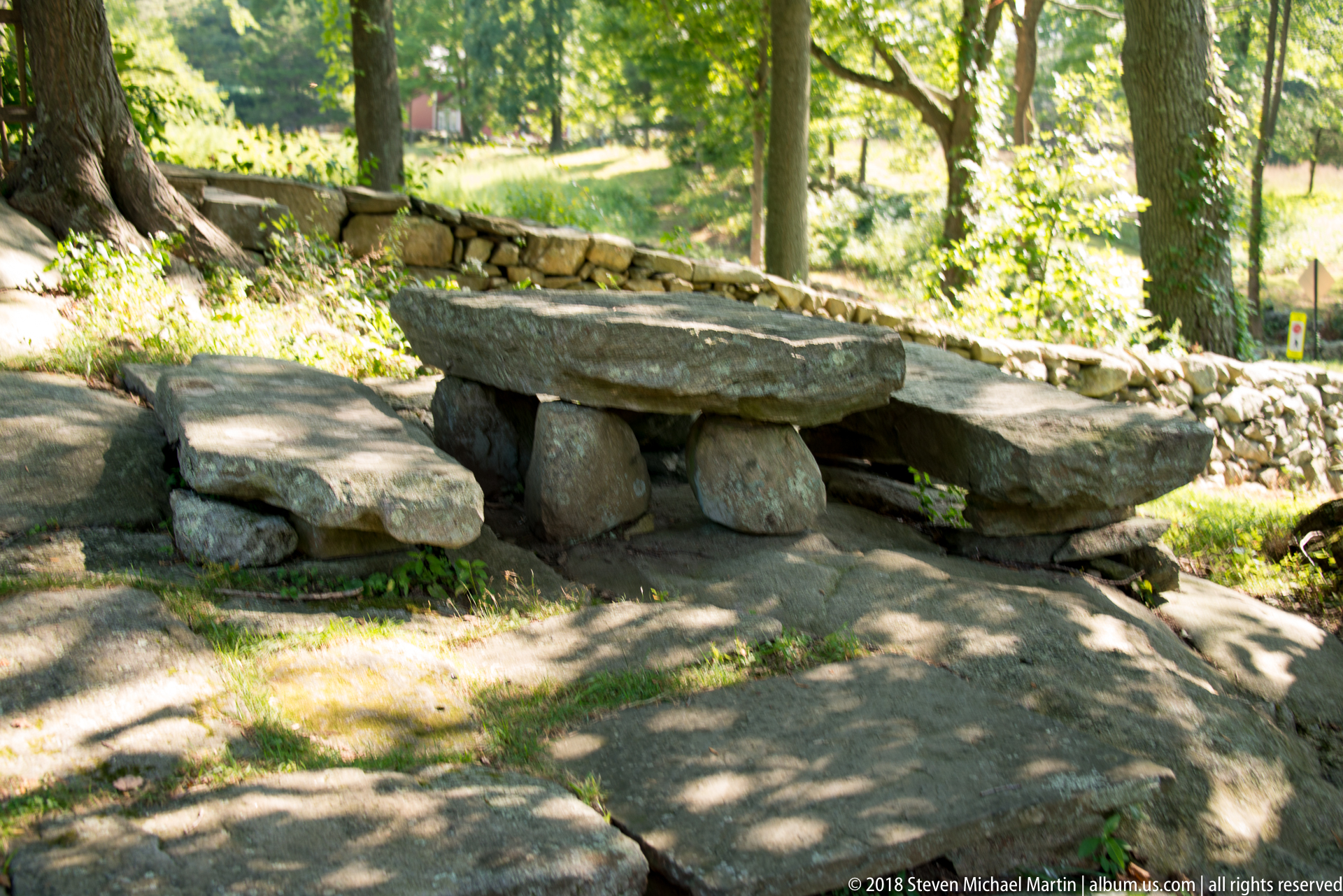
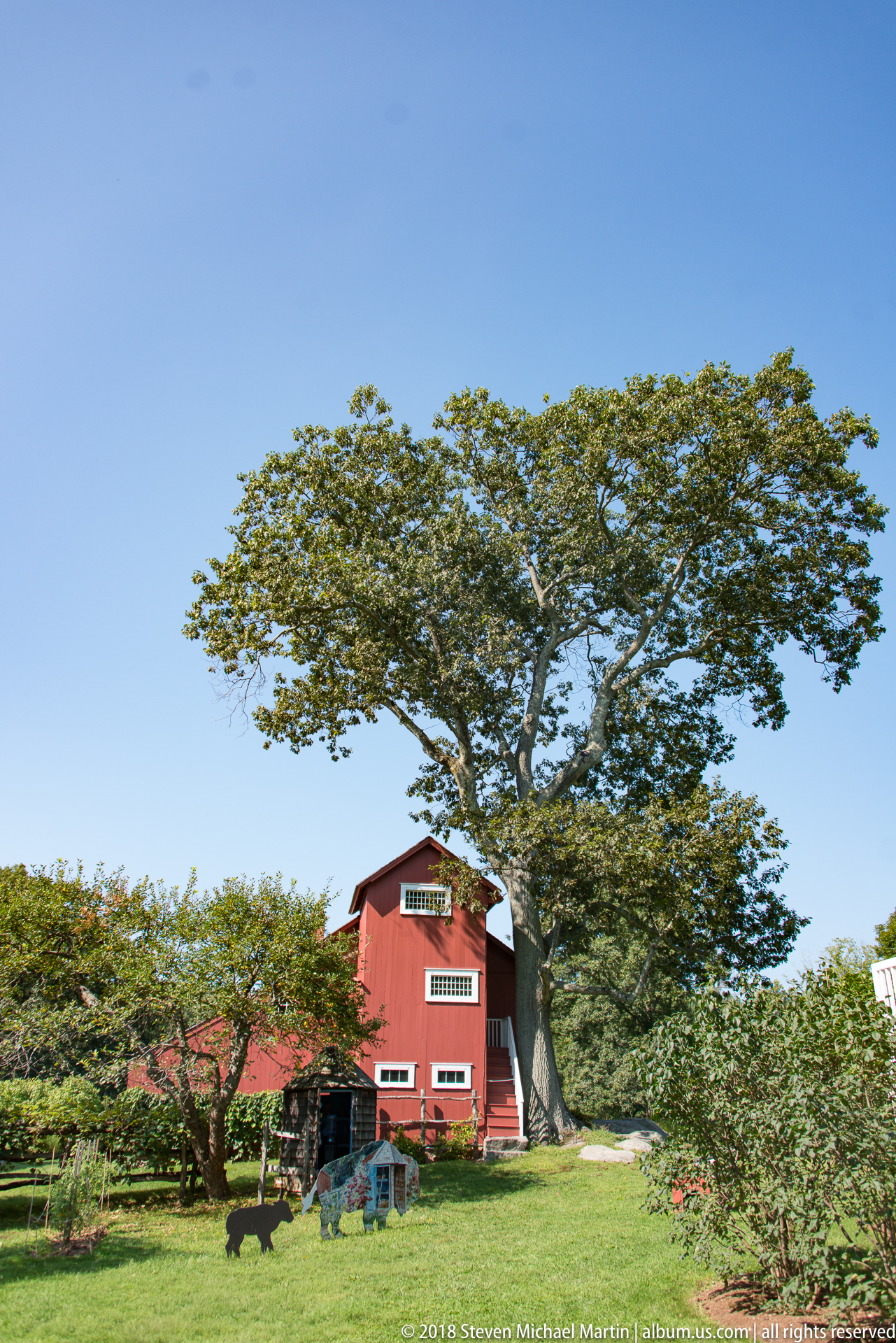
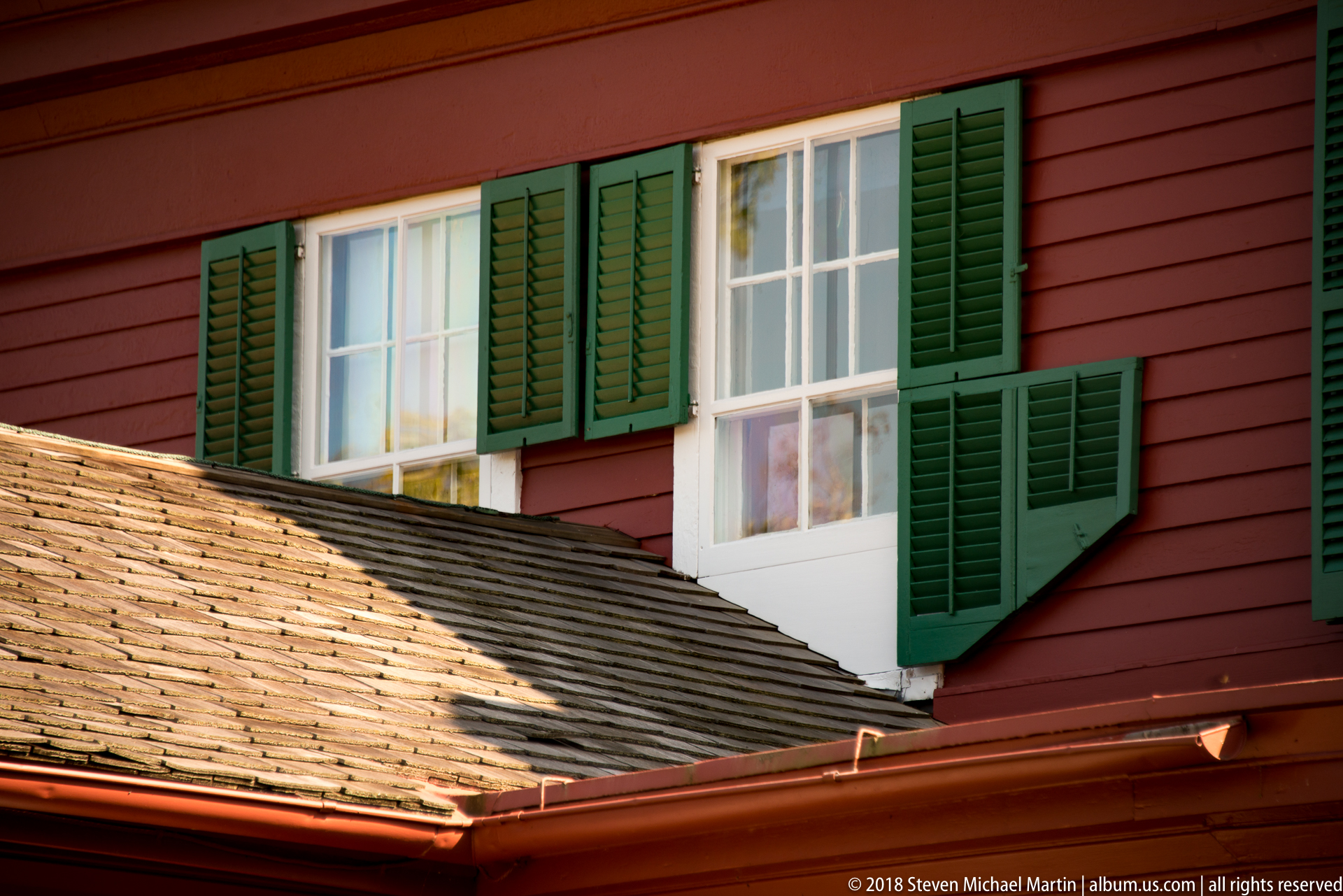
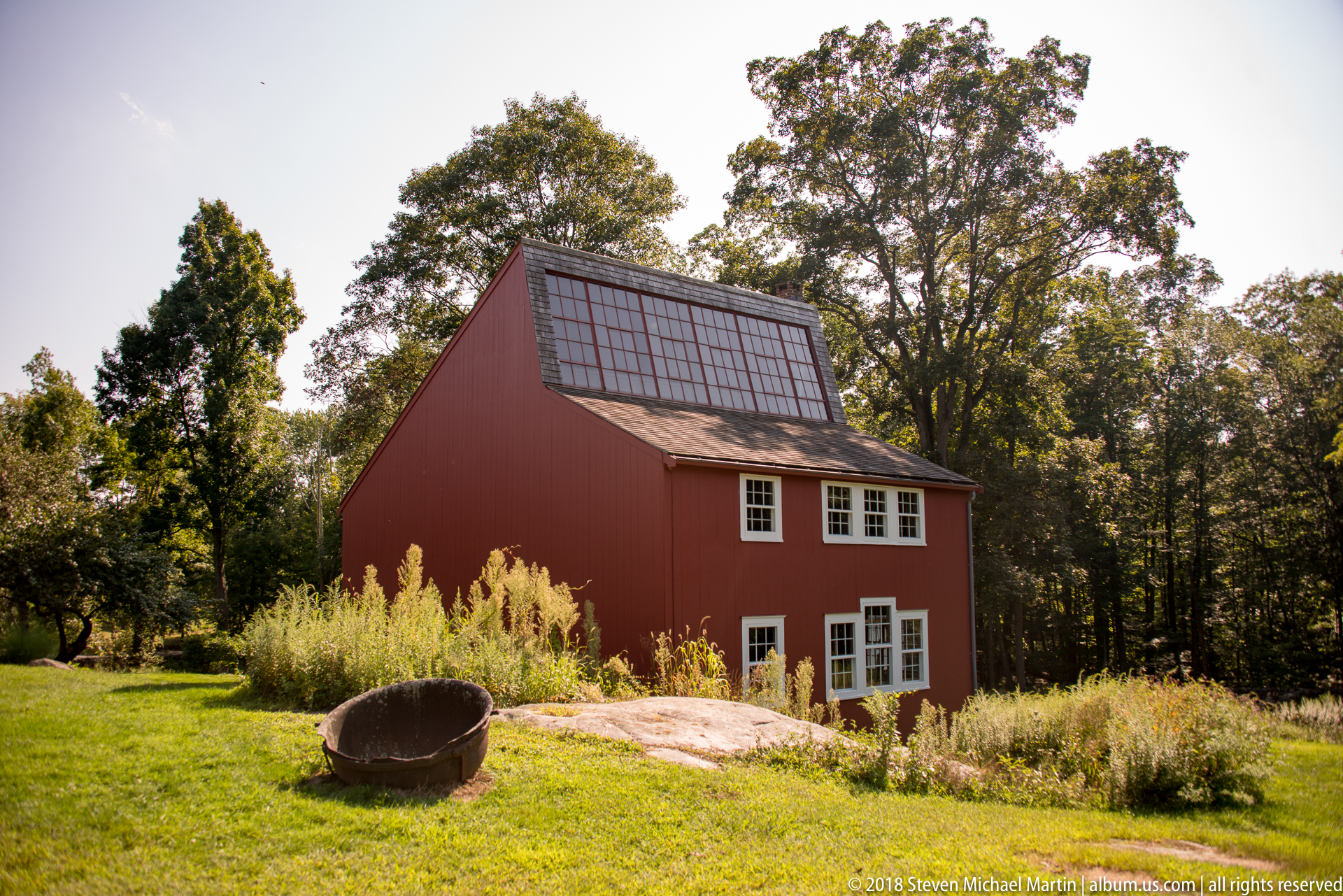
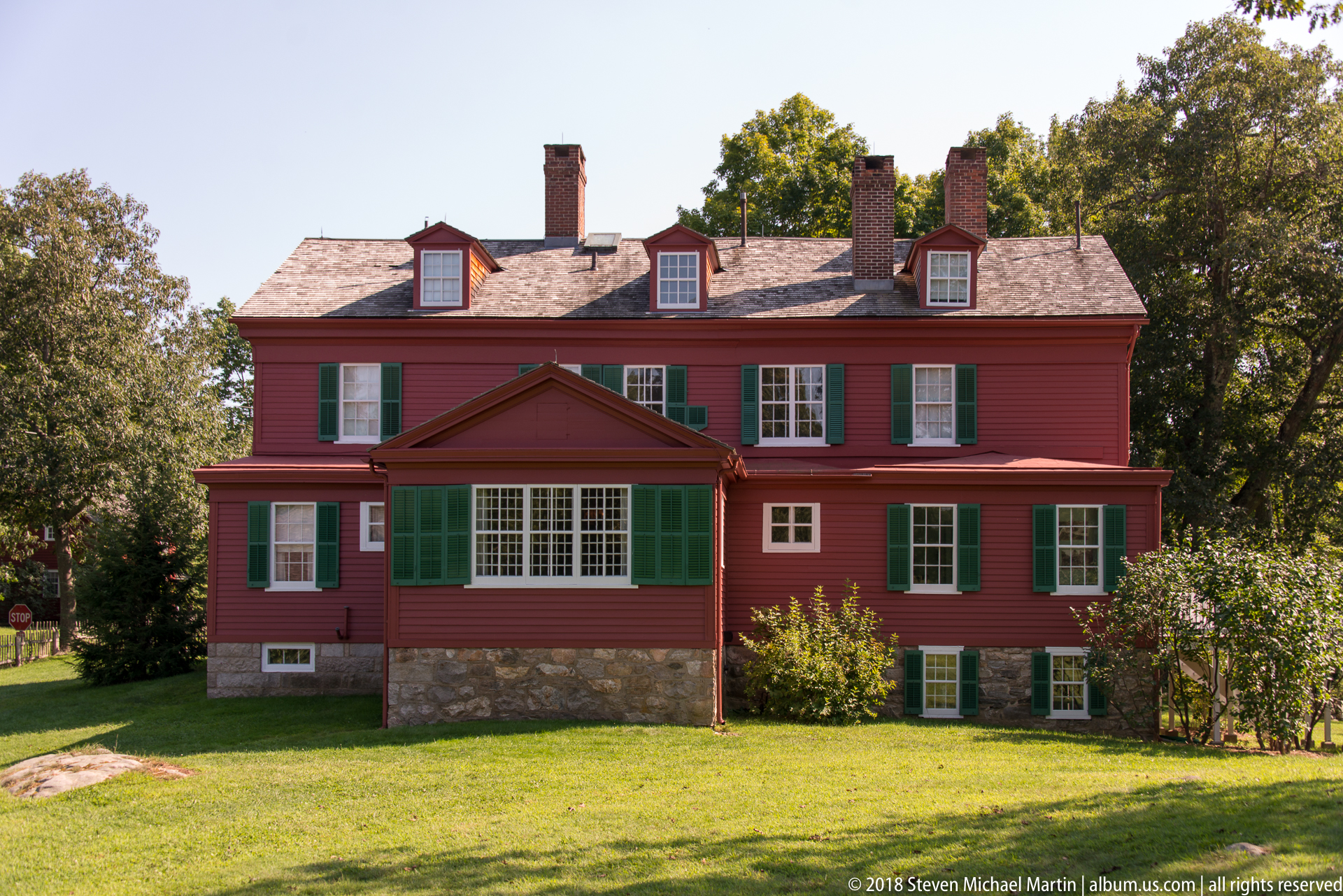
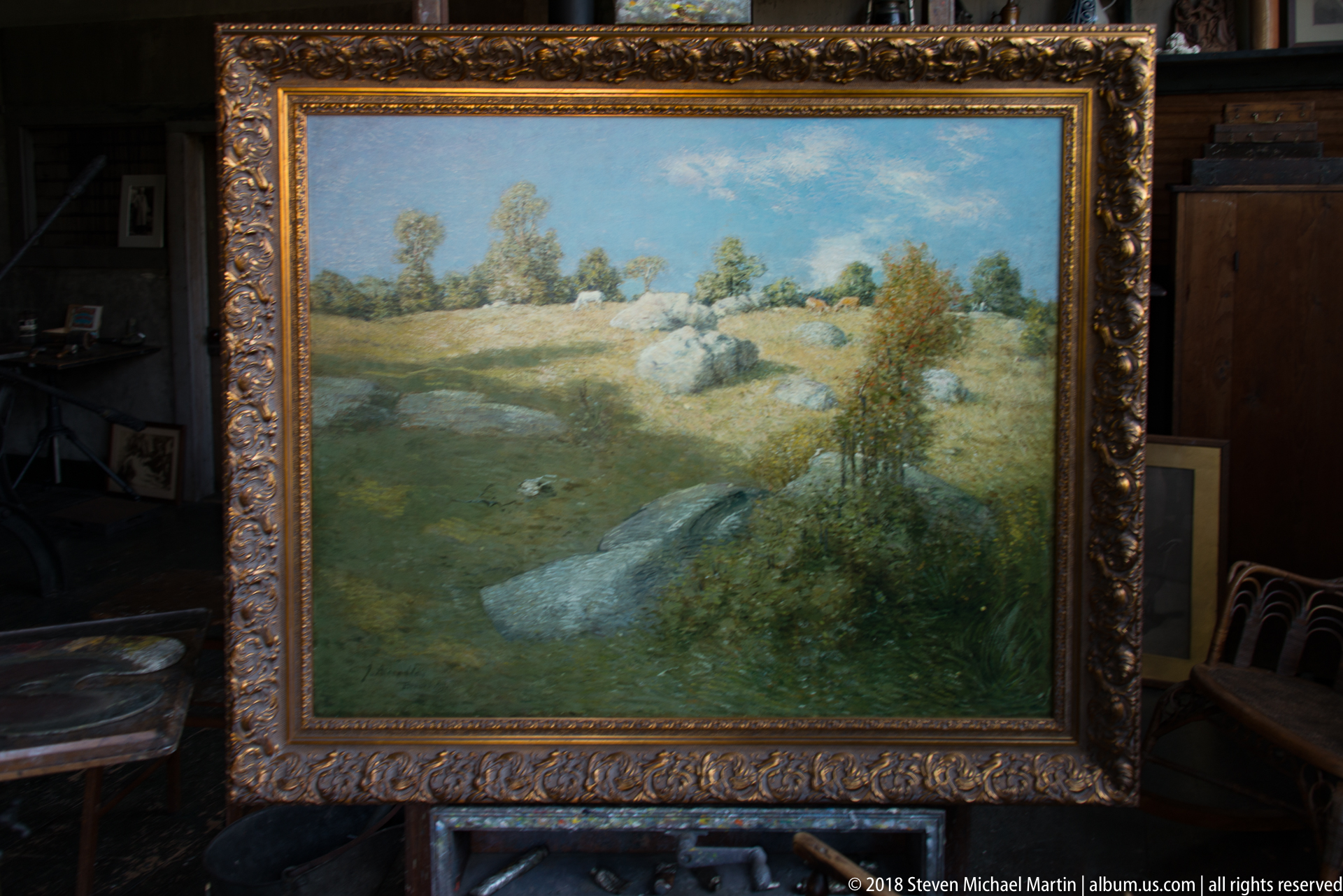
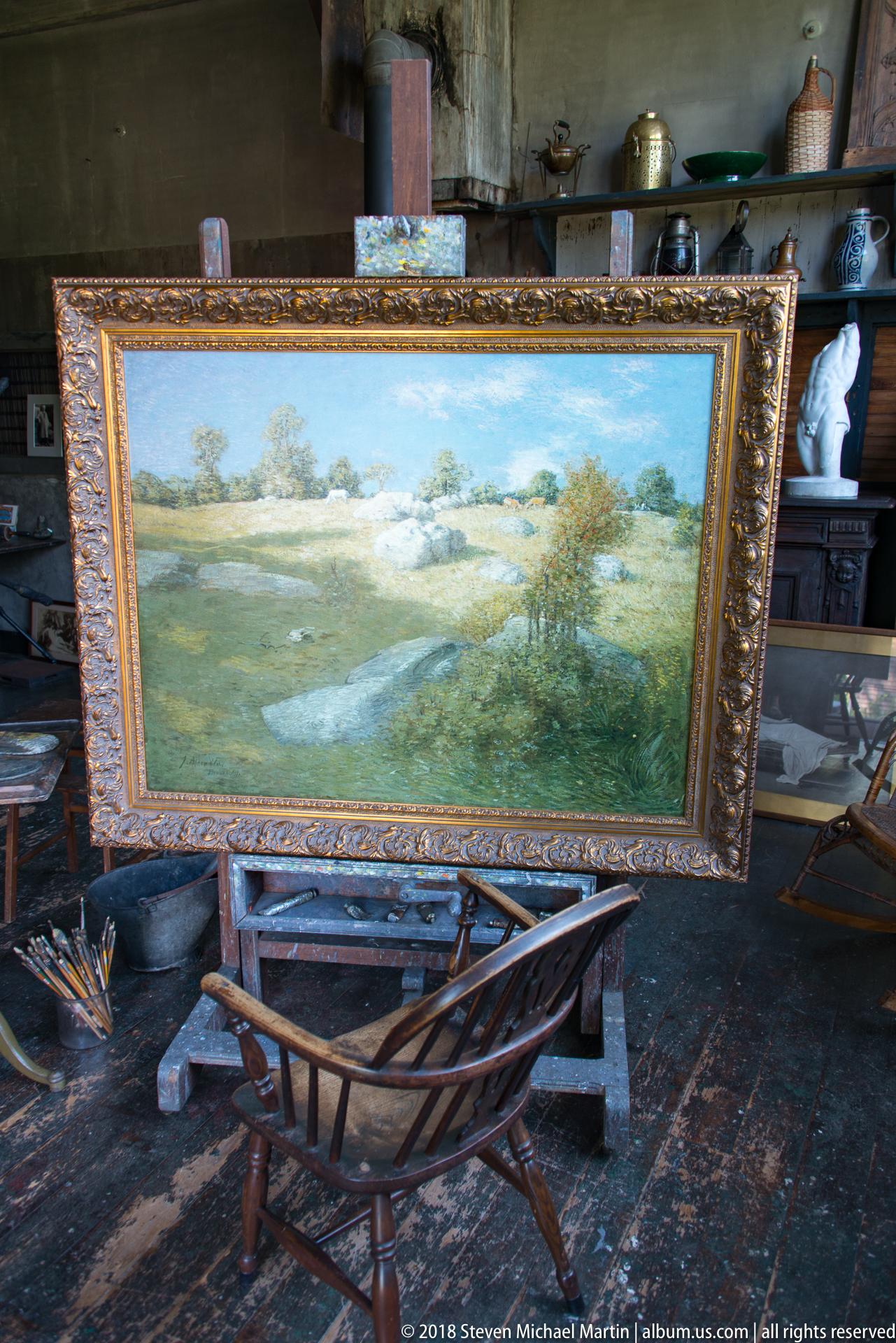
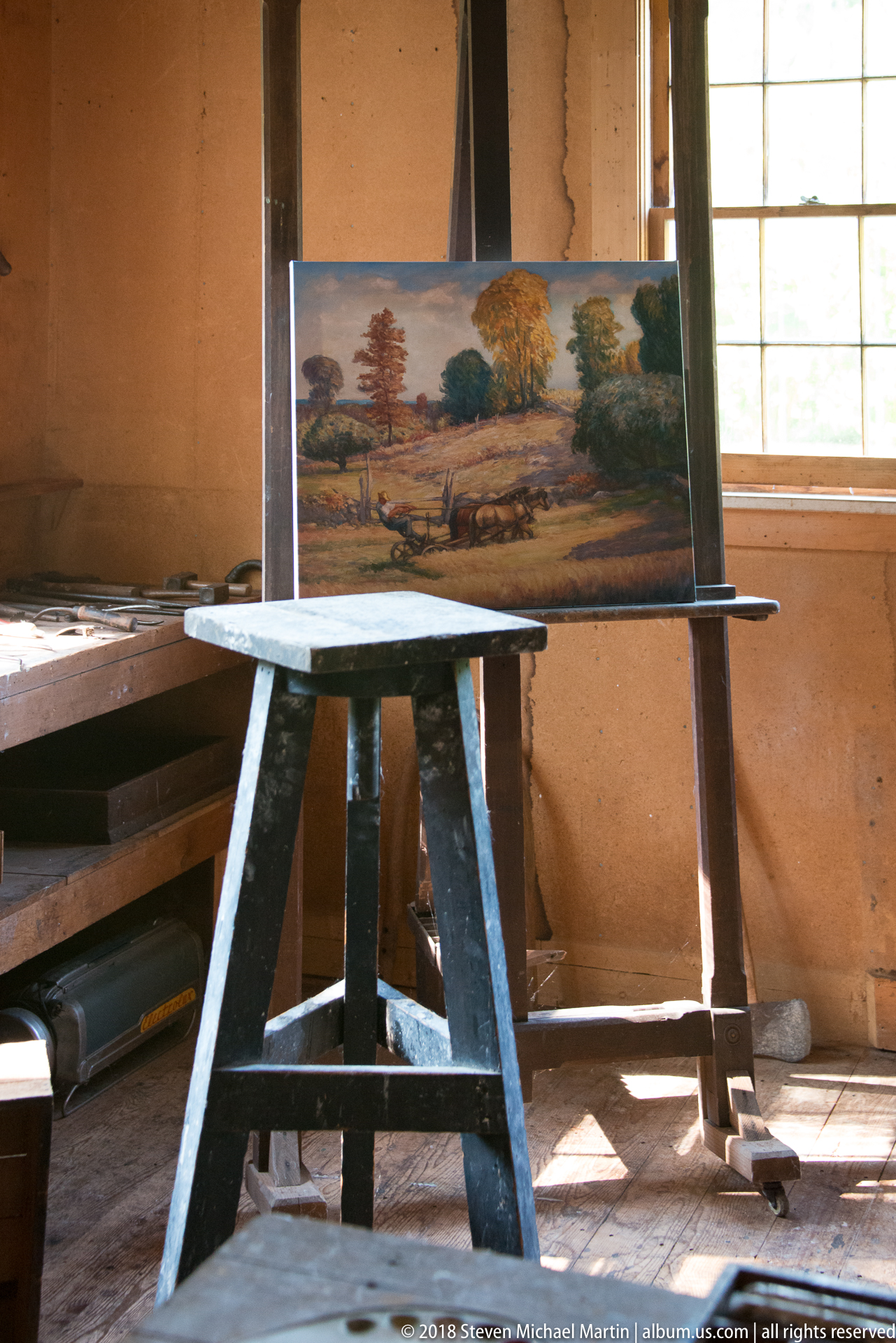
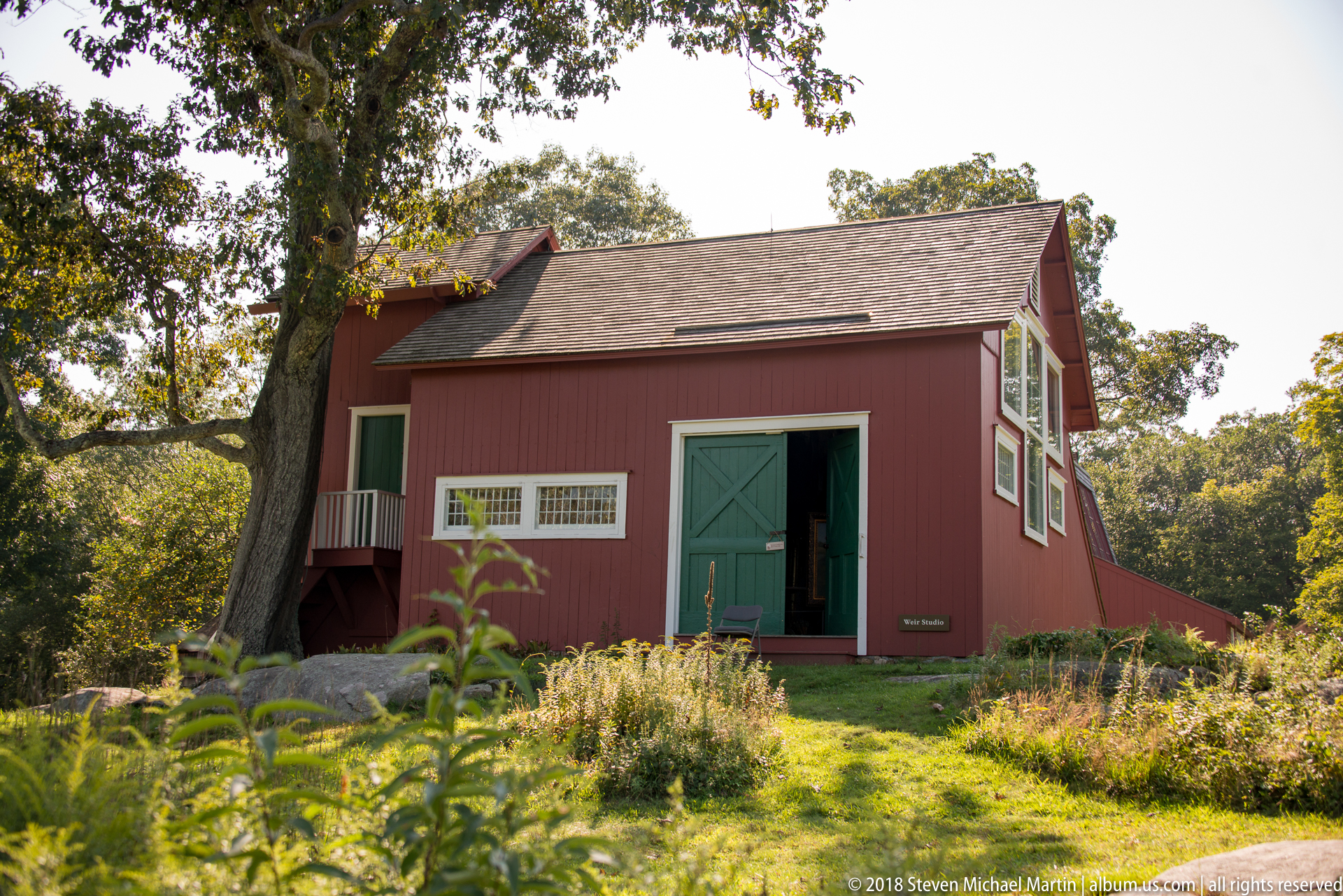
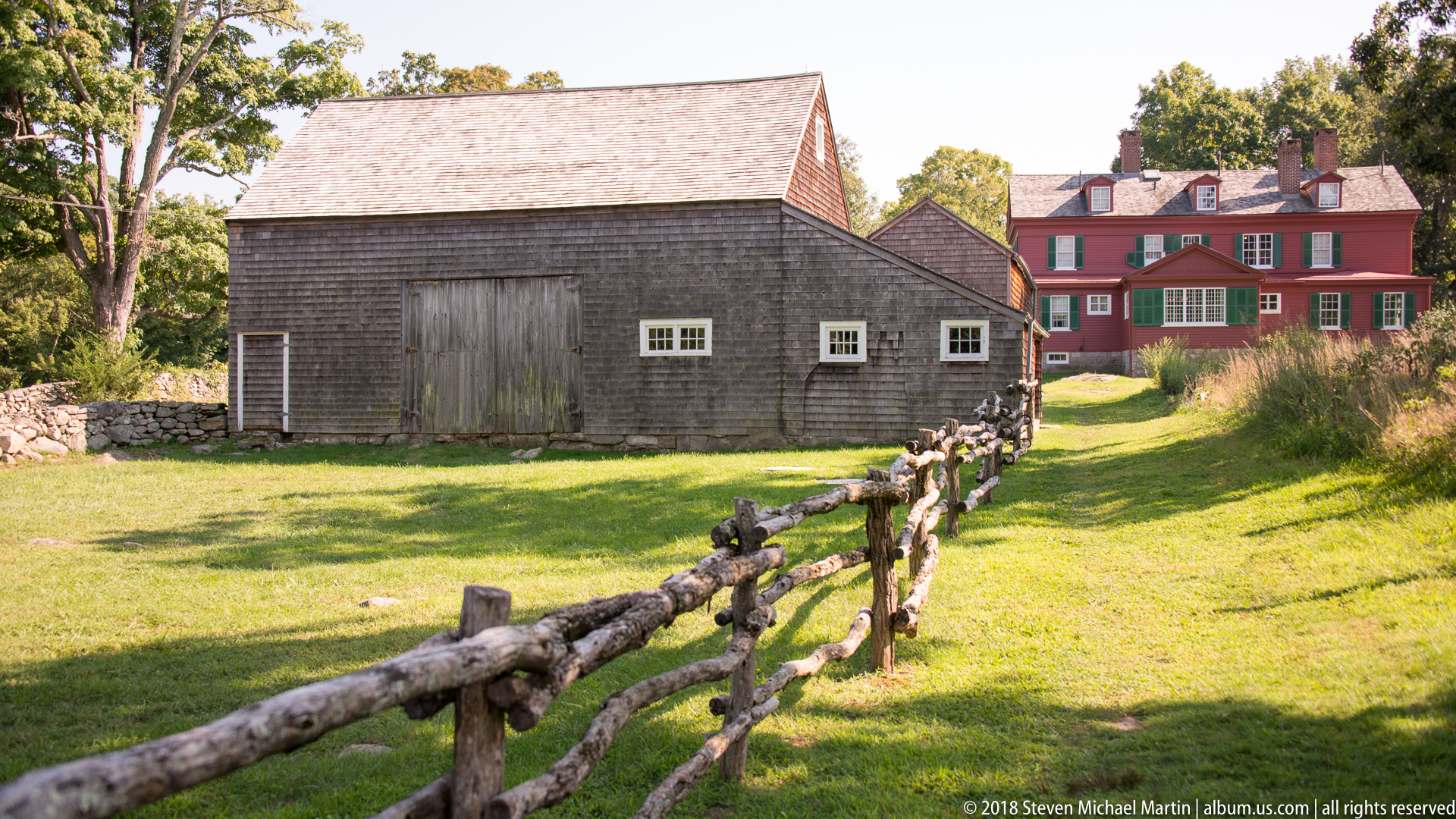
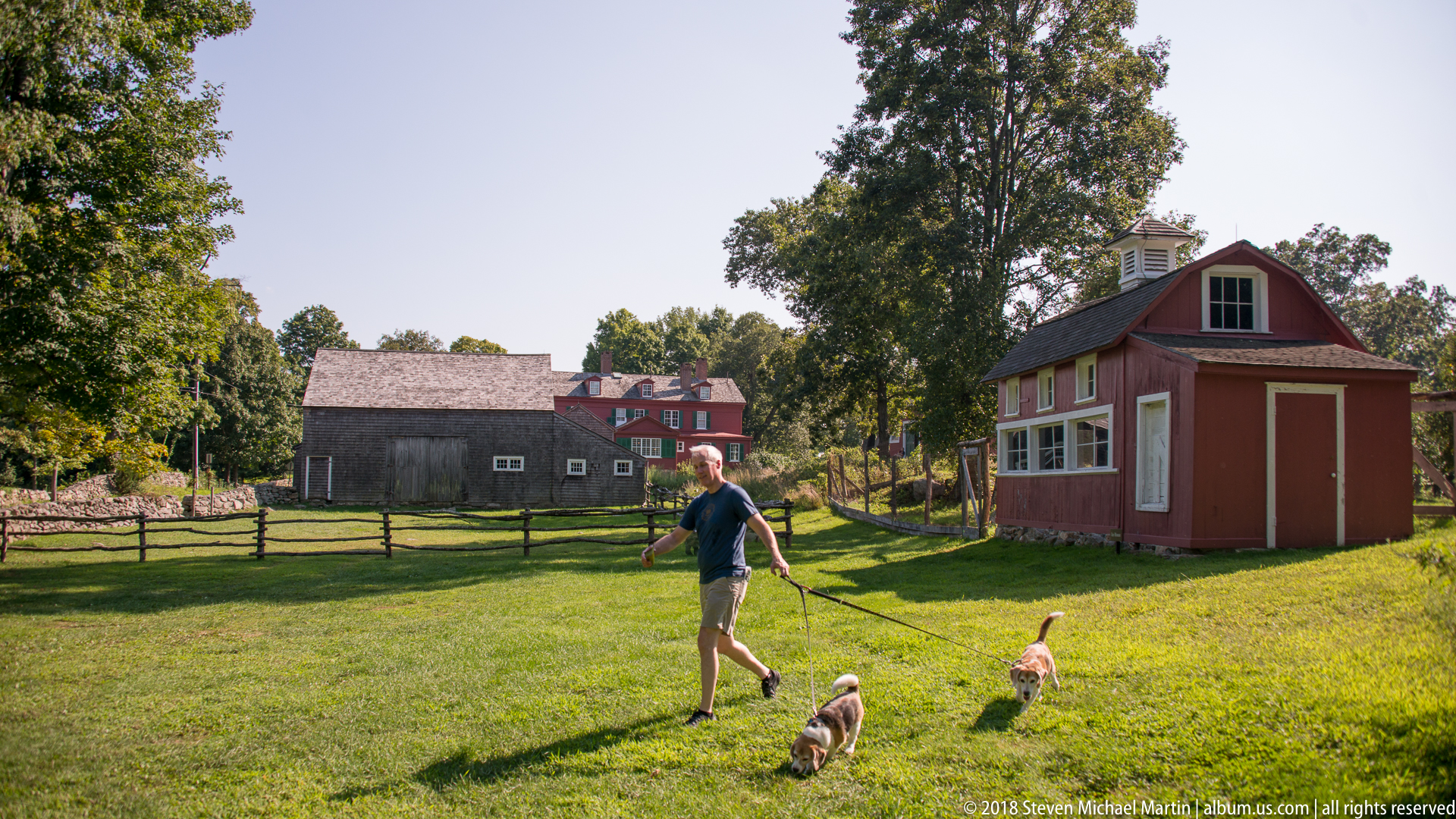
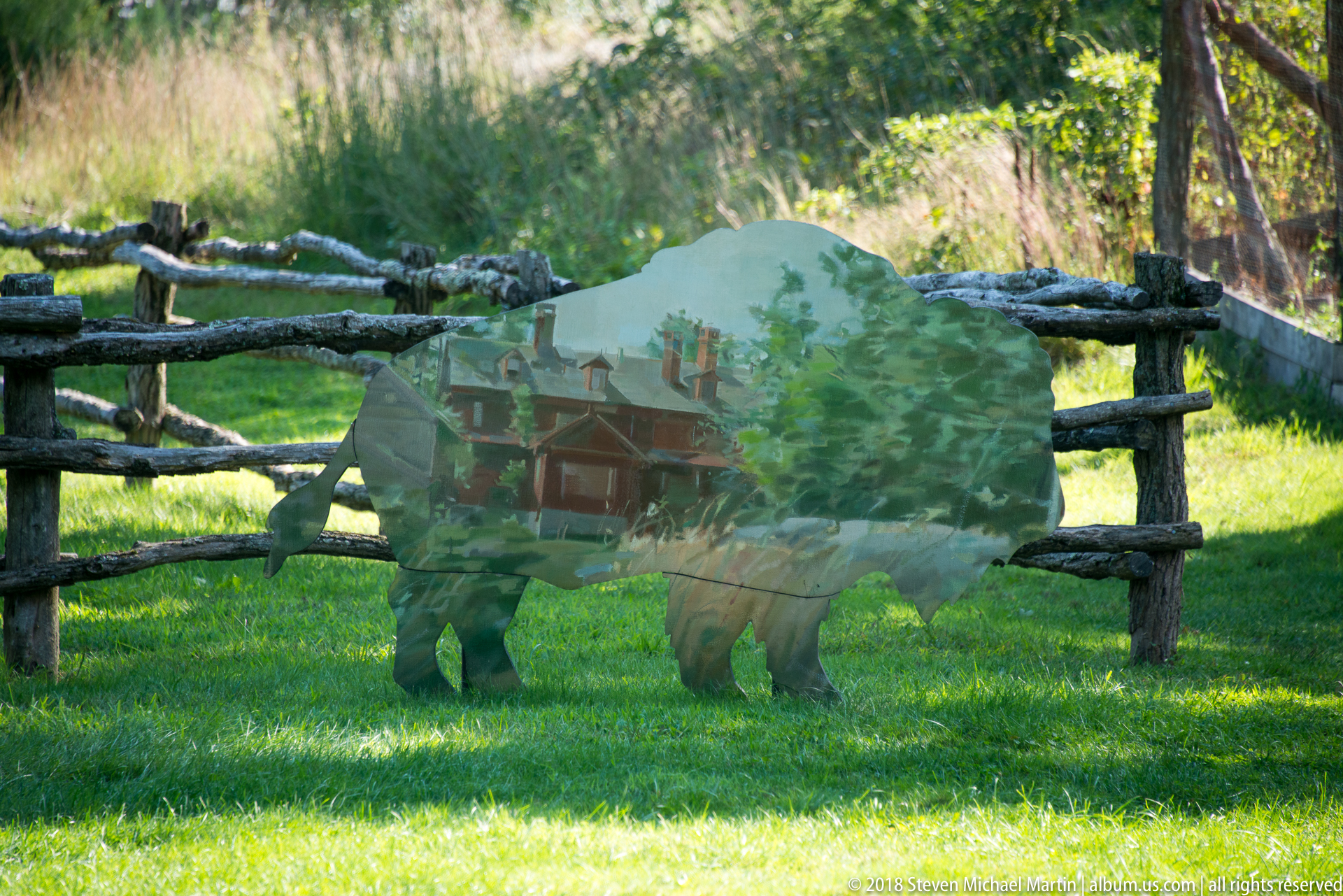
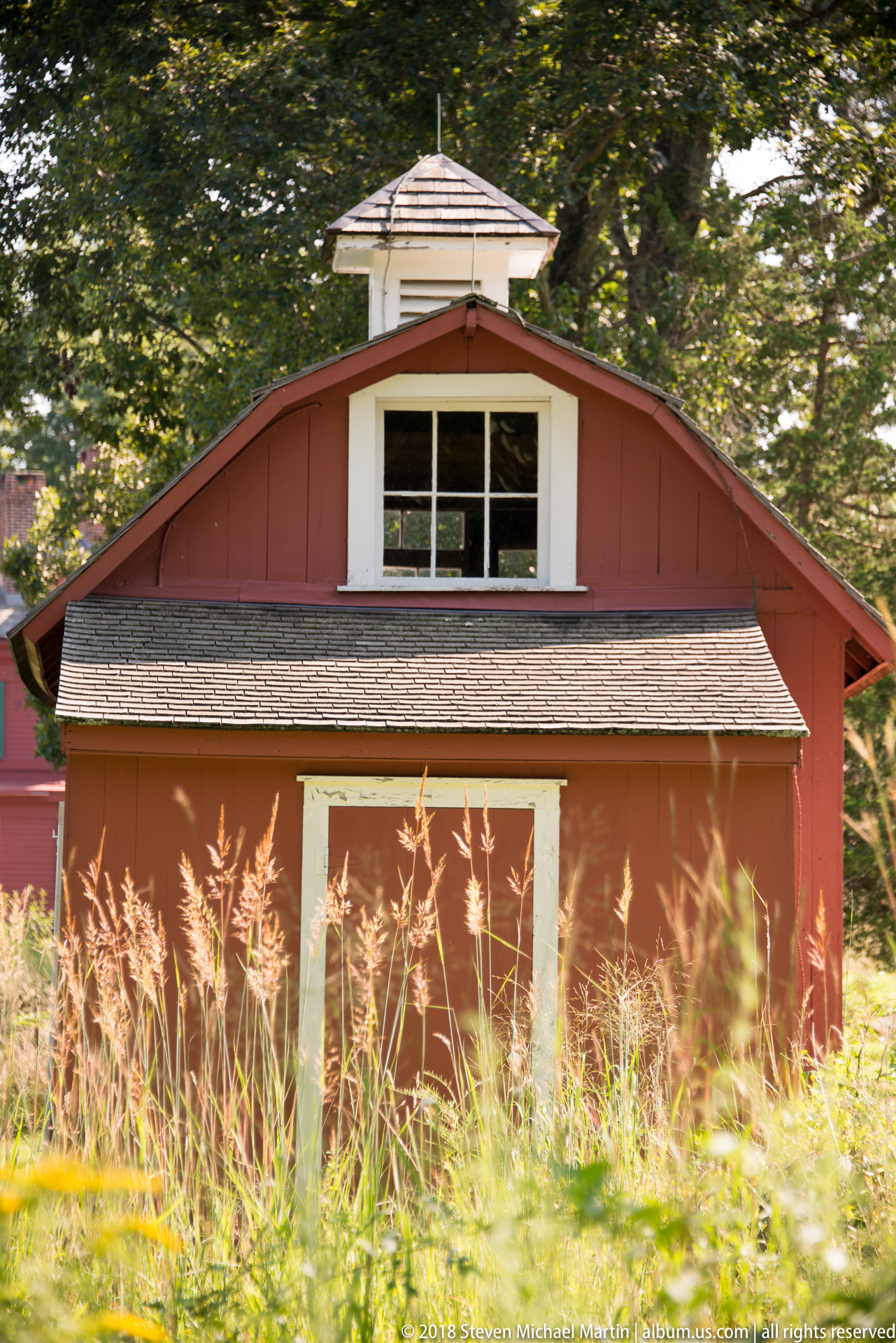
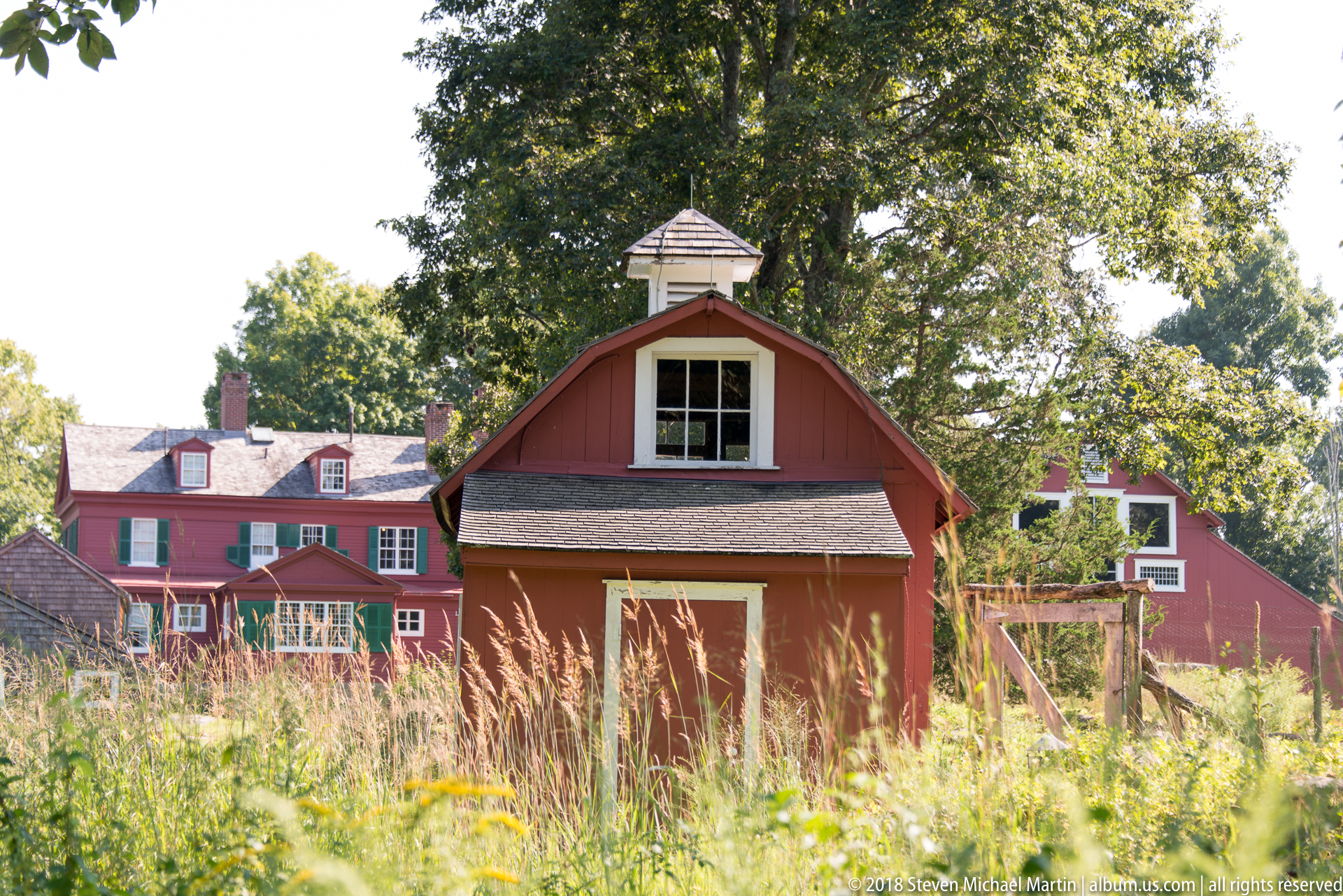
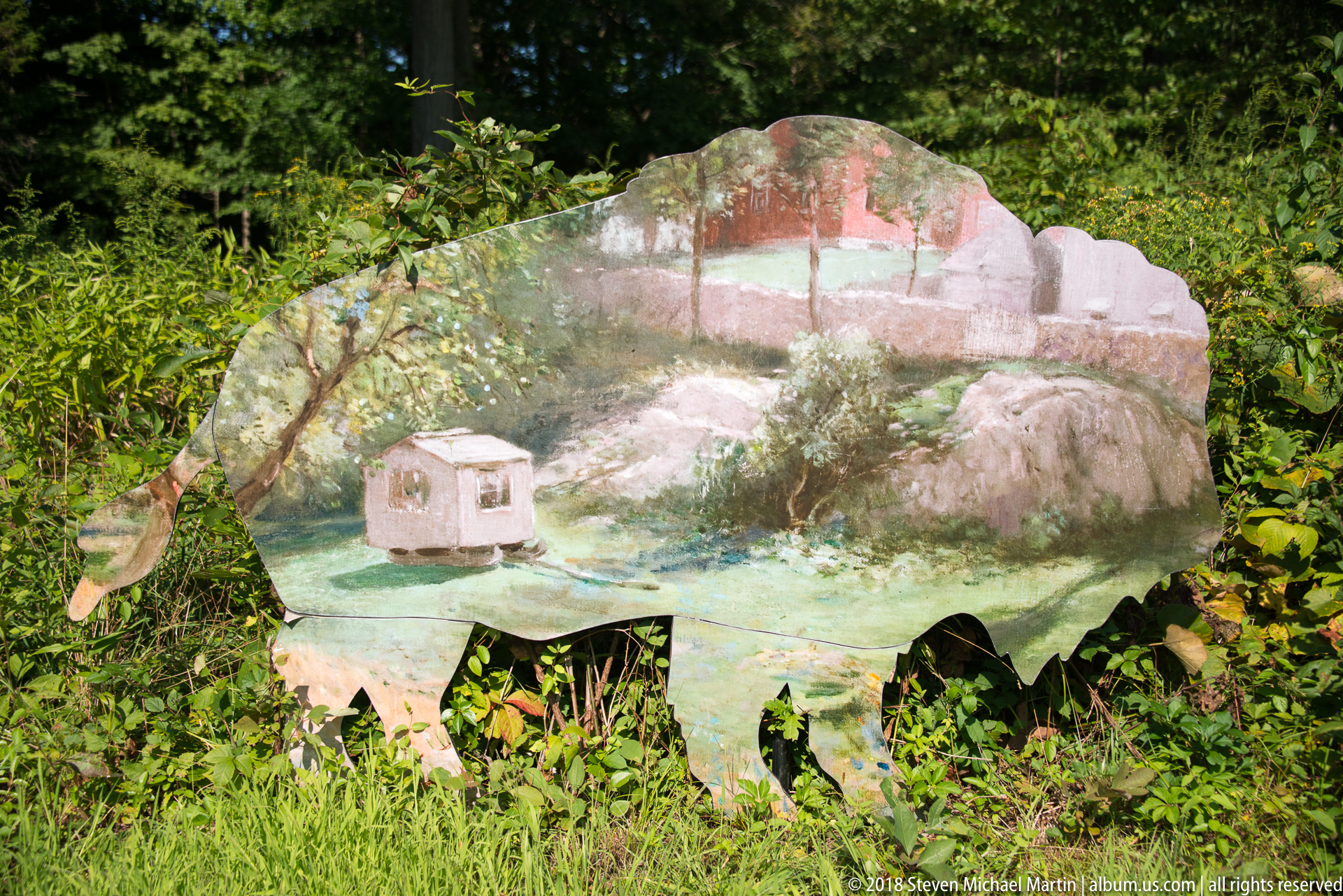
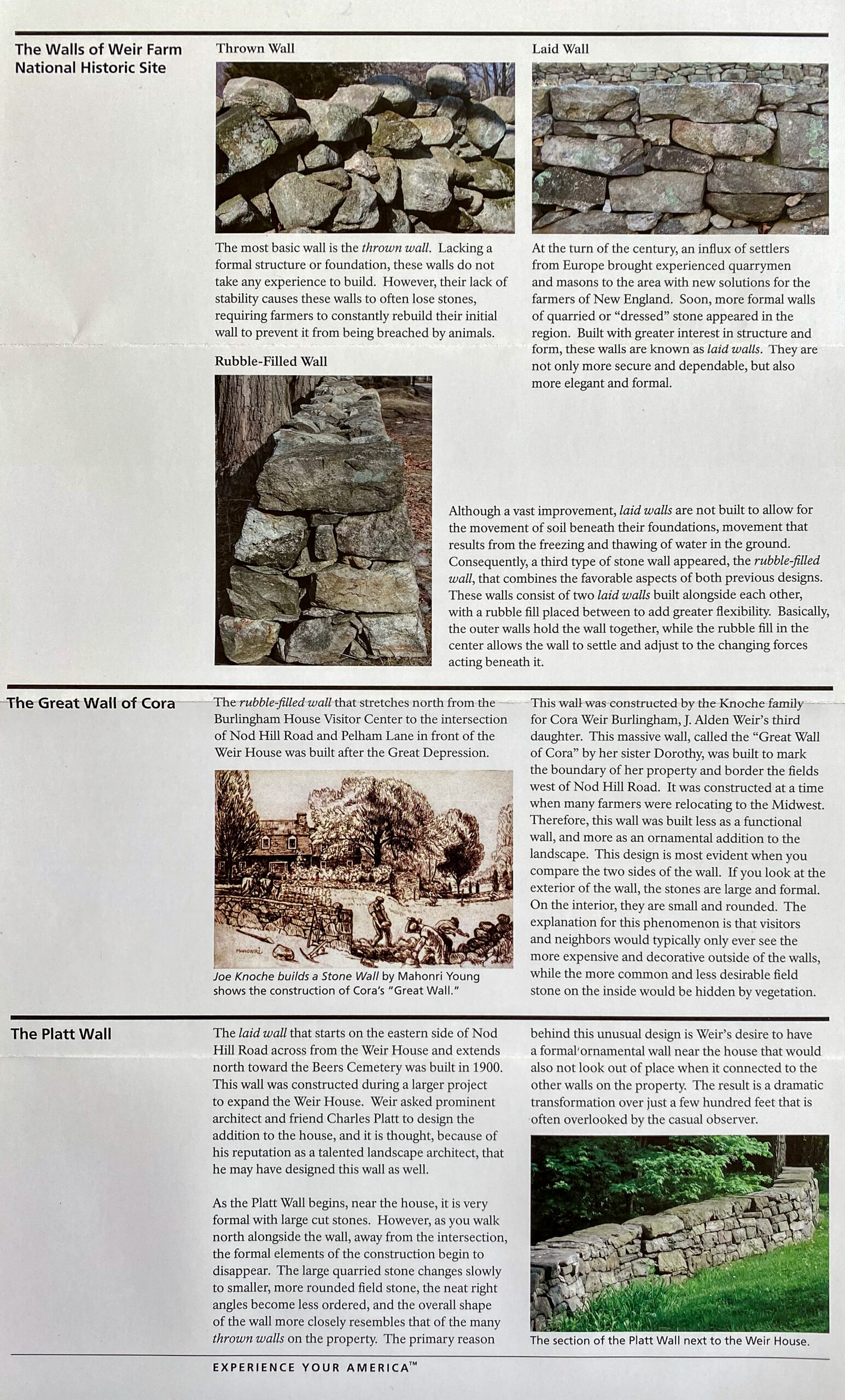
Weir Farm preserves the rural Connecticut landscape that inspired American Impressionist painter Julian Alden Weir and several generations of artists who lived and worked on the property. Located in Fairfield County, the farm became an important center for American Impressionism beginning in the late nineteenth century, when artists sought natural environments that allowed observation of light, color, and seasonal change. The site represents one of the few units of the National Park Service dedicated to the visual arts and preserves both artistic tradition and cultural landscape.
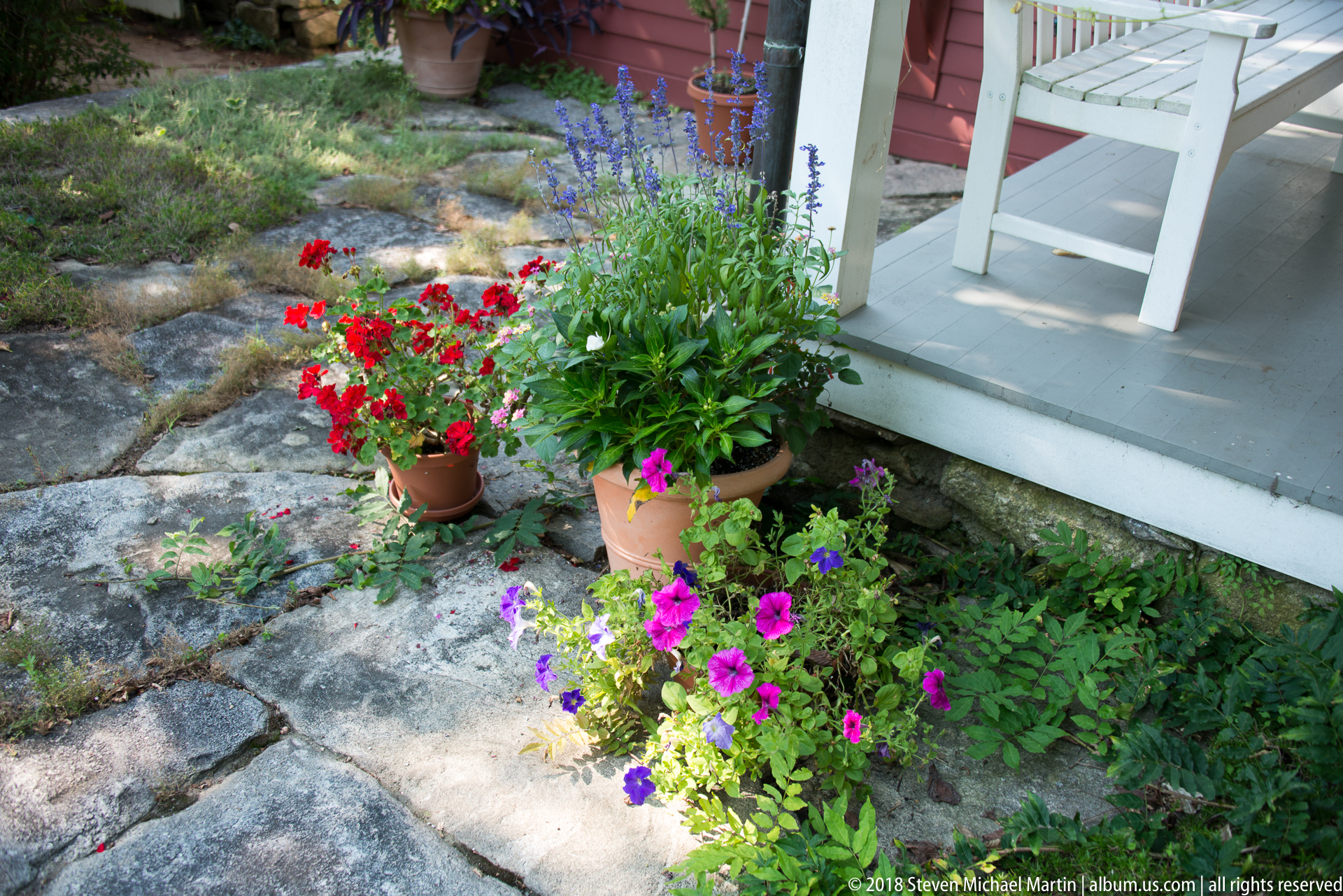
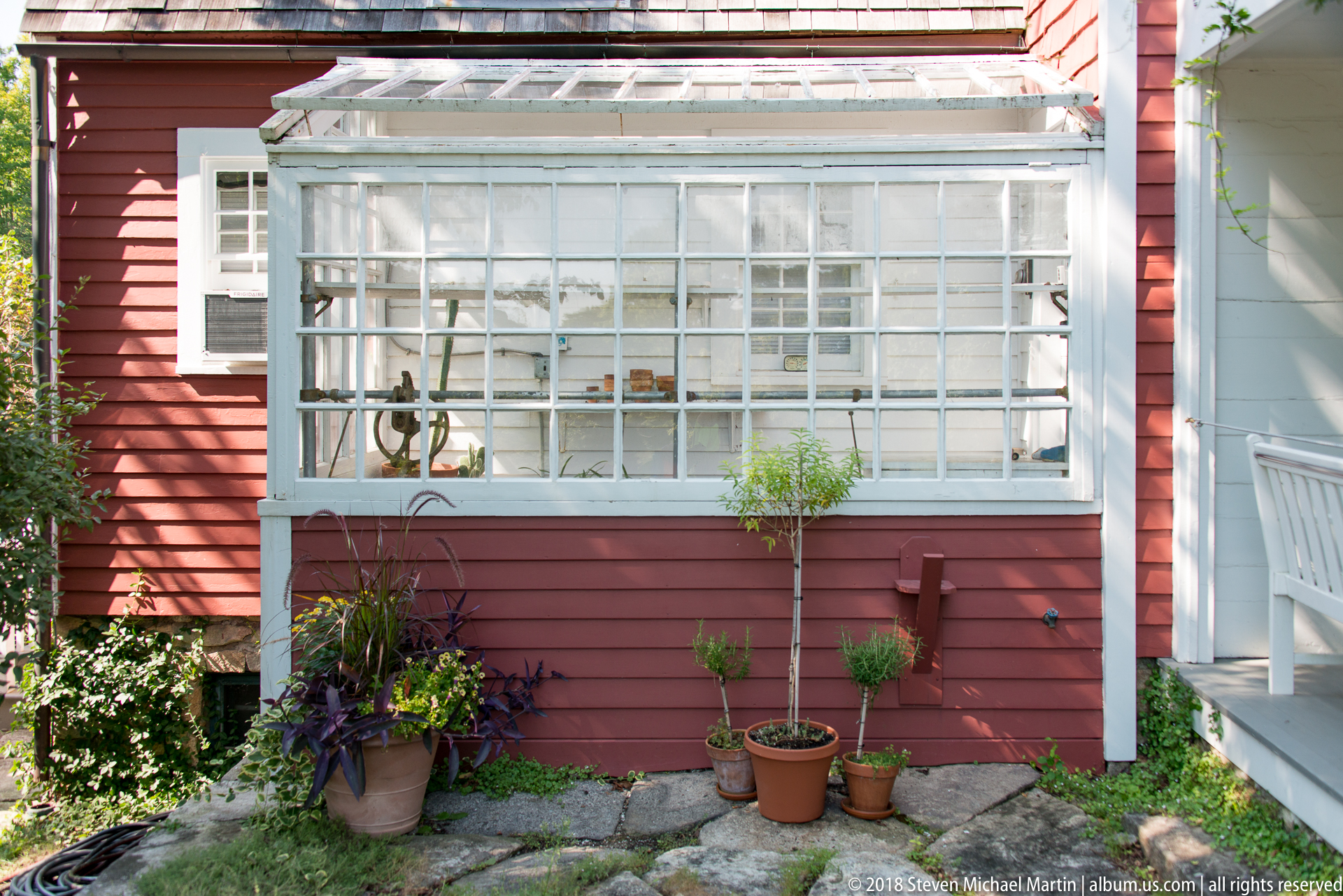
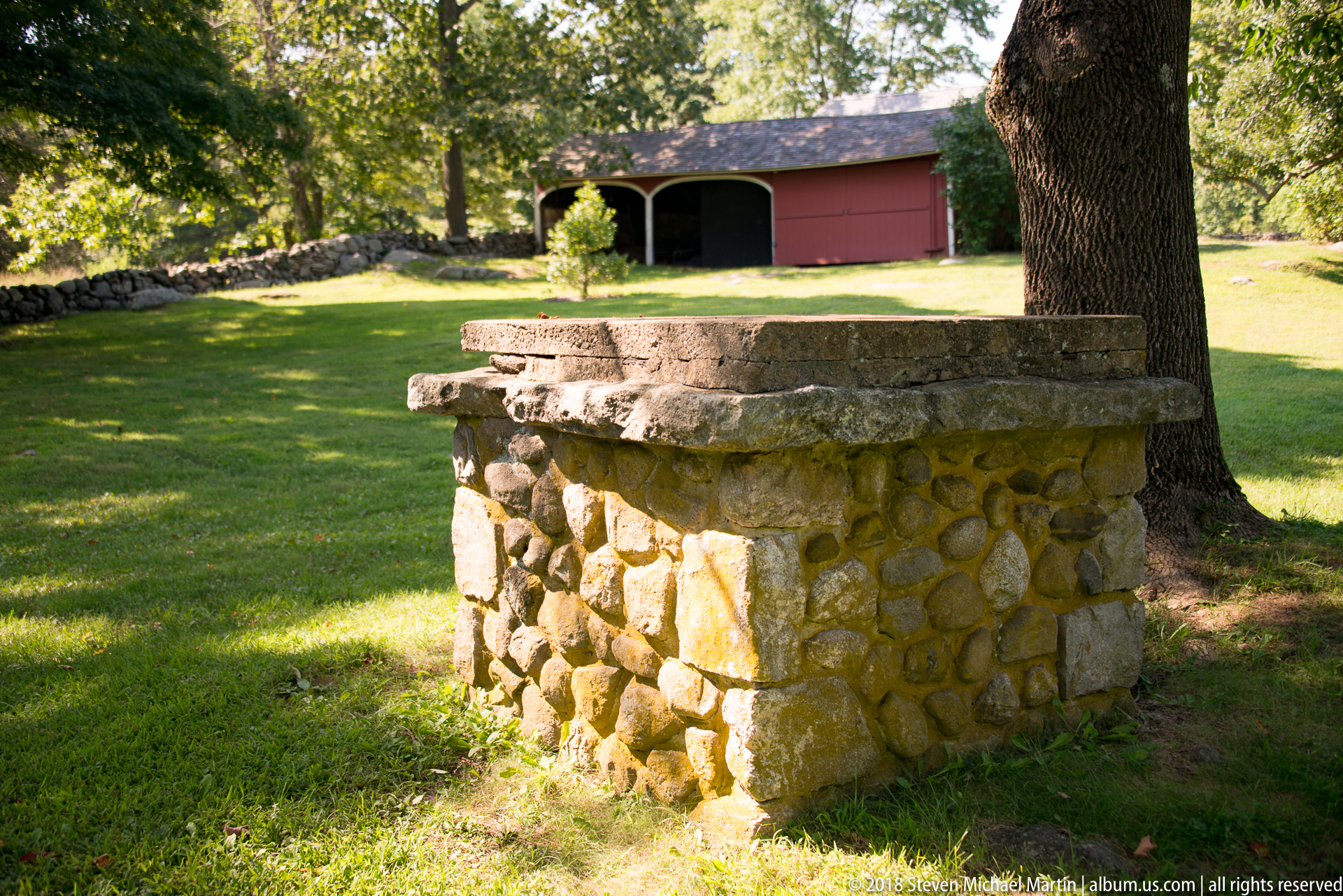
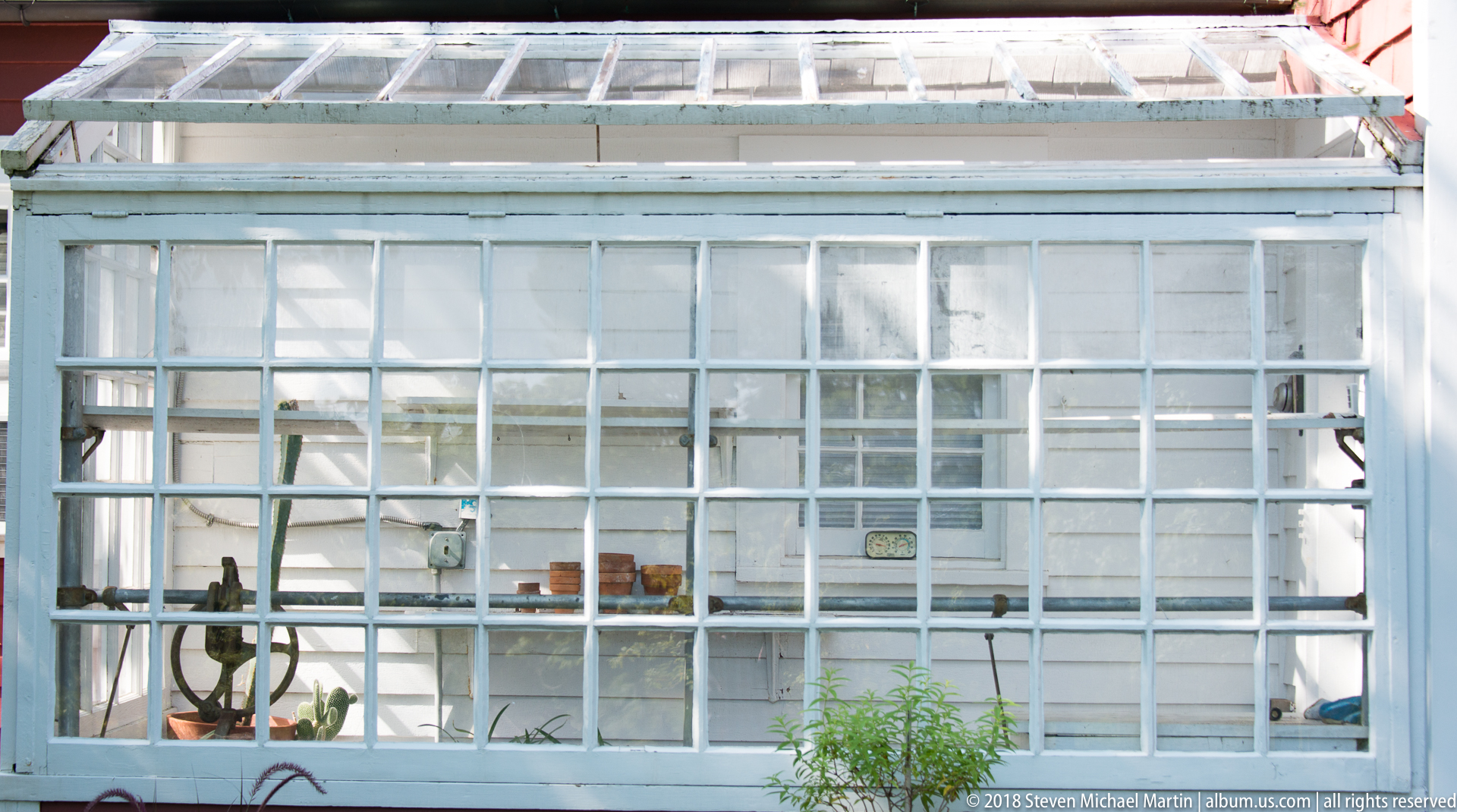
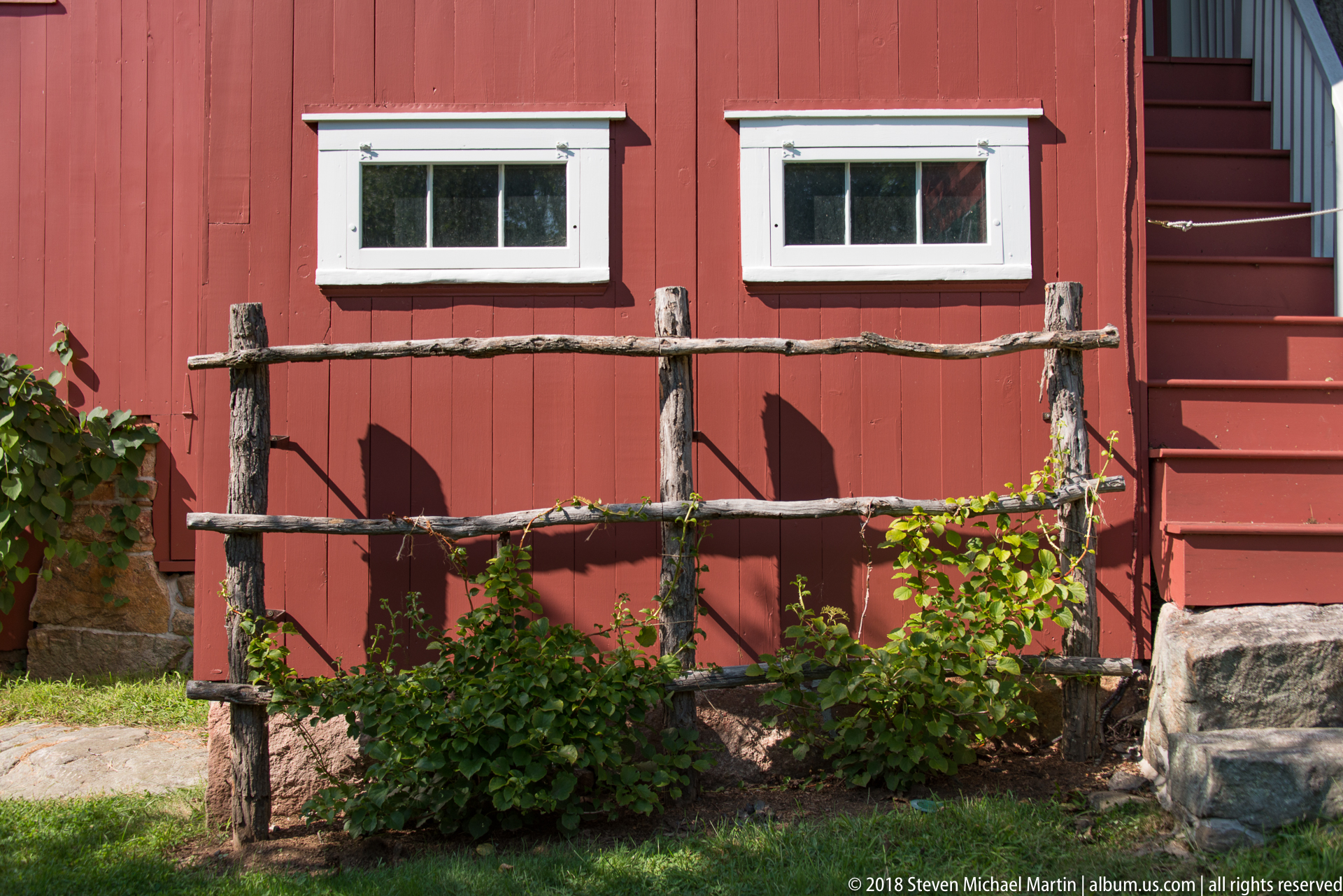
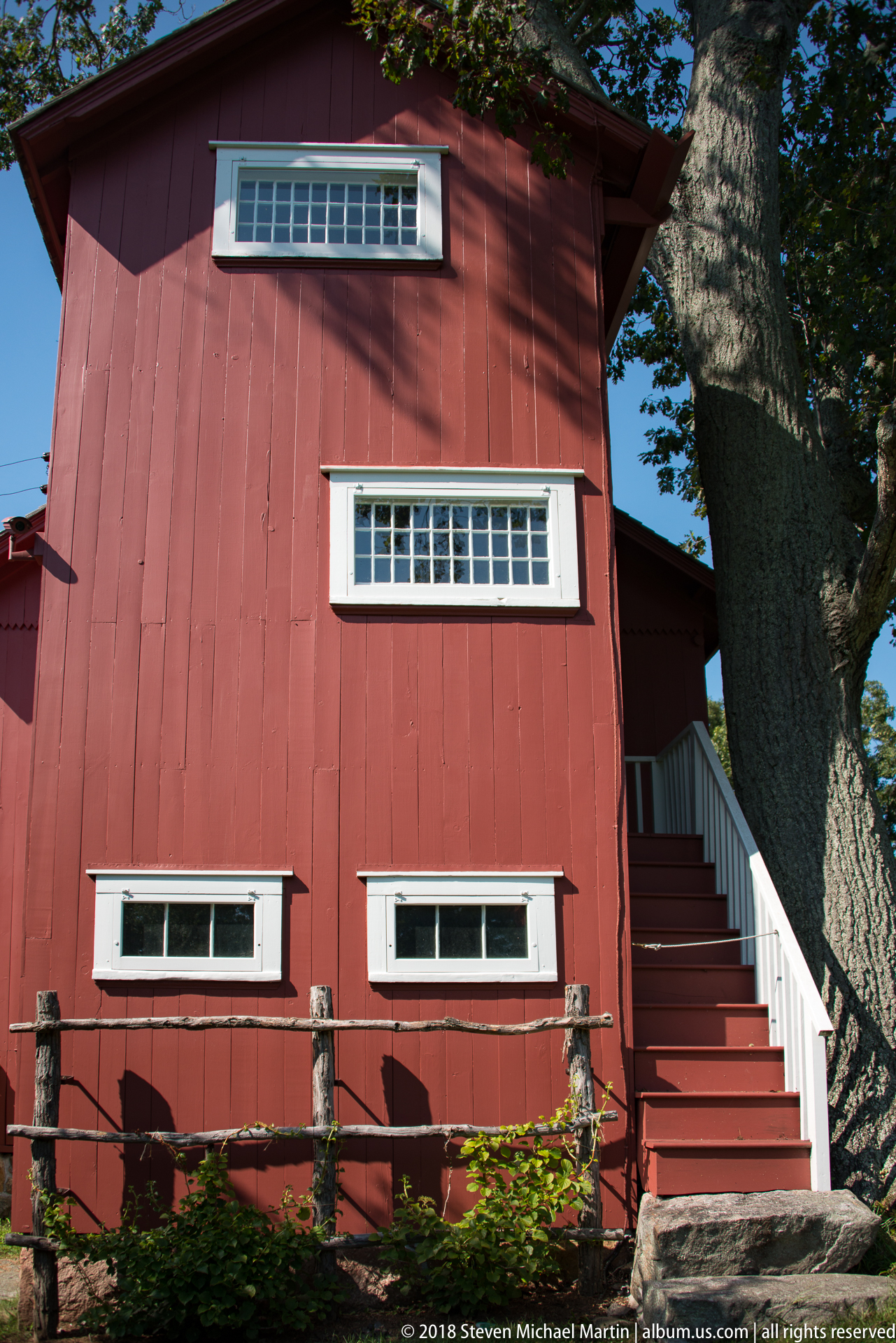
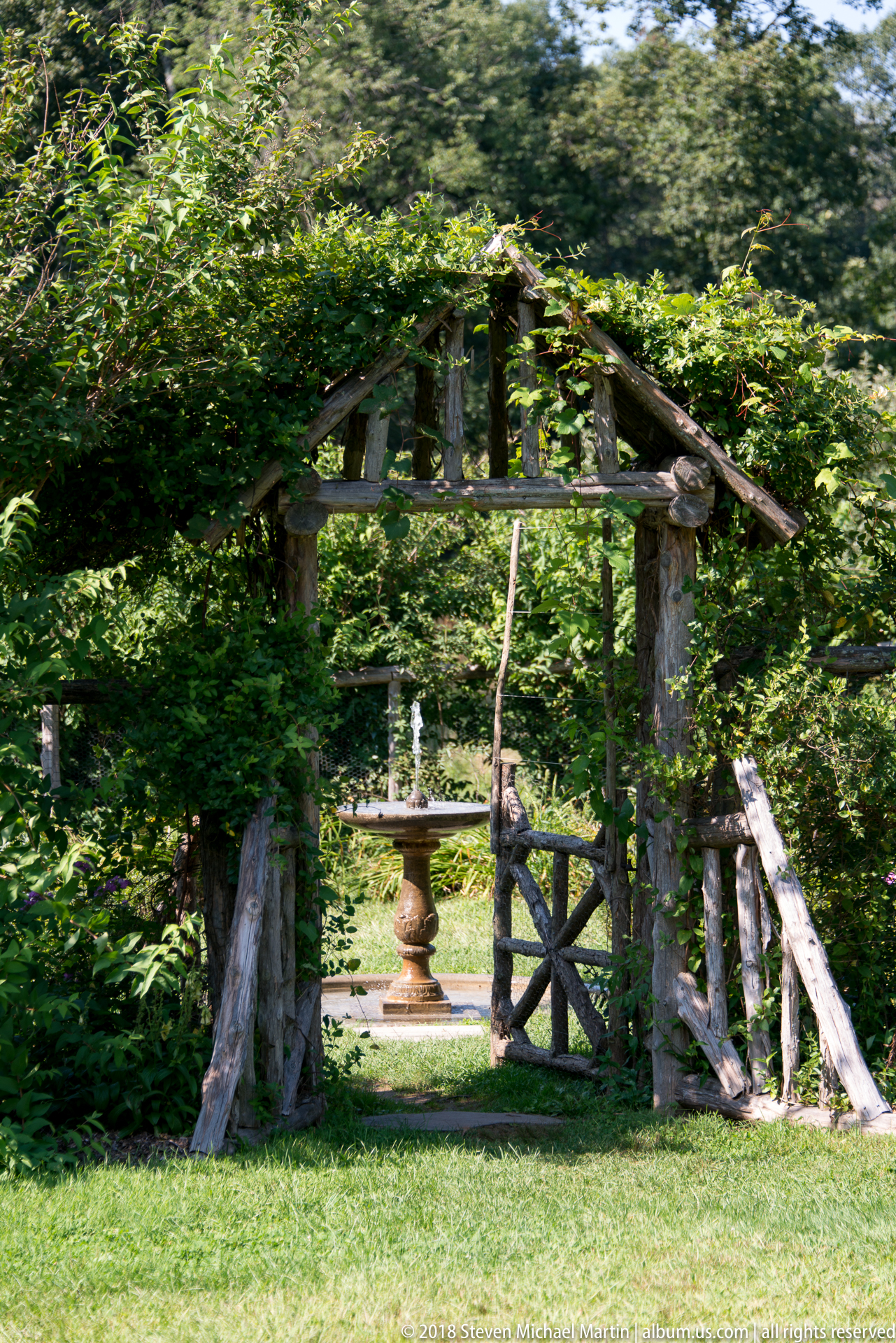
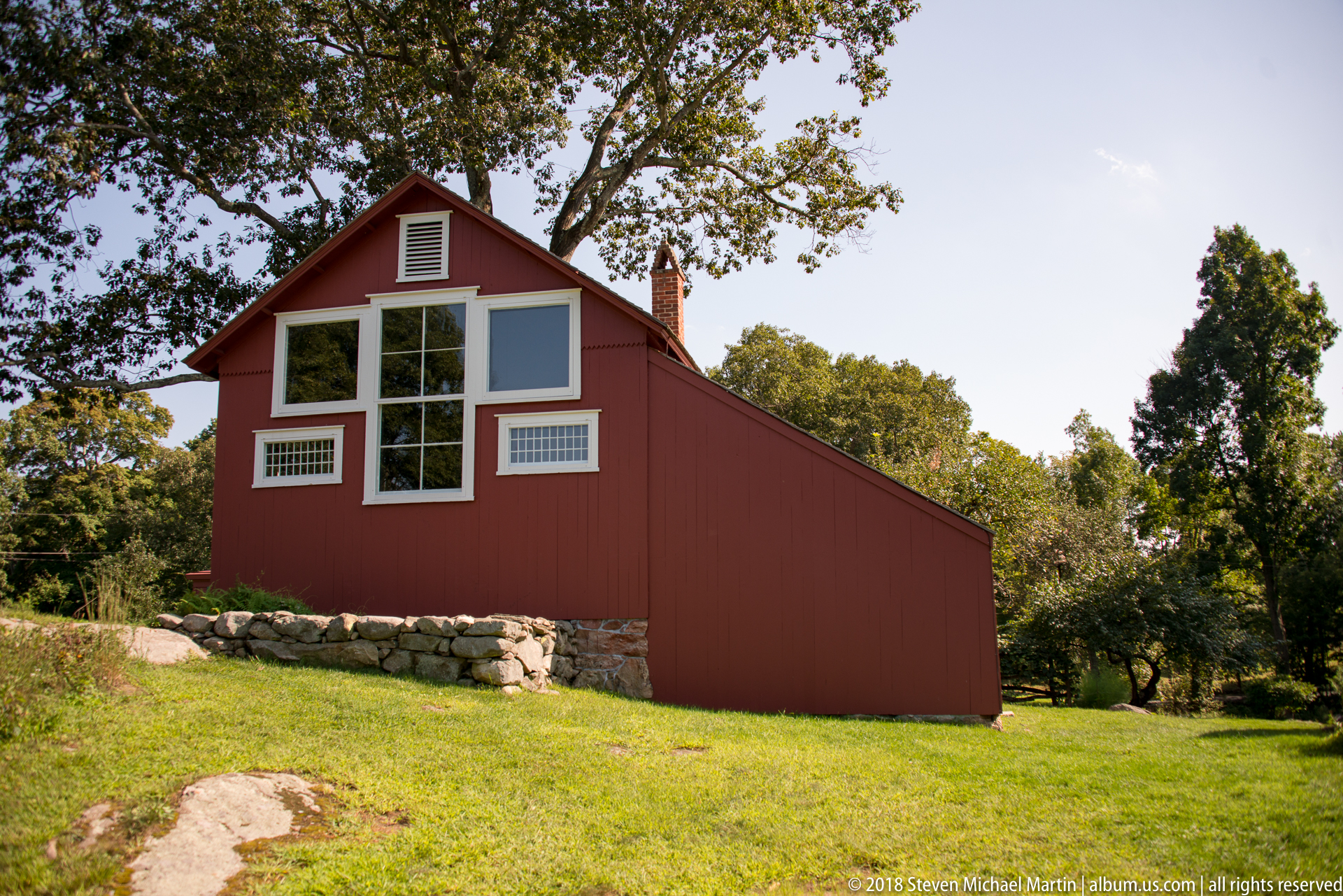
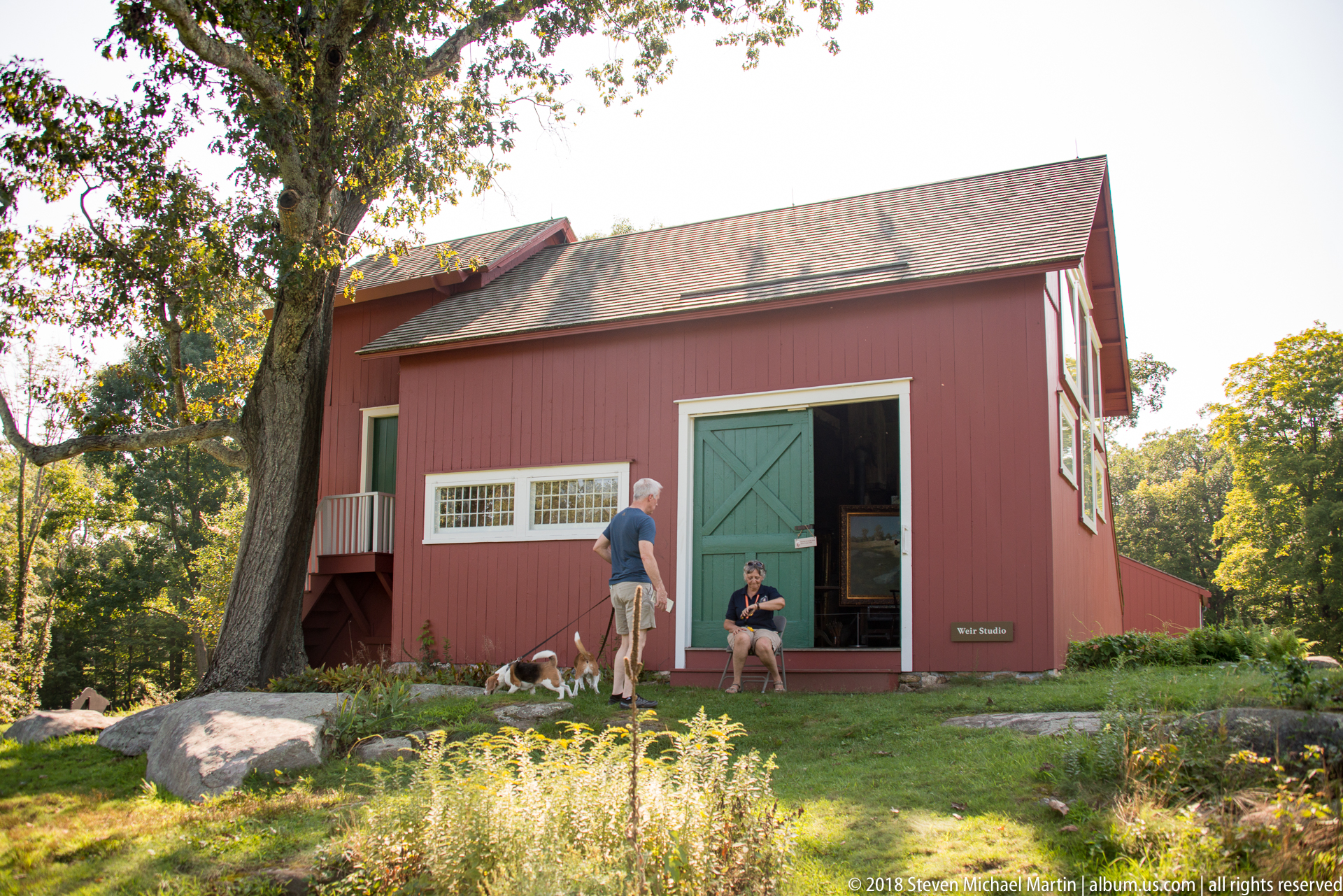
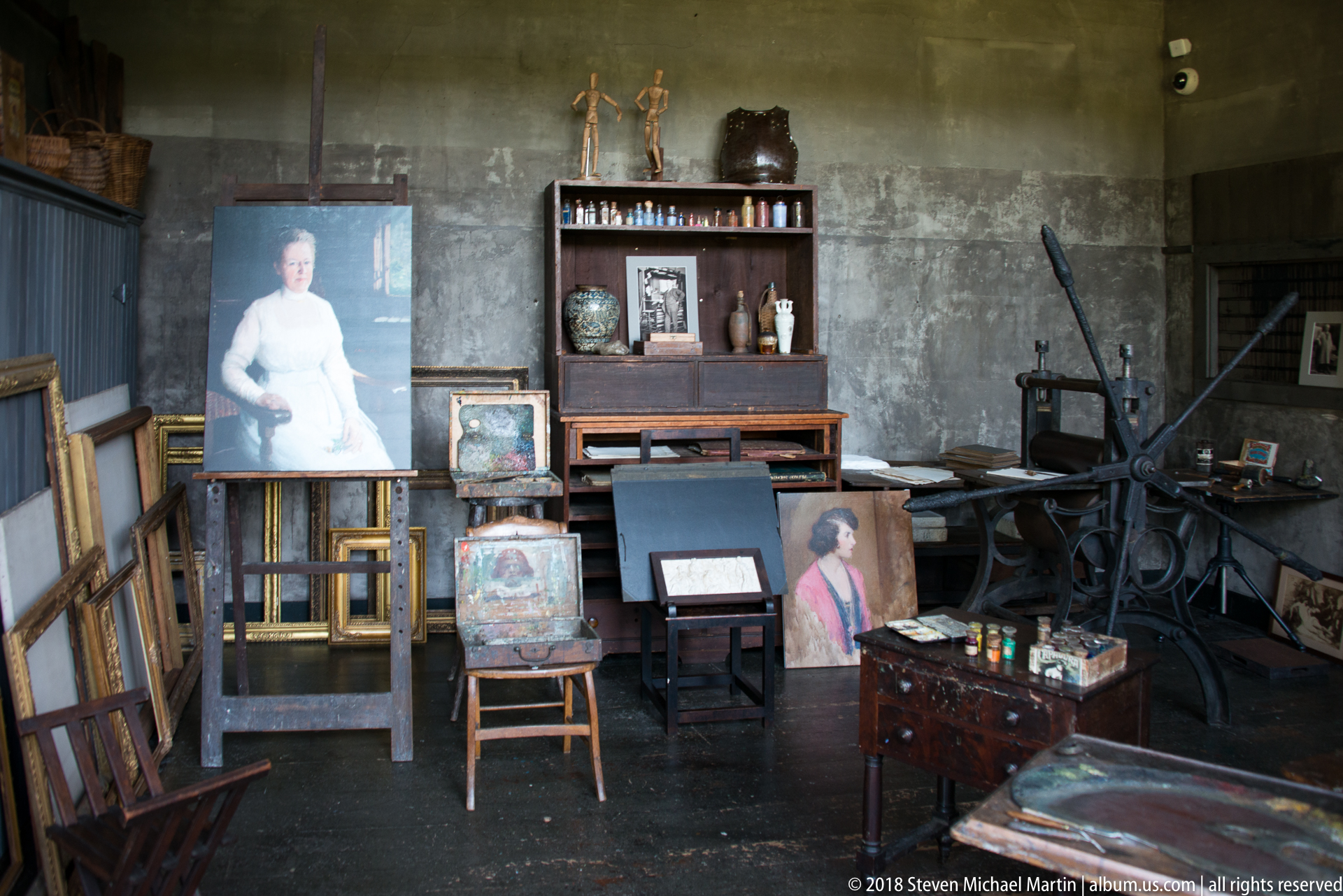
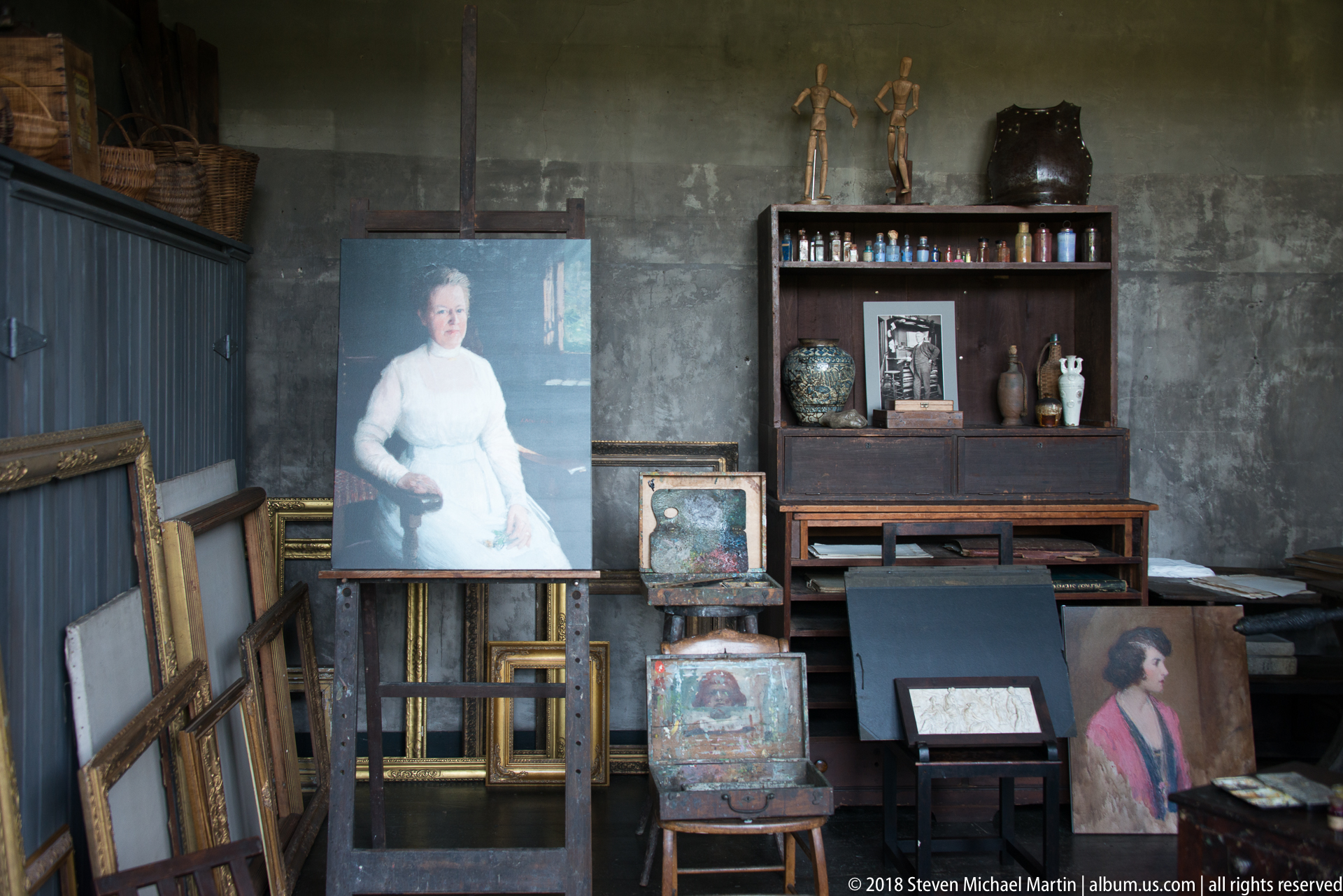
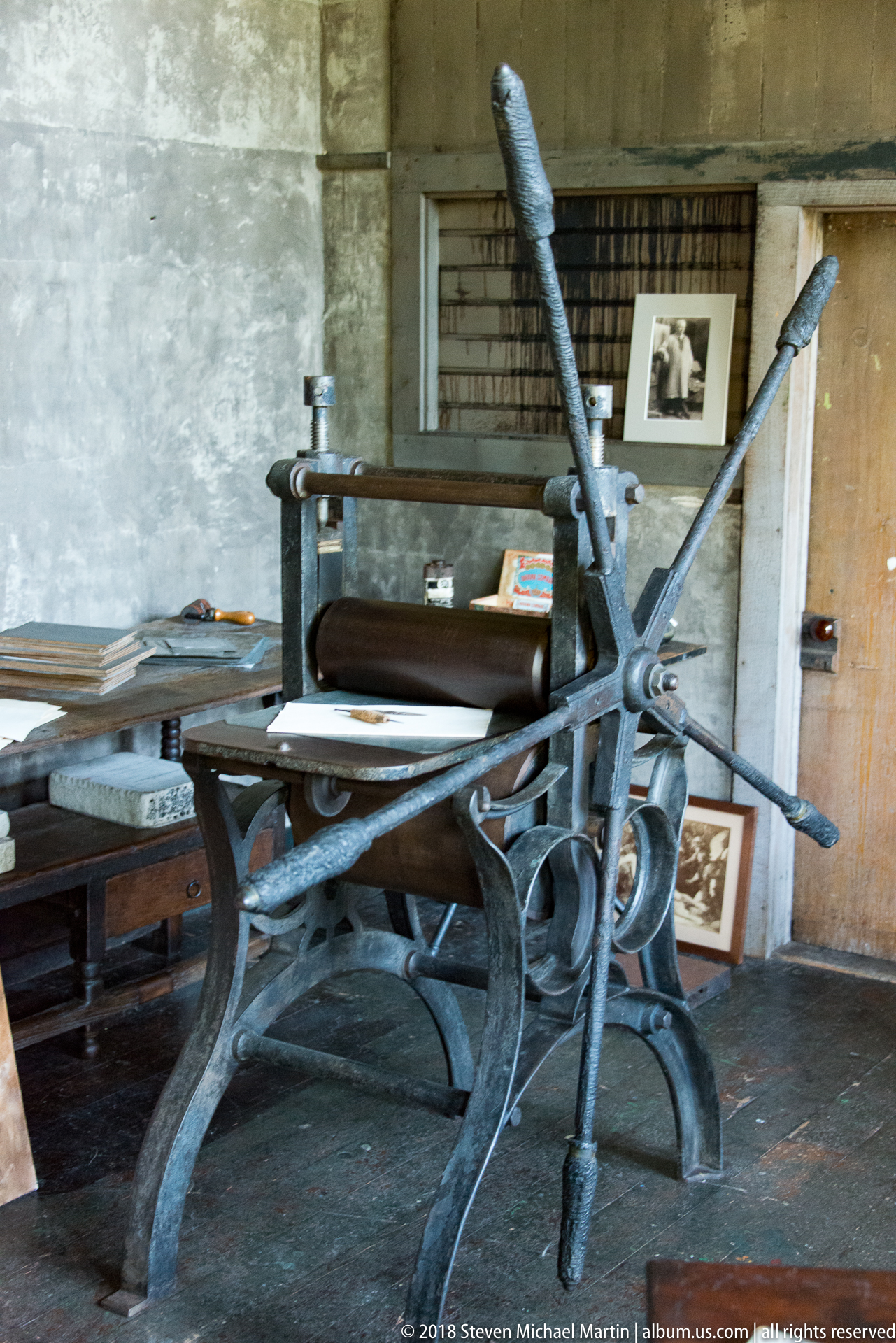
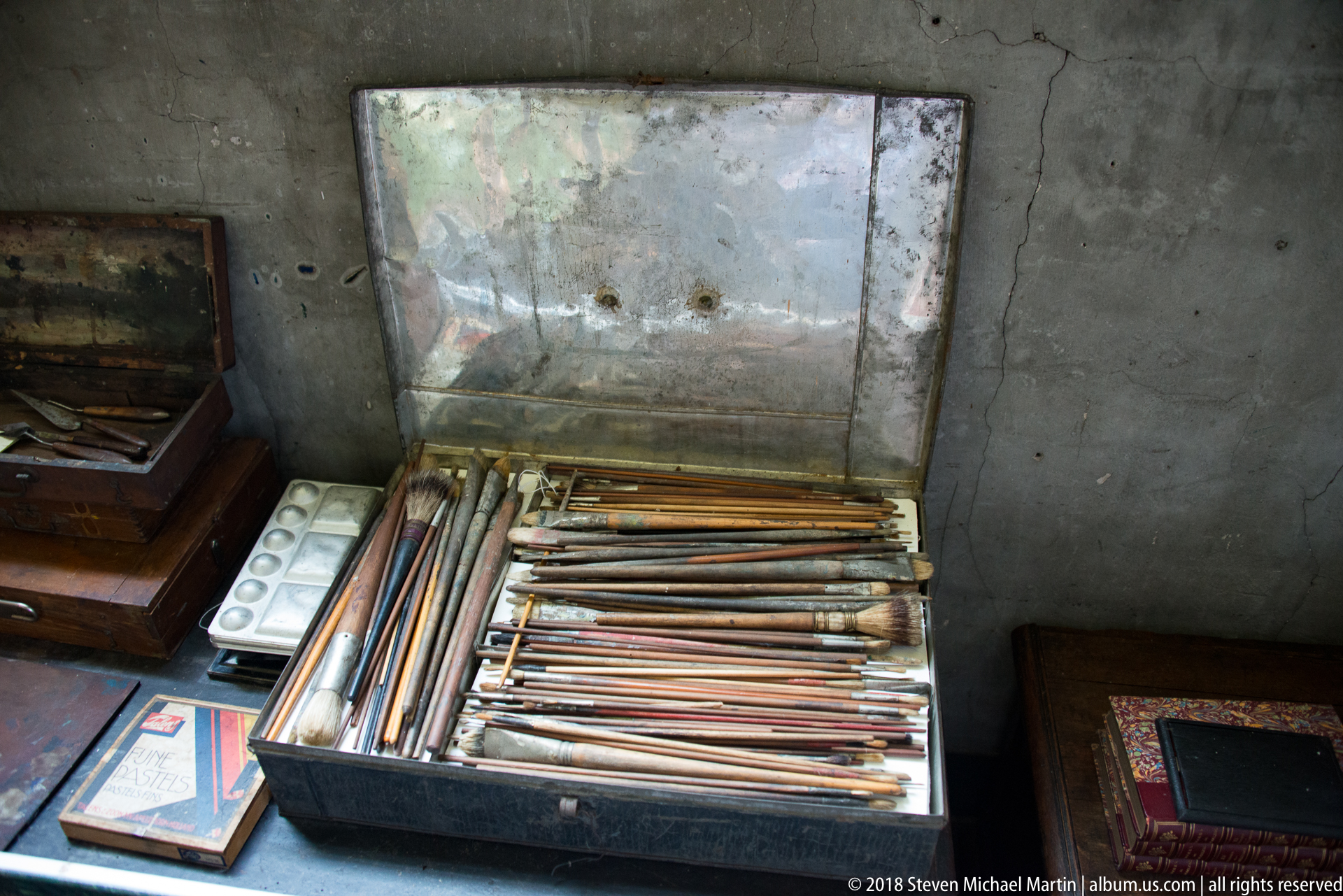
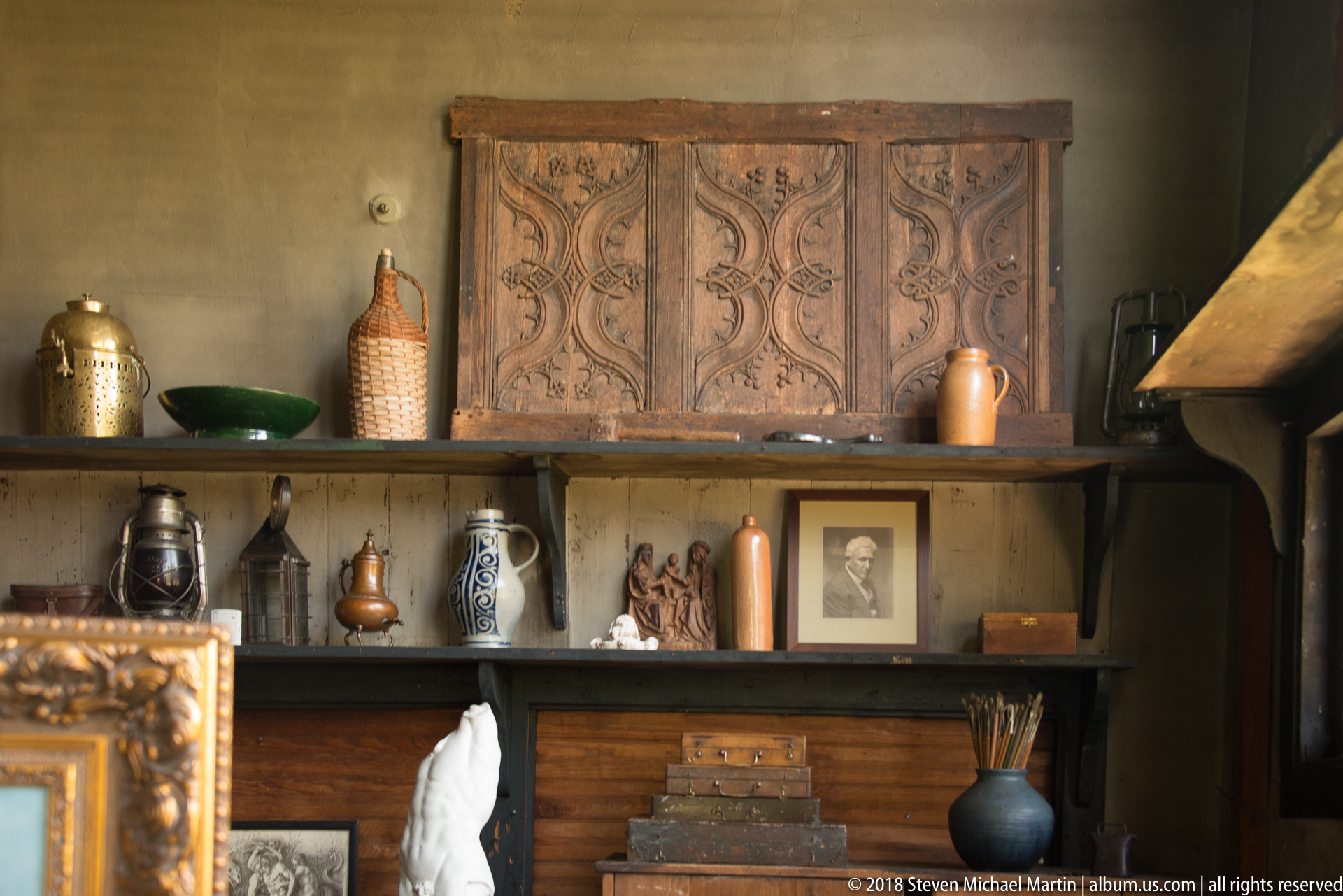
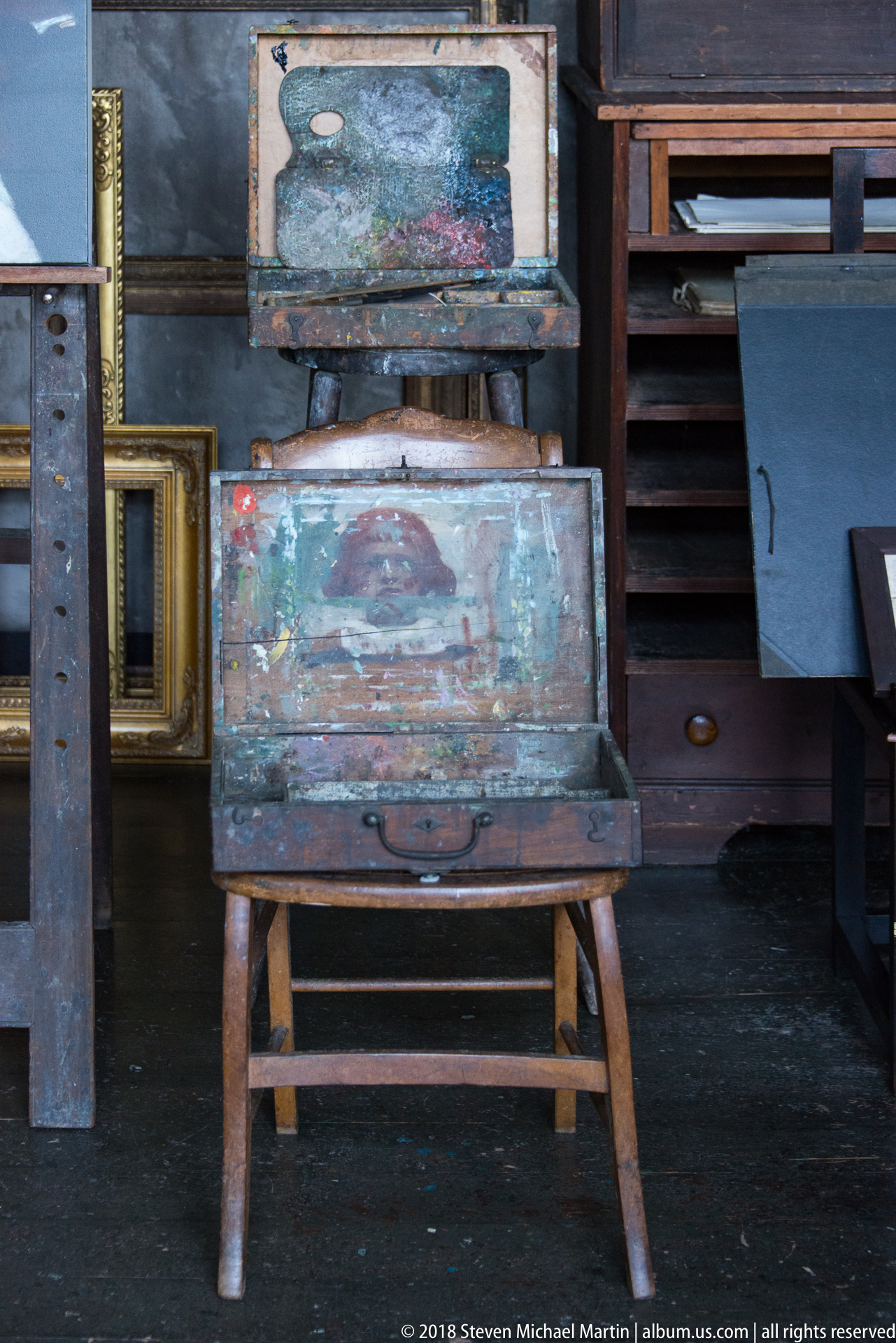
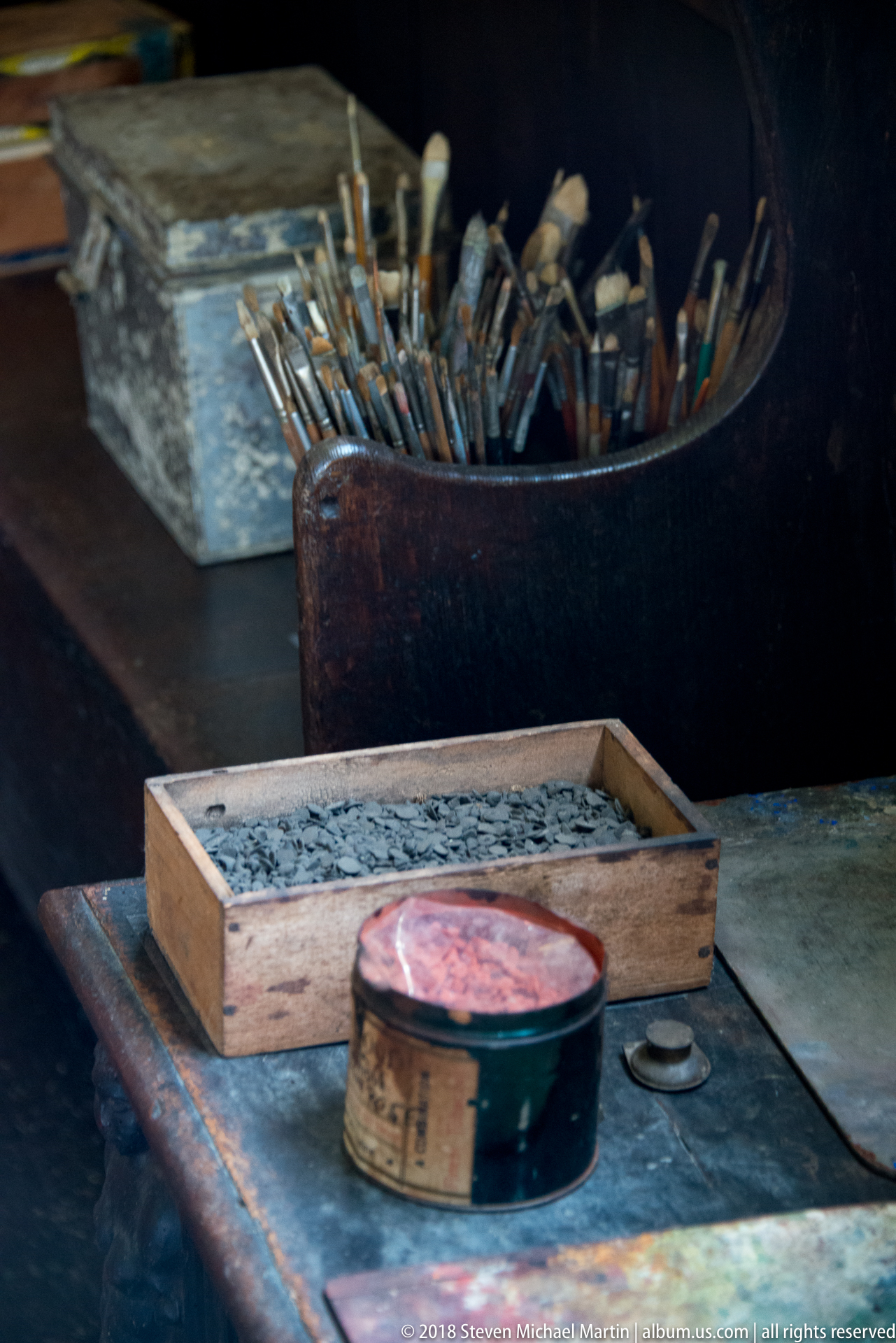
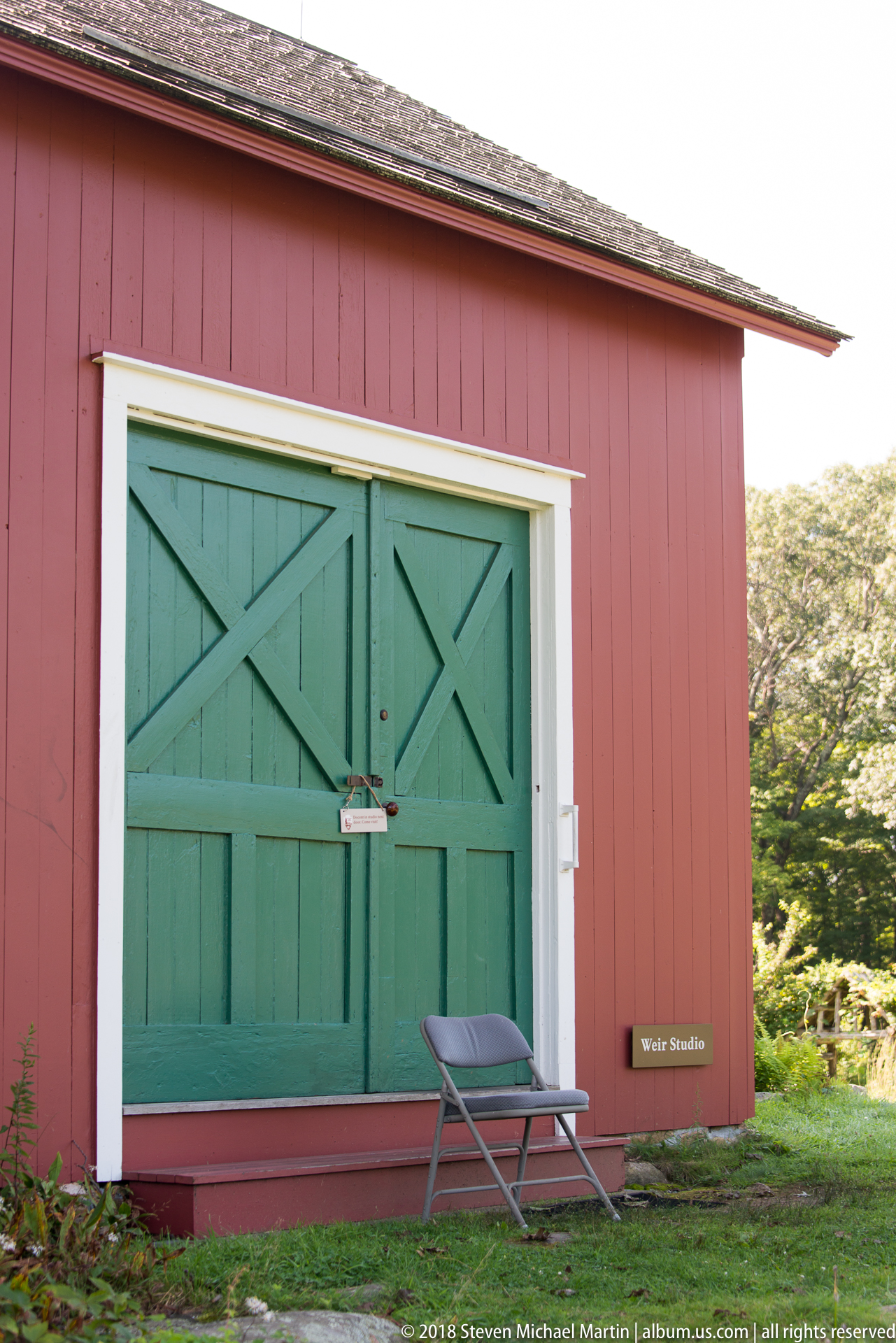
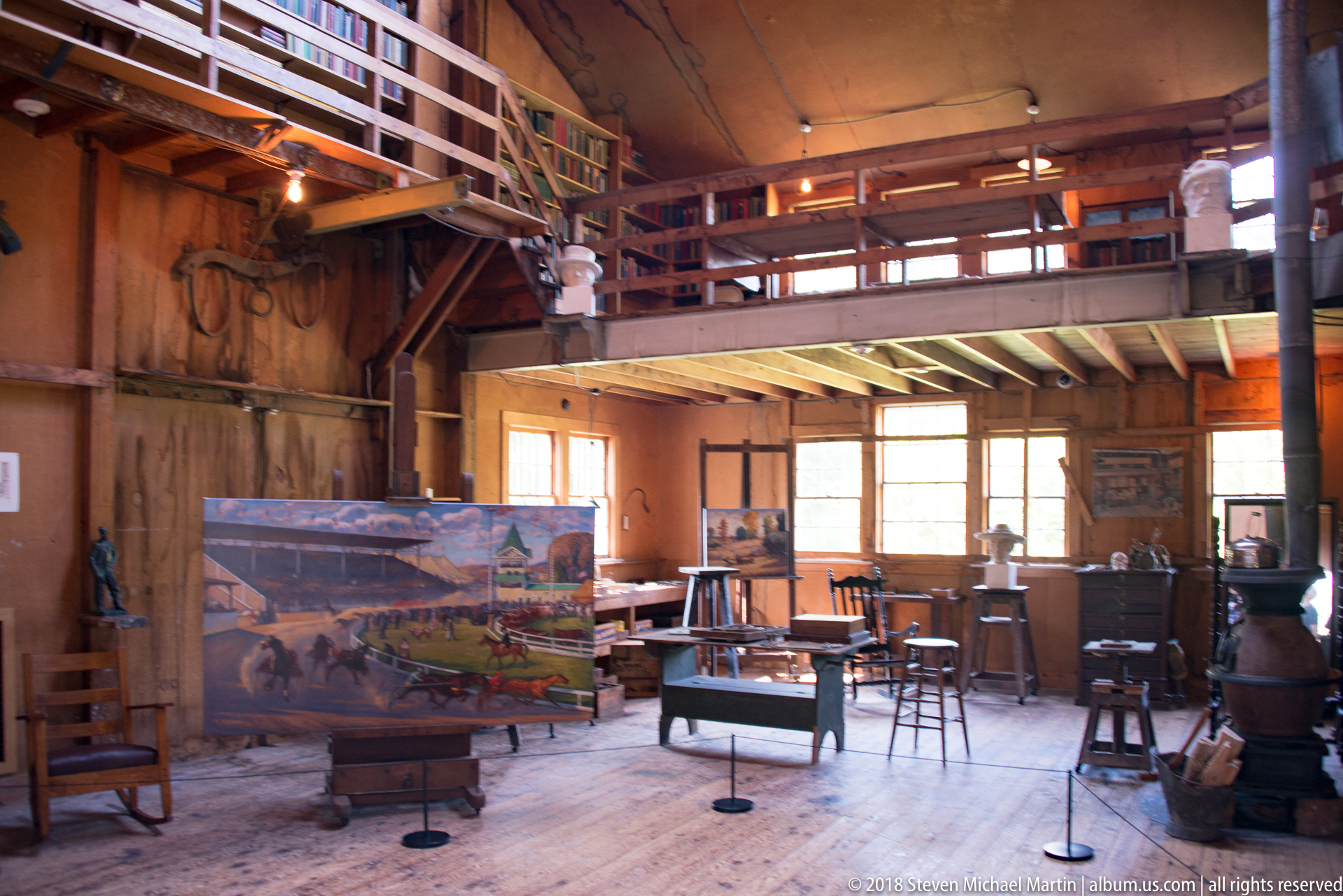
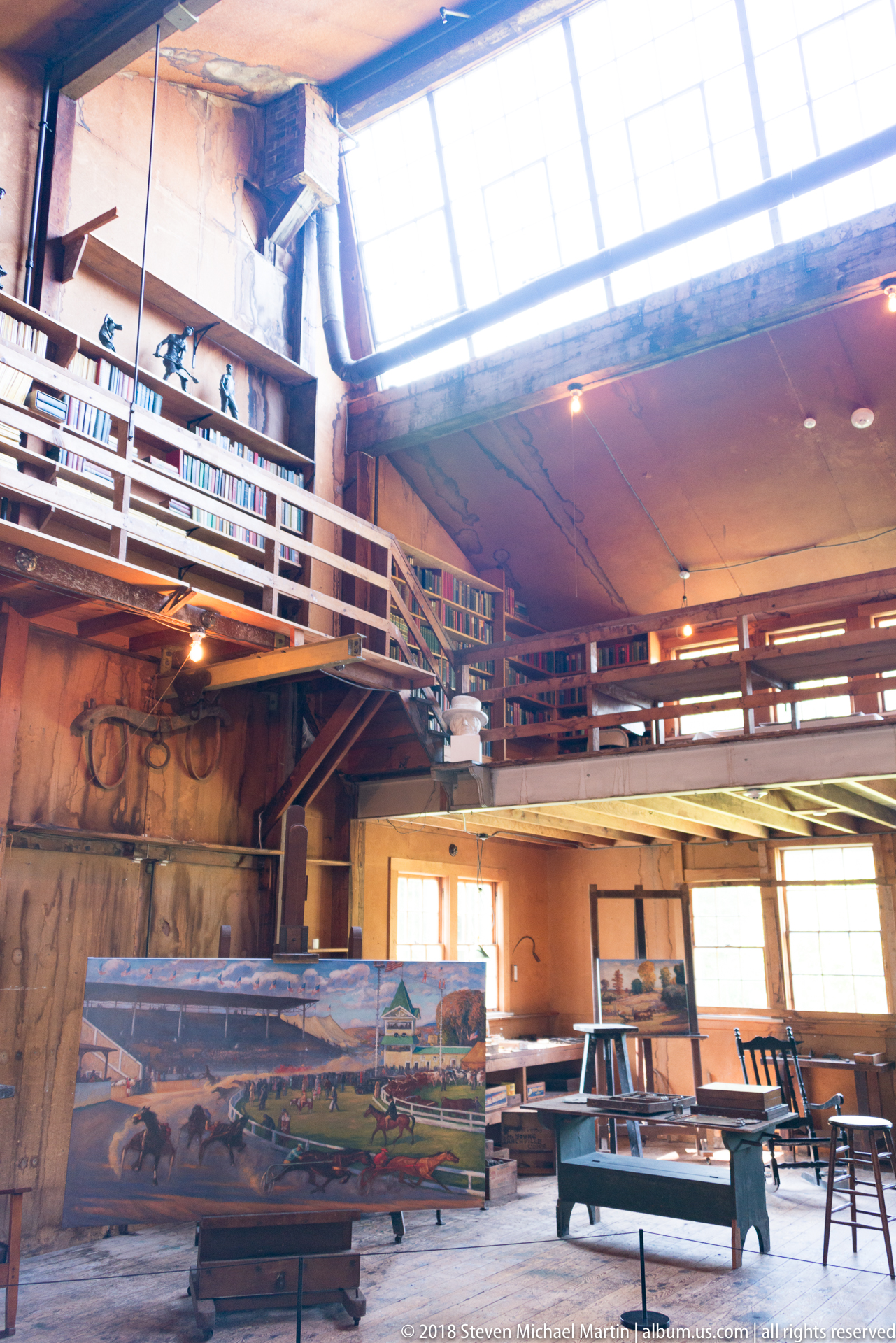
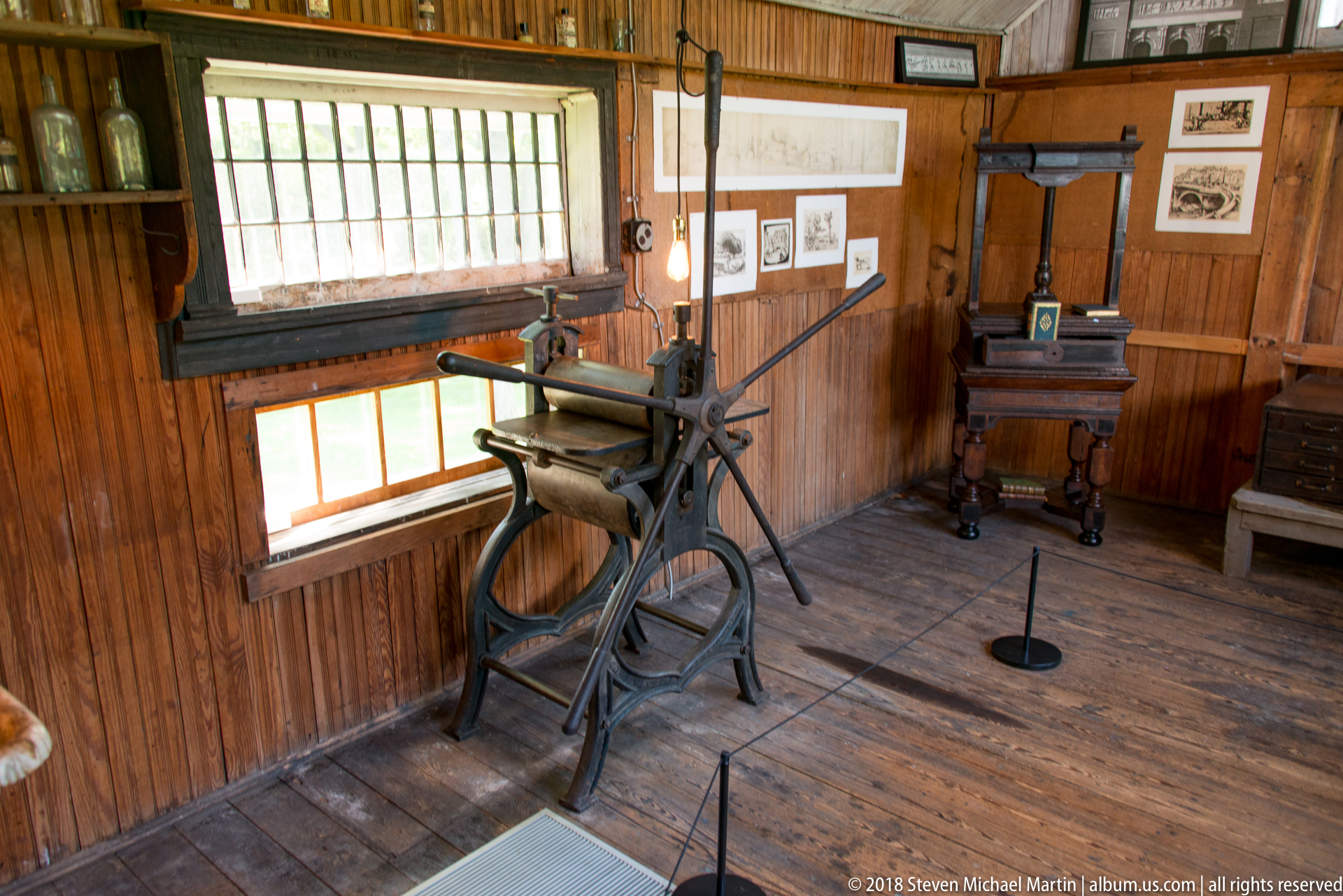
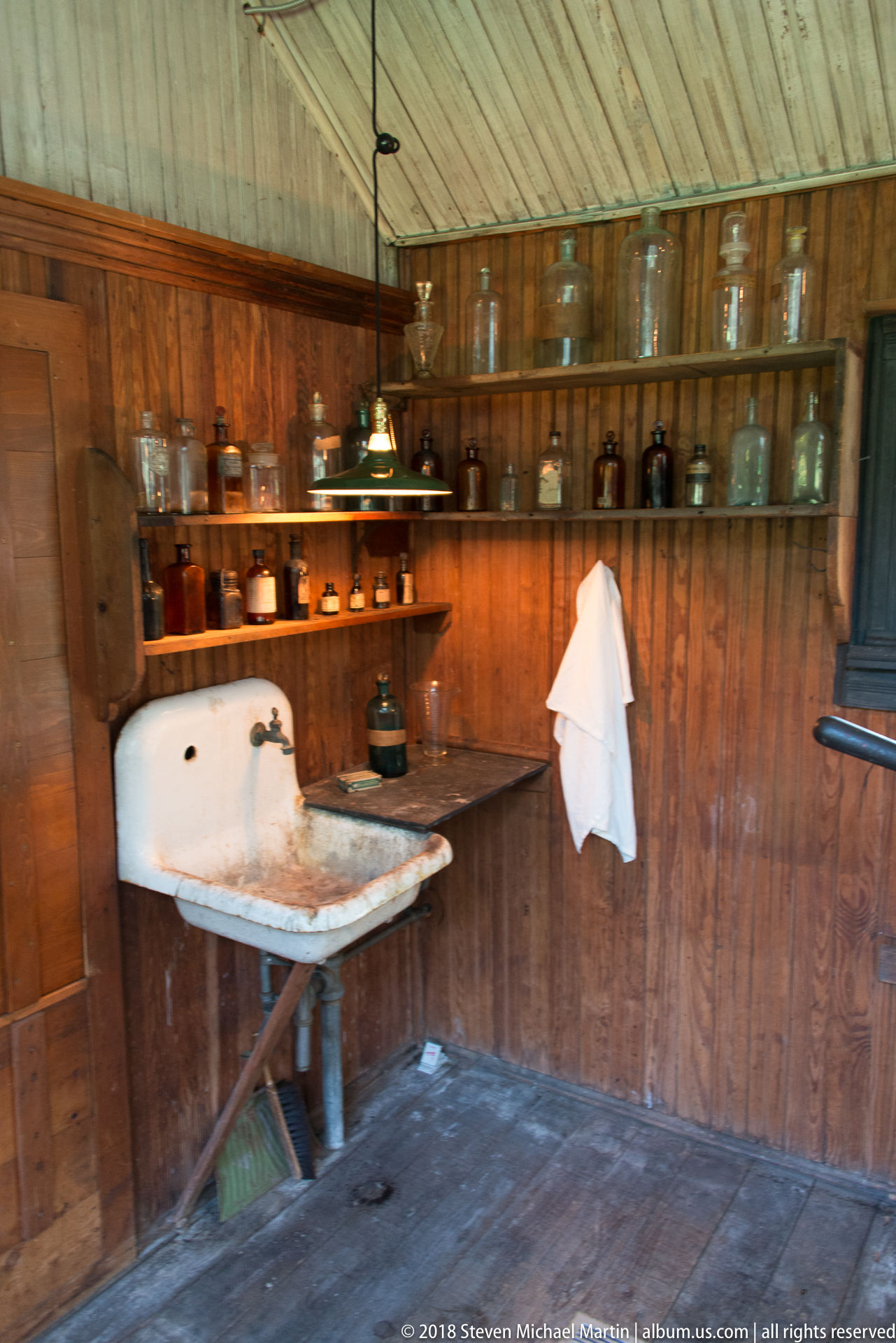
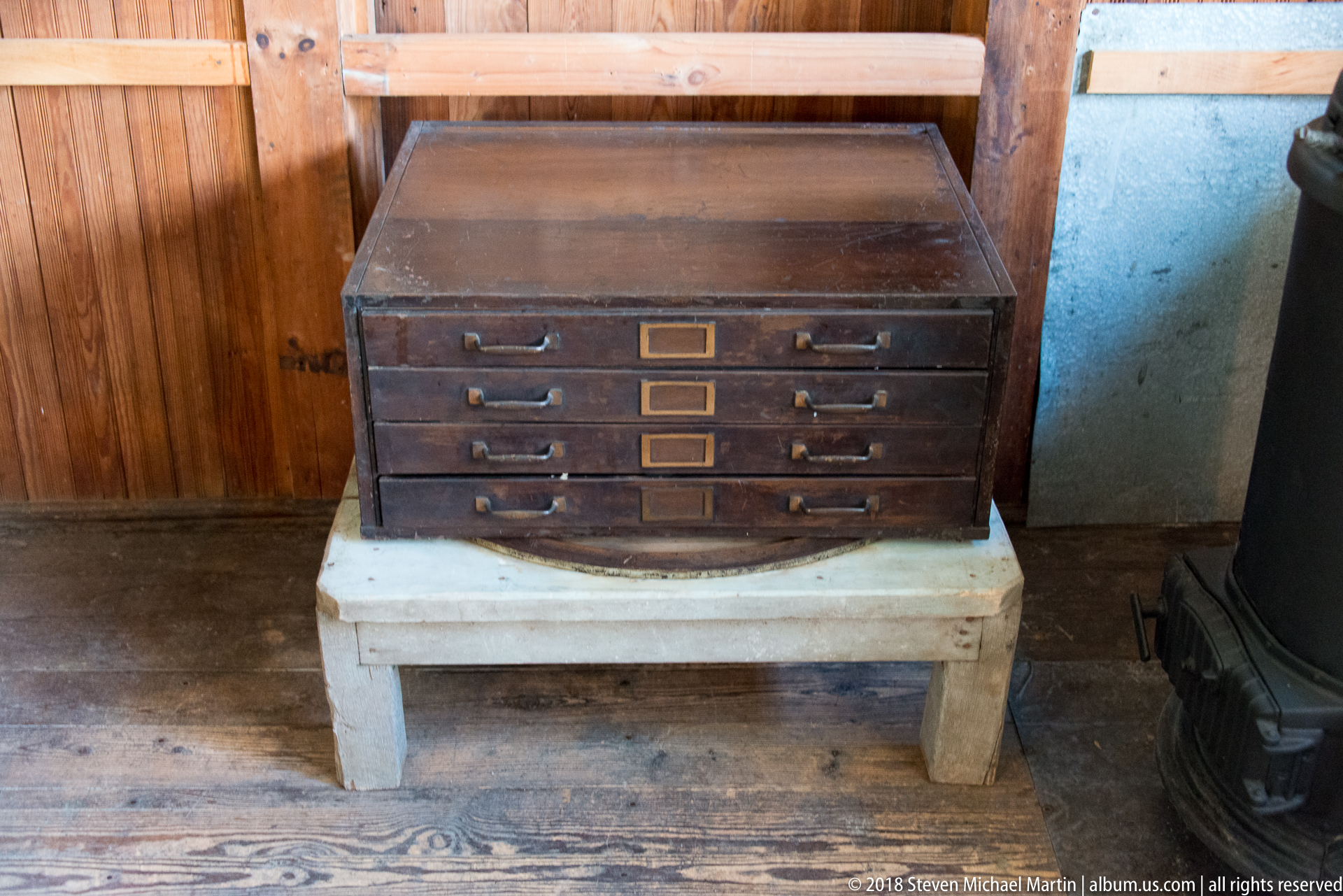
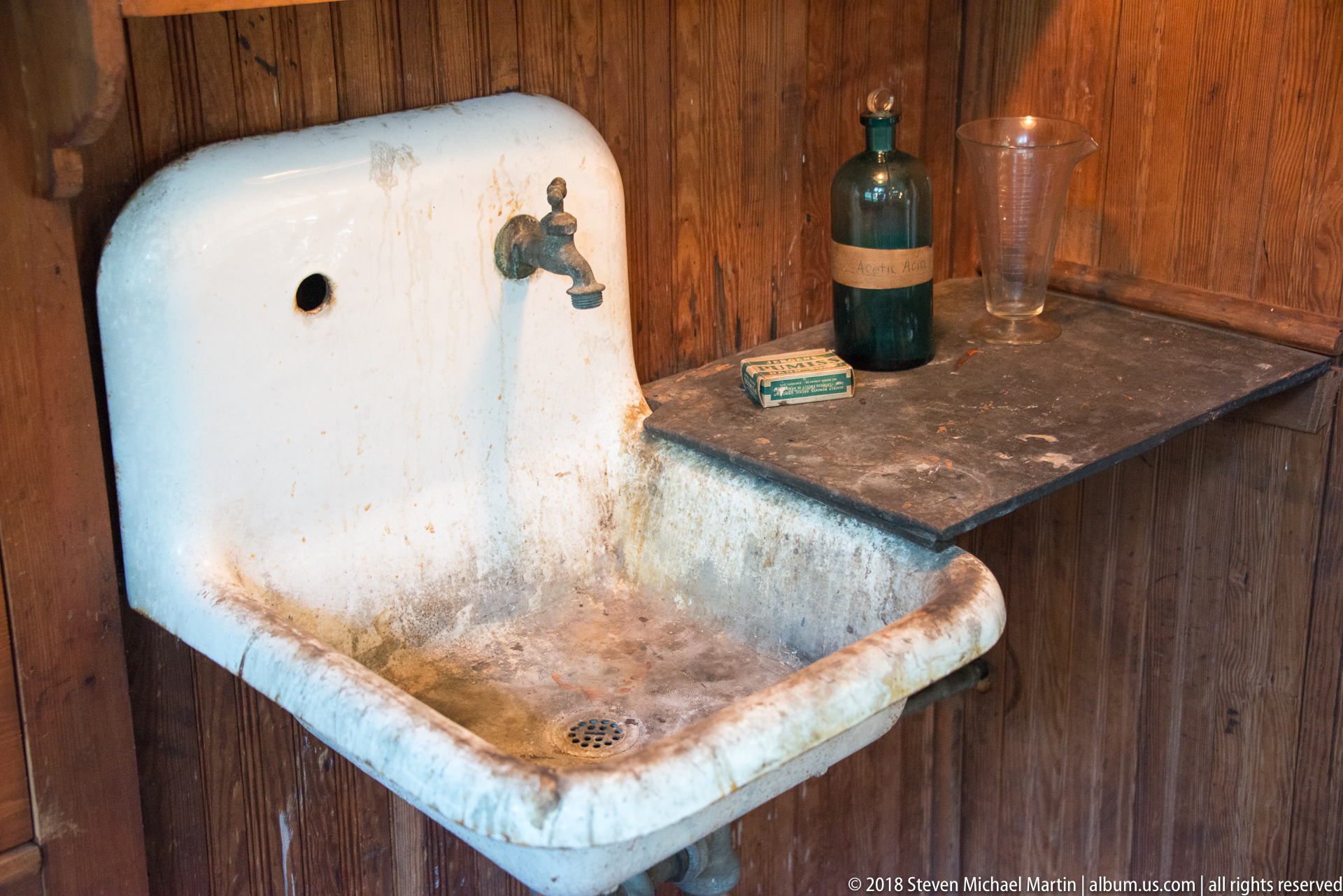
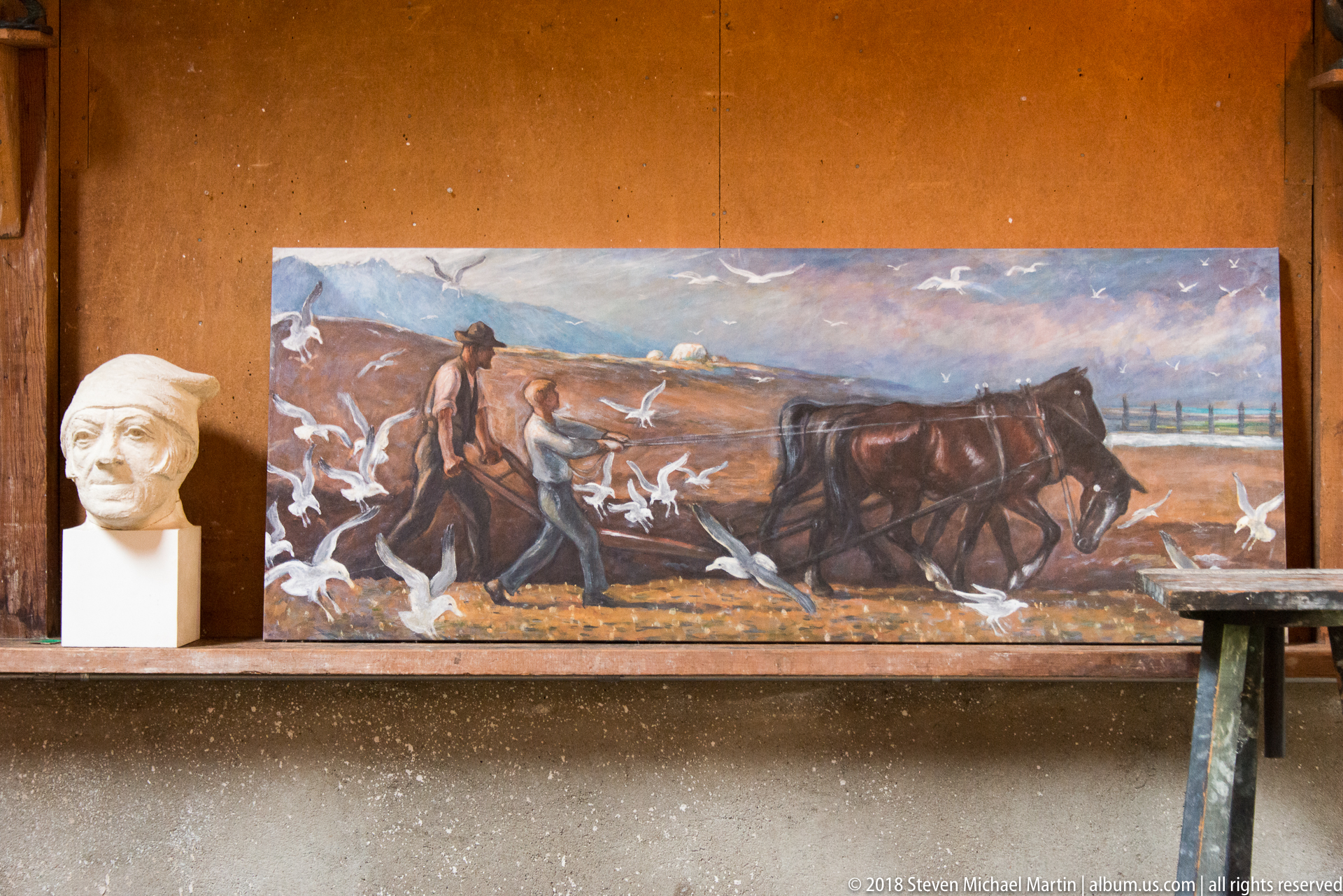
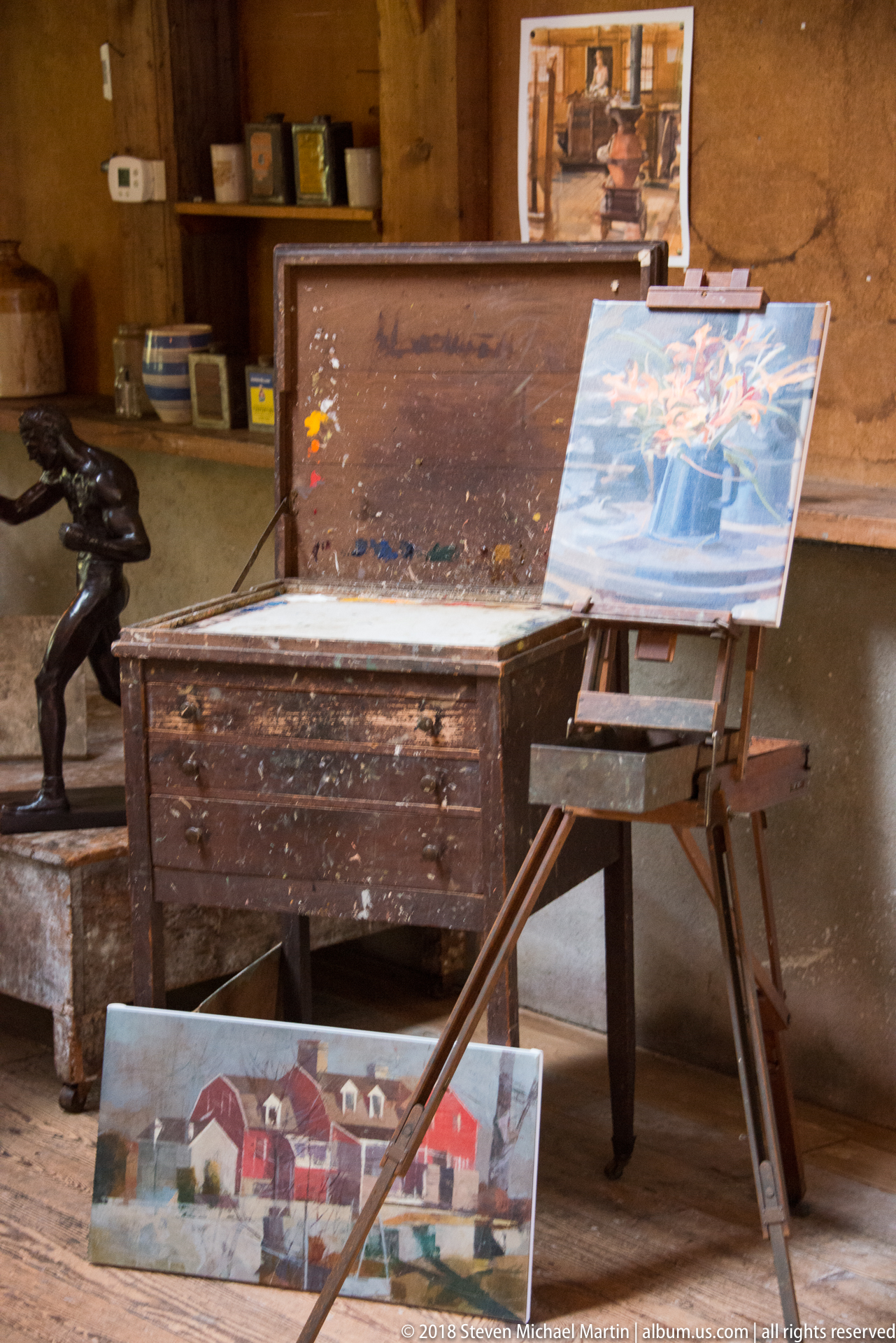
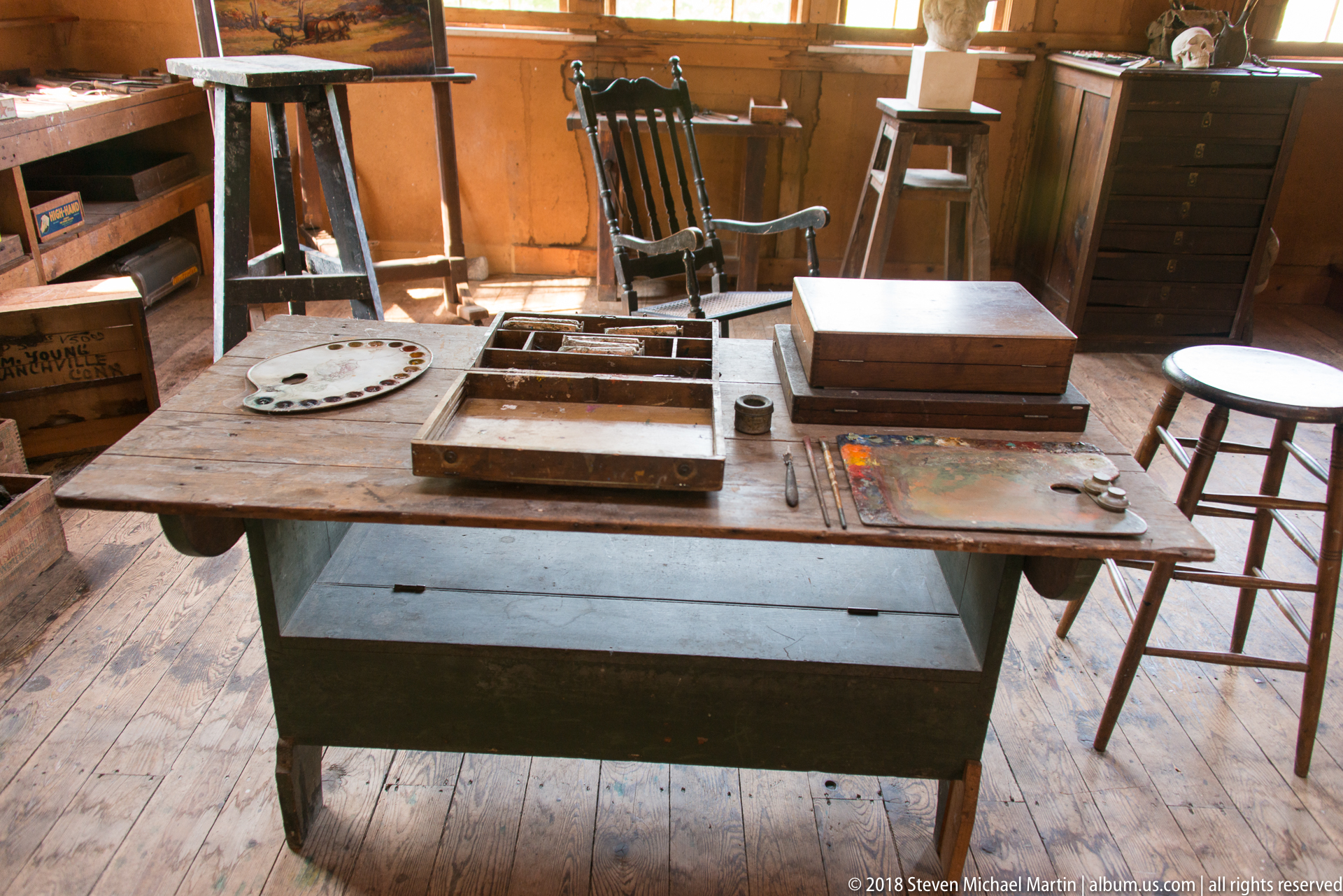
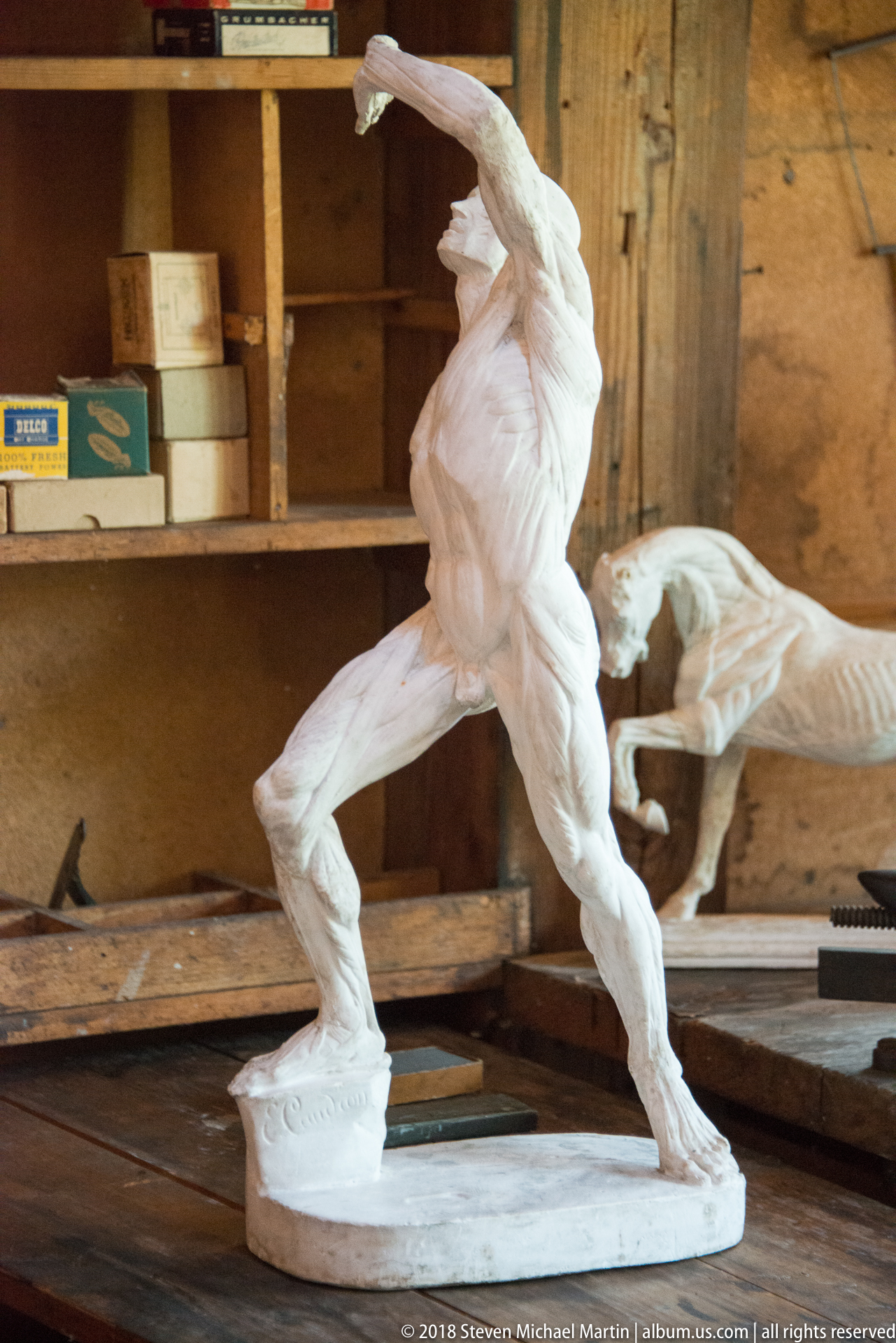
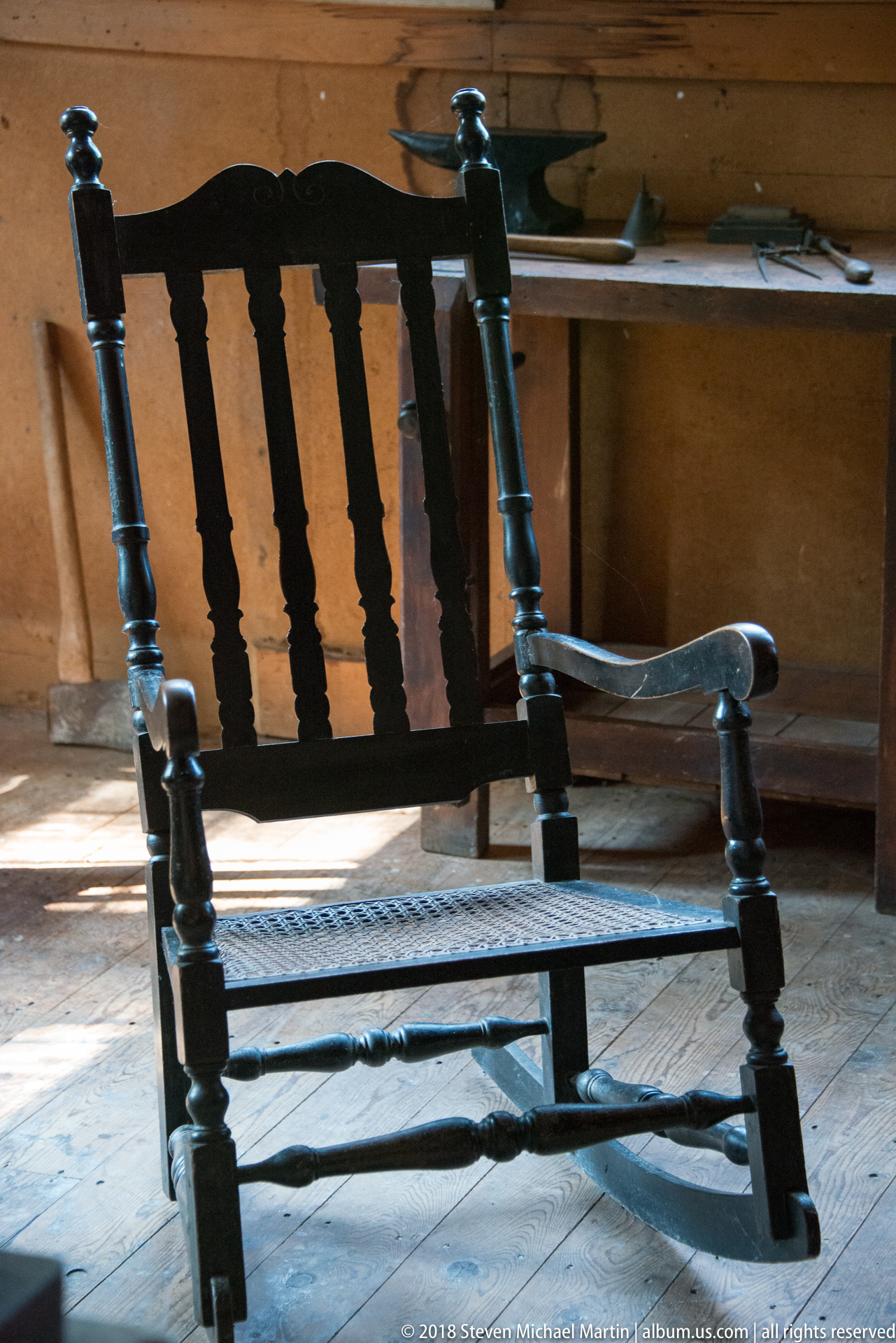
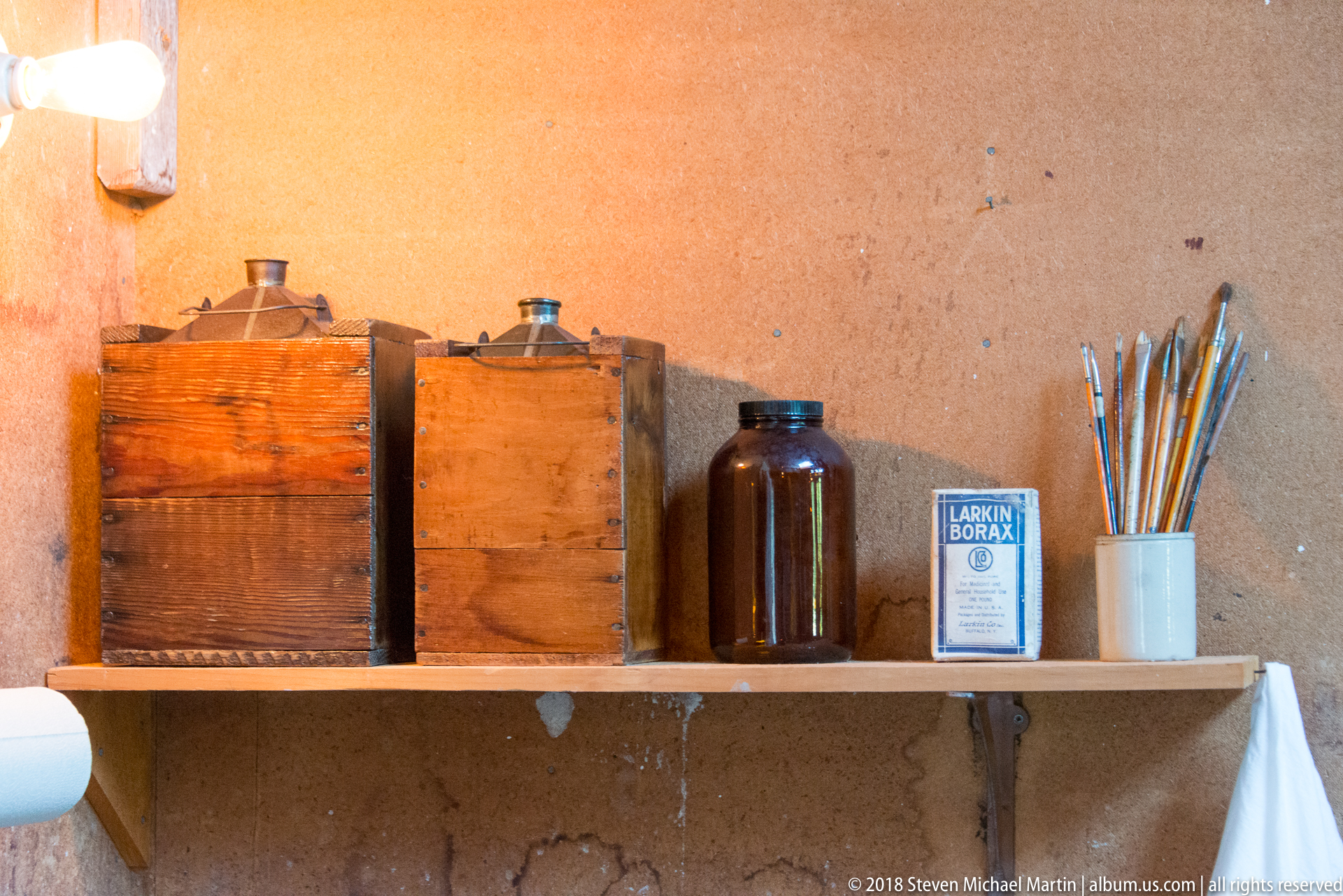
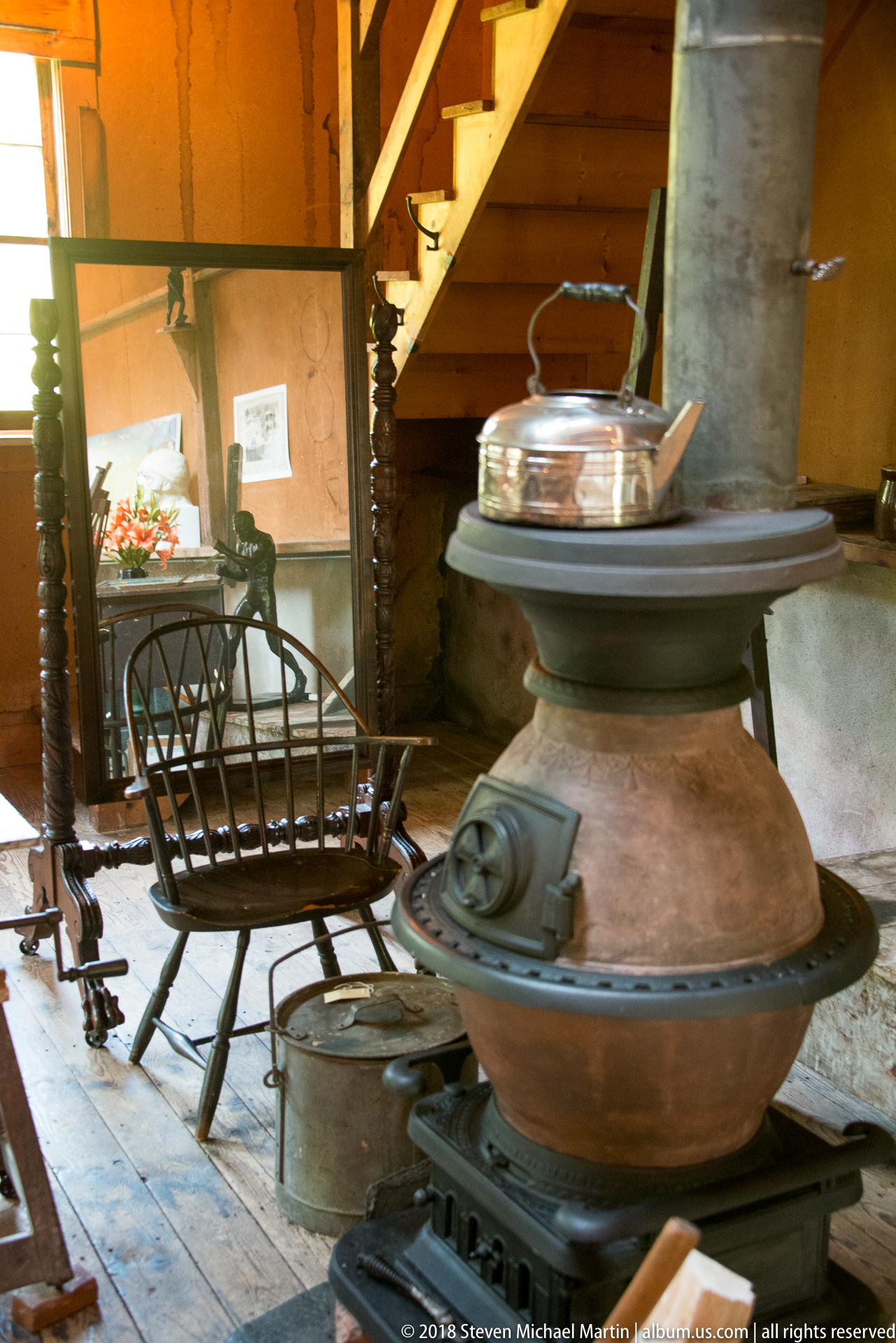
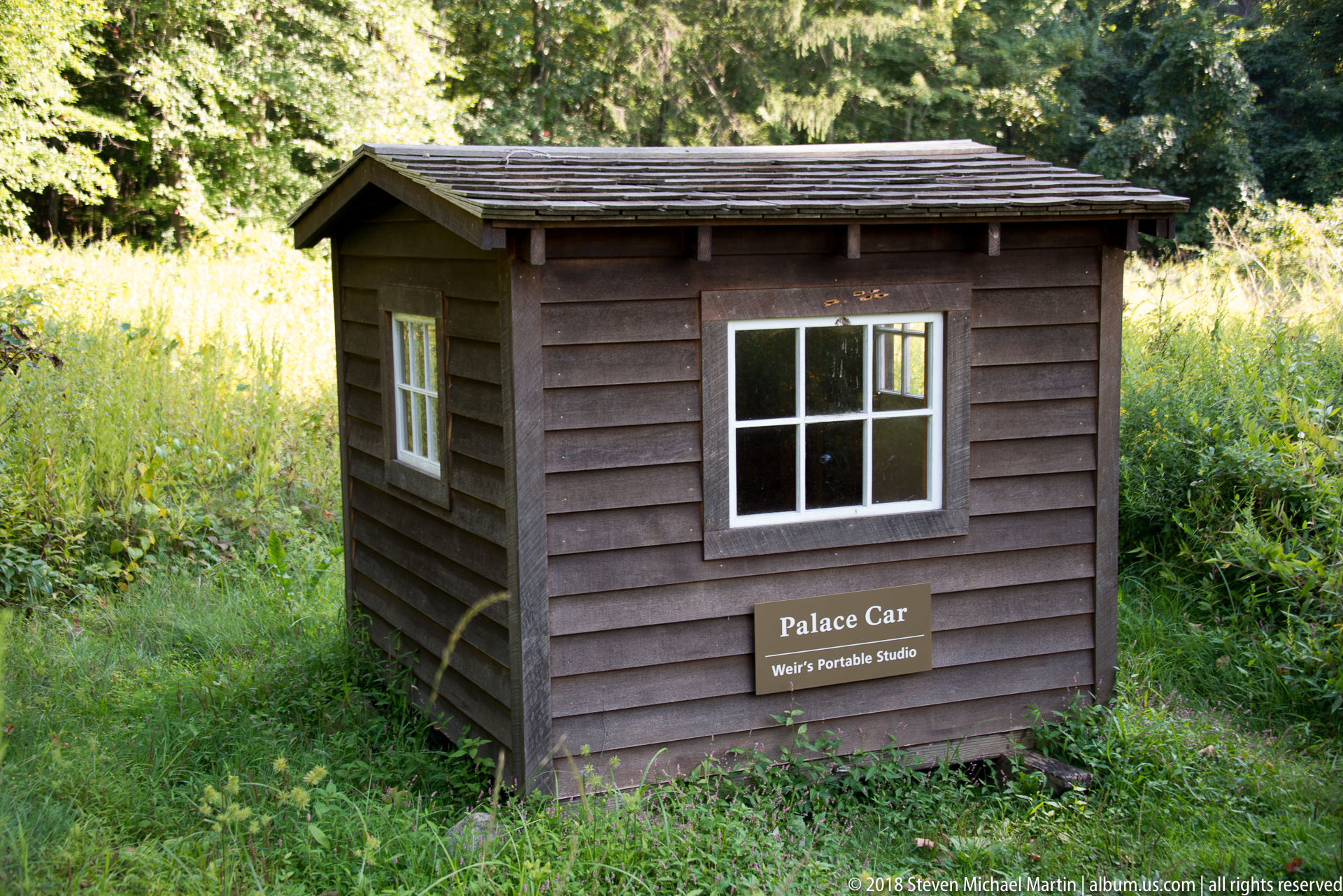
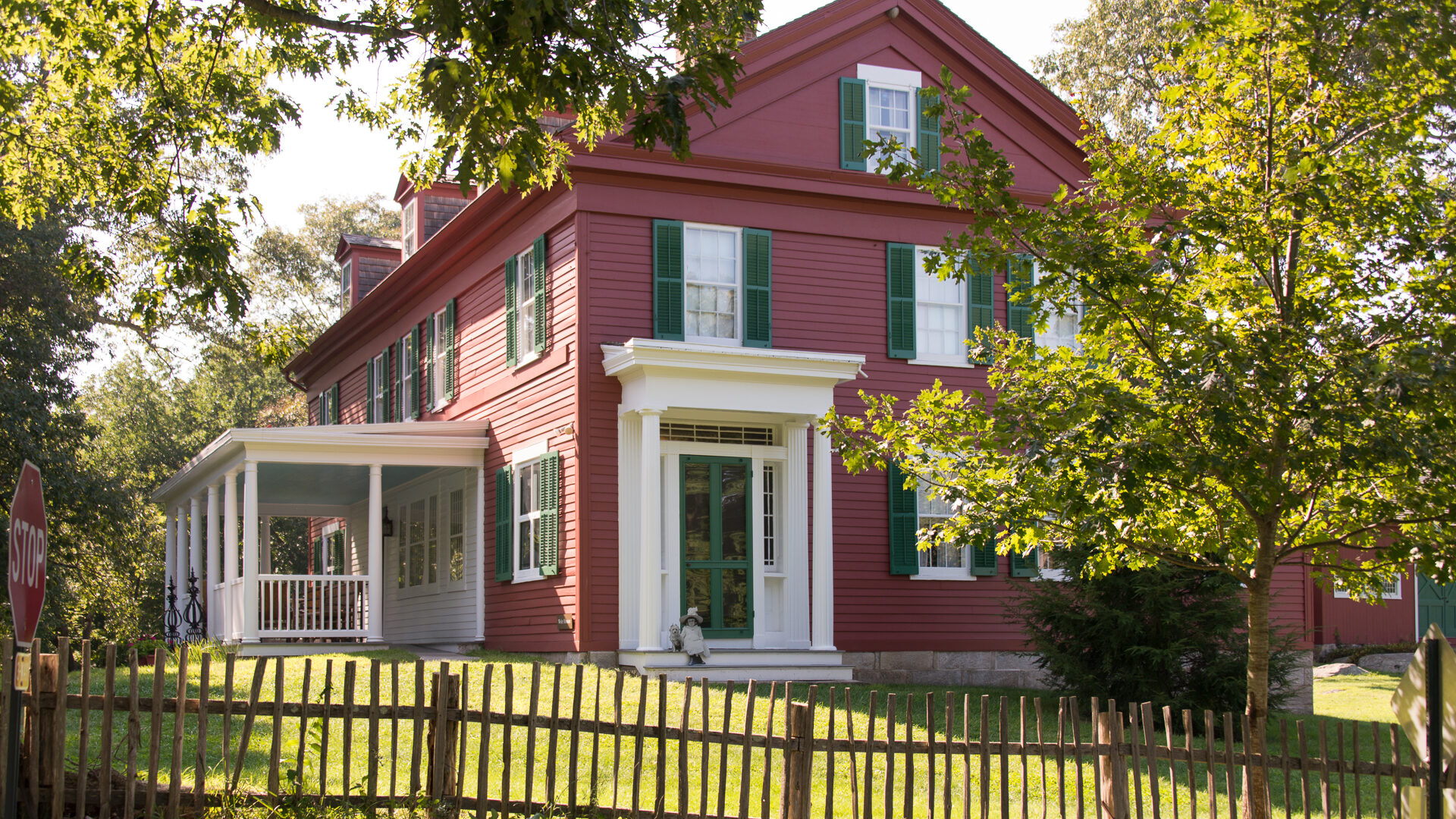
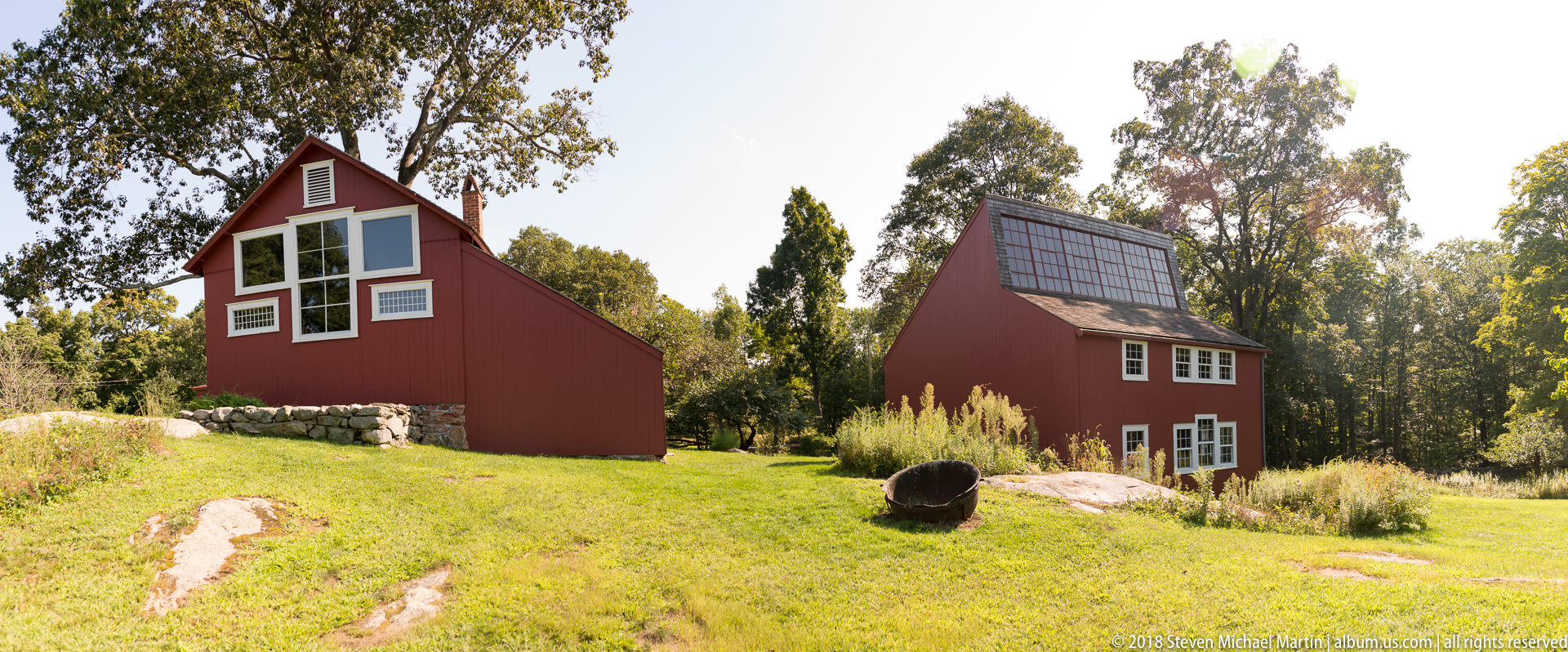
The farm’s fields, woodlands, and ponds provided subject matter for artists including Childe Hassam and John Singer Sargent, whose work helped shape American interpretations of European Impressionist techniques. The preserved studios and residences illustrate how artistic communities developed outside major cities while remaining connected to broader cultural movements in the United States and Europe. The landscape itself remains an important element of the site, demonstrating the continued relationship between artistic practice and natural environment.
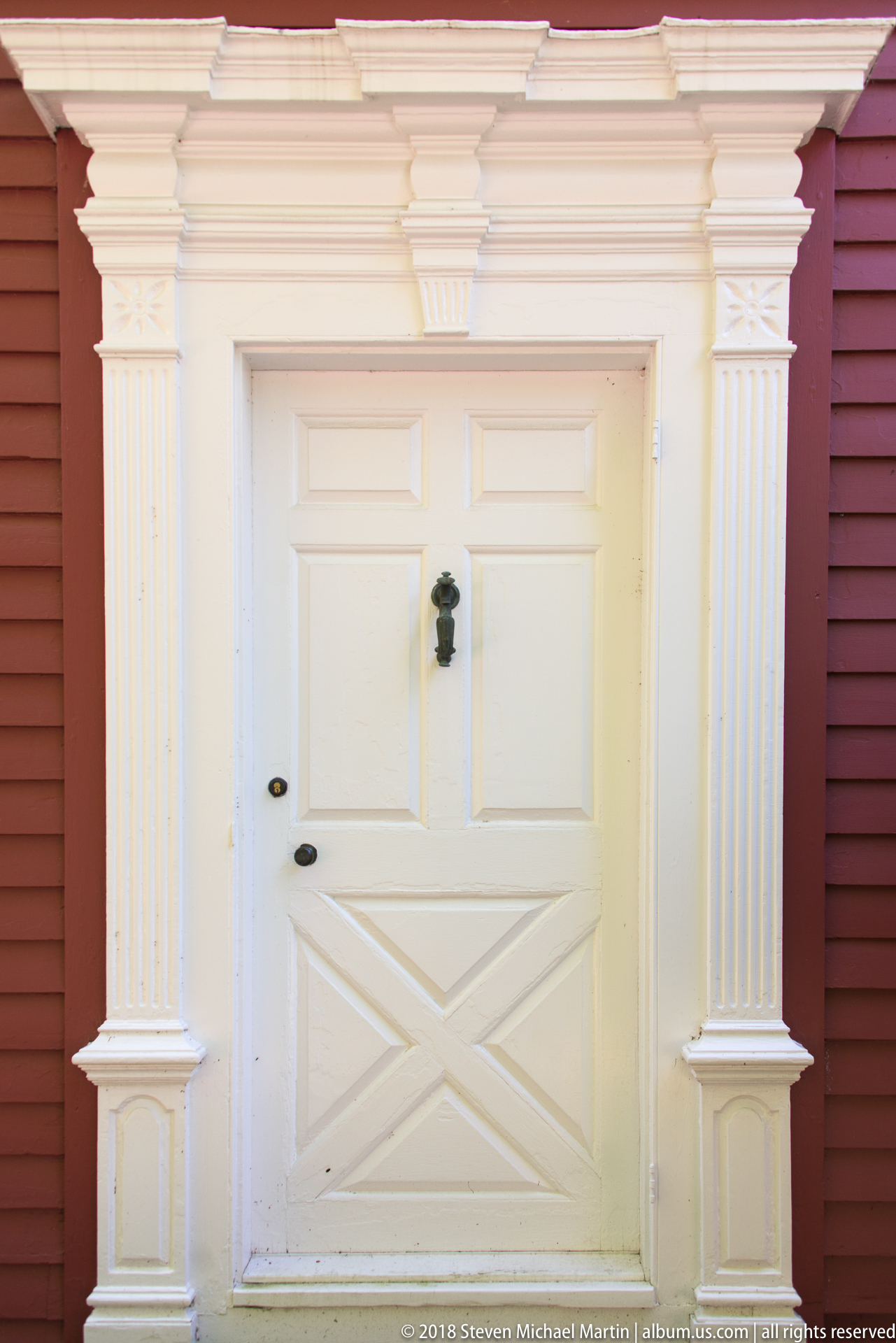
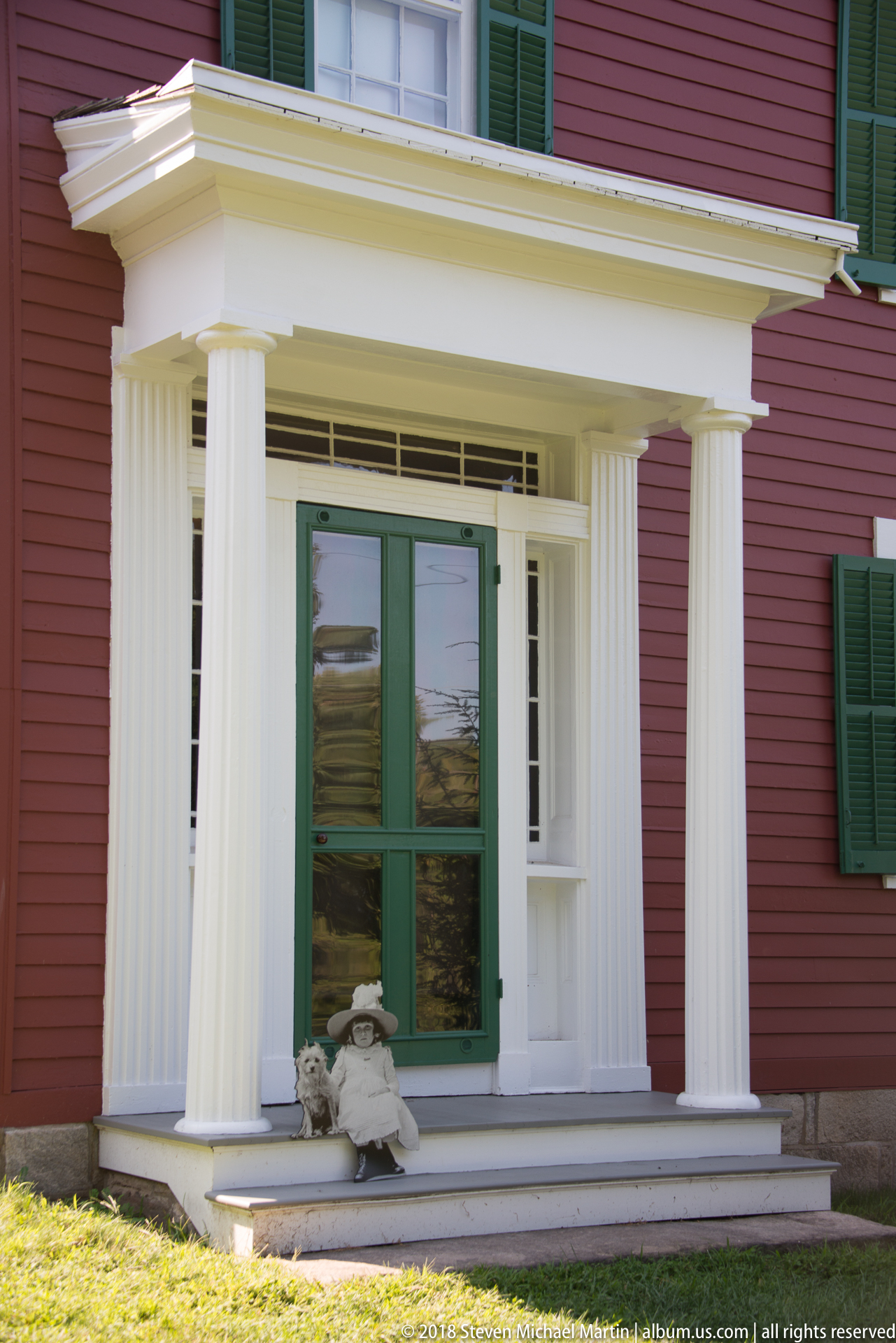
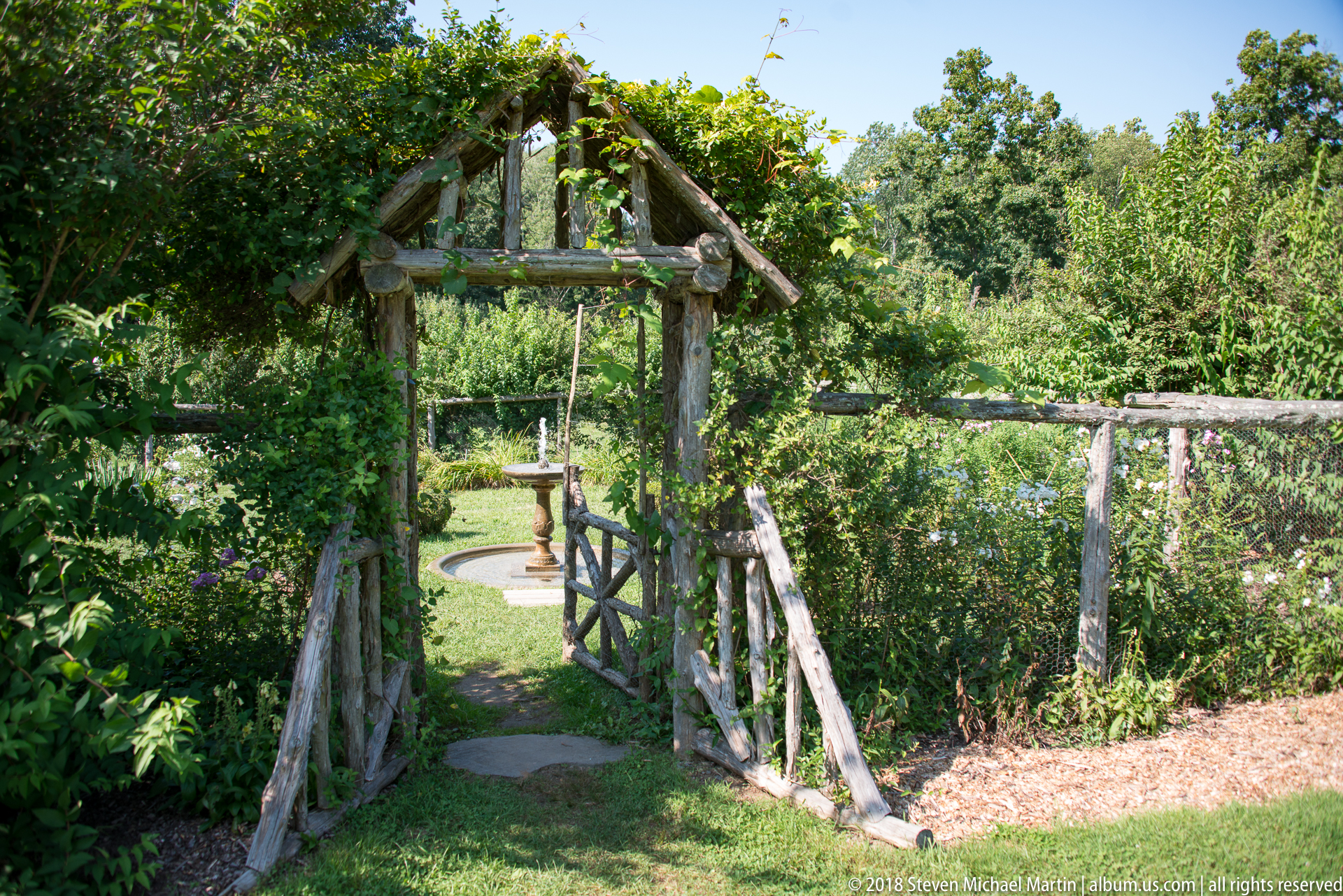
Weir Farm contributes to understanding how rural settings influenced artistic development in the United States during the late nineteenth and early twentieth centuries. The preservation of both the built environment and surrounding landscape illustrates how creative work can be shaped by ecological context. The site reflects continuity between artistic tradition and environmental observation within the cultural history of New England.