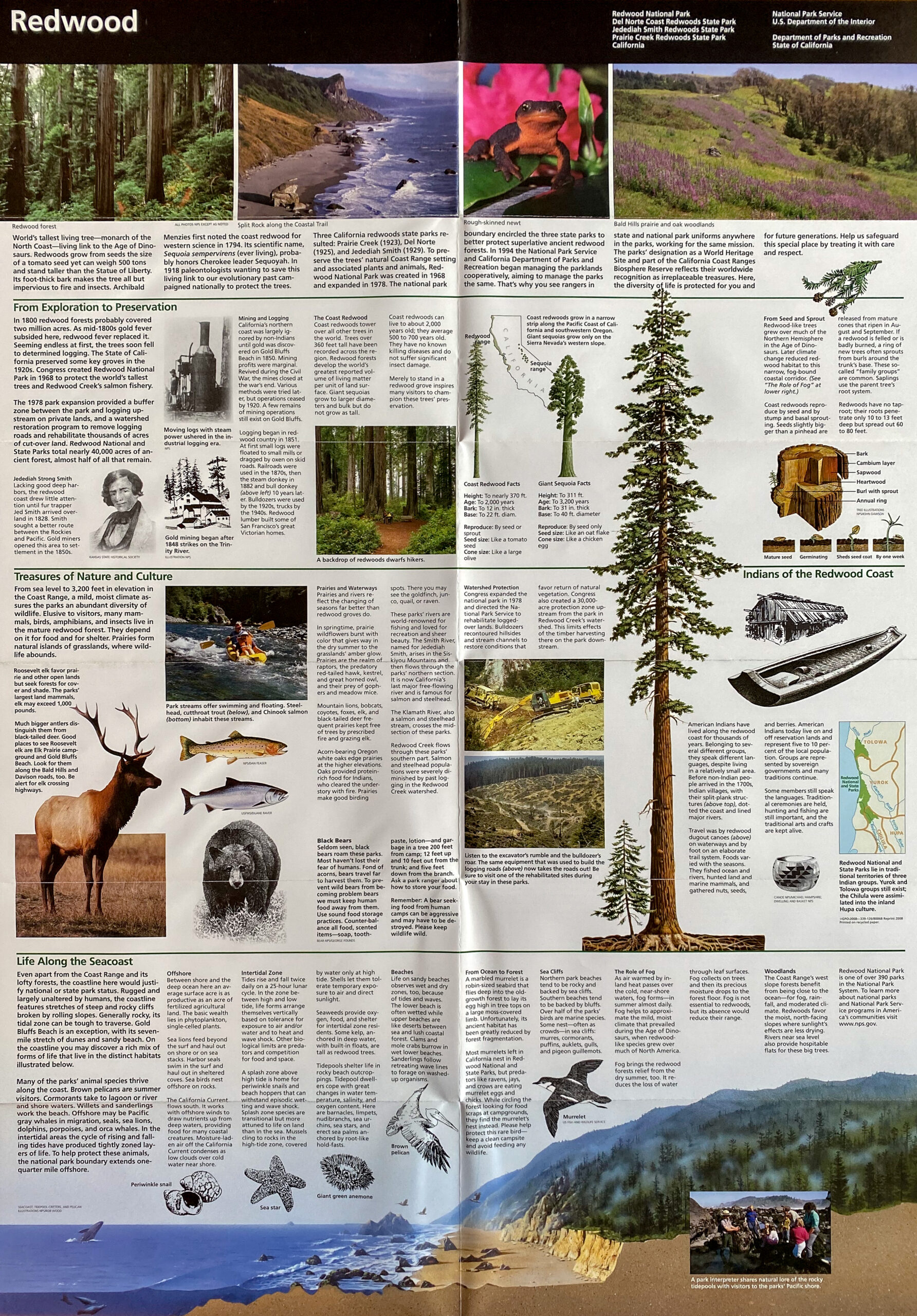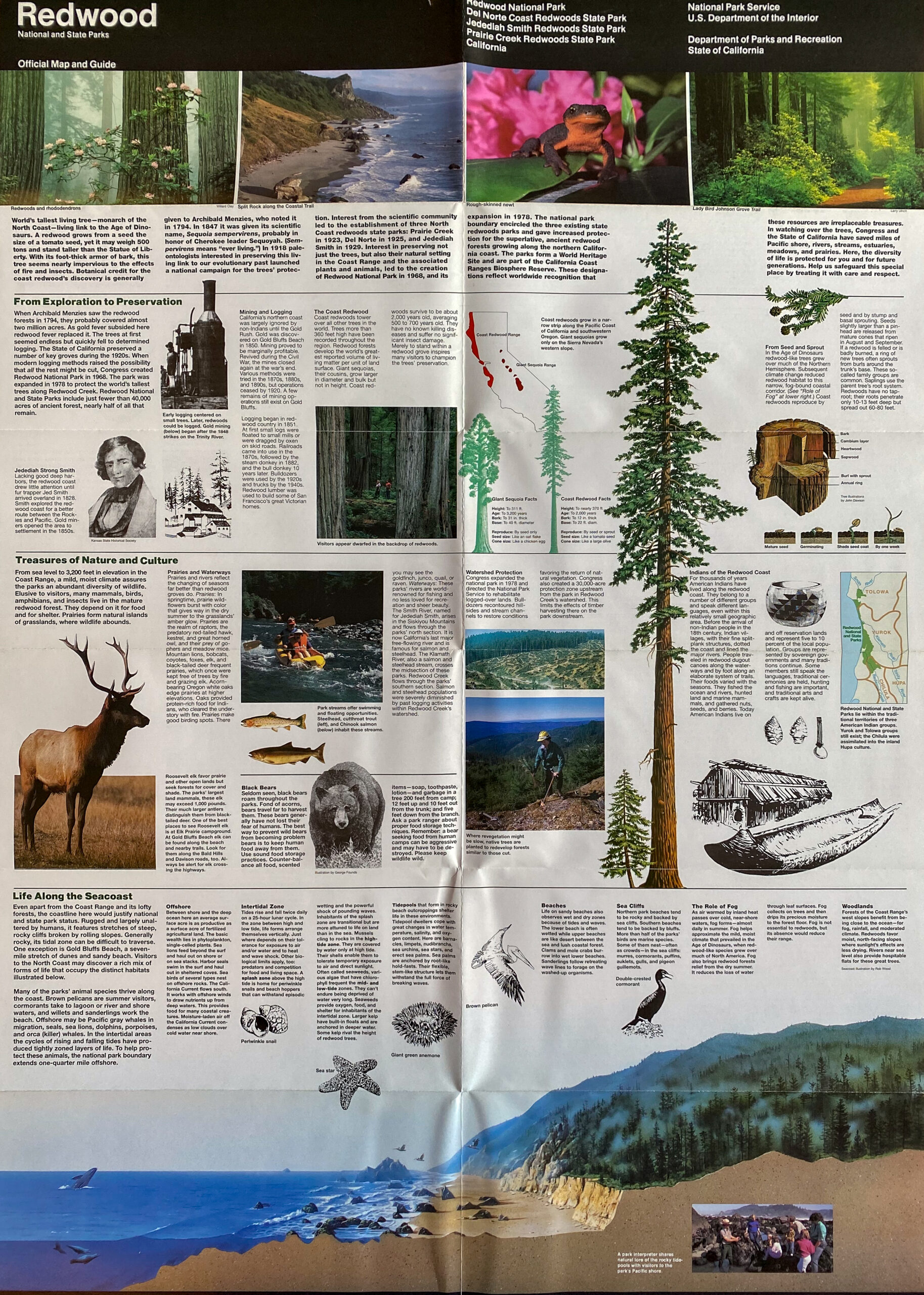
Redwood National Park
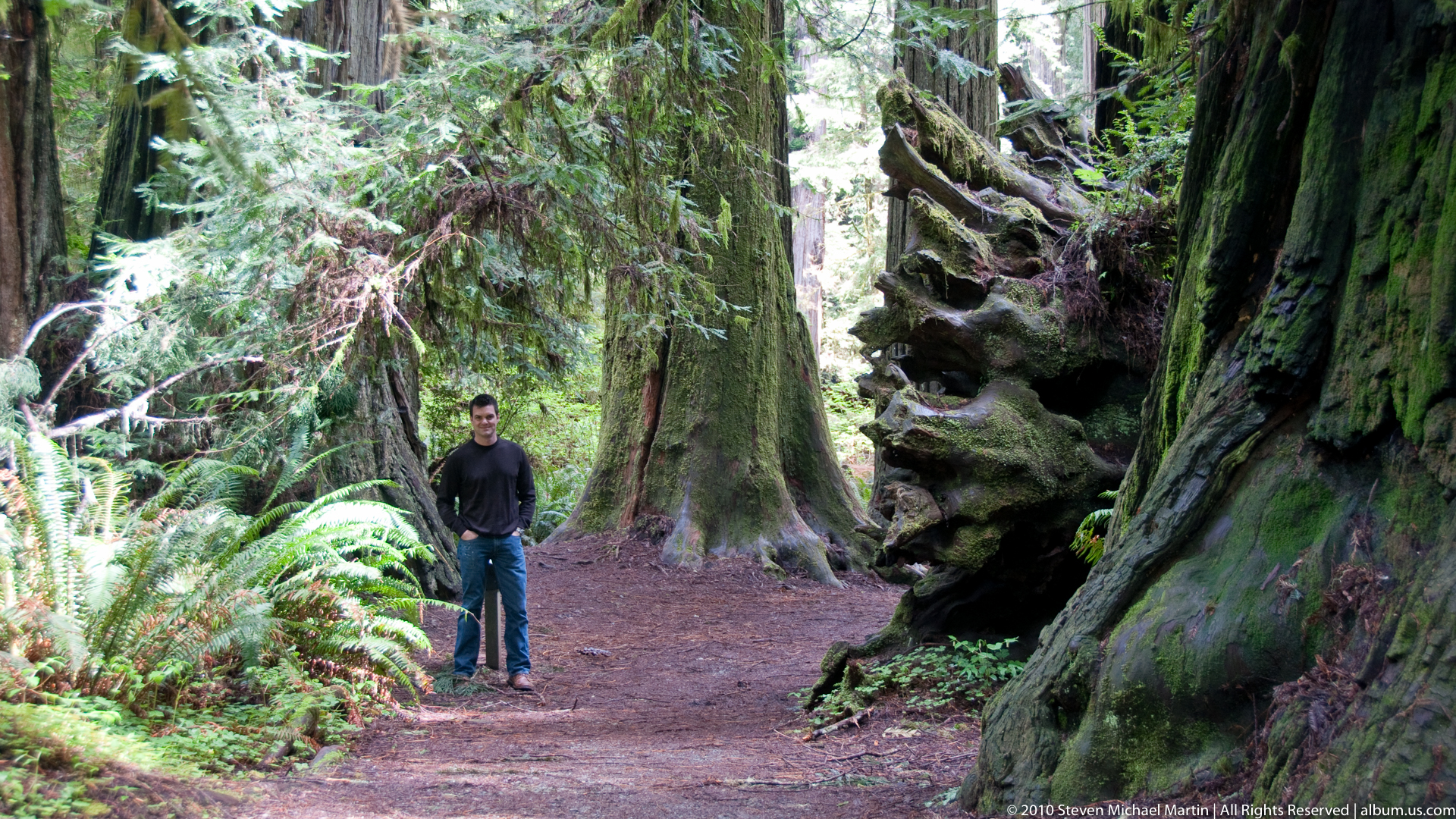
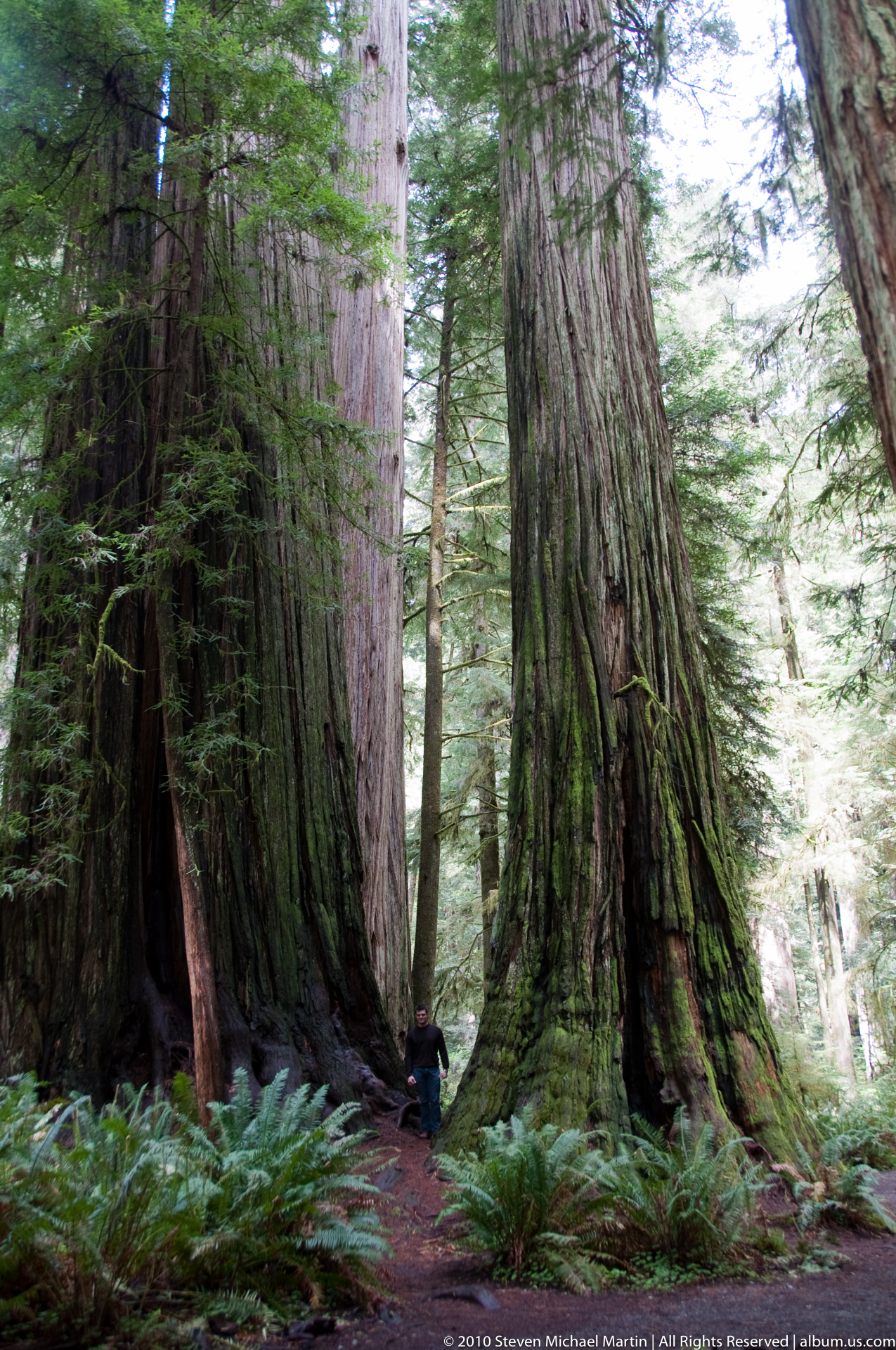
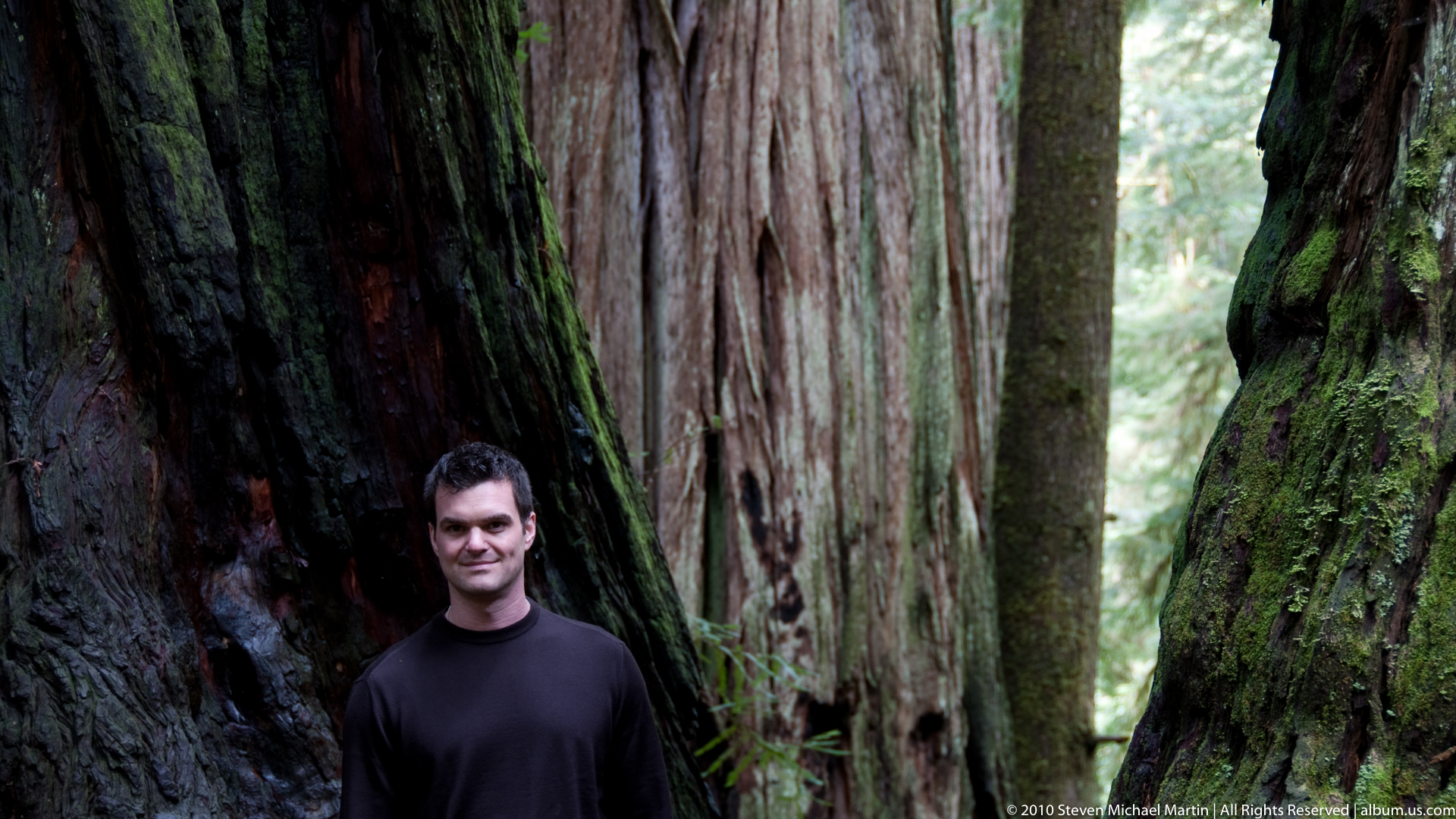
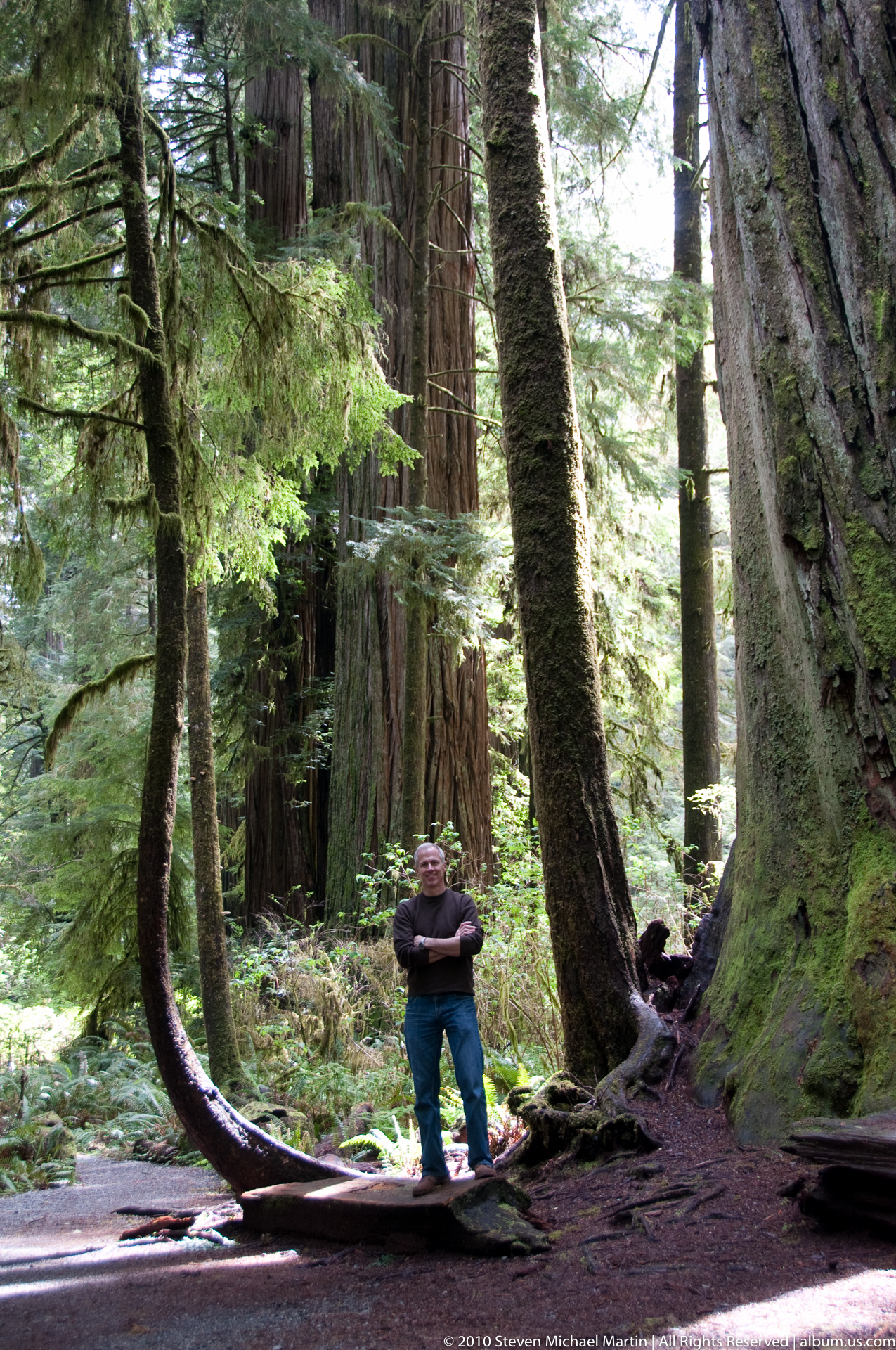
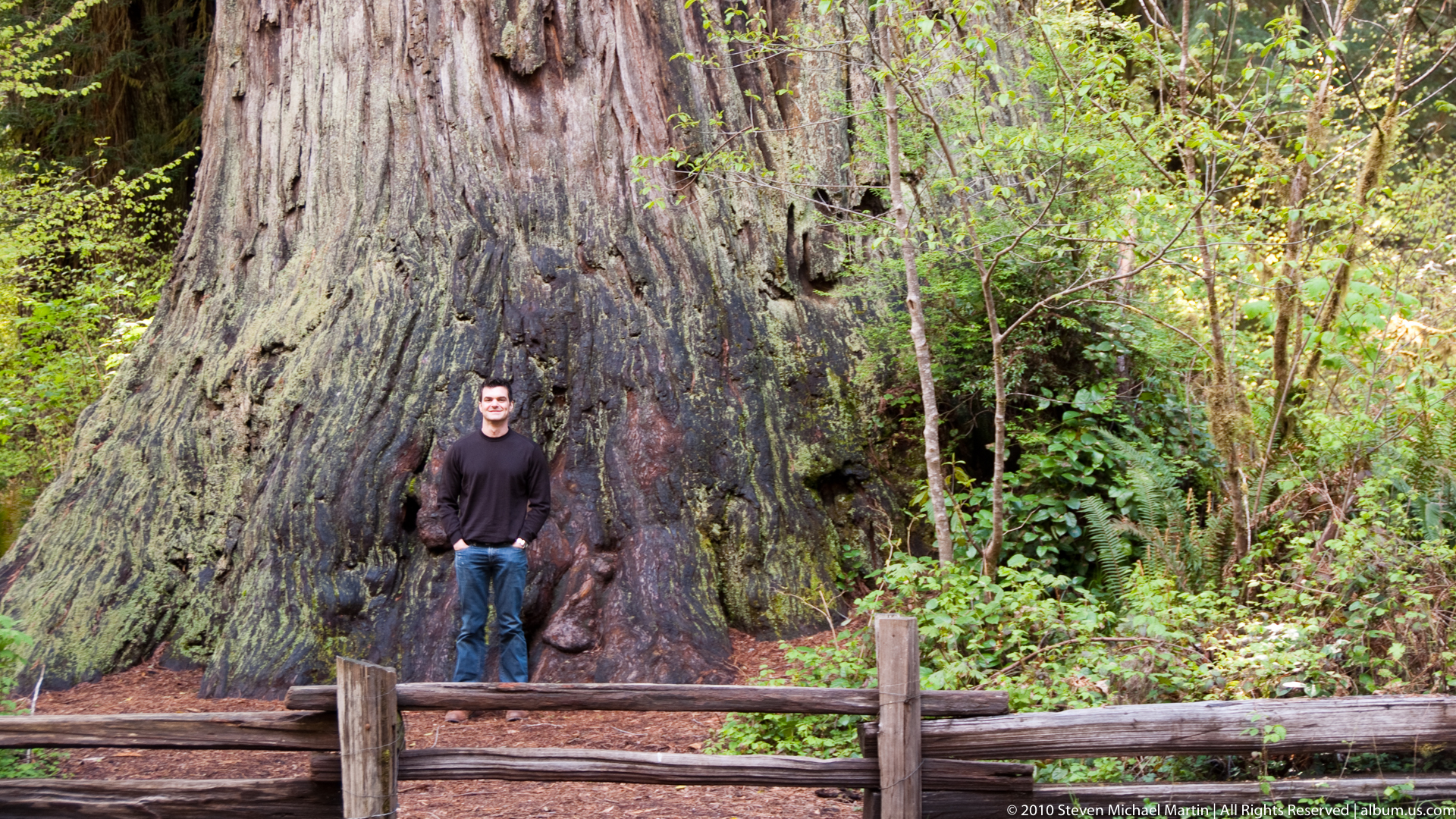
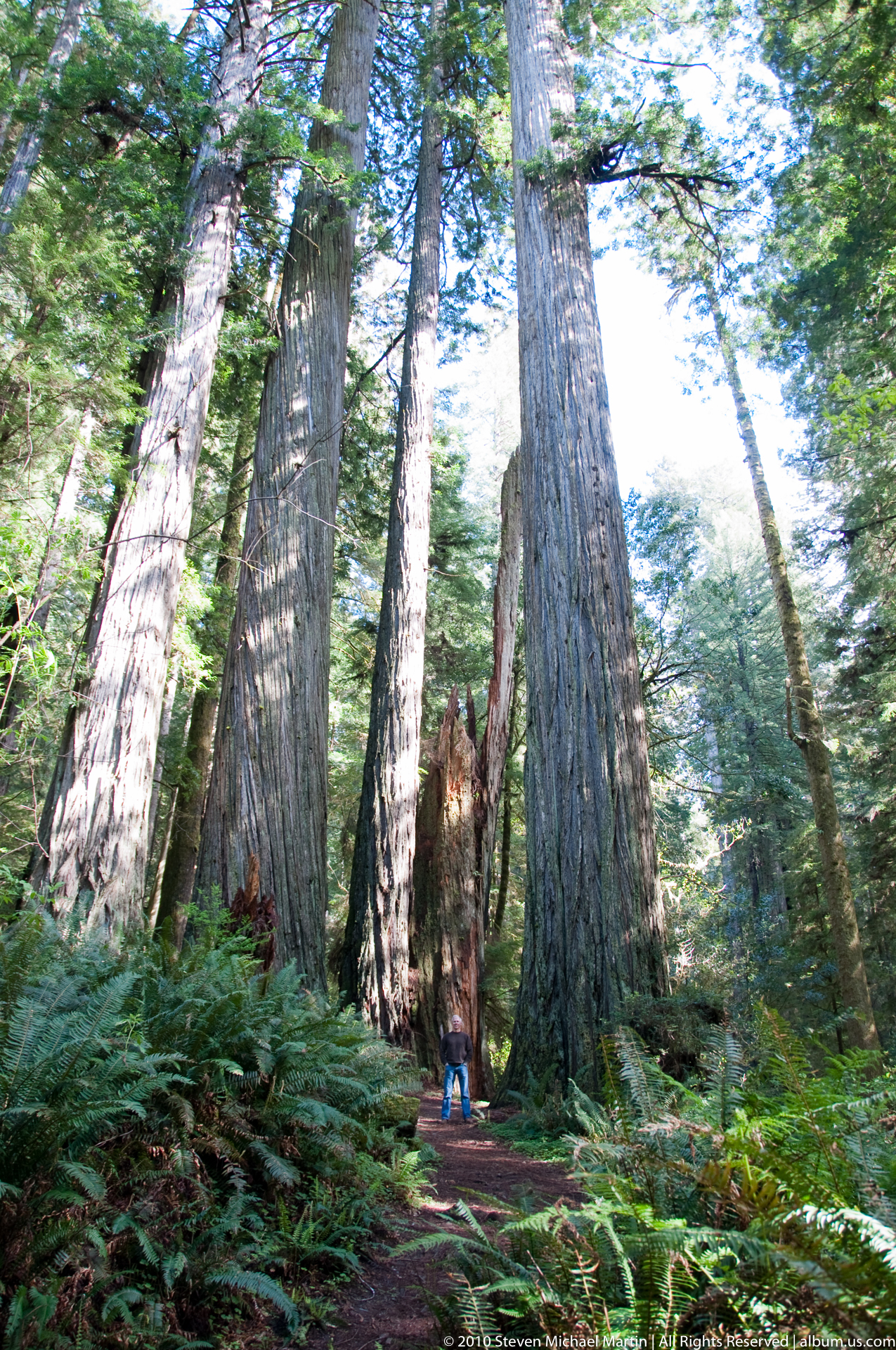
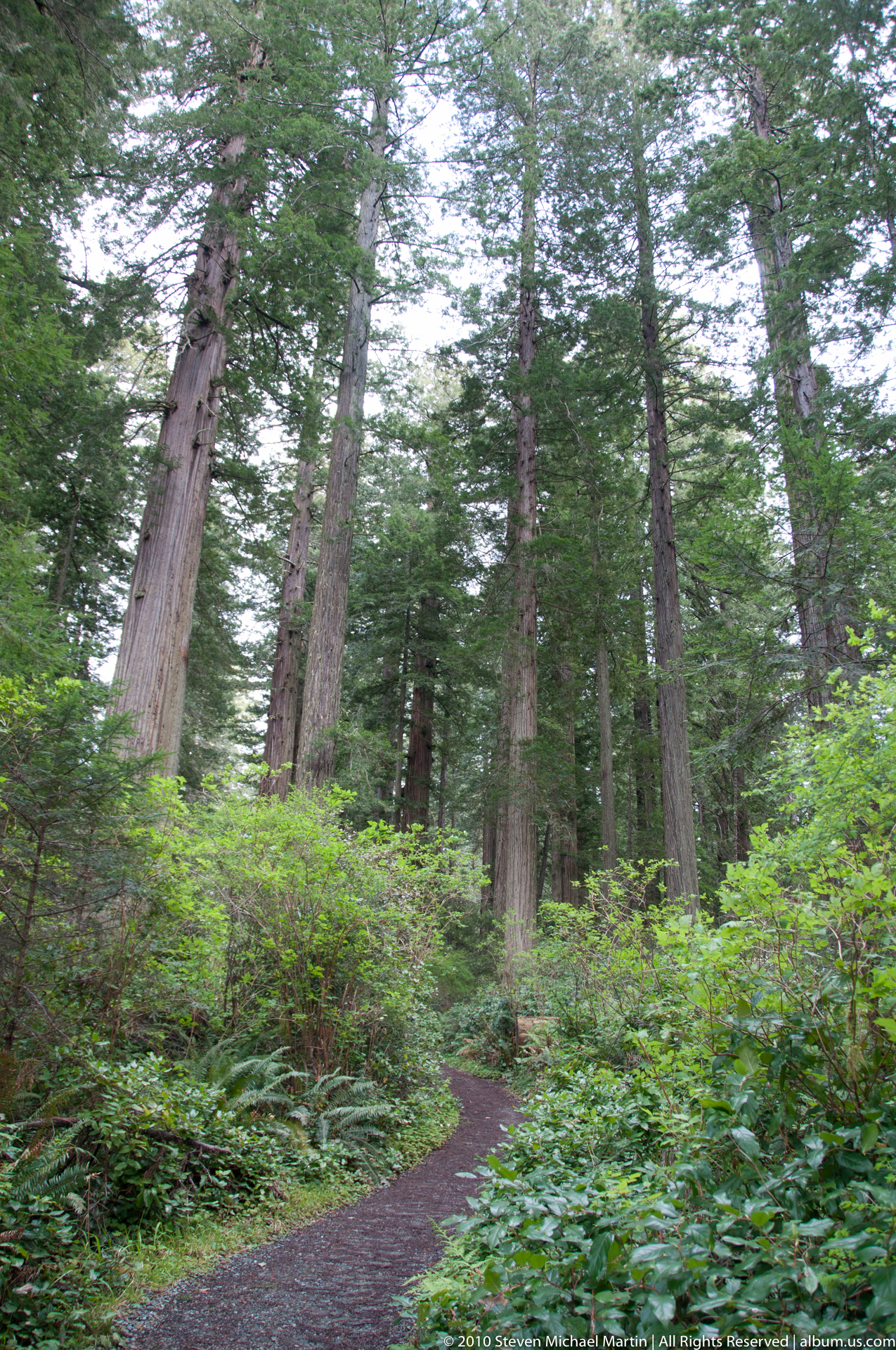
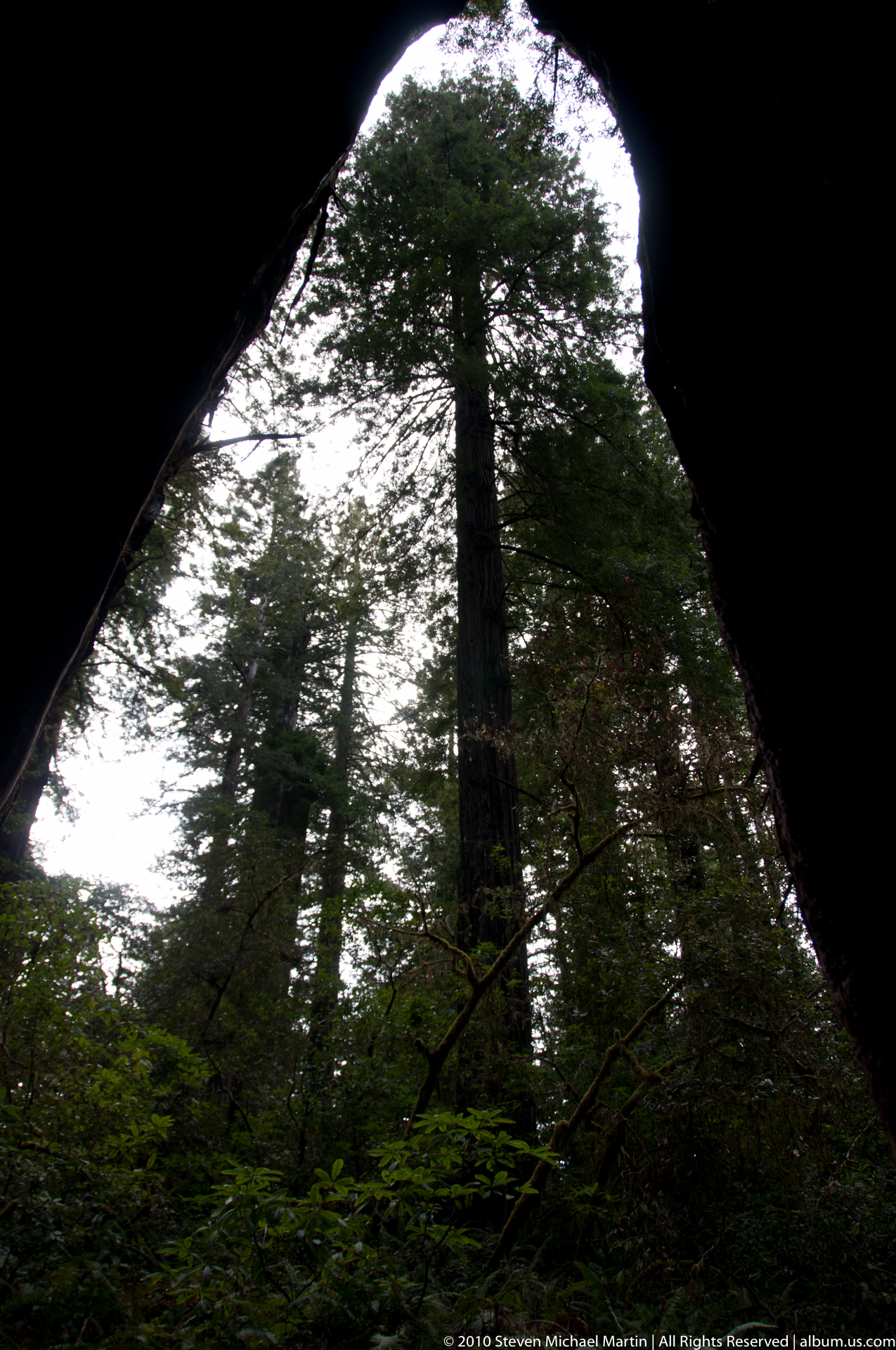
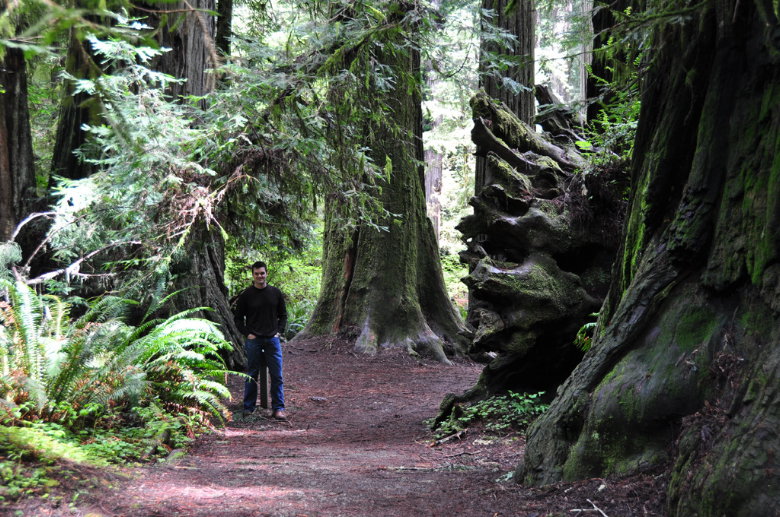
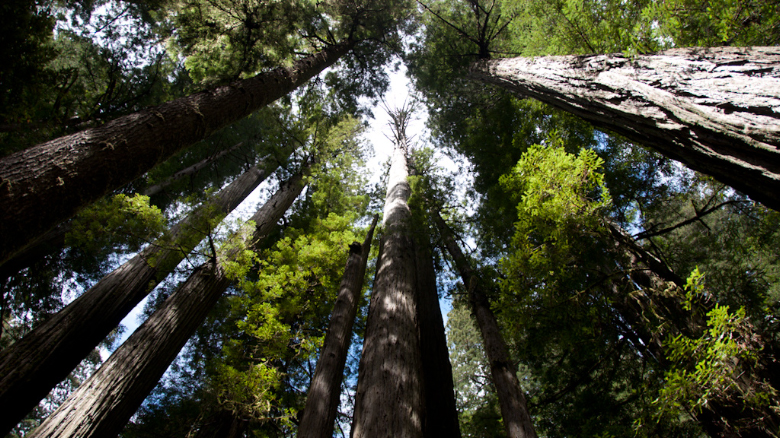
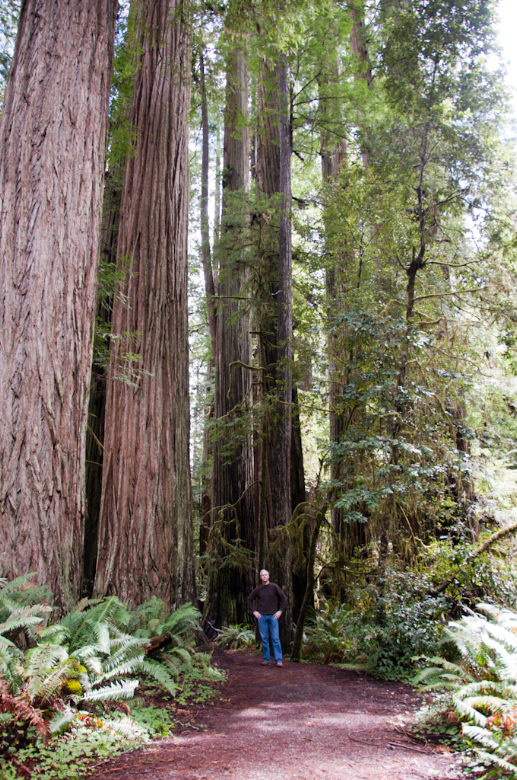
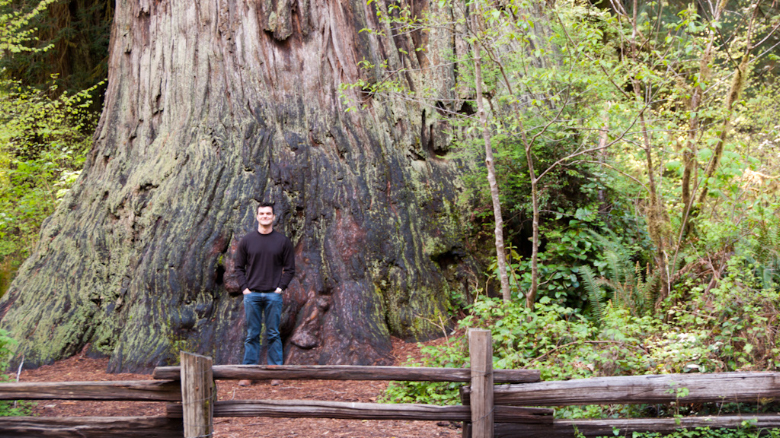
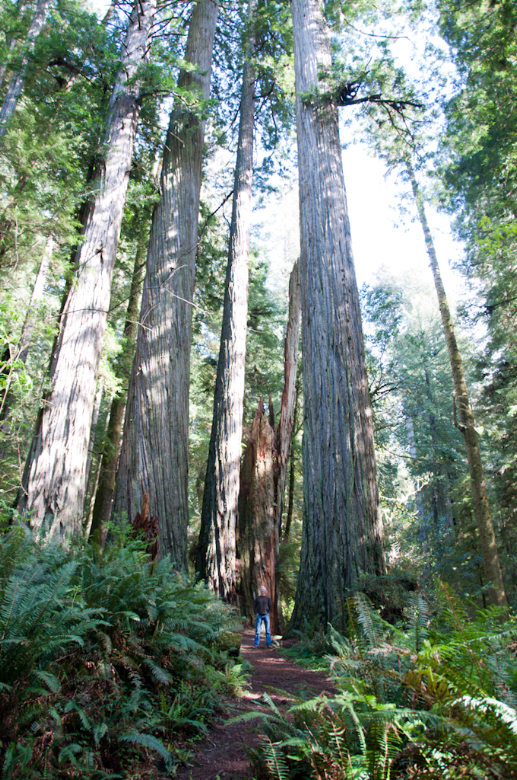
Redwood National Park preserves old-growth coastal forests dominated by coast redwoods, the tallest tree species in the world. These forests represent ecosystems that have developed over centuries, supported by a combination of coastal climate, frequent fog, and stable environmental conditions. The scale of the trees creates a landscape that emphasizes both vertical height and long-term ecological continuity.
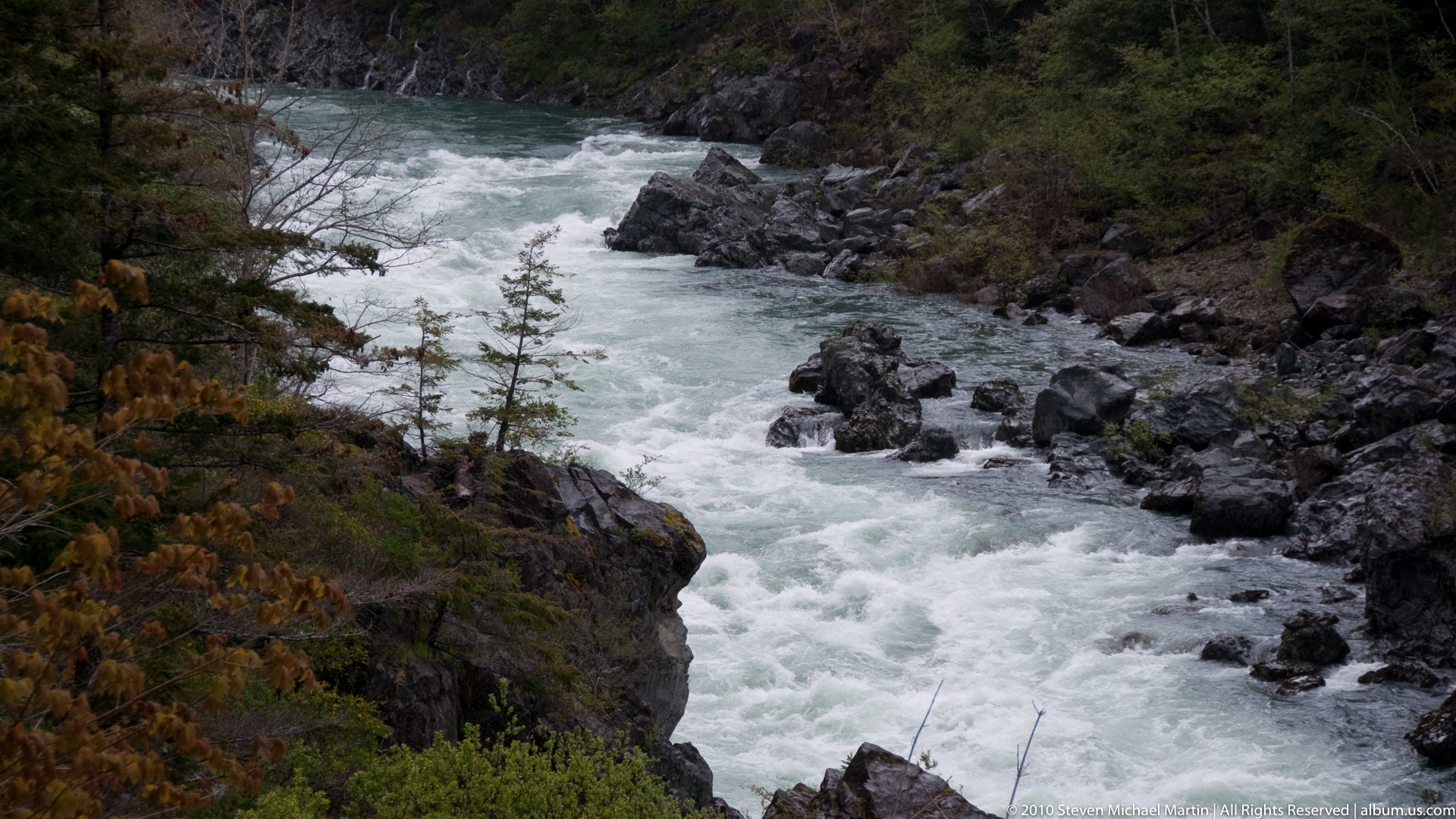
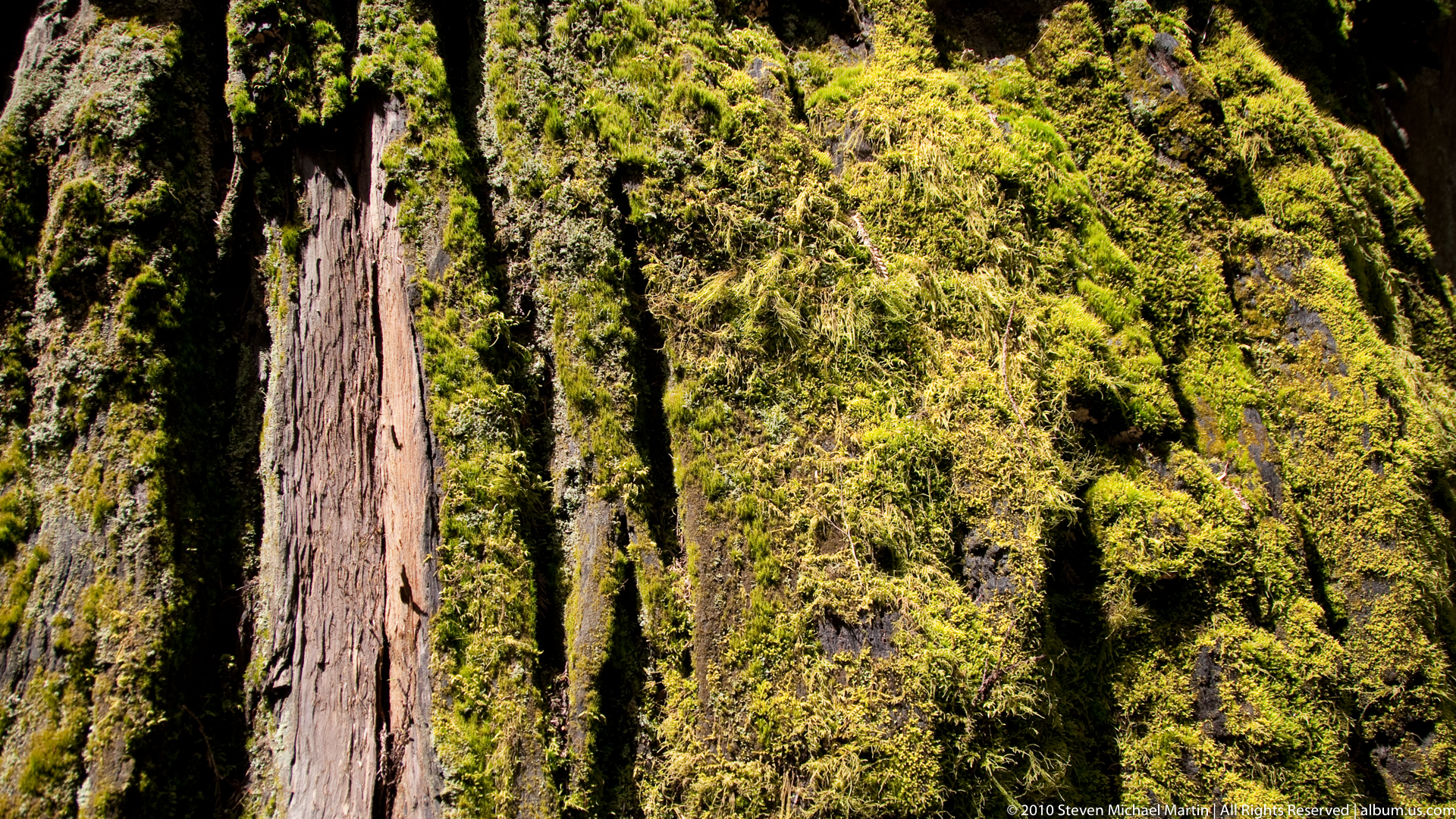
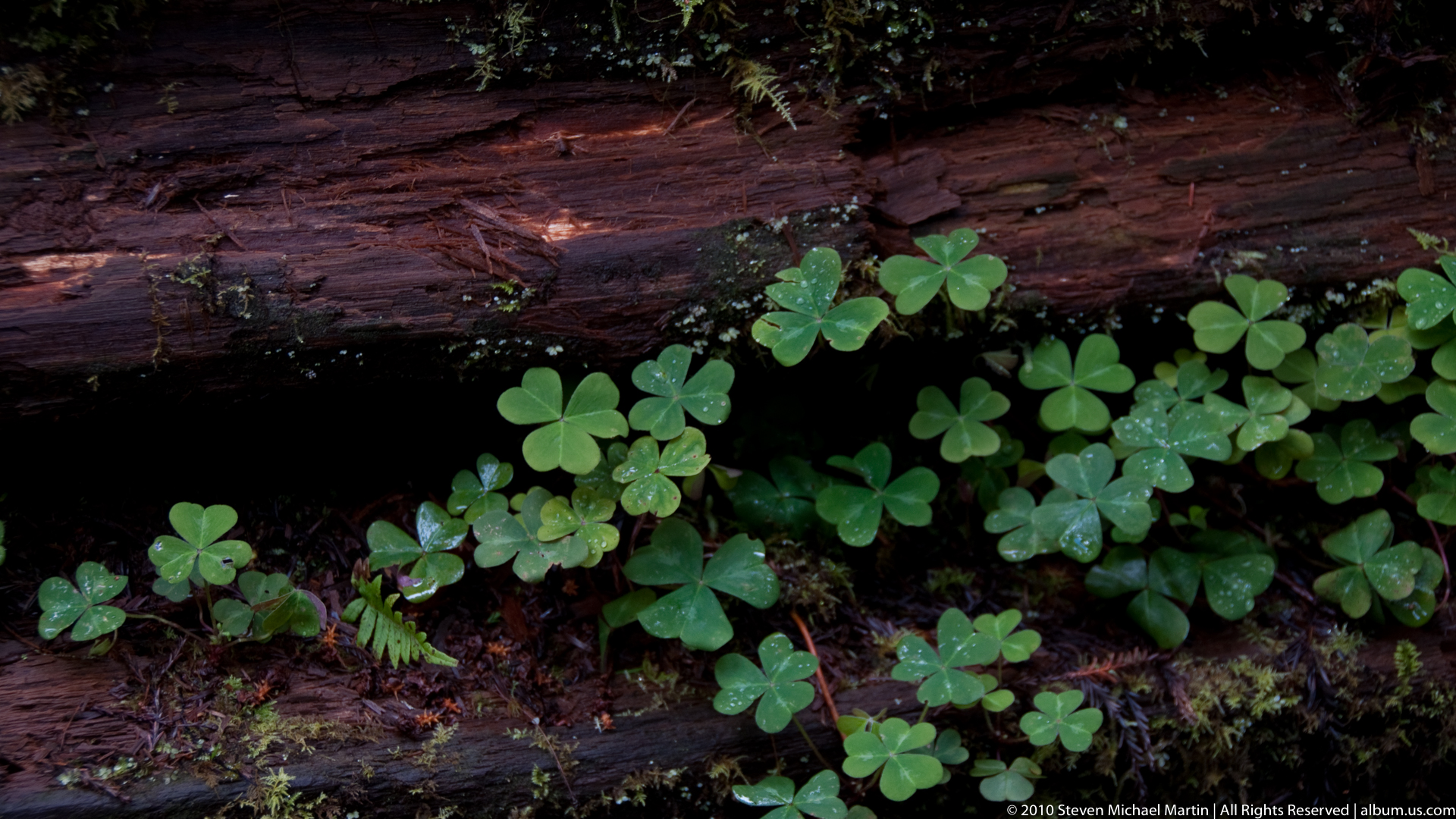
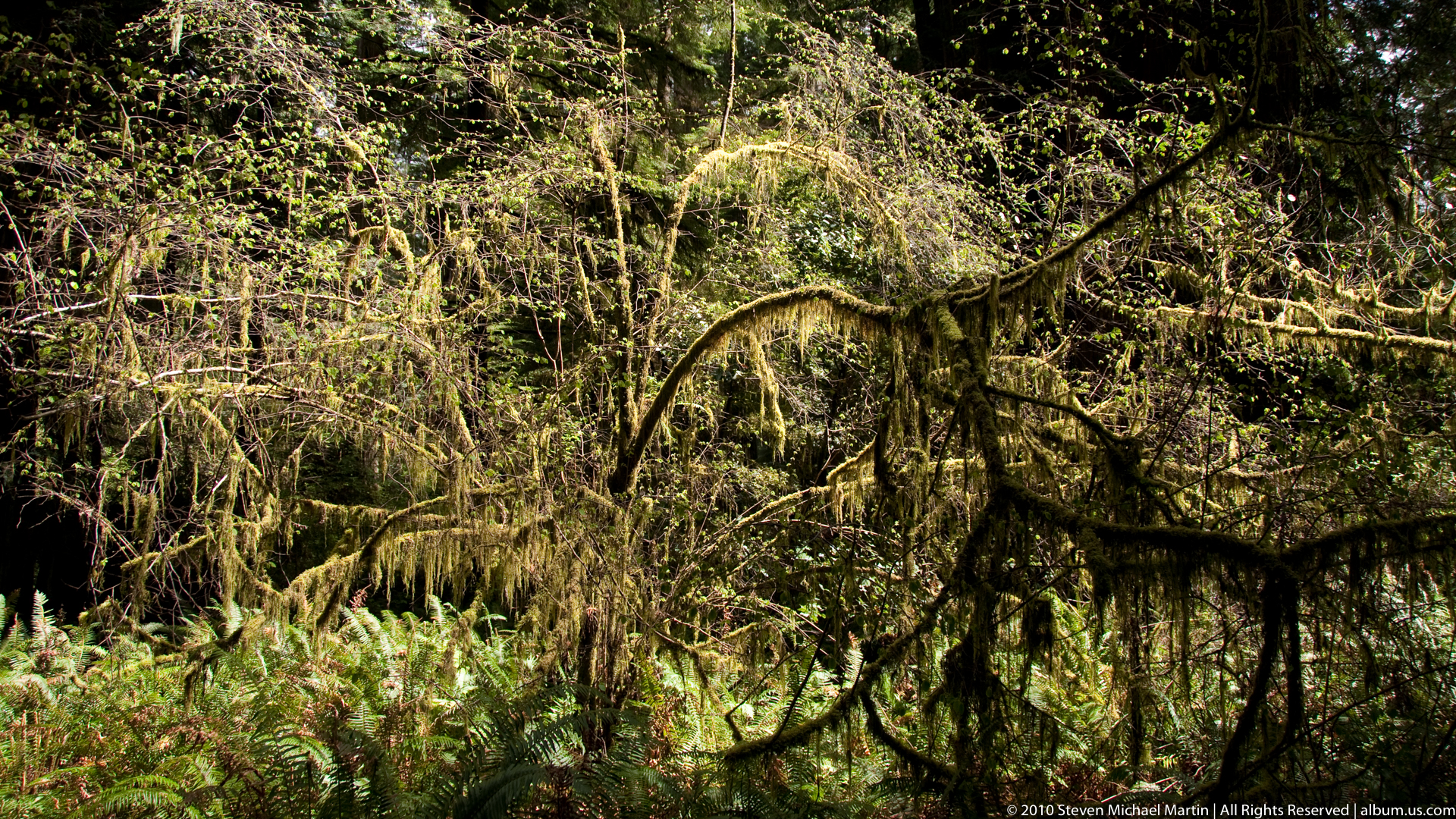
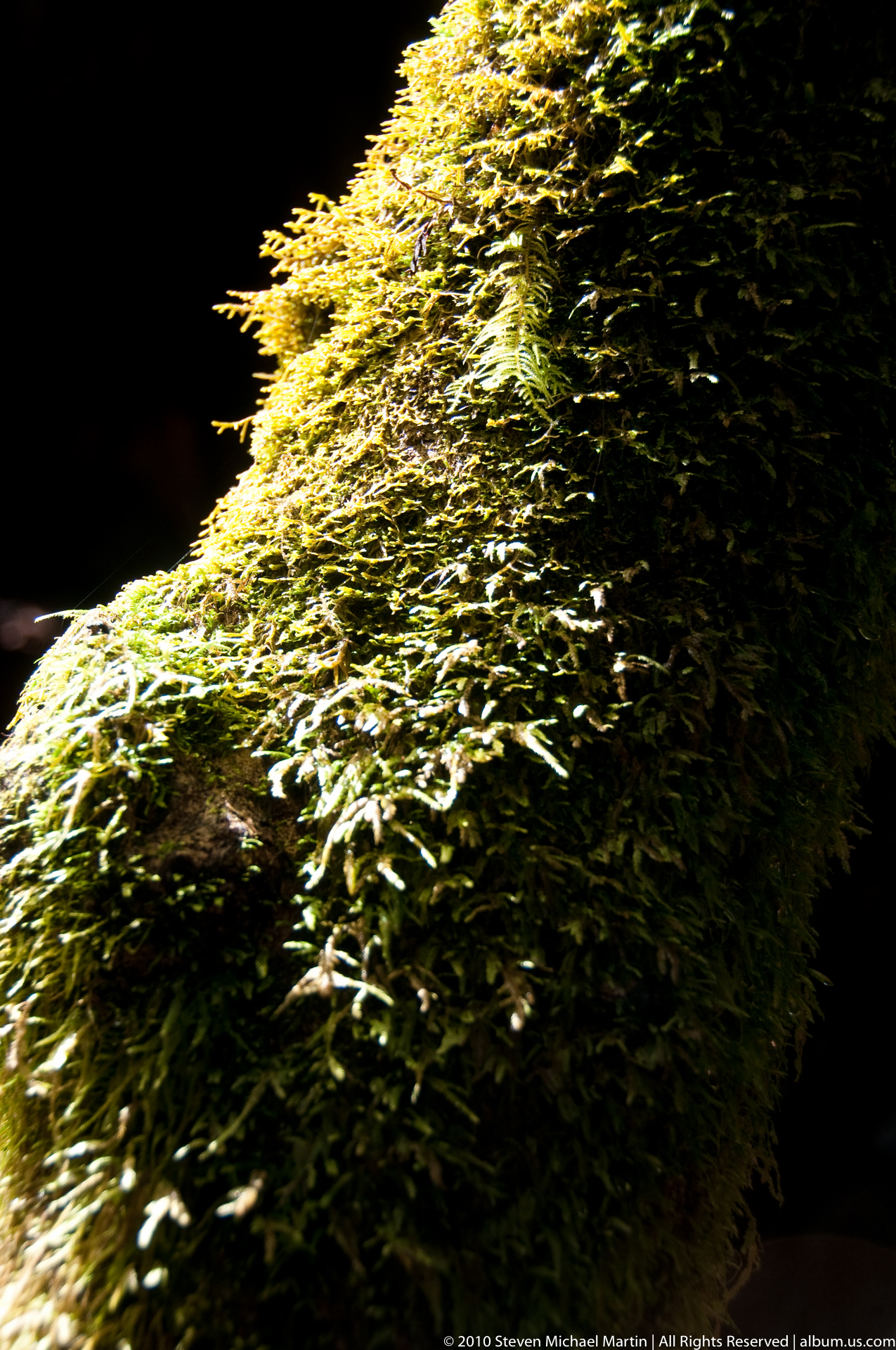
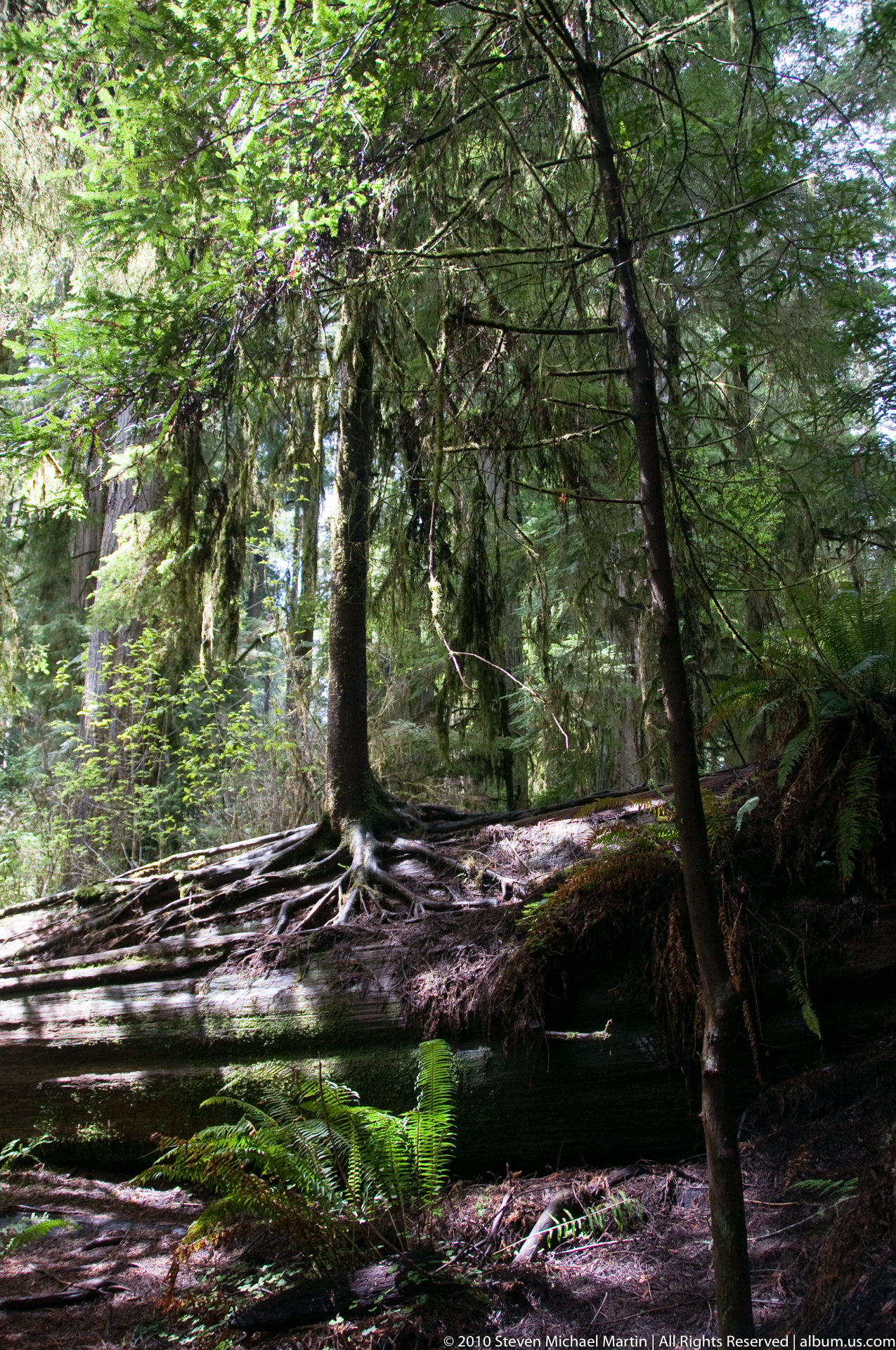
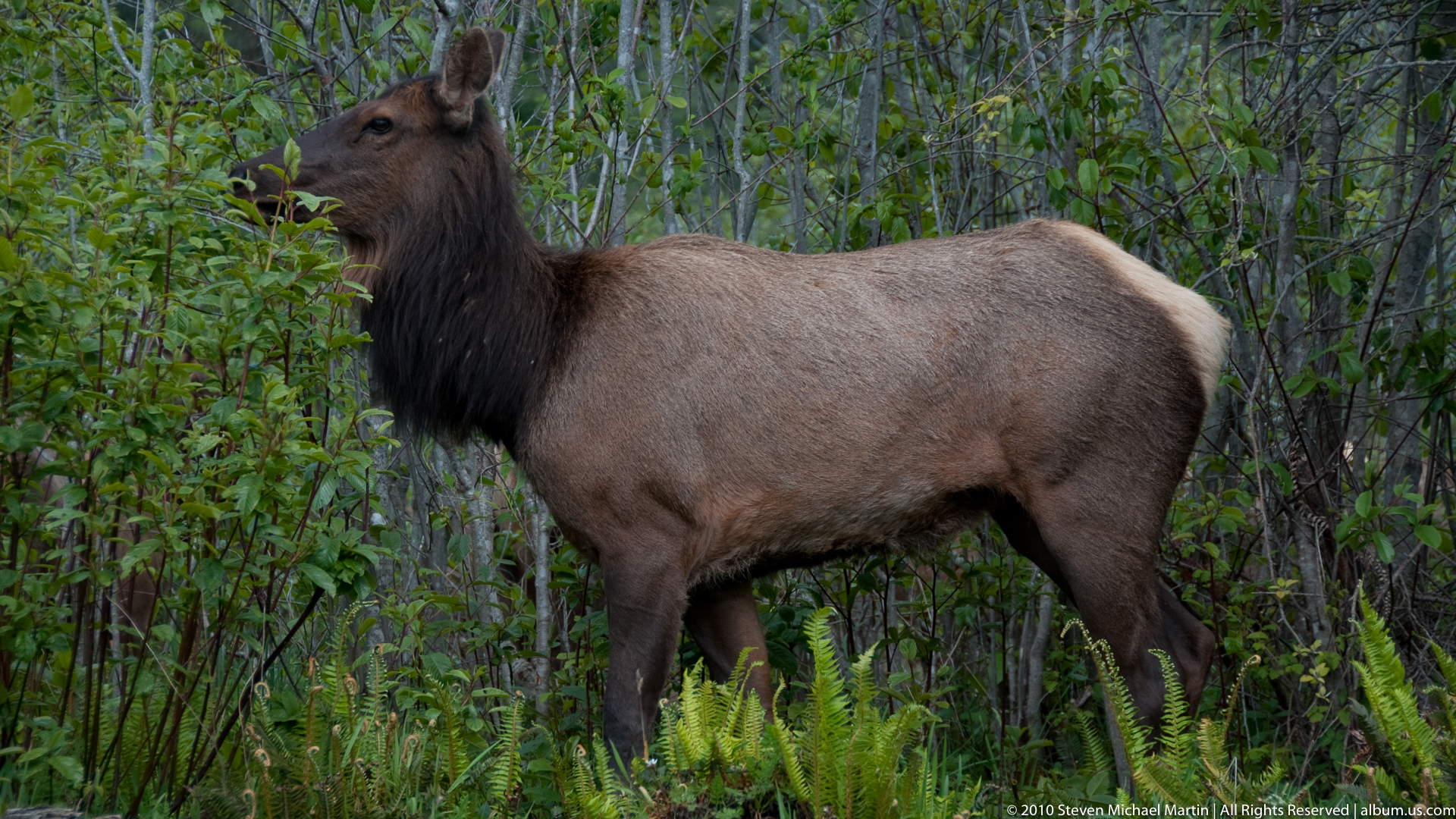
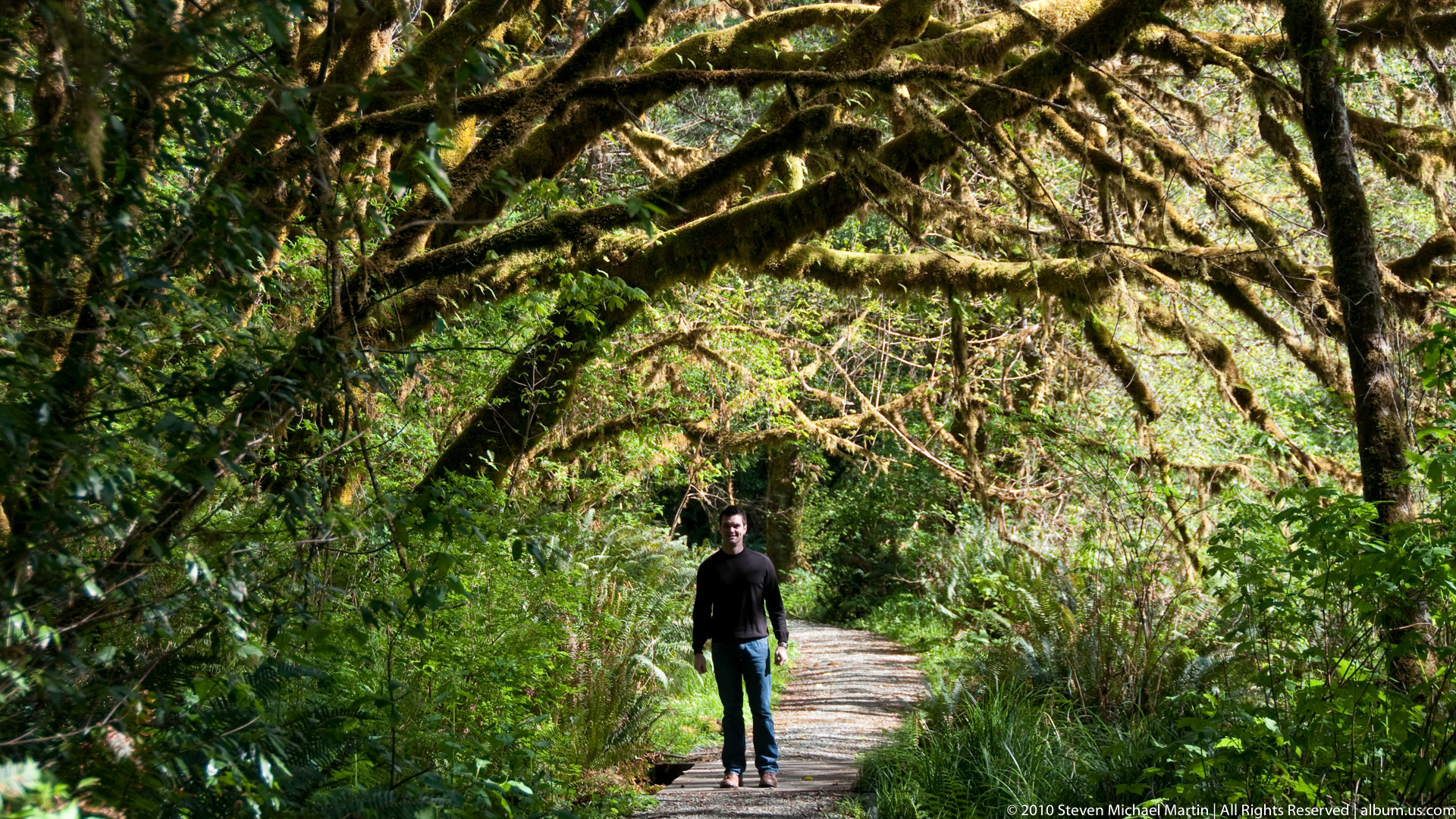
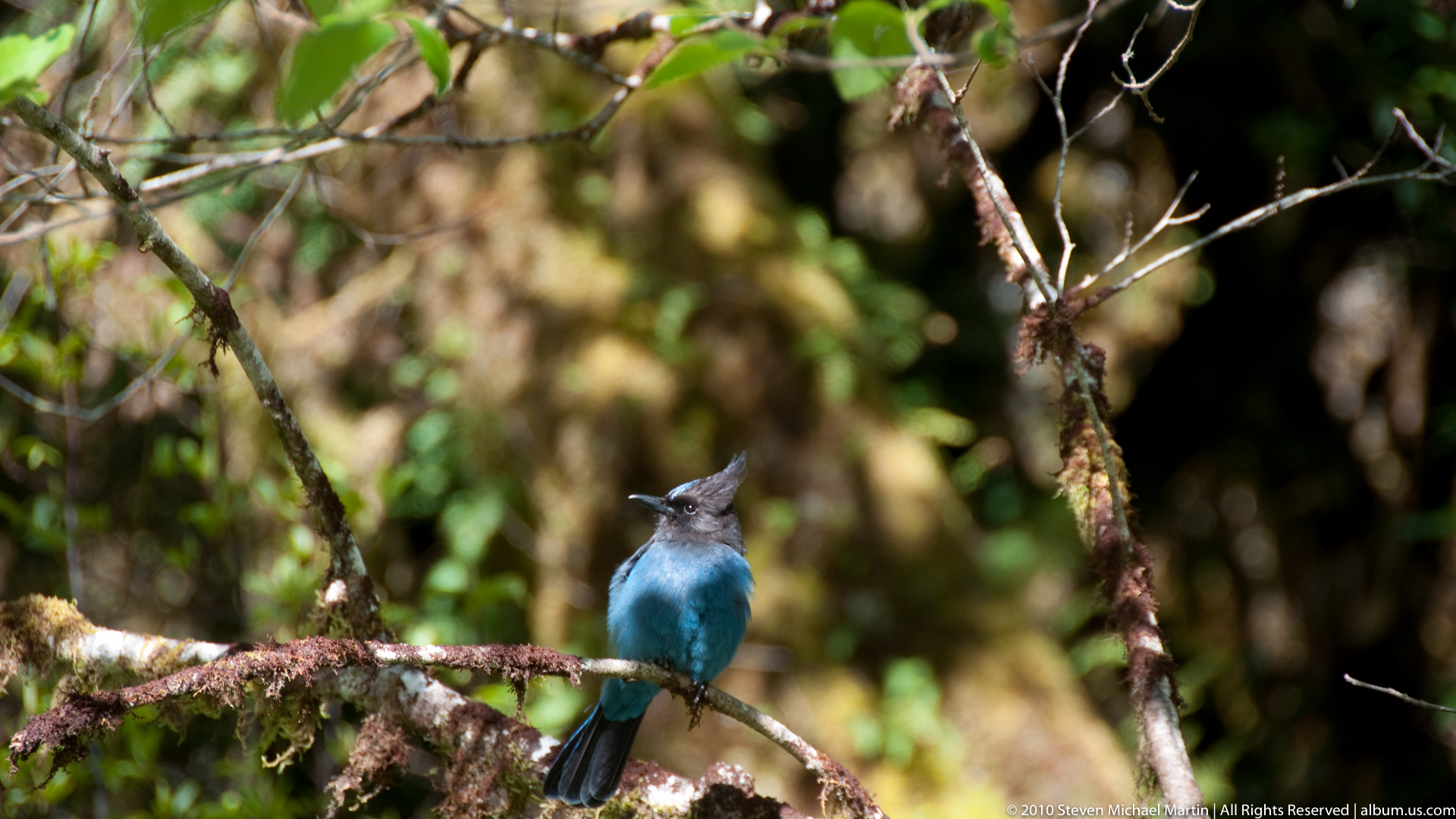
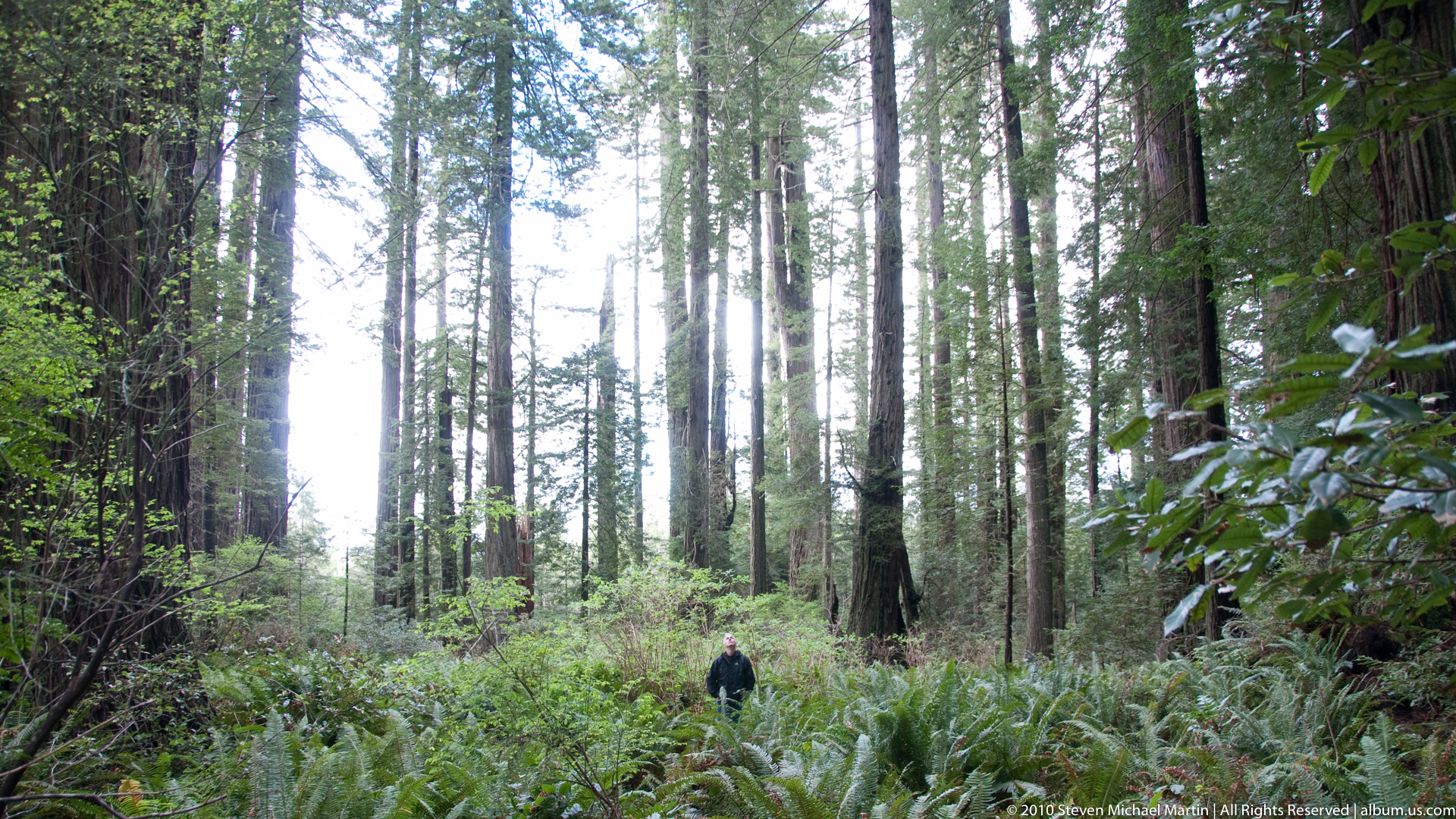
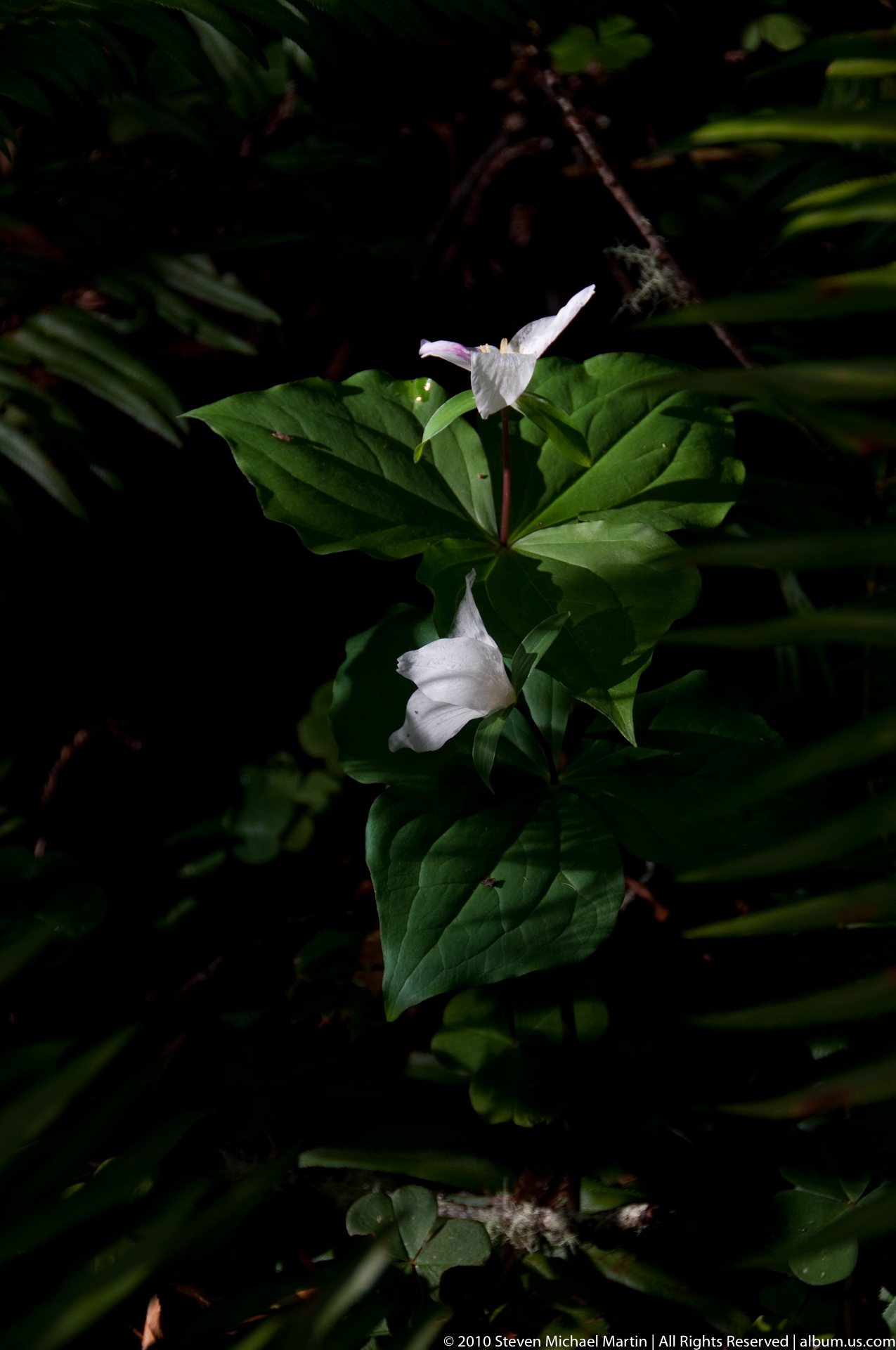
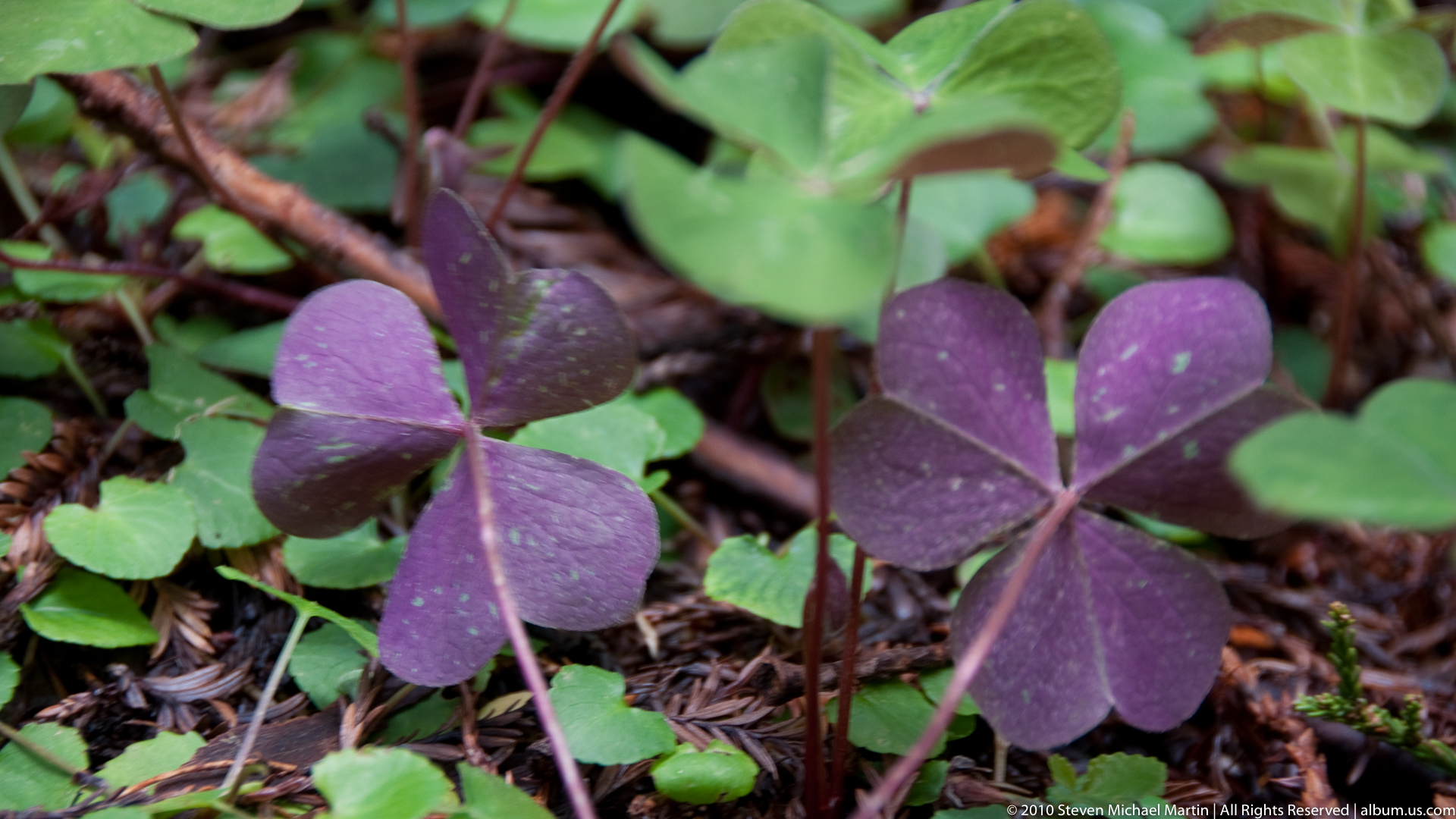
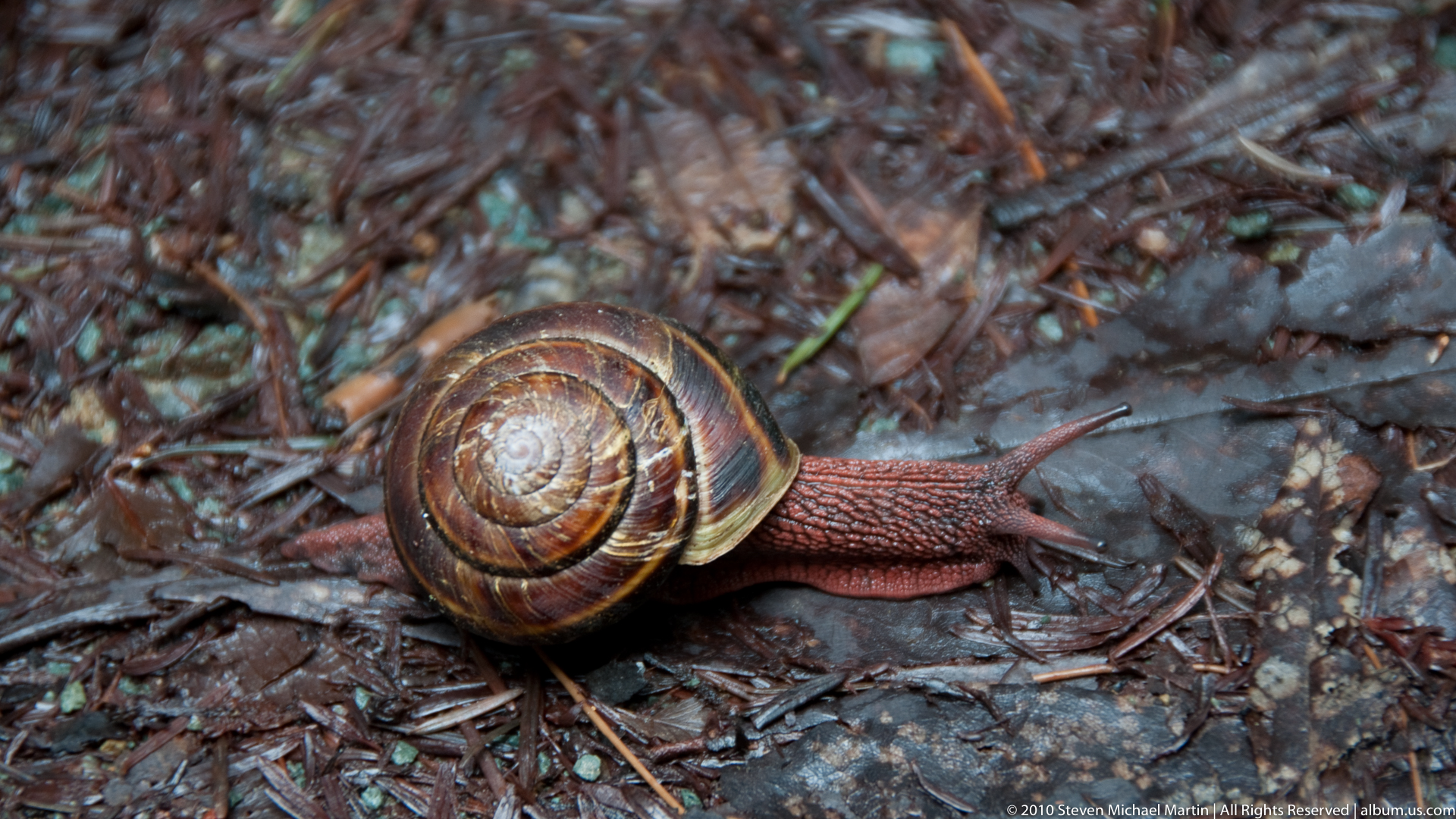
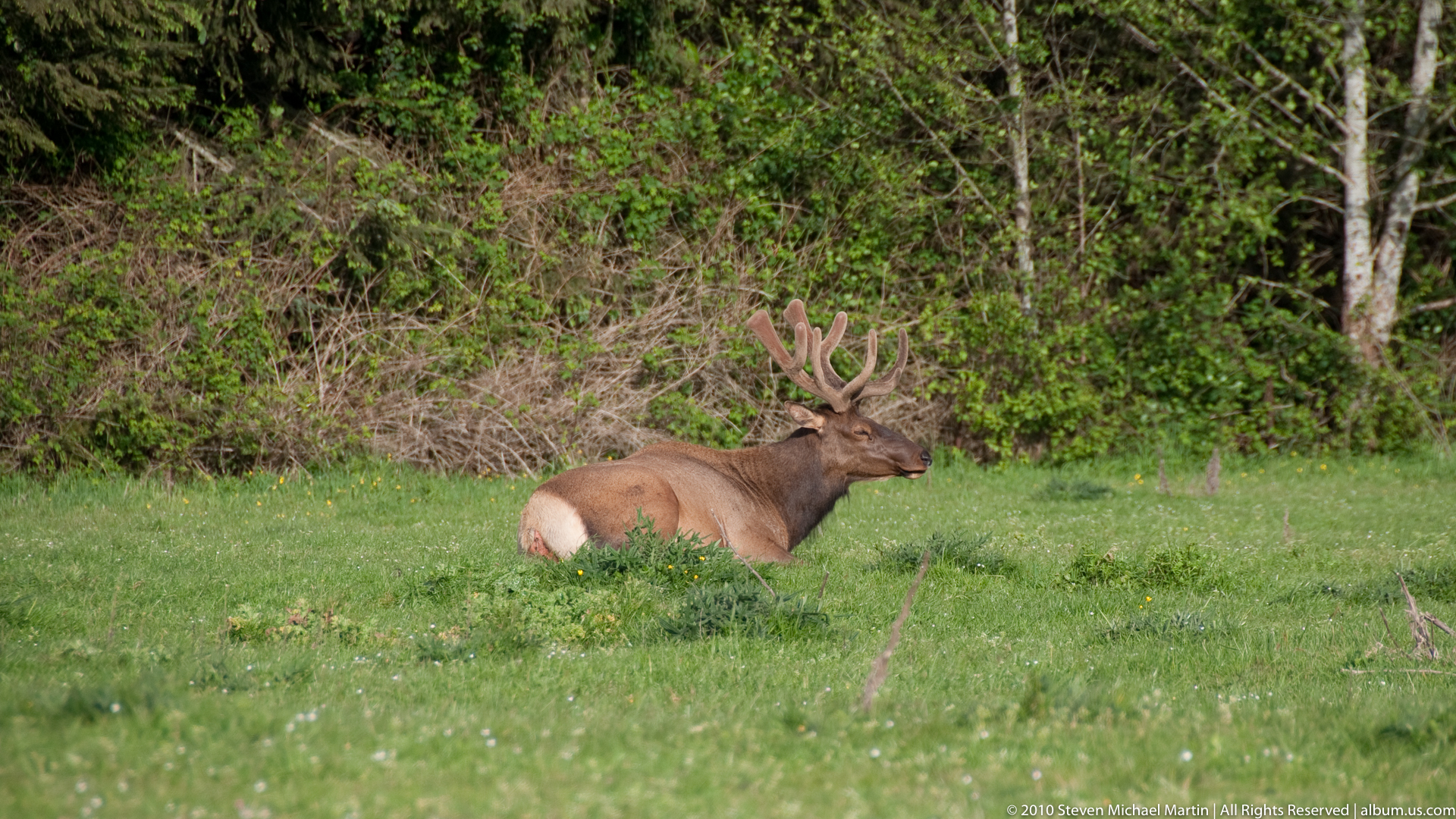
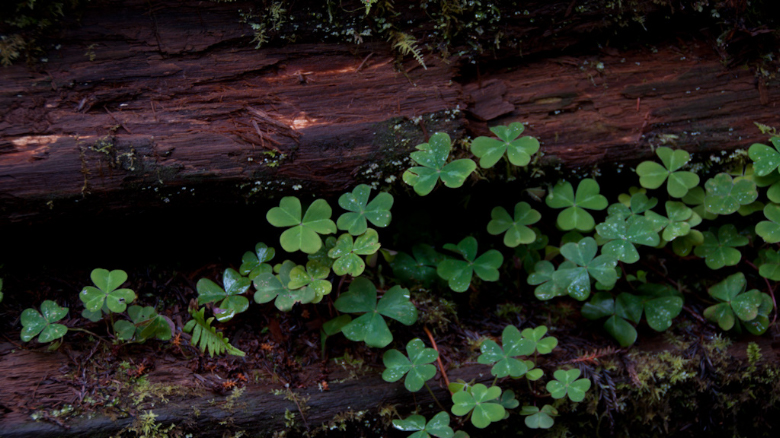
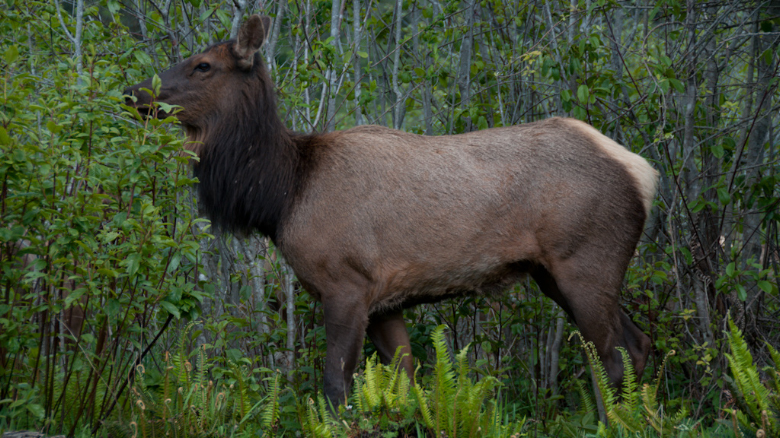
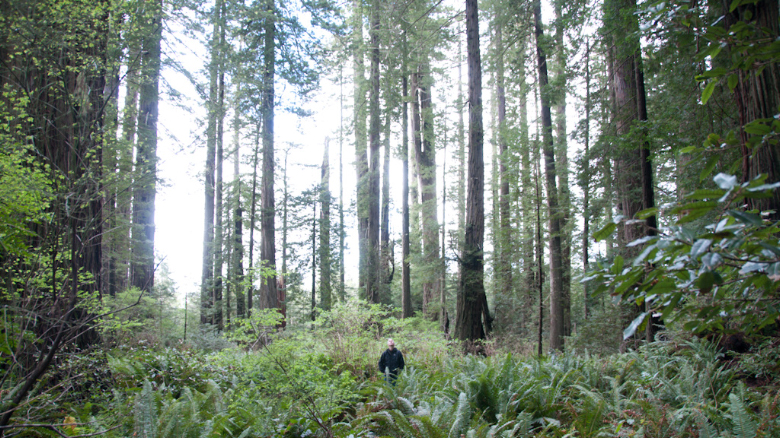
The redwood ecosystem supports diverse plant and animal communities adapted to shaded forest environments and moist coastal conditions. Layers of vegetation ranging from forest floor ferns to towering tree canopies illustrate the complexity of these habitats. The landscape reflects both biological growth and geological stability that allowed these forests to develop over long periods of time.
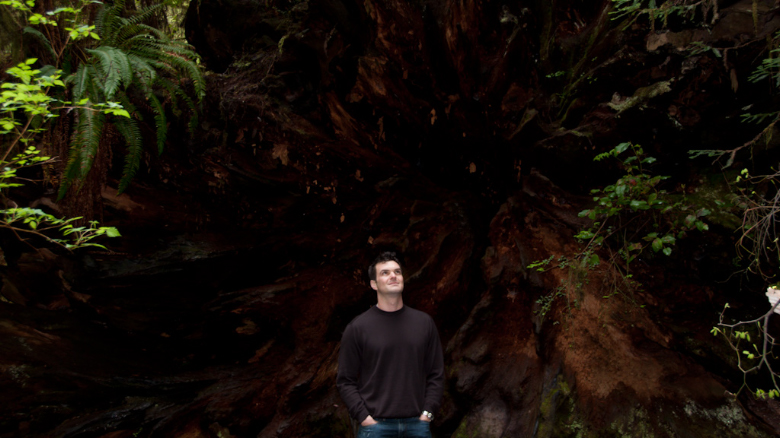
Visitors experience Redwood National Park as an environment defined by scale and quiet atmosphere. Walking among these trees provides a perspective on the longevity of natural systems and the environmental conditions required to sustain large forest ecosystems.
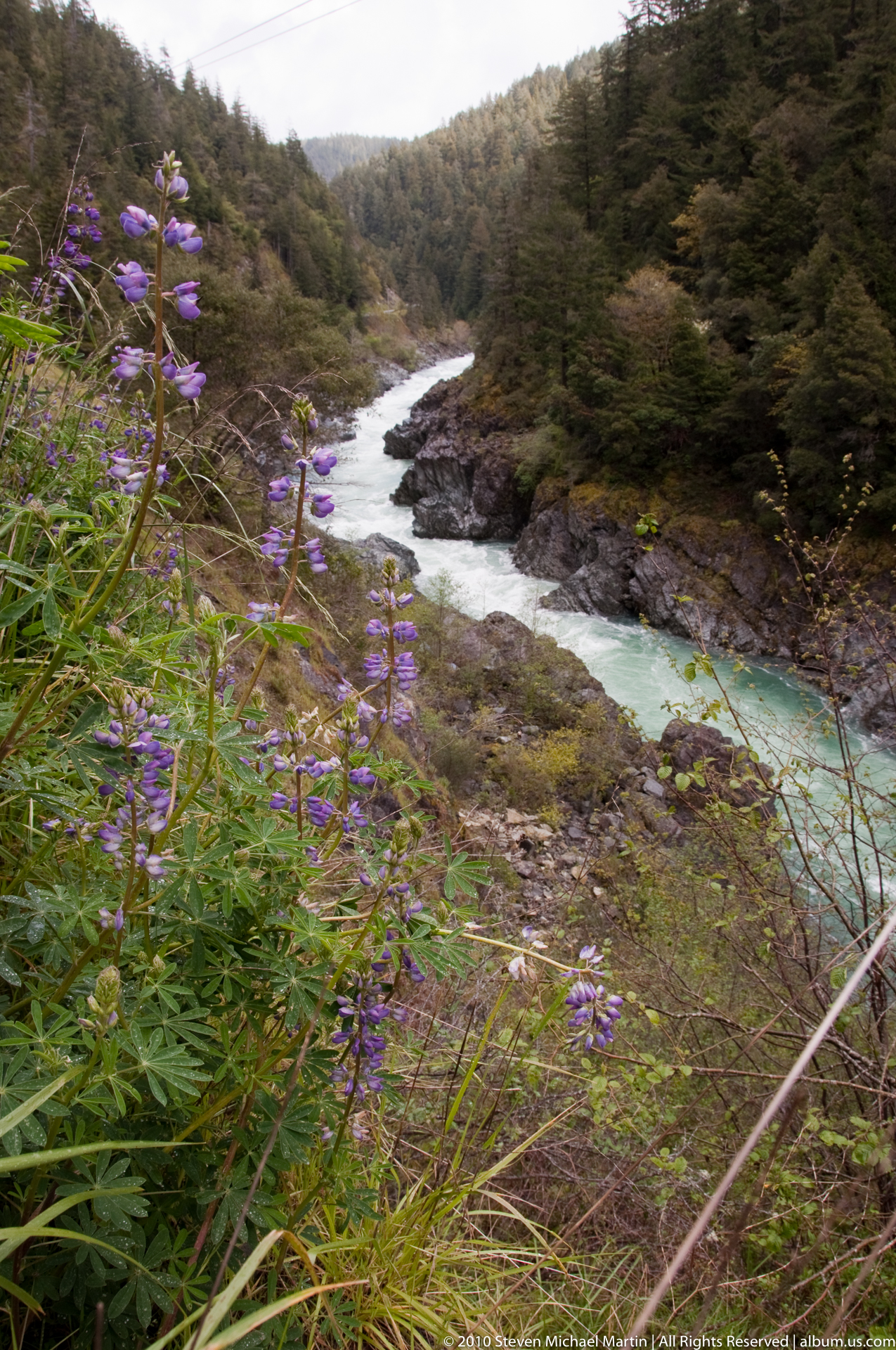

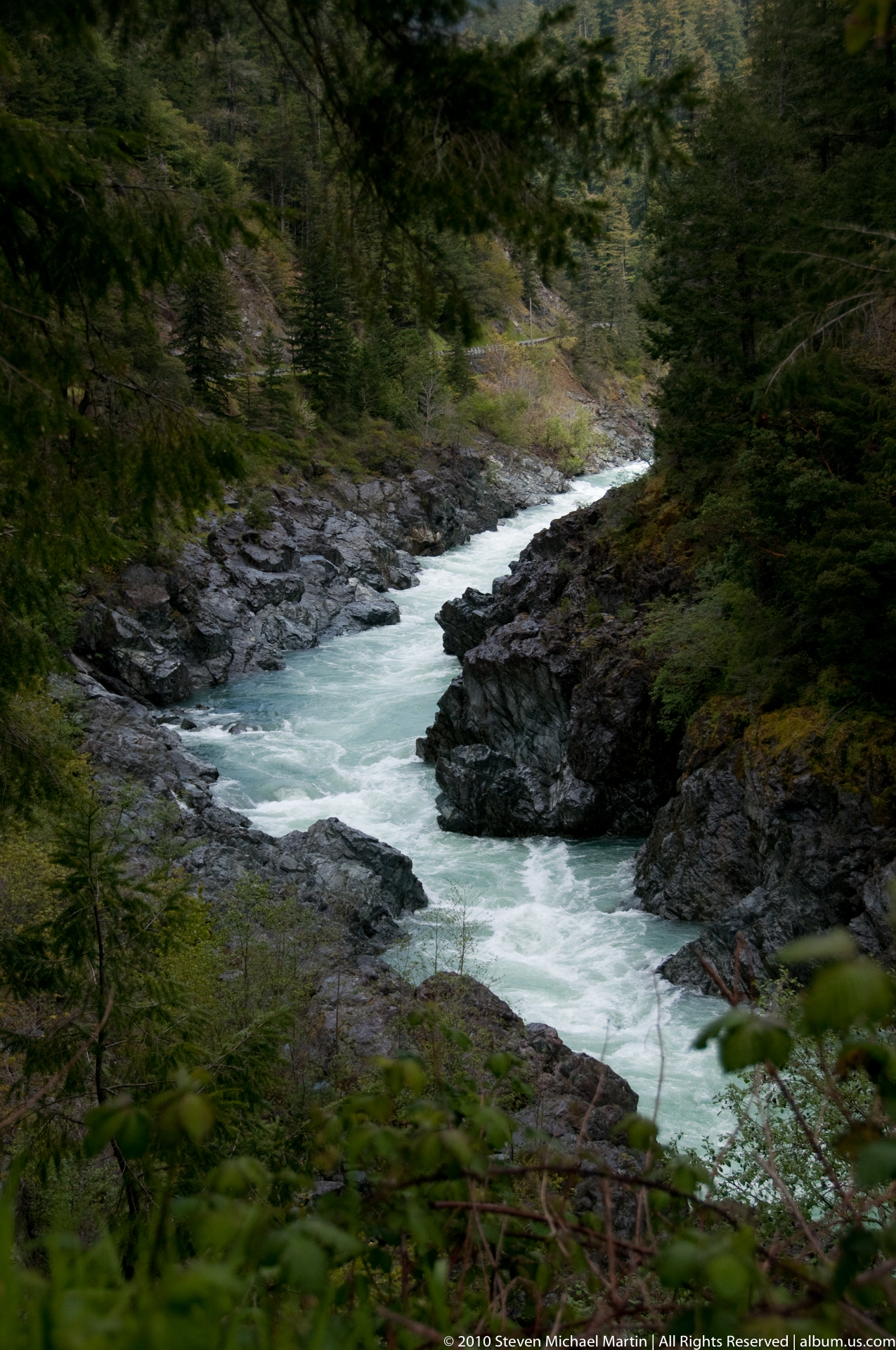
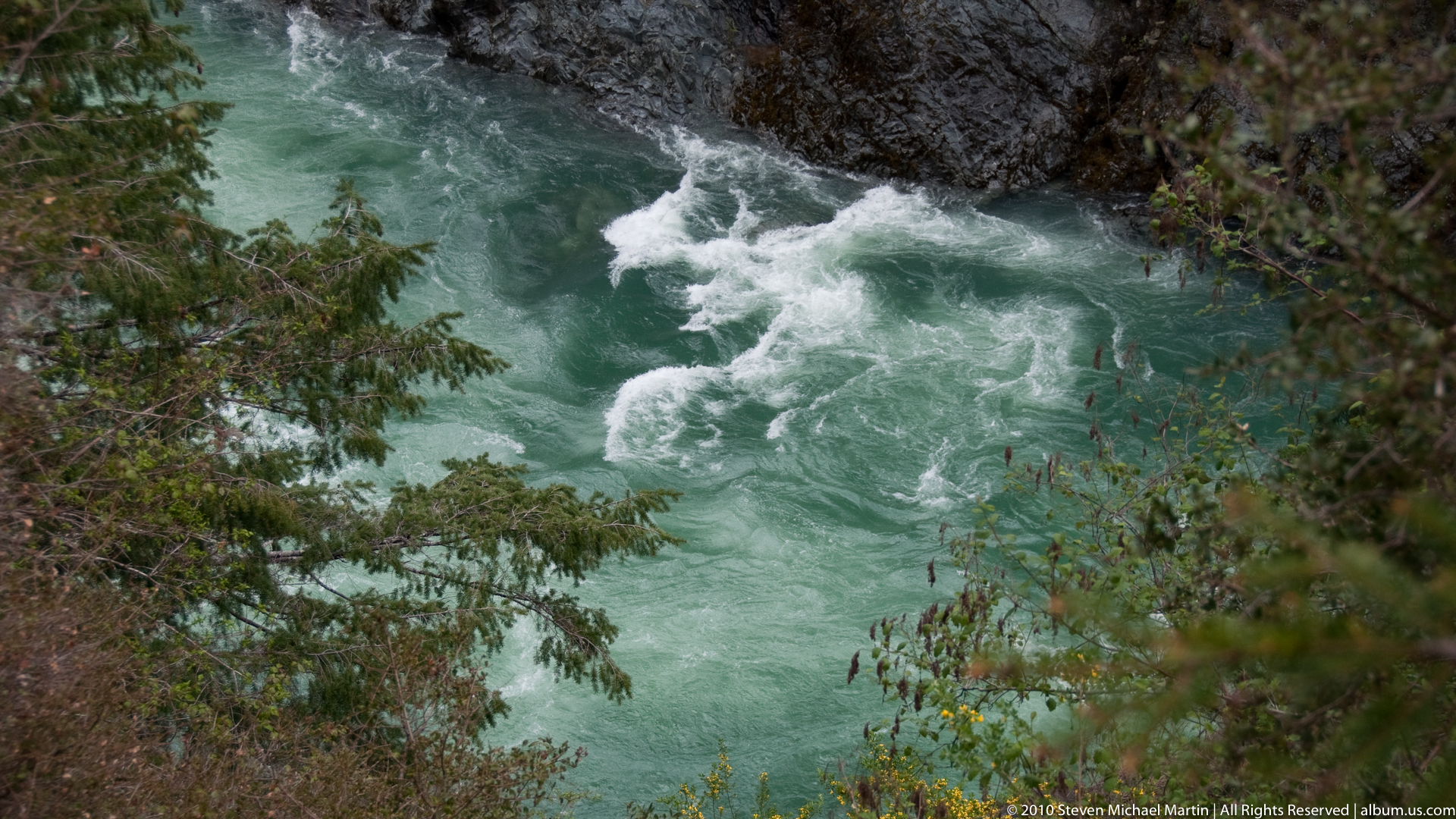
























Redwood National Park — Field Guide
🏞️ National Park Field Guide
📍 Overview
Redwood National Park protects old-growth coastal forests containing the tallest trees on Earth. Coast redwoods thrive in a unique environment supported by coastal fog, stable climate conditions, and nutrient-rich soils.
These forests represent ecosystems that have developed over centuries, demonstrating the importance of environmental stability in supporting long-term biological growth. The vertical scale of the trees creates one of the most visually distinctive forest landscapes in North America.
⭐ Highlights
- Coast redwood old-growth forests
- Tallest tree species in the world
- Moist coastal forest environment
- Layered forest vegetation
- Quiet and immersive landscape
🔎 Key Features
- Fog-supported forest ecosystem
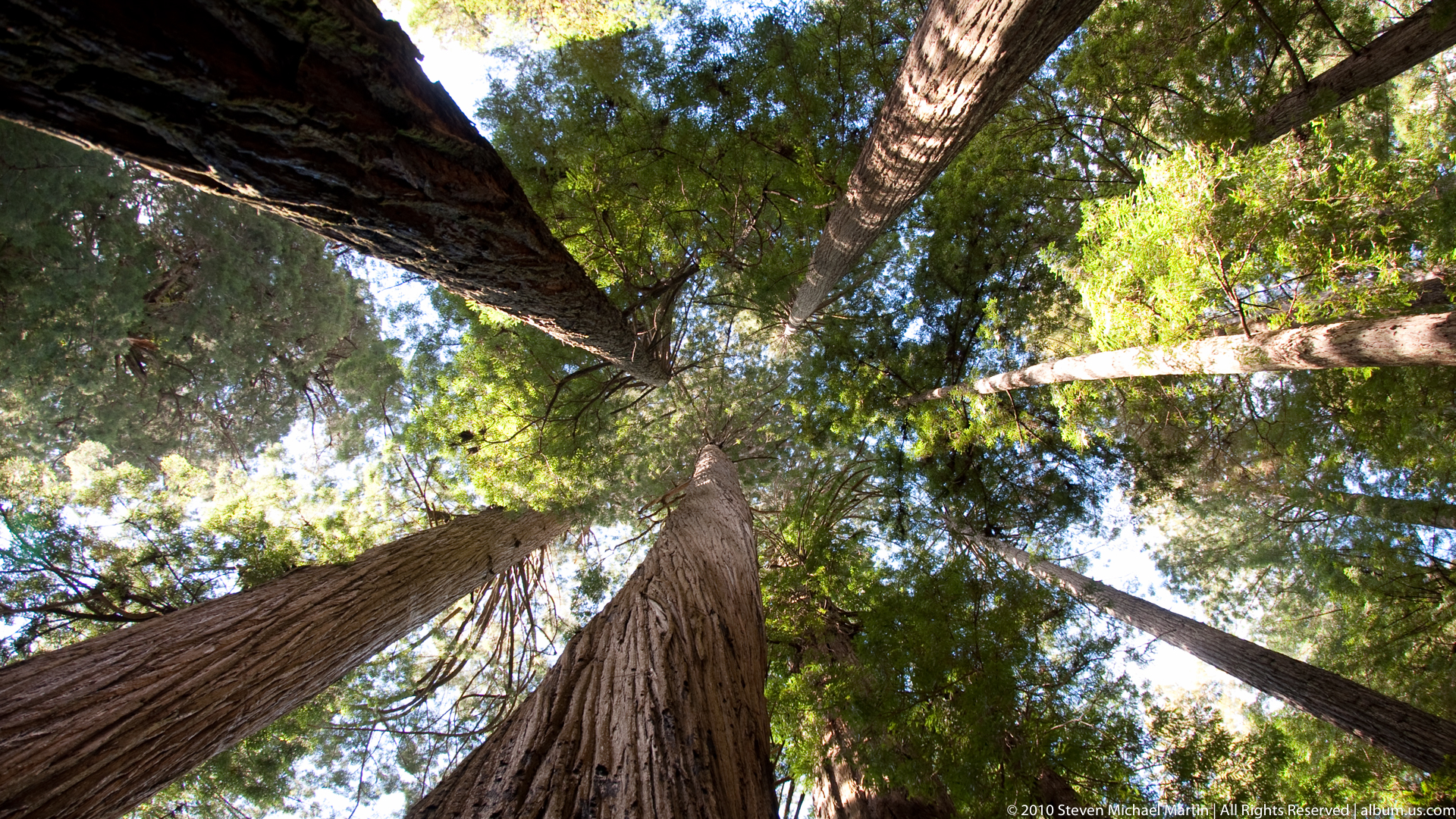
- Extremely tall tree canopy
- Dense understory vegetation
- Long-lived tree species
- Protected old-growth environment
📷 Photography Notes
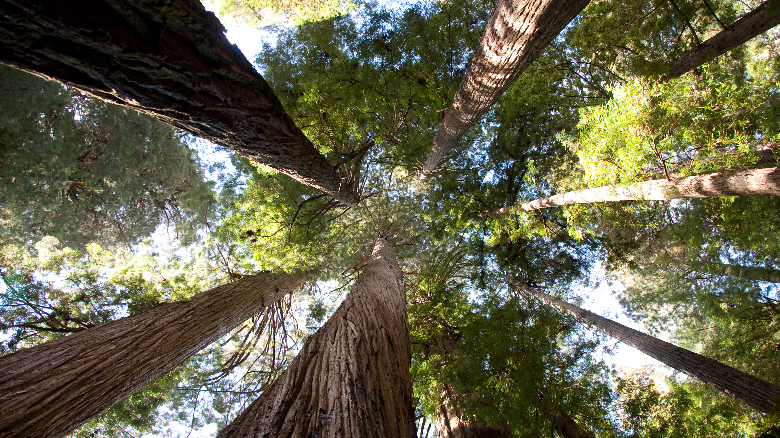
- Vertical framing emphasizes tree height
- Fog enhances forest atmosphere
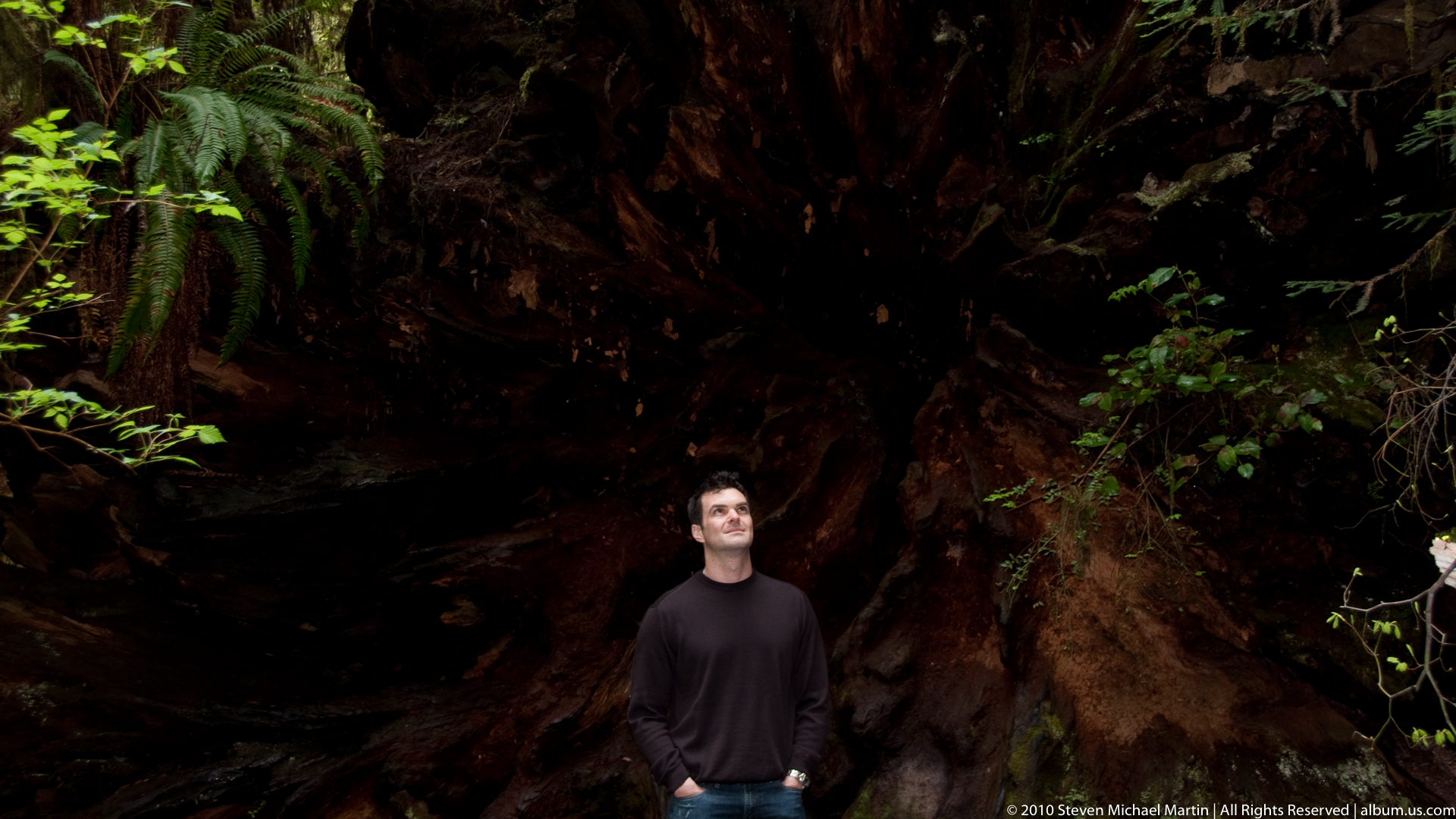
- Wide-angle views capture canopy scale
- Soft light works well in shaded environments
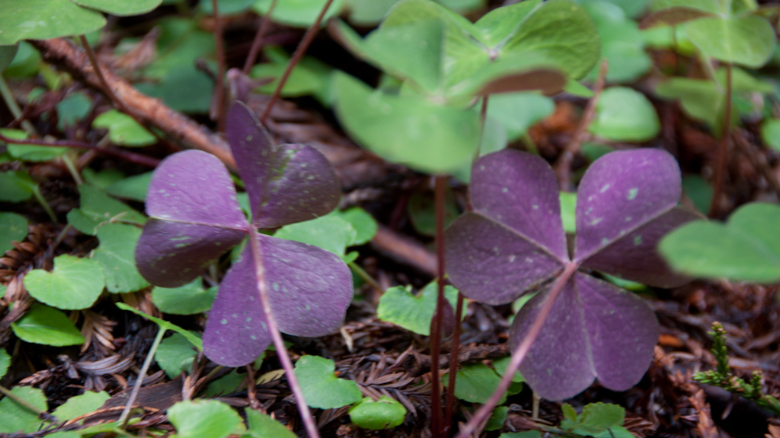
- Foreground elements add depth
- Simple compositions emphasize structure