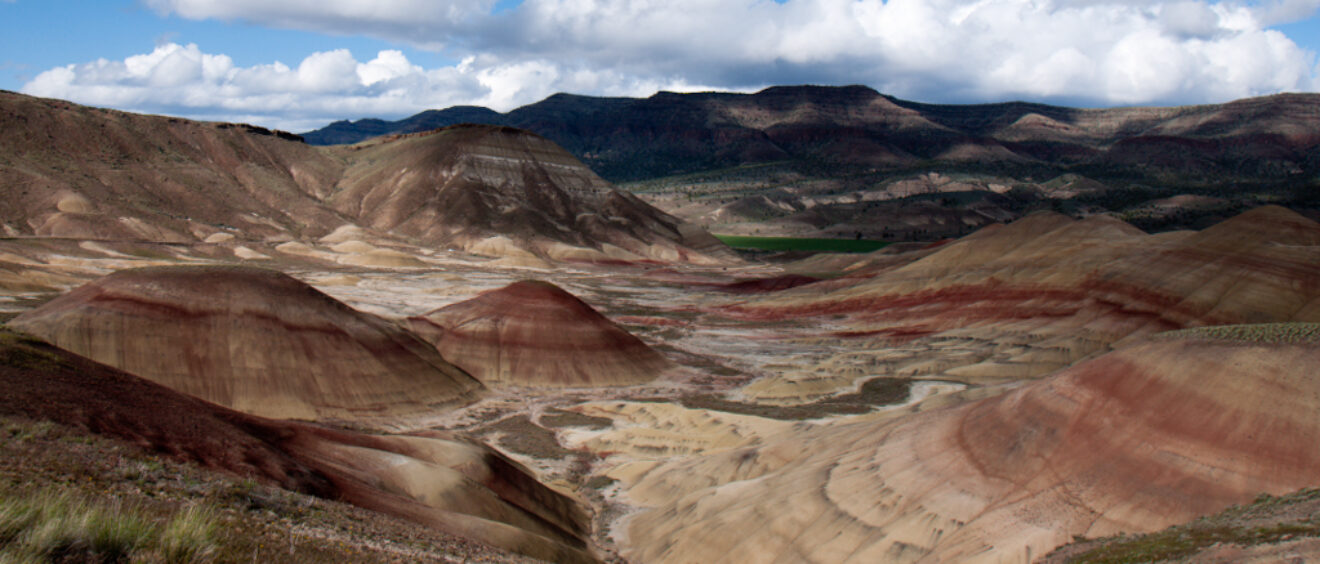
John Day Fossil Beds National Monument John Day Fossil Beds National Monument protects sedimentary layers that preserve fossils documenting environmental change over tens of millions of years. Fossilized plants and animals illustrate transitions in climate and ecosystem conditions that influenced the development of landscapes across the Pacific Northwest. Colorful rock formations within the monument reflect […]
Portland, Oregon Portland developed along major river systems that contributed to its role as a regional center for trade and transportation. The city reflects changing architectural styles and urban planning approaches that emphasize accessibility and connection to surrounding natural environments. Urban design elements incorporate green spaces, riverfront views, and pedestrian-friendly areas that contribute to the […]
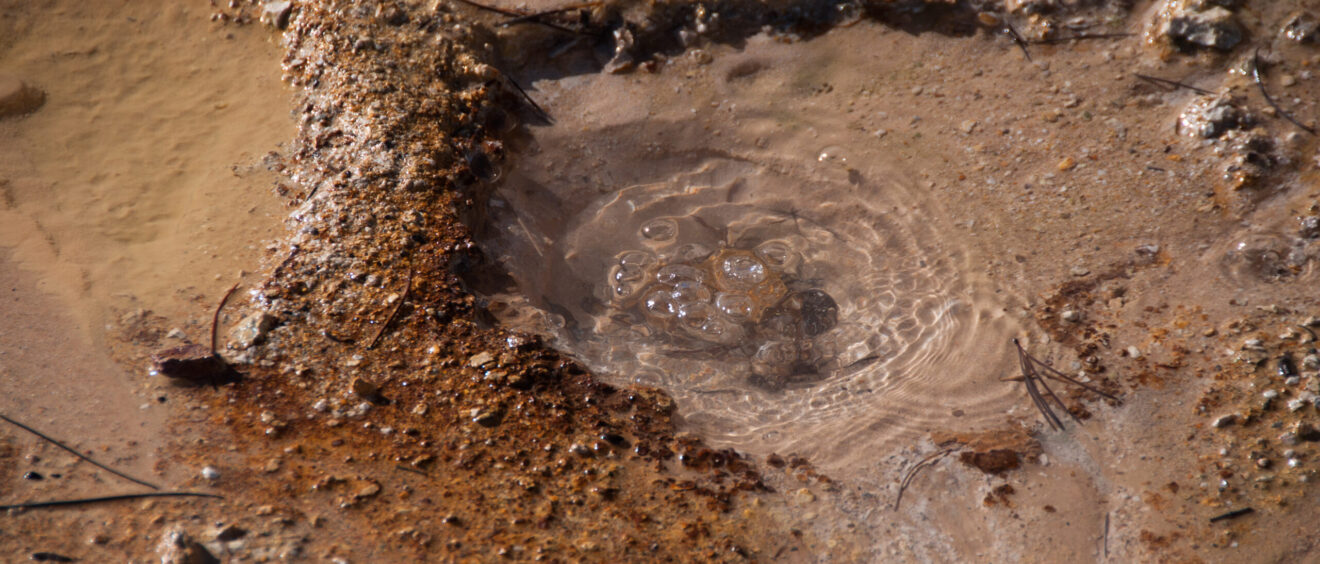
Lassen Volcanic National Park Lassen Volcanic National Park protects a diverse volcanic environment shaped by eruptions, tectonic activity, and geothermal processes. The park contains multiple types of volcanoes, including lava domes, cinder cones, and shield volcanoes, illustrating the range of volcanic activity that has occurred in the Cascade Range. Evidence of past eruptions remains visible […]
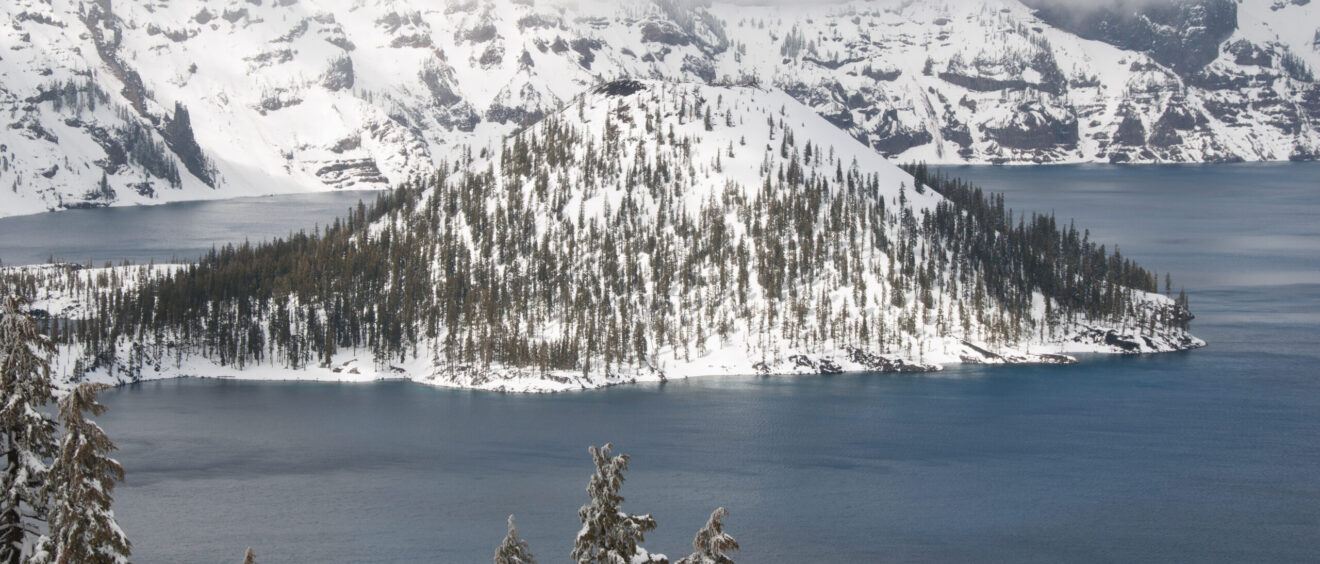
Crater Lake National Park Crater Lake National Park protects a volcanic landscape formed by the eruption and collapse of Mount Mazama approximately 7,700 years ago. The resulting caldera gradually filled with rain and snowmelt, creating one of the deepest lakes in North America. The lake’s intense blue color reflects both depth and exceptional water clarity. […]
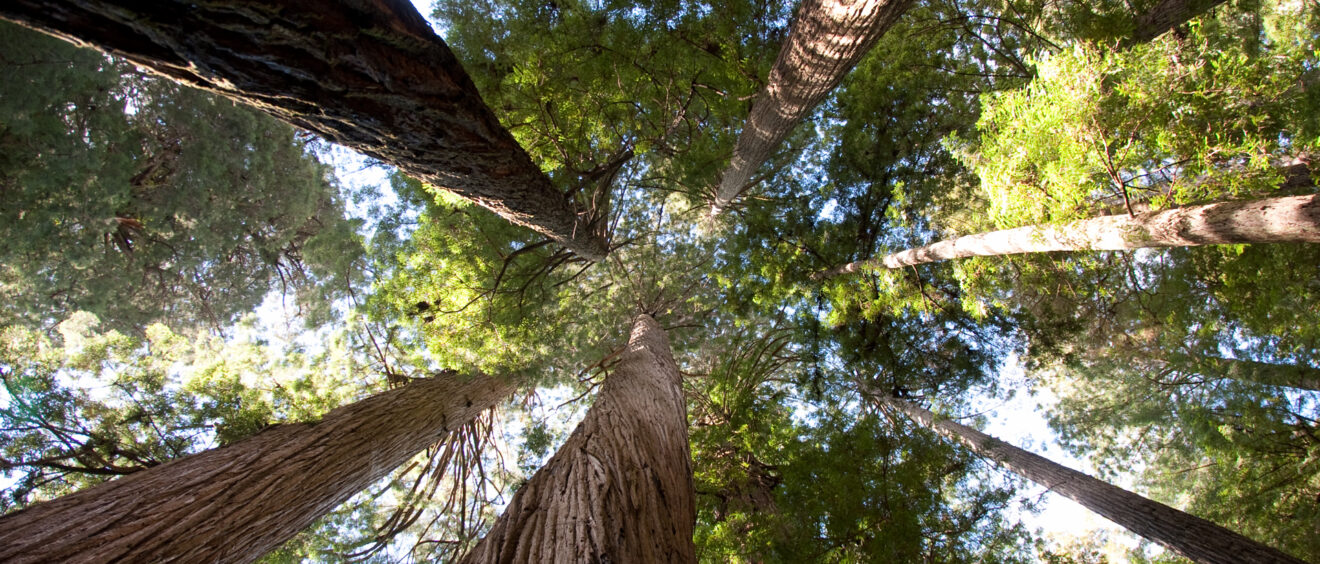
Redwood National Park Redwood National Park preserves old-growth coastal forests dominated by coast redwoods, the tallest tree species in the world. These forests represent ecosystems that have developed over centuries, supported by a combination of coastal climate, frequent fog, and stable environmental conditions. The scale of the trees creates a landscape that emphasizes both vertical […]