John Day Fossil Beds National Monument
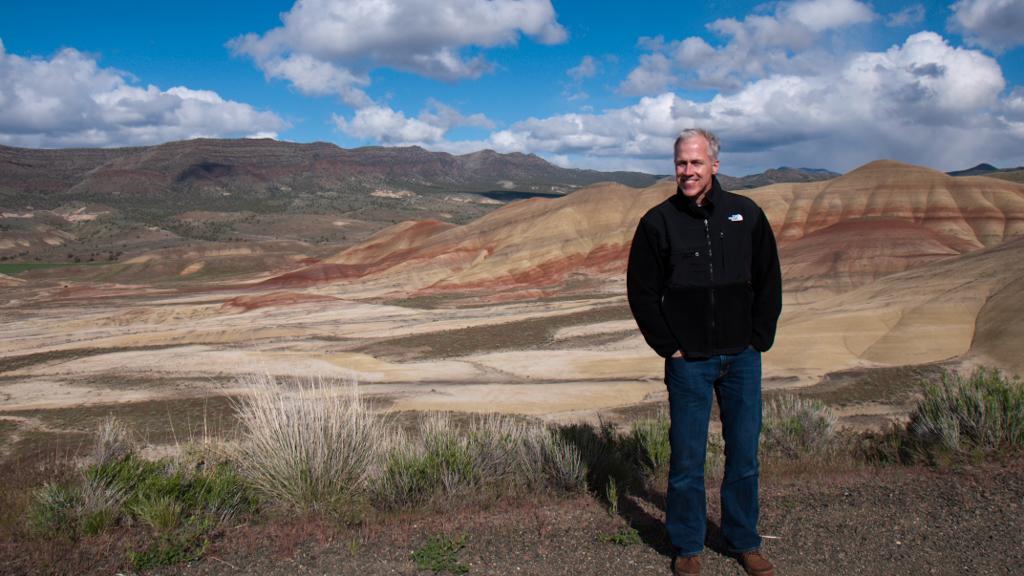
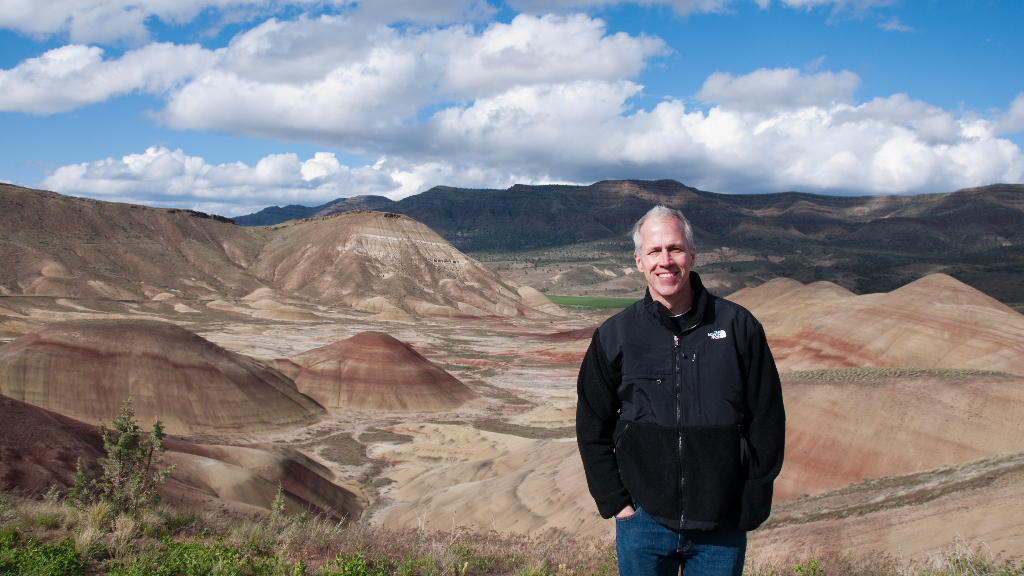
John Day Fossil Beds National Monument protects sedimentary layers that preserve fossils documenting environmental change over tens of millions of years. Fossilized plants and animals illustrate transitions in climate and ecosystem conditions that influenced the development of landscapes across the Pacific Northwest.
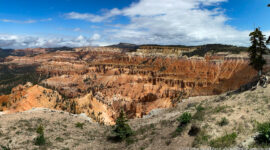
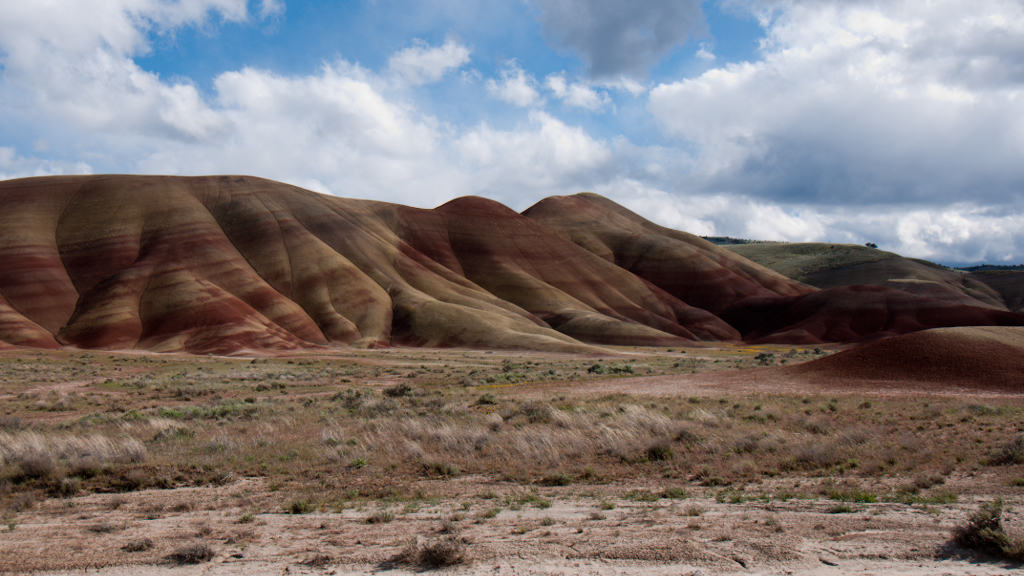
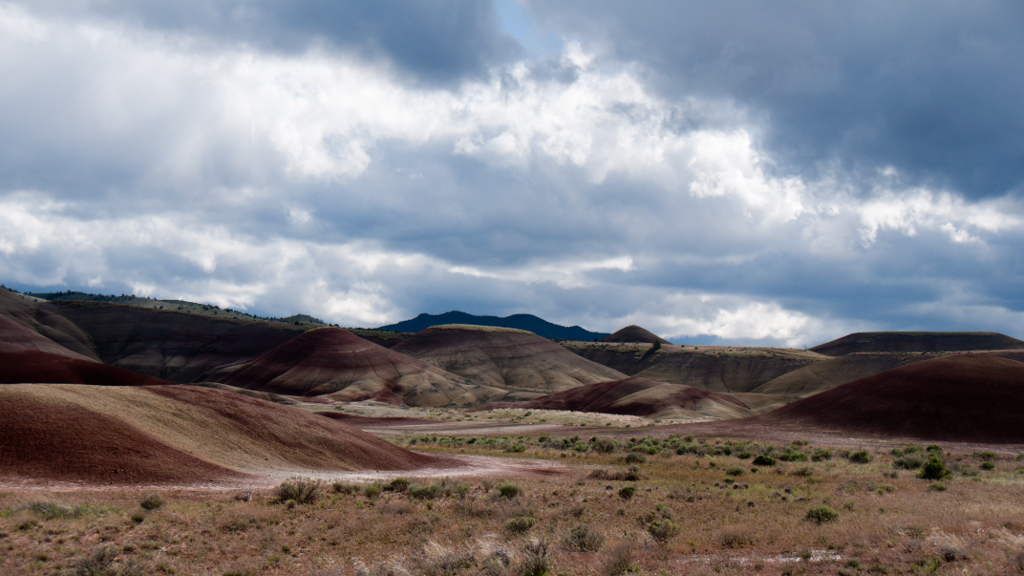
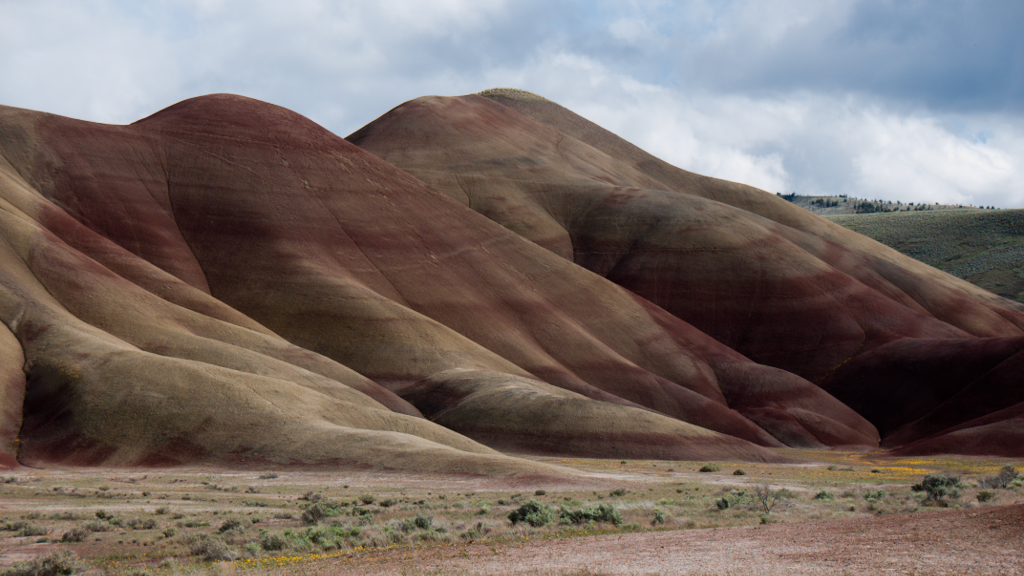
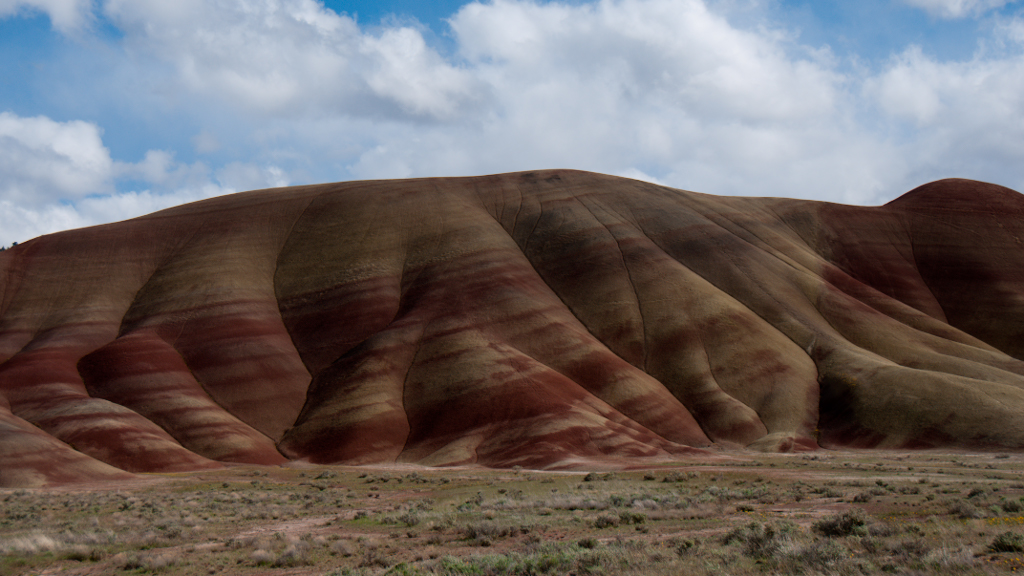
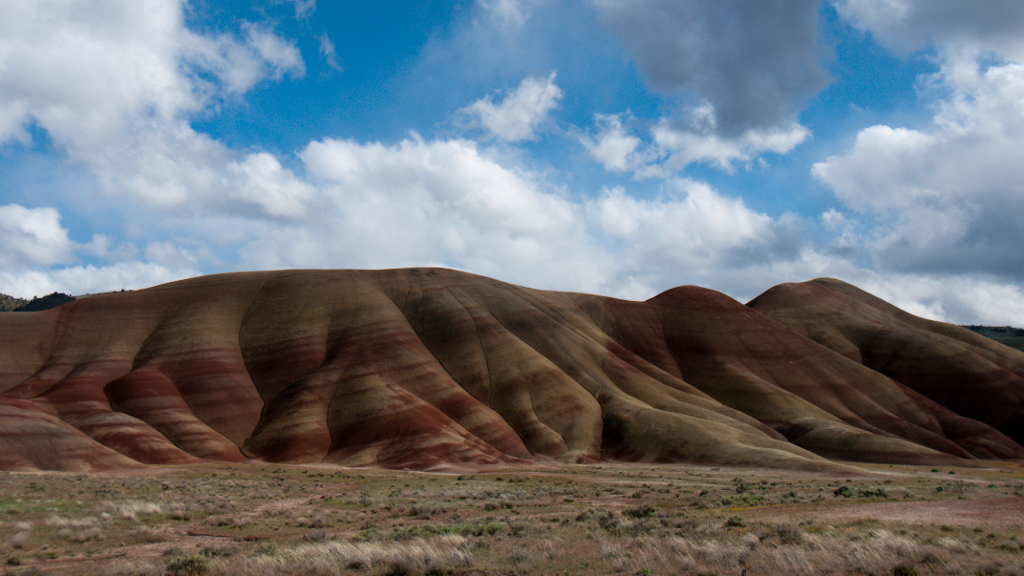
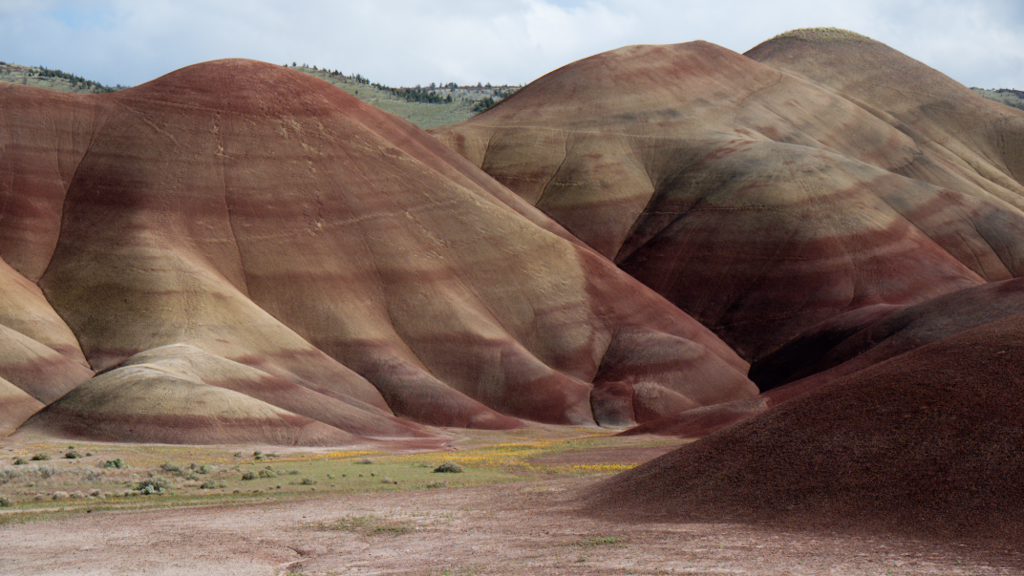
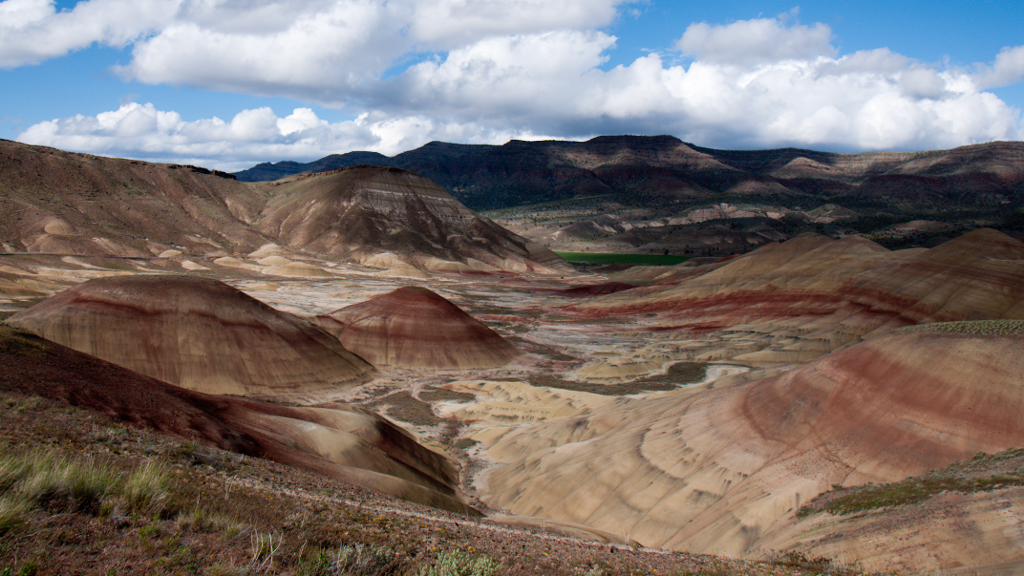
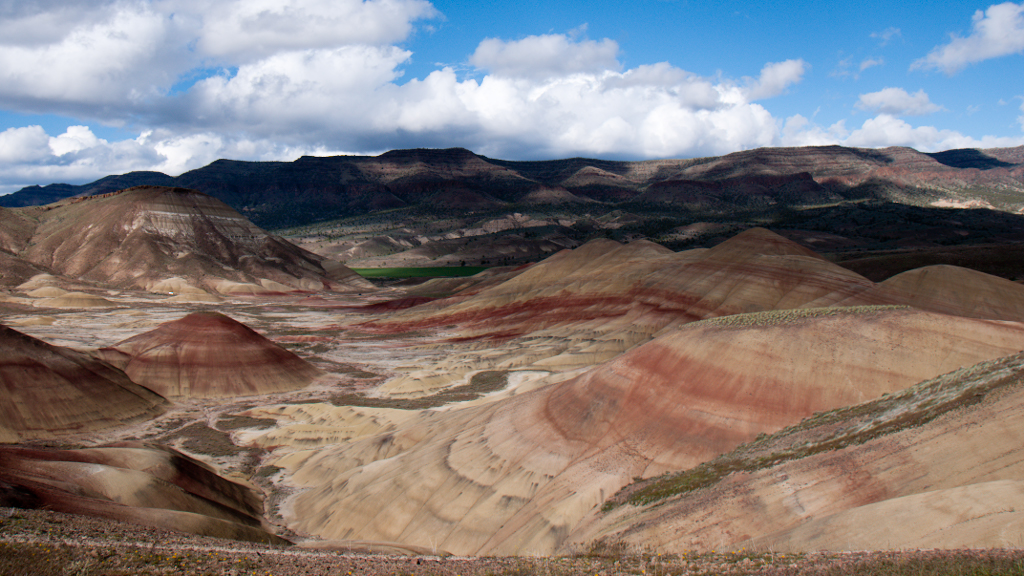
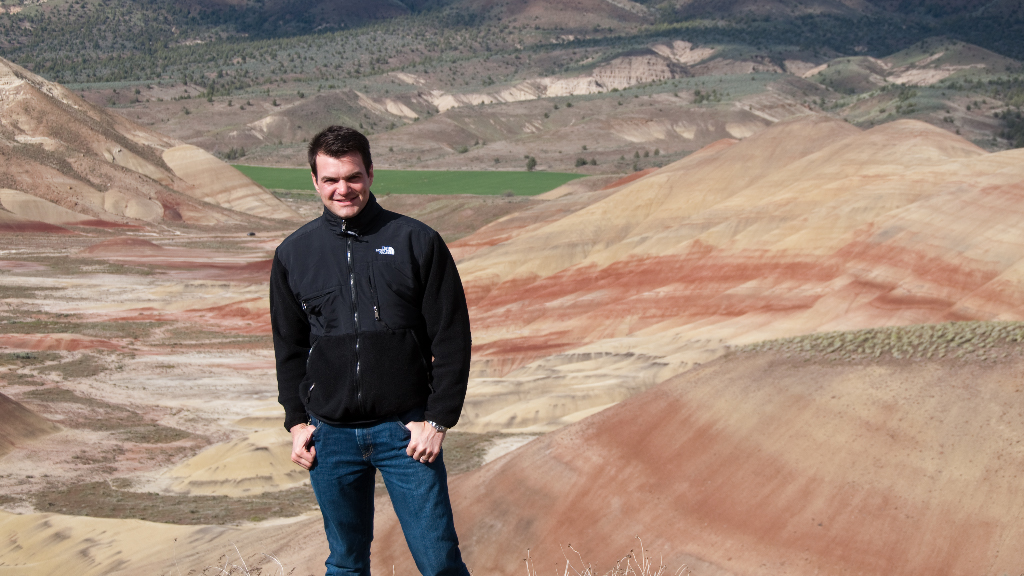
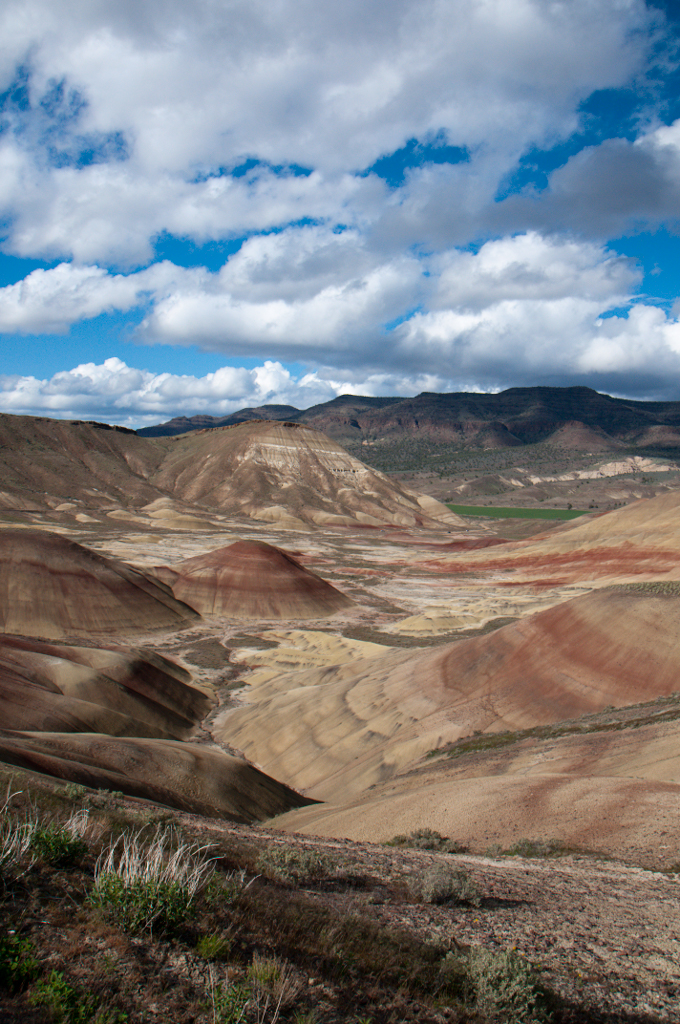
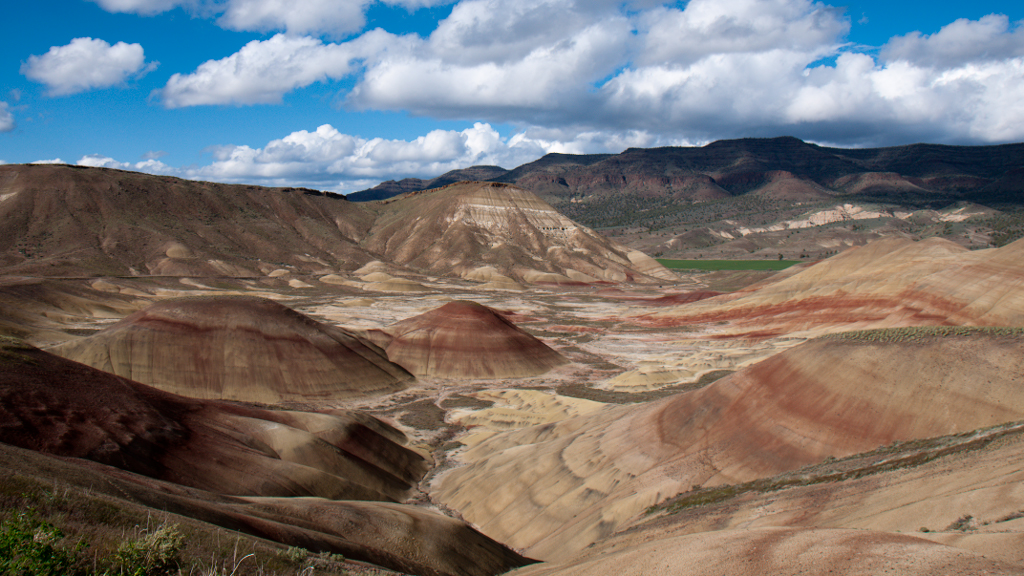
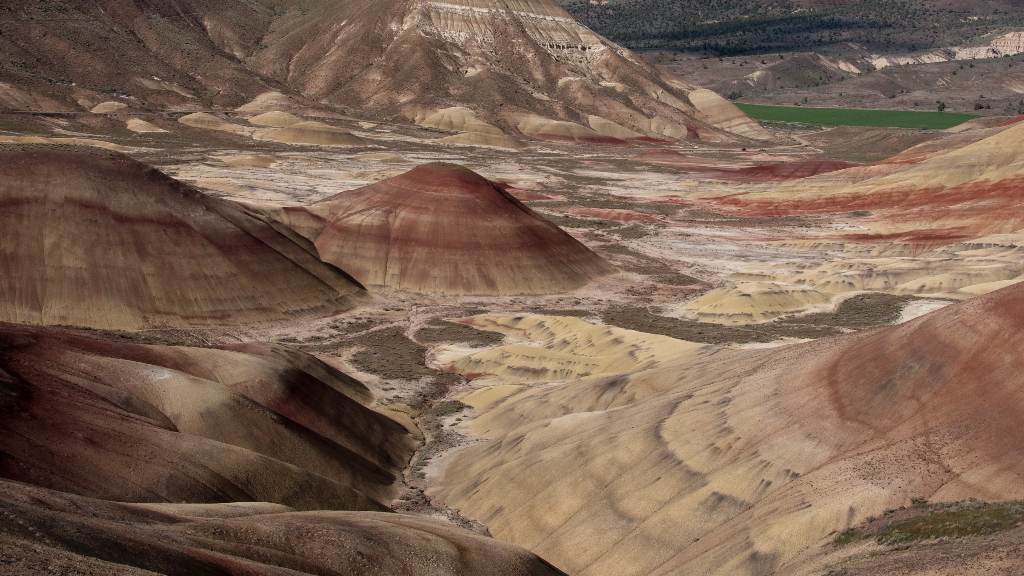
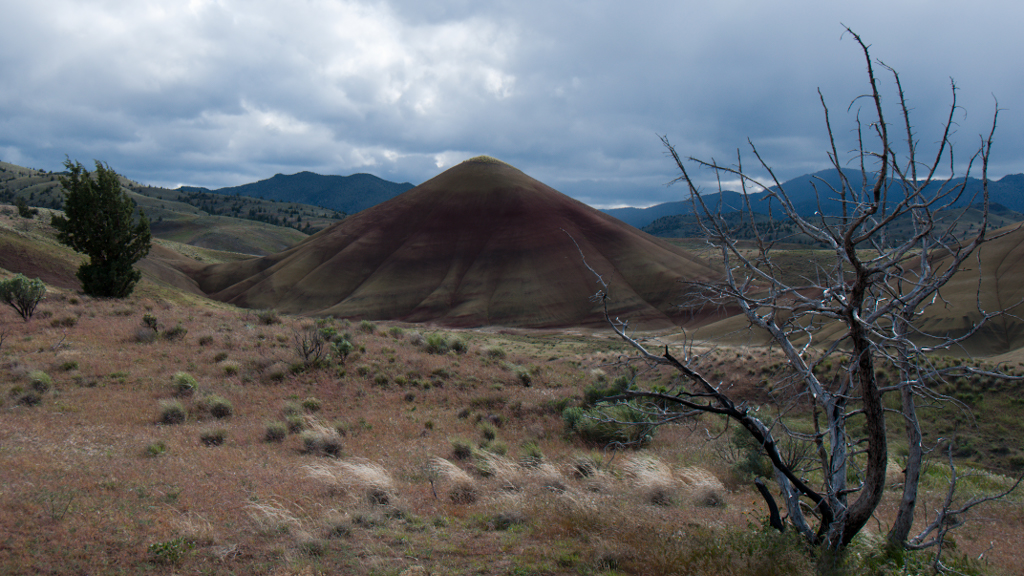
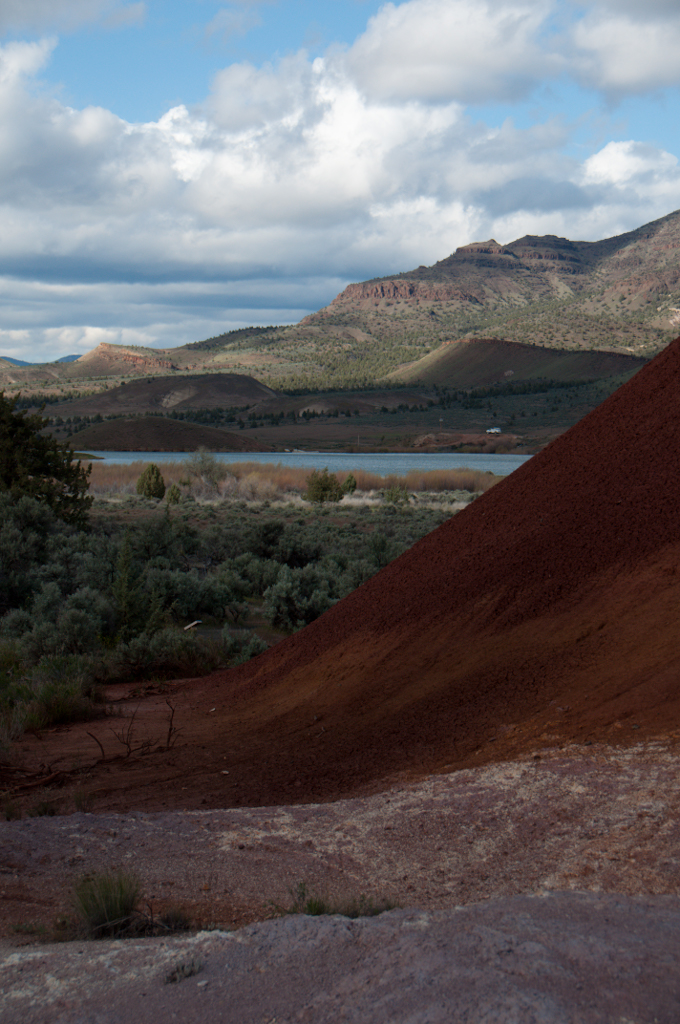
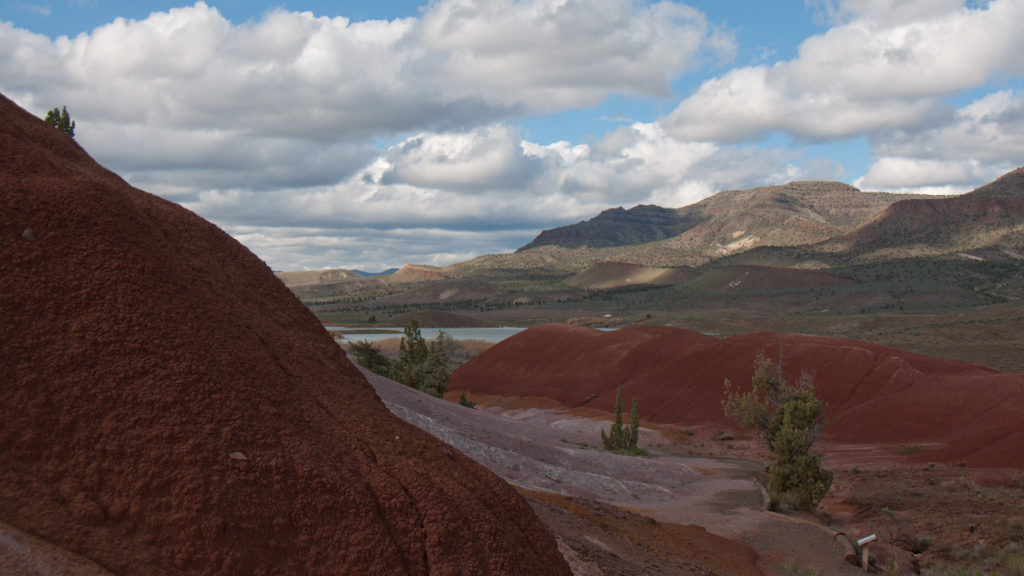
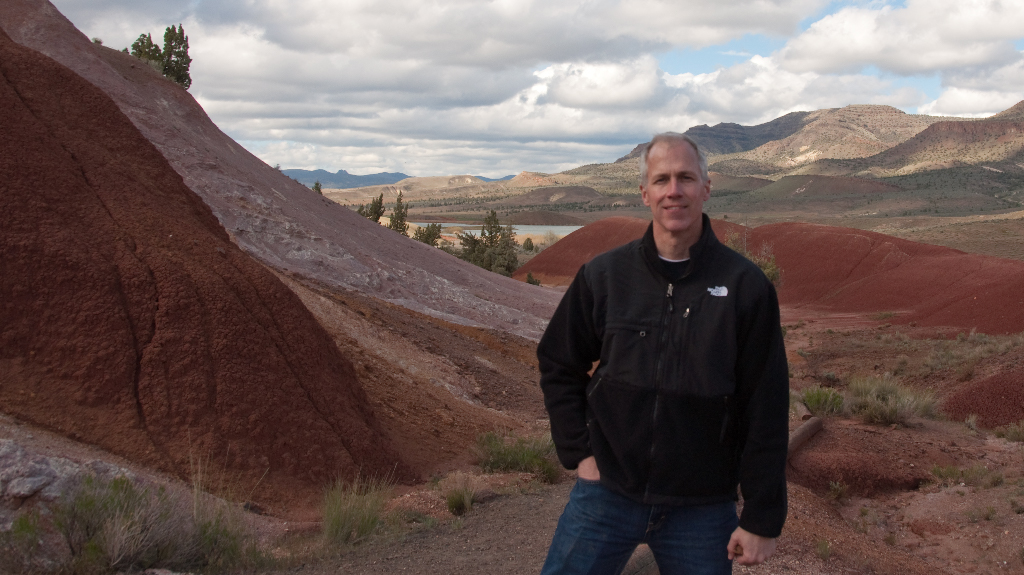
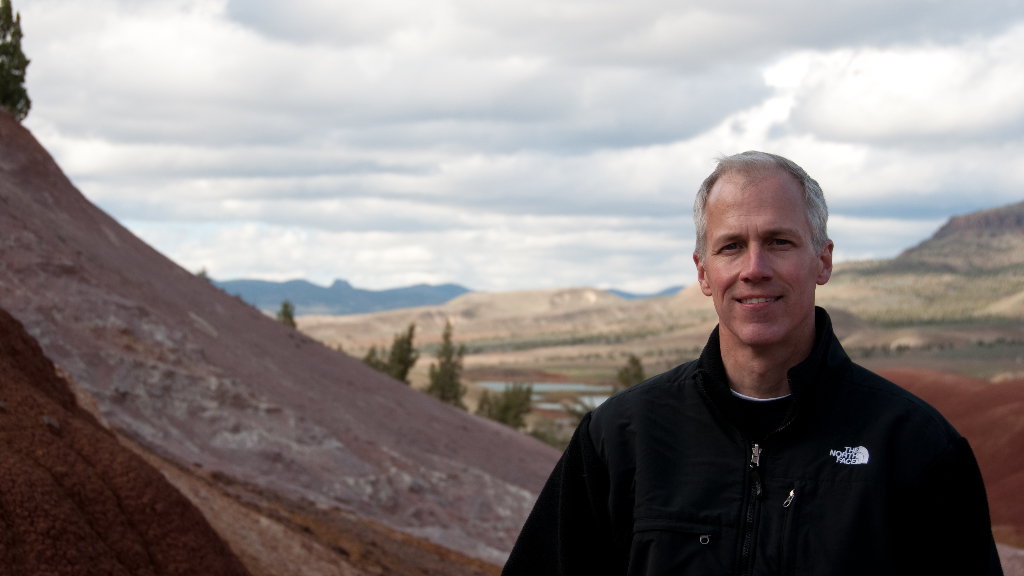
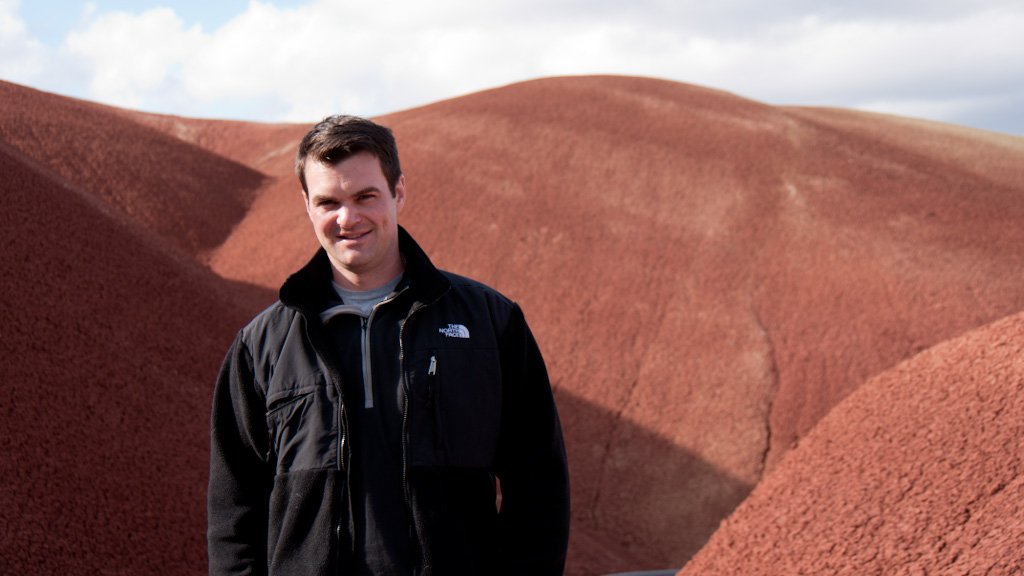
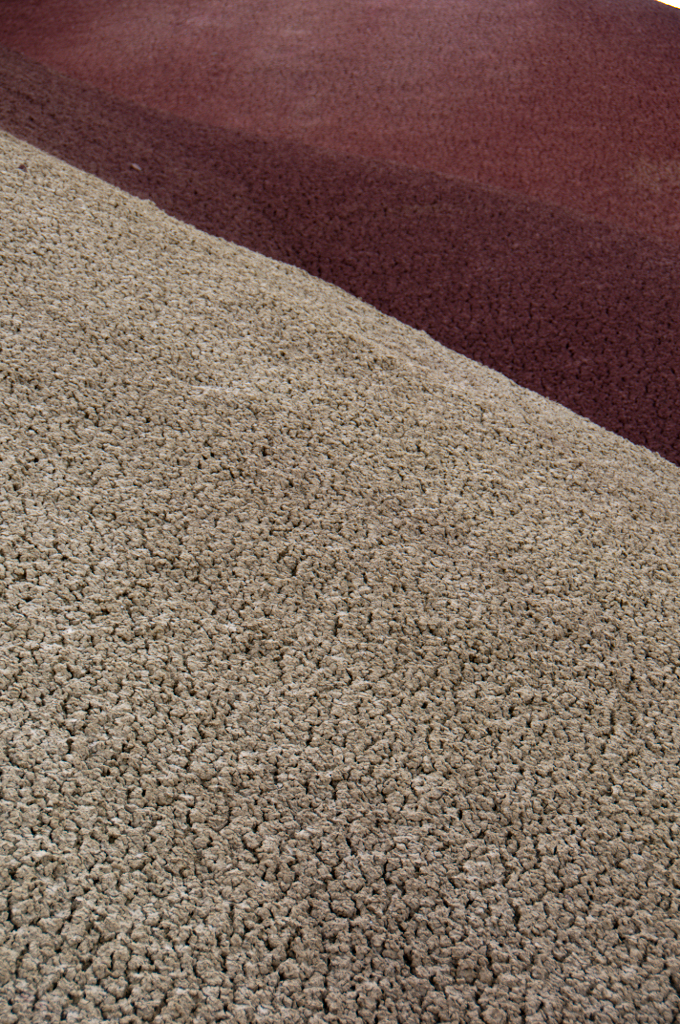
Colorful rock formations within the monument reflect variations in mineral composition and volcanic influence. Layers of sediment accumulated under different environmental conditions, creating a visible record of long-term geological change. Erosion has exposed these layers, allowing study of the fossil record.
Visitors encounter John Day Fossil Beds as a landscape shaped by geological time, where exposed rock layers provide insight into prehistoric environments. The monument illustrates how climate, volcanic activity, and sediment deposition influenced ecosystem development.
Columbia River Gorge
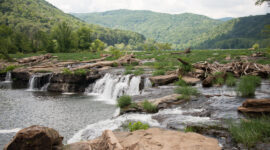
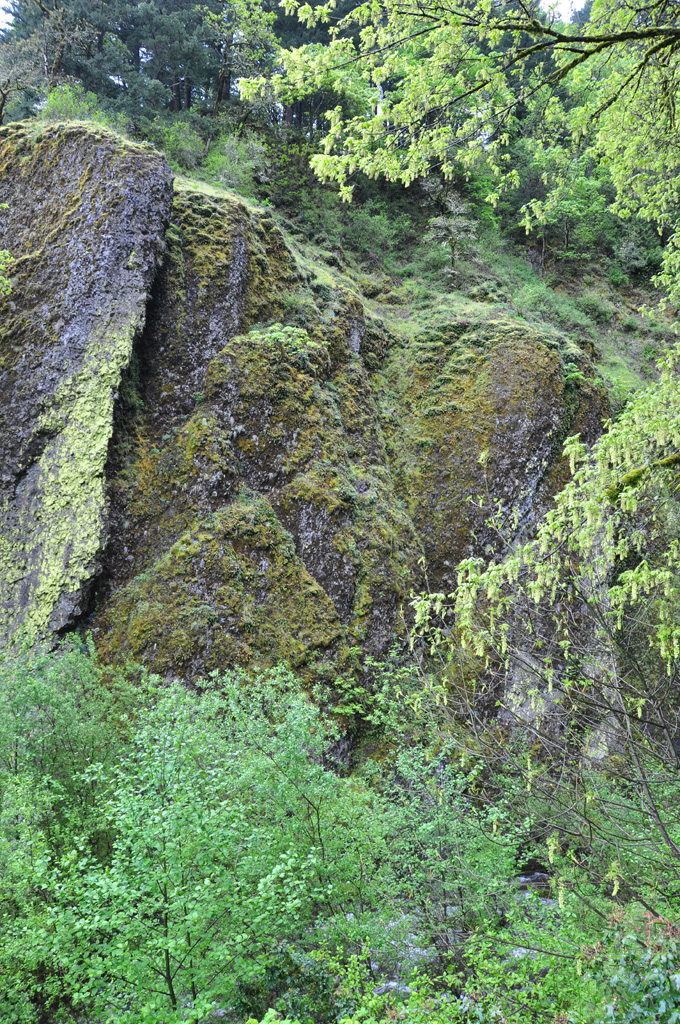
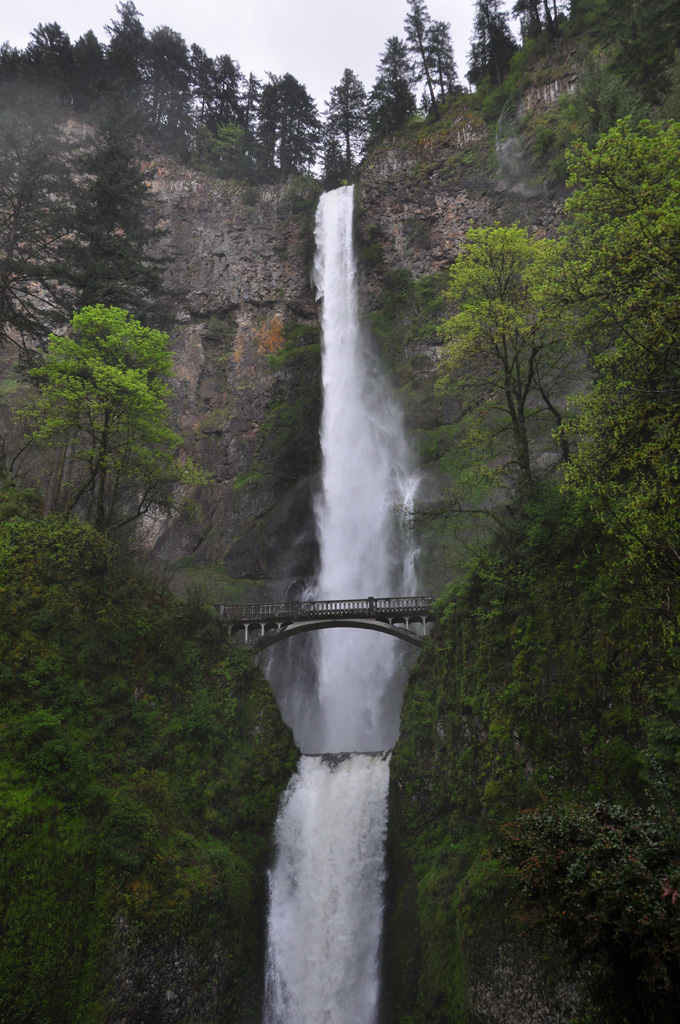
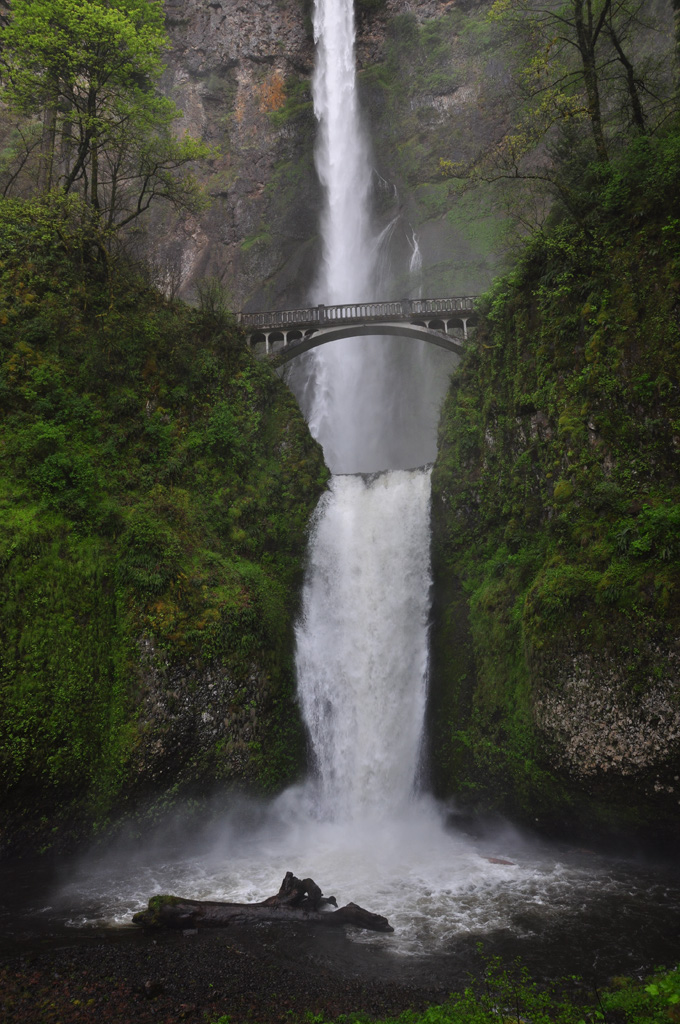
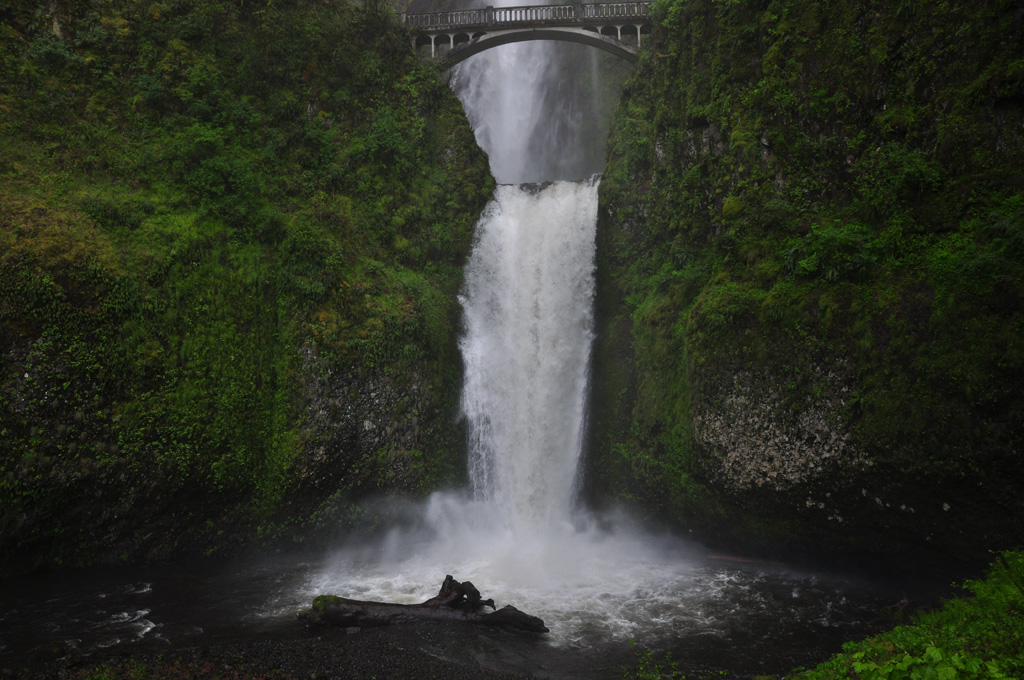
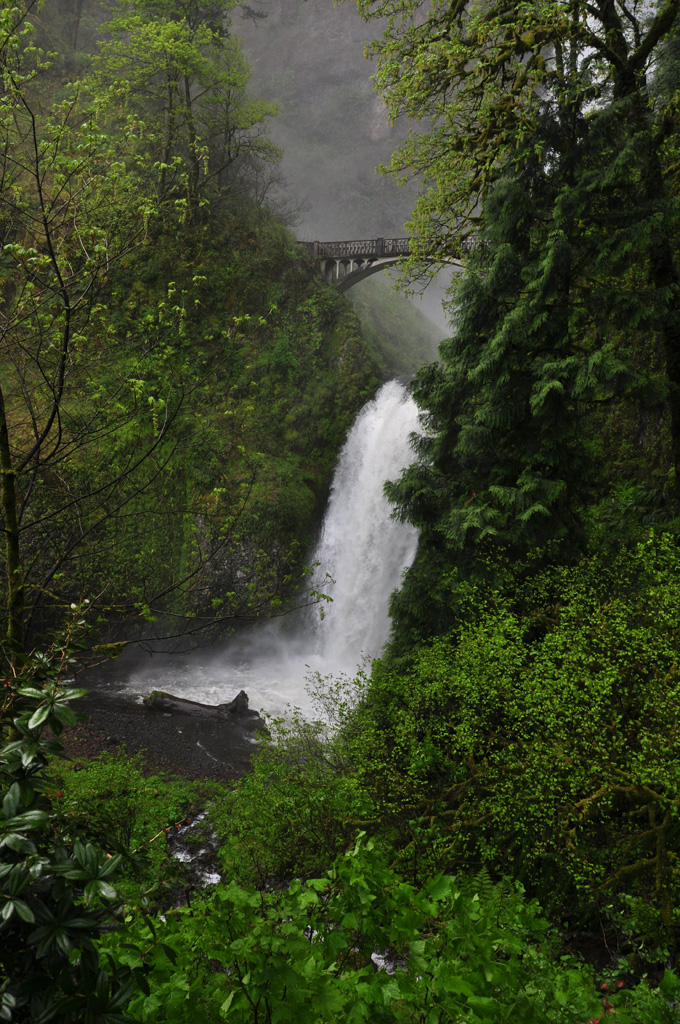
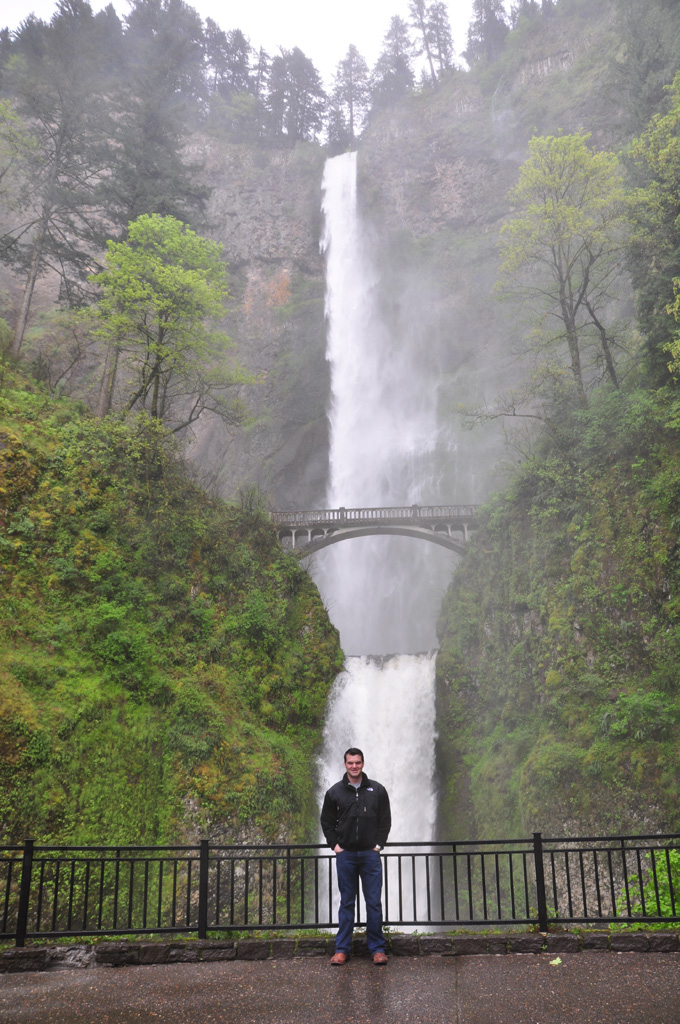
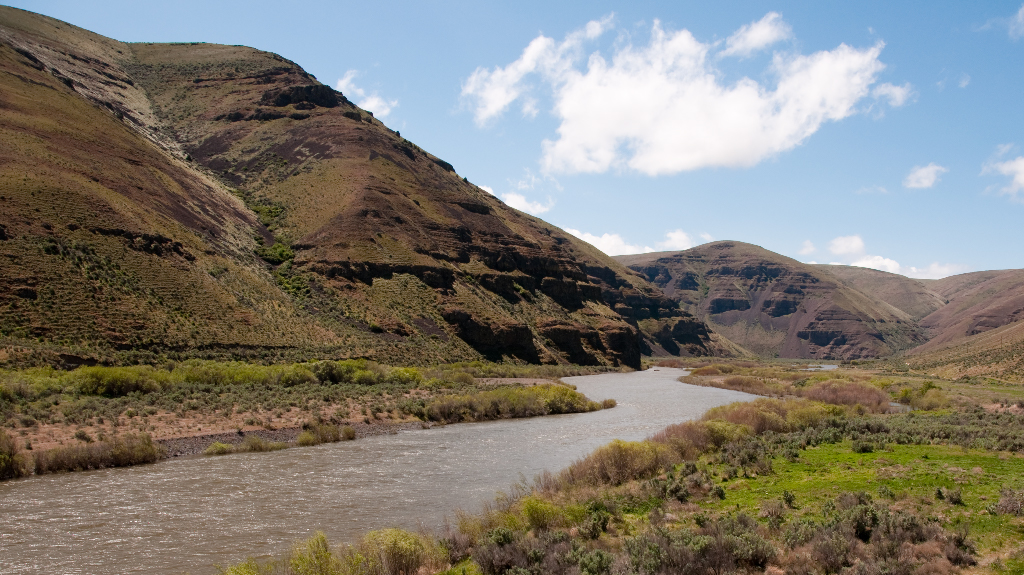
Columbia River Gorge formed as the Columbia River cut through layers of volcanic rock, creating steep canyon walls that define the landscape today. The gorge illustrates the long-term influence of water erosion acting on uplifted terrain.
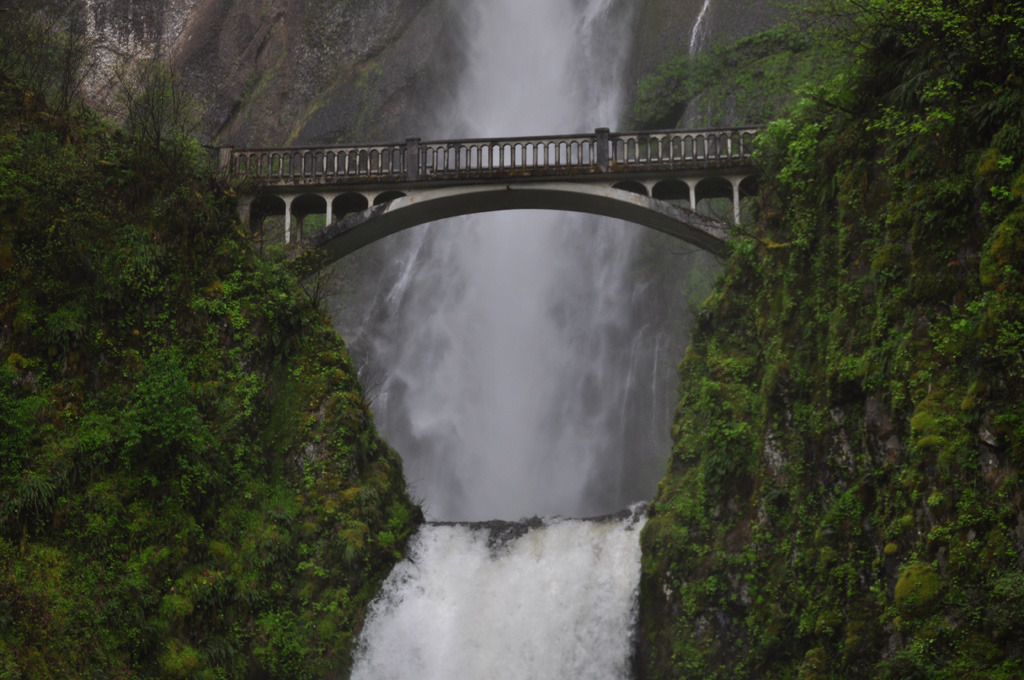
Moist air moving inland from the Pacific Ocean contributes to vegetation growth and the formation of numerous waterfalls along canyon walls. The interaction between climate and geology produces a landscape characterized by vertical relief and diverse plant life.
Visitors experience Columbia River Gorge as a landscape defined by the movement of water and the shaping forces of erosion. The canyon environment demonstrates how river systems influence geological structure and regional ecosystems.


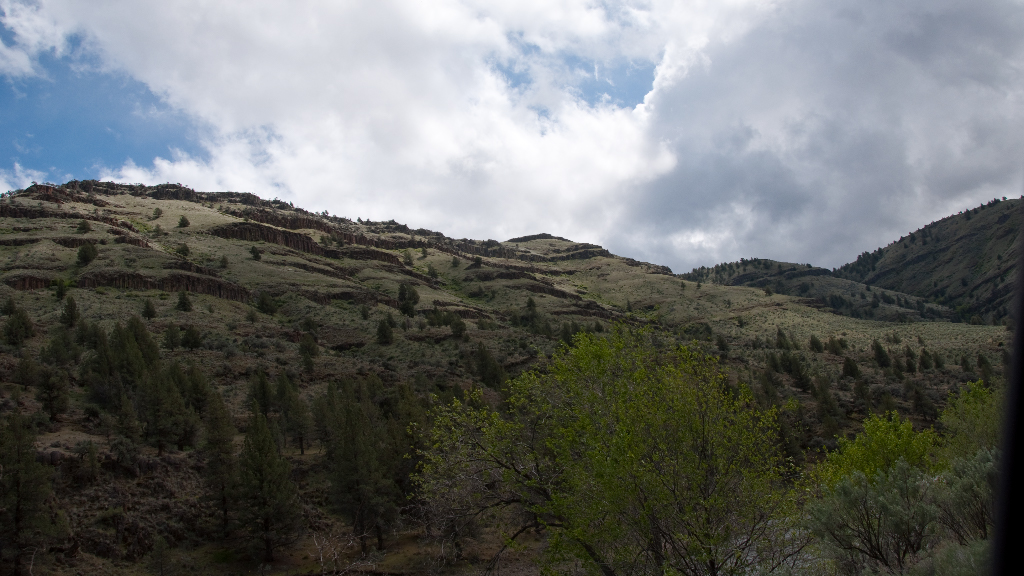
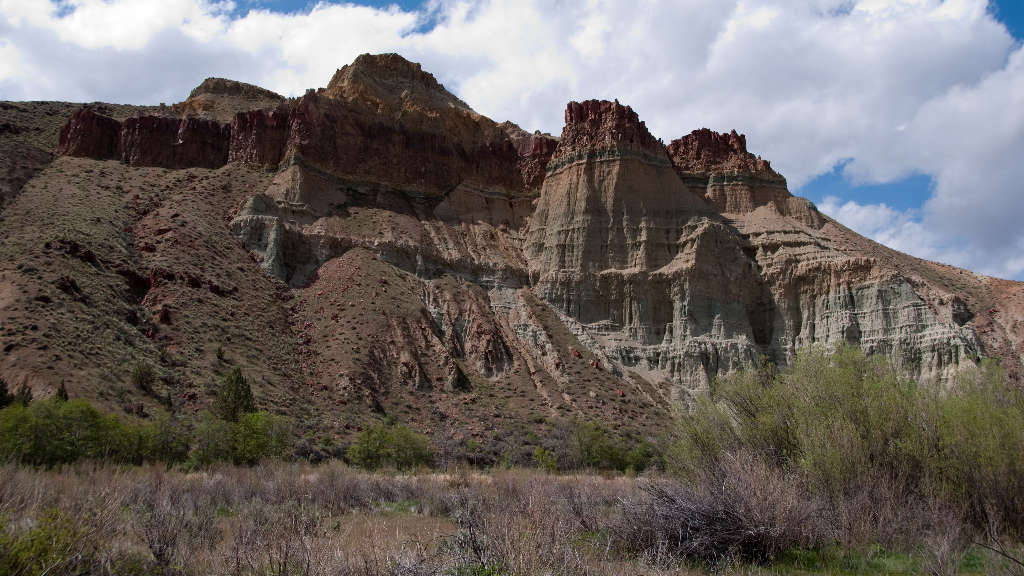
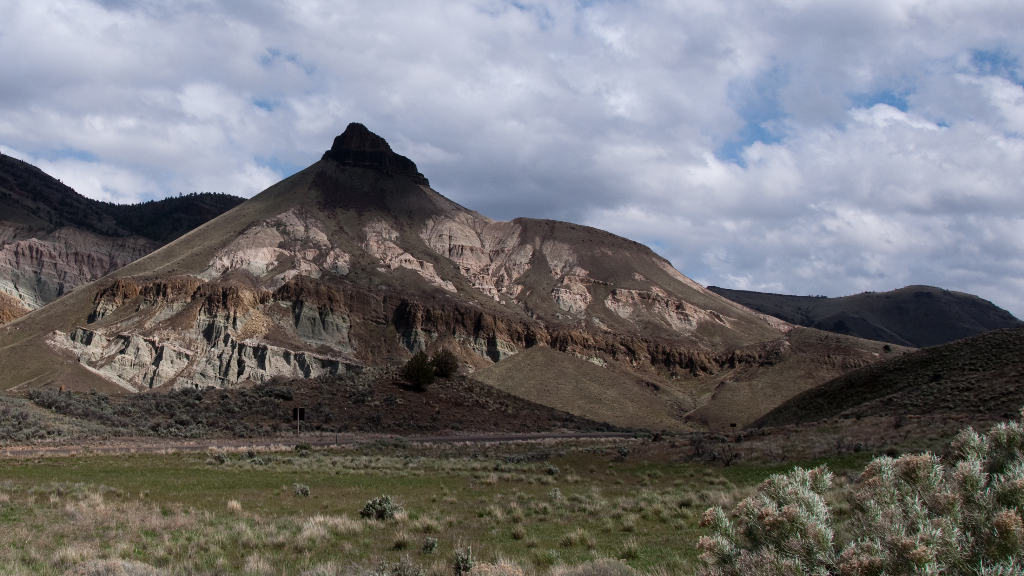
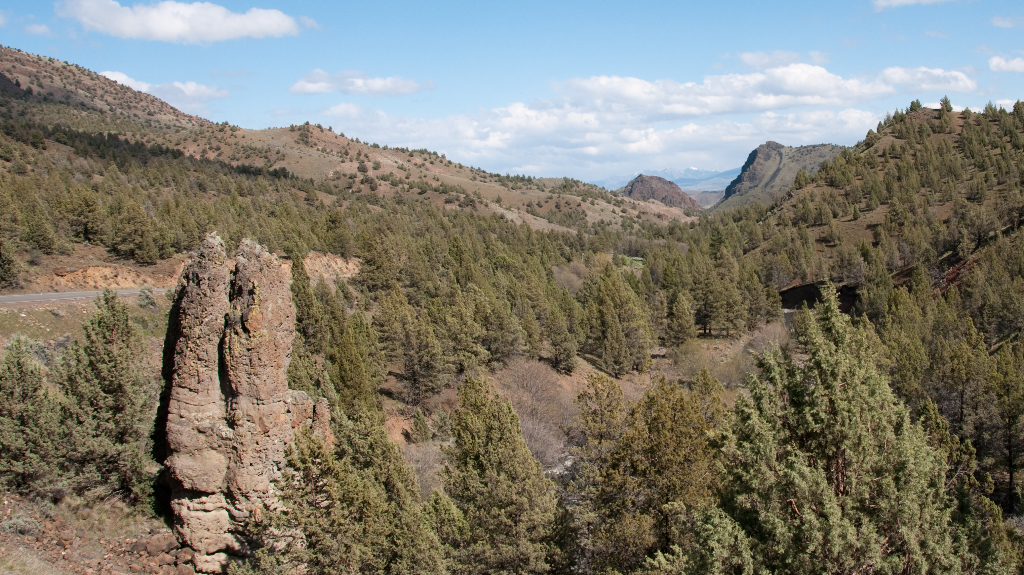


John Day Fossil Beds National Monument — Field Guide
🏛️ National Monument Field Guide
📍 Overview
John Day Fossil Beds National Monument preserves an extensive fossil record documenting environmental change over millions of years. Sedimentary rock layers contain fossilized plants and animals that illustrate past ecosystems.
Volcanic ash deposits contributed to fossil preservation, allowing scientists to study changes in climate and vegetation patterns across geological time.
⭐ Highlights
- Colorful sedimentary rock formations
- Extensive fossil record
- Evidence of changing climates
- Volcanic ash preservation
- Layered geological landscape
🔎 Key Features
- Fossilized plant and animal remains
- Volcanic influence on sediment layers
- Visible geological time sequence
- Eroded rock exposures
- Scientific importance of fossil record
📷 Photography Notes
- Soft light enhances rock color variation
- Wide views show layered formations
- Cloud shadows add visual depth
- Simple compositions highlight geology
- Foreground textures create interest
- Morning light provides softer contrast