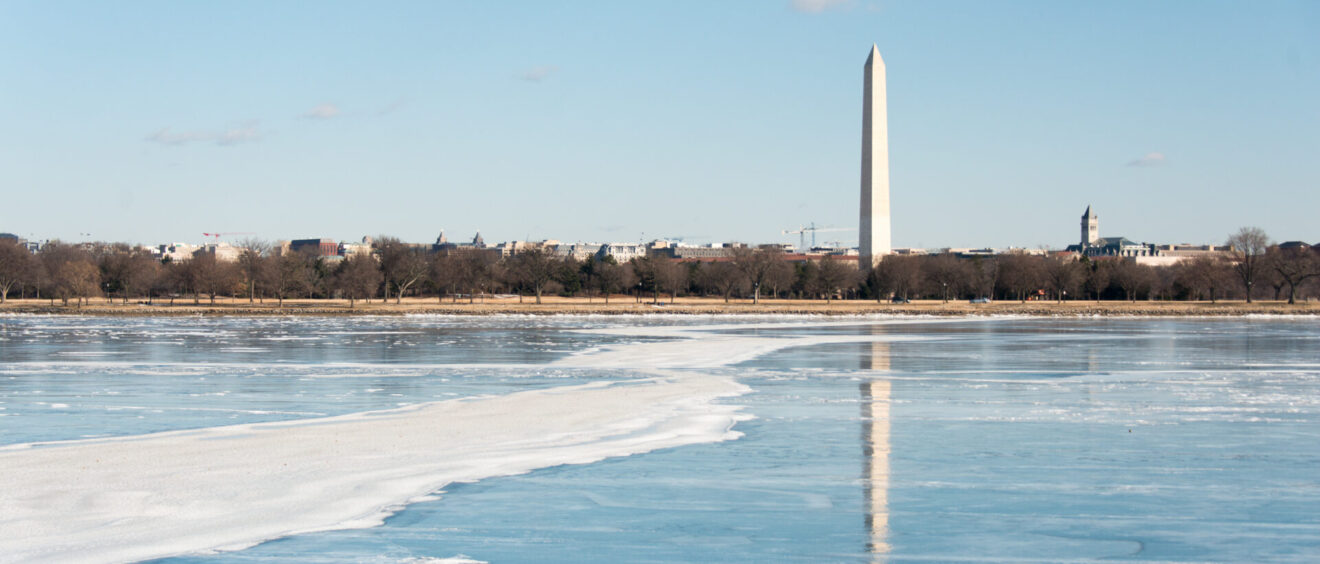
Freer Gallery of Art and Arthur M. Sackler Gallery The Freer Gallery of Art and the Arthur M. Sackler Gallery together form the Smithsonian’s National Museum of Asian Art, presenting one of the most significant collections of Asian artistic traditions in the United States. Located along the National Mall and connected through an underground complex […]
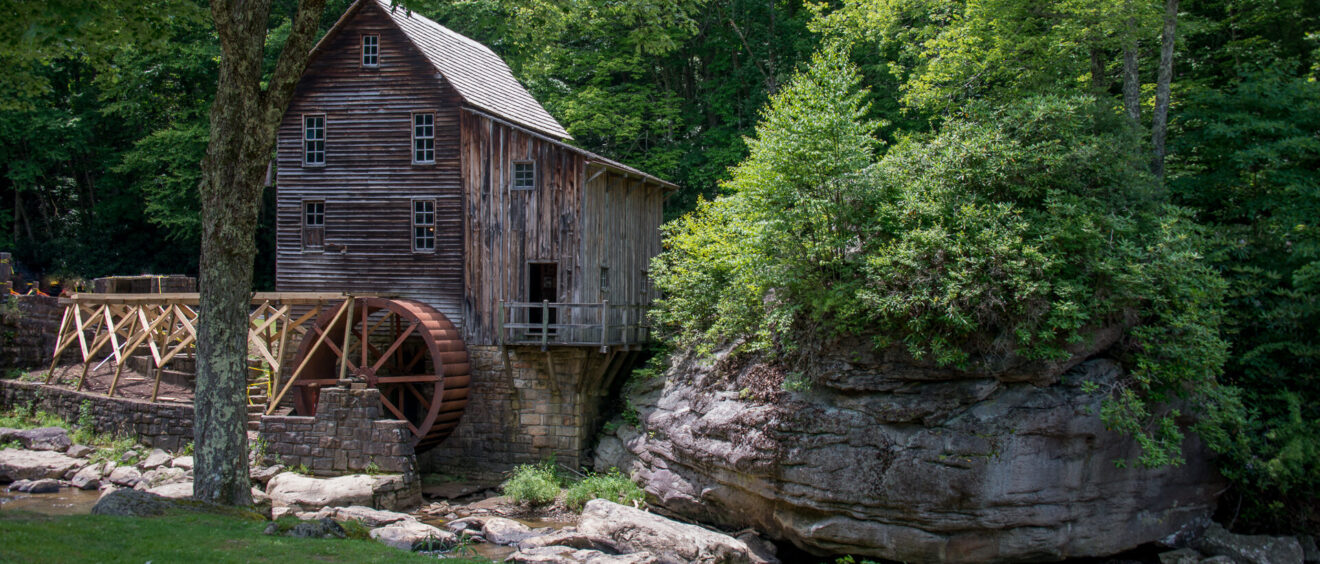
Glade Creek Grist Mill Glade Creek Grist Mill represents a reconstruction of traditional water-powered milling technology used in Appalachian communities. Flowing water turned mill wheels that powered grinding stones used to process grain into flour and meal. Mills served as important community gathering points within rural regions where agriculture formed the basis of local economies. […]
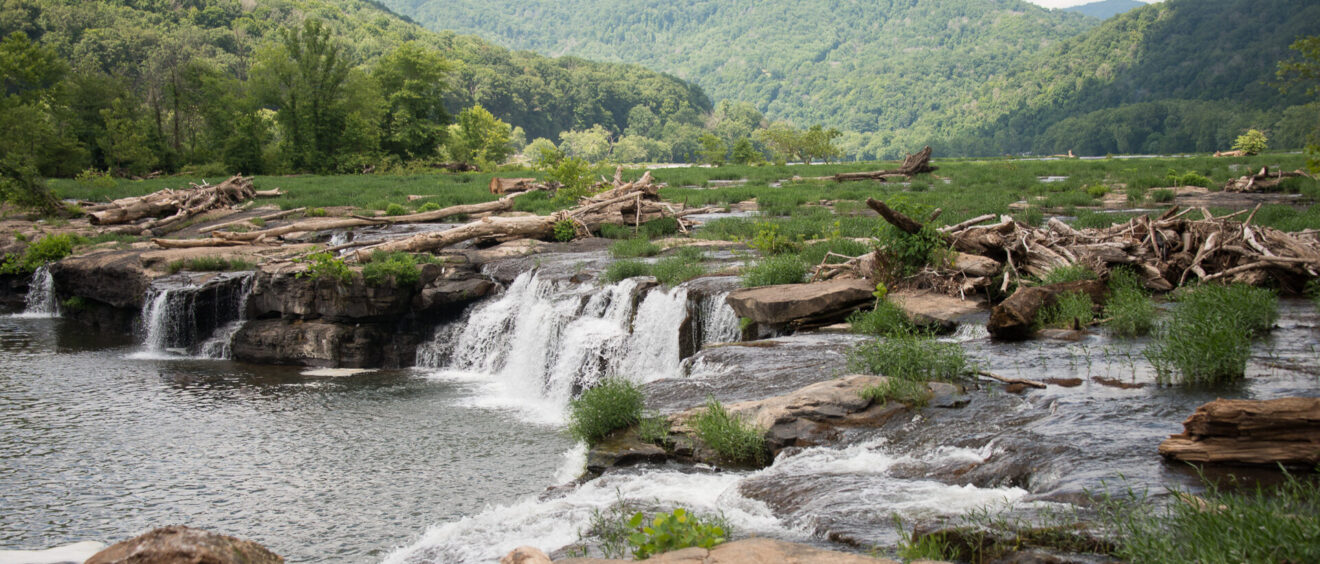
Sandstone Falls Sandstone Falls forms where the New River flows across resistant sandstone layers that create a series of cascades and channels. Variations in rock hardness influence the shape and flow of water across the riverbed, producing broad falls rather than a single vertical drop. The waterfall demonstrates how geological structure affects river behavior. The […]
New River Gorge Bridge The New River Gorge Bridge spans the deep canyon carved by the New River, connecting ridgelines that were historically separated by steep terrain. The bridge demonstrates modern engineering solutions designed to overcome geographic barriers that once limited transportation across the Appalachian Mountains. Its arch design allows a long span without intermediate […]
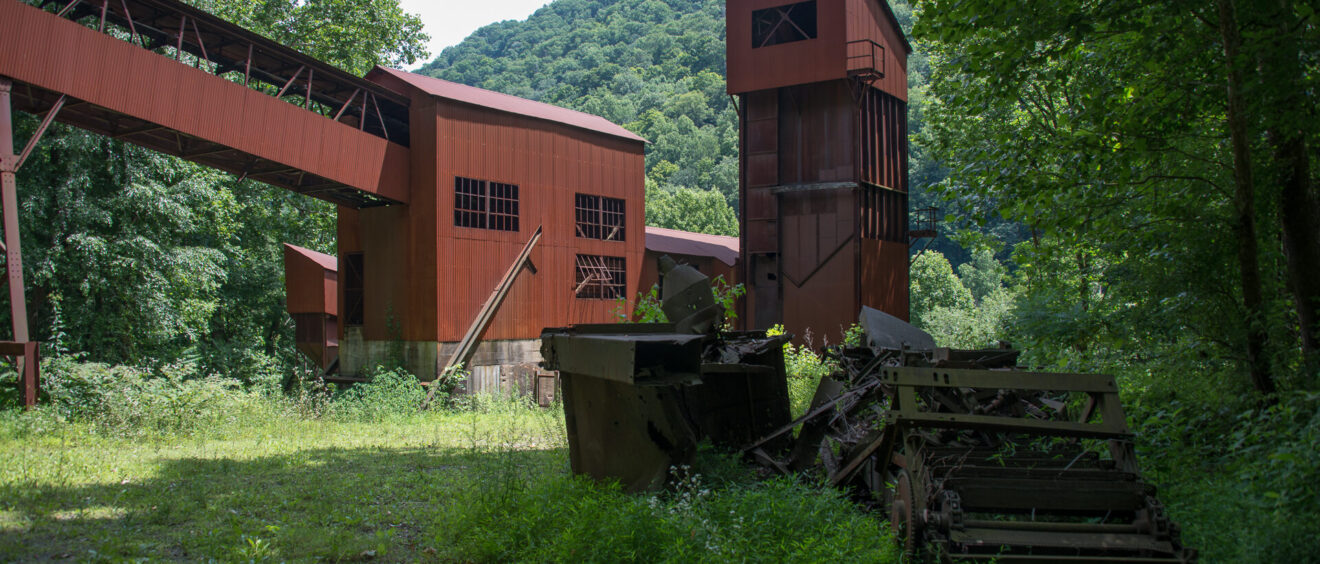
New River Gorge – Nuttallburg Coal Mine Nuttallburg preserves structures associated with coal mining operations that developed along the New River during the late nineteenth and early twentieth centuries. The steep gorge terrain influenced the placement of mining infrastructure, including tipples, conveyor systems, and rail connections used to transport coal from mountainous seams to markets […]
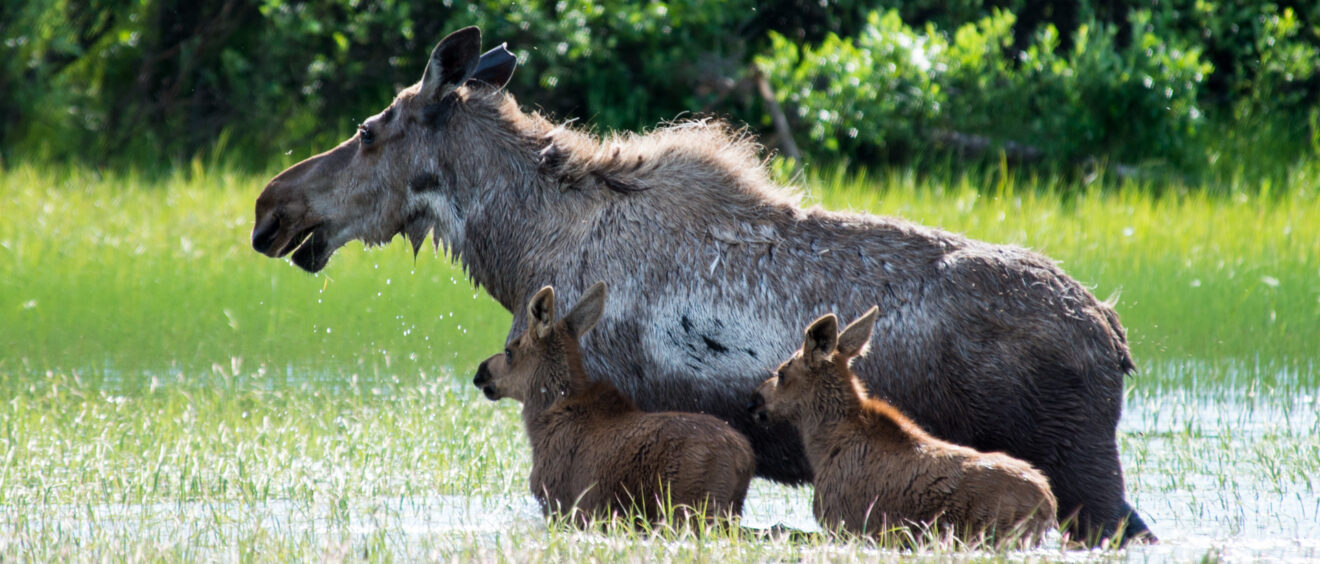
Onion Portage – Kobuk Valley National Park Onion Portage represents one of the most significant archaeological sites in Arctic Alaska and preserves evidence of human activity spanning thousands of years. Located along the Kobuk River, the site reflects a traditional crossing point used by migrating caribou herds and Indigenous communities who depended on these seasonal […]
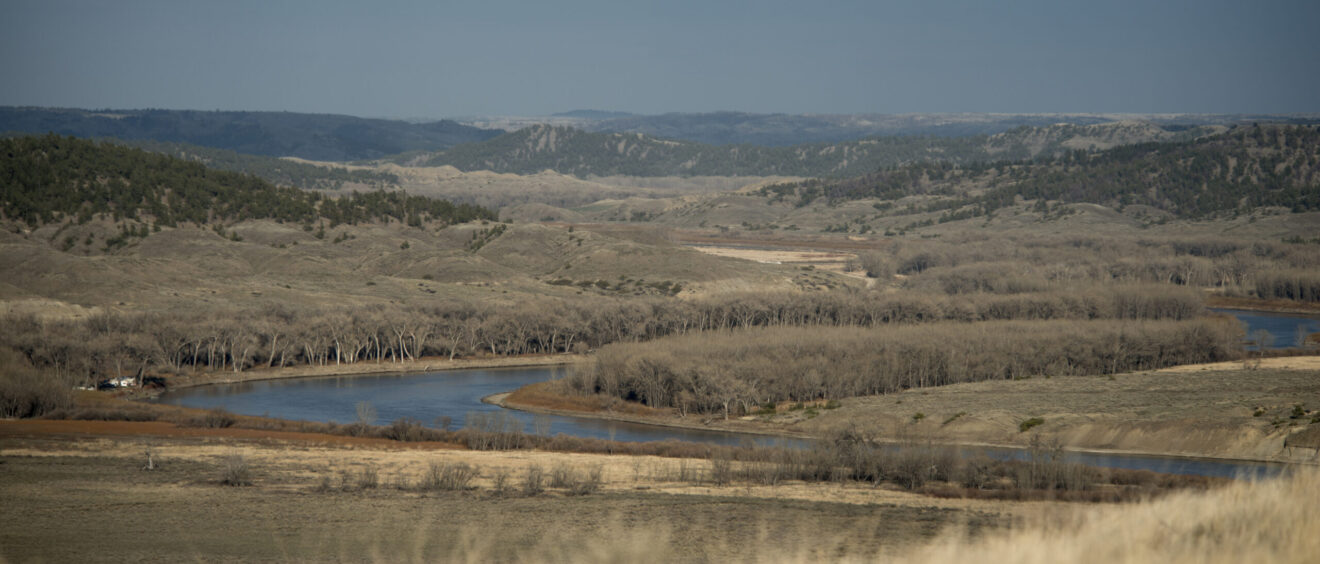
Upper Missouri River Breaks National Monument Upper Missouri River Breaks National Monument preserves a remote landscape of steep bluffs, eroded badlands, and river corridors along the Missouri River in central Montana. The monument illustrates how flowing water gradually carved dramatic terrain through sedimentary rock layers, producing isolated buttes, coulees, and rugged cliffs above the river. […]
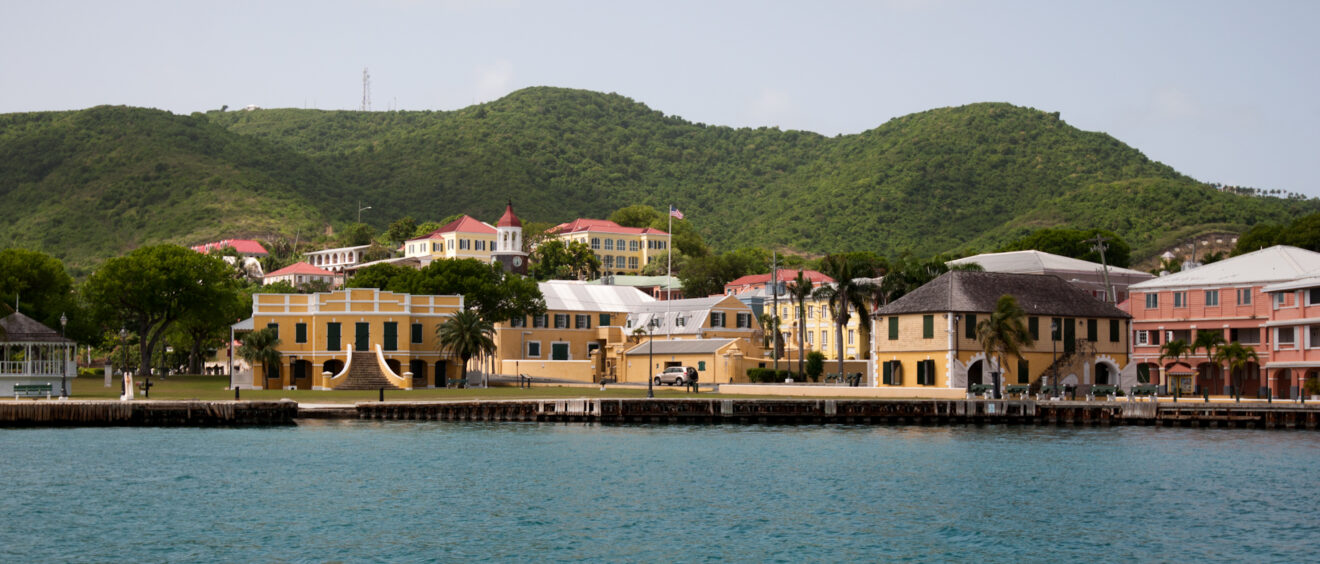
Saint Croix Saint Croix is the largest island of the United States Virgin Islands, located in the eastern Caribbean Sea where the Atlantic Ocean meets the island arc of the Greater Antilles. Formed through a combination of volcanic activity and coral limestone deposition, the island presents a varied landscape of coastal plains, low mountains, tropical […]
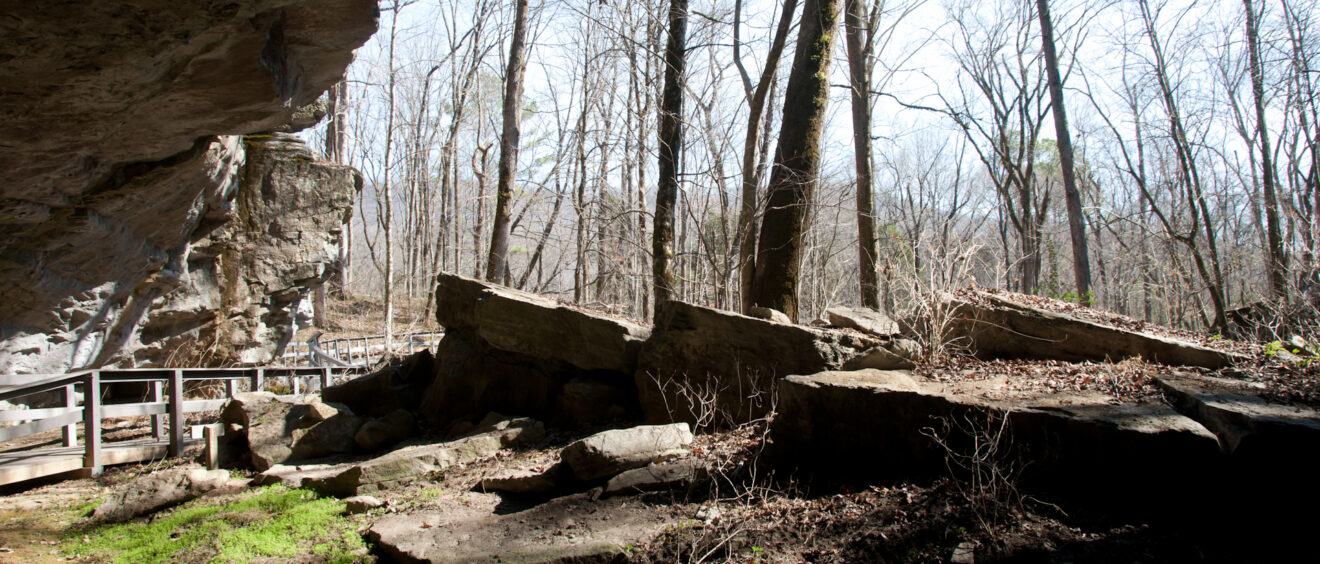
Russell Cave and Little River Canyon Russell Cave preserves evidence of human habitation dating back more than 10,000 years, providing insight into the deep history of North America long before European exploration. Archaeological discoveries at the site demonstrate how Indigenous peoples adapted to changing environmental conditions through hunting, gathering, and seasonal settlement patterns. The cave […]
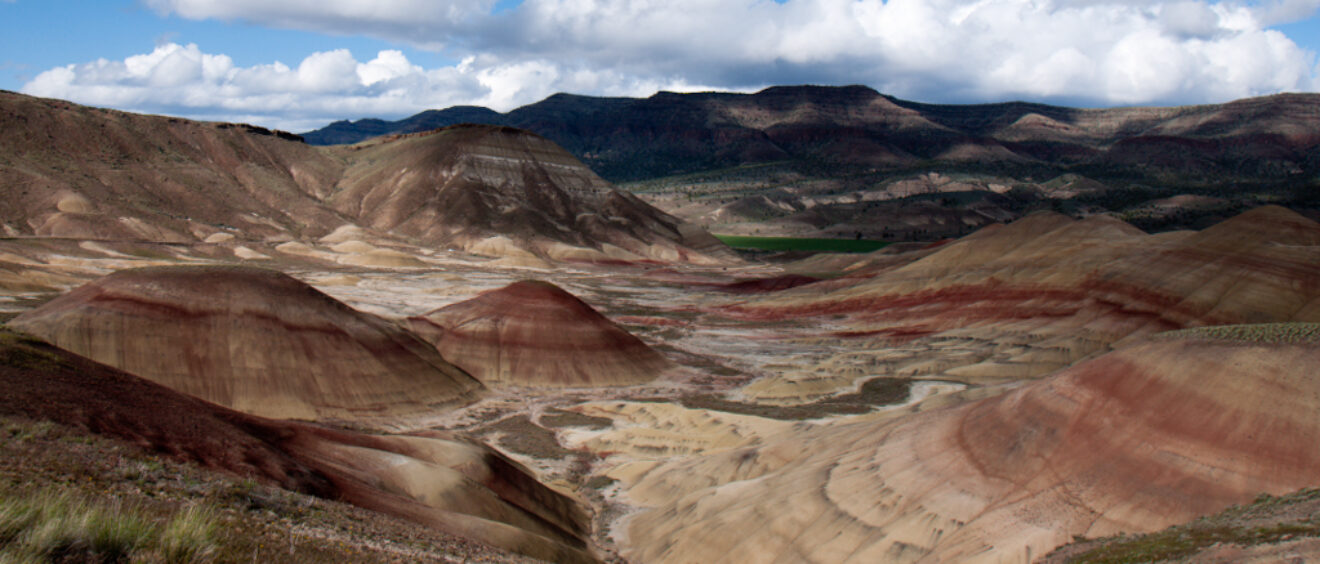
John Day Fossil Beds National Monument John Day Fossil Beds National Monument protects sedimentary layers that preserve fossils documenting environmental change over tens of millions of years. Fossilized plants and animals illustrate transitions in climate and ecosystem conditions that influenced the development of landscapes across the Pacific Northwest. Colorful rock formations within the monument reflect […]