Saint Croix
Saint Croix is the largest island of the United States Virgin Islands, located in the eastern Caribbean Sea where the Atlantic Ocean meets the island arc of the Greater Antilles. Formed through a combination of volcanic activity and coral limestone deposition, the island presents a varied landscape of coastal plains, low mountains, tropical vegetation, and coral reef ecosystems. Its position along Caribbean maritime routes made the island an important location within European colonial trade networks, linking agricultural production to transatlantic commerce. Over time, multiple colonial powers influenced the island’s cultural and architectural traditions, leaving a legacy reflected in historic towns, plantation ruins, and coastal settlements.
The island’s geography illustrates the interaction between marine and terrestrial environments characteristic of Caribbean ecosystems. Coastal plains once supported extensive sugar cultivation, while coral reef systems surrounding the island contributed to maritime navigation and fisheries. The island’s cultural landscape reflects layered influences from Indigenous Caribbean societies, European colonial administration, and African diaspora communities associated with plantation economies. These historical and environmental relationships continue to shape settlement patterns and cultural identity across the island.
Saint Croix contributes to understanding the historical development of Caribbean societies shaped by trade, agriculture, and maritime geography. Its preserved historic districts and coastal environments demonstrate the connection between global economic networks and island settlement patterns. Today, the island’s landscapes provide insight into the environmental diversity of the Caribbean basin and the cultural continuity of communities influenced by centuries of exchange across the Atlantic world.

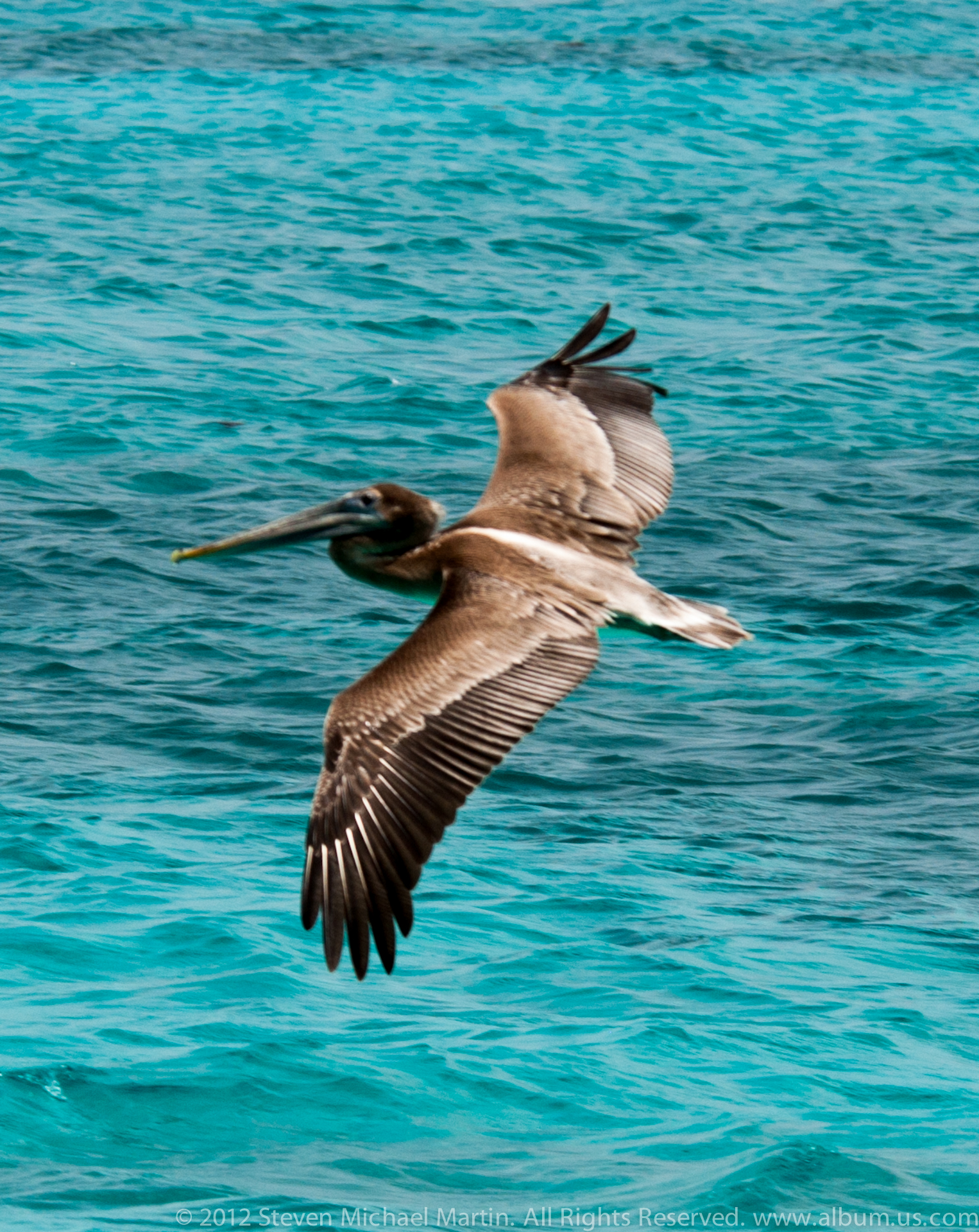
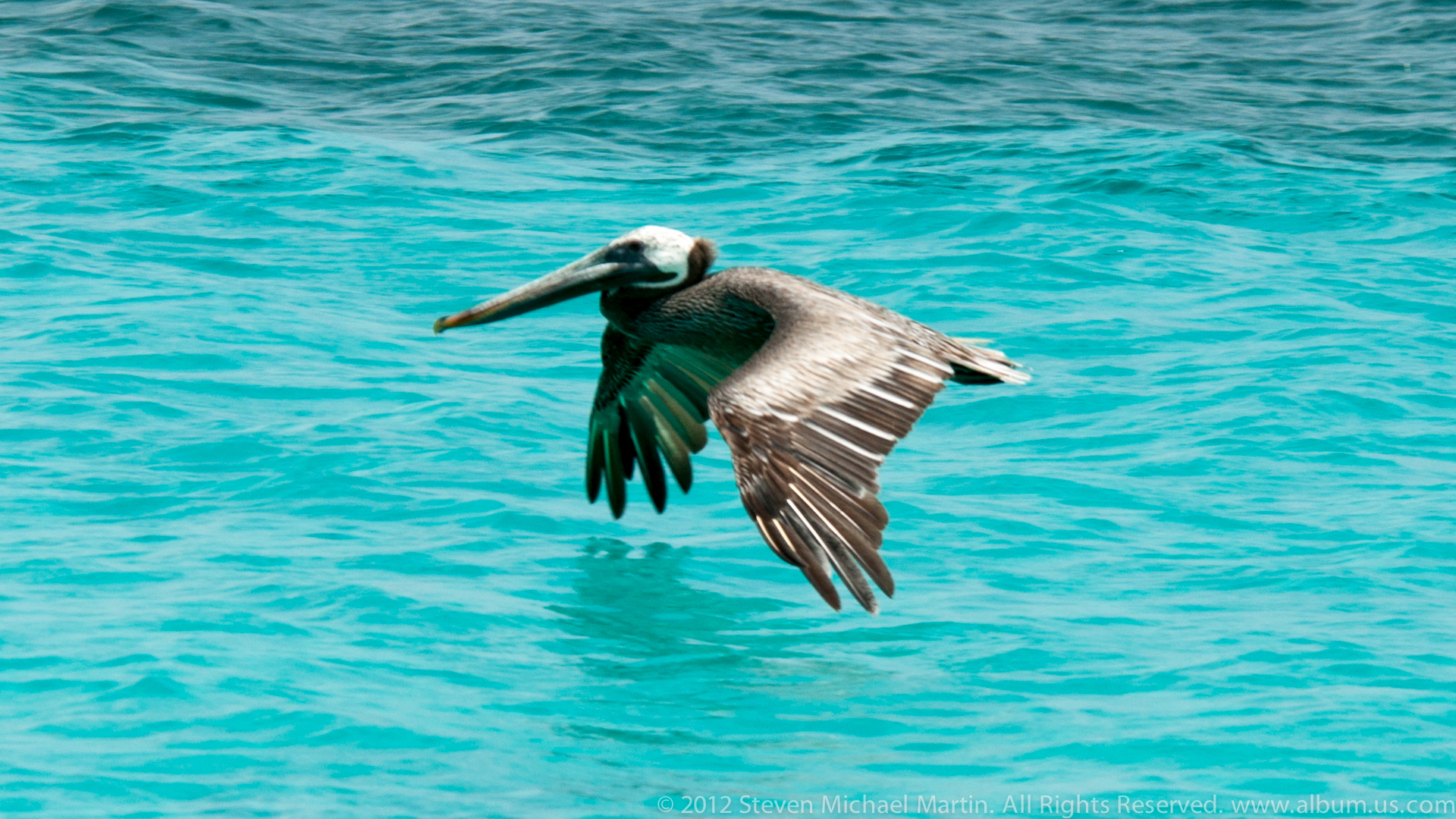
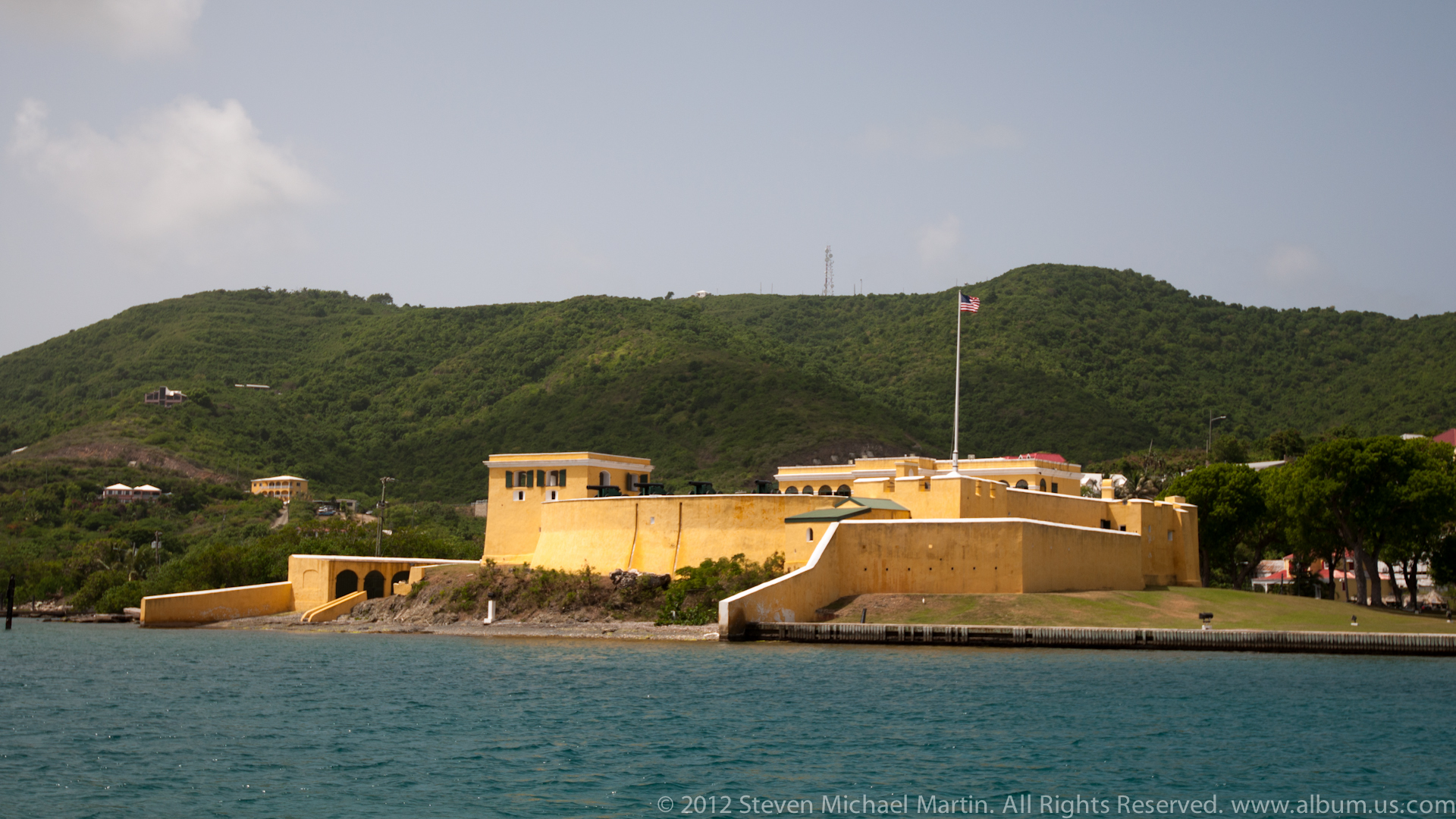
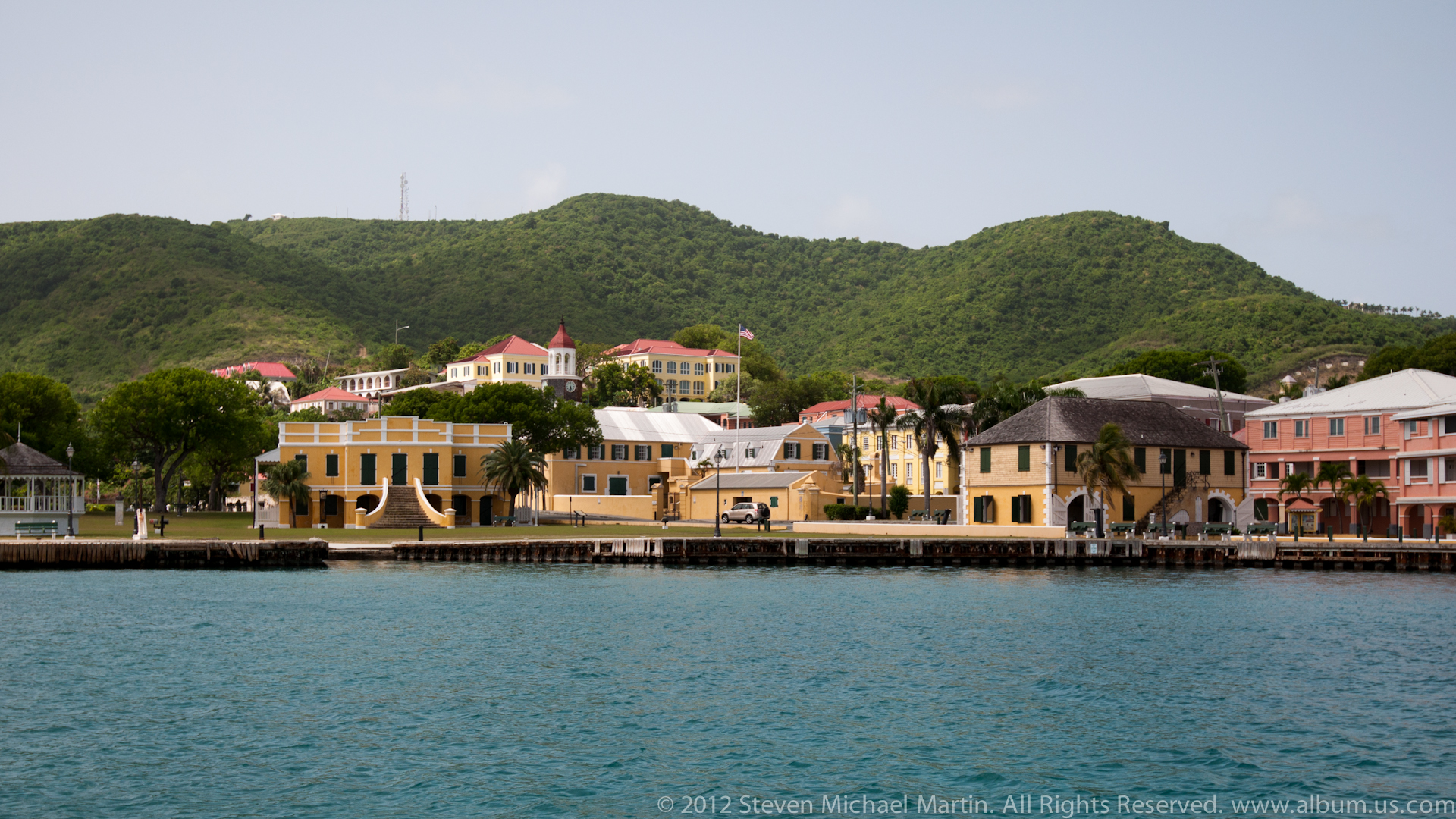


📍 Field Guide
- Location: St. Croix, United States Virgin Islands
- Associated NPS Sites: Christiansted National Historic Site; Salt River Bay National Historical Park and Ecological Preserve
- Region: Caribbean Sea, Lesser Antilles island arc
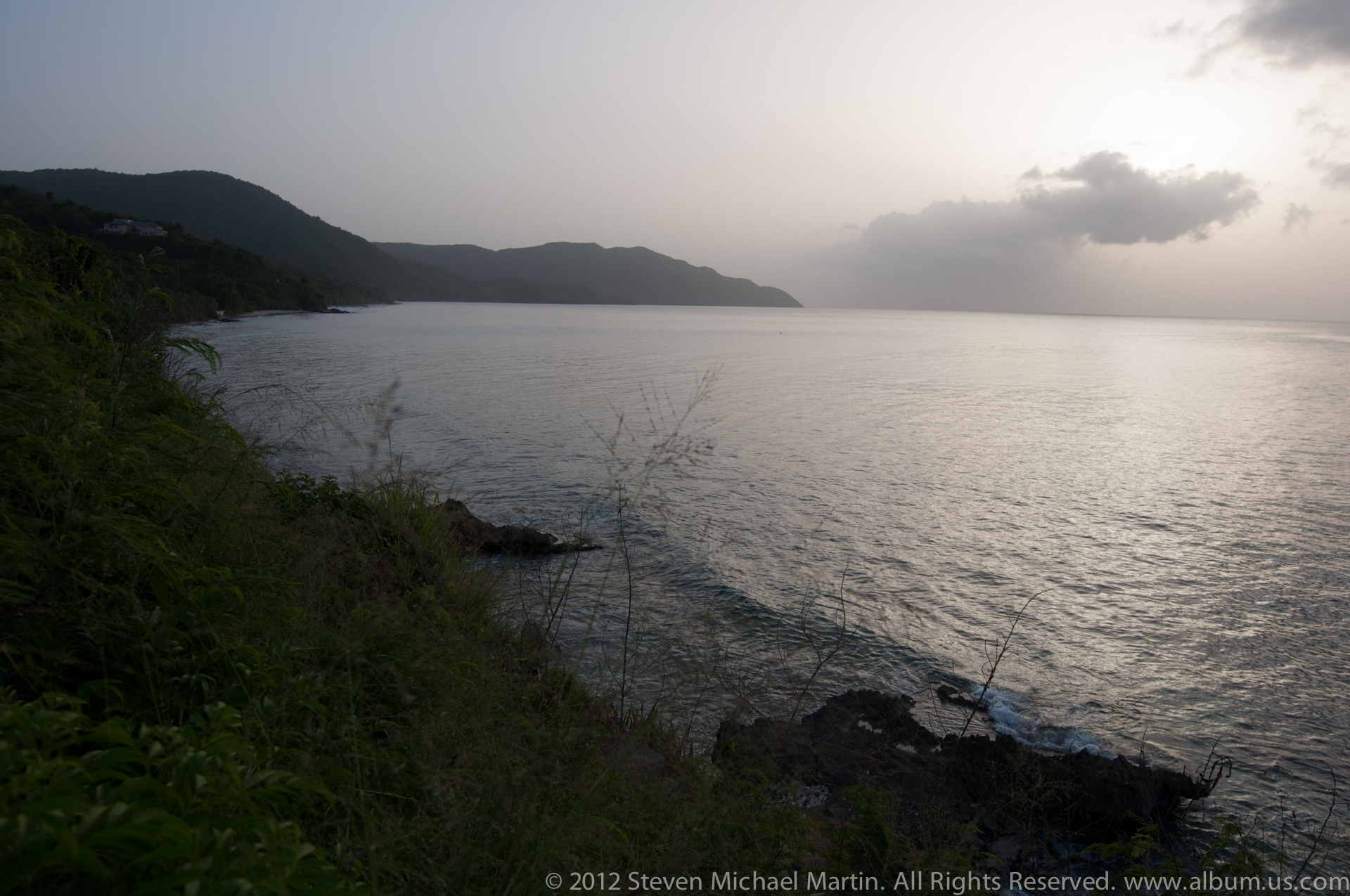
- Landscape: Coastal plains, tropical dry forest, coral reef shoreline
- Geologic Origin: Volcanic island formation with limestone and coral deposits
- Historic Context: Danish colonial administration, maritime trade networks, plantation agriculture
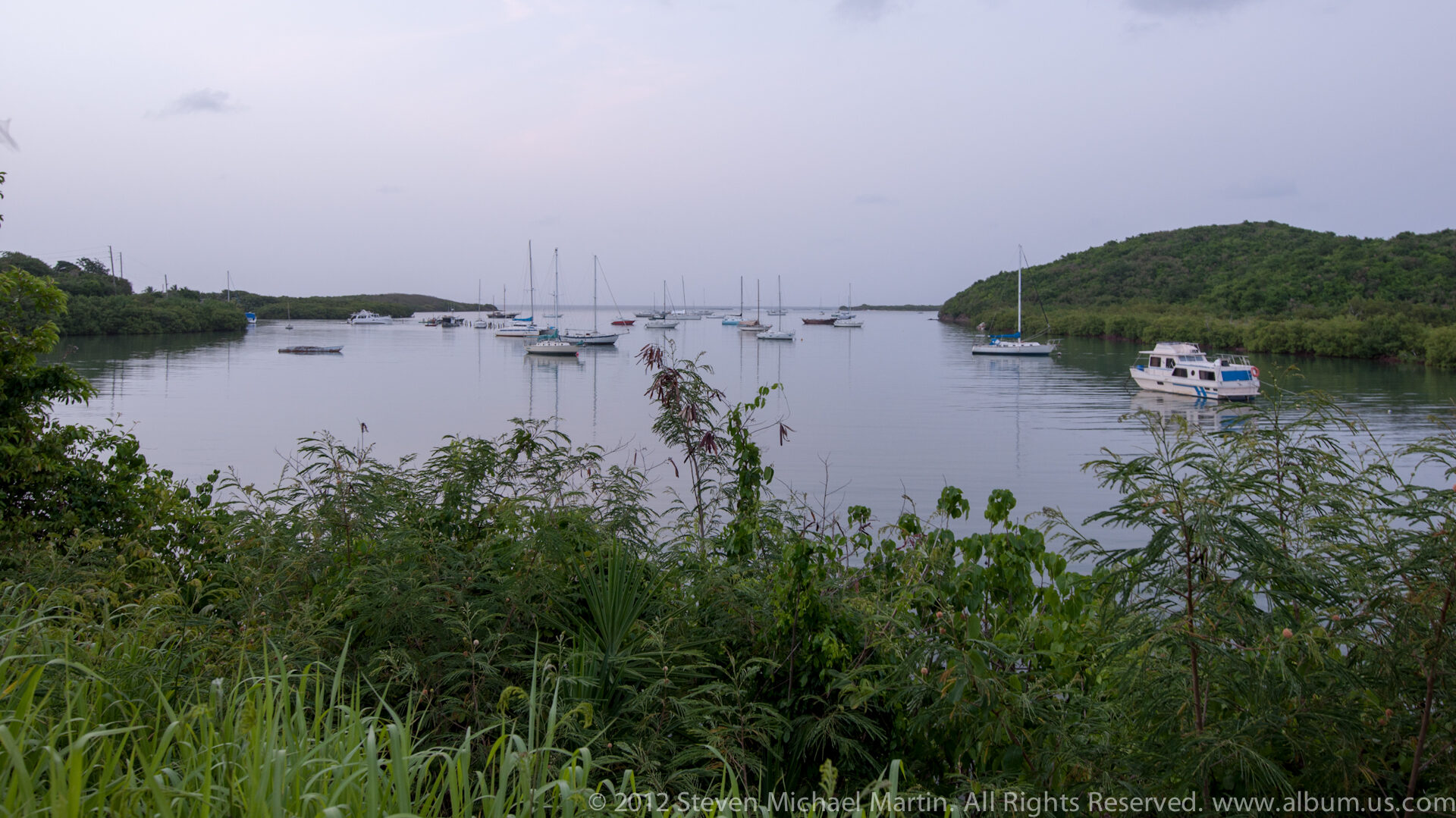
- Ecological Systems: Mangrove shoreline, coral reef ecosystems, coastal forest
- Marine Environment: Coral reefs, seagrass beds, sheltered bays
- Cultural Themes: Colonial settlement, Caribbean trade, maritime navigation
⭐ Highlights
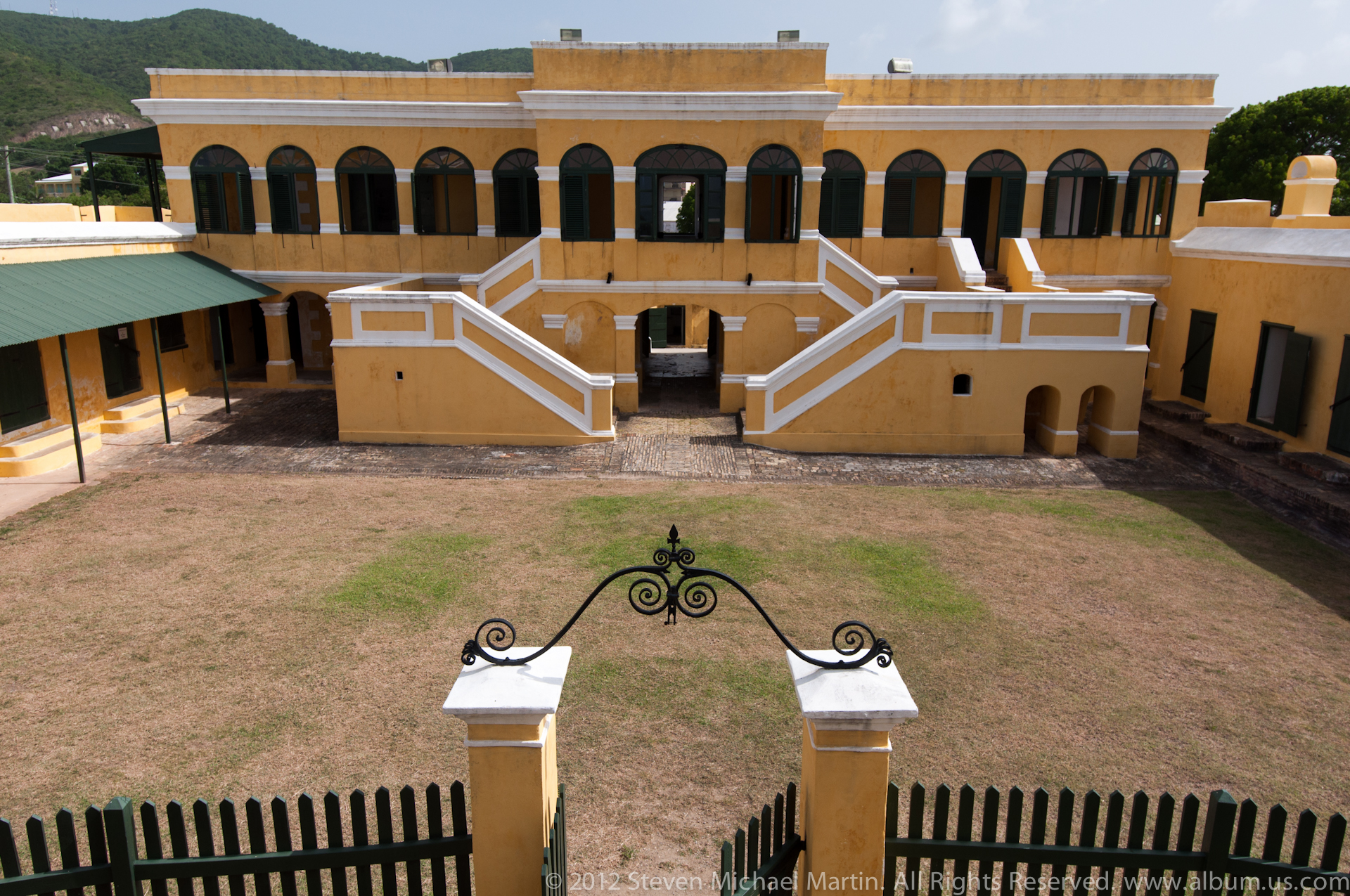
- Historic Caribbean landscapes associated with Danish colonial governance
- Coastal environments illustrating interaction between reef and shoreline
- Archaeological and cultural significance of Salt River Bay
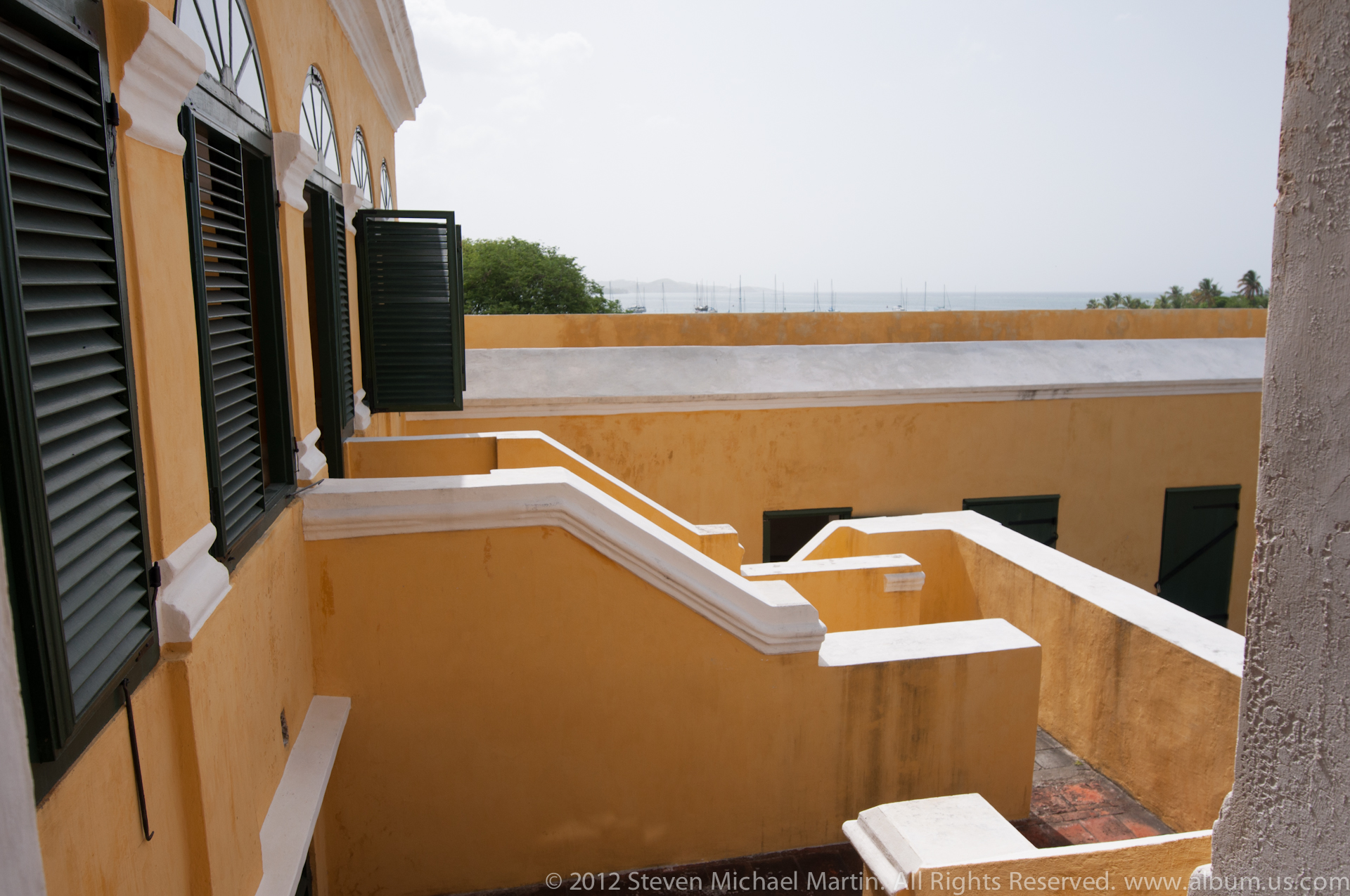
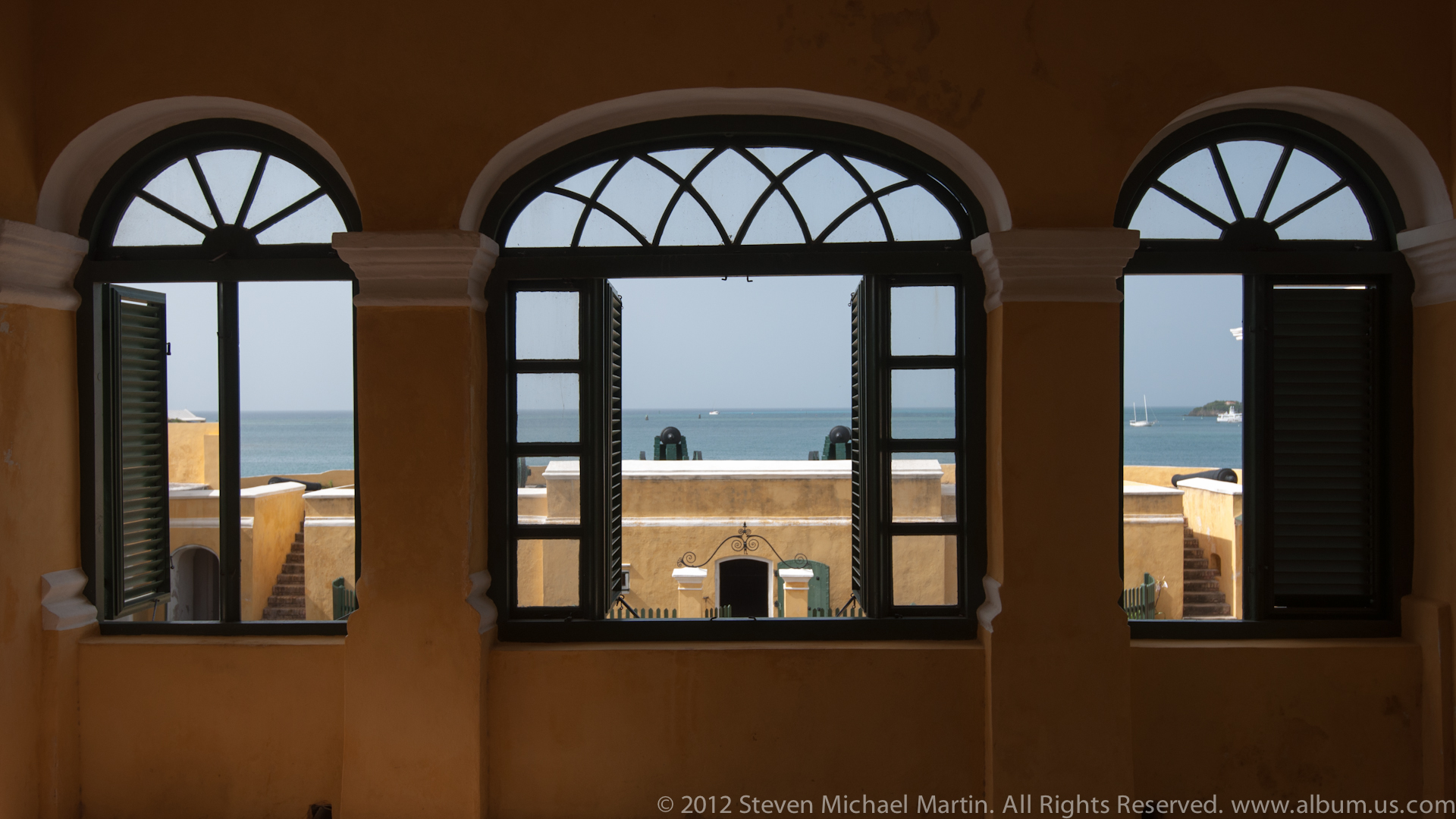
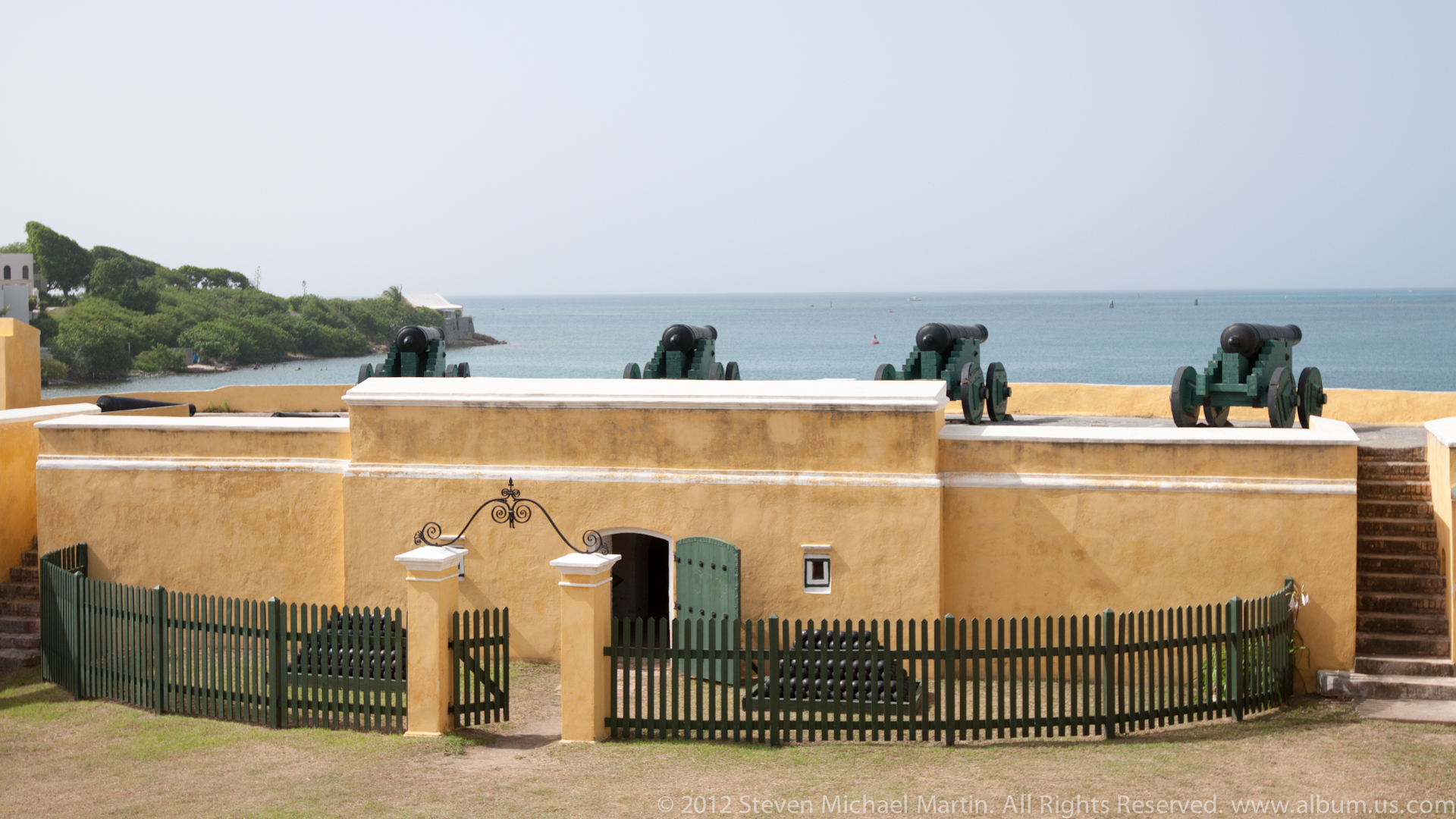
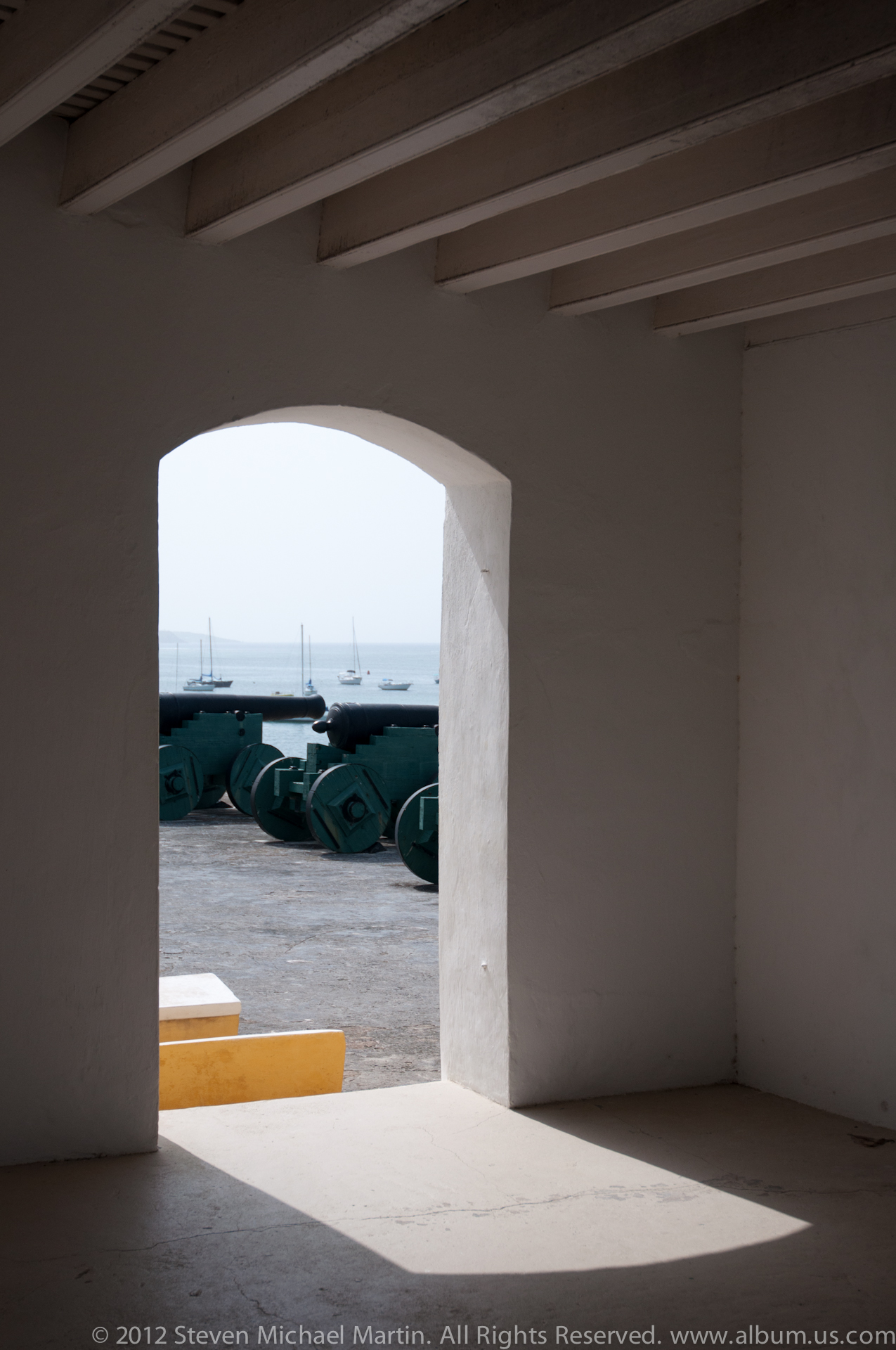
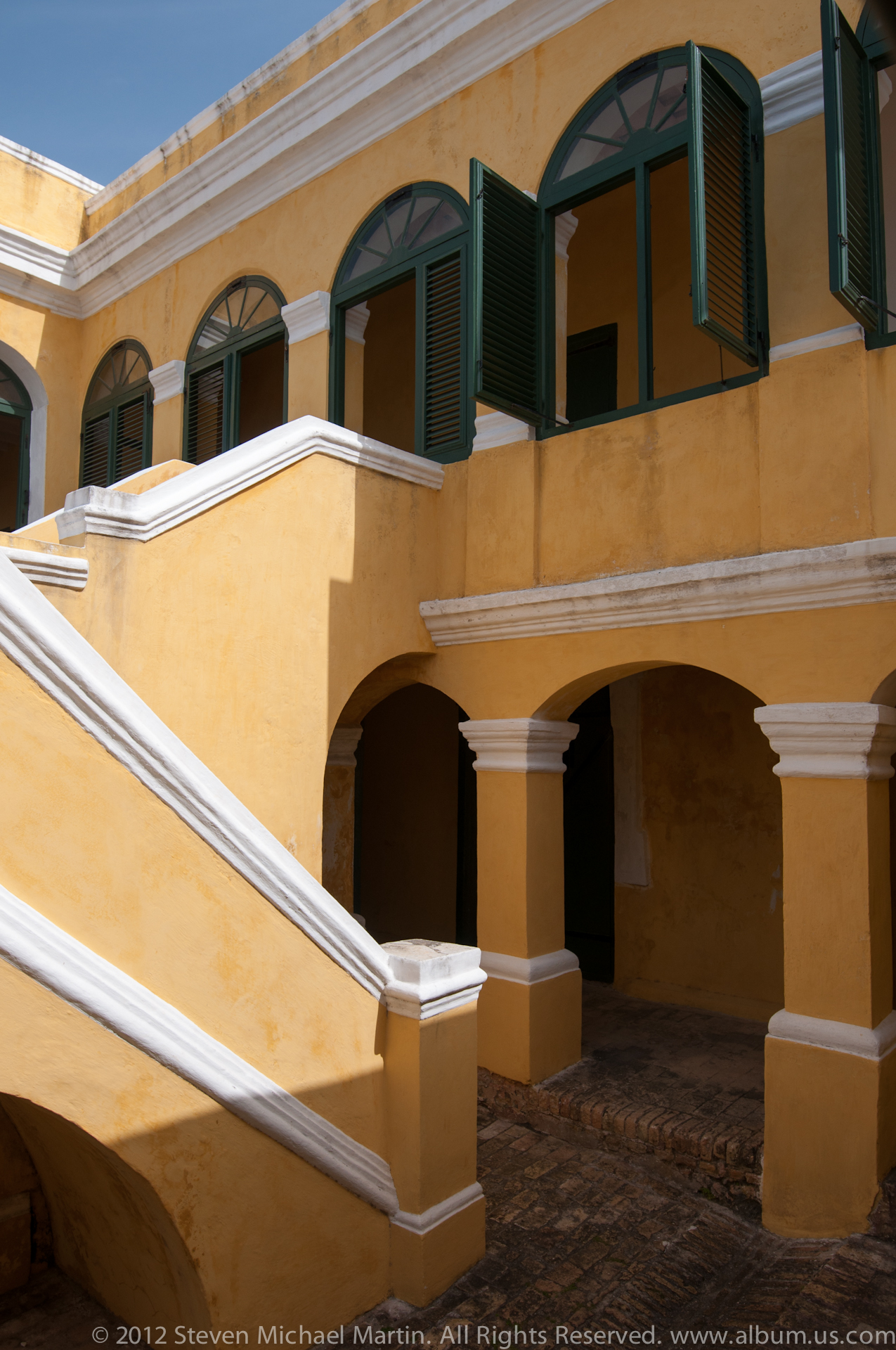
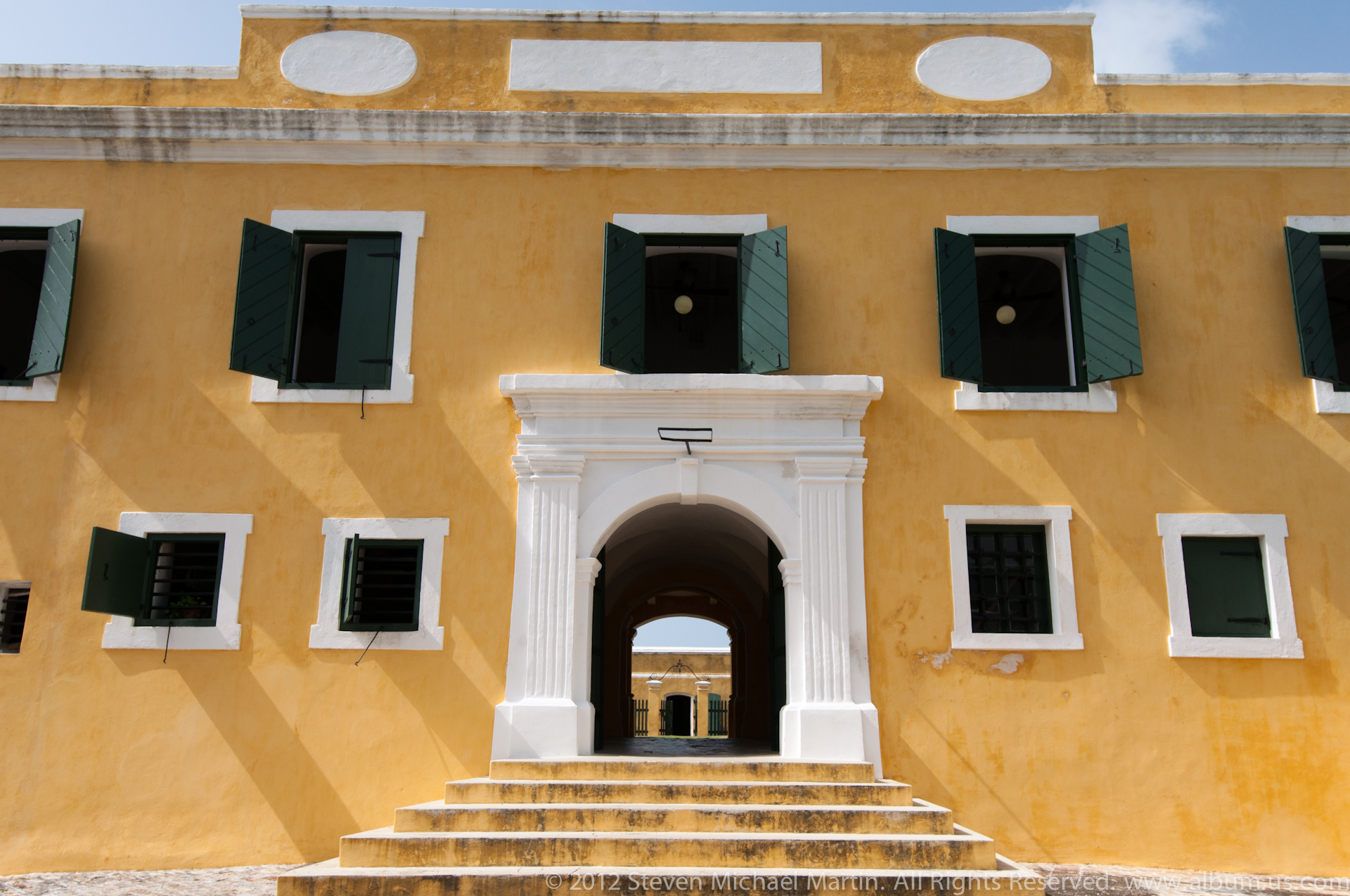
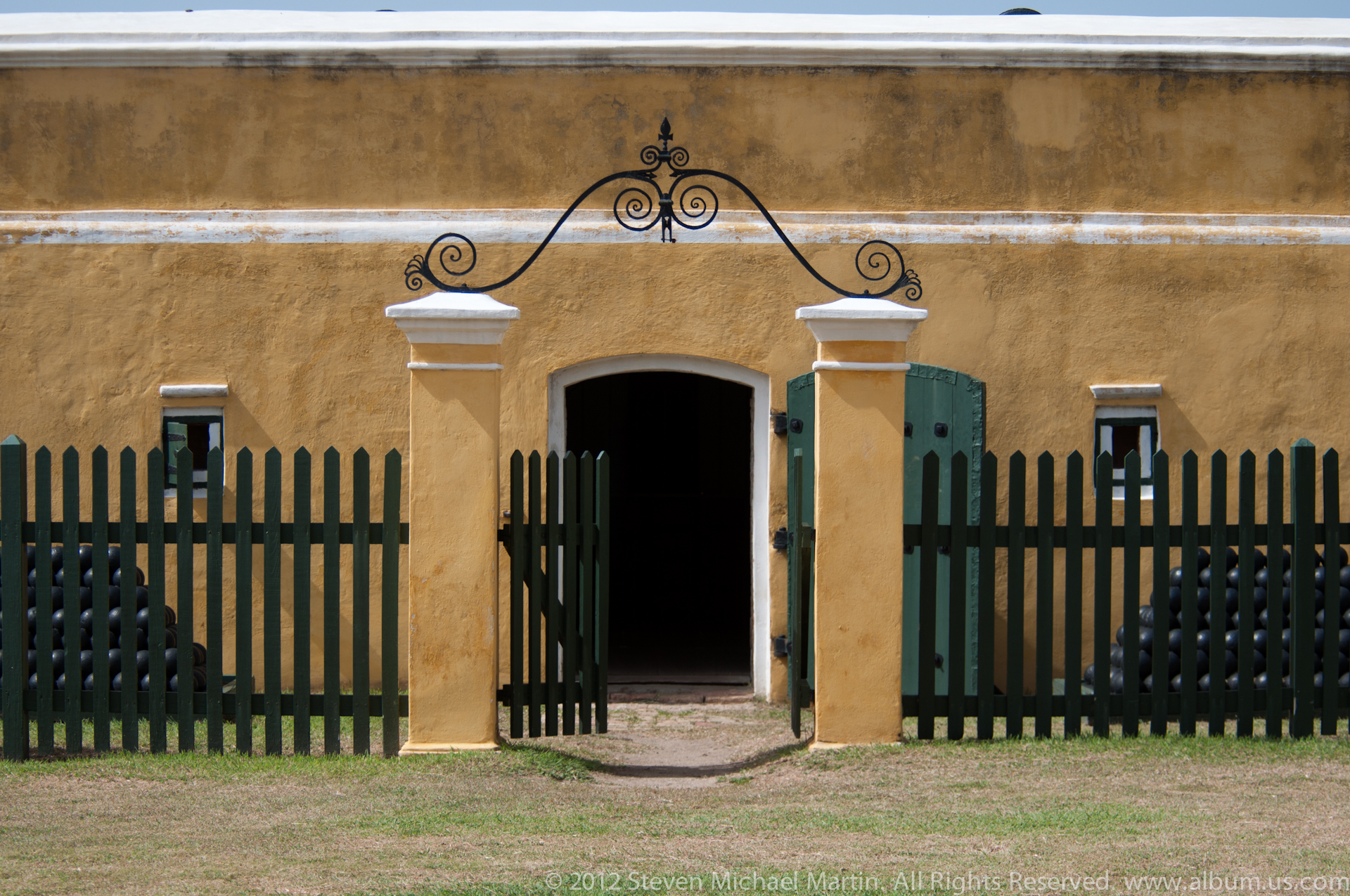
- Architectural traditions preserved in Christiansted
- Marine ecosystems supporting Caribbean biodiversity
🏝️ Notable Features
- Historic waterfront environments reflecting colonial trade networks
- Protected ecological systems within Salt River Bay
- Coral reef habitats characteristic of tropical marine environments
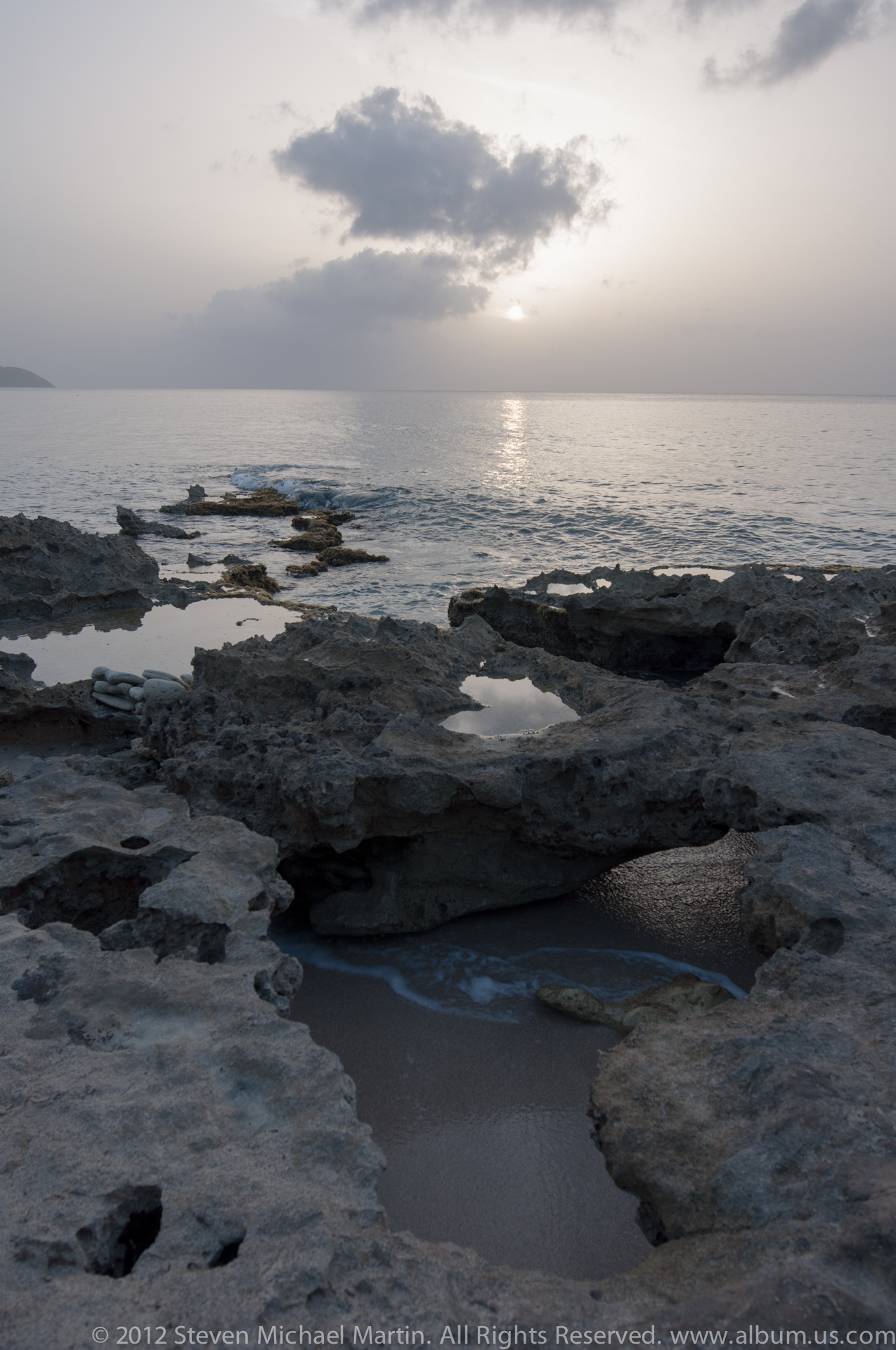
- Coastal landforms shaped by wave action and sediment deposition
- Cultural landscape influenced by European and Caribbean traditions
📷 Photography Notes
- Morning light enhances clarity of coastal waters and architectural detail
- Historic waterfront settings provide layered visual context
- Side lighting reveals texture of masonry and coastal vegetation
- Wide compositions emphasize relationship between town and harbor
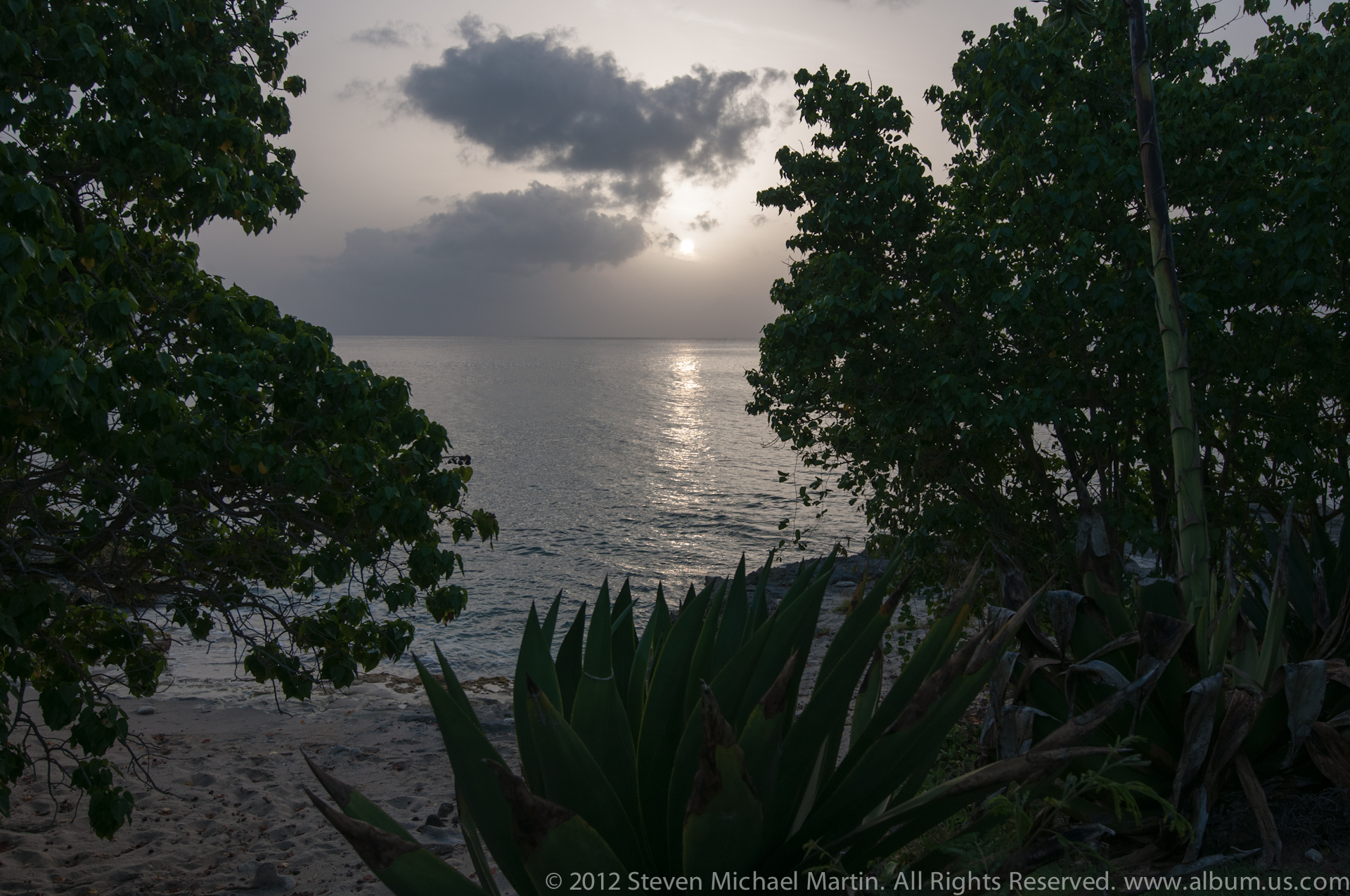
- Tropical cloud formations can enhance depth in coastal scenes
- Color contrast between sea, sky, and architecture creates visual structure