Thomas Cole National Historic Site
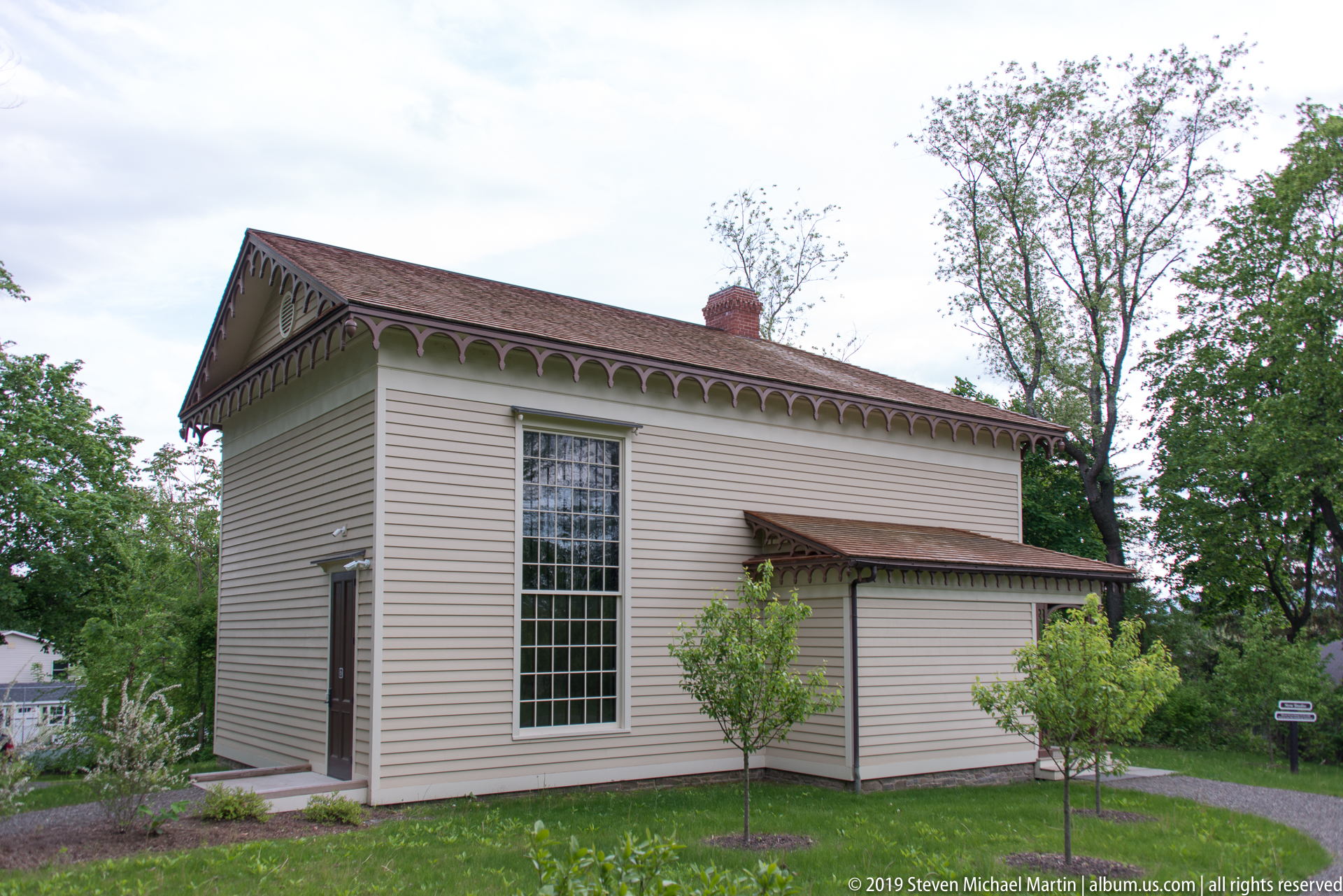
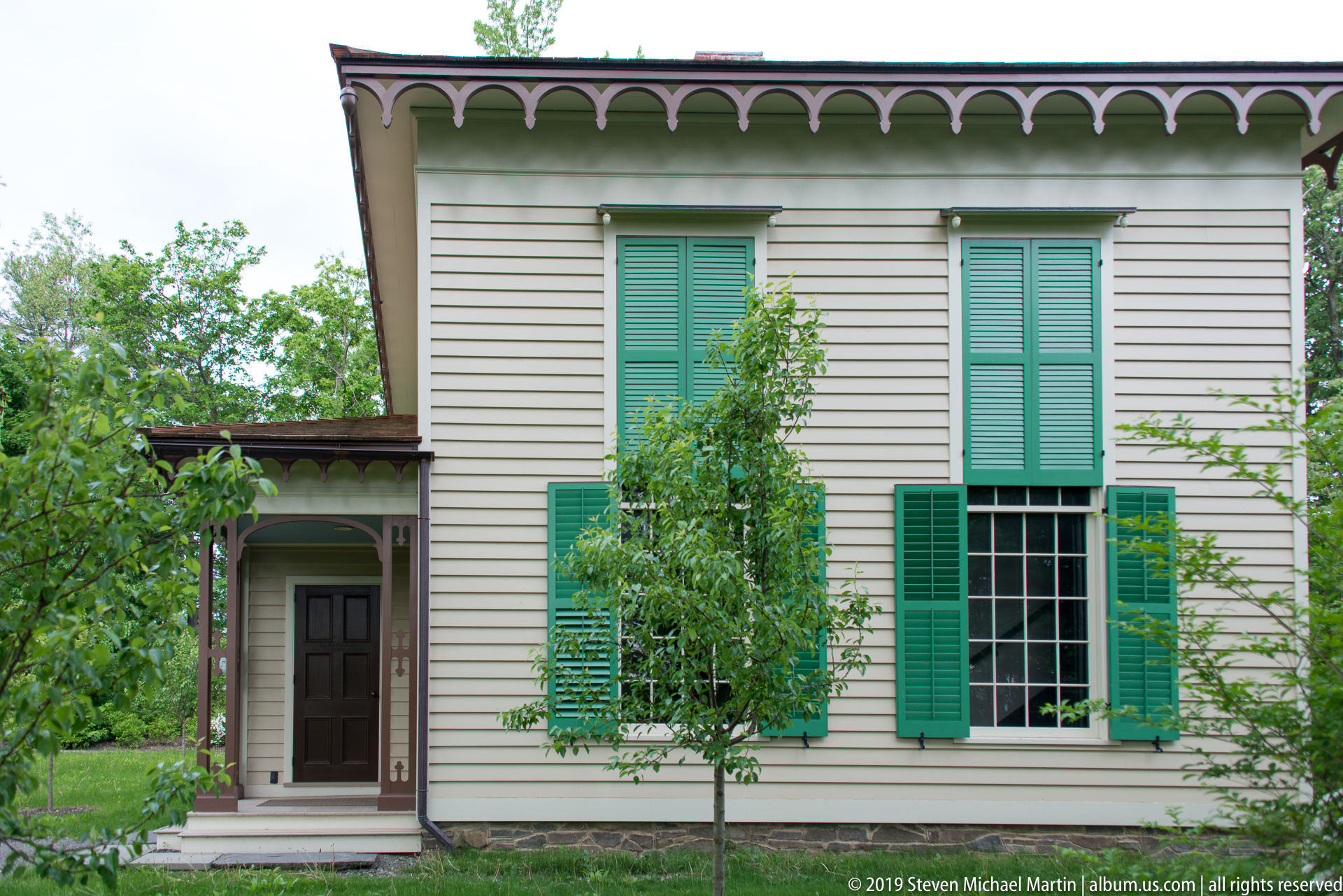
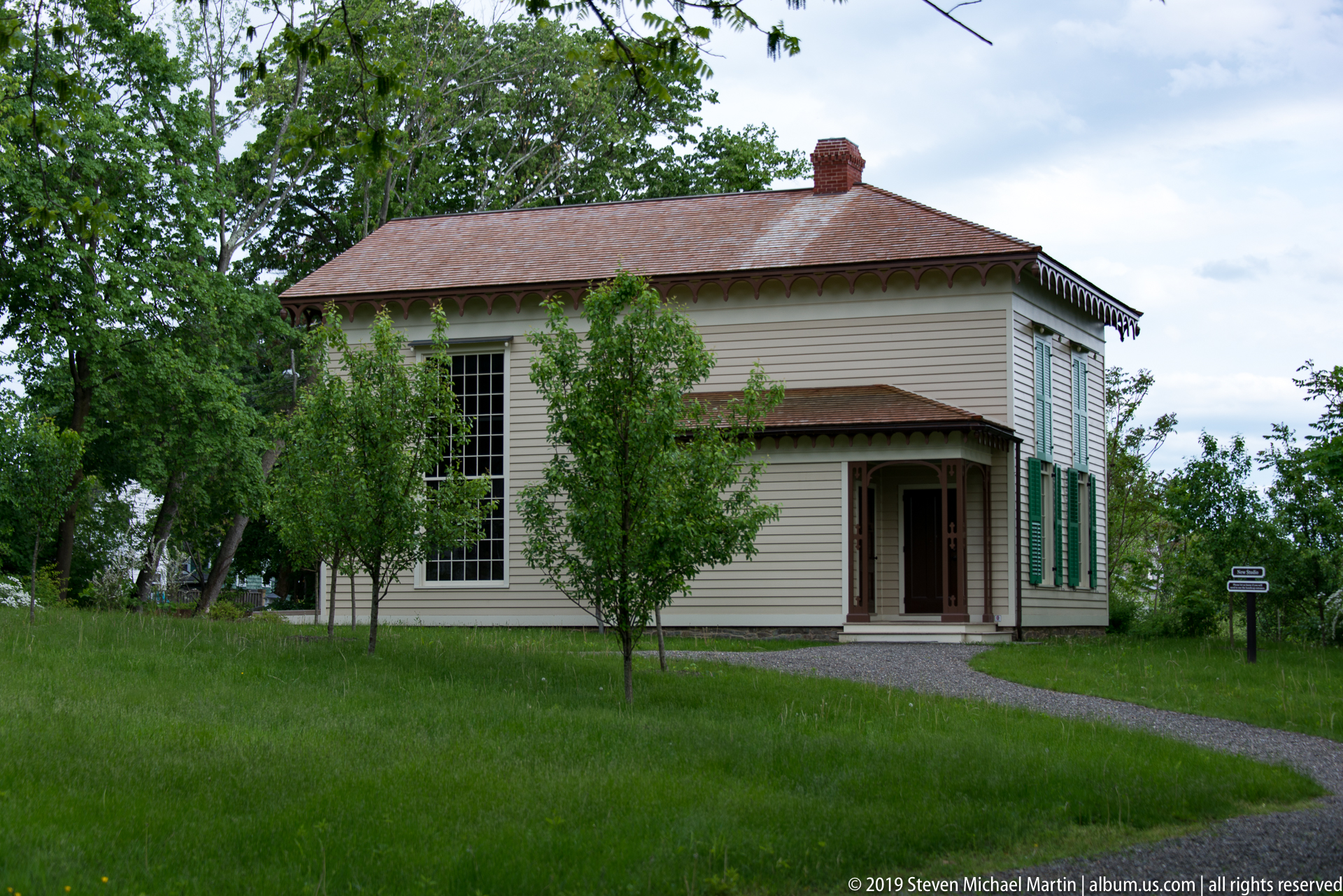
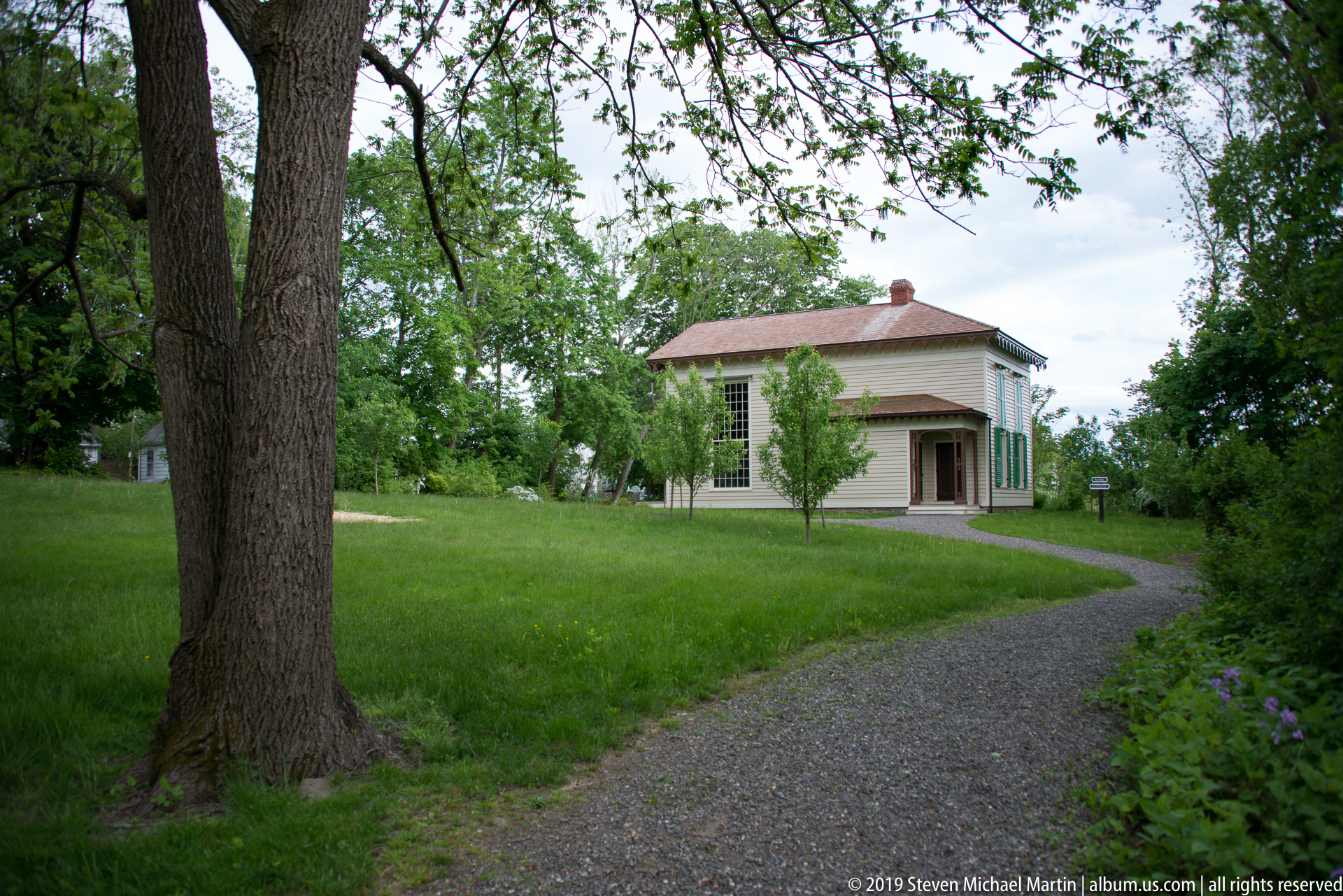
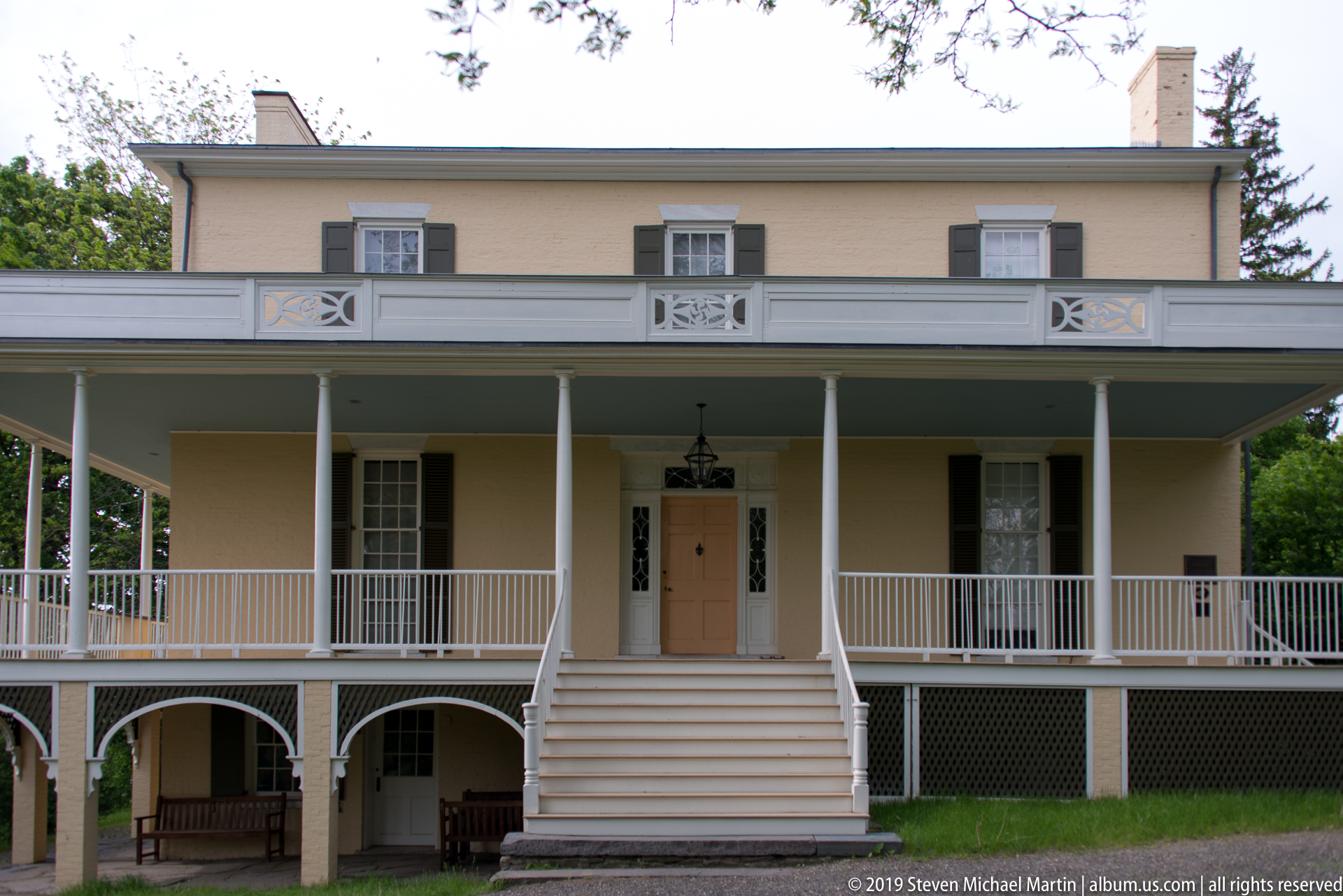
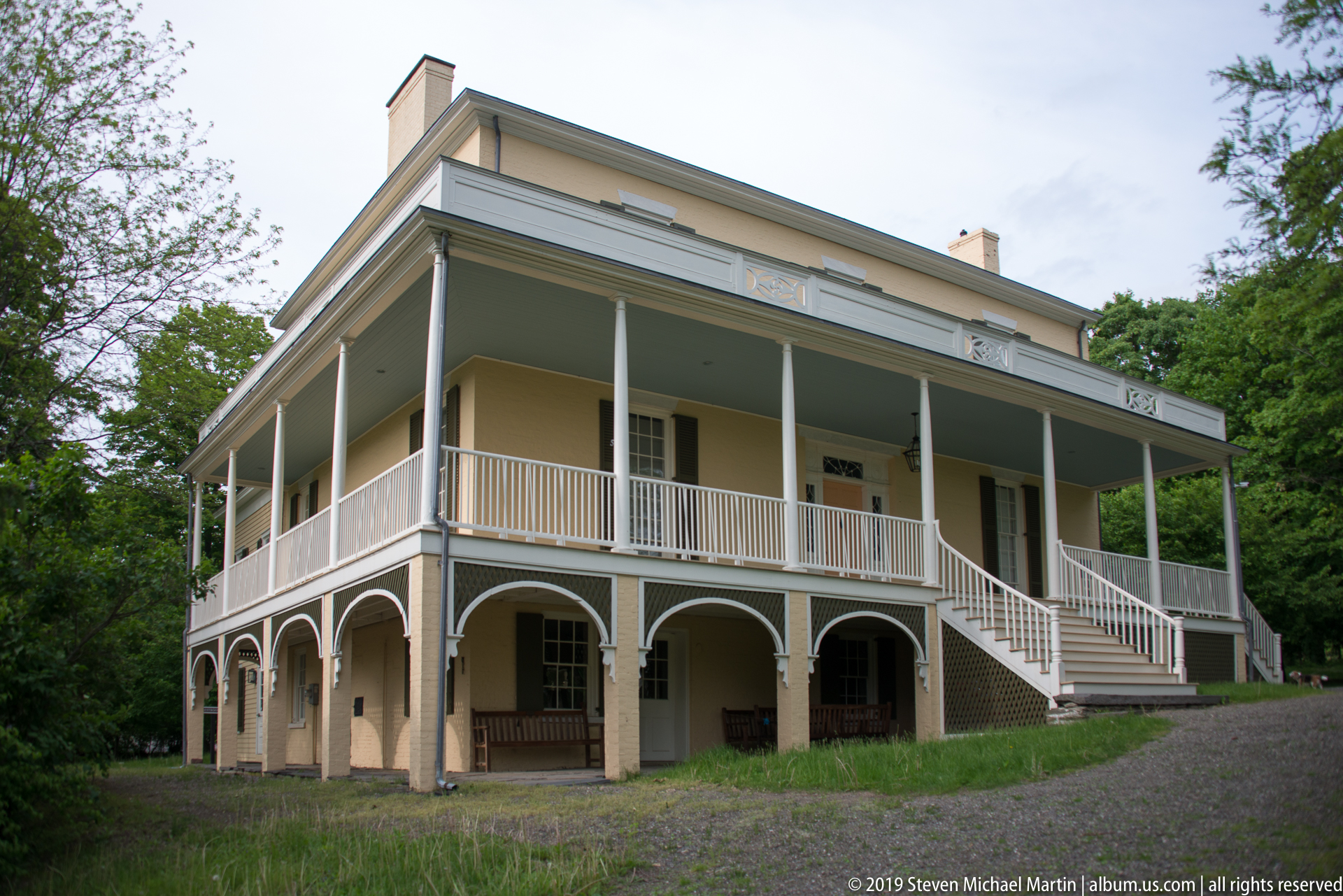
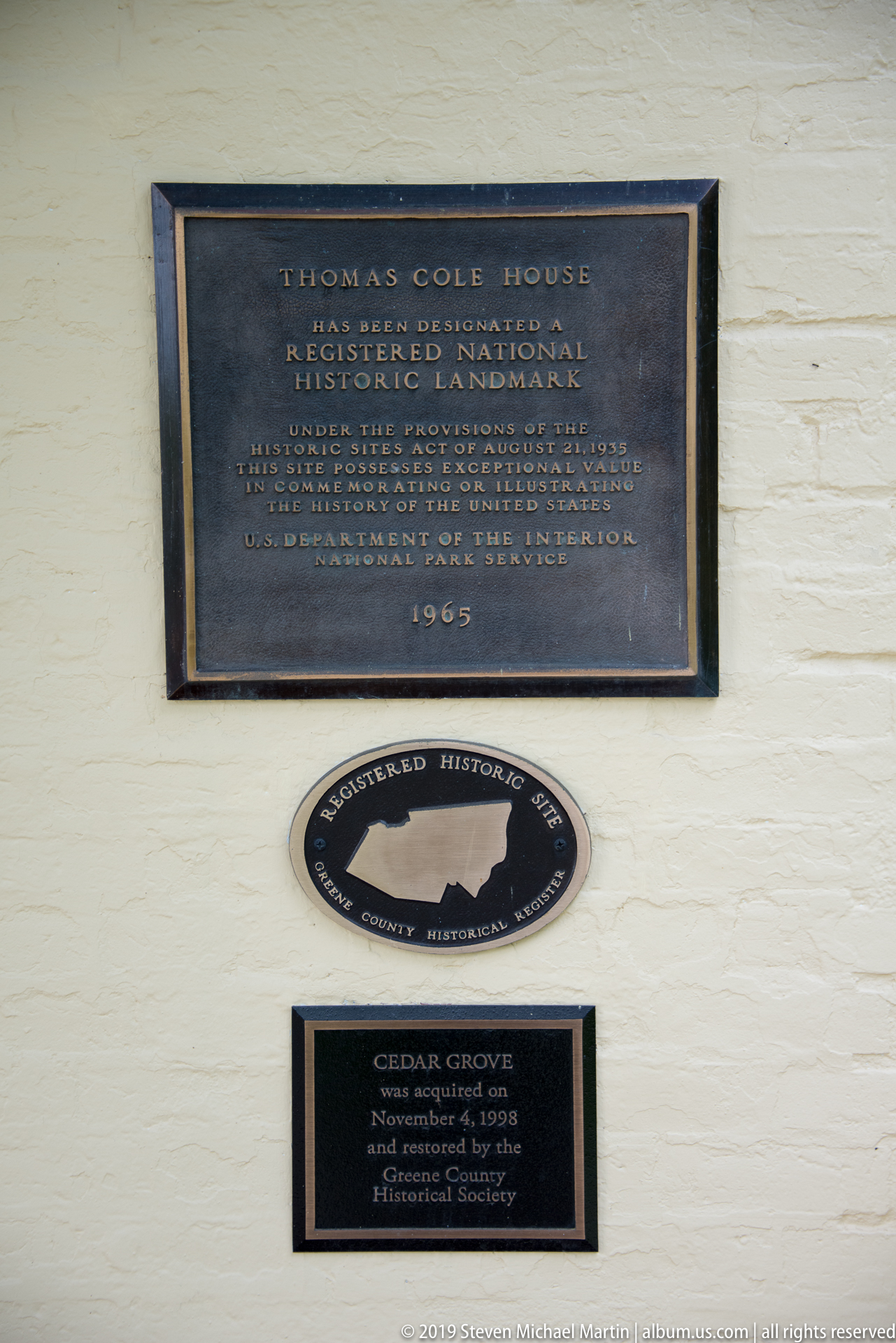
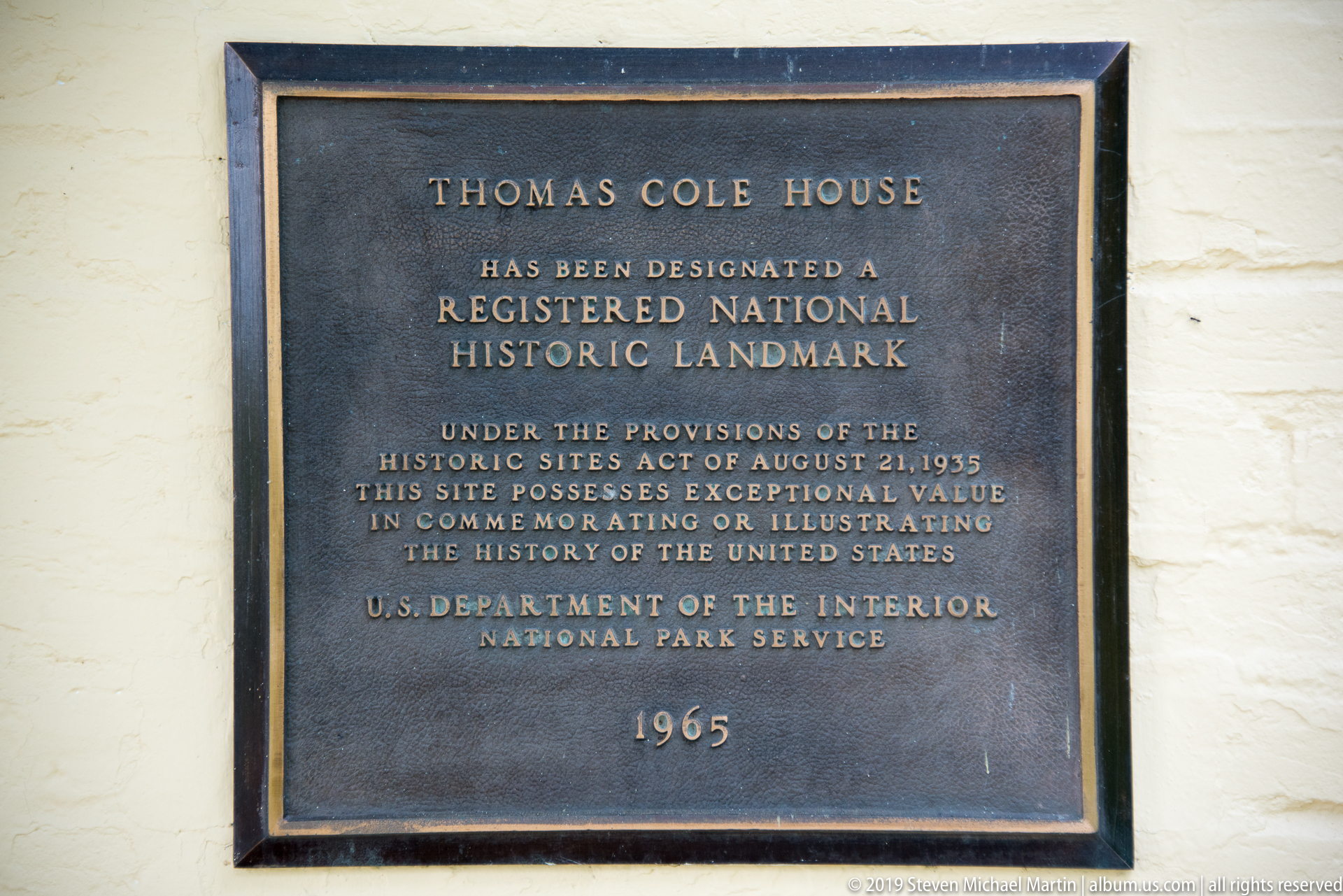
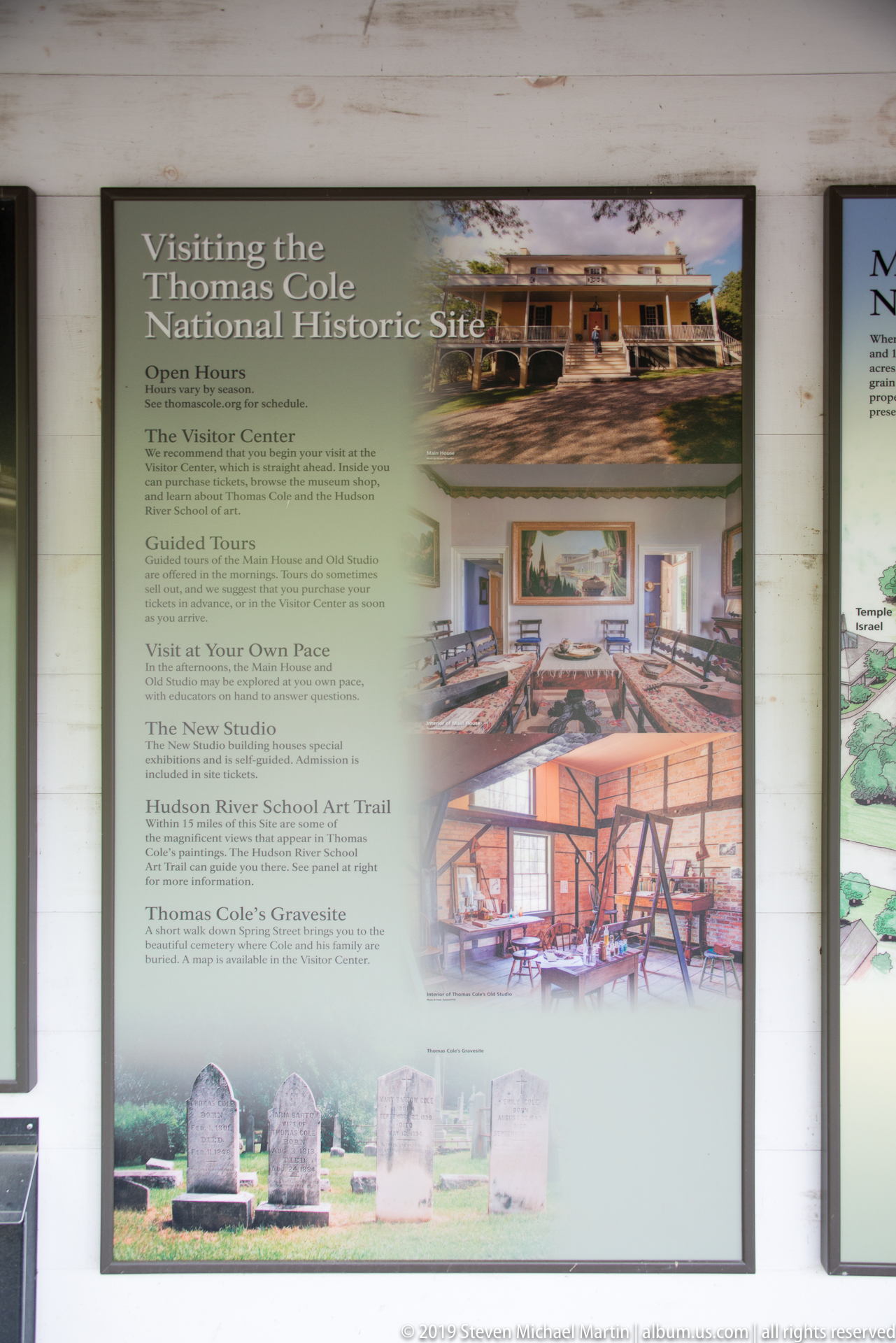
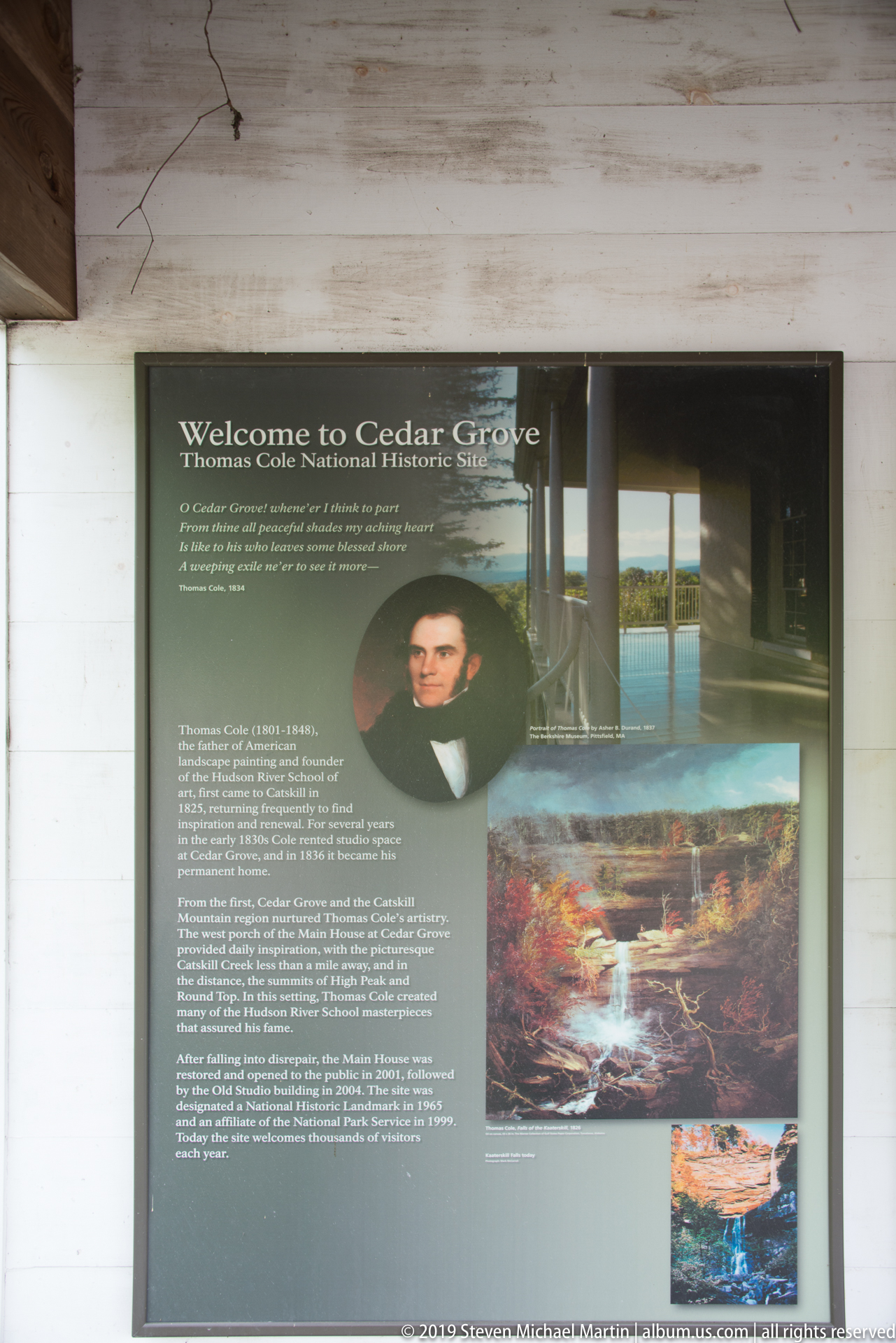
Thomas Cole National Historic Site preserves the home and studio of Thomas Cole, founder of the Hudson River School, the first major artistic movement in the United States devoted to landscape painting. Located in Catskill, New York, the site provided Cole with both residence and artistic setting from 1833 until his death in 1848. Cole’s paintings emphasized the relationship between nature, spirituality, and national identity, helping establish landscape as a defining theme in American art during the nineteenth century.
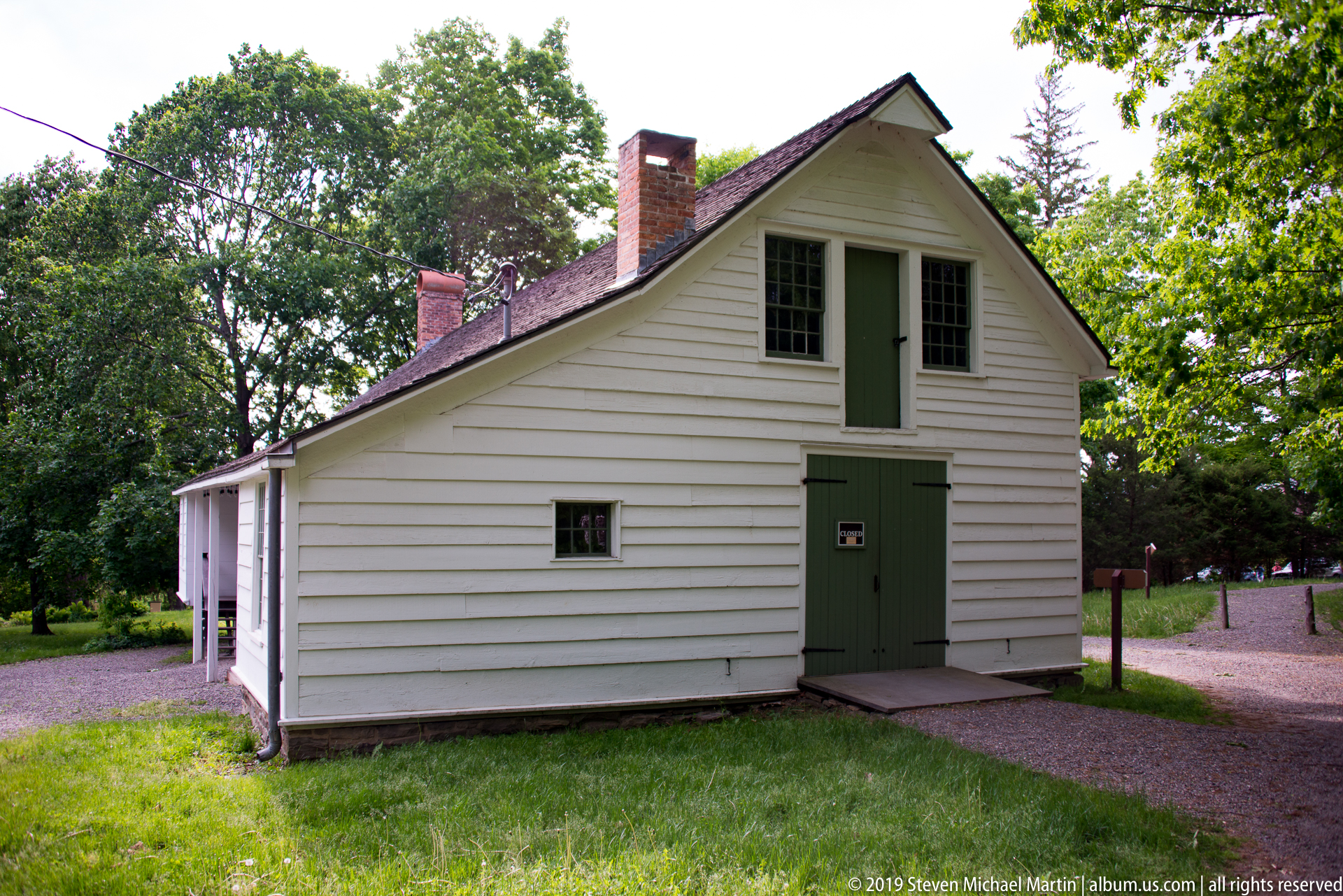
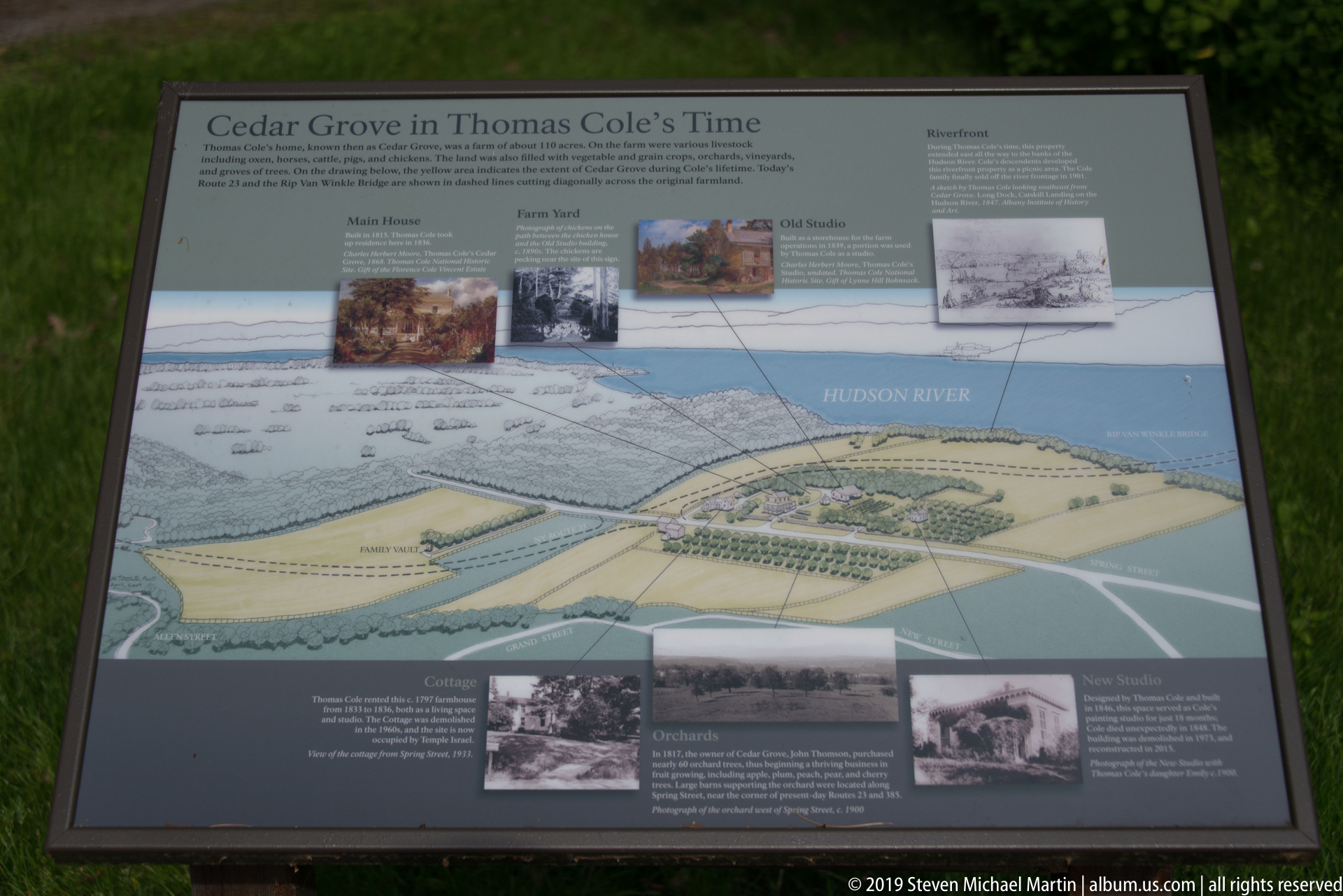
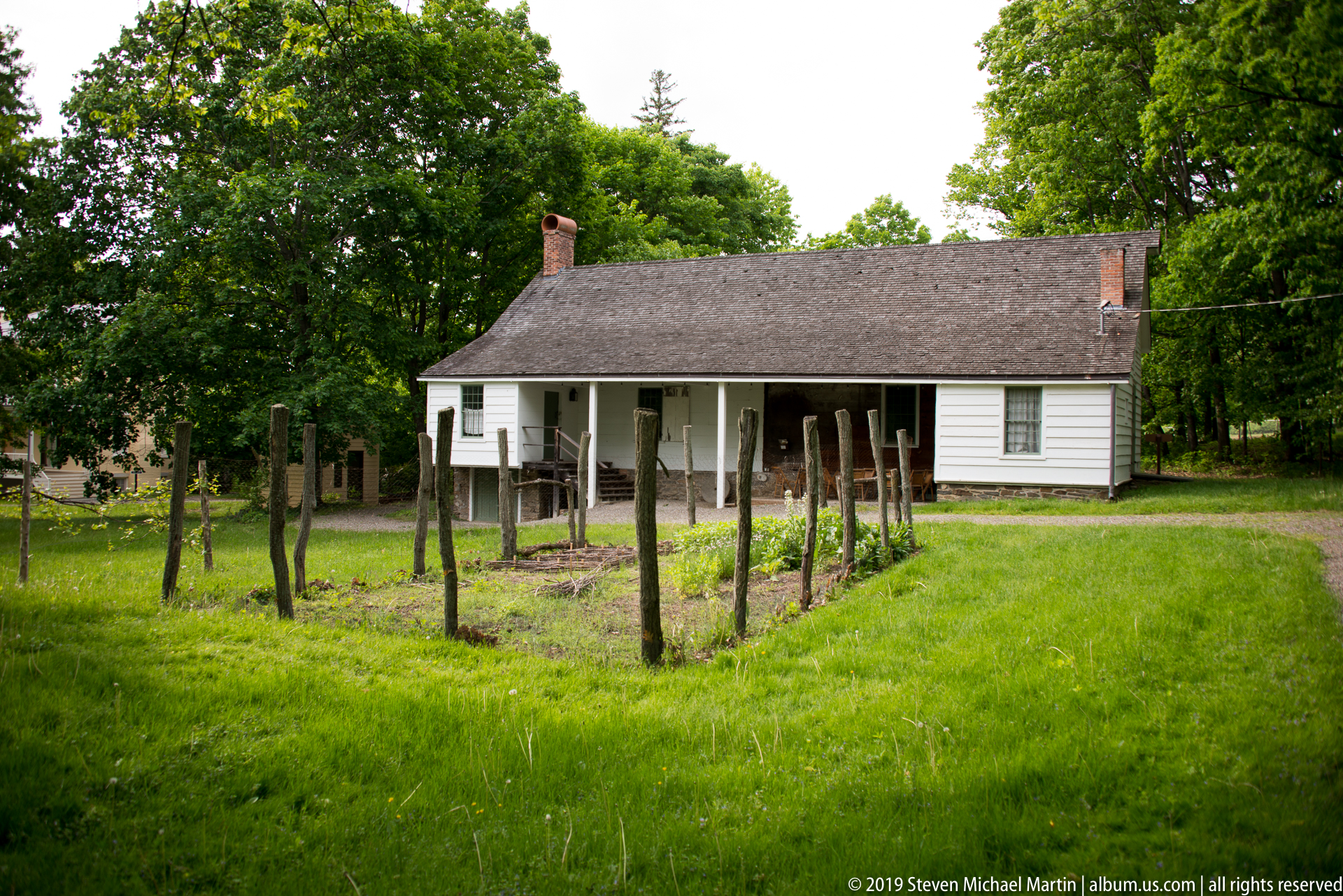
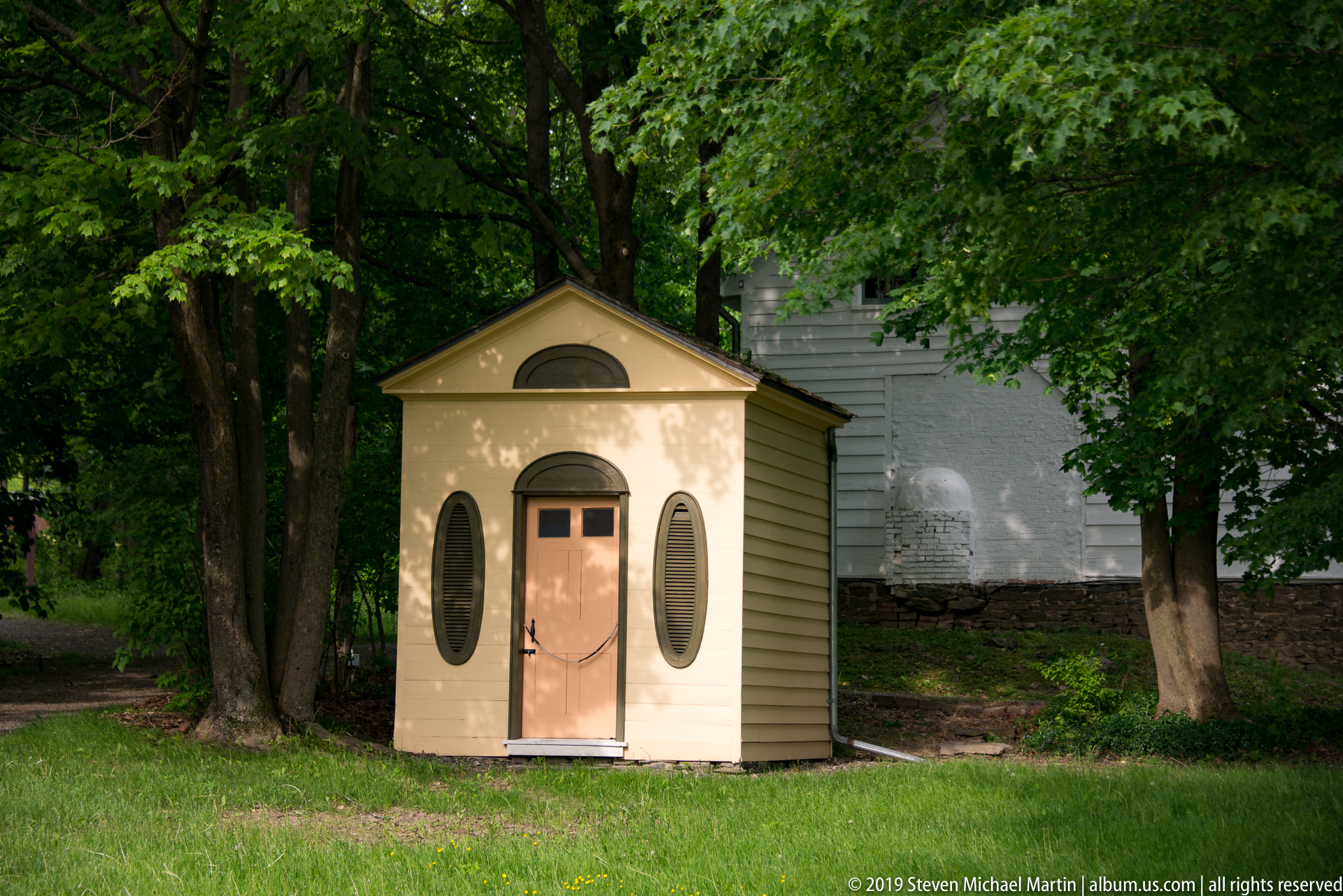
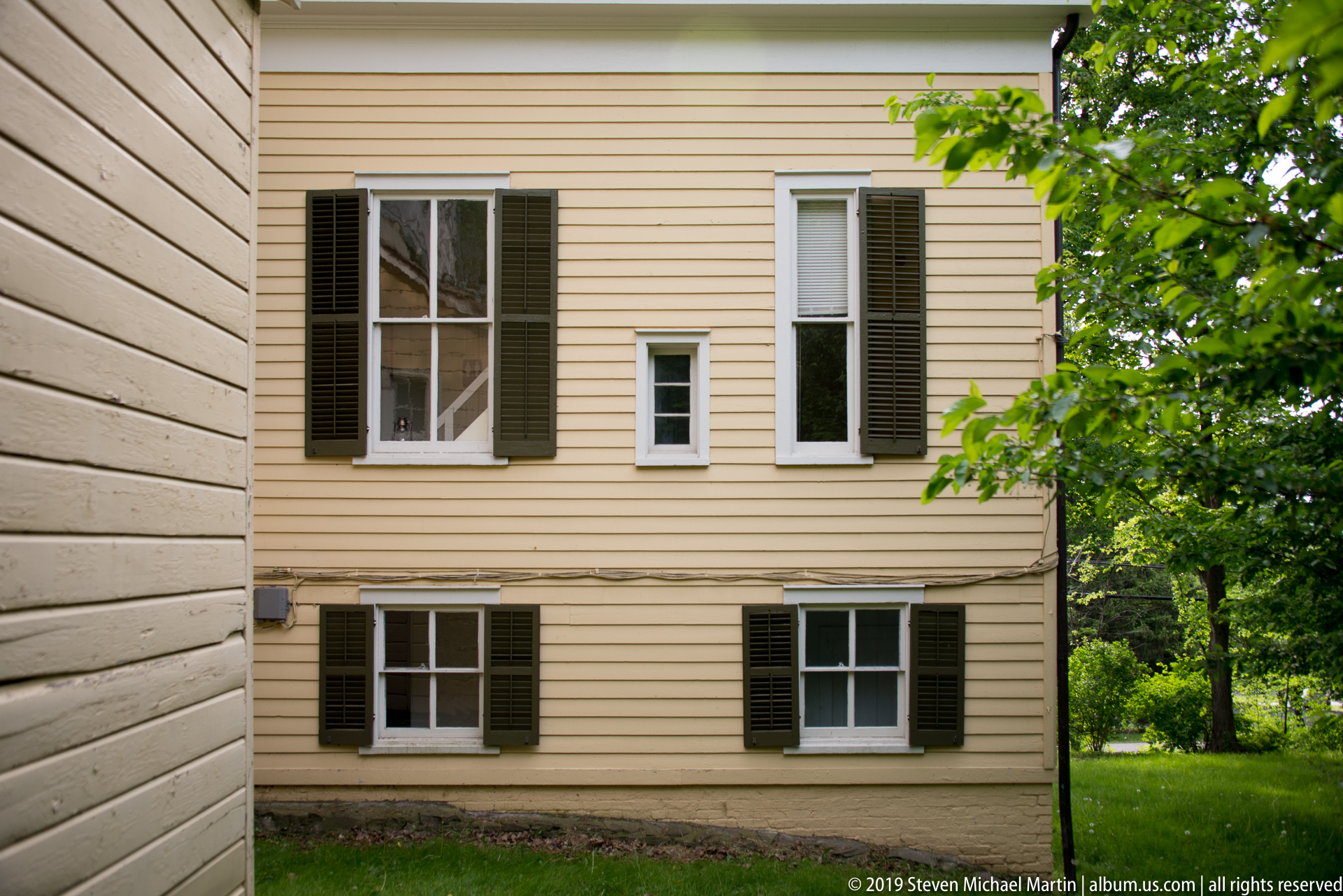
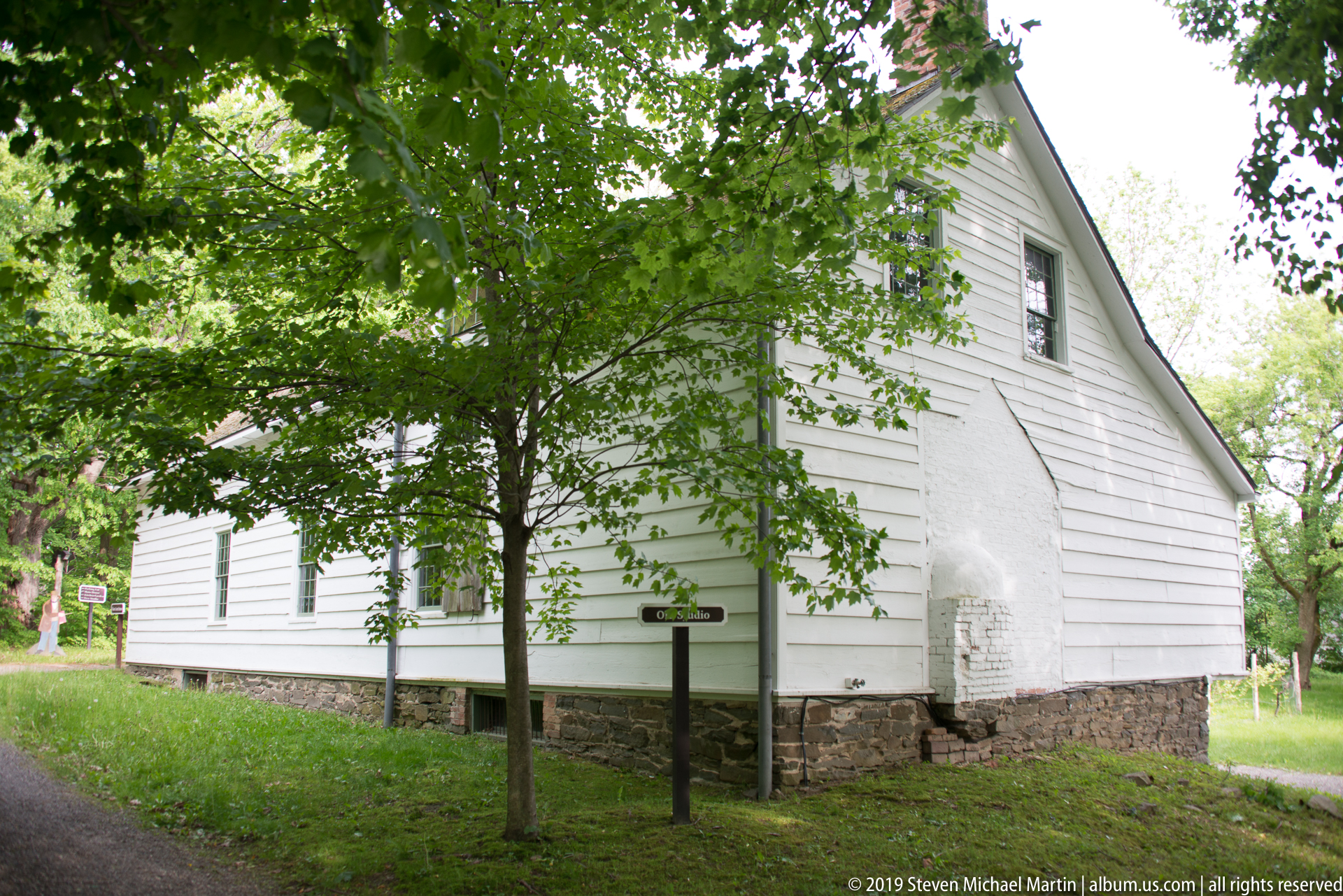
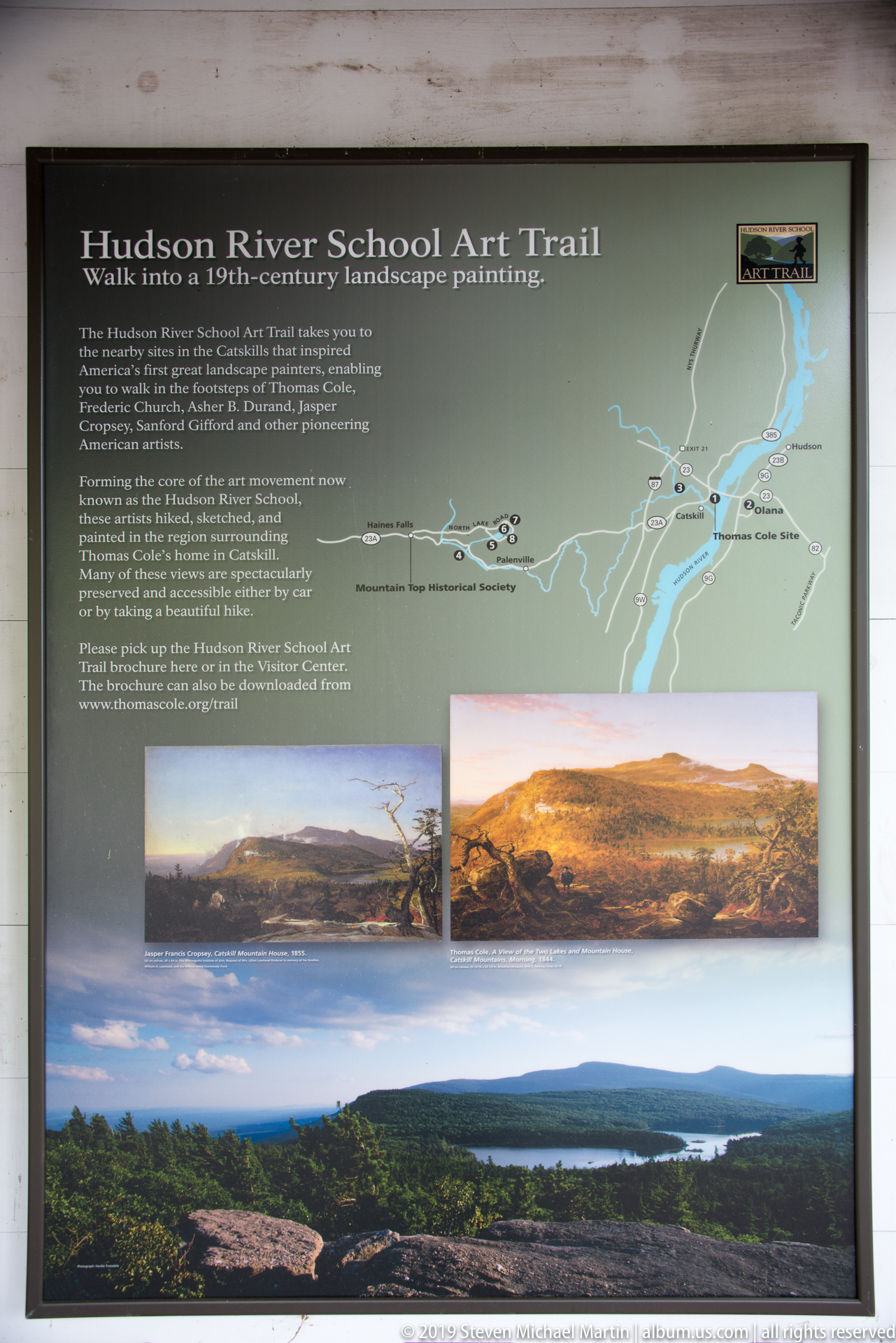
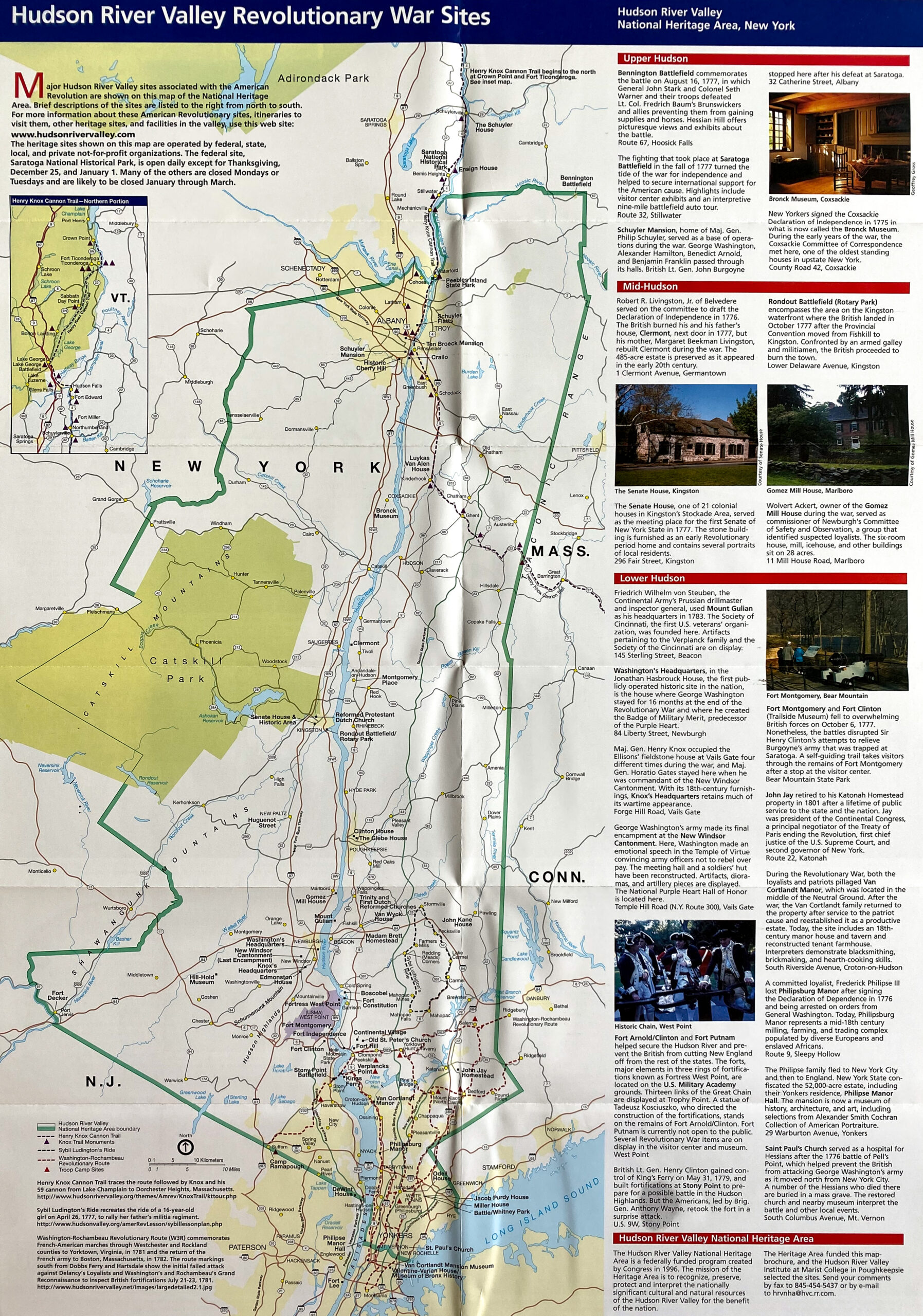
The surrounding Catskill Mountains and Hudson River Valley served as inspiration for many of Cole’s most influential works, including scenes that emphasized the dramatic scale and symbolic meaning of the American wilderness. The property, known historically as Cedar Grove, includes the main house, studios, and landscape features associated with Cole’s artistic development. The site later became part of a broader effort to preserve the cultural legacy of the Hudson River School, whose painters sought to represent the American landscape as both a physical and philosophical subject.
Thomas Cole’s work contributed to shaping early American perspectives on conservation and the cultural significance of landscape. The preservation of his home and studio provides insight into the relationship between artistic practice and the natural environment in the nineteenth century. The site remains an important place for understanding how landscape painting influenced national identity and environmental awareness in the United States.