Yosemite National Park
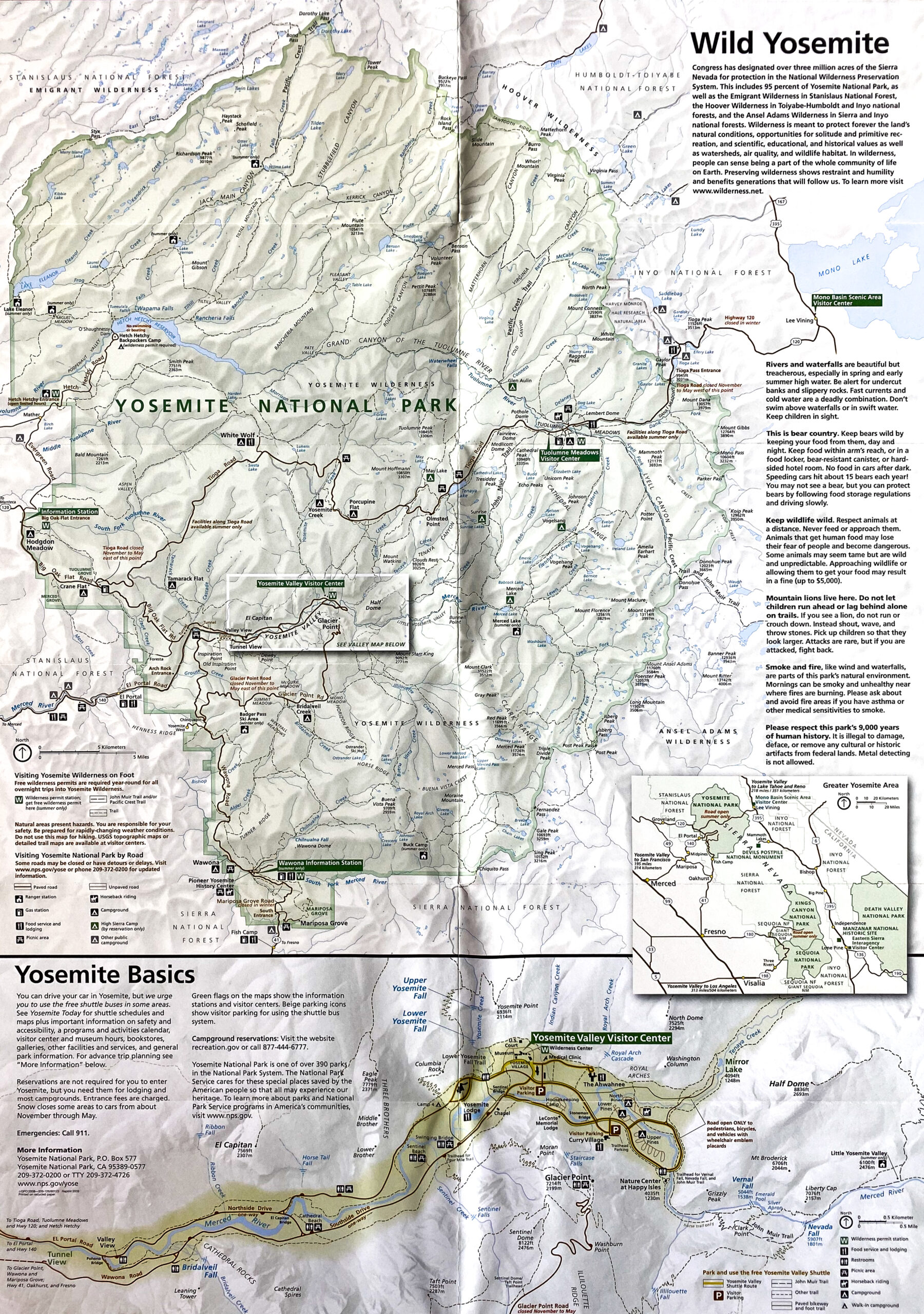
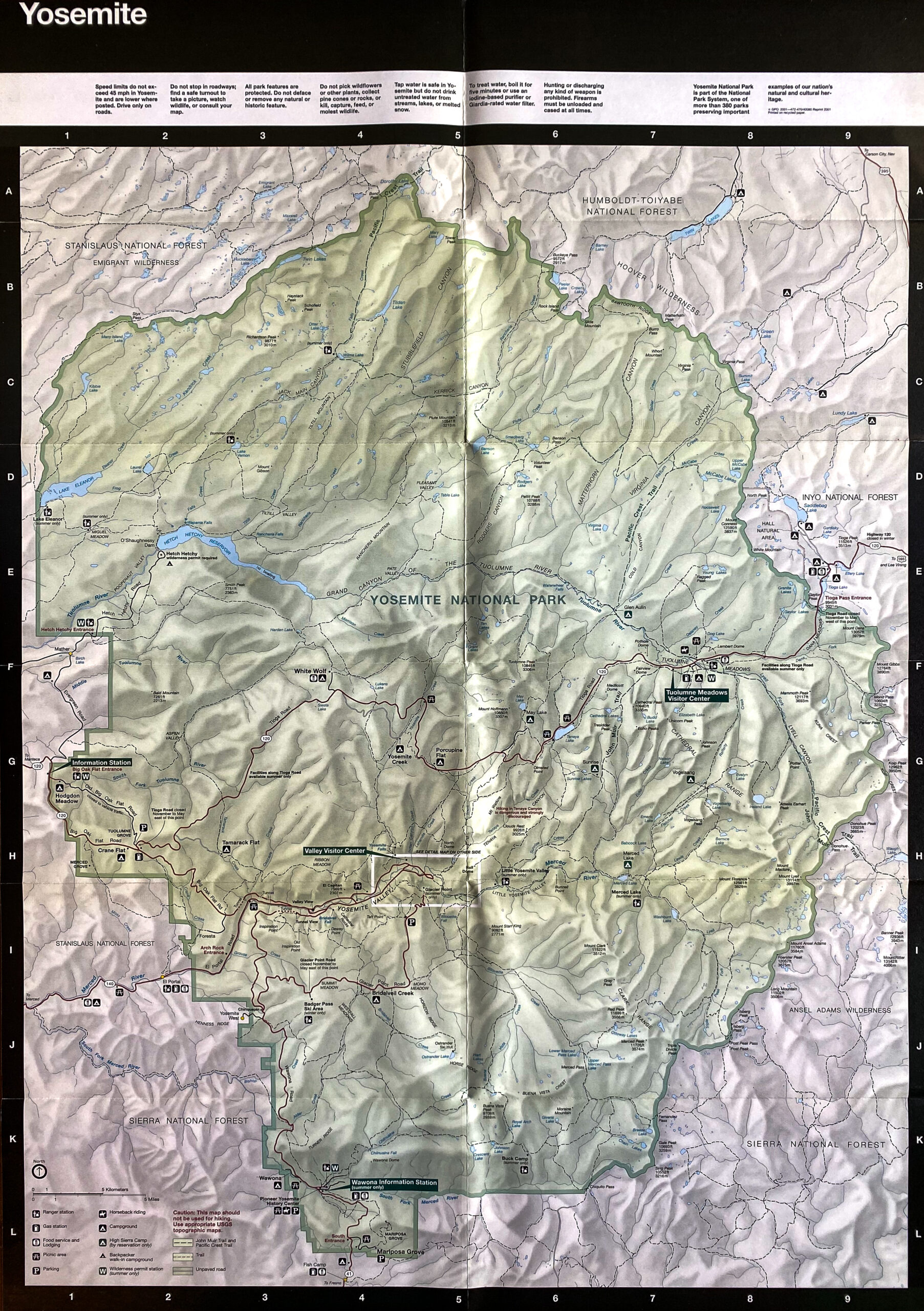
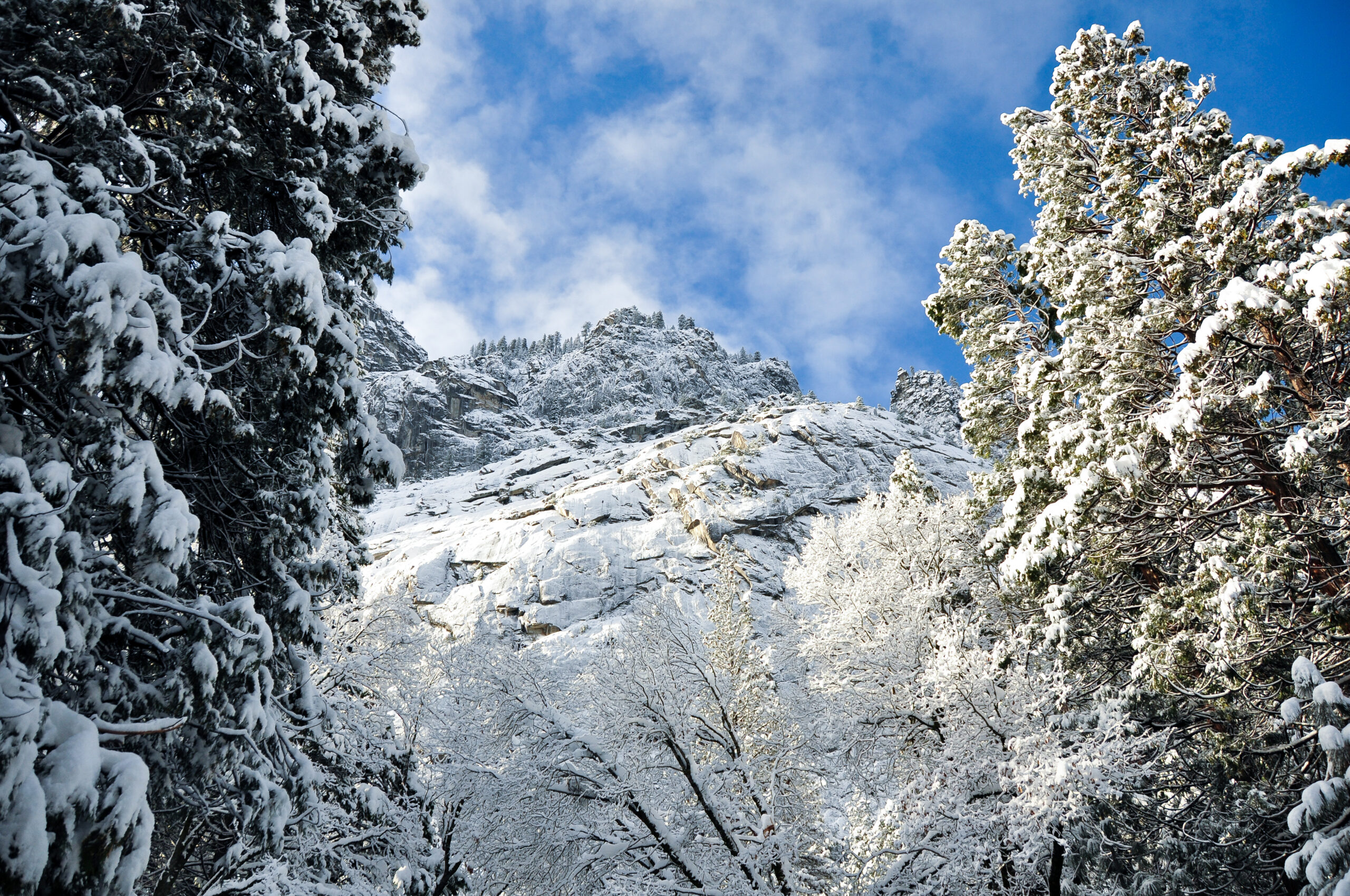
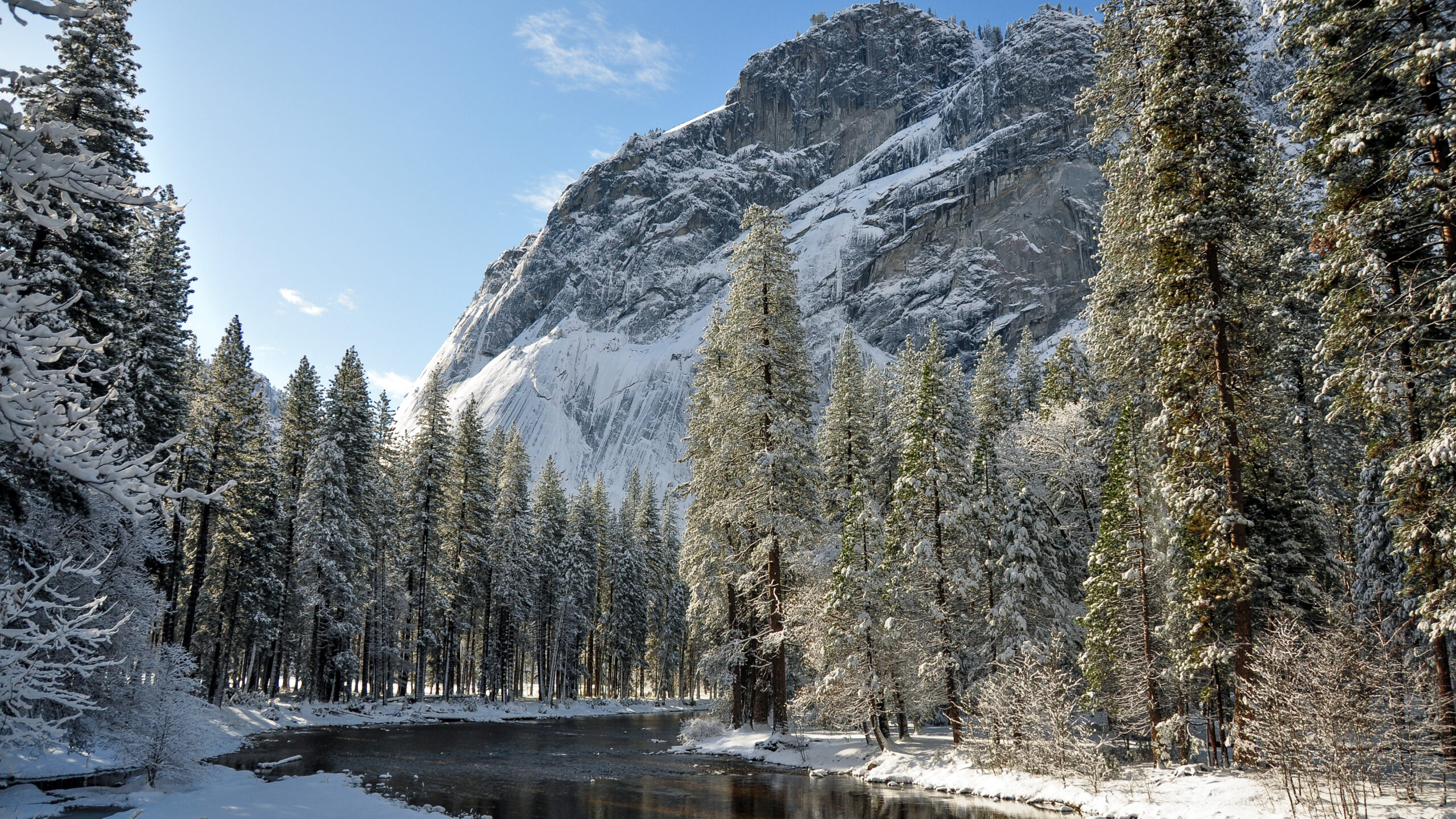
Yosemite National Park is located in California’s Sierra Nevada mountains, where glacial processes shaped granite cliffs, waterfalls, and high alpine landscapes. The park’s distinctive geological formations, including sheer rock faces and deep valleys, were formed through uplift and erosion over millions of years.
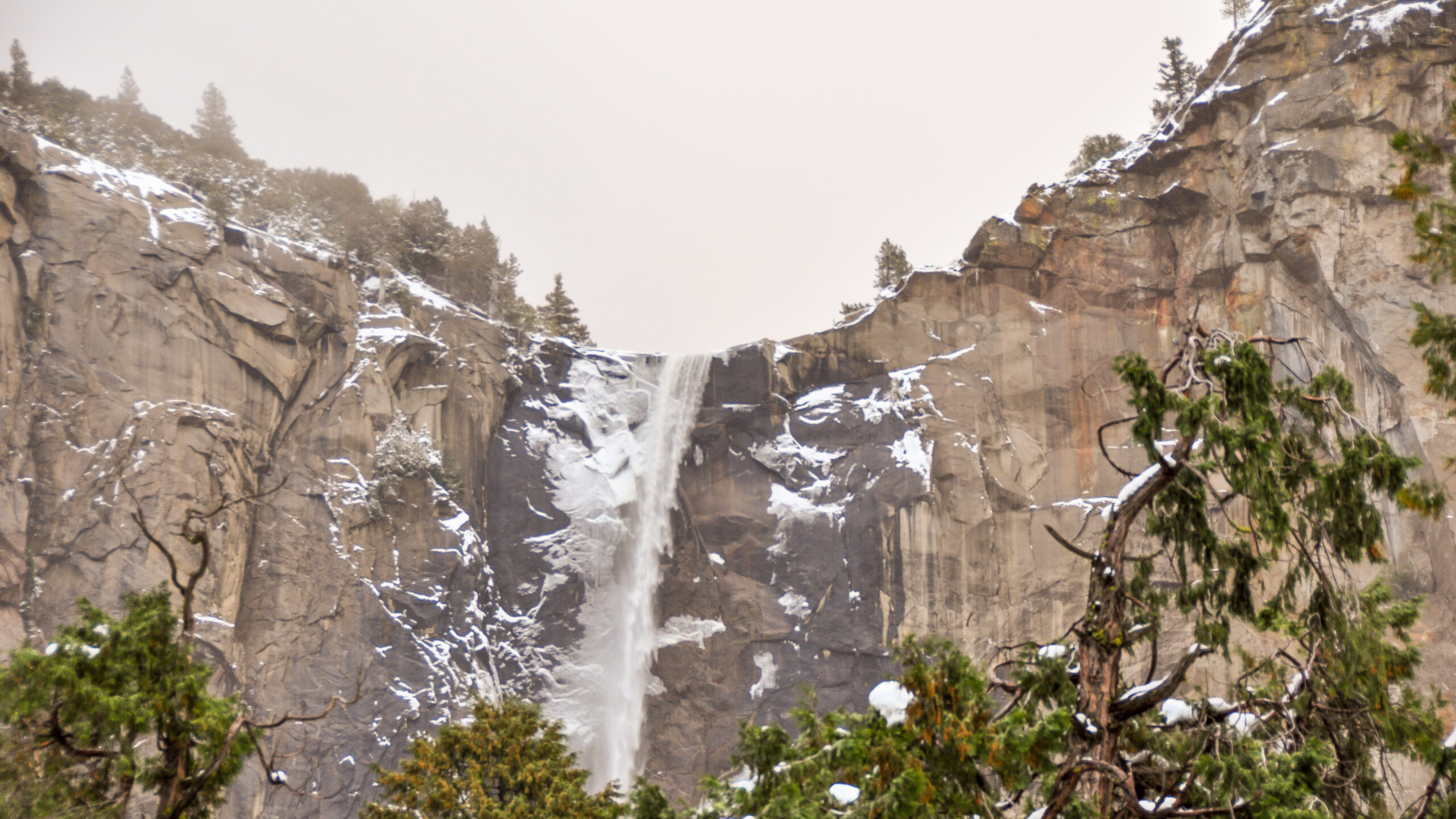
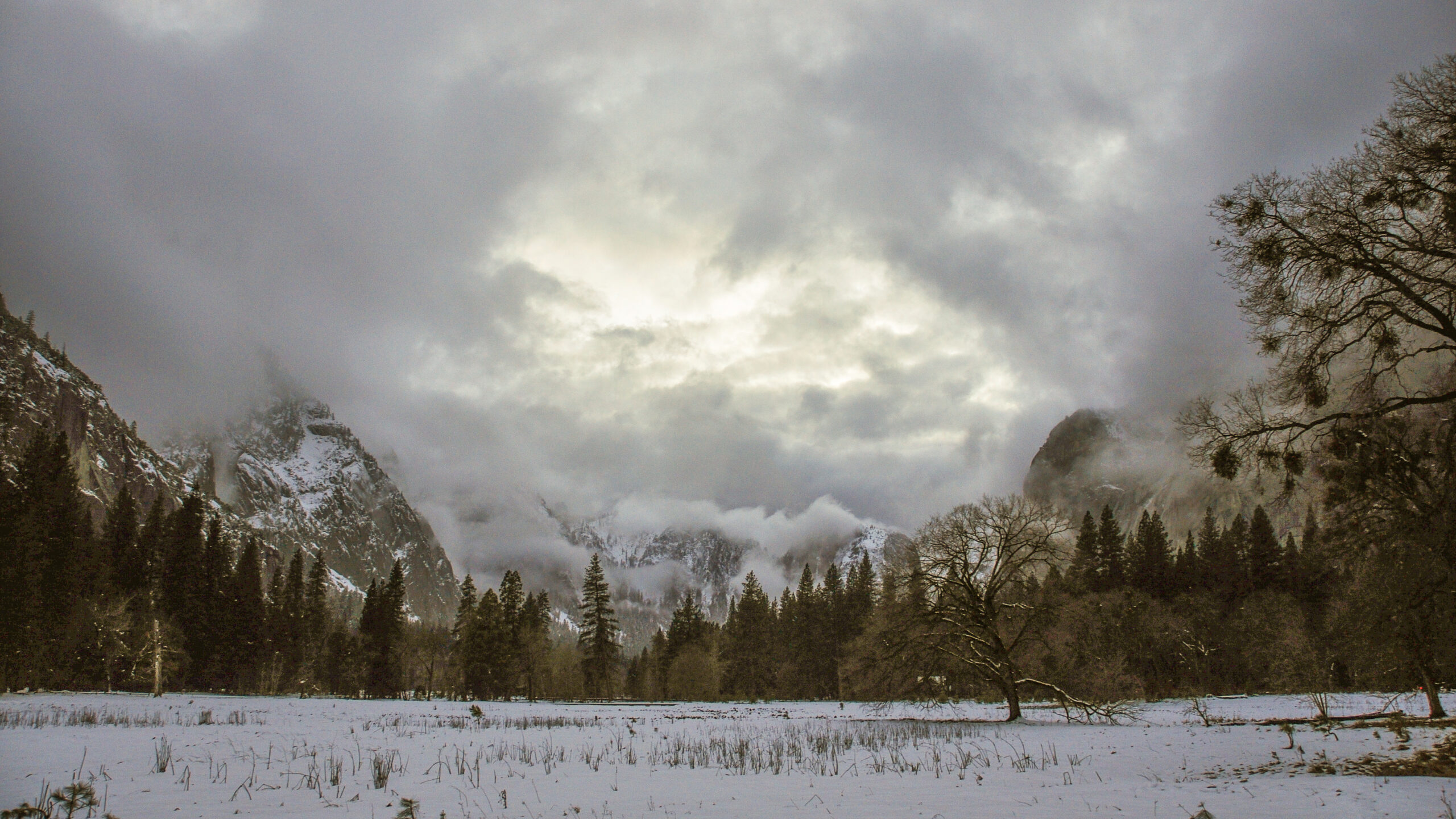
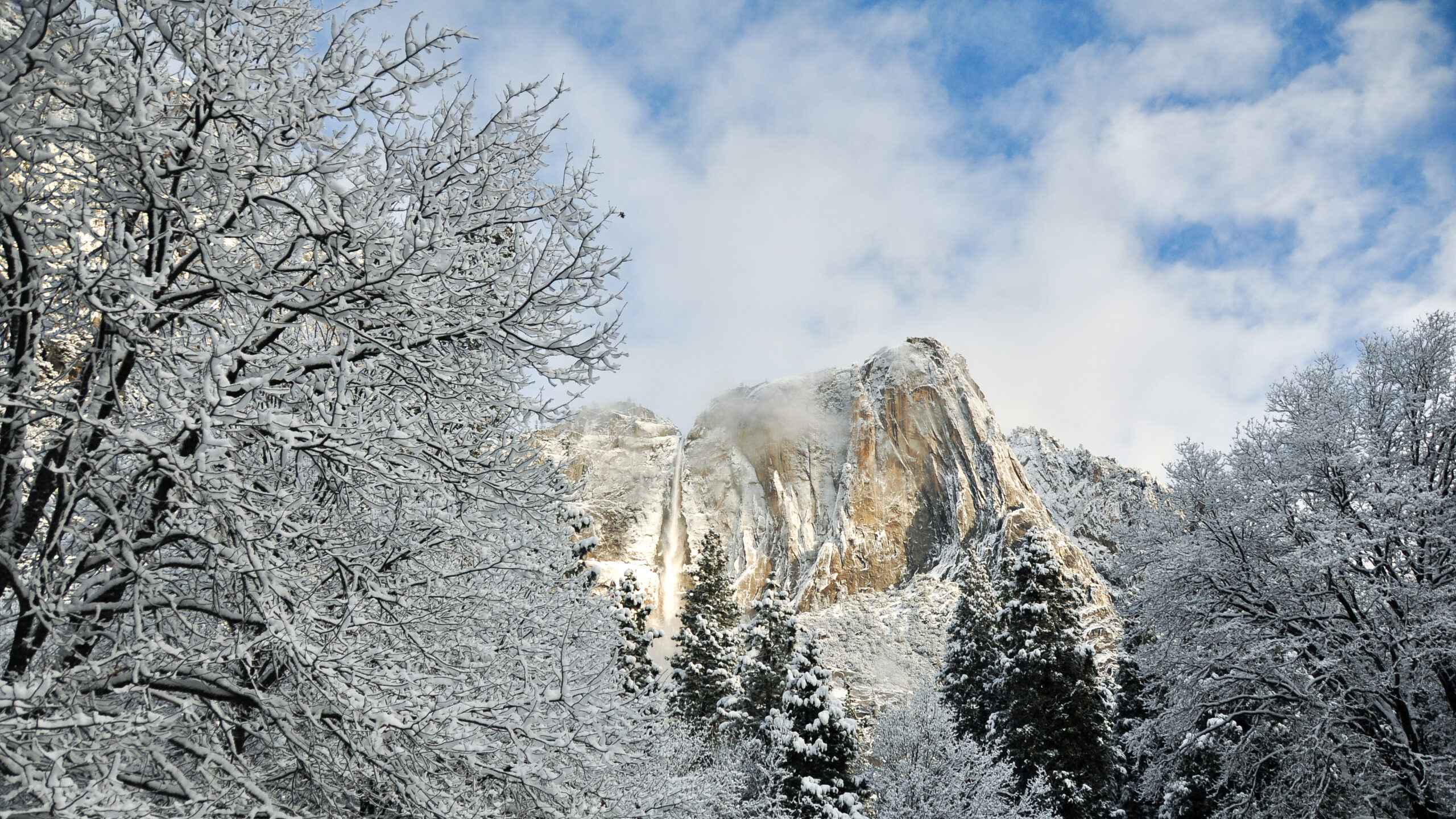
Glacial activity during the last Ice Age carved Yosemite Valley, producing dramatic features such as granite domes, vertical cliffs, and cascading waterfalls. The park preserves a wide range of ecosystems extending from foothill woodlands to alpine environments at higher elevations.
Yosemite represents one of the most influential early national parks in the United States, contributing to the development of conservation policy and landscape preservation within the American West.





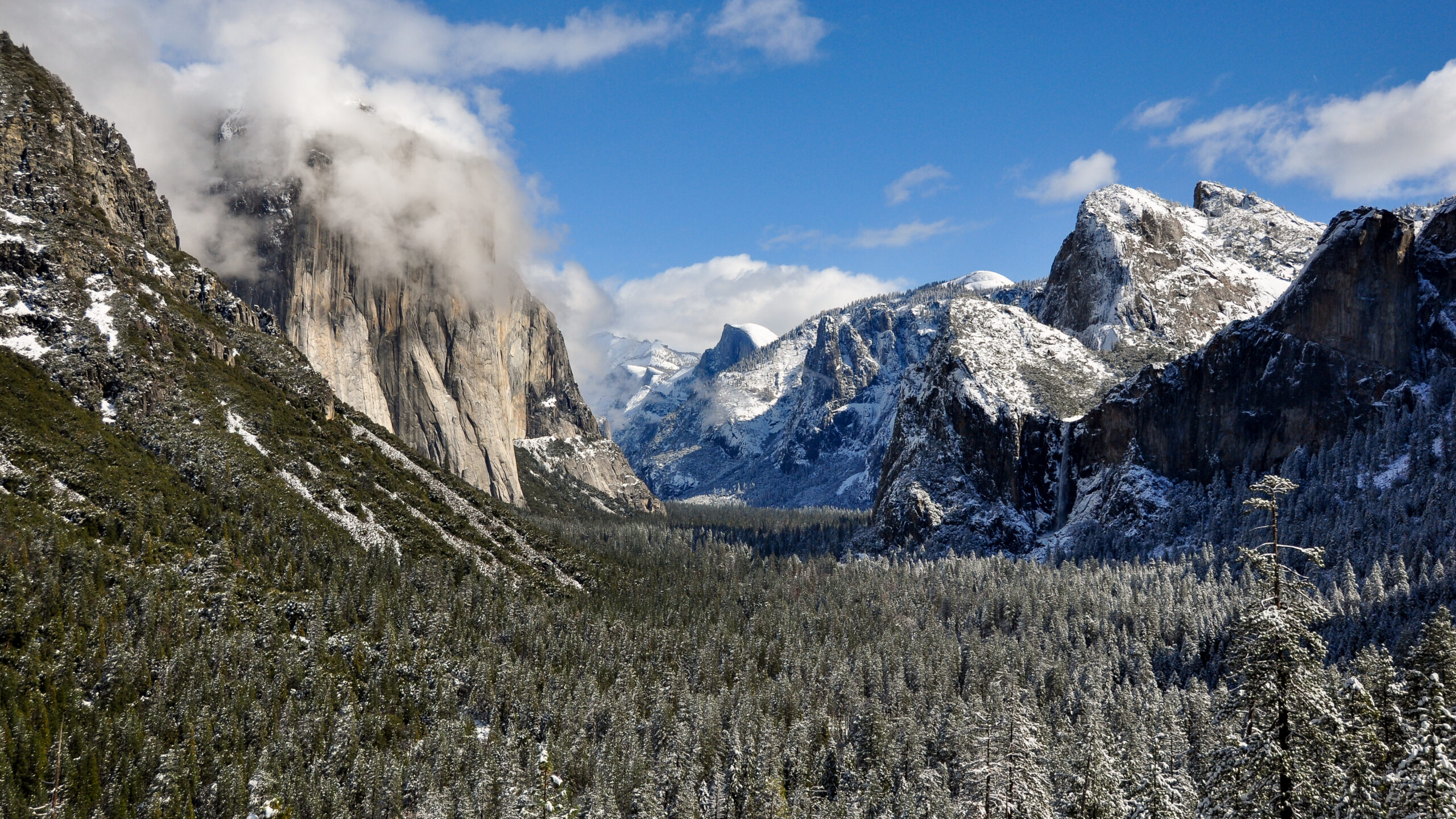
Yosemite National Park Field Guide
📍 Location
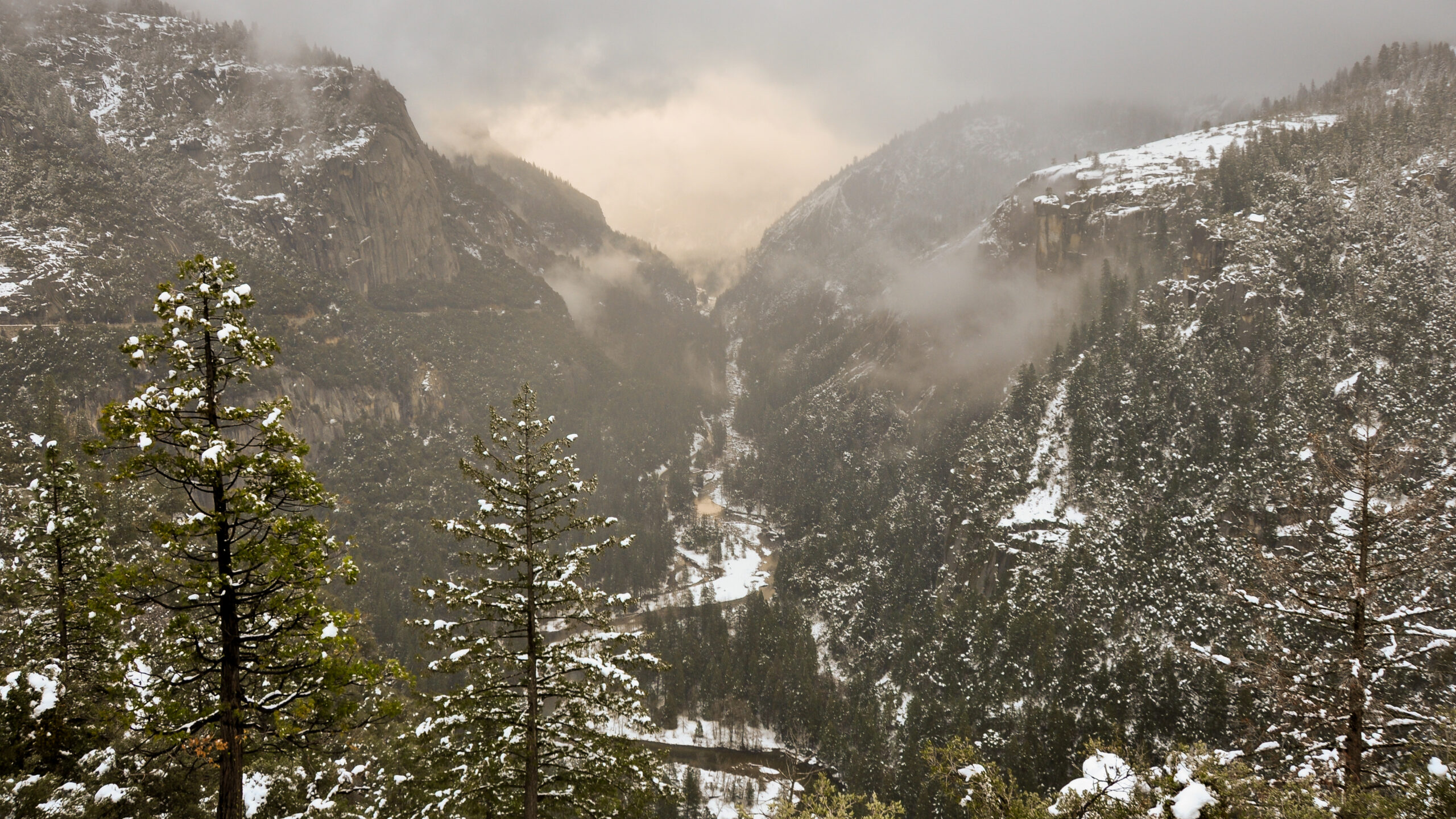
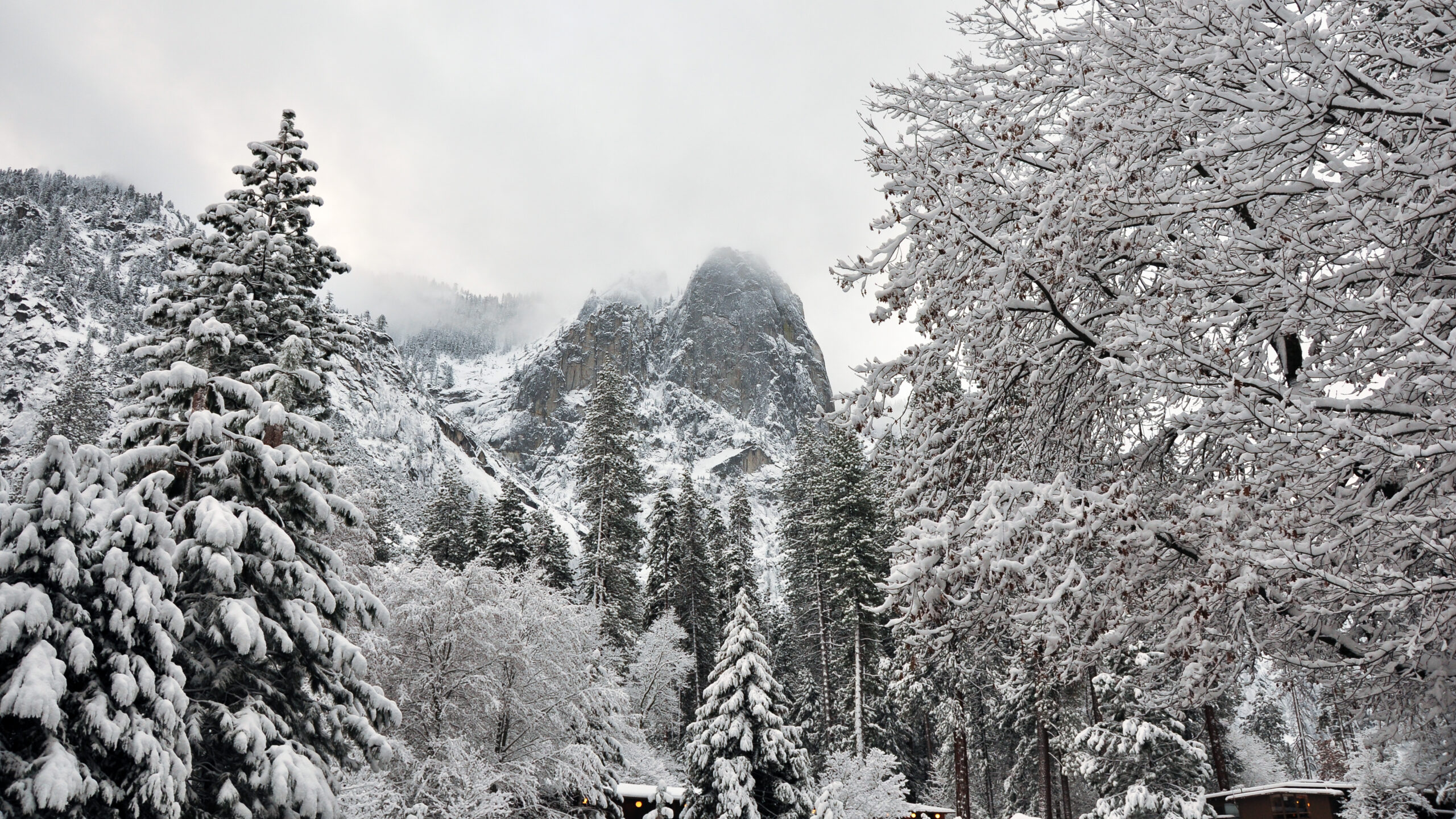
Yosemite National Park is located in the Sierra Nevada mountain range of California, where glacial processes formed granite cliffs, valleys, and waterfalls that define the park’s landscape.
🌎 Landscape
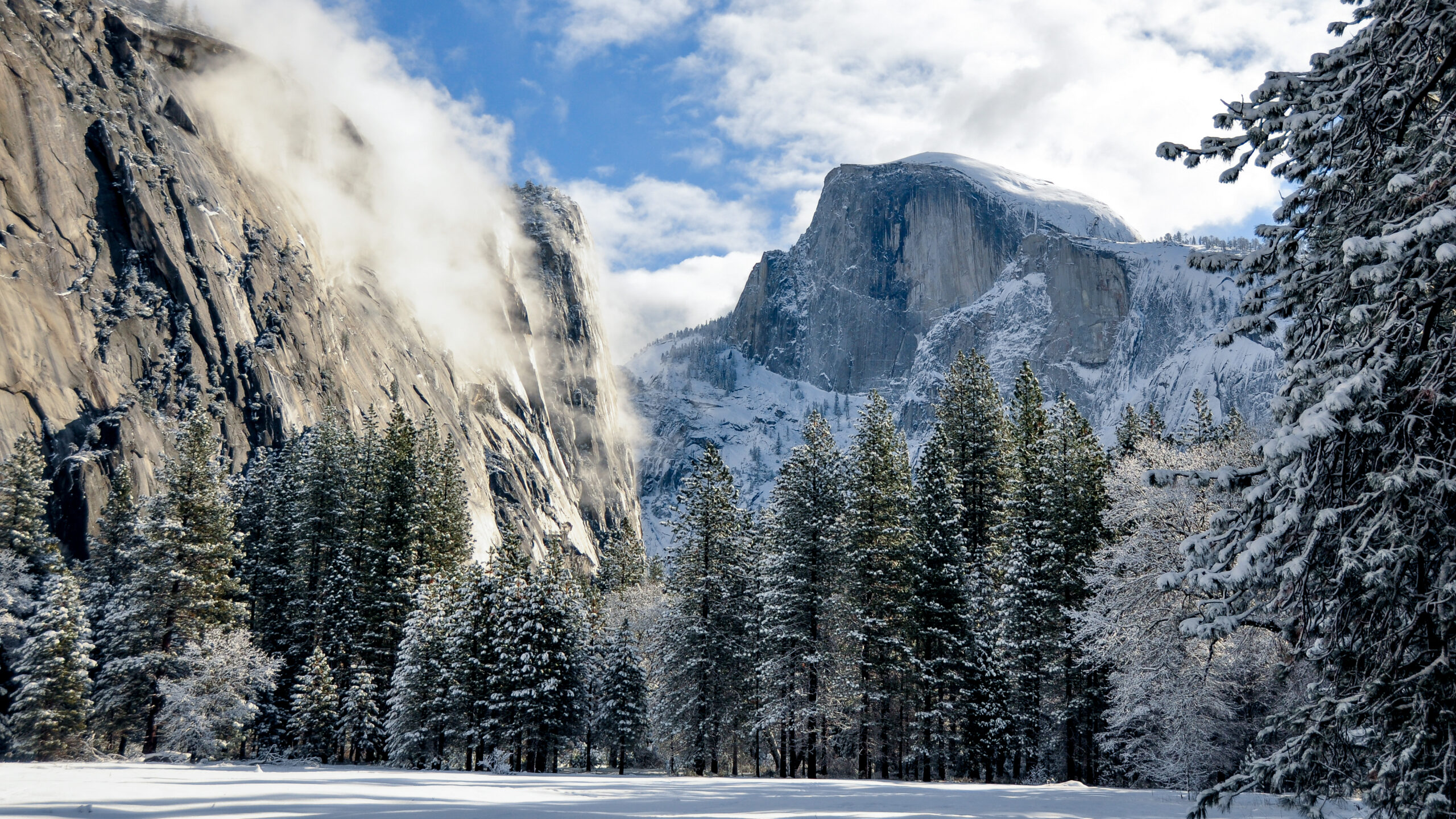
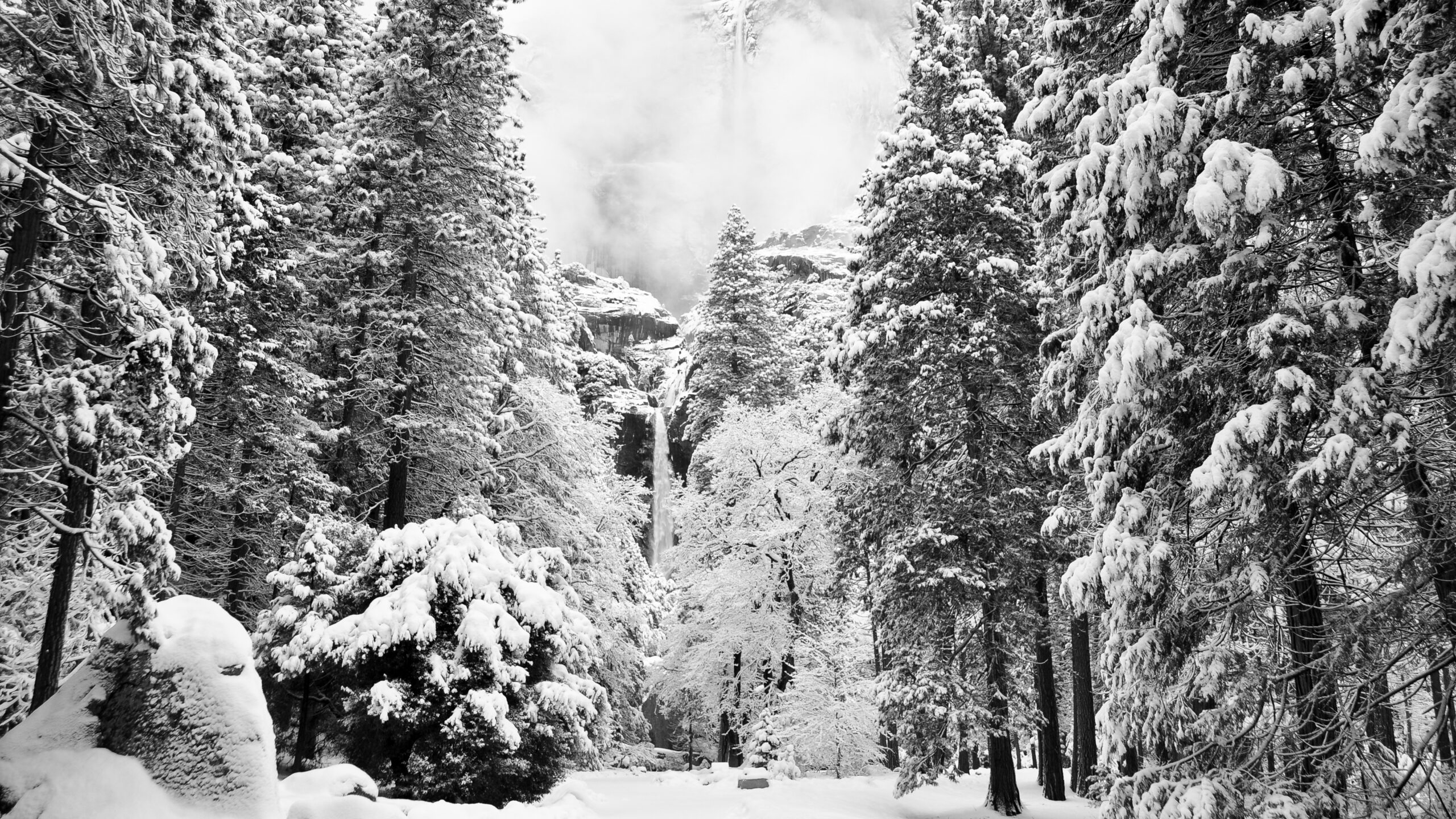
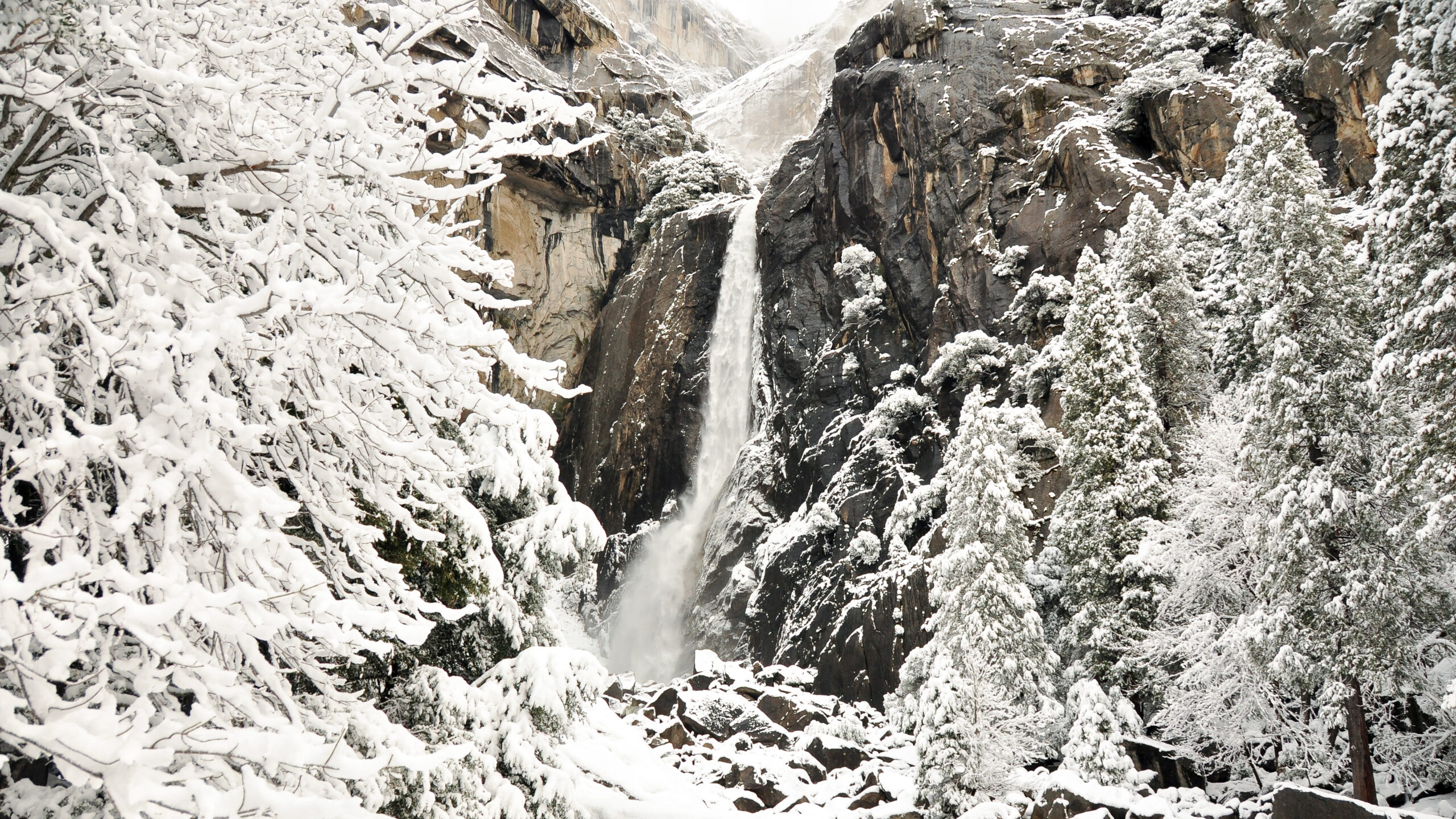
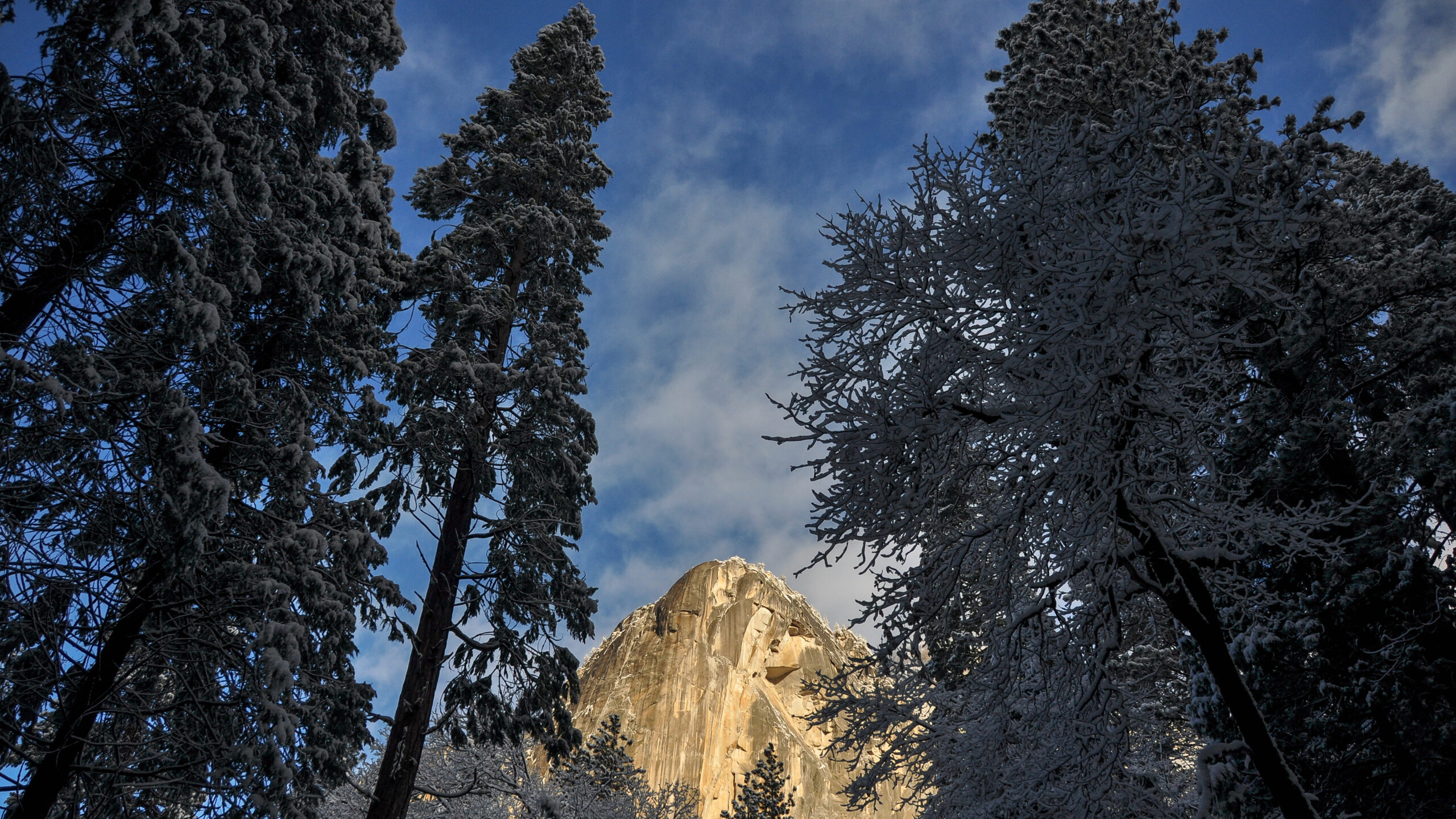
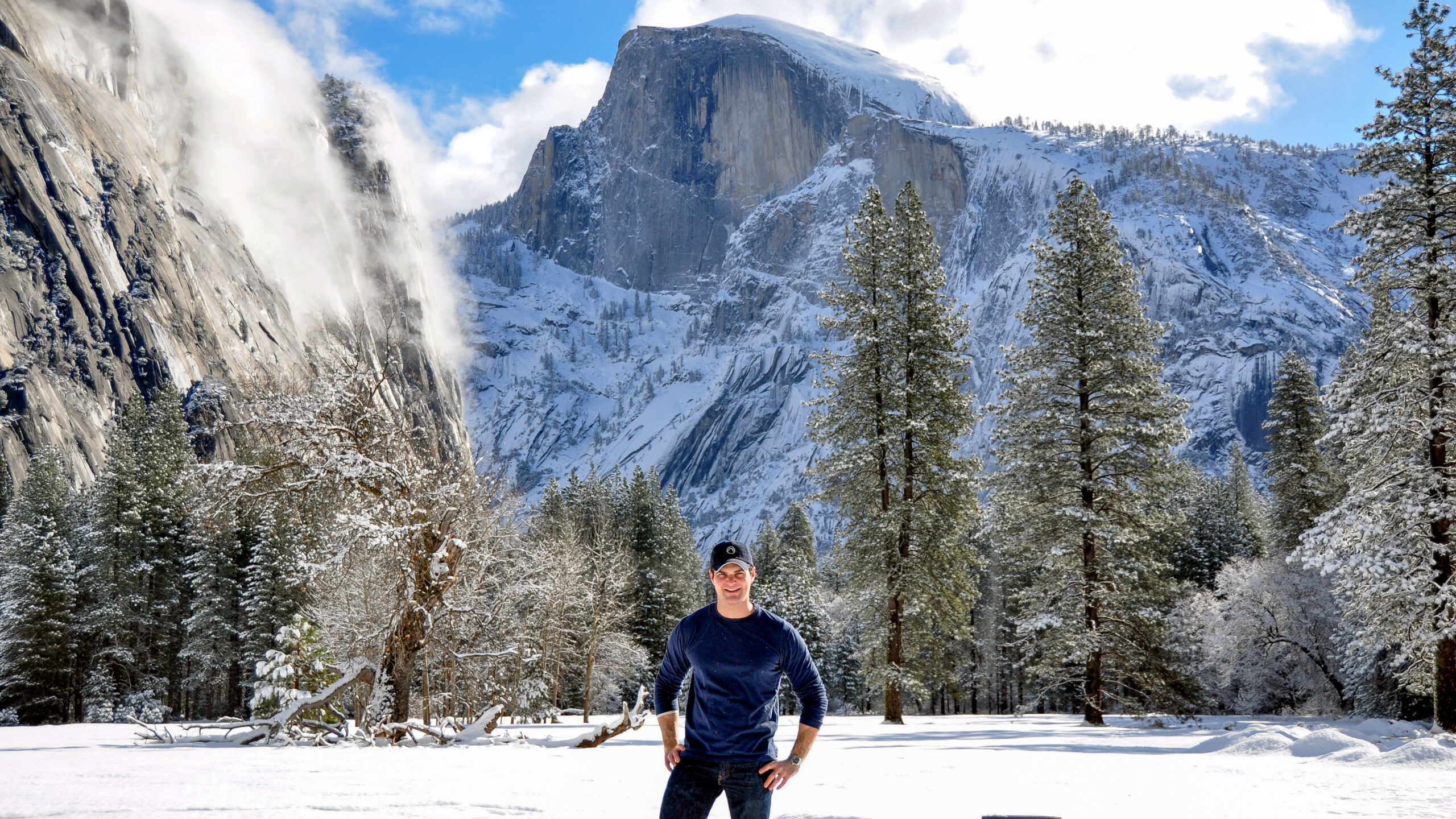
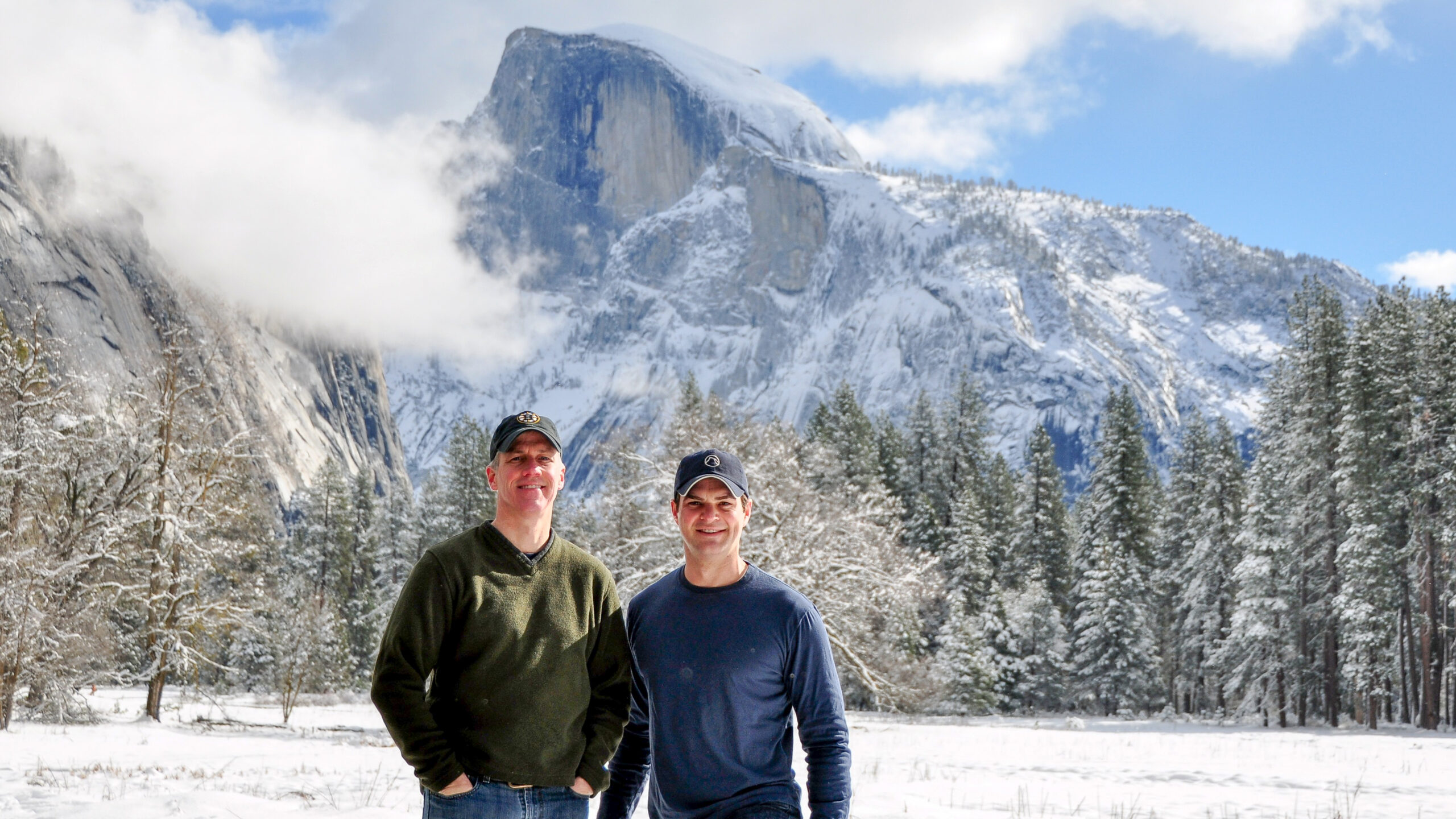
Granite formations such as El Capitan and Half Dome illustrate the role of tectonic uplift and glacial erosion in shaping the Sierra Nevada. Waterfalls including Yosemite Falls reflect seasonal snowmelt patterns typical of high elevation mountain environments.
⭐ Highlights
- Granite cliffs and glacial valleys
- Waterfalls formed by seasonal snowmelt
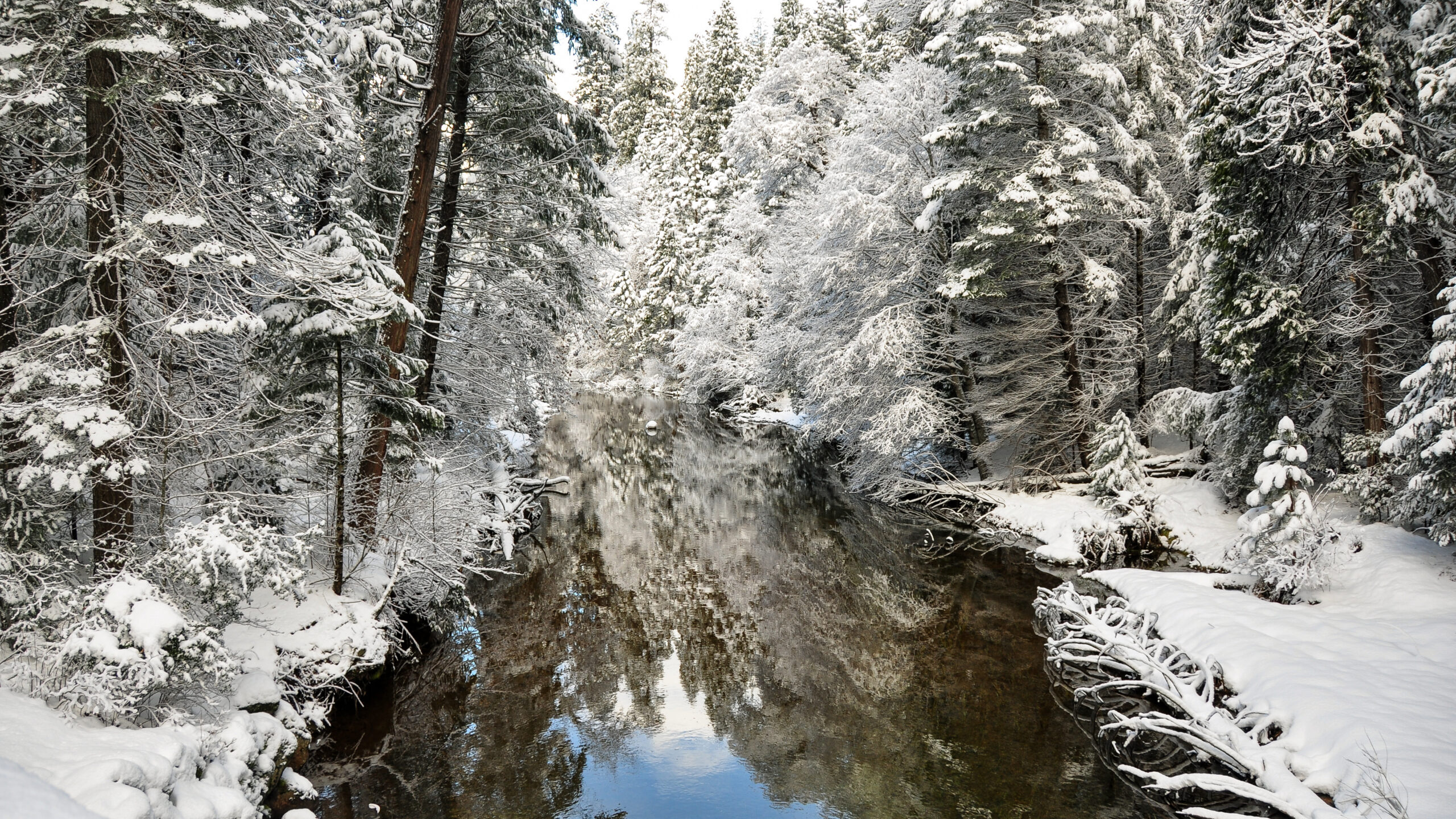
- High alpine ecosystems
- One of the earliest protected U.S. national parks
📷 Photography Notes
- Morning light emphasizes granite texture
- Spring snowmelt produces stronger waterfalls
- Wide-angle compositions capture valley scale
- Clear mountain air enhances distant visibility
- Sunset light warms granite cliff tones
📚 Summary
Yosemite illustrates the geological influence of glaciation and tectonic uplift in shaping mountain landscapes of the western United States.