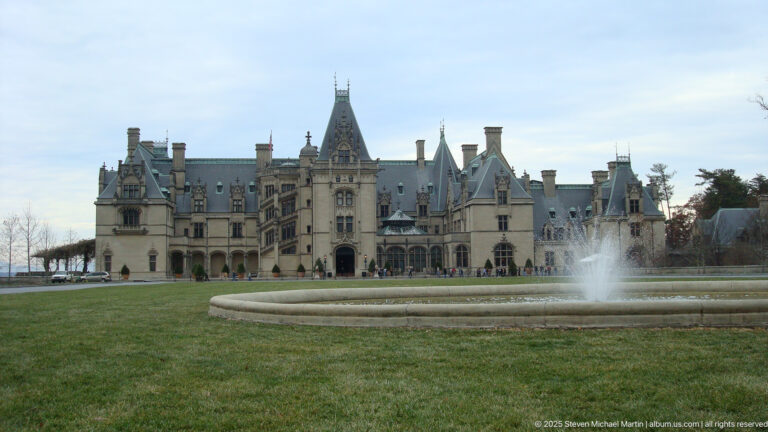
Biltmore House
Biltmore House Biltmore House is located near Asheville in the Blue Ridge Mountains of western North Carolina, where forested ridges […]
Explore Portfolio
North Carolina extends across three major geographic regions, from the Blue Ridge Mountains of the southern Appalachian range in the west to the Piedmont plateau and the Atlantic coastal plain in the east. These landscapes reflect long geological processes associated with mountain formation, erosion, and river systems flowing toward the Atlantic Ocean. The Blue Ridge Mountains include some of the highest elevations in eastern North America and form part of the broader Appalachian system that stretches across the eastern United States.
Mountain landscapes preserved within Great Smoky Mountains National Park and Great Smoky Mountains National Park illustrate the ecological diversity of the southern Appalachians, where high elevation ridges support some of the most biologically varied temperate forests in North America. Geological formations such as Chimney Rock demonstrate the erosional forces that shaped the Blue Ridge terrain, while estates including Biltmore House reflect cultural development associated with the late nineteenth-century appreciation of mountain landscapes.
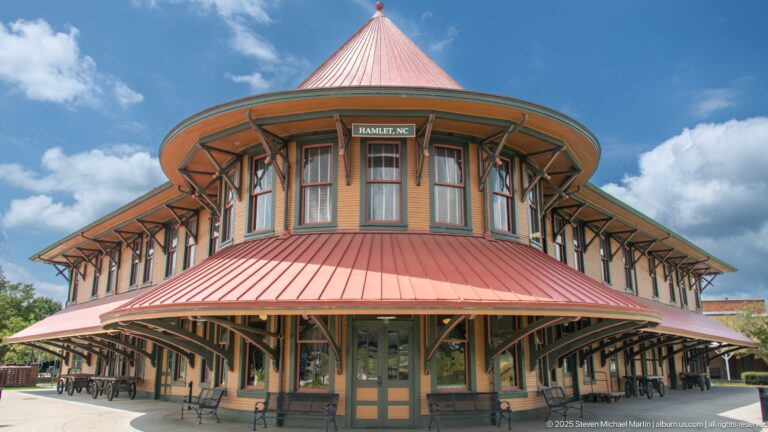
Interior transportation corridors and historic communities illustrate the importance of regional connections linking the Appalachian foothills with the broader southeastern United States. Rail heritage preserved in Historic Hamlet demonstrates the influence of transportation networks on economic development, while Revolutionary War landscapes at Guilford Courthouse National Military Park reflect the strategic importance of inland terrain during the southern campaign of the American Revolution. Together, these sites illustrate North Carolina’s geographic continuity between mountain landscapes, interior plateaus, and historic transportation routes shaping the development of the southeastern United States.