Great Smoky Mountains National Park
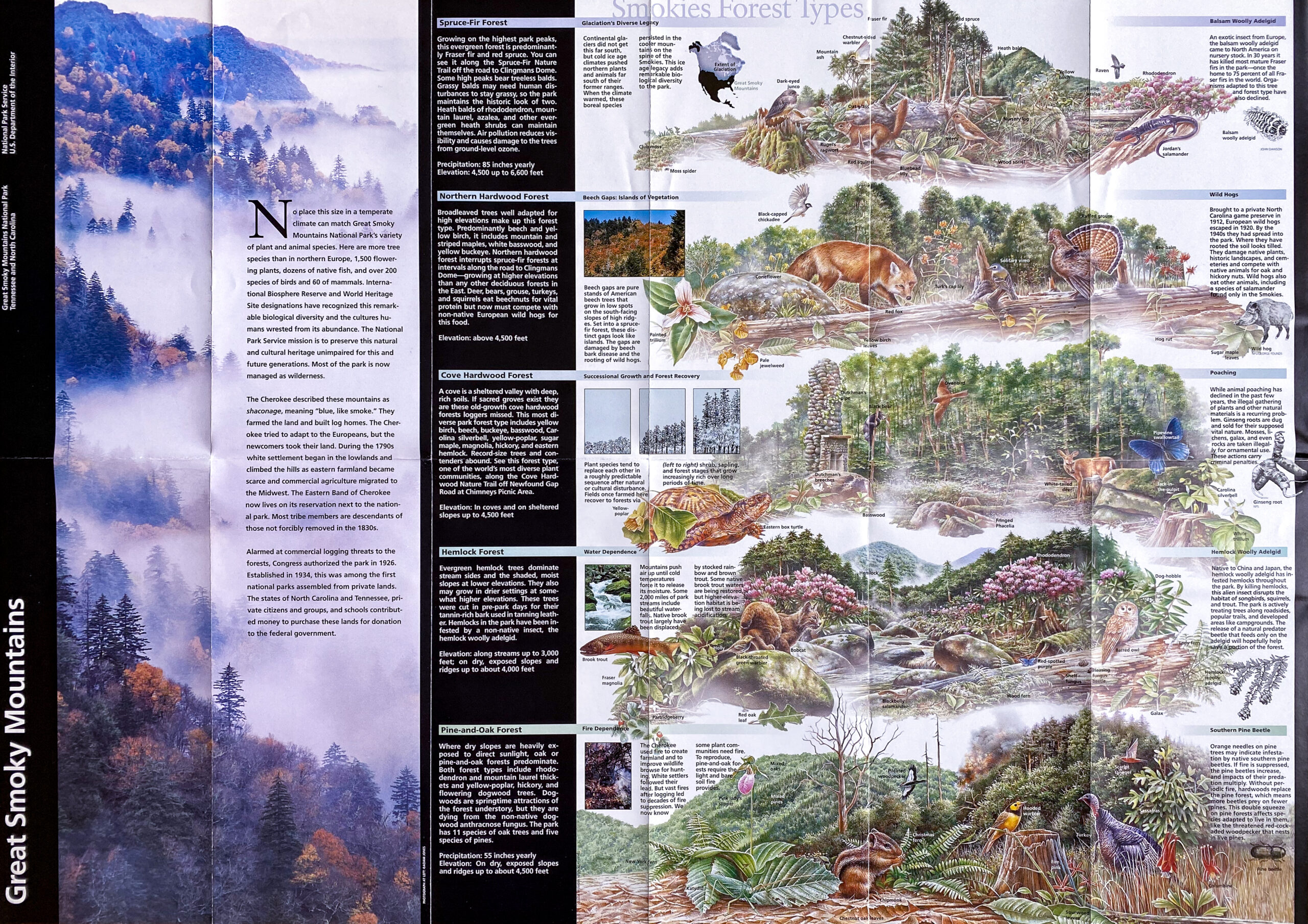
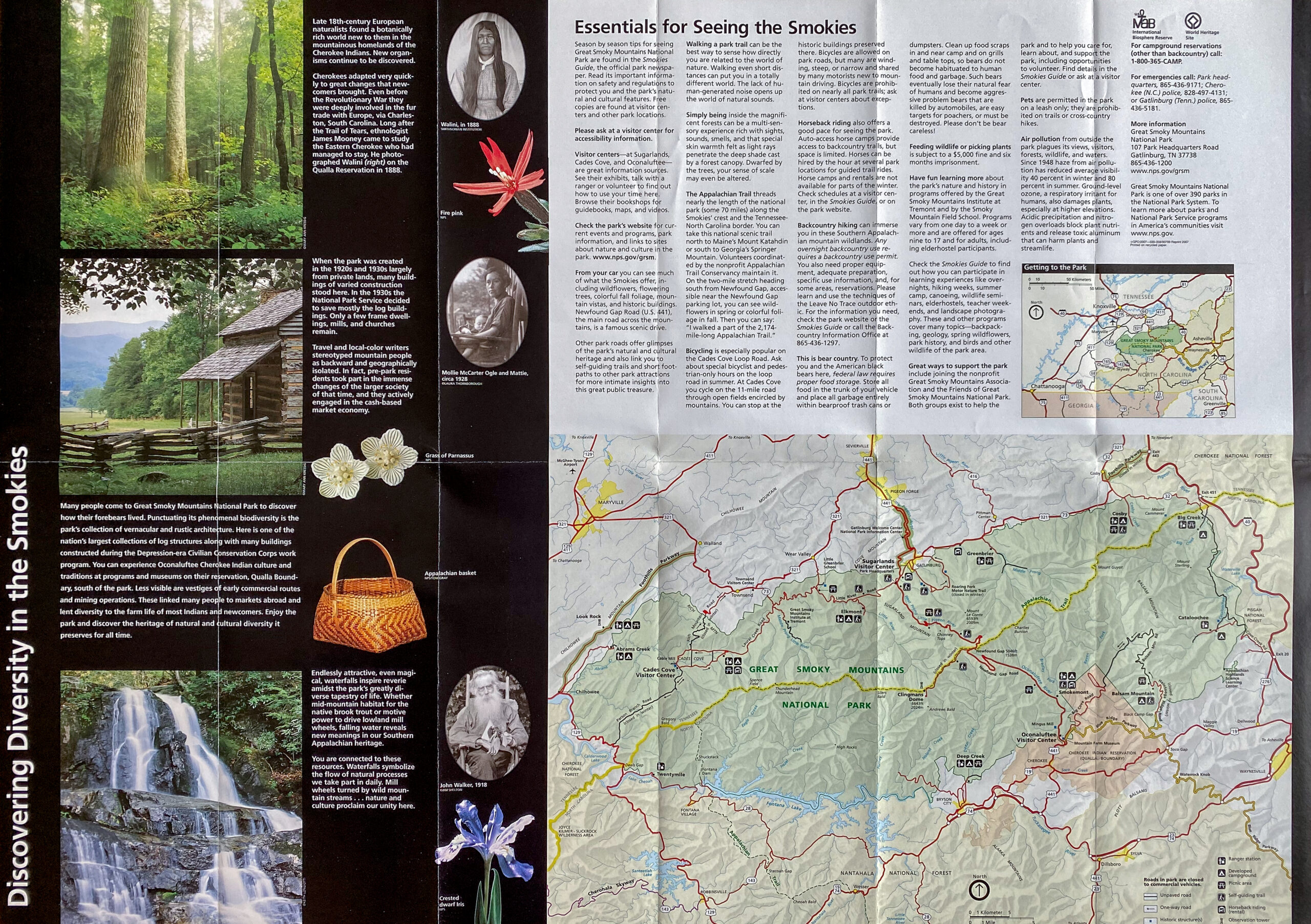
Great Smoky Mountains National Park preserves a portion of the Appalachian Mountain range along the border of Tennessee and North Carolina, where forested ridges, deep valleys, and high elevation peaks form one of the most biologically diverse regions in North America. The mountains developed through long geological processes associated with continental collision and erosion, producing rounded summits and layered ridgelines characteristic of the southern Appalachians. Moist air rising along the mountain slopes creates persistent fog conditions that give the range its distinctive name.
The park protects extensive temperate forest ecosystems containing a wide variety of plant and animal species adapted to elevation gradients and varied microclimates. Historic structures within the park also reflect patterns of settlement associated with small farming communities that once occupied the mountain valleys prior to the park’s establishment in 1934. Roadways such as Newfound Gap Road provide access to scenic overlooks that illustrate the scale and continuity of the Appalachian landscape.
Today, Great Smoky Mountains National Park illustrates the relationship between climate, elevation, and ecological diversity within the southeastern United States. The preserved environment reflects both the geological history of the Appalachian Mountains and the cultural traditions associated with rural mountain communities.










Great Smoky Mountains National Park Field Guide
📍 Location
Great Smoky Mountains National Park is located along the border of Tennessee and North Carolina within the southern Appalachian Mountain range. The park preserves a landscape of forested ridges, deep valleys, and high elevation peaks shaped by long geological processes associated with continental uplift and erosion. Persistent atmospheric moisture interacting with mountain terrain produces the characteristic haze that gives the Smoky Mountains their name.
🌎 Landscape
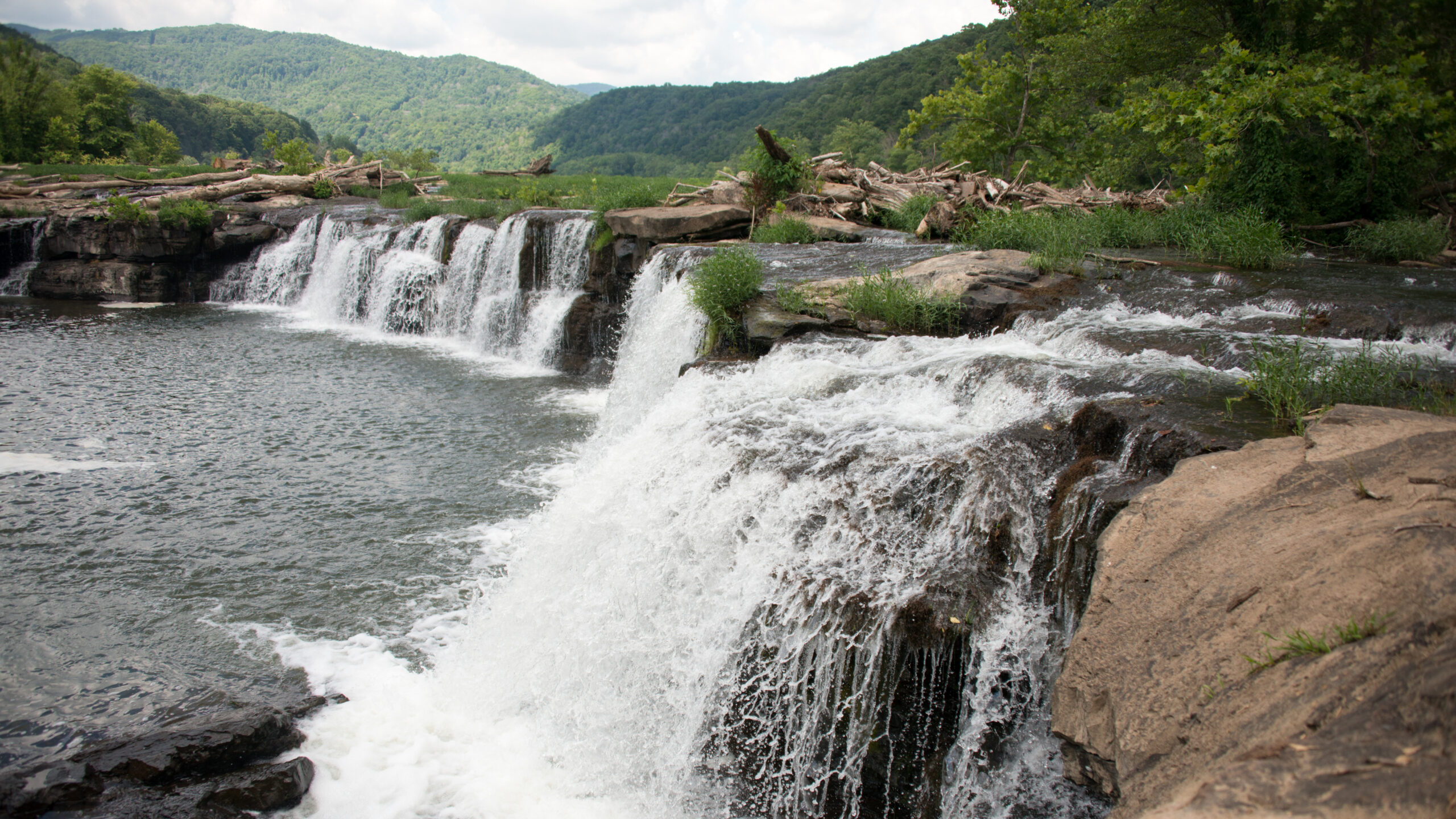
The park contains a complex system of ridgelines and watersheds formed over hundreds of millions of years. Elevation gradients create diverse microclimates supporting a wide range of forest communities, from cove hardwood forests in sheltered valleys to spruce-fir forests at higher elevations. Streams originating in the mountains contribute to river systems flowing toward the Tennessee Valley and the Atlantic watershed.
🌿 Ecology
Great Smoky Mountains National Park is recognized as one of the most biologically diverse areas in North America, supporting thousands of plant species as well as mammals, birds, amphibians, and insects adapted to varied elevations and moisture conditions. Dense forests, abundant rainfall, and relatively limited modern development have contributed to the preservation of ecological systems characteristic of the Appalachian region.
🏛 Cultural Landscape
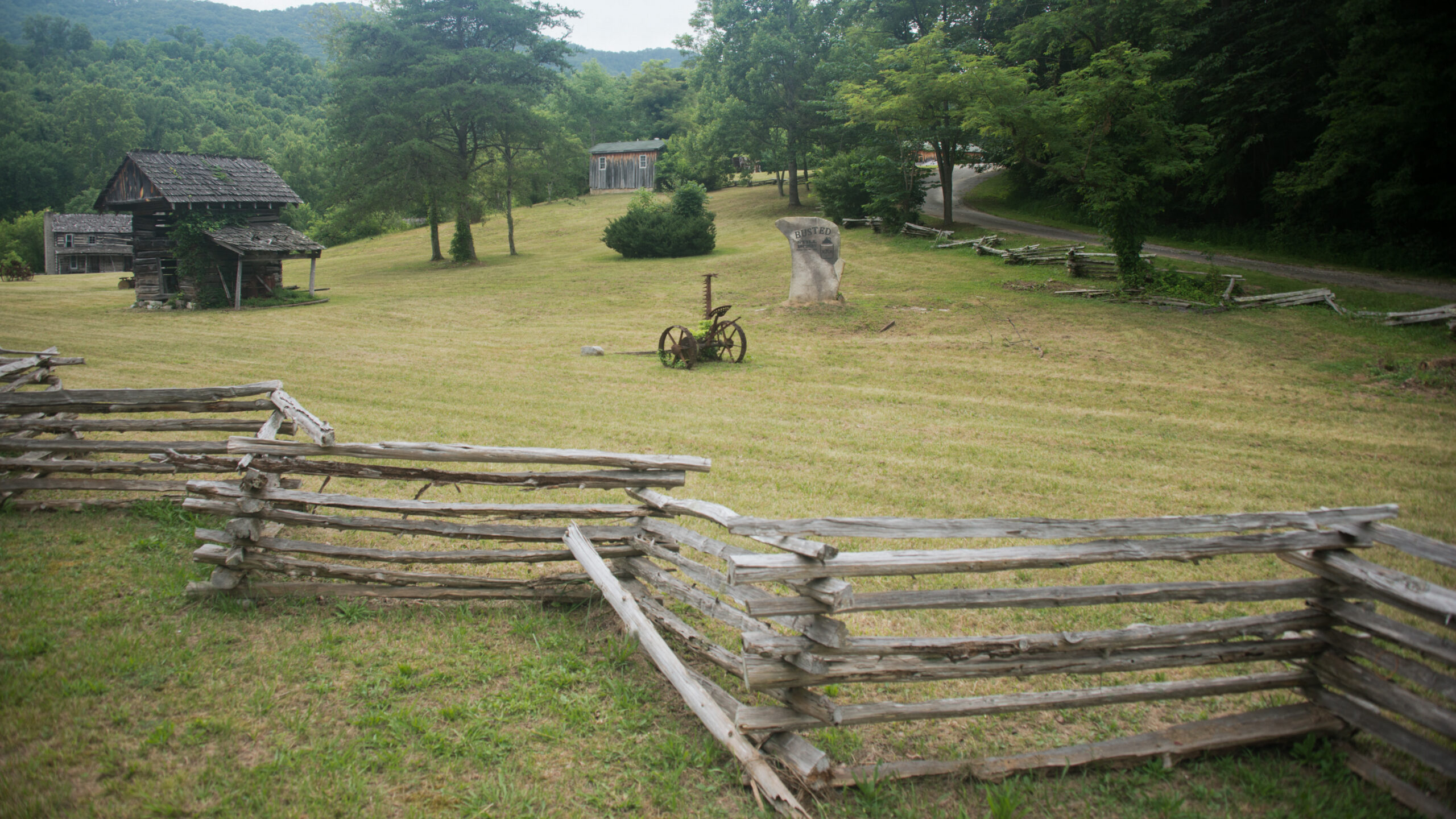
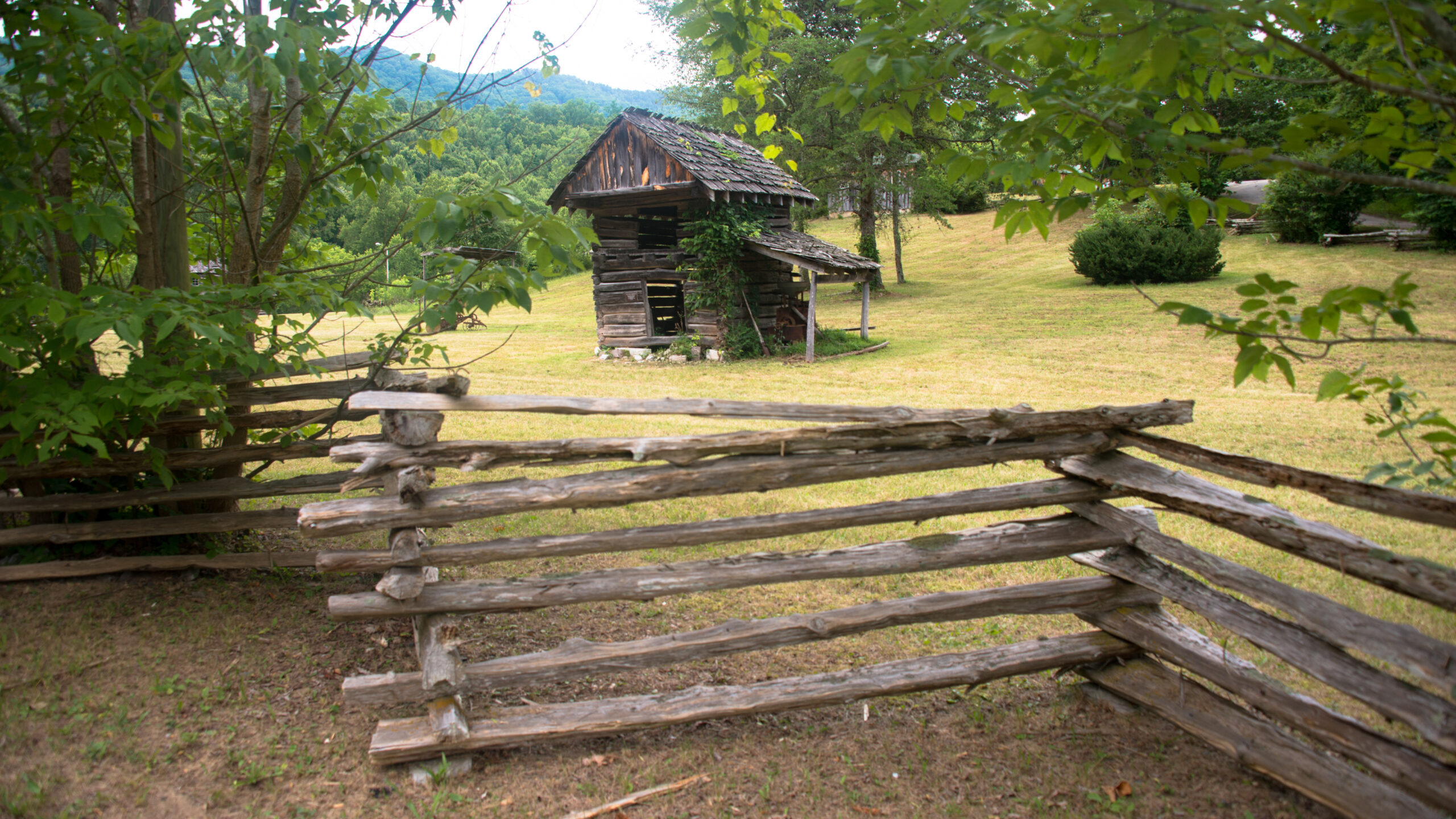
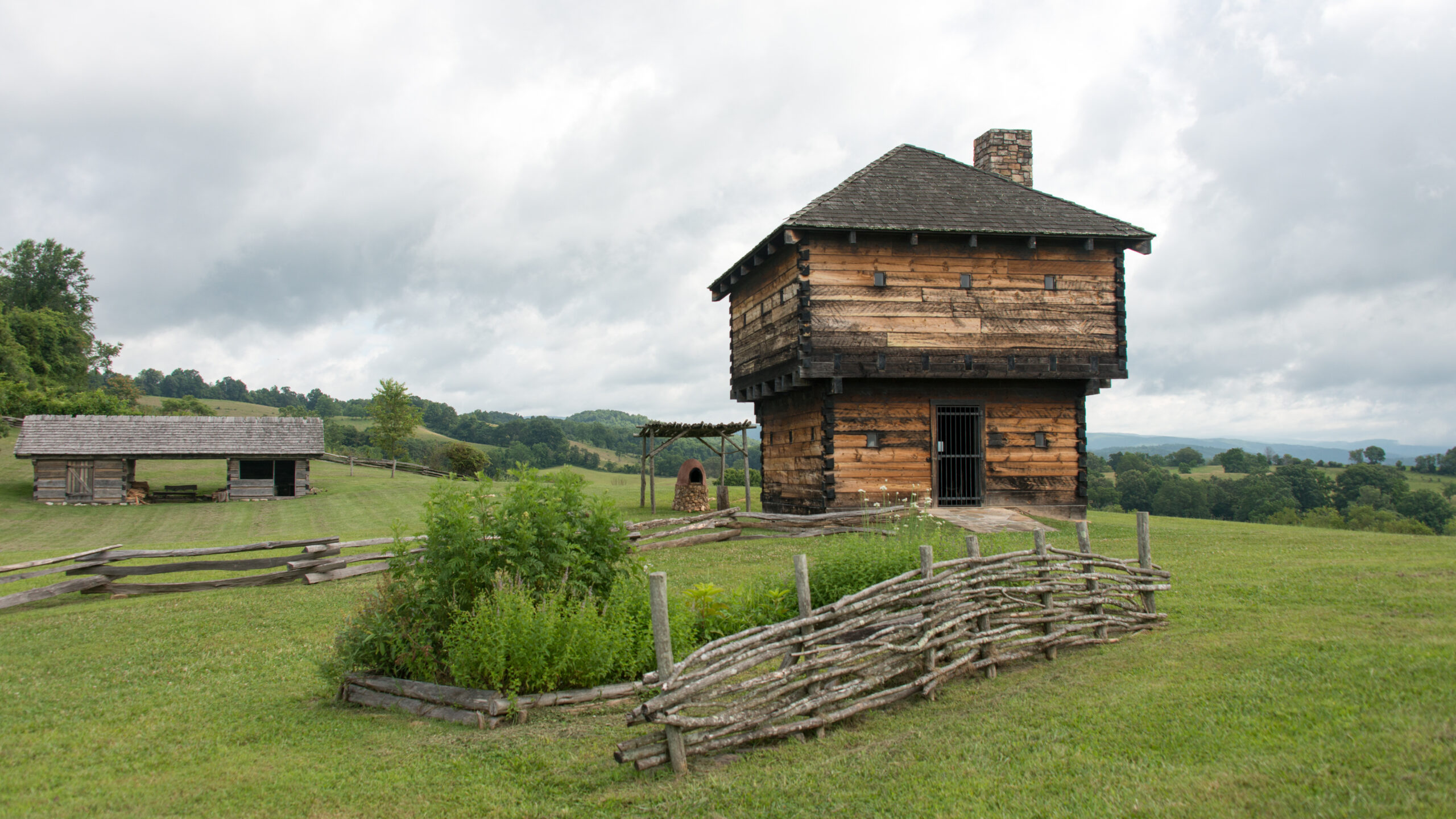
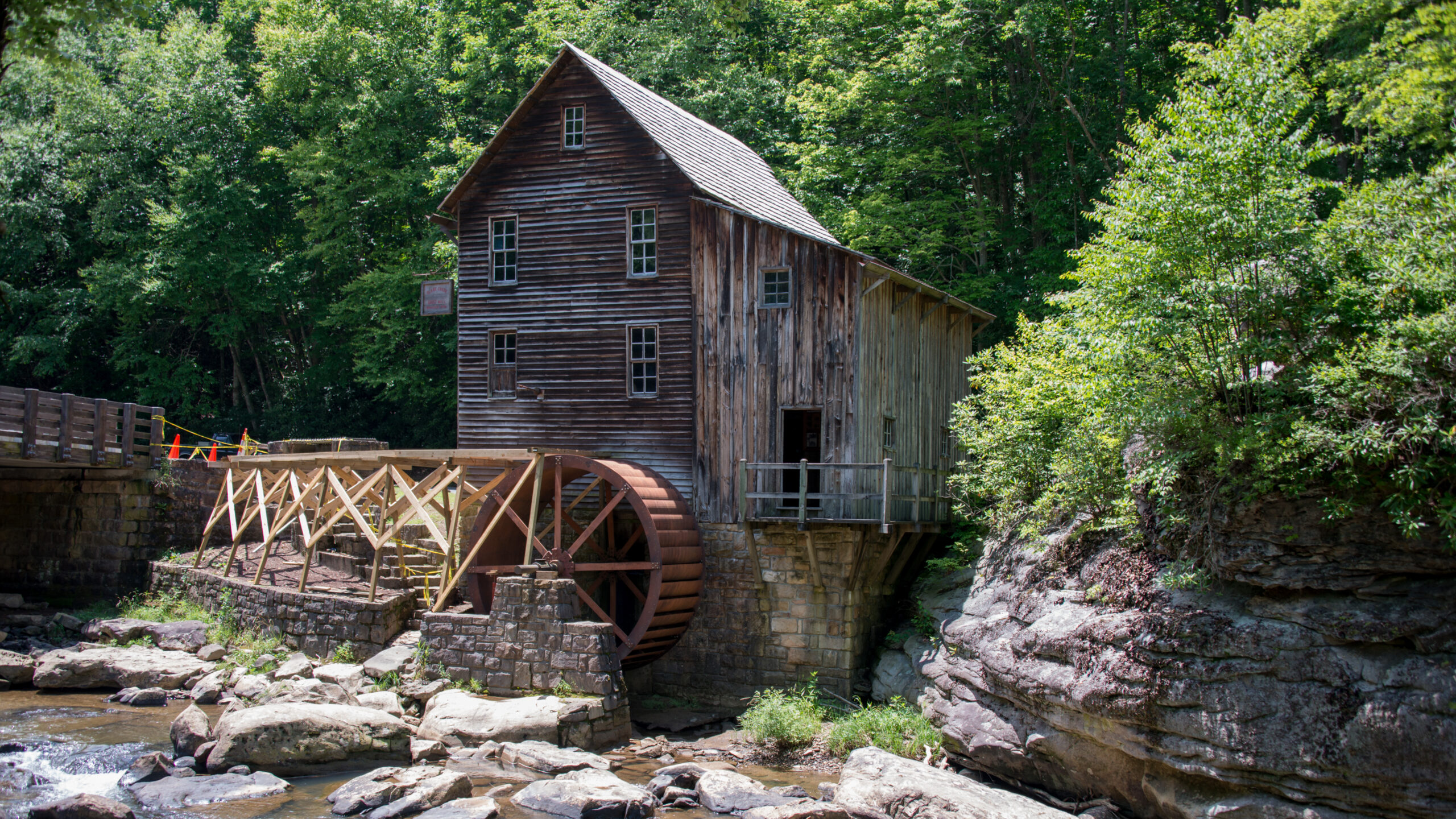
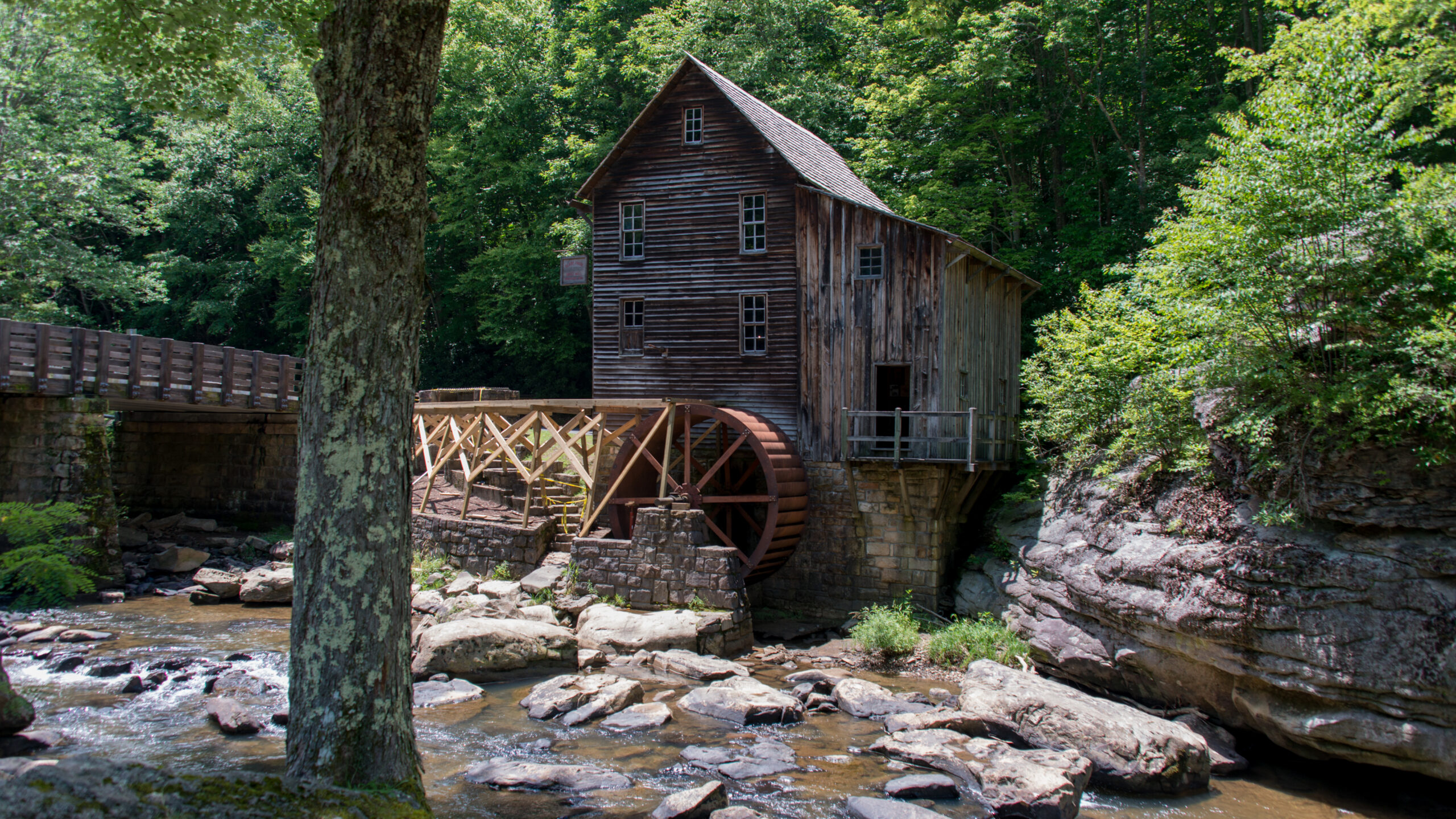
Historic structures preserved within the park illustrate patterns of settlement associated with small farming communities that once occupied mountain valleys prior to the park’s establishment in 1934. Cabins, churches, and agricultural buildings reflect regional architectural traditions adapted to the terrain and climate of the southern Appalachian Mountains.
⭐ Highlights
- Layered mountain ridges extending across the Appalachian range
- Scenic overlooks along Newfound Gap Road and Clingmans Dome Road
- Historic cabins and churches illustrating early settlement patterns
- Dense temperate forests influenced by elevation and moisture gradients
- Changing atmospheric conditions producing characteristic mountain haze
🦌 Wildlife
The park supports a wide range of wildlife including white-tailed deer, black bears, wild turkeys, and numerous bird species associated with forest environments. Streams and wetlands provide habitat for salamanders and amphibians, contributing to the park’s reputation for exceptional biodiversity within temperate ecosystems.
📷 Photography Notes
- Early morning often produces layered atmospheric haze across ridgelines
- Overlooks provide opportunities for wide landscape compositions
- Cloud cover can enhance tonal variation across mountain slopes
- Seasonal foliage significantly changes color palette
- Telephoto lenses help isolate ridge layers and compress perspective
- Fog conditions can simplify compositions and reduce visual clutter
📚 Summary
Great Smoky Mountains National Park preserves one of the most extensive protected landscapes in the Appalachian region, illustrating the interaction of geology, climate, and ecology across long time scales. The park provides insight into the environmental history of the southeastern United States while maintaining habitats supporting diverse plant and animal communities.