Virgin Islands National Park – St. Thomas
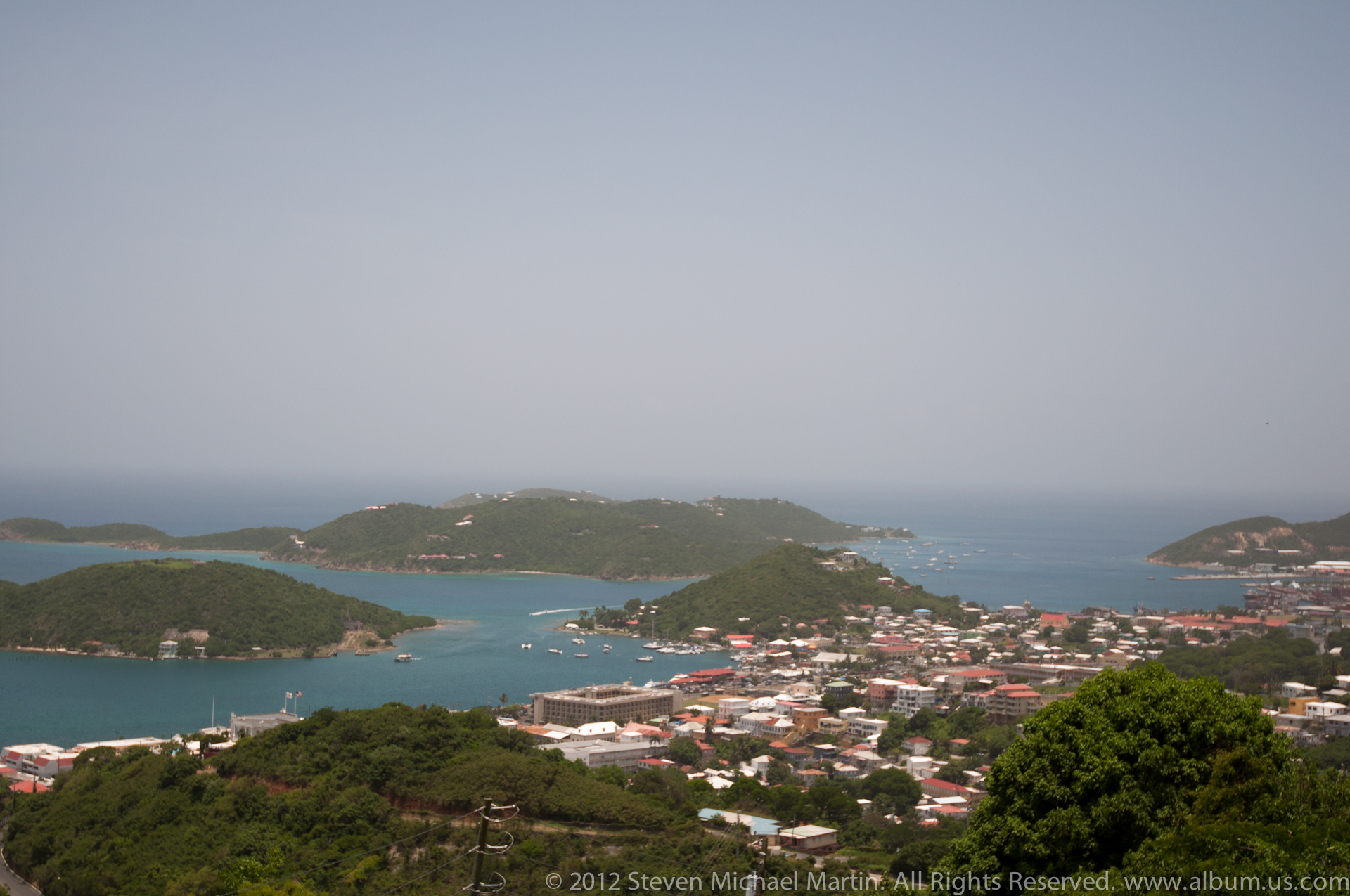
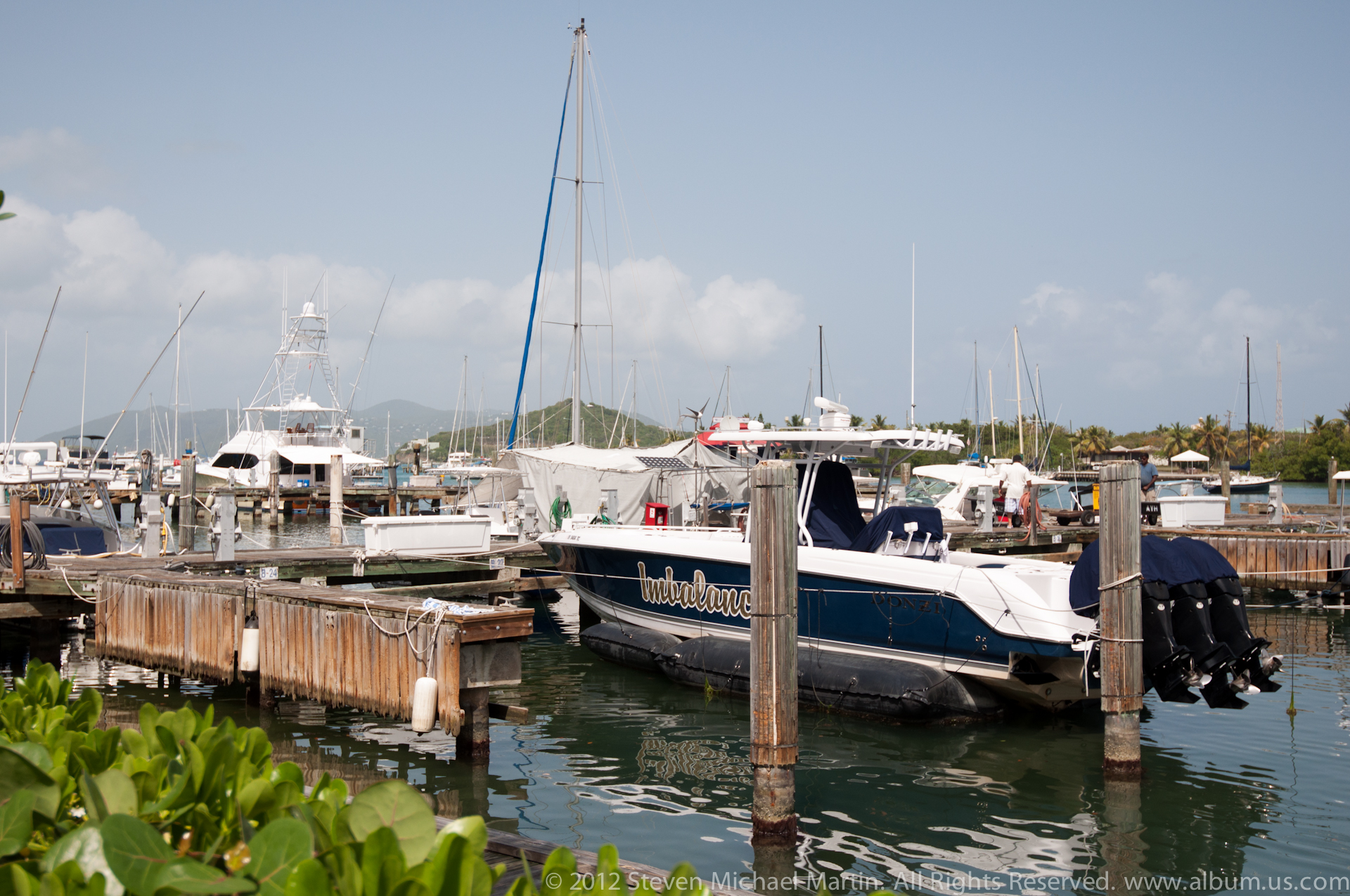
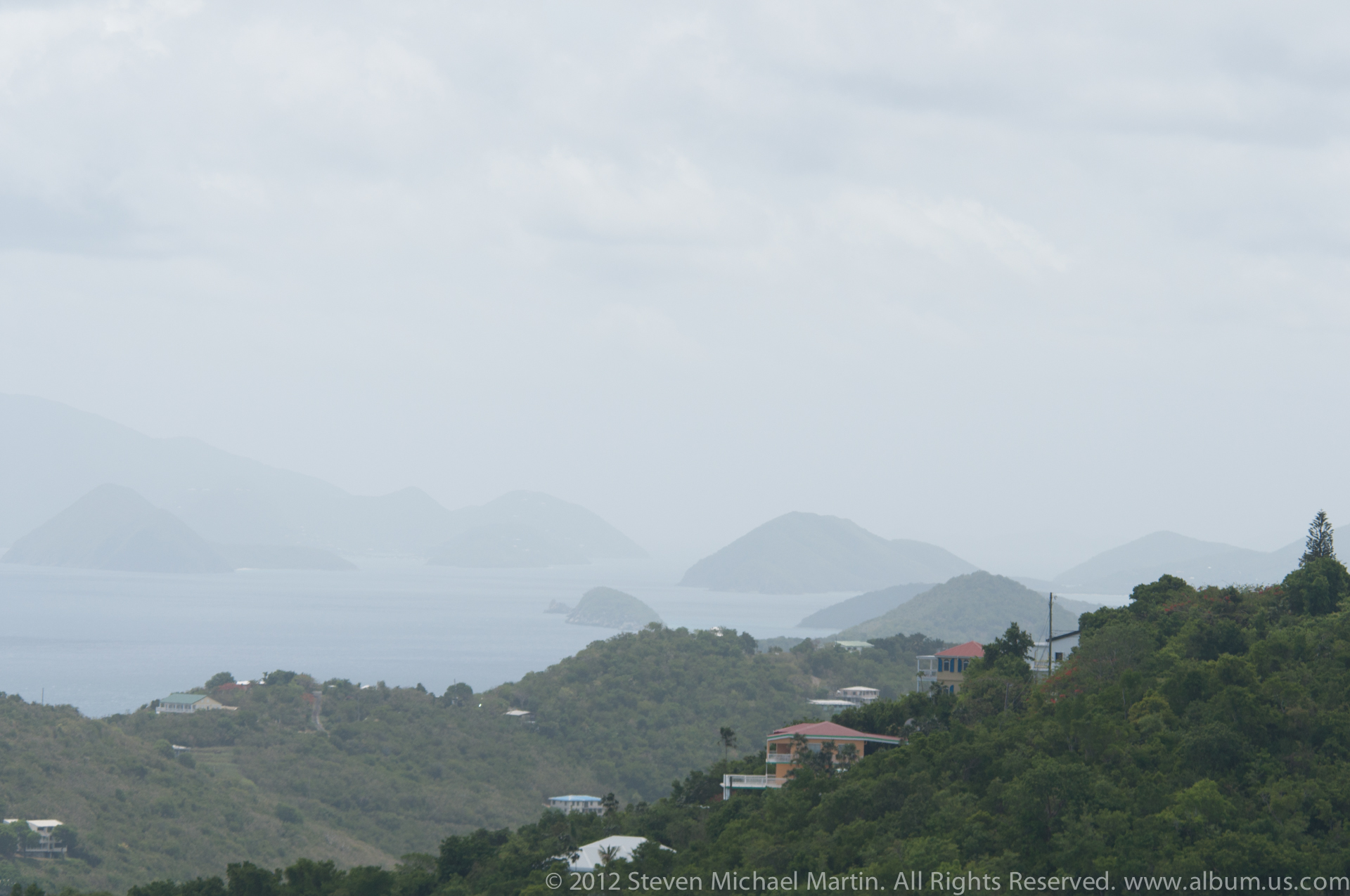
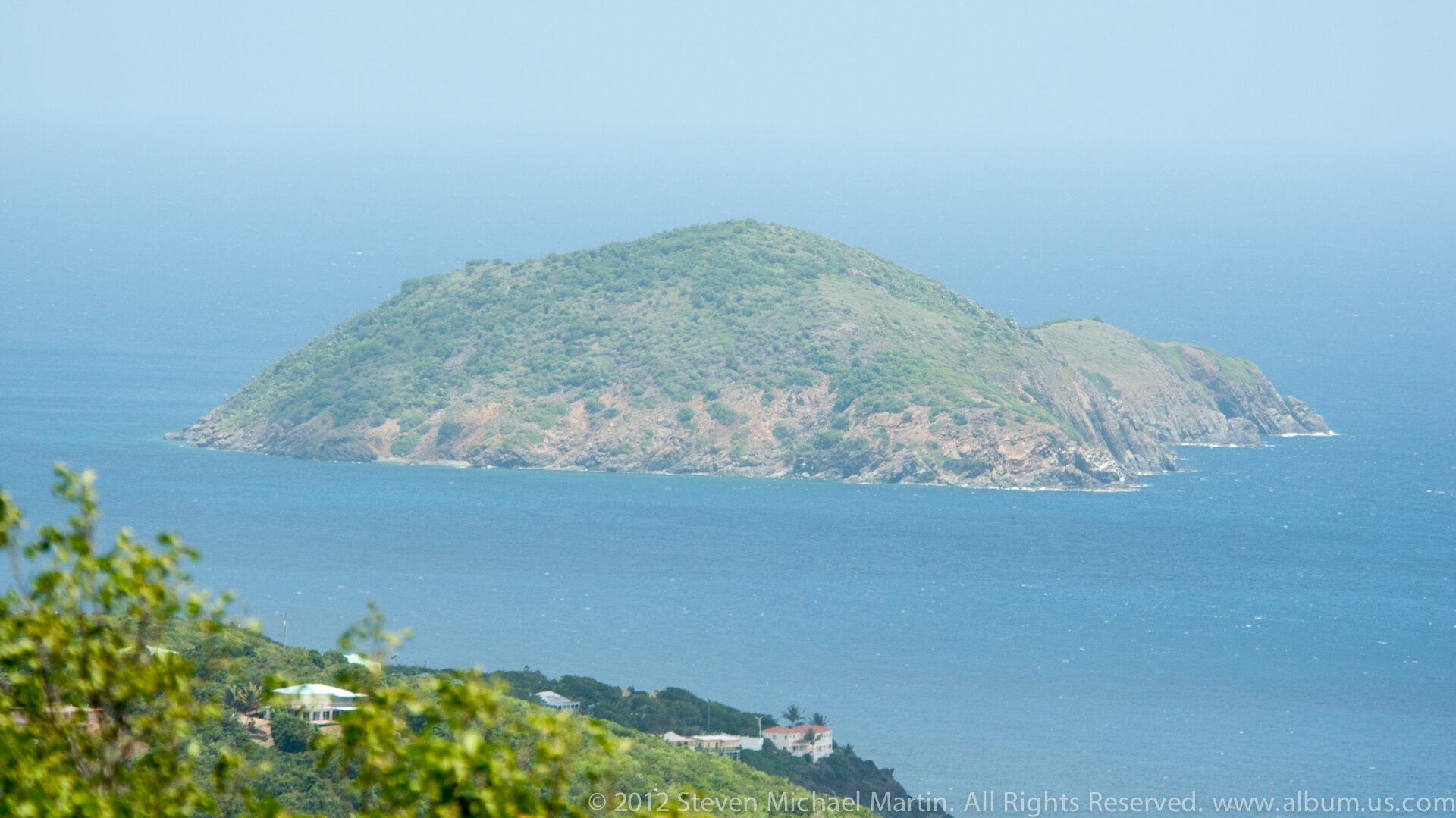
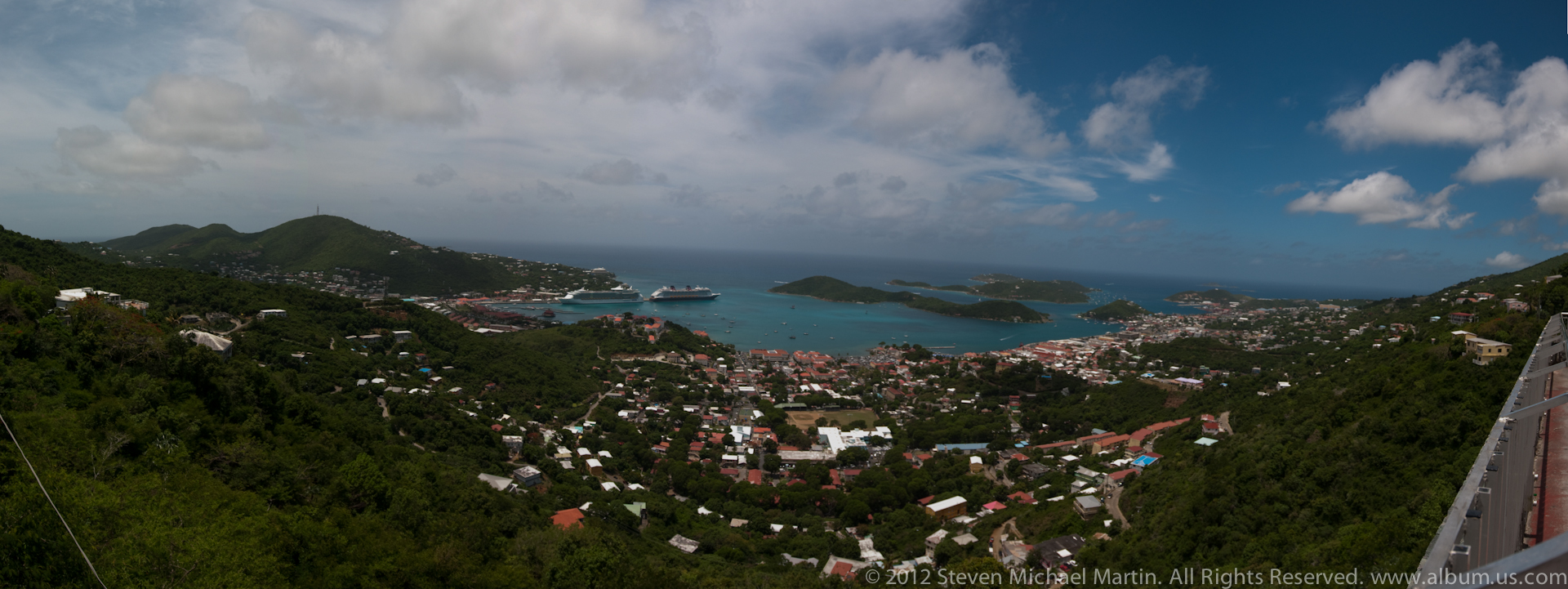
The island of St. Thomas lies within the Virgin Islands archipelago in the northeastern Caribbean, where volcanic terrain rises above warm tropical waters shaped by coral reef development and maritime climate. The island’s deep natural harbors contributed to its historical importance as a commercial and naval center linking Caribbean trade routes with Europe and North America. Steep hills, protected bays, and fringing reef systems illustrate the geological processes that formed the Greater Antilles island arc, where tectonic activity and erosion produced rugged coastlines and diverse marine habitats.
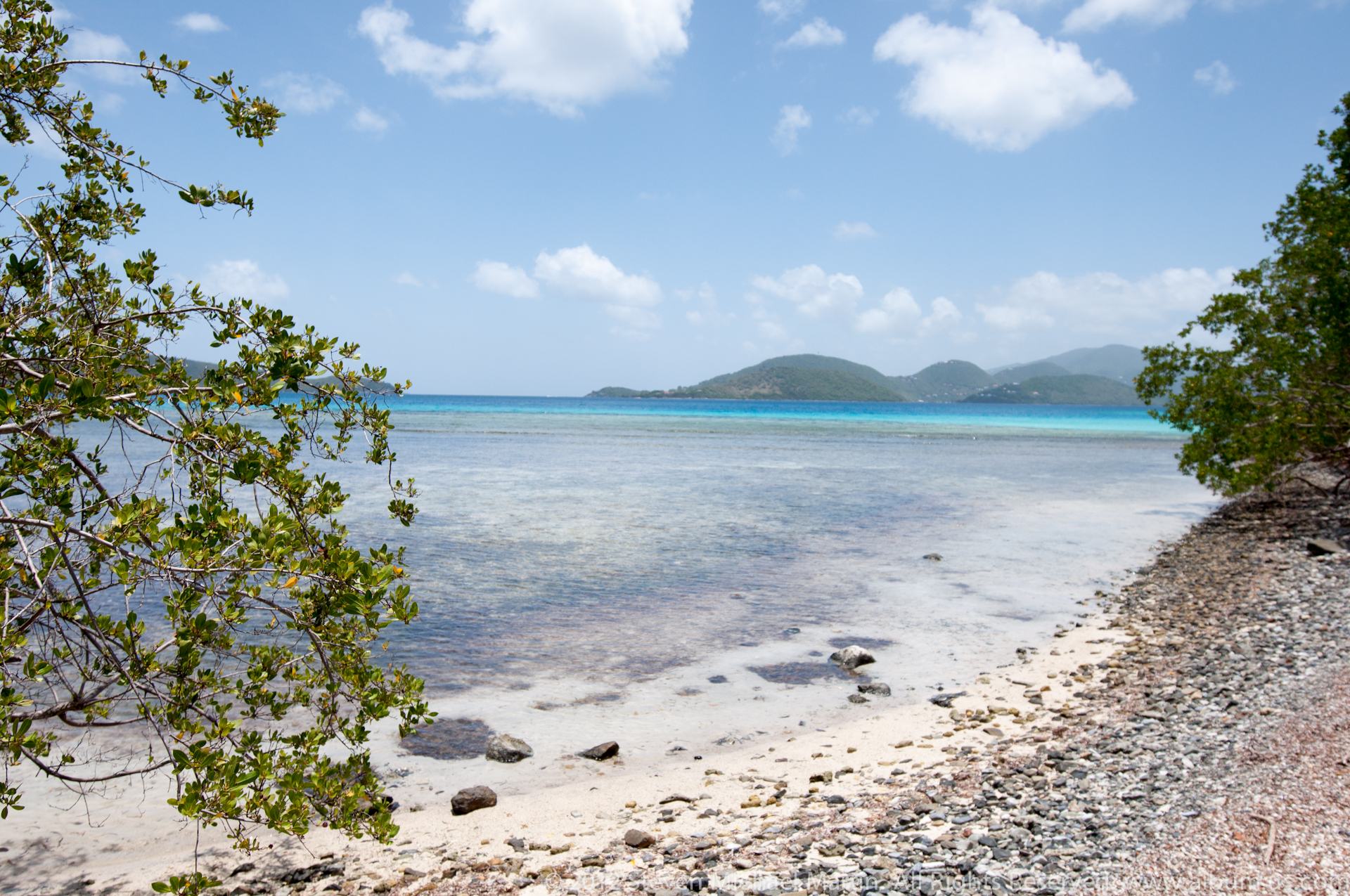
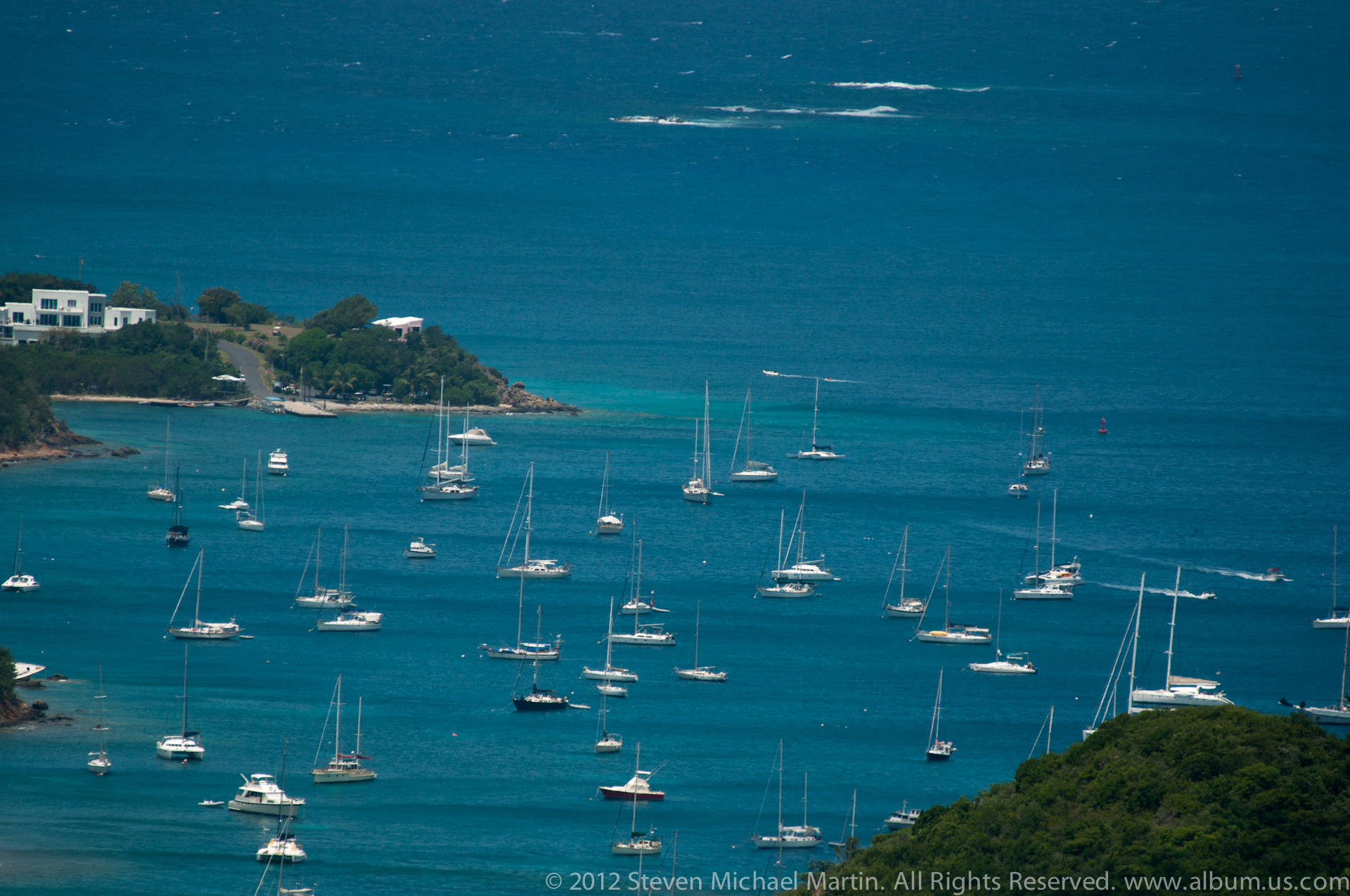
Protected coastal environments associated with Virgin Islands National Park preserve tropical forest, mangrove shoreline, and coral reef ecosystems that support exceptional marine biodiversity. These landscapes illustrate the interaction between volcanic island formation and reef development that characterizes many Caribbean environments. The island’s sheltered bays historically supported maritime trade and settlement, while contemporary conservation efforts emphasize protection of coral reef habitats and coastal ecosystems vulnerable to climatic and environmental change.
The preserved environments of the Virgin Islands contribute to understanding ecological continuity across the Caribbean basin, where marine and terrestrial systems remain closely interconnected. Tropical forests, coral reefs, and coastal wetlands illustrate long-term environmental processes that influence biodiversity throughout the region. The island’s protected landscapes demonstrate the importance of conservation within island ecosystems shaped by geological formation, ocean circulation, and historical maritime exchange.





📍 Field Guide
- Location: St. Thomas, United States Virgin Islands
- Designation: National Park-associated protected environments
- Region: Caribbean Sea, Lesser Antilles island arc
- Landscape: Volcanic hills, tropical forest, coral reef coastline
- Geologic Origin: Volcanic island formation with reef development
- Marine Environment: Coral reefs, seagrass beds, coastal mangroves
- Climate: Tropical maritime climate influenced by trade winds
- Ecological Systems: Tropical dry forest, marine biodiversity zones
- Historic Influences: Maritime trade routes and colonial settlement
⭐ Highlights
- Tropical marine environments supporting coral reef ecosystems
- Volcanic island topography overlooking protected bays
- Coastal habitats illustrating interaction of reef and shoreline
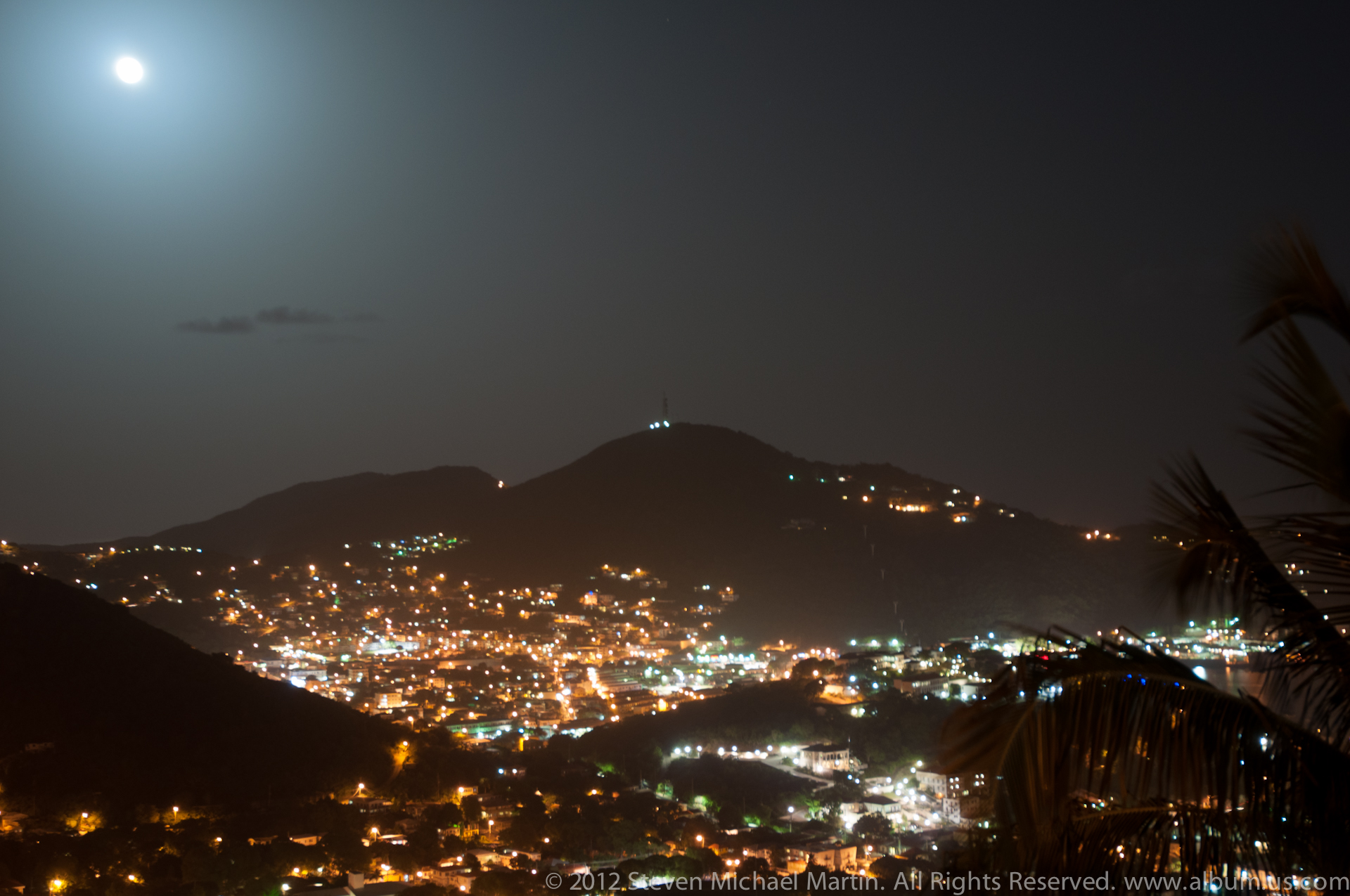
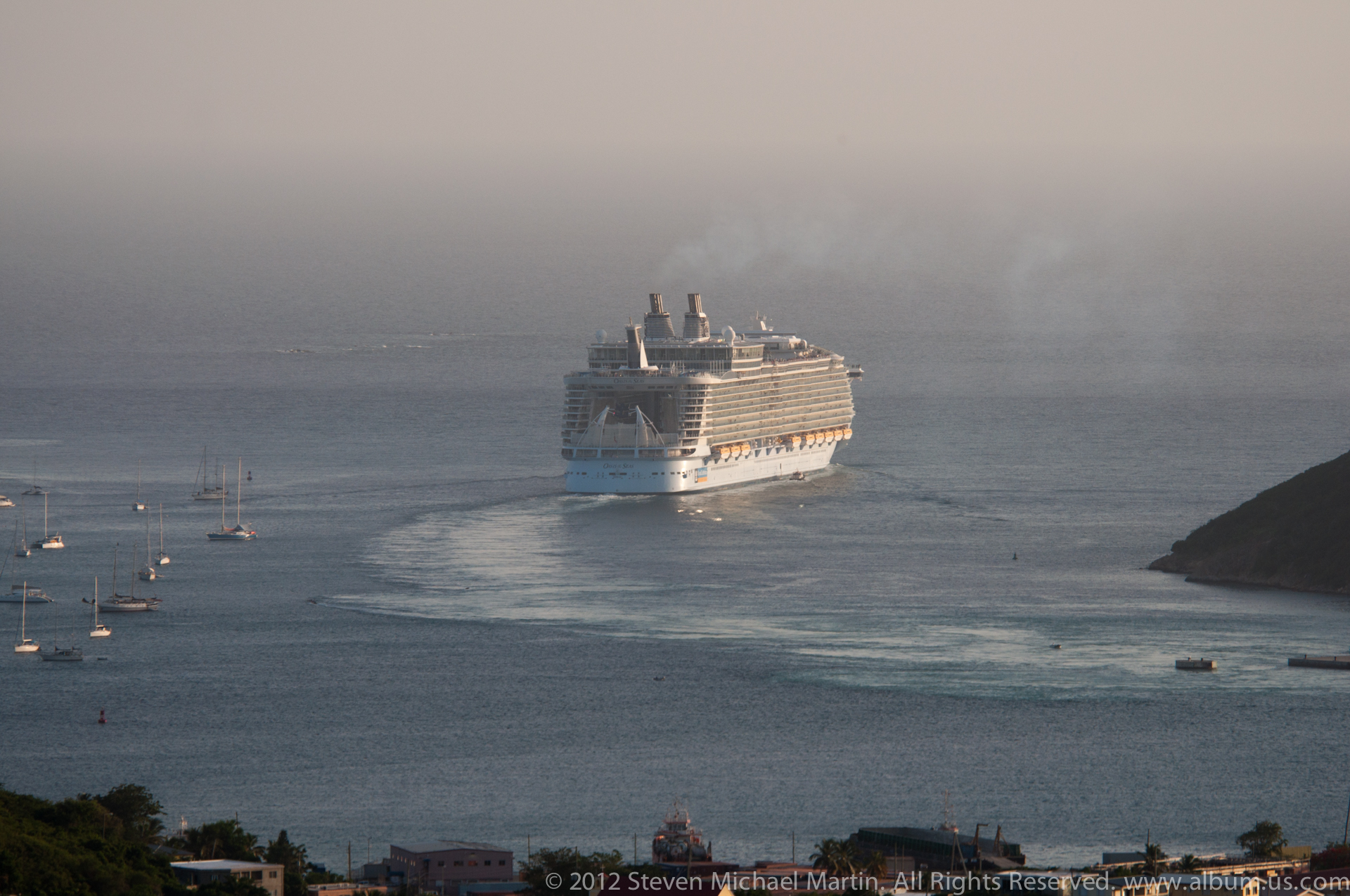
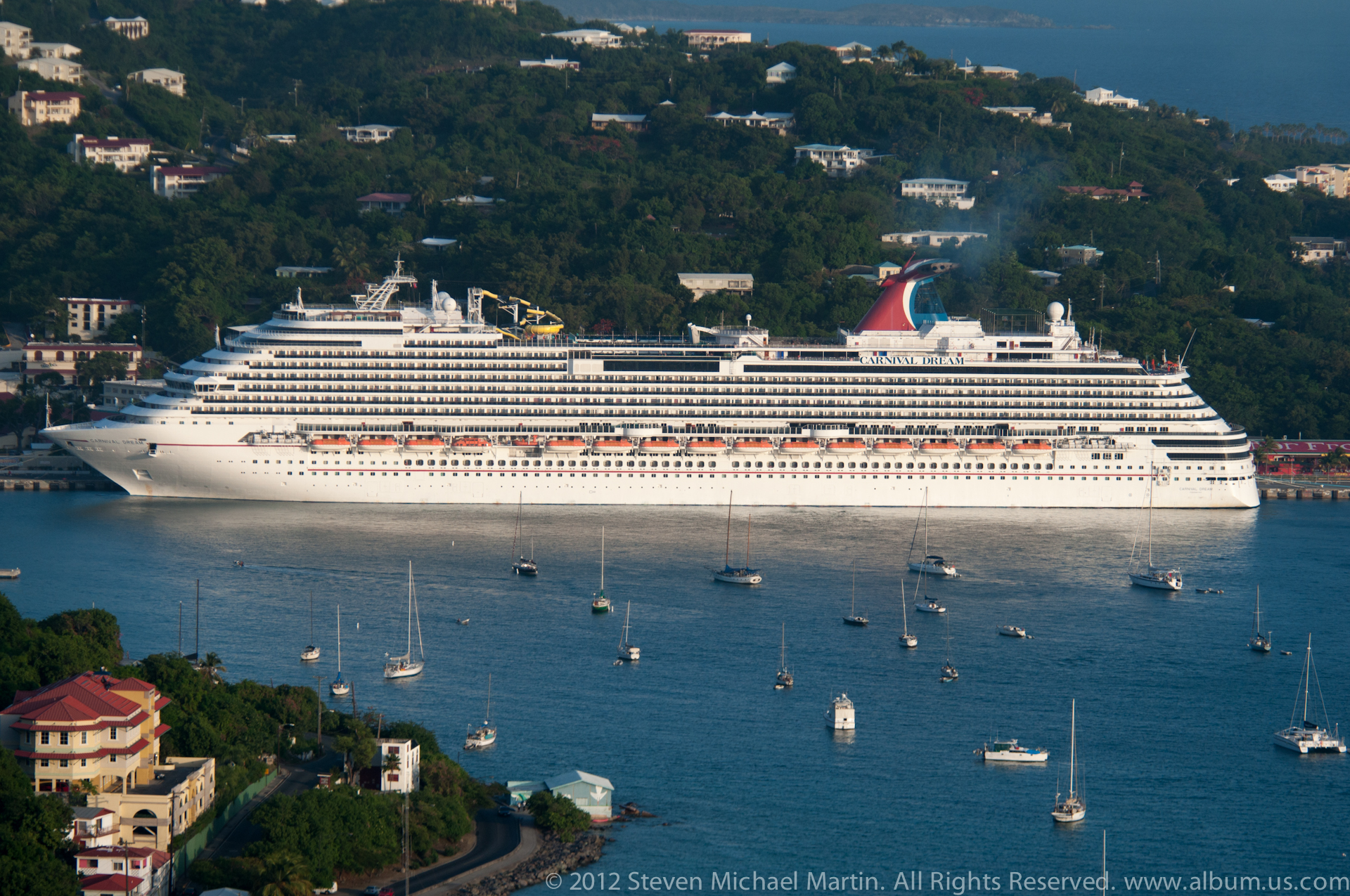
- Views demonstrating relationship between maritime geography and settlement
- Protected landscapes preserving Caribbean biodiversity
🏝️ Notable Features
- Coral reef ecosystems supporting diverse marine species
- Tropical forest vegetation adapted to island climate
- Coastal landforms shaped by erosion and wave action
- Clear waters characteristic of Caribbean reef environments
- Elevated viewpoints overlooking island bays
📷 Photography Notes
- Early morning light enhances clarity of coastal waters
- Elevated viewpoints emphasize contrast between forest and sea
- Polarized light conditions enhance reef visibility
- Cloud cover can reduce glare in tropical environments
- Wide-angle compositions convey island topography
- Color contrast between vegetation and water creates visual depth