Land Between the Lakes National Recreation Area
Land Between the Lakes National Recreation Area preserves a large expanse of forest, wetlands, and shoreline situated between Kentucky Lake and Lake Barkley. The area offers a blend of natural landscapes and outdoor recreation opportunities that highlight the environmental diversity of the region. Its protected setting provides a contrast to the historical sites included throughout the broader itinerary.
The landscape features hardwood forests, quiet coves, and open water views that support wildlife habitat and recreational activities. Scenic drives and overlooks provide access to a variety of ecosystems, illustrating the interaction between water, forest, and rolling terrain typical of this part of Kentucky and Tennessee. The area also reflects mid-twentieth century efforts to preserve natural spaces while balancing infrastructure development.
Visitors experience opportunities for walking, wildlife observation, and scenic photography along the lakeshore and wooded trails. The calm atmosphere offers a reflective pause between historically significant locations and provides a reminder of the natural environments that shaped regional settlement patterns.
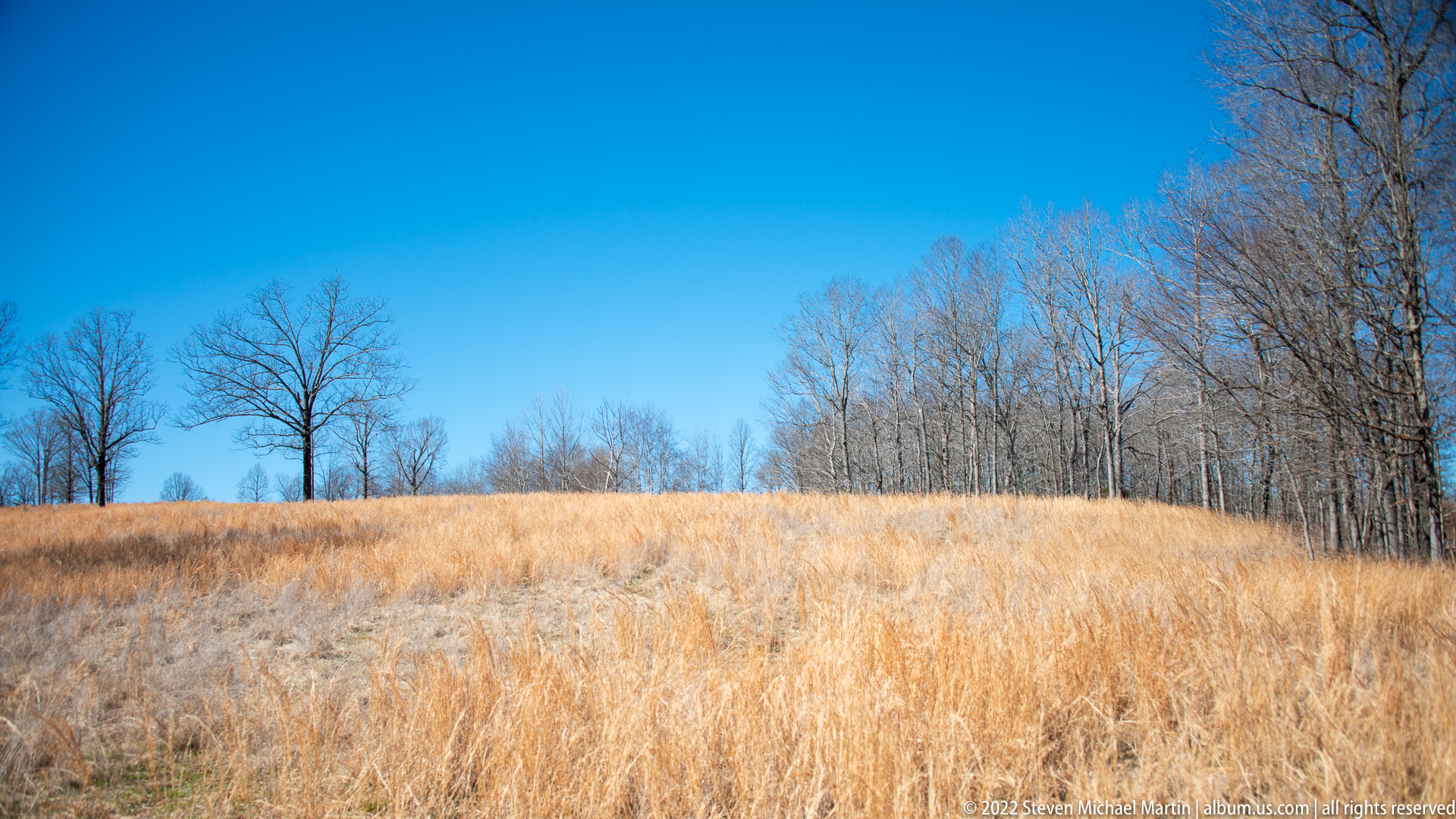
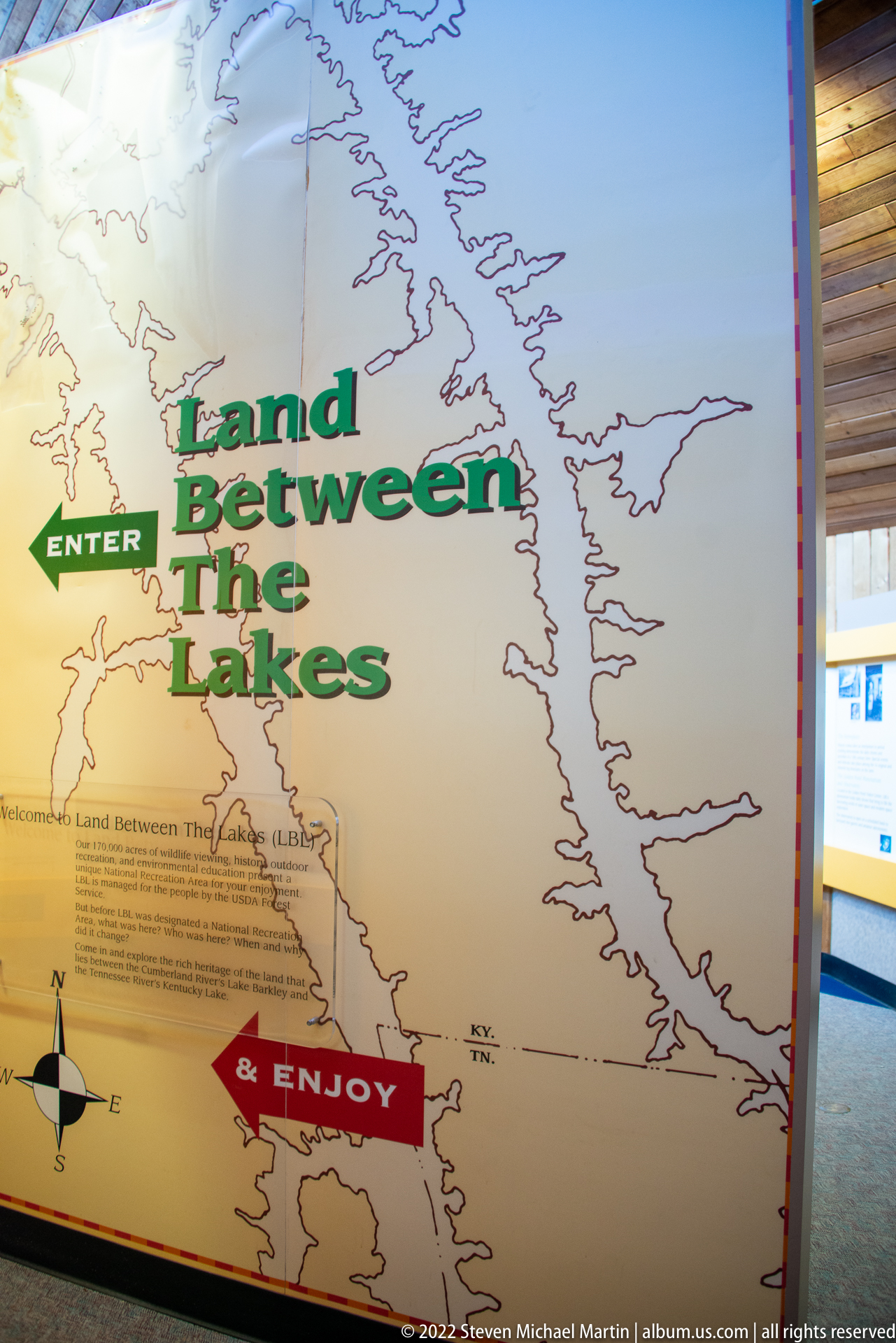
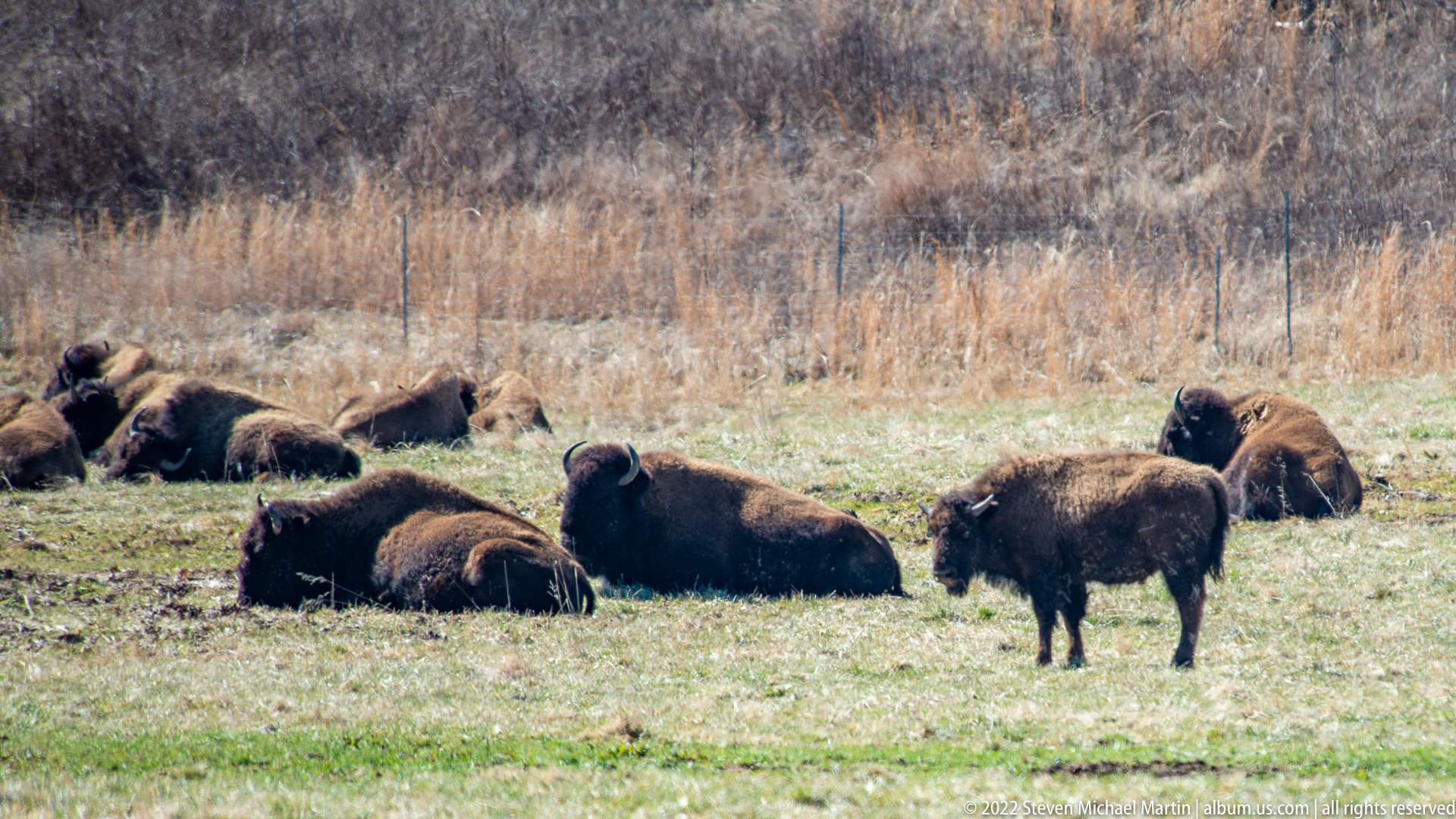
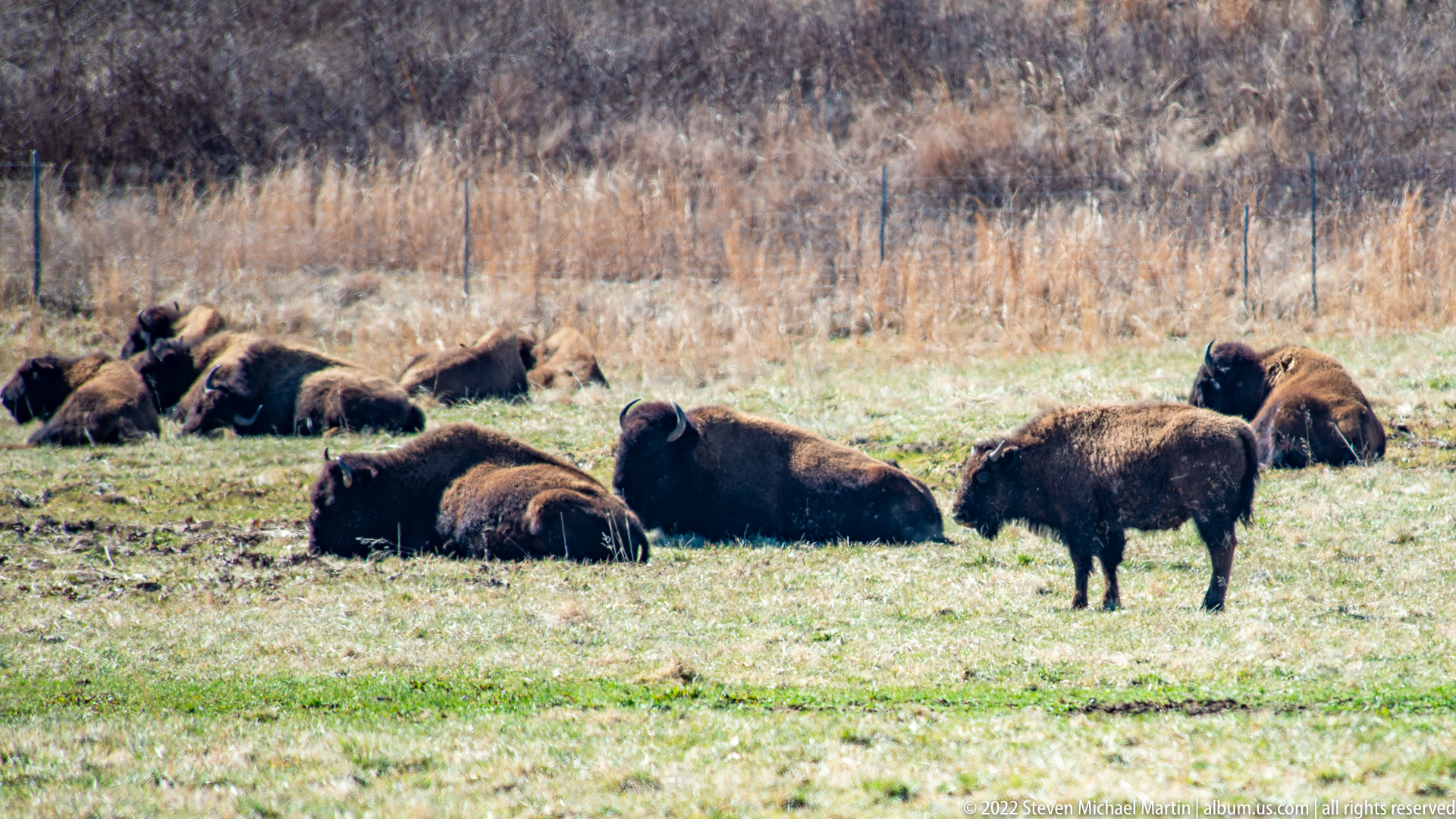
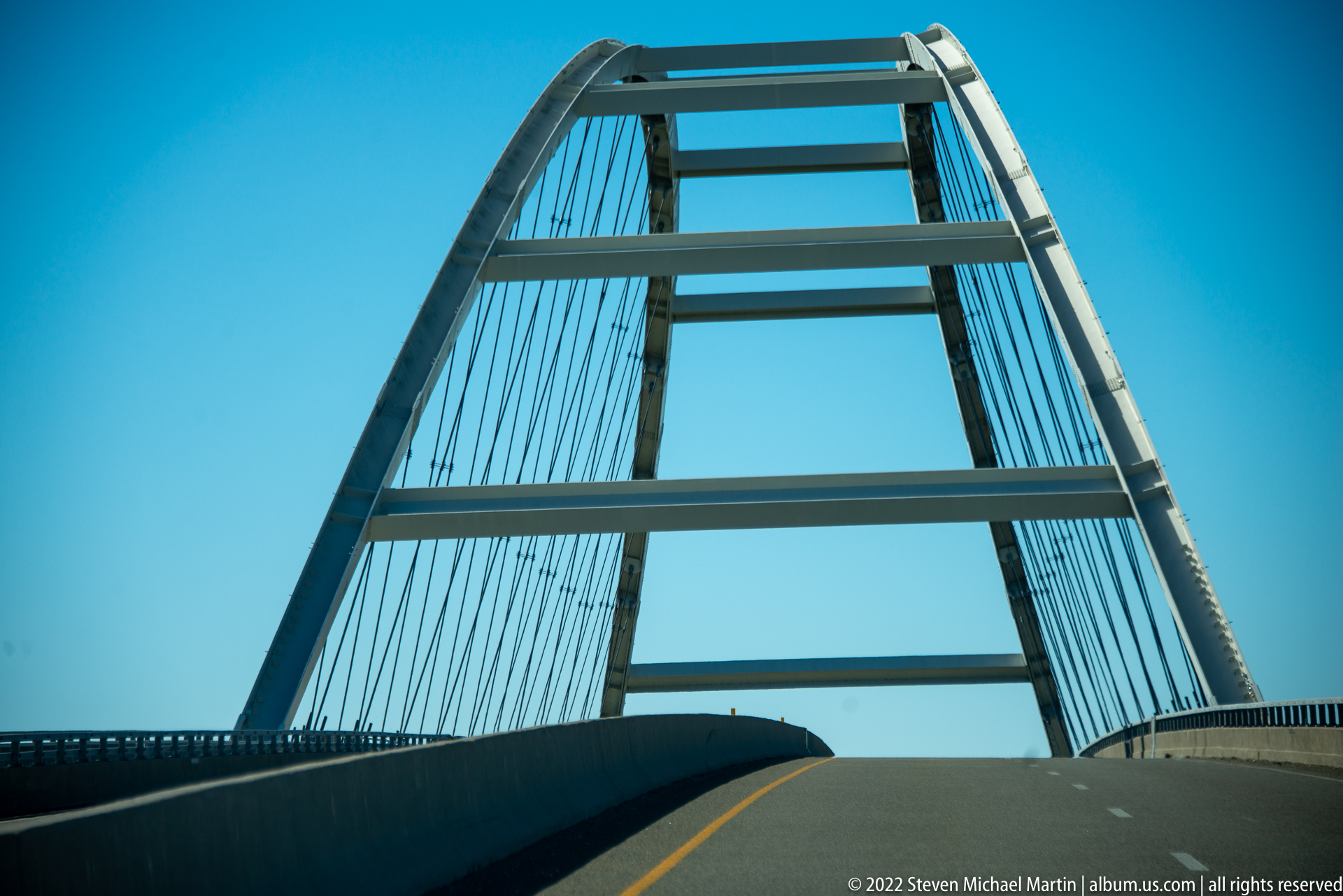
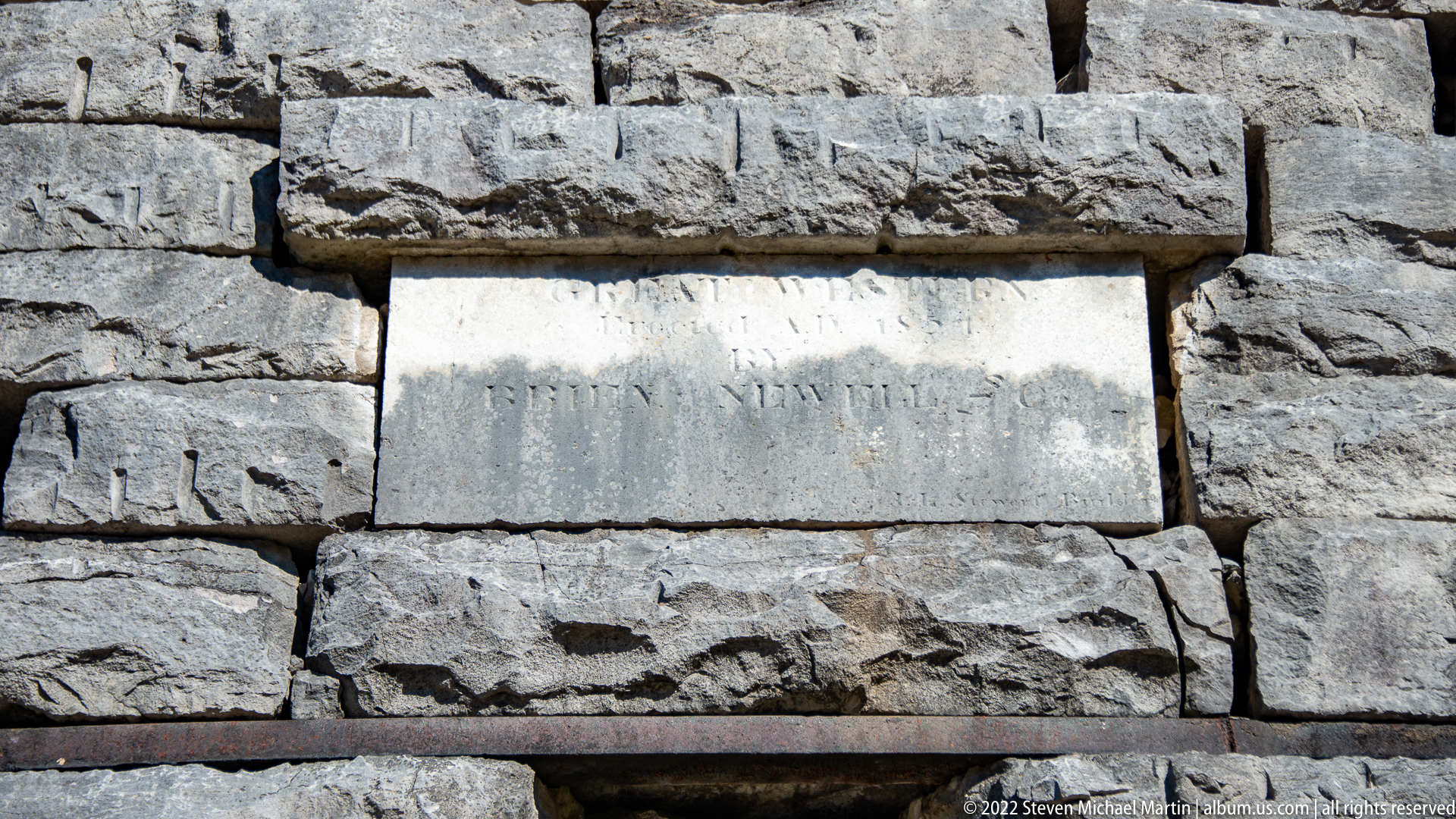
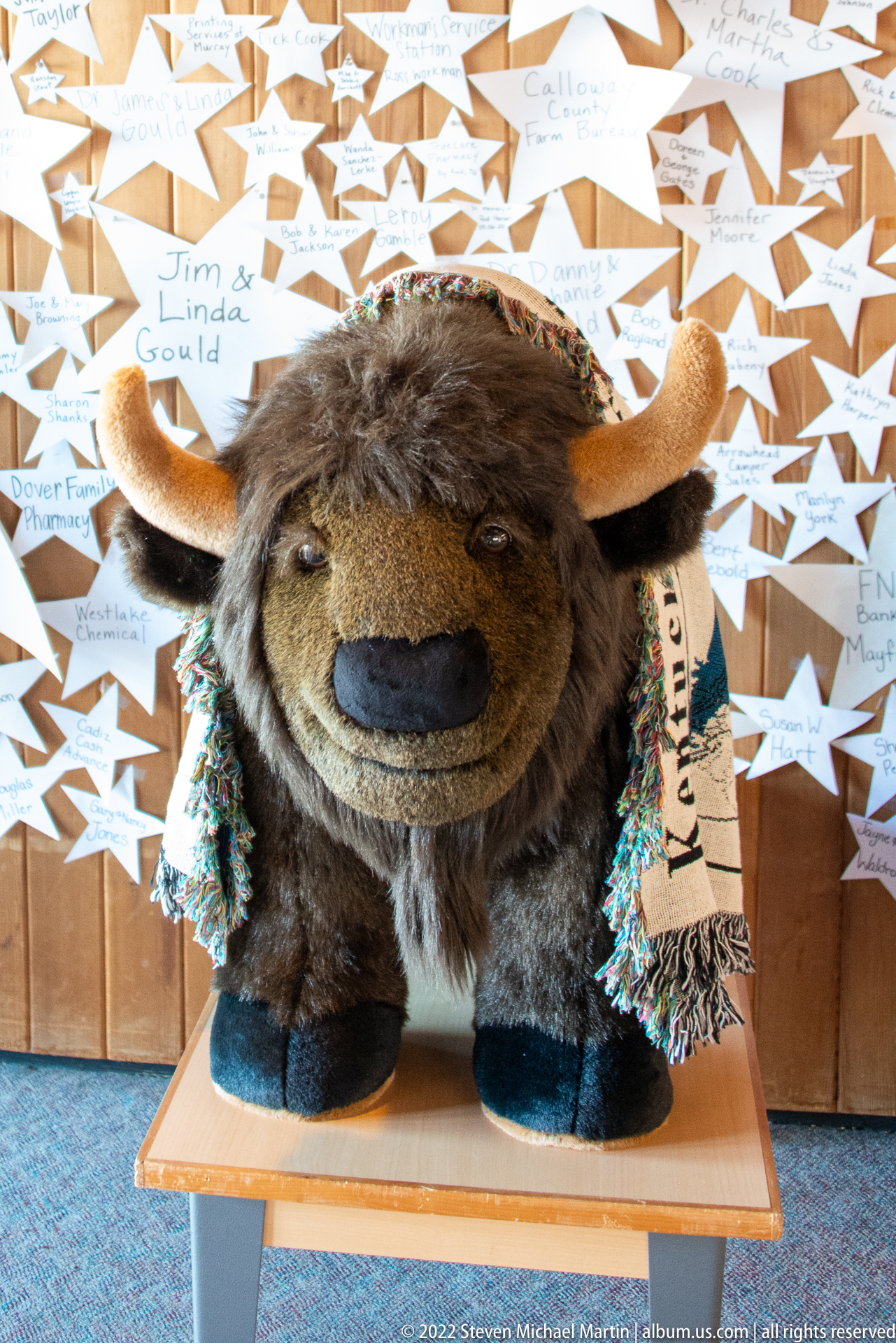
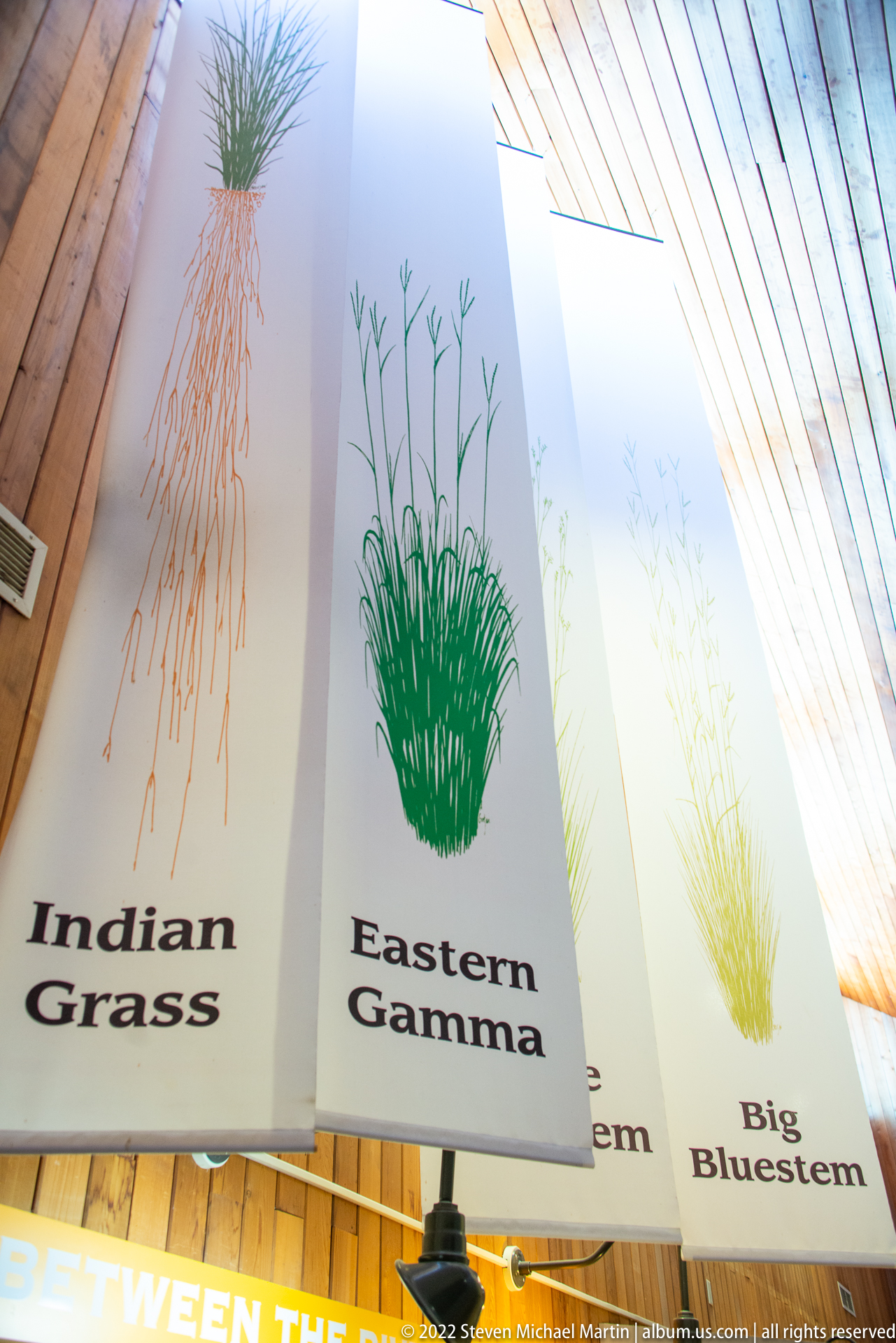
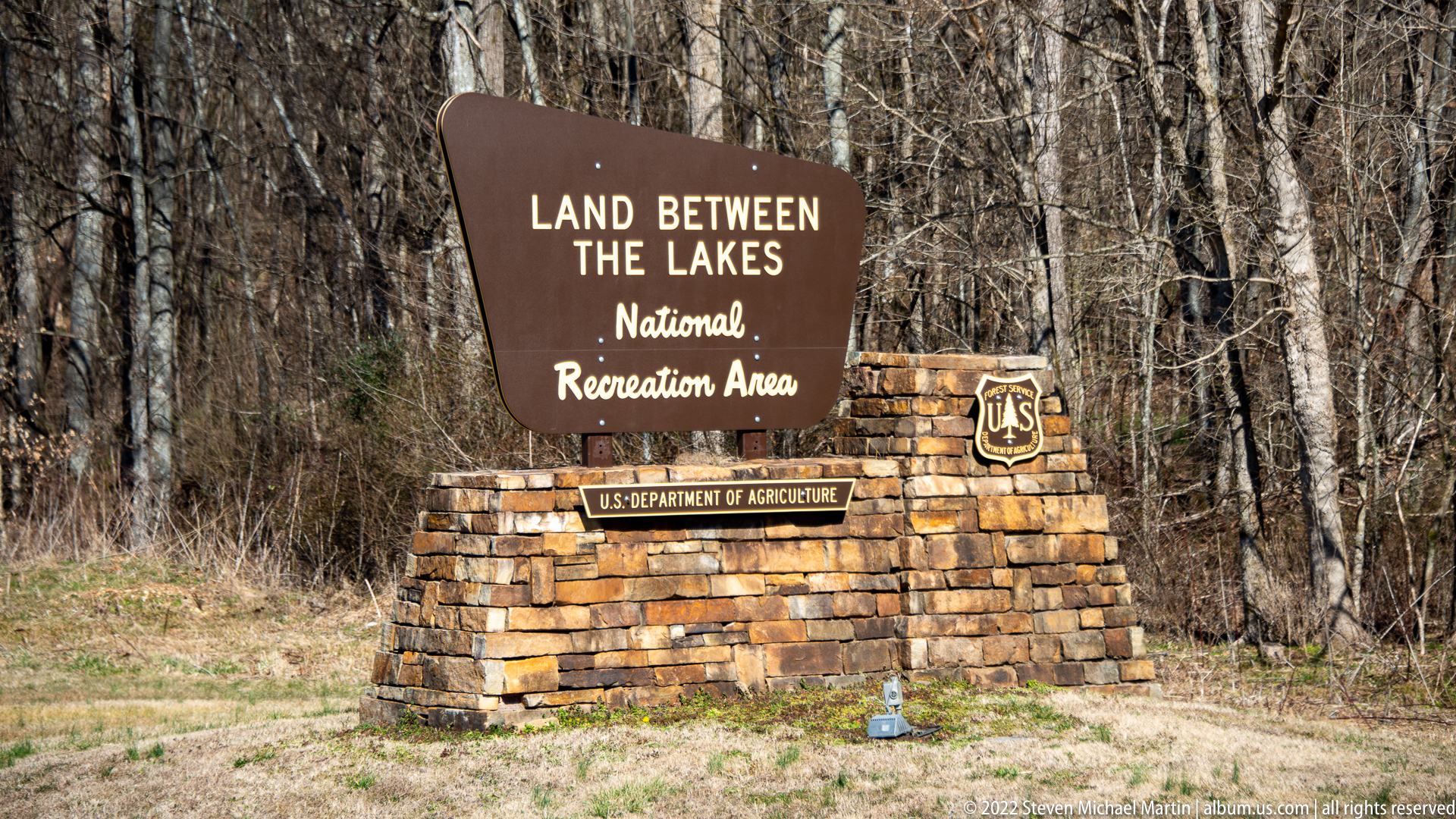
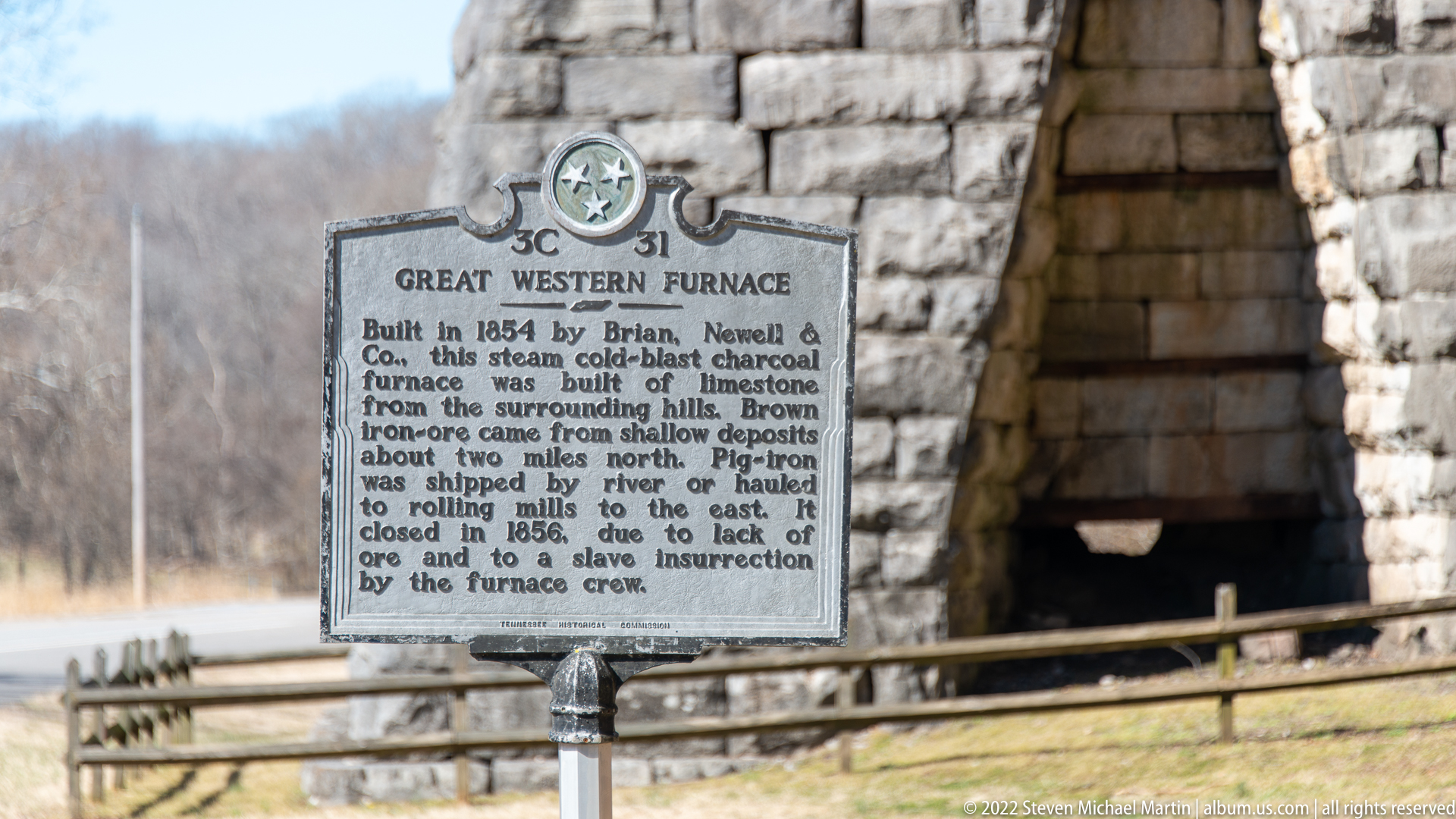
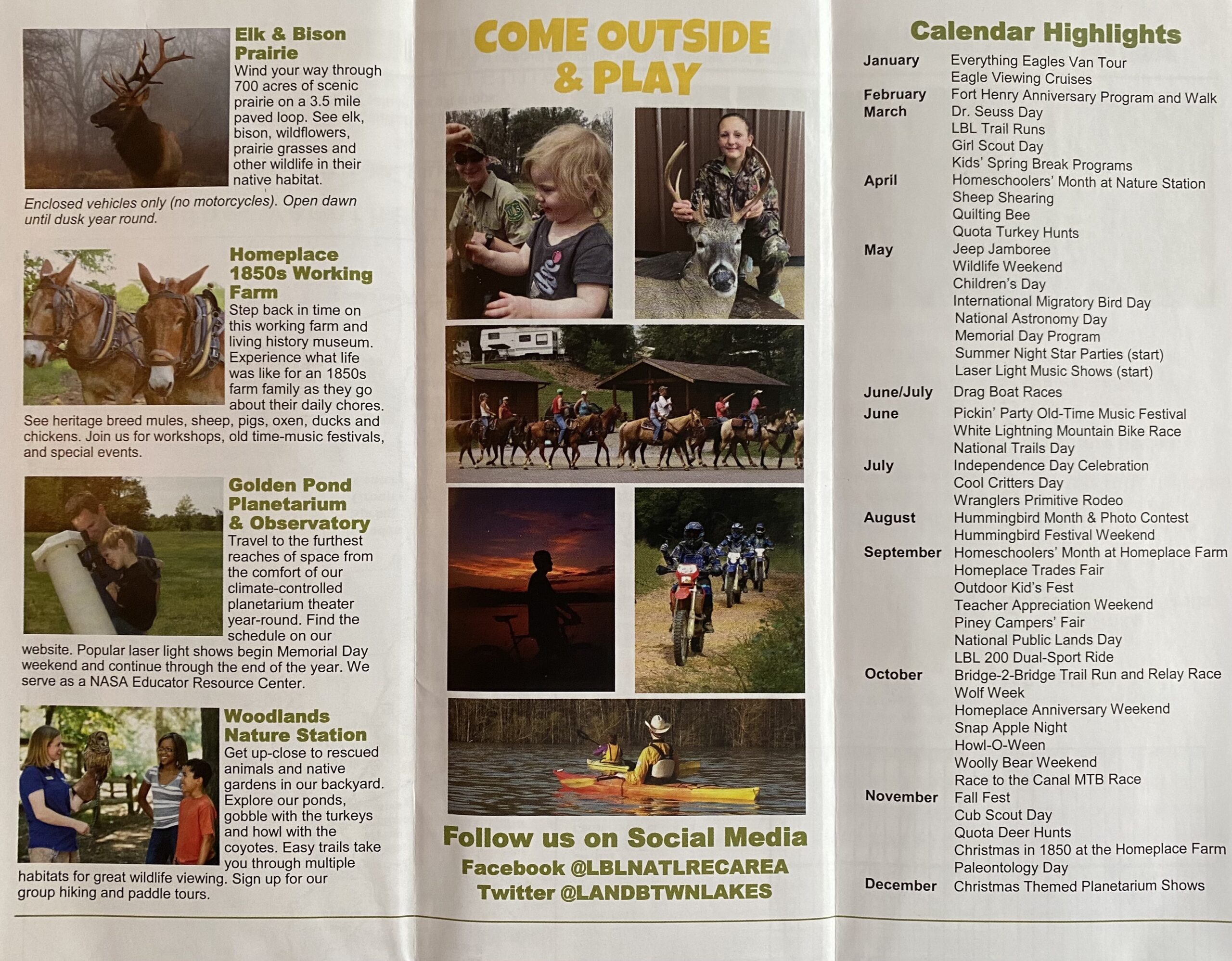
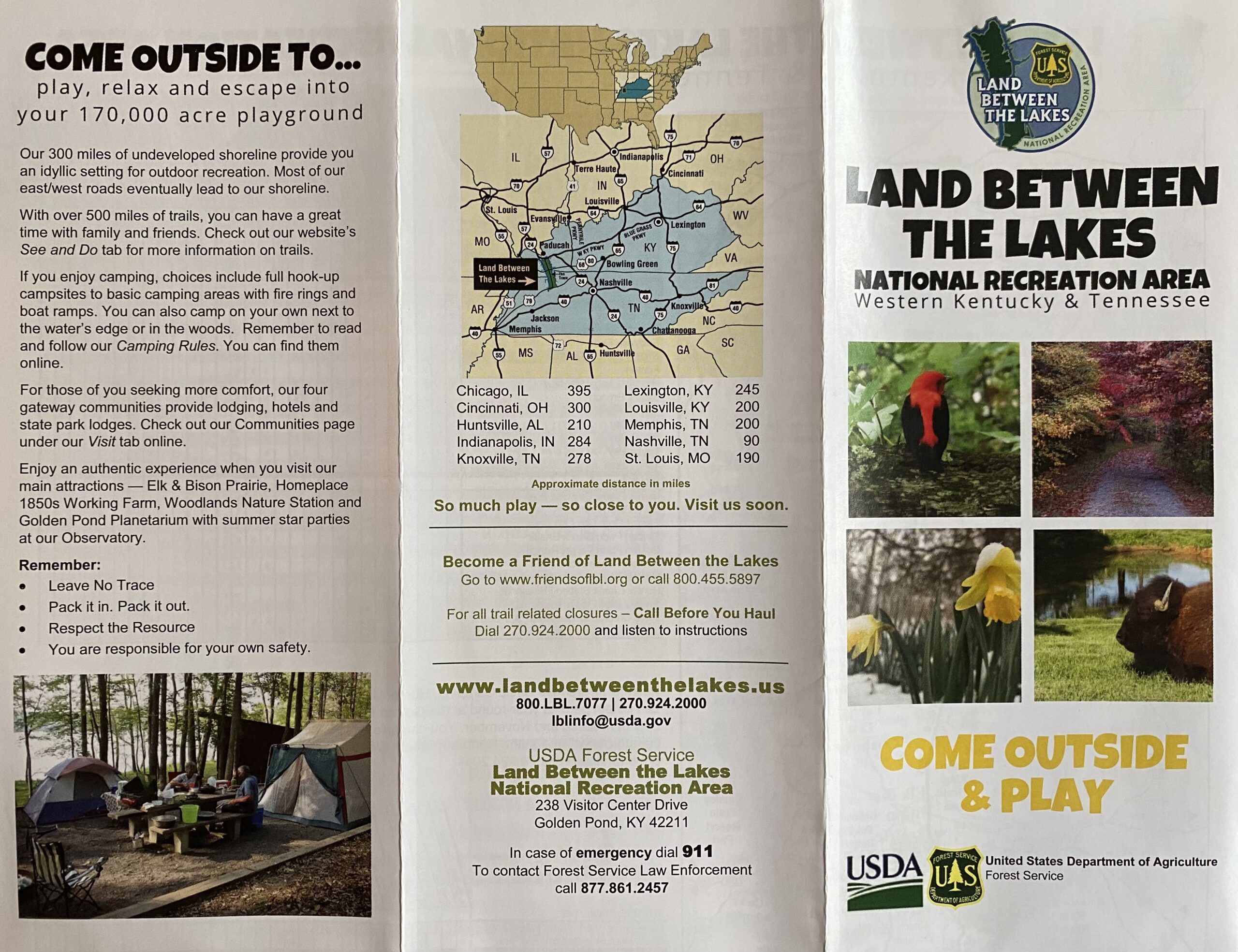
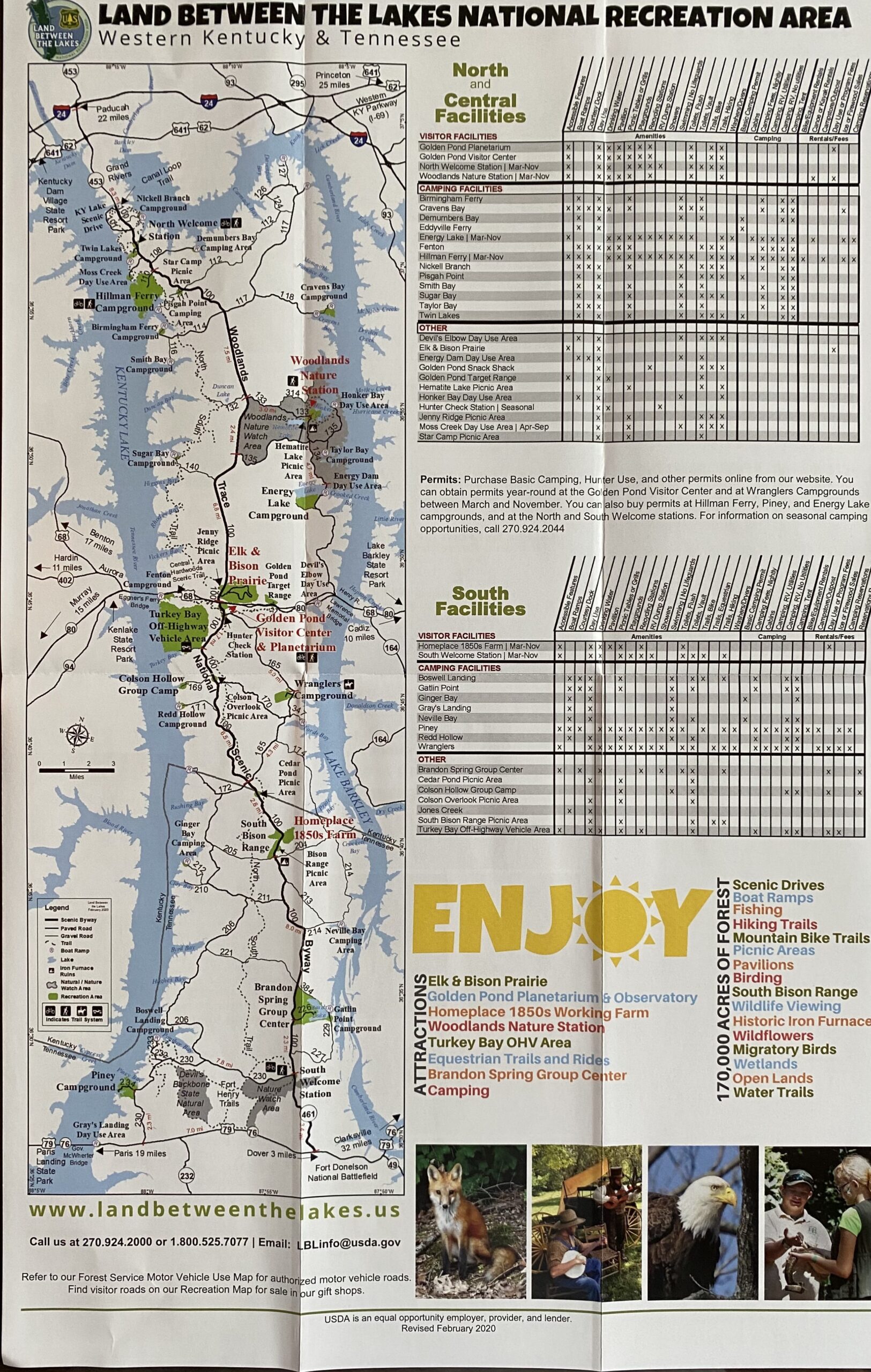
A dark, weathered wood-clad visitor-center façade frames glass entrance doors at left and a row of public information boards at right. Two agency or program emblems are mounted beside the displays. The angled view emphasizes the building’s rustic vertical siding and its practical role as an entry point for visitors. A dark, weathered wood-clad visitor-center façade frames glass entrance doors at left and a row of public information boards at right. Two agency or program emblems are mounted beside the displays. The angled view emphasizes the building’s rustic vertical siding and its practical role as an entry point for visitors. Golden-brown grasses cover a gently rising field beneath a crisp blue sky. A band of leafless trees follows the horizon, with a few bare branches extending into the open sky at right. The simple composition isolates the transition between meadow and woodland and records the seasonal appearance of the landscape without a built feature or visitor activity. Golden-brown grasses cover a gently rising field beneath a crisp blue sky. A band of leafless trees follows the horizon, with a few bare branches extending into the open sky at right. The simple composition isolates the transition between meadow and woodland and records the seasonal appearance of the landscape without a built feature or visitor activity. A large wall map uses a pale background and fine blue outlines to trace the region’s many coves and waterways. Bold green lettering reads “Land Between the Lakes,” with an “ENTER” arrow pointing left and a red “ENJOY” marker lower on the map. The graphic serves as a welcoming orientation feature inside the visitor center. A large wall map uses a pale background and fine blue outlines to trace the region’s many coves and waterways. Bold green lettering reads “Land Between the Lakes,” with an “ENTER” arrow pointing left and a red “ENJOY” marker lower on the map. The graphic serves as a welcoming orientation feature inside the visitor center. A group of American bison rests and grazes across a patch of short green grass, with one animal standing among several lying down. Dry tan vegetation and a wire fence line the background. The mixed postures show a calm herd in managed range habitat, with the animals’ dark coats contrasting against the pale winter grasses. A group of American bison rests and grazes across a patch of short green grass, with one animal standing among several lying down. Dry tan vegetation and a wire fence line the background. The mixed postures show a calm herd in managed range habitat, with the animals’ dark coats contrasting against the pale winter grasses. Bison are scattered across the open pasture, most lying down while one stands at the right edge of the group. The wider frame reveals more pale grass and the shallow enclosure boundary behind them, giving the herd room within its range. This composition emphasizes the animals’ spacing and unhurried behavior rather than a close wildlife portrait. Bison are scattered across the open pasture, most lying down while one stands at the right edge of the group. The wider frame reveals more pale grass and the shallow enclosure boundary behind them, giving the herd room within its range. This composition emphasizes the animals’ spacing and unhurried behavior rather than a close wildlife portrait. From the roadway, the camera looks upward through a tall blue-gray steel framework, with parallel crossbeams narrowing toward the top. A strip of asphalt and a yellow centerline lead into the structure at the bottom edge. The geometric perspective emphasizes the bridge’s repeating metal members, though the specific bridge is not identifiable from the thumbnail. From the roadway, the camera looks upward through a tall blue-gray steel framework, with parallel crossbeams narrowing toward the top. A strip of asphalt and a yellow centerline lead into the structure at the bottom edge. The geometric perspective emphasizes the bridge’s repeating metal members, though the specific bridge is not identifiable from the thumbnail. A pale rectangular plaque is embedded in a wall of irregular gray stone blocks. Its shallow lettering is heavily weathered and difficult to read in the proof-sheet view, leaving the inset slab and surrounding masonry as the clearest evidence. The close, frontal composition records a small architectural detail within the larger historic furnace structure. A pale rectangular plaque is embedded in a wall of irregular gray stone blocks. Its shallow lettering is heavily weathered and difficult to read in the proof-sheet view, leaving the inset slab and surrounding masonry as the clearest evidence. The close, frontal composition records a small architectural detail within the larger historic furnace structure. A plush bison sits on a small display platform in front of a wall covered with paper stars and handwritten names. A knitted scarf and a second fabric tag drape over its shoulders, giving the display a welcoming, informal feel. The close view presents a visitor-center mascot rather than a wild animal in the park. A plush bison sits on a small display platform in front of a wall covered with paper stars and handwritten names. A knitted scarf and a second fabric tag drape over its shoulders, giving the display a welcoming, informal feel. The close view presents a visitor-center mascot rather than a wild animal in the park. Tall suspended panels display grass illustrations and labels, including “Indian Grass,” “Eastern Gamma,” and “Big Bluestem.” Their vertical format and upward viewpoint place the plant forms at human scale, with a wooden ceiling and exhibit lighting visible above. The installation introduces native grass species as part of the area’s ecological interpretation. Tall suspended panels display grass illustrations and labels, including “Indian Grass,” “Eastern Gamma,” and “Big Bluestem.” Their vertical format and upward viewpoint place the plant forms at human scale, with a wooden ceiling and exhibit lighting visible above. The installation introduces native grass species as part of the area’s ecological interpretation. The brown Land Between the Lakes National Recreation Area sign stands on a stepped stone base at the edge of leafless woodland. Smaller emblems and a U.S. Department of Agriculture plaque identify its federal land-management context. A patch of dry grass and the quiet forest verge situate the entrance marker within a rural landscape. The brown Land Between the Lakes National Recreation Area sign stands on a stepped stone base at the edge of leafless woodland. Smaller emblems and a U.S. Department of Agriculture plaque identify its federal land-management context. A patch of dry grass and the quiet forest verge situate the entrance marker within a rural landscape. A circular “Friends of Land Between the Lakes” emblem is mounted on vertical wood siding. Its blue-green design places a deer beside a tree beneath a crescent moon and stars, with bands suggesting water and a distant shoreline. The stylized night scene turns the organization’s name into a compact visual identity tied to the region’s wildlife and landscape. A circular “Friends of Land Between the Lakes” emblem is mounted on vertical wood siding. Its blue-green design places a deer beside a tree beneath a crescent moon and stars, with bands suggesting water and a distant shoreline. The stylized night scene turns the organization’s name into a compact visual identity tied to the region’s wildlife and landscape. A metal marker headed “Great Western Furnace” stands in front of the stone furnace opening. Its text states that the charcoal-fired iron furnace was built in 1854 by Brian, Newell & Co. and closed in 1856. The shallow-focus composition keeps the marker legible while the masonry arch behind it connects the written account to the surviving industrial structure. A metal marker headed “Great Western Furnace” stands in front of the stone furnace opening. Its text states that the charcoal-fired iron furnace was built in 1854 by Brian, Newell & Co. and closed in 1856. The shallow-focus composition keeps the marker legible while the masonry arch behind it connects the written account to the surviving industrial structure. The marker’s close-set lettering describes the Great Western Furnace, its limestone construction, charcoal fuel, and short operating life from 1854 to 1856. A circular emblem crowns the sign, while the stone furnace falls softly out of focus behind it. The tighter framing foregrounds the historical account and the physical marker’s decorative border. The marker’s close-set lettering describes the Great Western Furnace, its limestone construction, charcoal fuel, and short operating life from 1854 to 1856. A circular emblem crowns the sign, while the stone furnace falls softly out of focus behind it. The tighter framing foregrounds the historical account and the physical marker’s decorative border. The Great Western Furnace marker fills the foreground while the squat stone furnace rises behind it, its tall dark opening visible between rough masonry walls. Bare branches and a roadside edge frame the site. This paired view makes the relationship between the interpretive text and surviving industrial remains especially clear. The Great Western Furnace marker fills the foreground while the squat stone furnace rises behind it, its tall dark opening visible between rough masonry walls. Bare branches and a roadside edge frame the site. This paired view makes the relationship between the interpretive text and surviving industrial remains especially clear. A large panel titled “Great Western Furnace” pairs a sectional drawing of the stone stack with labels explaining how the furnace worked. Pink callouts identify parts of the structure, while historical photographs and text describe Stewart County iron production. The diagram turns the surviving masonry ruin into an explanation of industrial process and regional history. A large panel titled “Great Western Furnace” pairs a sectional drawing of the stone stack with labels explaining how the furnace worked. Pink callouts identify parts of the structure, while historical photographs and text describe Stewart County iron production. The diagram turns the surviving masonry ruin into an explanation of industrial process and regional history. The Great Western Furnace rises as a tall, roughly pyramidal stone structure with a narrow arched opening at its base. A low wooden barrier protects the masonry, and an orange warning sign stands near the corner. The surrounding leafless woods and sloping ground place the industrial ruin within a quiet forest setting rather than an active works site. The Great Western Furnace rises as a tall, roughly pyramidal stone structure with a narrow arched opening at its base. A low wooden barrier protects the masonry, and an orange warning sign stands near the corner. The surrounding leafless woods and sloping ground place the industrial ruin within a quiet forest setting rather than an active works site. A wayside panel welcomes visitors to the South Bison Range and features a photograph of a herd grazing in green pasture. Text explains the American bison’s return to the range, while a column at right lists nearby places to explore. The sign frames wildlife viewing as one part of a larger recreation area experience. A wayside panel welcomes visitors to the South Bison Range and features a photograph of a herd grazing in green pasture. Text explains the American bison’s return to the range, while a column at right lists nearby places to explore. The sign frames wildlife viewing as one part of a larger recreation area experience. Two bison lie in short grass with their heads turned in opposite directions. Their heavy dark coats and curved horns stand out against the pale field, while the fence and dry brush are blurred in the background. The tighter framing isolates a pair from the larger herd and brings their resting posture into focus. Two bison lie in short grass with their heads turned in opposite directions. Their heavy dark coats and curved horns stand out against the pale field, while the fence and dry brush are blurred in the background. The tighter framing isolates a pair from the larger herd and brings their resting posture into focus. A lone bison stands on green pasture near a low line of stones, with tall tan grasses and a wire fence behind it. The animal faces right, its dark silhouette set against the lighter vegetation. The solitary framing separates this individual from the resting herd shown in nearby photographs and reveals more of the enclosure boundary. A lone bison stands on green pasture near a low line of stones, with tall tan grasses and a wire fence behind it. The animal faces right, its dark silhouette set against the lighter vegetation. The solitary framing separates this individual from the resting herd shown in nearby photographs and reveals more of the enclosure boundary. A pale-coated elk mount stands behind a low rail against a photographic woodland backdrop. Its tall branching antlers fill the upper part of the display, while a yellow band and the words “Please do not touch exhibit” define the enclosure. The static presentation contrasts with the living bison in the previous sheets and introduces regional wildlife through a museum specimen. A pale-coated elk mount stands behind a low rail against a photographic woodland backdrop. Its tall branching antlers fill the upper part of the display, while a yellow band and the words “Please do not touch exhibit” define the enclosure. The static presentation contrasts with the living bison in the previous sheets and introduces regional wildlife through a museum specimen. A visitor-center gallery corridor is lined with tall interpretive panels, including prominent headings for “Trails” and “Attractions.” Displays about camping, changing tires, and nearby nature sites recede toward the left, while warm wood and yellow trim organize the interior. The perspective gives a sense of the exhibit’s sequence and the range of recreation information offered. A visitor-center gallery corridor is lined with tall interpretive panels, including prominent headings for “Trails” and “Attractions.” Displays about camping, changing tires, and nearby nature sites recede toward the left, while warm wood and yellow trim organize the interior. The perspective gives a sense of the exhibit’s sequence and the range of recreation information offered. The brochure’s interior spread combines short descriptions of area attractions with a calendar of seasonal events and photographs of visitors outdoors. Headings identify destinations such as Homeplace 1850s Working Farm, Golden Pond Planetarium and Observatory, and Woodlands Nature Station. The layout presents recreation and education options across the year rather than a single destination. The brochure’s interior spread combines short descriptions of area attractions with a calendar of seasonal events and photographs of visitors outdoors. Headings identify destinations such as Homeplace 1850s Working Farm, Golden Pond Planetarium and Observatory, and Woodlands Nature Station. The layout presents recreation and education options across the year rather than a single destination. An open brochure presents the National Recreation Area through a regional map, travel information, wildlife photographs, and the bold invitation “COME OUTSIDE & PLAY.” The center panel includes route distances and contact details, while the right panel combines the site name with images of recreation and nature. Its folded layout functions as a compact visitor guide. An open brochure presents the National Recreation Area through a regional map, travel information, wildlife photographs, and the bold invitation “COME OUTSIDE & PLAY.” The center panel includes route distances and contact details, while the right panel combines the site name with images of recreation and nature. Its folded layout functions as a compact visitor guide. A large foldout map traces the long land corridor between Kentucky Lake and Lake Barkley, with roads and recreation sites marked across both shorelines. Tables and lists of facilities occupy the upper and right sections, while the lower panels include photographs and the word “ENJOY.” The brochure combines geographic orientation with practical planning details. A large foldout map traces the long land corridor between Kentucky Lake and Lake Barkley, with roads and recreation sites marked across both shorelines. Tables and lists of facilities occupy the upper and right sections, while the lower panels include photographs and the word “ENJOY.” The brochure combines geographic orientation with practical planning details.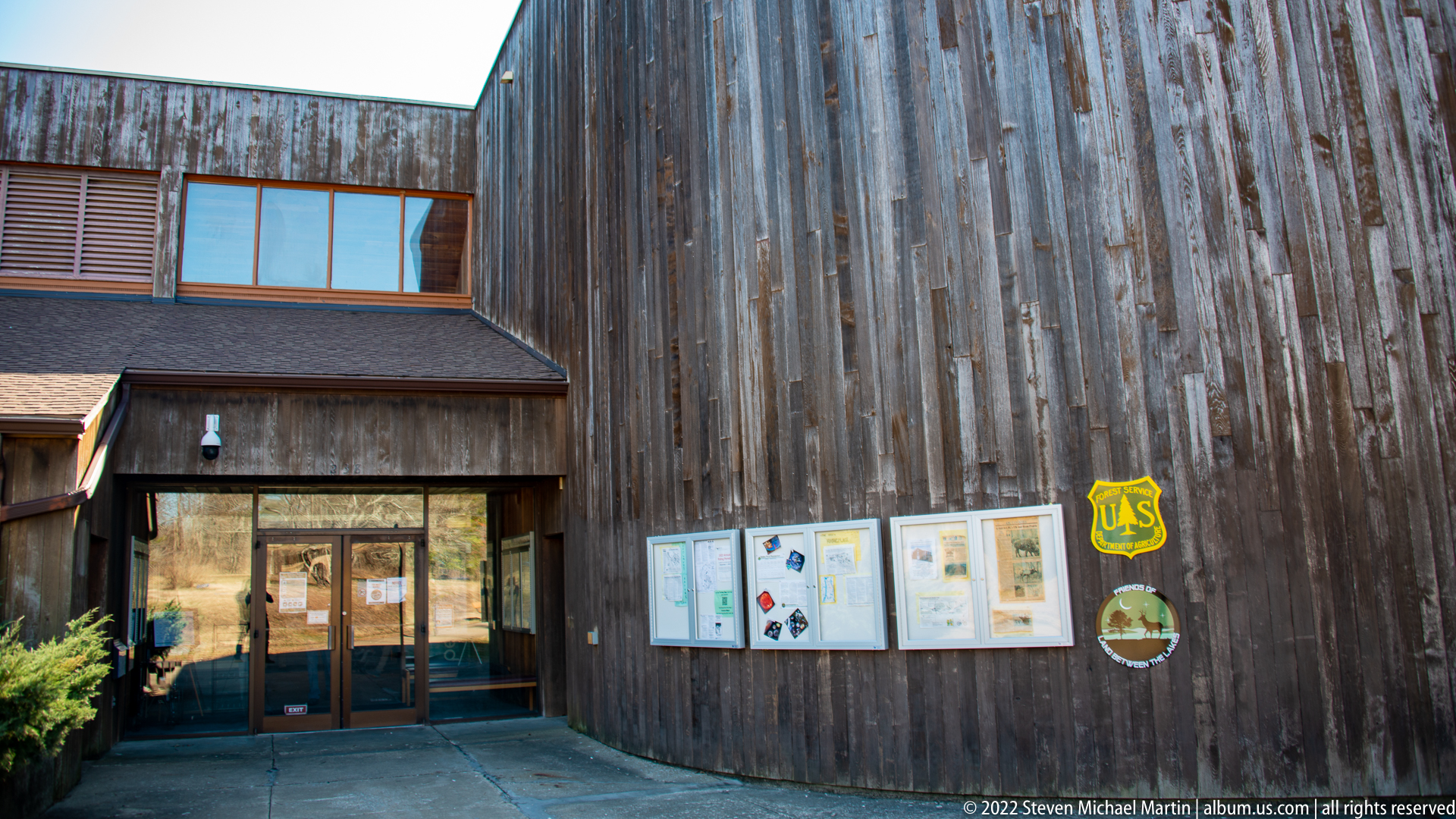
Caption
Caption
Caption
Caption
Caption
Caption
Caption
Caption
Caption
Caption
Caption
Caption
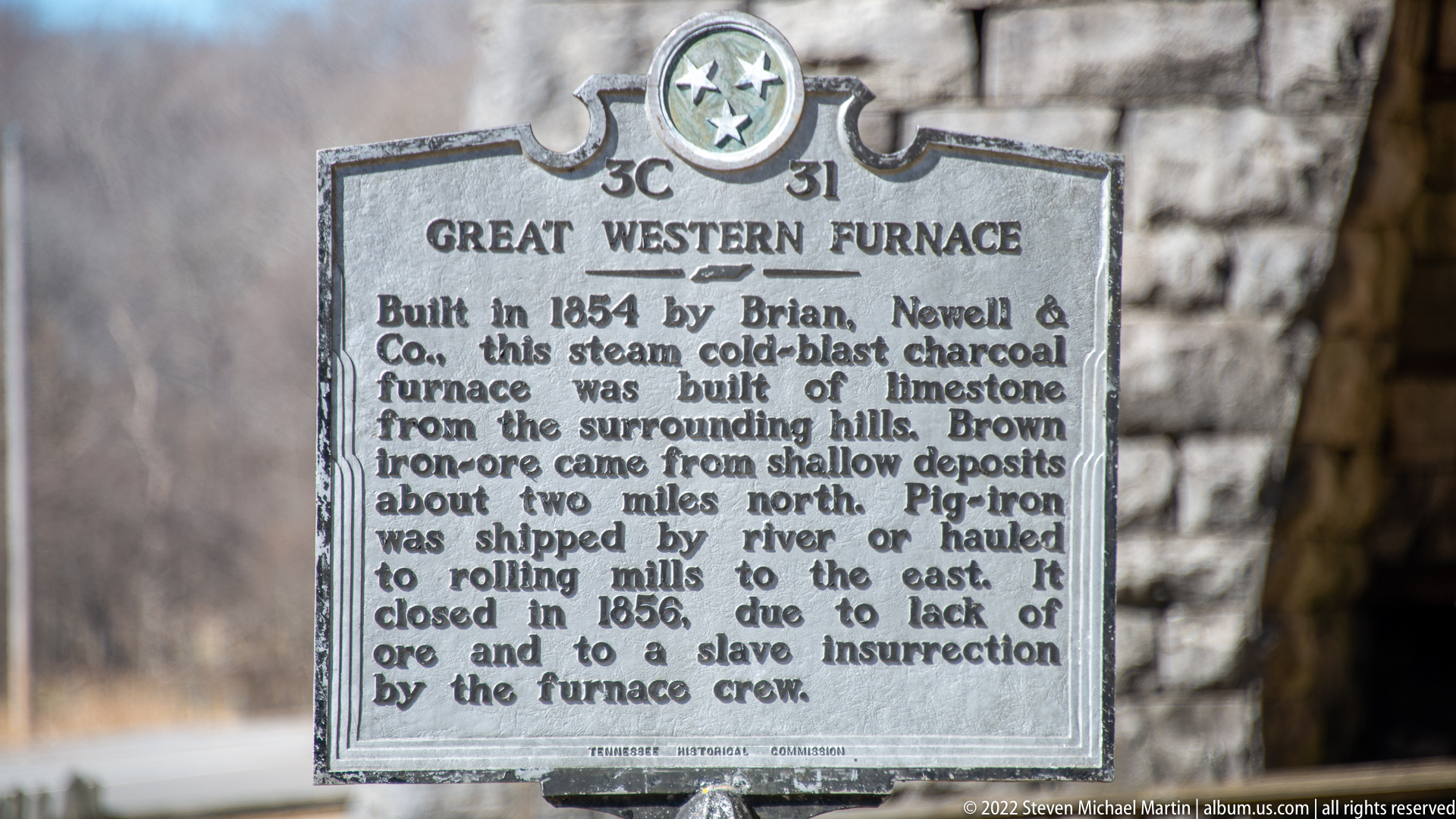
Caption
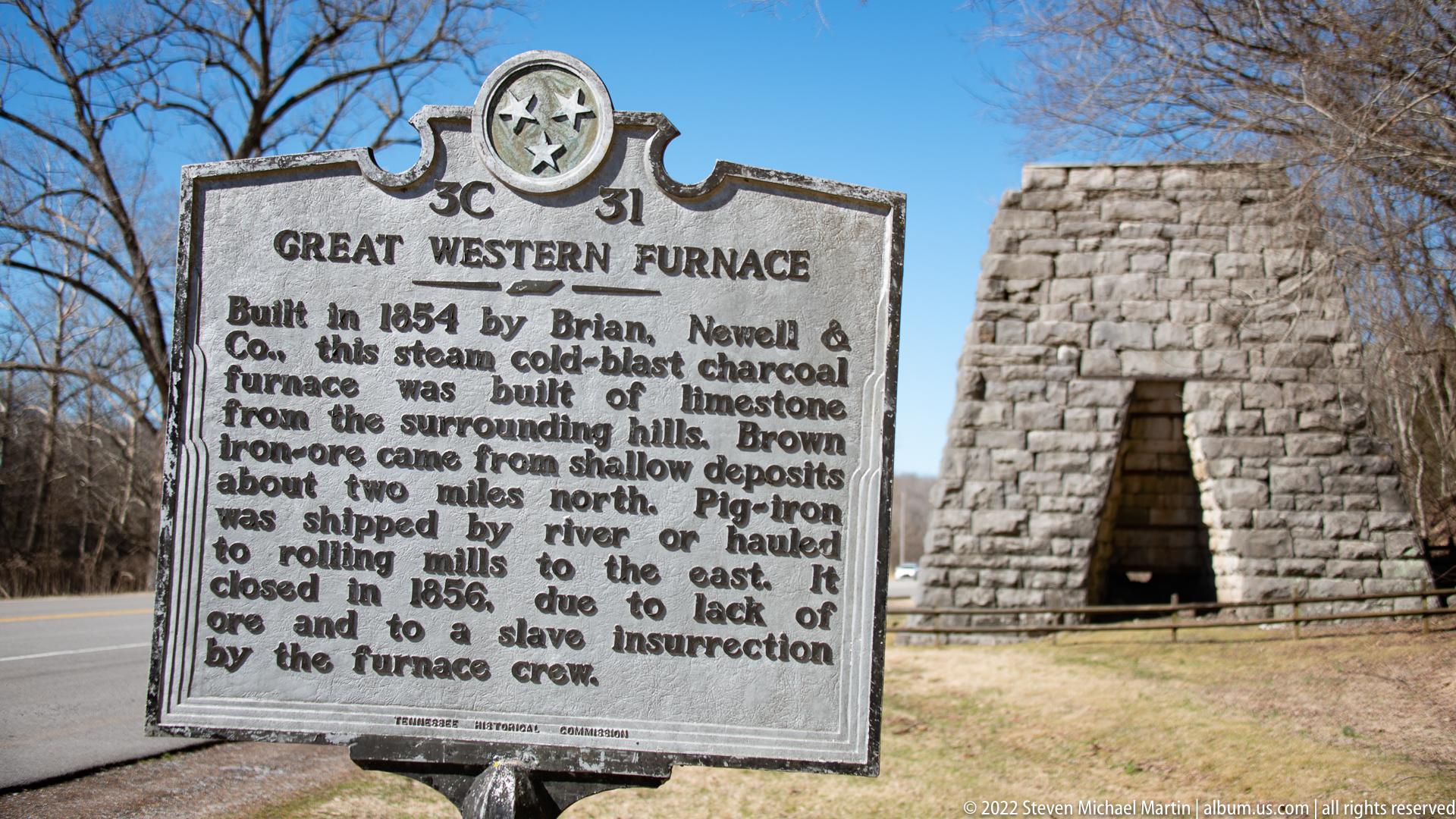
Caption
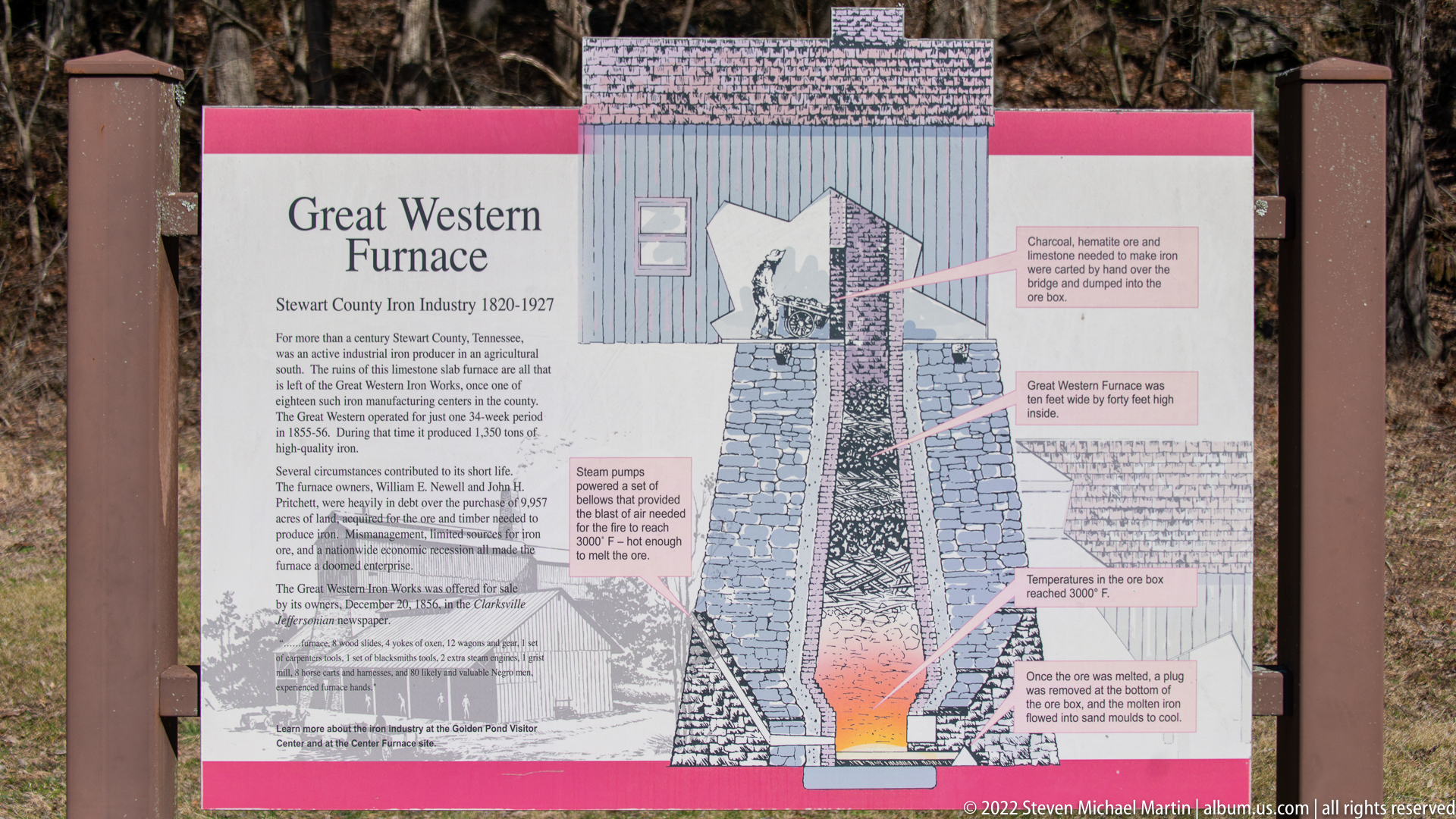
Caption
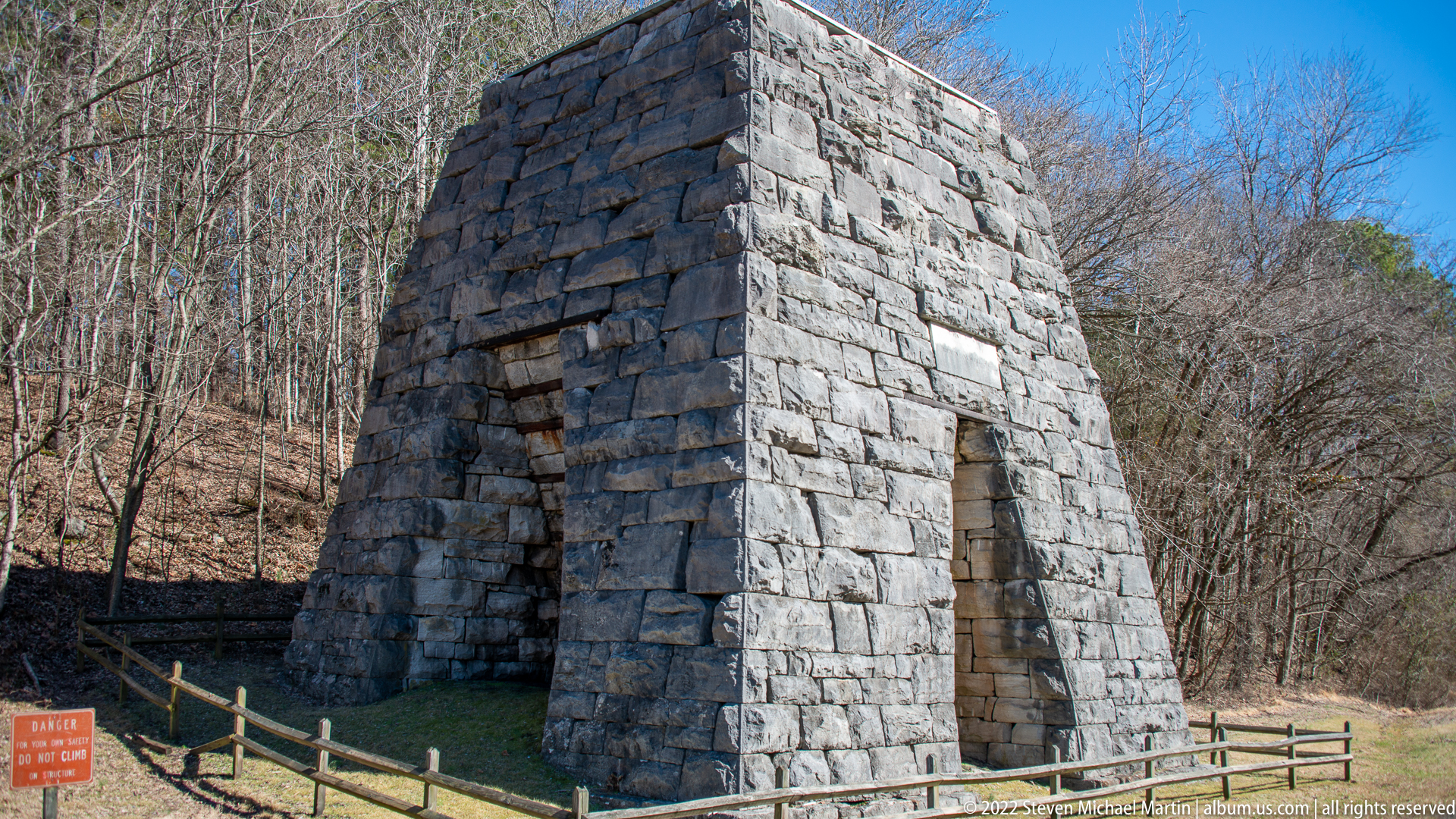
Caption
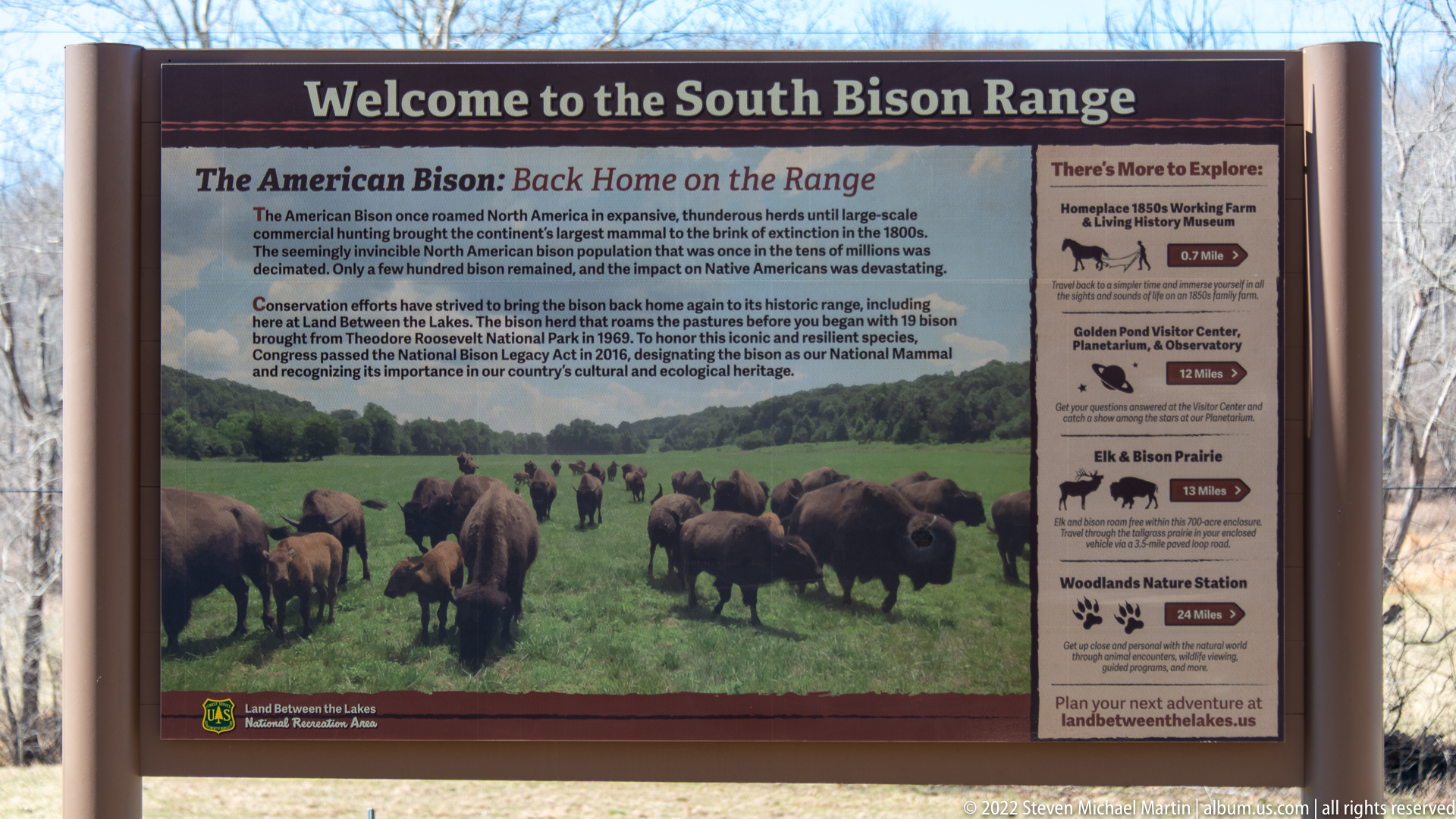
Caption
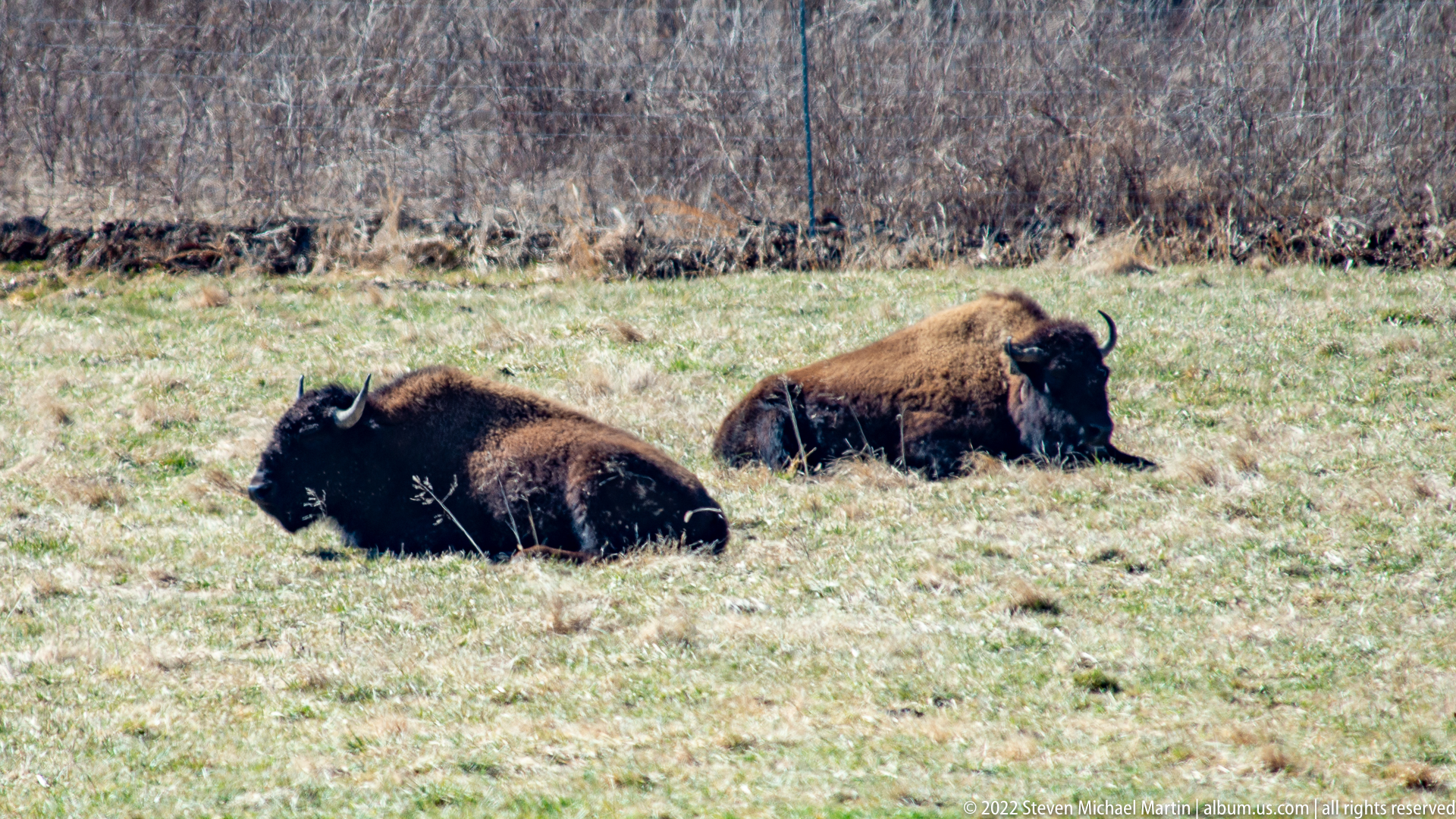
Caption

Caption
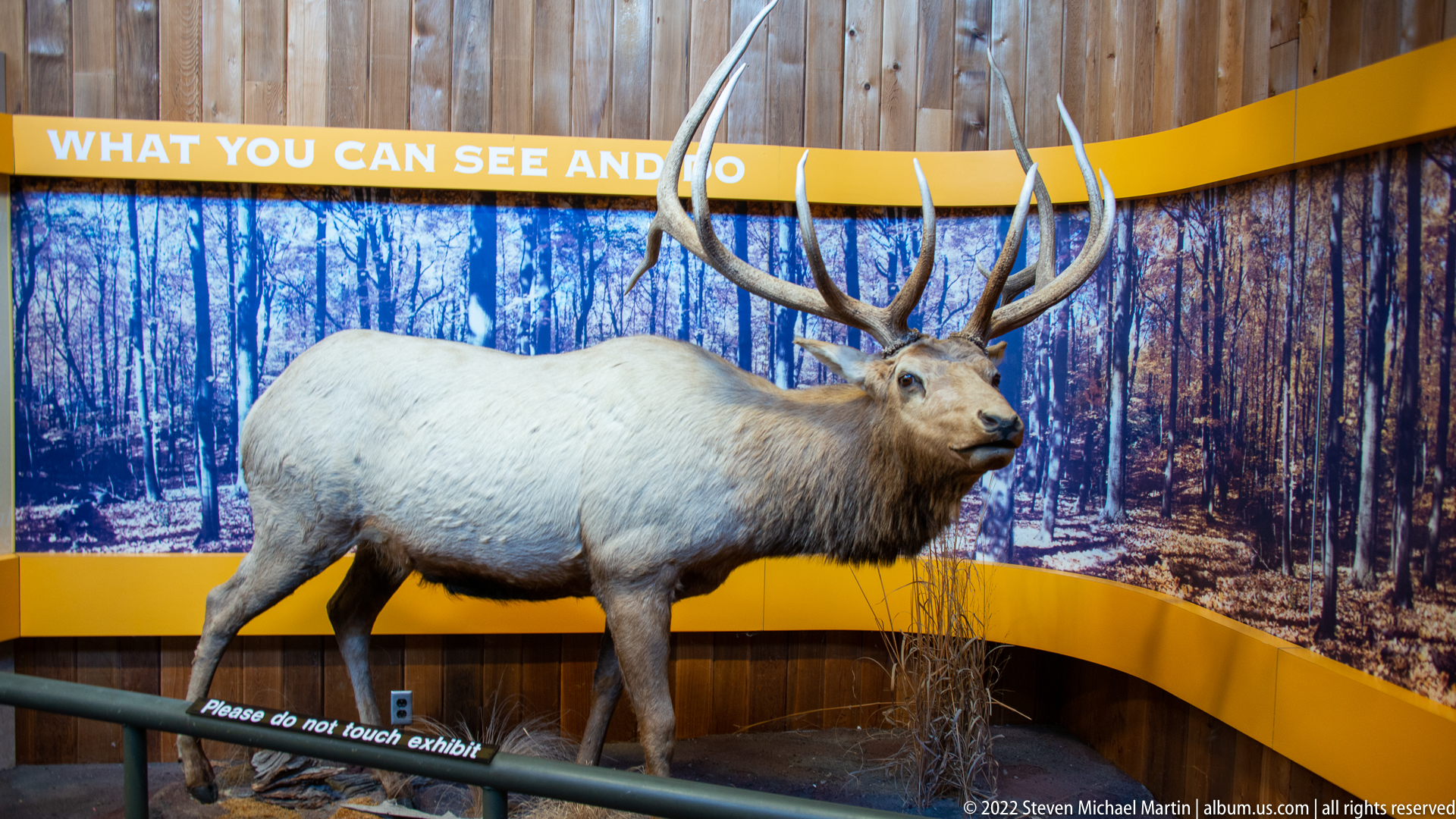
Caption
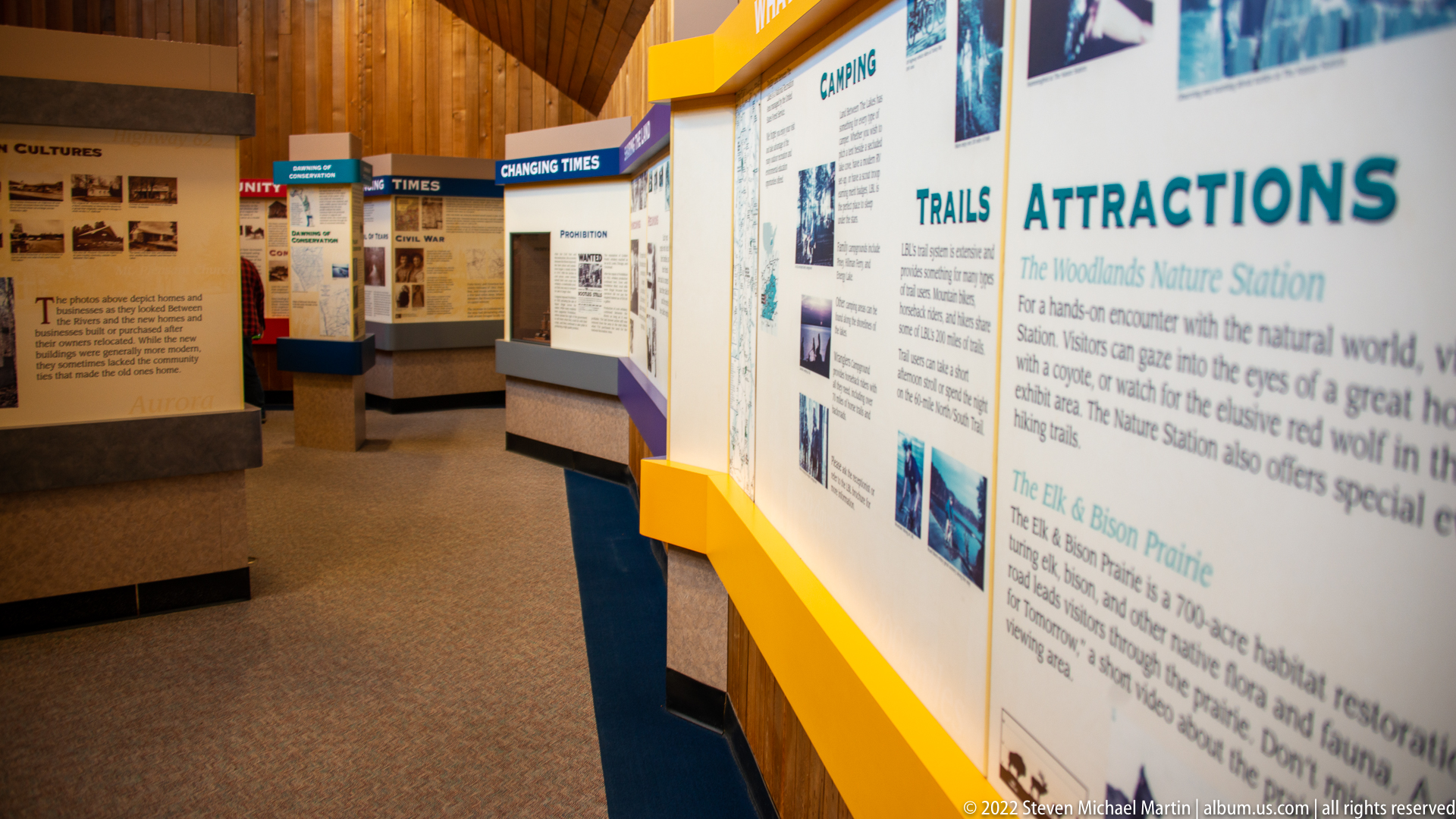
Caption
Caption
Caption
Caption