
American Samoa NP — Ofu Flying Fox Bats
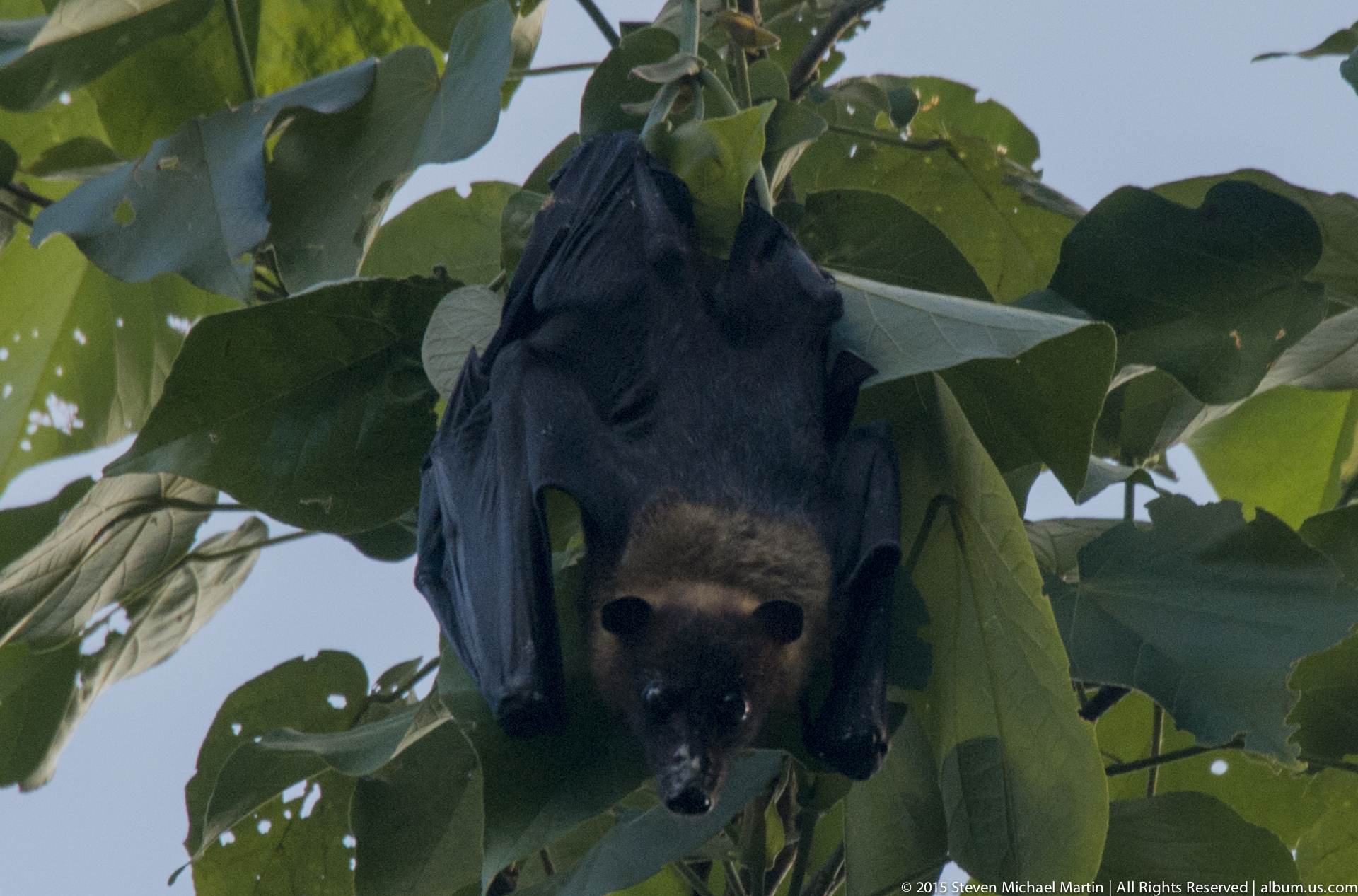
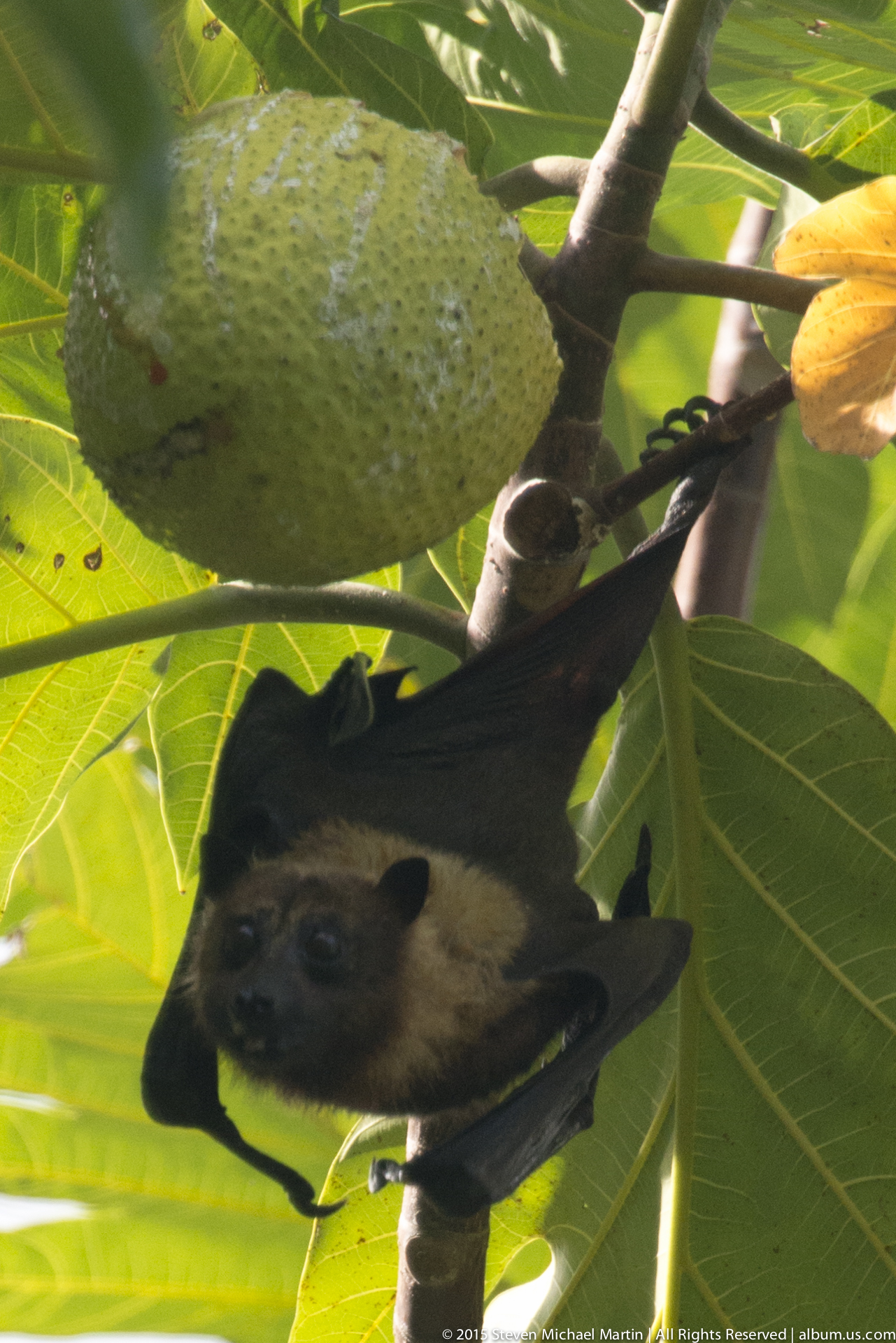
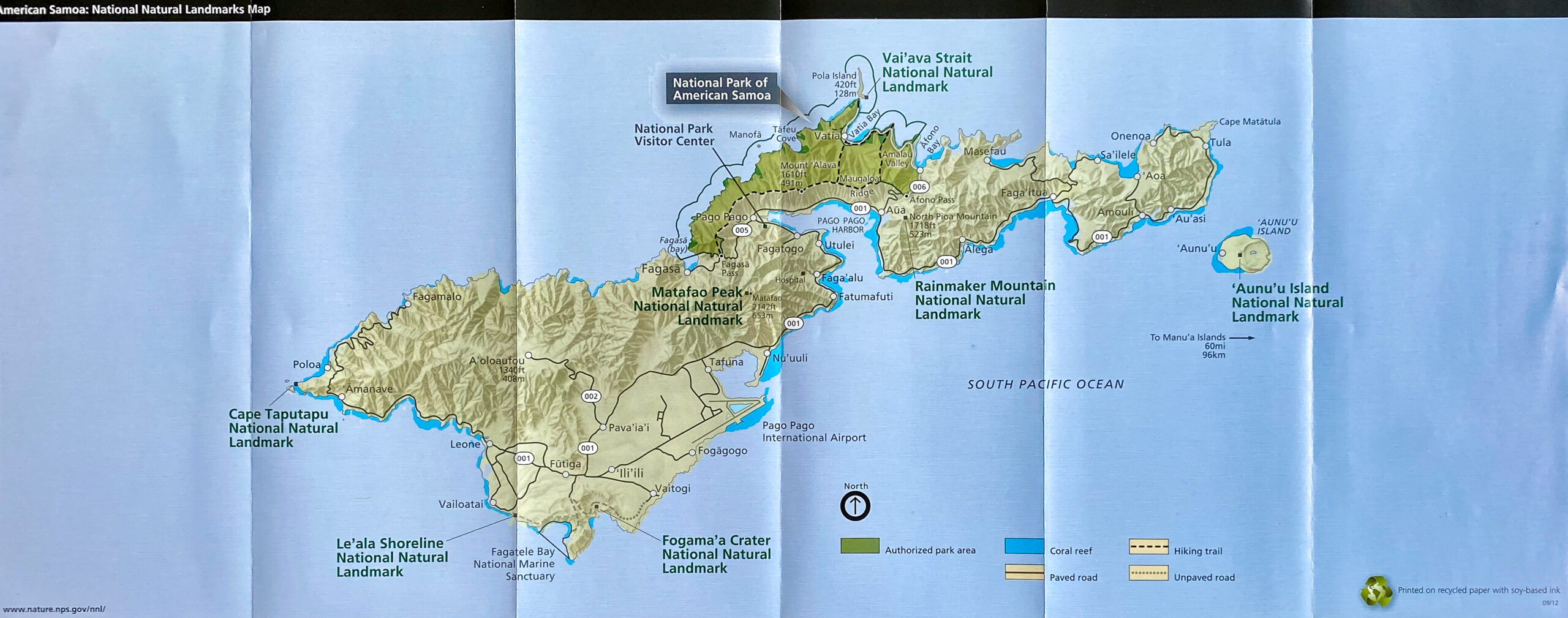
Seeing flying fox bats on Ofu Island felt like another reminder of how remote this part of the world truly is. American Samoa has very few native land mammals, and these remarkable fruit bats play an essential role in maintaining the health of the island’s rainforest ecosystems. As we walked beneath the trees, we began to notice large dark shapes hanging quietly among the leaves, almost blending into the canopy until movement revealed their presence.
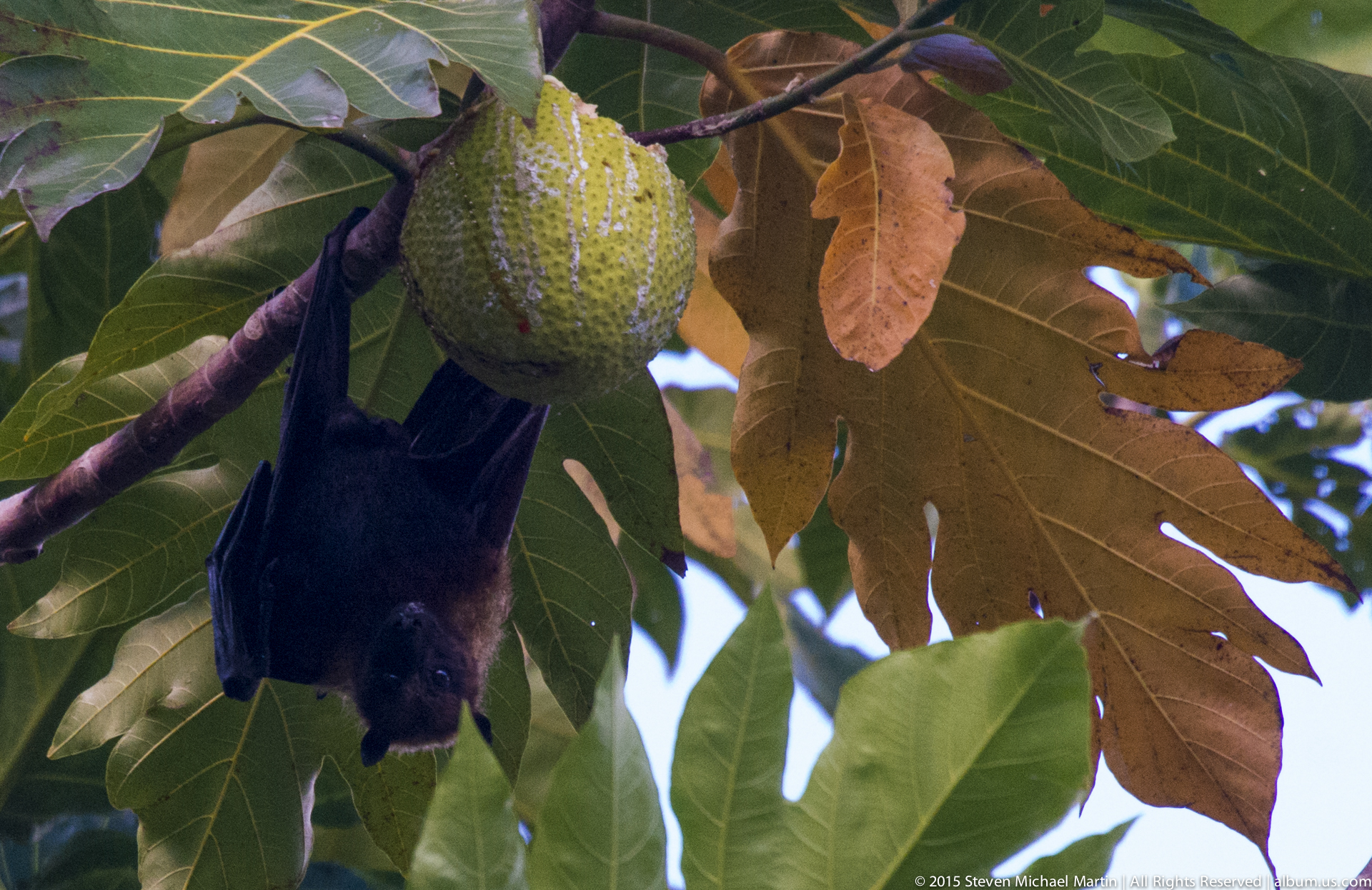
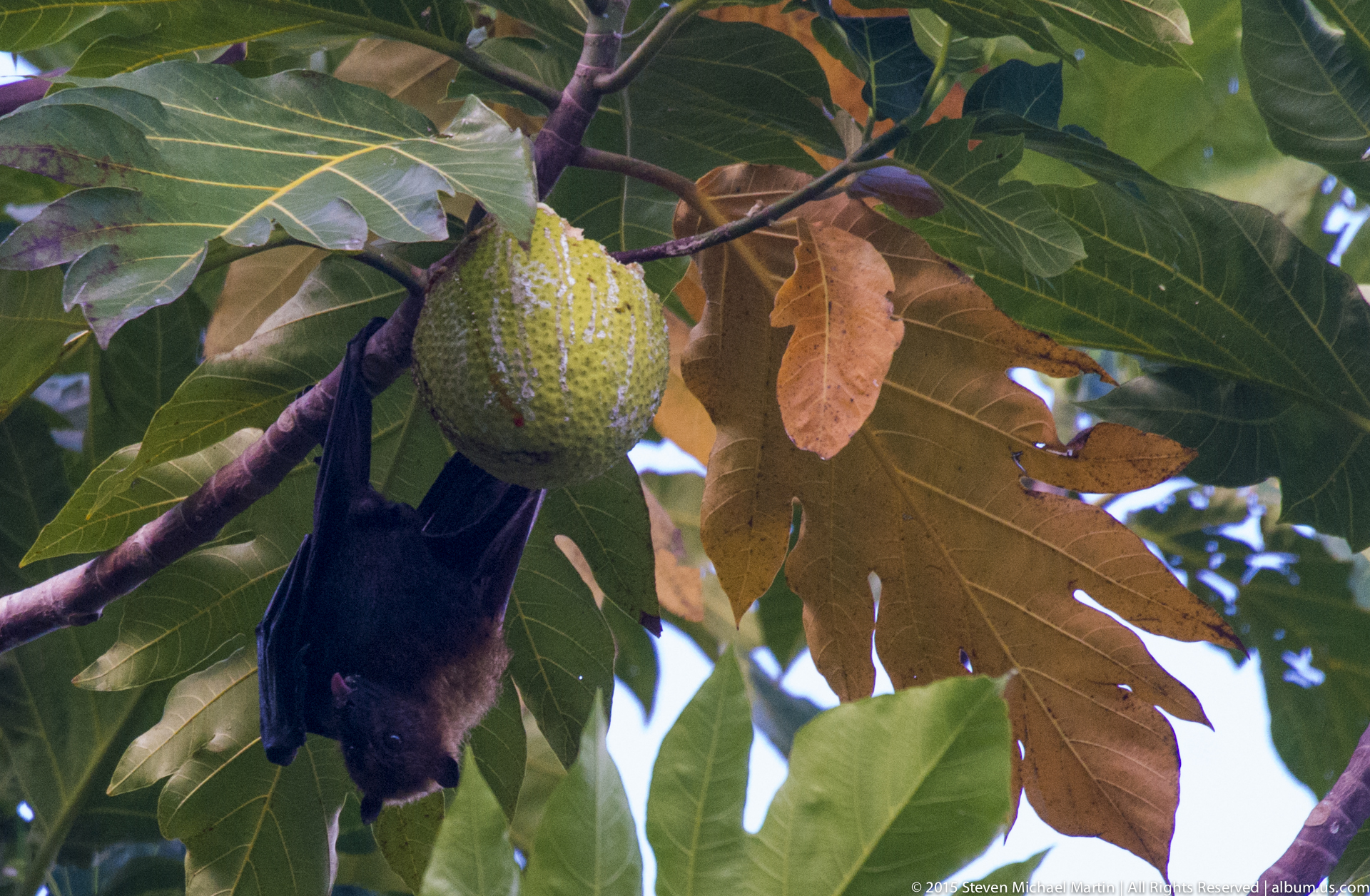
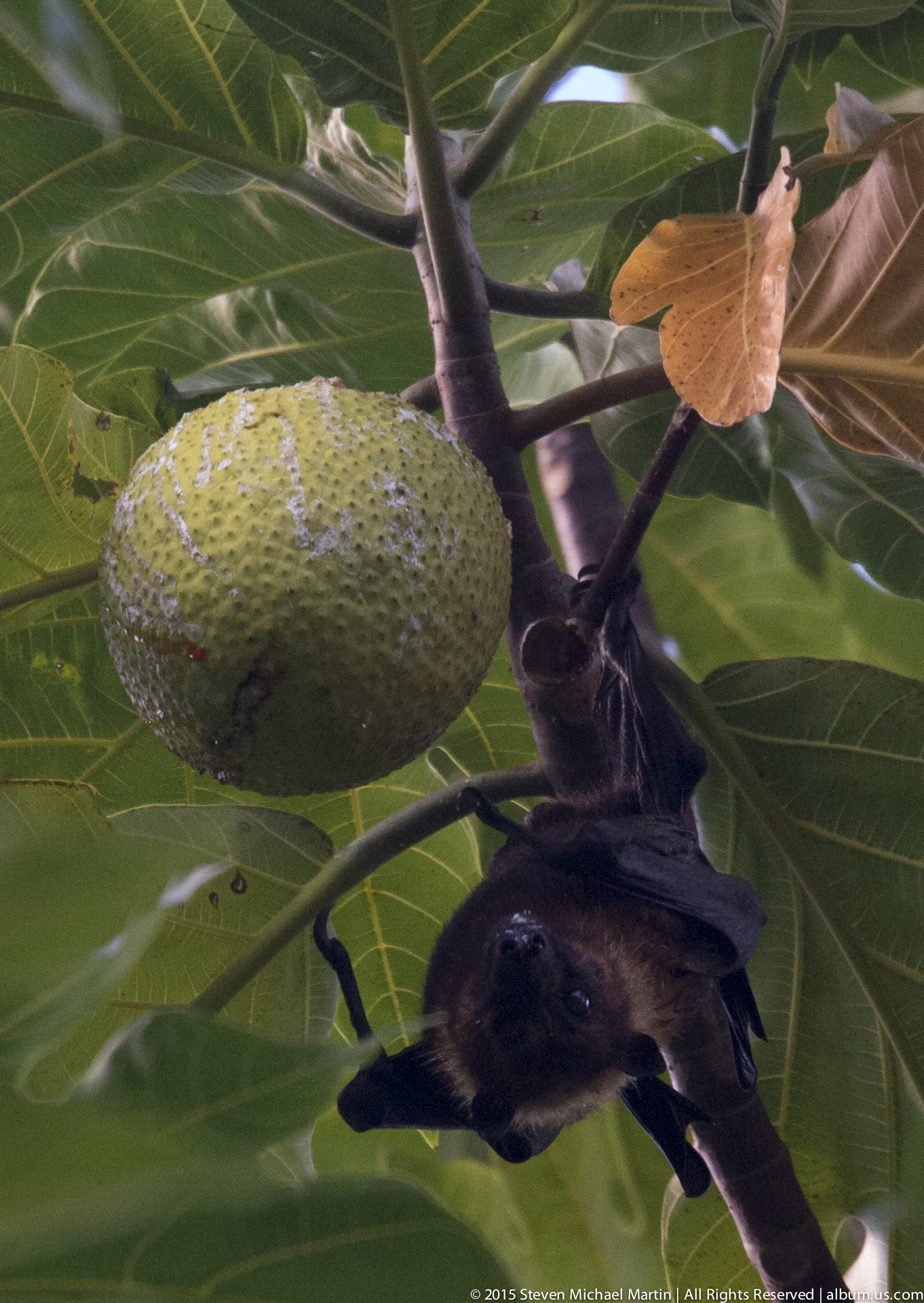
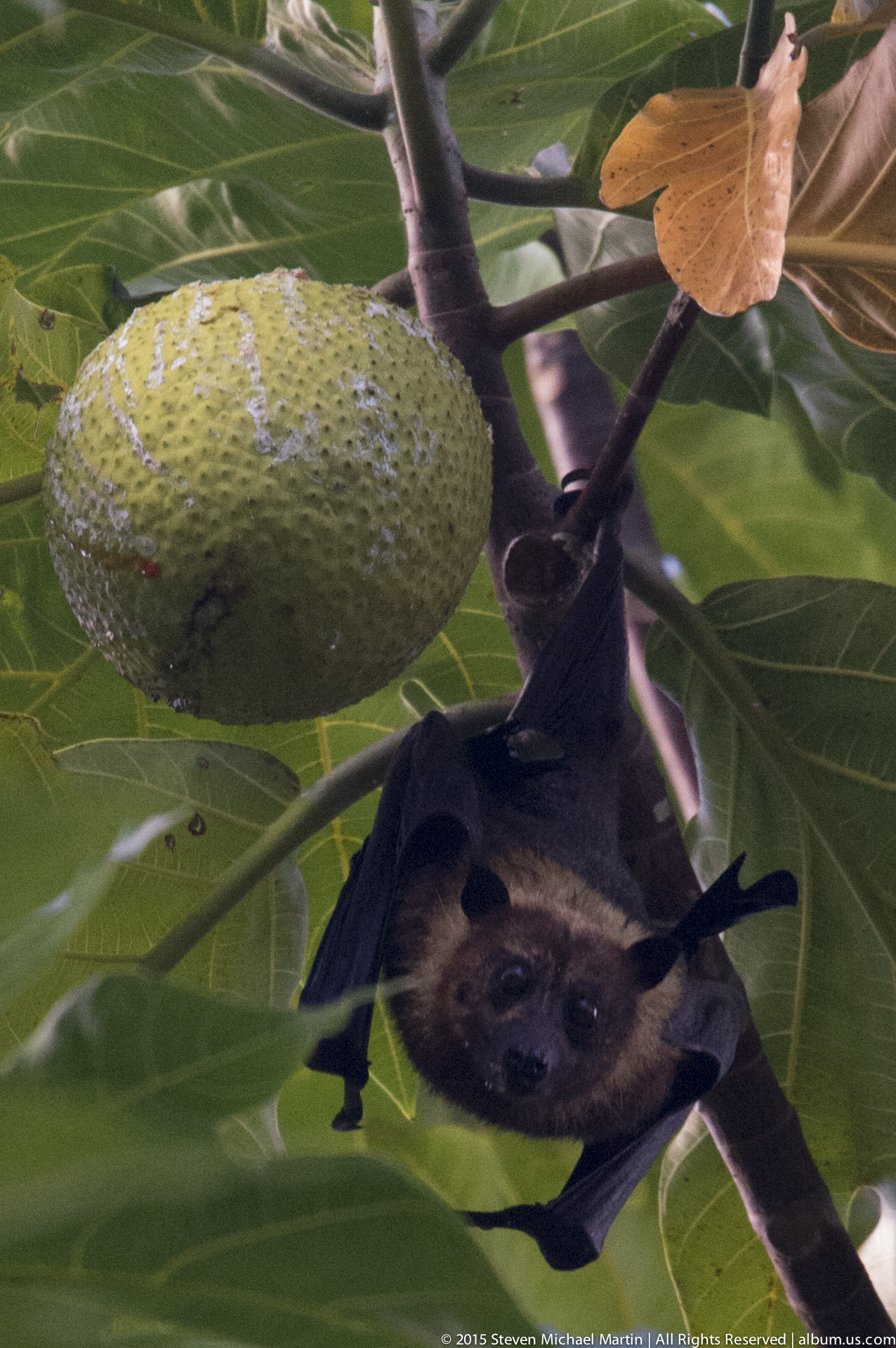
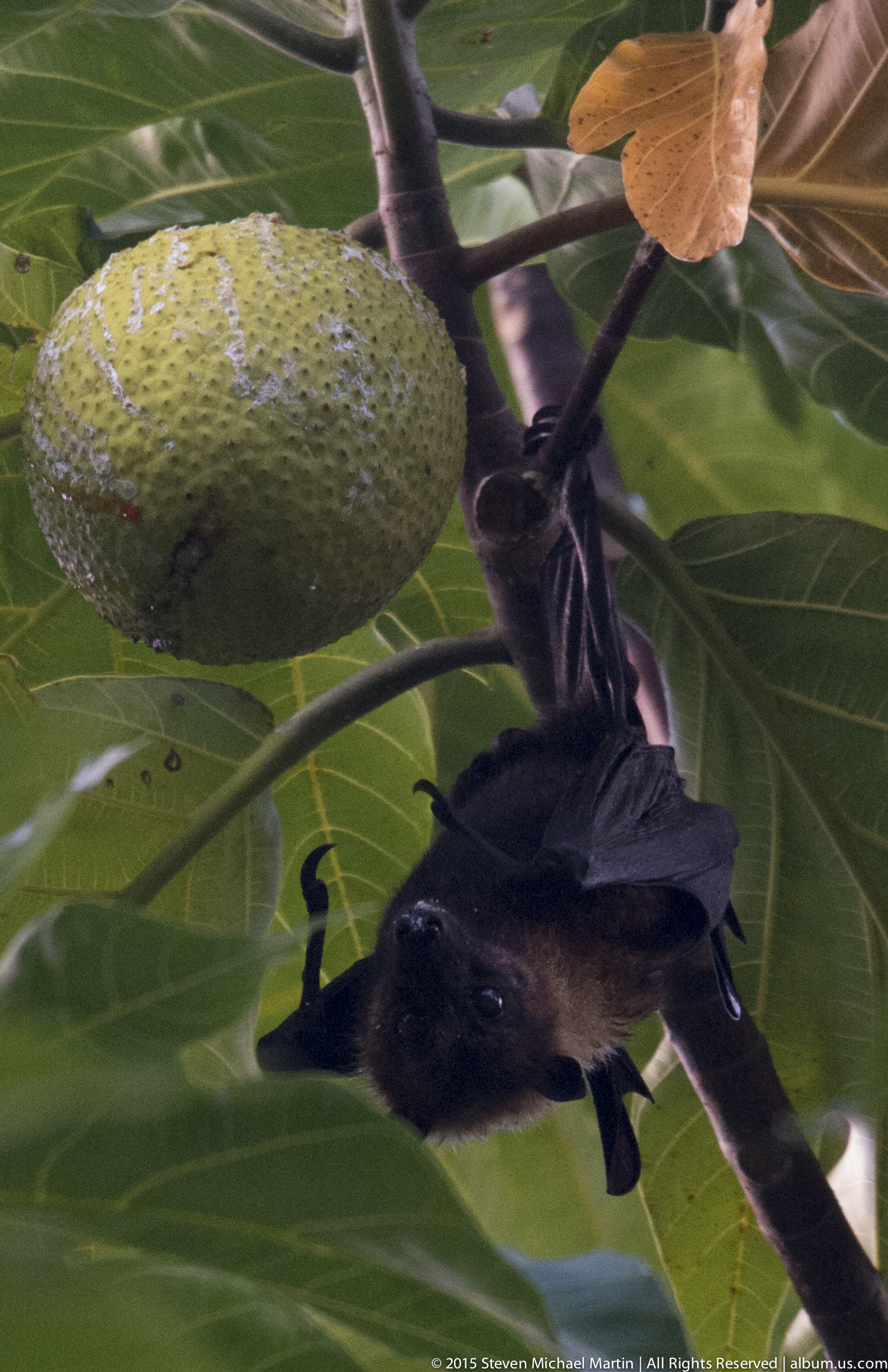
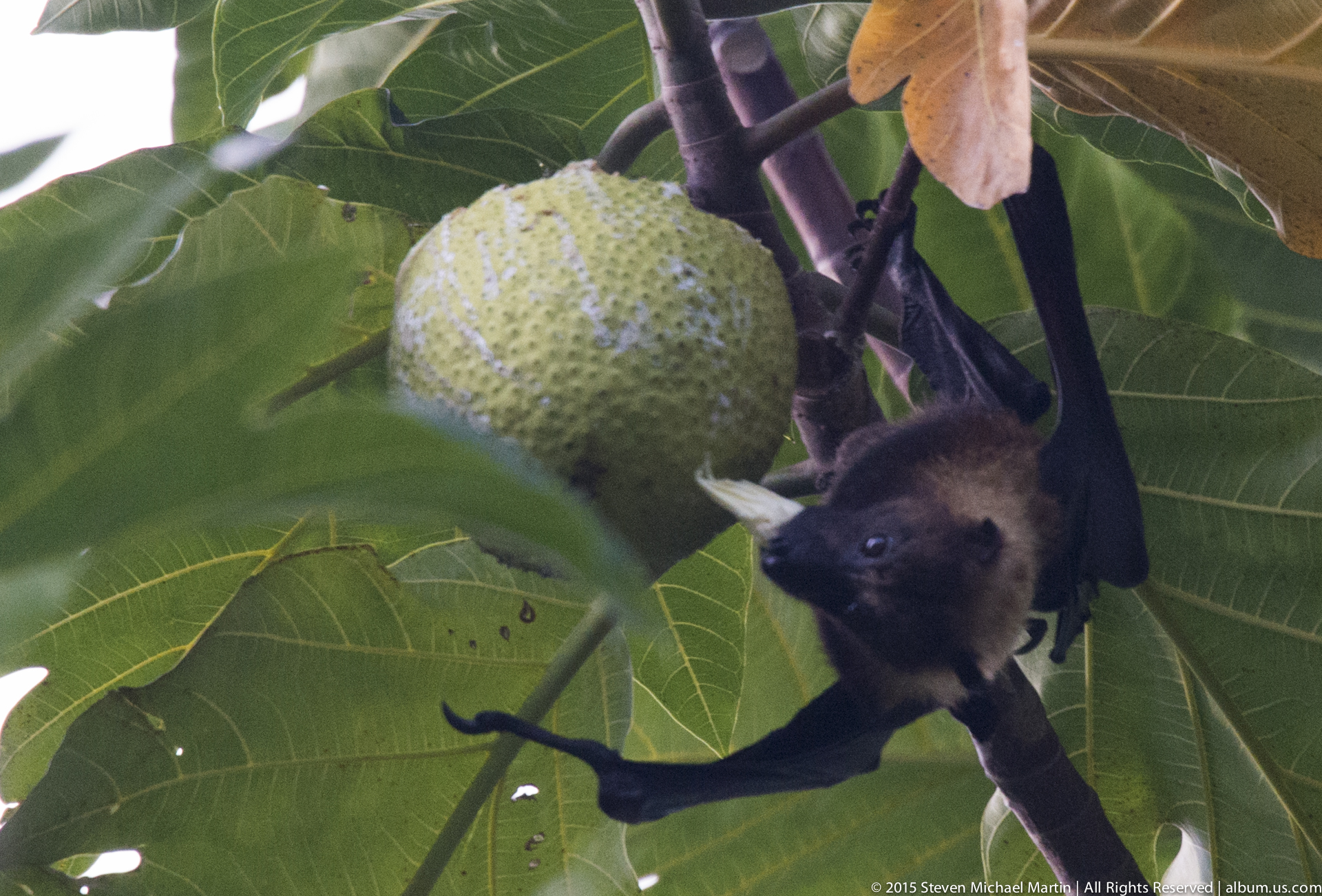
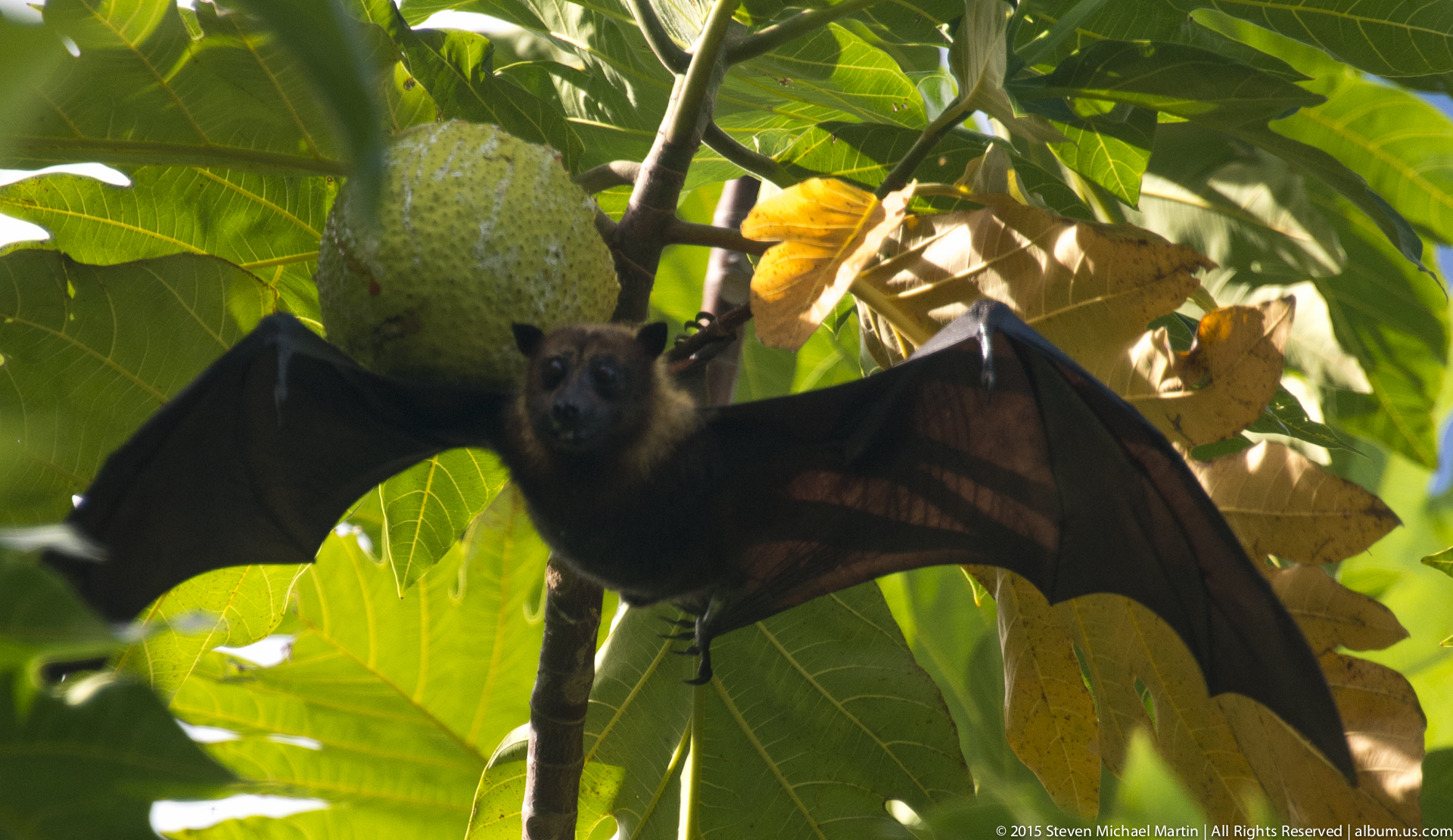
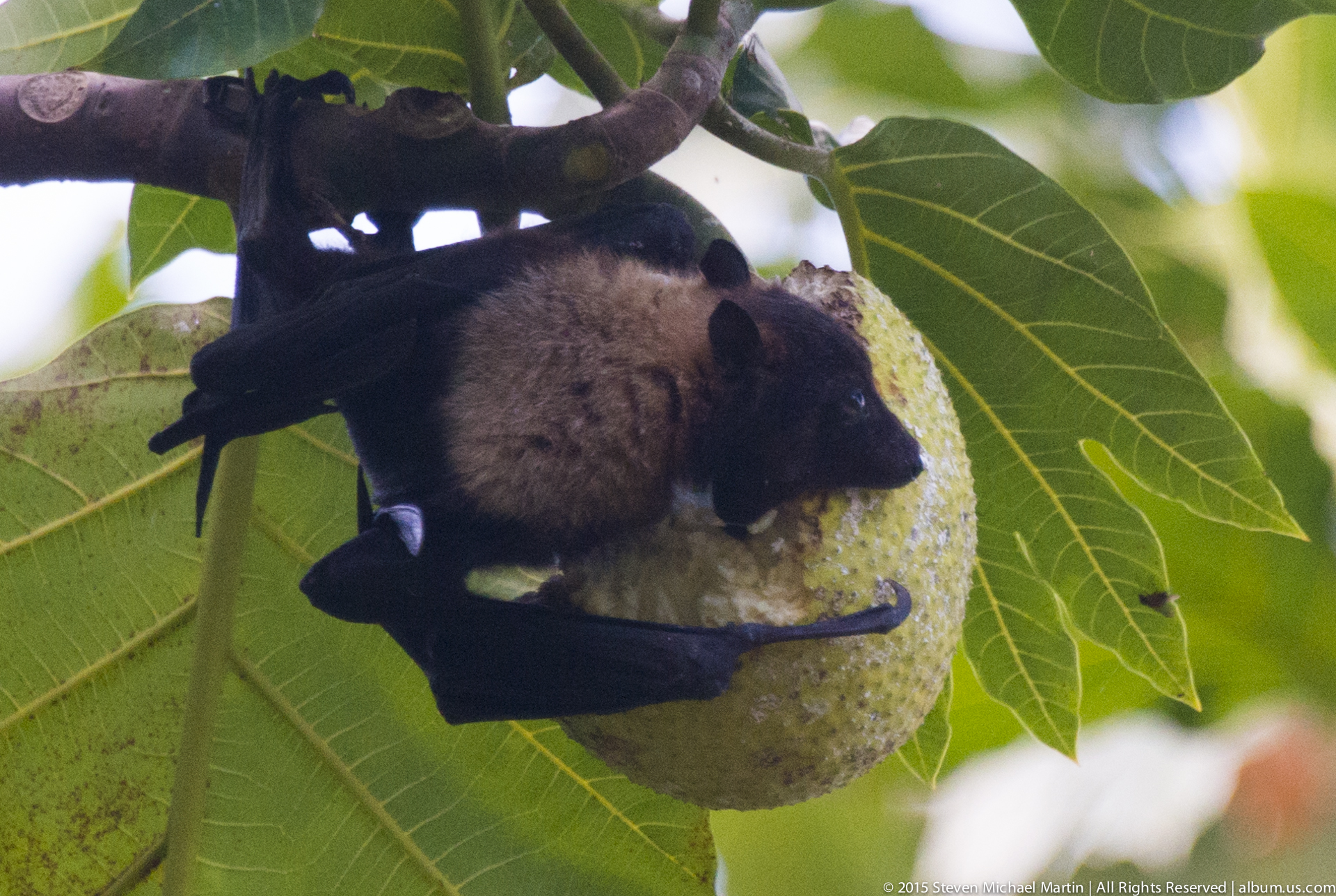
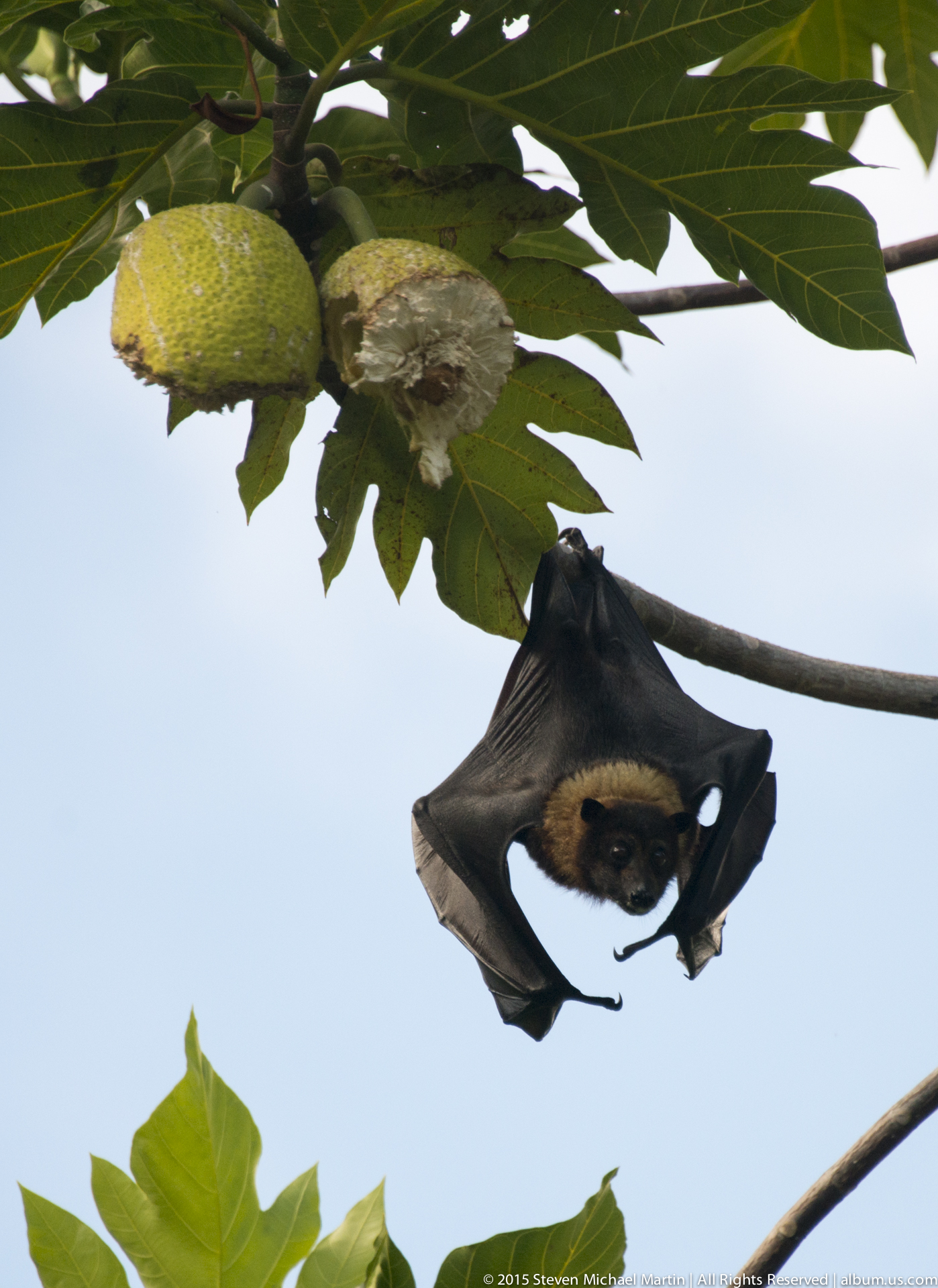
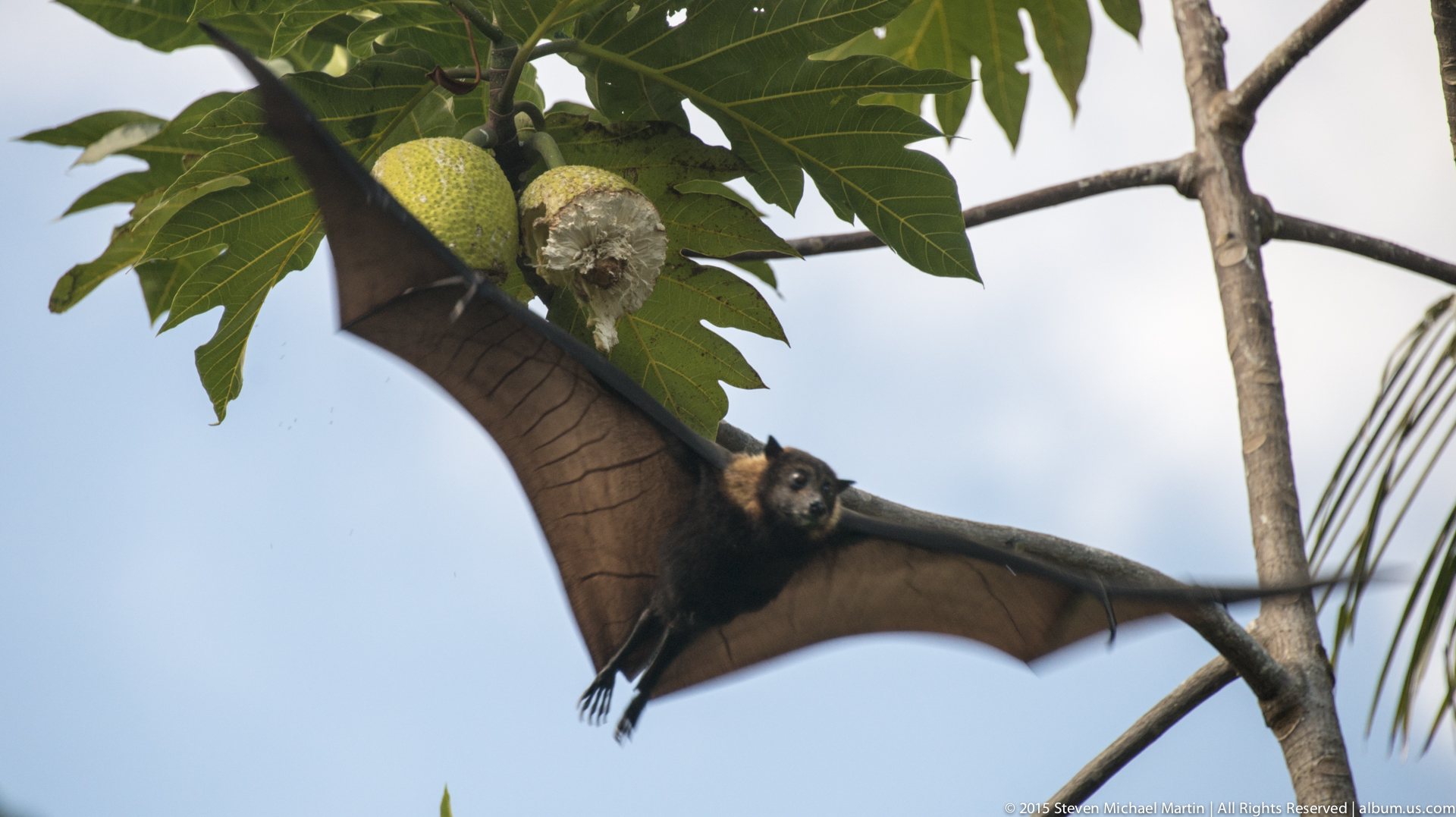
Many of the bats were feeding on breadfruit, gripping branches with their strong feet while using their wings for balance as they moved between clusters of fruit. Watching them up close revealed expressive faces and alert eyes that gave them a surprisingly gentle appearance. Despite their size, their movements were deliberate and calm, and their quiet presence in the forest reinforced the feeling that this landscape continues to function much as it has for centuries.
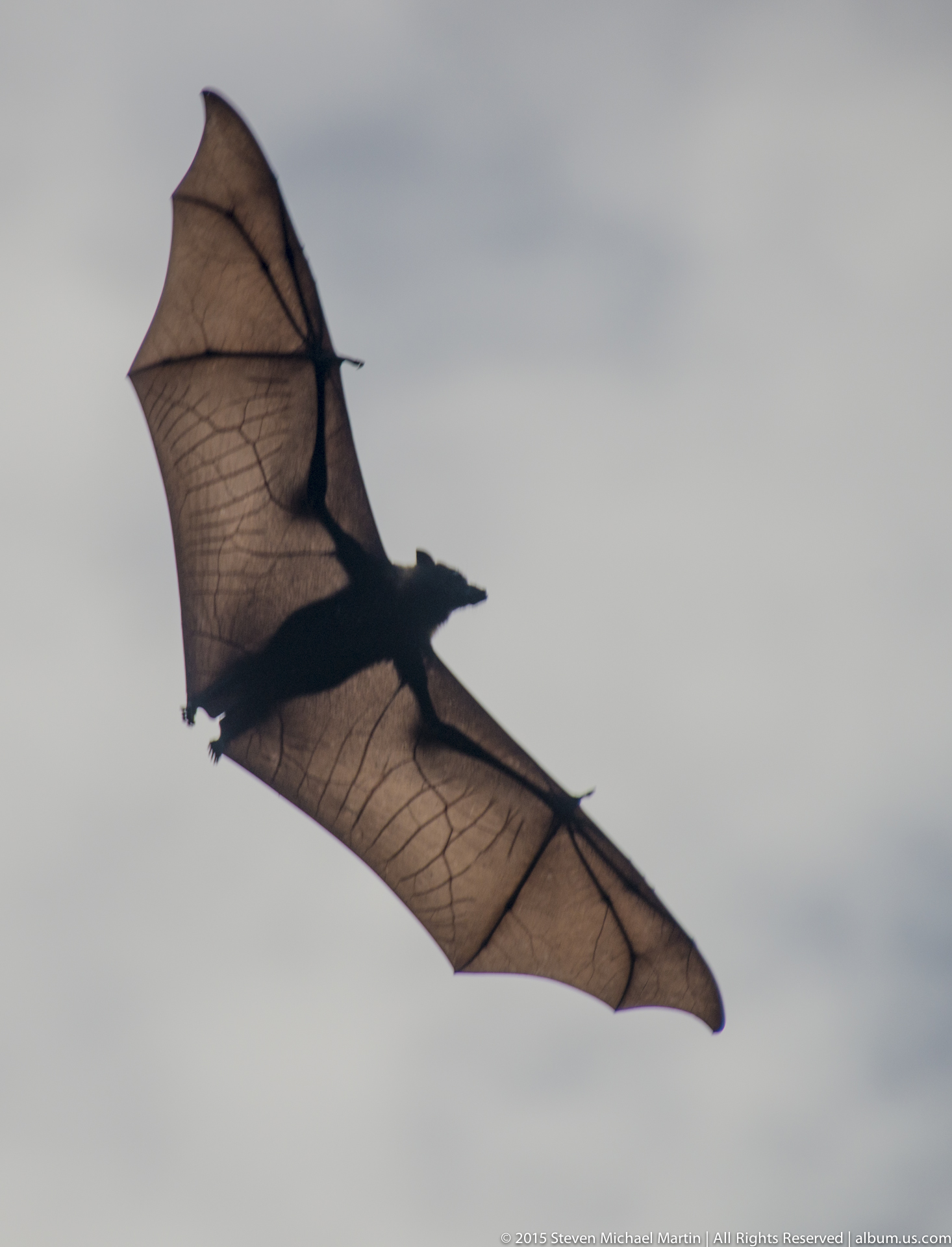
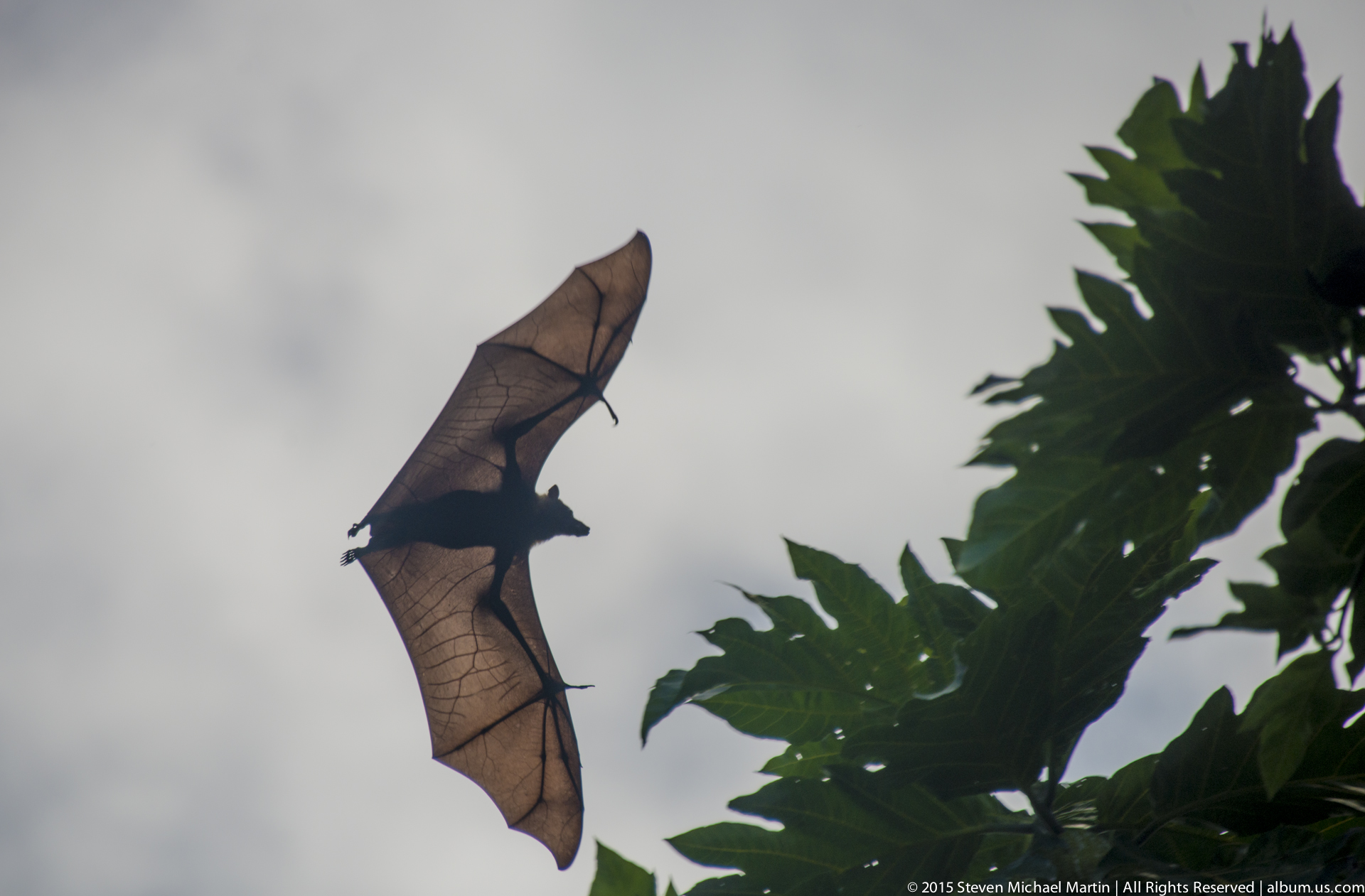
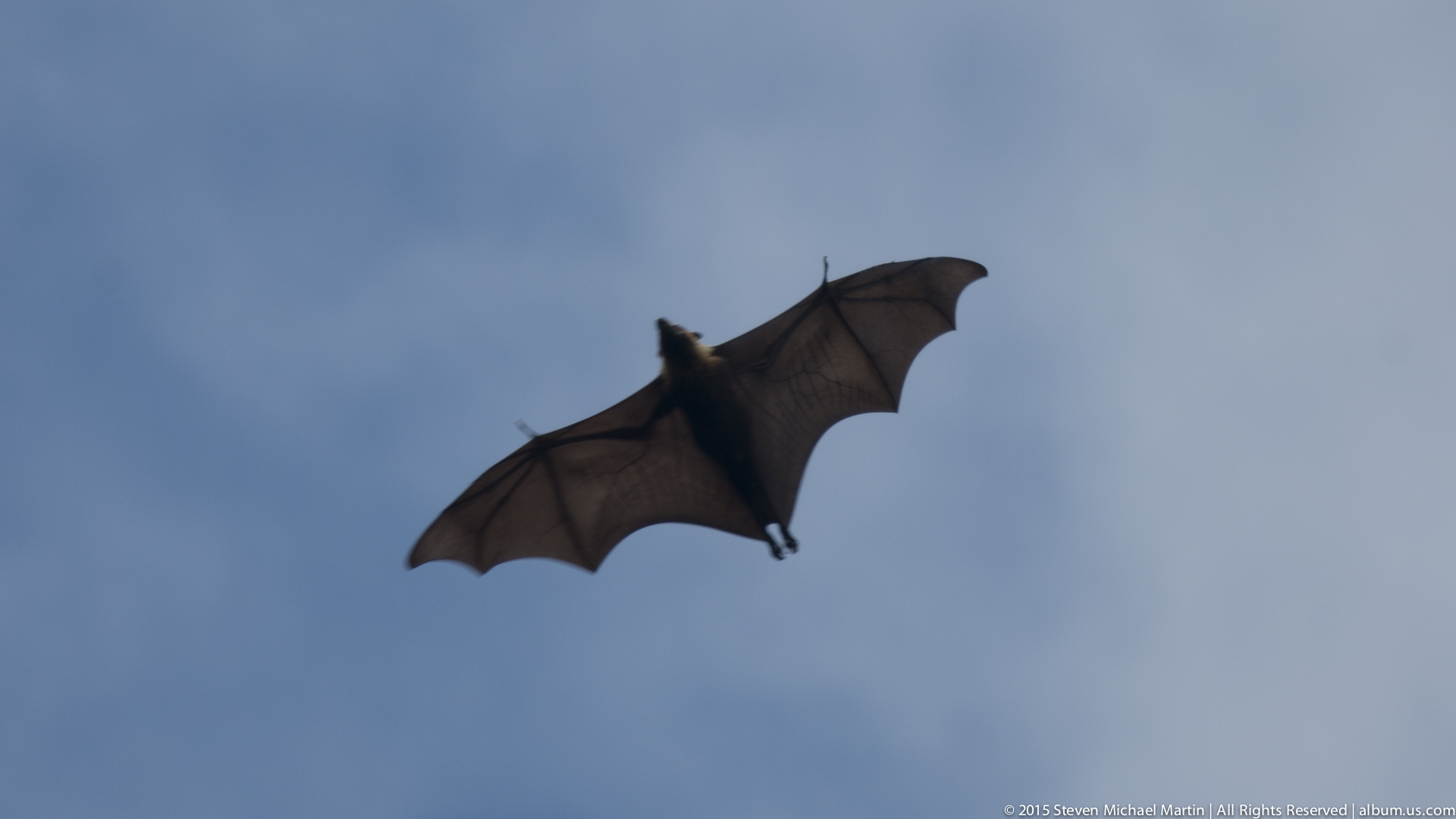
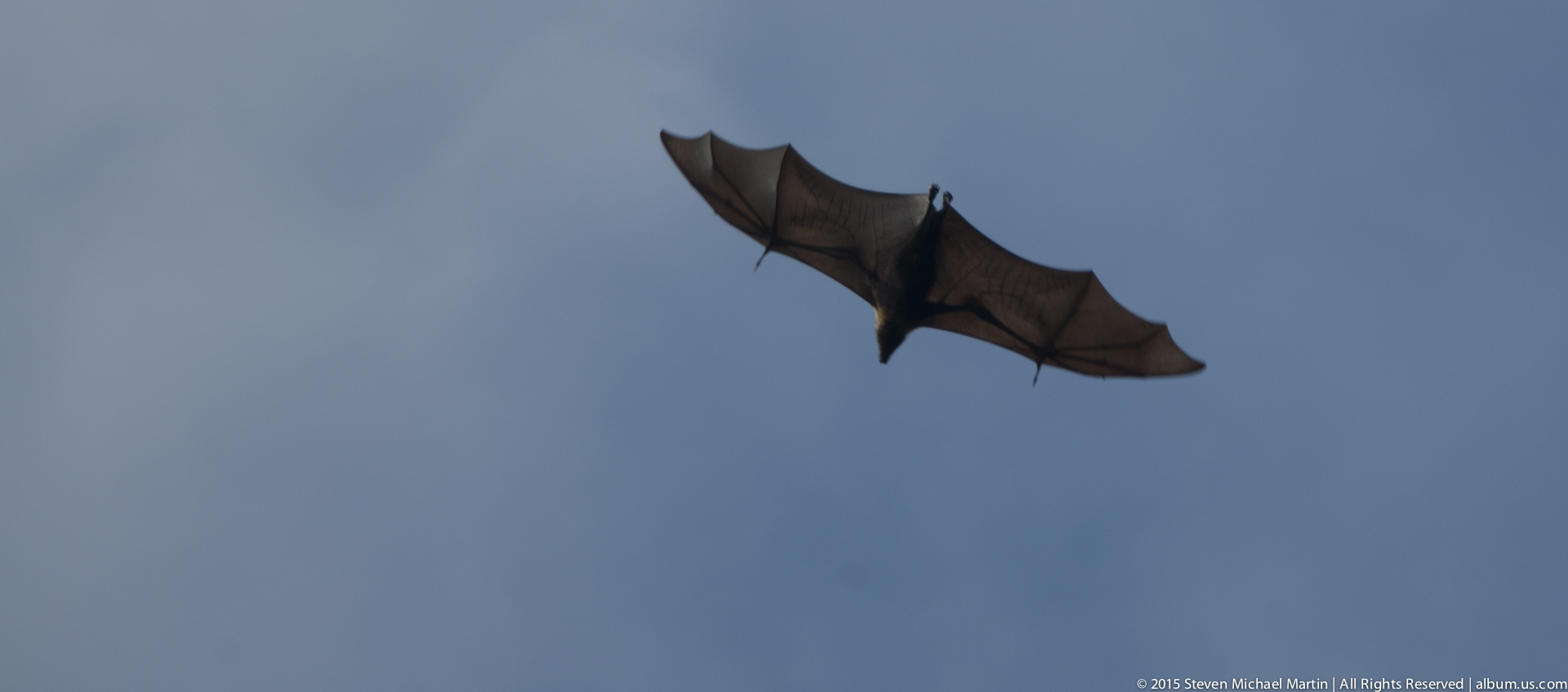
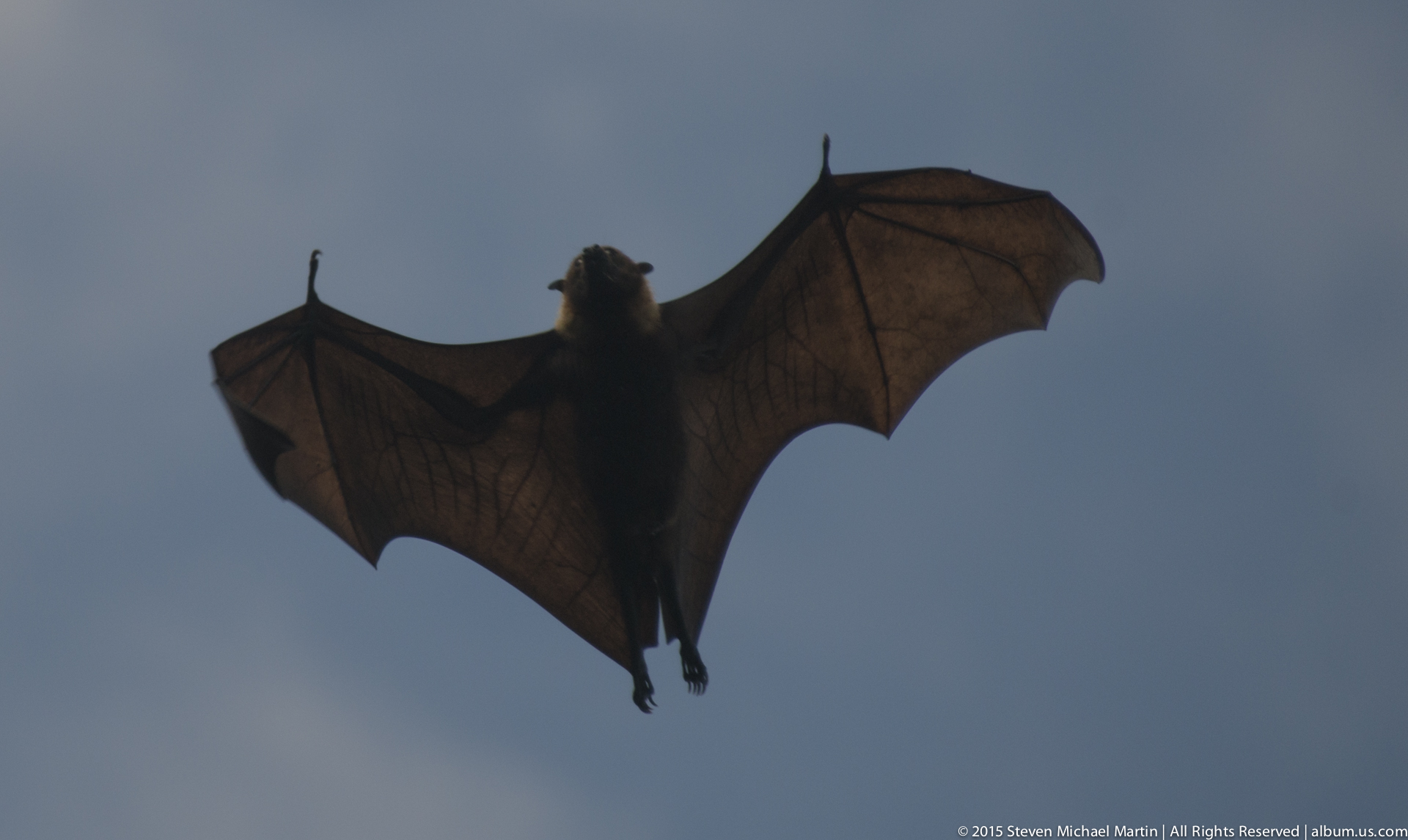
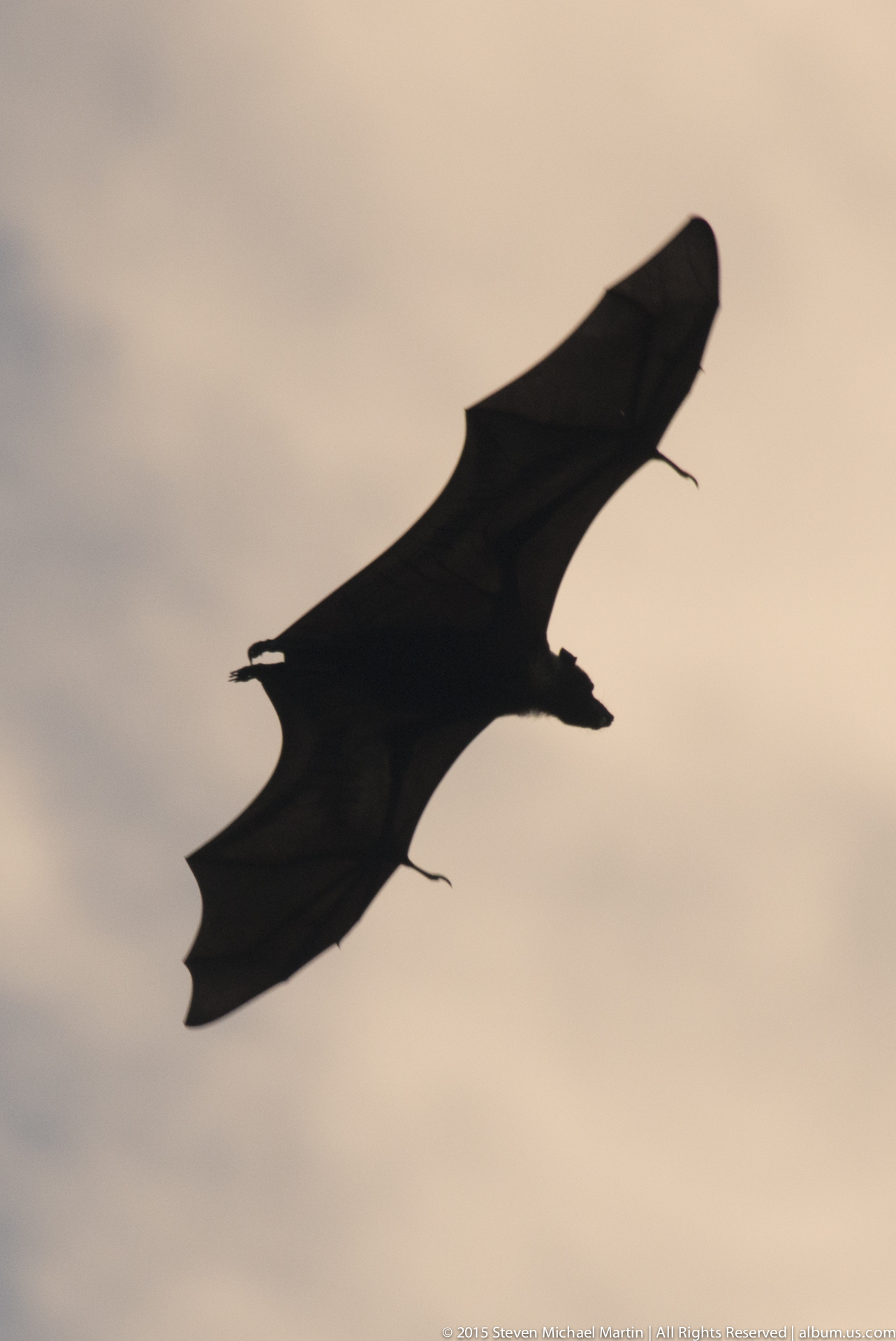
Occasionally, a bat would release its grip and glide across the sky, its wings fully extended and silhouetted against the clouds. The wingspan appeared almost birdlike, far larger than most people expect when they think of bats. Observing these animals in such an undisturbed setting highlighted how closely island ecosystems depend on a small number of key species. Like the pristine reef at Vaʻoto, encountering flying foxes offered another glimpse of an environment that feels remarkably intact and still deeply connected to the natural rhythms of Polynesia.





🧭 Field Guide
Species Type: tropical fruit bat
Primary Habitat: rainforest canopy and coastal forest
Best Time to Observe: daylight hours while roosting
Conditions: commonly found resting in shaded tree cover
✨ Highlights
- Samoan Flying Fox – large fruit bat species native to Polynesian island ecosystems.
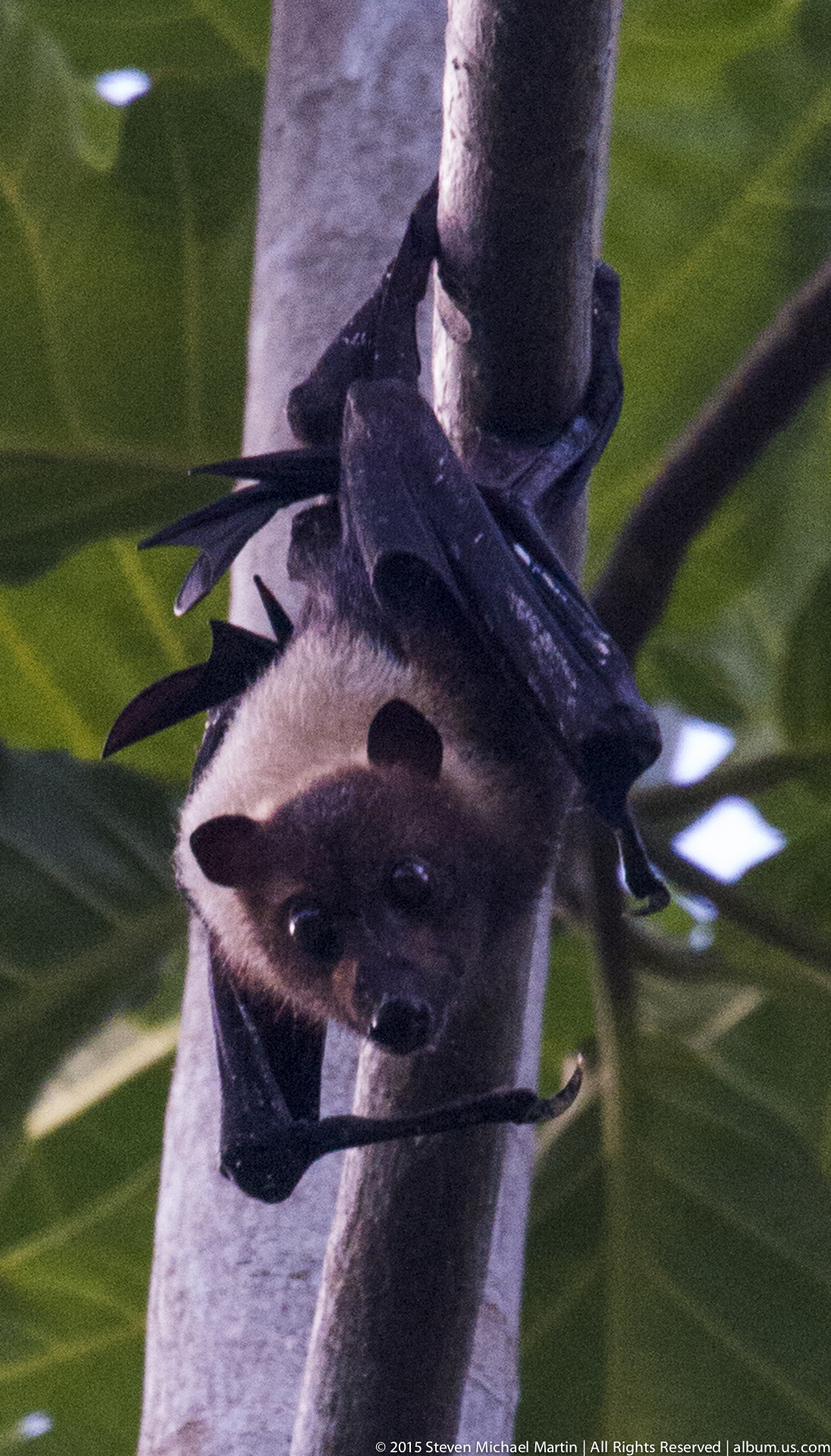
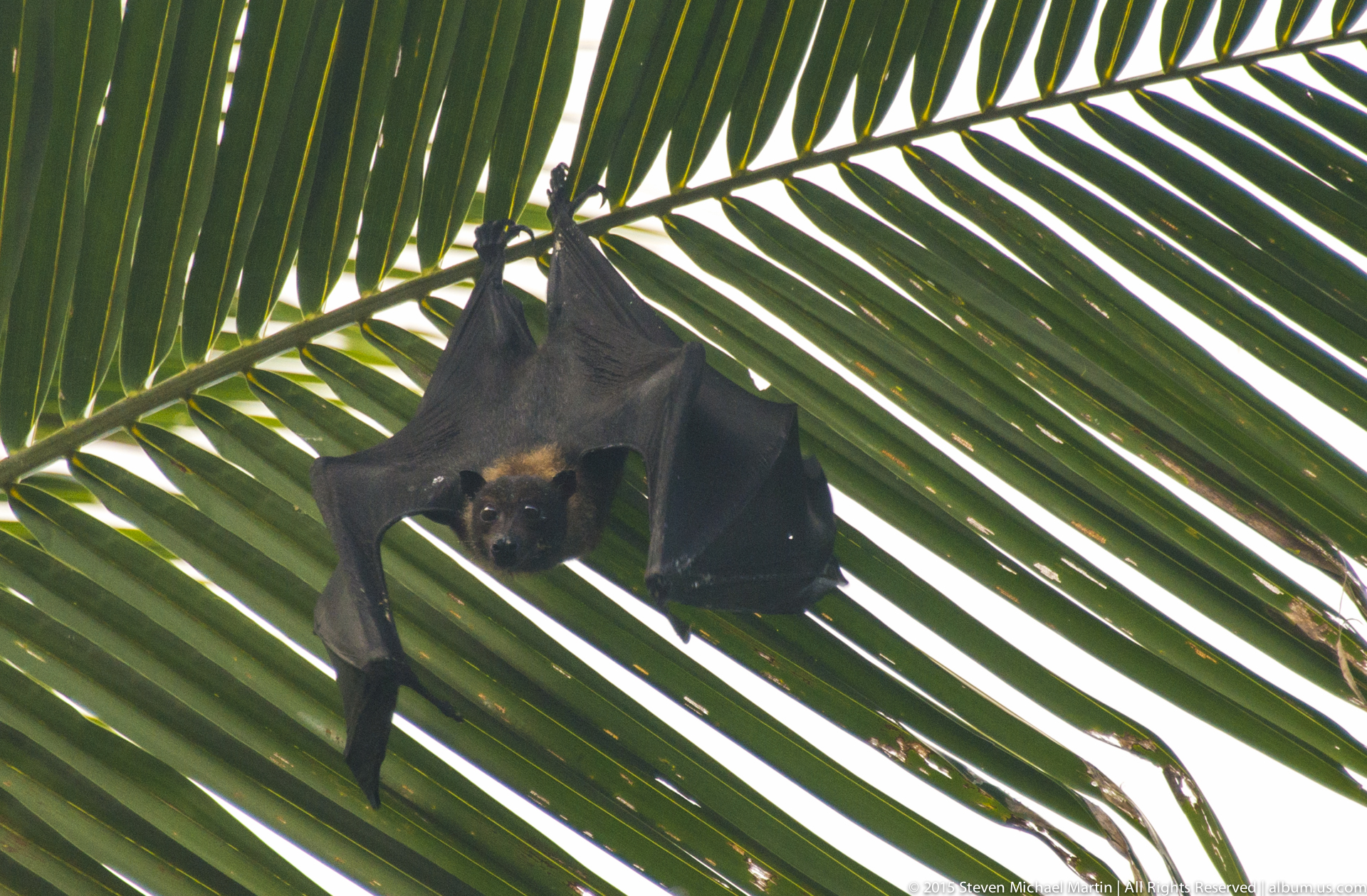
- Canopy Roosting Behavior – bats often hang in small groups beneath broad leaves.
- Pollination Role – feeding activity contributes to rainforest plant reproduction.
- Distinctive Wing Shape – folded wings create recognizable silhouettes in tree cover.
- Island Ecosystem Importance – one of the few native land mammals within American Samoa.
🦇 Notable Wildlife Encounters
- Samoan Flying Fox (Fruit Bat) – One of the few native land mammals found in American Samoa, these large bats play an essential ecological role by dispersing seeds and pollinating tropical plants throughout the rainforest.
- Feeding Behavior in Breadfruit Trees – Many of the bats we observed were feeding on breadfruit, gripping branches with strong feet while using their wings for balance as they moved between clusters of fruit high in the canopy.
- Roosting in Tropical Canopy – During daylight hours, flying foxes often hang quietly beneath large leaves, wrapping their wings around their bodies and blending into the dense foliage of the forest.
- Impressive Wingspan in Flight – Watching the bats glide overhead revealed a wingspan more reminiscent of seabirds than typical bats, creating a striking silhouette against the bright tropical sky.
- Quiet Movement Between Trees – Despite their size, flying foxes moved gracefully between branches, often appearing suddenly before disappearing again into the canopy.
- Rainforest Ecosystem Importance – By feeding on fruit and transporting seeds across the island, flying foxes contribute directly to the health and regeneration of the tropical forest ecosystem.
- Distinctive Facial Features – Close views revealed expressive faces and alert eyes, characteristics that give flying foxes their name and distinguish them from smaller bat species.
- Rare Native Mammal Encounter – Because American Samoa has very few native land mammals, encountering flying foxes provides a unique glimpse into the ecological balance of remote Polynesian islands.
📷 Photography Notes
- Look for clusters of bats beneath large leaves.
- Backlighting can highlight wing structure.
- Telephoto framing helps isolate canopy subjects.
- Morning light often provides softer contrast.
- Dark wings contrast strongly against bright sky.



4 comments