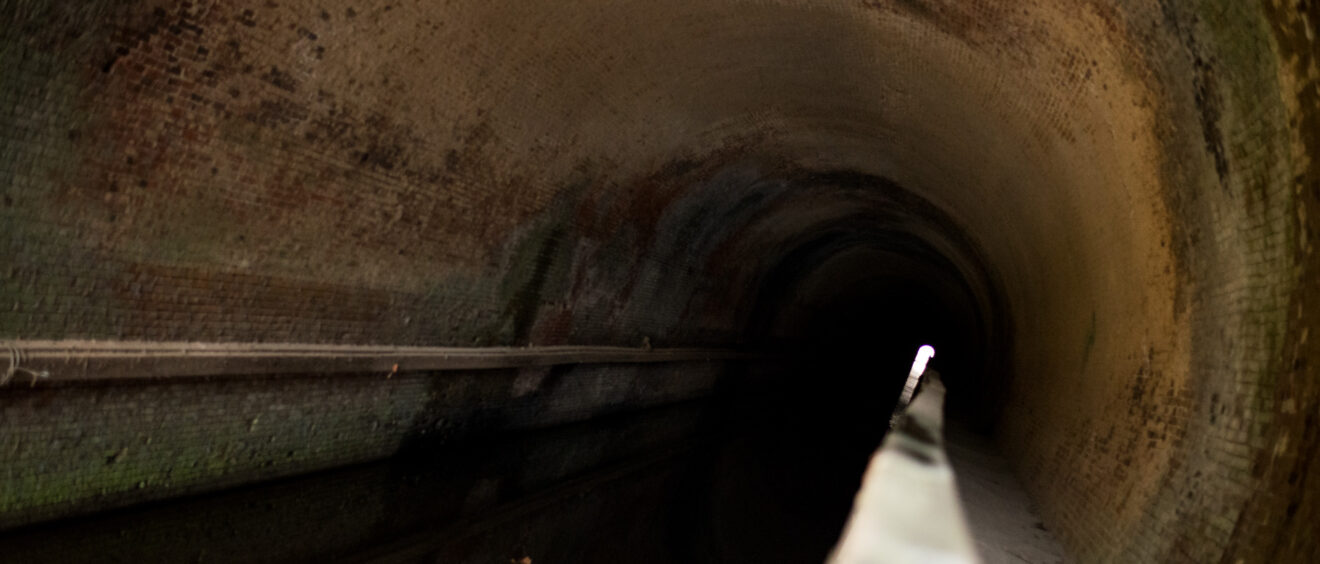
Chesapeake and Ohio Canal National Historical Park and Cumberland The Chesapeake and Ohio Canal reflects early nineteenth-century efforts to establish reliable transportation routes linking the interior of the United States with Atlantic ports. Construction began in 1828 with the goal of creating a navigable waterway extending from Washington, DC to the Ohio River, facilitating trade […]
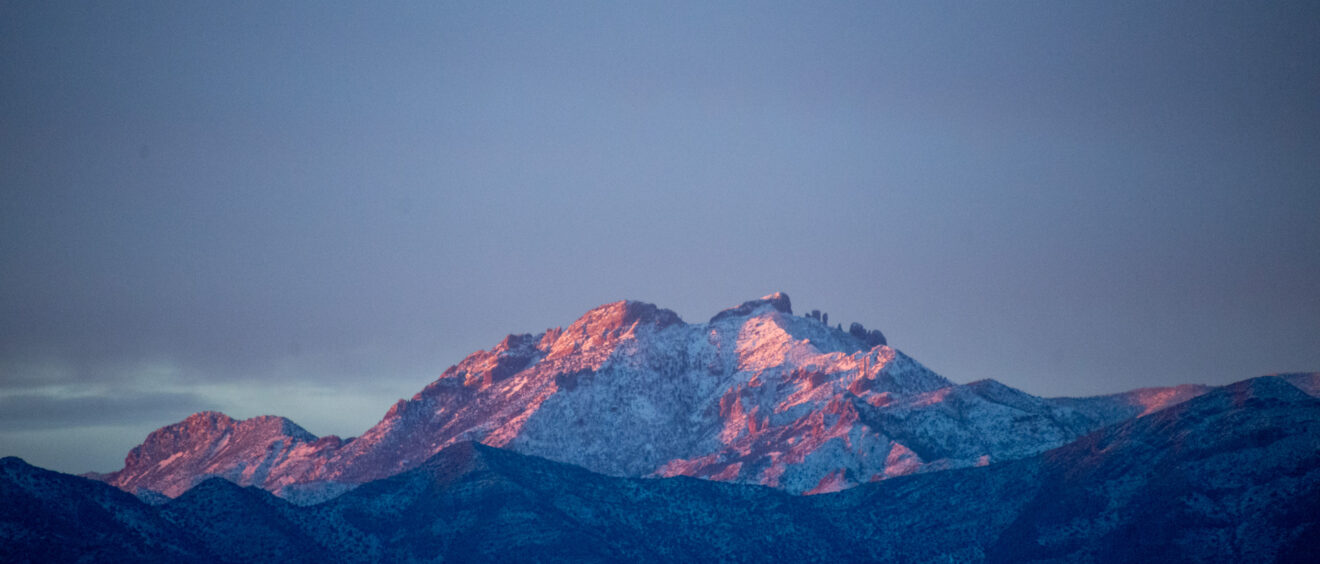
Fort Bowie National Historic Site Fort Bowie preserves the remains of a military installation established during the nineteenth century to support transportation routes across southeastern Arizona. The fort was positioned near Apache Pass, a location where water sources influenced travel through desert terrain. The site reflects the strategic importance of reliable water access in arid […]
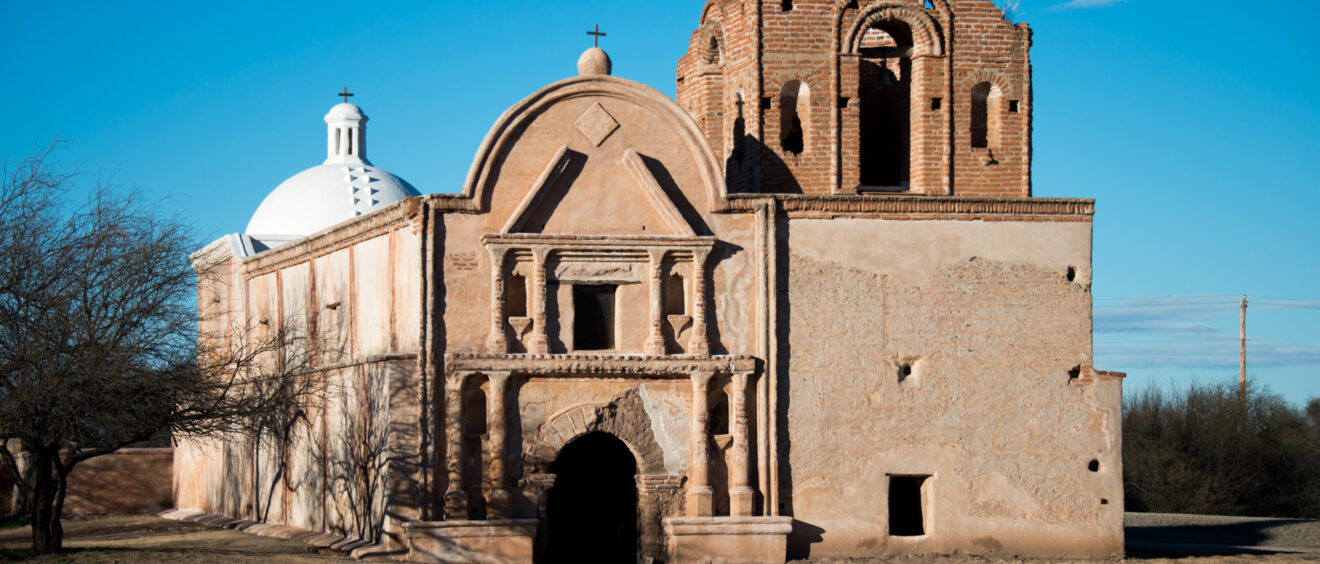
Tumacácori National Historical Park Tumacácori preserves mission structures established during Spanish colonial expansion across the American Southwest. Mission communities served as centers of religious, agricultural, and cultural interaction between Spanish settlers and Indigenous populations. The preserved adobe structures illustrate architectural techniques adapted to desert climates. Mission complexes often included churches, agricultural areas, and workshops that […]
“On a brisk autumn day, the view from the sprawling porch of the mansion at the center of the Marsh-Billings-Rockefeller National Historical Park in Woodstock, Vermont, is of ancient, rolling hills flush with the changing seasons. Sugar maples flare red, beeches are butter-yellow, and centuries-old hemlocks hold fast to thick green canopies. Today the park […]
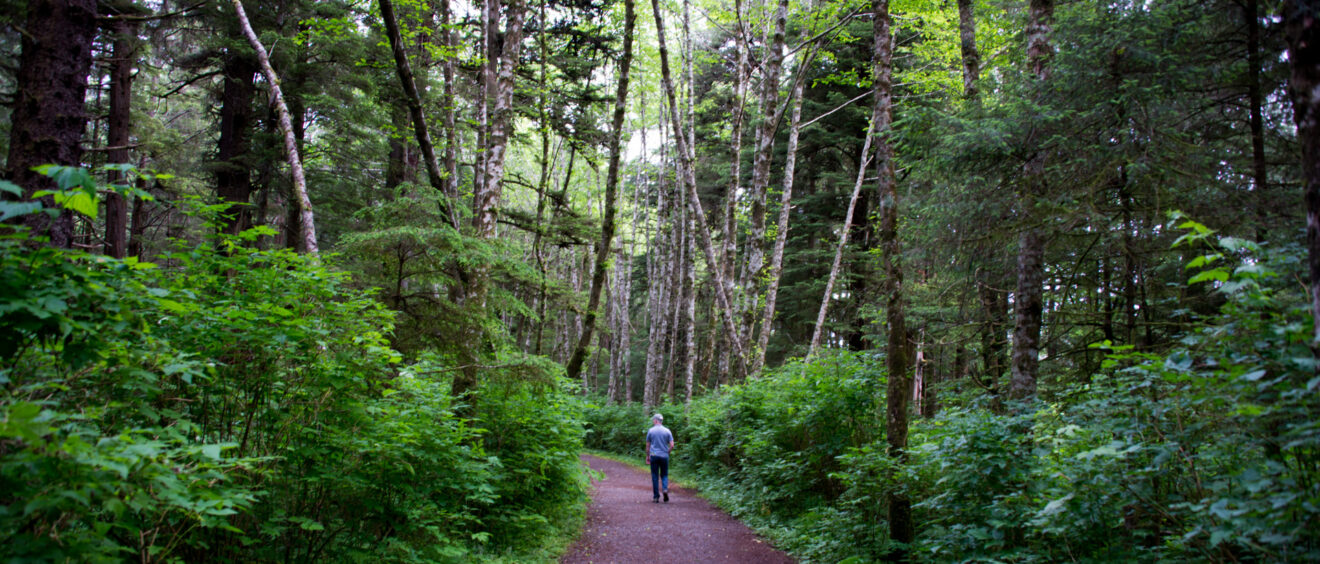
Sitka National Historical Park Sitka National Historical Park interprets the historical events surrounding the 1804 conflict between Tlingit inhabitants and Russian traders. The park preserves forested landscapes where these encounters occurred, providing context for understanding the cultural and political changes that shaped the region’s development. Walking trails pass through coastal rainforest environments where carved totem […]
Klondike Gold Rush National Historical Park Klondike Gold Rush National Historical Park interprets the experiences of thousands of prospectors who traveled through Skagway during the late 1890s. The park preserves historic buildings and interpretive exhibits that illustrate the logistical challenges faced by those attempting to reach the Yukon gold fields. Harsh terrain and unpredictable weather […]
Puʻukoholā Heiau NHS Puʻukoholā Heiau stands as one of the most historically significant temple structures in Hawaiʻi, constructed under the direction of King Kamehameha I during a pivotal period of island unification. Built from lava rock on a hillside overlooking the Pacific, the heiau reflects both strategic planning and religious importance. The scale of the […]
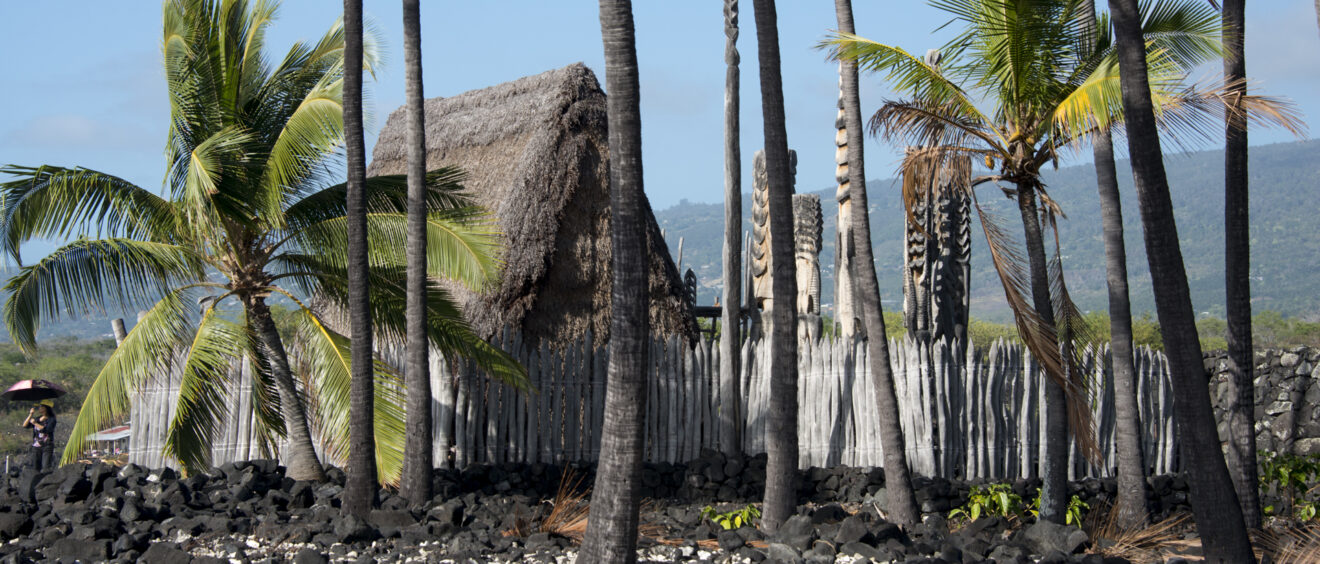
Puʻuhonua o Hōnaunau NHP Puʻuhonua o Hōnaunau preserves one of the most culturally significant landscapes in Hawaiʻi, a place where spiritual traditions and natural surroundings are closely intertwined. Located along the Kona coast, the site served as a place of refuge for those who had broken kapu, or sacred laws, offering protection and the opportunity […]
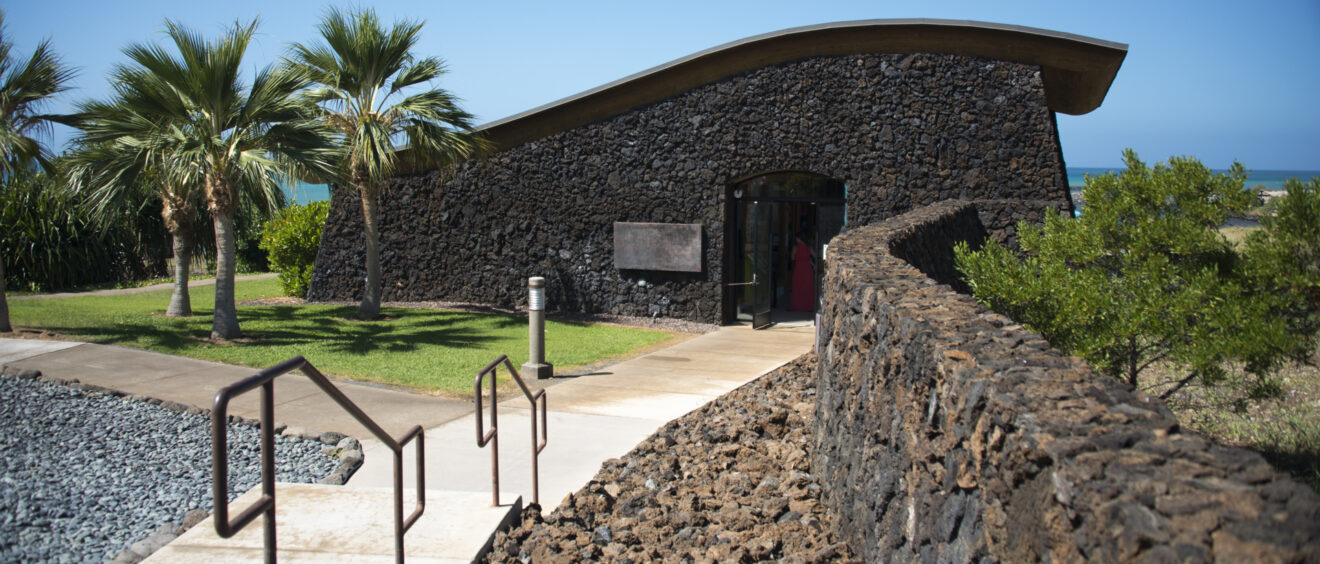
Kaloko-Honokōhau NHP Kaloko-Honokōhau National Historical Park preserves a coastal landscape shaped by volcanic activity and centuries of Native Hawaiian settlement. Located along the Kona coast of Hawaiʻi Island, the park contains lava fields, fishponds, and shoreline environments that illustrate the relationship between cultural traditions and the natural environment. The rugged terrain reflects the geologic forces […]
San Francisco Maritime National Historical Park San Francisco Maritime National Historical Park is located along the northern waterfront of San Francisco at Aquatic Park Cove, where the natural harbor of San Francisco Bay supported the development of one of the most important maritime centers on the Pacific Coast. The protected cove lies adjacent to historic […]