Steamtown National Historic Site Steamtown National Historic Site preserves the railroad yards and industrial infrastructure associated with the development of steam-powered transportation in the United States. Located in Scranton, Pennsylvania, the site reflects the importance of rail networks in shaping industrial growth during the nineteenth and early twentieth centuries. Railroads connected coal mines, manufacturing centers, […]
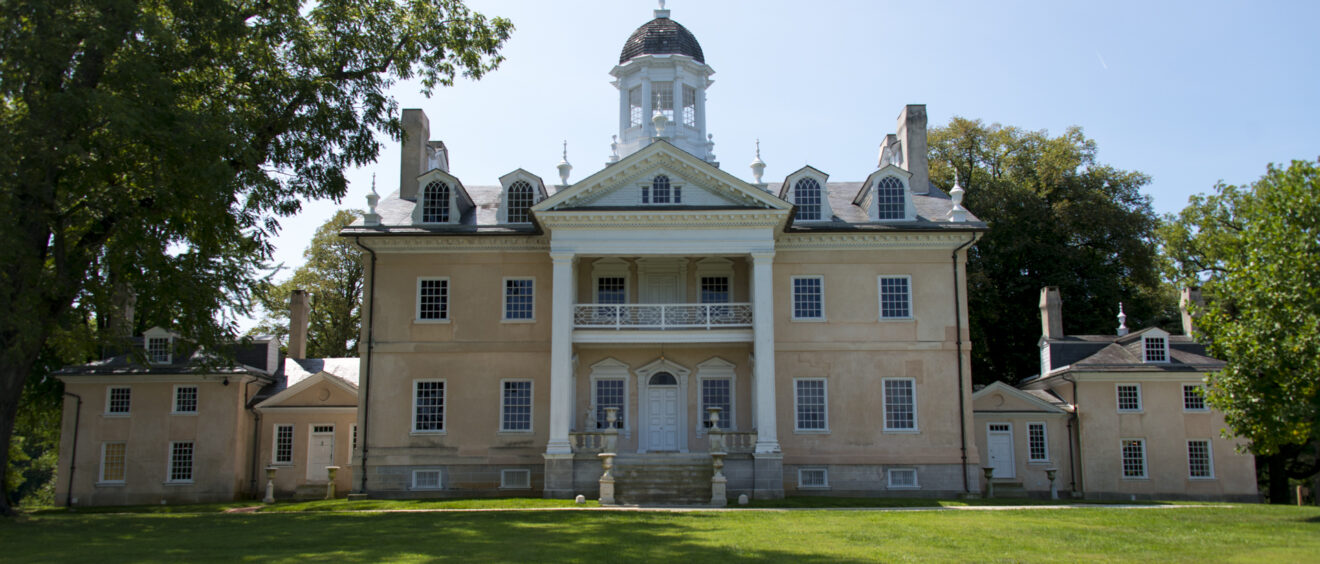
Hampton National Historic Site Hampton National Historic Site preserves one of the largest historic estates in the United States, reflecting the agricultural, economic, and social structures that shaped the Chesapeake region during the eighteenth and nineteenth centuries. Established by the Ridgely family in the mid-eighteenth century, the estate included extensive farmland, formal gardens, and a […]
Harpers Ferry Harpers Ferry occupies a dramatic position at the confluence of the Potomac and Shenandoah Rivers, where steep ridges and narrow river corridors created both natural beauty and strategic importance. The town developed during the eighteenth century as a transportation and manufacturing center, benefiting from access to water routes that connected the interior of […]
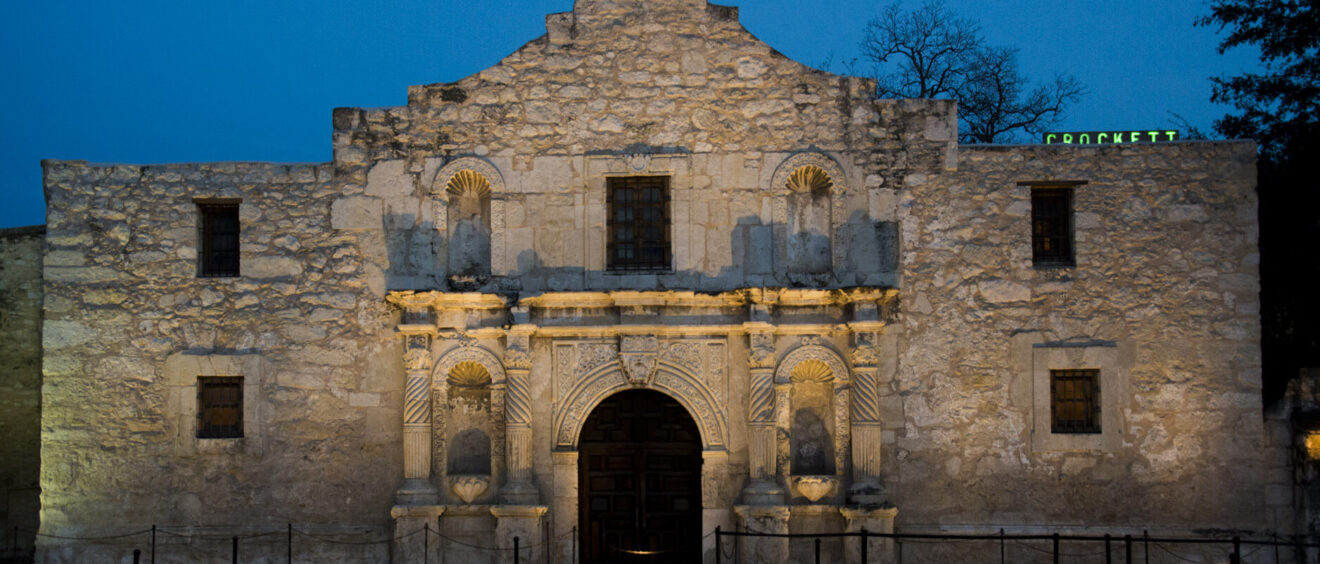
San Antonio Missions National Historical Park San Antonio Missions National Historical Park preserves a group of eighteenth-century Spanish colonial mission complexes located along the San Antonio River in southern Texas. These mission communities formed part of a broader network of religious and cultural institutions established by Spain to support colonization of the Southwest and to […]
Fort Davis National Historic Site Fort Davis National Historic Site is located in the Davis Mountains of western Texas within the Trans-Pecos region, where elevated desert basins and volcanic uplands form part of the Chihuahuan Desert landscape. Established in 1854, the fort occupied a strategic position along the San Antonio–El Paso Road, an important transportation […]
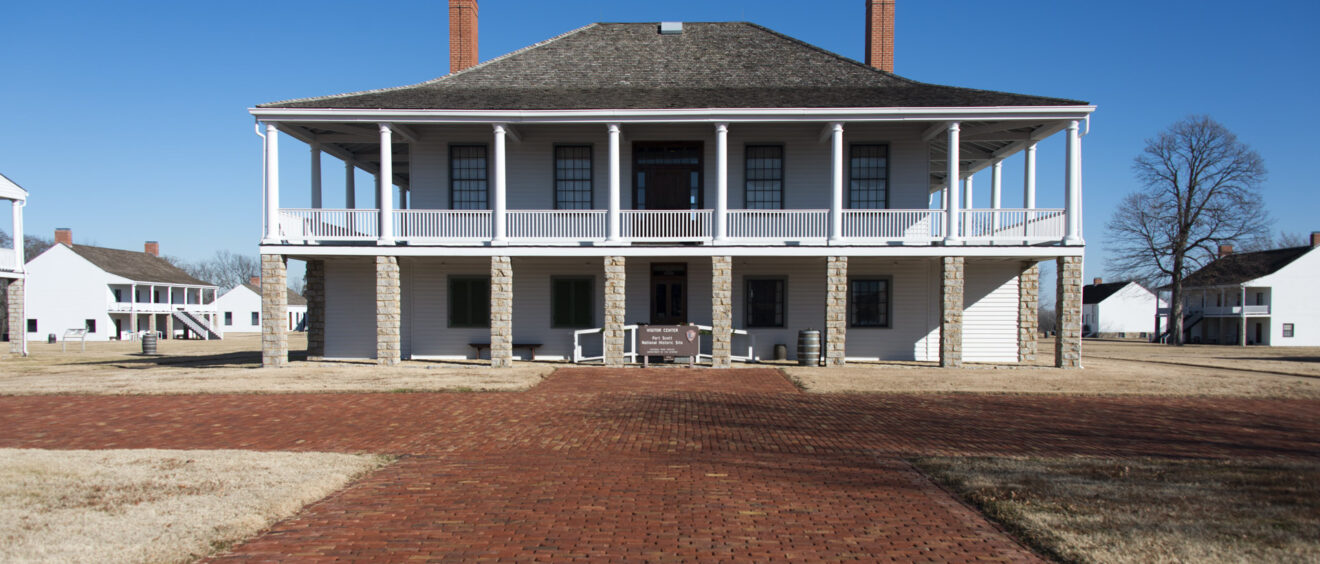
Fort Scott National Historic Site Fort Scott National Historic Site preserves structures associated with frontier military presence during nineteenth-century westward expansion. The fort supported transportation and communication networks connecting eastern and western regions of the United States. Military installations provided security for routes used by settlers traveling across expanding territories. The fort illustrates how infrastructure […]
New Bedford Whaling National Historical Park and Fairhaven New Bedford developed into one of the most important maritime ports in the United States during the nineteenth century, when whaling connected coastal Massachusetts to a global network of trade, labor, and industrial production. The harbor’s sheltered position along Buzzards Bay supported the rapid expansion of a […]
Fort Union Trading Post National Historic Site Fort Union Trading Post was one of the most important fur trade centers on the upper Missouri River during the 19th century. Established in 1828 near the present-day border of North Dakota and Montana, the post became a major commercial hub where Indigenous communities, traders, and company representatives […]
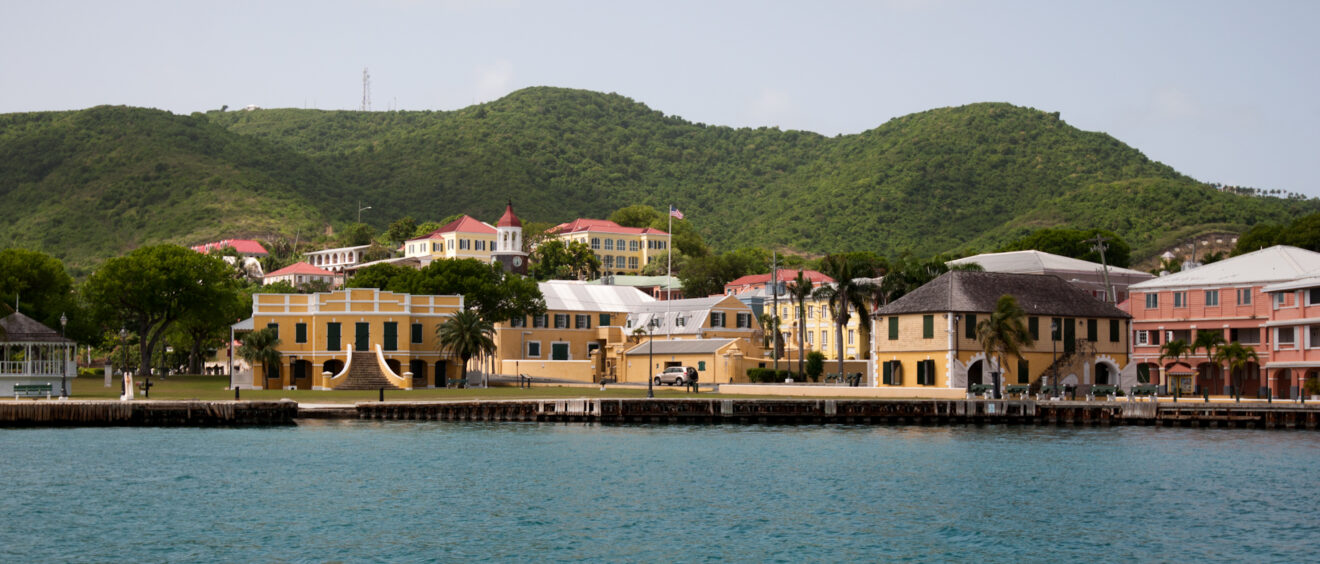
Saint Croix Saint Croix is the largest island of the United States Virgin Islands, located in the eastern Caribbean Sea where the Atlantic Ocean meets the island arc of the Greater Antilles. Formed through a combination of volcanic activity and coral limestone deposition, the island presents a varied landscape of coastal plains, low mountains, tropical […]
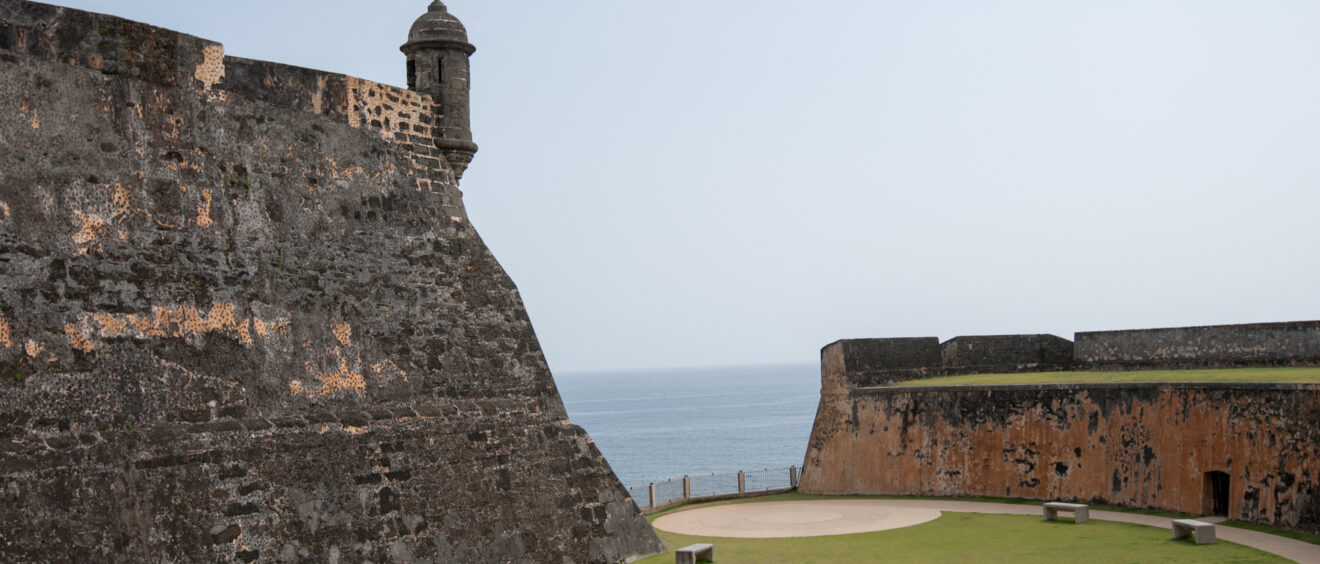
San Juan National Historic Site San Juan National Historic Site preserves one of the most extensive systems of Spanish colonial fortifications in the Americas, constructed to defend a strategic Caribbean port that connected transatlantic trade routes between Europe and the New World. Beginning in the sixteenth century, Spanish engineers developed massive defensive walls, bastions, and […]