Denali National Park
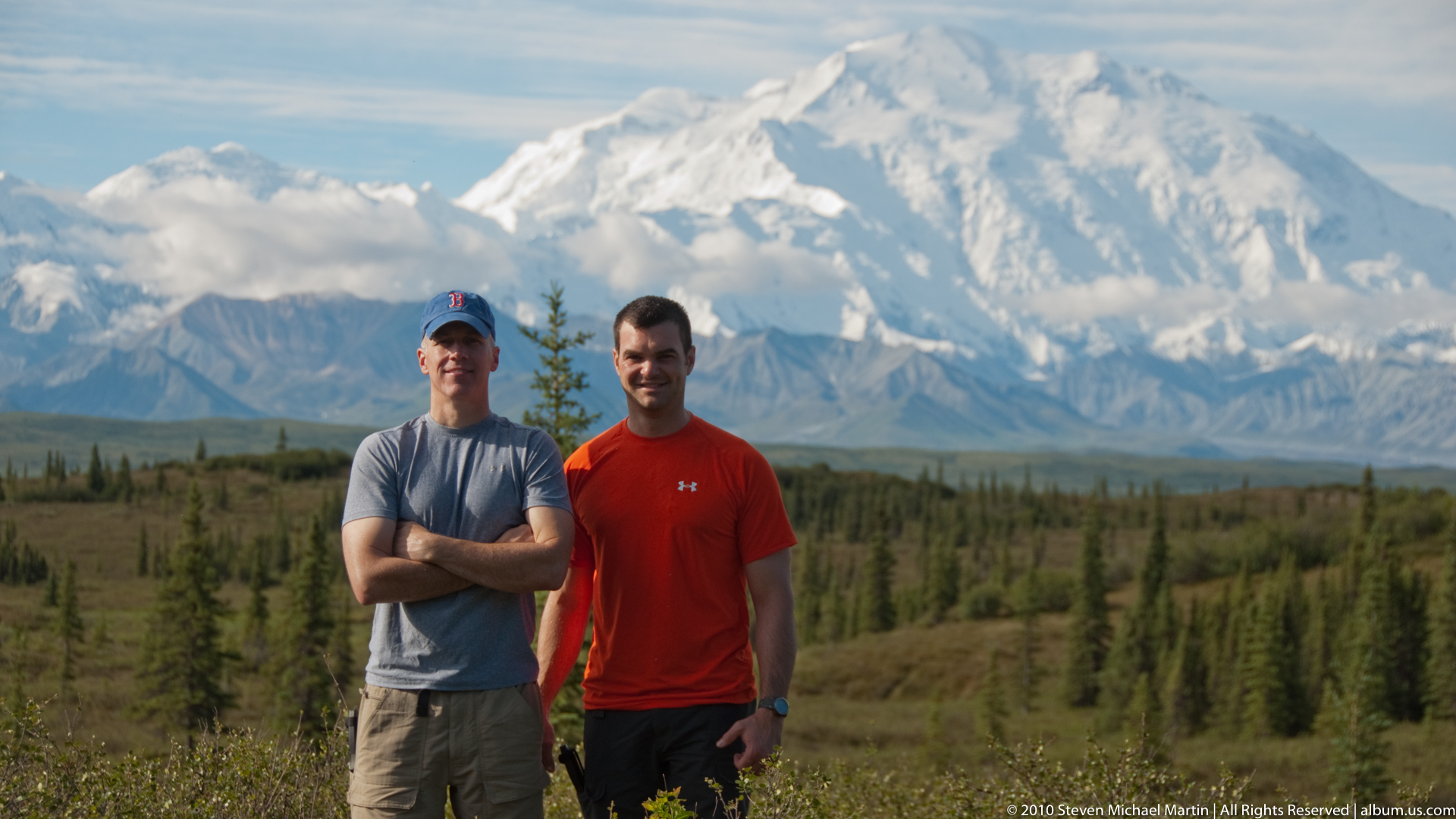
Denali National Park protects a large expanse of subarctic wilderness shaped by tectonic uplift and glacial erosion. Denali, the tallest peak in North America, rises dramatically above surrounding tundra and forest environments. The park illustrates the geological forces that created the Alaska Range and continue to influence the landscape today.
Glacial valleys, braided rivers, and open tundra environments contribute to the park’s distinctive ecological diversity. Seasonal changes affect vegetation patterns and wildlife movement across the landscape. The combination of high elevation terrain and broad open spaces creates an environment defined by both scale and environmental variation.
Visitors experience Denali as one of the most expansive wilderness areas in the United States. The visibility of Denali itself varies depending on weather conditions, adding to the sense of unpredictability that characterizes high latitude mountain environments.






Denali National Park — Field Guide
🏞️ National Park Field Guide
📍 Overview
Denali National Park preserves large areas of subarctic wilderness centered around Denali, the tallest peak in North America. The landscape reflects tectonic uplift and glacial shaping that produced the Alaska Range.
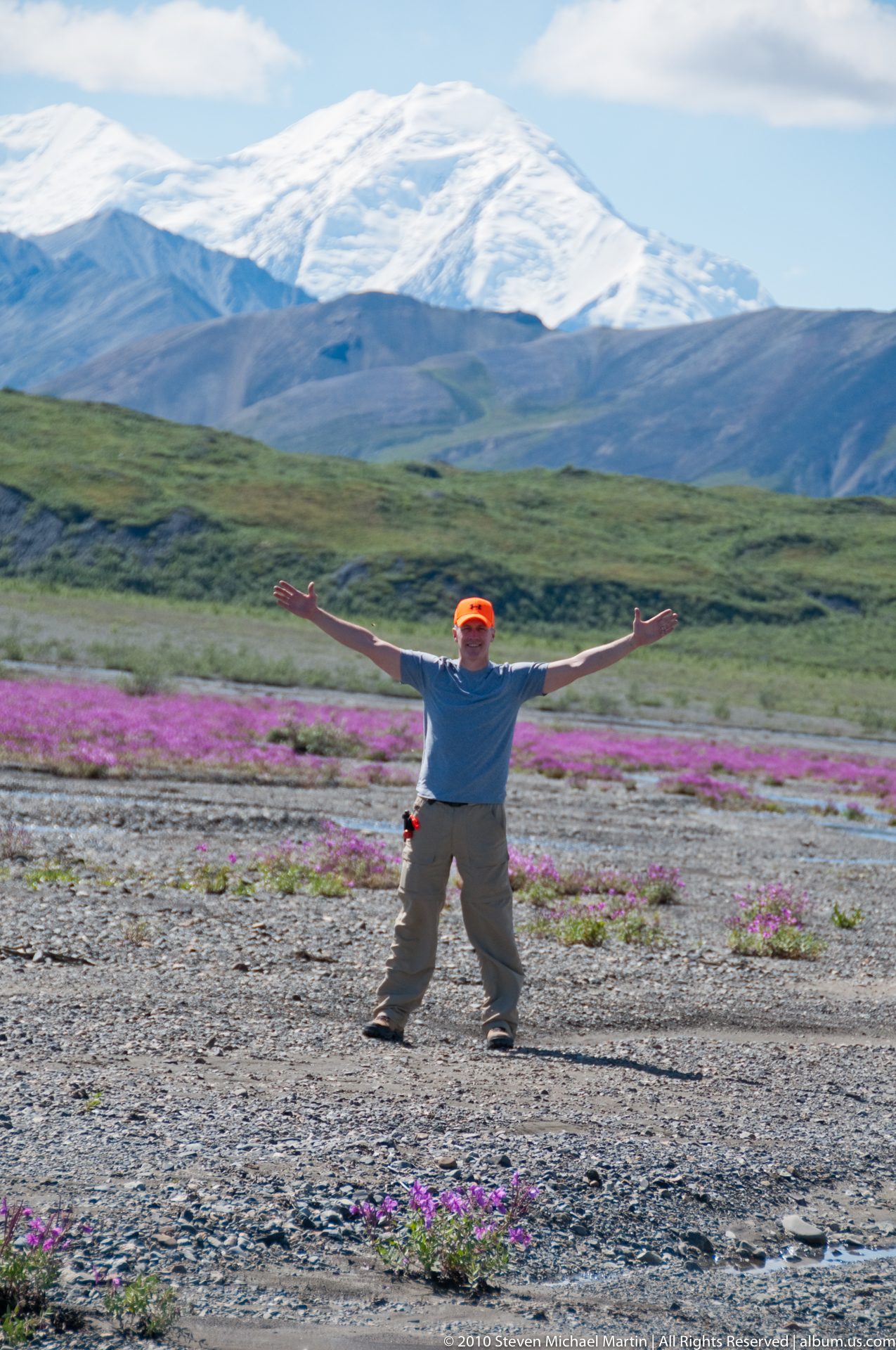
Glaciers, tundra ecosystems, and braided river systems illustrate the dynamic environmental conditions found in high latitude mountain regions.
⭐ Highlights
- Denali, highest peak in North America
- Expansive tundra landscapes
- Glacial valleys and river systems
- Remote subarctic wilderness
- Broad mountain scenery
🔎 Key Features
- Alaska Range geology
- Large glacier systems
- Tundra vegetation
- Braided river formations
- High latitude environment
🦌 Wildlife Encountered
Wildlife viewing in Denali often unfolds gradually across immense distances. The scale of the landscape means that animals frequently appear as small movements against vast tundra backdrops. Moose were encountered feeding quietly in wetlands and willow thickets, blending into vegetation that provides both food and cover. Their slow, deliberate movement reflected the calm rhythm of the subarctic environment.
Predators appeared less predictably but added a sense of excitement to long stretches of scanning the landscape. A gray wolf was observed traveling along a park road corridor, moving steadily through its territory before disappearing into the brush. An Arctic fox crossed open tundra with quick, purposeful motion, illustrating how smaller predators adapt to the wide-open terrain.
Dall sheep were seen navigating steep rocky slopes with ease, demonstrating their ability to move confidently across rugged terrain. Grizzly bears were encountered feeding in tall grasses, often partially hidden until subtle movement revealed their presence. These moments highlighted how wildlife encounters in Denali are often defined by patience and observation rather than proximity.
Birdlife added additional activity to the landscape, with eagles soaring high above tundra valleys and gulls resting along braided river channels. Even smaller animals, such as Arctic hares and ground squirrels, contributed to the sense of life adapted to this northern environment. Together, these encounters reinforced the impression that Denali’s wildlife is shaped by space, climate, and seasonal change.
📷 Photography Notes
- Cloud conditions influence mountain visibility
- Wide views emphasize scale
- Layered ridgelines create depth
- Soft light enhances tundra color
- Foreground vegetation adds perspective
- Simple compositions highlight landscape scale