Haleakalā NP — Road to Hāna
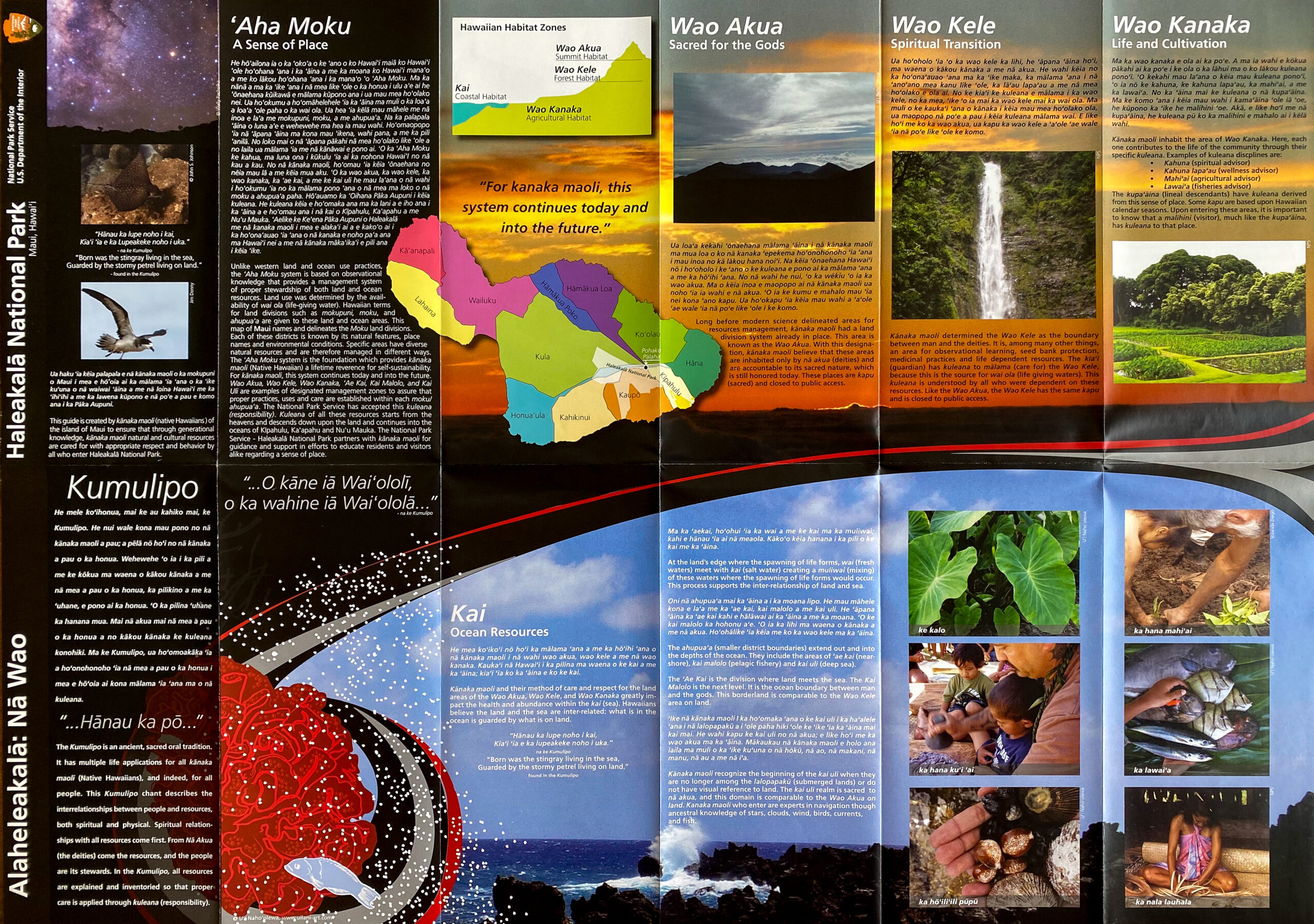
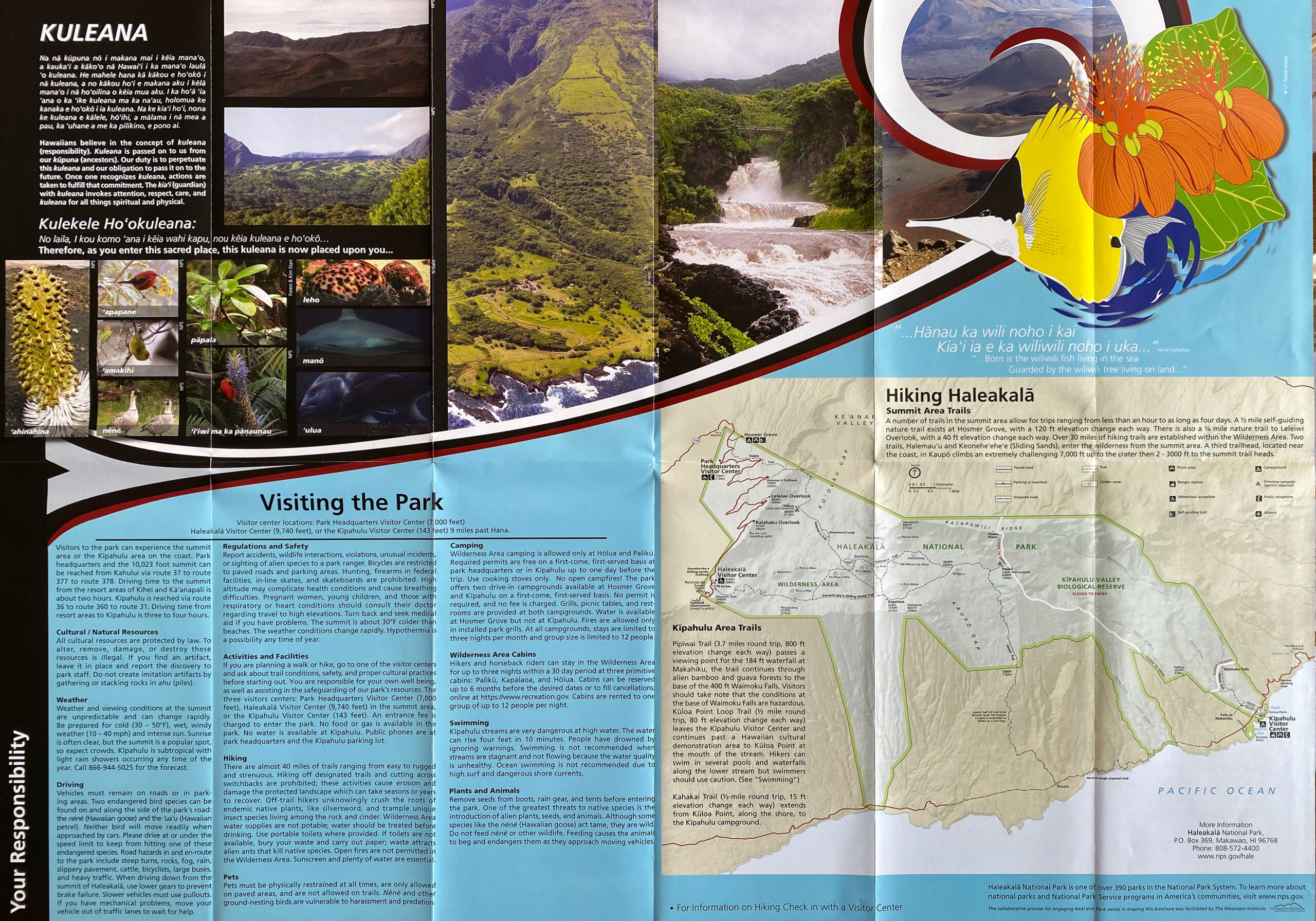
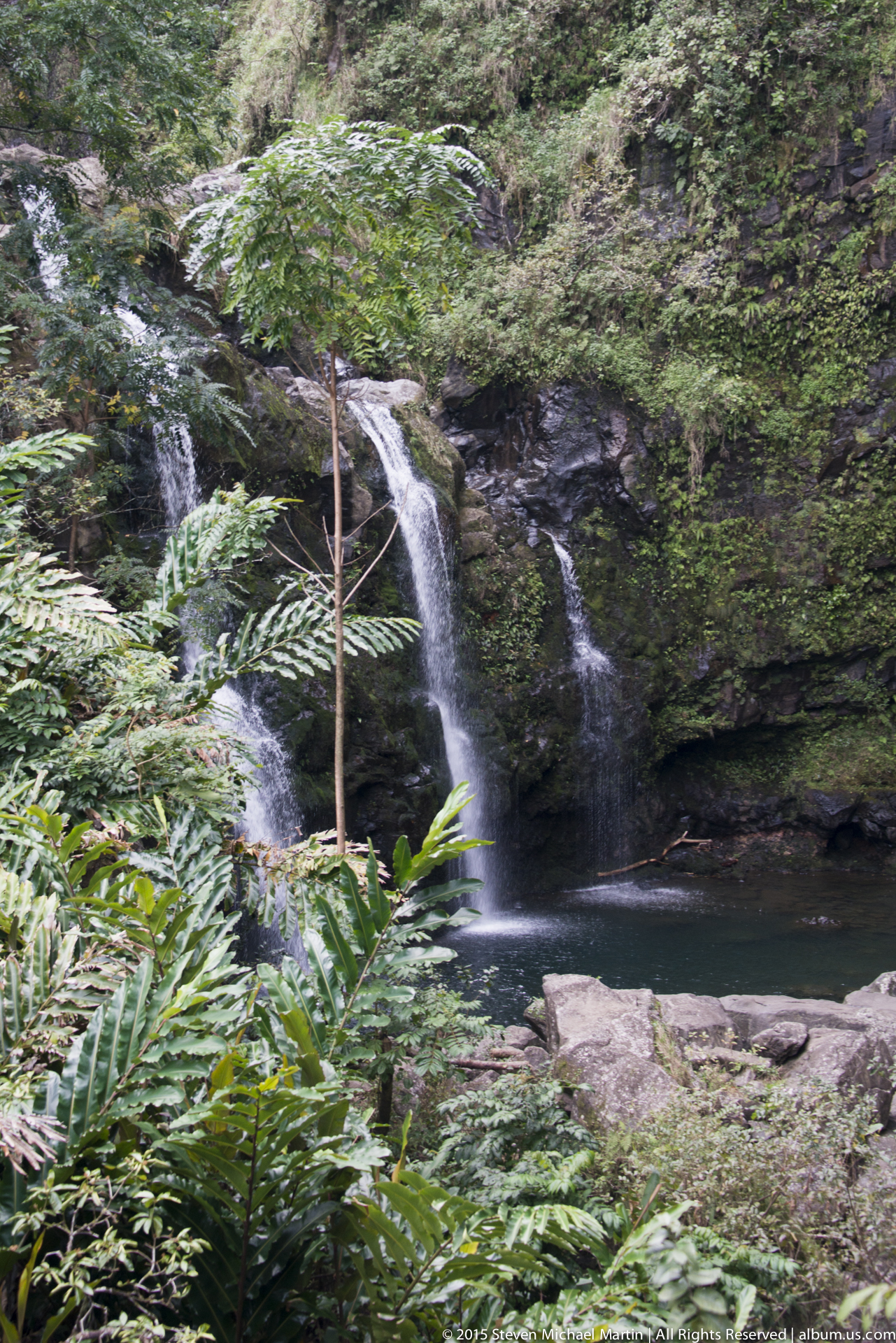
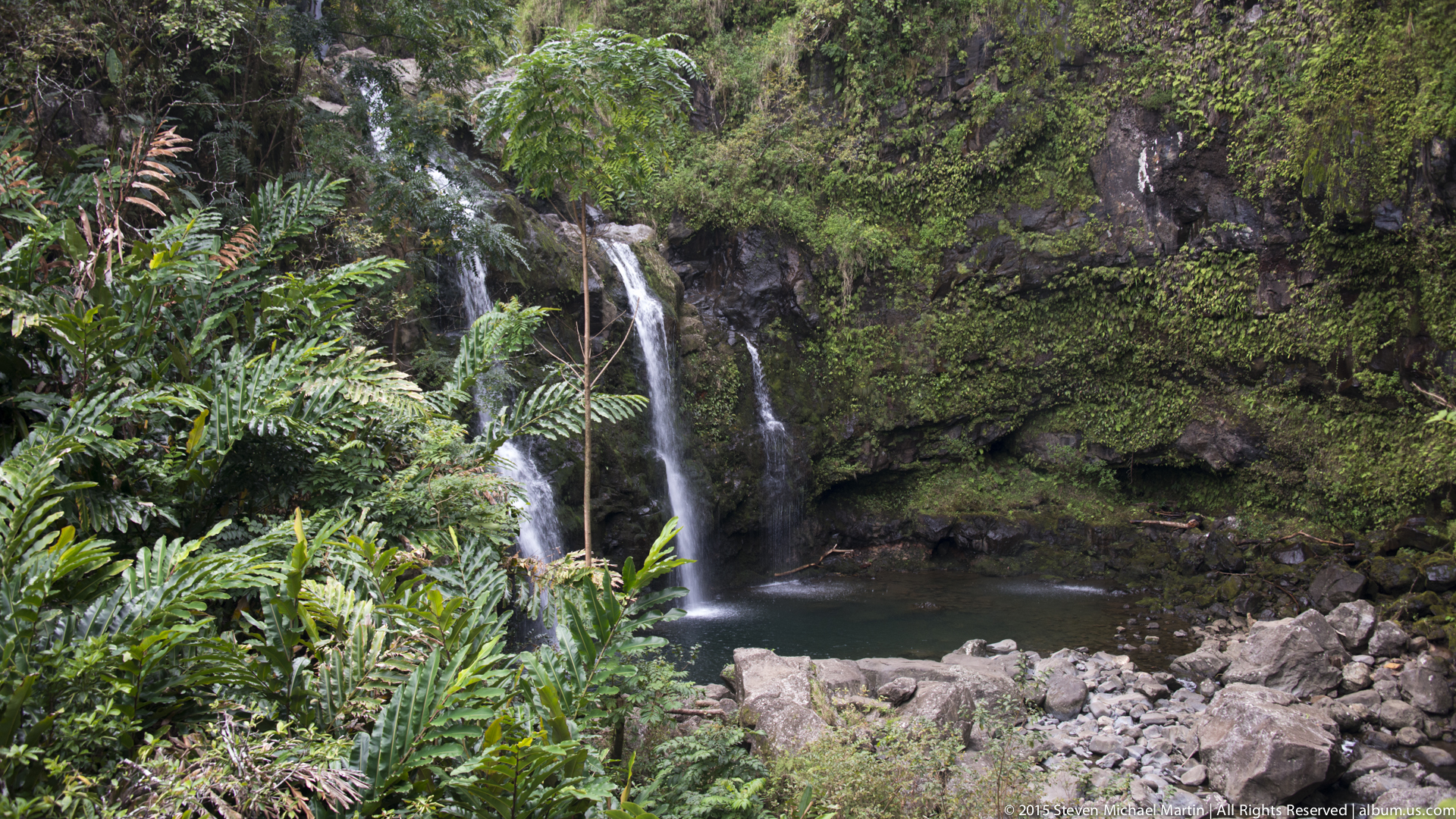
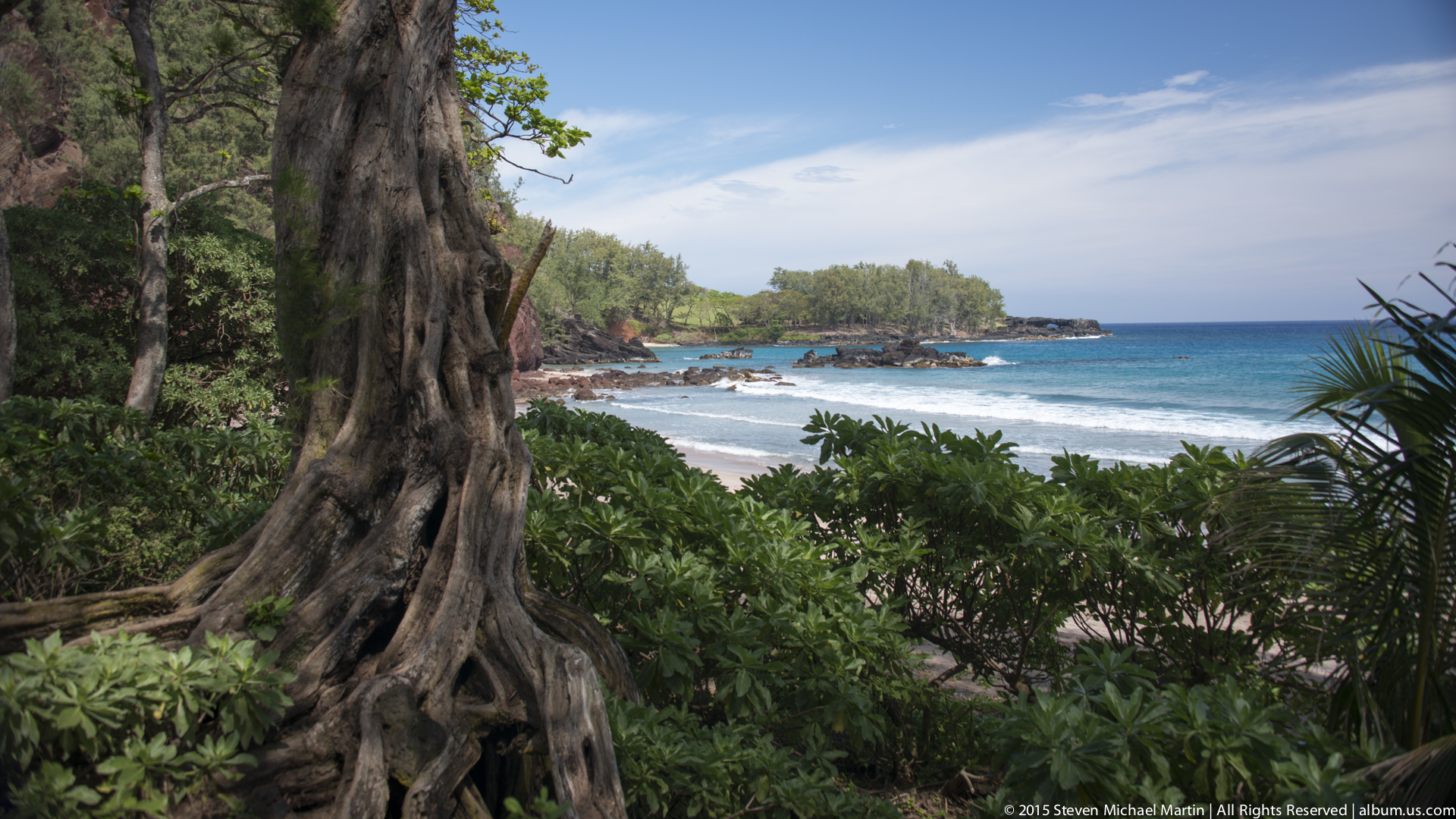
The Road to Hāna reveals a very different side of Haleakalā’s environment, where lush vegetation, waterfalls, and coastal cliffs replace the stark volcanic terrain of the summit. The route follows the northeastern coastline of Maui, passing through dense rainforest conditions shaped by consistent trade winds and frequent rainfall. The landscape feels vibrant and layered, with vegetation extending from mountain slopes down to the ocean.
Numerous viewpoints along the route provide opportunities to observe waterfalls, rocky shoreline formations, and tropical plant life. Narrow bridges and winding roads reinforce the sense of traveling through terrain that remains largely unchanged by modern development. The environment highlights the ecological diversity present across relatively short geographic distances.
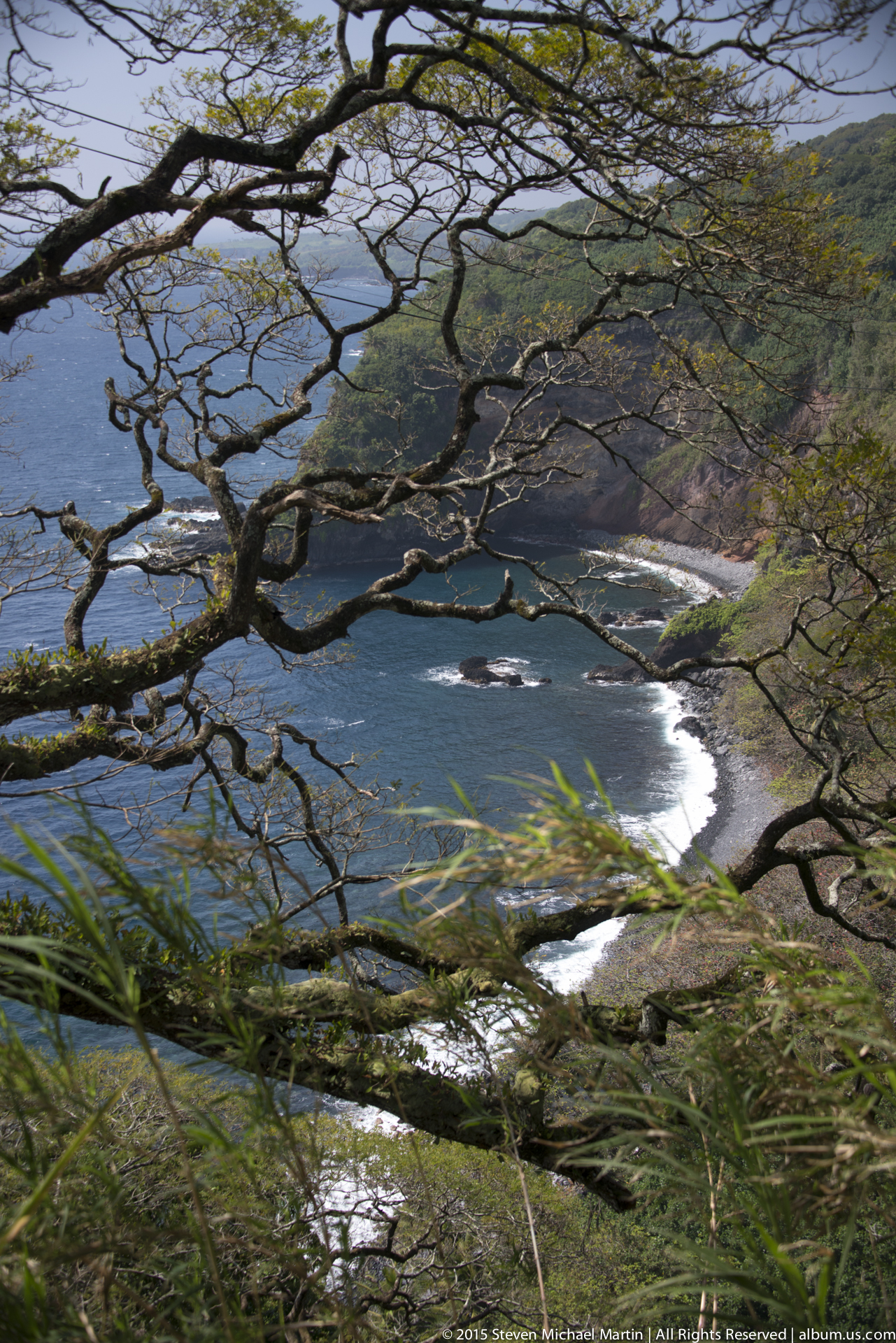
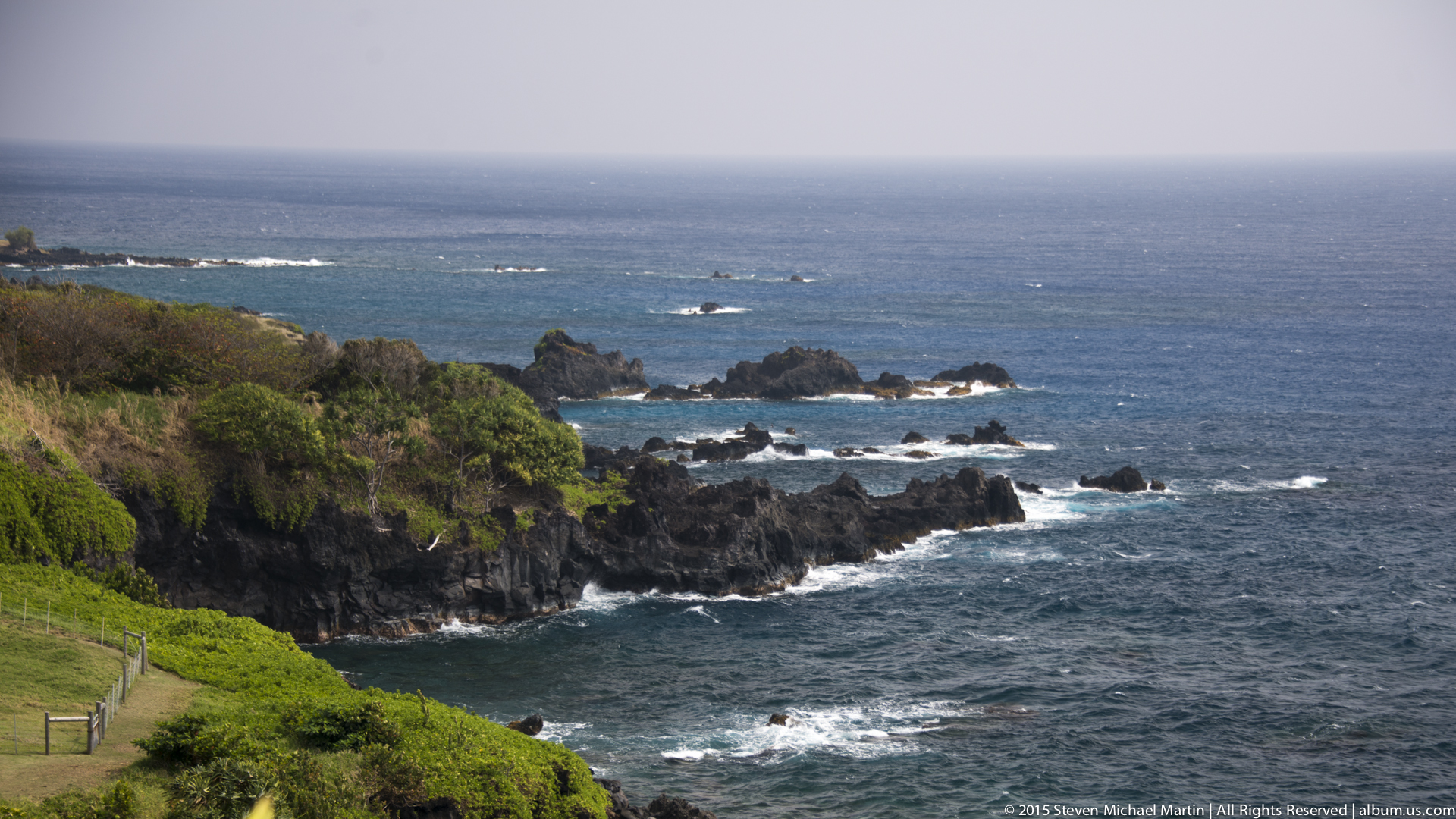
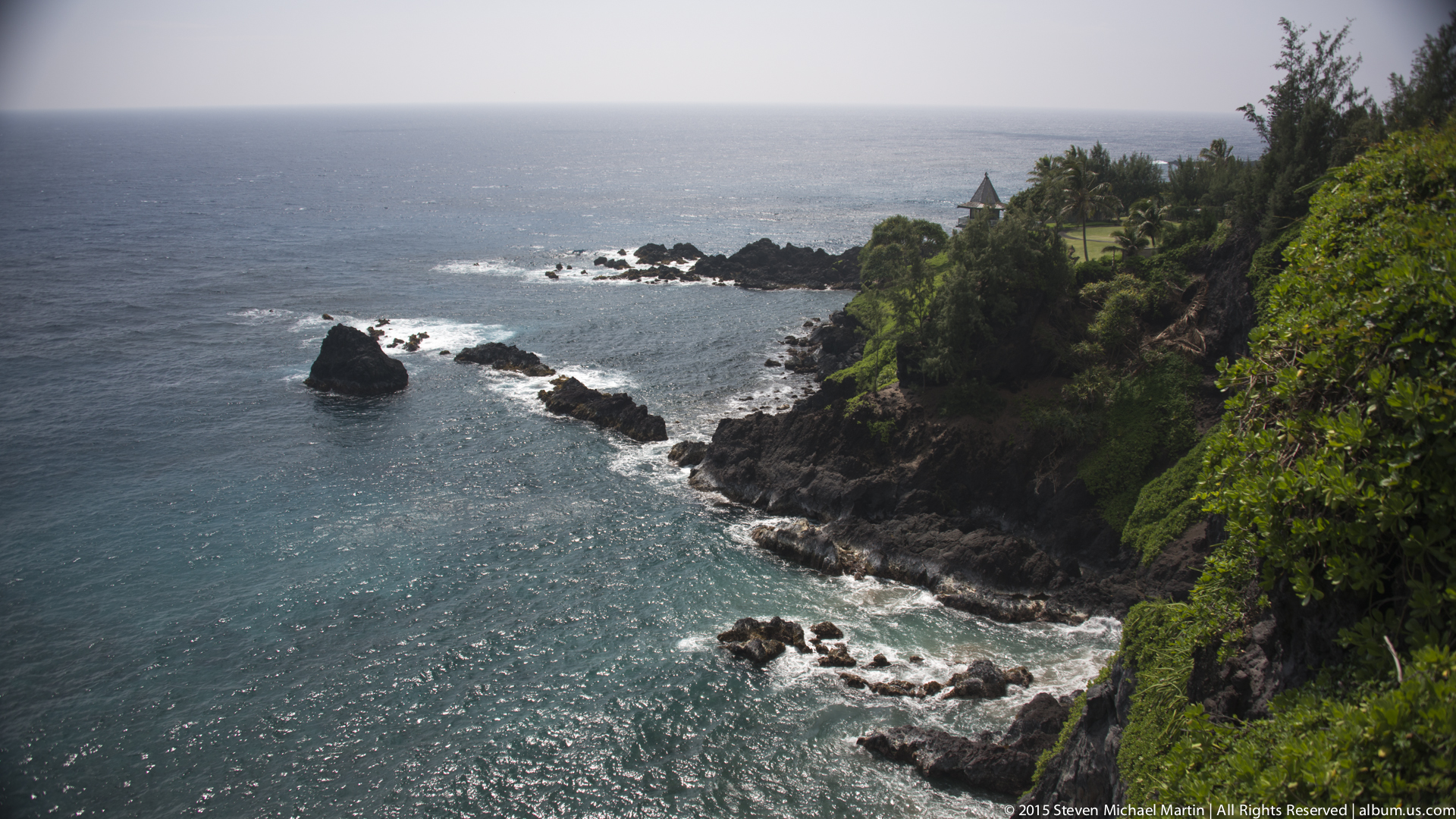
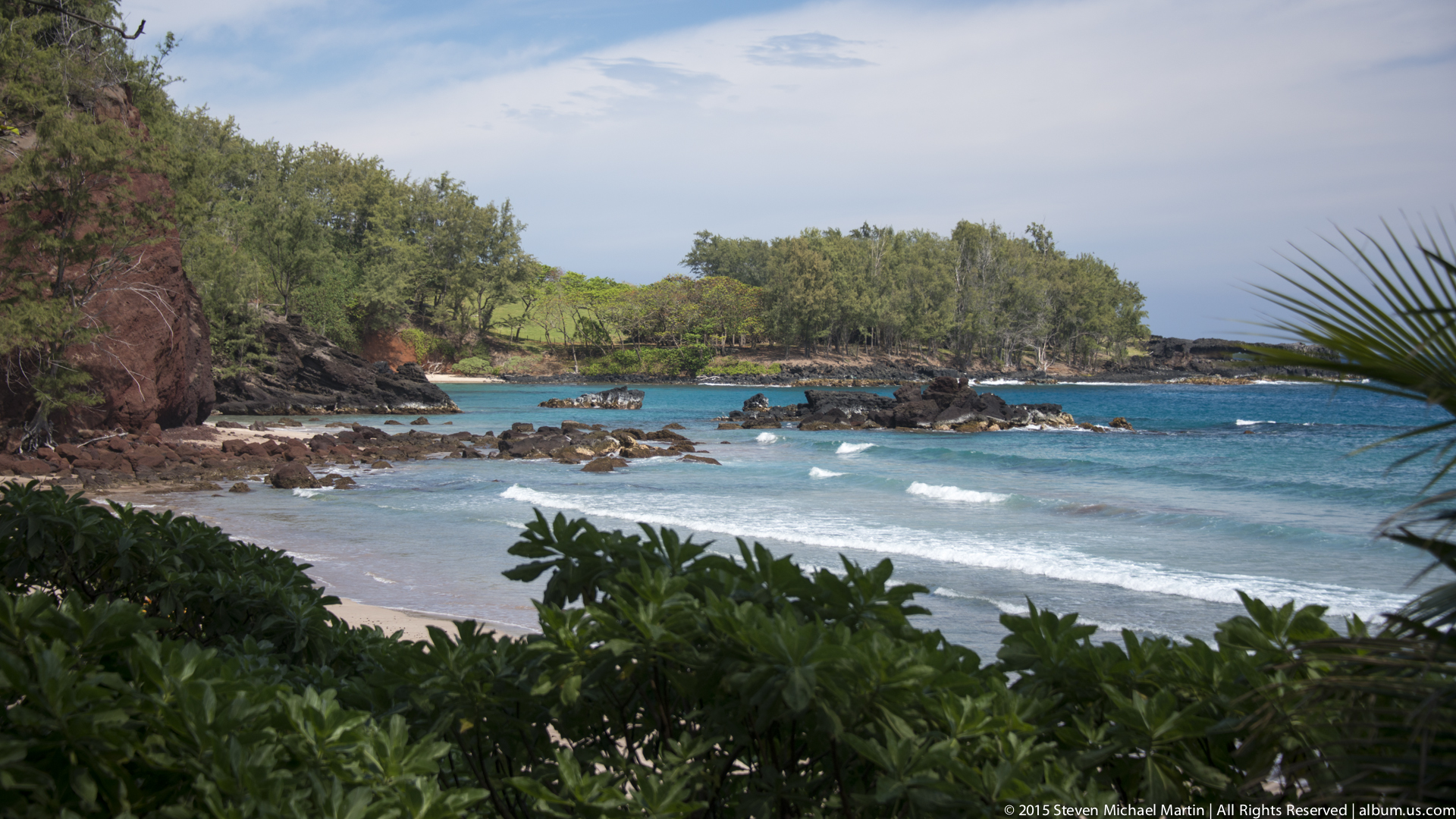
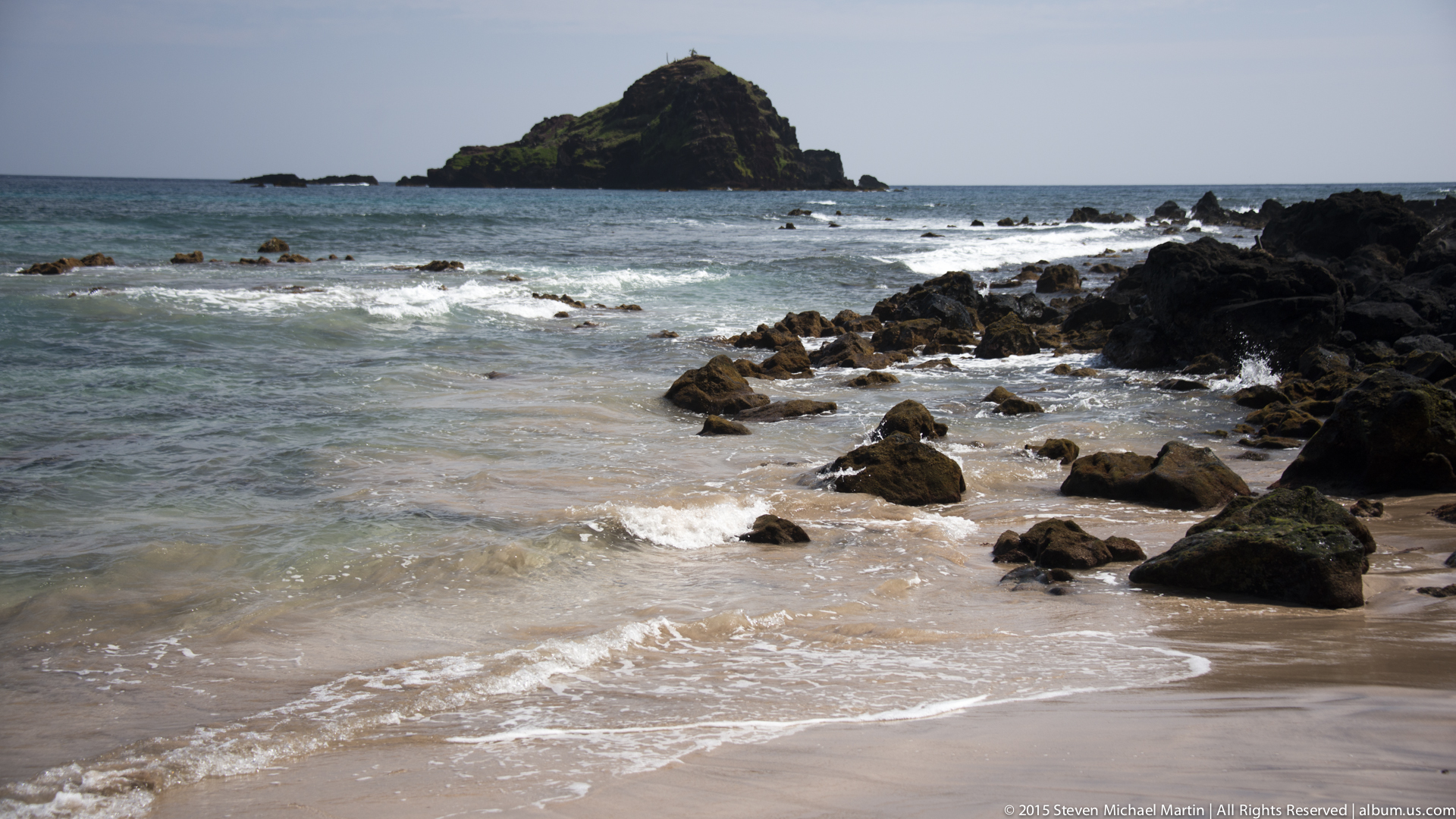
Stopping along the coastline allows closer observation of wave action against dark volcanic rock, illustrating how erosion continues to shape the island’s shoreline. The transition from rainforest to ocean environment emphasizes the range of landscapes found within Haleakalā National Park’s broader region.


🧭 Field Guide
Landscape Type: tropical rainforest and coastal ecosystem
Primary Features: waterfalls, cliffs, dense vegetation, ocean viewpoints
Best Time to Visit: morning for improved visibility and fewer shadows
Conditions: humid climate with intermittent rainfall
✨ Highlights
- Rainforest Vegetation – dense tropical plant growth supported by consistent rainfall.
- Waterfall Systems – streams descending from elevated terrain toward the ocean.
- Coastal Lava Rock – dark shoreline formations shaped by volcanic activity.
- Ocean Cliff Views – dramatic vertical transitions between forest and sea.
- Tropical Plant Diversity – ferns, palms, and flowering species throughout the region.
- Scenic Coastal Route – winding road connecting multiple ecosystem types.
📷 Photography Notes
- Cloud cover often enhances color saturation.
- Waterfalls benefit from slightly longer exposure times.
- Wide framing captures layered vegetation depth.
- Wet rock surfaces increase tonal contrast.
- Look for foreground framing using tropical plants.
- Changing weather conditions can quickly alter lighting.