Hilo
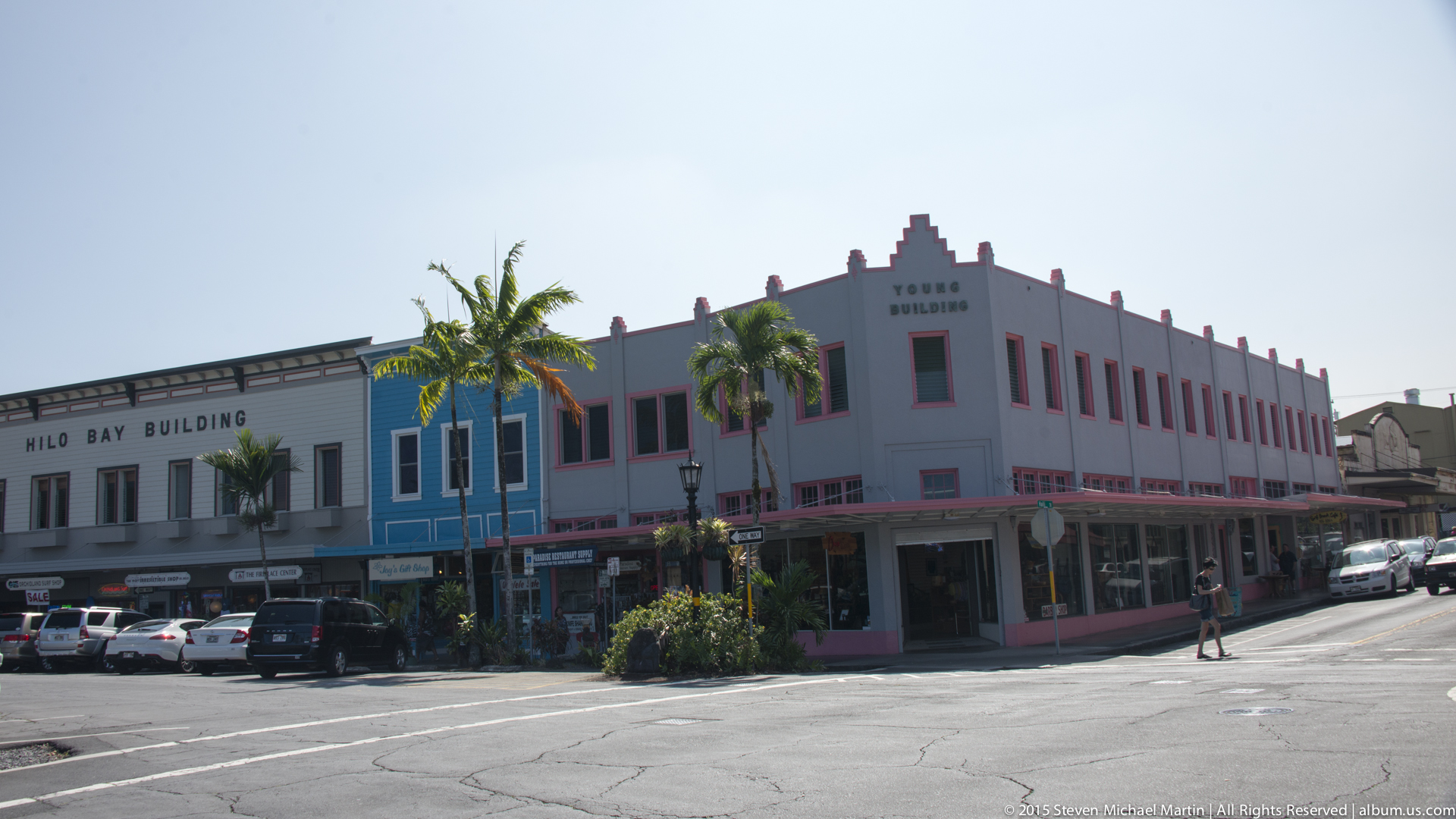
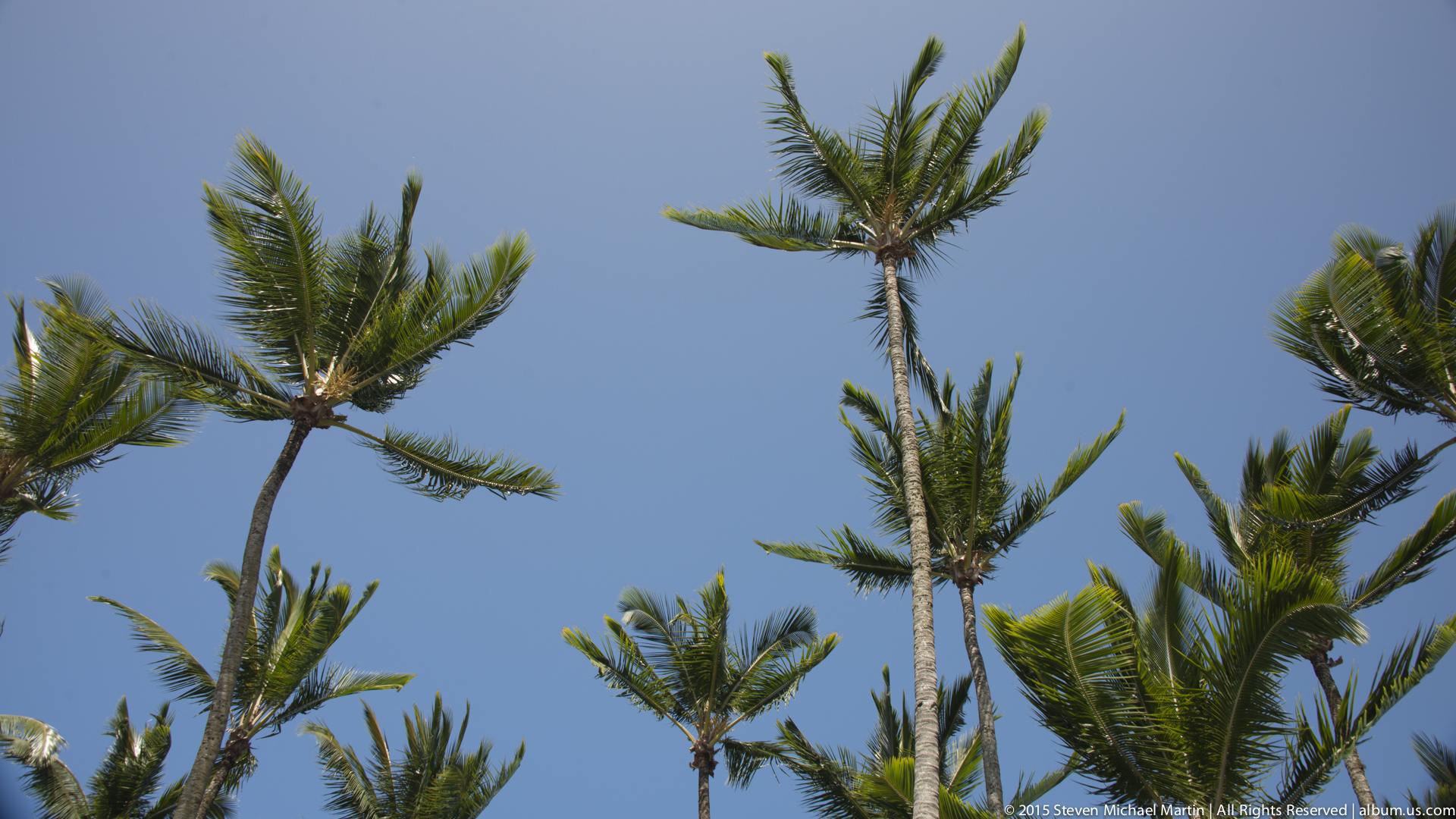
Hilo provides a quieter perspective on the island of Hawaiʻi, shaped by frequent rainfall and a landscape defined by dense vegetation. The town sits along the northeastern coastline, where tropical conditions create lush surroundings and support a variety of plant species not typically found in drier areas of the island. The environment feels noticeably greener than the Kona coast.
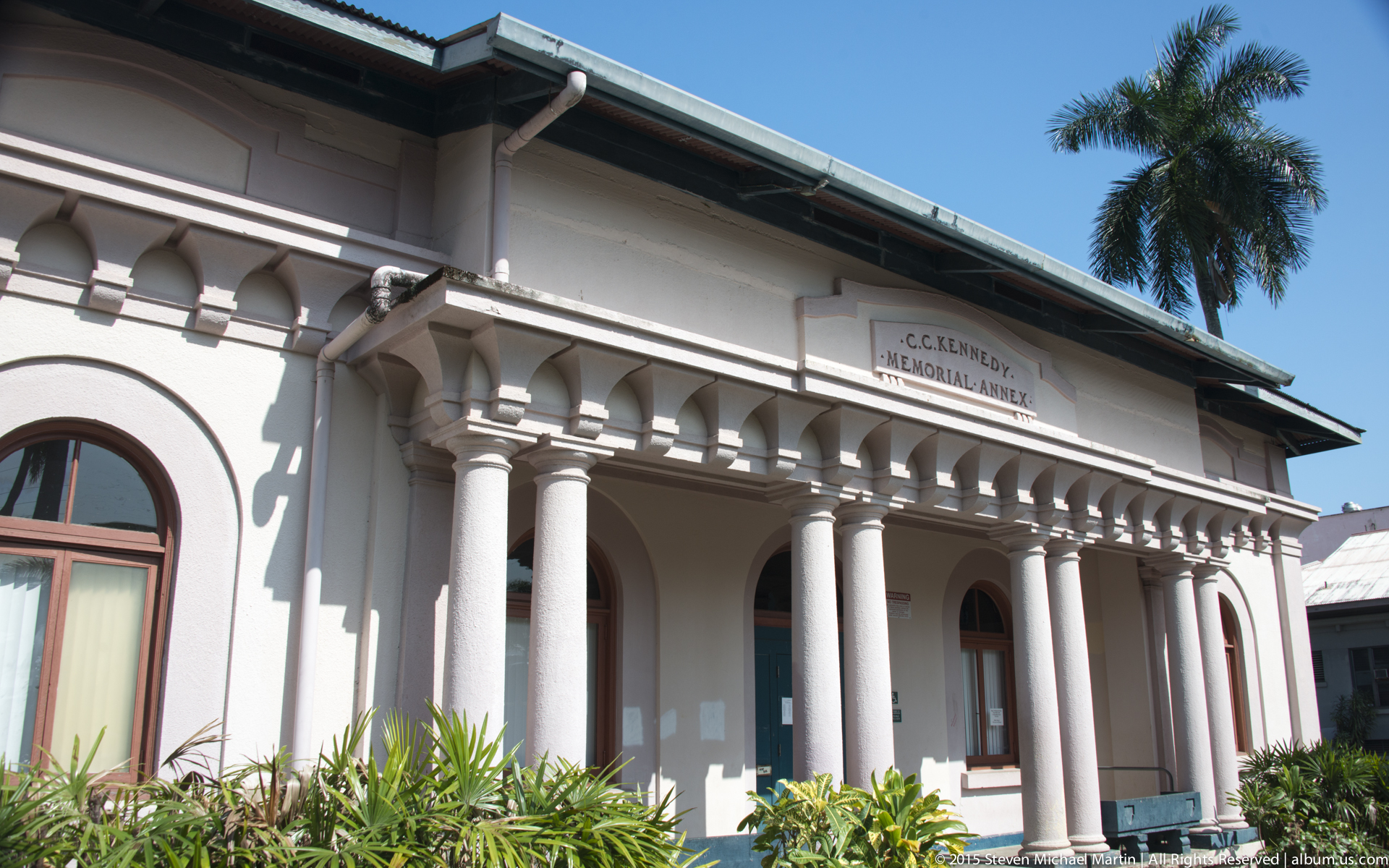
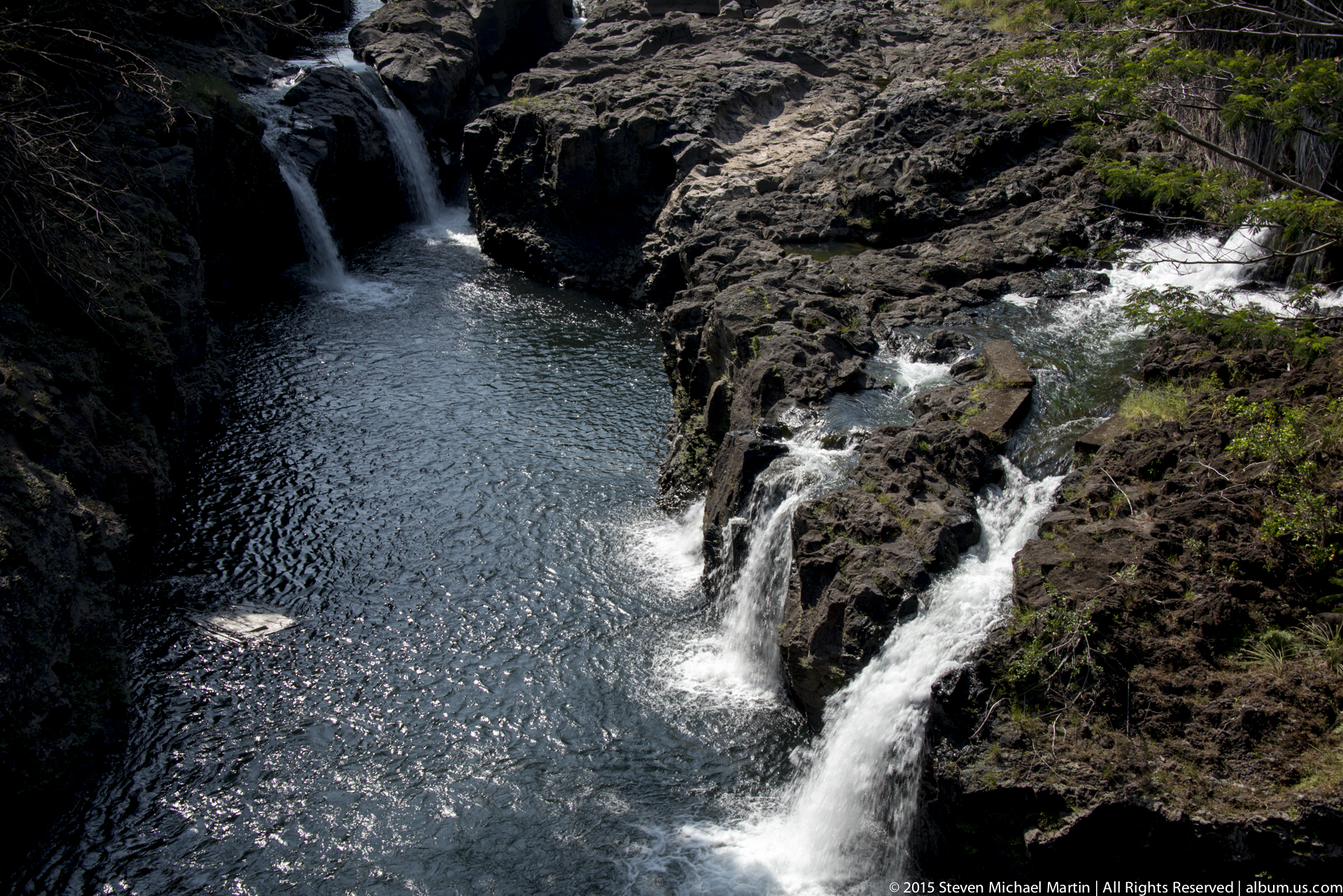
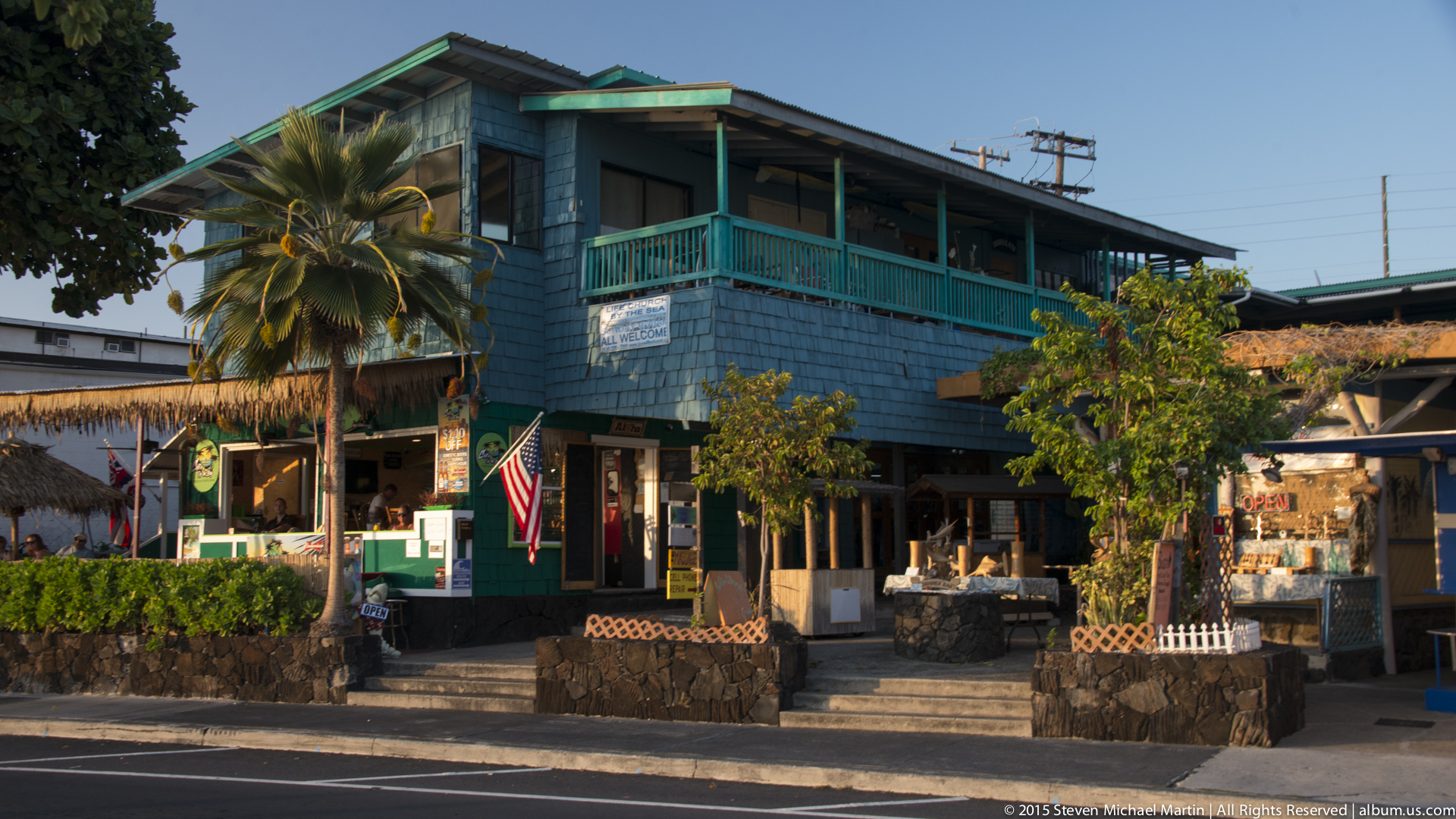
Historic buildings and waterfront views reflect the long-standing relationship between the town and the surrounding ocean. The slower pace of Hilo contrasts with more developed resort areas, allowing the natural setting to remain an important part of the overall experience. Nearby waterfalls and botanical areas contribute to the region’s distinctive character.
The combination of coastal views, tropical vegetation, and historic town structures creates an environment that highlights the environmental diversity present across Hawaiʻi Island. Hilo demonstrates how climate variation influences landscape appearance within relatively short distances.
Kona
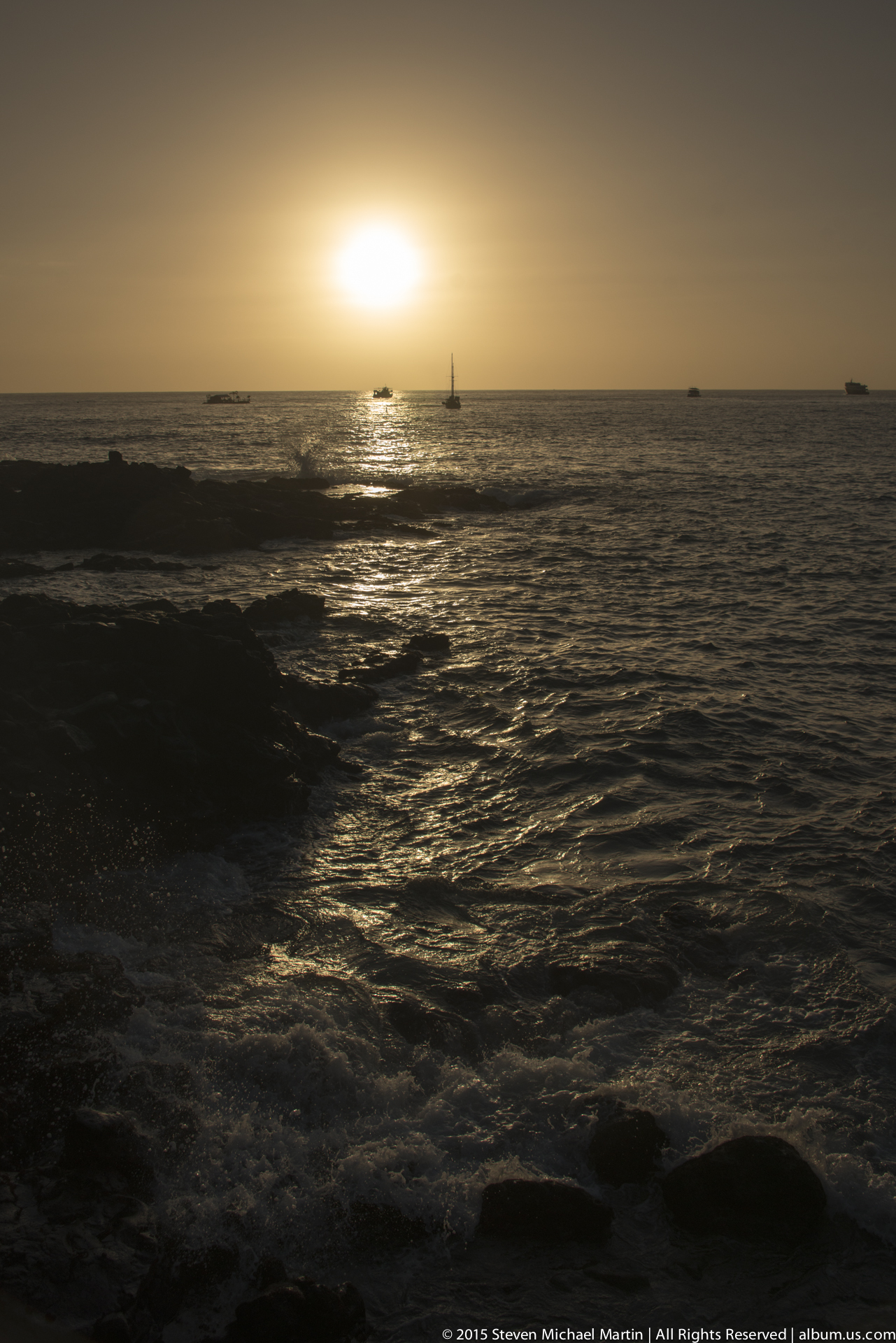
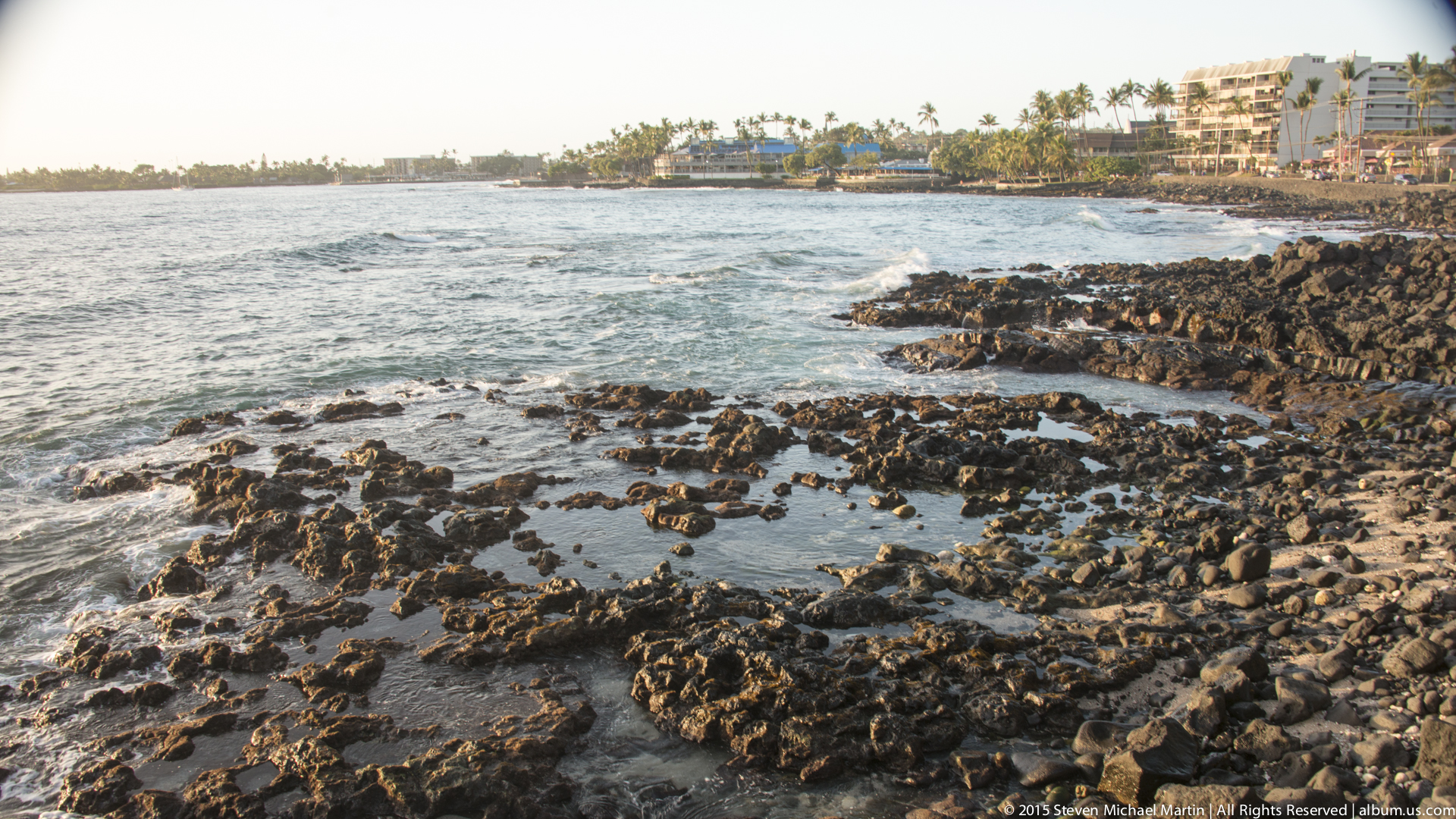
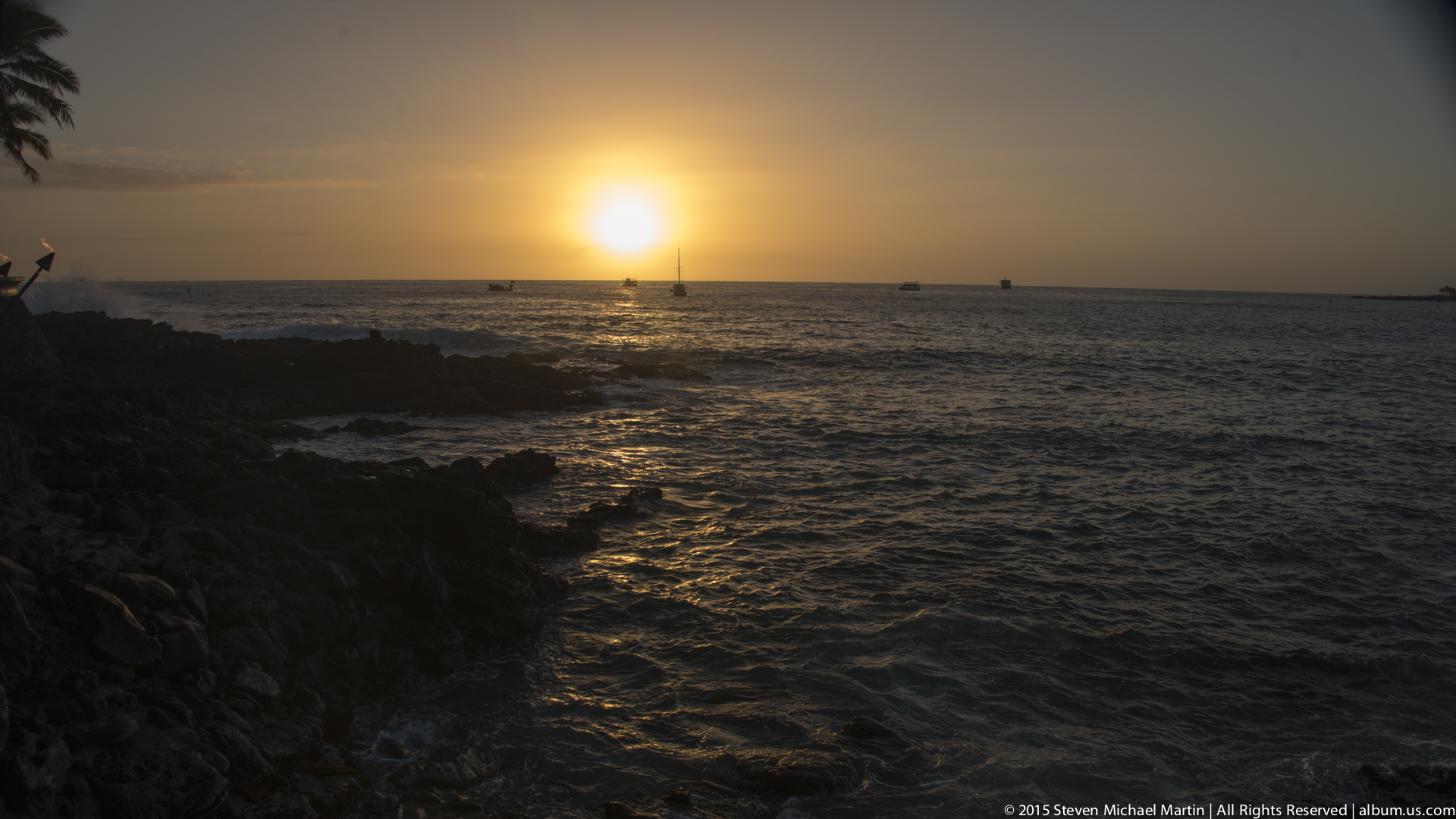
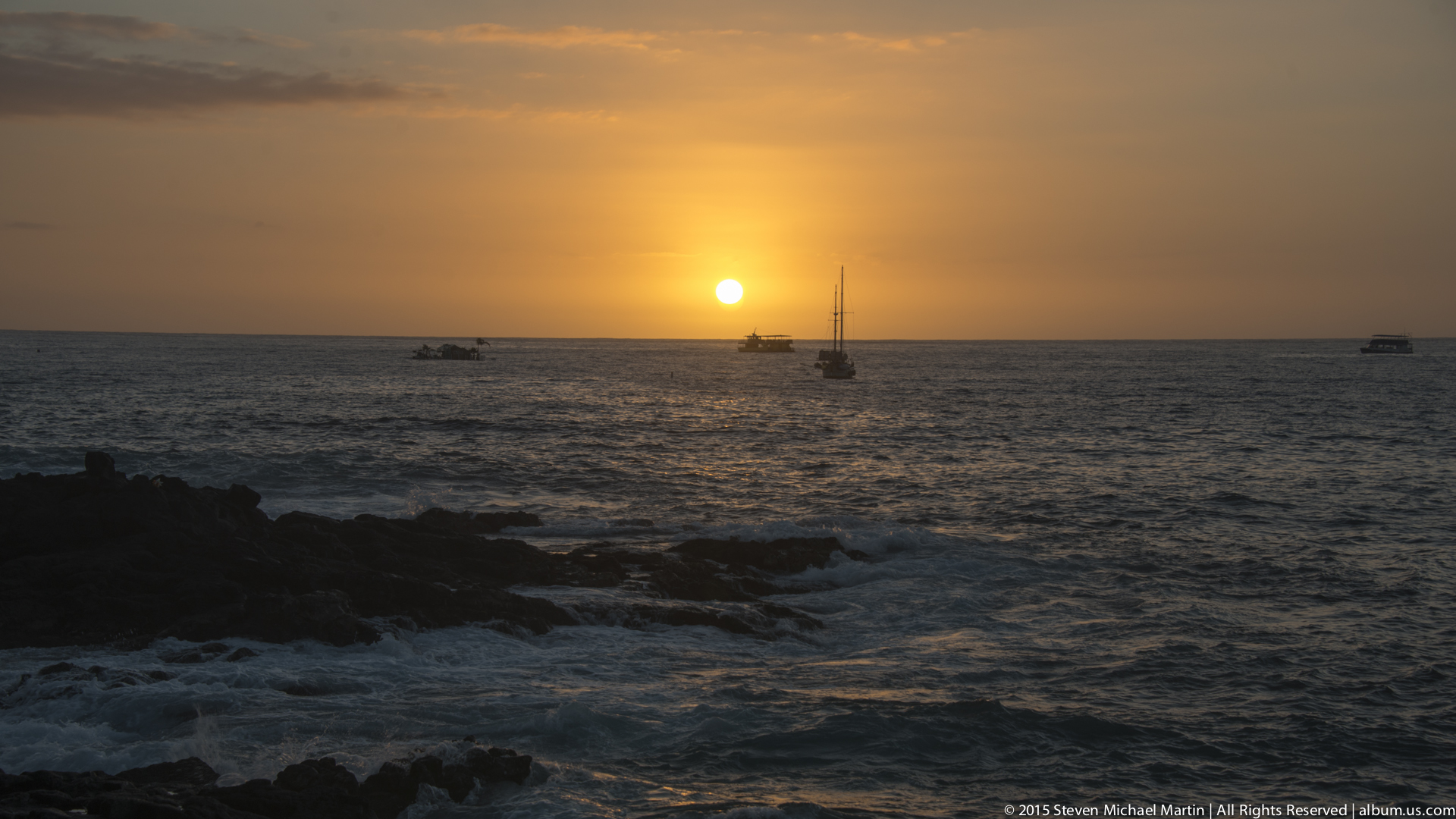
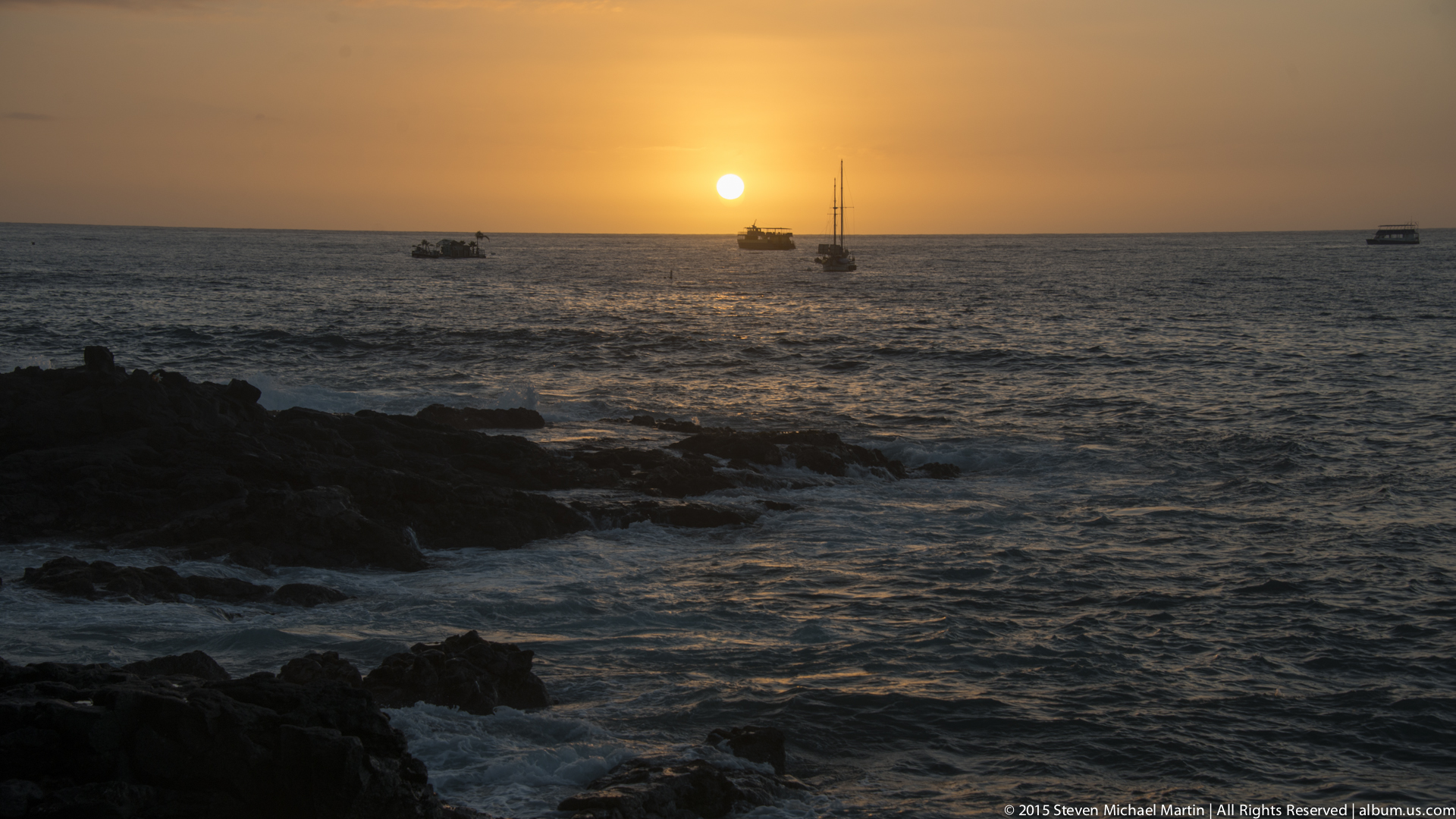
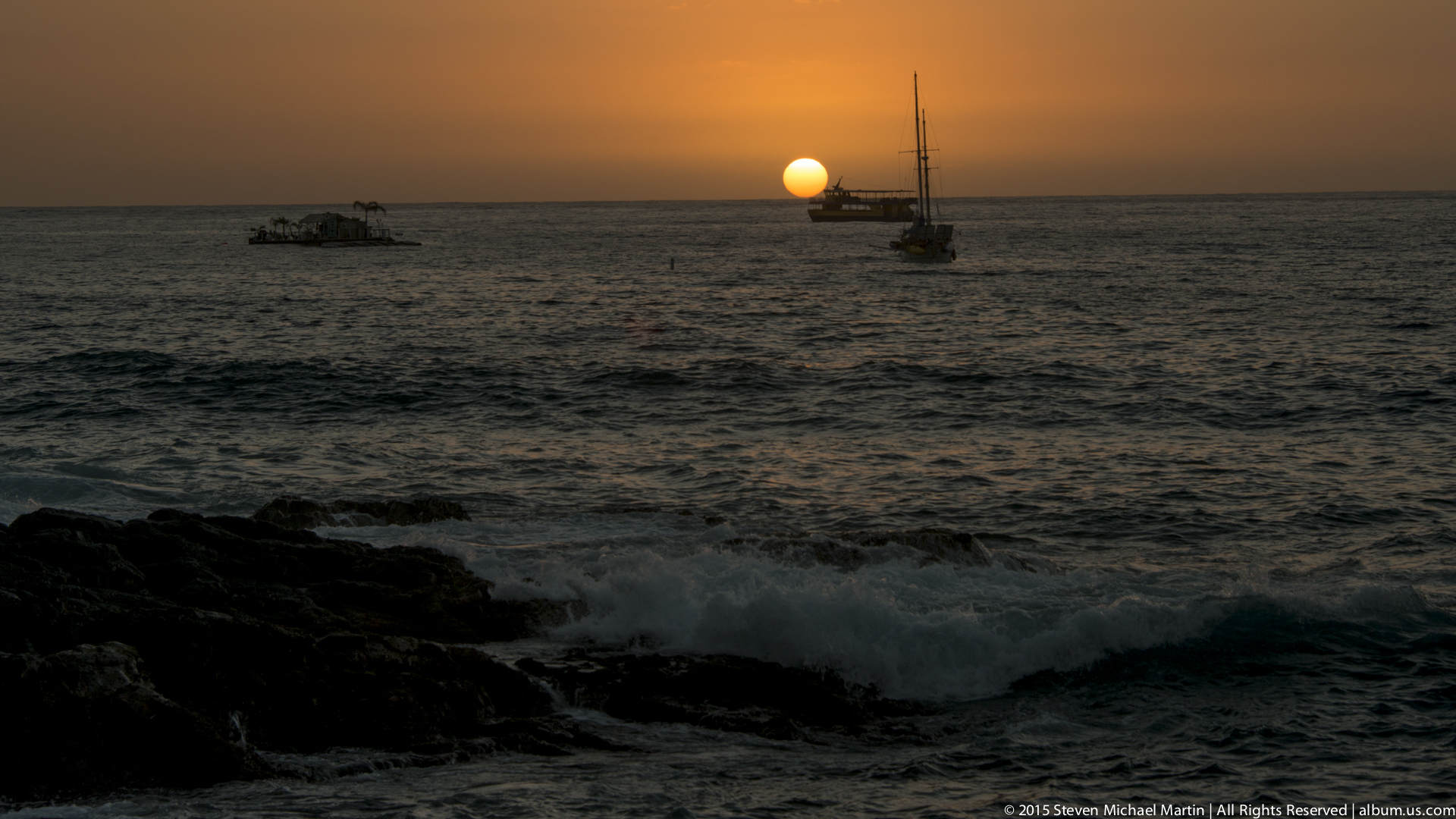
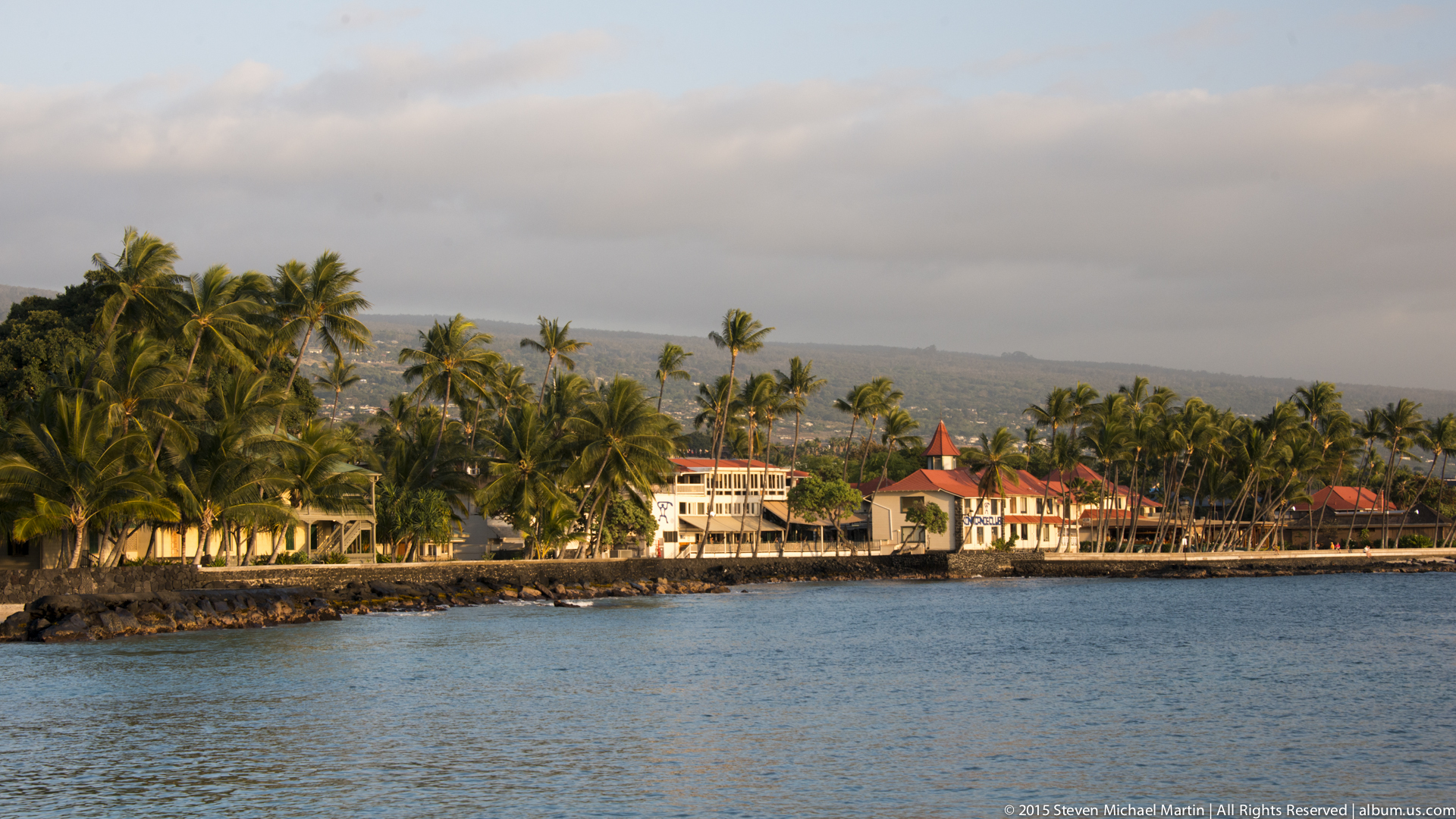
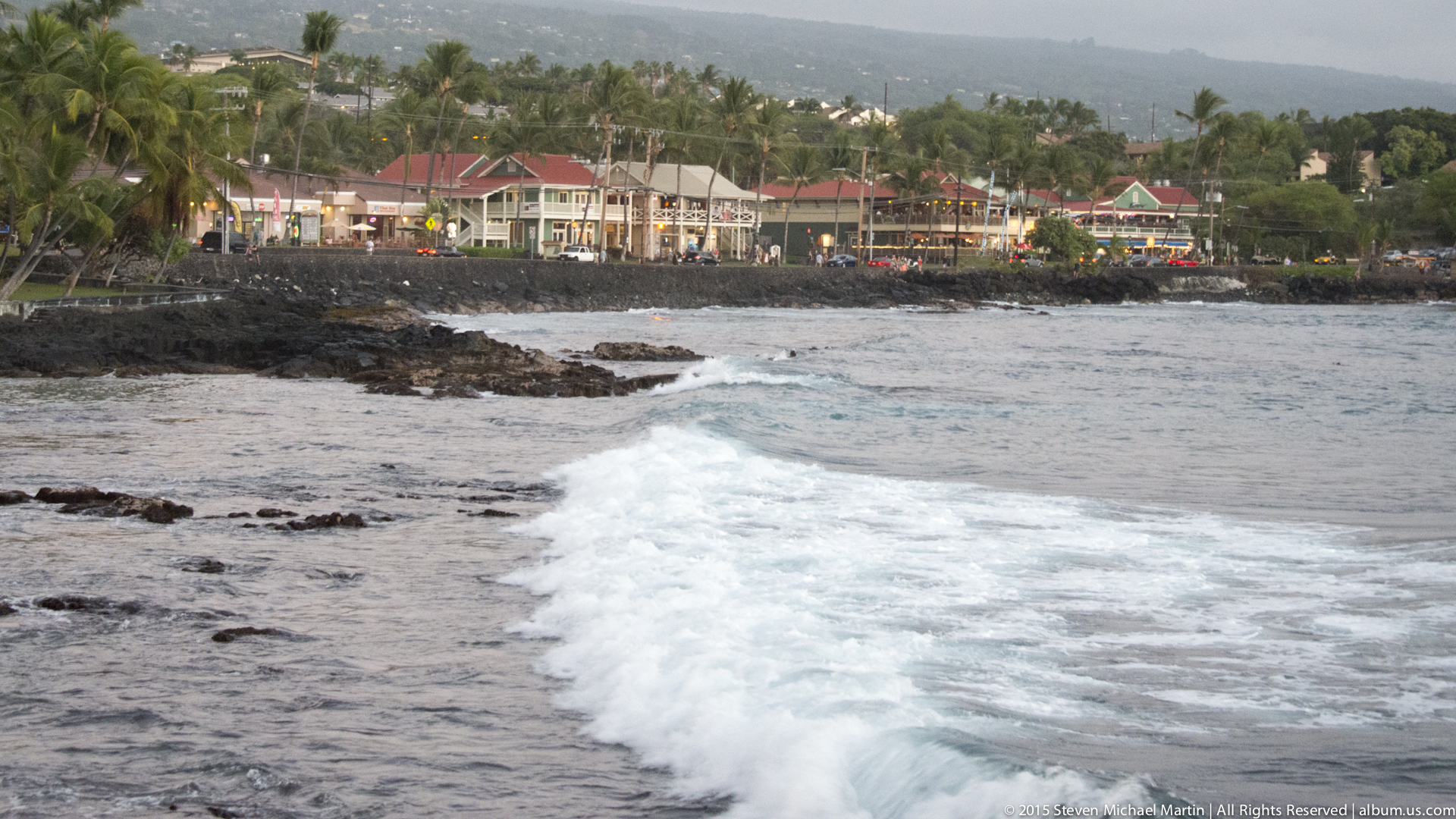
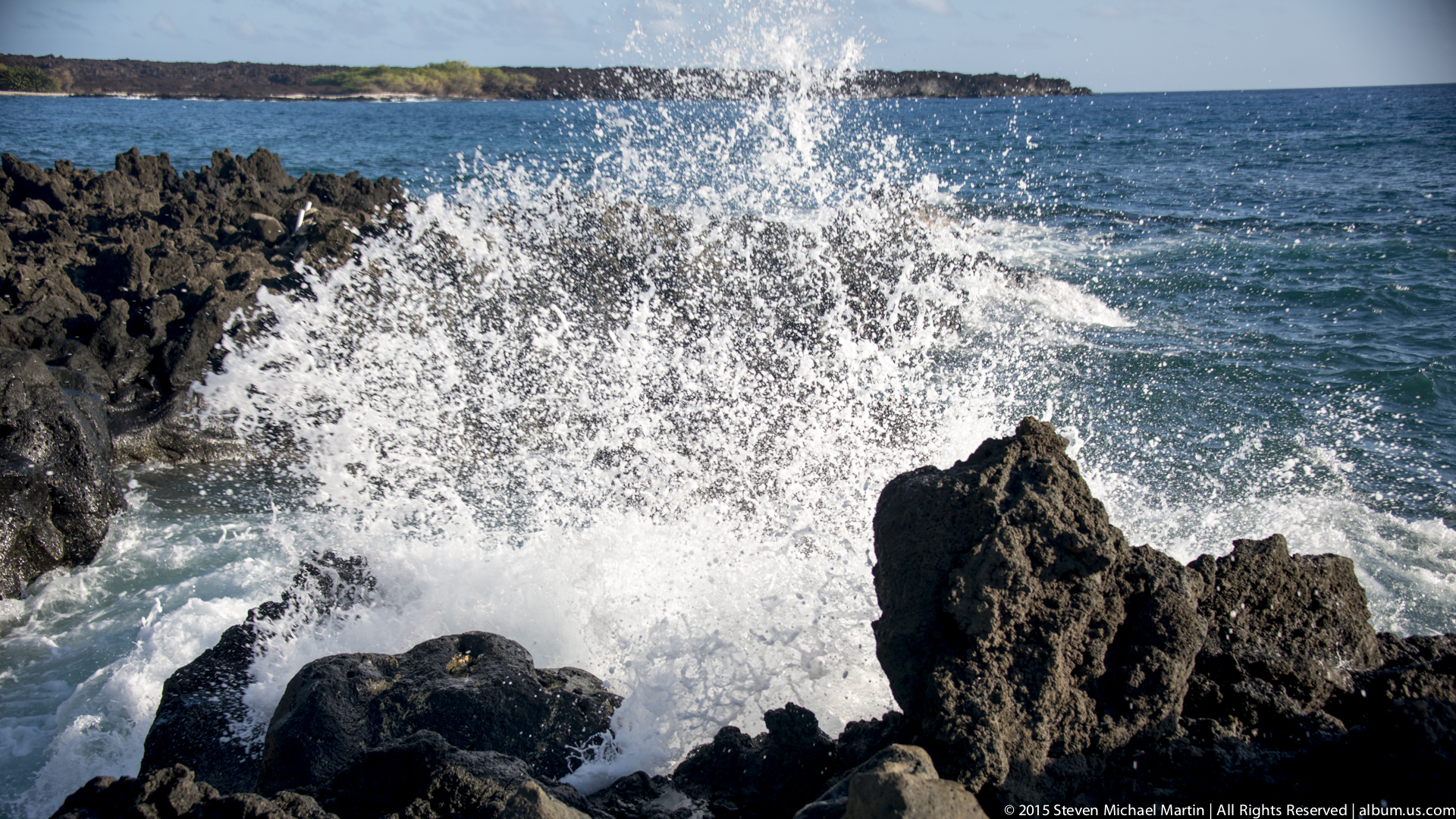
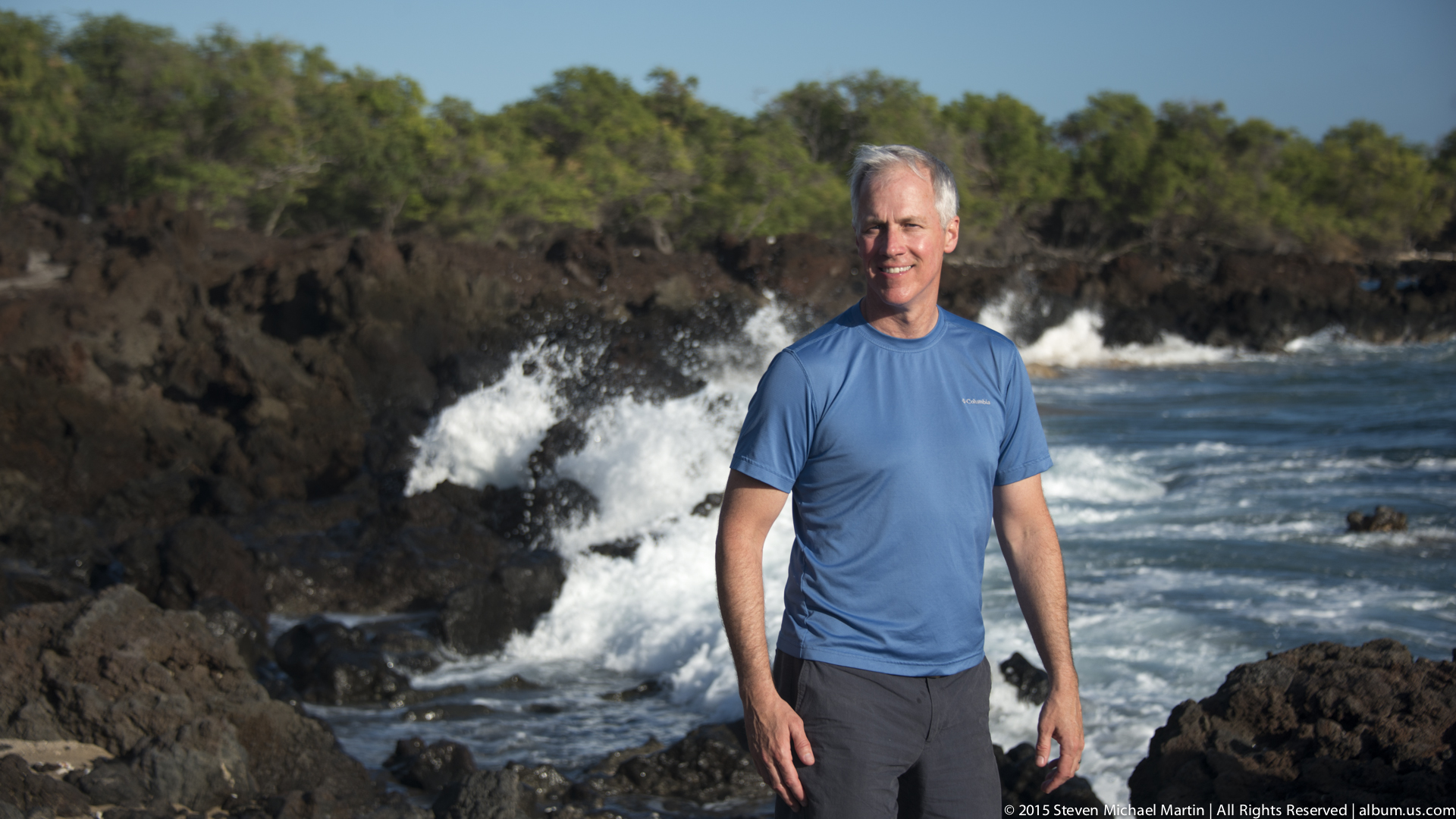
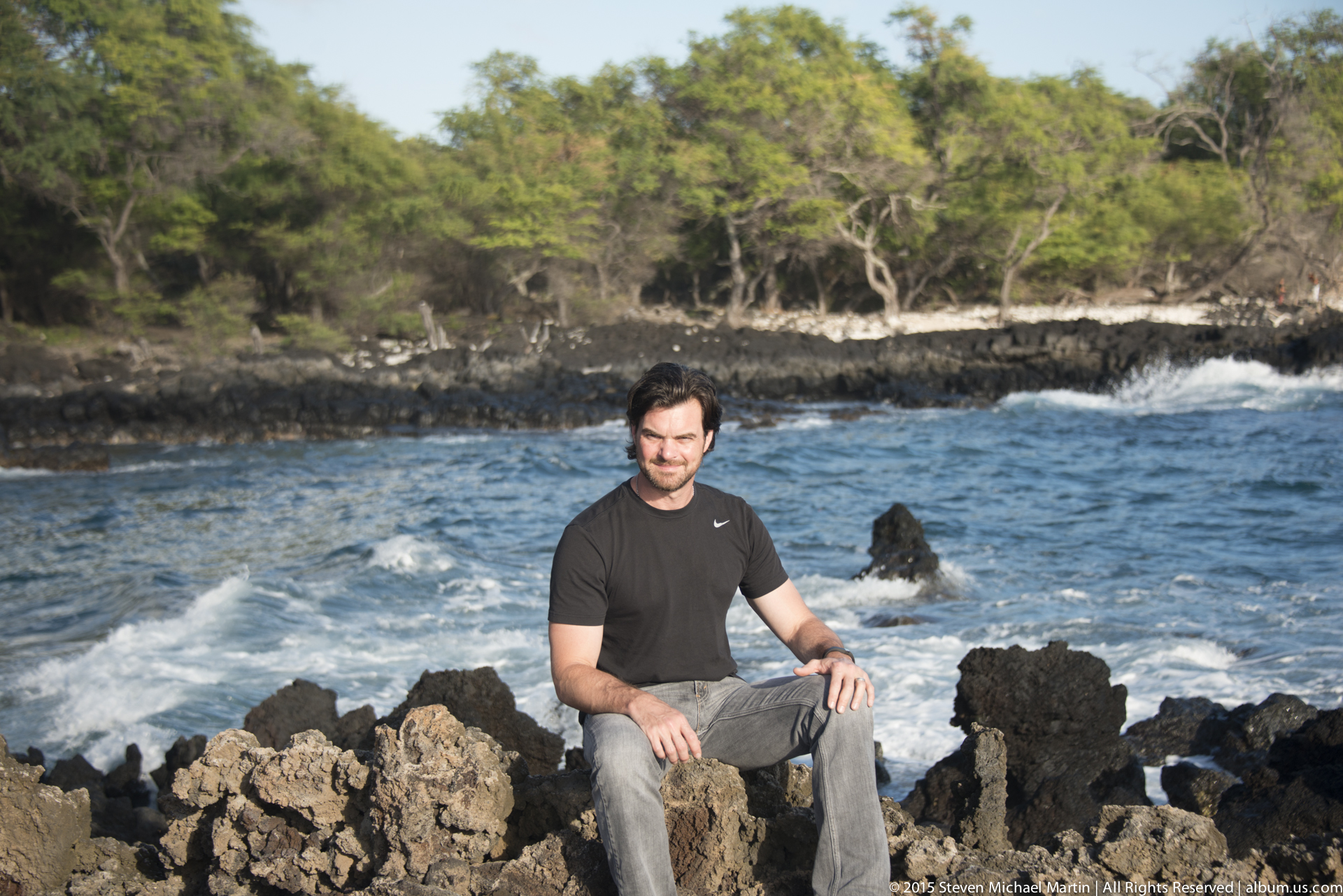
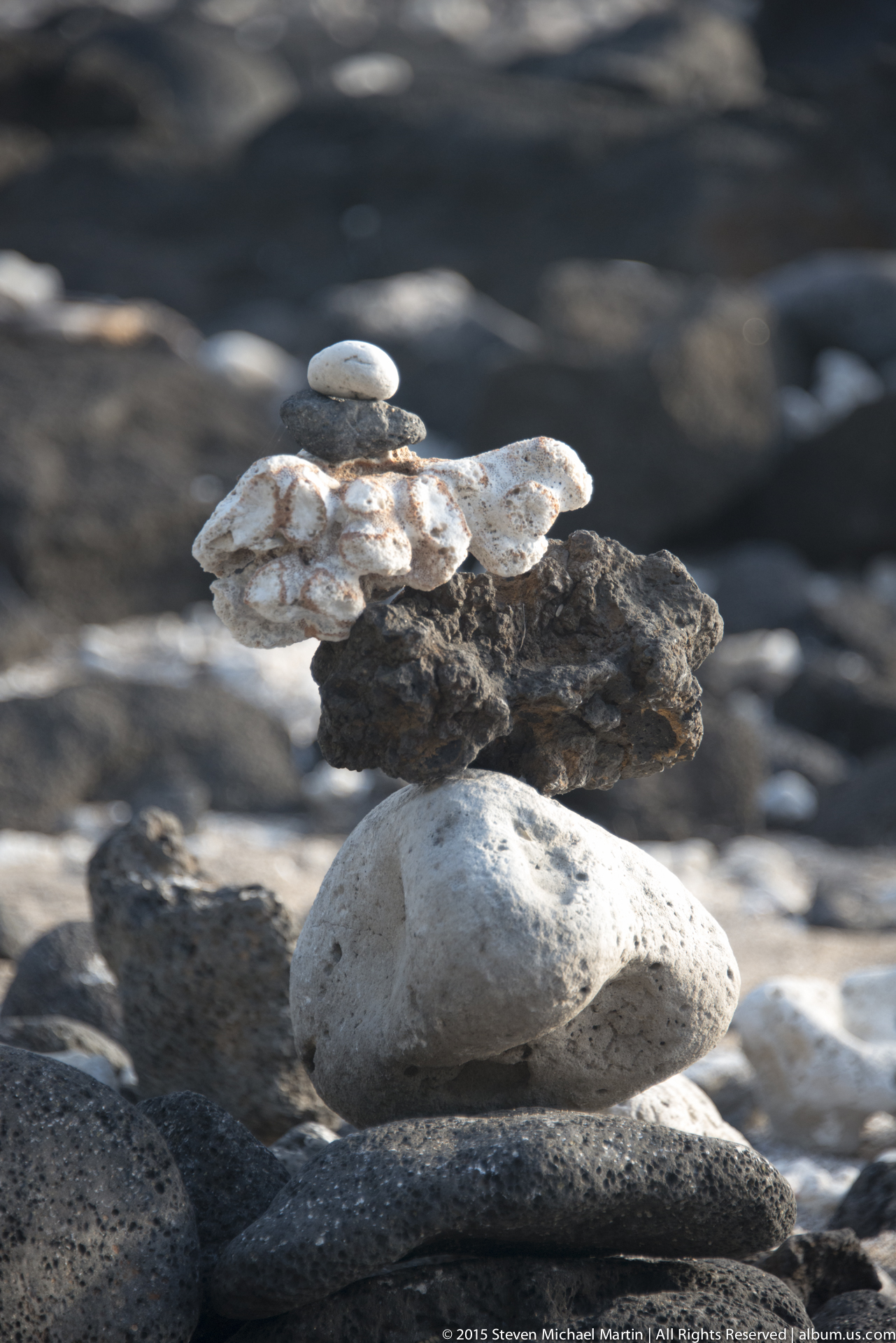
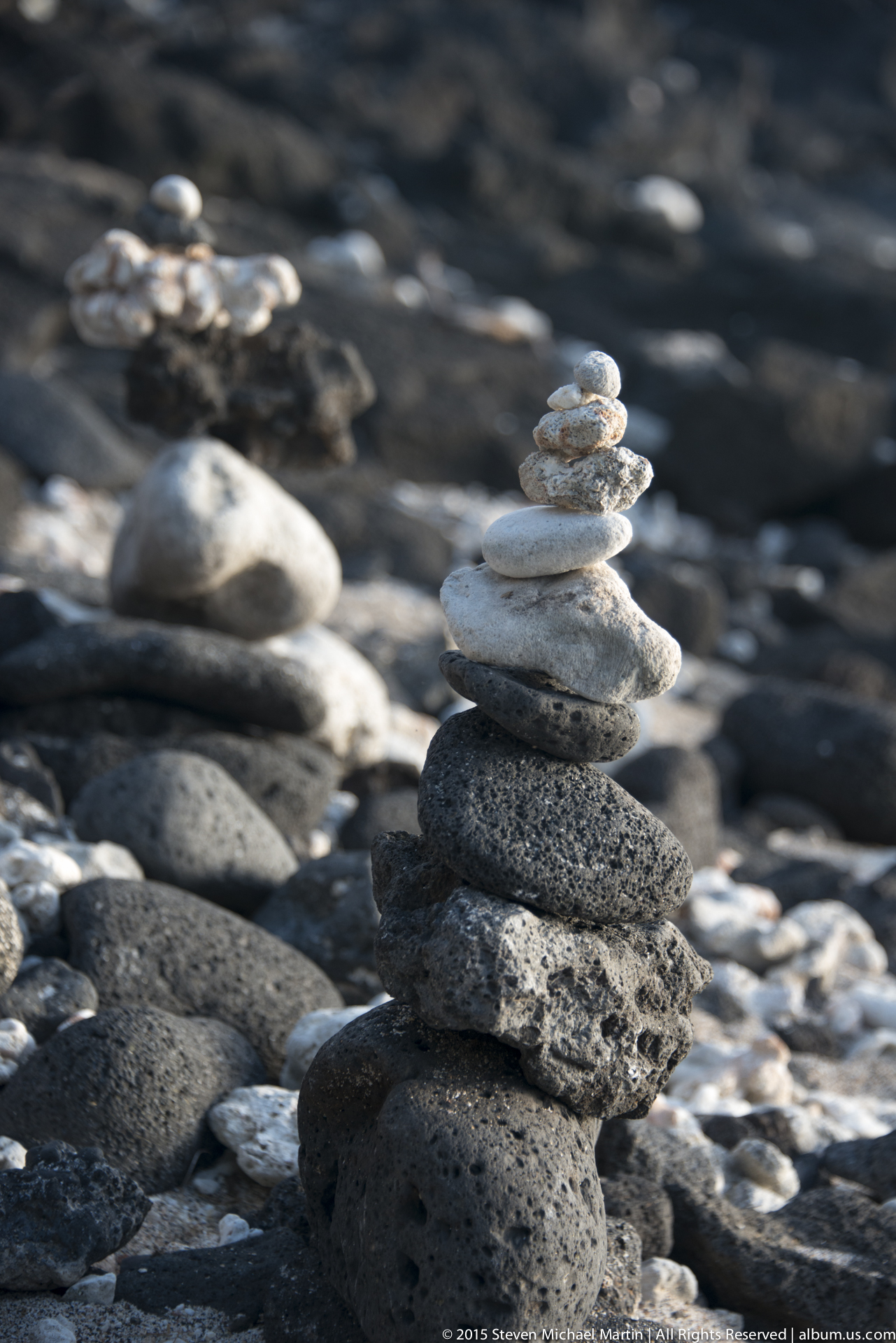
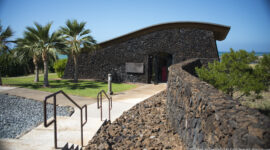
The Kona coast presents a markedly different environment from the eastern side of Hawaiʻi Island, with drier conditions and extensive lava rock terrain extending to the ocean. The landscape reflects the influence of volcanic activity combined with lower annual rainfall, resulting in more open views and strong contrast between dark lava surfaces and bright coastal waters.
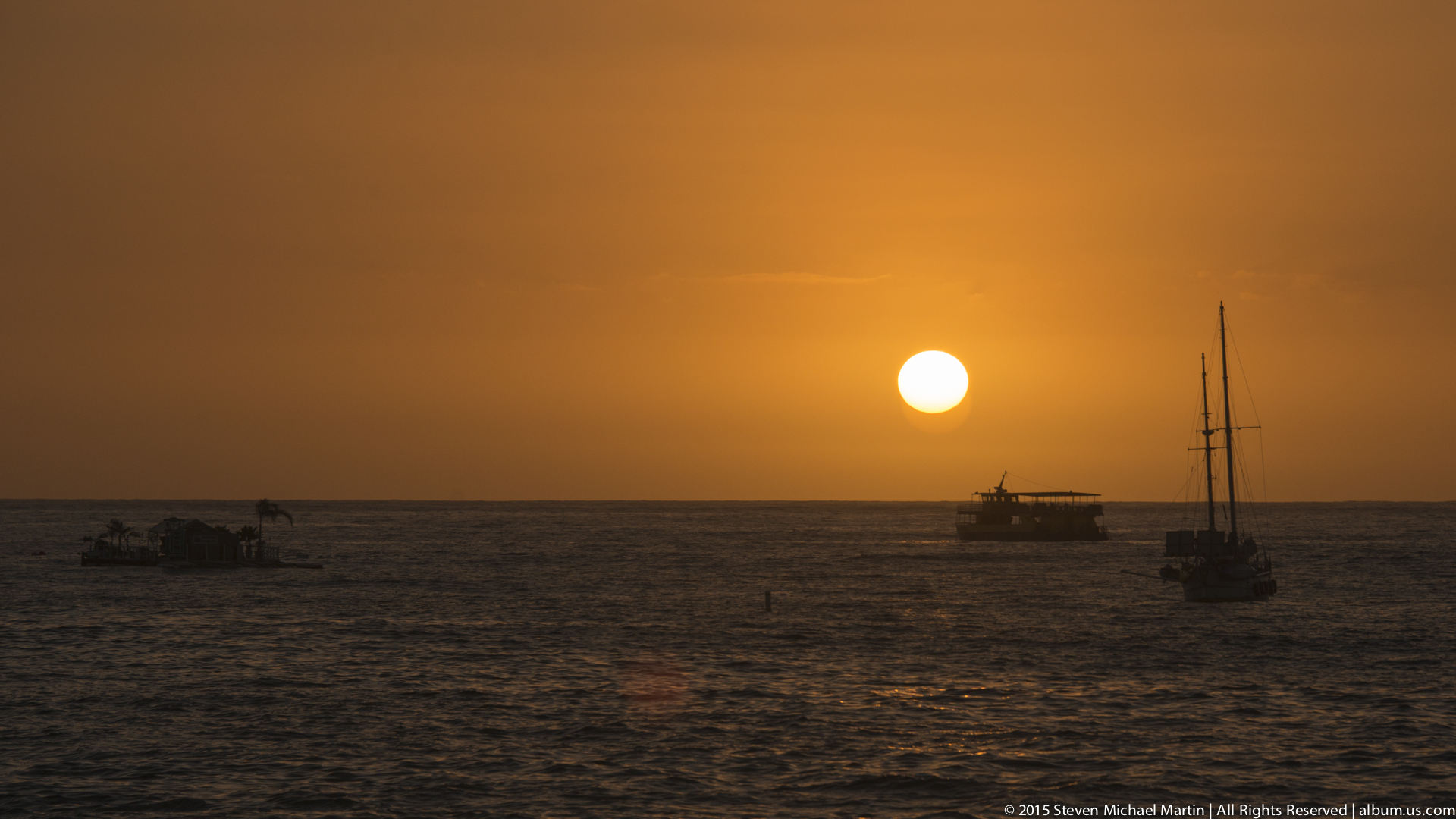
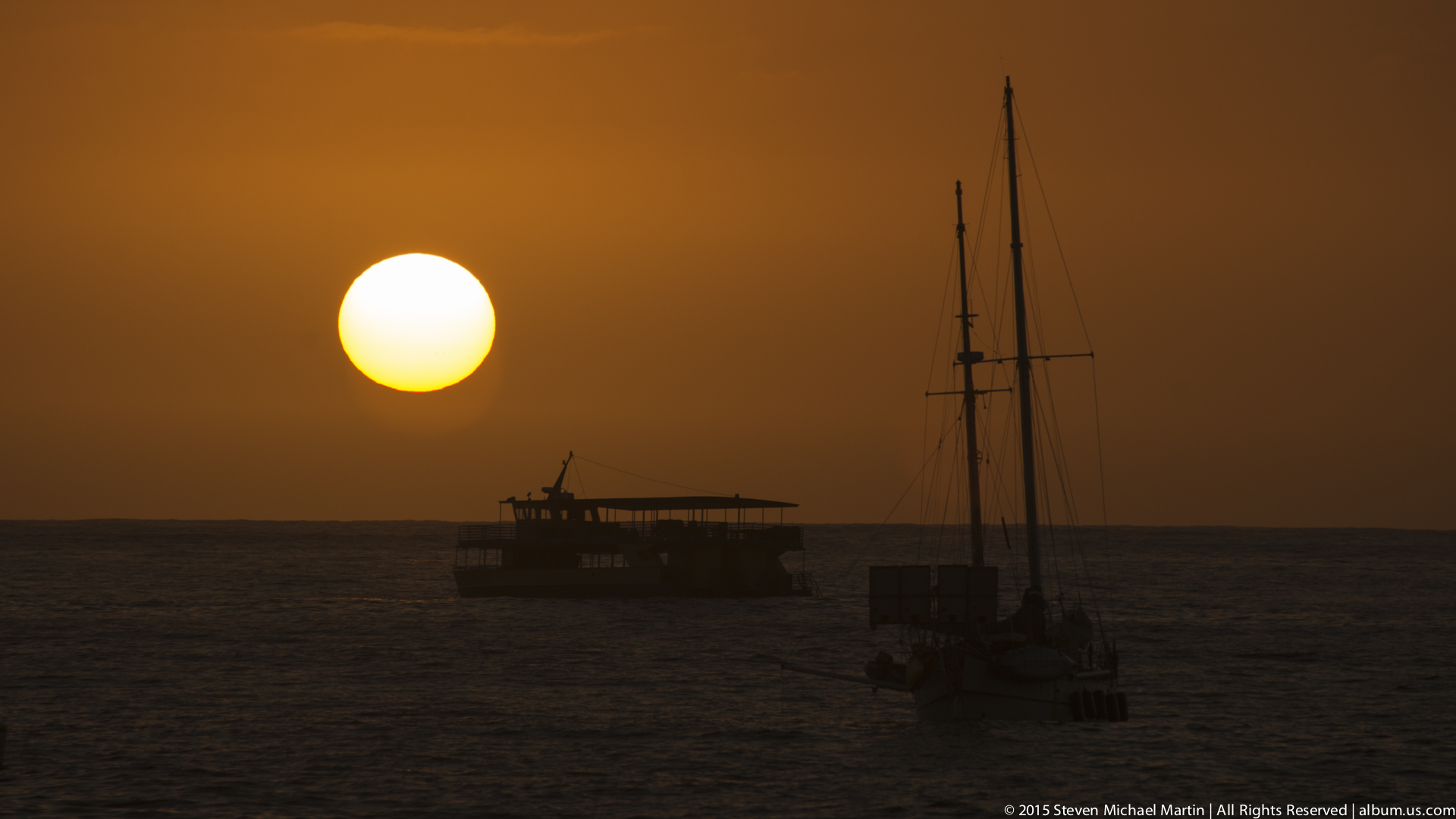
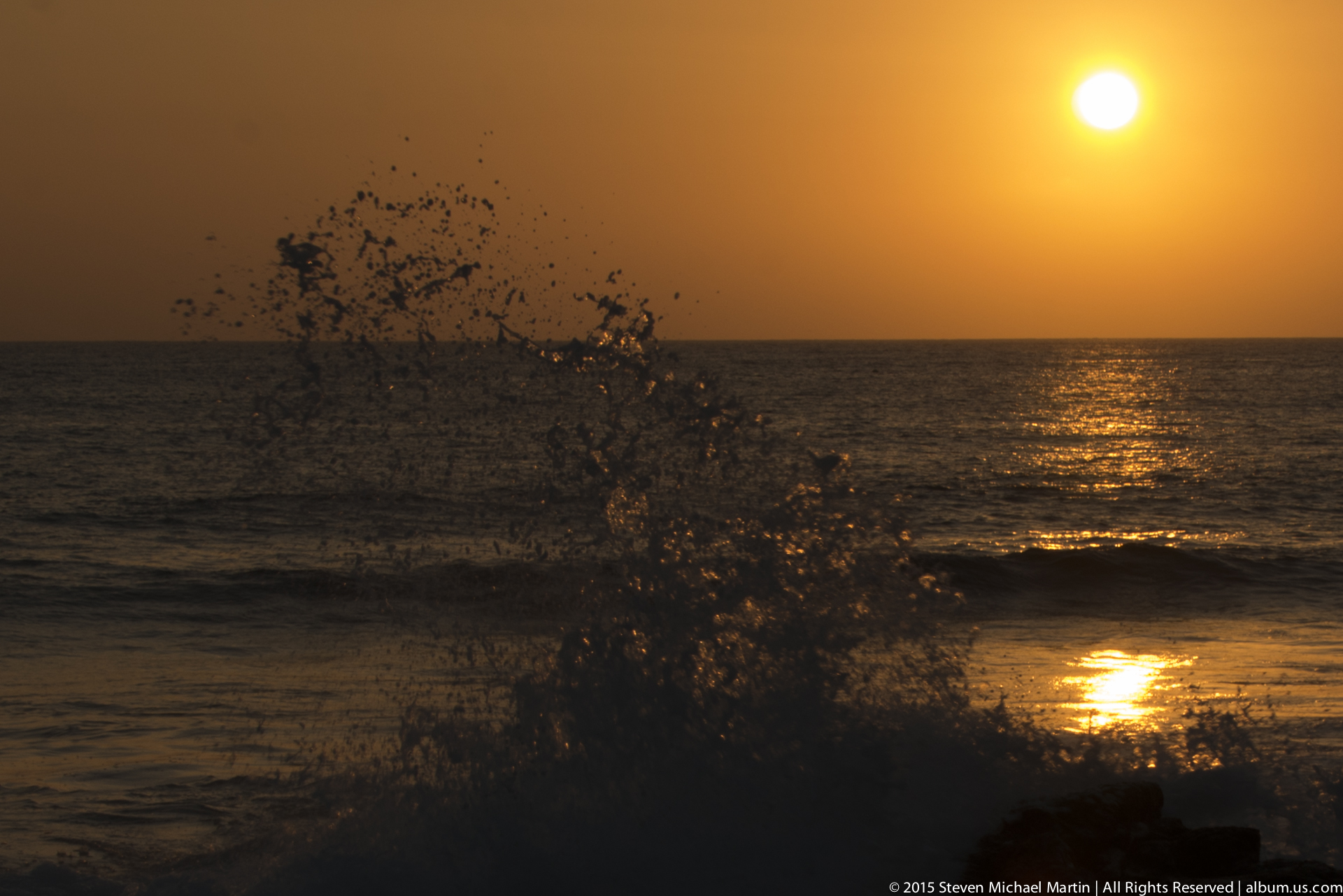
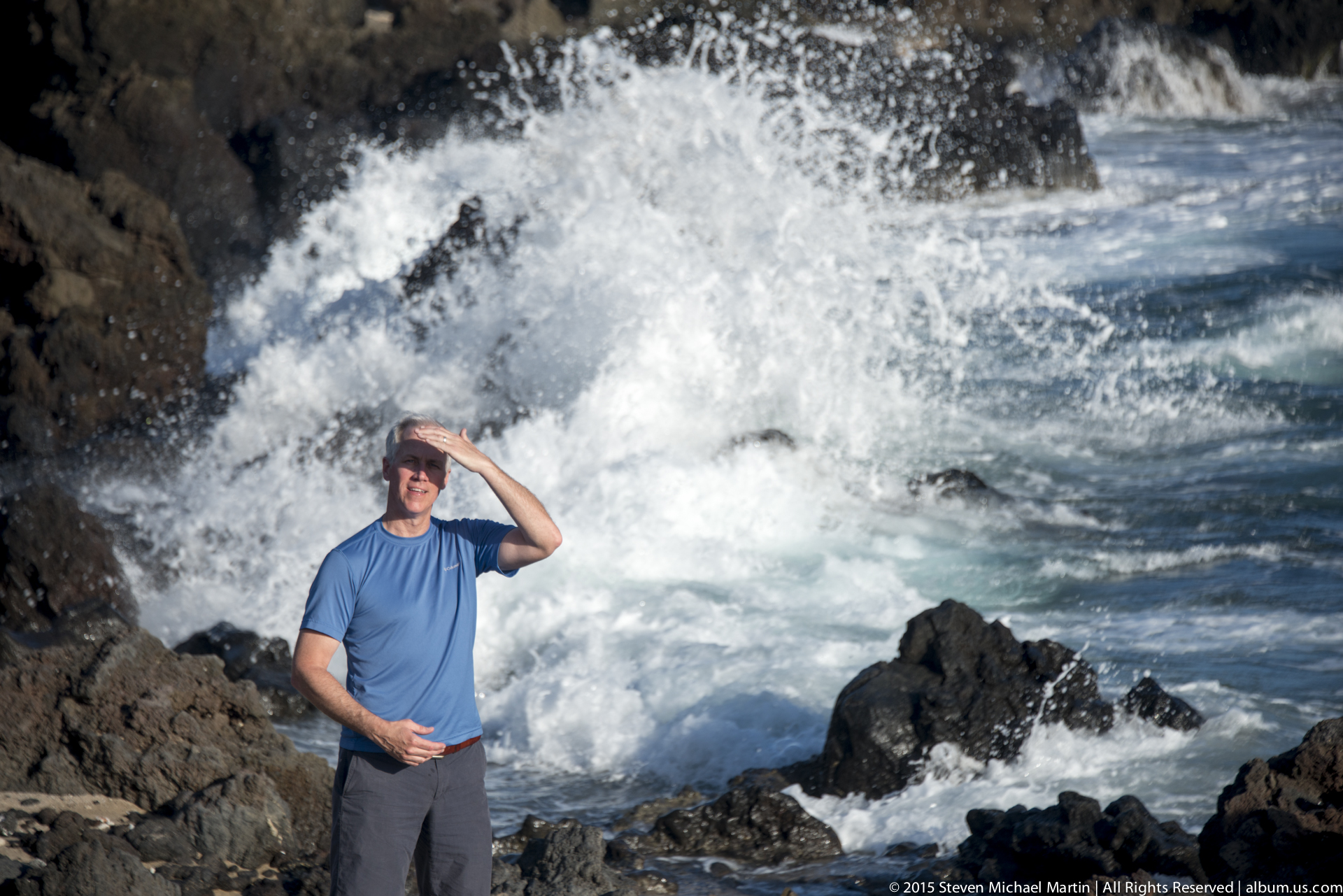
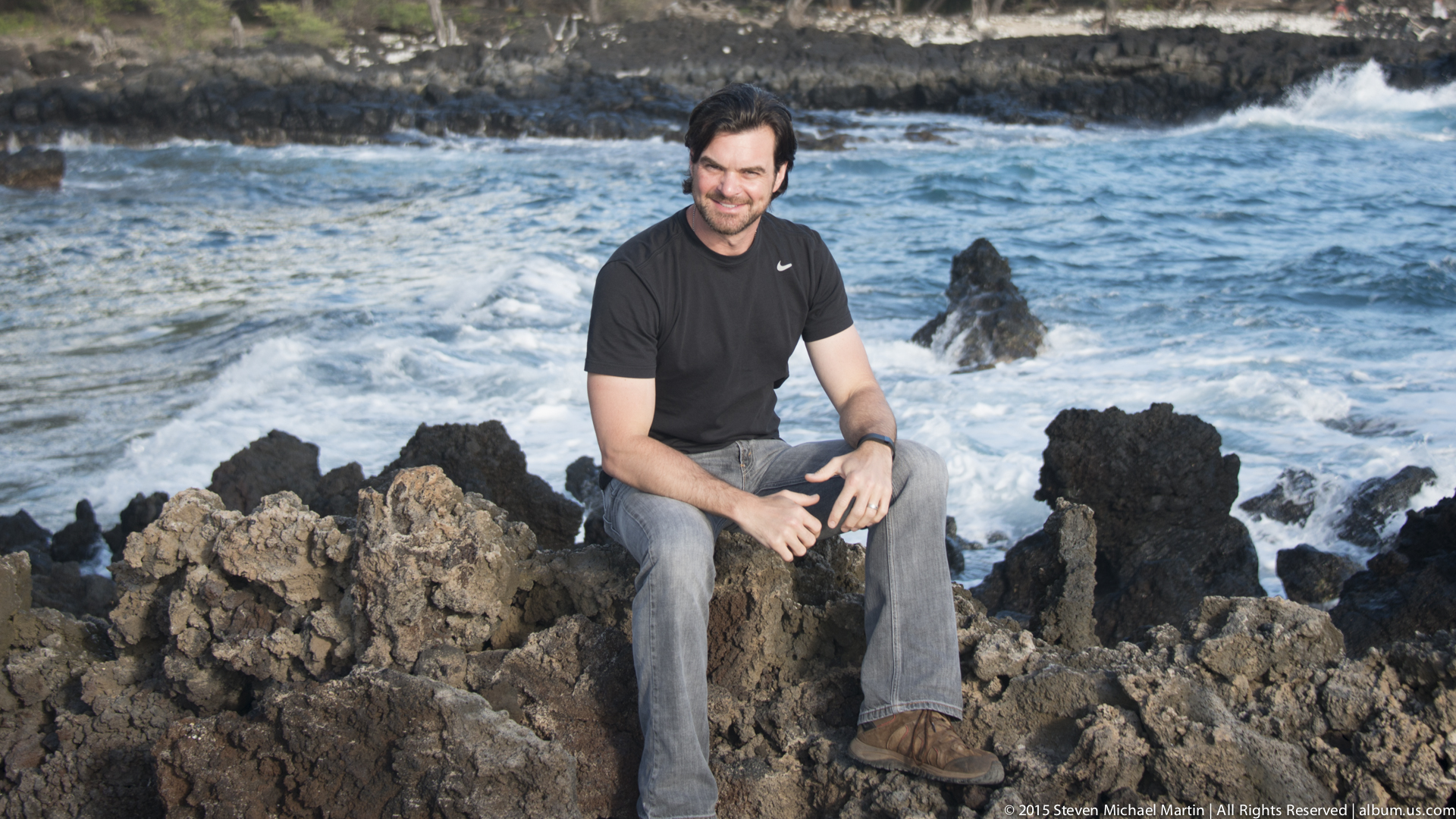
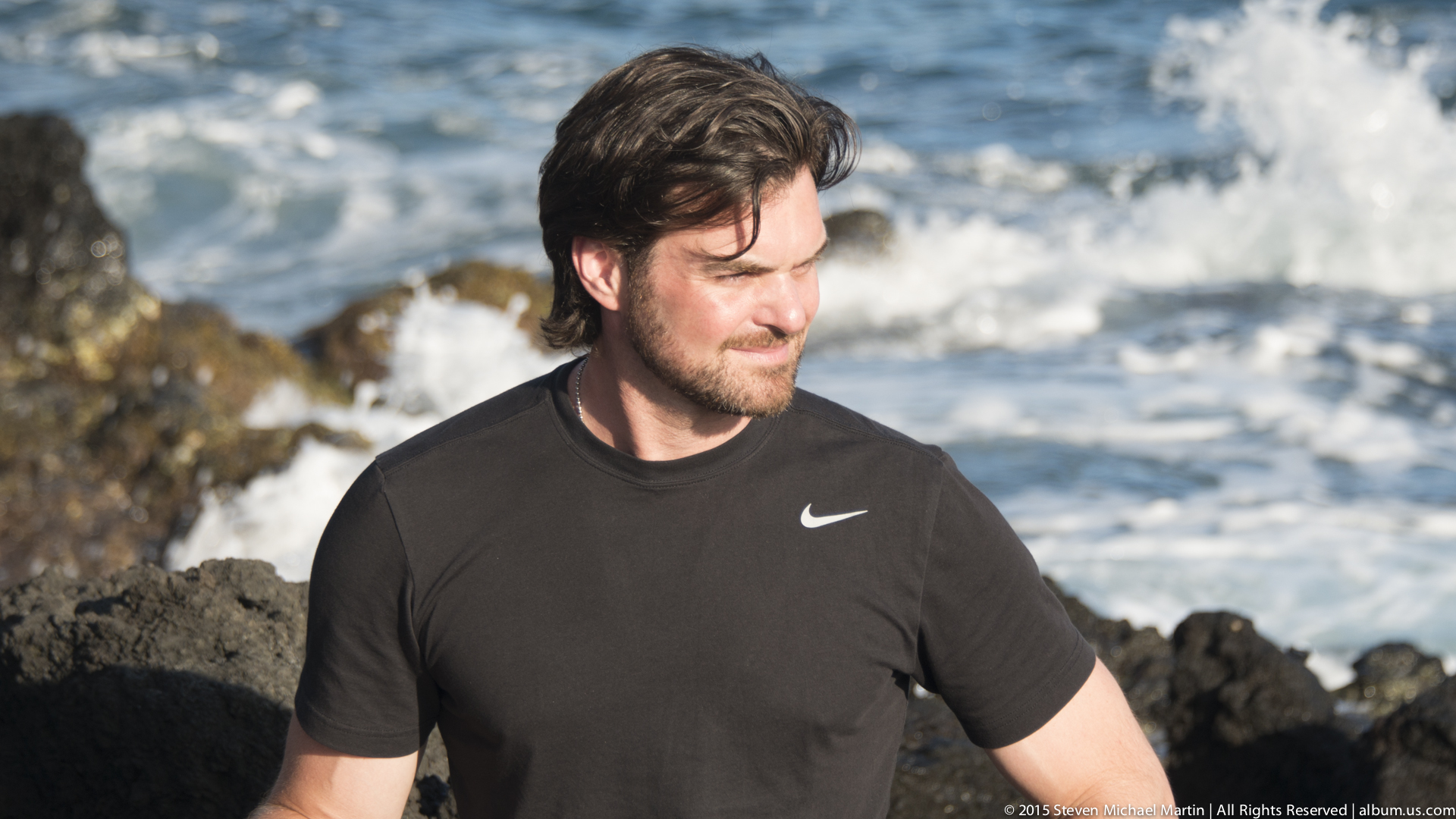
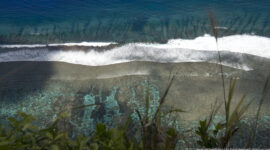
Coastal areas near Kona provide access to marine environments, historic sites, and lava shoreline formations shaped by earlier volcanic flows. The clarity of the ocean water and the open horizon create expansive views across the Pacific. The combination of geological and marine features highlights the dynamic processes that formed the island.
Kona illustrates how variations in rainfall and topography influence the visual character of the Hawaiian Islands. The contrast between Hilo’s lush vegetation and Kona’s more arid volcanic landscape demonstrates the environmental diversity present across Hawaiʻi.