Hopewell Furnace National Historic Site
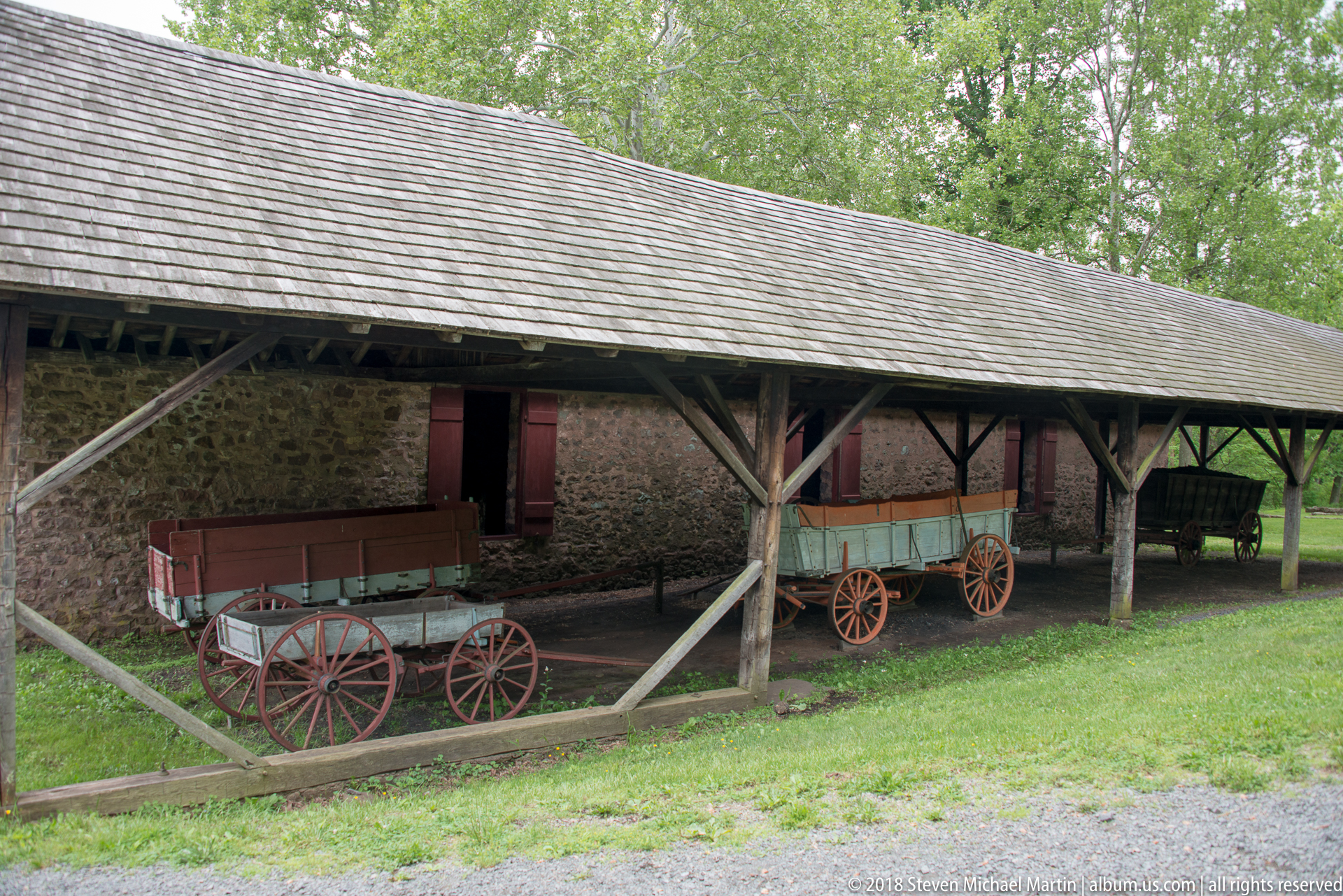
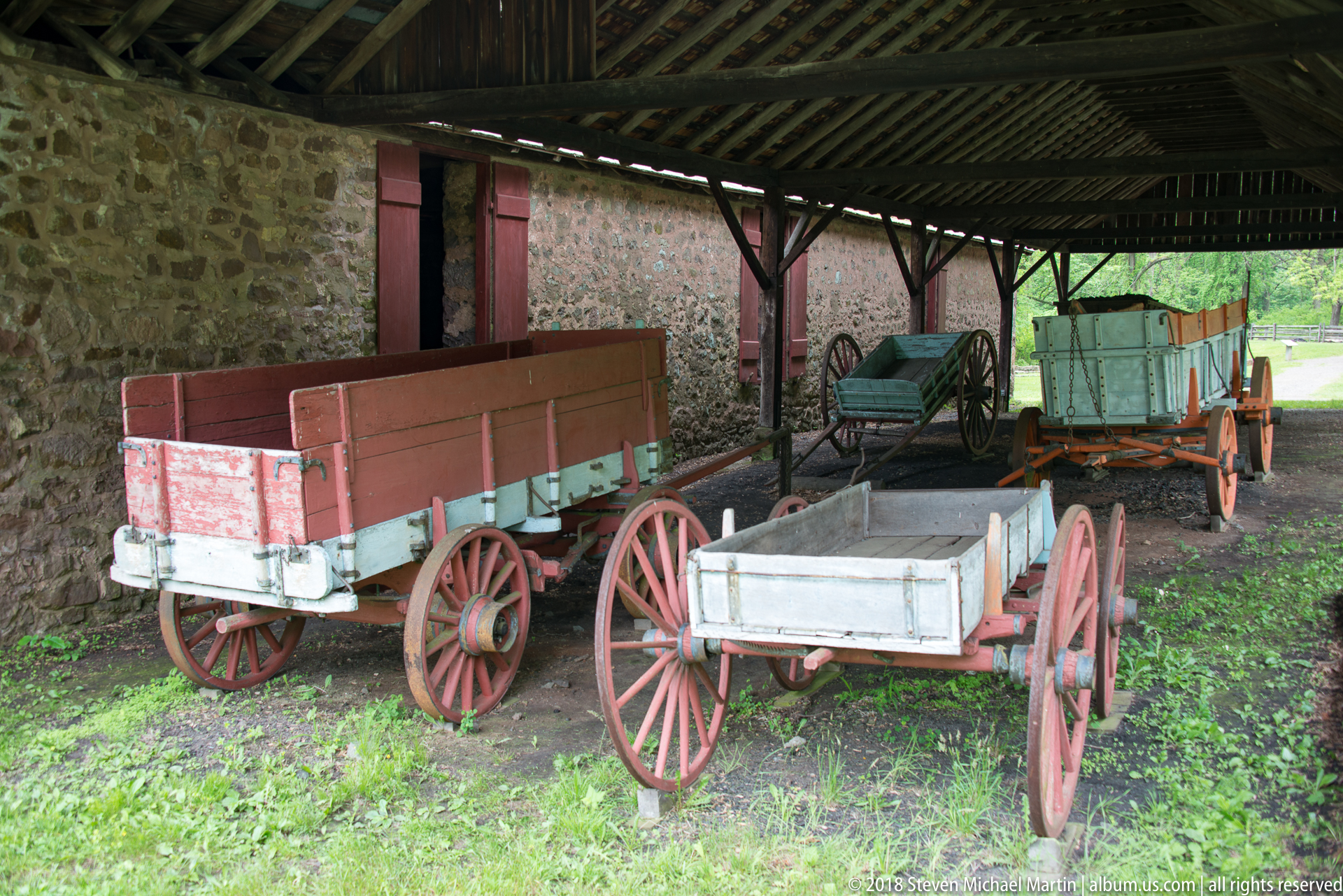
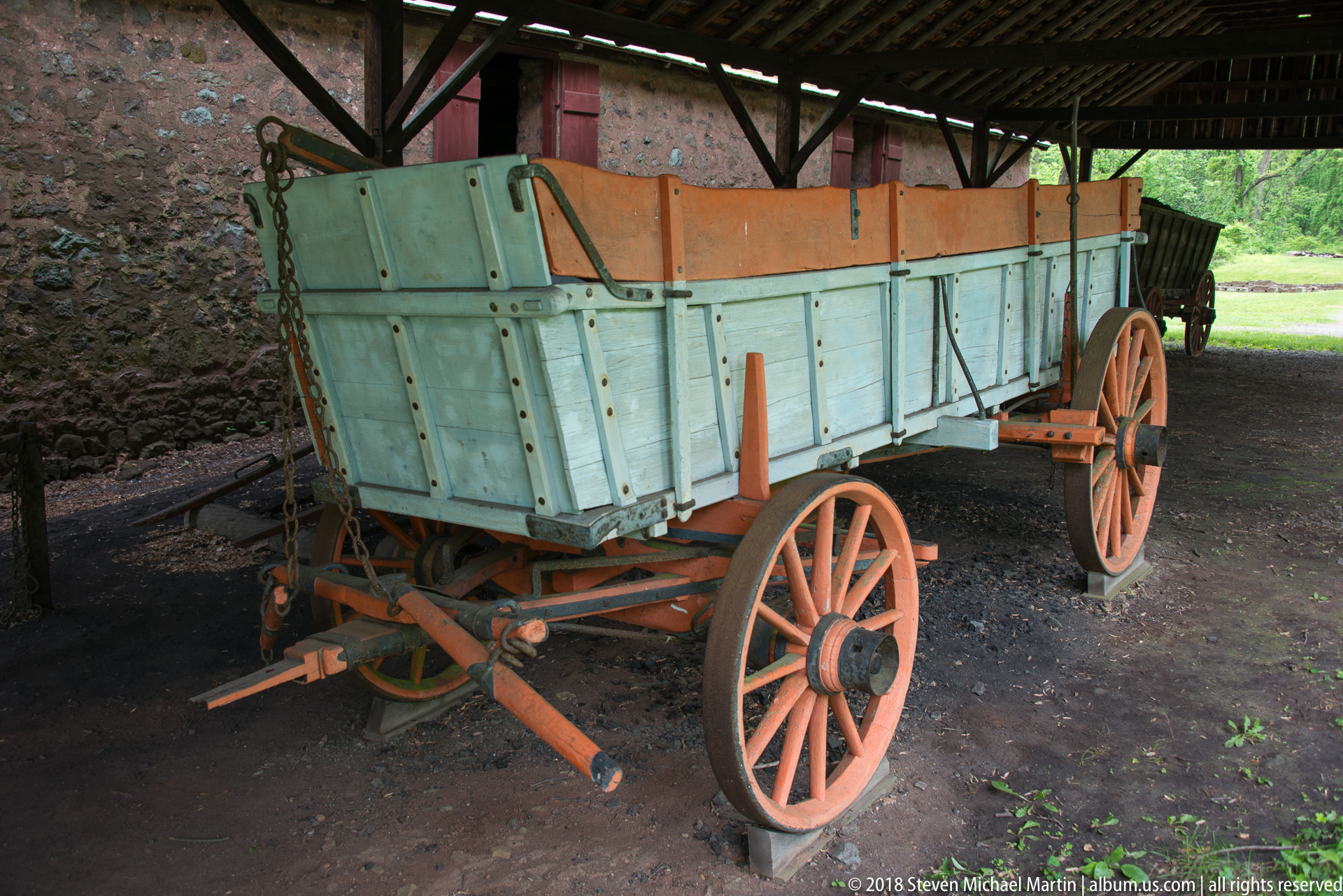
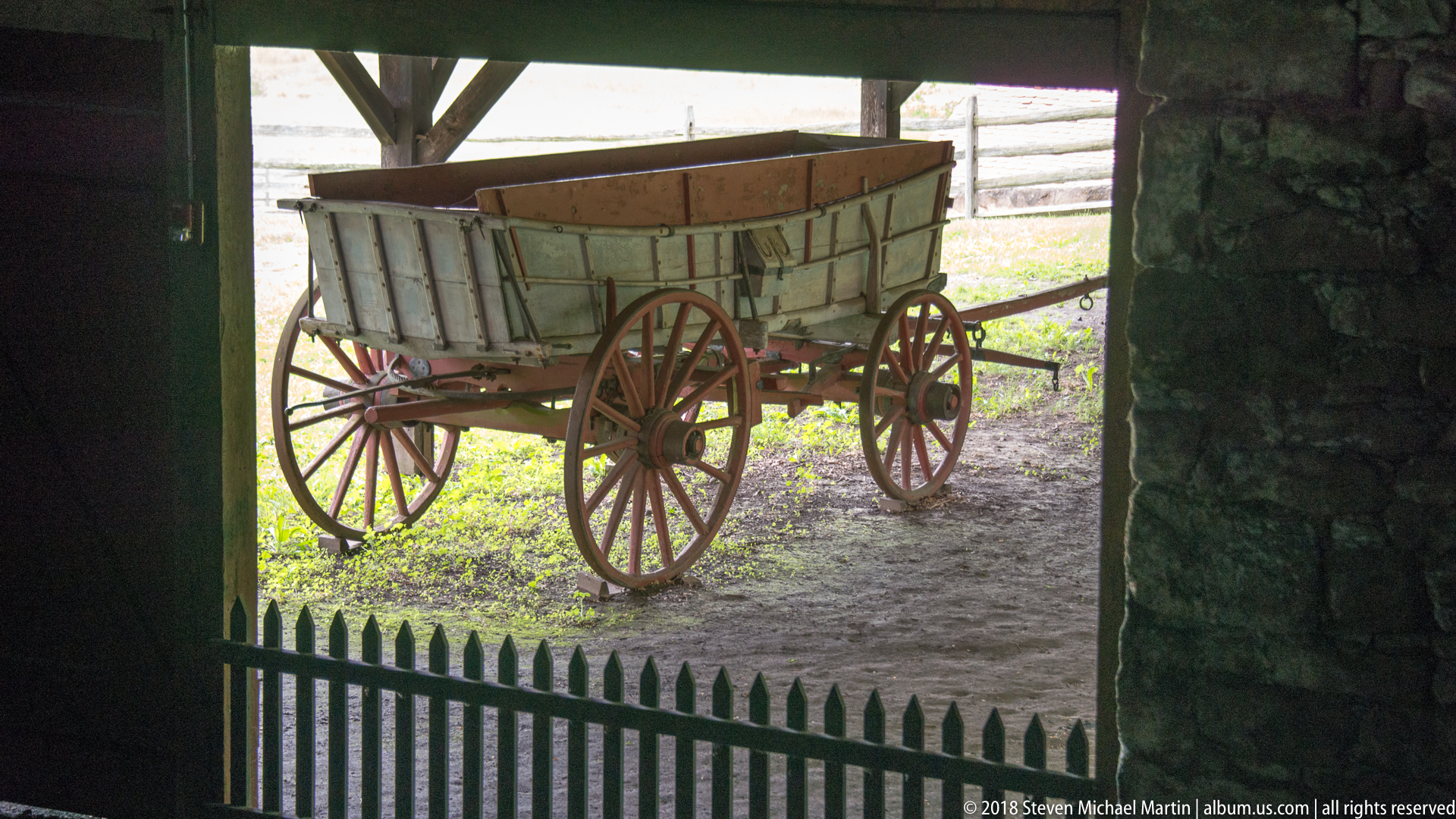
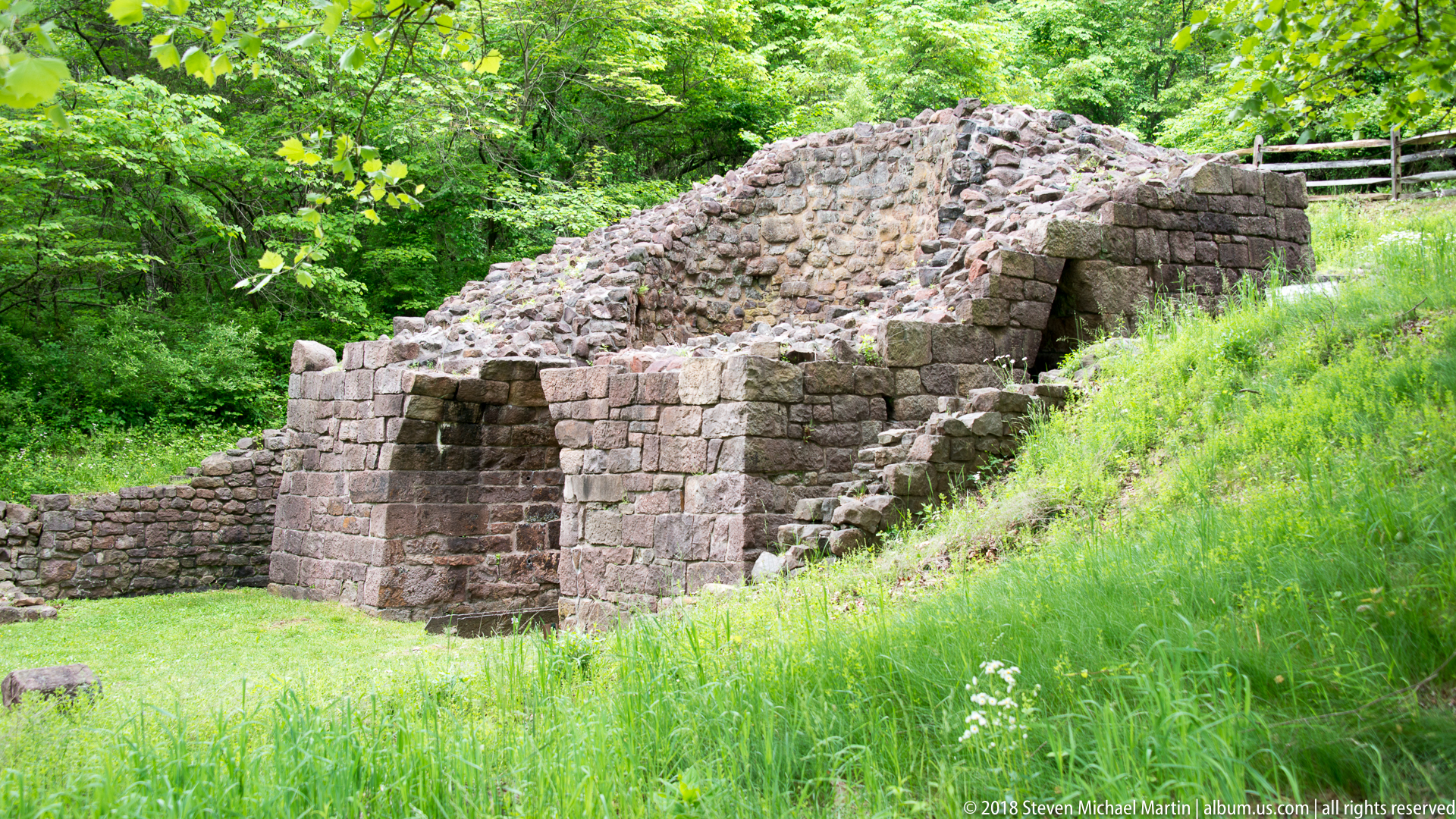
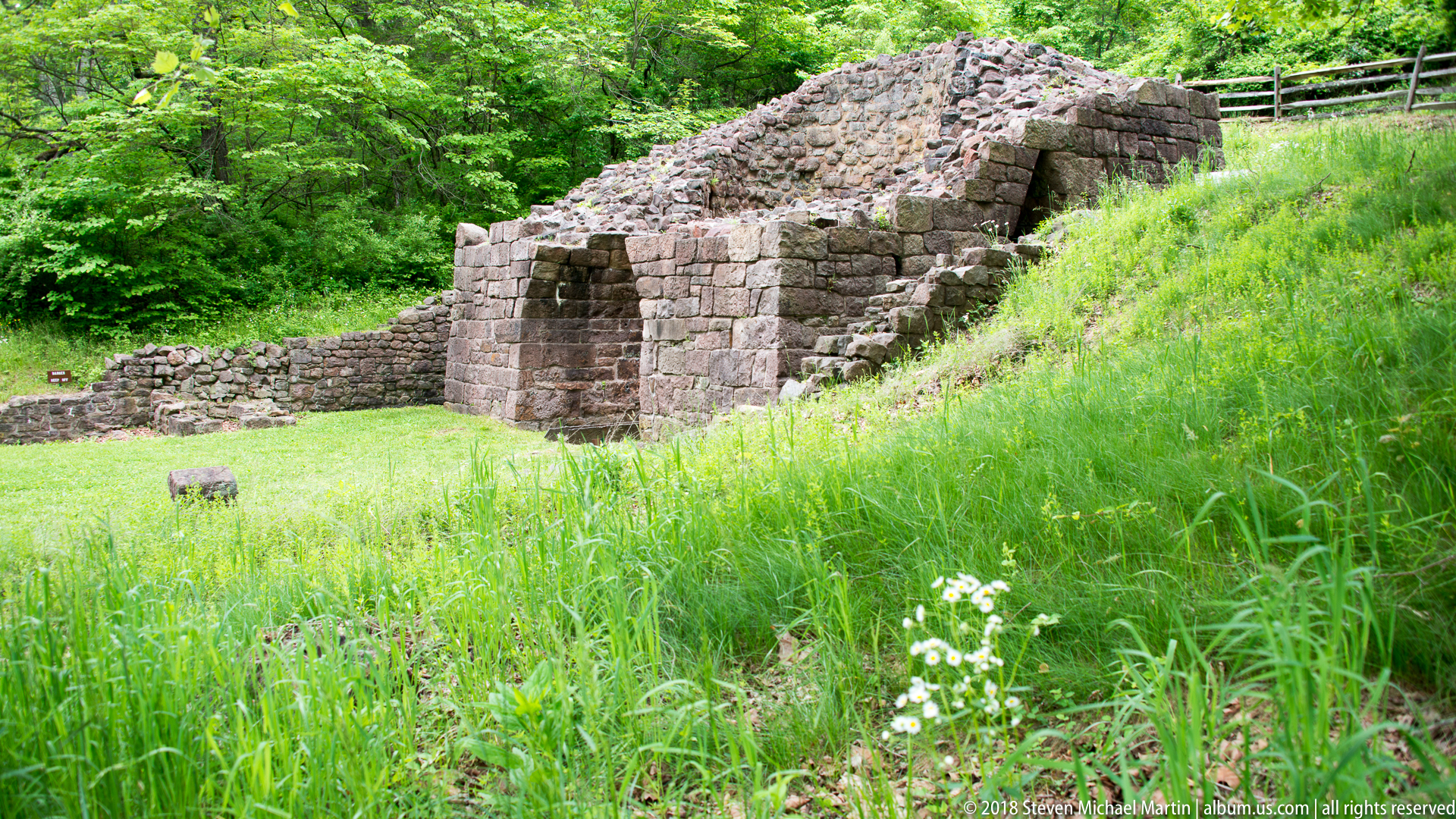
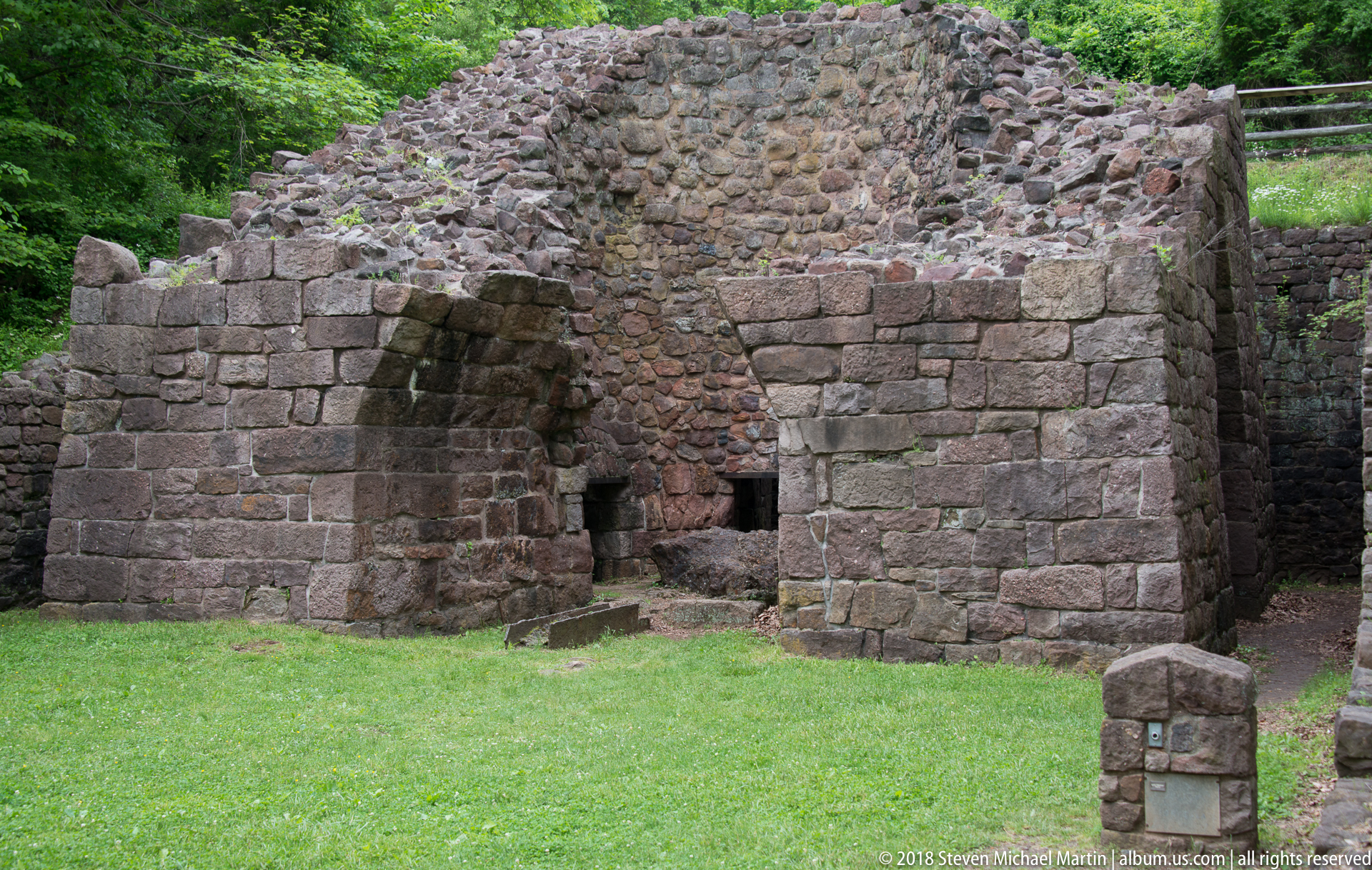
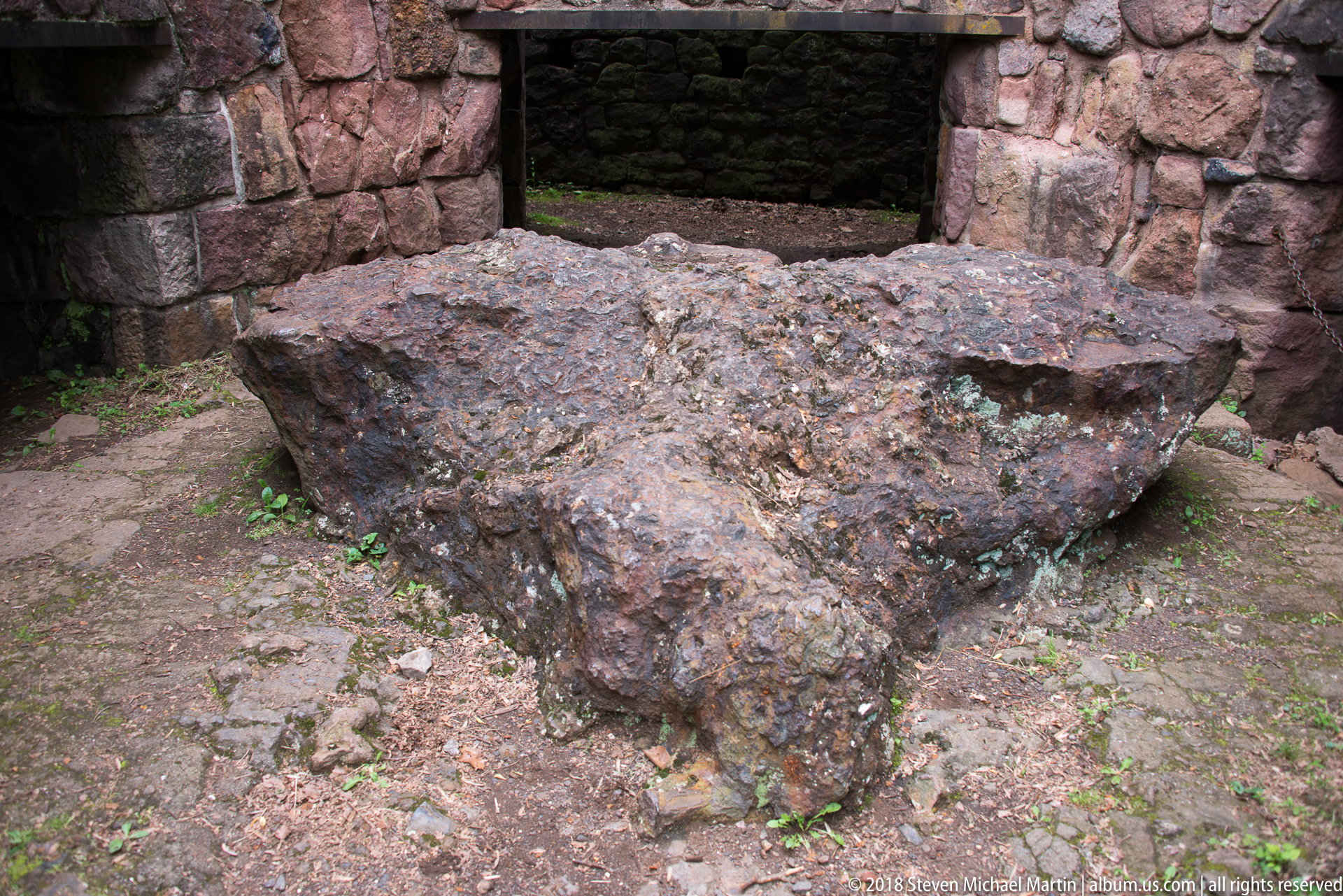
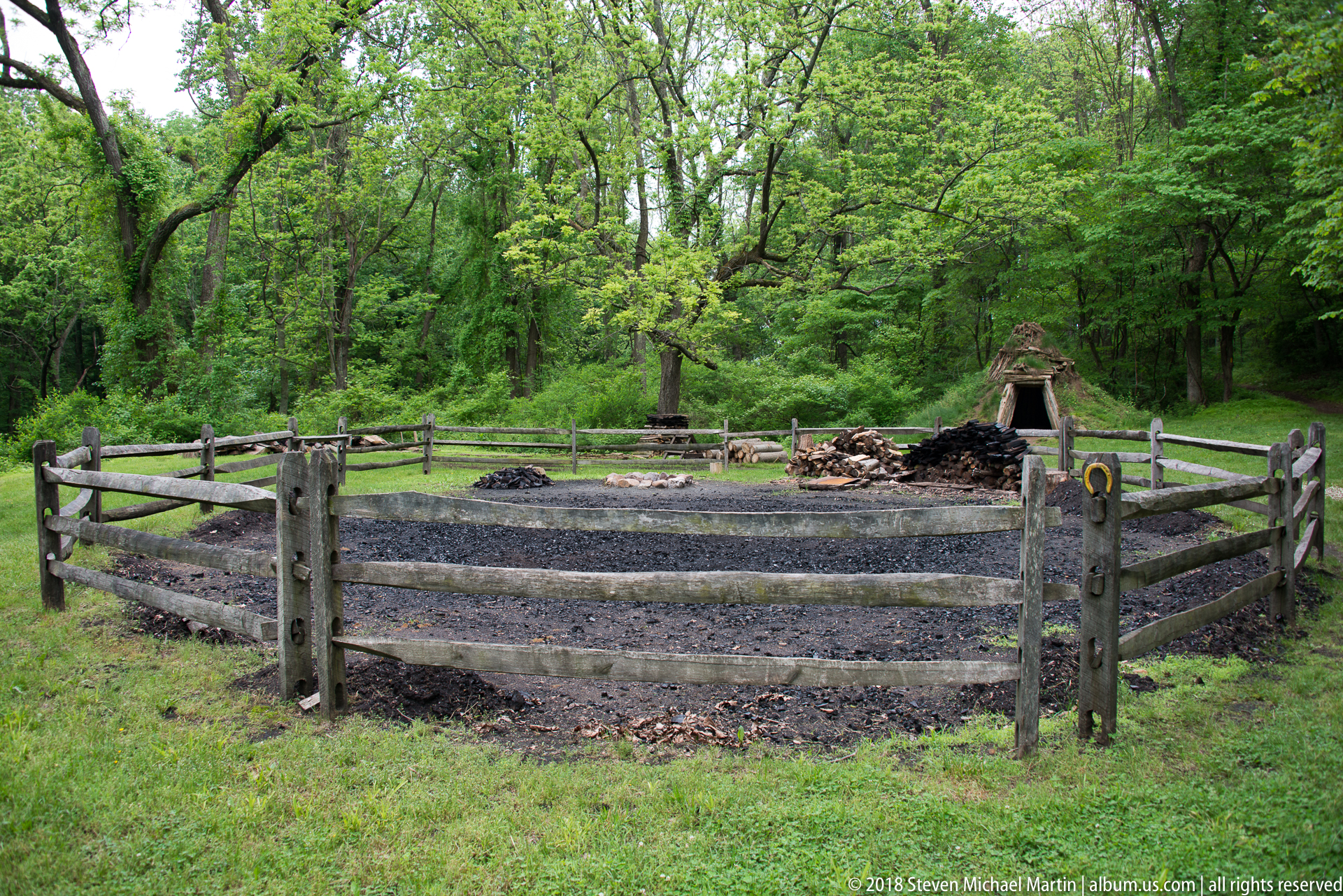
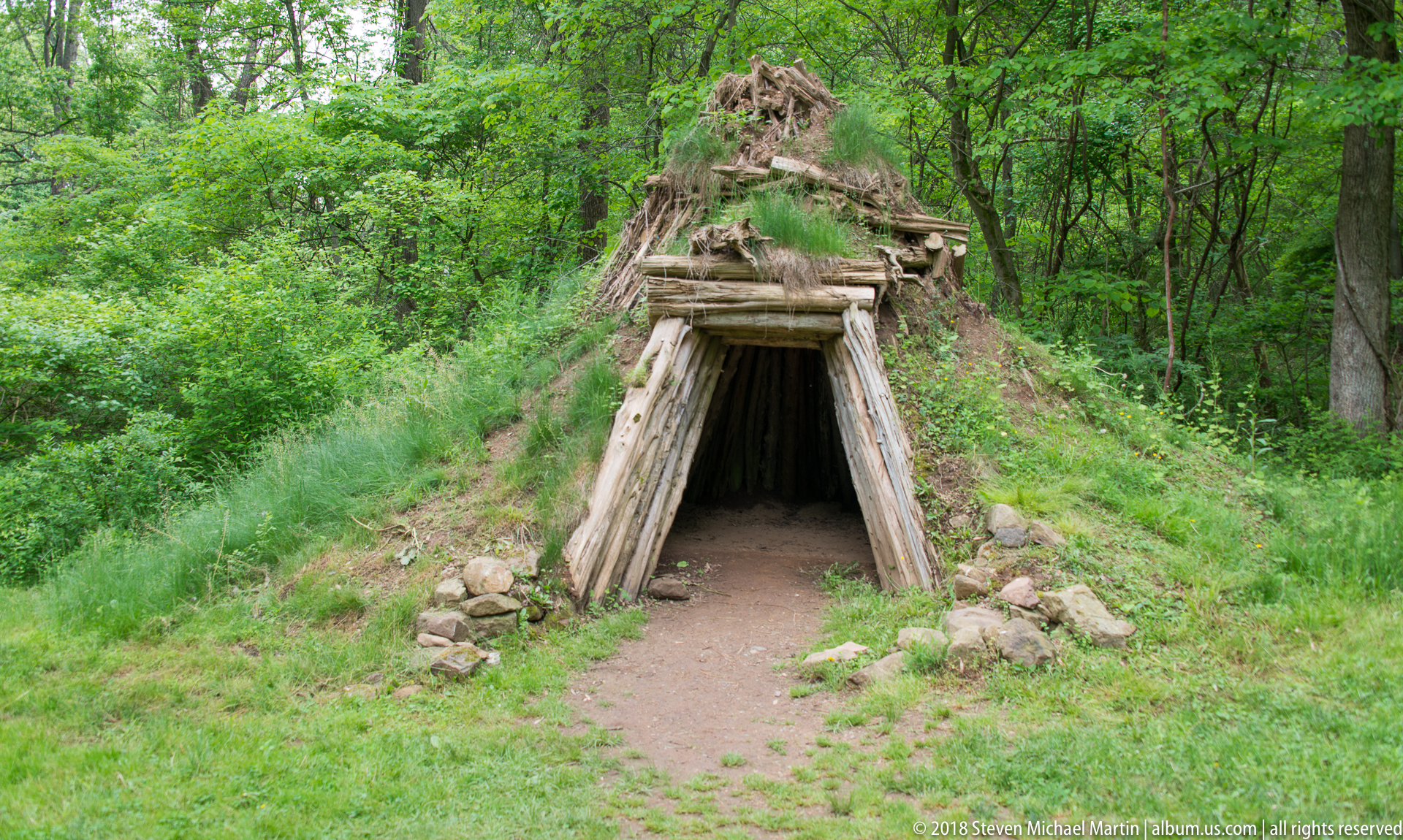
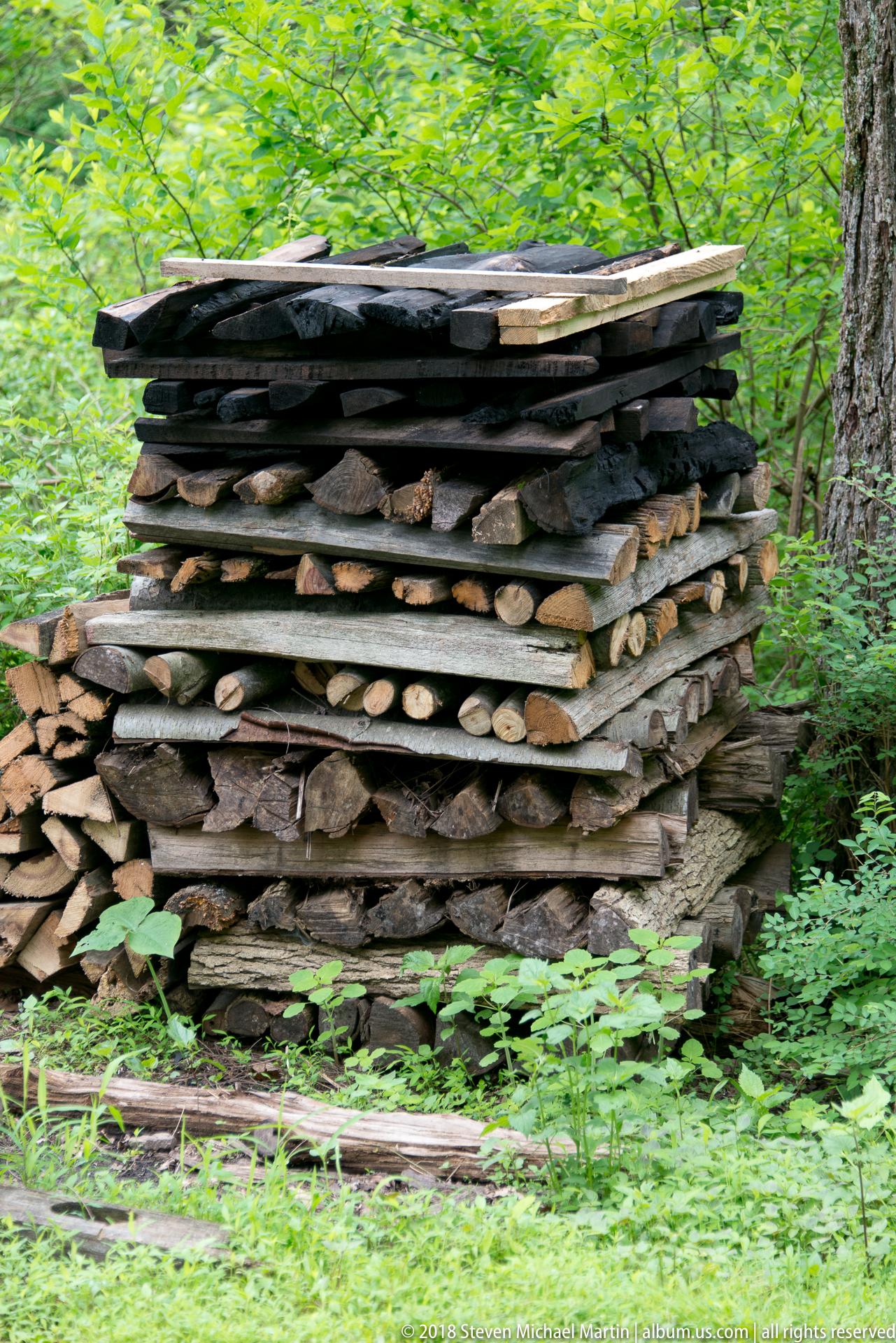
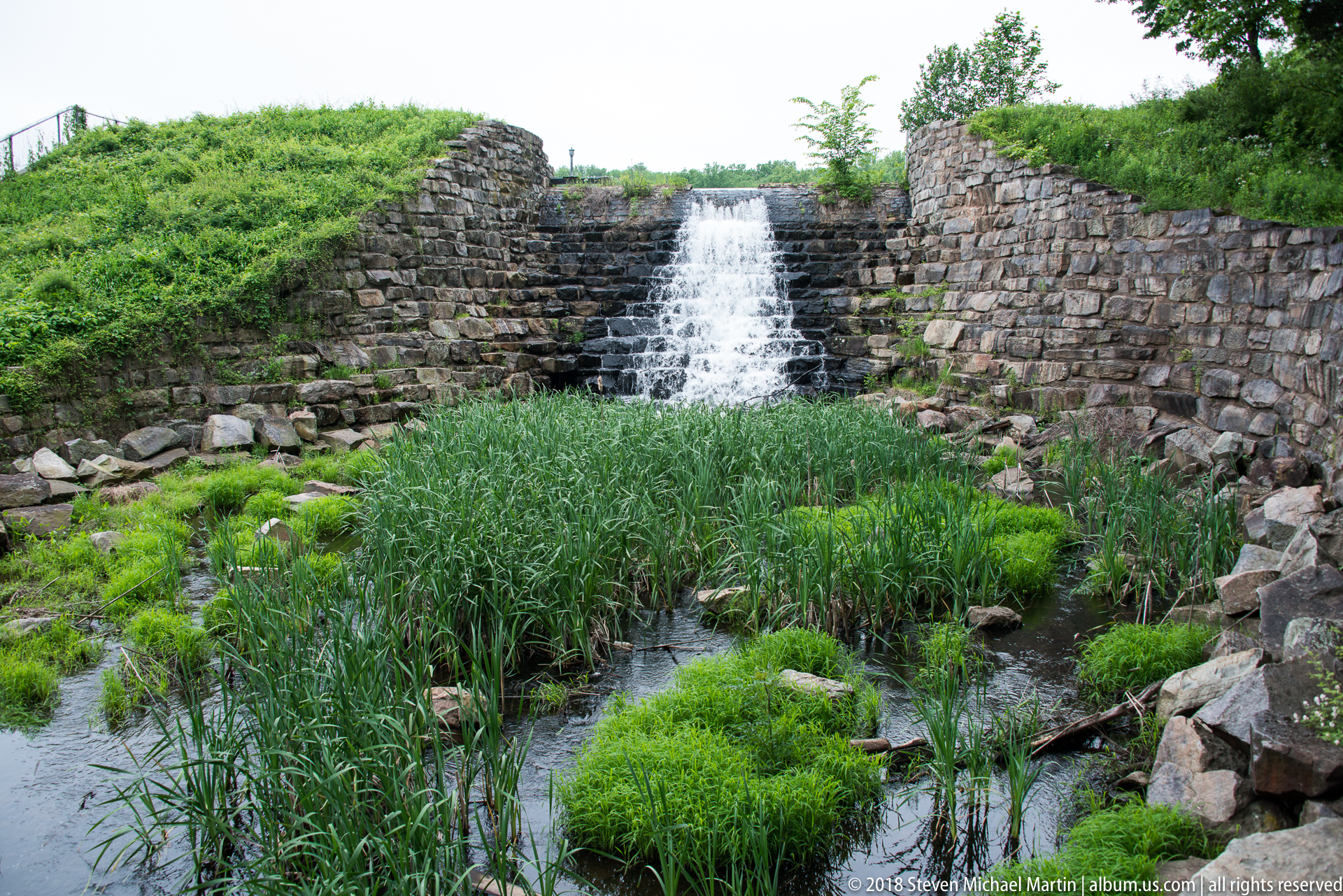
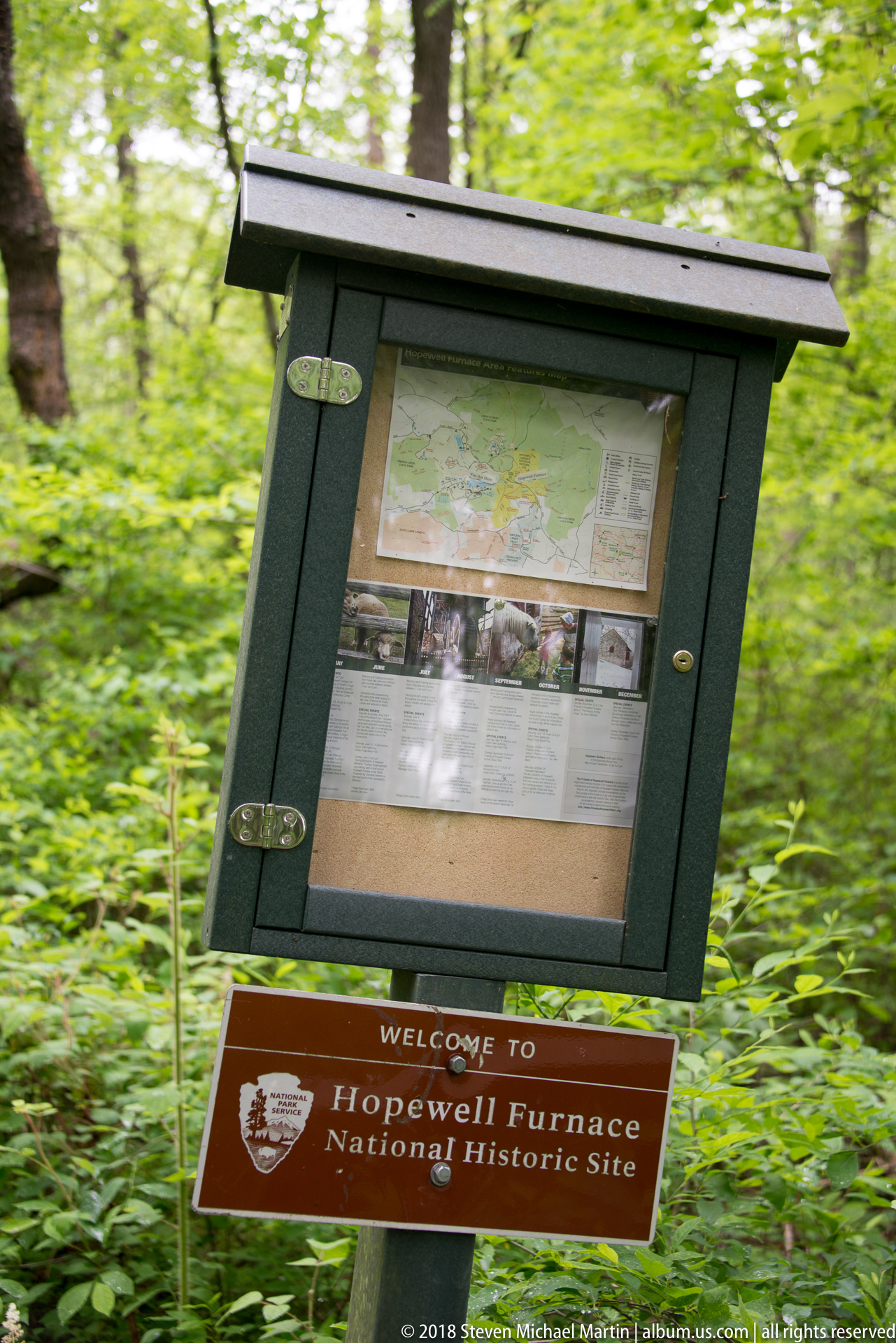
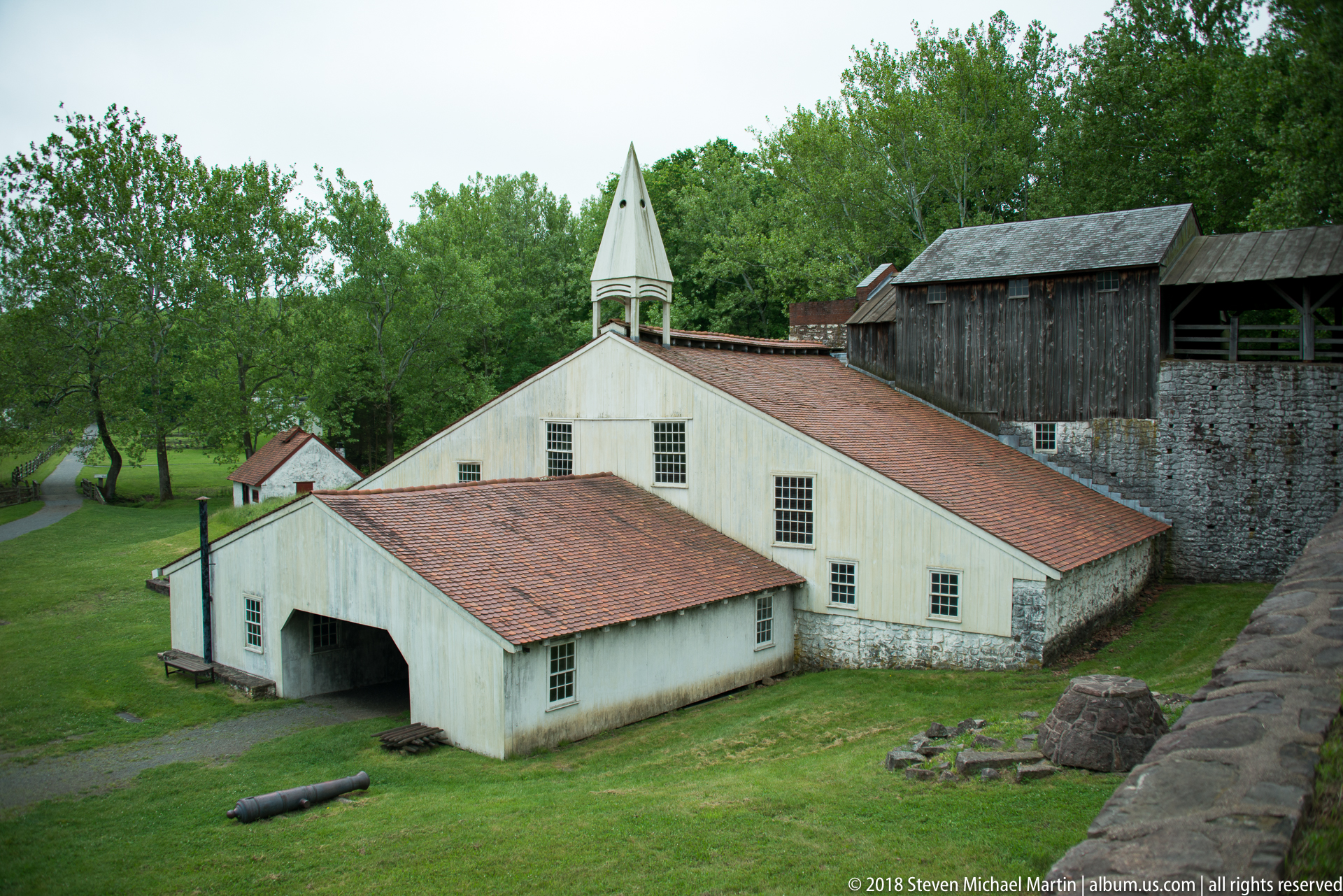
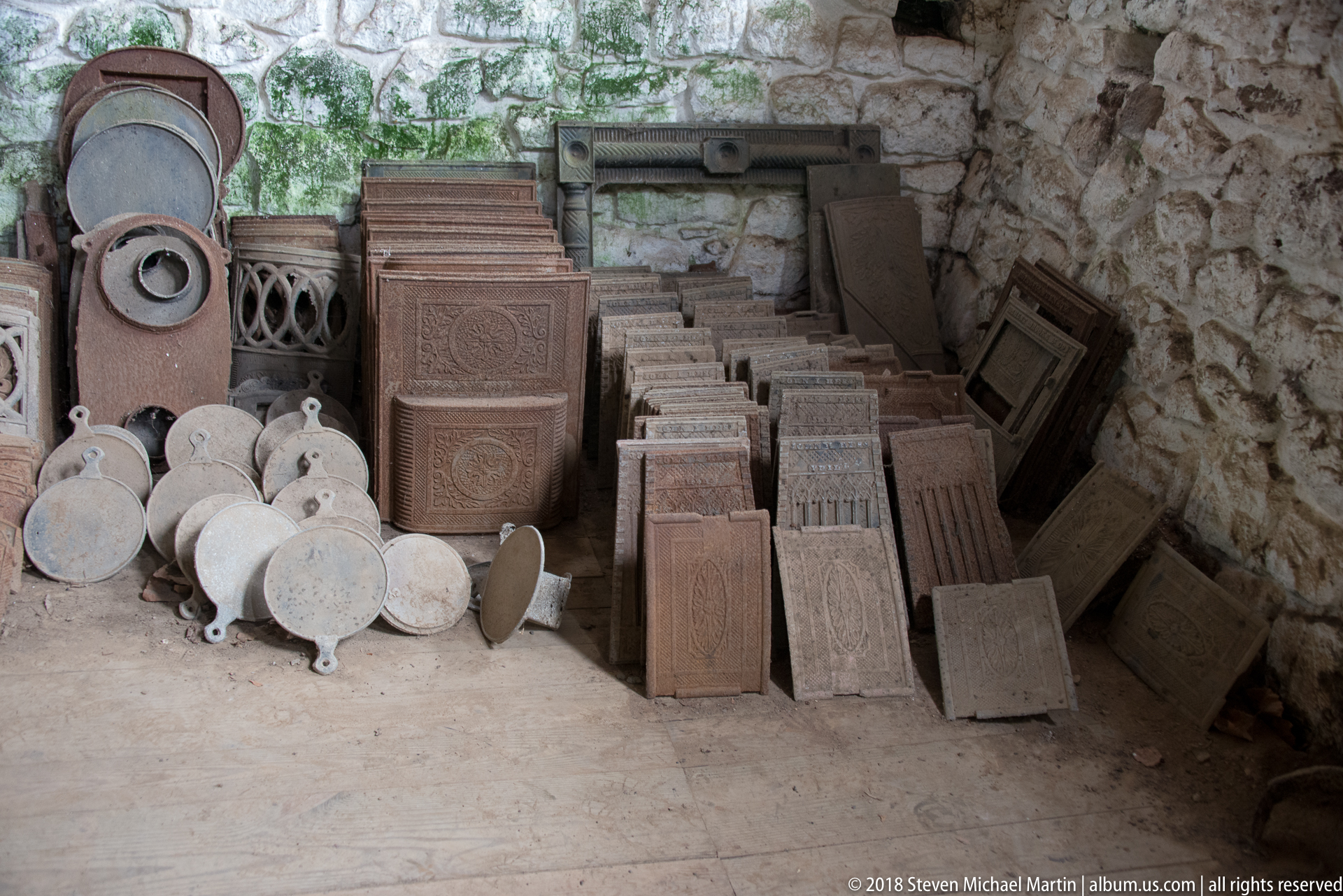
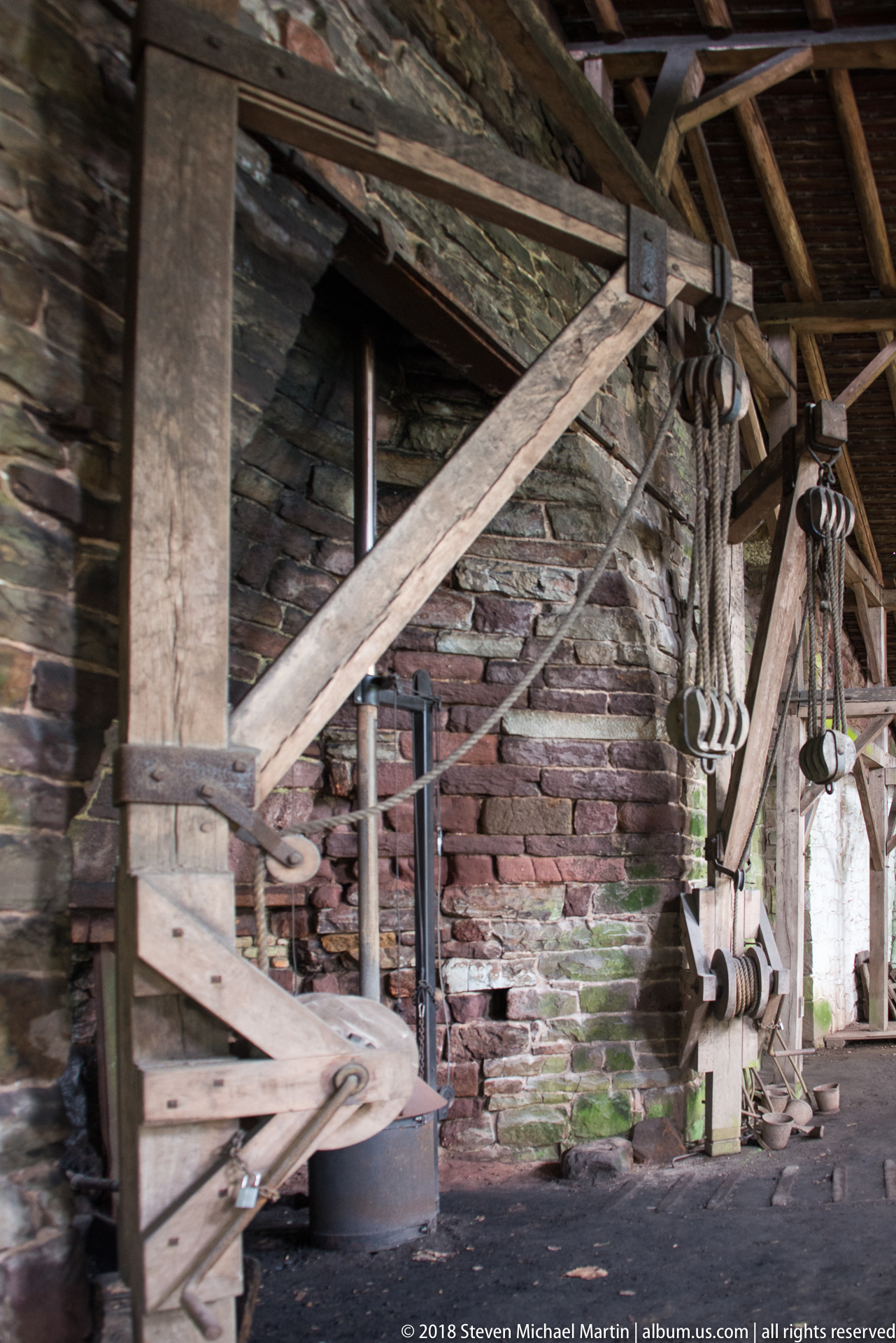
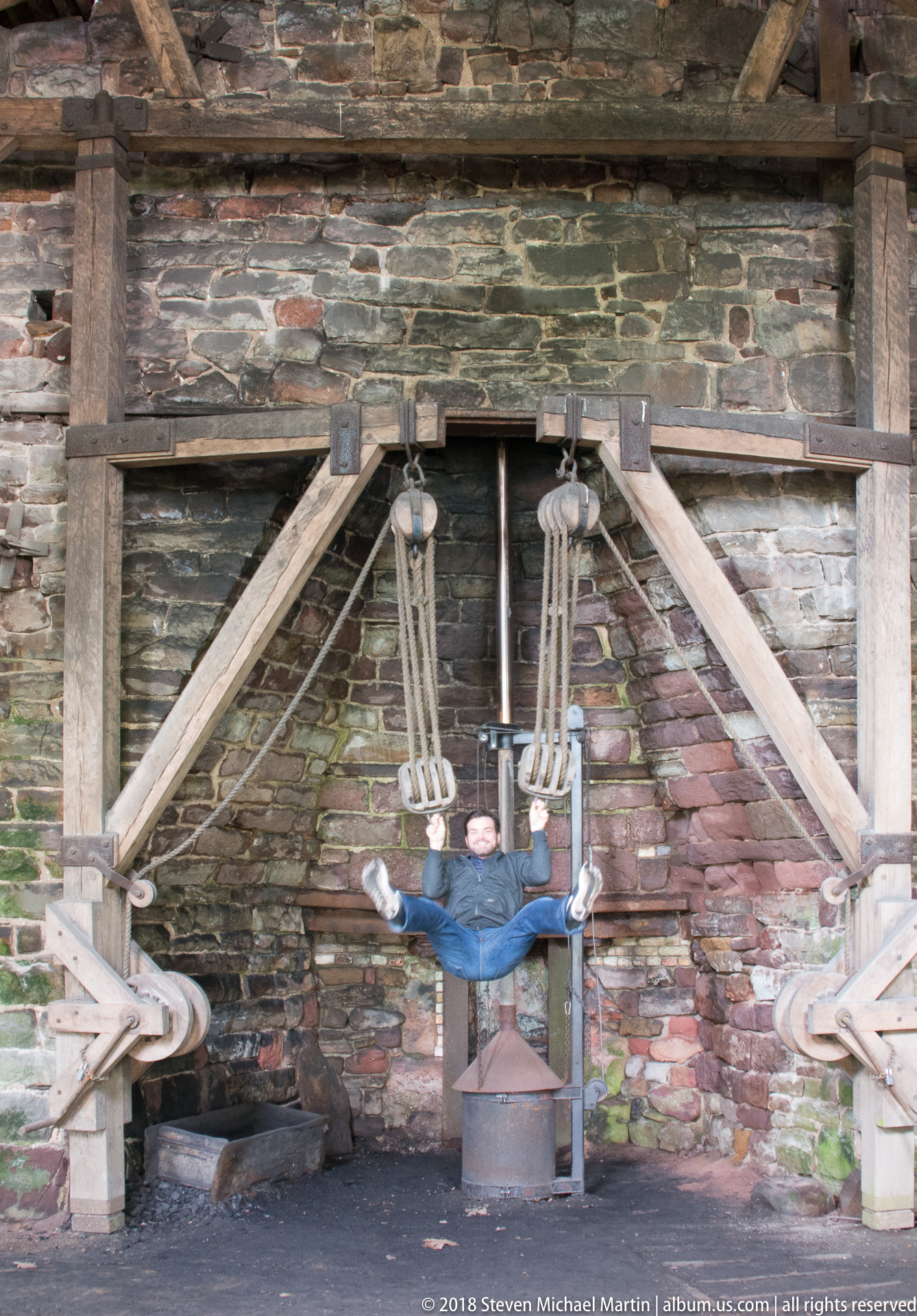
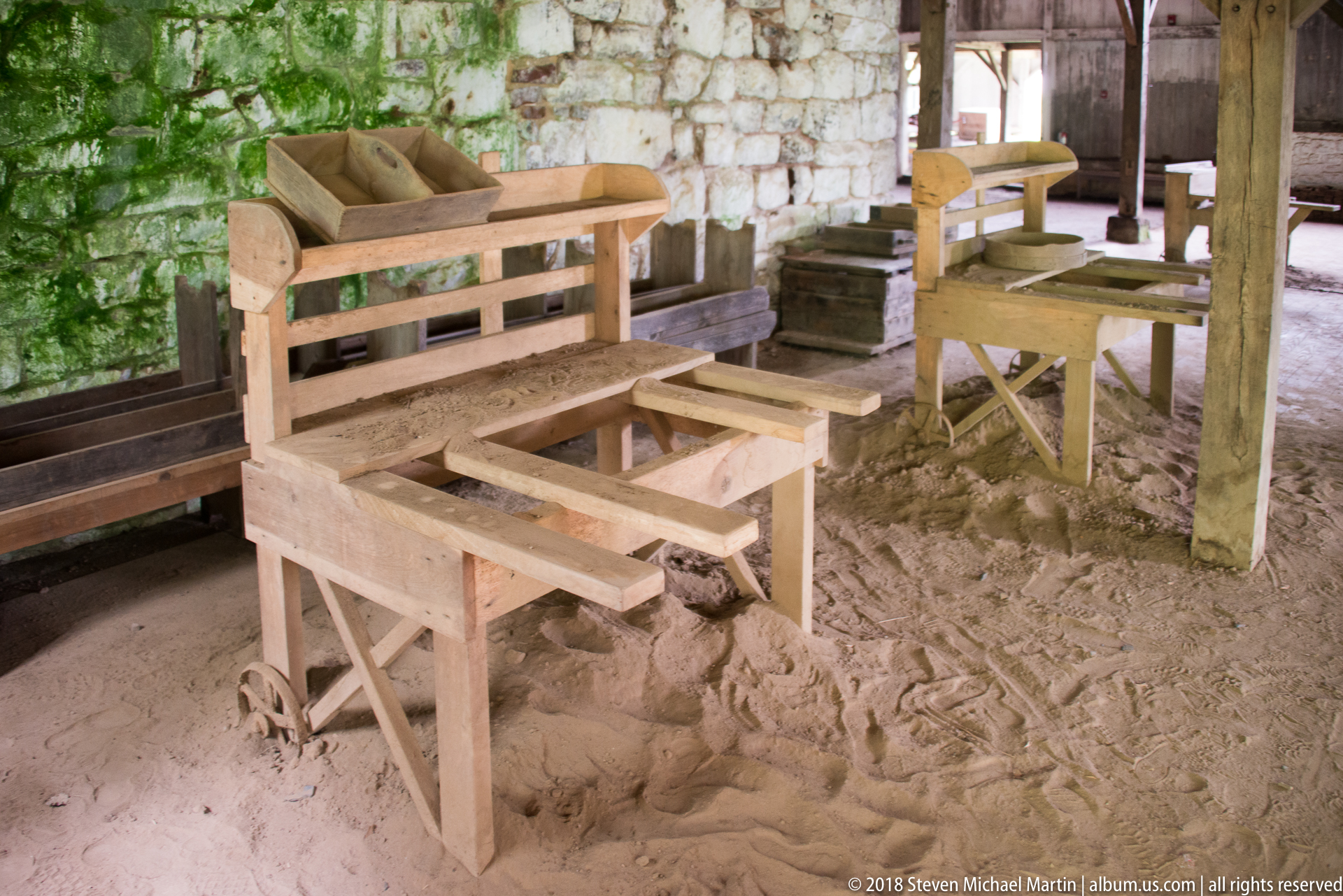
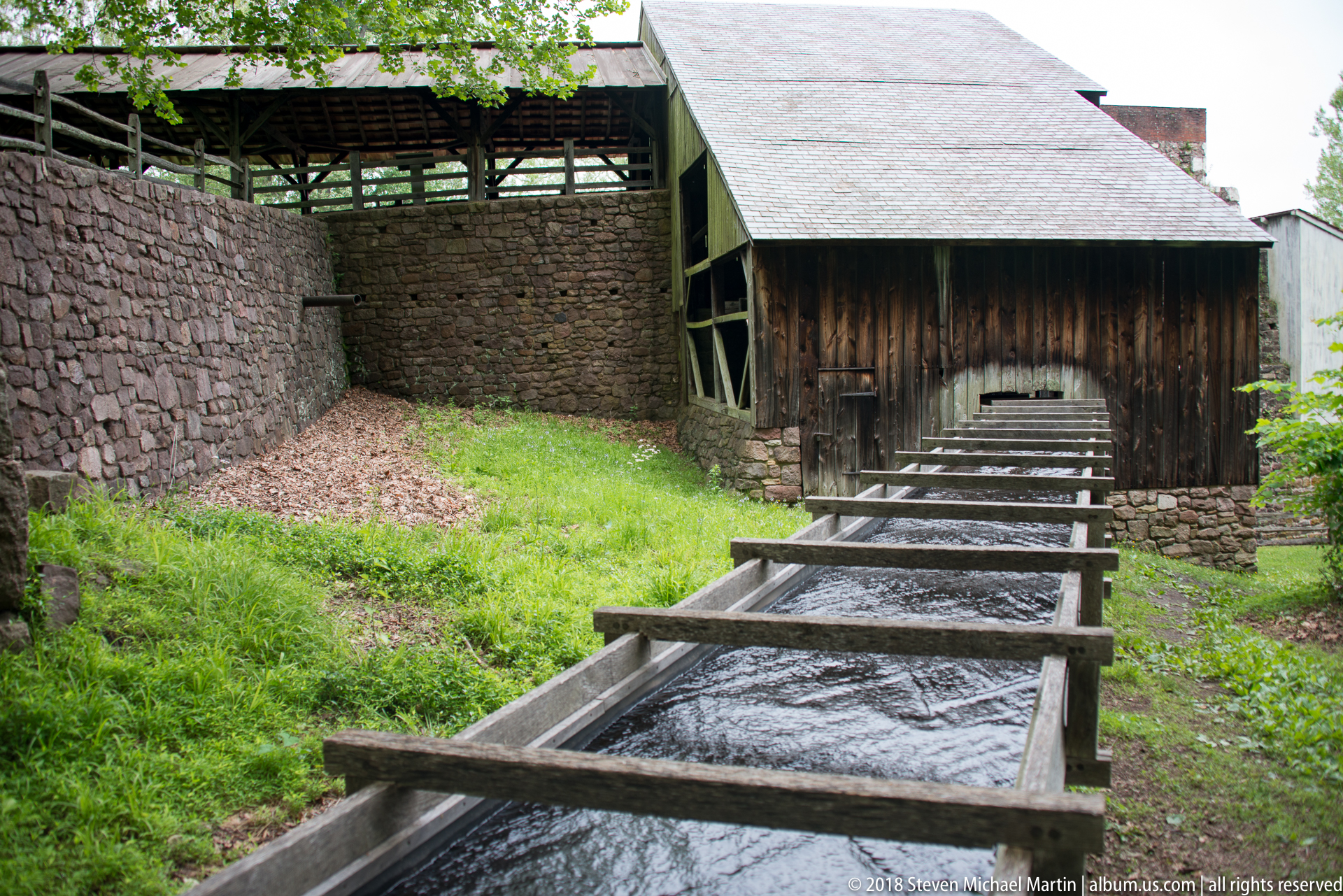
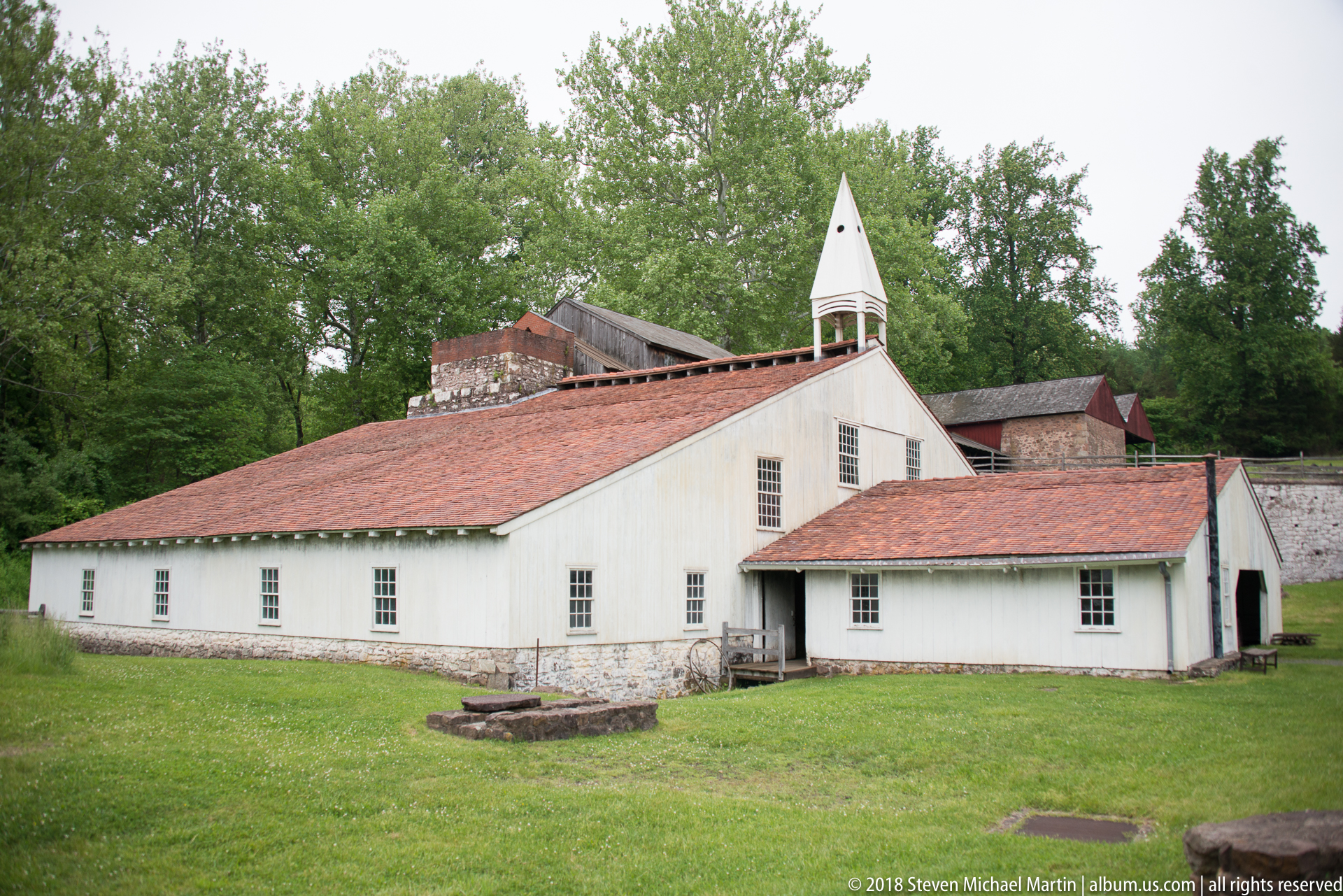
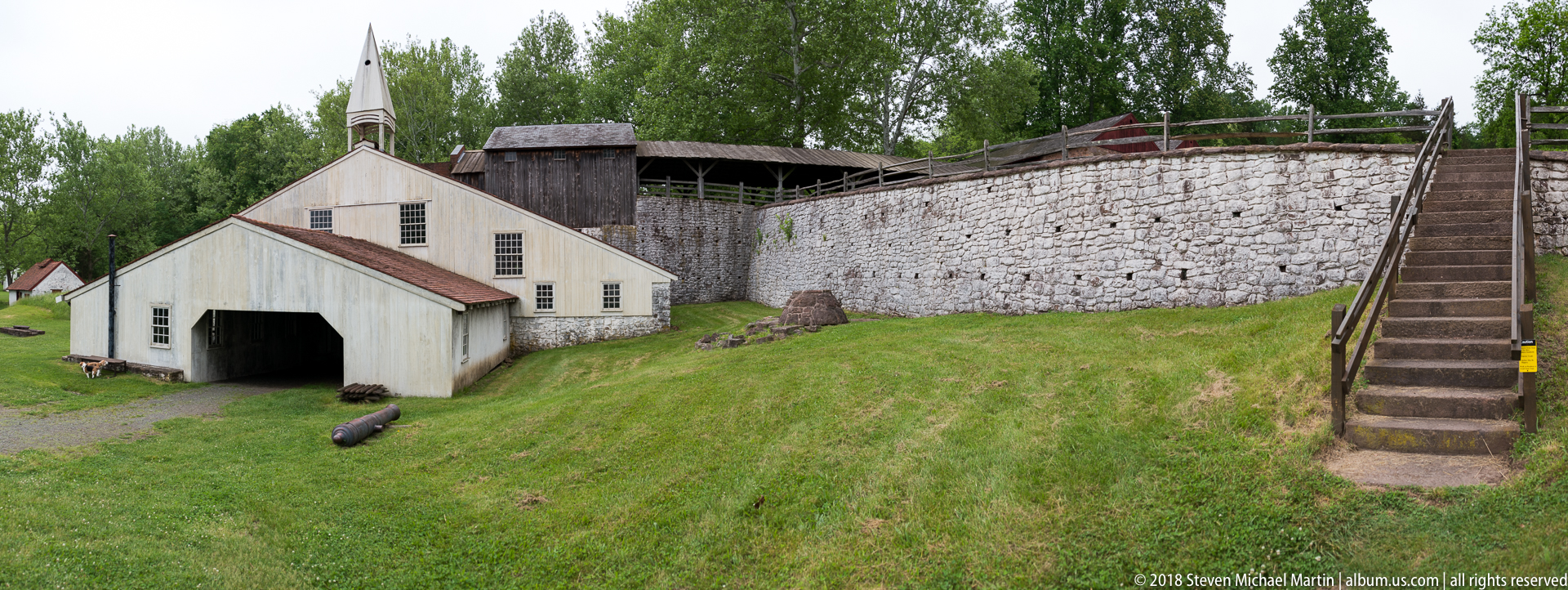
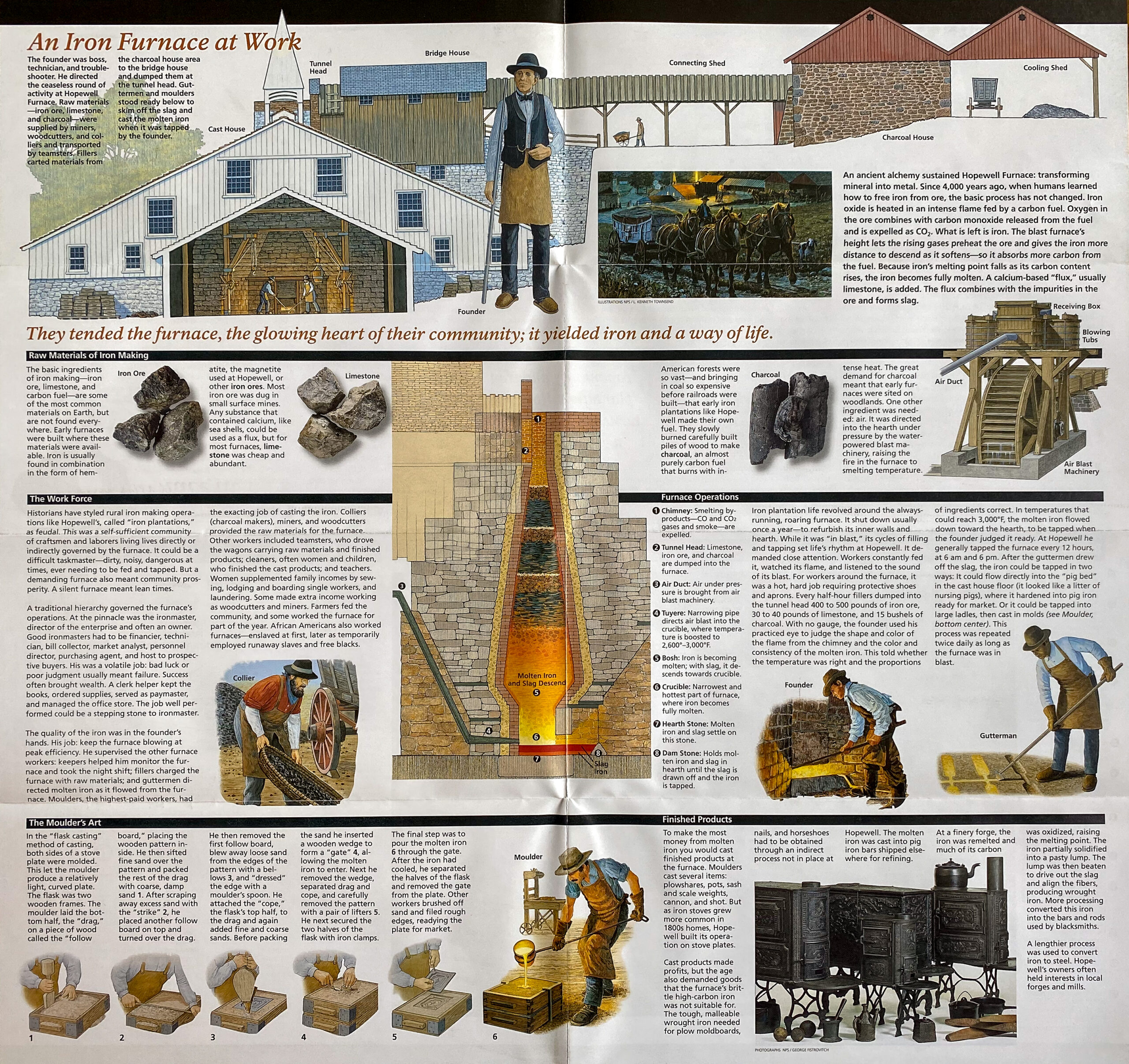
Hopewell Furnace National Historic Site preserves the remains of an eighteenth- and nineteenth-century iron plantation, illustrating the early development of industrial production in rural Pennsylvania. Established around 1771, the site functioned as part of a network of charcoal-fueled blast furnaces that produced iron used for tools, household goods, and military equipment. The furnace complex demonstrates how early American industry depended upon local natural resources including timber, iron ore, limestone, and waterpower to sustain production.
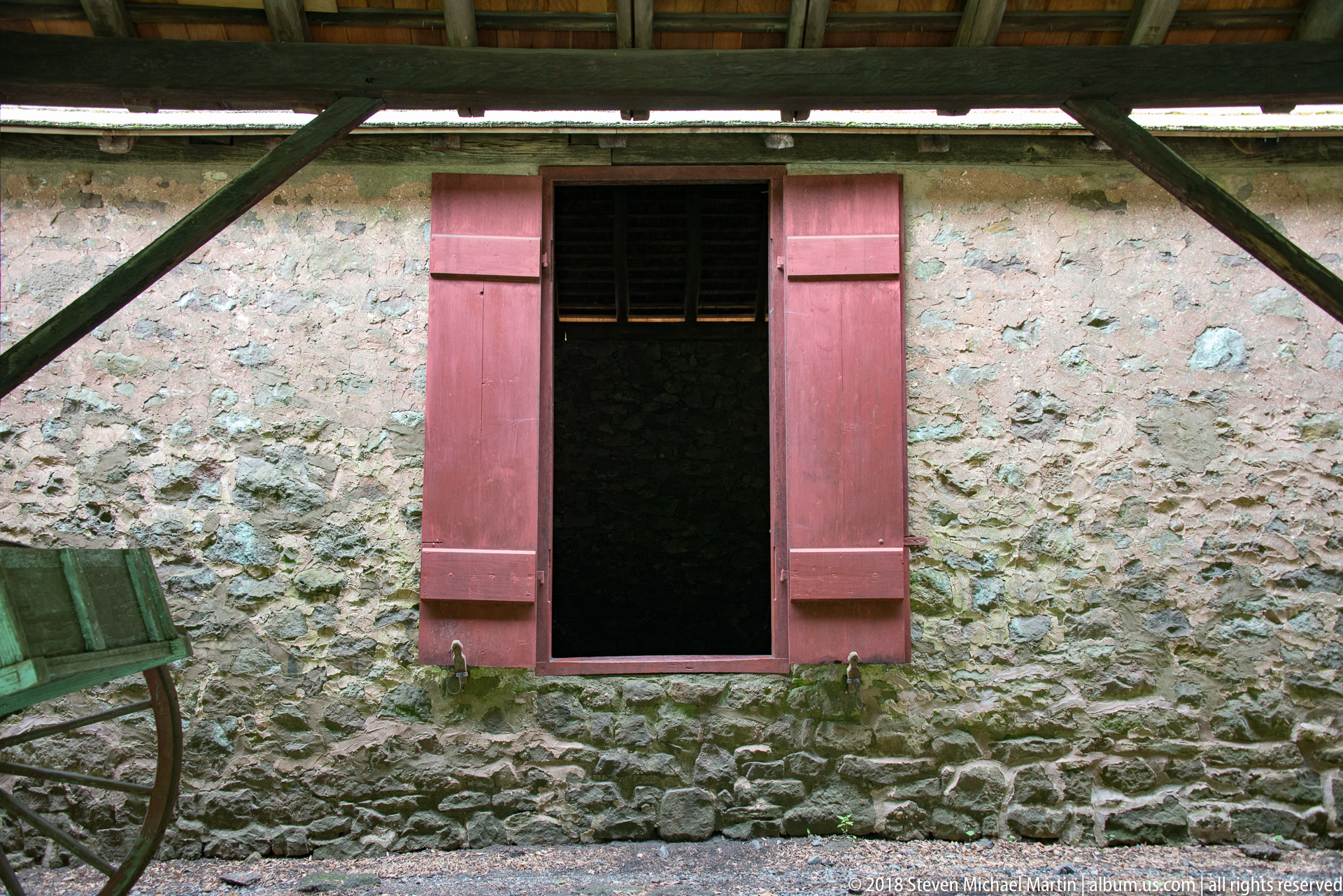
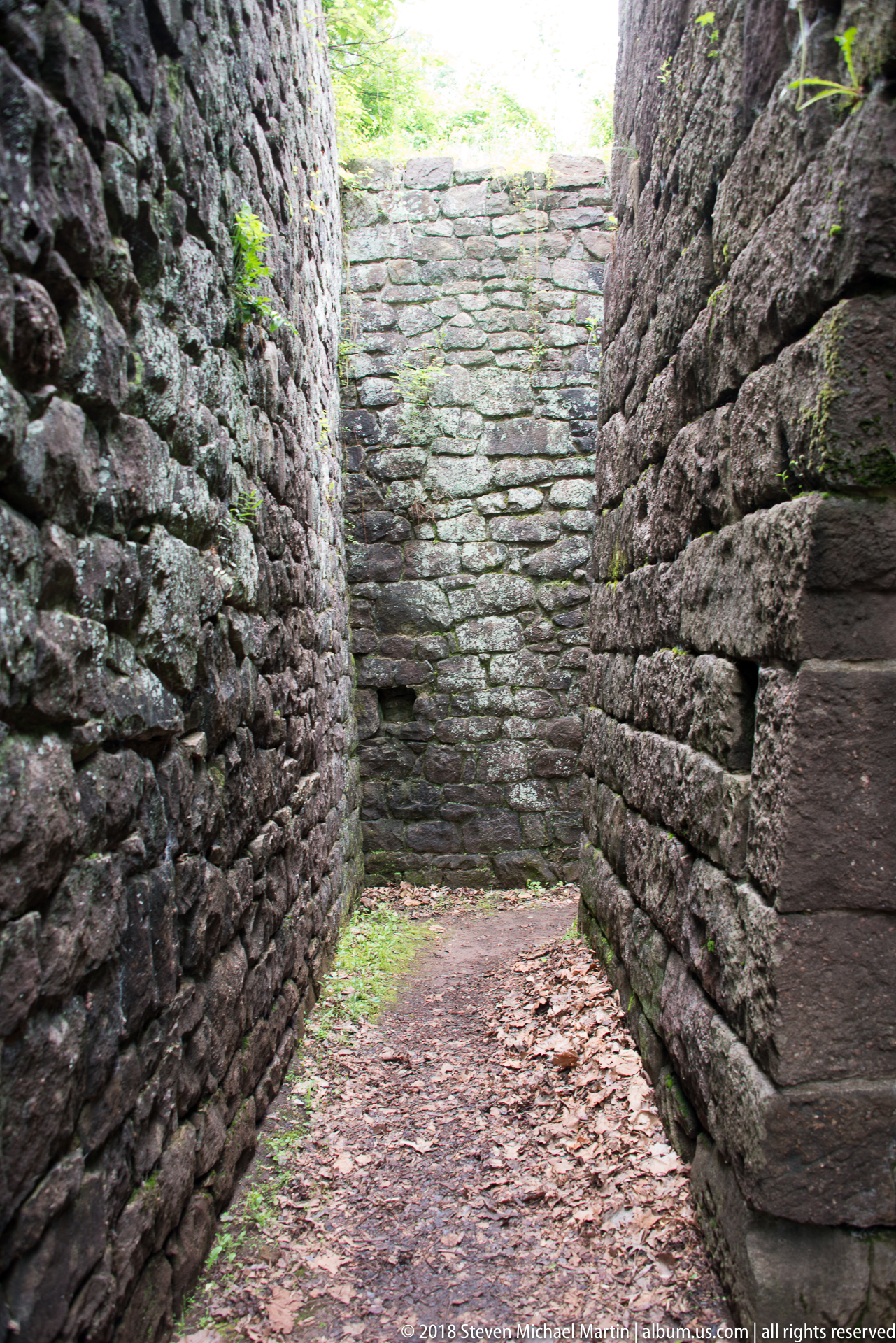
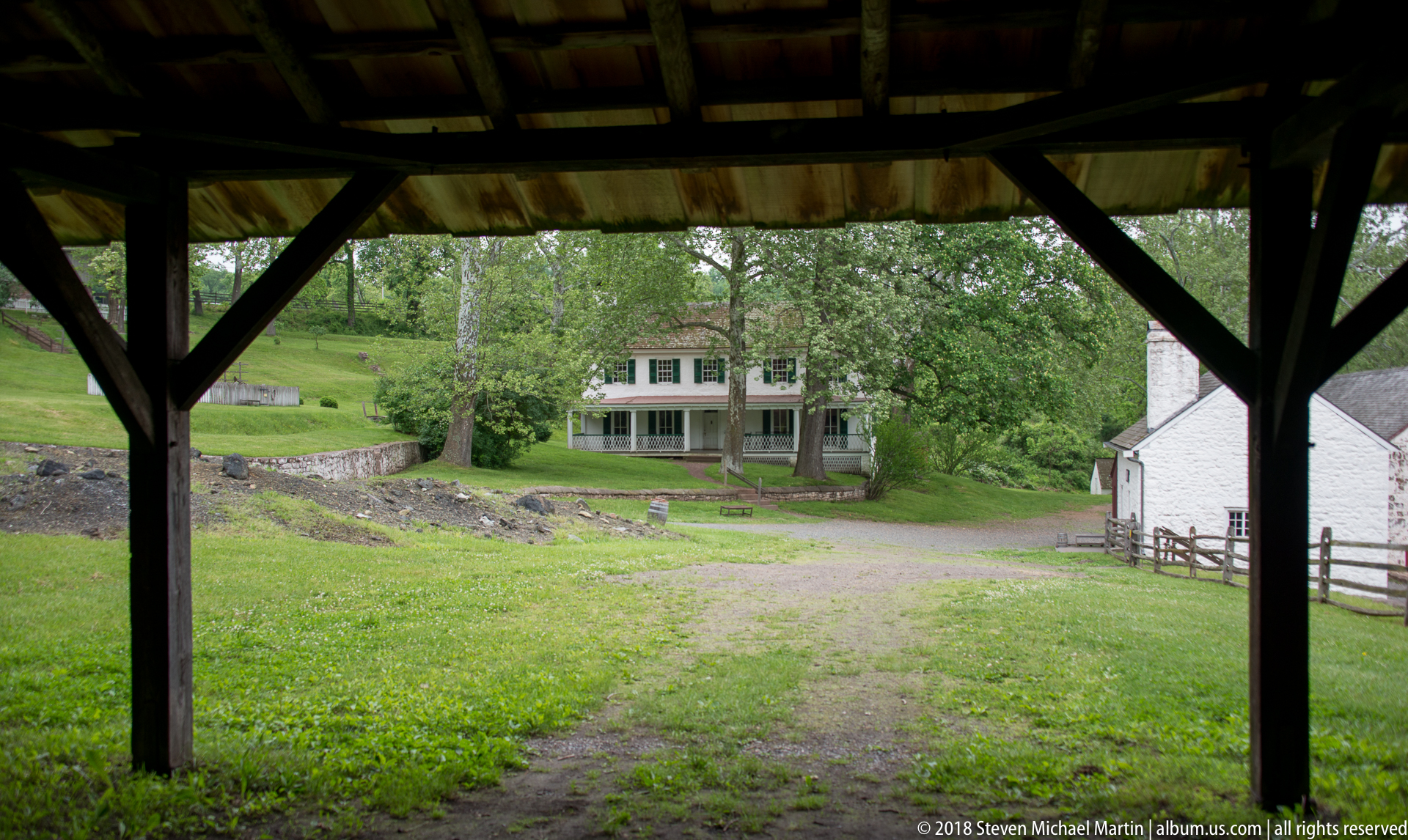
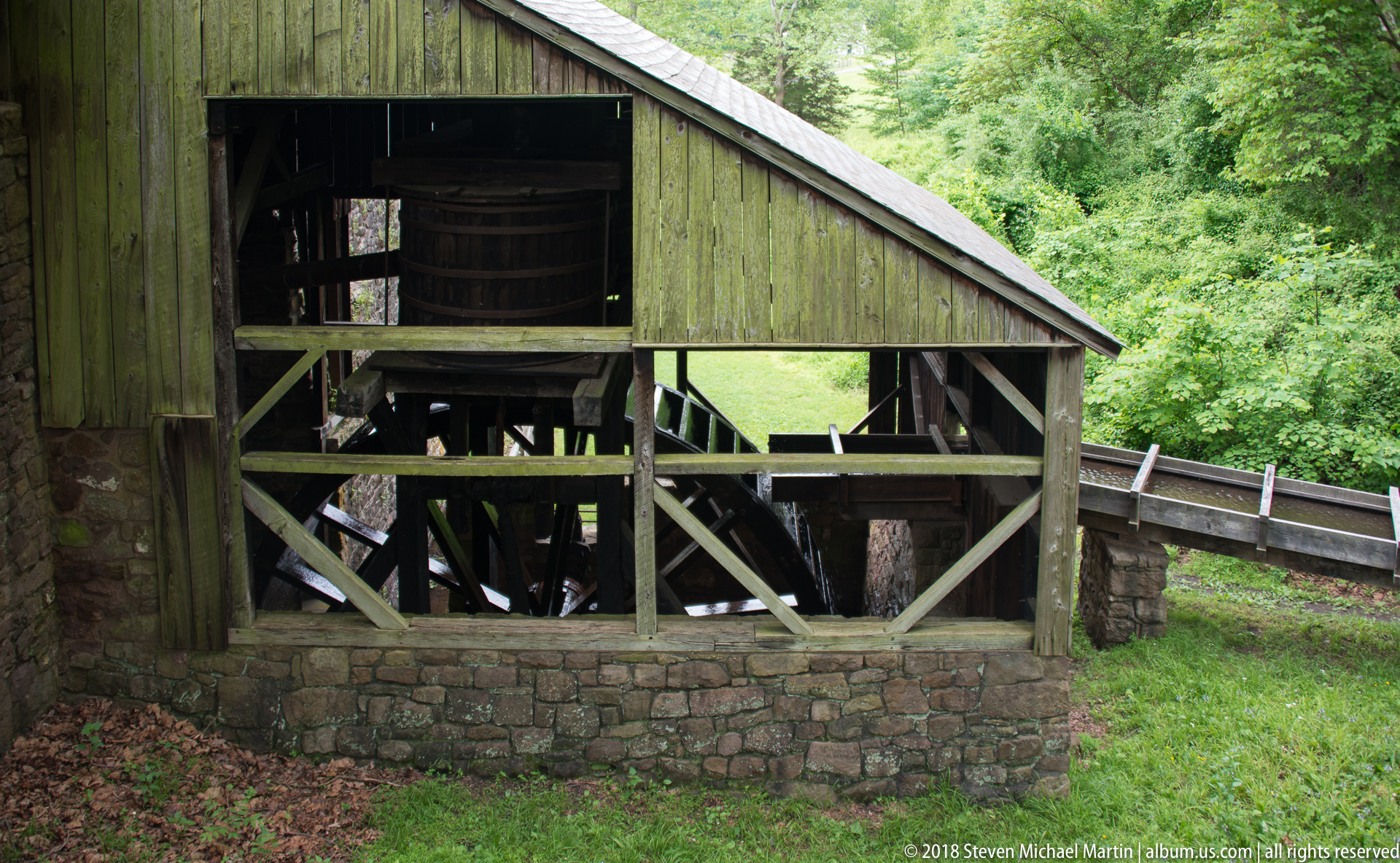
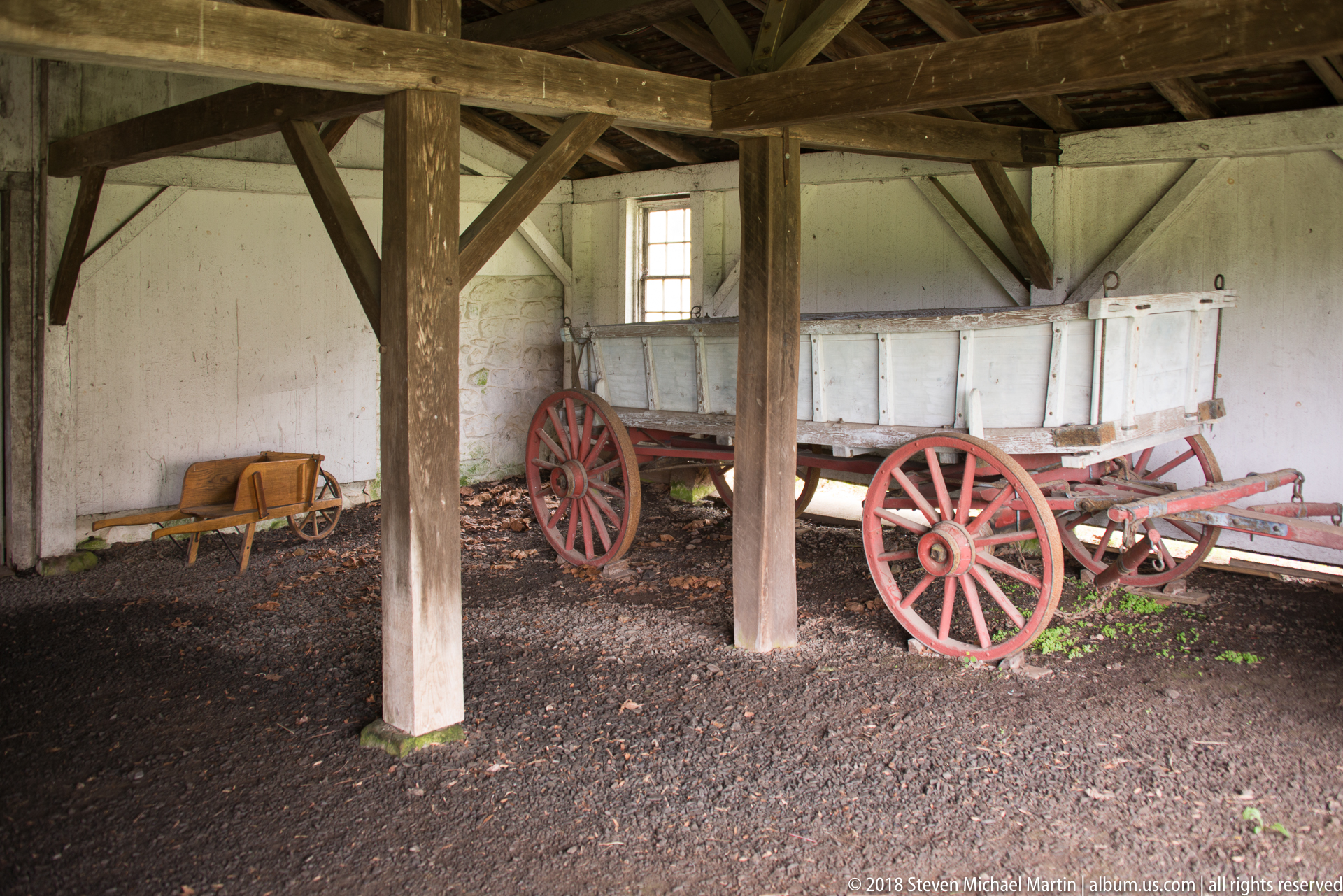
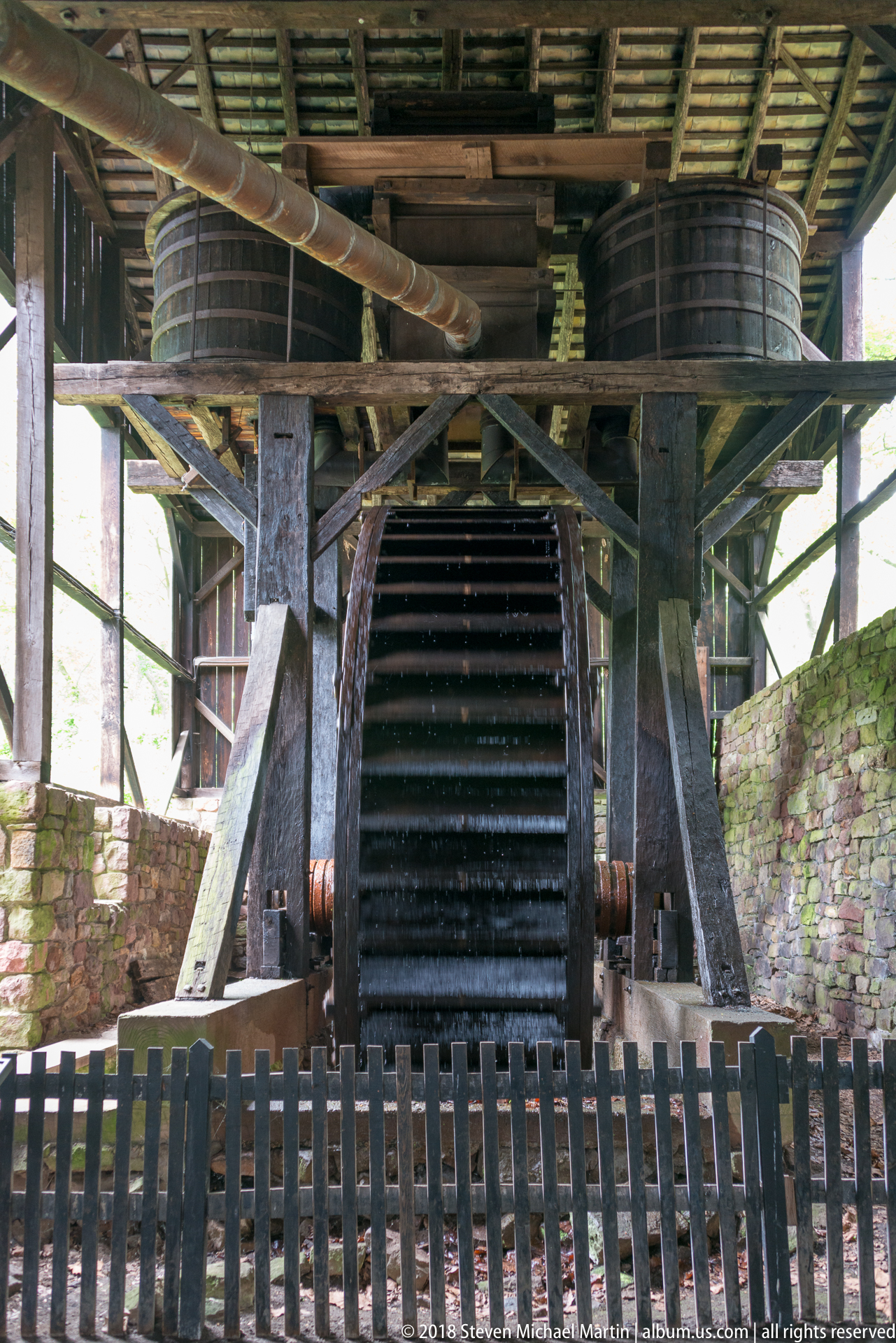
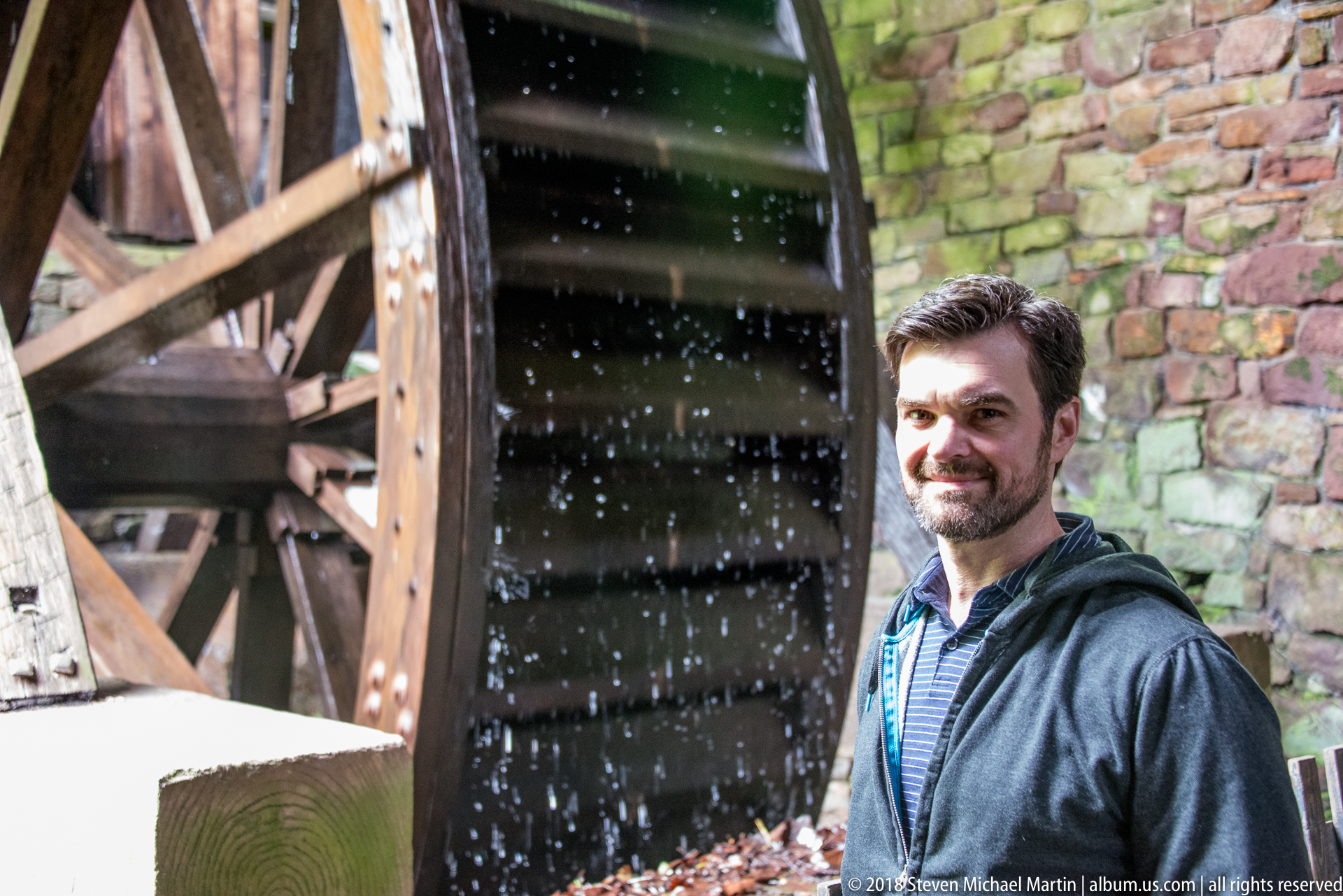
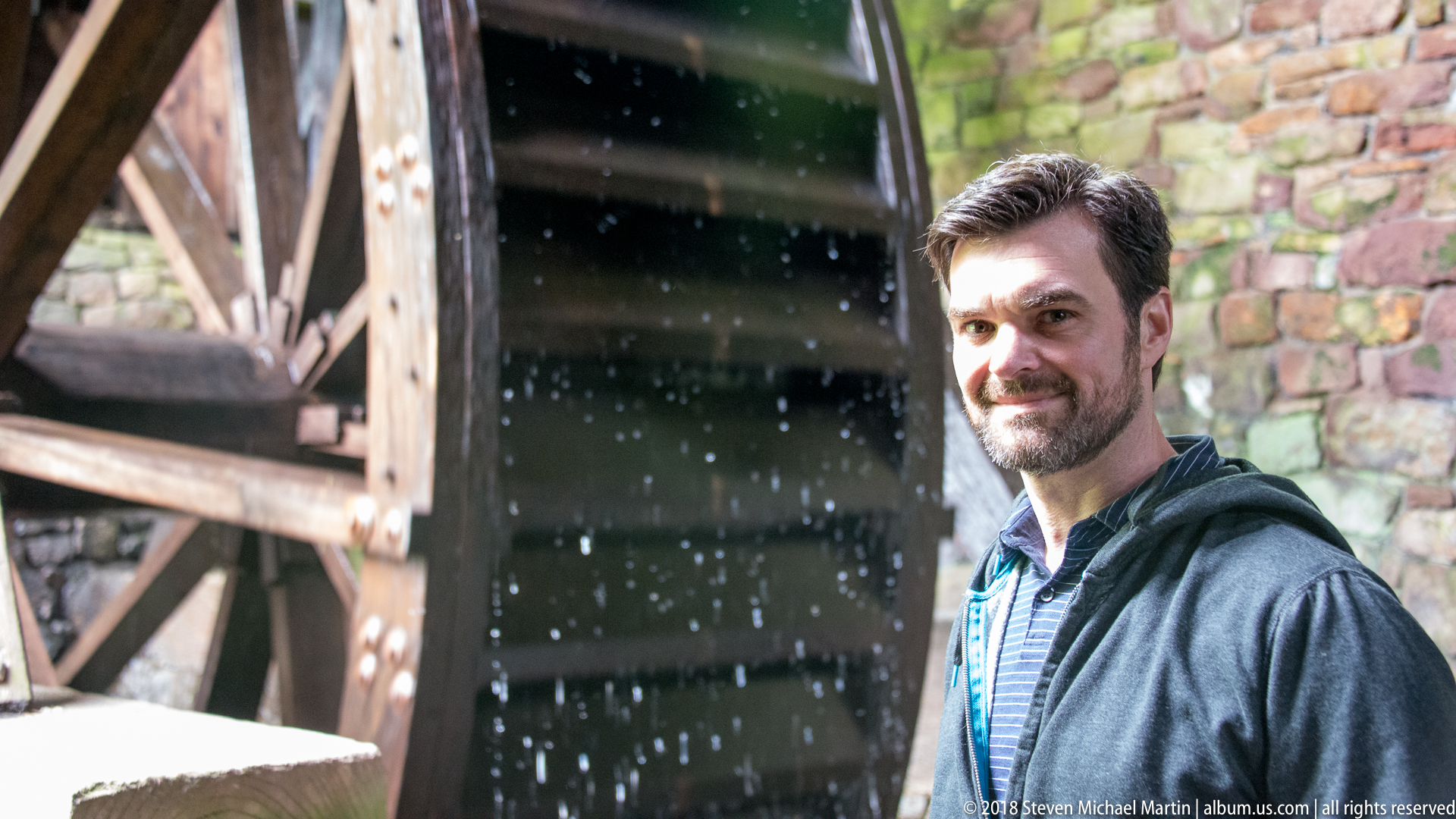
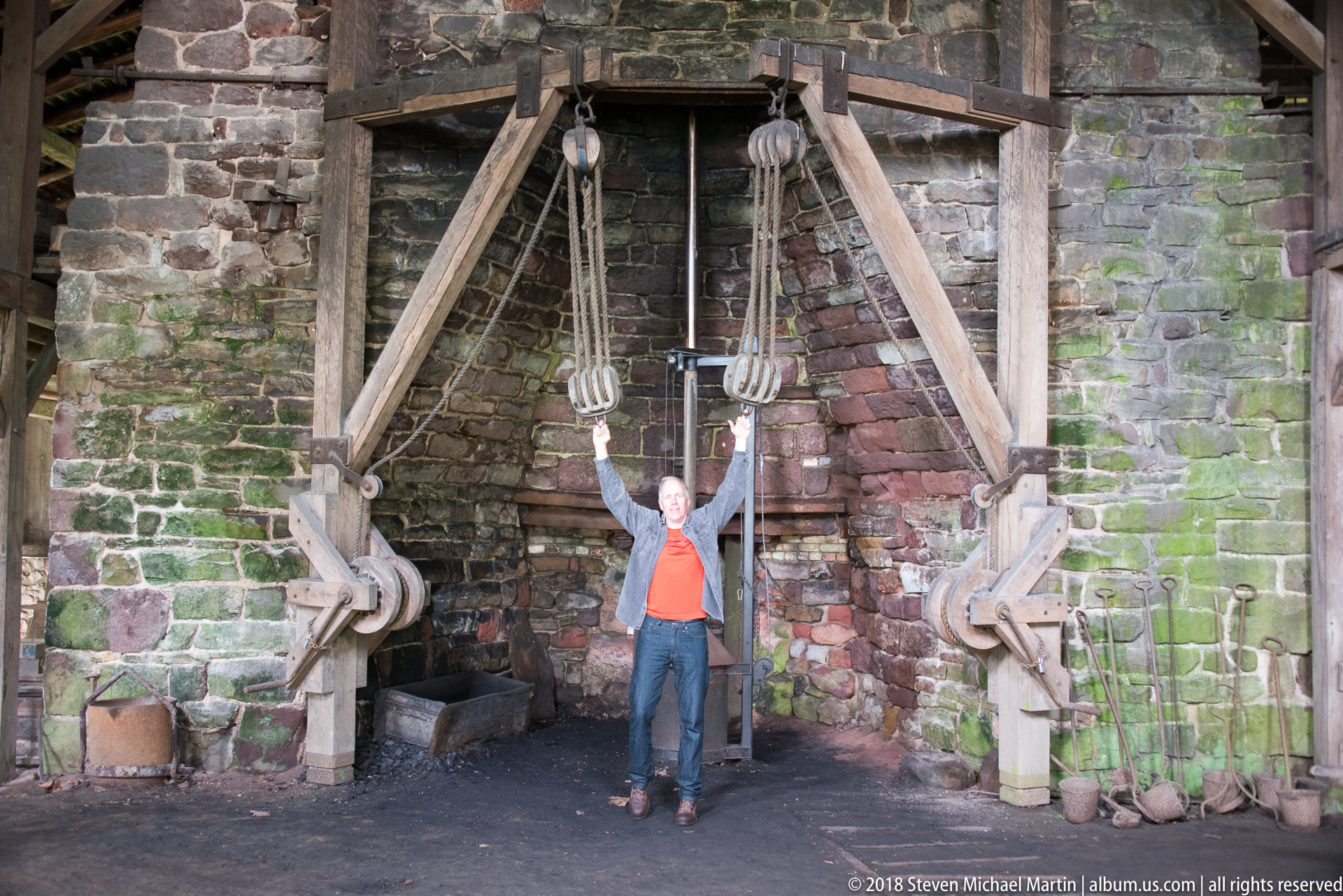
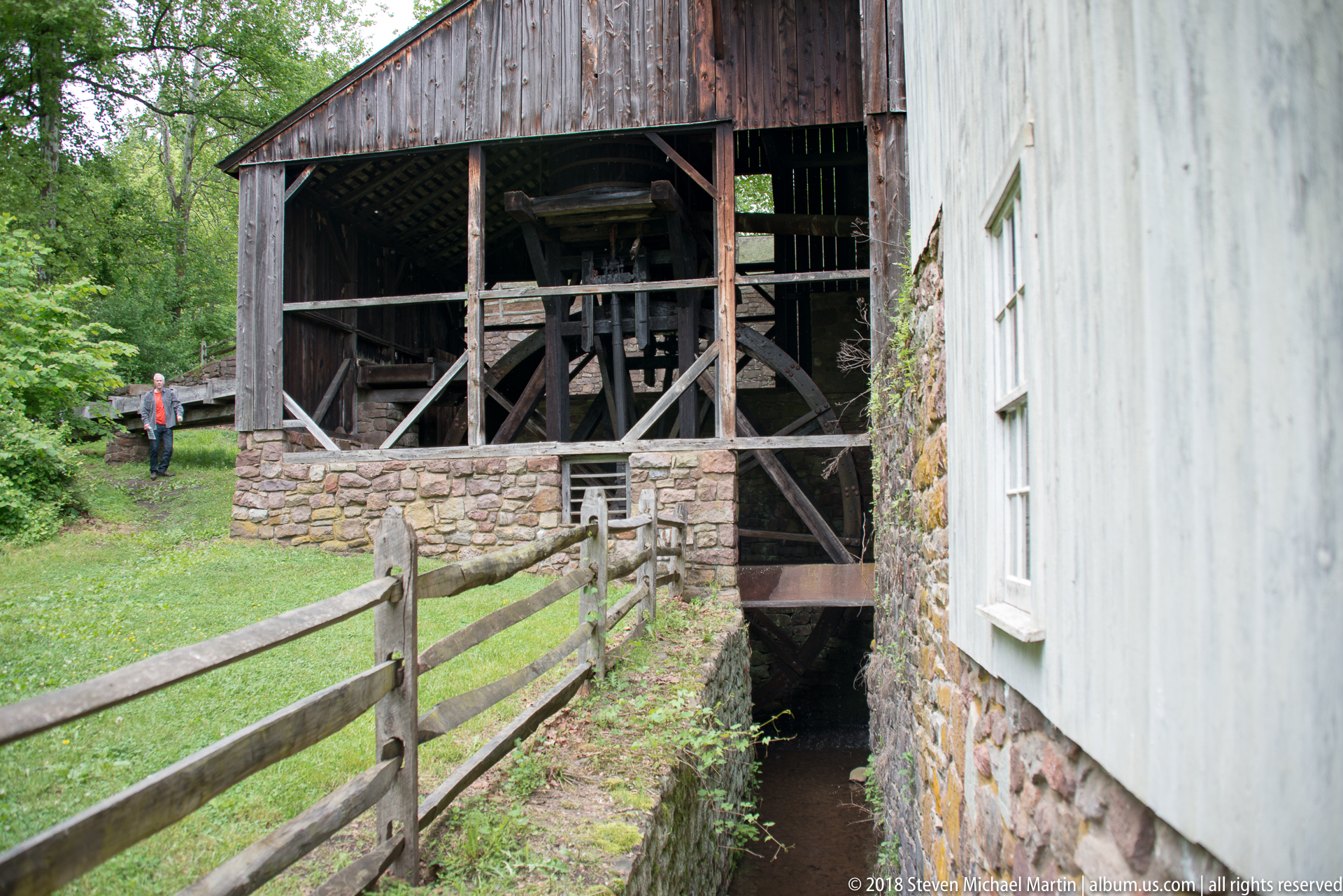
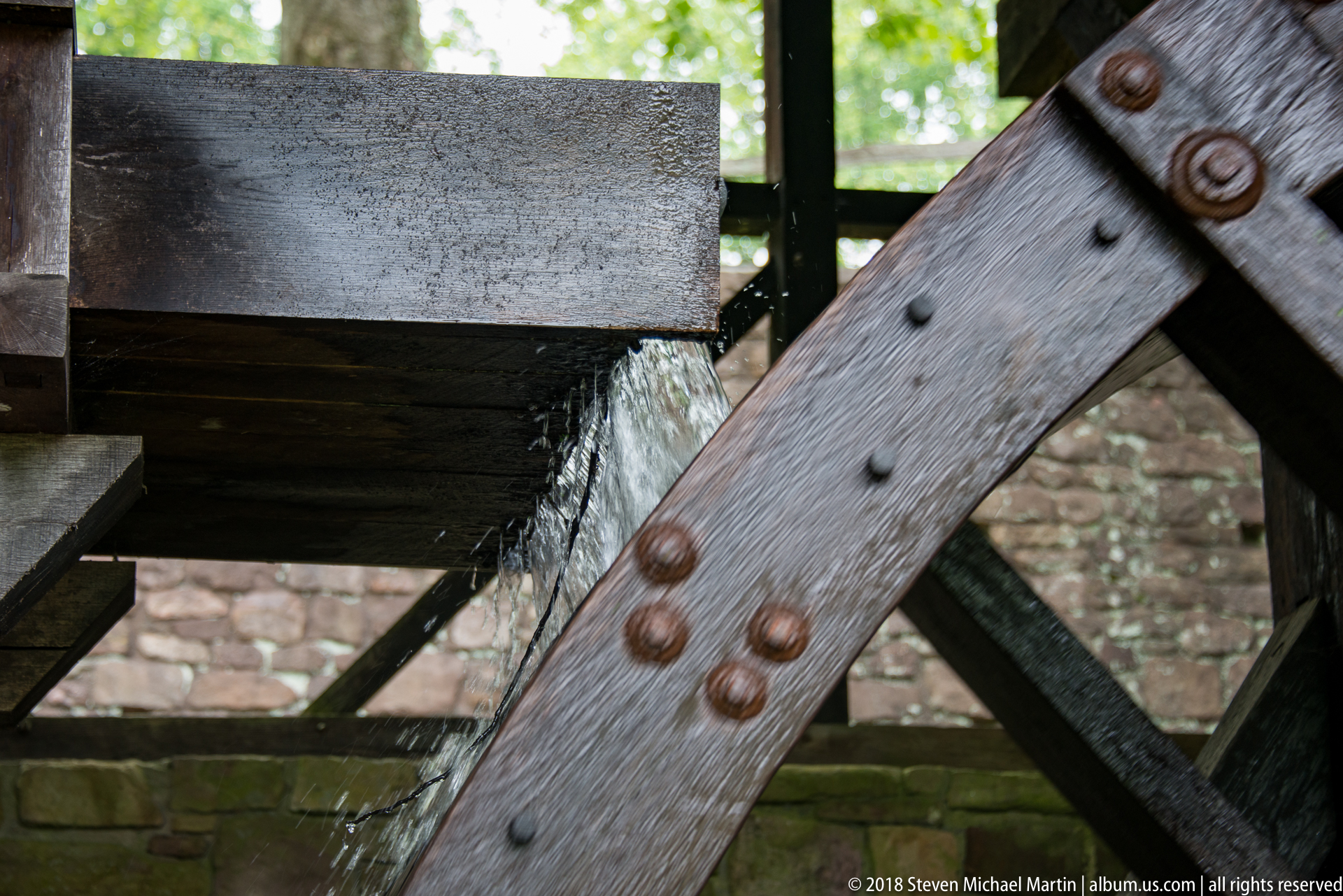
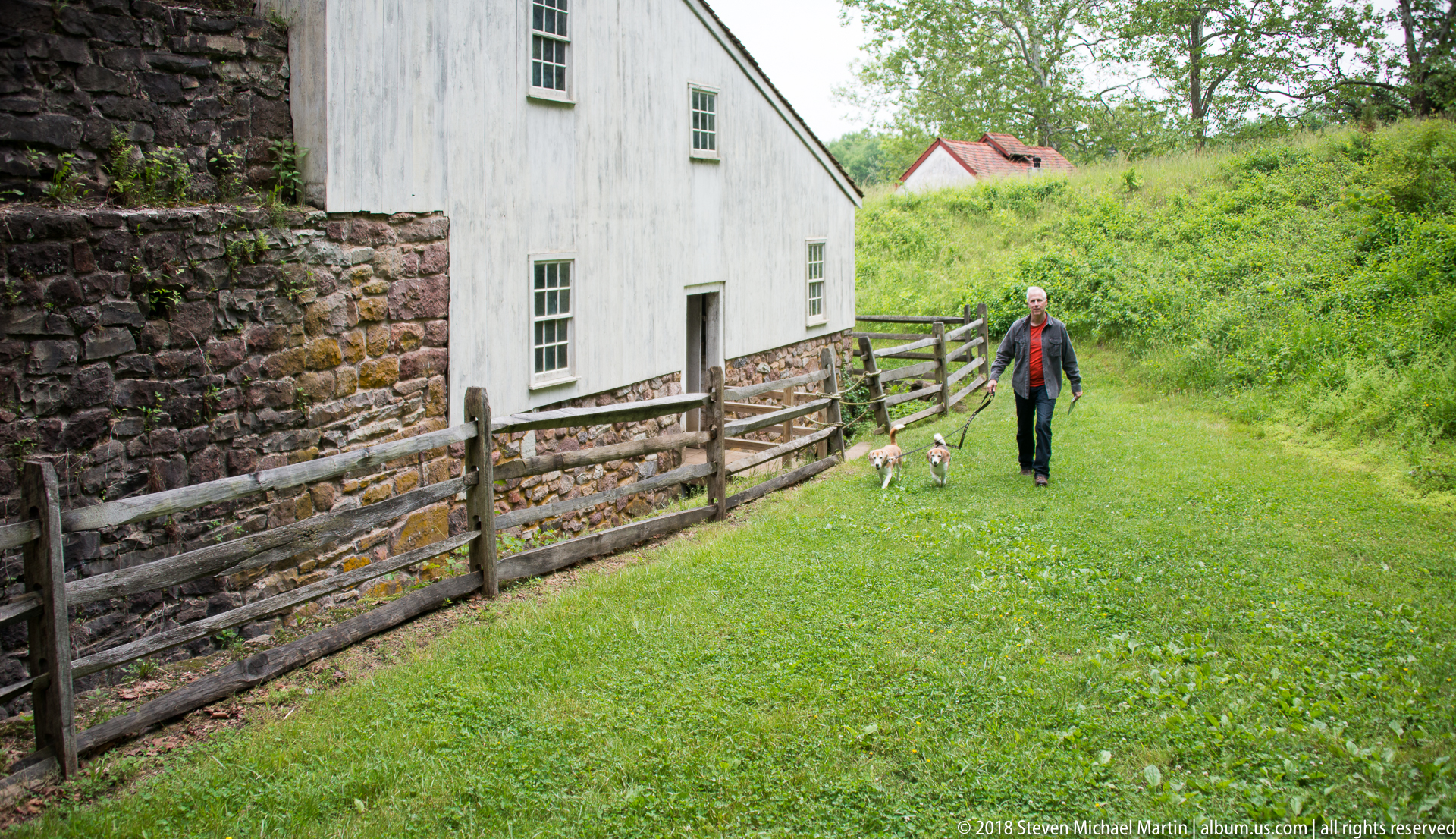
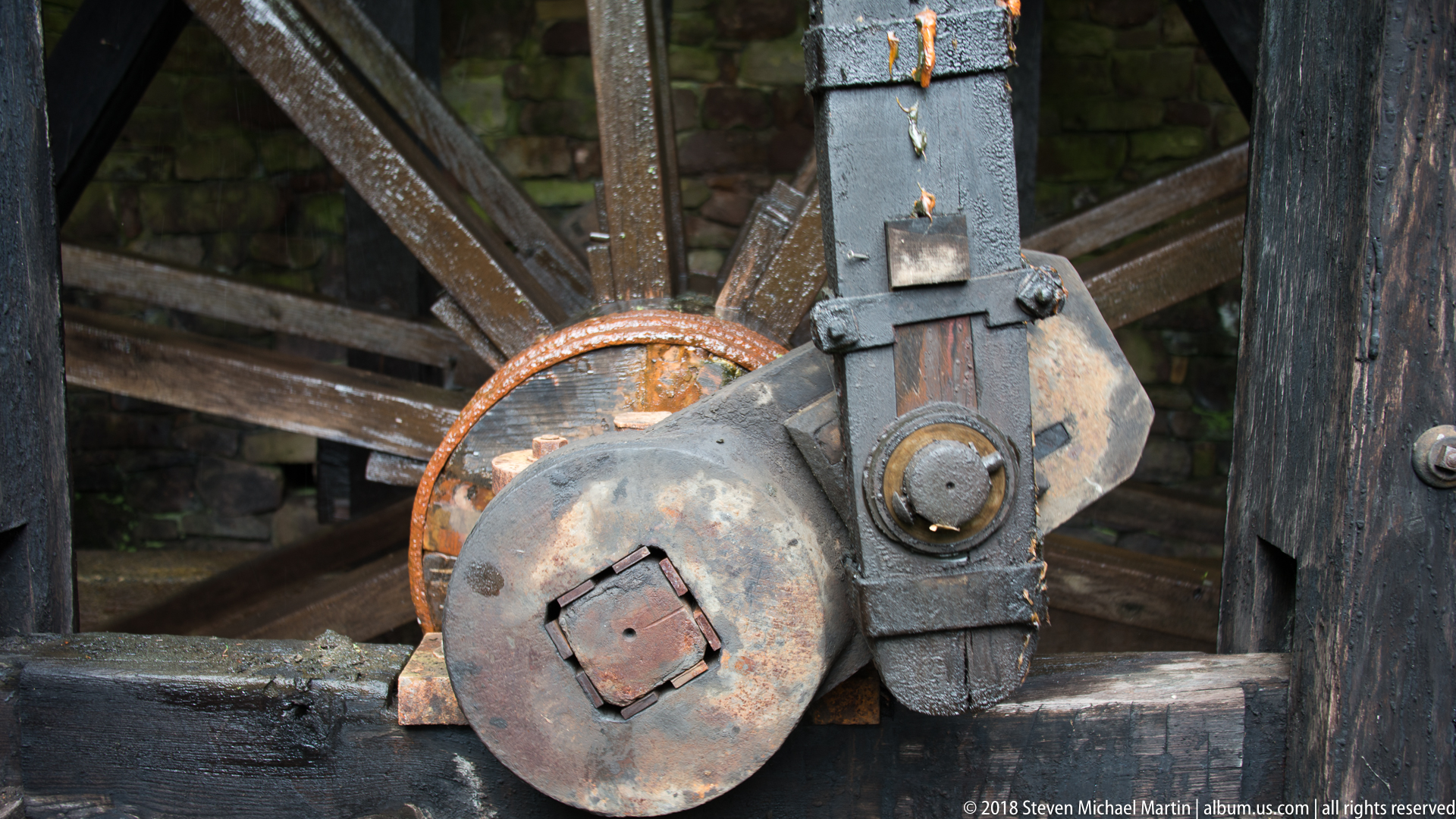
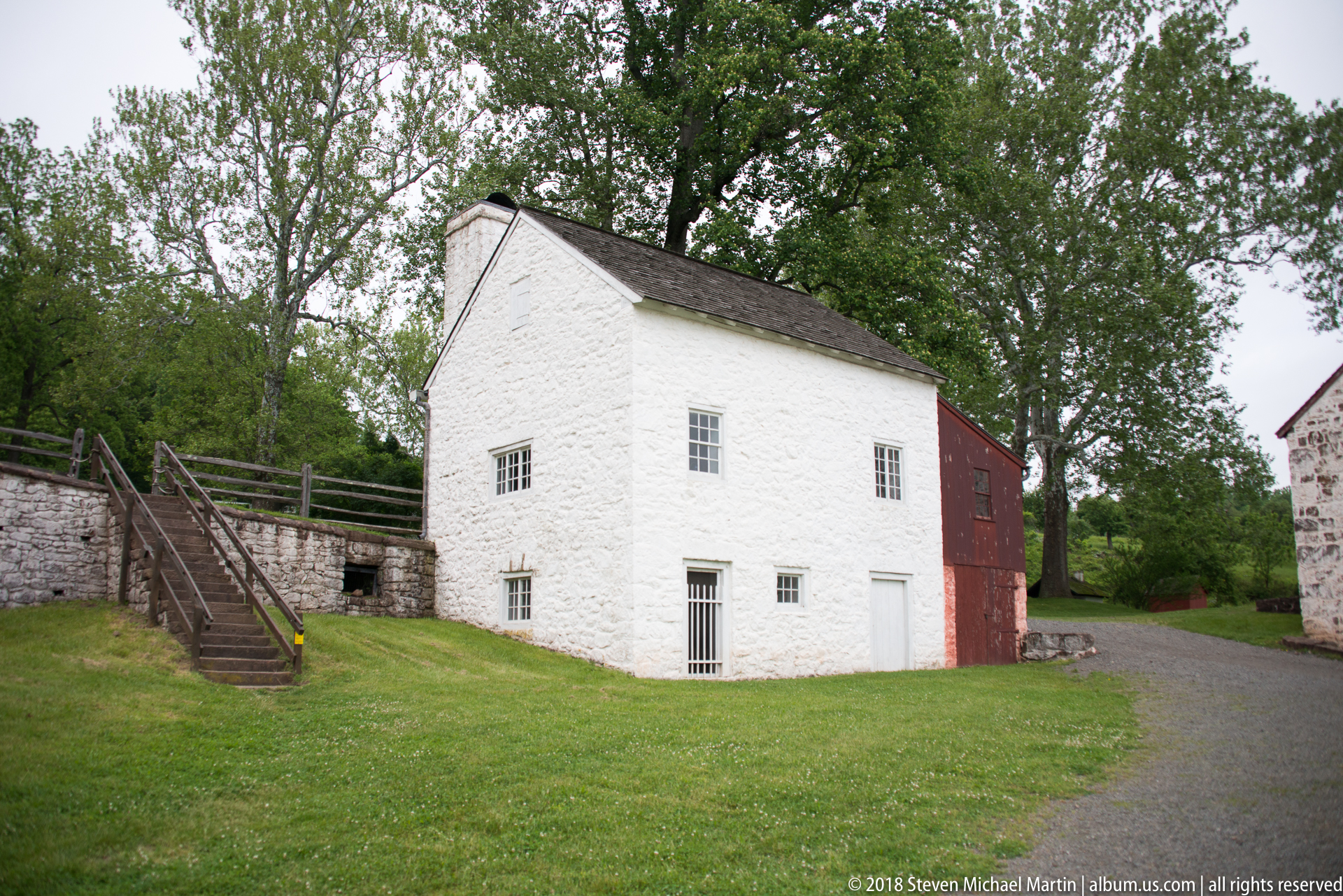
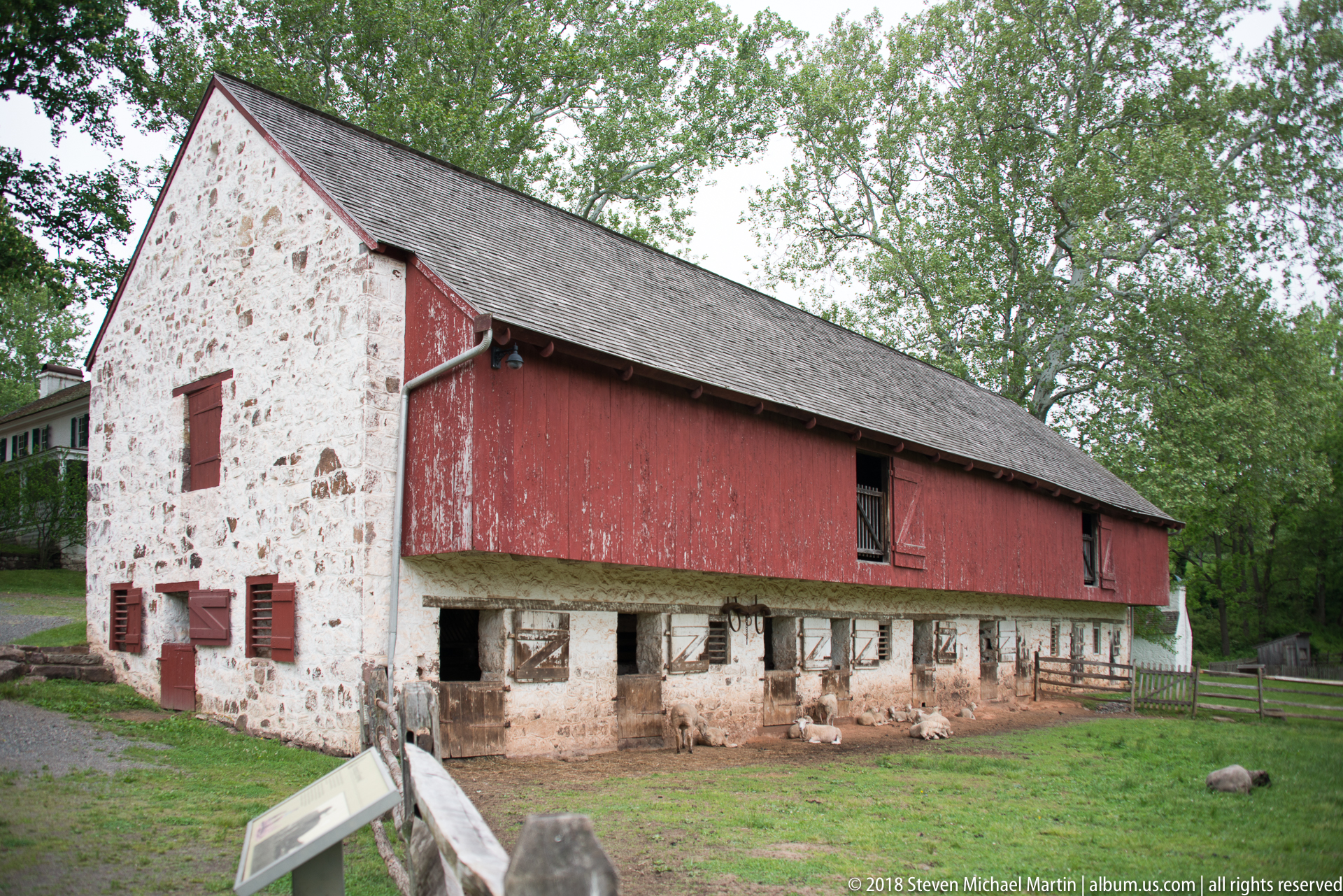
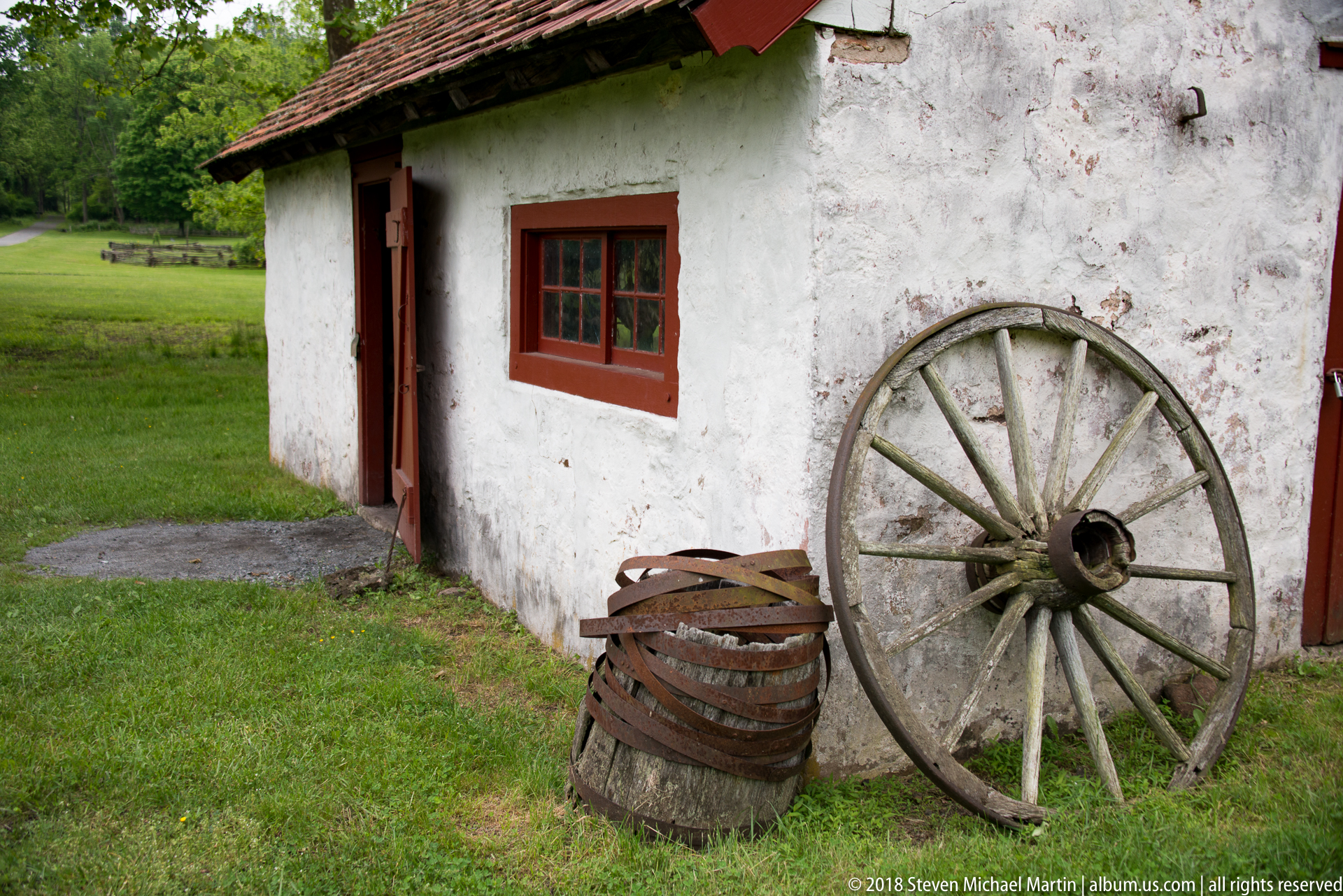
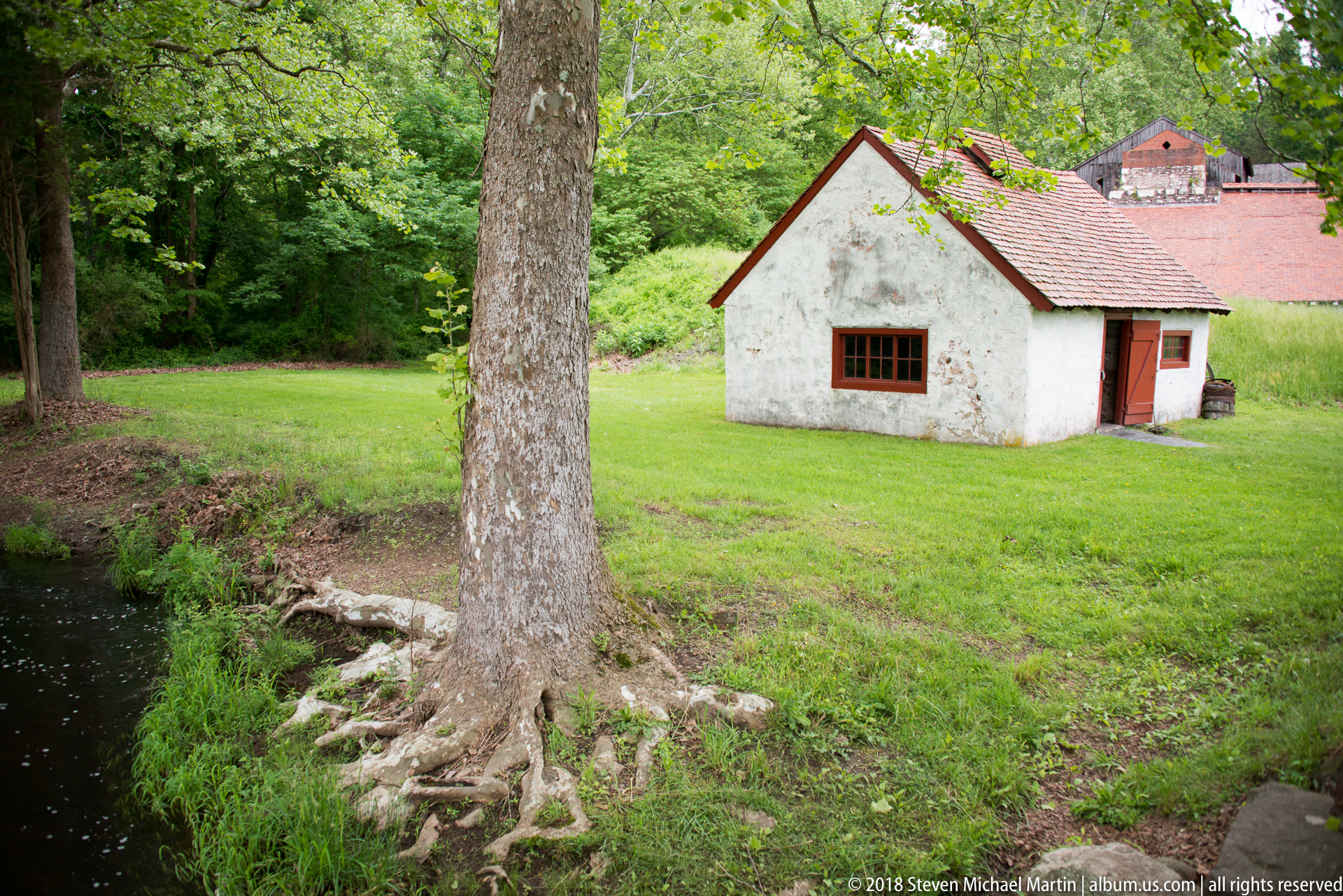
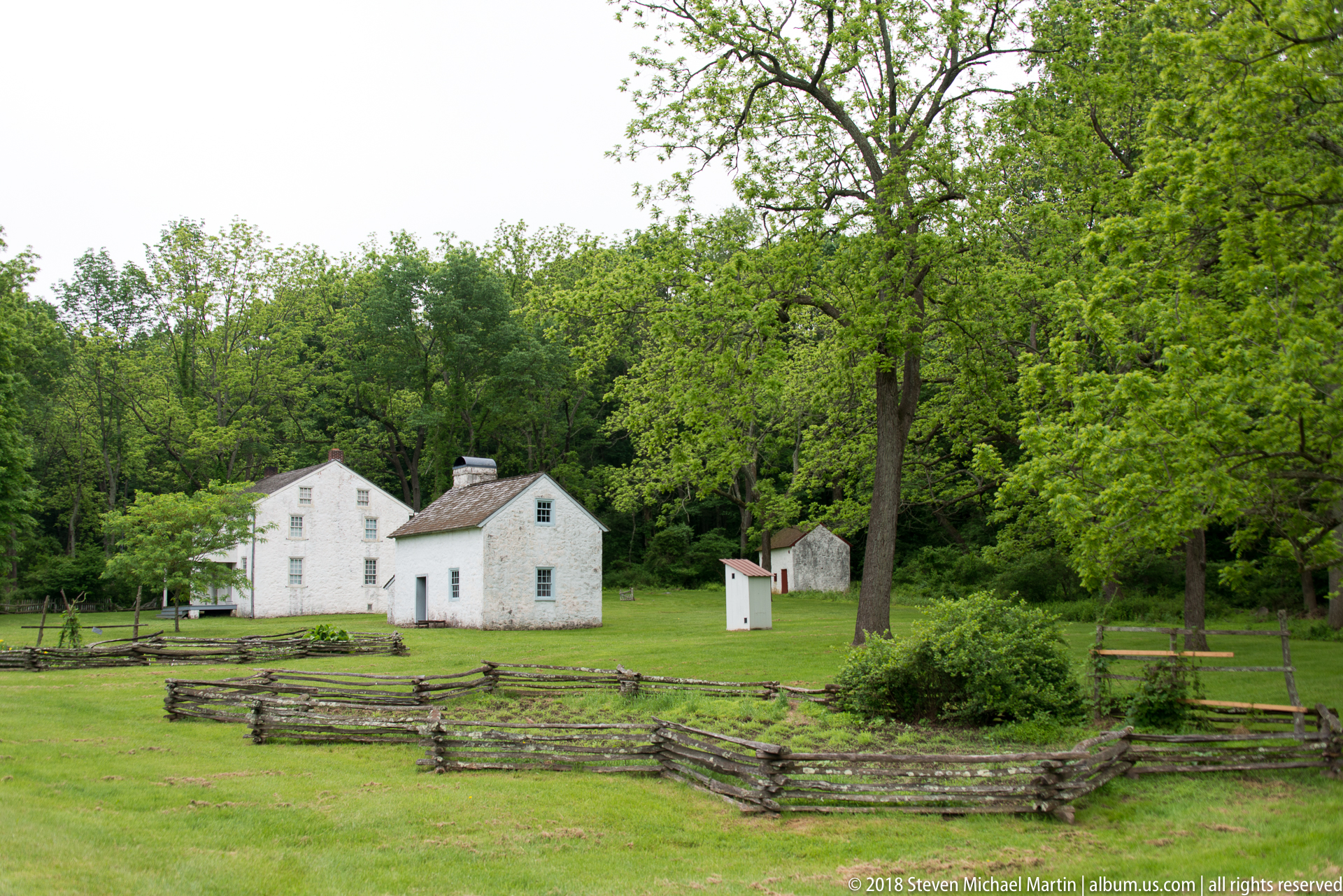
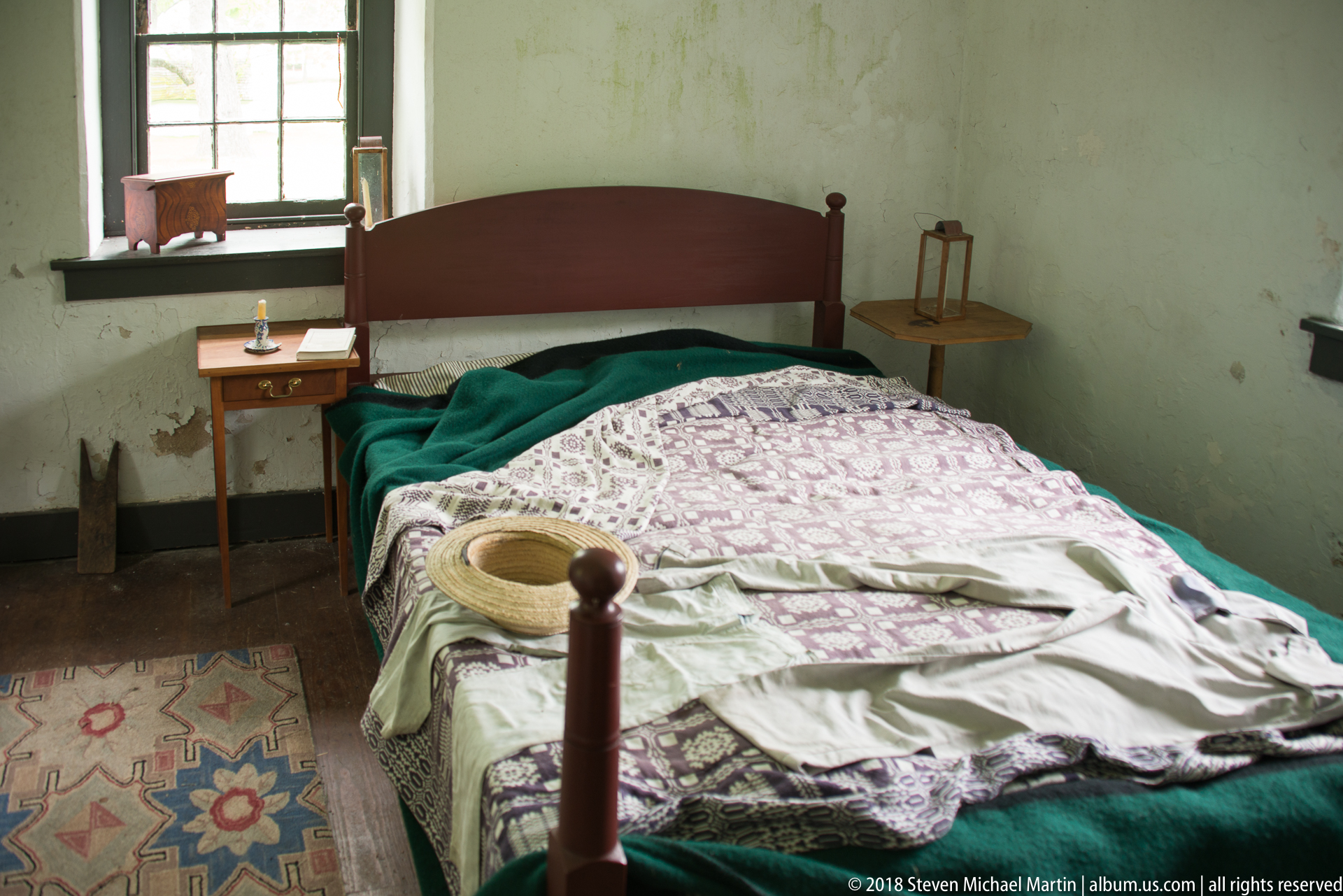
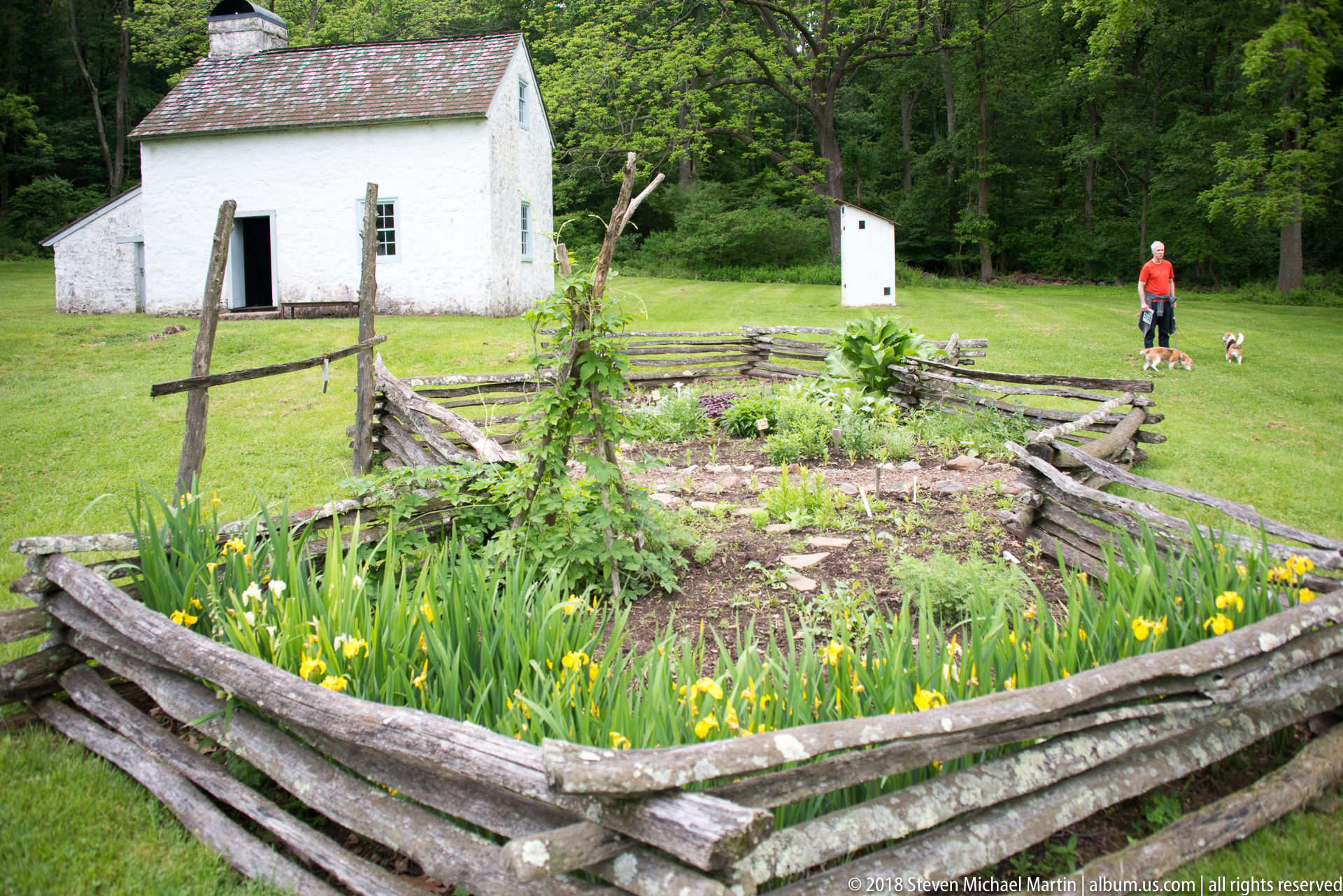
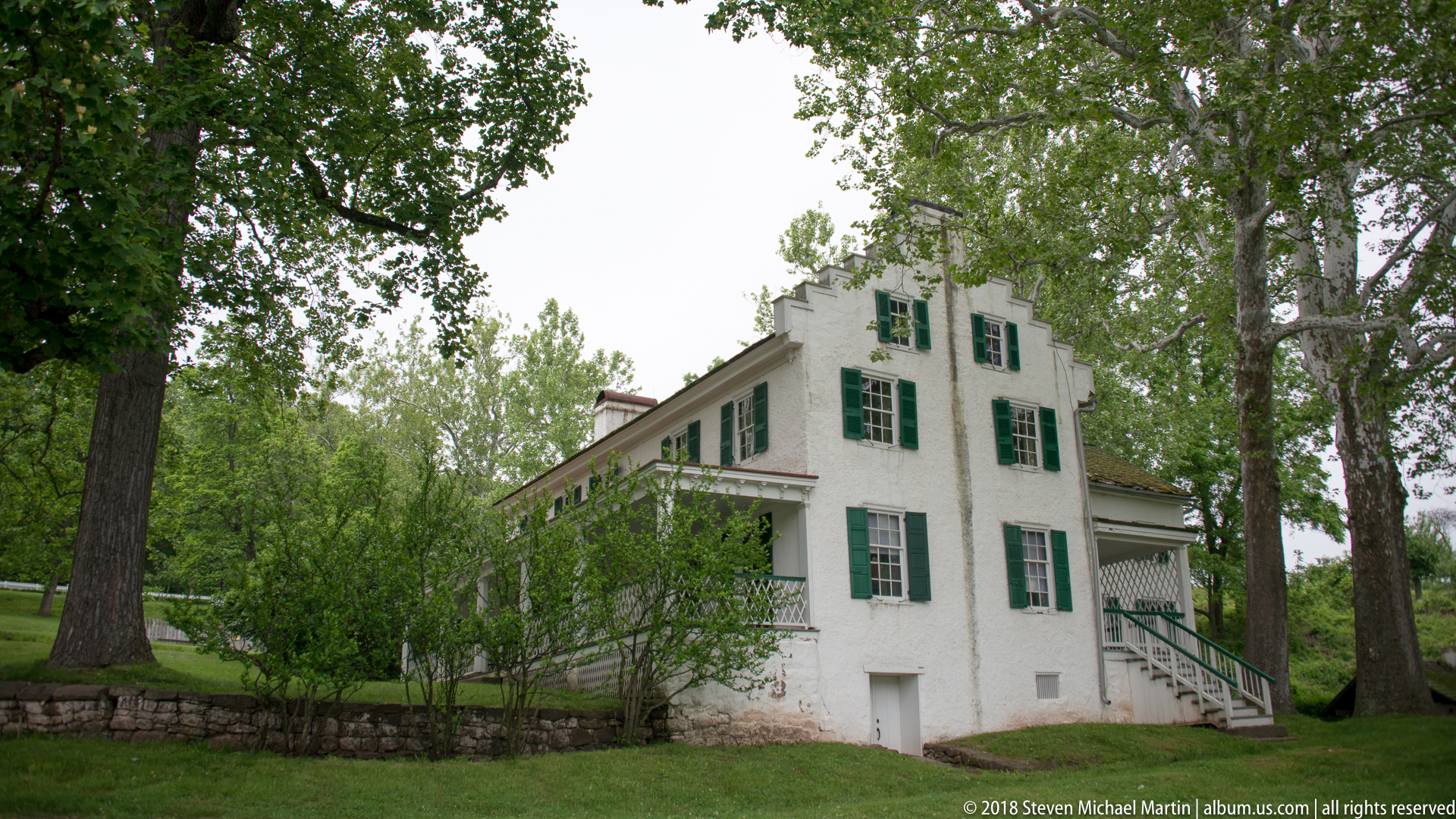
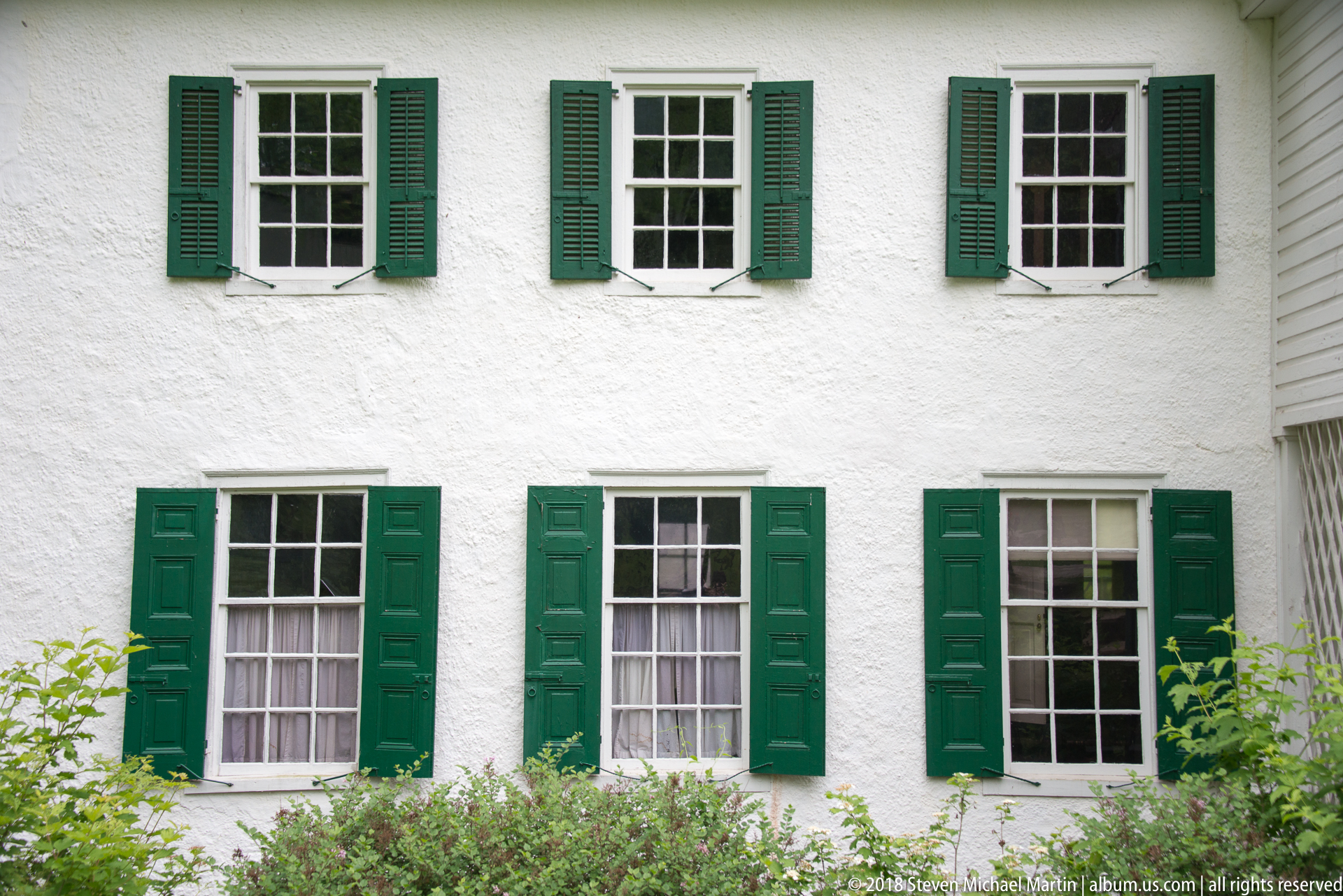
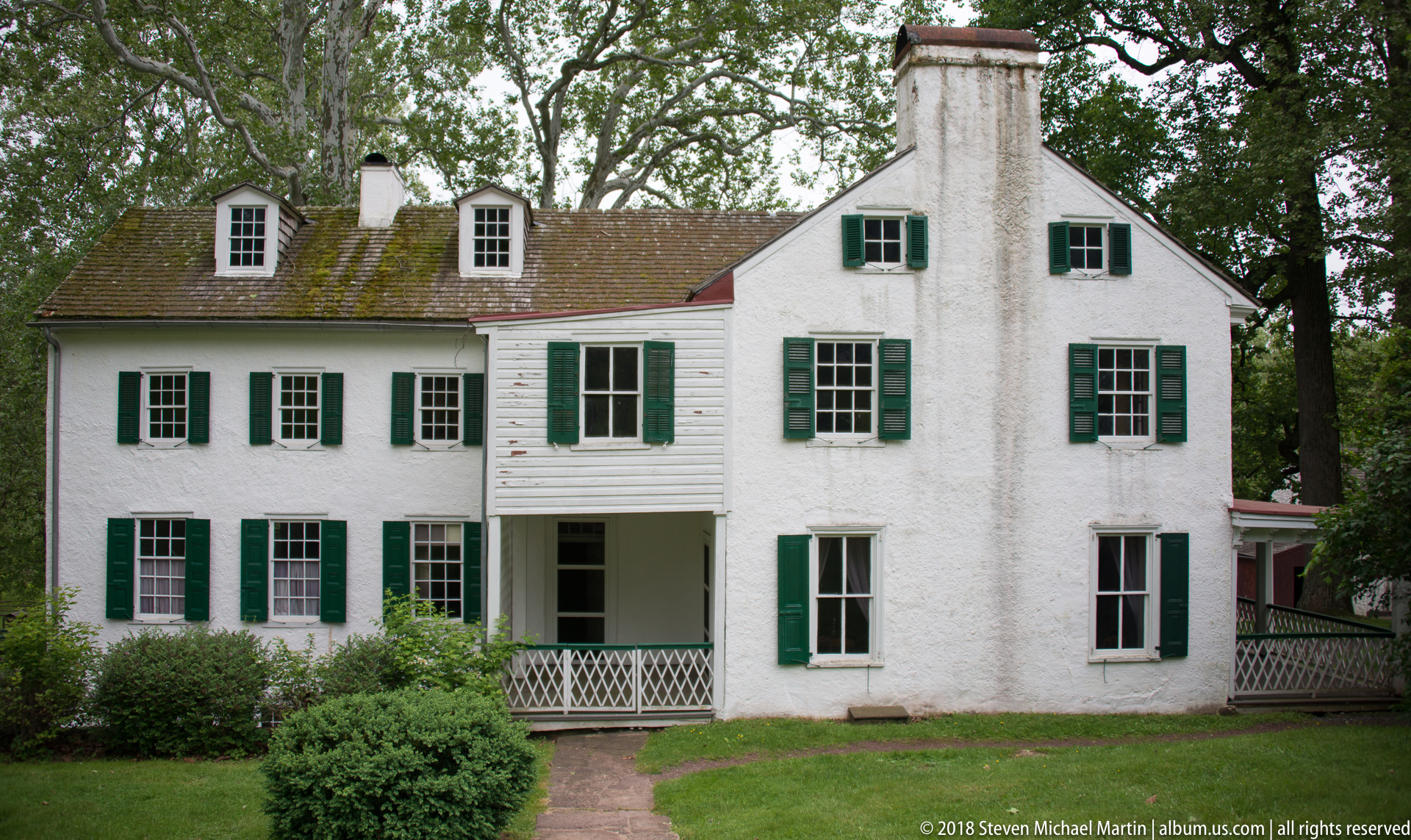
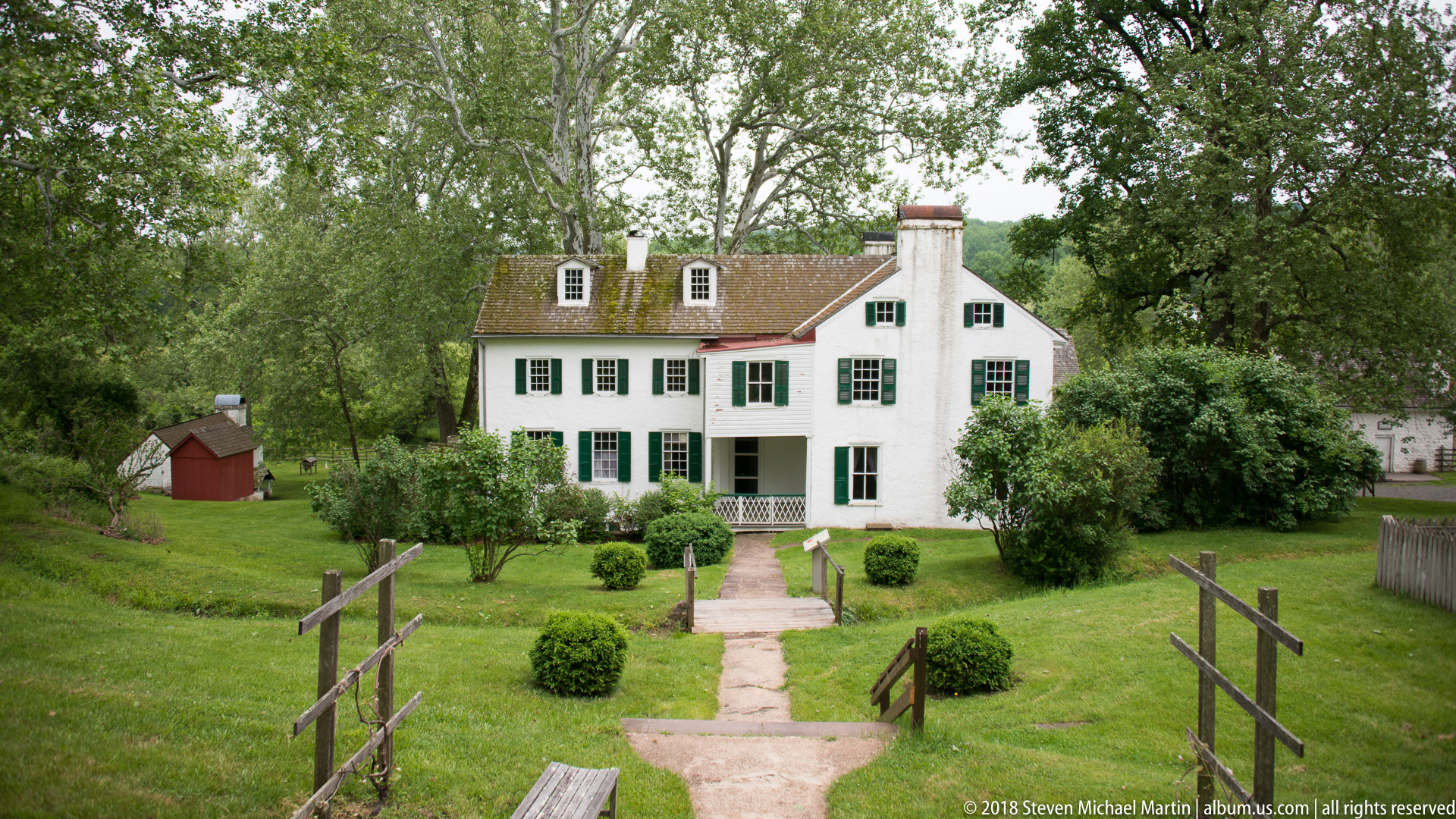
The restored furnace stack, waterwheel, worker housing, and ironmaster’s residence illustrate the organization of industrial communities prior to large-scale mechanization. Laborers, craftsmen, and managers lived within a self-contained environment structured around the continuous operation of the furnace. Changes in technology during the nineteenth century, including the adoption of coal-based fuel and larger industrial facilities, gradually reduced the economic viability of smaller charcoal furnaces such as Hopewell.
Hopewell Furnace contributes to understanding how early industrial enterprises shaped both landscape and society in the United States. The preserved site illustrates the transition from agrarian economies toward mechanized production systems that later defined the industrial era. As part of the National Park System, Hopewell provides insight into the environmental and technological conditions that supported the growth of American manufacturing.