Paterson
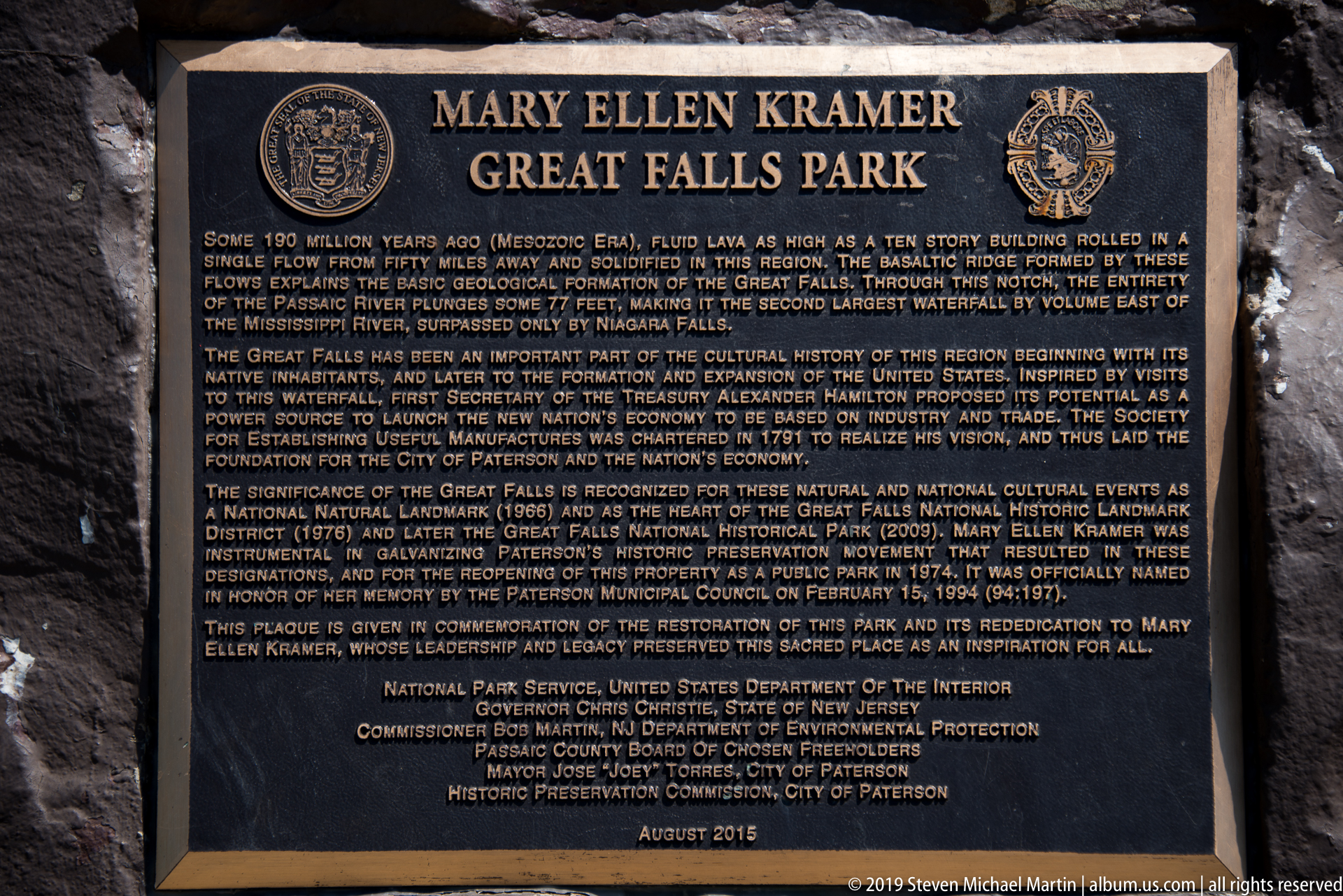
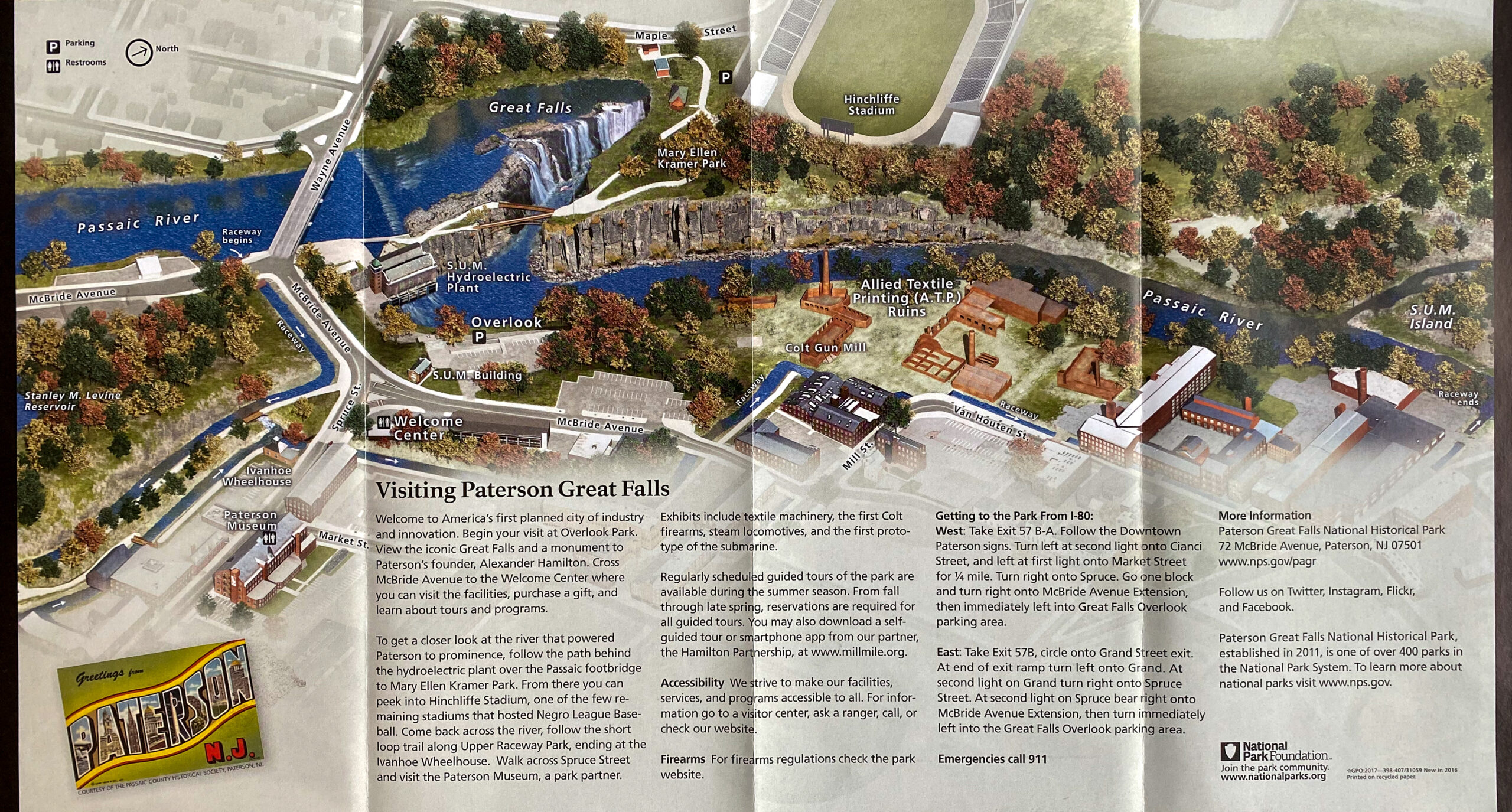
The city of Paterson developed as one of the earliest planned industrial centers in the United States, reflecting efforts during the early republic to establish domestic manufacturing independent from European production. Founded in 1791 under the direction of Alexander Hamilton’s Society for Establishing Useful Manufactures, the city harnessed the power of the Great Falls of the Passaic River to drive mills and factories that supported textile production, metalworking, and other forms of early industrial enterprise.
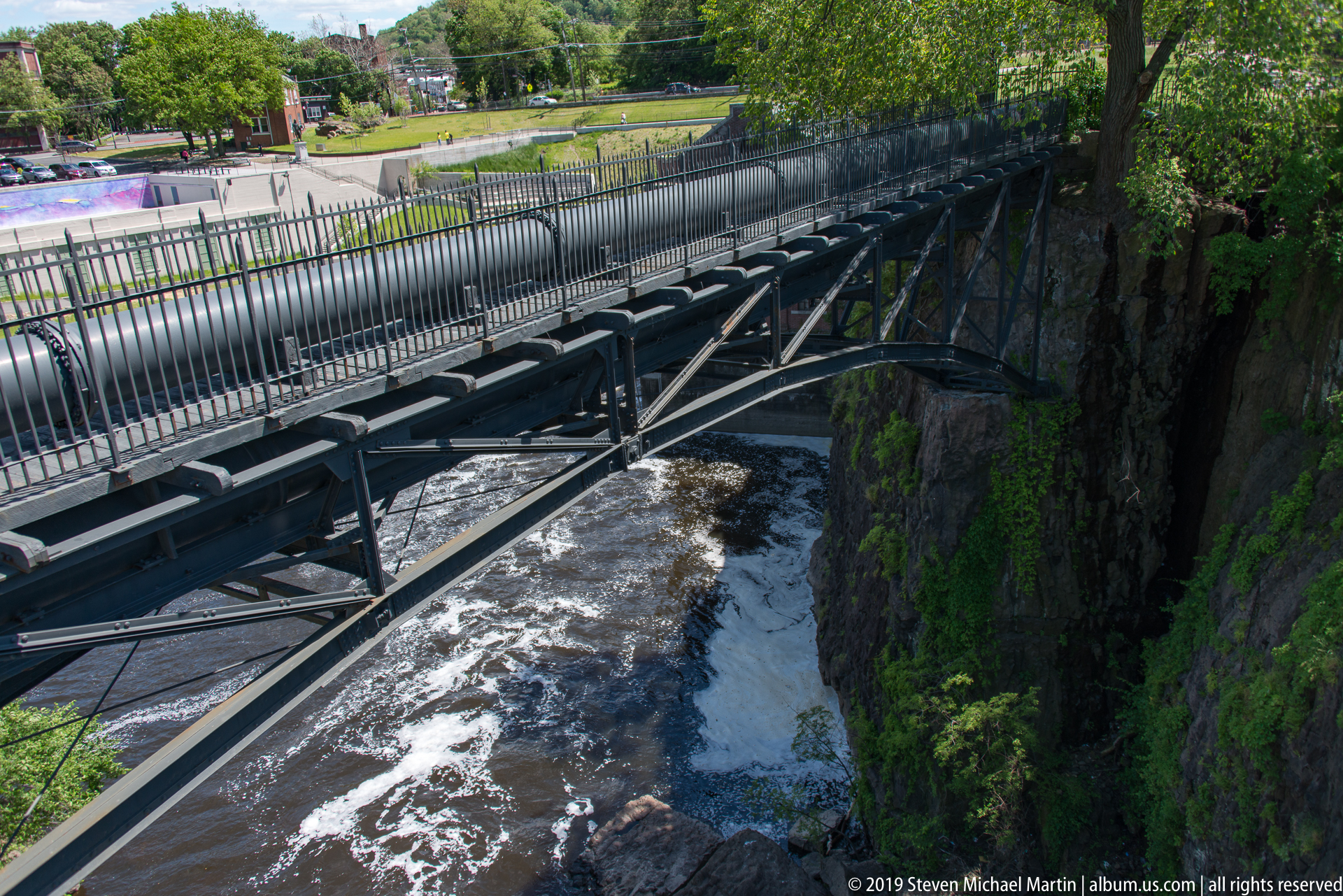
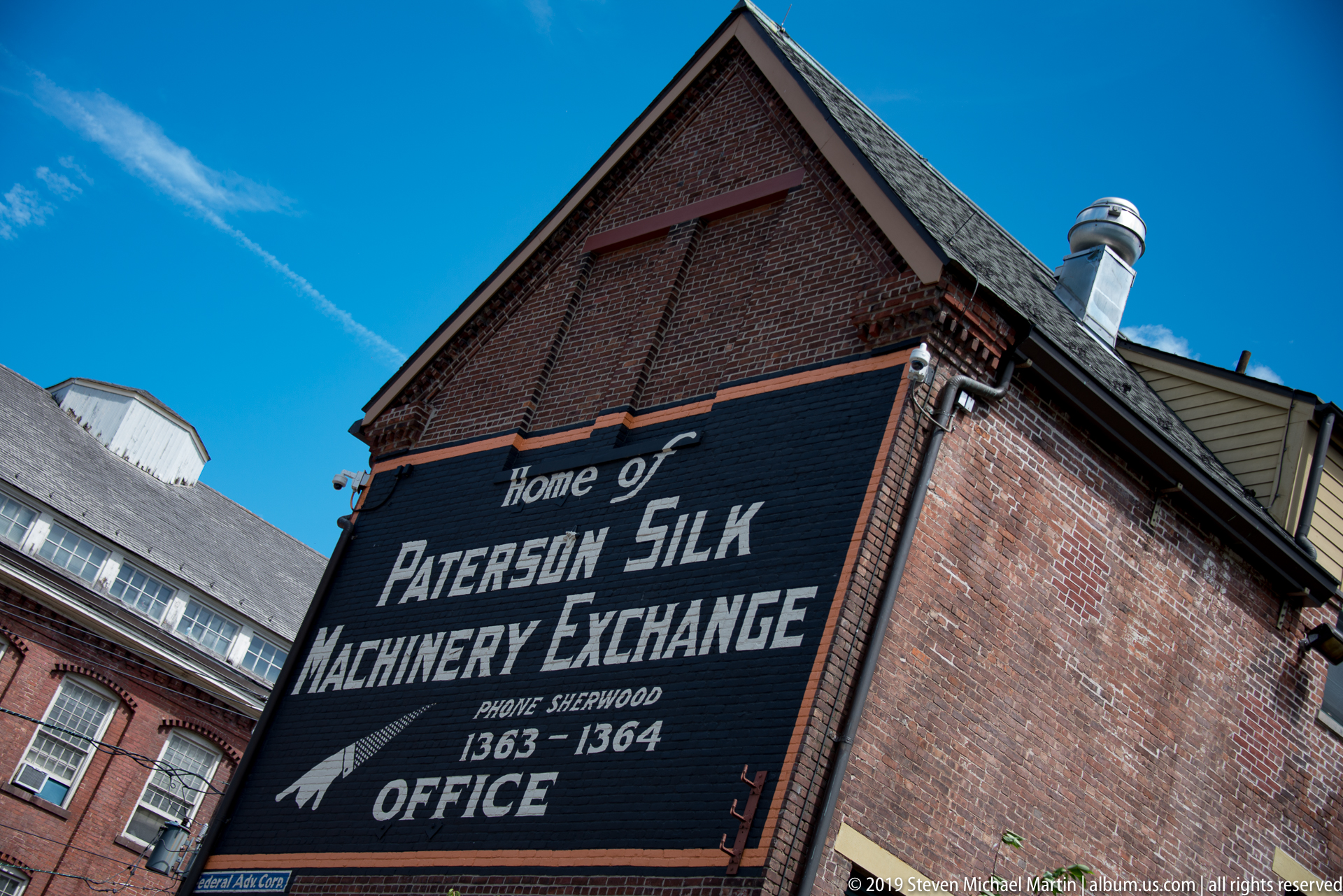
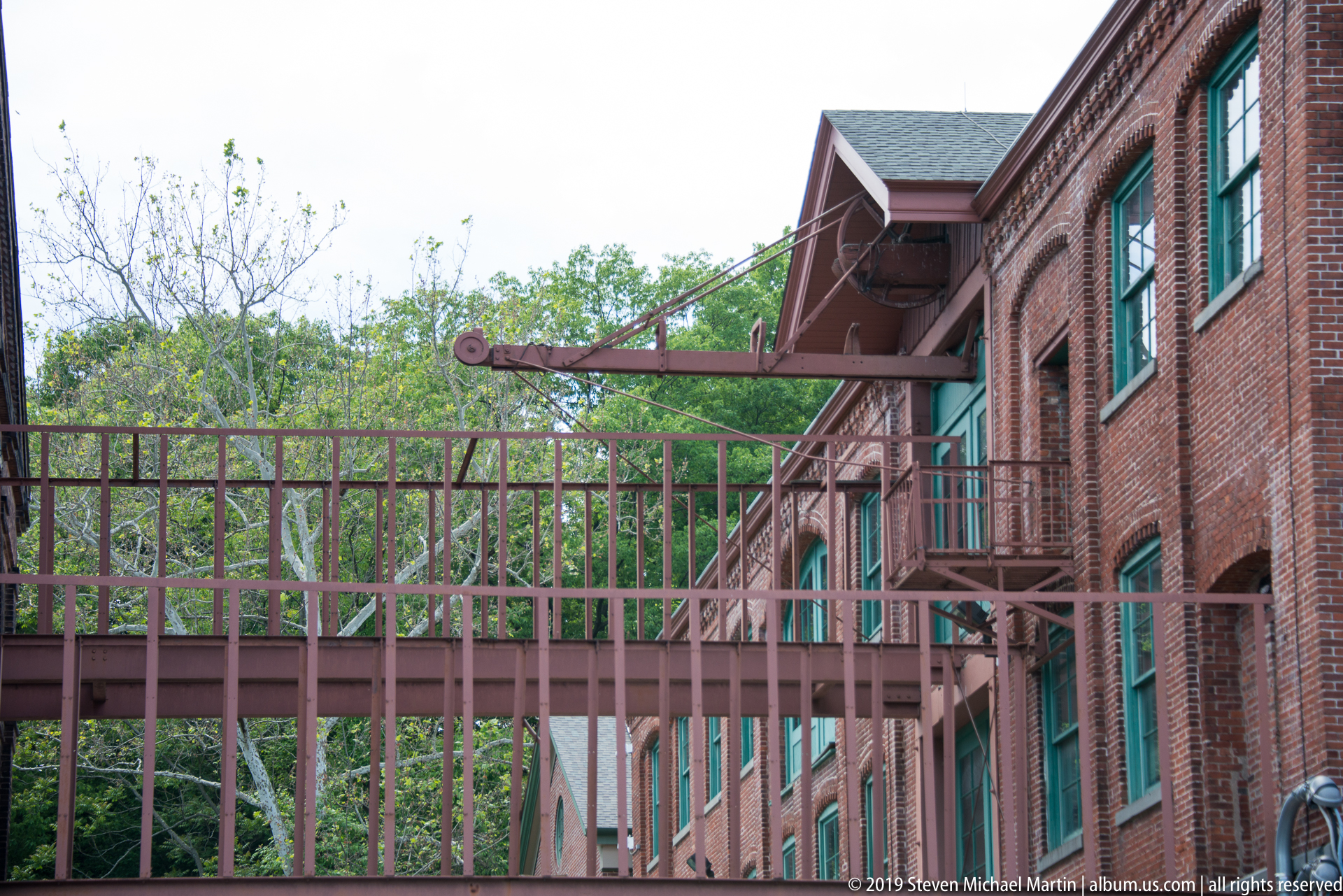
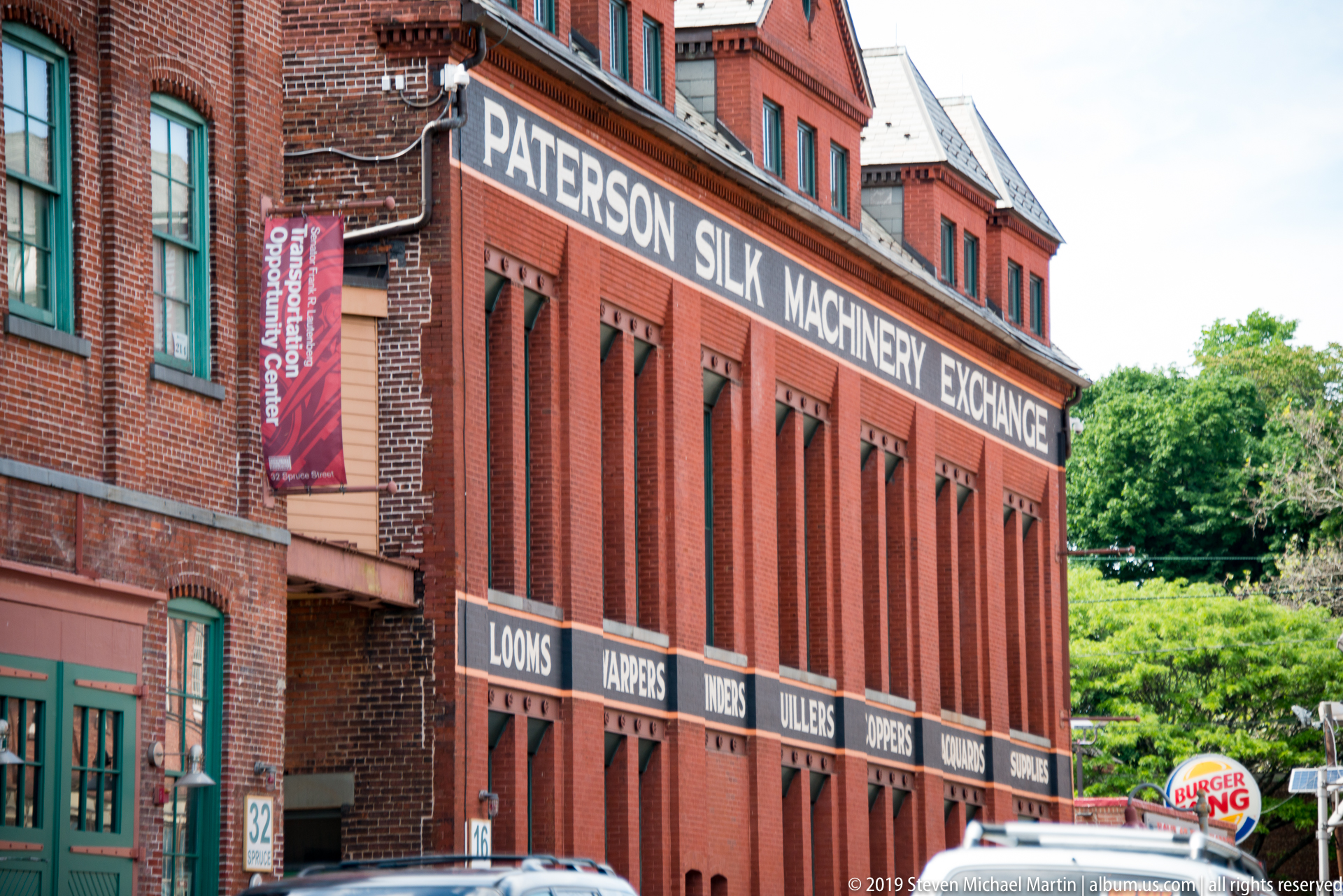
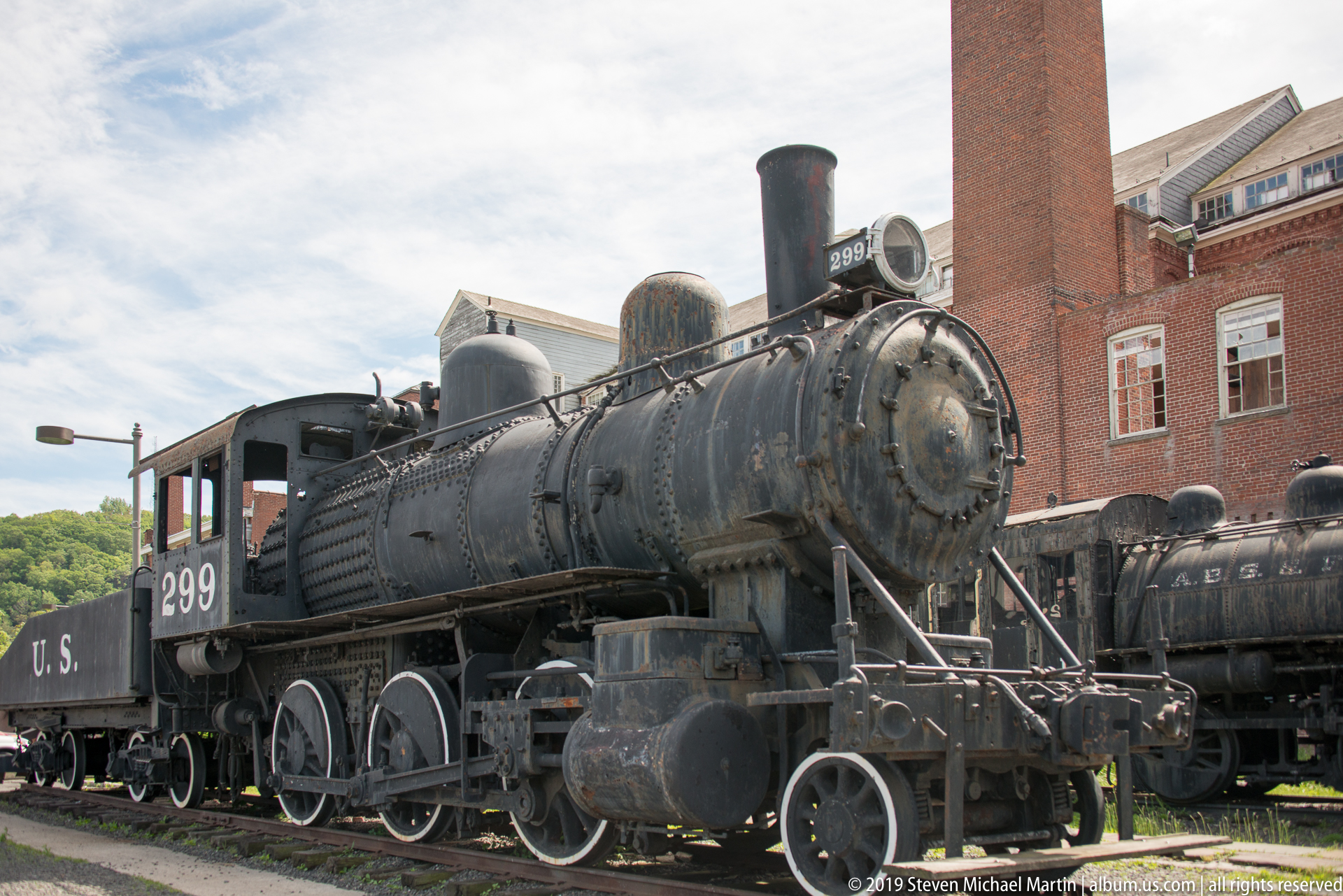
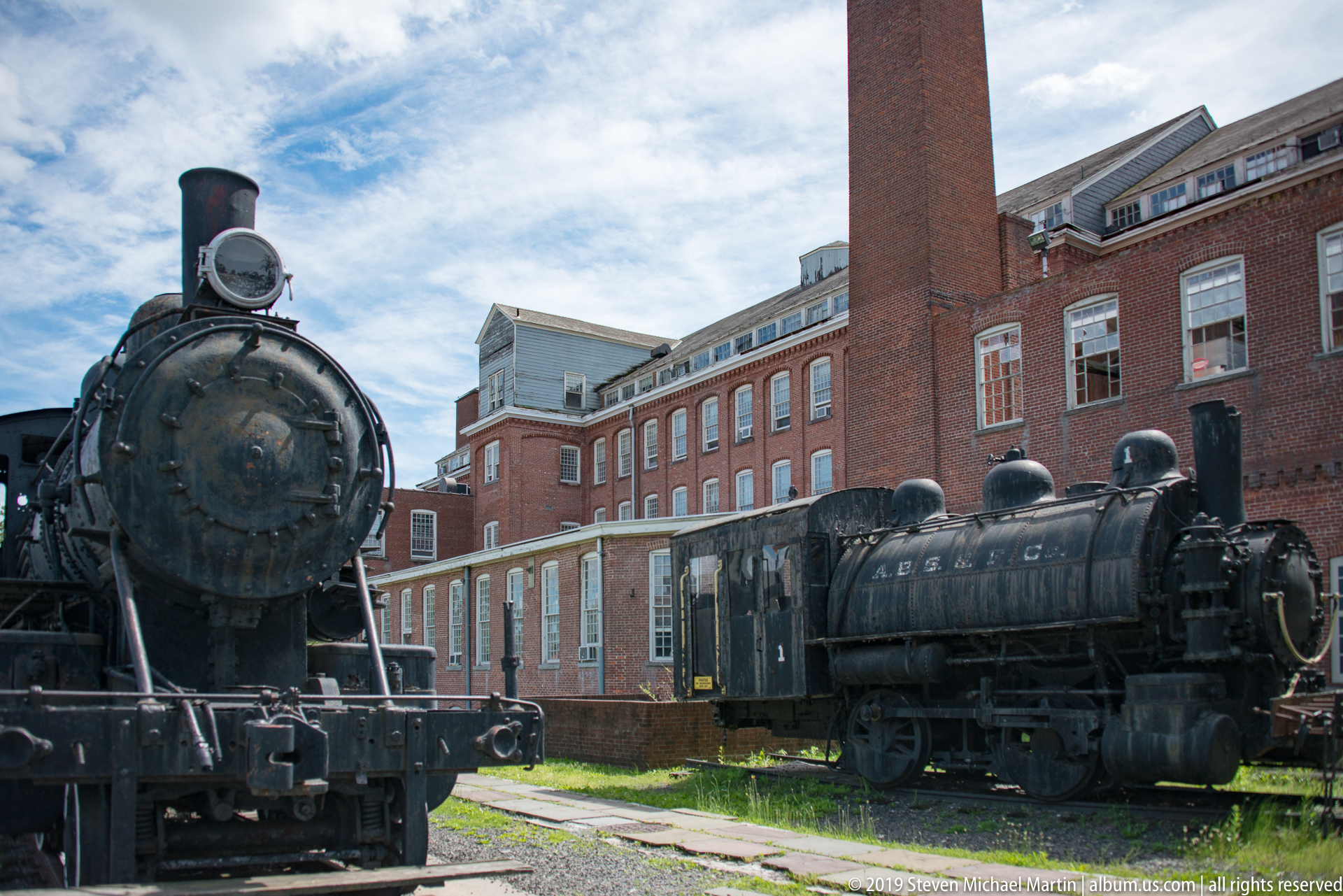
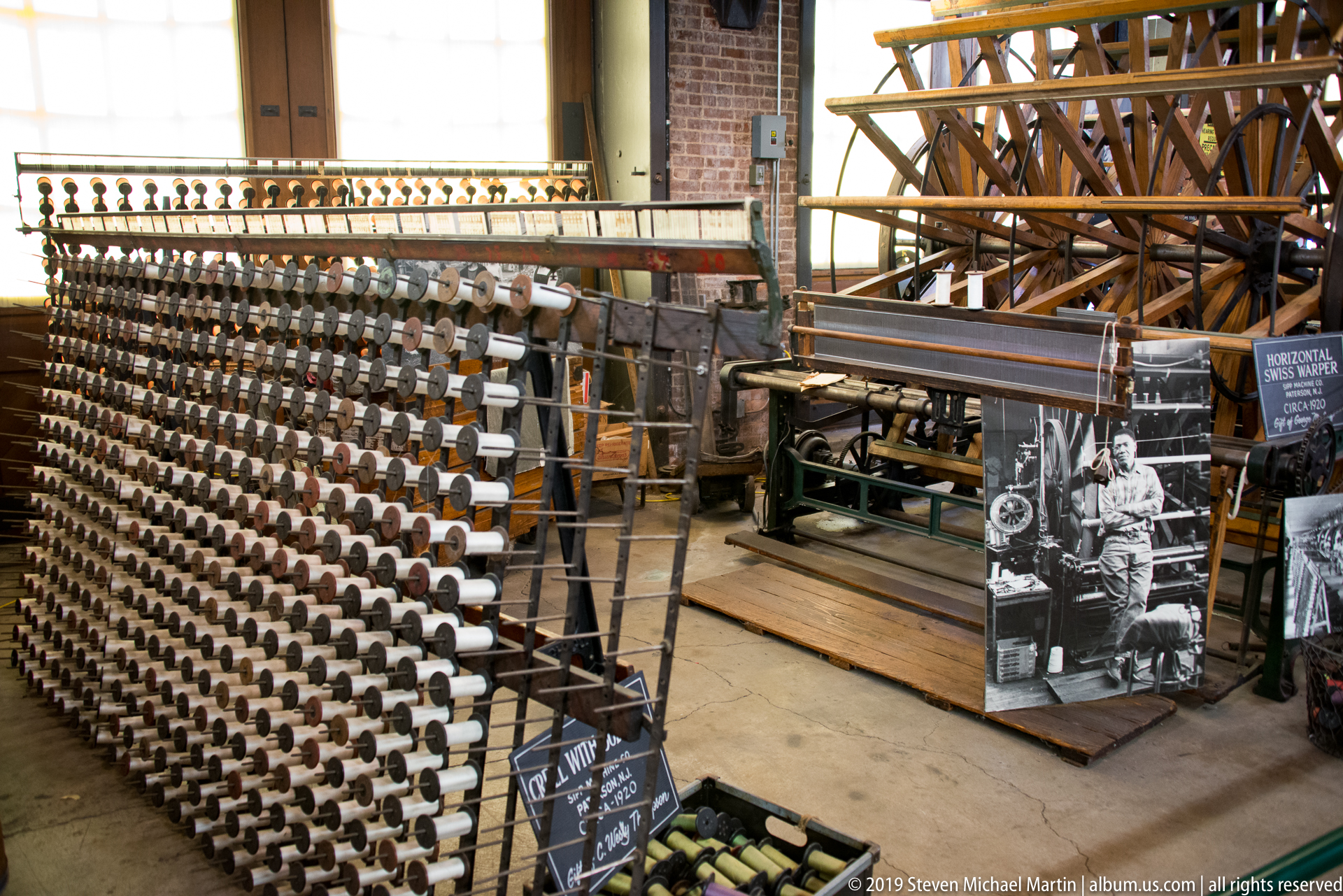
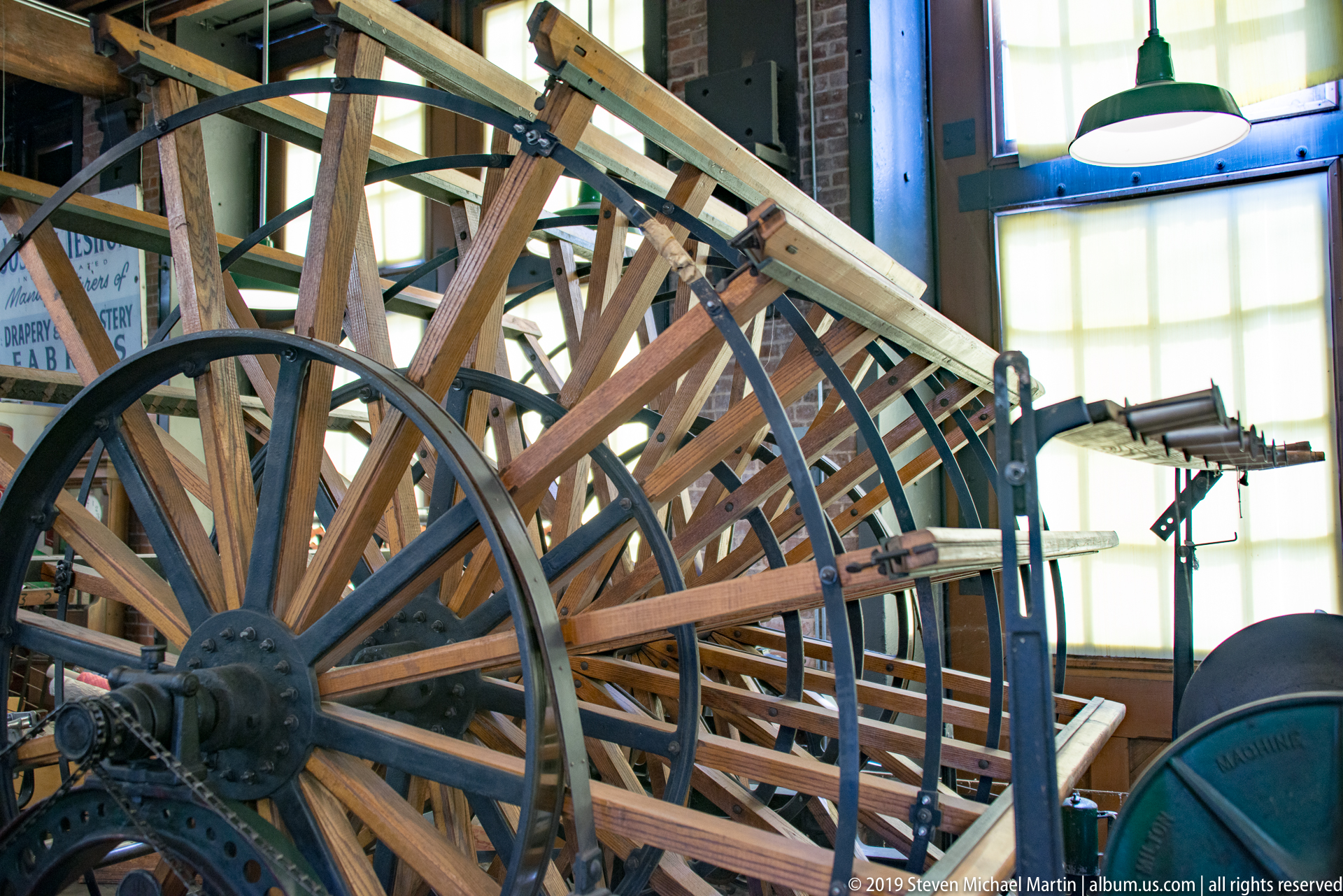
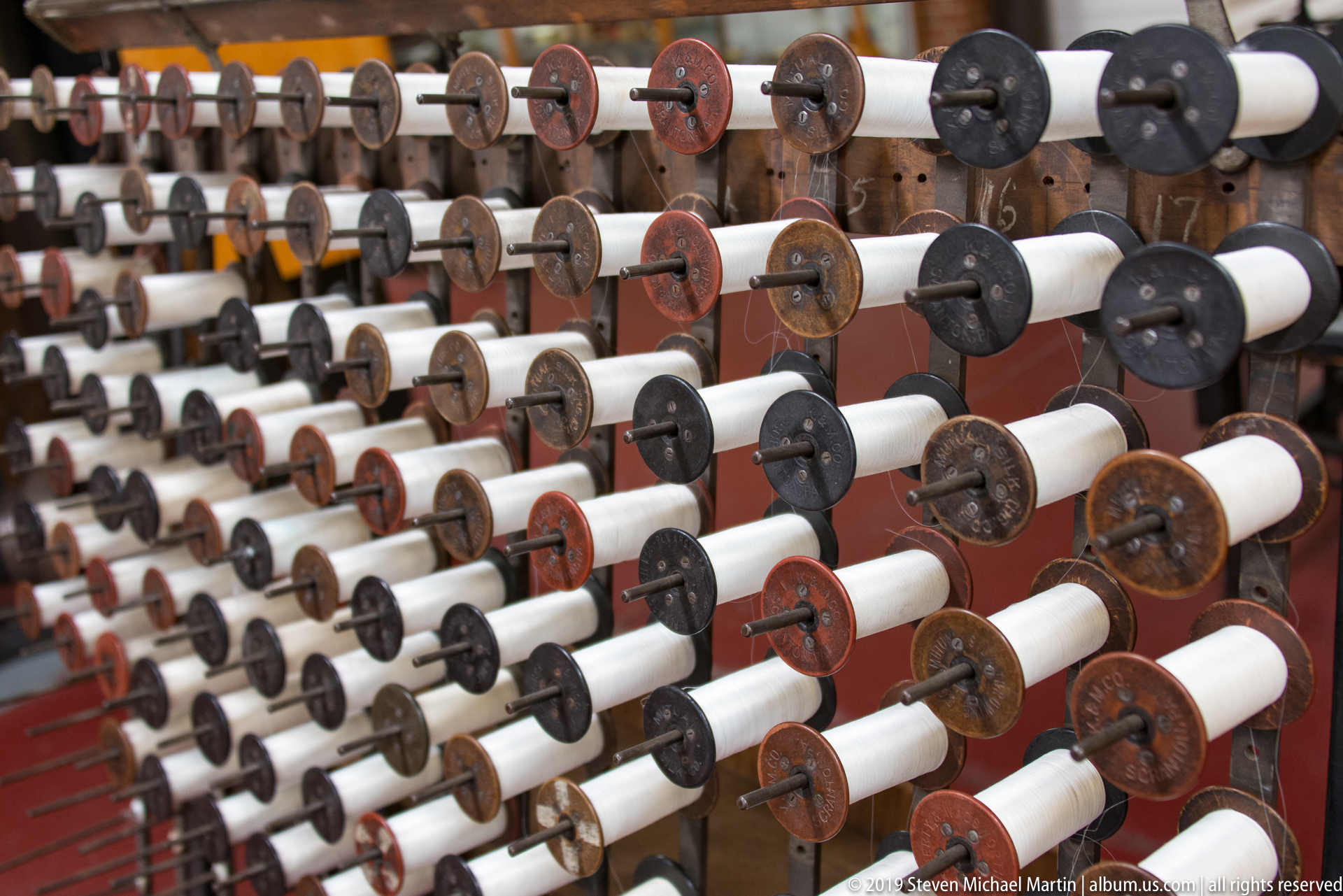
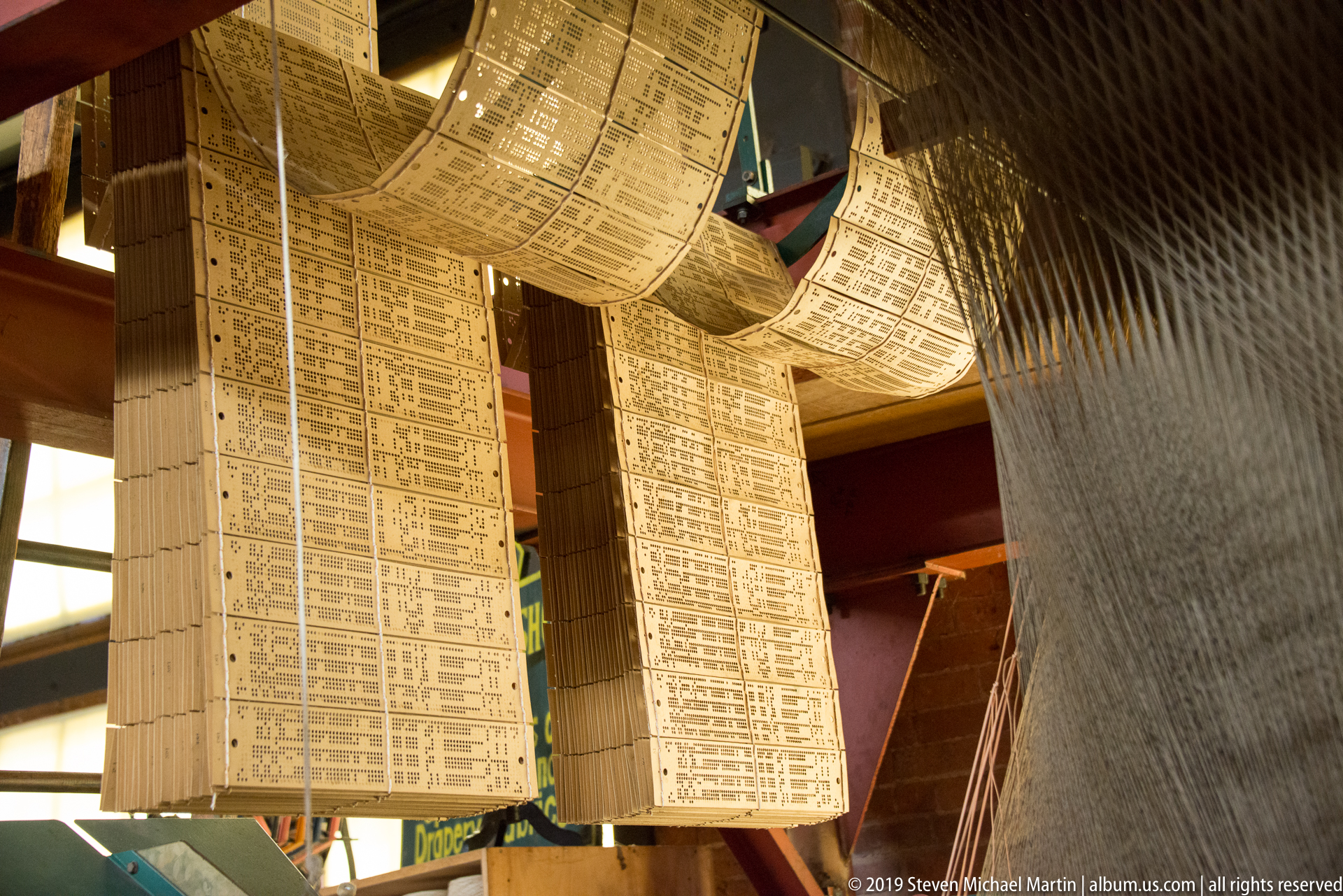
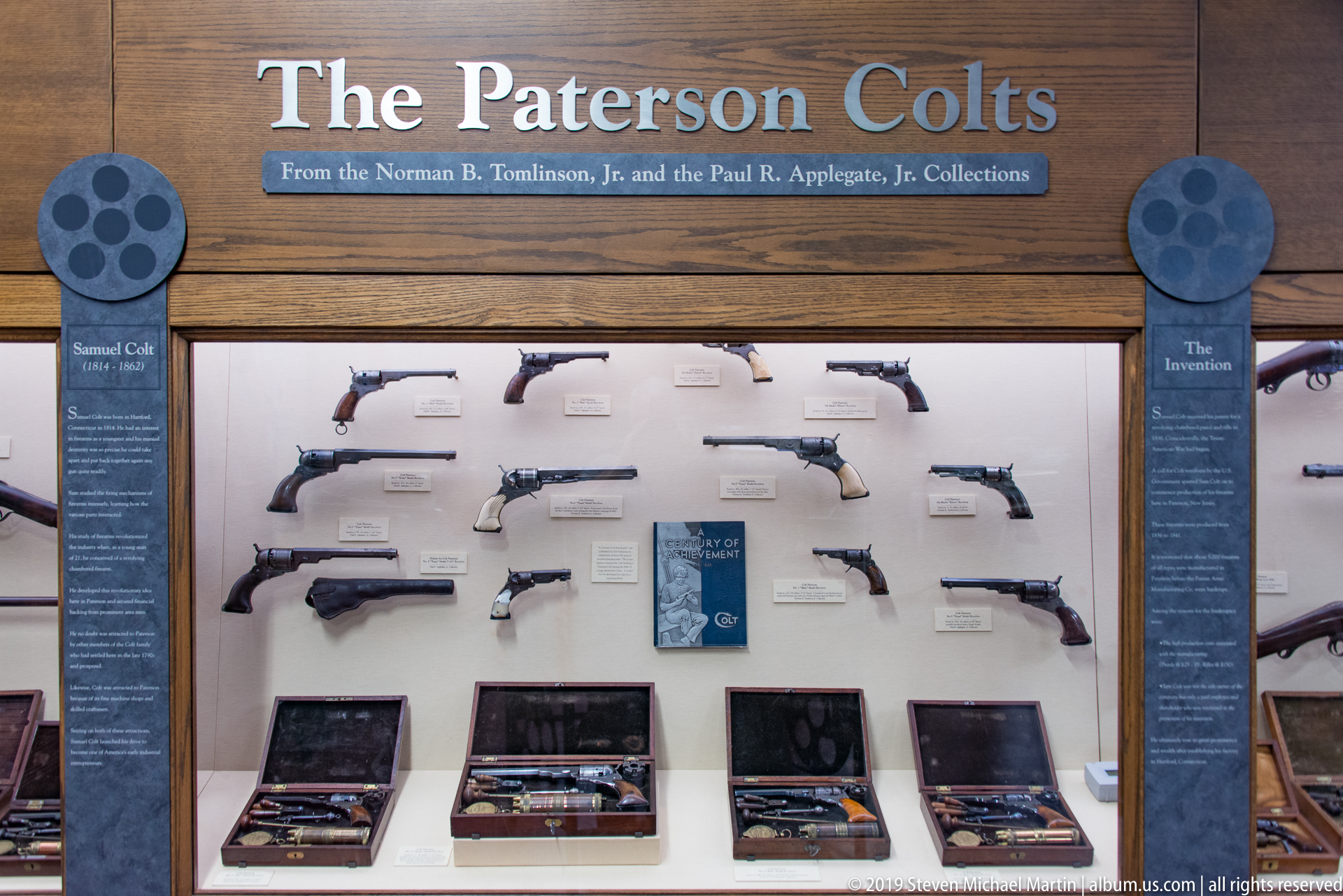
The waterpower provided by the Great Falls enabled the construction of raceways and mill complexes that formed the basis of Paterson’s economic growth throughout the nineteenth century. The city became especially associated with silk manufacturing, earning the name “Silk City,” while also supporting locomotive construction, firearms production, and other forms of industrial innovation. Immigration from Europe contributed to the growth of a skilled workforce whose labor shaped both the physical and social landscape of the region.
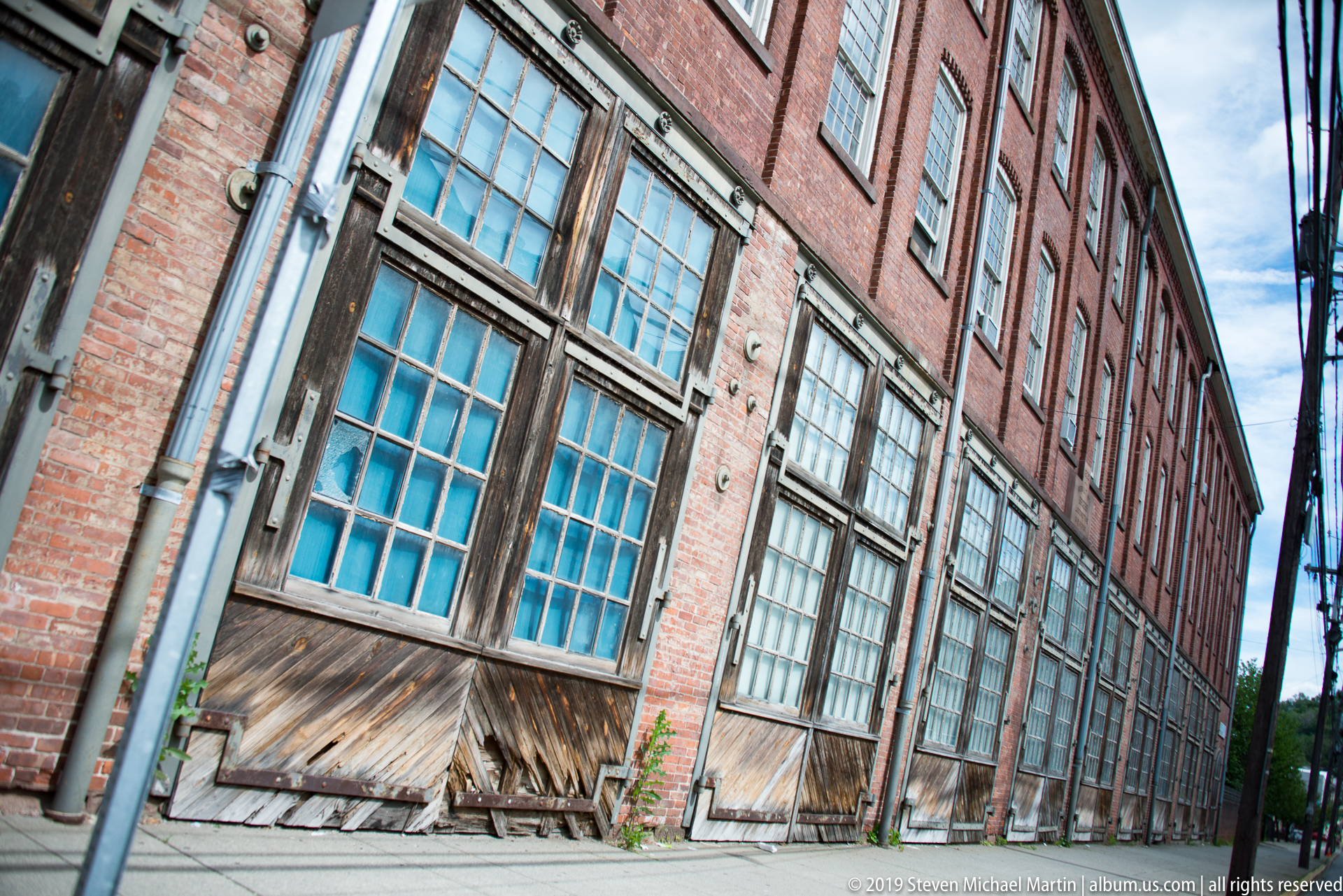
Paterson contributes to understanding how geography, technology, and economic ambition intersected in the early industrial development of the United States. The preserved industrial landscape demonstrates how access to waterpower influenced patterns of settlement and manufacturing across the northeastern states. As one of the country’s earliest planned manufacturing centers, the city reflects the broader transition from agrarian economies to industrial production that characterized the nineteenth century.